

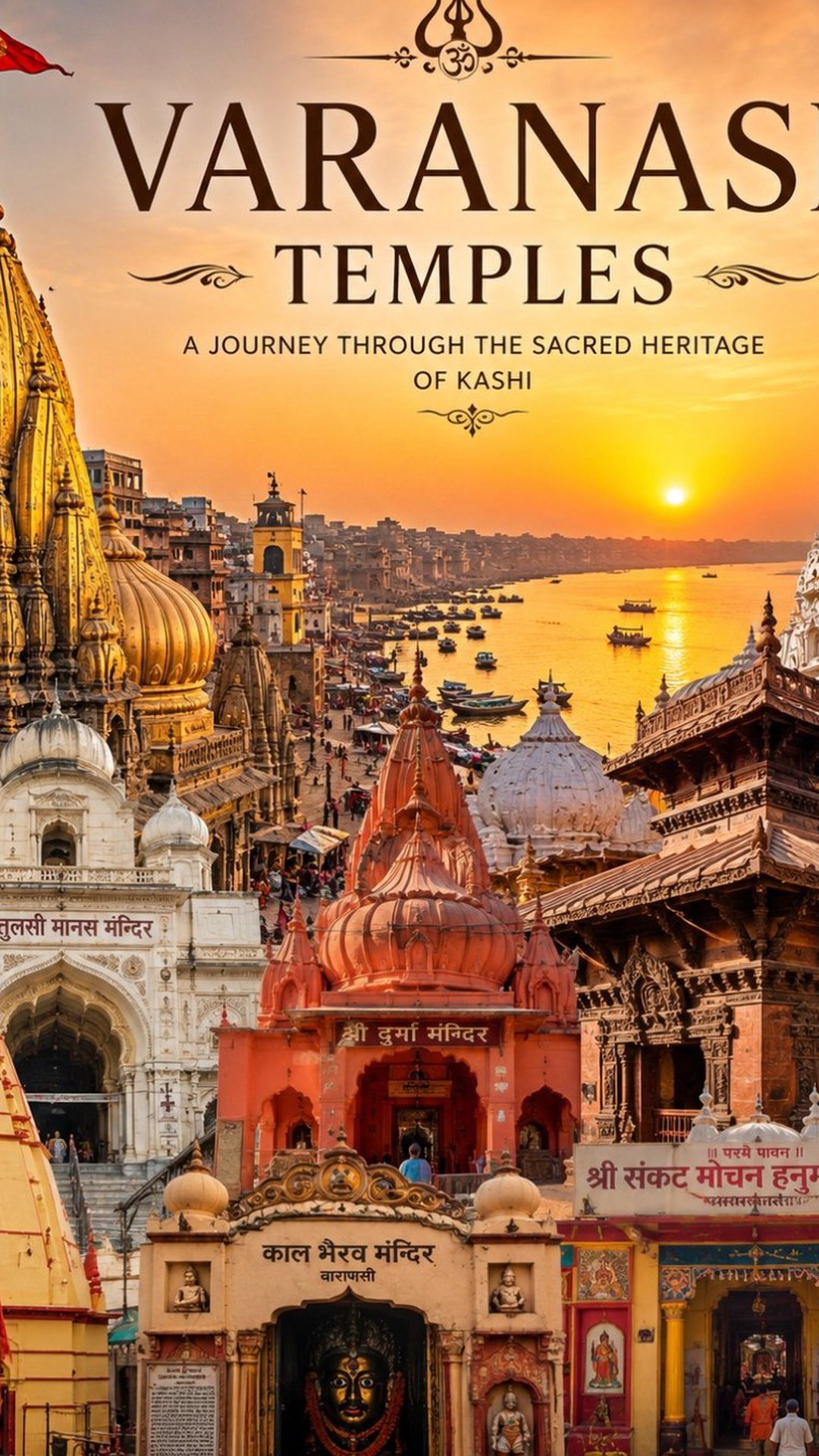
Varanasi Temples: The Complete Darshan Guide
15 essential Temples in Varanasi — Kashi Vishwanath, Kaal Bhairav, Sankat Mochan, Durga Kund & more. Mistakes to avoid, darshan tips Do this trip.
There's an order to this city that no map shows you. Kashi runs on a devotional logic, not a tourist one — and the thing worth knowing before you start is that Kaal Bhairav is said to be the kotwal, the guardian-magistrate of Kashi, and many pilgrims seek his darshan as part of a proper visit to the city, not as an afterthought. Get the sequence and the etiquette right and the temples open up; treat them as a checklist and you'll spend the trip queuing and confused.
You'll begin where the whole city points: Kashi Vishwanath, the golden-spired Jyotirlinga, now reached through the 2021 corridor that runs straight down to the river. You carry nothing in — no phone, no bag, no belt — so you leave it all at the hotel and walk in with only your ID. Close by, in the same complex, you'll take darshan at Annapurna Devi, the goddess of nourishment who, in the story, feeds even Shiva. Then into the lanes for Vishalakshi, one of the Shakti Peethas where the goddess is said to have fallen to earth — small, hard to find, and a national pilgrimage in its own right — and for Kaal Bhairav, fierce and garlanded, the city's guardian.
Beyond the old city, the journey widens. You'll hear the Hanuman Chalisa at Sankat Mochan, founded by Tulsidas, where the monkeys are as much residents as the devotees. You'll circle Durga Kund and its red temple, and read Tulsidas's own Ramcharitmanas written on the marble walls of Tulsi Manas Mandir. And you'll find the calm modern counterpoint at the New Vishwanath Temple inside the Banaras Hindu University campus, open to all, quiet under its tall white spire.
A few things carry the whole trip. Come between October and March, when the queues are bearable and the barefoot stone is kind. Go early, and avoid Mondays and the month of Sawan at Vishwanath unless the crush itself is what you've come for. Dress modestly, cover your shoulders and knees, and be ready to go barefoot from every shoe stand. Carry small notes for offerings, book Sugam Darshan ahead where you can, and take a guide through the galis — the old-city lanes are a maze, and half these temples are genuinely hard to find alone. What you'll come away with isn't a set of photographs — most of these sanctums don't allow them — it's the sense of a living, working sacred city that has been doing exactly this, in exactly these lanes, for longer than almost anywhere on earth.
849
Stops
Home
MomentKashi Vishwanath Temple Road, Varanasi

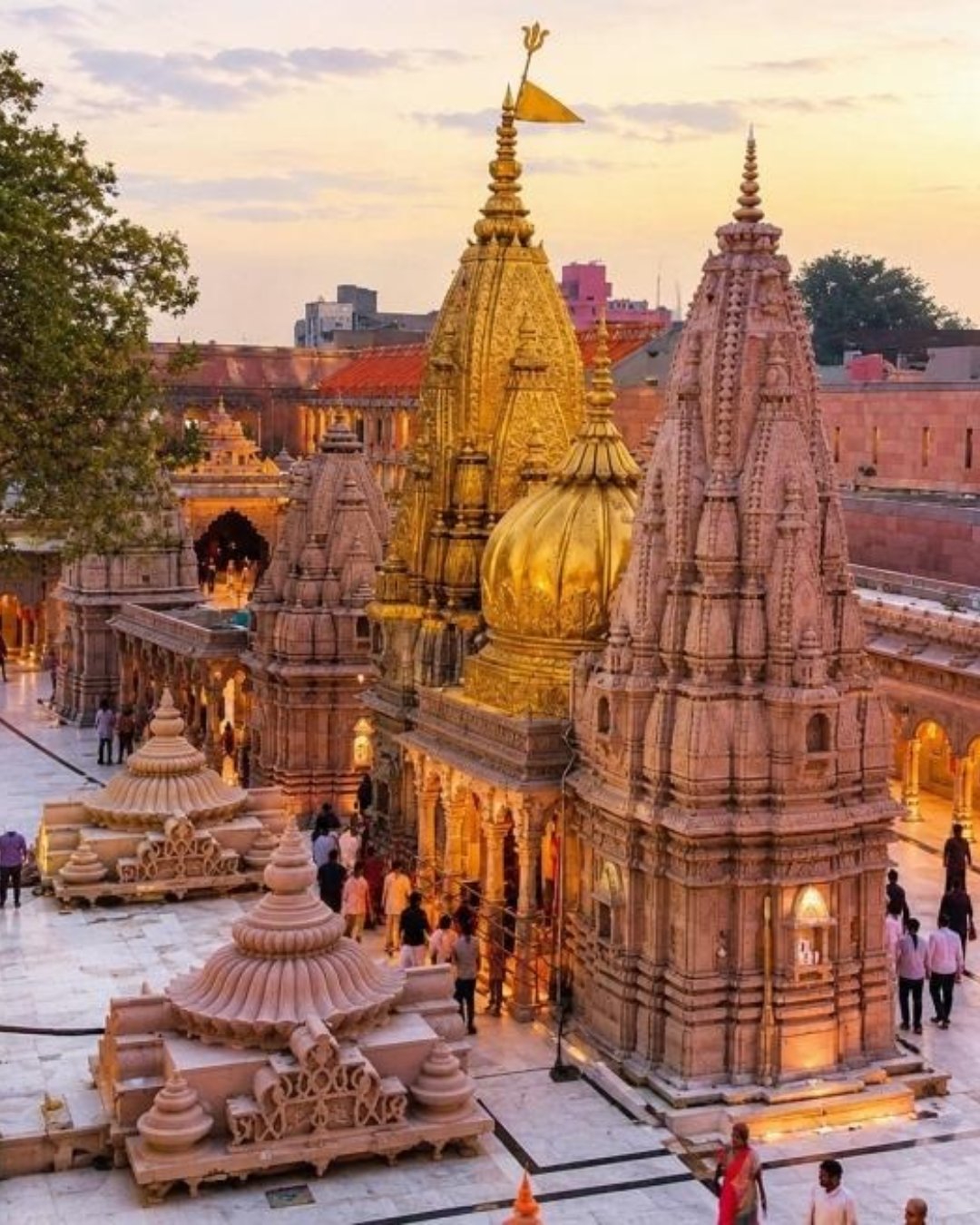
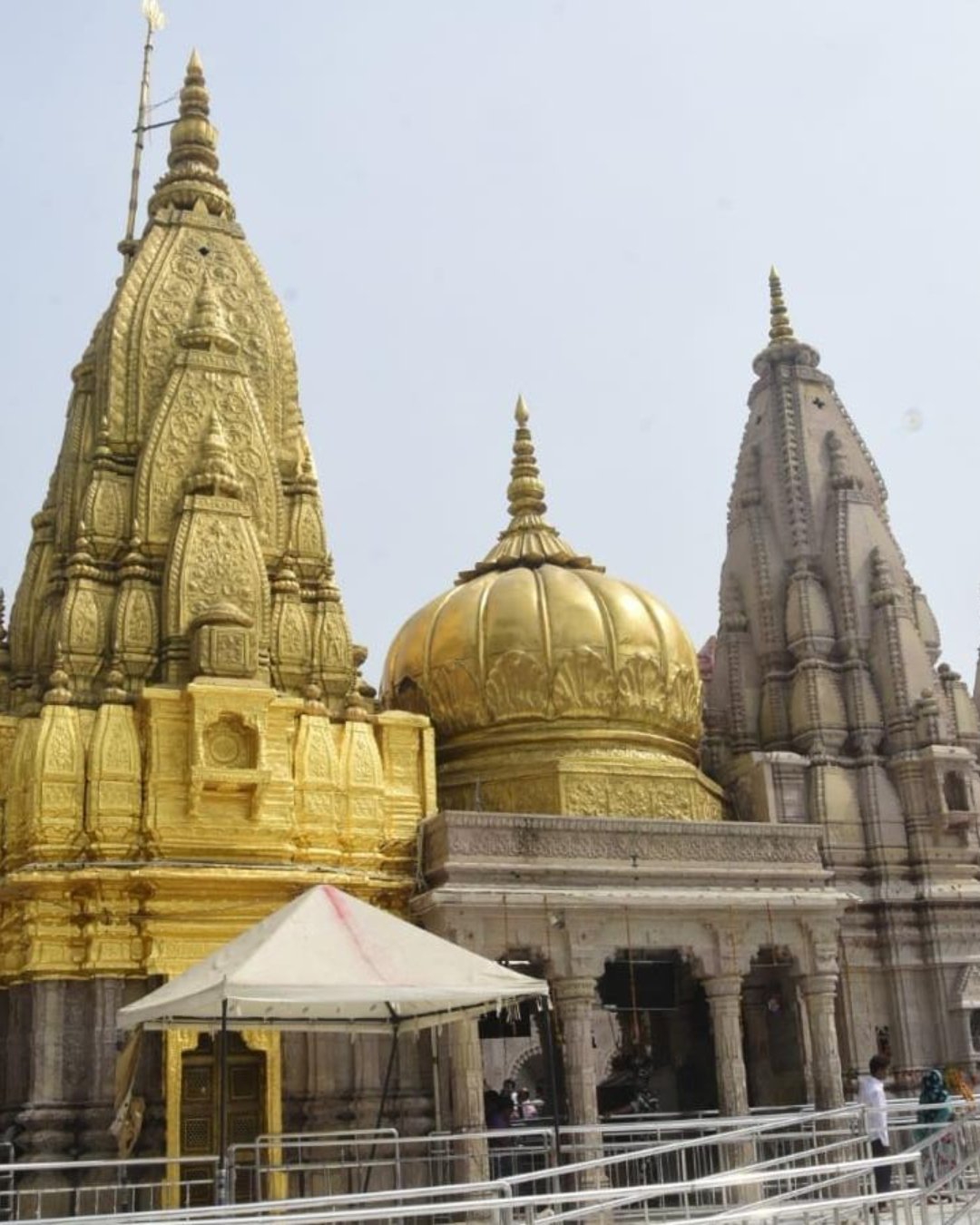
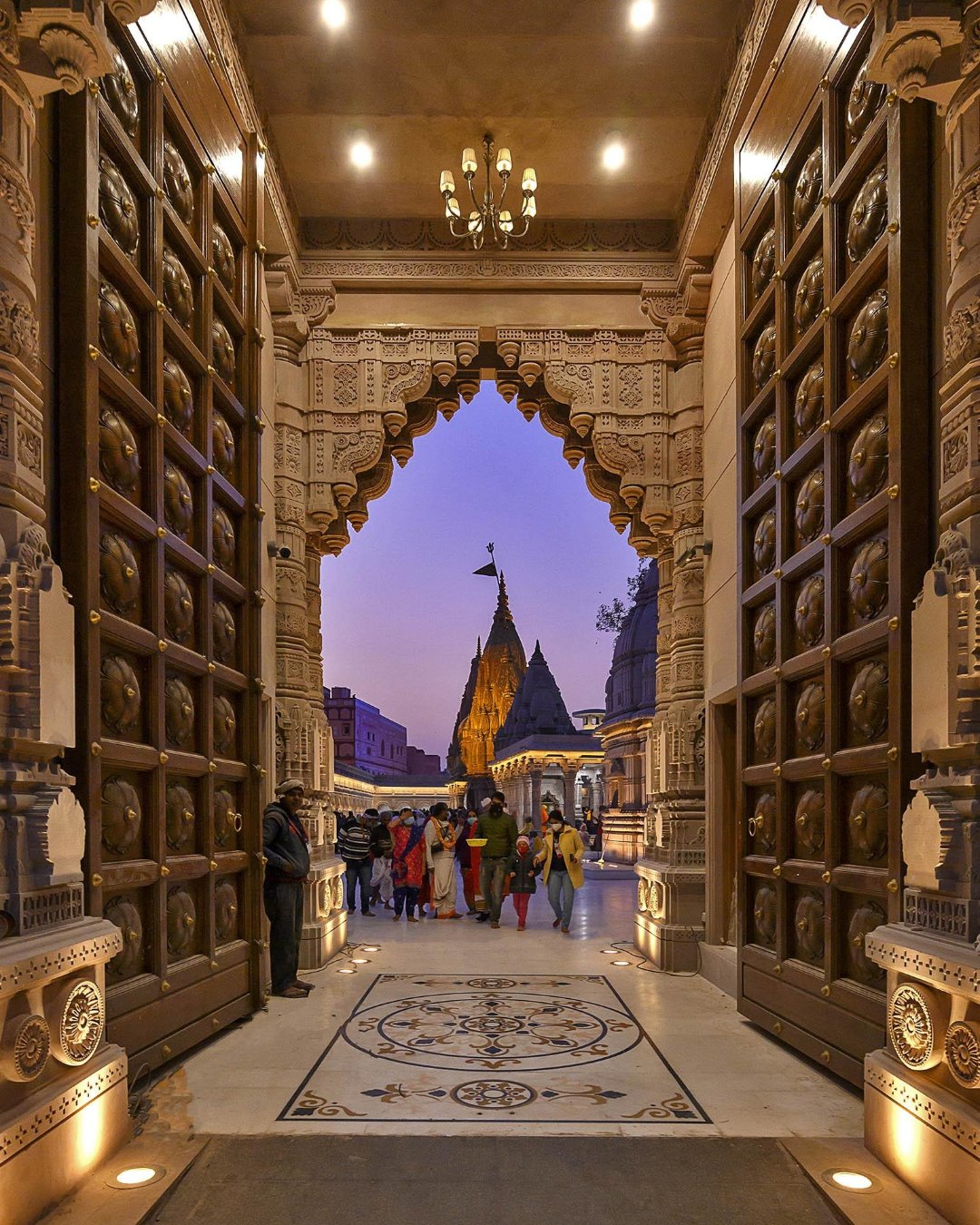
Kashi Vishwanath Temple
You've probably got this at the top of your list — the golden temple, the holiest Shiva shrine in the holiest city, one of the twelve Jyotirlingas. But here's the thing nobody tells you: turn up at the temple gate on a Monday in Sawan with your phone in your pocket and no darshan booking, and you'll spend hours in a security line, get sent back to find a locker, and shuffle past the sanctum in just a few seconds. The darshan everyone describes and the darshan most first-time visitors actually experience can be very different.
Why the day and the hour decide everything
Let's fix that. Here's how the New Vishwanath Temple actually works, and how to get it right the first time.
The temple is open for long hours each day, but the crowd isn't constant. It's quietest very early in the morning, just after the pre-dawn Mangala Aarti, and becomes progressively busier as the day goes on. Mondays, dedicated to Lord Shiva, attract much larger crowds, while the holy month of Sawan (July–August) brings thousands of additional pilgrims. Festival days are even busier.
The best approach is simple: visit early on a weekday, ideally just after sunrise. The weather is cooler, the queues are shorter, and you'll have a much better opportunity for a peaceful darshan instead of being quickly moved along by the crowd.
What you'll actually see
Since 2021, the temple has been connected to the Ganga through the grand Kashi Vishwanath Dham Corridor, creating a spacious entrance unlike the old, crowded lanes.
The Jyotirlinga — the sacred self-manifested Shiva lingam that draws devotees from across India.
The golden spire and dome — covered with gold donated by Maharaja Ranjit Singh and especially beautiful in the morning light.
The Kashi Vishwanath Dham Corridor — a wide complex of courtyards and pathways connecting the temple directly to Lalita Ghat and Ahilyabai Ghat.
The historic Vishwanath Gali — the traditional approach through the bustling old city, filled with shops, sweet stores, and centuries-old temples.
Dress modestly with shoulders and knees covered, and be prepared to remove your shoes before entering the temple complex.
One important rule catches many visitors by surprise: prohibited items are not allowed inside the temple. Mobile phones, cameras, large bags, and several other personal belongings must be deposited before entering. Travellers who visit without distractions often say that the chanting, incense, temple bells, and the atmosphere inside become the memories they cherish most because there are no photographs to take—only the experience itself.
Pro tip: If available during your visit, book a Sugam Darshan slot in advance to reduce waiting time during busy periods. Arriving through the Kashi Vishwanath Dham Corridor from the river side offers a more spacious and convenient approach than navigating the narrow lanes. If you're visiting on a Monday or during Sawan, arrive as early as possible to avoid the longest queues.
The mistakes that ruin it
Most first-time visitors make the same mistakes. They arrive carrying prohibited items and spend unnecessary time dealing with storage facilities. They visit during peak morning hours on Mondays without any advance planning and end up waiting much longer than expected. Others follow unofficial guides through the old lanes and are diverted into shops before reaching the temple.
The easiest solution is to visit early, travel light, and plan your darshan in advance whenever possible.
Want the darshan timed right — early slot, no queue chaos, river approach sorted? Hit Do this trip —we'll plan the morning.
491
MomentShree Annapurna Mandir, Varanasi

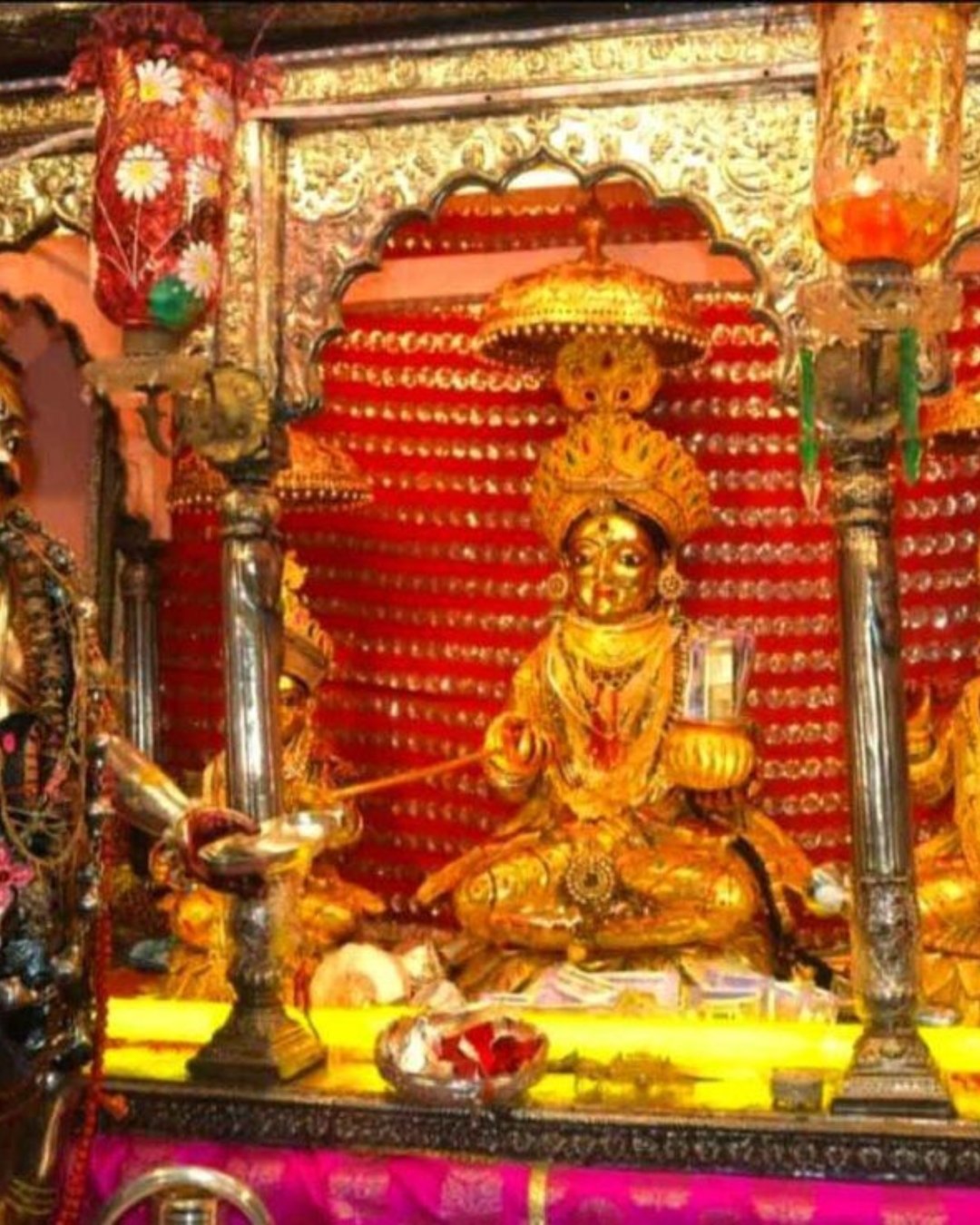
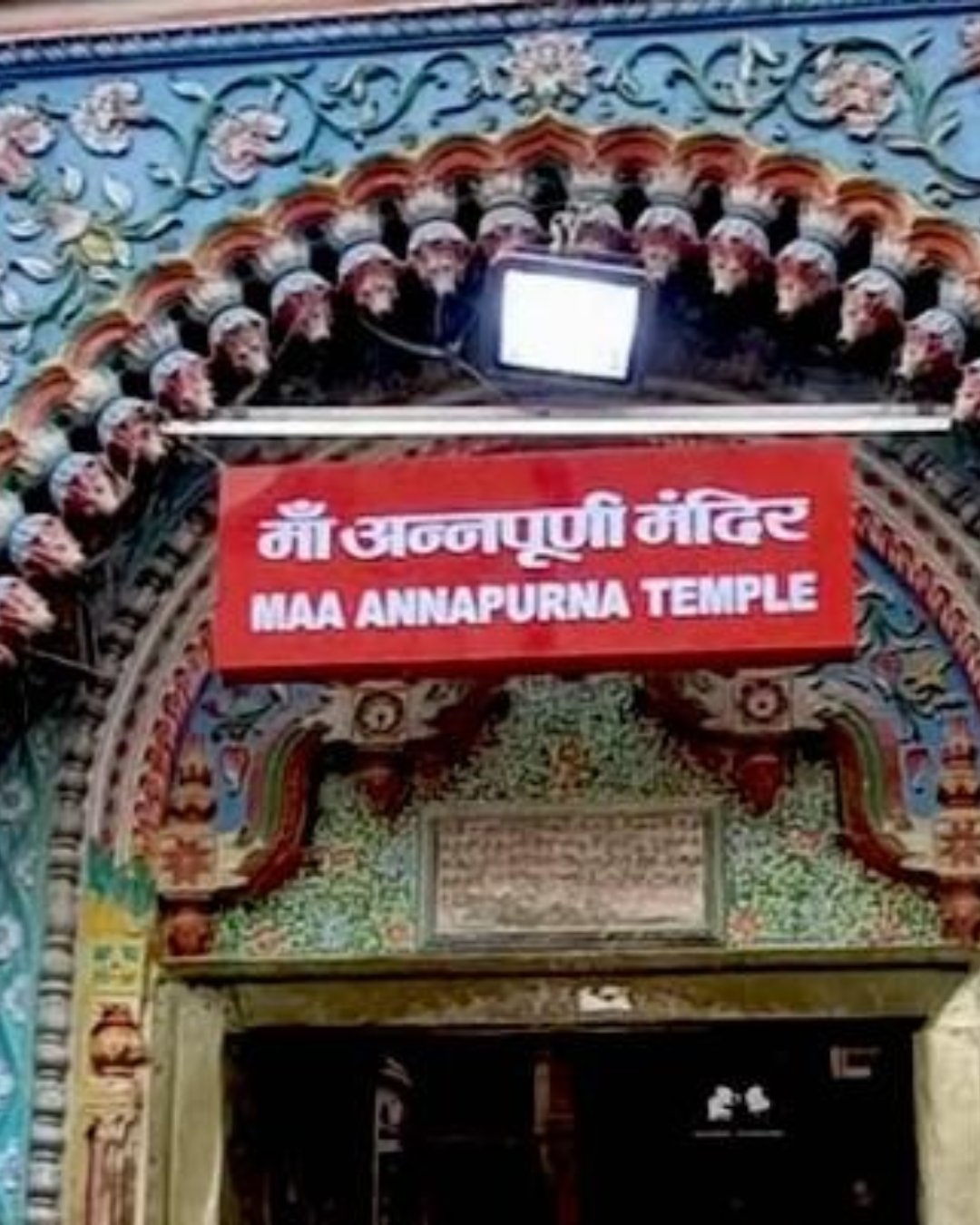
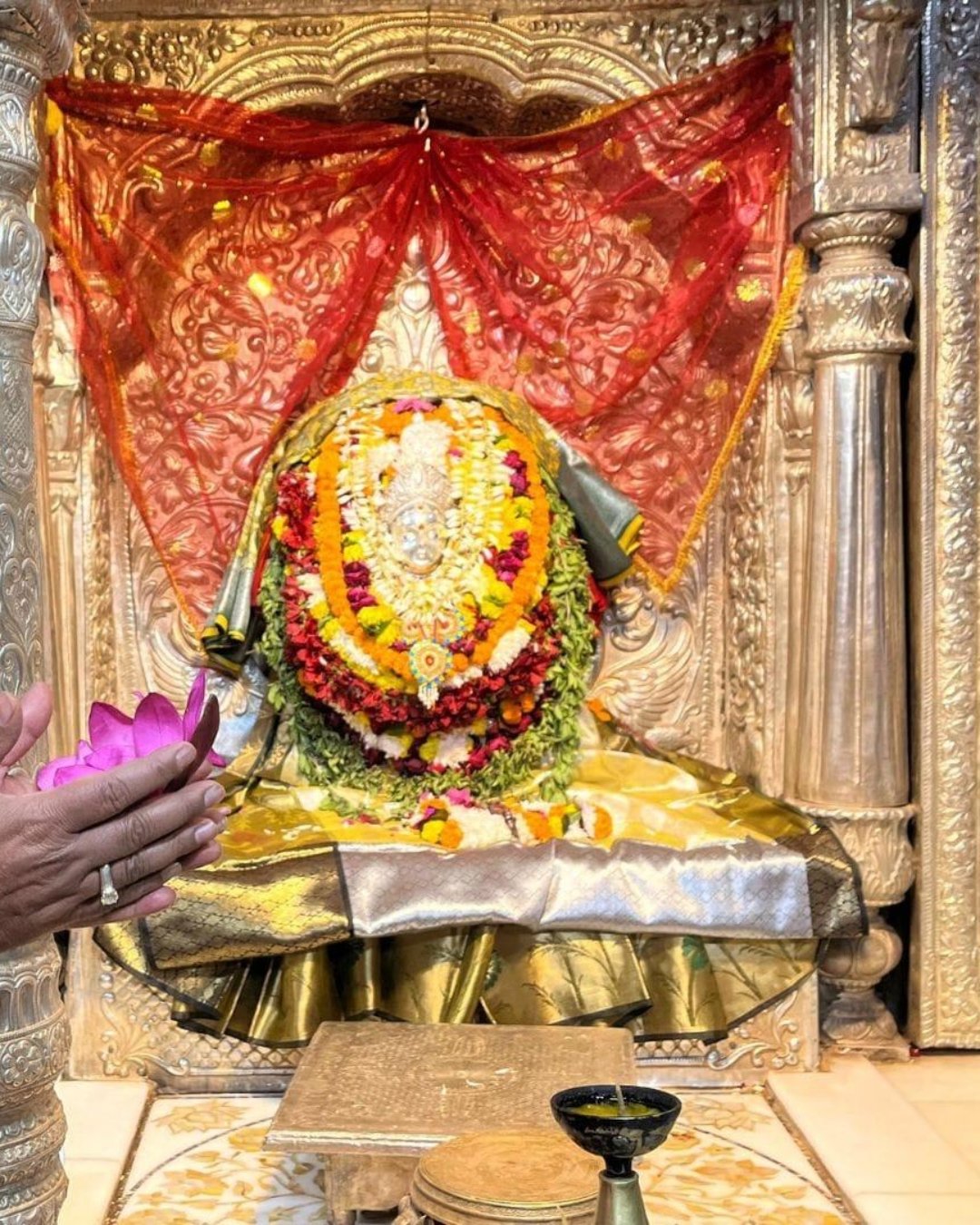
Annapurna Devi Temple
You've probably got Kashi Vishwanath circled and haven't heard of this one. But here's the thing nobody tells you: the Annapurna Devi Temple sits right beside it, almost sharing a wall, and most pilgrims visit both in a single stop without realising the second temple is where the city's whole philosophy of abundance and hospitality comes alive. Annapurna is the Goddess of Food and Nourishment, and the belief in Kashi is that nobody goes hungry in her city. Rush past after visiting Vishwanath, and you miss a shrine that has shaped the daily life of Banaras for centuries.
Let's fix that. Here's how the Annapurna Devi Temple actually works, and how to get it right the first time.
Why you pair it with Vishwanath, and go early
Annapurna Devi—meaning "She Who Nourishes"—stands just beside Kashi Vishwanath in the heart of the old city, and visiting both temples together is a long-standing tradition. Many devotees consider their pilgrimage incomplete without seeking blessings from Annapurna after offering prayers at Vishwanath.
Visit early in the morning for the same reason you visit Kashi Vishwanath early. The narrow lanes become increasingly crowded as the day progresses, especially on Mondays, during the holy month of Sawan, and on major festival days. Arriving after sunrise allows you to complete both darshans while the old city is still relatively peaceful.
What you'll actually see
The main sanctum — the everyday form of Goddess Annapurna, worshipped throughout the year.
The Golden Annapurna idol — a special golden image displayed to devotees only during the Annakut and Dhanteras celebrations around Diwali, attracting thousands of pilgrims.
The prasad and food tradition — offerings symbolising nourishment and the timeless belief that the Goddess feeds everyone who comes to Kashi.
Kashi Vishwanath Temple — located immediately beside Annapurna, making it easy to visit both temples during the same pilgrimage.
Dress modestly, remove your shoes before entering, and be prepared to leave restricted belongings outside, just as you would for Kashi Vishwanath. Mobile phones and large bags are generally not permitted within the secured temple zone.
Once inside, keep your attention on the experience rather than on photography. Visitors often remember the fragrance of incense, the ringing temple bells, the steady stream of devotees, and the quiet presence of the Goddess far more vividly than any photograph. Annapurna is a living temple where worship comes before sightseeing.
Pro tip: Visit Annapurna and Kashi Vishwanath together during the same early-morning pilgrimage instead of making separate trips. If your visit coincides with Annakut, shortly after Diwali, you'll have the rare opportunity to see the Golden Annapurna idol, though you should expect much longer queues. Leave unnecessary belongings at your hotel and carry only essential identification, a small amount of cash, and any offerings you wish to make.
The mistakes that ruin it
Most first-time visitors make the same mistakes. They complete their Kashi Vishwanath darshan and leave without realising Annapurna Temple is only a few steps away. They arrive during the busiest part of the day and spend far longer in queues than necessary. Others expect to see the Golden Annapurna idol throughout the year, not knowing it is displayed only during specific festivals.
The easiest solution is to plan both temples together during an early visit and understand which darshan is available during your travel dates.
Want both temples in one seamless early-morning darshan, timing perfect? Hit Do this trip— we'll handle the sequence.
364
MomentShri Vishalakshi Mata Shaktipeeth Temple, Kashi, Varanasi

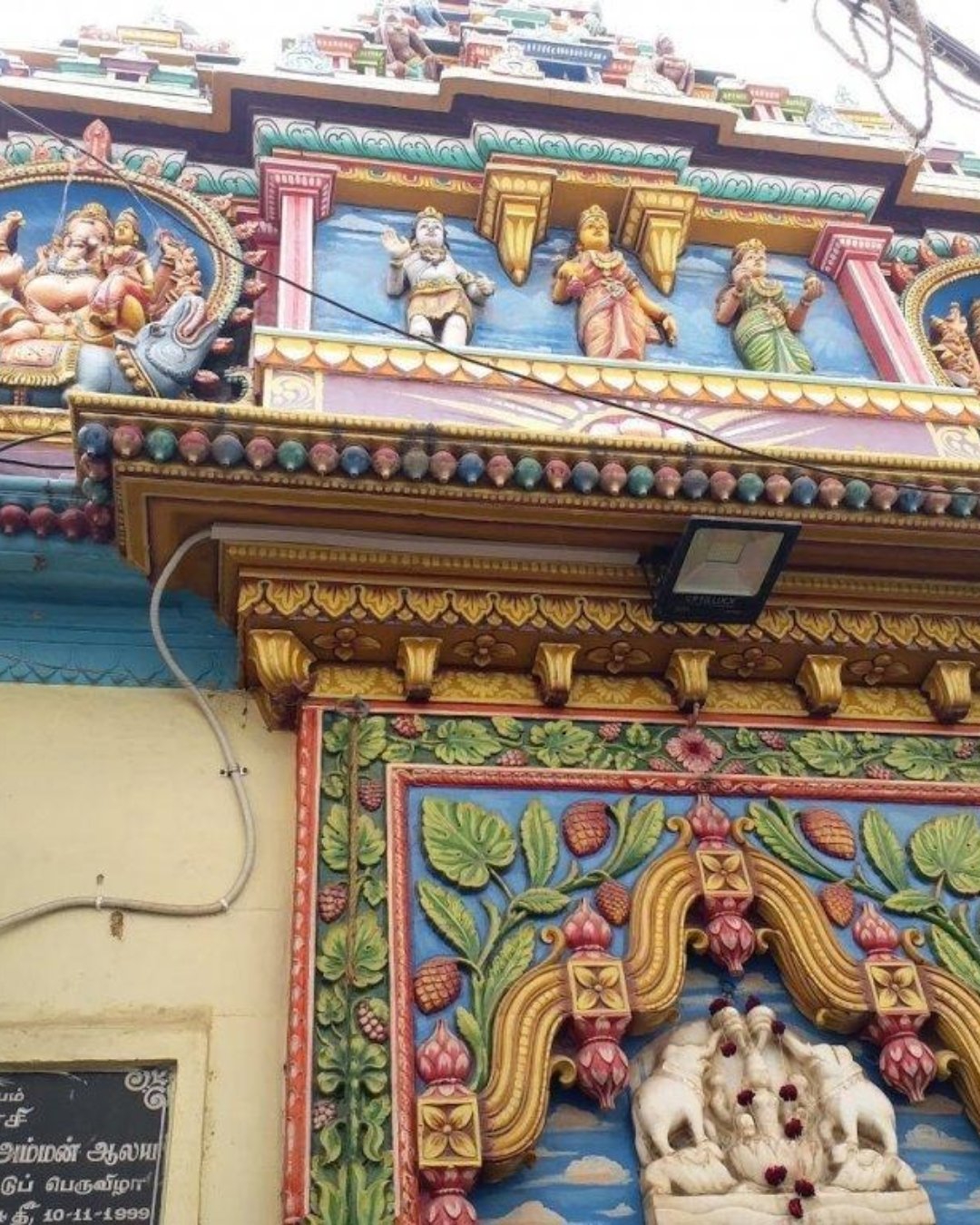
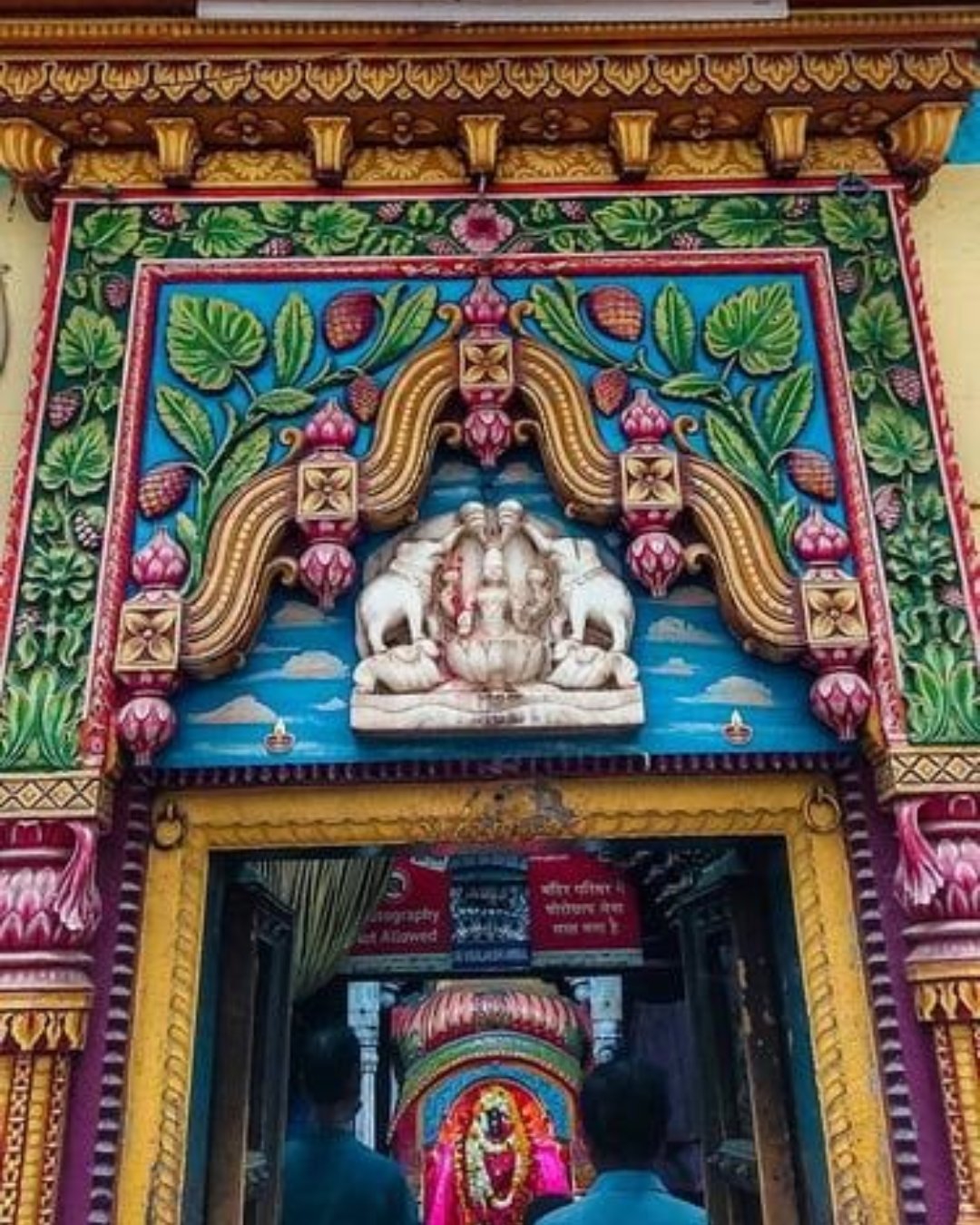
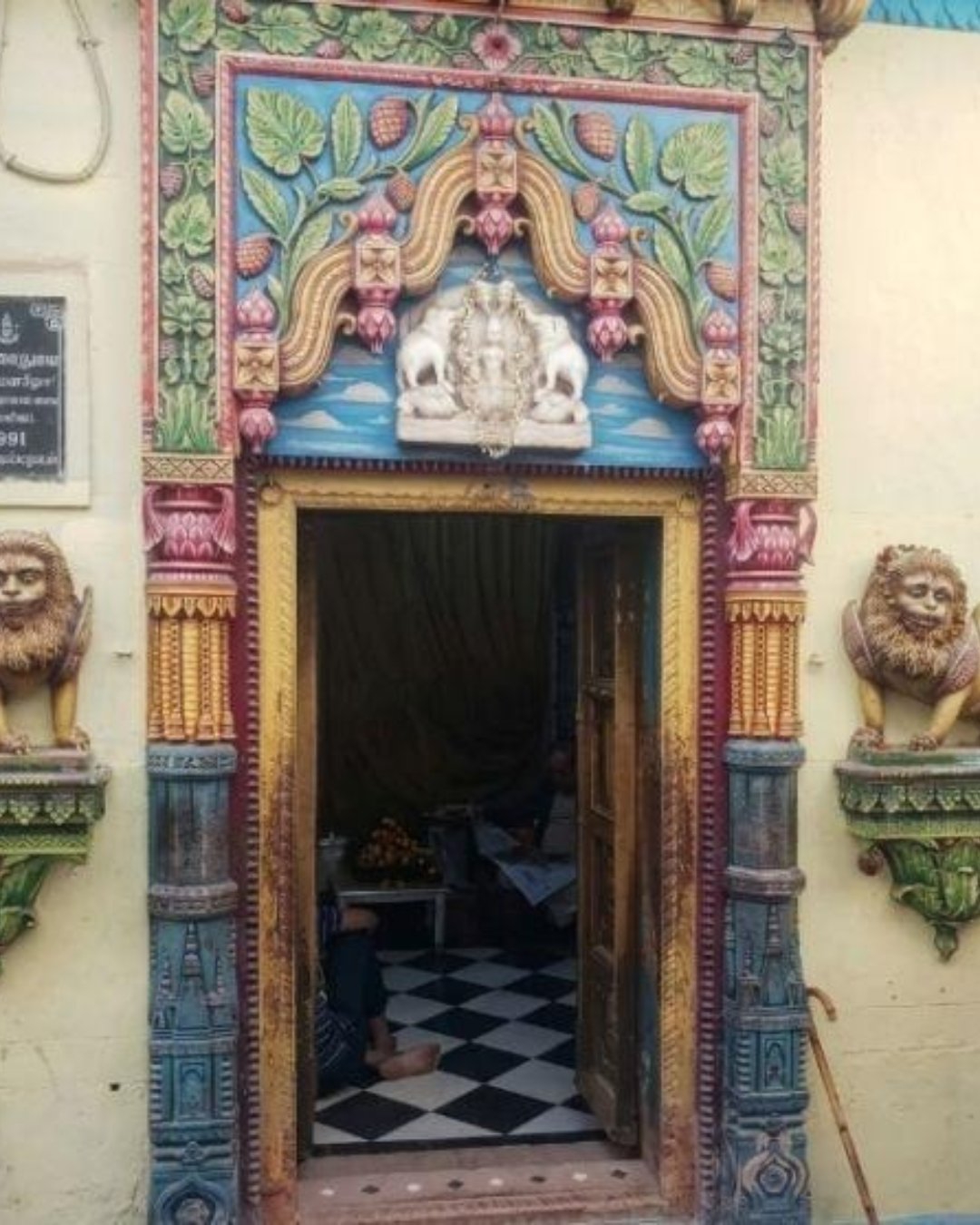
Vishalakshi Temple (Shakti Peeth)
You've probably not had this one on your list at all. It's tucked deep in the old-city lanes near Meer Ghat, small and easy to walk past — nothing like the grand temples people queue for. But here's the thing nobody tells you: this is one of the Shakti Peethas, the network of sacred sites where, in the tradition, parts of the goddess Sati fell to earth — and Vishalakshi marks one of the most significant of them. Pilgrims travel across the country to complete the Shakti Peeth circuit and come here for it. Most visitors to Varanasi walk right past the lane without knowing what's down it.
Let's fix that. Here's how the Vishalakshi Temple actually works, and how to get it right the first time.
Why you need to know what it is before you go
From the outside, Vishalakshi is modest — a compact temple in a crowded gali, not a landmark you'd photograph for its architecture. Its importance is entirely in what it is, not how it looks. Vishalakshi means "the wide-eyed one," a form of the goddess, and this is her Shakti Peeth, one of the holiest goddess sites in a city already dense with them.
Which means the reason to come is devotional and cultural, not visual — and it lands completely differently when you understand the Shakti Peeth tradition first. Come in the morning, when the temple is active and the lanes are quieter, and give it the context it needs. Without that, it's a small temple in a busy alley; with it, you're standing at one of the goddess's own places.
What you'll actually see
Small, intimate, and deep in the old city:
The main shrine — the goddess Vishalakshi, draped and adorned, in a compact sanctum.
The lane setting — reached through the tight galis near Meer Ghat, part of the old-city fabric.
The devotion — especially strong among South Indian pilgrims, for whom this Peeth holds particular significance.
Kashi Vishwanath and the ghats — close by, so this folds naturally into an old-city morning.
Dress modestly and be ready to go barefoot from the shoe stand; carry small notes for offerings. During Navratri and on Fridays the temple fills, so plan around that if you want either the quiet or the intensity.
And keep your phone away inside. Travellers who seek this out will tell you the same thing: photography of the deity is usually not permitted, and in any case the point here isn't a picture — it's a darshan at a site people cross the country to reach. Stand in the small sanctum, take in the devotion around you, and let the significance of where you are settle. That, in a temple most tourists never find, is the part the photos never quite catch.
Pro tip: Come with a guide who can lead you through the galis and tell you the Shakti Peeth story — the lanes are a maze and the temple is genuinely hard to find alone, and the context is half the value. Visit during Navratri if you want to see it at its most alive, or a quiet weekday morning if you want stillness. And fold it into an old-city walk with Kashi Vishwanath and the Annapurna Temple nearby, rather than making a special trip.
The mistakes that ruin it
Most first-timers trip over the same few things. They never find it, lost in the lanes. They arrive not knowing it's a Shakti Peeth, so it reads as just another small temple. Or they turn up expecting grandeur and miss that the significance is spiritual, not architectural.
The easy fix is to come with context and someone who knows the galis — because unexplained and unfound, one of the city's holiest goddess sites passes you by entirely.
Want the Shakti Peeth darshan threaded into your old-city morning with a guide? Hit Do this trip— we'll find the lane.
334
Momentkal bhairav temple get no.2, Varanasi

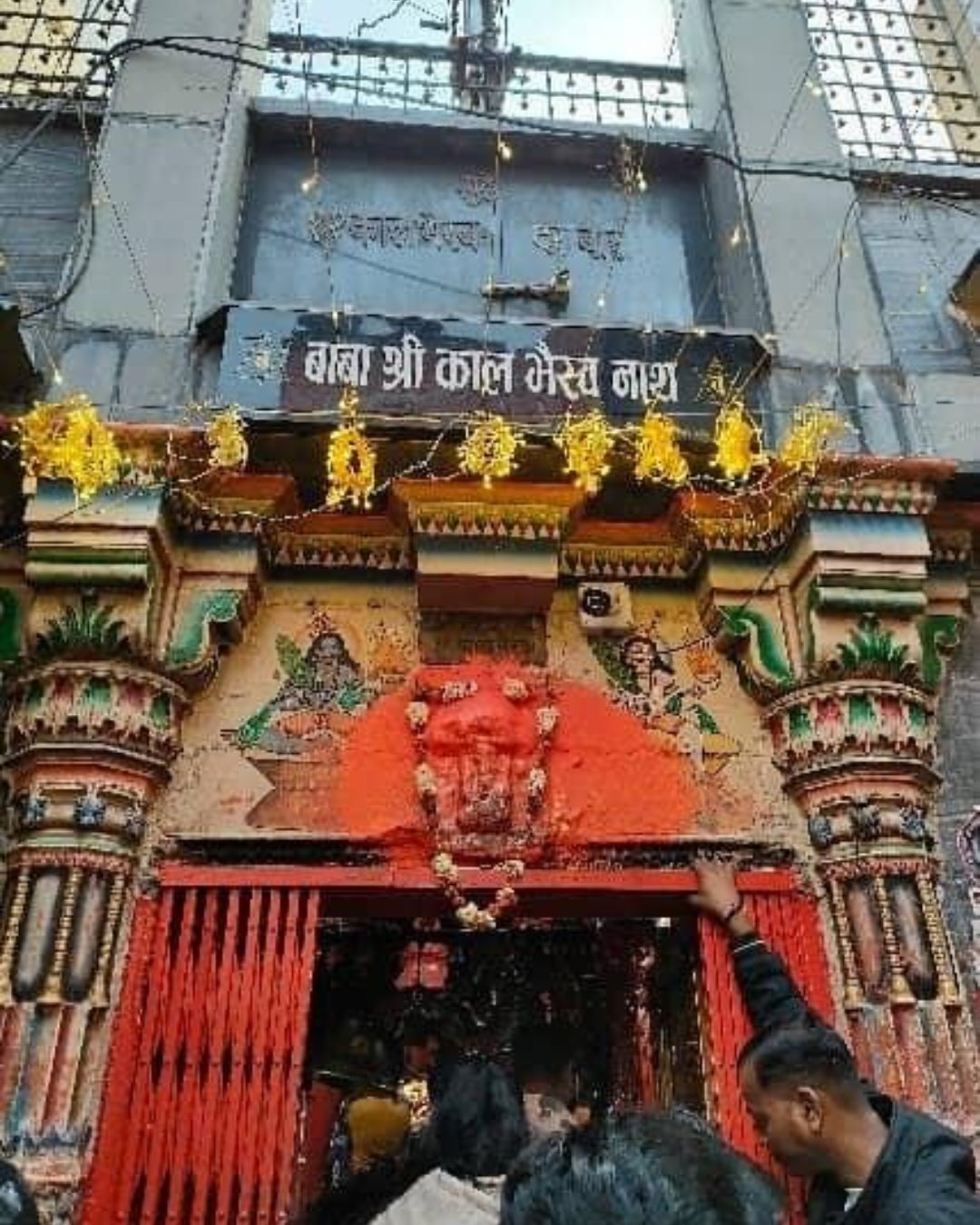
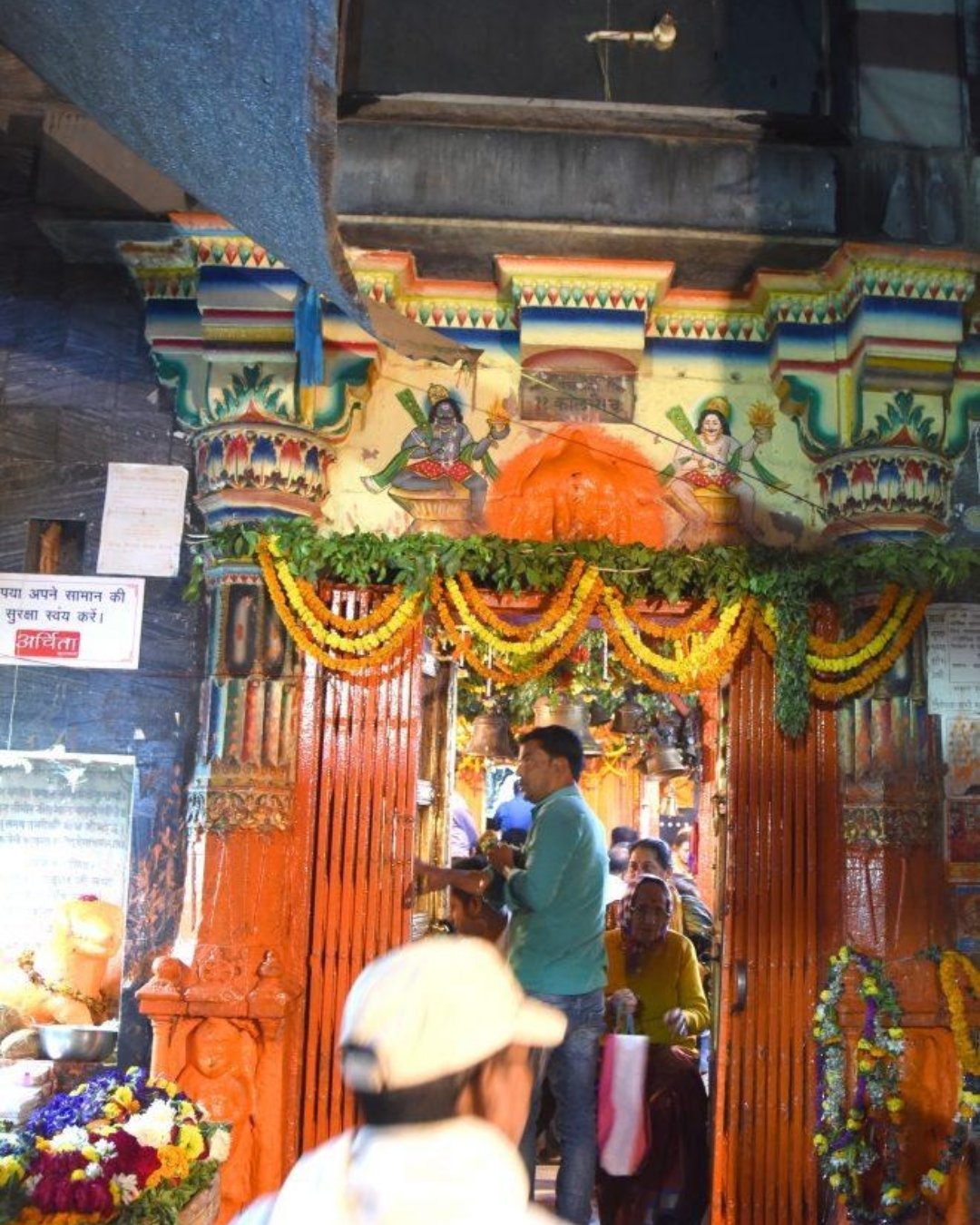
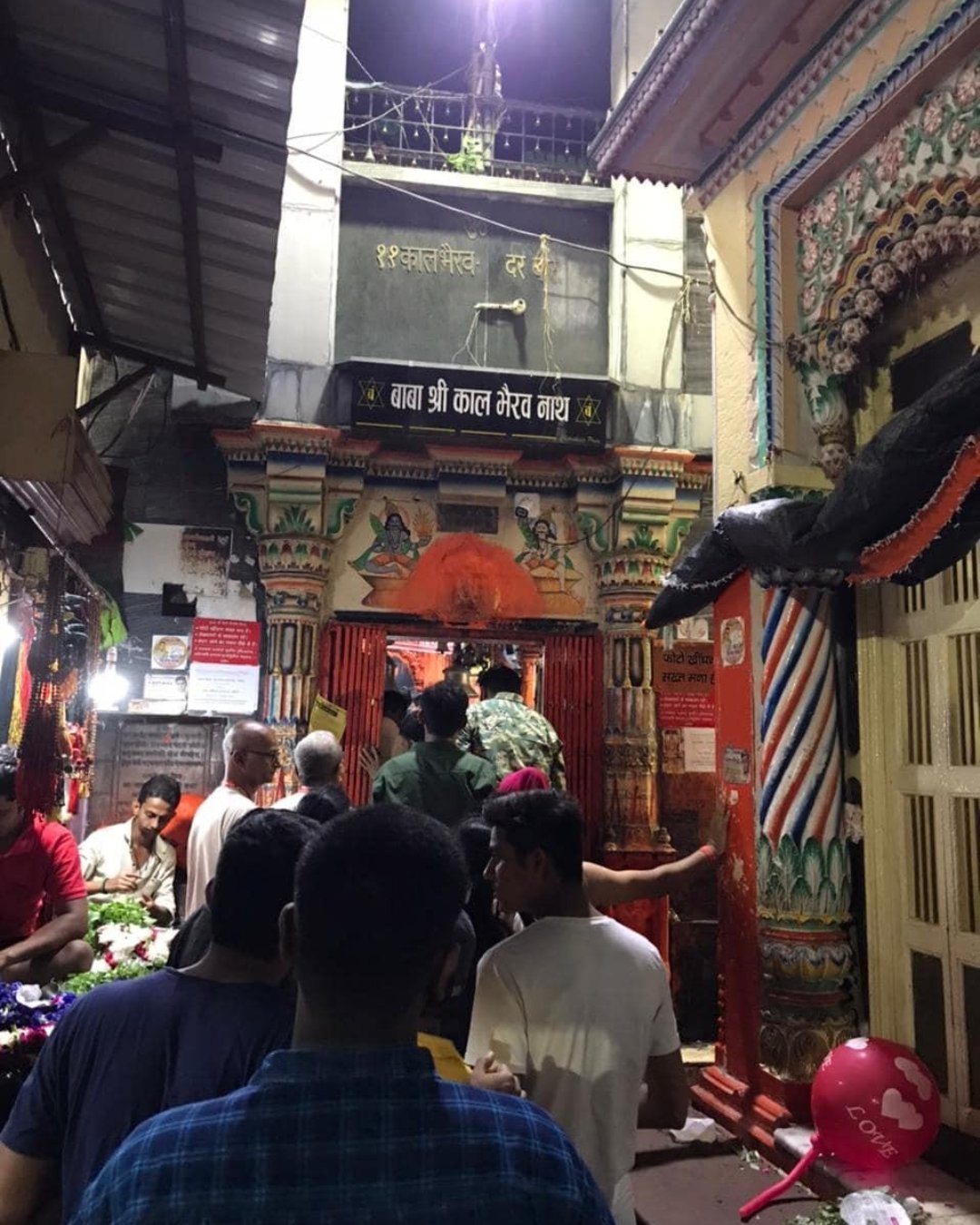
Kal Bhairav Temple
You've probably not got this one on your list at all. It's not on the river — it's tucked in the old-city lanes north of the main bazaar, so the boat rides and ghat walks never bring you near it. But here's the thing nobody tells you: by tradition, Kaal Bhairav is the kotwal of Kashi — the fierce guardian, the "police chief" of the city — and the old belief is that no pilgrimage to Varanasi is complete without his darshan. Locals will tell you that you call on the guardian before you claim to have done Kashi. Most visitors never find the door.
Let's fix that. Here's how Kaal Bhairav actually works, and how to get it right the first time.
Why you go early, and go on foot
The temple sits in a dense knot of lanes near Vishweshwarganj, a short auto or walk from the Kashi Vishwanath area but a world away from the river calm. It's small, it's busy, and it's local — this is a working neighbourhood temple, not a monument, and the crowd is devotees, not tourists.
Go in the morning, when the aarti and the queue are at their best and the lanes are awake but not yet baking. Fridays and Sundays are the fierce god's special days and draw far bigger crowds — atmospheric if that's what you want, slow if it isn't. Because it's off the river, this is a stop you thread into a temple morning — Kashi Vishwanath, then Kaal Bhairav — rather than a ghat one.
What you'll actually see
Small, intense, and unlike the riverside temples:
The Bhairav shrine — the deity as the fierce form of Shiva, garlanded, often shown with his dog, the face silver-masked and draped.
The black thread — the kala dhaga tied on your wrist here for protection; the temple's signature blessing.
The dog motif — Bhairav's mount; you'll see dogs honoured around the temple, and images of them throughout.
The lanes around it — flower and prasad stalls, and the ordinary intensity of an old-city temple street.
Dress modestly and be ready to go barefoot from the shoe stand. Carry small notes for the thread, the offering, and the shoe stall.
And keep the phone away inside. Photography of the sanctum is generally not allowed, and this is a place of real devotion, not a photo stop. Travellers who make the effort to find it will tell you the same thing: the pull here isn't a view — it's the atmosphere, fiercer and rawer than the serene riverside shrines, and the small ritual of having the black thread tied on your wrist as the guardian's protection. That, carried out of a lane you'd never have found alone, is the part the photos never quite catch.
Pro tip: Wear the black thread once it's tied — it's the whole point, the guardian's protection to carry home, and it's meant to stay on. Combine the visit with Kashi Vishwanath, since they're close and the tradition pairs them. Ask before photographing anything, and check whether non-Hindus may enter the inner sanctum on the day — access varies. Avoid Friday and Sunday middays unless you want the temple at its most crowded.
The mistakes that ruin it
Most first-timers trip over the same few things. They never go, because it's off the river and nobody points them to it. They arrive not knowing Kaal Bhairav is the city's guardian, so it reads as just another small temple. Or they turn up on the busiest day at the busiest hour and spend it in a crush.
The easy fix is to thread it into your temple morning with someone who can find the lane and tell you who Kaal Bhairav is — because without the guardian story, this is a hard-to-find shrine and little more.
Want the guardian's darshan paired with Kashi Vishwanath, lanes navigated for you? Hit Do this trip— we'll time the morning.
338
MomentShri Mahamrityunjay Mahadev Temple, (Varanasi), Varanasi

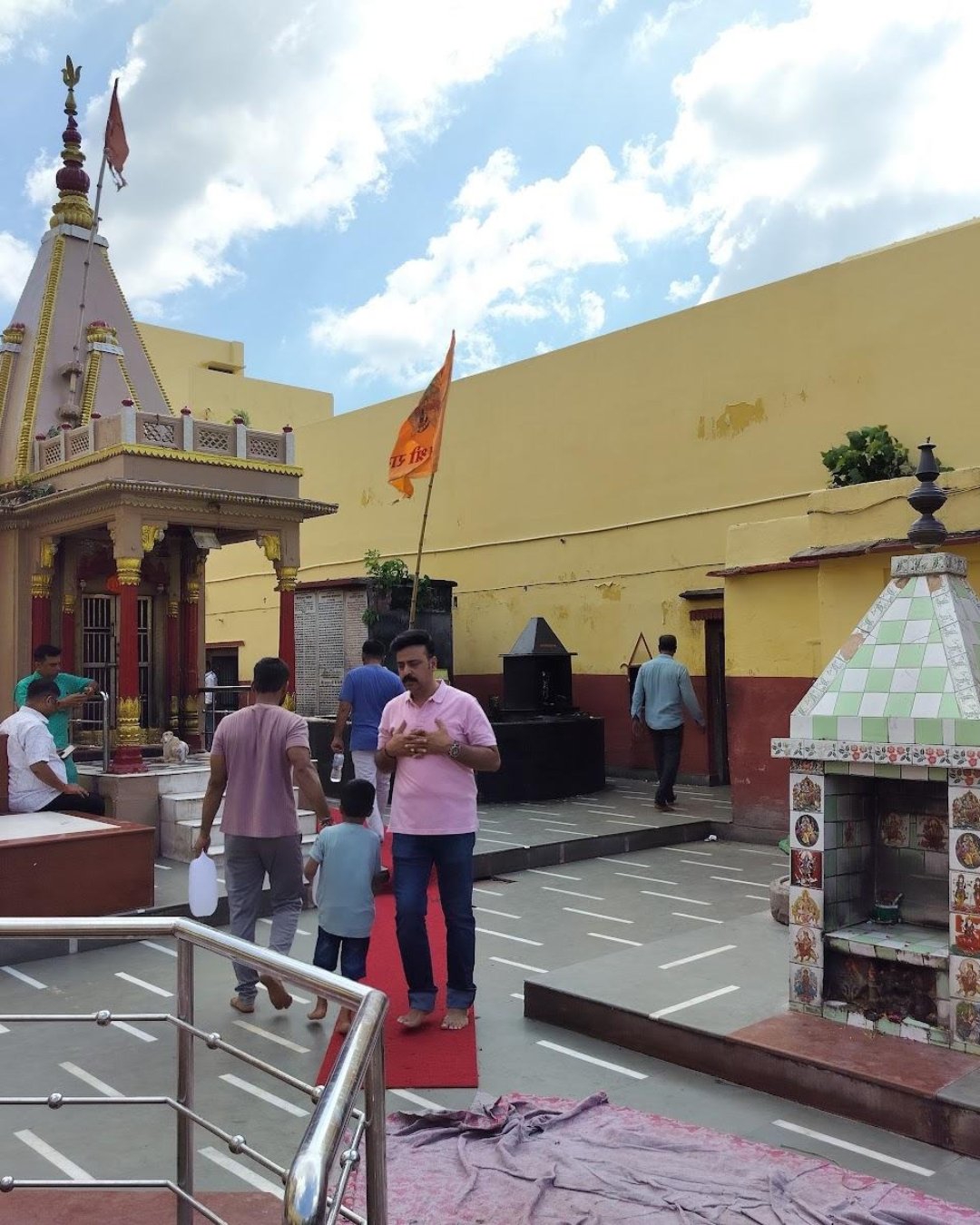
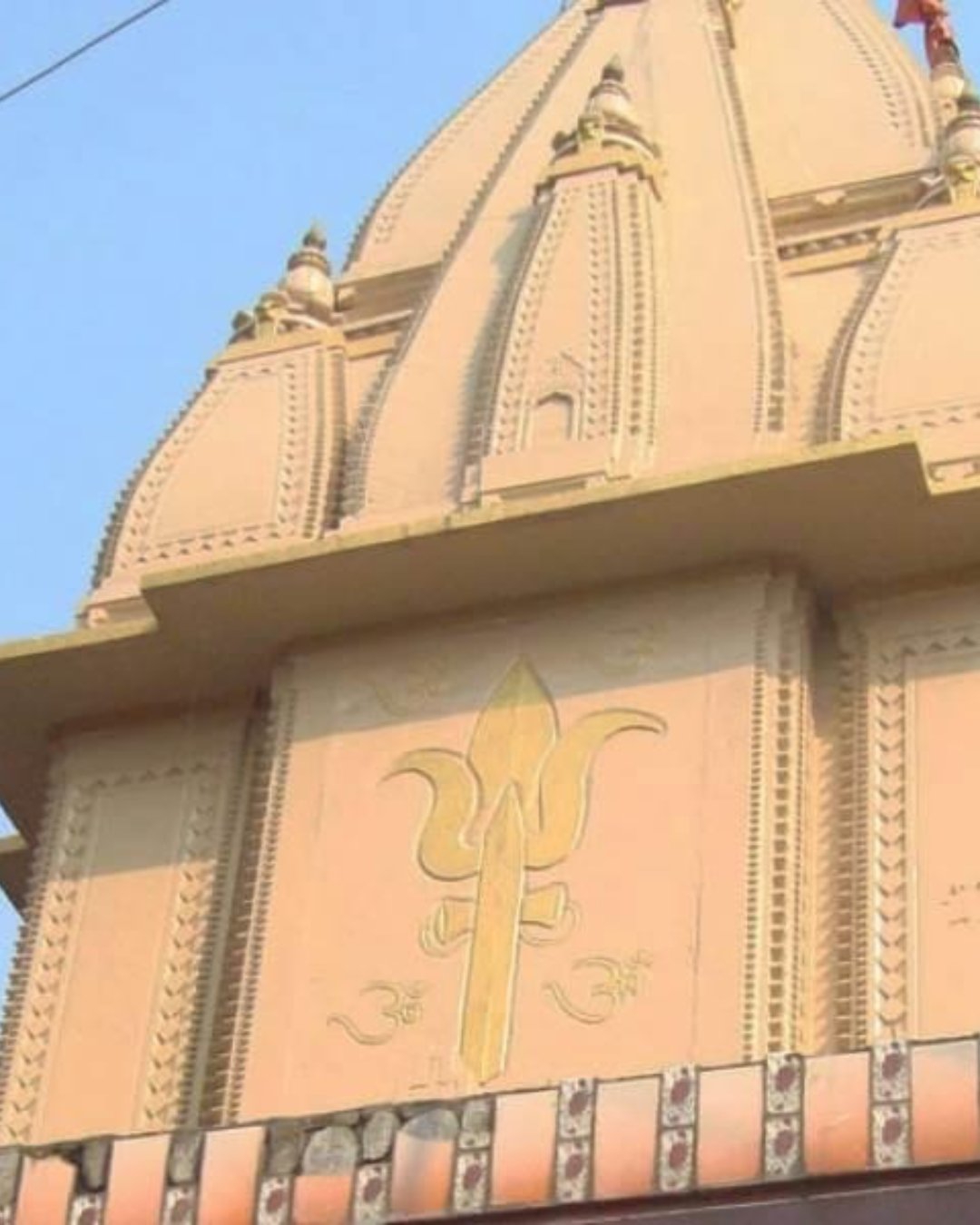
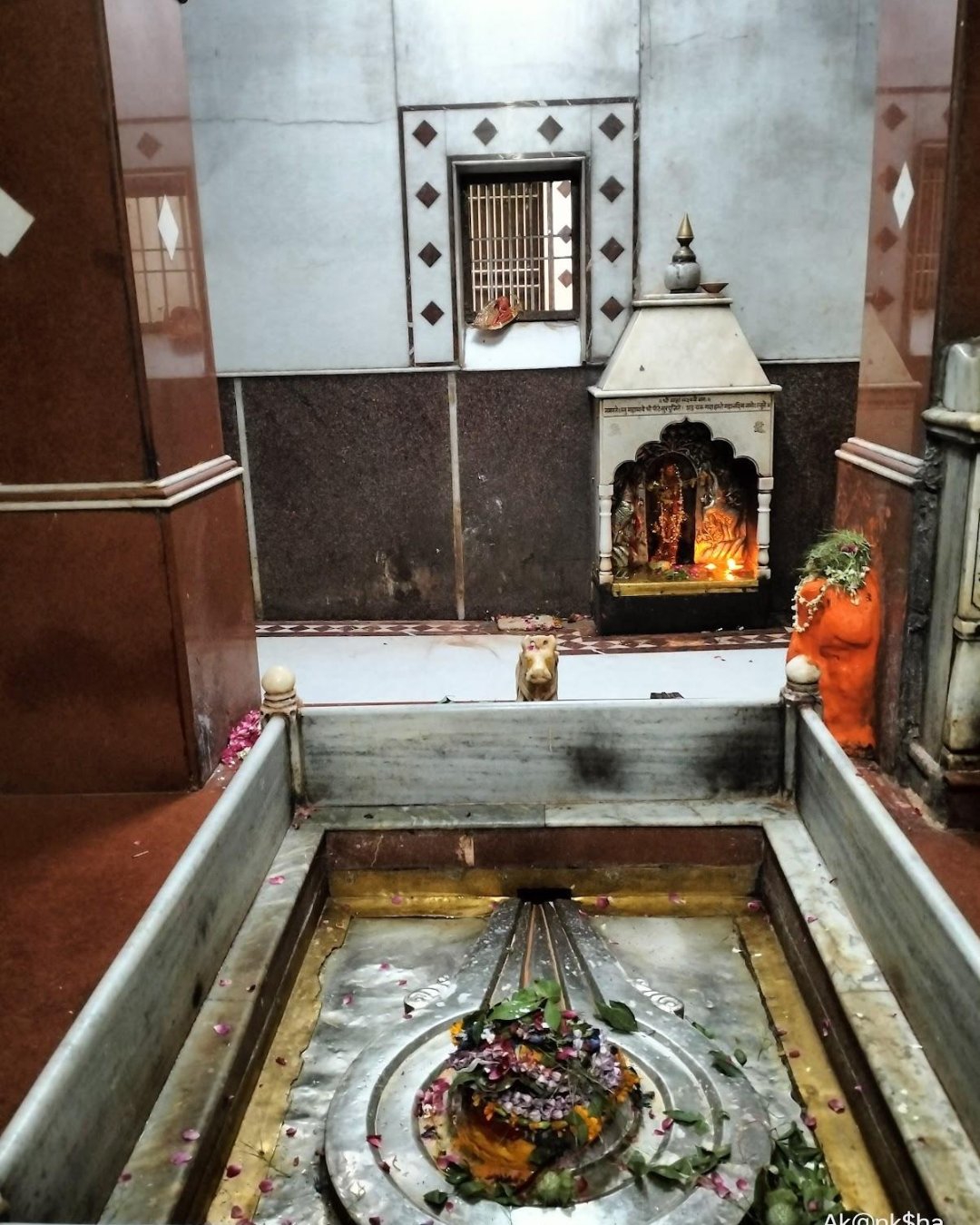
Mrityunjay Mahadev Temple
You've probably never seen this one on a list. It's not on the river, it's tucked in the lanes near Daranagar, and the boat-ride crowd never reaches it. But here's the thing nobody tells you: this is the temple people come to when someone is seriously ill or when death feels close — Mrityunjay means "victory over death," and the well beside the shrine, fed by several underground streams, is one of the most sacred sources of water in the city. Varanasi has grander temples. It has few this quietly loaded with meaning, and almost no visitor finds it.
Let's fix that. Here's how the Mrityunjay Mahadev Temple actually works, and how to get it right the first time.
Why the morning, and why you come on purpose
This isn't a stop you drift into off a boat. It sits in the old-city galis northwest of the main ghats, near Kaal Bhairav, and you reach it on foot through the lanes — which means you come deliberately, or you don't come at all.
Go in the morning. The temple is busiest and most alive early, when locals stop in before the day, and the lanes are cooler and easier to walk before the crowds and the heat build. It's a short visit — the shrine, the sacred well, a few minutes of quiet — best paired with Kaal Bhairav nearby, since you're already in that warren.
What you'll actually see
Small, old, and dense with meaning rather than spectacle:
The Mrityunjay Lingam — the form of Shiva as conqueror of death, where the Mahamrityunjaya Mantra is chanted for healing and long life.
The sacred well — beside the shrine, said to be fed by several underground streams and considered especially holy; its water is taken for its curative and purifying power.
The lane shrines — smaller deities around the complex, and the everyday devotion of a working neighbourhood temple.
Kaal Bhairav — the fierce guardian of the city, a few minutes' walk away; do the two together.
Dress modestly and be ready to go barefoot from the shoe stand. Carry small notes for offerings.
And keep your phone away inside. Travellers who find their way here will tell you the same thing: this is not a monument set up to be photographed, it's a place people come to in genuine need — for a sick parent, a hard diagnosis, a fear they can't name. The right thing is to stand quietly at the edge of that, not to document it. The weight of a small temple where people come to pray against death is the part no photo was ever going to hold.
Pro tip: Come on a Monday or during Sawan if you want to see it at its most devotional — those are Shiva's times and the temple fills. Take water from the sacred well only as the custodians direct, and follow local practice rather than treating it as a photo prop. And navigate the galis with a guide or a good offline map; this temple is genuinely hard to find, and half the reason visitors miss it is that they simply can't locate it.
The mistakes that ruin it
Most first-timers trip over the same few things. They never find it, lost in the lanes. They come without knowing what it means, so a significant shrine reads as a small, plain temple. Or they treat a place of real grief and hope as a sightseeing tick.
The easy fix is to come on foot in the morning, with someone who knows the lanes and can tell you why this temple matters — because unexplained and unlocated, it stays invisible.
Want Mrityunjay and Kaal Bhairav in one guided temple walk through the galis? Hit Do this trip — we'll map the route.
308
MomentDurgakund, Varanasi

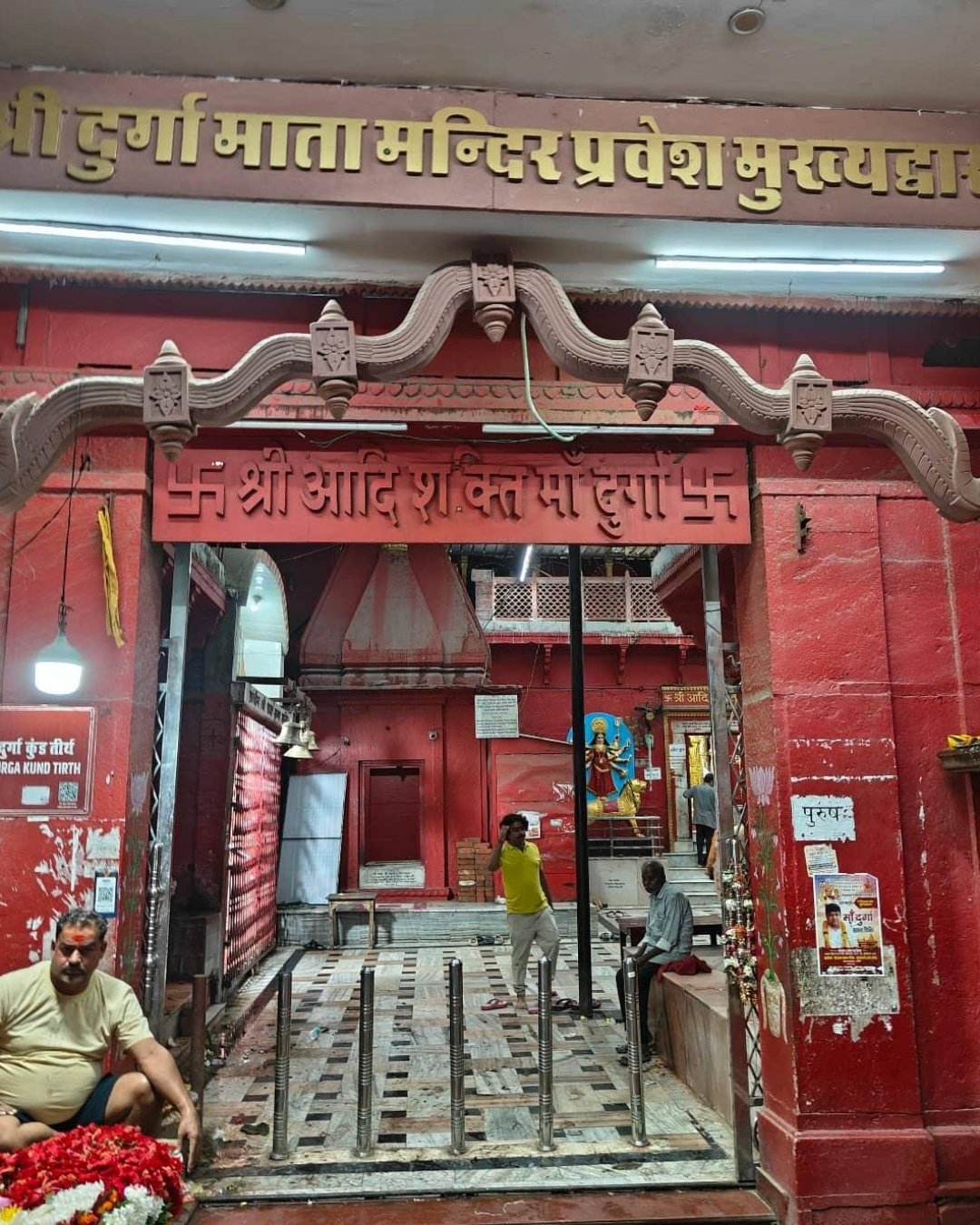
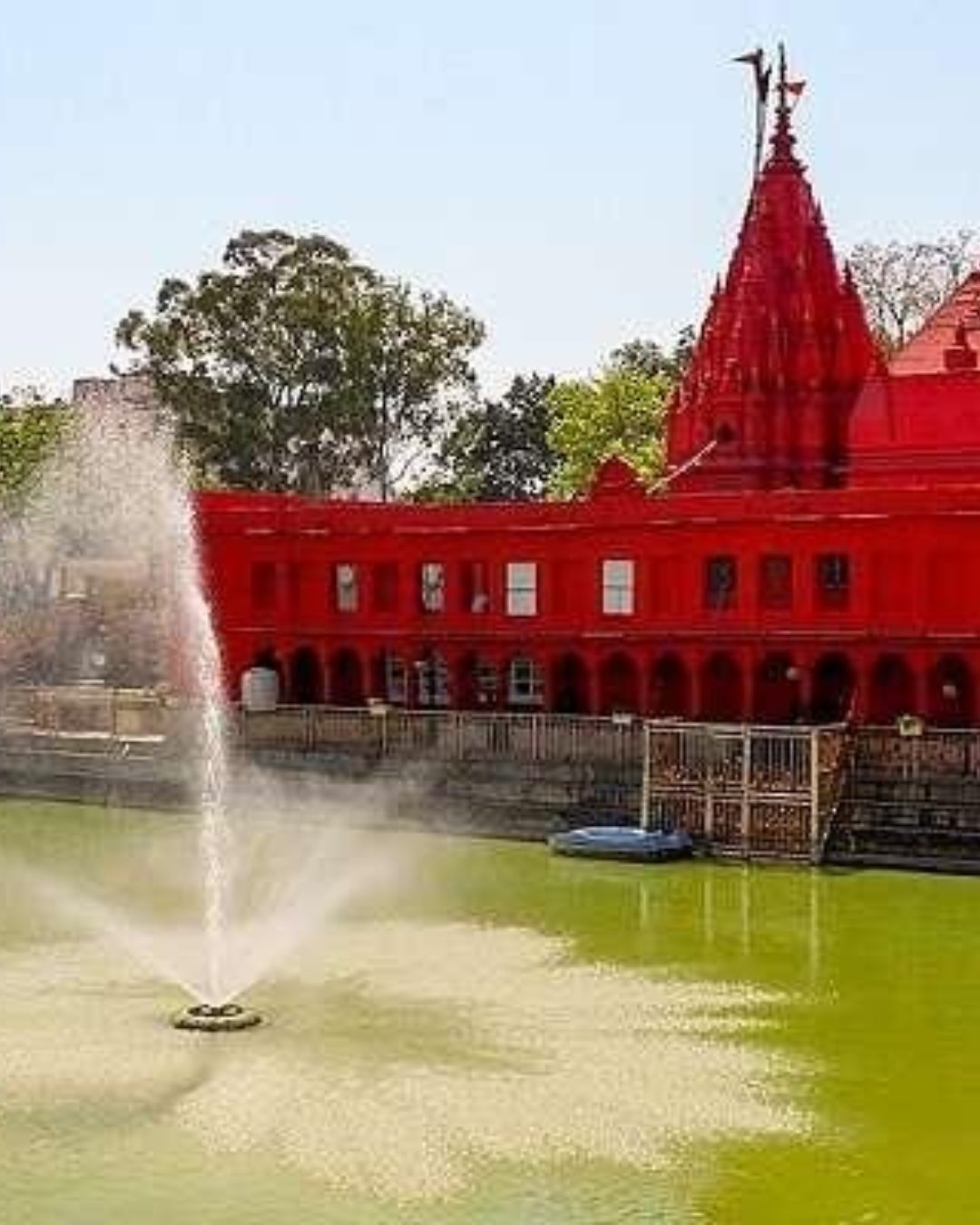
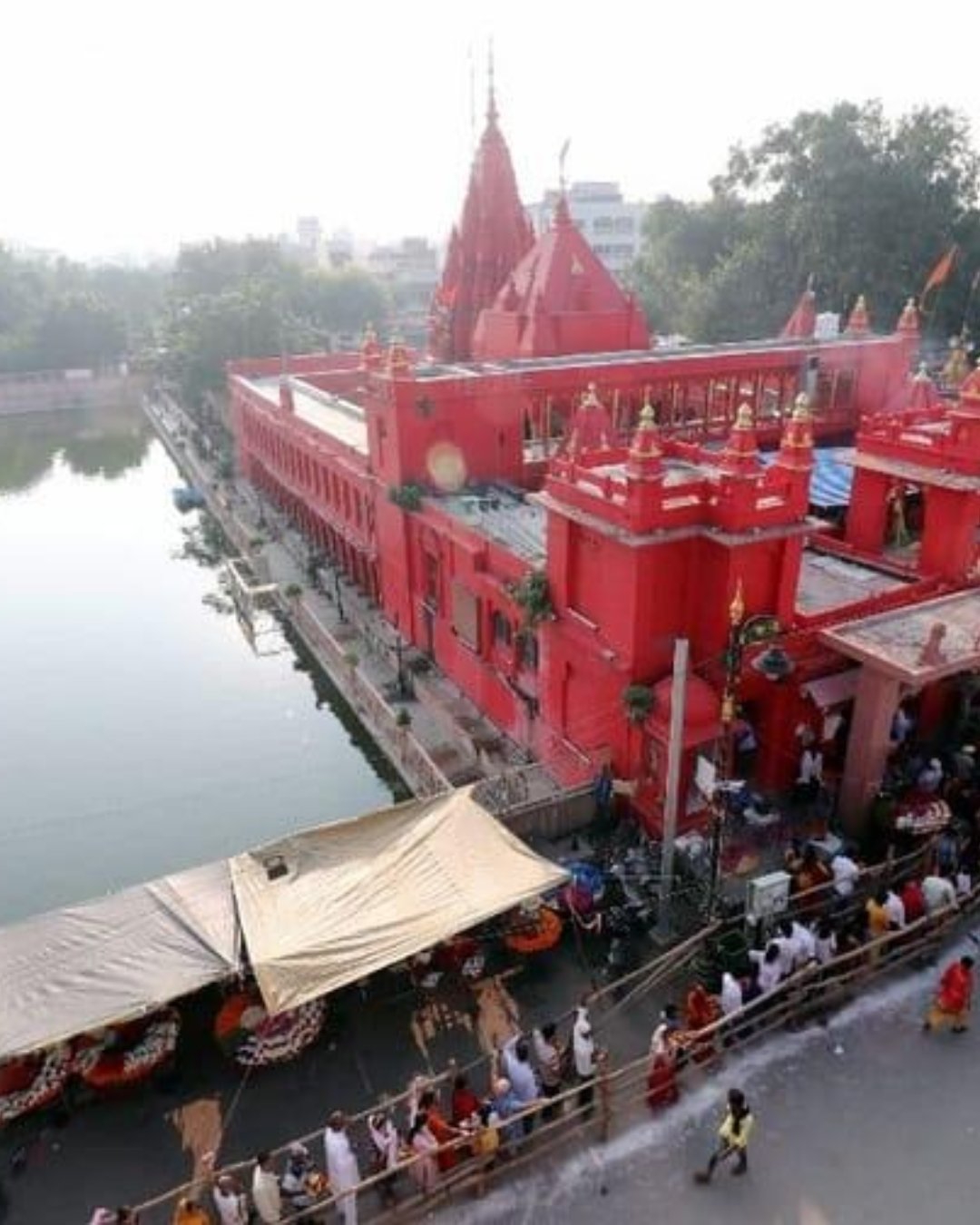
Durga Kund Temple
You've probably got this on the list as "the Monkey Temple" and pictured something cute. But here's the thing nobody tells you: the monkeys here are wild, bold, and organised, and the ones who arrive with a phone out, a bag of prasad swinging, and sunglasses on their head are the ones who go home having been robbed by a macaque. The temple is one of the most striking in Varanasi — blood-red, 18th-century, beside an ancient tank — and the monkeys are part of its character, not a petting zoo.
Let's fix that. Here's how Durga Kund Temple actually works, and how to get it right the first time.
Why the morning, and not the middle of the day
Durga Kund is a working Shakti temple, dedicated to the goddess Durga, and it runs on devotional rhythm rather than tourist hours. Mornings and early evenings are when it's alive — aarti, bells, the courtyard busy with worshippers — and when the light on that deep red ochre façade is at its best against the green water of the kund beside it.
Midday is the dead hour: many temples close for a few hours after the morning session, the sun is flat and harsh on the red walls, and the monkeys are at their most opportunistic around scattered midday crowds. So come early, or come for the evening aarti — and check the timings, because the midday break catches people out.
What you'll actually see
The temple — 18th-century, built in Nagara style and painted the deep red associated with Durga, one of the most photogenic temples in the city.
The Durga Kund — the rectangular stepped tank beside it that gives the temple its name, once fed by the Ganga.
The aarti — morning and evening, with the courtyard at its most devotional.
Tulsi Manas Temple — the modern marble temple next door, its walls inscribed with the *Ramcharitmanas*; do the two together.
Dress modestly, cover your shoulders and knees, and be ready to go barefoot from the shoe stand. Carry small notes for the shoe stand and offerings.
And here the phone advice is practical, not philosophical: keep it zipped away, and not for the first ten minutes — the whole time you're near the monkeys. Travellers who've been will tell you the same thing: the macaques will take glasses, phones, prasad and anything shiny straight from your hands, and they're quicker than you. Non-Hindus are generally not permitted into the inner sanctum, so don't expect the interior darshan; take in the courtyard, the tank and the façade instead. That, and the sound of the aarti bells rolling off the red walls, is the part the photos never quite catch.
Pro tip: Leave the glasses and loose bags in the car and hold your phone with intent, not dangling — the monkeys read a swinging bag as an offer. Don't carry open food or prasad in the open. Come for the evening aarti if you can, and pair the visit with the Tulsi Manas Temple next door and Sankat Mochan Hanuman Temple close by, so one trip covers the southern temple cluster.
The mistakes that ruin it
Most first-timers trip over the same few things. They come at midday to a closed sanctum and flat light. They wander in with sunglasses, snacks and a loose bag, and a monkey relieves them of one. Or they expect to walk into the inner shrine and don't realise access is restricted.
The easy fix is to come at aarti time, secure your things against the monkeys, and pair it with the temples next door — or let the southern temple cluster be planned as one calm morning.
Want the southern temple cluster — Durga, Tulsi Manas, Sankat Mochan — planned as one calm morning? Hit Do this trip
273
MomentShri Satyanarayan Tulsi Manas Temple, (Varanasi), Varanasi

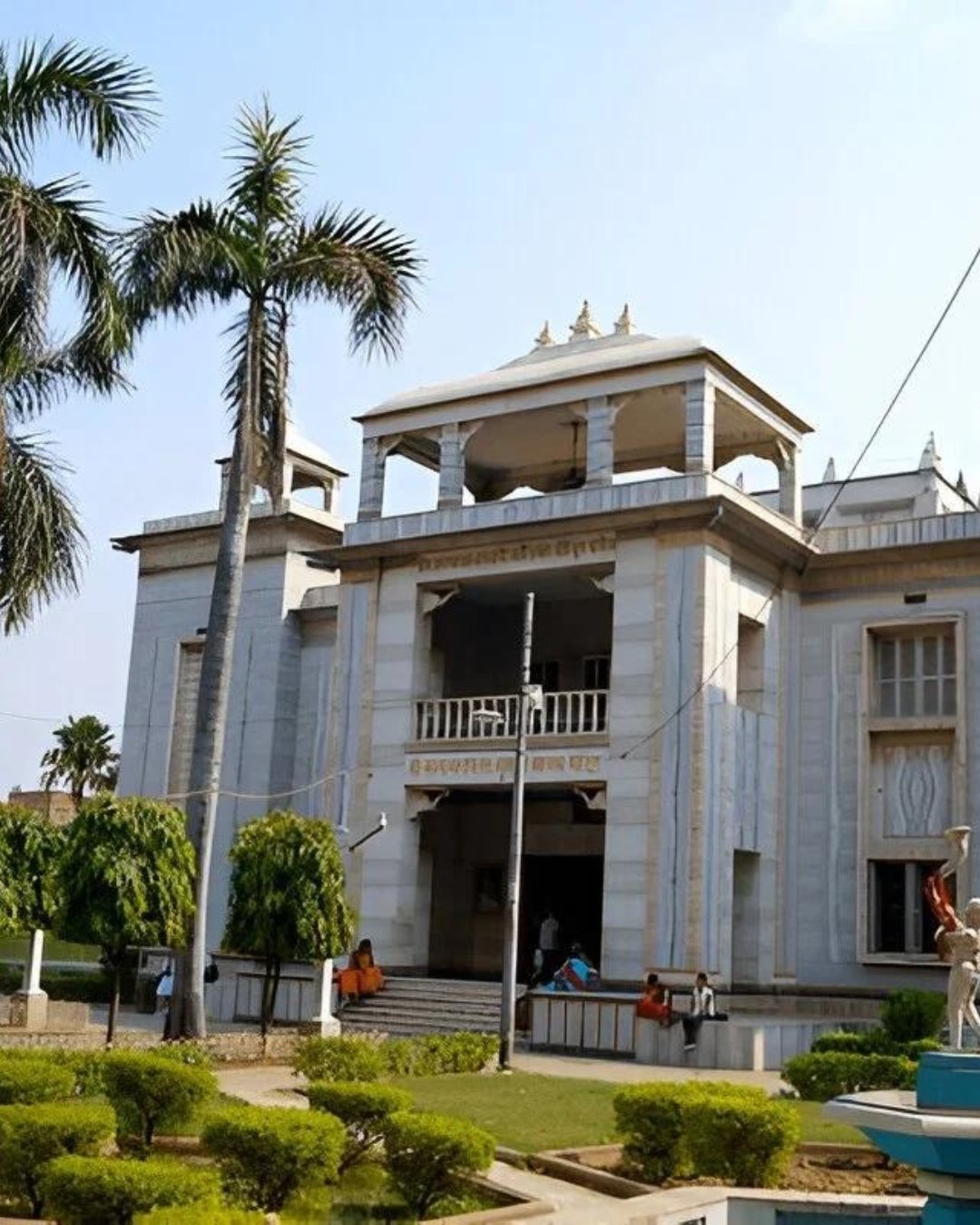
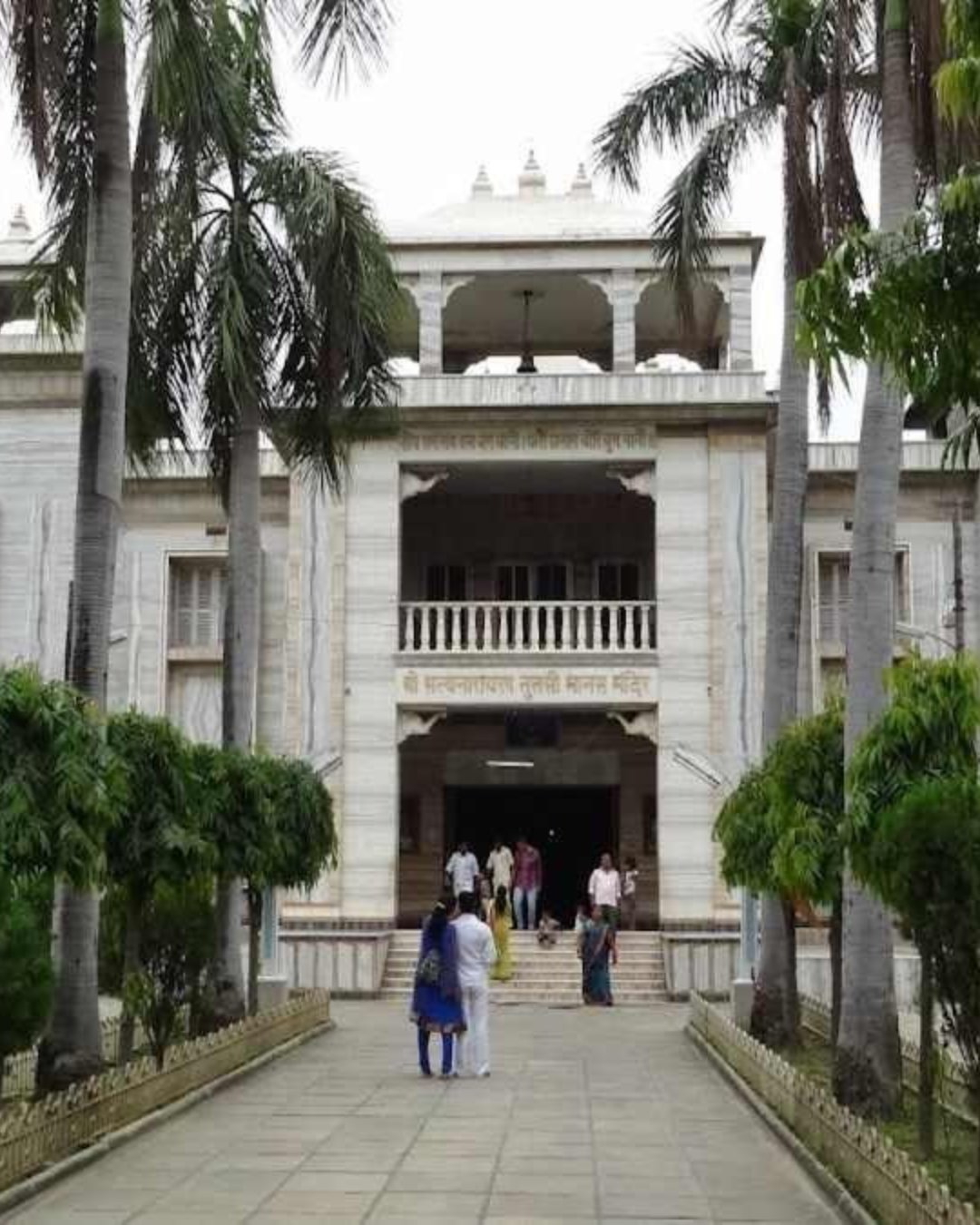
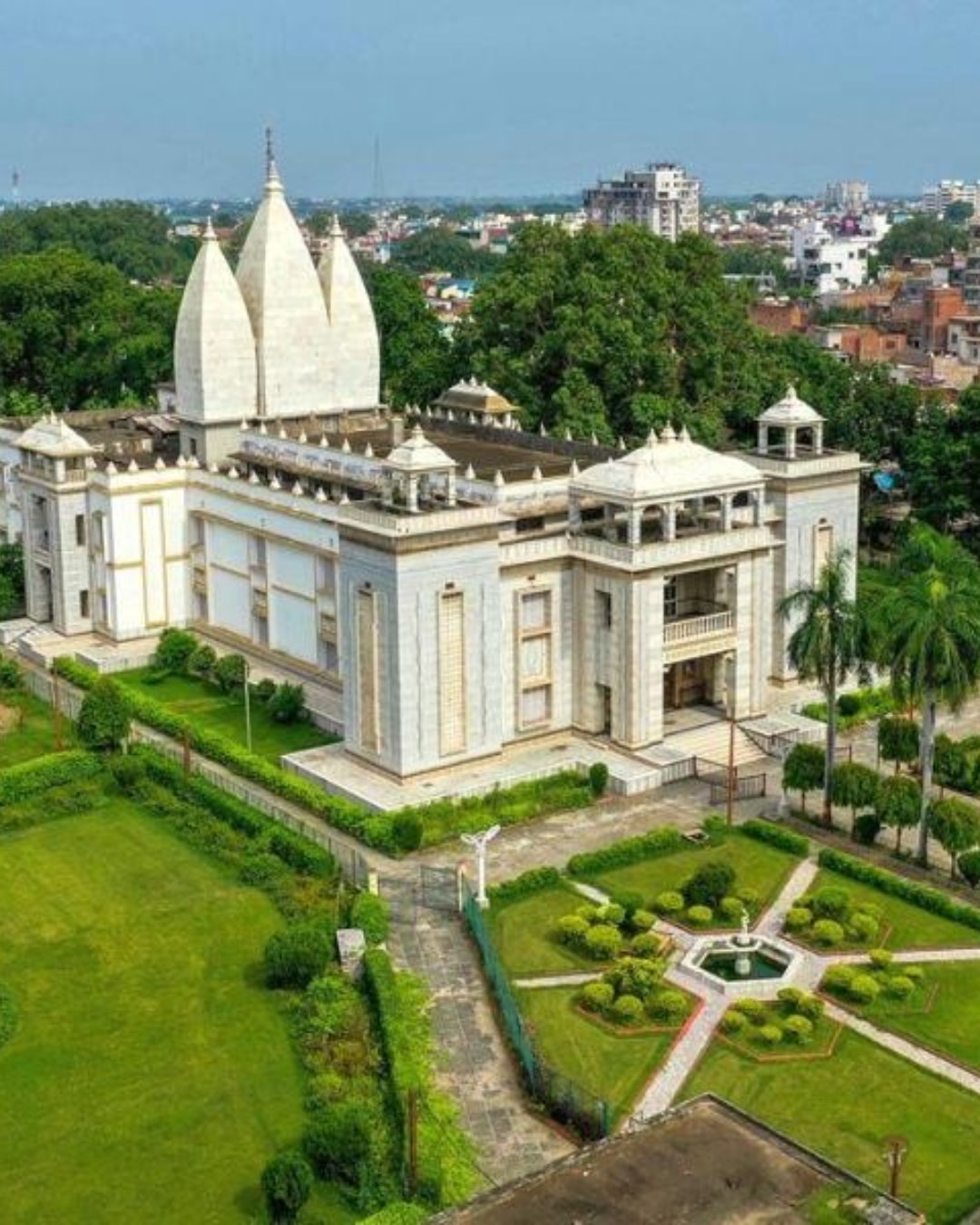
Tulsi Manas Temple
You've probably lumped this in with the ghats. Another Varanasi temple, see it on the way to the river, half an hour. But here's the thing nobody tells you: this one isn't old, isn't on the water, and isn't in the tangle of the old city — it's a marble temple built in 1964, out near the Durga Temple and BHU, and its whole point is the walls. The entire *Ramcharitmanas* — Tulsidas's retelling of the *Ramayana* — is inscribed across them. People come expecting an ancient shrine and misread a modern one; the ones who know what they're looking at read the walls.
Let's fix that. Here's how Tulsi Manas Temple actually works, and how to get it right the first time.
Why it's a reading, not a ruin
Don't come here for antiquity — you'll be disappointed, and that's the usual mistake. The temple was built by a Kolkata family in 1964 on the spot where Tulsidas is traditionally said to have composed the *Ramcharitmanas*. It's white marble, calm, and clean, and the reason to come is that the epic is written out around you, verse by verse, on the interior walls.
So the timing that matters is the midday closure, not the hour of light. Like many temples here it shuts for a few hours in the afternoon. Come mid-morning, when it's open and quiet, and give yourself time to actually walk the walls rather than glance and go.
What you'll actually see
Calm, modern, and worth an unhurried half hour:
The inscribed walls — the full *Ramcharitmanas* in Awadhi, with other verses of Tulsidas, carved and painted around the halls.
The upper floor — mechanical tableaux of scenes from the *Ramayana*, a quiet favourite with families.
The gardens — lawns and flowerbeds around the marble, unusually green and orderly for the city.
Durga Temple (Durga Kund) — the red-ochre 18th-century temple right next door; do the two together.
Dress modestly and be ready to go barefoot from the shoe stand. Carry small notes for the shoe stand and any offering.
And this is a place to slow down and read rather than shoot. Travellers who come knowing what it is will tell you the same thing: the walls aren't decoration, they're the text of a poem half a billion people can quote, set out where you can walk its length. Stand and read a few lines before you photograph anything. That — understanding you're inside the book, not just another temple — is the part a quick snap of a marble hall never catches.
Pro tip: Pair it with Durga Temple next door and, if you've time, Sankat Mochan Hanuman a short way off — the three sit close together, away from the ghats, and make a natural half-day inland from the river. Check the midday closing before you set out, and treat the upstairs tableaux as the charming, unhurried extra they are rather than skipping straight past. Come with even a line of context about Tulsidas and the whole place opens up.
The mistakes that ruin it
Most first-timers trip over the same few things. They arrive expecting an ancient temple and dismiss a 1964 one. They come in the afternoon and find it shut. Or they walk through in five minutes without realising the walls are the entire point.
The easy fix is to come mid-morning, knowing it's modern and knowing what's written around you — or let it be folded into a guided inland half-day with Durga and Sankat Mochan, so the context comes with it.
Want Tulsi Manas, Durga Kund and Sankat Mochan timed around the midday closures? Hit Do this trip— we'll sort the hours.
258
MomentShri Sankat Mochan Hanuman Temple, Varanasi

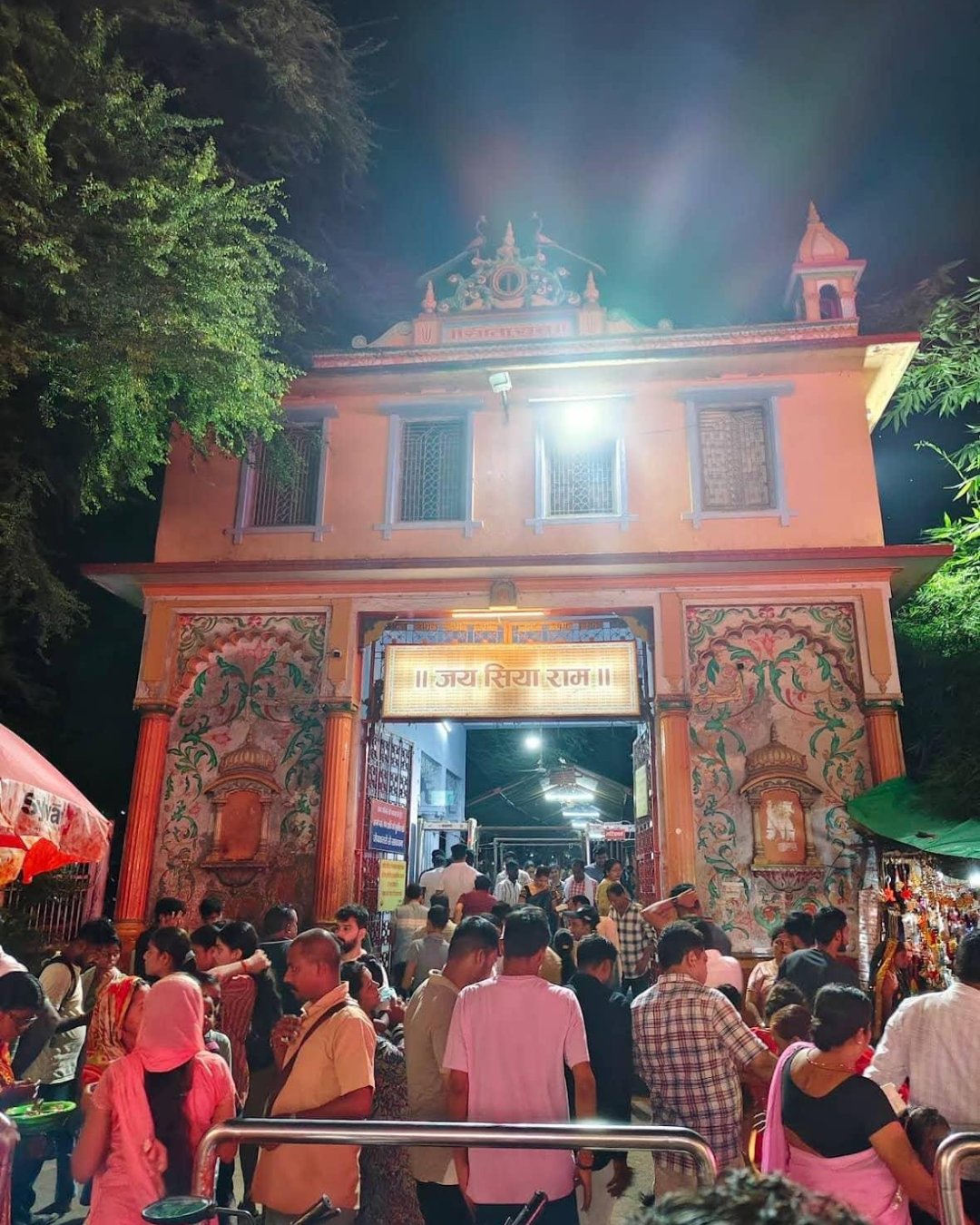
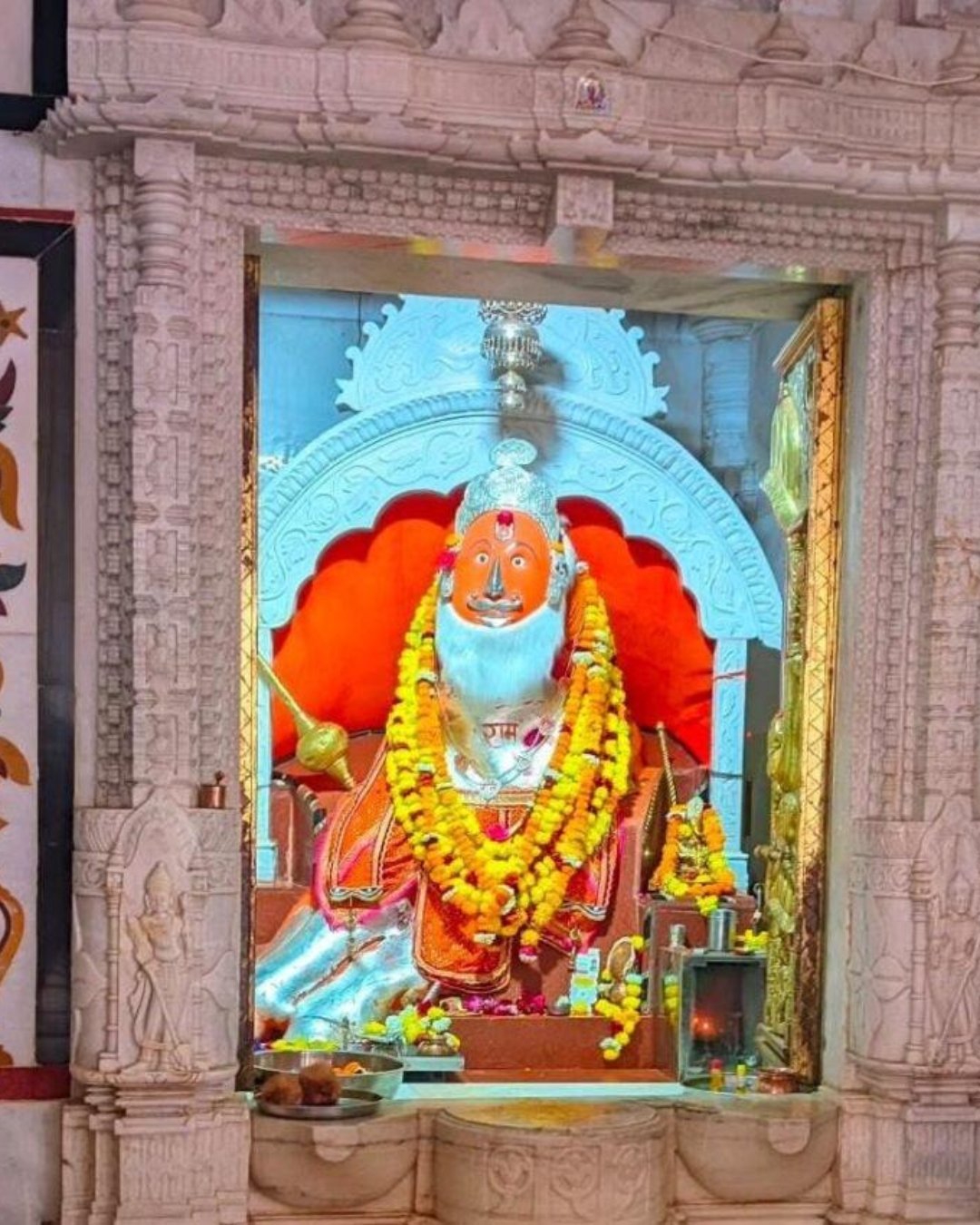
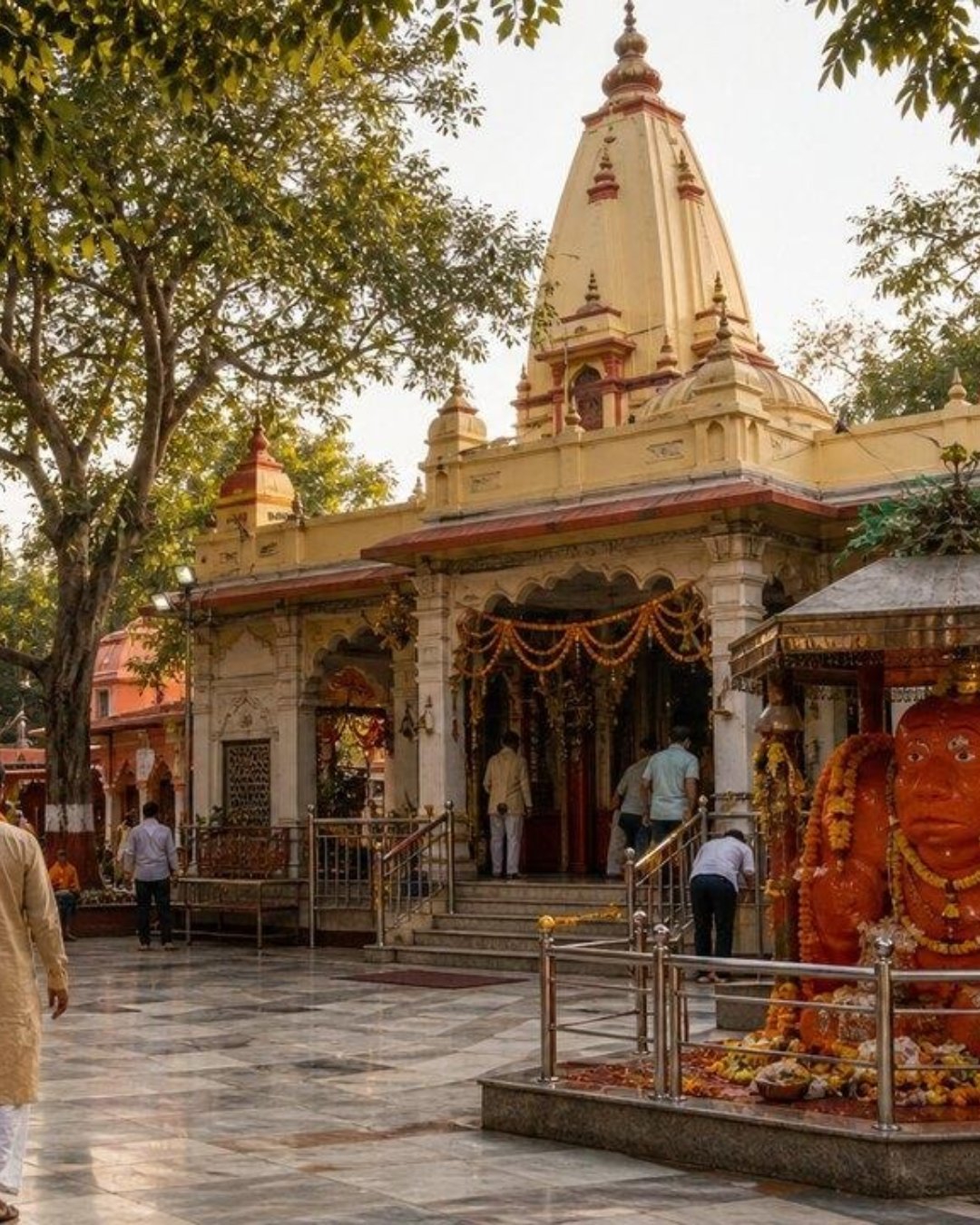
Sankat Mochan Hanuman Temple
You've probably got this filed as a quick temple stop. In, darshan, out, back to the ghats. But here's the thing nobody tells you: Sankat Mochan is one of the most beloved temples in the city, founded by Tulsidas himself, and it runs on its own rhythms — packed to bursting on Tuesdays and Saturdays, alive with music every evening, and under genuine security since a 2006 attack. Turn up on the wrong day at the wrong hour with the wrong things in your bag, and you'll spend your visit in a queue or turned away at the gate.
Let's fix that. Here's how Sankat Mochan actually works, and how to get it right the first time.
Why the day and the hour decide your visit
Sankat Mochan means "reliever of troubles," and Hanuman's days are Tuesday and Saturday — when devotees pour in and the queues stretch long. If darshan with room to breathe is what you want, come on any other day, early morning or evening. If you want to feel the temple at full devotional intensity, those are precisely the days to come, crowds and all.
Evenings have their own draw. The temple has a long musical tradition, and the aarti and bhajans after dusk are the atmosphere people remember. So the smart visit is a weekday morning for calm, or an evening for the music — not the middle of a hot afternoon, when it's quiet in the dull sense rather than the peaceful one.
What you'll actually see
A living neighbourhood temple, not a monument:
The Hanuman shrine — the presiding deity, garlanded in marigold and sindoor, the reason everyone comes.
The temple complex — open courtyards, often busy with families, priests and the temple's famous monkeys.
The music — evening bhajans, and during the annual Sankat Mochan Sangeet Samaroh, a major classical music festival that draws great names.
The setting — near Banaras Hindu University, so pair it with a BHU and New Vishwanath Temple visit.
Dress modestly and be ready to go barefoot from the shoe counter. Watch the monkeys with your glasses, phone and prasad — they're quick and unbothered by you.
And here's the security reality, stated plainly: after the 2006 bombing here, this temple takes entry seriously. Bags, cameras and phones are often restricted or must be deposited, and you'll pass through a check. Travellers who come prepared will tell you the same thing — carry as little as possible, leave the daypack at the hotel, and don't argue with the guards. What you take away isn't a photo anyway; it's the sound of a courtyard full of people singing to Hanuman at dusk, which is the part a phone was never going to hold.
Pro tip: Come early morning on a weekday for a calm darshan, or an evening for the music — and avoid Tuesday and Saturday unless the crowd is what you've come for. Carry only ID and small cash; leave bags and, if you can, your phone behind, so security is a non-event. Buy prasad inside rather than from the pushier stalls outside, and keep it in a closed bag until you're past the monkeys.
The mistakes that ruin it
Most first-timers trip over the same few things. They come on a Tuesday or Saturday not knowing it's the busiest day. They arrive with a full bag and get held up or turned back at security. Or they visit at midday and miss both the morning calm and the evening music.
The easy fix is to pick a weekday morning or an evening, travel light through security, and know which day you're walking into — or let the visit be timed for you around the crowds and the music.
Want Sankat Mochan timed to the evening music,security sorted, nothing to carry? Hit Do this trip— we'll plan the visit.
263
MomentShri Kashi Vishwanath Ji Temple, BHU Campus (Varanasi), Varanasi

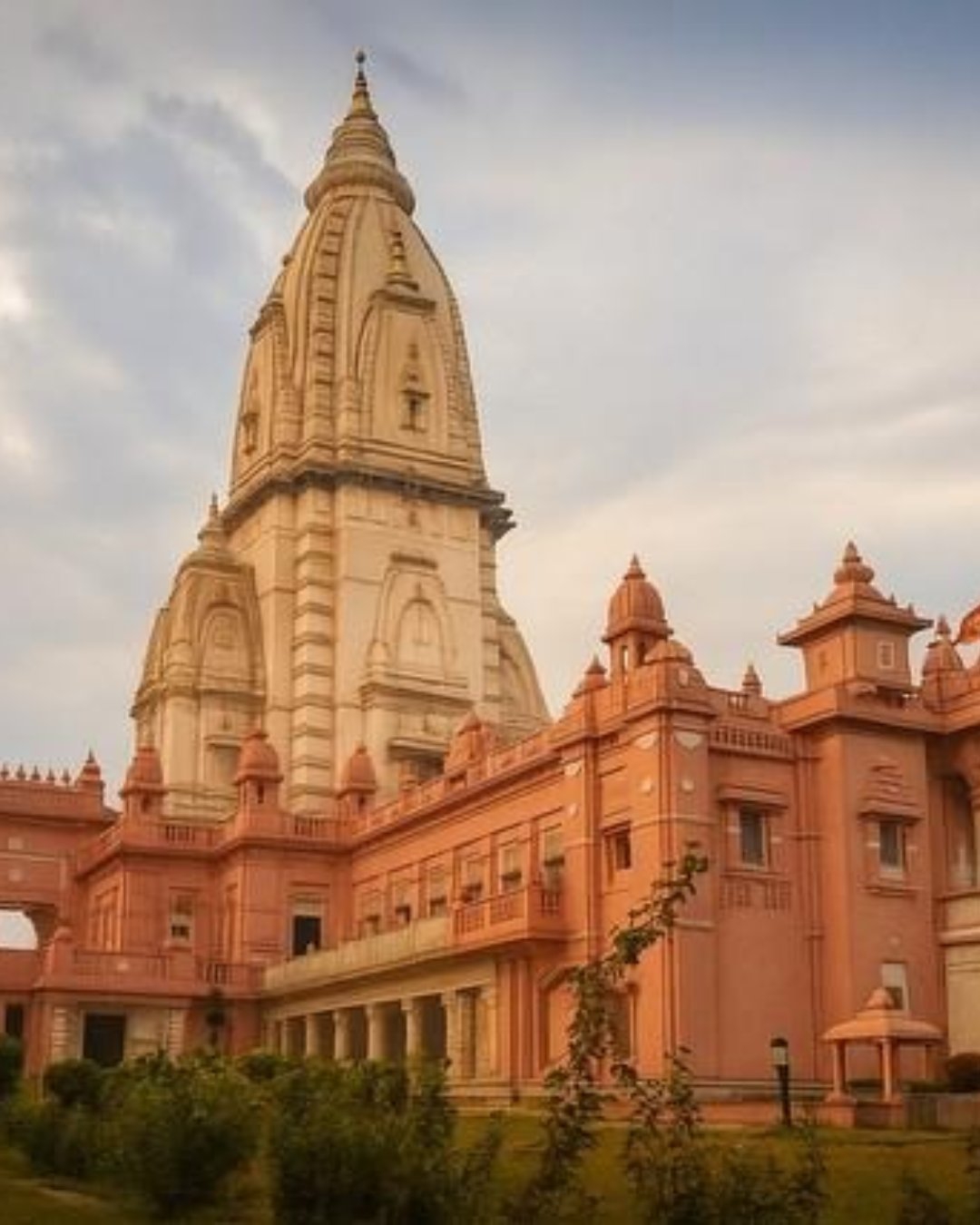
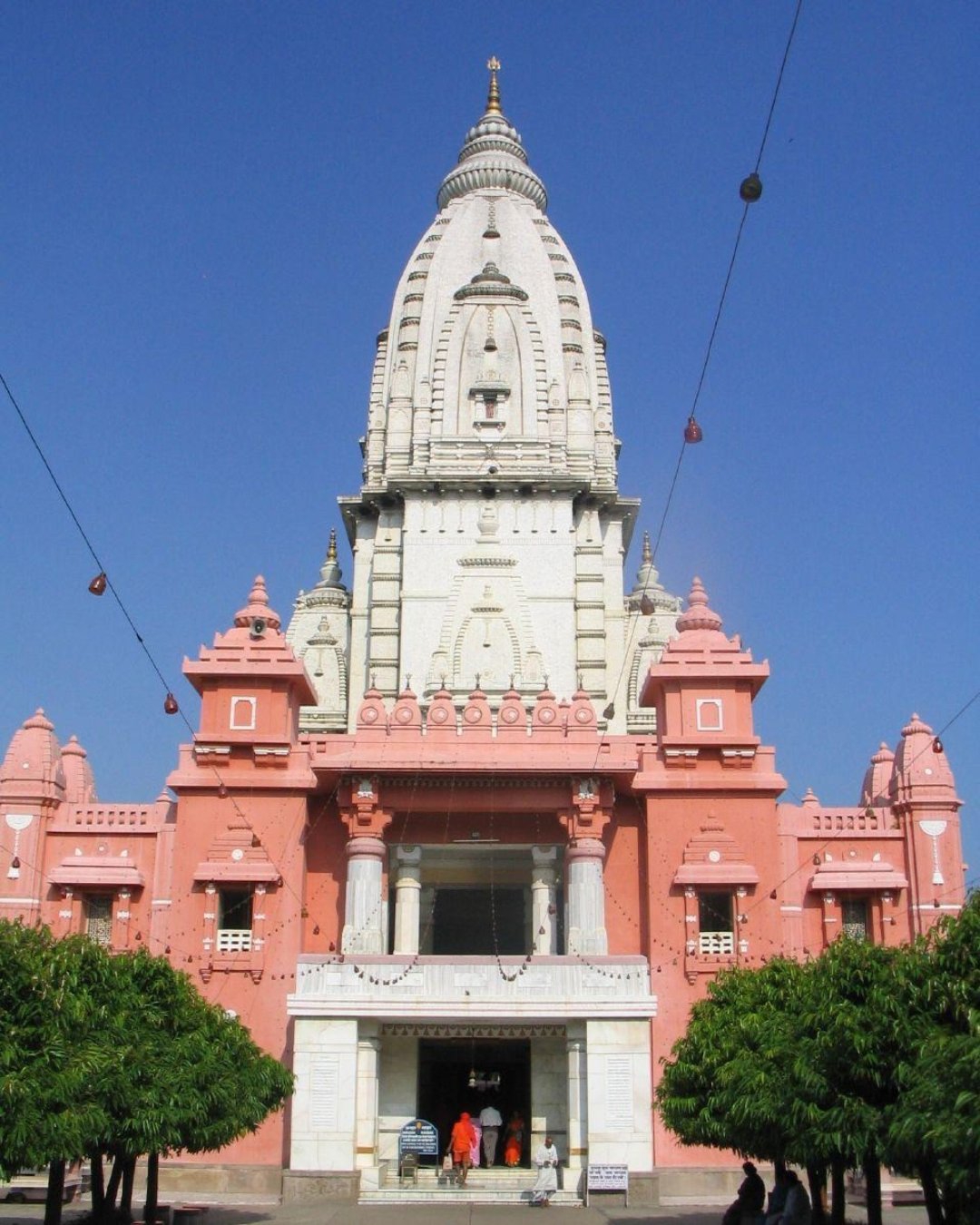
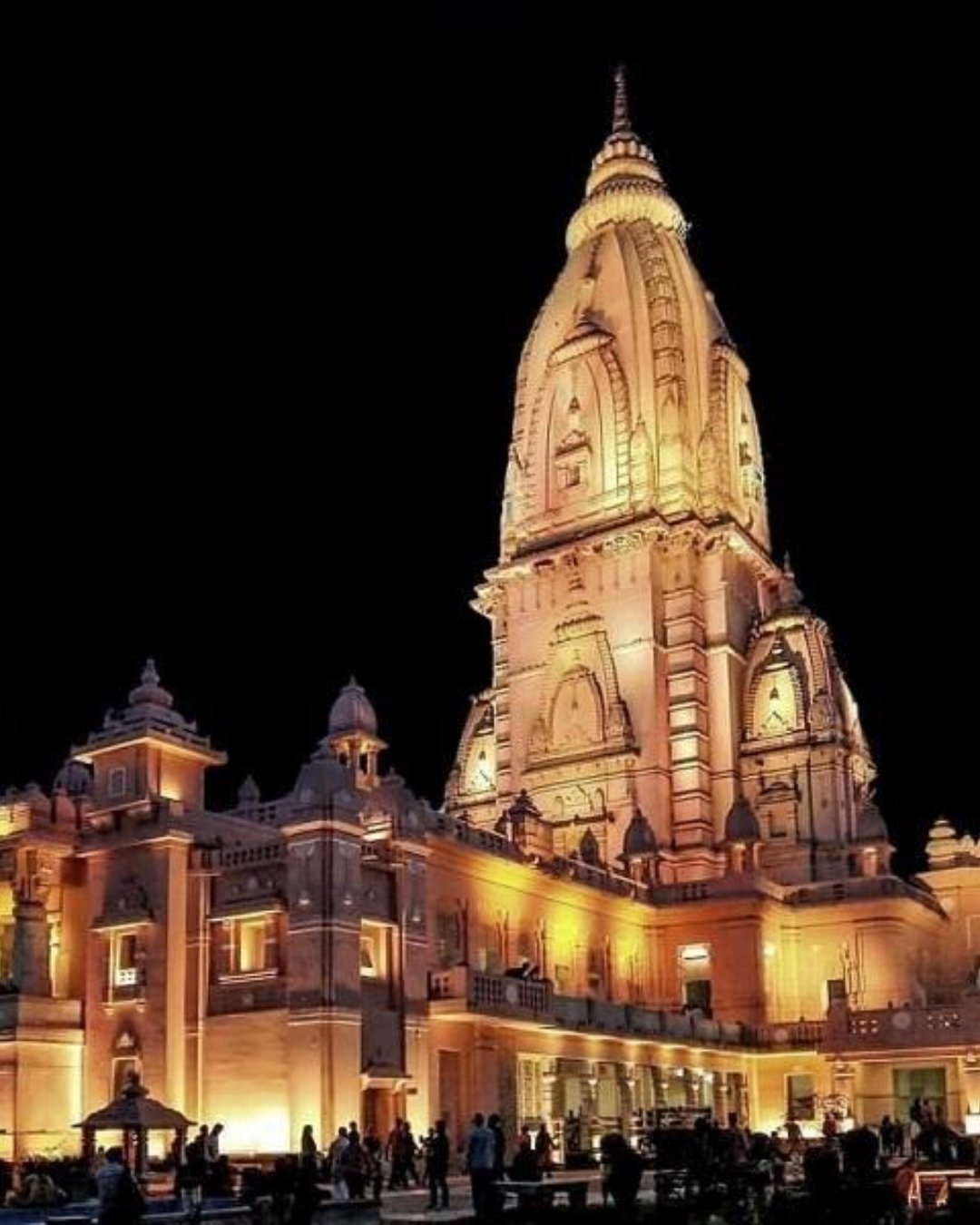
New Vishwanath Temple (Birla Temple)
You've probably confused it with the famous one. Kashi Vishwanath is the ancient temple in the old-city lanes; this is a different place entirely — a 20th-century marble temple inside Banaras Hindu University, built by the Birla family, and a lot of visitors turn up at one expecting the other. But here's the thing nobody tells you: this isn't a second-best substitute. It's a calm, open, beautifully kept temple on a green campus, with no crowds, no touts, no security scramble — the exact opposite of the old-city experience, and worth going for on its own terms.
Let's fix that. Here's how the New Vishwanath Temple actually works, and how to get it right the first time.
Why you come here for calm, not for the crowd
The old Kashi Vishwanath is intense — lanes, queues, phones surrendered, the press of thousands. The New Vishwanath Temple is the antidote. It sits inside the BHU campus, set among trees and lawns, and it's spacious, quiet and unhurried in a way almost nothing else in Varanasi is.
That makes it a good mid-morning or afternoon stop, when the ghats have gone flat and hot and you want somewhere peaceful. It's open through the day with a midday break, and because it's on a university campus rather than in the tangle of the old city, you simply walk in — no lanes to navigate, no one working you for a "guide."
What you'll actually see
A modern temple built to last, and the campus around it:
The marble shikhara — one of the tallest temple towers in the city, white marble, visible across the campus.
The verses on the walls — passages from Hindu scriptures inscribed inside, which is part of the temple's purpose as a place of study.
The Shiva lingam — the central shrine, open and accessible without a queue.
The BHU campus — one of Asia's great universities, green and calm, worth a slow wander around the temple.
Dress modestly and be ready to go barefoot from the shoe stand. Photography rules vary by area — outside is usually fine, the inner sanctum often not, so ask.
And here you can keep the phone out for the campus and the exterior, unlike the old temple where everything's surrendered at the gate. Travellers who come will tell you the same thing: the pleasure here isn't a single dramatic moment, it's the calm — sitting on cool marble in a quiet mandapa, reading the inscriptions, watching students cut across the lawns. After the intensity of the ghats and the old city, that stillness is the part you don't expect and end up grateful for.
Pro tip: Combine it with the BHU campus and the Bharat Kala Bhavan museum in the same trip — you're already there, and the museum's collection of miniatures and sculpture is one of the city's underrated pleasures. Come mid-morning or afternoon, when the ghats are at their least rewarding, so your day's rhythm makes sense. And carry ID — campus entry can involve a check at the gate.
The mistakes that ruin it
Most first-timers trip over the same few things. They confuse it with the old Kashi Vishwanath and arrive expecting the ancient temple. They skip it as "just a modern temple" and miss the calm that makes it worth going. Or they come at dawn or dusk, wasting the golden hours the ghats want, when this is exactly the stop for the flat middle of the day.
The easy fix is to know what it is — a peaceful modern temple on a university campus — and slot it into the middle of the day, paired with the museum.
Want BHU, the Birla Temple and the museum in one calm afternoon away from the ghats? Hit Do this trip.
246
MomentISKCON Varanasi, Varanasi

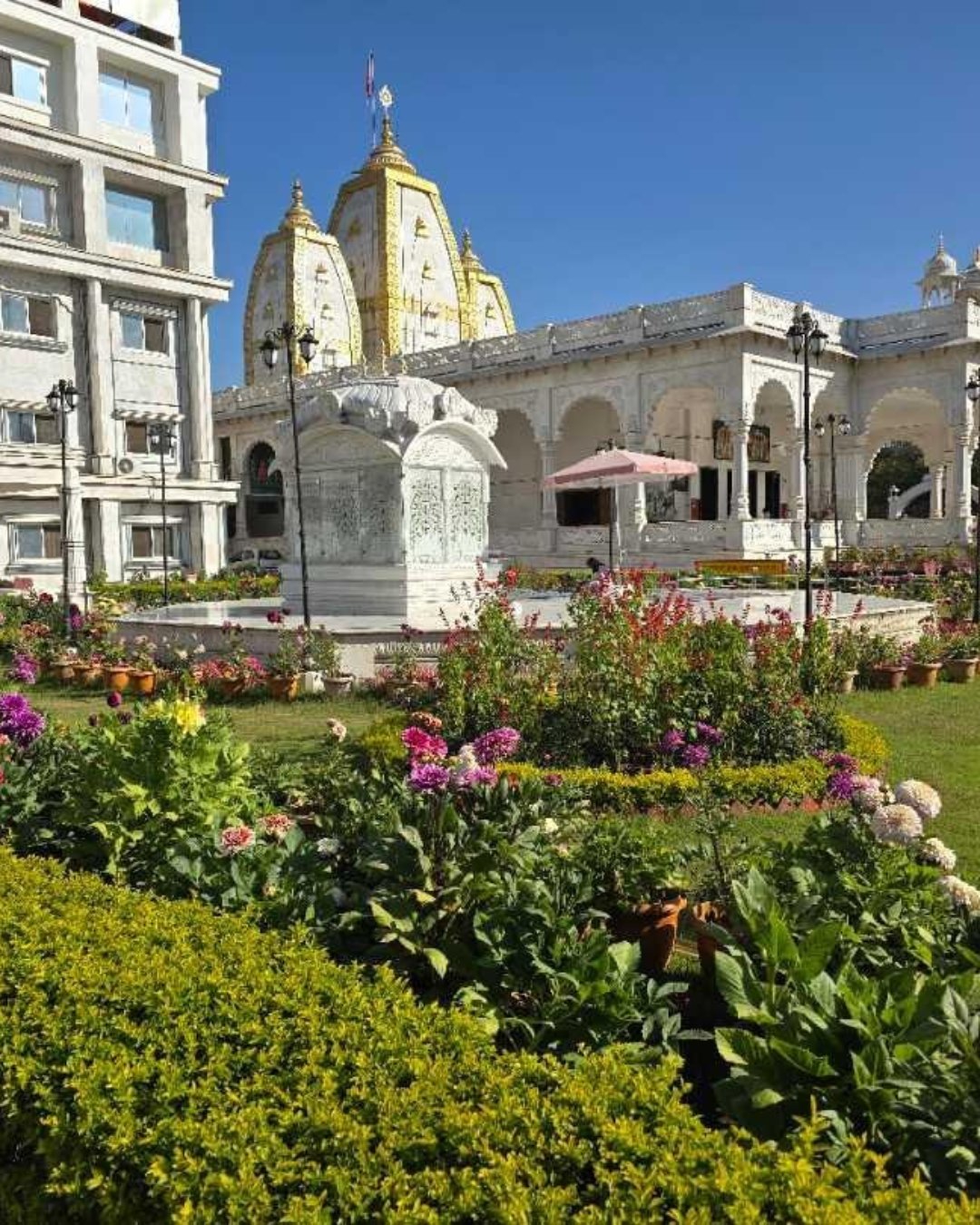
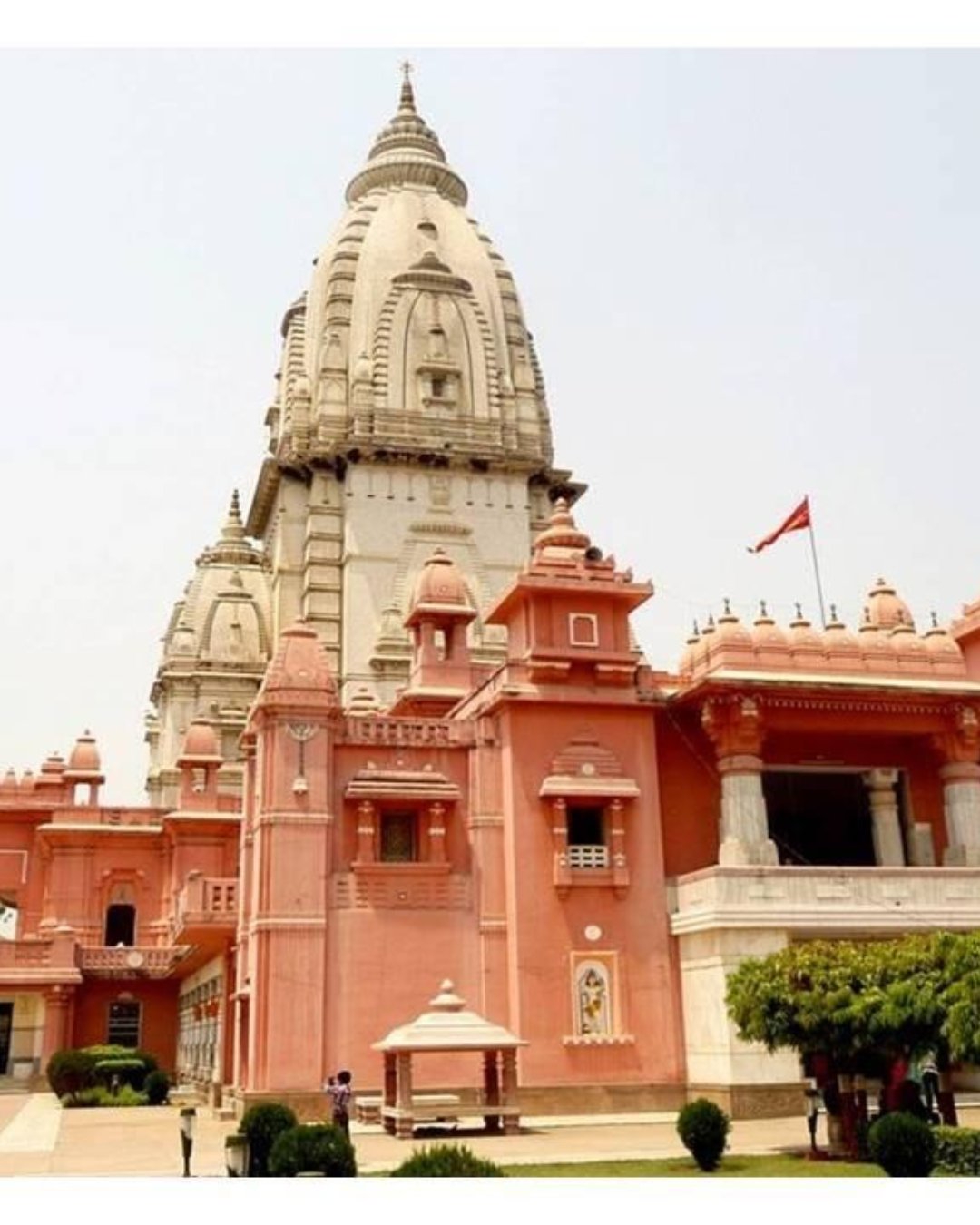
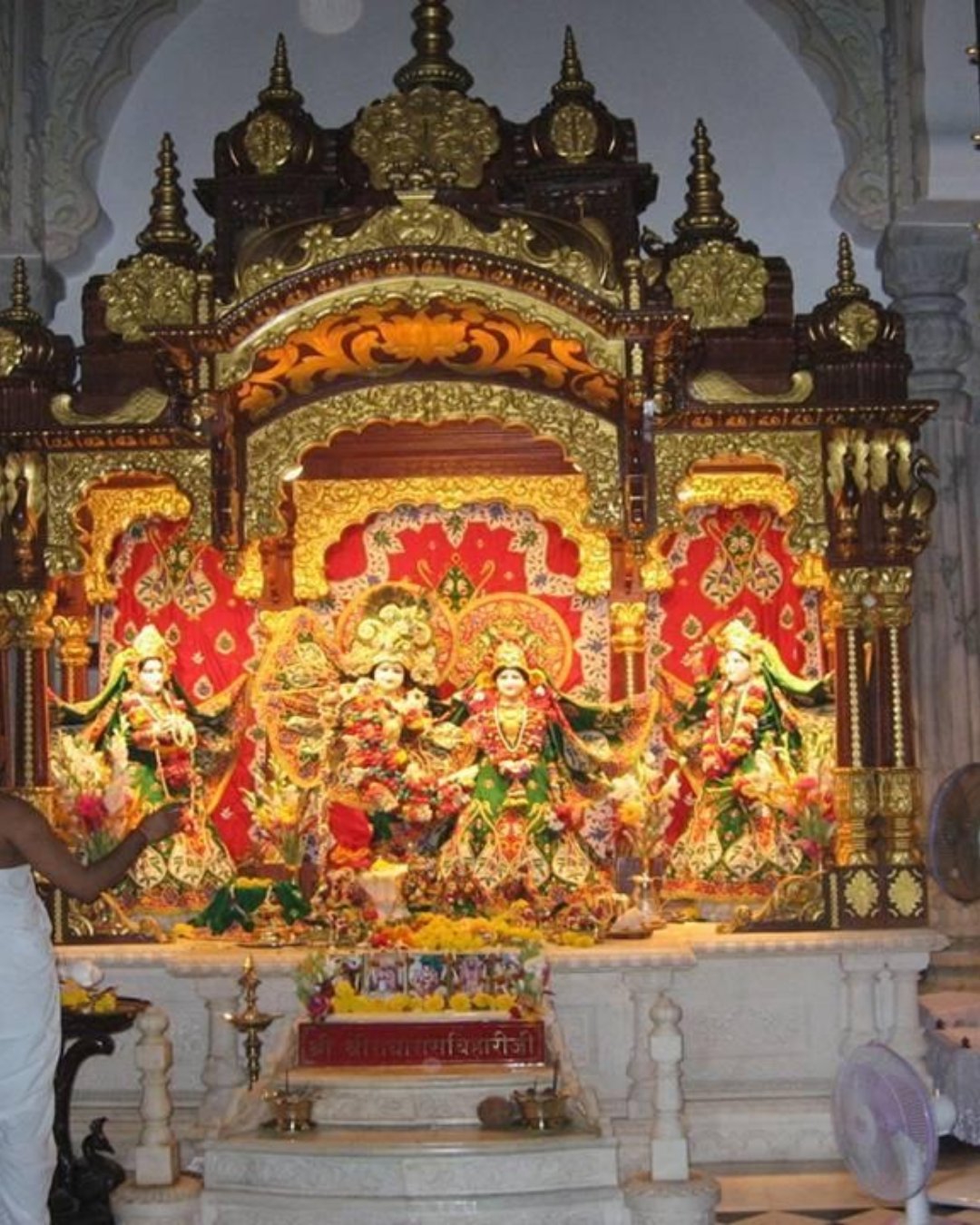
ISKCON Varanasi
You've probably pictured chaos. That's the Varanasi most people brace for — the crush of the old-city lanes, the touts, the heat, the sensory overload of the ghats. But here's the thing nobody tells you: a few kilometres from all that, in the calm of the Sigra area, there's a marble Krishna temple that's the exact opposite — clean, quiet, orderly, and welcoming to people who find the ghats overwhelming. Skip it because it "isn't the real Varanasi," and you miss the one stop on your trip that gives you room to breathe.
Let's fix that. Here's how ISKCON Varanasi actually works, and how to get it right the first time.
Why the timings decide your visit
ISKCON temples run on a schedule, and this one is no different. The temple opens early for mangala aarti around half four in the morning, closes through the middle of the day, and reopens in the late afternoon into the evening. Turn up at two in the afternoon and you'll find the doors shut and the deities resting behind curtains.
So you plan around the aarti times. The early-morning mangala aarti and the evening sandhya aarti are when the temple is alive — chanting, kirtan, the deities dressed and revealed. The evening session is the easiest to fit around a day on the ghats, and it's the one most visitors choose. Come for an aarti, not for the closed hours in between.
What you'll actually see
A modern, serene Krishna temple, a world away from the ancient stone of the riverfront:
The main deities — Radha-Krishna, dressed and adorned, revealed during aarti.
The kirtan — call-and-response chanting of the Hare Krishna mantra, which anyone can join.
The calm — air-conditioned halls, clean marble, no crowds or touts. The contrast with the ghats is the point.
Govinda's / prasadam — pure-vegetarian food offered to the deity, often the best simple meal you'll eat in the city.
Dress modestly, and be ready to leave your shoes at the counter — you'll be barefoot inside. Carry small notes if you want prasadam or to make an offering.
And here, unlike the ghats, the phone mostly stays down out of respect rather than for the view. Travellers who come will tell you the same thing: the pull isn't a photograph, it's the chanting and the stillness. Sit through a full aarti rather than passing through — the kirtan builds, and it lands differently when you stay for the whole of it rather than filming a minute and moving on. That immersion is the part a quick photo never catches.
Pro tip: Time your visit to an aarti and check the day's schedule before you set out, since timings shift with the season and festival calendar. Come on Janmashtami (Krishna's birthday, Aug–Sep) and the temple is transformed — extraordinary, but expect crowds. Stay for prasadam; it's part of the experience, not an add-on. And treat this as your calm hour — a deliberate contrast to the intensity of the ghats, not a competitor to them.
The mistakes that ruin it
Most first-timers trip over the same few things. They arrive during the midday closure and find the doors shut. They pass through in five minutes and miss the aarti that's the whole point. Or they skip it entirely, assuming a modern temple has nothing to offer next to the ancient ones.
The easy fix is to come for an aarti, stay for the chanting and the prasadam, and let it be the quiet counterpoint to your riverfront days.
Want ISKCON timed to the aarti with prasadam sorted into your day? Hit Do this trip — we'll slot it in.
238
MomentShree Gauri Kedareshwar Mandir (Dwadash Jyotirling Kashi Khand), Varanasi

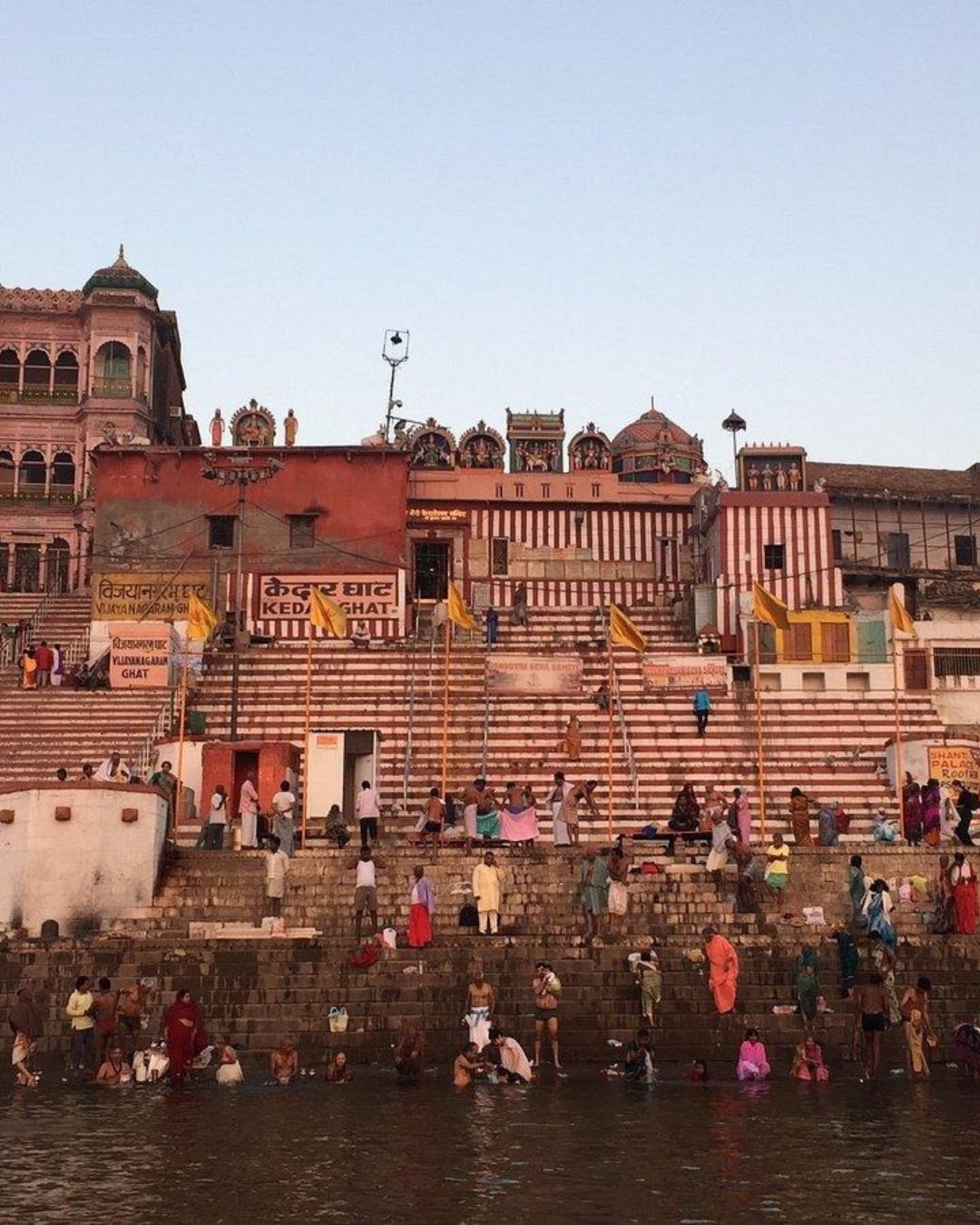
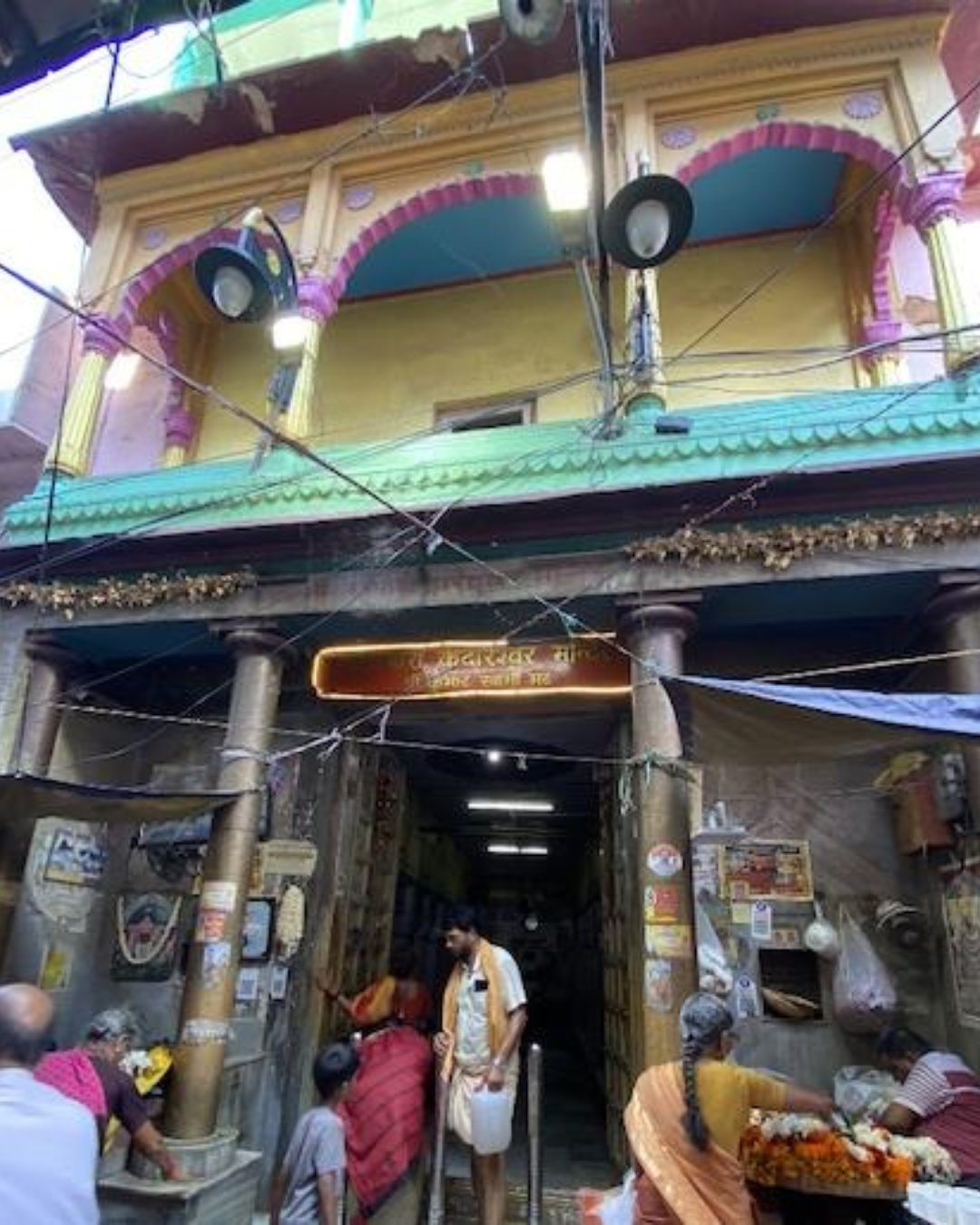
Kedareshwar Temple
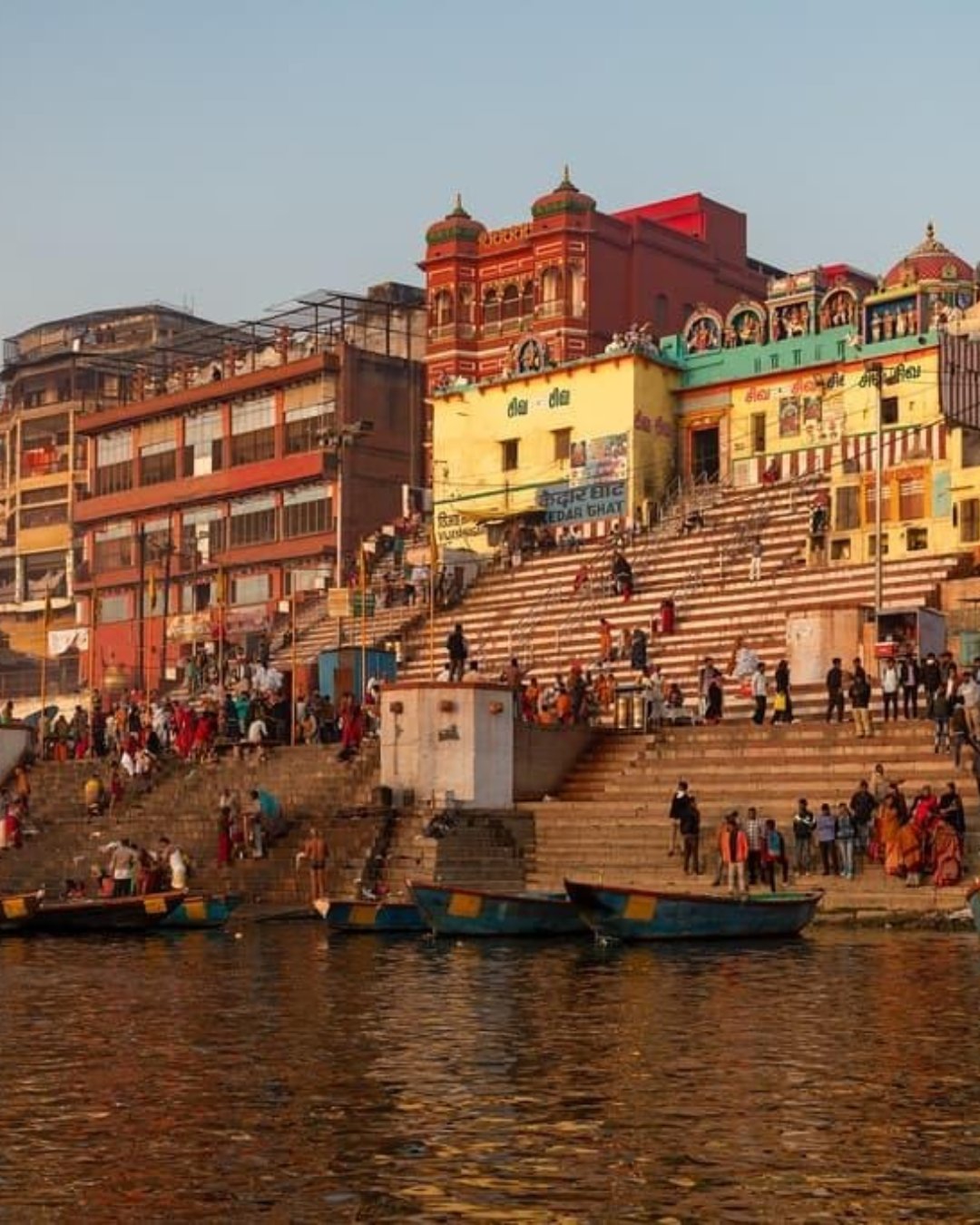
You've probably filed this under "another Shiva temple." Varanasi has hundreds, and from the striped ghat below it, Kedareshwar Temple looks like just one more. But here's the thing nobody tells you: a darshan here is believed to carry the spiritual merit of visiting Kedarnath, the Himalayan shrine that normally requires days of trekking to reach. The Shiva lingam isn't carved—it's a rough, naturally formed stone believed to have manifested on its own. For generations, pilgrims unable to undertake the mountain pilgrimage have come here instead. Most visitors photograph the distinctive red-and-white steps and never step inside.
Let's fix that. Here's how a visit to Kedareshwar Temple actually works, and how to get it right the first time.
Why the early morning, and not any other hour
Kedareshwar Temple isn't known for grand ceremonies or tourist attractions. What makes it special is its peaceful morning atmosphere, when devotees from Bengal, South India, and across the country gather for sincere worship long before the crowds arrive.
The temple is at its most vibrant just after sunrise. Outside major festivals, the queues are short, the air is calm, and you'll experience the temple as local worshippers do every day. By late morning, much of that quiet devotion has faded. If your schedule allows, visit on a Monday—traditionally dedicated to Lord Shiva—when the temple is filled with genuine devotional energy rather than sightseeing visitors.
What you'll actually see
Thirty to forty minutes is enough for an unhurried visit.
The swayambhu Shiva lingam — a naturally formed, self-manifested stone believed to have emerged from the earth, making it the spiritual heart of the temple.
Gauri Kund — the small sacred water tank beside the temple, associated with Goddess Parvati.
The devotees — worshippers offering bilva (bel) leaves, flowers, and Ganga water in a peaceful atmosphere that has remained unchanged for centuries.
The distinctive temple tower — the iconic red-and-white striped shikhara that makes Kedareshwar one of the most recognisable temples along the ghats.
Dress modestly, remove your shoes before entering, and carry a small amount of cash if you wish to purchase offerings or use the shoe stand.
Once inside, keep your phone away and simply observe. Photography is generally discouraged inside the sanctum, and the experience is far more meaningful when you focus on the prayers, the chanting, and the quiet rhythm of worship. Watching devotees patiently offer Ganga water and bilva leaves to the ancient lingam is something that no photograph can truly capture.
Pro tip: Visit on a Monday if possible, but arrive early, especially during the holy month of Sawan (July–August), when the temple attracts large numbers of devotees. If you wish to make an offering, bilva leaves and Ganga water are the traditional choices and are easily available from vendors outside the temple. Always wait your turn in the queue and ask permission before photographing anywhere within the temple premises.
The mistakes that ruin it
Most first-time visitors make the same mistakes. They admire the temple only from the river and never enter. They arrive late in the morning after the most peaceful hours have passed. Others begin filming inside the temple without realising it's an active place of worship.
The easiest solution is to visit early, approach the temple on foot, and understand why it holds such deep spiritual significance. Once you know its connection to Kedarnath and the sacred swayambhu lingam, Kedareshwar becomes far more than just another temple—it becomes one of the most meaningful stops on the Varanasi pilgrimage.
Want the Kedarnath-equivalent darshan on your ghat morning, timed to sunrise? Hit Do this trip — we'll build it in.
226
MomentNepali Temple, Varanasi

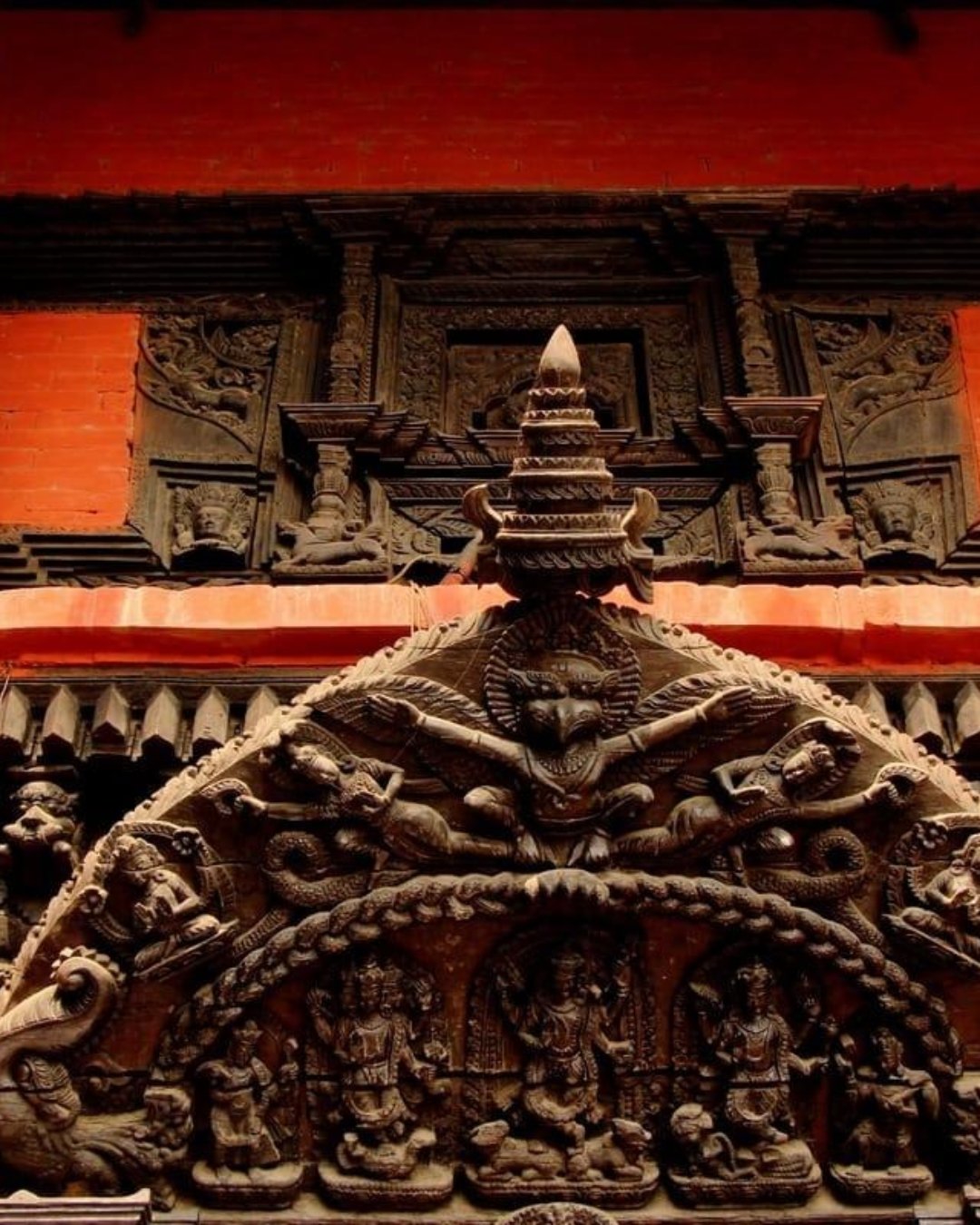
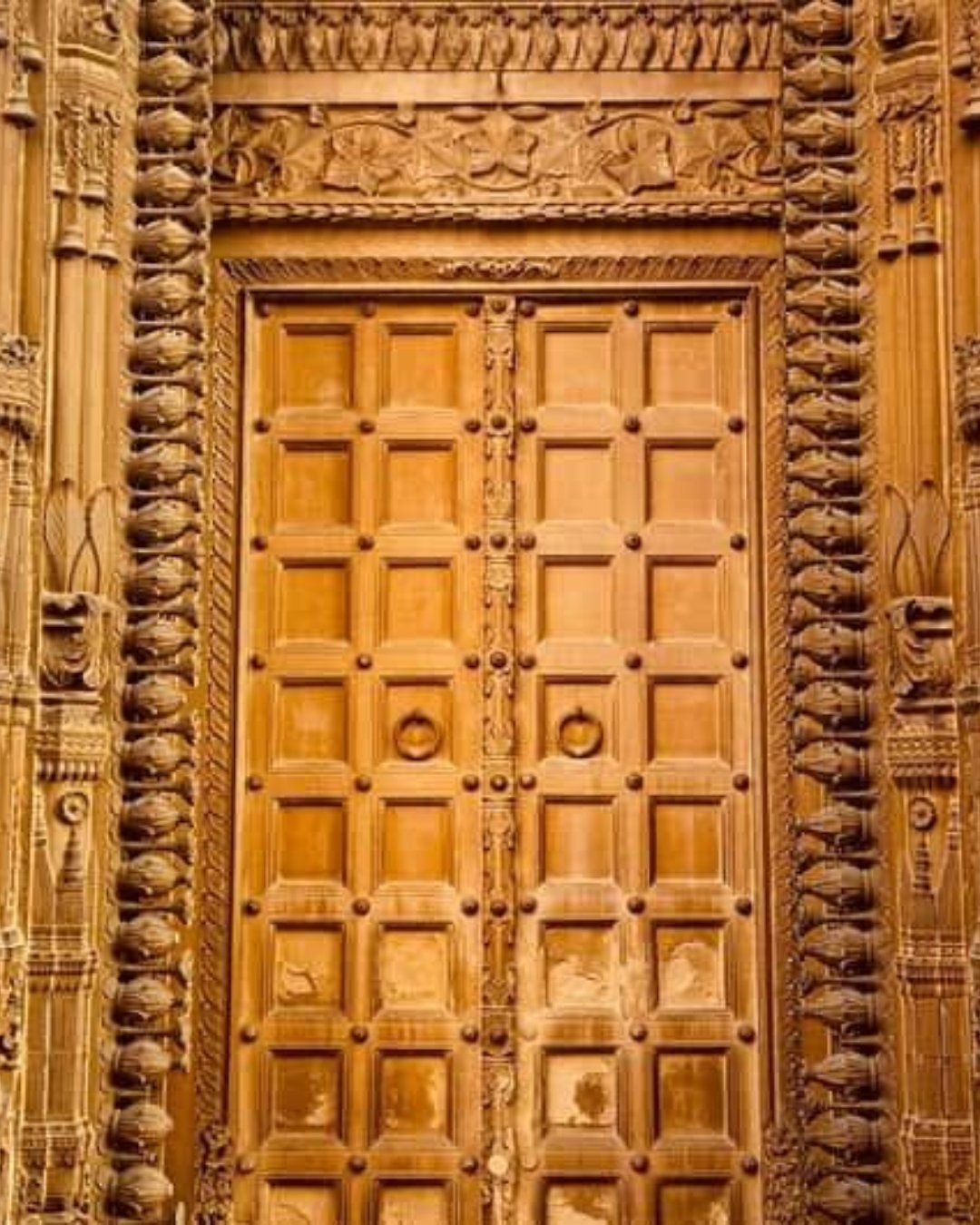
Nepali Temple (Kathwala Temple)
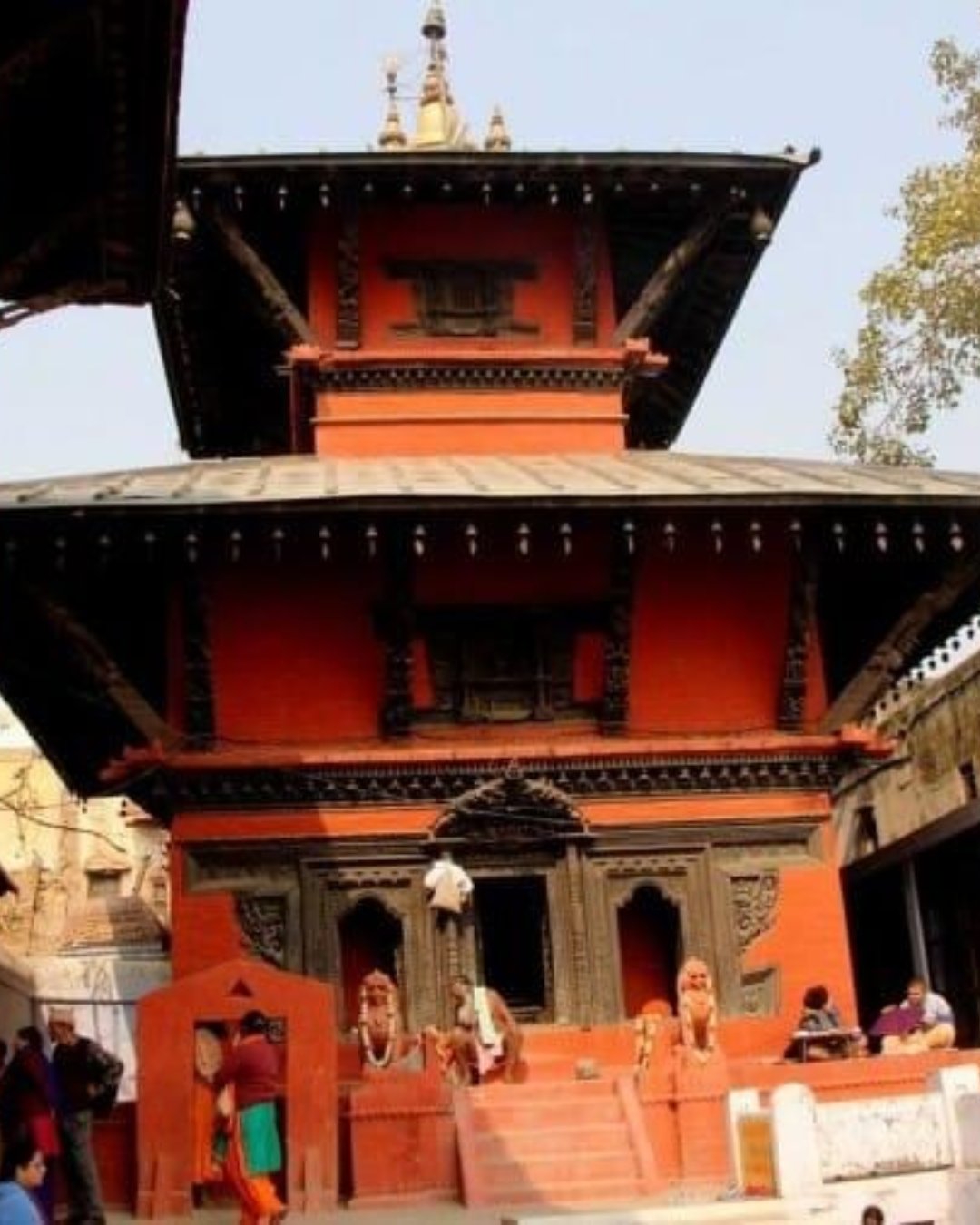
You've probably had your eye on the burning ghat right beside it and walked straight past. But here's the thing nobody tells you: tucked above Lalita Ghat is a temple that looks like it was lifted out of Kathmandu and set down on the Ganga — dark carved timber, a tiered pagoda roof, and beautifully carved wooden struts unlike anything else on the Varanasi riverfront. It's the Nepali Temple, built by a king of Nepal, and it's one of the most architecturally distinctive landmarks in the city. Most visitors never even look up.
Let's fix that. Here's how the Nepali Temple actually works, and how to get it right the first time.
Why you climb up, and go in the morning
From the river you only catch a glimpse of dark timber among the surrounding stone buildings, but the temple sits slightly above and behind Lalita Ghat, so you need to leave the boat and climb the steps to appreciate it properly. The effort is well worth it. This is a working Shiva temple, often regarded as the Nepali counterpart to Kashi Vishwanath, built entirely of wood in the traditional Nepali pagoda style by artisans brought from Nepal.
Morning is the best time to visit. The temple is open during daylight hours, the atmosphere is peaceful before the crowds arrive, and the soft morning light highlights the intricate wood carvings that can appear much darker under the midday sun. It's an easy stop that pairs naturally with Lalita Ghat and takes around thirty minutes to explore.
What you'll actually see
The Nepali Temple — a beautifully crafted wooden Shiva temple, also known as Kathwala Temple ("the Wooden Temple") or Someshwar Temple, built in traditional Nepali pagoda architecture.
The carved wooden struts — intricate hand-carved timber brackets, including decorative motifs characteristic of Nepalese temple design, making this one of the city's most unique architectural treasures.
The riverside terrace — offering peaceful views across the Ganga and toward nearby Manikarnika Ghat.
The Kashi Vishwanath Dham Corridor — located just a short walk away, making it easy to combine both attractions in a single visit.
Dress modestly and remove your shoes before entering the temple. Photography of the exterior and architecture is generally permitted, but always remain respectful of worshippers and seek permission where appropriate.
Take a few moments to admire the craftsmanship before reaching for your camera. Visitors who spend time here often discover that the temple is much more than an unusual building—it represents centuries of cultural exchange between Nepal and Varanasi. Standing beneath the carved wooden roof, surrounded by Himalayan architecture in the middle of Kashi, is an experience that photographs alone rarely capture.
Pro tip: Combine your visit with the Kashi Vishwanath Dham Corridor, since the Nepali Temple sits close to the river entrance. Arriving by boat at Lalita Ghat and then walking up to both sites makes for one of the most rewarding heritage walks in Varanasi. Visit in the morning for the best light and the quietest atmosphere, and appreciate the carvings as an important part of traditional Nepali temple architecture rather than simply a curiosity.
The mistakes that ruin it
Most first-time visitors make the same mistakes. They notice the temple only from the river and never climb the steps. They visit during the middle of the day when the woodwork loses much of its detail in the harsh sunlight. Others overlook the temple's cultural significance and miss the remarkable craftsmanship that makes it unique.
The easiest solution is to visit in the morning, combine it with the nearby Kashi Vishwanath Corridor, and spend a little time understanding why a traditional Nepali pagoda-style temple stands on the banks of the Ganga.
Want the Nepali Temple paired with the Corridor walk in one heritage morning? Hit Do this trip— we'll plan the route.
213
MomentAdi Keshav Ghat, (Varanasi), Varanasi

Adi Keshava Temple
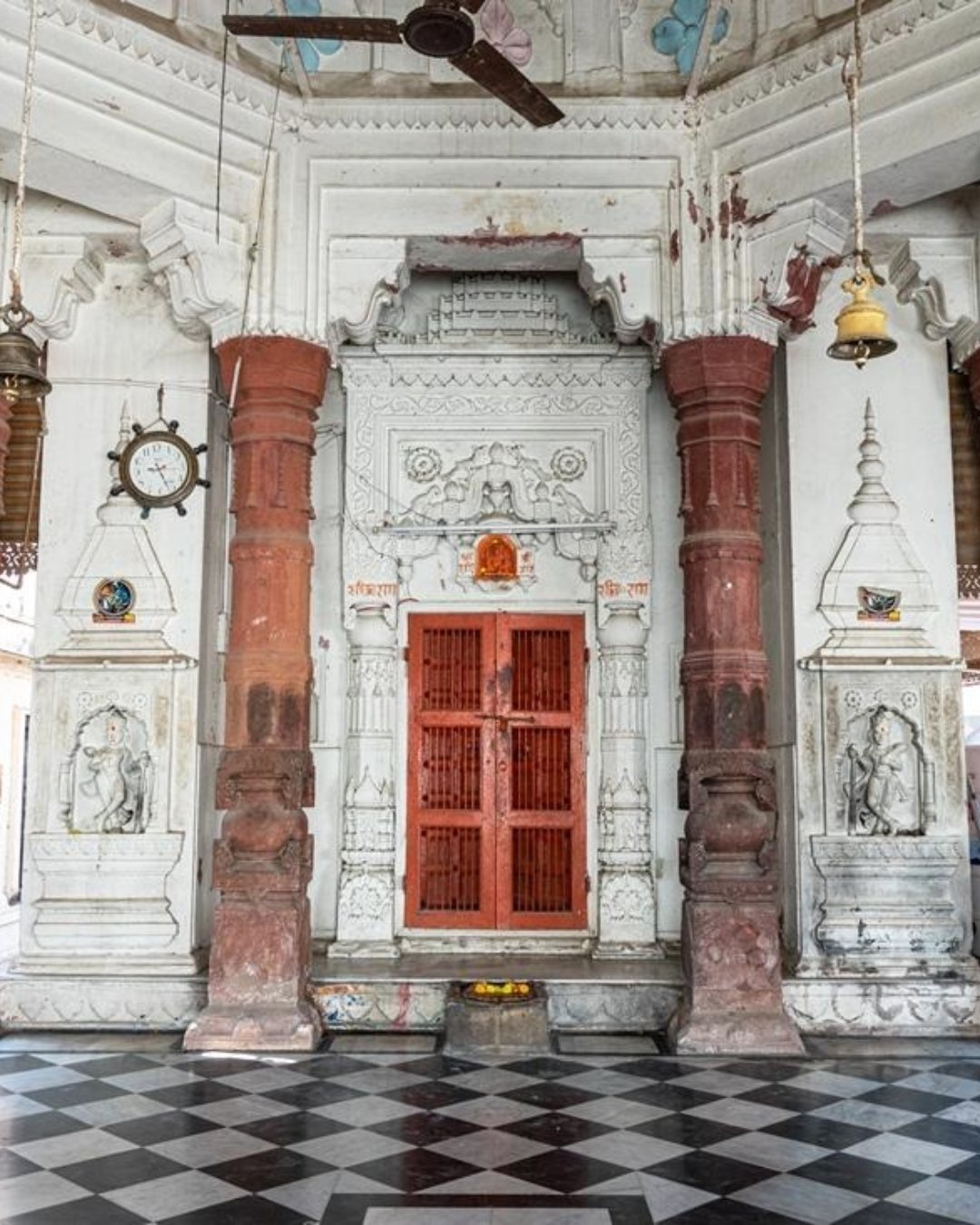
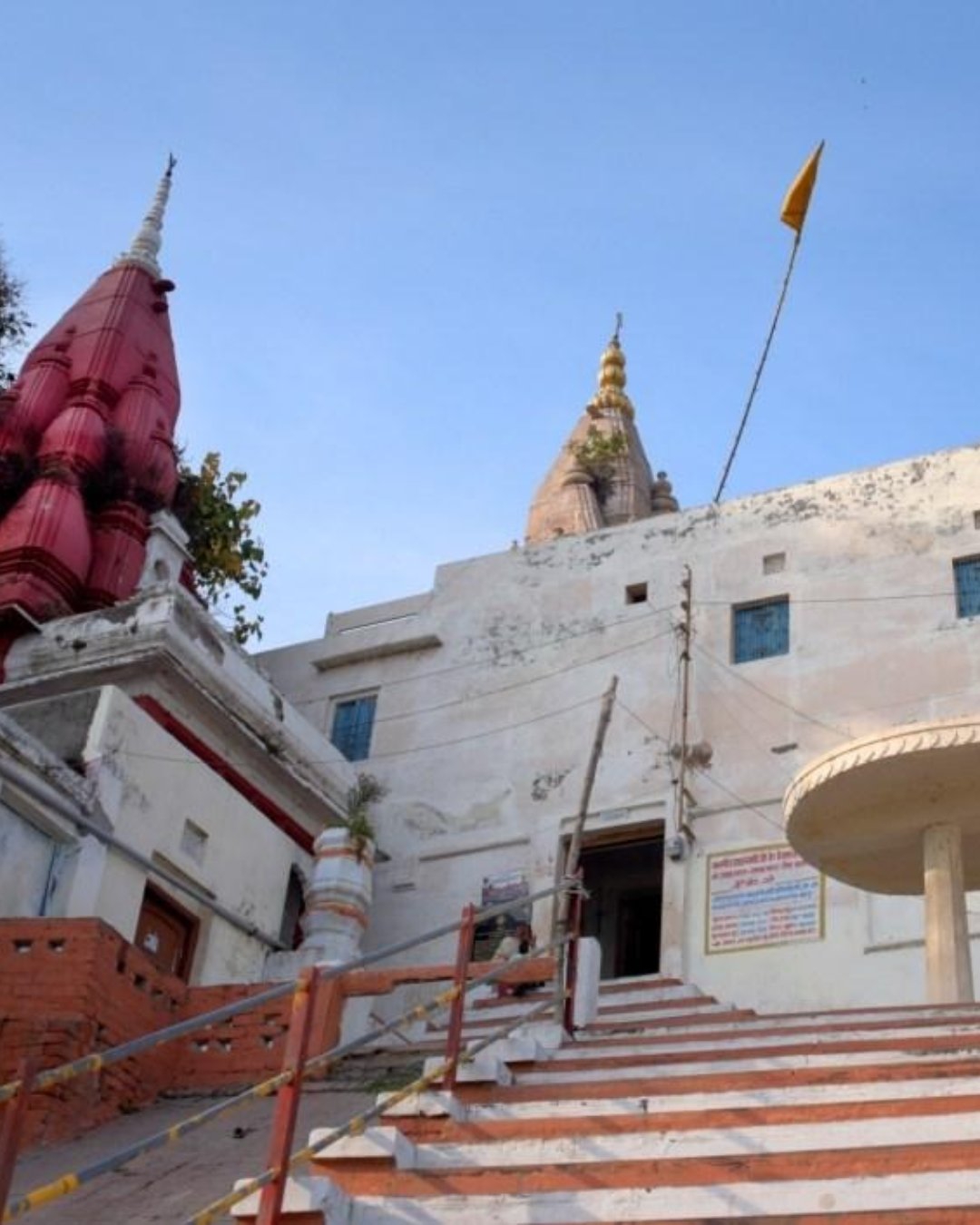
You've probably never had this one on a list. It sits at the far northern edge of Varanasi, where the Varuna river joins the Ganga, well past where the boats turn back — so almost no visitor reaches it. But here's the thing nobody tells you: this is where the city started. Adi Keshava — "the first Vishnu" — marks the original sacred nucleus of Kashi, the spot the whole overwhelming city downstream grew outward from. Everyone crowds the central ghats. Almost nobody stands at the point it all began.
Let's fix that. Here's how a visit to Adi Keshava actually works, and how to get it right the first time.
Why you go by road, and in the morning
Adi Keshava is genuinely out of the way — the northern end, at the Varuna confluence, a long haul upriver from the central ghats. Rowing all the way here from Dashashwamedh eats most of a morning, so this is better reached as a short, dedicated trip by road than tacked onto a dawn boat ride.
And it isn't about a view. This is history you come to stand in, not photograph. Come in the morning, when the temple is active and the confluence is calm, and give it the context it needs — because without knowing what Adi Keshava is, it's an unremarkable shrine at the edge of town. With it, you're standing at the mythic and archaeological origin of one of the oldest living cities on earth.
What you'll actually see
Small, quiet, and layered with meaning:
The Adi Keshava shrine — the "original Vishnu," marking the ancient core of Kashi at the river junction.
The Varuna–Ganga confluence — where the Varuna meets the Ganga; the northern bookend of the city, as the Assi is the southern.
The old settlement ground — nearby excavations have turned up some of the earliest layers of the city here.
The Malviya Bridge — the old road-and-rail bridge crossing the Ganga just alongside.
Dress modestly and be ready to go barefoot in the temple. This is a working local shrine, not a tourist site, so keep a low profile and carry small notes for an offering.
And this is a place to look and understand rather than shoot. Travellers who make the trip out will tell you the same thing: there's no spectacle here — no aarti, no burning ghat, no dramatic frame — just the quiet knowledge that everything downstream grew from this modest-looking point. Standing at the confluence where Kashi began, with none of the crowds that fill the rest of it, is the part no photo carries, because there's nothing photogenic to catch.
Pro tip: Treat Adi Keshava as a short, deliberate history trip rather than the tail end of a boat ride — it's too far north to row to comfortably, and the reward is context, not scenery. Come with a word about what the temple is, or it means little. And pair it with a look at the Malviya Bridge and the Varuna confluence to round out the northern edge of the city — the Varuna and the Assi are the two rivers that give "Varanasi" its name.
The mistakes that ruin it
Most first-timers trip over the same few things. They never come, because the boats don't row this far. They arrive not knowing this is the origin point of the city, so it reads as a plain shrine. Or they expect a spectacle and find a quiet temple at the edge of town.
The easy fix is to make a short, intentional trip with someone who can tell you why this spot matters — because unexplained, Adi Keshava is just a small temple where the boats stopped going.
Want the city's origin point as a dedicated history trip with a guide who knows the story? Hit Do this trip.
205
MomentSri Tilbhandeshwar Mahadeva Temple, Varanasi

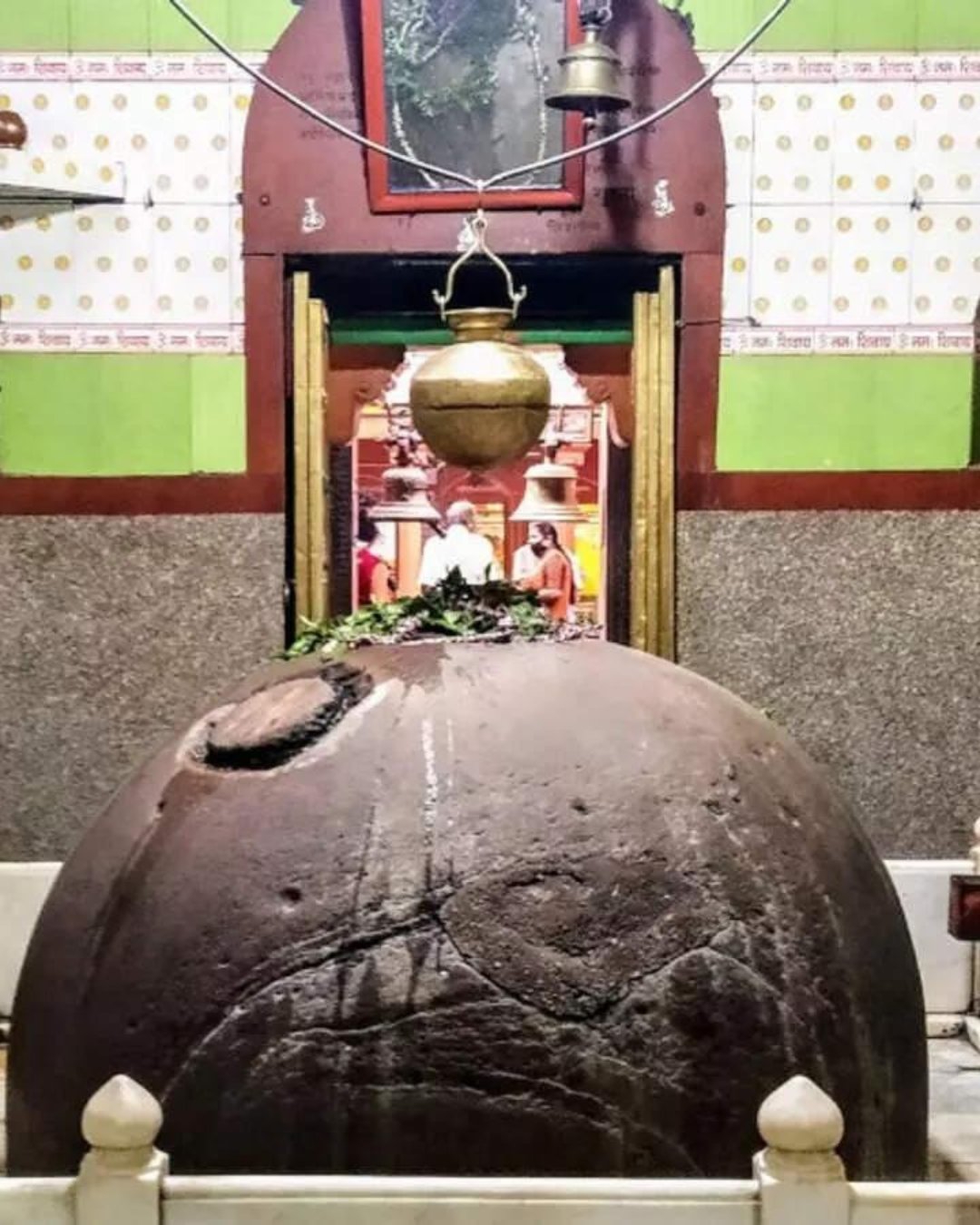
Tilbhandeshwar Mahadev Temple
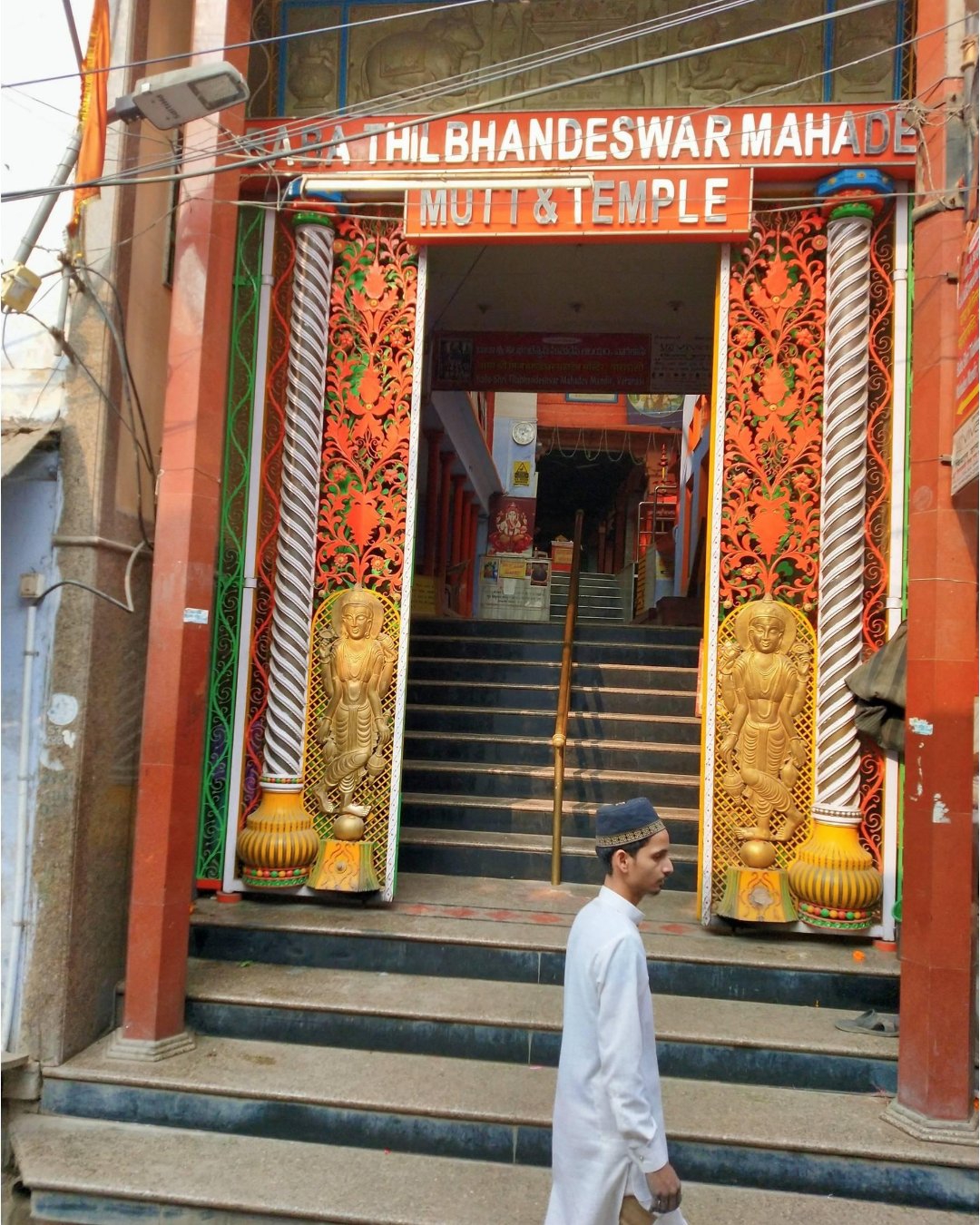
You've probably never heard the name, and that's exactly the point. Every visitor queues for Kashi Vishwanath; almost none find their way to Tilbhandeshwar, tucked in the lanes of Bhelupura away from the river. But here's the thing nobody tells you: this is one of Varanasi's most revered local Shiva temples, and the belief here is remarkable — that the lingam grows by a sesame seed's width each year, which is where the name comes from. Locals pack it on Mondays and through Sawan while tourists walk past the turning entirely.
Let's fix that. Here's how Tilbhandeshwar actually works, and how to get it right the first time.
Why you come early, and on the right day
This is a living neighbourhood temple, not a monument, so its rhythm is devotional, not touristic. It's busiest and most alive early morning and evening, when locals come before and after work — and on Mondays, Shiva's day, and through the monsoon month of Sawan, when the queues stretch down the lane.
That's the paradox: the crowd is the experience here. An empty Tilbhandeshwar at noon is just a quiet courtyard. Come at 7 a.m. on a Monday and you're in the middle of real, unperformed devotion — no guides, no touts, no other visitors, just the neighbourhood at prayer. Go early, and go on a day it matters.
What you'll actually see
Small, atmospheric, and entirely genuine:
The main lingam — the swayambhu (self-manifested) Shiva lingam the temple is built around, the object of the sesame-seed-growth belief.
The temple tank — the sacred kund within the complex, a feature of many old Kashi temples.
The Sawan crowds — if you're here in the monsoon month, the queues and the energy are the whole point.
The Bhelupura lanes — an everyday, un-touristed quarter of the old city, worth the short walk in itself.
Dress modestly and be ready to go barefoot from the shoe stand. Carry small notes for the shoe stand and an offering of bilva leaves or milk if you want to participate.
And this is a temple to experience rather than document — keep the phone down inside. Travellers who find their way here will tell you the same thing: there's nothing staged to photograph, just people doing what they've done for generations, and raising a camera changes the room. Photography of the sanctum is usually not welcome; ask before you point at anything. That unguarded, un-touristed devotion, in a city where so much is watched and sold, is the part the photos never quite catch.
Pro tip: Time it to a Monday morning or a day in Sawan if you want to feel why locals hold this temple so dear — midday on an ordinary day is a shadow of it. Ask a local or your guide for directions rather than relying on a map pin; the Bhelupura lanes are a warren and the entrance is easy to miss. And go with a word of context about the sesame-seed belief and the swayambhu lingam, or it reads as one more small shrine.
The mistakes that ruin it
Most first-timers trip over the same few things. They never find it, because it's off the river and out of the guidebooks. They come at midday on a weekday and get an empty courtyard. Or they arrive knowing nothing of what the temple is, so its significance passes them by.
The easy fix is to come early, ideally on a Monday or in Sawan, with someone who can lead you through the lanes and tell you what you're standing in.
Want a Monday-morning Tilbhandeshwar darshan with a guide through the Bhelupura lanes? Hit Do this trip — we'll find it.
204
MomentBharat Mata Mandir, Varanasi, thana

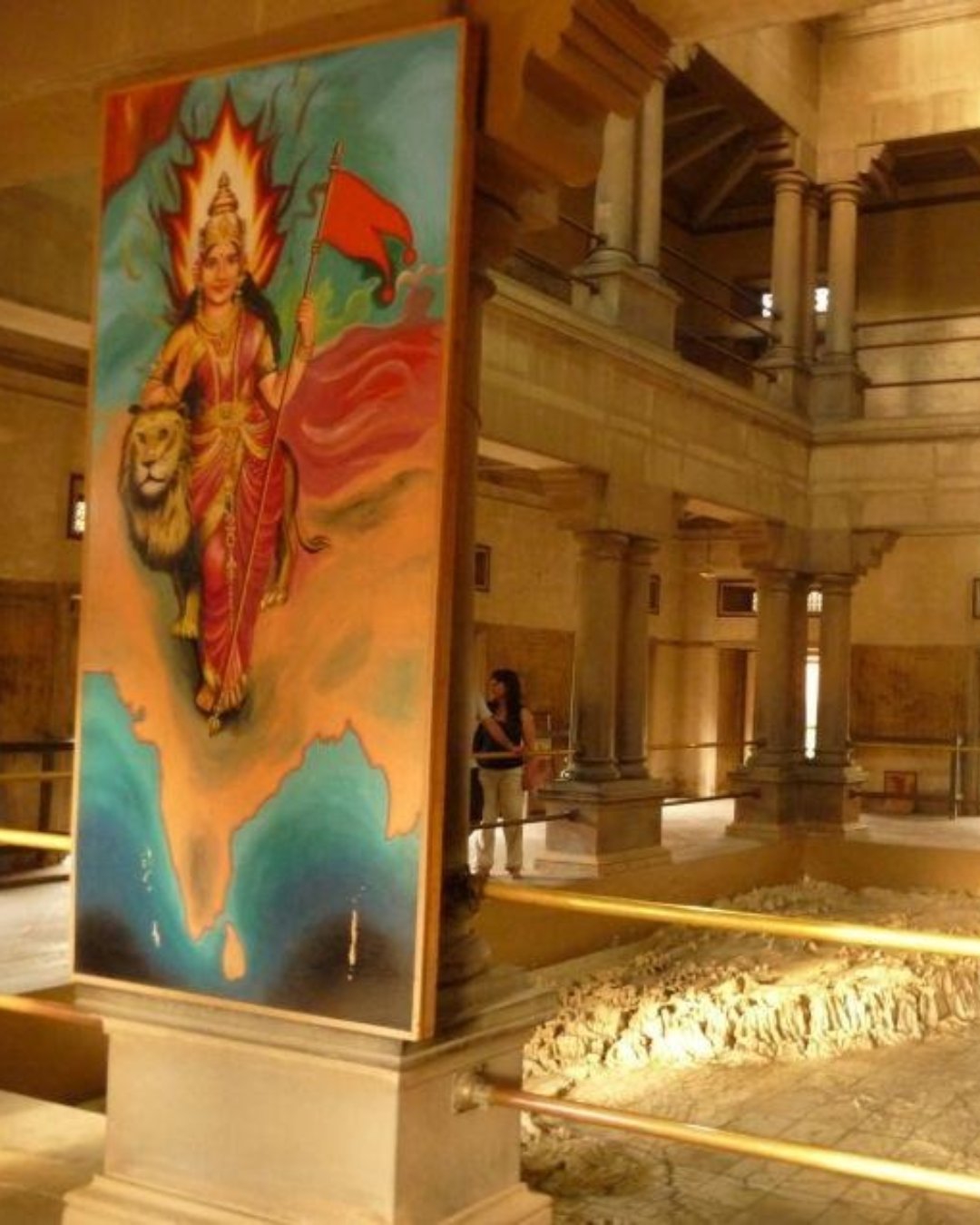
Bharat Mata Temple
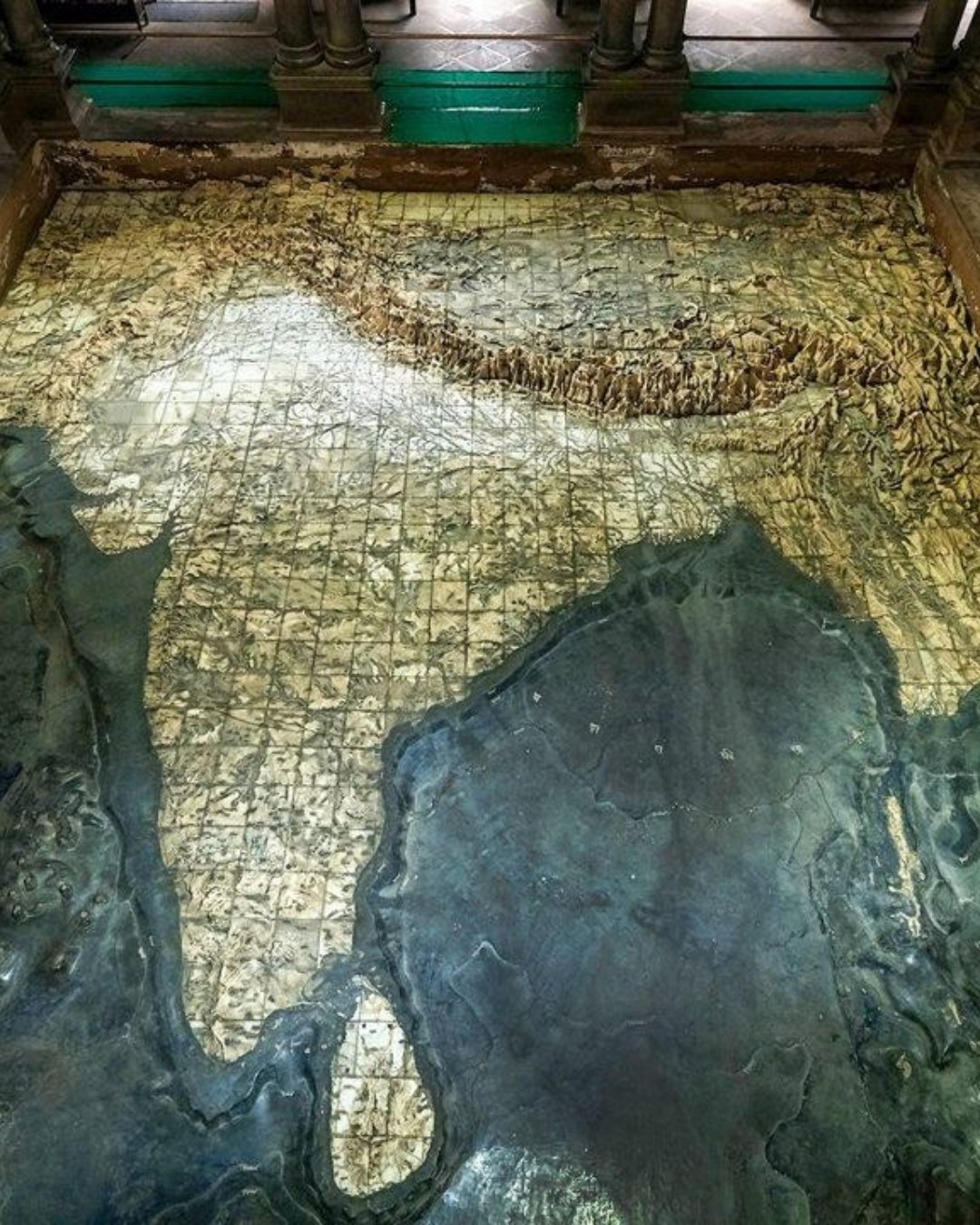
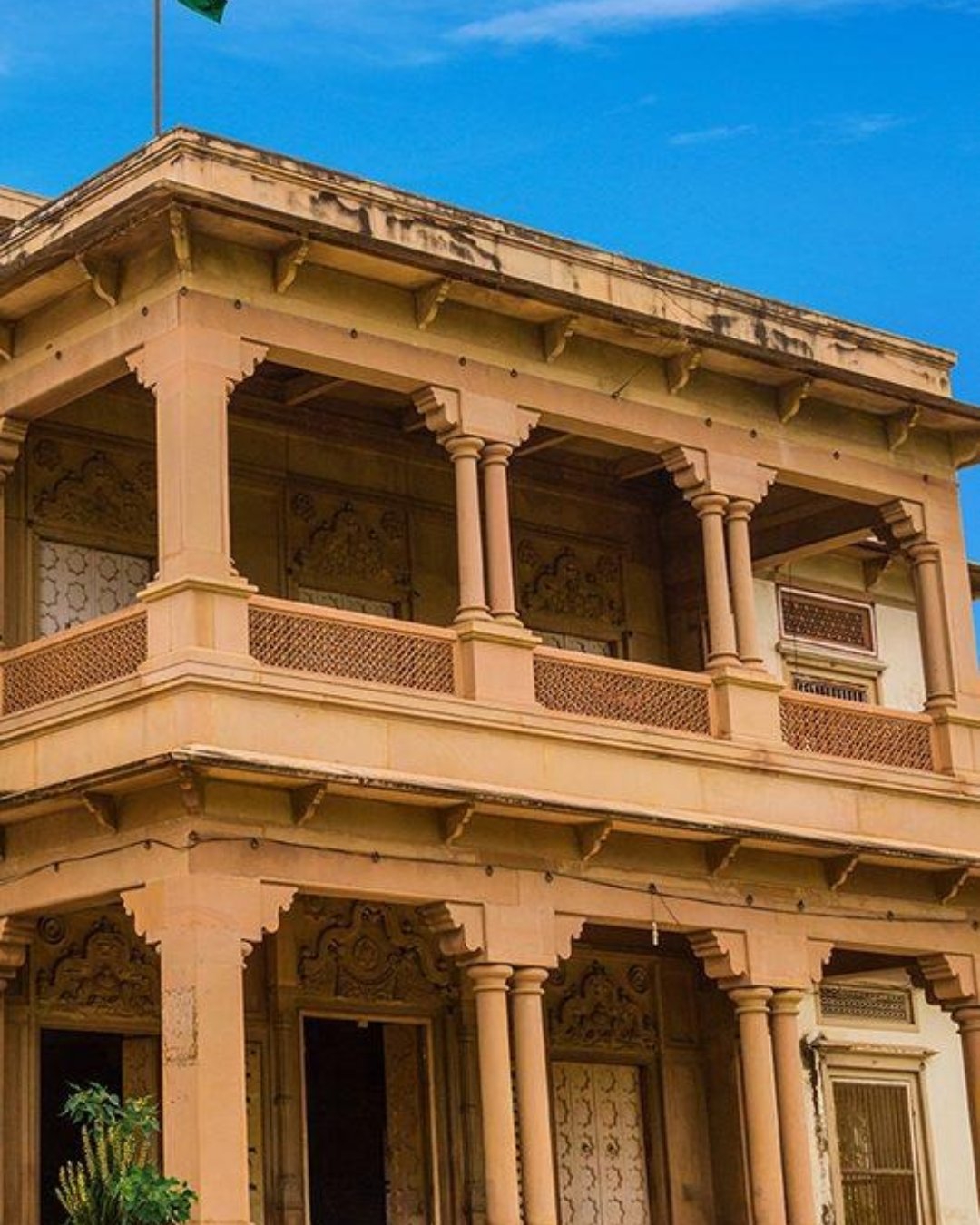
You've probably not got this one on the list at all. It's away from the river, near the university, and it doesn't look like much from outside — a plain hall, not a spire in sight. But here's the thing nobody tells you: step in and there's no idol, no sanctum, no god. Instead the whole floor is a giant relief map of undivided India, carved in marble — mountains, rivers and plains to scale — and that is the object of devotion. People walk past it for years without knowing the one temple in Varanasi dedicated not to a deity but to the land itself.
Let's fix that. Here's how the Bharat Mata Temple actually works, and how to get it right the first time.
Why you go for the idea, not the spectacle
This isn't a temple you feel from thirty metres away. There's no aarti, no queue, no crowd — nothing that announces itself. What's here is a concept: a temple to "Mother India," opened in 1936 and inaugurated by Mahatma Gandhi, built by the nationalist Shiv Prasad Gupta in the freedom-movement years, when the map of the subcontinent itself became something to venerate.
So you come knowing what it is, or it lands as an empty hall with a map on the floor. Go by day, when the light's good on the marble and you can walk the gallery above to read the whole relief at once. It's a short, quiet visit — twenty minutes and a completely different register from the river.
What you'll actually see
The marble relief map — undivided India carved to scale in white marble, mountains rising, rivers cut into the stone, the whole subcontinent laid out on the floor.
The upper gallery — walk around and above it to read the map as a whole; that's where it makes sense.
The plainness — no idols, no gaudy decoration, deliberately. The austerity is the point.
The setting — near Mahatma Gandhi Kashi Vidyapith, a nationalist institution, which is no accident.
Dress modestly and go barefoot as you would in any temple. It's calm and uncrowded, so keep your voice low.
And here the phone stays down at first for a different reason than usual. Travellers who come here will tell you the same thing: the instinct is to shoot the map straight off, but from ground level it's just a floor — you have to go up to the gallery and take it in whole before it means anything. Look first, understand what you're standing over, then photograph it from above. That moment of seeing an entire subcontinent laid at your feet is the part a ground-level snap never catches.
Pro tip: Pair it with the Banaras Hindu University campus and the New Vishwanath Temple next door — they're close, and together they make a calm half-day away from the ghats' intensity. Read a line about Shiv Prasad Gupta and the 1936 opening before you go; five minutes of context turns a bare hall into one of the more quietly moving stops in the city. Check the opening hours, as it closes for a midday break.
The mistakes that ruin it
Most first-timers trip over the same few things. They never come, because it's off the river and sounds dull. They walk in, see a map, and leave without going up to the gallery. Or they arrive knowing nothing of its history, so a genuinely radical idea reads as an empty room.
The easy fix is to come with a little context and go up to the gallery — because unexplained, this is a hall with a map; understood, it's a temple to a whole nation.
Want Bharat Mata, BHU and the Birla Temple in one calm half-day off the river? Hit Do this trip — we'll plan it.
210
MomentRatneshwar Mahadev Temple Varanasi, Varanasi
Ratneshwar Mahadev Temple
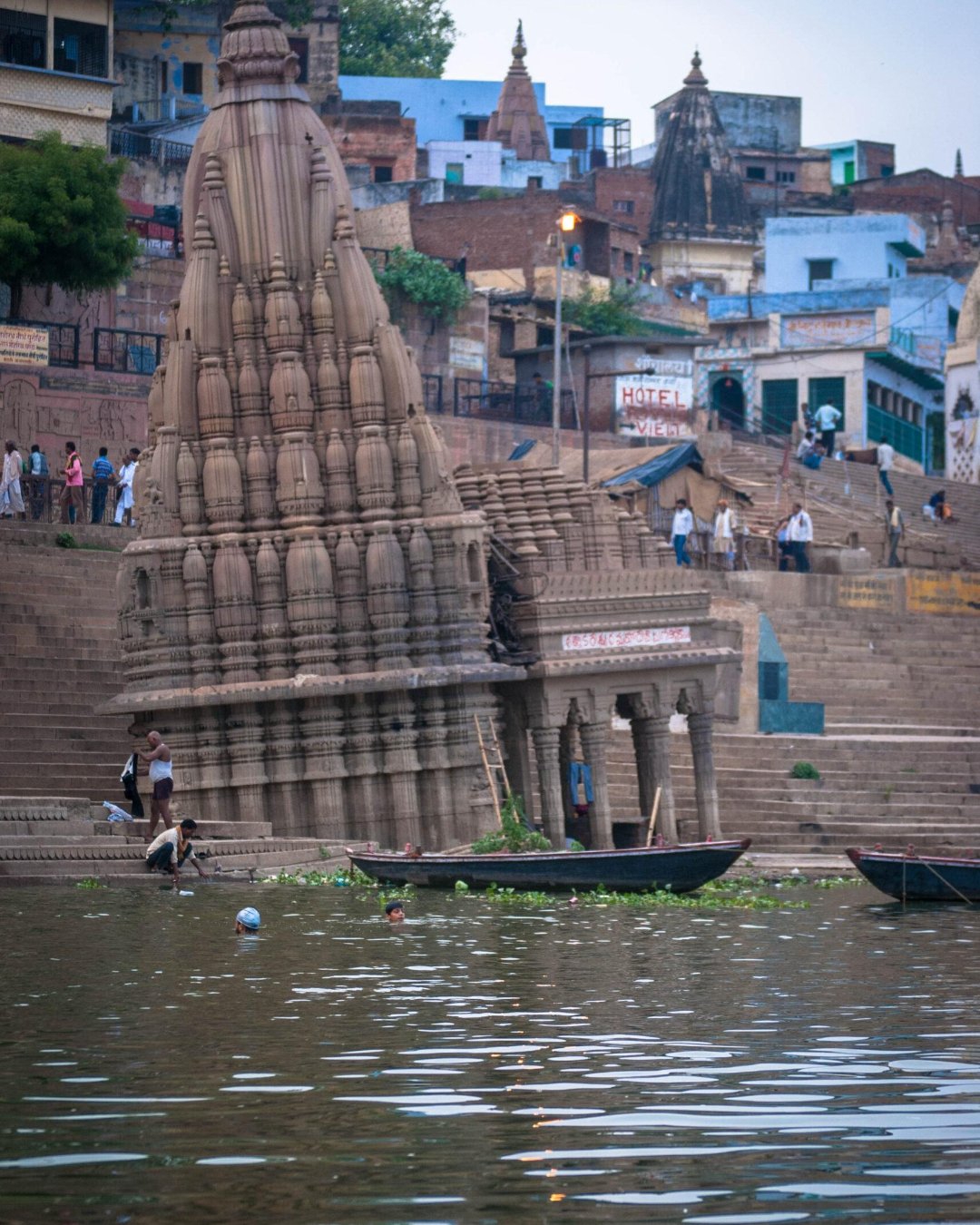
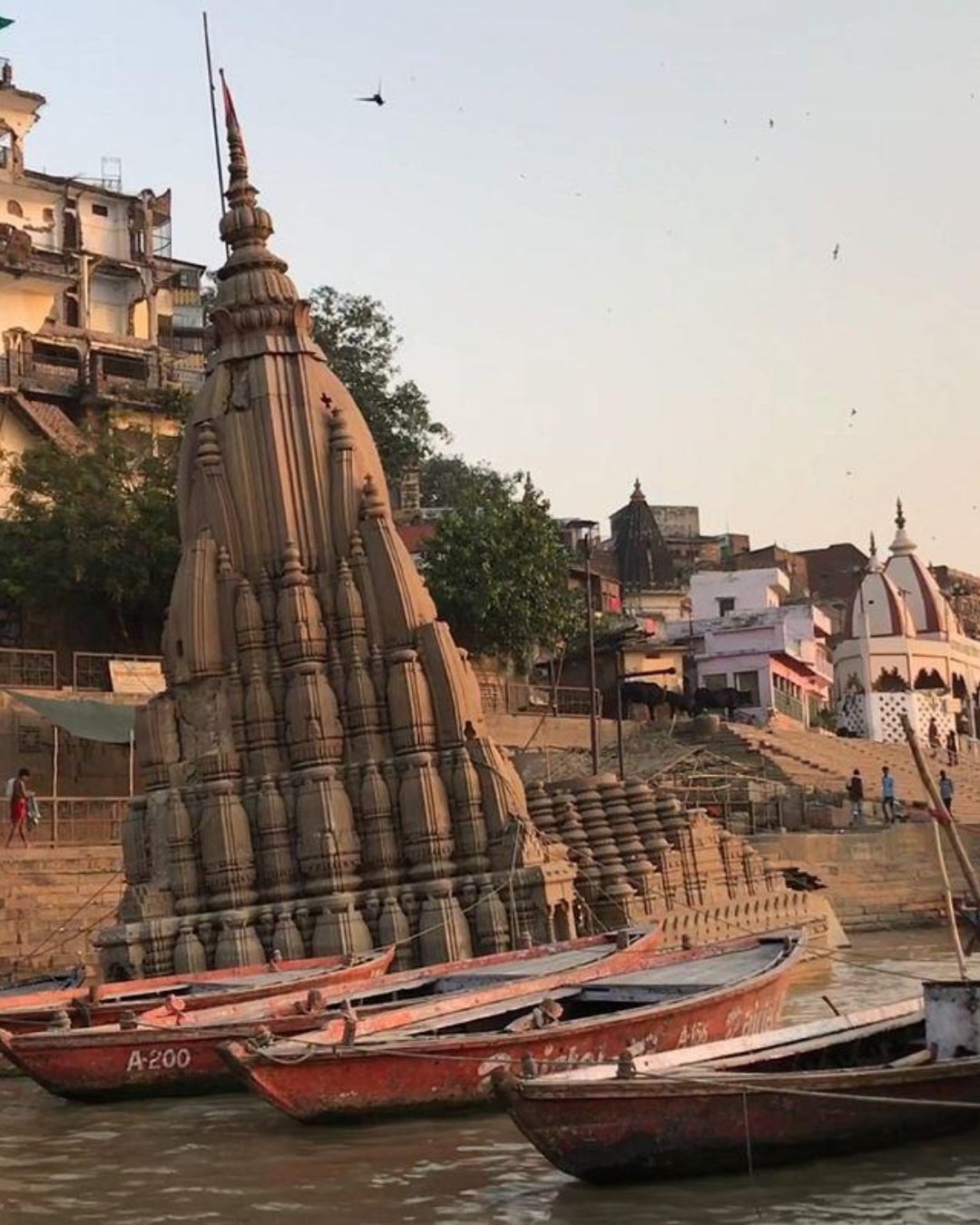
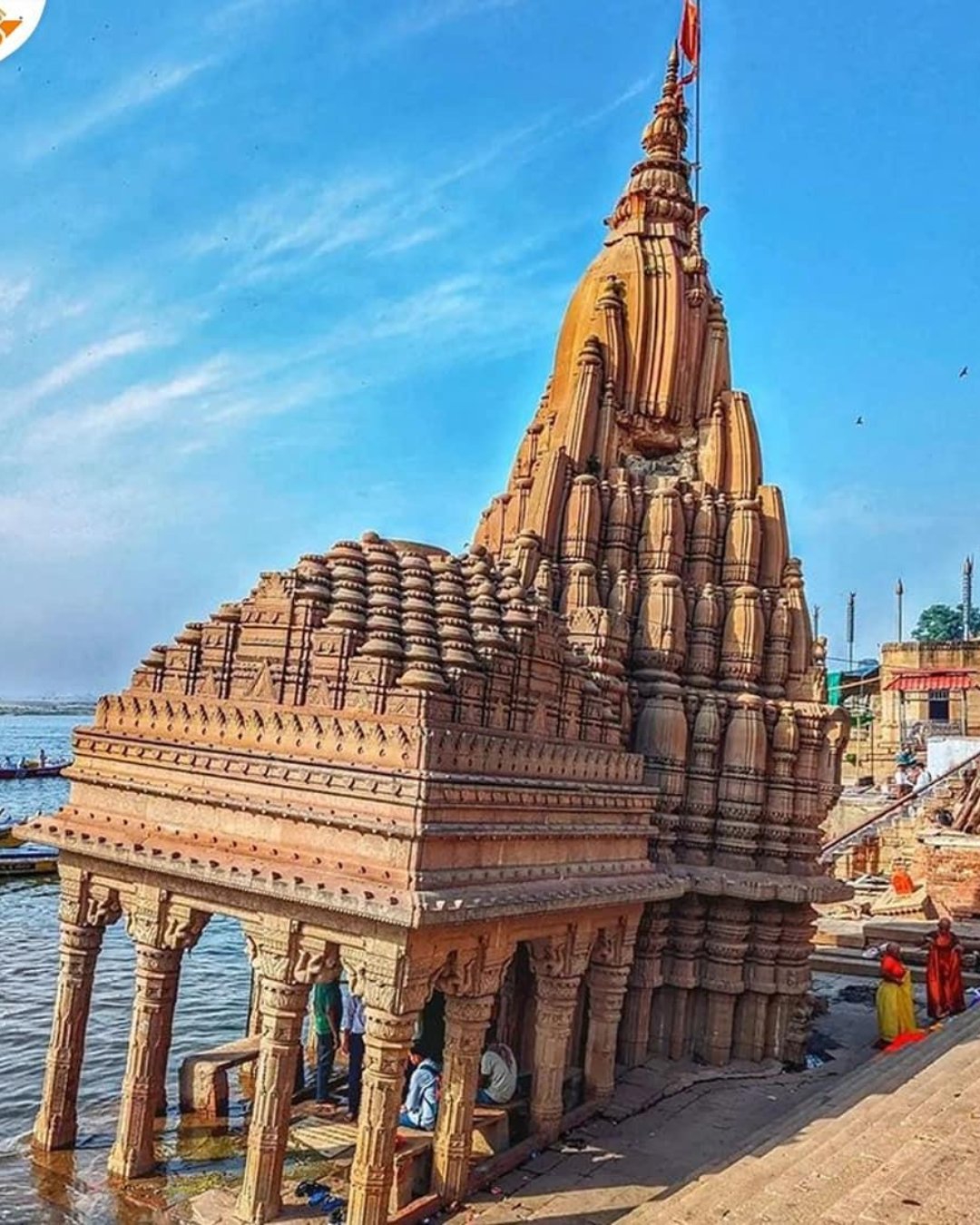
You've probably seen the photograph. A tiny stone temple leaning dramatically toward the Ganga, its weathered shikhara appearing to sink into the river as the water rises around it. You get to Varanasi, walk the ghats, and spot Ratneshwar Mahadev almost by accident — then wonder why nobody warned you that you can't simply walk inside. Here's the thing nobody tells you: Ratneshwar Mahadev is best understood from the river, not as a conventional temple visit. Its unusual tilt, riverside setting, and centuries of stories are what make this one of Kashi's most intriguing little shrines.
Let's fix that. Here's how Ratneshwar Mahadev actually works, and how to get it right the first time.
Why the river view matters more than the entrance
Ratneshwar Mahadev sits close to the water near Manikarnika Ghat, with much of the temple structure positioned unusually low toward the Ganga. The building is famously tilted, and during high water the river can surround much of its lower structure. Unlike Kashi Vishwanath or Annapurna Devi, this isn't a temple where you come primarily for a long darshan experience.
The best way to appreciate it is from a boat or from the opposite stretch of the riverfront, especially when the water is high enough to emphasize its dramatic position. Early morning gives you soft light, calmer water and fewer boats crowding the frame. During monsoon and high-water periods, the temple's relationship with the river becomes even more striking.
So make it part of your sunrise boat ride rather than planning a separate visit. You'll understand the temple much better from the water than by standing beside it.
What you'll actually see
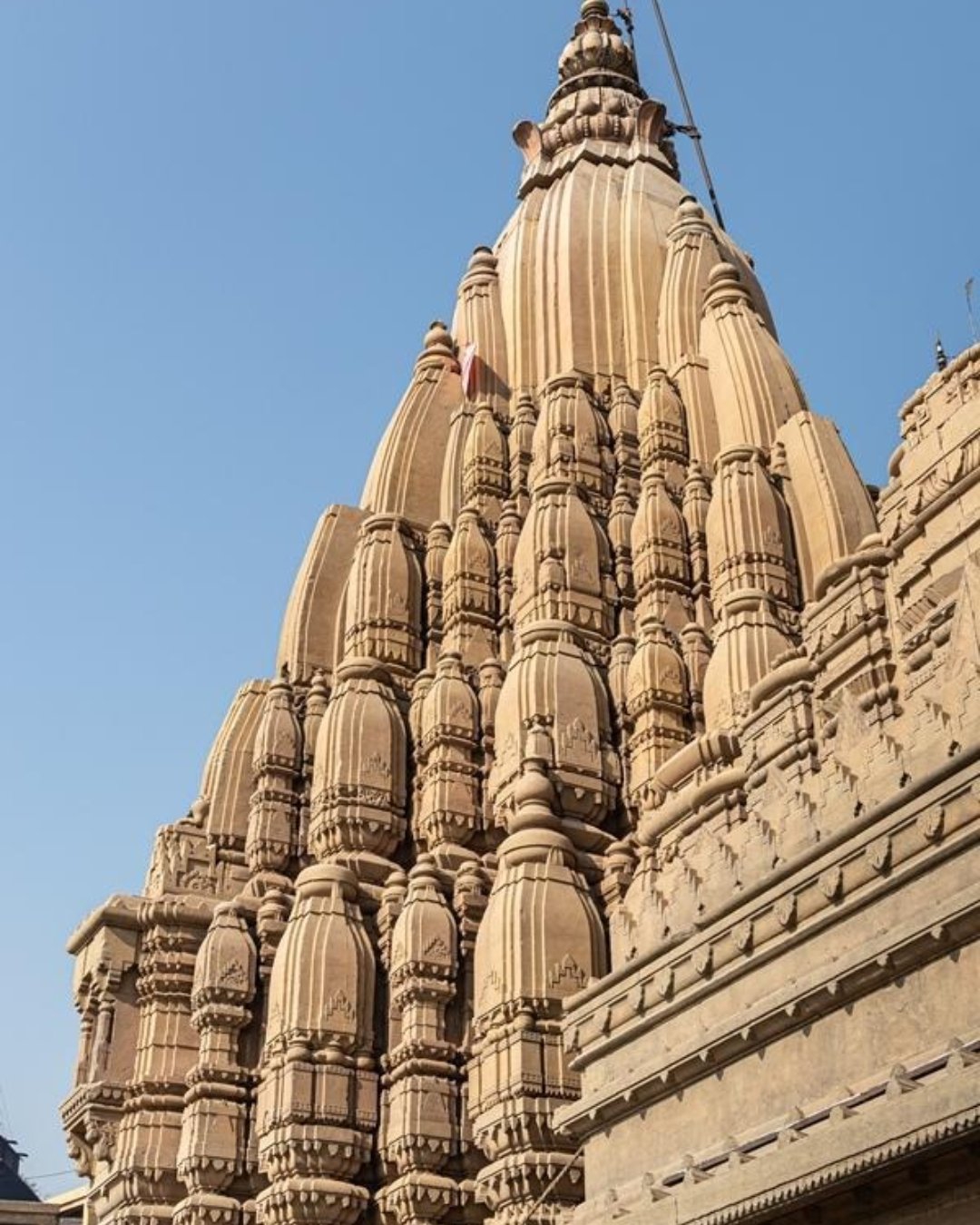
The leaning temple — the small stone shrine with its distinctive sloping structure, one of the most unusual silhouettes on the Varanasi waterfront.
The shikhara — the weathered tower rising above the river, creating the dramatic appearance that has made the temple a favourite subject for photographers.
The Ganga — during high water, the river can reach deep around the lower portion of the structure, making the temple appear almost submerged.
Manikarnika Ghat — the temple sits close to one of Kashi's most significant and intense ghats, adding another layer to the experience.
The riverfront from the boat — the wider view reveals how unusual the temple's position is compared with the other structures along the ghats.
And here the phone earns its place, but don't spend the whole moment looking through it. The temple is one of those places where the changing relationship between stone, water and sky is more impressive in person. Watch the river move around the structure first, then take your photographs. That strange, leaning silhouette against the Ganga is the part that makes Ratneshwar Mahadev memorable.
Pro tip: See Ratneshwar Mahadev during your sunrise boat ride rather than making a special trip. Ask your boatman to pass close enough for a clear view, but don't expect to enter the temple as you would a major pilgrimage shrine. The best photographs are usually from the river, with the temple framed against the ghats and morning sky. If you're visiting during or after the monsoon, the higher river level can make the temple look dramatically closer to the water. Be respectful around Manikarnika Ghat — this is an active cremation site, not a sightseeing backdrop.
The mistakes that ruin it
Most first-timers make the same few mistakes. They expect Ratneshwar Mahadev to function like Kashi Vishwanath and arrive looking for a conventional temple entrance. They visit in harsh midday light and lose the atmosphere of the riverfront. Or they photograph the leaning structure without understanding its location beside one of Kashi's most sacred and intense ghats.
The easy fix is to see Ratneshwar Mahadev from the Ganga during an early-morning boat ride, when the water is calm and the light is soft — because this is one of those Varanasi landmarks that makes far more sense when you experience it from the river than when you simply stand beside it.
154
Destination
Varanasi, Uttar Pradesh, India
Common questions
01Question
Is Kashi Vishwanath Temple Open 24 Hour?
No. Kashi Vishwanath Temple is not open 24 hours a day.
The temple generally opens around 2:30 AM (for Mangala Aarti) and remains accessible for darshan through the day with scheduled pauses for rituals. It closes around 11:00 PM after the final Shayan Aarti. Timings may vary slightly on festivals and special occasions.
Best time for peaceful darshan: 4:00–6:00 AM.
02Question
Can We Visit Kashi Vishwanath Temple Without Booking?
Yes. You can visit Kashi Vishwanath Temple without any prior booking.
General darshan is free and does not require an online booking. You simply enter through the designated entry gates after the required security screening. During peak seasons, weekends, Mondays, Shravan, and major festivals, expect longer waiting times.
03Question
What Is The Dress Code For Kashi Vishwanath Temple?
There is no mandatory dress code for general darshan at Kashi Vishwanath Temple. According to the temple's official FAQ, devotees are simply advised to wear decent and modest clothing.
Recommended attire
Men: Kurta-pyjama, dhoti, or full-length trousers with a shirt.
Women: Saree, salwar-kameez, kurti with leggings, or other modest Indian or Western attire.
Avoid: Shorts, sleeveless or revealing outfits, and beachwear. While not always prohibited by rule, modest clothing is expected out of respect for the temple.
04Question
Which Temple Should Be Visit First In Varanasi?
Traditional pilgrimage custom followed by many devotees in Kashi, the order is:
- Kal Bhairav Temple – Seek permission from the guardian (Kotwal) of Kashi.
- Kashi Vishwanath Temple – Main darshan of Lord Shiva (Jyotirlinga).
- Annapurna Devi Temple – Receive the blessings of the Goddess of nourishment and prosperity.
- Other temples and ghats such as Vishalakshi Temple, Sankat Mochan, Durga Kund, and Kedar Ghat.
05Question
Are Photos Allowed Inside The Kashi Vishwanath Temple ?
No. Photography is not allowed inside the Kashi Vishwanath Temple sanctum or temple premises.
Visitors are not permitted to carry or use mobile phones, cameras, smartwatches, or other electronic devices inside the temple. These items must be deposited at the authorized lockers or cloakrooms before entering. Security is strict, and attempting to take photos inside can result in intervention by temple authorities.
06Question
How To Visit All Temples In Varanasi ?
The traditional Kashi pilgrimage follows a sequence that many devotees still observe today the customary route is:
🛕 Kal Bhairav Temple – Seek the blessings of the guardian (Kotwal) of Kashi.
🕉️ Kashi Vishwanath Temple – Offer prayers at the sacred Jyotirlinga.
🌾 Annapurna Devi Temple – Receive the blessings of the Goddess of nourishment and prosperity.
🌺 Vishalakshi Temple – Visit one of the revered Shakti Peethas.
🙏 Sankat Mochan Hanuman Temple
🔱 Durga Kund Temple
📖 Tulsi Manas Temple
🛕 New Vishwanath Temple (BHU)
🌊 Kedar Ghat & Kedareshwar Temple
🪔 End your day with the Ganga Aarti at Dashashwamedh Ghat.
07Question
Can I touch Kashi Vishwanath Shivling ?
Whether you can touch the Kashi Vishwanath Jyotirlinga depends on the current temple rules and the type of darshan.
- For regular free darshan, touching the Shivling is generally not allowed. Most devotees have darshan from the designated path without entering the sanctum.
- During certain special pujas or specific early-morning rituals, temple authorities may permit Sparsh Darshan (touch darshan) according to the prevailing rules. These arrangements can change depending on crowd management, security, and temple administration.
08Question
How Many Temples Are There In Varanasi ?
There is no officially fixed count because Varanasi is filled with temples ranging from large, famous shrines to thousands of small neighborhood and family temples.
However, the most commonly cited estimate is that Varanasi has around 23,000 temples.
Some cultural and heritage researchers use a more conservative estimate of around 3,000 major Hindu temples and shrines, depending on what is counted (only significant temples vs. every shrine).
09Question
Which God Protect Kashi (Varanasi)?
According to Hindu tradition, the guardian and protector of Kashi (Varanasi) is Lord Kal Bhairav, a fierce manifestation of Lord Shiva.
It is believed that:
* 🕉️ Lord Shiva is the presiding deity of Kashi.
* 🛕 Kal Bhairav is the Kotwal (Chief Guardian/Protector) of Kashi, responsible for protecting the city and granting permission to pilgrims entering the sacred land.
* 🙏 Many devotees traditionally visit Kal Bhairav Temple before Kashi Vishwanath Temple, as it is believed that no pilgrimage to Kashi is complete without seeking Kal Bhairav's blessings.
More to explore
Go further into one part of this trip.