


Kedareshwar Temple
Shree Gauri Kedareshwar Mandir (Dwadash Jyotirling Kashi Khand), Varanasi, India
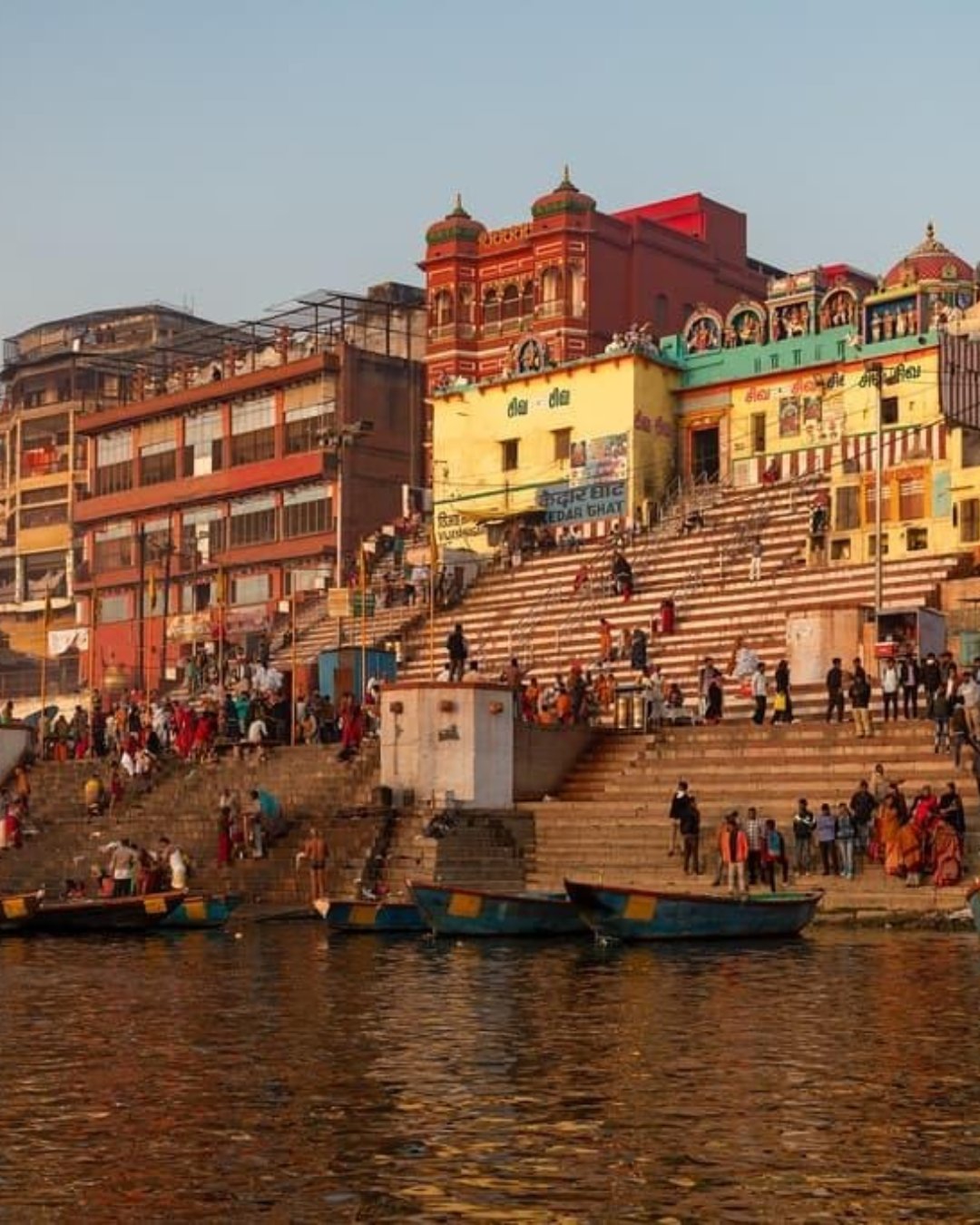
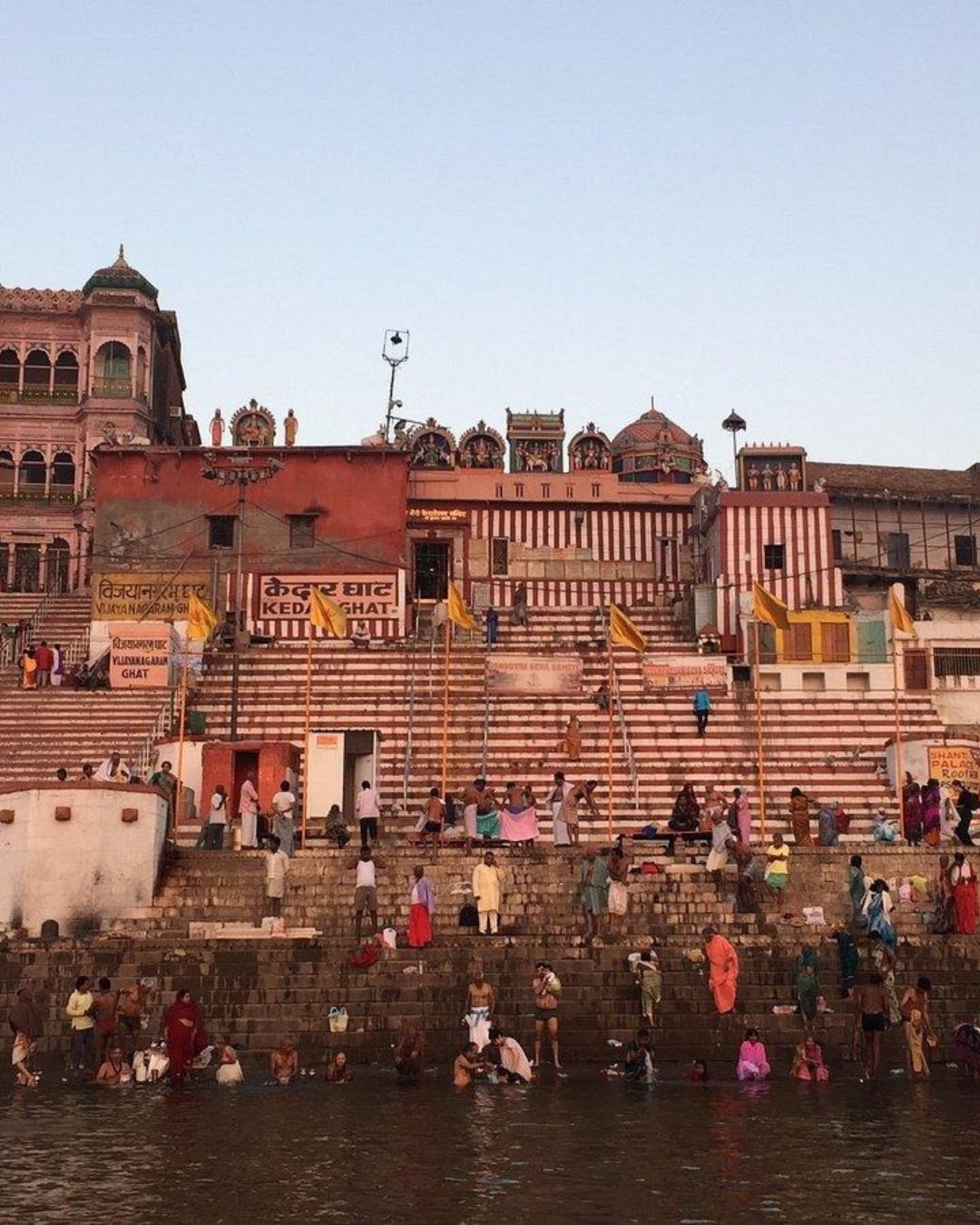
You've probably filed this under "another Shiva temple." Varanasi has hundreds, and from the striped ghat below it, Kedareshwar Temple looks like just one more. But here's the thing nobody tells you: a darshan here is believed to carry the spiritual merit of visiting Kedarnath, the Himalayan shrine that normally requires days of trekking to reach. The Shiva lingam isn't carved—it's a rough, naturally formed stone believed to have manifested on its own. For generations, pilgrims unable to undertake the mountain pilgrimage have come here instead. Most visitors photograph the distinctive red-and-white steps and never step inside.
Let's fix that. Here's how a visit to Kedareshwar Temple actually works, and how to get it right the first time.
Why the early morning, and not any other hour
Kedareshwar Temple isn't known for grand ceremonies or tourist attractions. What makes it special is its peaceful morning atmosphere, when devotees from Bengal, South India, and across the country gather for sincere worship long before the crowds arrive.
The temple is at its most vibrant just after sunrise. Outside major festivals, the queues are short, the air is calm, and you'll experience the temple as local worshippers do every day. By late morning, much of that quiet devotion has faded. If your schedule allows, visit on a Monday—traditionally dedicated to Lord Shiva—when the temple is filled with genuine devotional energy rather than sightseeing visitors.
What you'll actually see
Thirty to forty minutes is enough for an unhurried visit.
The swayambhu Shiva lingam — a naturally formed, self-manifested stone believed to have emerged from the earth, making it the spiritual heart of the temple.
Gauri Kund — the small sacred water tank beside the temple, associated with Goddess Parvati.
The devotees — worshippers offering bilva (bel) leaves, flowers, and Ganga water in a peaceful atmosphere that has remained unchanged for centuries.
The distinctive temple tower — the iconic red-and-white striped shikhara that makes Kedareshwar one of the most recognisable temples along the ghats.
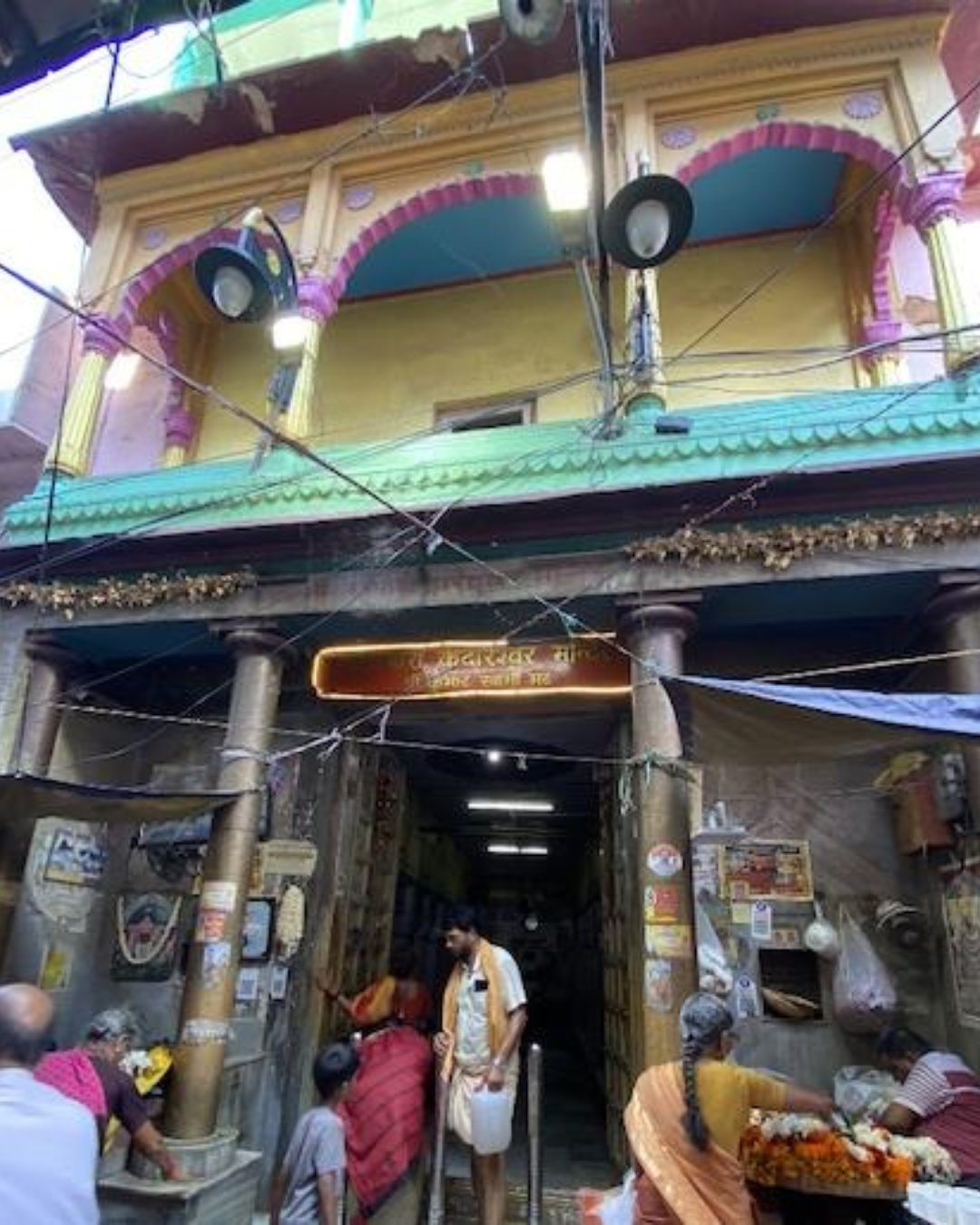
Dress modestly, remove your shoes before entering, and carry a small amount of cash if you wish to purchase offerings or use the shoe stand.
Once inside, keep your phone away and simply observe. Photography is generally discouraged inside the sanctum, and the experience is far more meaningful when you focus on the prayers, the chanting, and the quiet rhythm of worship. Watching devotees patiently offer Ganga water and bilva leaves to the ancient lingam is something that no photograph can truly capture.
Pro tip: Visit on a Monday if possible, but arrive early, especially during the holy month of Sawan (July–August), when the temple attracts large numbers of devotees. If you wish to make an offering, bilva leaves and Ganga water are the traditional choices and are easily available from vendors outside the temple. Always wait your turn in the queue and ask permission before photographing anywhere within the temple premises.
The mistakes that ruin it
Most first-time visitors make the same mistakes. They admire the temple only from the river and never enter. They arrive late in the morning after the most peaceful hours have passed. Others begin filming inside the temple without realising it's an active place of worship.
The easiest solution is to visit early, approach the temple on foot, and understand why it holds such deep spiritual significance. Once you know its connection to Kedarnath and the sacred swayambhu lingam, Kedareshwar becomes far more than just another temple—it becomes one of the most meaningful stops on the Varanasi pilgrimage.
Want the Kedarnath-equivalent darshan on your ghat morning, timed to sunrise? Hit Do this trip — we'll build it in.