


Bharat Mata Temple
Bharat Mata Mandir, Varanasi, thana, India
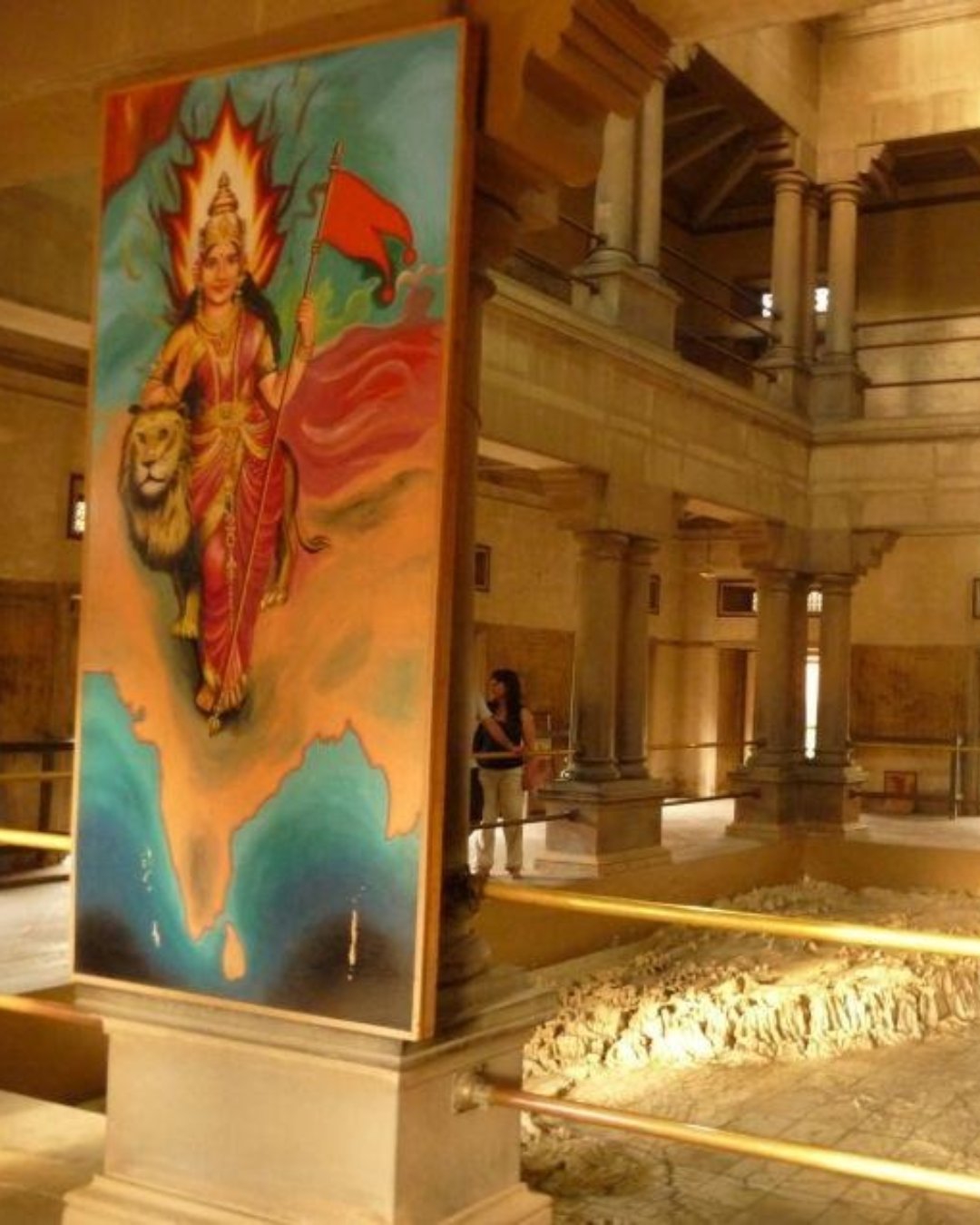
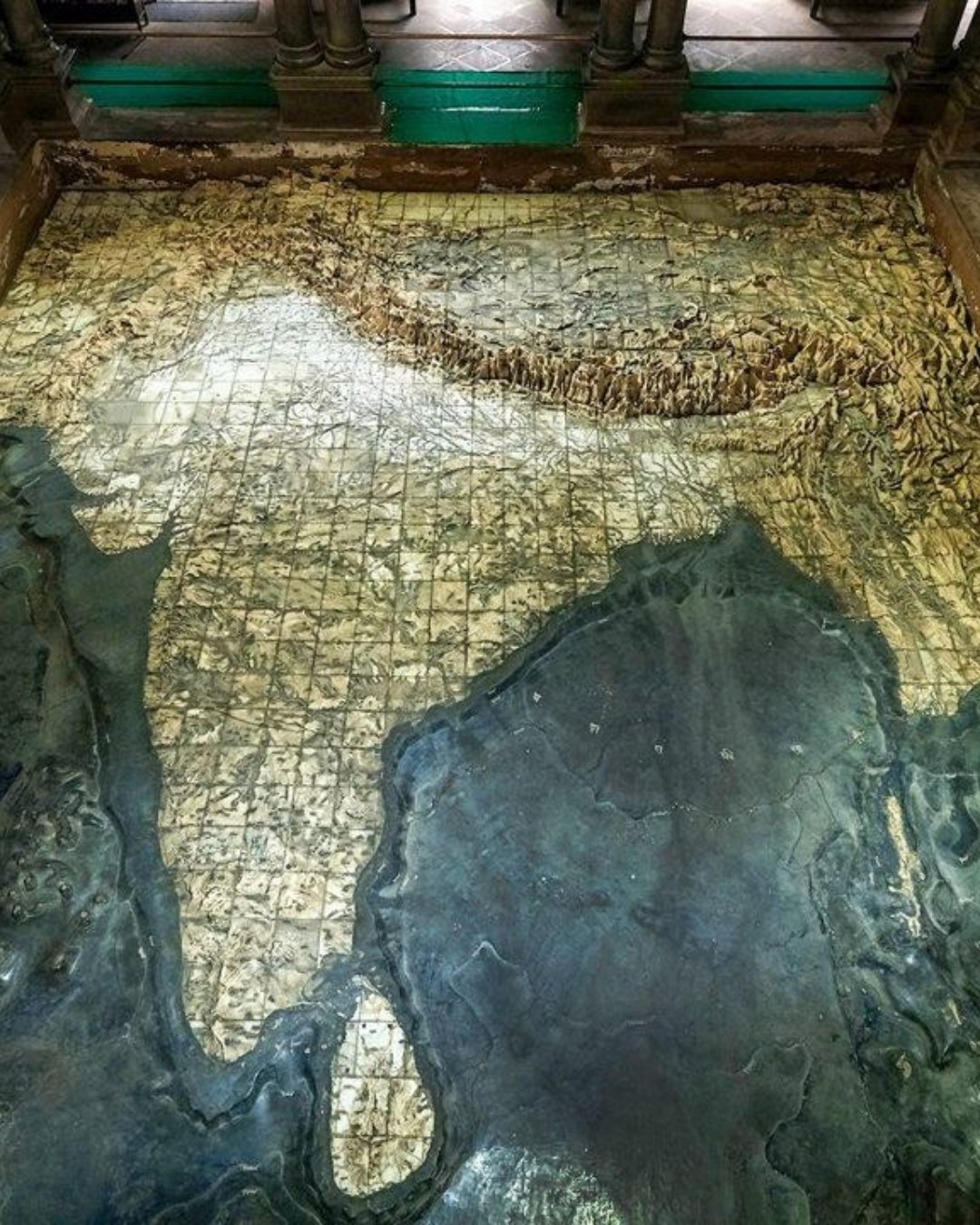
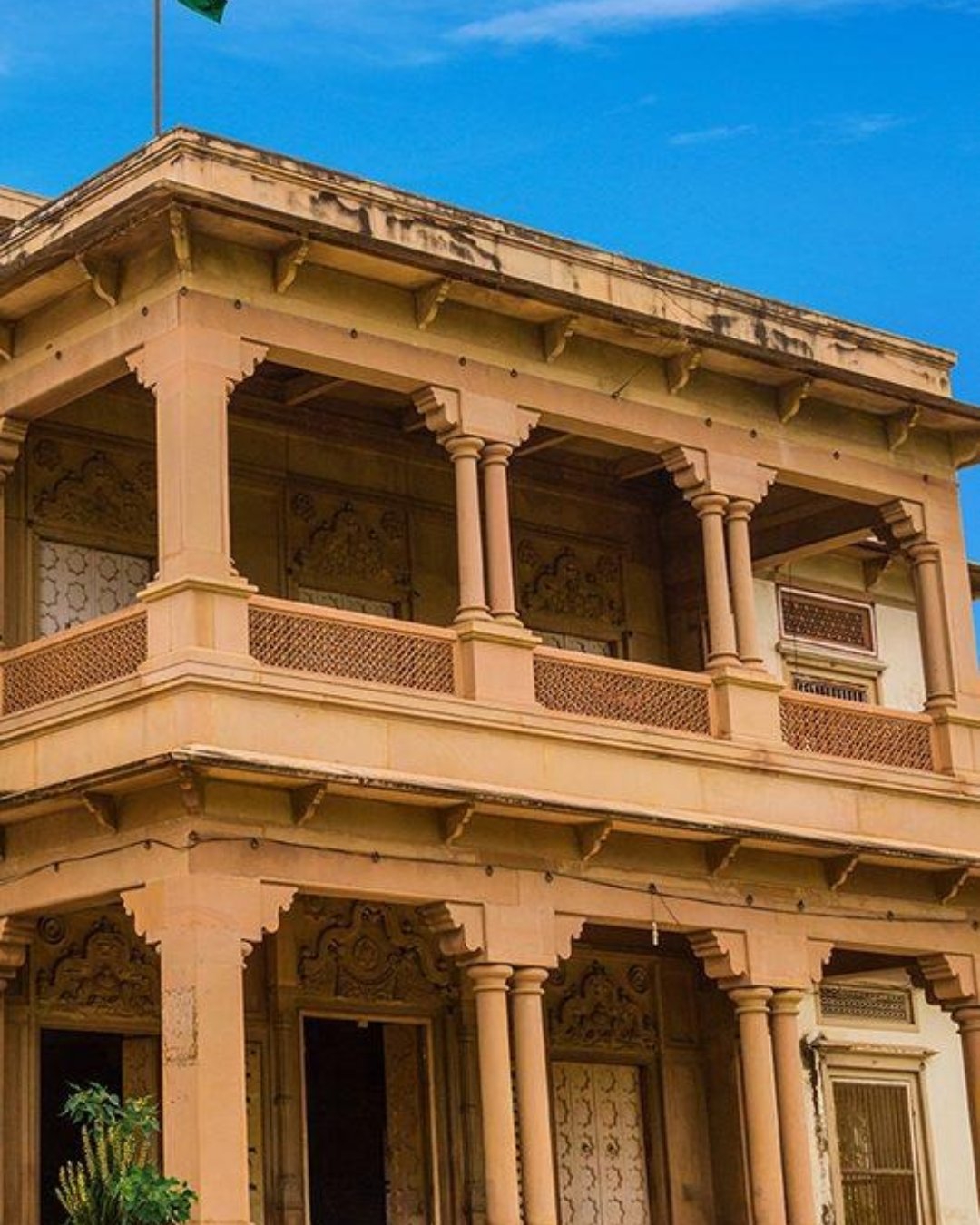
You've probably not got this one on the list at all. It's away from the river, near the university, and it doesn't look like much from outside — a plain hall, not a spire in sight. But here's the thing nobody tells you: step in and there's no idol, no sanctum, no god. Instead the whole floor is a giant relief map of undivided India, carved in marble — mountains, rivers and plains to scale — and that is the object of devotion. People walk past it for years without knowing the one temple in Varanasi dedicated not to a deity but to the land itself.
Let's fix that. Here's how the Bharat Mata Temple actually works, and how to get it right the first time.
Why you go for the idea, not the spectacle
This isn't a temple you feel from thirty metres away. There's no aarti, no queue, no crowd — nothing that announces itself. What's here is a concept: a temple to "Mother India," opened in 1936 and inaugurated by Mahatma Gandhi, built by the nationalist Shiv Prasad Gupta in the freedom-movement years, when the map of the subcontinent itself became something to venerate.
So you come knowing what it is, or it lands as an empty hall with a map on the floor. Go by day, when the light's good on the marble and you can walk the gallery above to read the whole relief at once. It's a short, quiet visit — twenty minutes and a completely different register from the river.
What you'll actually see
The marble relief map — undivided India carved to scale in white marble, mountains rising, rivers cut into the stone, the whole subcontinent laid out on the floor.
The upper gallery — walk around and above it to read the map as a whole; that's where it makes sense.
The plainness — no idols, no gaudy decoration, deliberately. The austerity is the point.
The setting — near Mahatma Gandhi Kashi Vidyapith, a nationalist institution, which is no accident.
Dress modestly and go barefoot as you would in any temple. It's calm and uncrowded, so keep your voice low.
And here the phone stays down at first for a different reason than usual. Travellers who come here will tell you the same thing: the instinct is to shoot the map straight off, but from ground level it's just a floor — you have to go up to the gallery and take it in whole before it means anything. Look first, understand what you're standing over, then photograph it from above. That moment of seeing an entire subcontinent laid at your feet is the part a ground-level snap never catches.
Pro tip: Pair it with the Banaras Hindu University campus and the New Vishwanath Temple next door — they're close, and together they make a calm half-day away from the ghats' intensity. Read a line about Shiv Prasad Gupta and the 1936 opening before you go; five minutes of context turns a bare hall into one of the more quietly moving stops in the city. Check the opening hours, as it closes for a midday break.
The mistakes that ruin it
Most first-timers trip over the same few things. They never come, because it's off the river and sounds dull. They walk in, see a map, and leave without going up to the gallery. Or they arrive knowing nothing of its history, so a genuinely radical idea reads as an empty room.
The easy fix is to come with a little context and go up to the gallery — because unexplained, this is a hall with a map; understood, it's a temple to a whole nation.
Want Bharat Mata, BHU and the Birla Temple in one calm half-day off the river? Hit Do this trip — we'll plan it.