


Nepali Temple (Kathwala Temple)
Nepali Temple, Varanasi, India
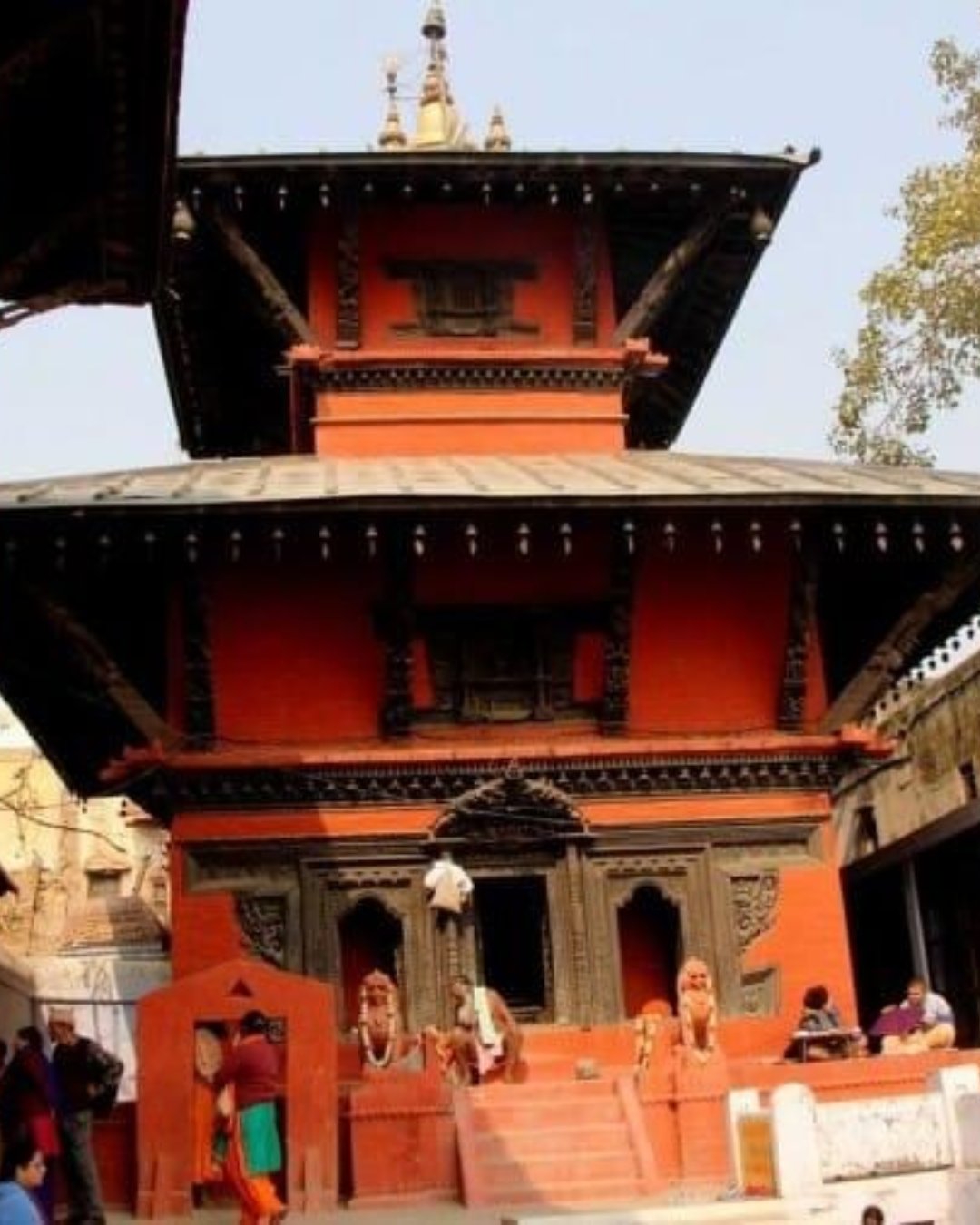
You've probably had your eye on the burning ghat right beside it and walked straight past. But here's the thing nobody tells you: tucked above Lalita Ghat is a temple that looks like it was lifted out of Kathmandu and set down on the Ganga — dark carved timber, a tiered pagoda roof, and beautifully carved wooden struts unlike anything else on the Varanasi riverfront. It's the Nepali Temple, built by a king of Nepal, and it's one of the most architecturally distinctive landmarks in the city. Most visitors never even look up.
Let's fix that. Here's how the Nepali Temple actually works, and how to get it right the first time.
Why you climb up, and go in the morning
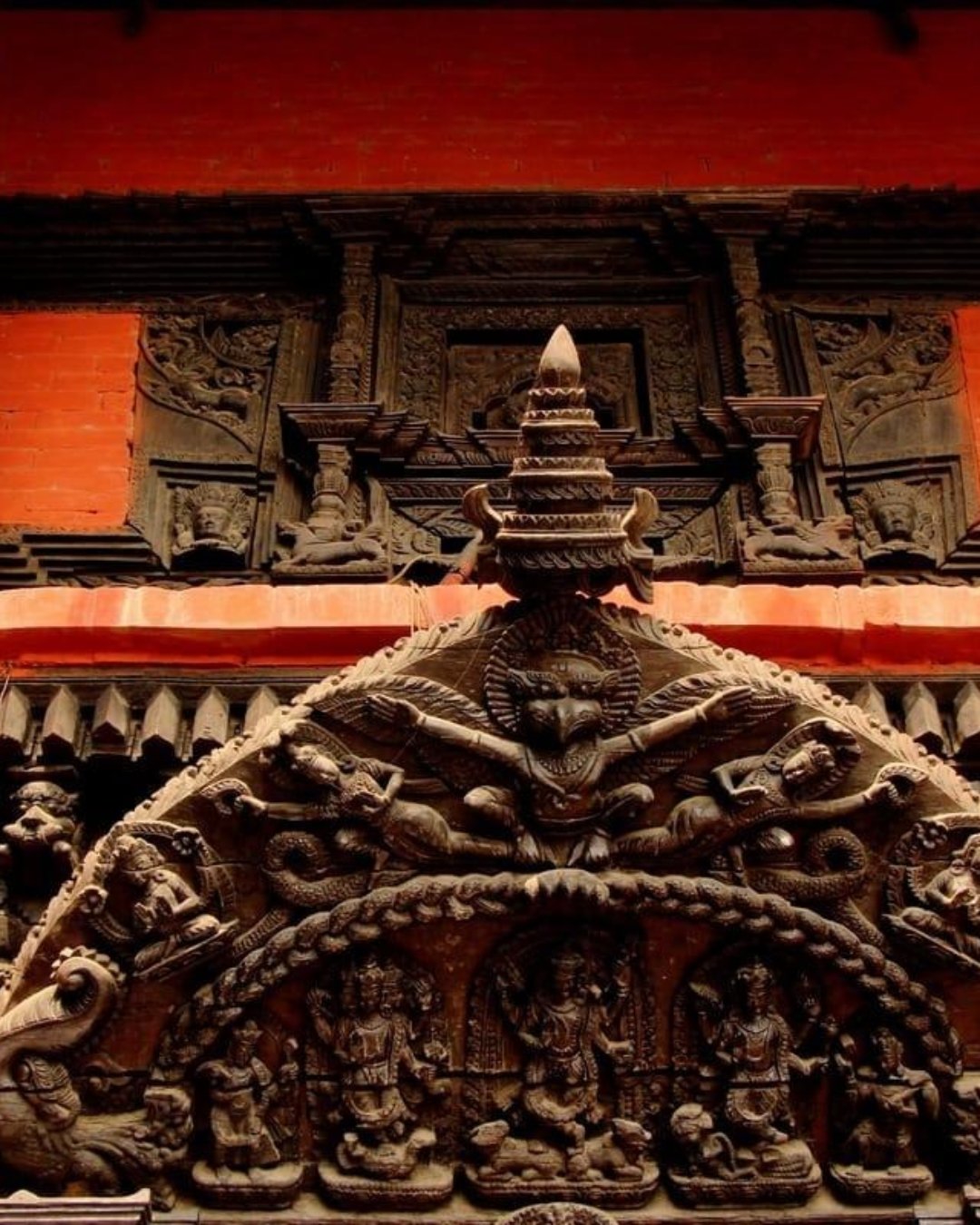
From the river you only catch a glimpse of dark timber among the surrounding stone buildings, but the temple sits slightly above and behind Lalita Ghat, so you need to leave the boat and climb the steps to appreciate it properly. The effort is well worth it. This is a working Shiva temple, often regarded as the Nepali counterpart to Kashi Vishwanath, built entirely of wood in the traditional Nepali pagoda style by artisans brought from Nepal.
Morning is the best time to visit. The temple is open during daylight hours, the atmosphere is peaceful before the crowds arrive, and the soft morning light highlights the intricate wood carvings that can appear much darker under the midday sun. It's an easy stop that pairs naturally with Lalita Ghat and takes around thirty minutes to explore.
What you'll actually see
The Nepali Temple — a beautifully crafted wooden Shiva temple, also known as Kathwala Temple ("the Wooden Temple") or Someshwar Temple, built in traditional Nepali pagoda architecture.
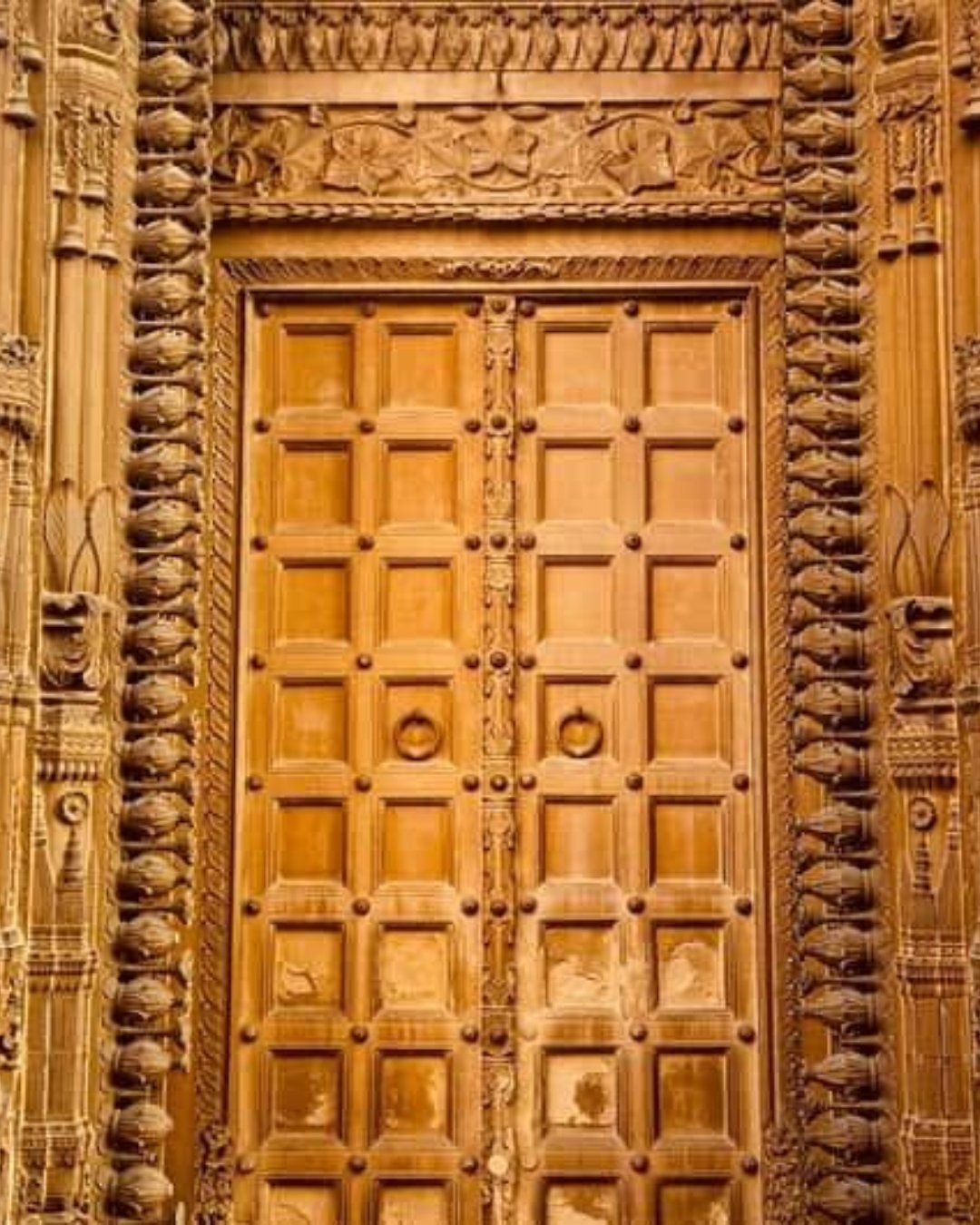
The carved wooden struts — intricate hand-carved timber brackets, including decorative motifs characteristic of Nepalese temple design, making this one of the city's most unique architectural treasures.
The riverside terrace — offering peaceful views across the Ganga and toward nearby Manikarnika Ghat.
The Kashi Vishwanath Dham Corridor — located just a short walk away, making it easy to combine both attractions in a single visit.
Dress modestly and remove your shoes before entering the temple. Photography of the exterior and architecture is generally permitted, but always remain respectful of worshippers and seek permission where appropriate.
Take a few moments to admire the craftsmanship before reaching for your camera. Visitors who spend time here often discover that the temple is much more than an unusual building—it represents centuries of cultural exchange between Nepal and Varanasi. Standing beneath the carved wooden roof, surrounded by Himalayan architecture in the middle of Kashi, is an experience that photographs alone rarely capture.
Pro tip: Combine your visit with the Kashi Vishwanath Dham Corridor, since the Nepali Temple sits close to the river entrance. Arriving by boat at Lalita Ghat and then walking up to both sites makes for one of the most rewarding heritage walks in Varanasi. Visit in the morning for the best light and the quietest atmosphere, and appreciate the carvings as an important part of traditional Nepali temple architecture rather than simply a curiosity.
The mistakes that ruin it
Most first-time visitors make the same mistakes. They notice the temple only from the river and never climb the steps. They visit during the middle of the day when the woodwork loses much of its detail in the harsh sunlight. Others overlook the temple's cultural significance and miss the remarkable craftsmanship that makes it unique.
The easiest solution is to visit in the morning, combine it with the nearby Kashi Vishwanath Corridor, and spend a little time understanding why a traditional Nepali pagoda-style temple stands on the banks of the Ganga.
Want the Nepali Temple paired with the Corridor walk in one heritage morning? Hit Do this trip— we'll plan the route.