


Annapurna Devi Temple
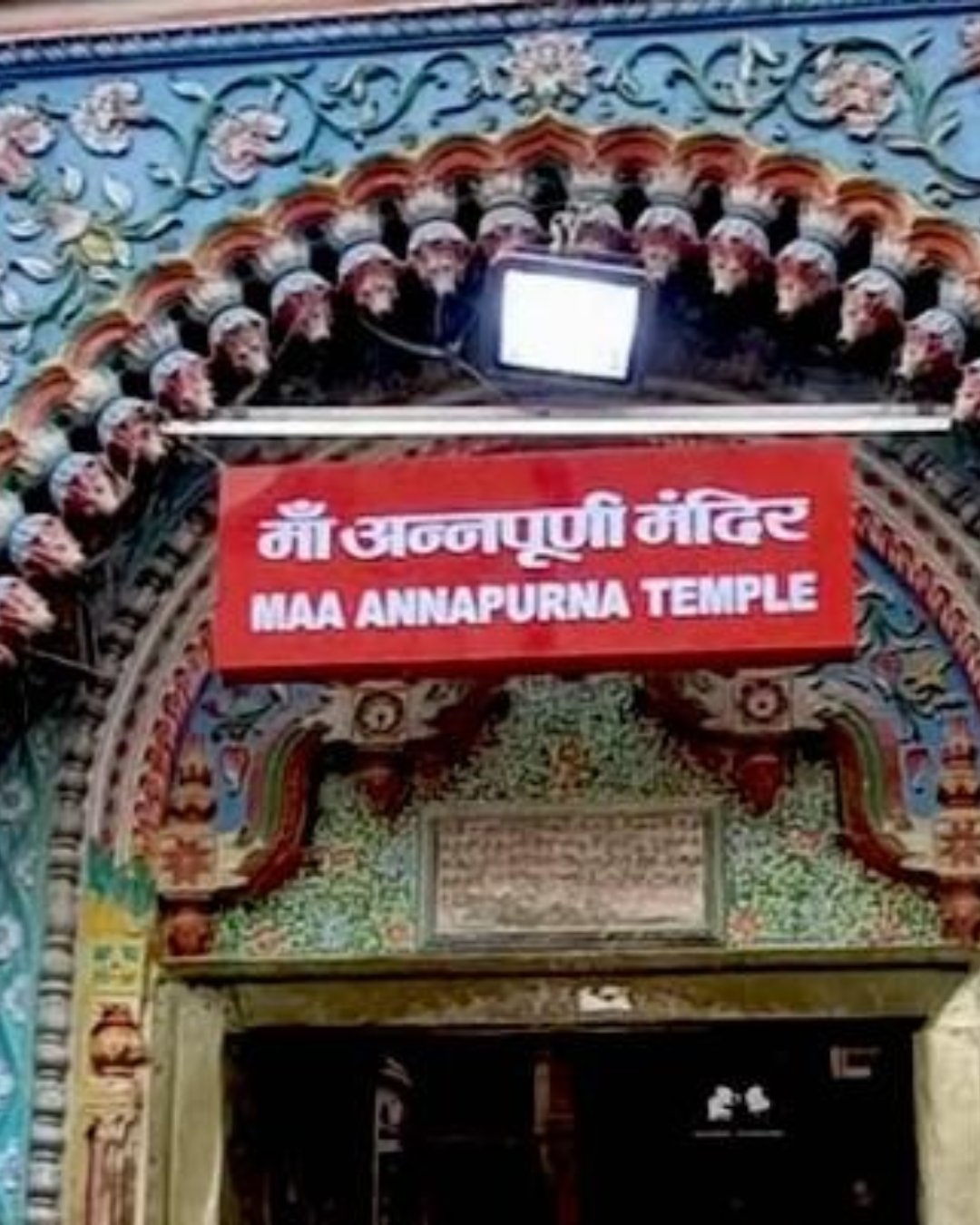
Shree Annapurna Mandir, Varanasi, India
You've probably got Kashi Vishwanath circled and haven't heard of this one. But here's the thing nobody tells you: the Annapurna Devi Temple sits right beside it, almost sharing a wall, and most pilgrims visit both in a single stop without realising the second temple is where the city's whole philosophy of abundance and hospitality comes alive. Annapurna is the Goddess of Food and Nourishment, and the belief in Kashi is that nobody goes hungry in her city. Rush past after visiting Vishwanath, and you miss a shrine that has shaped the daily life of Banaras for centuries.
Let's fix that. Here's how the Annapurna Devi Temple actually works, and how to get it right the first time.
Why you pair it with Vishwanath, and go early
Annapurna Devi—meaning "She Who Nourishes"—stands just beside Kashi Vishwanath in the heart of the old city, and visiting both temples together is a long-standing tradition. Many devotees consider their pilgrimage incomplete without seeking blessings from Annapurna after offering prayers at Vishwanath.
Visit early in the morning for the same reason you visit Kashi Vishwanath early. The narrow lanes become increasingly crowded as the day progresses, especially on Mondays, during the holy month of Sawan, and on major festival days. Arriving after sunrise allows you to complete both darshans while the old city is still relatively peaceful.
What you'll actually see
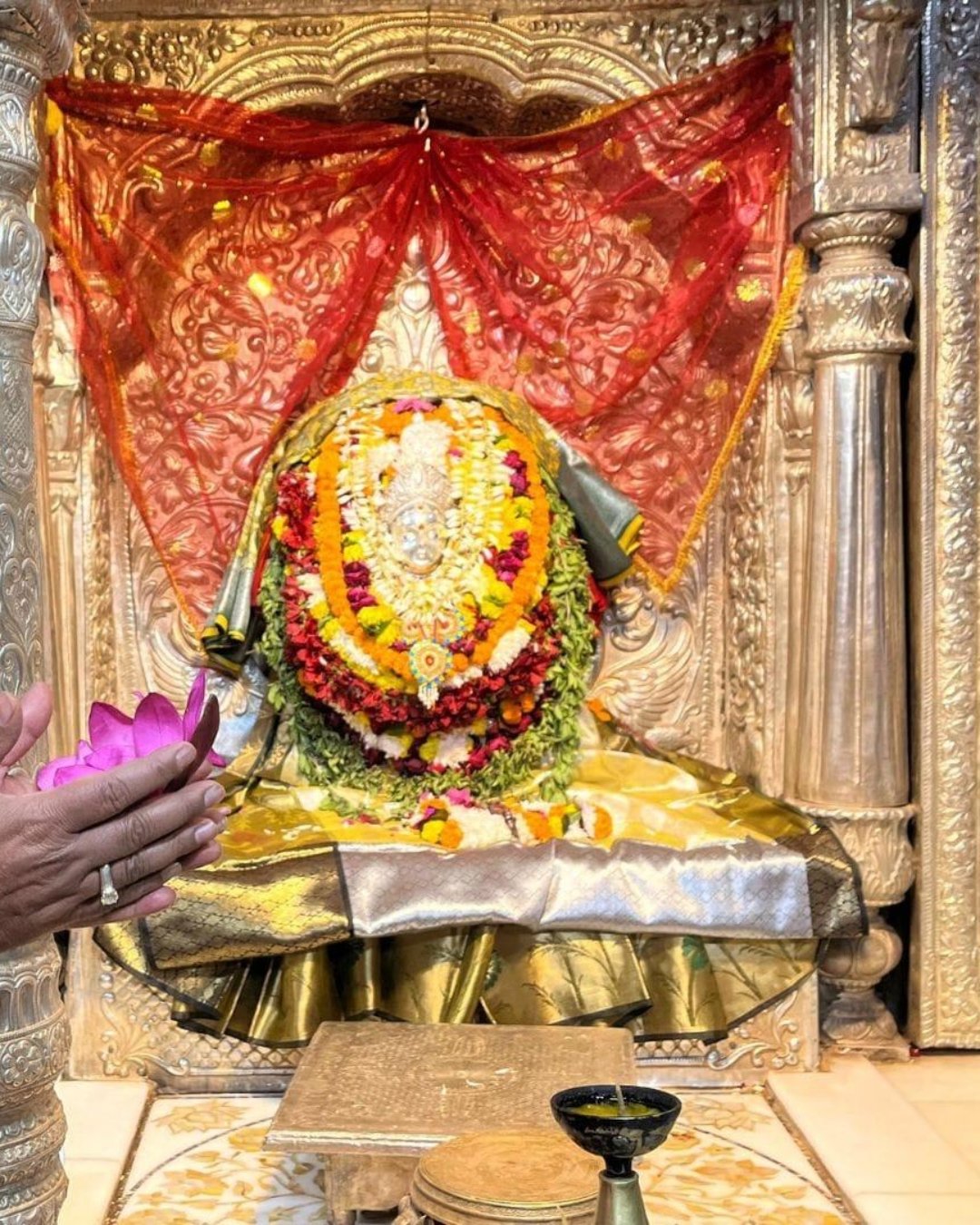
The main sanctum — the everyday form of Goddess Annapurna, worshipped throughout the year.
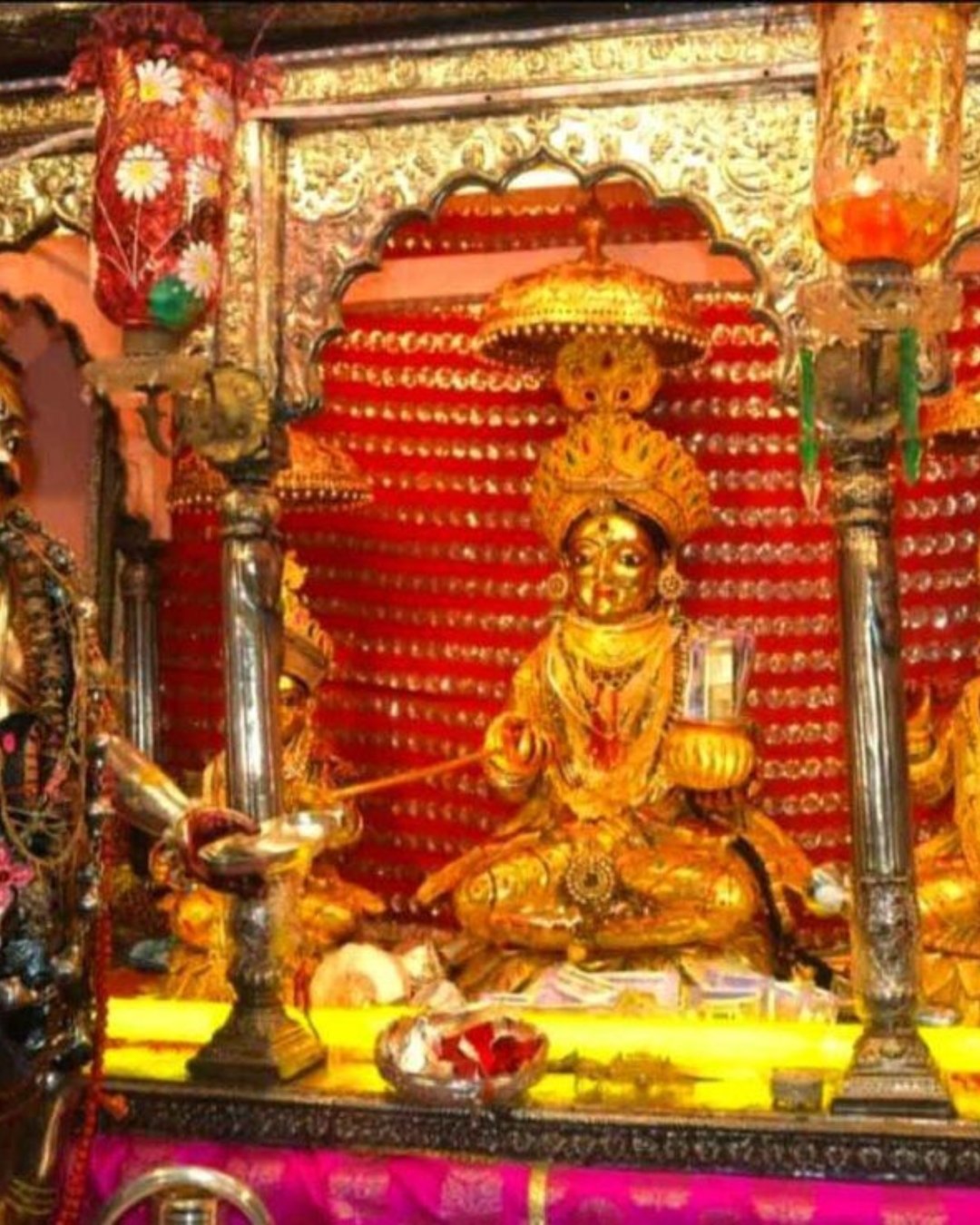
The Golden Annapurna idol — a special golden image displayed to devotees only during the Annakut and Dhanteras celebrations around Diwali, attracting thousands of pilgrims.
The prasad and food tradition — offerings symbolising nourishment and the timeless belief that the Goddess feeds everyone who comes to Kashi.
Kashi Vishwanath Temple — located immediately beside Annapurna, making it easy to visit both temples during the same pilgrimage.
Dress modestly, remove your shoes before entering, and be prepared to leave restricted belongings outside, just as you would for Kashi Vishwanath. Mobile phones and large bags are generally not permitted within the secured temple zone.
Once inside, keep your attention on the experience rather than on photography. Visitors often remember the fragrance of incense, the ringing temple bells, the steady stream of devotees, and the quiet presence of the Goddess far more vividly than any photograph. Annapurna is a living temple where worship comes before sightseeing.
Pro tip: Visit Annapurna and Kashi Vishwanath together during the same early-morning pilgrimage instead of making separate trips. If your visit coincides with Annakut, shortly after Diwali, you'll have the rare opportunity to see the Golden Annapurna idol, though you should expect much longer queues. Leave unnecessary belongings at your hotel and carry only essential identification, a small amount of cash, and any offerings you wish to make.
The mistakes that ruin it
Most first-time visitors make the same mistakes. They complete their Kashi Vishwanath darshan and leave without realising Annapurna Temple is only a few steps away. They arrive during the busiest part of the day and spend far longer in queues than necessary. Others expect to see the Golden Annapurna idol throughout the year, not knowing it is displayed only during specific festivals.
The easiest solution is to plan both temples together during an early visit and understand which darshan is available during your travel dates.
Want both temples in one seamless early-morning darshan, timing perfect? Hit Do this trip— we'll handle the sequence.