


ISKCON Varanasi
ISKCON Varanasi, Varanasi, India
You've probably pictured chaos. That's the Varanasi most people brace for — the crush of the old-city lanes, the touts, the heat, the sensory overload of the ghats. But here's the thing nobody tells you: a few kilometres from all that, in the calm of the Sigra area, there's a marble Krishna temple that's the exact opposite — clean, quiet, orderly, and welcoming to people who find the ghats overwhelming. Skip it because it "isn't the real Varanasi," and you miss the one stop on your trip that gives you room to breathe.
Let's fix that. Here's how ISKCON Varanasi actually works, and how to get it right the first time.
Why the timings decide your visit
ISKCON temples run on a schedule, and this one is no different. The temple opens early for mangala aarti around half four in the morning, closes through the middle of the day, and reopens in the late afternoon into the evening. Turn up at two in the afternoon and you'll find the doors shut and the deities resting behind curtains.
So you plan around the aarti times. The early-morning mangala aarti and the evening sandhya aarti are when the temple is alive — chanting, kirtan, the deities dressed and revealed. The evening session is the easiest to fit around a day on the ghats, and it's the one most visitors choose. Come for an aarti, not for the closed hours in between.
What you'll actually see
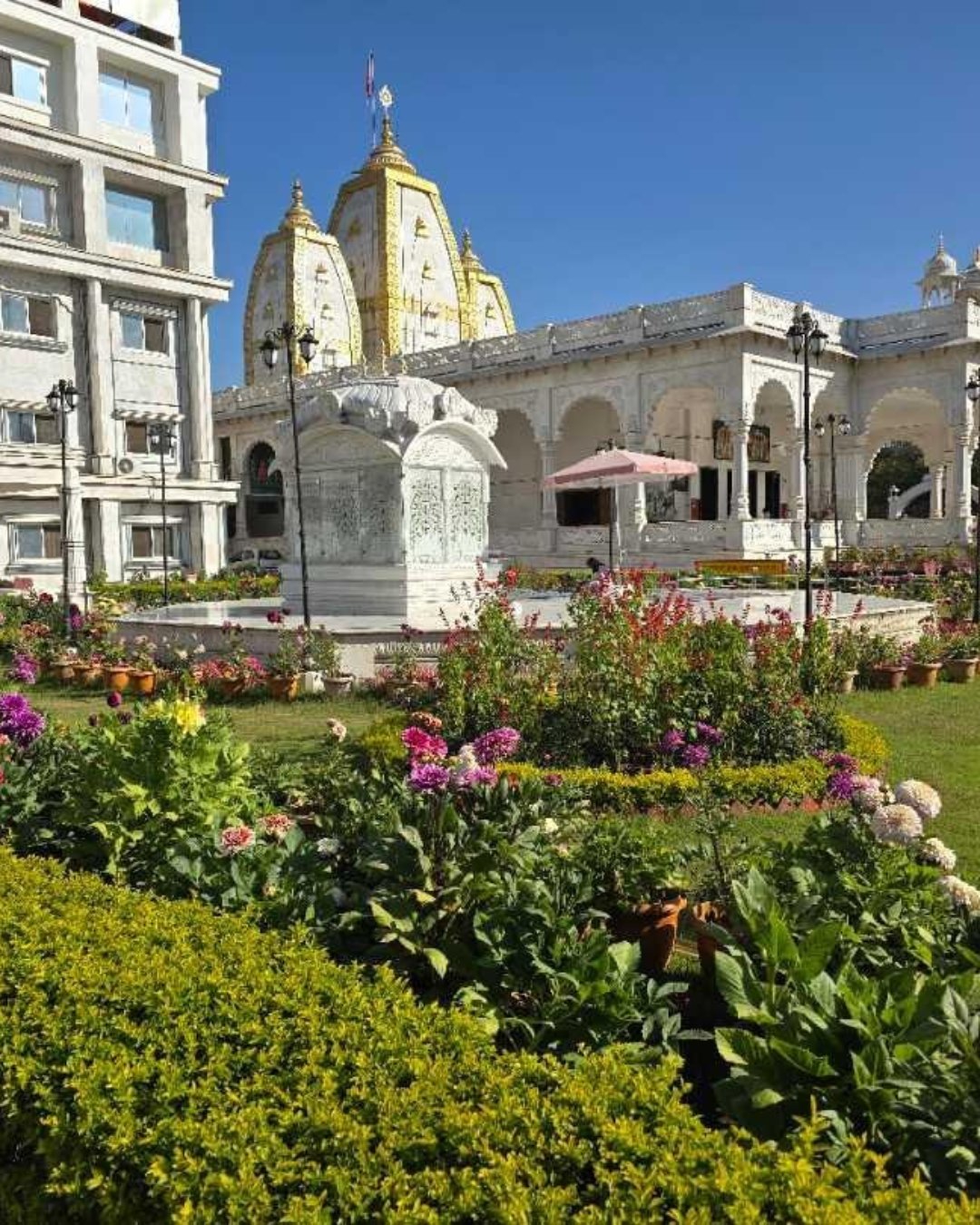
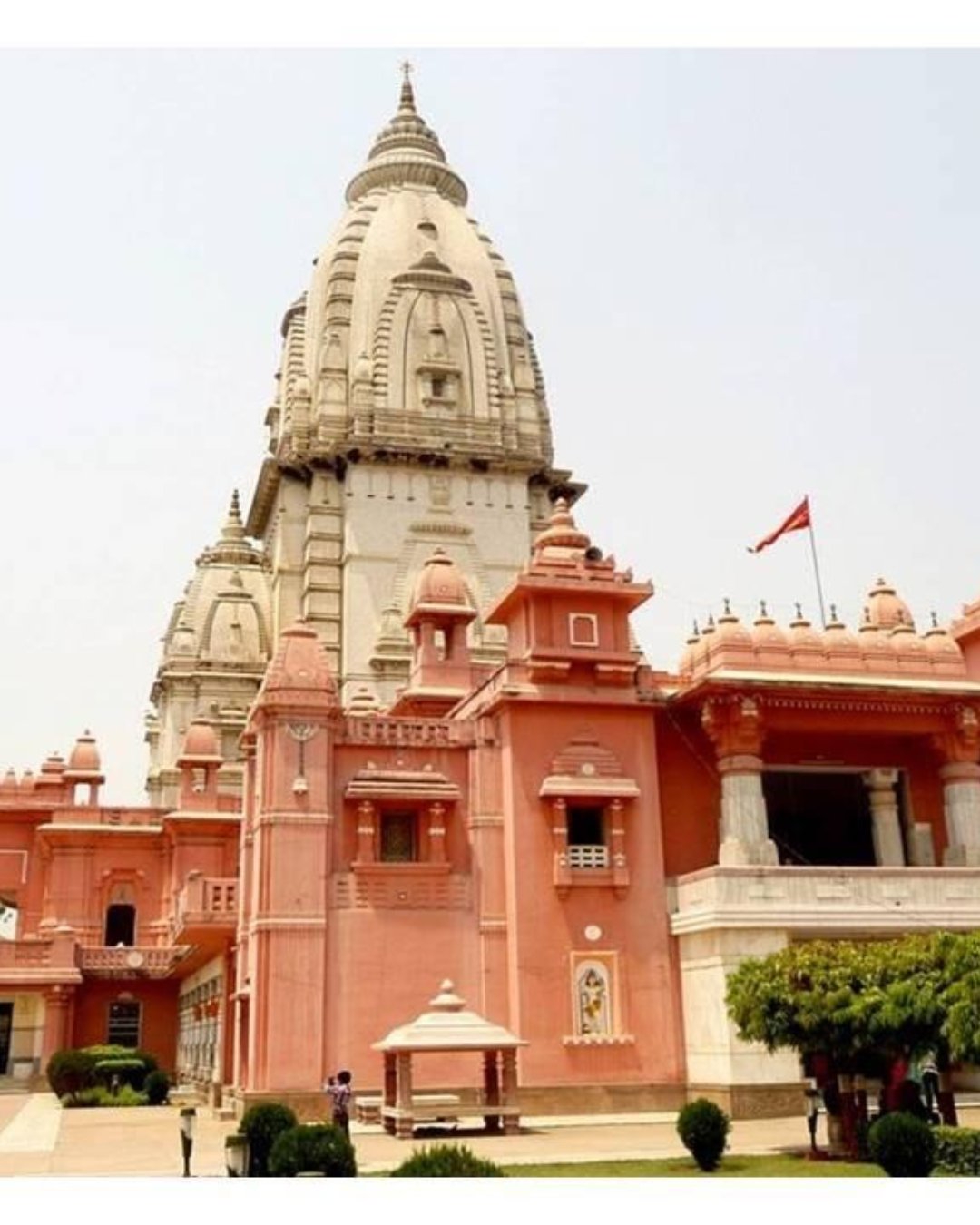
A modern, serene Krishna temple, a world away from the ancient stone of the riverfront:
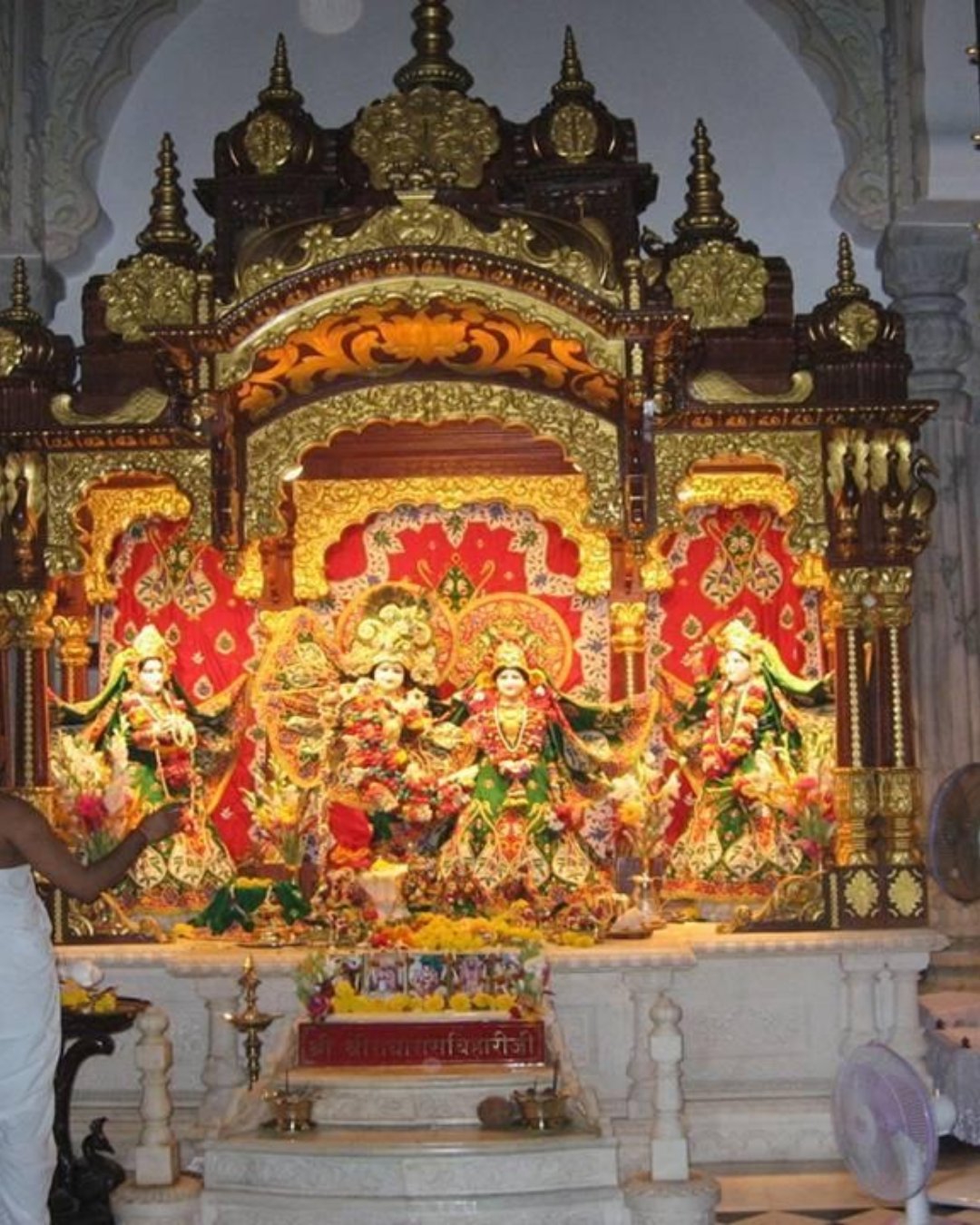
The main deities — Radha-Krishna, dressed and adorned, revealed during aarti.
The kirtan — call-and-response chanting of the Hare Krishna mantra, which anyone can join.
The calm — air-conditioned halls, clean marble, no crowds or touts. The contrast with the ghats is the point.
Govinda's / prasadam — pure-vegetarian food offered to the deity, often the best simple meal you'll eat in the city.
Dress modestly, and be ready to leave your shoes at the counter — you'll be barefoot inside. Carry small notes if you want prasadam or to make an offering.
And here, unlike the ghats, the phone mostly stays down out of respect rather than for the view. Travellers who come will tell you the same thing: the pull isn't a photograph, it's the chanting and the stillness. Sit through a full aarti rather than passing through — the kirtan builds, and it lands differently when you stay for the whole of it rather than filming a minute and moving on. That immersion is the part a quick photo never catches.
Pro tip: Time your visit to an aarti and check the day's schedule before you set out, since timings shift with the season and festival calendar. Come on Janmashtami (Krishna's birthday, Aug–Sep) and the temple is transformed — extraordinary, but expect crowds. Stay for prasadam; it's part of the experience, not an add-on. And treat this as your calm hour — a deliberate contrast to the intensity of the ghats, not a competitor to them.
The mistakes that ruin it
Most first-timers trip over the same few things. They arrive during the midday closure and find the doors shut. They pass through in five minutes and miss the aarti that's the whole point. Or they skip it entirely, assuming a modern temple has nothing to offer next to the ancient ones.
The easy fix is to come for an aarti, stay for the chanting and the prasadam, and let it be the quiet counterpoint to your riverfront days.
Want ISKCON timed to the aarti with prasadam sorted into your day? Hit Do this trip — we'll slot it in.