


Sankat Mochan Hanuman Temple
Shri Sankat Mochan Hanuman Temple, Varanasi, India
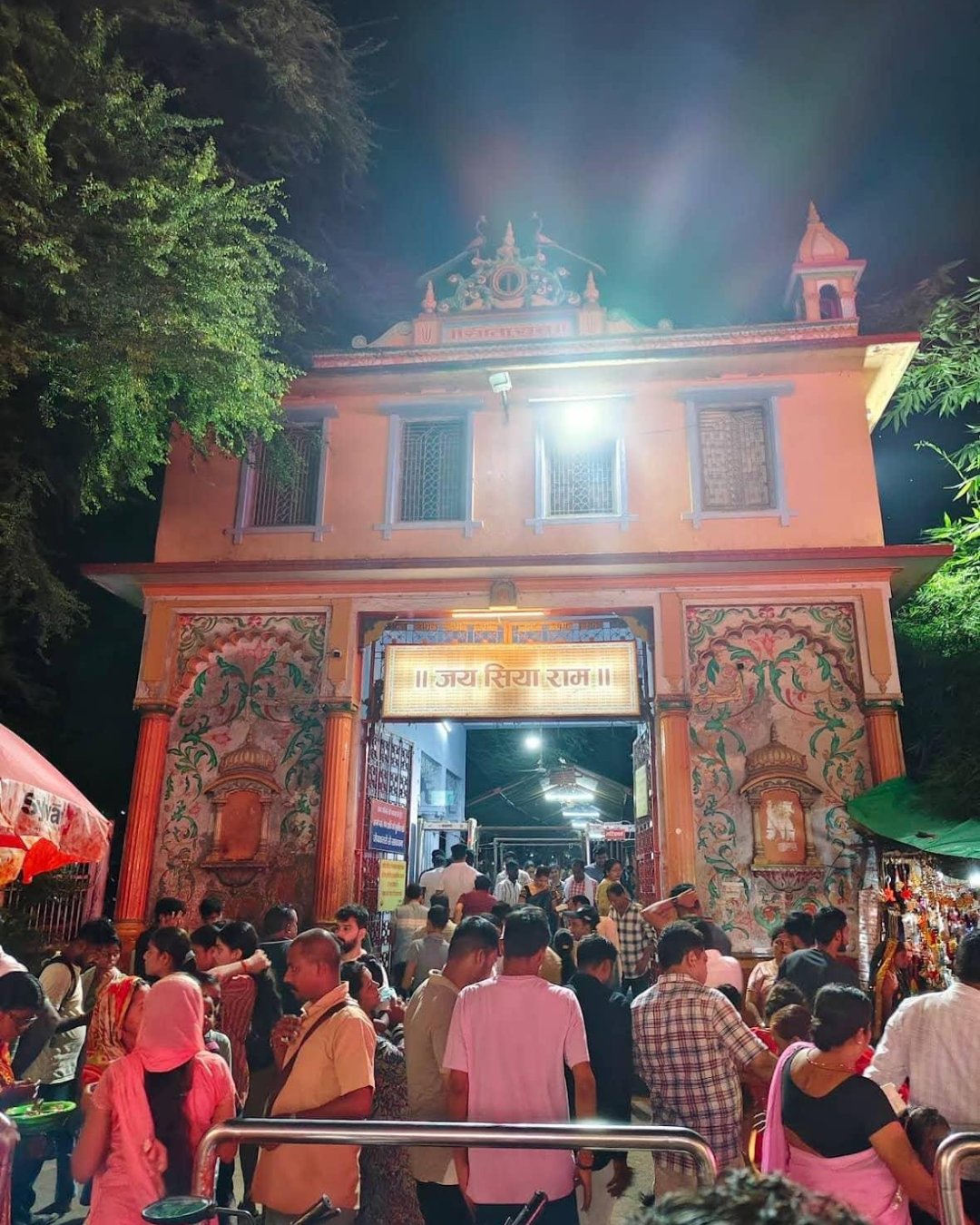
You've probably got this filed as a quick temple stop. In, darshan, out, back to the ghats. But here's the thing nobody tells you: Sankat Mochan is one of the most beloved temples in the city, founded by Tulsidas himself, and it runs on its own rhythms — packed to bursting on Tuesdays and Saturdays, alive with music every evening, and under genuine security since a 2006 attack. Turn up on the wrong day at the wrong hour with the wrong things in your bag, and you'll spend your visit in a queue or turned away at the gate.
Let's fix that. Here's how Sankat Mochan actually works, and how to get it right the first time.
Why the day and the hour decide your visit
Sankat Mochan means "reliever of troubles," and Hanuman's days are Tuesday and Saturday — when devotees pour in and the queues stretch long. If darshan with room to breathe is what you want, come on any other day, early morning or evening. If you want to feel the temple at full devotional intensity, those are precisely the days to come, crowds and all.
Evenings have their own draw. The temple has a long musical tradition, and the aarti and bhajans after dusk are the atmosphere people remember. So the smart visit is a weekday morning for calm, or an evening for the music — not the middle of a hot afternoon, when it's quiet in the dull sense rather than the peaceful one.
What you'll actually see
A living neighbourhood temple, not a monument:
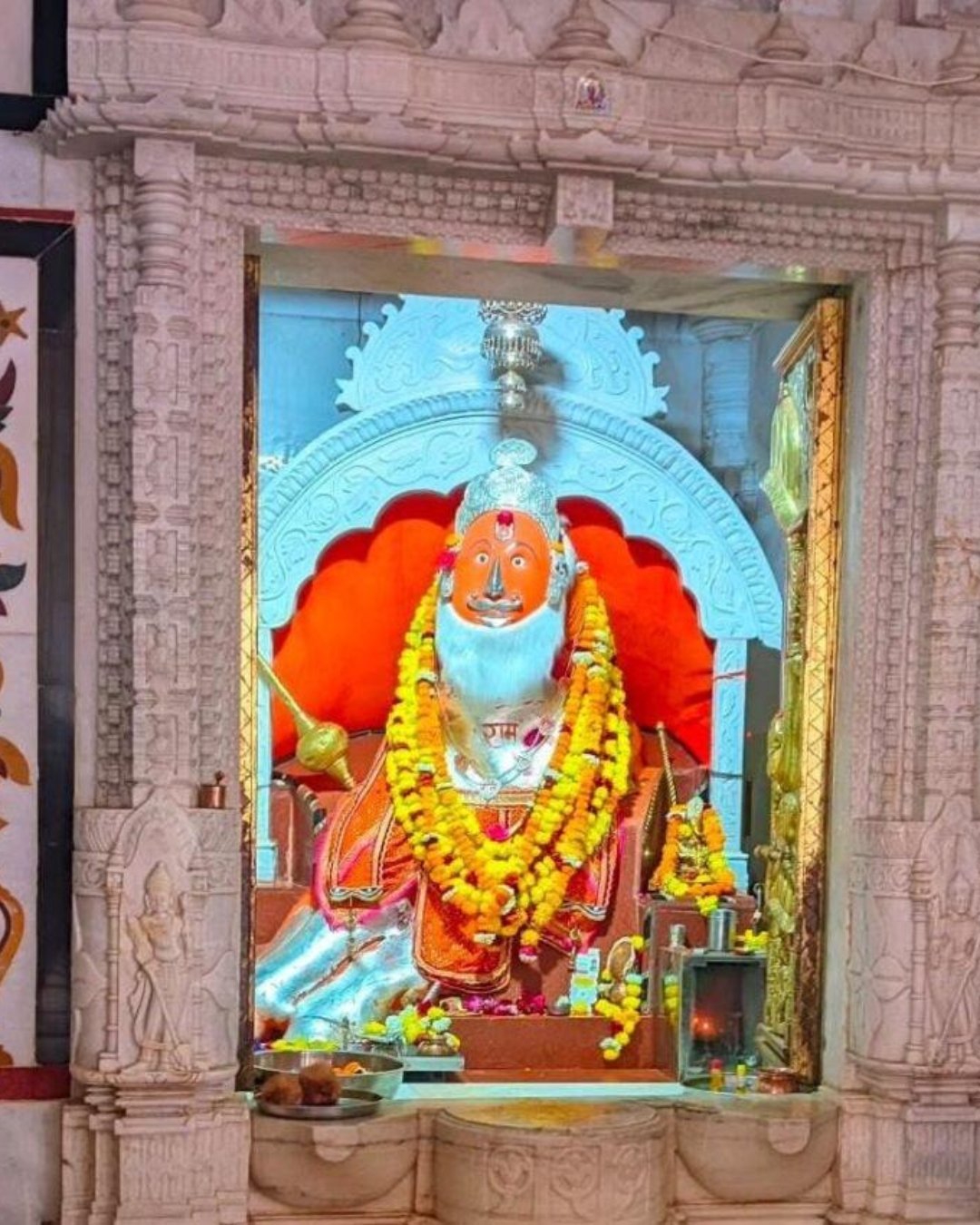
The Hanuman shrine — the presiding deity, garlanded in marigold and sindoor, the reason everyone comes.
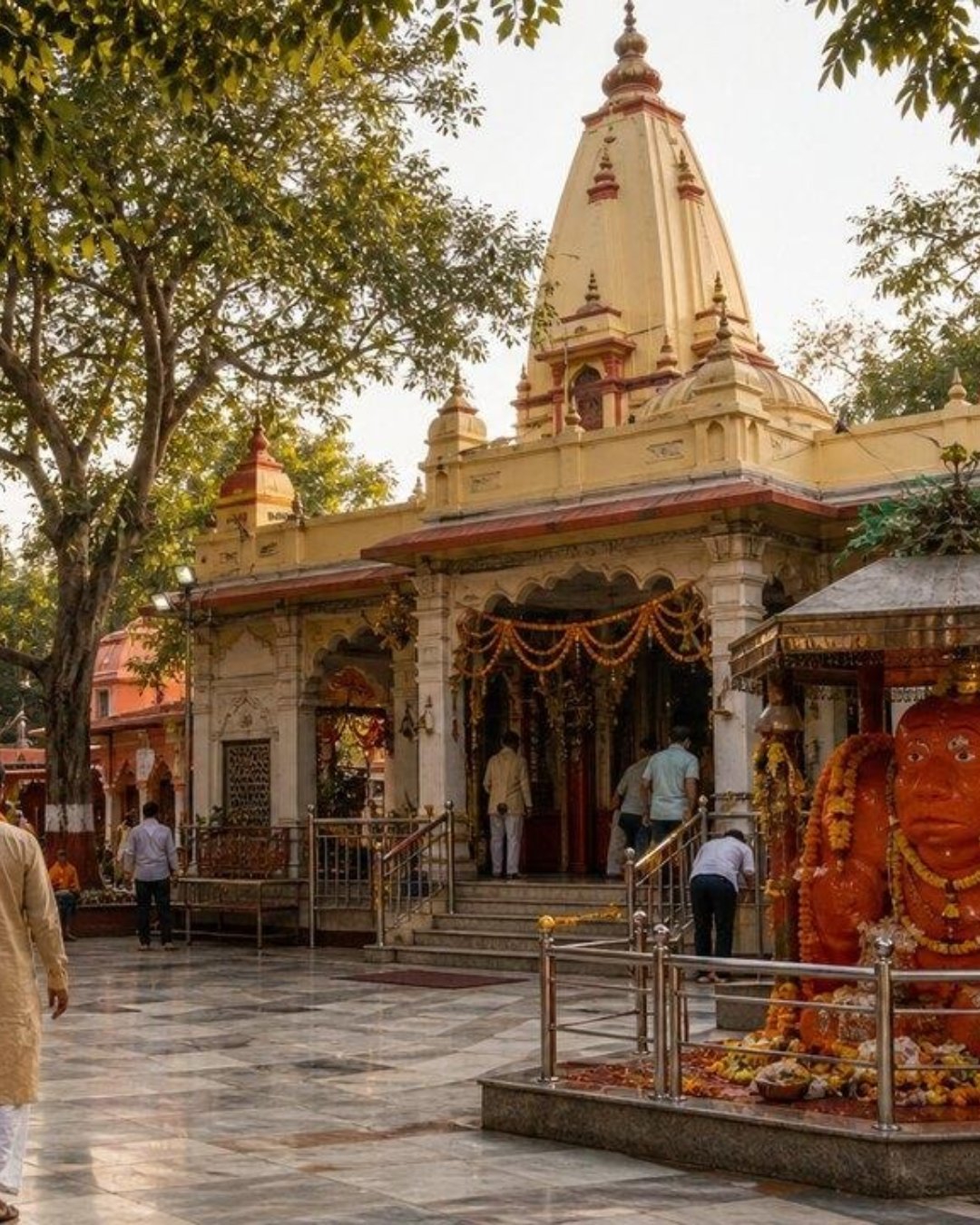
The temple complex — open courtyards, often busy with families, priests and the temple's famous monkeys.
The music — evening bhajans, and during the annual Sankat Mochan Sangeet Samaroh, a major classical music festival that draws great names.
The setting — near Banaras Hindu University, so pair it with a BHU and New Vishwanath Temple visit.
Dress modestly and be ready to go barefoot from the shoe counter. Watch the monkeys with your glasses, phone and prasad — they're quick and unbothered by you.
And here's the security reality, stated plainly: after the 2006 bombing here, this temple takes entry seriously. Bags, cameras and phones are often restricted or must be deposited, and you'll pass through a check. Travellers who come prepared will tell you the same thing — carry as little as possible, leave the daypack at the hotel, and don't argue with the guards. What you take away isn't a photo anyway; it's the sound of a courtyard full of people singing to Hanuman at dusk, which is the part a phone was never going to hold.
Pro tip: Come early morning on a weekday for a calm darshan, or an evening for the music — and avoid Tuesday and Saturday unless the crowd is what you've come for. Carry only ID and small cash; leave bags and, if you can, your phone behind, so security is a non-event. Buy prasad inside rather than from the pushier stalls outside, and keep it in a closed bag until you're past the monkeys.
The mistakes that ruin it
Most first-timers trip over the same few things. They come on a Tuesday or Saturday not knowing it's the busiest day. They arrive with a full bag and get held up or turned back at security. Or they visit at midday and miss both the morning calm and the evening music.
The easy fix is to pick a weekday morning or an evening, travel light through security, and know which day you're walking into — or let the visit be timed for you around the crowds and the music.
Want Sankat Mochan timed to the evening music,security sorted, nothing to carry? Hit Do this trip— we'll plan the visit.