


Vishalakshi Temple (Shakti Peeth)
Shri Vishalakshi Mata Shaktipeeth Temple, Kashi, Varanasi, India
You've probably not had this one on your list at all. It's tucked deep in the old-city lanes near Meer Ghat, small and easy to walk past — nothing like the grand temples people queue for. But here's the thing nobody tells you: this is one of the Shakti Peethas, the network of sacred sites where, in the tradition, parts of the goddess Sati fell to earth — and Vishalakshi marks one of the most significant of them. Pilgrims travel across the country to complete the Shakti Peeth circuit and come here for it. Most visitors to Varanasi walk right past the lane without knowing what's down it.
Let's fix that. Here's how the Vishalakshi Temple actually works, and how to get it right the first time.
Why you need to know what it is before you go
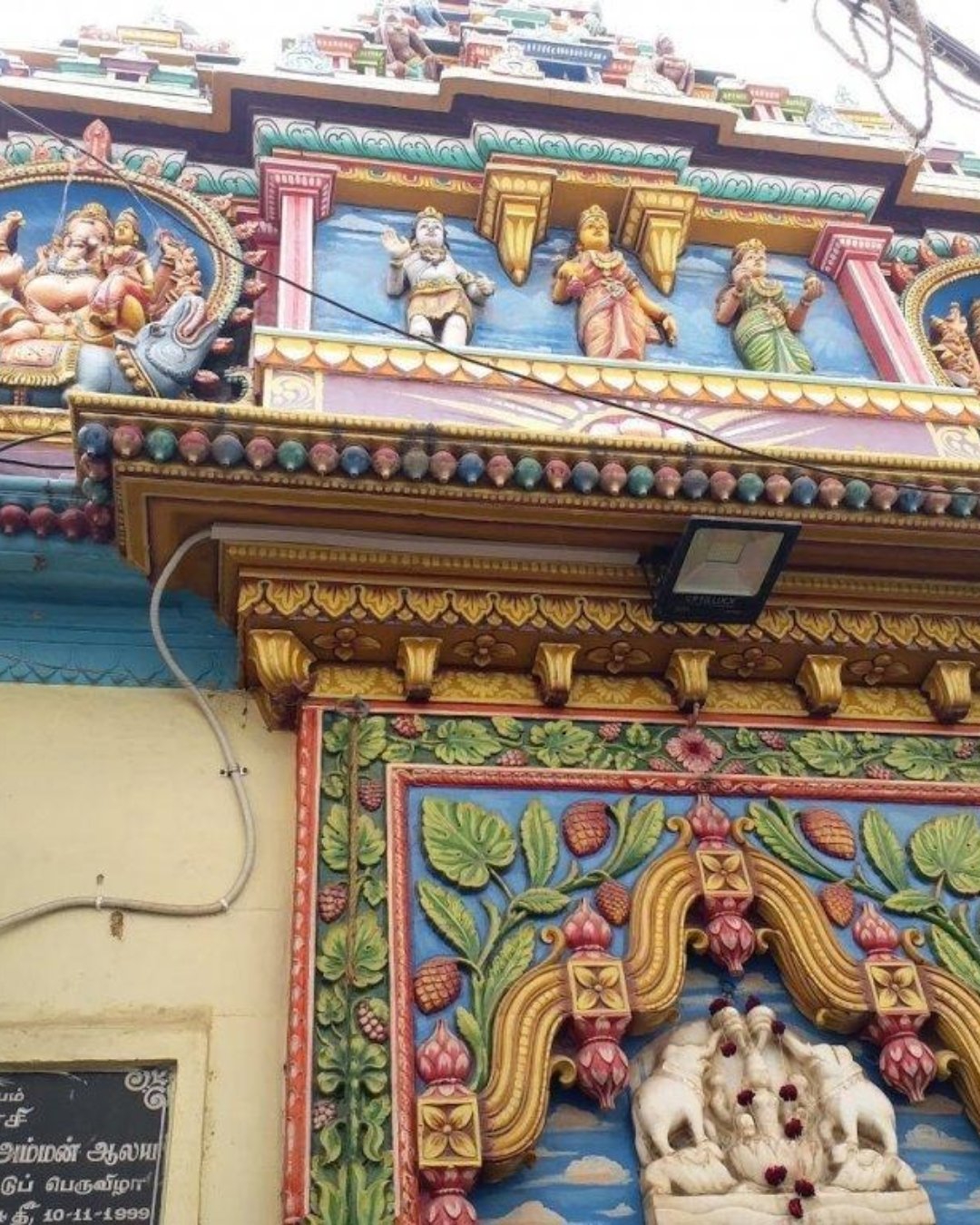
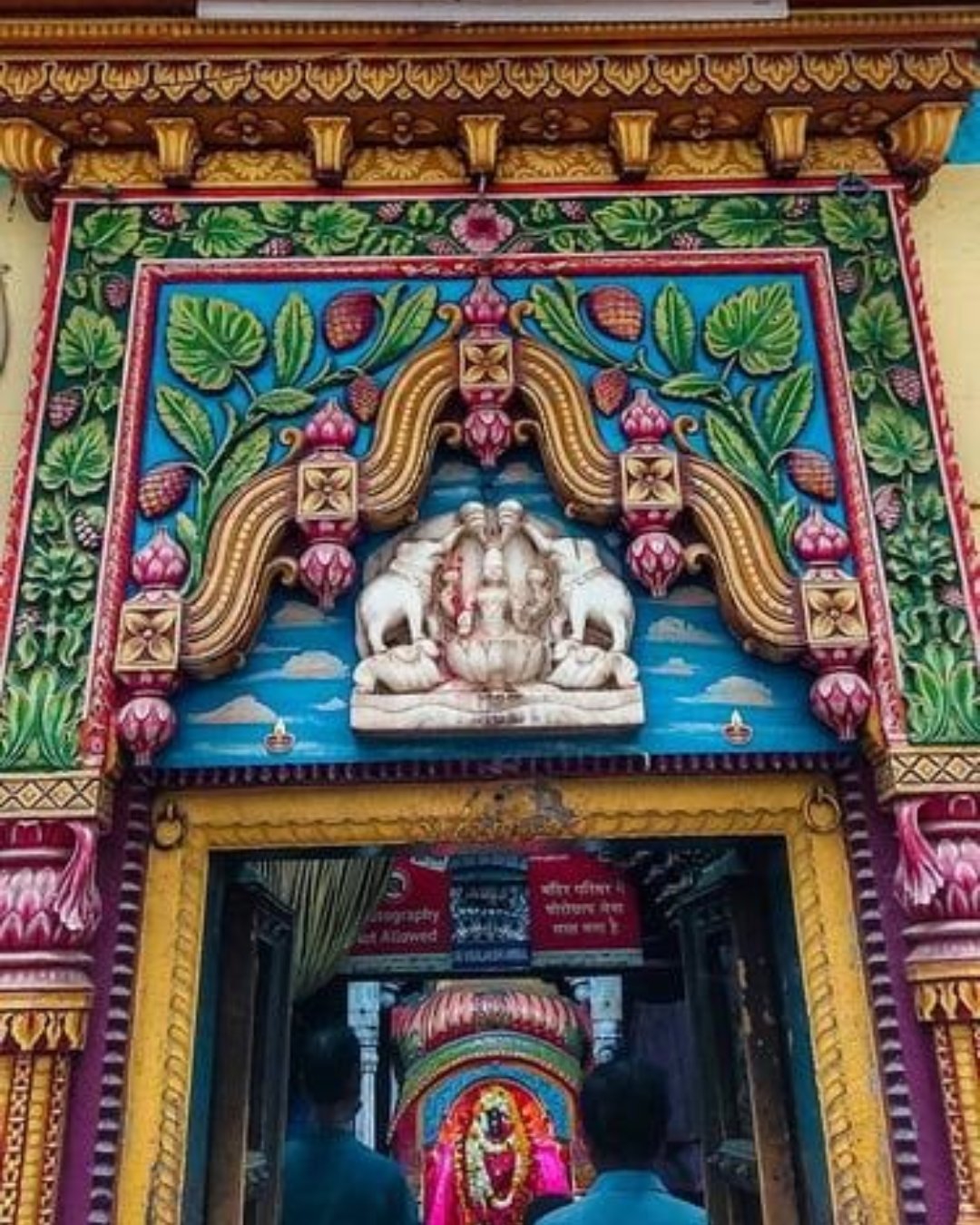
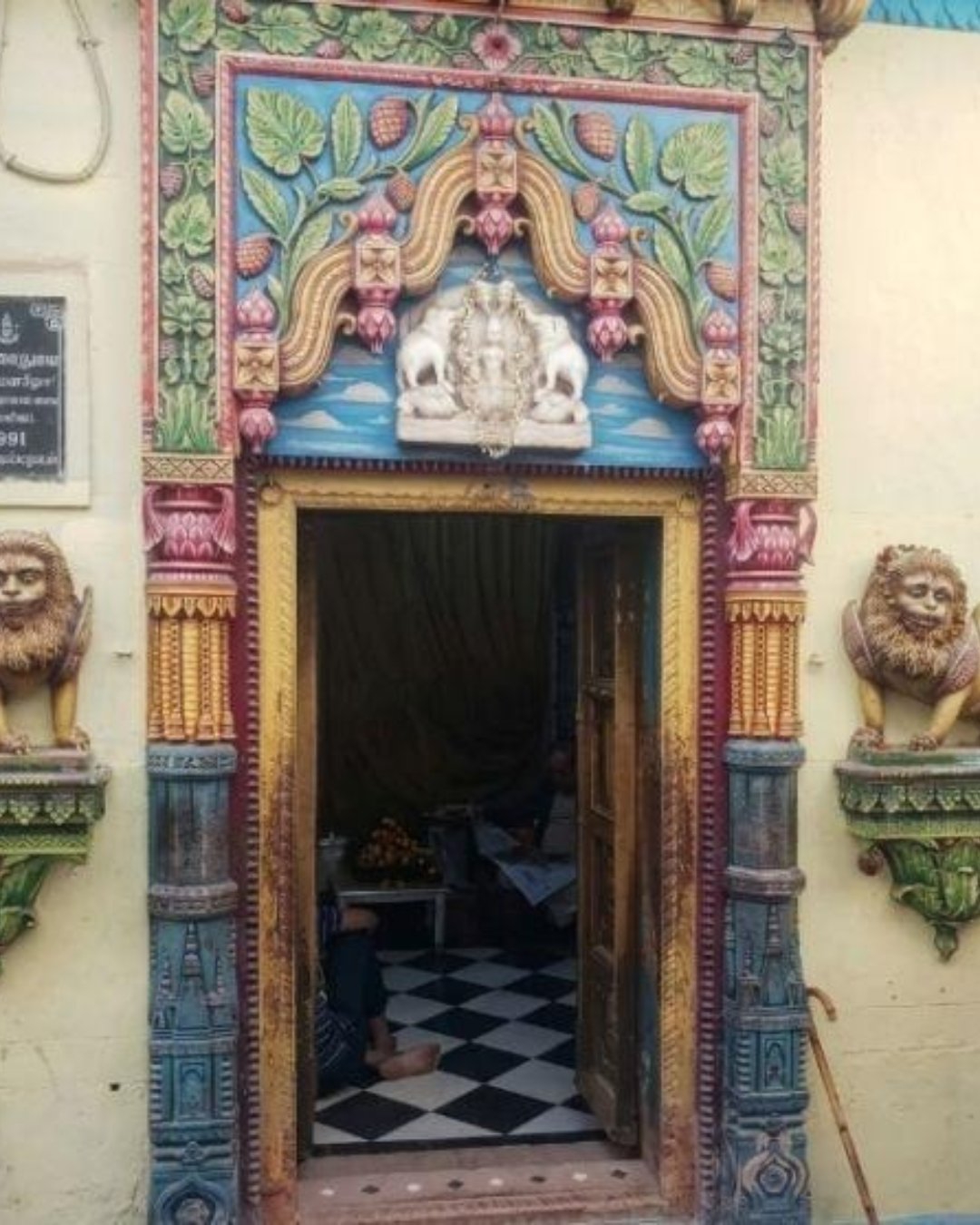
From the outside, Vishalakshi is modest — a compact temple in a crowded gali, not a landmark you'd photograph for its architecture. Its importance is entirely in what it is, not how it looks. Vishalakshi means "the wide-eyed one," a form of the goddess, and this is her Shakti Peeth, one of the holiest goddess sites in a city already dense with them.
Which means the reason to come is devotional and cultural, not visual — and it lands completely differently when you understand the Shakti Peeth tradition first. Come in the morning, when the temple is active and the lanes are quieter, and give it the context it needs. Without that, it's a small temple in a busy alley; with it, you're standing at one of the goddess's own places.
What you'll actually see
Small, intimate, and deep in the old city:
The main shrine — the goddess Vishalakshi, draped and adorned, in a compact sanctum.
The lane setting — reached through the tight galis near Meer Ghat, part of the old-city fabric.
The devotion — especially strong among South Indian pilgrims, for whom this Peeth holds particular significance.
Kashi Vishwanath and the ghats — close by, so this folds naturally into an old-city morning.
Dress modestly and be ready to go barefoot from the shoe stand; carry small notes for offerings. During Navratri and on Fridays the temple fills, so plan around that if you want either the quiet or the intensity.
And keep your phone away inside. Travellers who seek this out will tell you the same thing: photography of the deity is usually not permitted, and in any case the point here isn't a picture — it's a darshan at a site people cross the country to reach. Stand in the small sanctum, take in the devotion around you, and let the significance of where you are settle. That, in a temple most tourists never find, is the part the photos never quite catch.
Pro tip: Come with a guide who can lead you through the galis and tell you the Shakti Peeth story — the lanes are a maze and the temple is genuinely hard to find alone, and the context is half the value. Visit during Navratri if you want to see it at its most alive, or a quiet weekday morning if you want stillness. And fold it into an old-city walk with Kashi Vishwanath and the Annapurna Temple nearby, rather than making a special trip.
The mistakes that ruin it
Most first-timers trip over the same few things. They never find it, lost in the lanes. They arrive not knowing it's a Shakti Peeth, so it reads as just another small temple. Or they turn up expecting grandeur and miss that the significance is spiritual, not architectural.
The easy fix is to come with context and someone who knows the galis — because unexplained and unfound, one of the city's holiest goddess sites passes you by entirely.
Want the Shakti Peeth darshan threaded into your old-city morning with a guide? Hit Do this trip— we'll find the lane.