


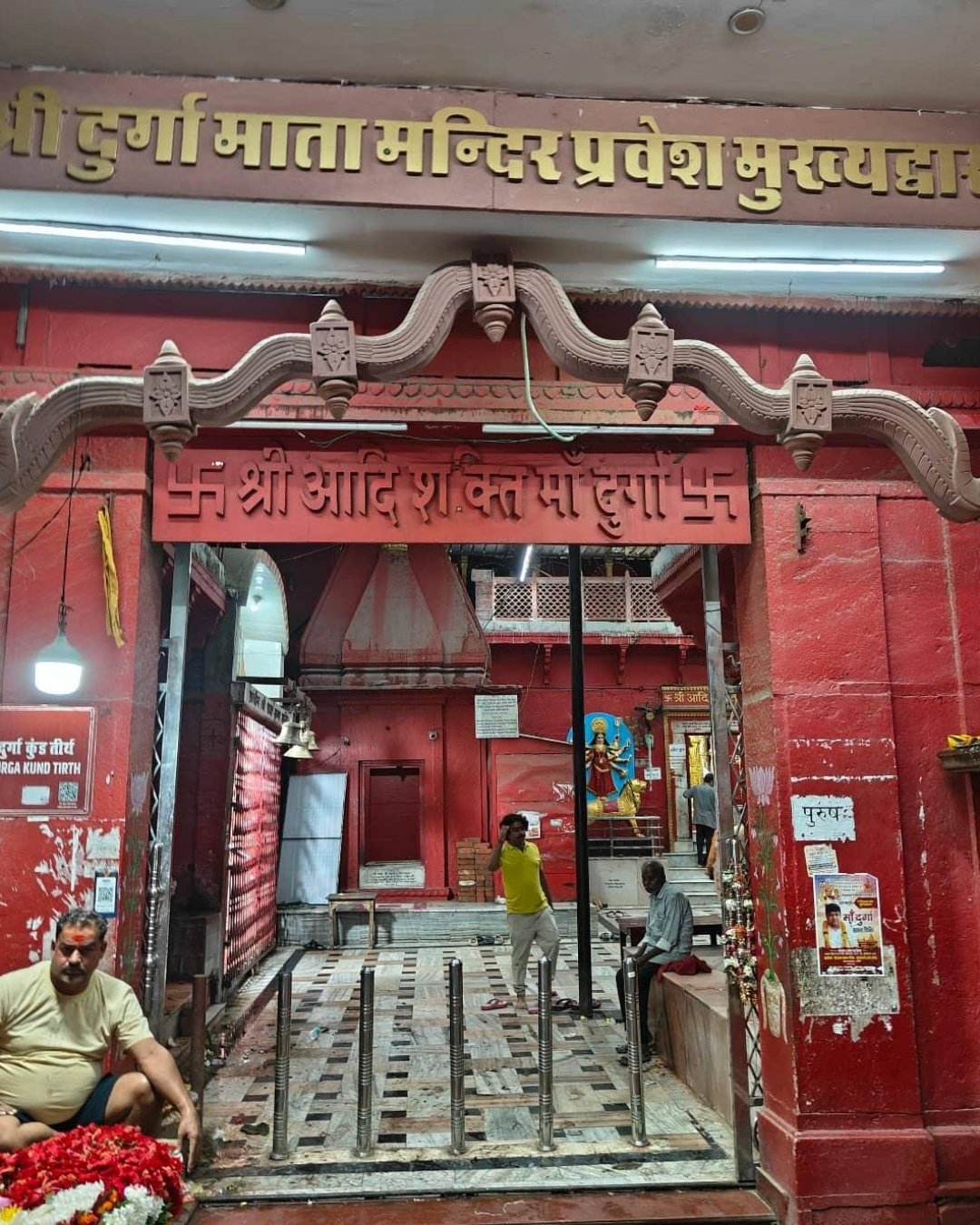
Durga Kund Temple
Durgakund, Varanasi, India
You've probably got this on the list as "the Monkey Temple" and pictured something cute. But here's the thing nobody tells you: the monkeys here are wild, bold, and organised, and the ones who arrive with a phone out, a bag of prasad swinging, and sunglasses on their head are the ones who go home having been robbed by a macaque. The temple is one of the most striking in Varanasi — blood-red, 18th-century, beside an ancient tank — and the monkeys are part of its character, not a petting zoo.
Let's fix that. Here's how Durga Kund Temple actually works, and how to get it right the first time.
Why the morning, and not the middle of the day
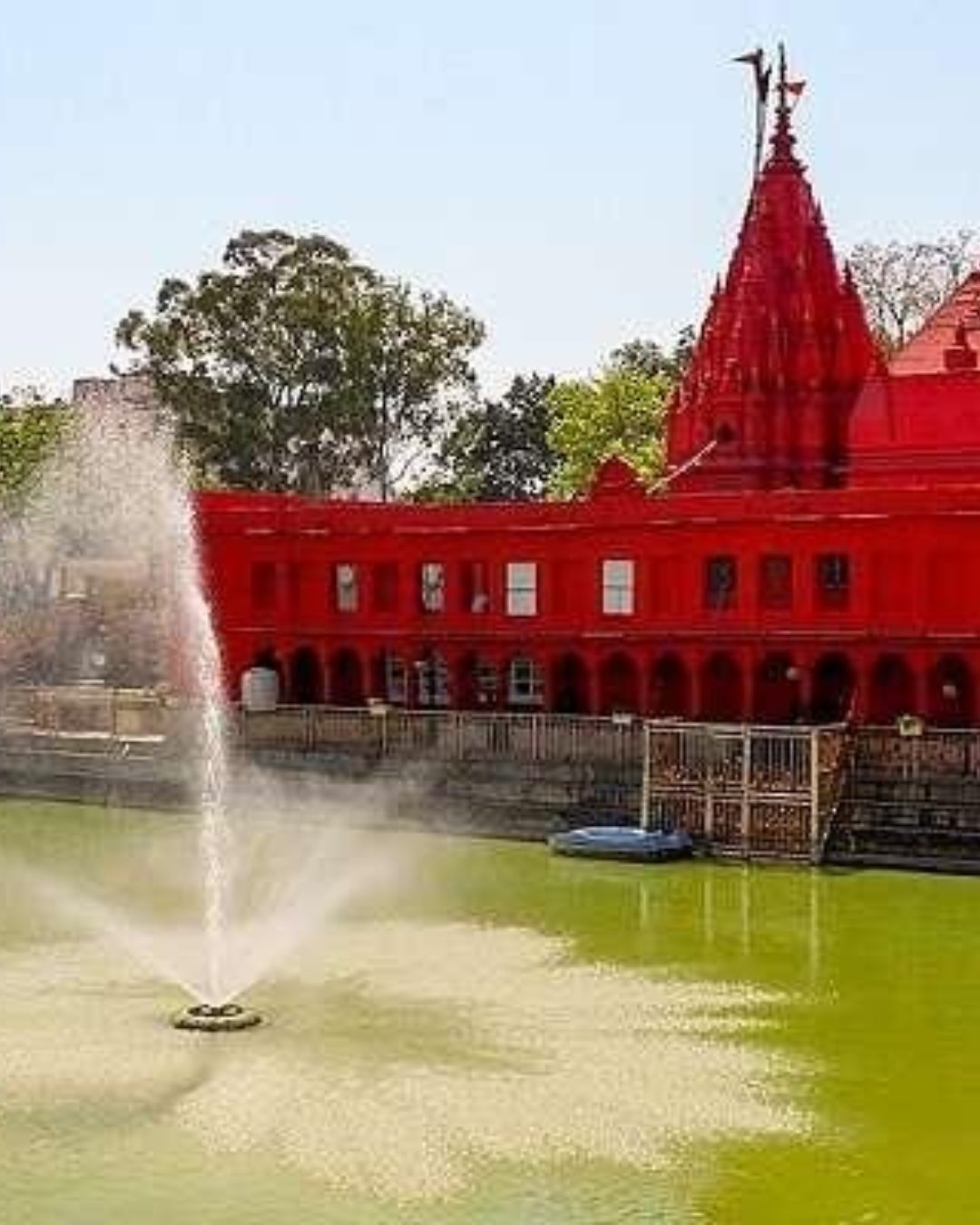
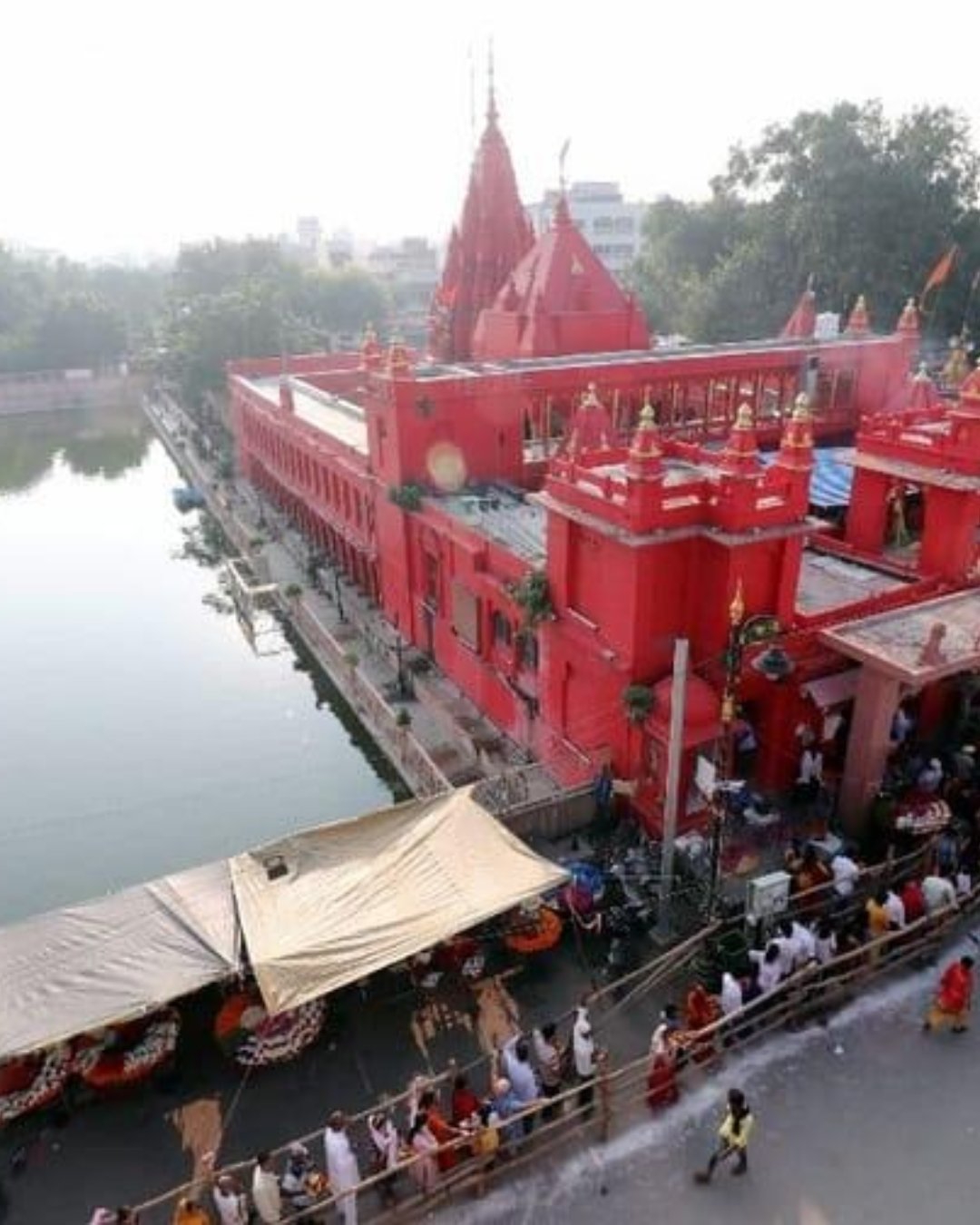
Durga Kund is a working Shakti temple, dedicated to the goddess Durga, and it runs on devotional rhythm rather than tourist hours. Mornings and early evenings are when it's alive — aarti, bells, the courtyard busy with worshippers — and when the light on that deep red ochre façade is at its best against the green water of the kund beside it.
Midday is the dead hour: many temples close for a few hours after the morning session, the sun is flat and harsh on the red walls, and the monkeys are at their most opportunistic around scattered midday crowds. So come early, or come for the evening aarti — and check the timings, because the midday break catches people out.
What you'll actually see
The temple — 18th-century, built in Nagara style and painted the deep red associated with Durga, one of the most photogenic temples in the city.
The Durga Kund — the rectangular stepped tank beside it that gives the temple its name, once fed by the Ganga.
The aarti — morning and evening, with the courtyard at its most devotional.
Tulsi Manas Temple — the modern marble temple next door, its walls inscribed with the *Ramcharitmanas*; do the two together.
Dress modestly, cover your shoulders and knees, and be ready to go barefoot from the shoe stand. Carry small notes for the shoe stand and offerings.
And here the phone advice is practical, not philosophical: keep it zipped away, and not for the first ten minutes — the whole time you're near the monkeys. Travellers who've been will tell you the same thing: the macaques will take glasses, phones, prasad and anything shiny straight from your hands, and they're quicker than you. Non-Hindus are generally not permitted into the inner sanctum, so don't expect the interior darshan; take in the courtyard, the tank and the façade instead. That, and the sound of the aarti bells rolling off the red walls, is the part the photos never quite catch.
Pro tip: Leave the glasses and loose bags in the car and hold your phone with intent, not dangling — the monkeys read a swinging bag as an offer. Don't carry open food or prasad in the open. Come for the evening aarti if you can, and pair the visit with the Tulsi Manas Temple next door and Sankat Mochan Hanuman Temple close by, so one trip covers the southern temple cluster.
The mistakes that ruin it
Most first-timers trip over the same few things. They come at midday to a closed sanctum and flat light. They wander in with sunglasses, snacks and a loose bag, and a monkey relieves them of one. Or they expect to walk into the inner shrine and don't realise access is restricted.
The easy fix is to come at aarti time, secure your things against the monkeys, and pair it with the temples next door — or let the southern temple cluster be planned as one calm morning.
Want the southern temple cluster — Durga, Tulsi Manas, Sankat Mochan — planned as one calm morning? Hit Do this trip