


Mrityunjay Mahadev Temple
Shri Mahamrityunjay Mahadev Temple, (Varanasi), Varanasi, India
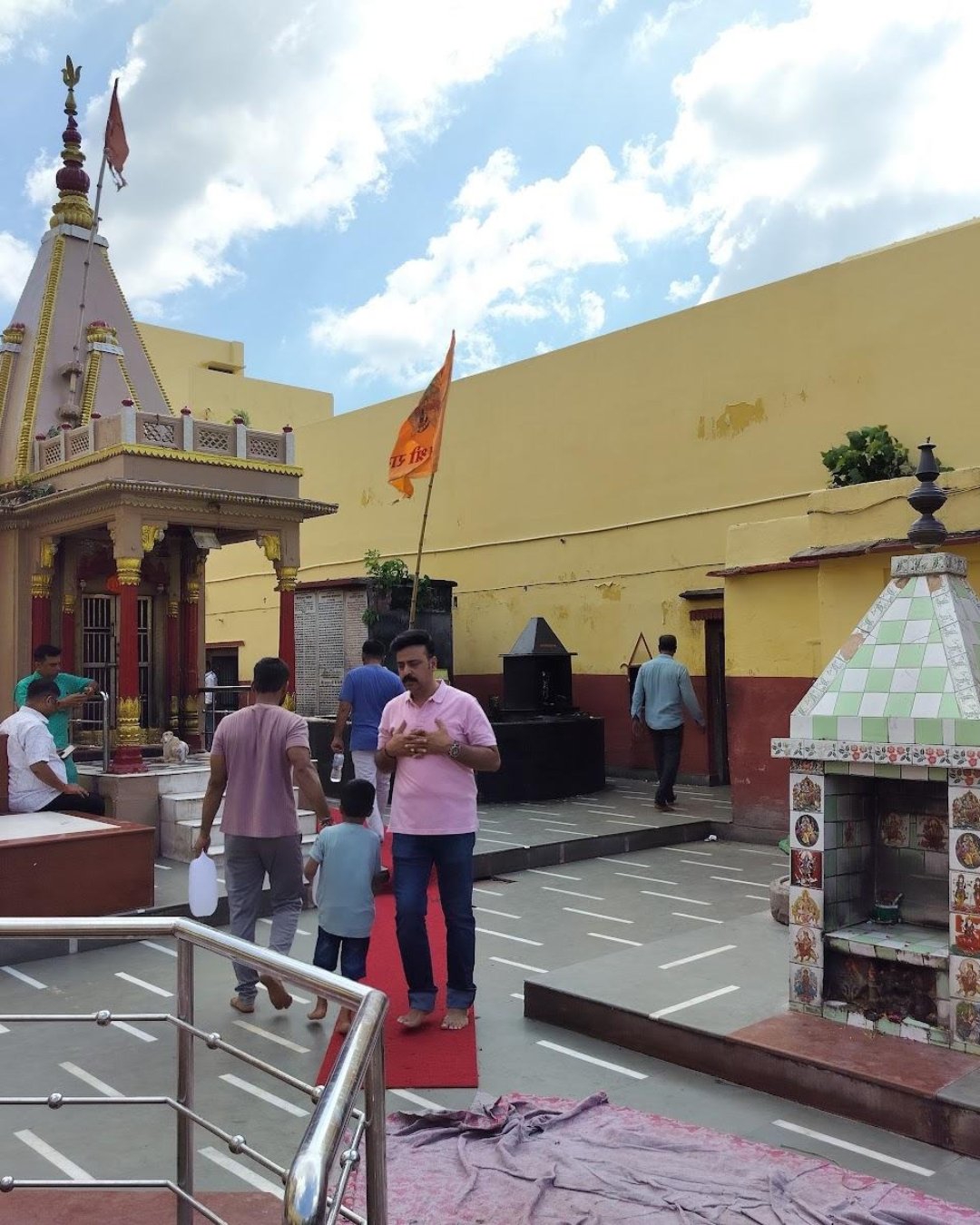
You've probably never seen this one on a list. It's not on the river, it's tucked in the lanes near Daranagar, and the boat-ride crowd never reaches it. But here's the thing nobody tells you: this is the temple people come to when someone is seriously ill or when death feels close — Mrityunjay means "victory over death," and the well beside the shrine, fed by several underground streams, is one of the most sacred sources of water in the city. Varanasi has grander temples. It has few this quietly loaded with meaning, and almost no visitor finds it.
Let's fix that. Here's how the Mrityunjay Mahadev Temple actually works, and how to get it right the first time.
Why the morning, and why you come on purpose
This isn't a stop you drift into off a boat. It sits in the old-city galis northwest of the main ghats, near Kaal Bhairav, and you reach it on foot through the lanes — which means you come deliberately, or you don't come at all.
Go in the morning. The temple is busiest and most alive early, when locals stop in before the day, and the lanes are cooler and easier to walk before the crowds and the heat build. It's a short visit — the shrine, the sacred well, a few minutes of quiet — best paired with Kaal Bhairav nearby, since you're already in that warren.
What you'll actually see
Small, old, and dense with meaning rather than spectacle:
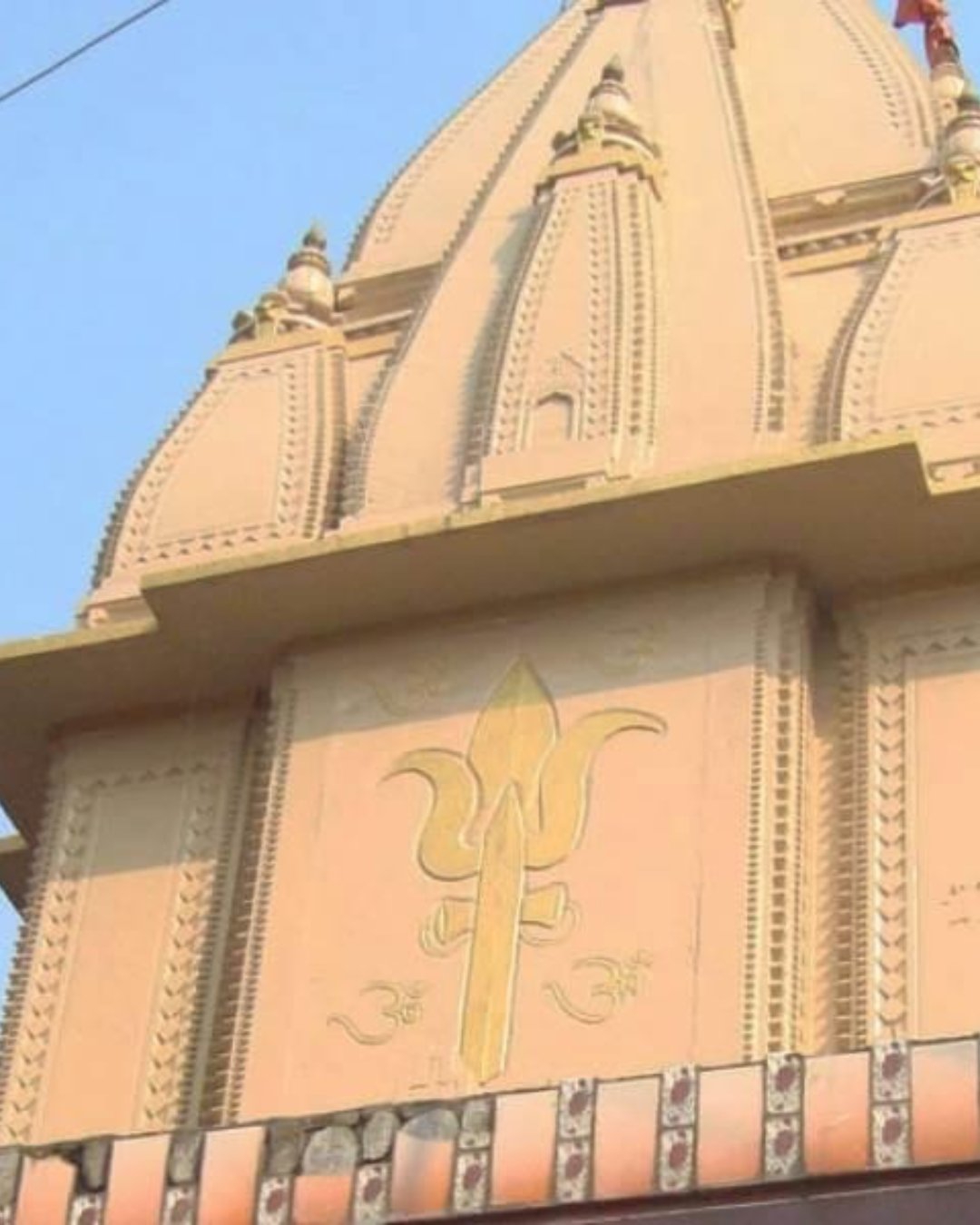
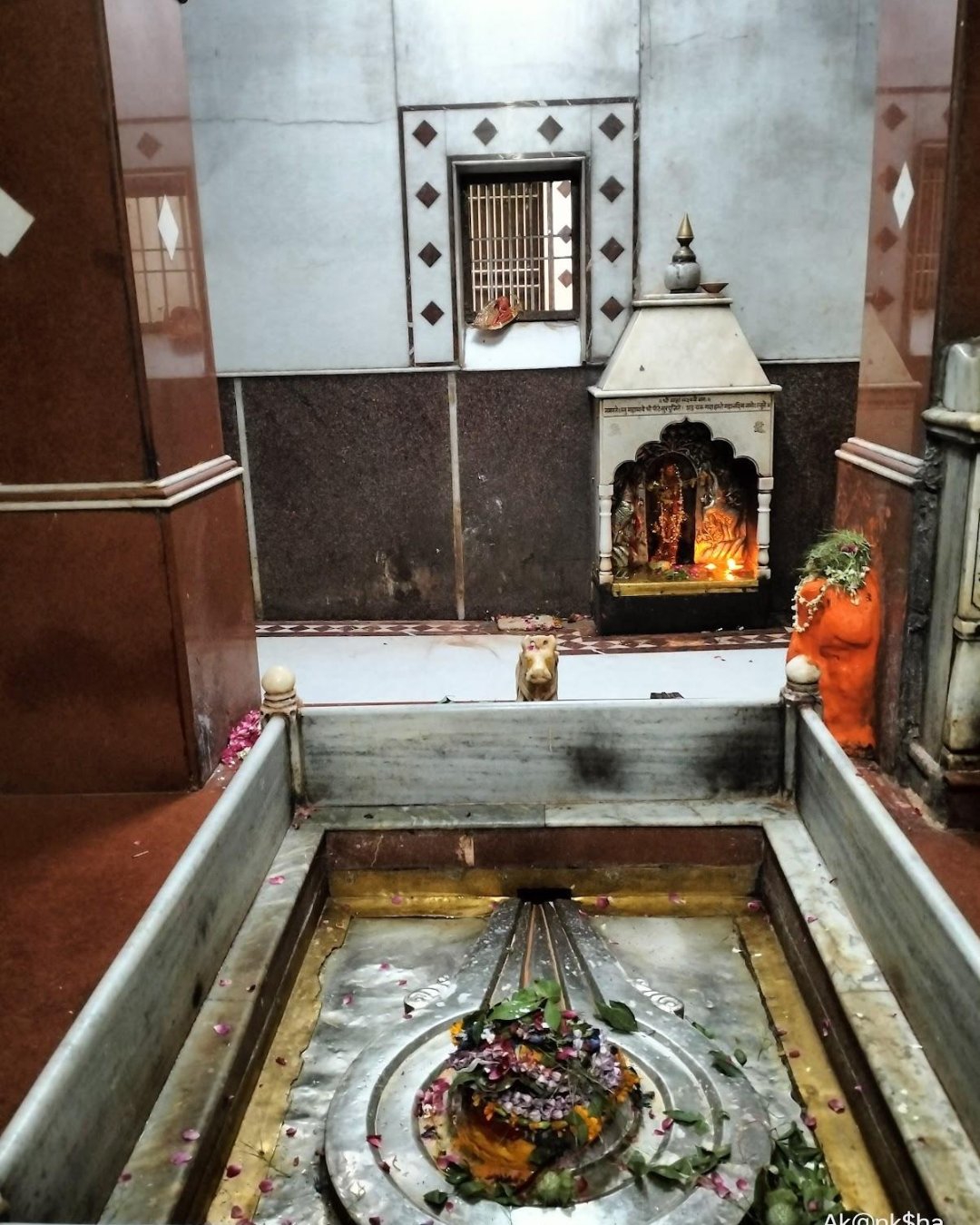
The Mrityunjay Lingam — the form of Shiva as conqueror of death, where the Mahamrityunjaya Mantra is chanted for healing and long life.
The sacred well — beside the shrine, said to be fed by several underground streams and considered especially holy; its water is taken for its curative and purifying power.
The lane shrines — smaller deities around the complex, and the everyday devotion of a working neighbourhood temple.
Kaal Bhairav — the fierce guardian of the city, a few minutes' walk away; do the two together.
Dress modestly and be ready to go barefoot from the shoe stand. Carry small notes for offerings.
And keep your phone away inside. Travellers who find their way here will tell you the same thing: this is not a monument set up to be photographed, it's a place people come to in genuine need — for a sick parent, a hard diagnosis, a fear they can't name. The right thing is to stand quietly at the edge of that, not to document it. The weight of a small temple where people come to pray against death is the part no photo was ever going to hold.
Pro tip: Come on a Monday or during Sawan if you want to see it at its most devotional — those are Shiva's times and the temple fills. Take water from the sacred well only as the custodians direct, and follow local practice rather than treating it as a photo prop. And navigate the galis with a guide or a good offline map; this temple is genuinely hard to find, and half the reason visitors miss it is that they simply can't locate it.
The mistakes that ruin it
Most first-timers trip over the same few things. They never find it, lost in the lanes. They come without knowing what it means, so a significant shrine reads as a small, plain temple. Or they treat a place of real grief and hope as a sightseeing tick.
The easy fix is to come on foot in the morning, with someone who knows the lanes and can tell you why this temple matters — because unexplained and unlocated, it stays invisible.
Want Mrityunjay and Kaal Bhairav in one guided temple walk through the galis? Hit Do this trip — we'll map the route.