


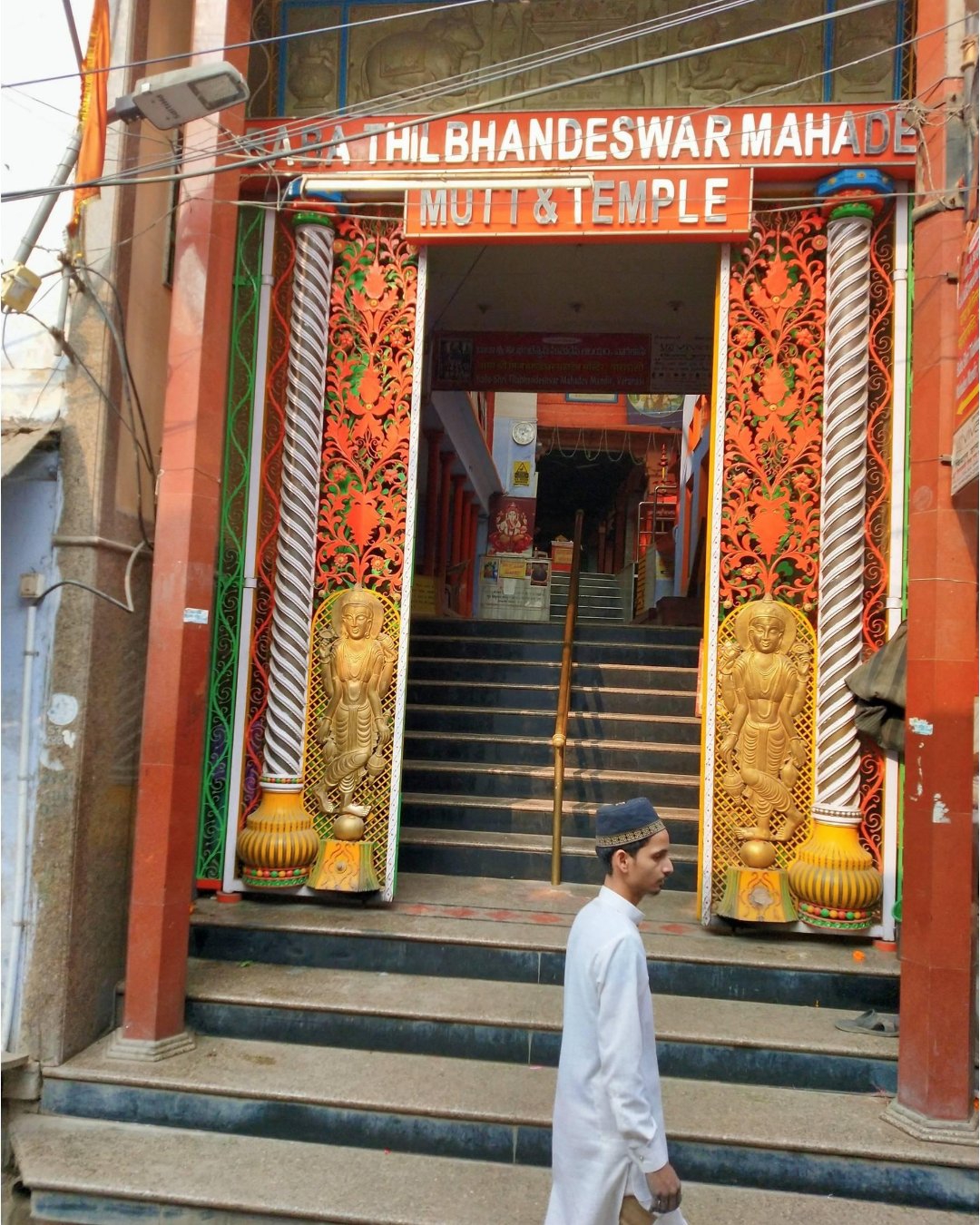
Tilbhandeshwar Mahadev Temple
Sri Tilbhandeshwar Mahadeva Temple, Varanasi, India
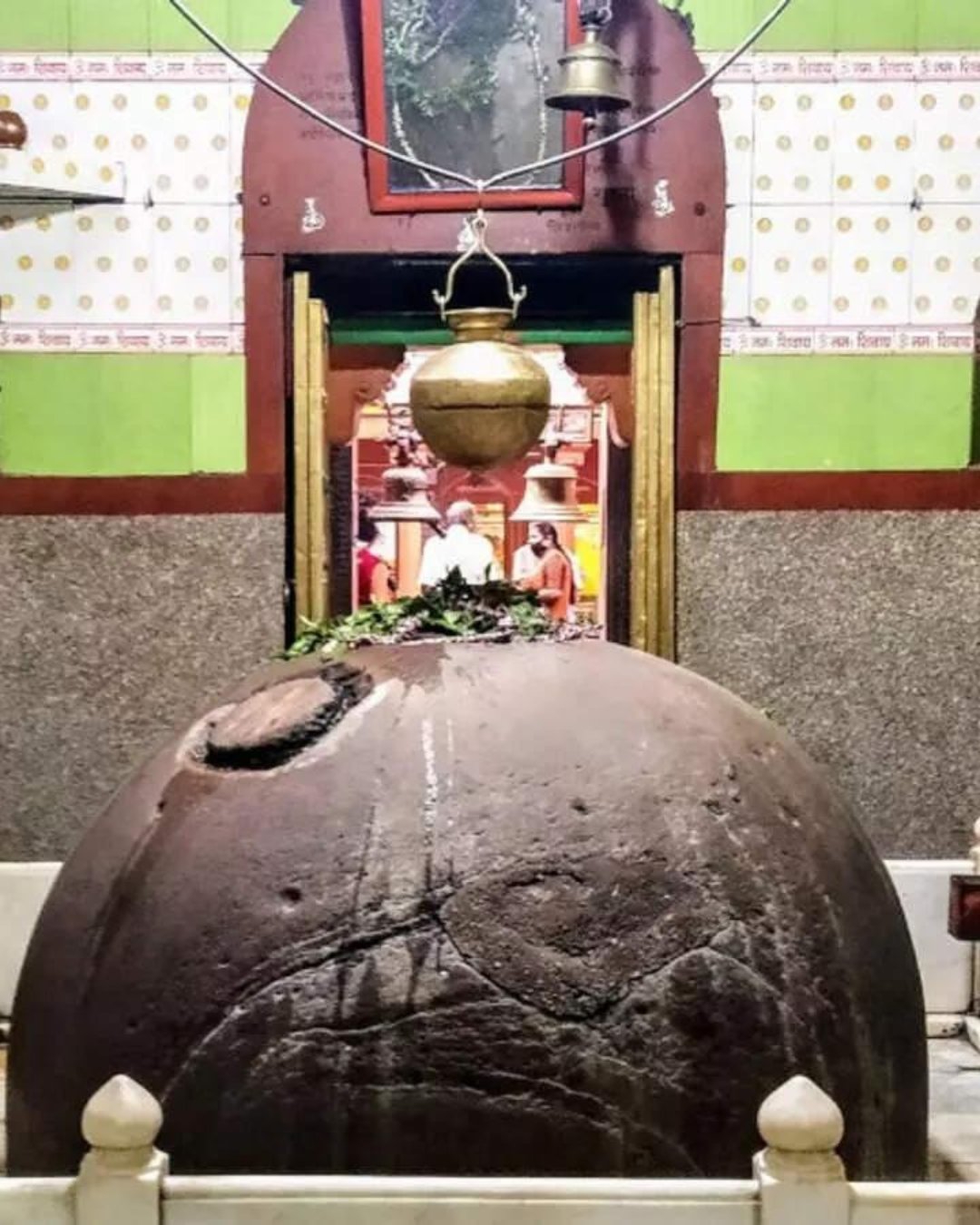
You've probably never heard the name, and that's exactly the point. Every visitor queues for Kashi Vishwanath; almost none find their way to Tilbhandeshwar, tucked in the lanes of Bhelupura away from the river. But here's the thing nobody tells you: this is one of Varanasi's most revered local Shiva temples, and the belief here is remarkable — that the lingam grows by a sesame seed's width each year, which is where the name comes from. Locals pack it on Mondays and through Sawan while tourists walk past the turning entirely.
Let's fix that. Here's how Tilbhandeshwar actually works, and how to get it right the first time.
Why you come early, and on the right day
This is a living neighbourhood temple, not a monument, so its rhythm is devotional, not touristic. It's busiest and most alive early morning and evening, when locals come before and after work — and on Mondays, Shiva's day, and through the monsoon month of Sawan, when the queues stretch down the lane.
That's the paradox: the crowd is the experience here. An empty Tilbhandeshwar at noon is just a quiet courtyard. Come at 7 a.m. on a Monday and you're in the middle of real, unperformed devotion — no guides, no touts, no other visitors, just the neighbourhood at prayer. Go early, and go on a day it matters.
What you'll actually see
Small, atmospheric, and entirely genuine:
The main lingam — the swayambhu (self-manifested) Shiva lingam the temple is built around, the object of the sesame-seed-growth belief.
The temple tank — the sacred kund within the complex, a feature of many old Kashi temples.
The Sawan crowds — if you're here in the monsoon month, the queues and the energy are the whole point.
The Bhelupura lanes — an everyday, un-touristed quarter of the old city, worth the short walk in itself.
Dress modestly and be ready to go barefoot from the shoe stand. Carry small notes for the shoe stand and an offering of bilva leaves or milk if you want to participate.
And this is a temple to experience rather than document — keep the phone down inside. Travellers who find their way here will tell you the same thing: there's nothing staged to photograph, just people doing what they've done for generations, and raising a camera changes the room. Photography of the sanctum is usually not welcome; ask before you point at anything. That unguarded, un-touristed devotion, in a city where so much is watched and sold, is the part the photos never quite catch.
Pro tip: Time it to a Monday morning or a day in Sawan if you want to feel why locals hold this temple so dear — midday on an ordinary day is a shadow of it. Ask a local or your guide for directions rather than relying on a map pin; the Bhelupura lanes are a warren and the entrance is easy to miss. And go with a word of context about the sesame-seed belief and the swayambhu lingam, or it reads as one more small shrine.
The mistakes that ruin it
Most first-timers trip over the same few things. They never find it, because it's off the river and out of the guidebooks. They come at midday on a weekday and get an empty courtyard. Or they arrive knowing nothing of what the temple is, so its significance passes them by.
The easy fix is to come early, ideally on a Monday or in Sawan, with someone who can lead you through the lanes and tell you what you're standing in.
Want a Monday-morning Tilbhandeshwar darshan with a guide through the Bhelupura lanes? Hit Do this trip — we'll find it.