

Ratneshwar Mahadev Temple
Ratneshwar Mahadev Temple Varanasi, Varanasi, India
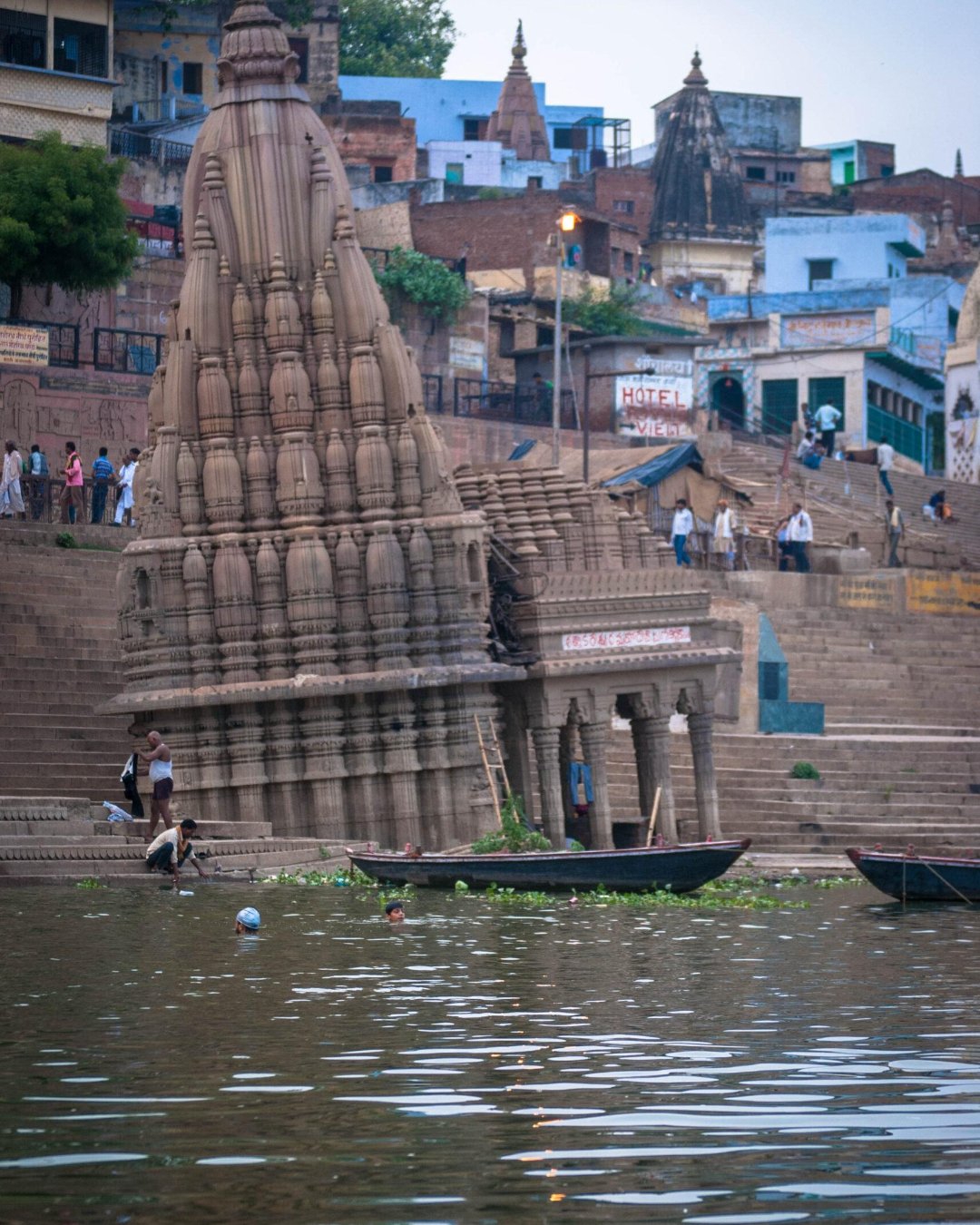
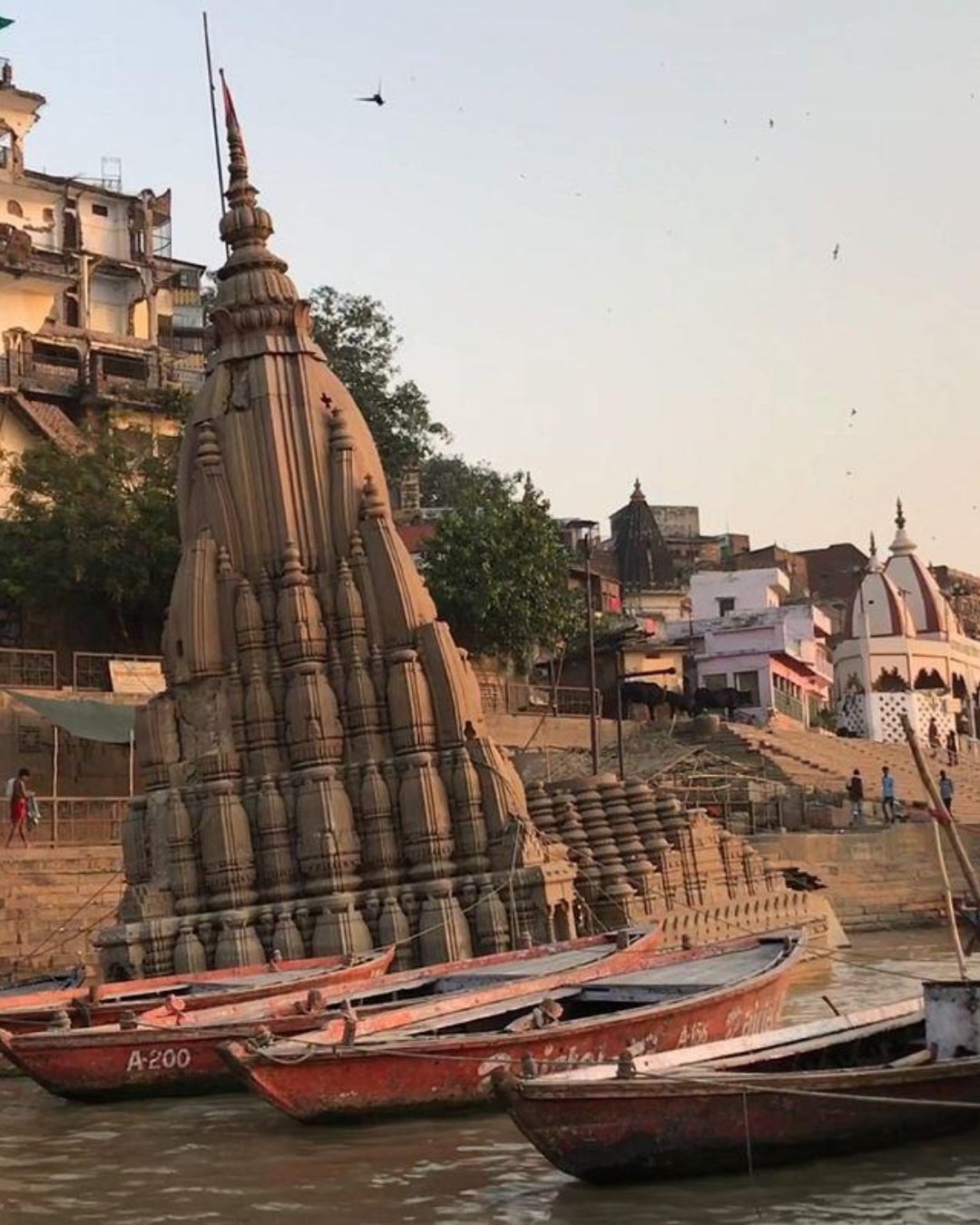
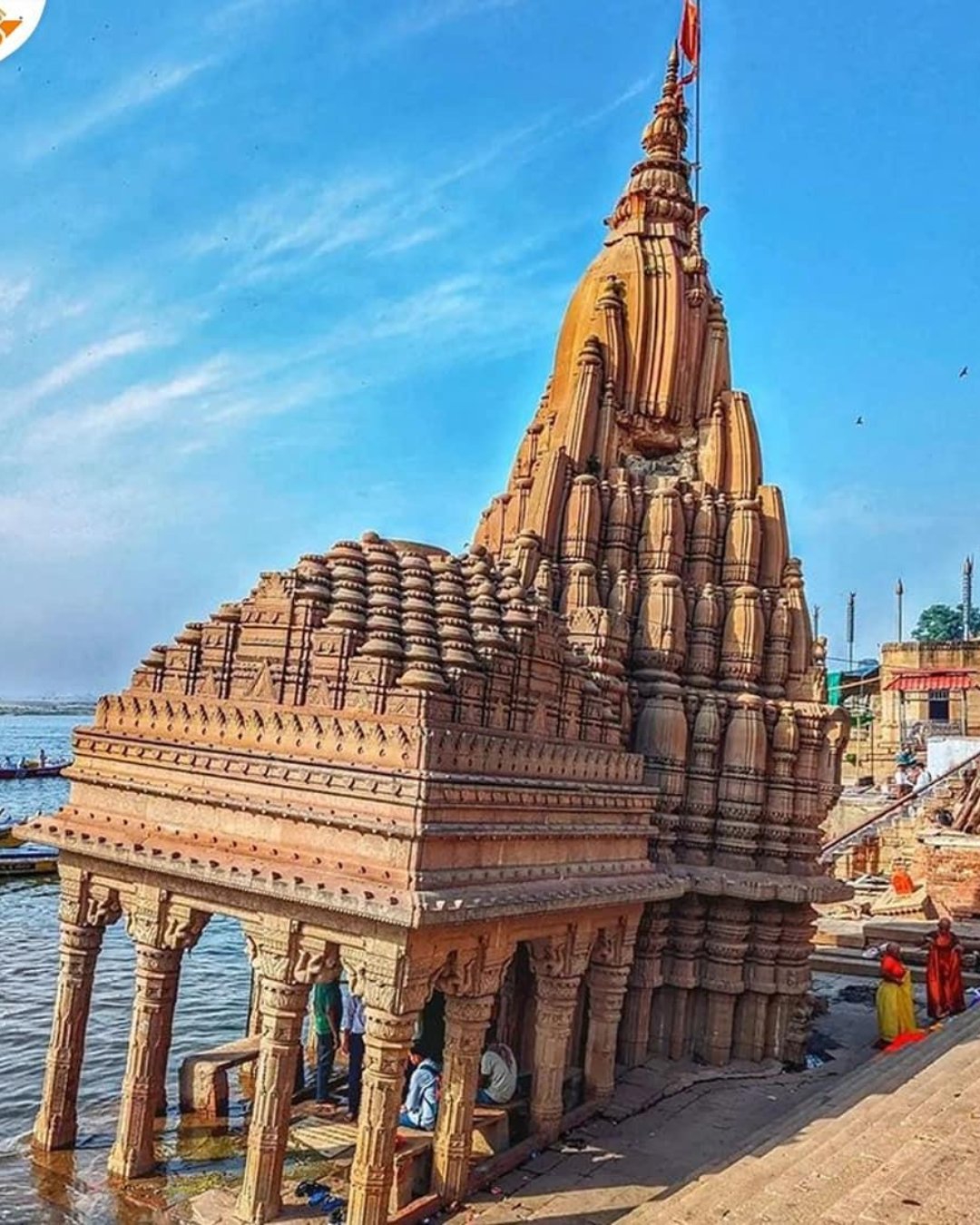
You've probably seen the photograph. A tiny stone temple leaning dramatically toward the Ganga, its weathered shikhara appearing to sink into the river as the water rises around it. You get to Varanasi, walk the ghats, and spot Ratneshwar Mahadev almost by accident — then wonder why nobody warned you that you can't simply walk inside. Here's the thing nobody tells you: Ratneshwar Mahadev is best understood from the river, not as a conventional temple visit. Its unusual tilt, riverside setting, and centuries of stories are what make this one of Kashi's most intriguing little shrines.
Let's fix that. Here's how Ratneshwar Mahadev actually works, and how to get it right the first time.
Why the river view matters more than the entrance
Ratneshwar Mahadev sits close to the water near Manikarnika Ghat, with much of the temple structure positioned unusually low toward the Ganga. The building is famously tilted, and during high water the river can surround much of its lower structure. Unlike Kashi Vishwanath or Annapurna Devi, this isn't a temple where you come primarily for a long darshan experience.
The best way to appreciate it is from a boat or from the opposite stretch of the riverfront, especially when the water is high enough to emphasize its dramatic position. Early morning gives you soft light, calmer water and fewer boats crowding the frame. During monsoon and high-water periods, the temple's relationship with the river becomes even more striking.
So make it part of your sunrise boat ride rather than planning a separate visit. You'll understand the temple much better from the water than by standing beside it.
What you'll actually see
The leaning temple — the small stone shrine with its distinctive sloping structure, one of the most unusual silhouettes on the Varanasi waterfront.
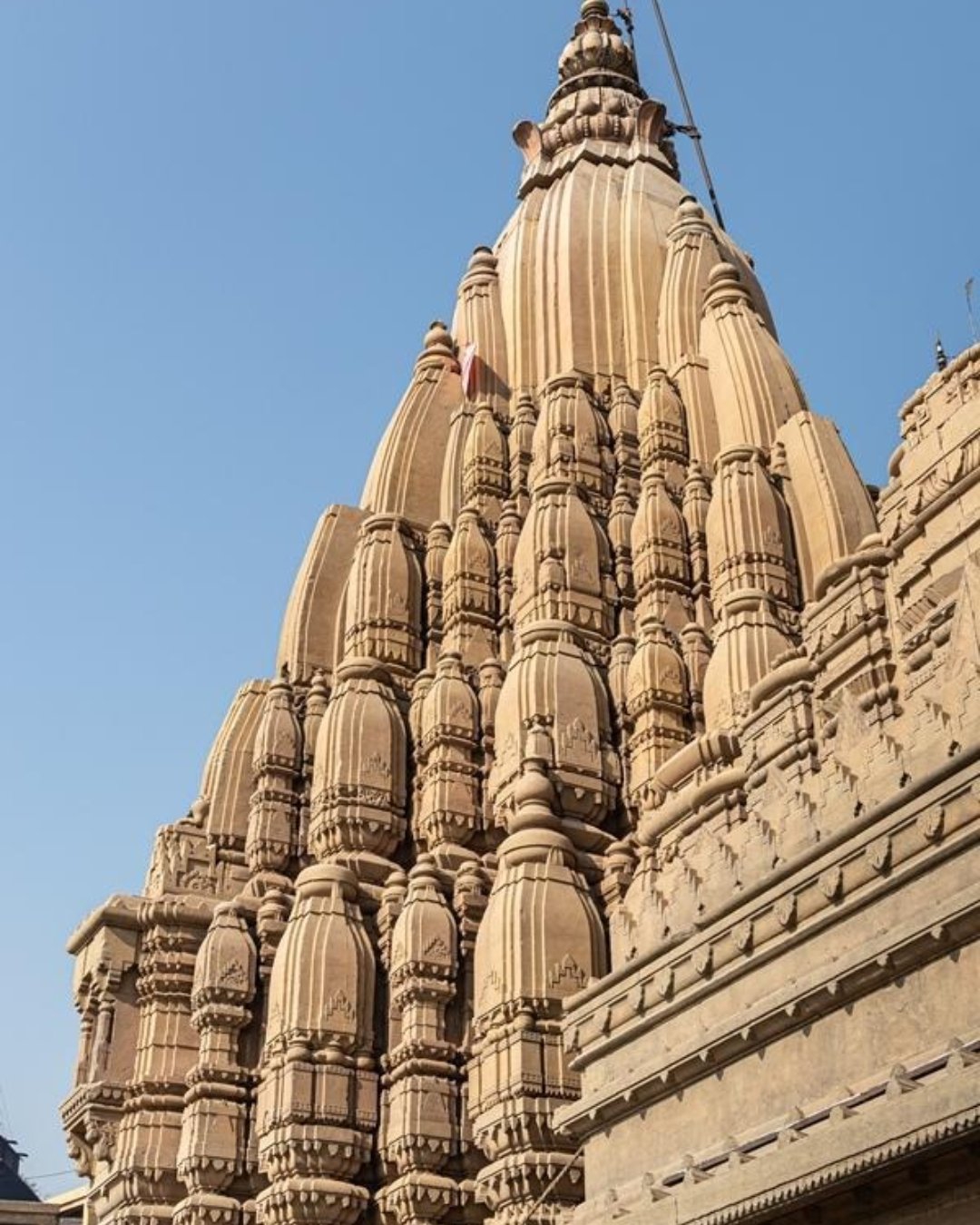
The shikhara — the weathered tower rising above the river, creating the dramatic appearance that has made the temple a favourite subject for photographers.
The Ganga — during high water, the river can reach deep around the lower portion of the structure, making the temple appear almost submerged.
Manikarnika Ghat — the temple sits close to one of Kashi's most significant and intense ghats, adding another layer to the experience.
The riverfront from the boat — the wider view reveals how unusual the temple's position is compared with the other structures along the ghats.
And here the phone earns its place, but don't spend the whole moment looking through it. The temple is one of those places where the changing relationship between stone, water and sky is more impressive in person. Watch the river move around the structure first, then take your photographs. That strange, leaning silhouette against the Ganga is the part that makes Ratneshwar Mahadev memorable.
Pro tip: See Ratneshwar Mahadev during your sunrise boat ride rather than making a special trip. Ask your boatman to pass close enough for a clear view, but don't expect to enter the temple as you would a major pilgrimage shrine. The best photographs are usually from the river, with the temple framed against the ghats and morning sky. If you're visiting during or after the monsoon, the higher river level can make the temple look dramatically closer to the water. Be respectful around Manikarnika Ghat — this is an active cremation site, not a sightseeing backdrop.
The mistakes that ruin it
Most first-timers make the same few mistakes. They expect Ratneshwar Mahadev to function like Kashi Vishwanath and arrive looking for a conventional temple entrance. They visit in harsh midday light and lose the atmosphere of the riverfront. Or they photograph the leaning structure without understanding its location beside one of Kashi's most sacred and intense ghats.
The easy fix is to see Ratneshwar Mahadev from the Ganga during an early-morning boat ride, when the water is calm and the light is soft — because this is one of those Varanasi landmarks that makes far more sense when you experience it from the river than when you simply stand beside it.