


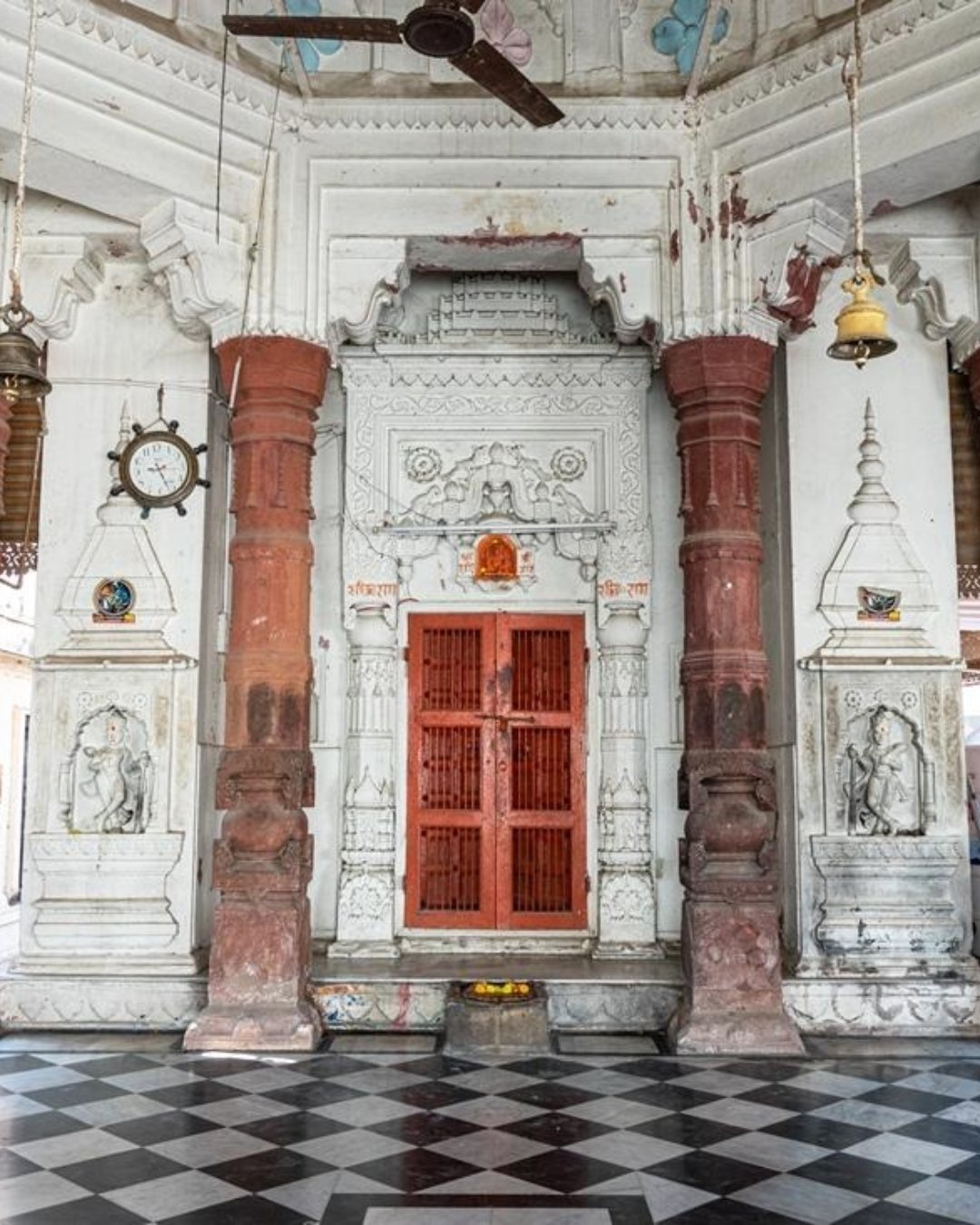
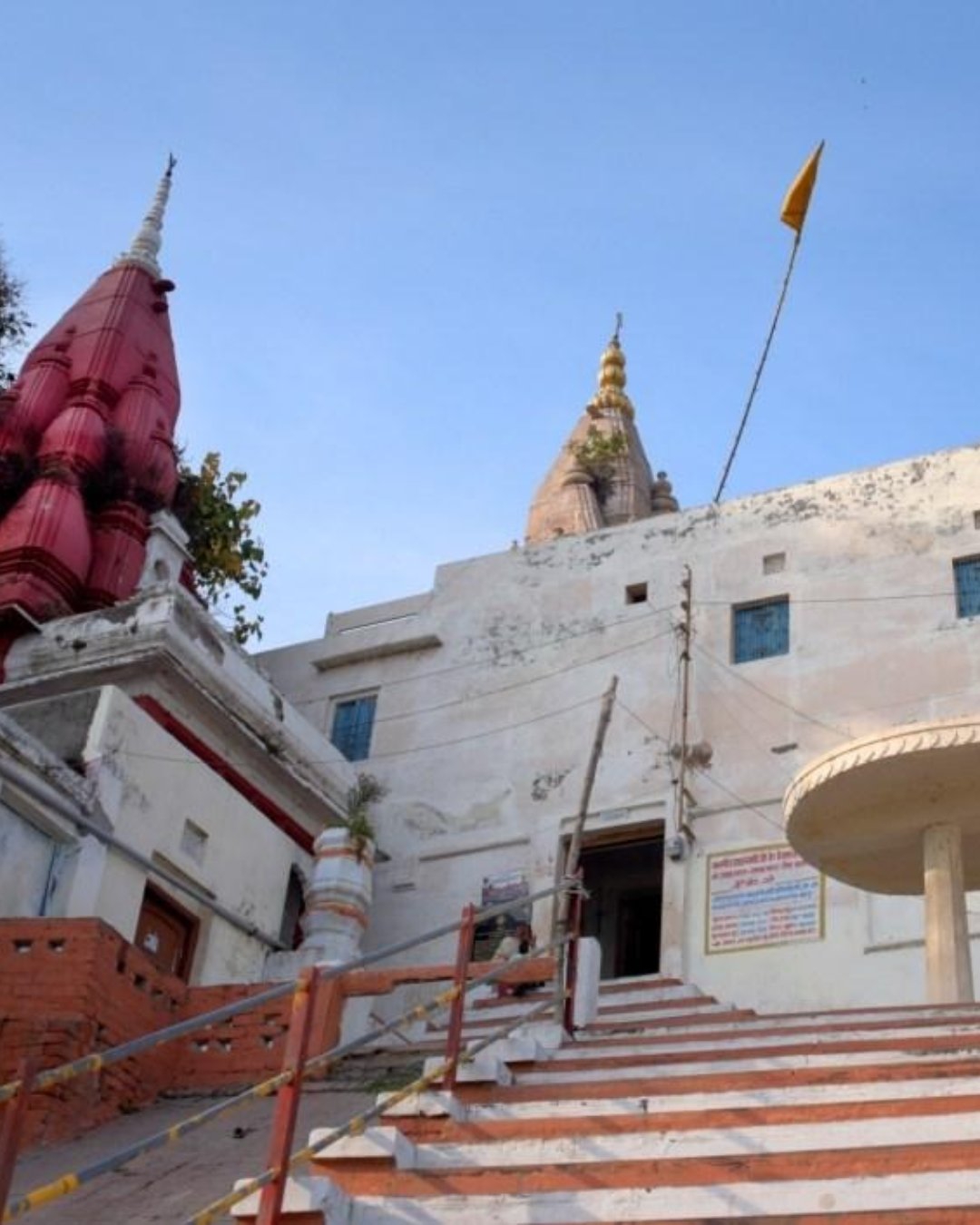
Adi Keshava Temple
Adi Keshav Ghat, (Varanasi), Varanasi, India
You've probably never had this one on a list. It sits at the far northern edge of Varanasi, where the Varuna river joins the Ganga, well past where the boats turn back — so almost no visitor reaches it. But here's the thing nobody tells you: this is where the city started. Adi Keshava — "the first Vishnu" — marks the original sacred nucleus of Kashi, the spot the whole overwhelming city downstream grew outward from. Everyone crowds the central ghats. Almost nobody stands at the point it all began.
Let's fix that. Here's how a visit to Adi Keshava actually works, and how to get it right the first time.
Why you go by road, and in the morning
Adi Keshava is genuinely out of the way — the northern end, at the Varuna confluence, a long haul upriver from the central ghats. Rowing all the way here from Dashashwamedh eats most of a morning, so this is better reached as a short, dedicated trip by road than tacked onto a dawn boat ride.
And it isn't about a view. This is history you come to stand in, not photograph. Come in the morning, when the temple is active and the confluence is calm, and give it the context it needs — because without knowing what Adi Keshava is, it's an unremarkable shrine at the edge of town. With it, you're standing at the mythic and archaeological origin of one of the oldest living cities on earth.
What you'll actually see
Small, quiet, and layered with meaning:
The Adi Keshava shrine — the "original Vishnu," marking the ancient core of Kashi at the river junction.
The Varuna–Ganga confluence — where the Varuna meets the Ganga; the northern bookend of the city, as the Assi is the southern.
The old settlement ground — nearby excavations have turned up some of the earliest layers of the city here.
The Malviya Bridge — the old road-and-rail bridge crossing the Ganga just alongside.
Dress modestly and be ready to go barefoot in the temple. This is a working local shrine, not a tourist site, so keep a low profile and carry small notes for an offering.
And this is a place to look and understand rather than shoot. Travellers who make the trip out will tell you the same thing: there's no spectacle here — no aarti, no burning ghat, no dramatic frame — just the quiet knowledge that everything downstream grew from this modest-looking point. Standing at the confluence where Kashi began, with none of the crowds that fill the rest of it, is the part no photo carries, because there's nothing photogenic to catch.
Pro tip: Treat Adi Keshava as a short, deliberate history trip rather than the tail end of a boat ride — it's too far north to row to comfortably, and the reward is context, not scenery. Come with a word about what the temple is, or it means little. And pair it with a look at the Malviya Bridge and the Varuna confluence to round out the northern edge of the city — the Varuna and the Assi are the two rivers that give "Varanasi" its name.
The mistakes that ruin it
Most first-timers trip over the same few things. They never come, because the boats don't row this far. They arrive not knowing this is the origin point of the city, so it reads as a plain shrine. Or they expect a spectacle and find a quiet temple at the edge of town.
The easy fix is to make a short, intentional trip with someone who can tell you why this spot matters — because unexplained, Adi Keshava is just a small temple where the boats stopped going.
Want the city's origin point as a dedicated history trip with a guide who knows the story? Hit Do this trip.