



Tulsi Manas Temple
Shri Satyanarayan Tulsi Manas Temple, (Varanasi), Varanasi, India
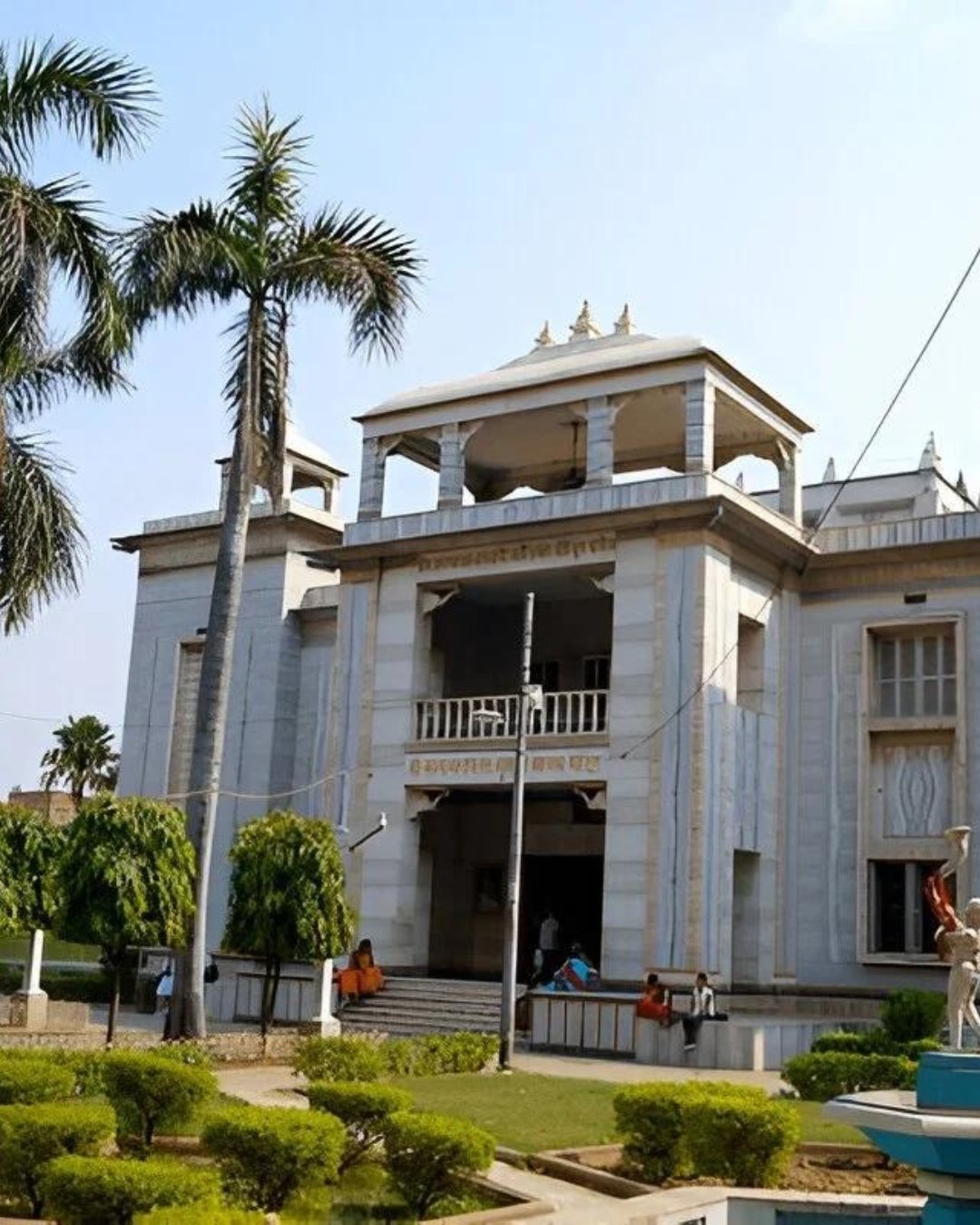
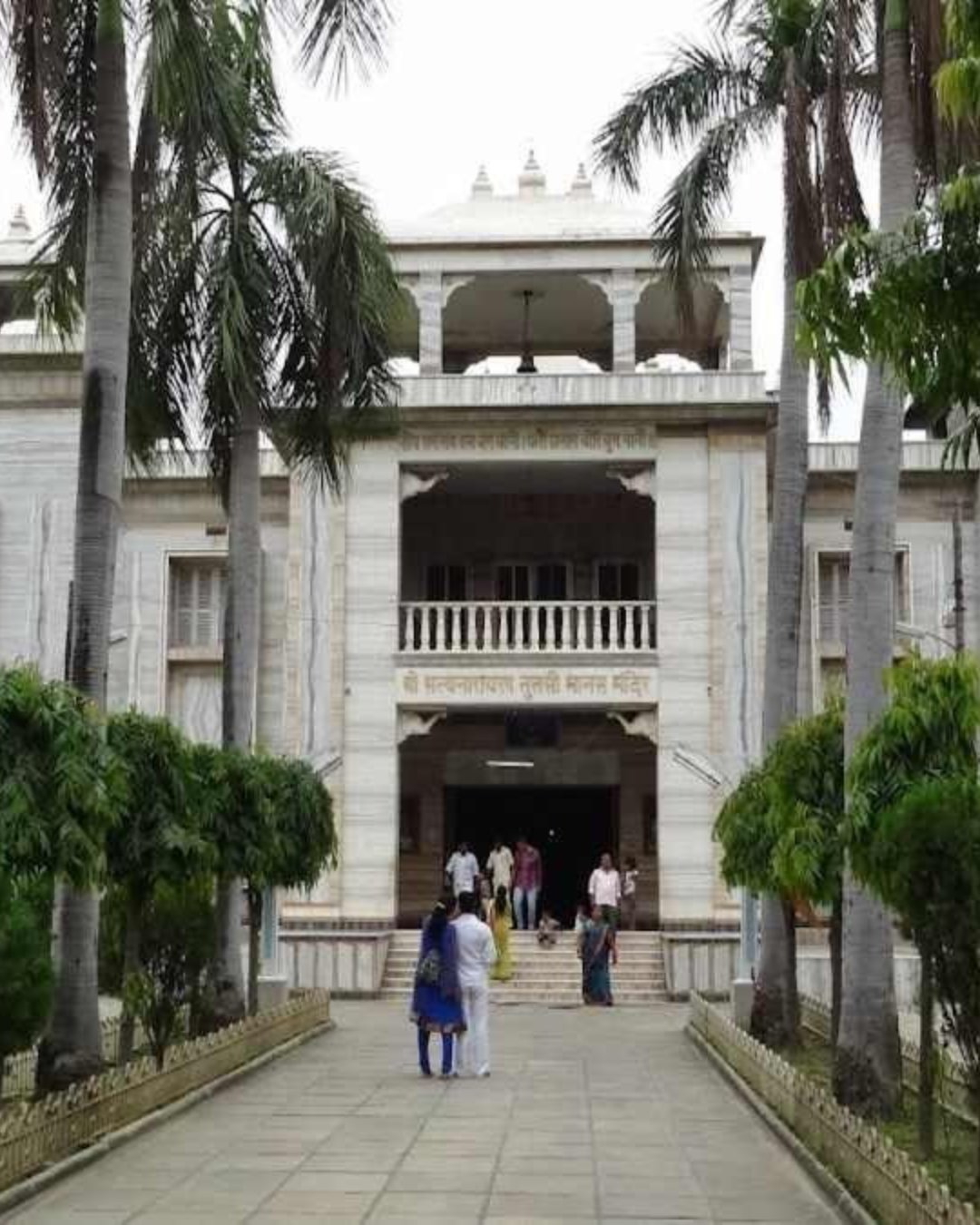
You've probably lumped this in with the ghats. Another Varanasi temple, see it on the way to the river, half an hour. But here's the thing nobody tells you: this one isn't old, isn't on the water, and isn't in the tangle of the old city — it's a marble temple built in 1964, out near the Durga Temple and BHU, and its whole point is the walls. The entire *Ramcharitmanas* — Tulsidas's retelling of the *Ramayana* — is inscribed across them. People come expecting an ancient shrine and misread a modern one; the ones who know what they're looking at read the walls.
Let's fix that. Here's how Tulsi Manas Temple actually works, and how to get it right the first time.
Why it's a reading, not a ruin
Don't come here for antiquity — you'll be disappointed, and that's the usual mistake. The temple was built by a Kolkata family in 1964 on the spot where Tulsidas is traditionally said to have composed the *Ramcharitmanas*. It's white marble, calm, and clean, and the reason to come is that the epic is written out around you, verse by verse, on the interior walls.
So the timing that matters is the midday closure, not the hour of light. Like many temples here it shuts for a few hours in the afternoon. Come mid-morning, when it's open and quiet, and give yourself time to actually walk the walls rather than glance and go.
What you'll actually see
Calm, modern, and worth an unhurried half hour:
The inscribed walls — the full *Ramcharitmanas* in Awadhi, with other verses of Tulsidas, carved and painted around the halls.
The upper floor — mechanical tableaux of scenes from the *Ramayana*, a quiet favourite with families.
The gardens — lawns and flowerbeds around the marble, unusually green and orderly for the city.
Durga Temple (Durga Kund) — the red-ochre 18th-century temple right next door; do the two together.
Dress modestly and be ready to go barefoot from the shoe stand. Carry small notes for the shoe stand and any offering.
And this is a place to slow down and read rather than shoot. Travellers who come knowing what it is will tell you the same thing: the walls aren't decoration, they're the text of a poem half a billion people can quote, set out where you can walk its length. Stand and read a few lines before you photograph anything. That — understanding you're inside the book, not just another temple — is the part a quick snap of a marble hall never catches.
Pro tip: Pair it with Durga Temple next door and, if you've time, Sankat Mochan Hanuman a short way off — the three sit close together, away from the ghats, and make a natural half-day inland from the river. Check the midday closing before you set out, and treat the upstairs tableaux as the charming, unhurried extra they are rather than skipping straight past. Come with even a line of context about Tulsidas and the whole place opens up.
The mistakes that ruin it
Most first-timers trip over the same few things. They arrive expecting an ancient temple and dismiss a 1964 one. They come in the afternoon and find it shut. Or they walk through in five minutes without realising the walls are the entire point.
The easy fix is to come mid-morning, knowing it's modern and knowing what's written around you — or let it be folded into a guided inland half-day with Durga and Sankat Mochan, so the context comes with it.
Want Tulsi Manas, Durga Kund and Sankat Mochan timed around the midday closures? Hit Do this trip— we'll sort the hours.