

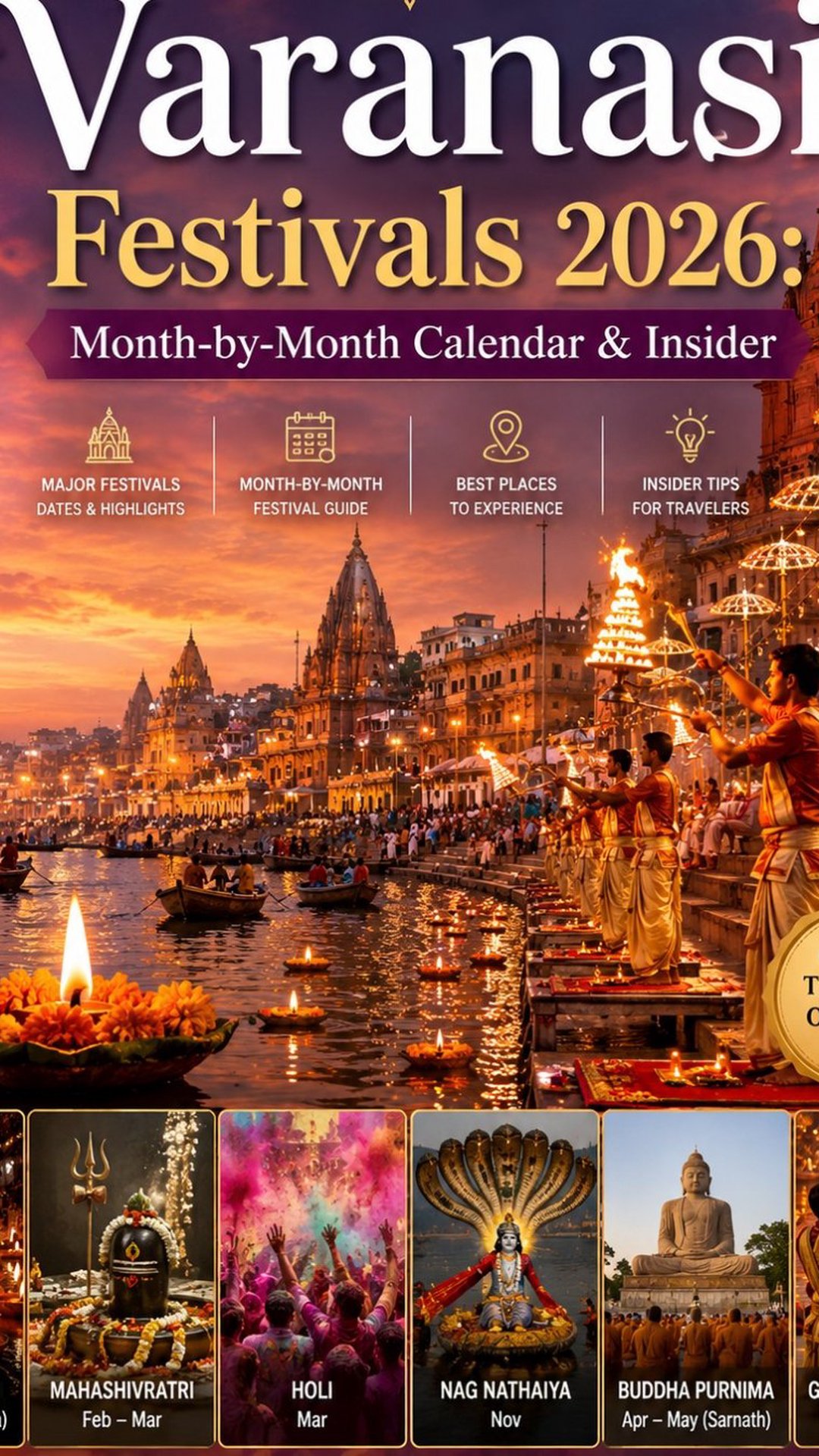
Varanasi Festivals 2026: Month-by-Month Calendar & Insider Guide
Varanasi doesn't simply celebrate festivals—it transforms around them. Throughout the year, the ghats, temples, narrow lanes and sacred riverfront become stages for centuries-old rituals, processions, music, mythology and devotion. Official tourism sources describe Varanasi as a city where festivals and fairs are celebrated throughout the year, with major experiences including Dev Deepawali, Ganga Mahotsav, Ramnagar Ramlila, Nag Nathaiya and Buddha Purnima.
With this 2026 month-by-month festival guide, you'll know not only when to visit, but which festival to choose, where to experience it, what makes it special, how crowded it can be, and how to plan your trip around the celebrations.
From the winter skies of Makar Sankranti and the intense Shiva devotion of Mahashivratri, to the colors of Holi, the spiritual atmosphere of Buddha Purnima at Sarnath, and the spectacular lamps of Dev Deepawali, every season reveals a different side of Kashi. Varanasi's official tourism information also highlights the city's distinctive cultural traditions, music, fairs and festivals as central to its identity.
What you'll discover in this journey
January: Makar Sankranti, Vasant Panchami and winter rituals along the Ganga
February: Mahashivratri and the city's extraordinary Shiva traditions
March: Holi and spring celebrations
April–May: Buddha Purnima at Sarnath and other spiritual occasions
May–June: Ganga Dussehra and rituals celebrating the sacred river
July–August: Sawan and the powerful Shiva pilgrimage season
September–October: Ramnagar Ramlila, Bharat Milap and living Ramayana traditions
October–November: Diwali, Nag Nathaiya and Ganga Mahotsav
November: Dev Deepawali, when the ghats become one of India's most spectacular illuminated riverfronts.
January — Makar Sankranti · January 14
📍 Dashashwamedh Ghat
February — Basant Panchami · February 2
📍 Temples across Varanasi
February — Mahashivratri · February 17
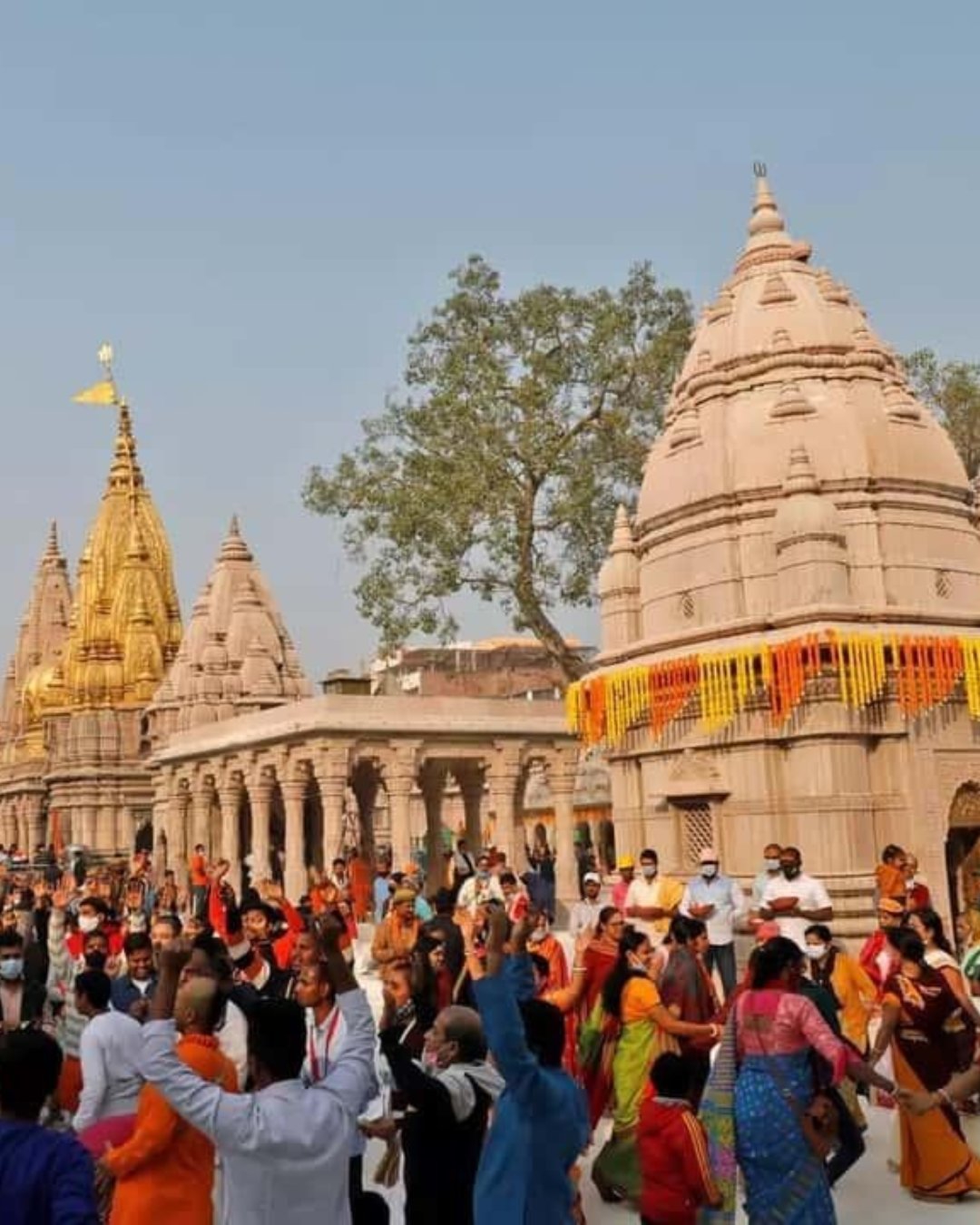
📍 Kashi Vishwanath Temple
March — Holi · March 4
📍 Assi Ghat & city lanes
April — Ram Navami · April 2
📍 Tulsi Manas Temple
April — Hanuman Jayanti · April 6
📍 Sankat Mochan Temple
May — Buddha Purnima · May 12
📍 Sarnath
June — Ganga Dussehra · June 1
📍 Varanasi Ghats
July–August — Nag Panchami · August (approx.)
📍 Nag Kuan
September–October — Ramnagar Ramlila · September 25–October 25
📍 Ramnagar Fort & Town
October — Dussehra · October 20
📍 Ramnagar Fort
October — Bharat Milap · October 21
📍 Nati Imli
November — Diwali · November 8
📍 Varanasi City
November — Chhath Puja · November 14
📍 Assi Ghat & Dashashwamedh Ghat
November — Ganga Mahotsav · November 19–24
📍 Dashashwamedh & Assi Ghat
November — Dev Deepawali · November 24
📍 All 84 Ghats
November–December — Nag Nathaiya
📍 Tulsi Ghat
December — Christmas & New Year · December 25 / January 1
📍 Varanasi City
550
Stops
Home
MomentAssi Ghat, Shivala, Varanasi
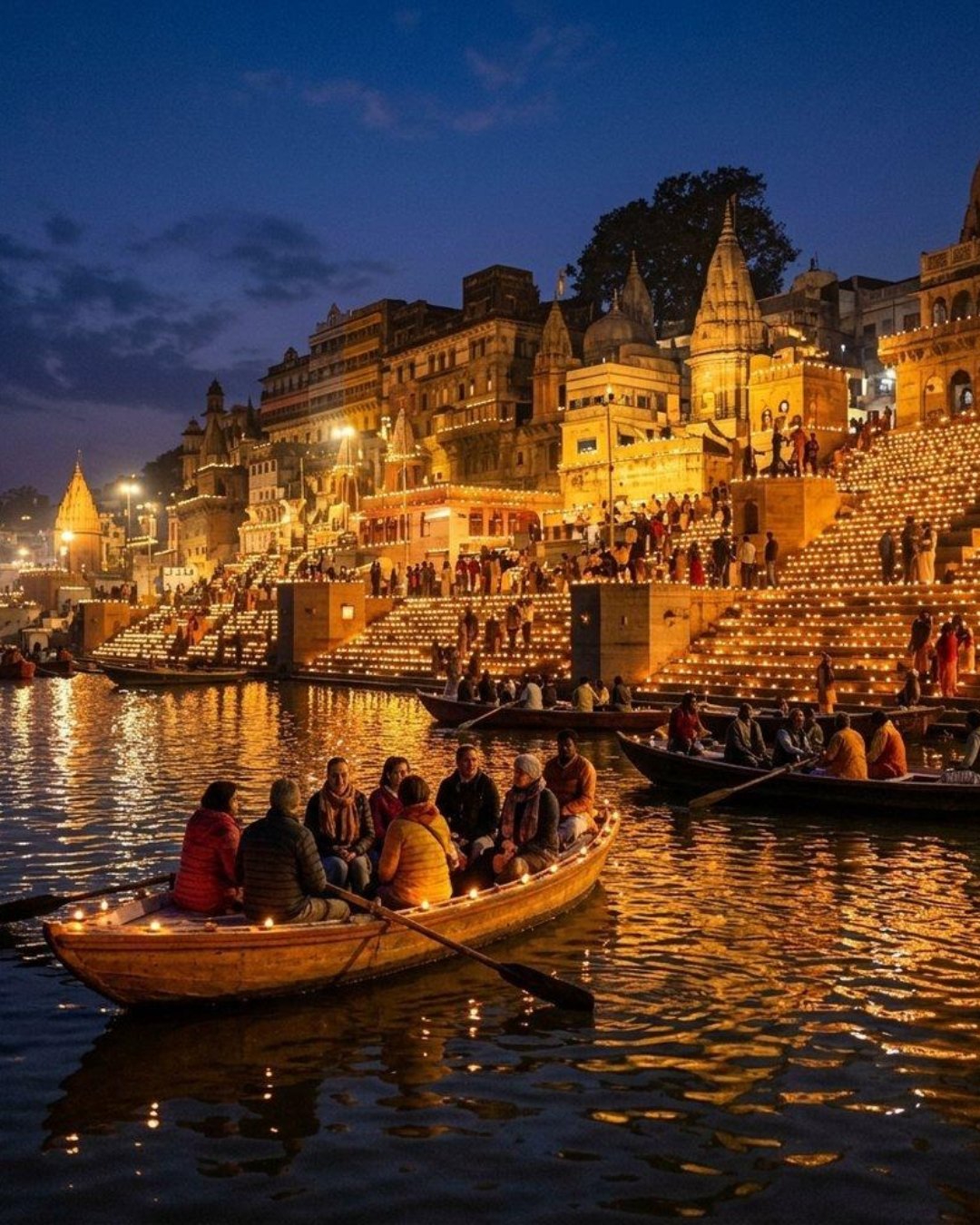
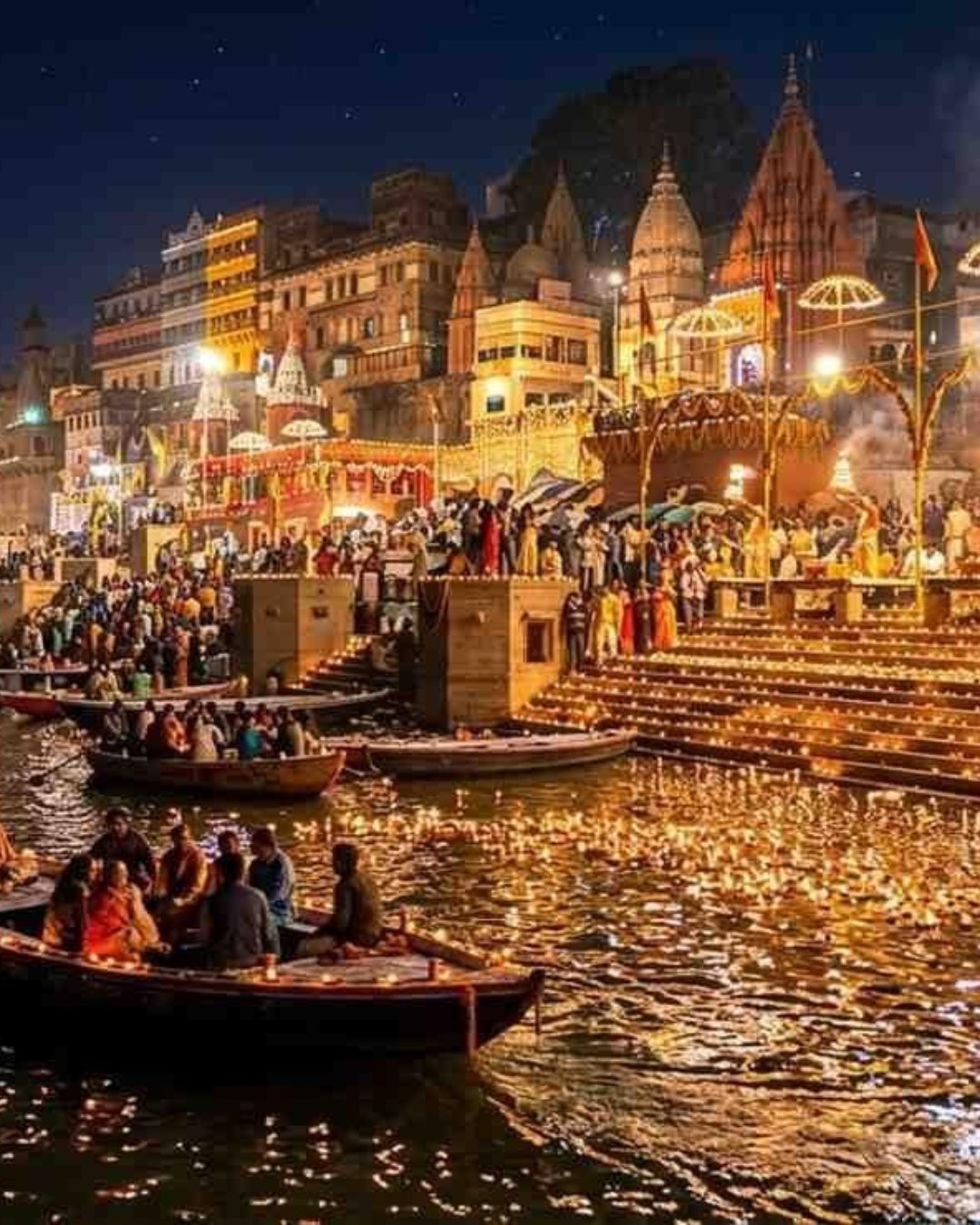
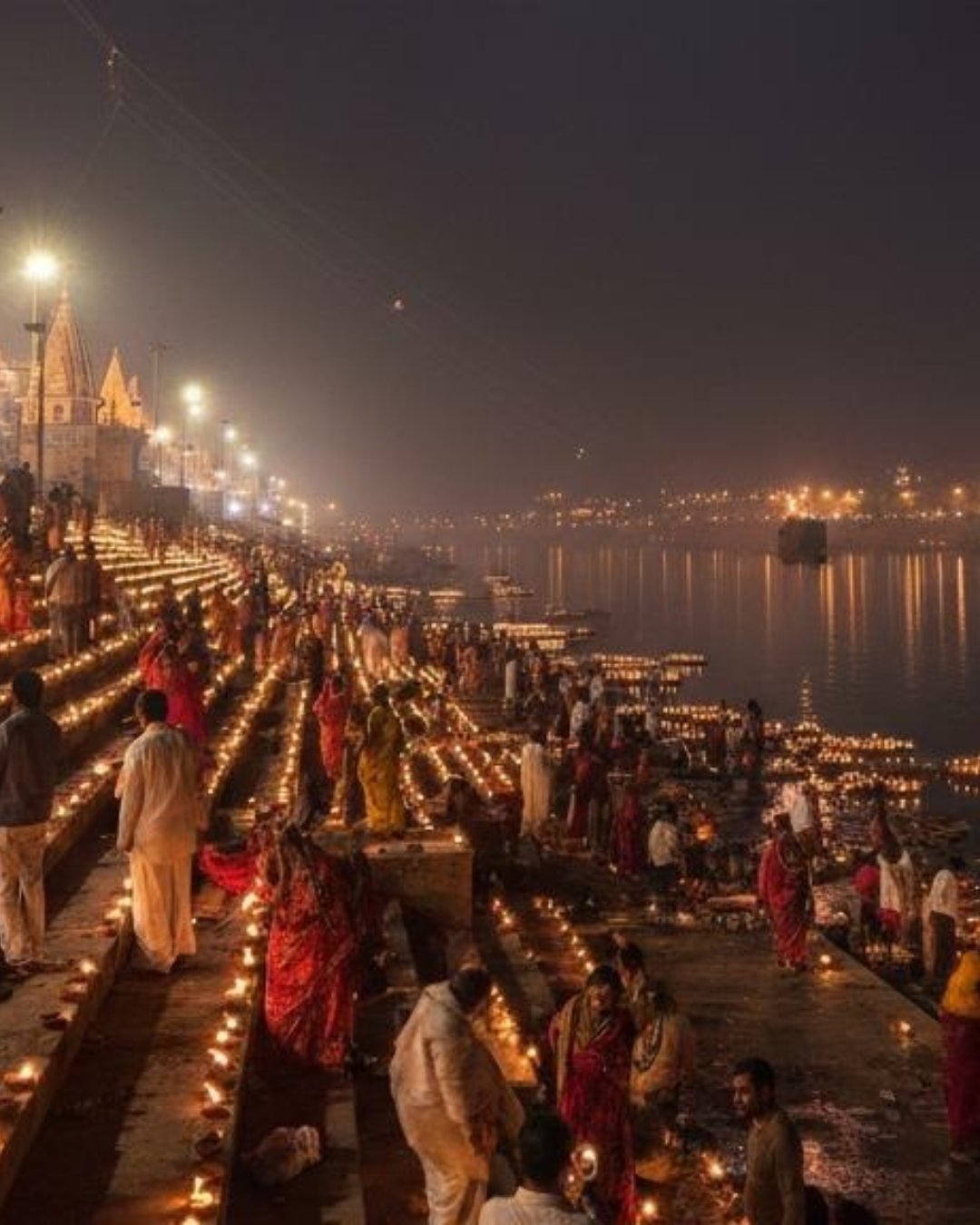
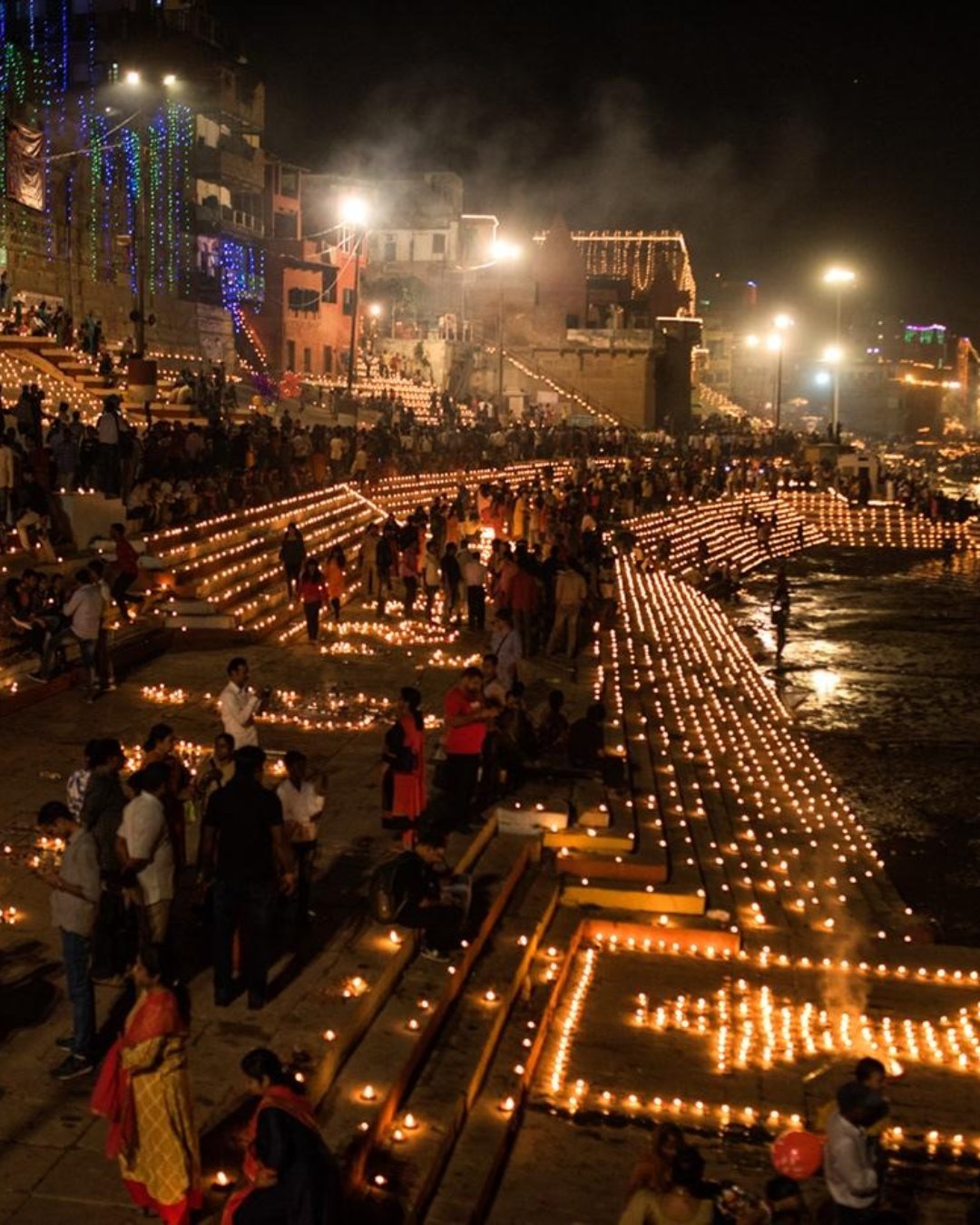
Dev Deepawali: When the Gods Come Down to Light Diyas
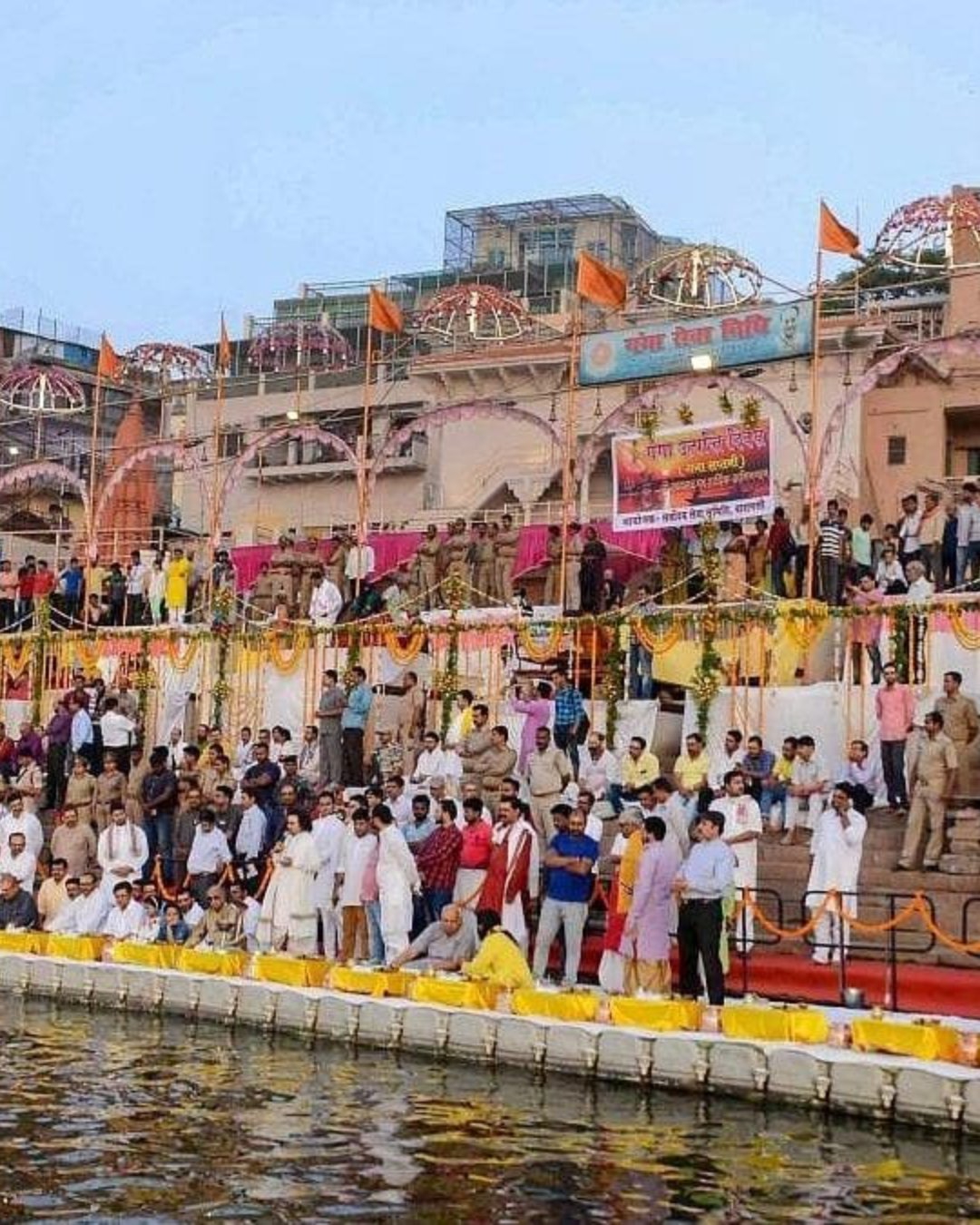
You've probably seen the photos and assumed you can just turn up. Every ghat in Varanasi lined with a million earthen lamps, the whole riverfront burning gold, the aarti bigger than any other night of the year. But here's the thing nobody tells you: this happens on exactly one night, the city fills past bursting, hotels are booked out months ahead at triple the price, and travellers who decide on a whim end up watching from a rooftop three streets back, if they get in at all.
Let's fix that. Here's how Dev Deepavali actually works, and how to get it right — which, for this one, starts long before you arrive.
Why the date is the whole thing
Dev Deepavali — the "Diwali of the Gods" — falls on Kartik Purnima, the full moon of the Kartik month, fifteen days after Diwali, usually in November. By tradition it marks Shiva's victory over the demon Tripurasura, and the belief that the gods themselves descend to bathe in the Ganga that night. So the entire city lights up to welcome them.
Unlike every other Varanasi experience, there's no "best hour" to get right — there's a single date, and everything hinges on being there for it and having planned for it. Miss the date by a day and you've missed it by a year. This is the one trip you cannot improvise.
What you'll actually see
Around dusk on Kartik Purnima, the ghats transform:
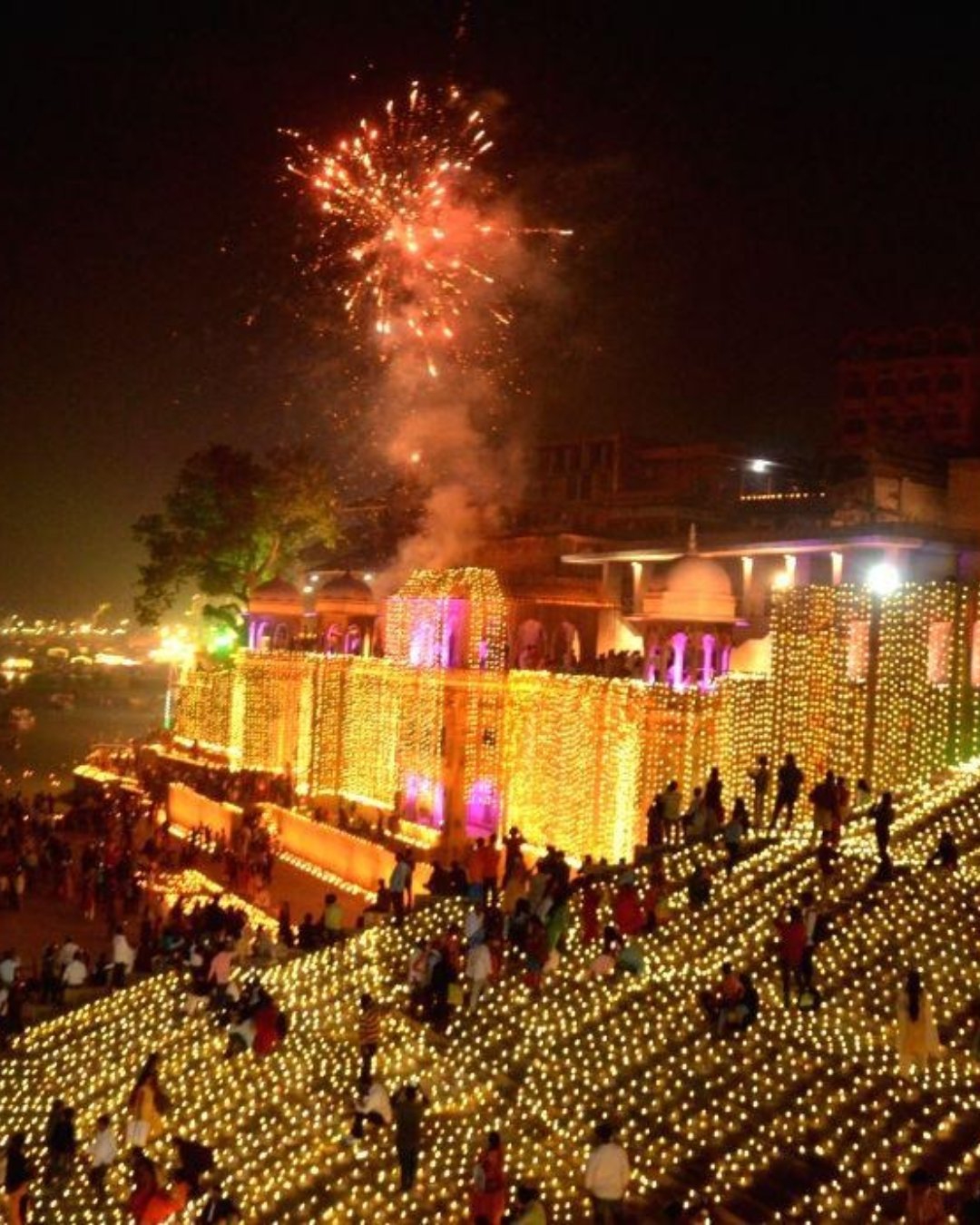
The lamps — lakhs of diyas laid in patterns down every step of all 80-odd ghats, lit together as darkness falls.
The grand Ganga Aarti — larger and more elaborate than the nightly ceremony, performed across multiple ghats at once.
The Chet Singh light-and-laser show — a modern addition on the fort's frontage, telling the city's story on the walls.
The river of lamps — floating diyas set adrift by the thousand, and the reflection of the whole lit shoreline on the black water.
Bring a warm layer — November nights on the river are cold — and wear closed shoes for the crush on the steps.
And here, unlike the cremation ghats or the temples, the phone absolutely comes out — this is a spectacle built to be seen. But watch it happen first. Travellers who've been will tell you the same thing: the instinct is to film the whole shoreline lighting up, and you'll get a shaky, dim clip that captures none of it. Put the phone down for the moment the lamps are lit, take it in, then shoot. The scale of it — a whole city's riverfront on fire with small flames at once — is the part no photo holds anyway.
Pro tip: Book everything months ahead — hotel, boat and guide — because all three sell out and surge in price for this single night. See it from a boat: the crowds on the ghats are immense, and the entire point of Dev Deepavali is the shoreline seen from the water, all of it at once, which you simply can't get from the steps. Agree the boat price in advance (it will be far above normal, that's expected) and confirm your spot days before, not on the night.
The mistakes that ruin it
Most first-timers trip over the same few things. They decide too late and find every room in the city gone. They try to watch from the packed ghats and see one stretch instead of the whole river. Or they spend the night filming and miss actually seeing it.
The easy fix is to plan months out, get on a boat, and treat the date as fixed and everything else as booked-in-advance.
233
MomentRamnagar Road, Varanasi
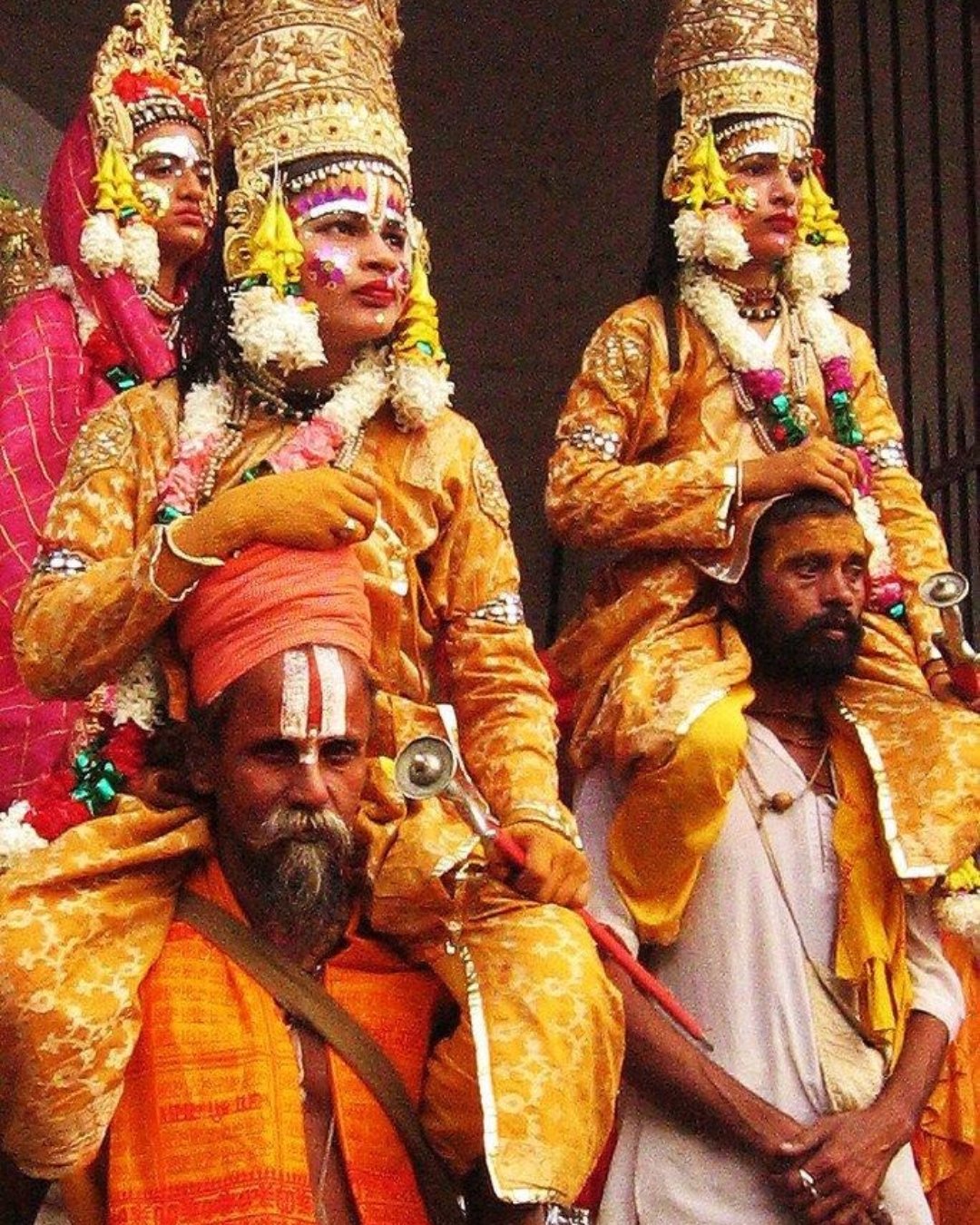
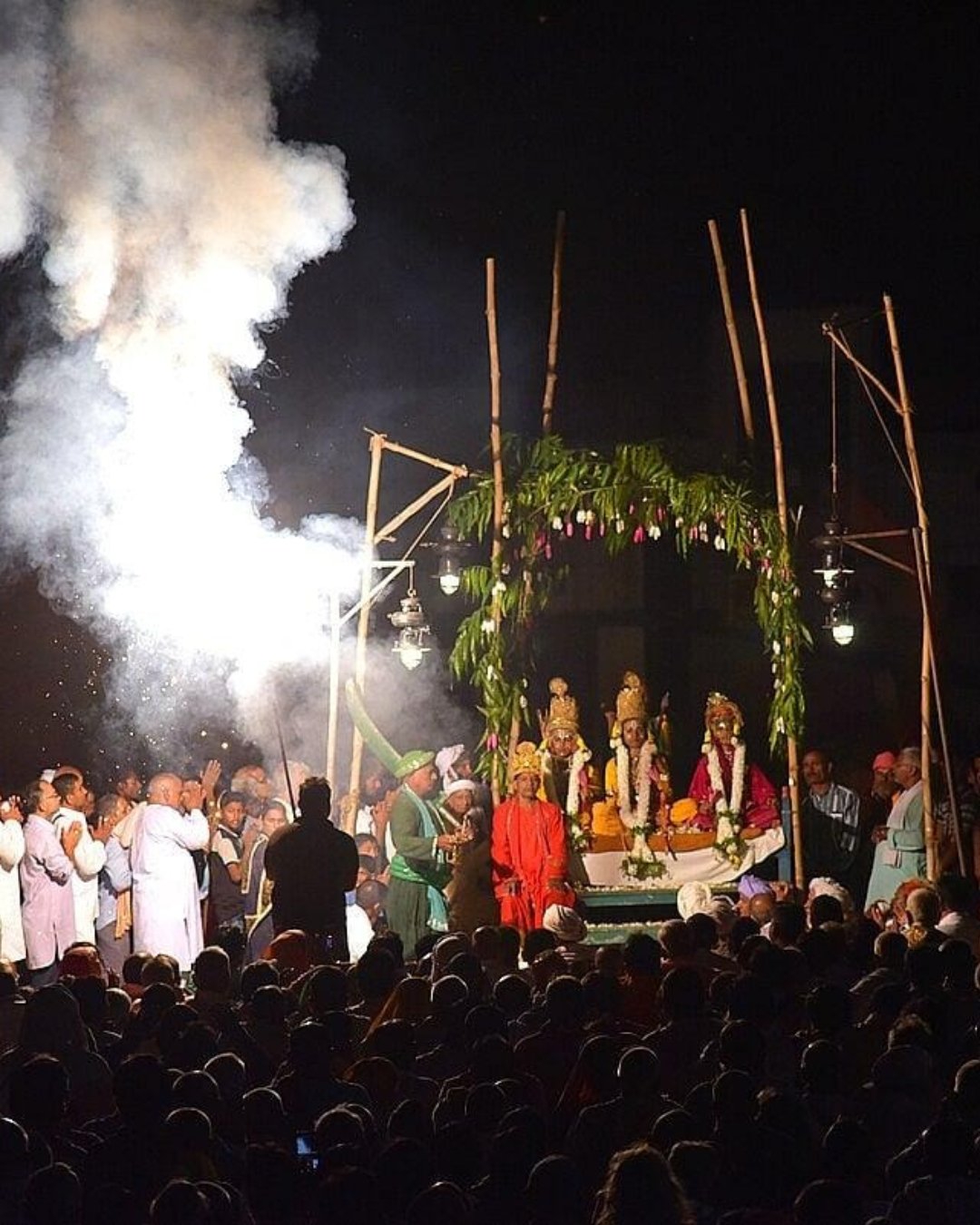
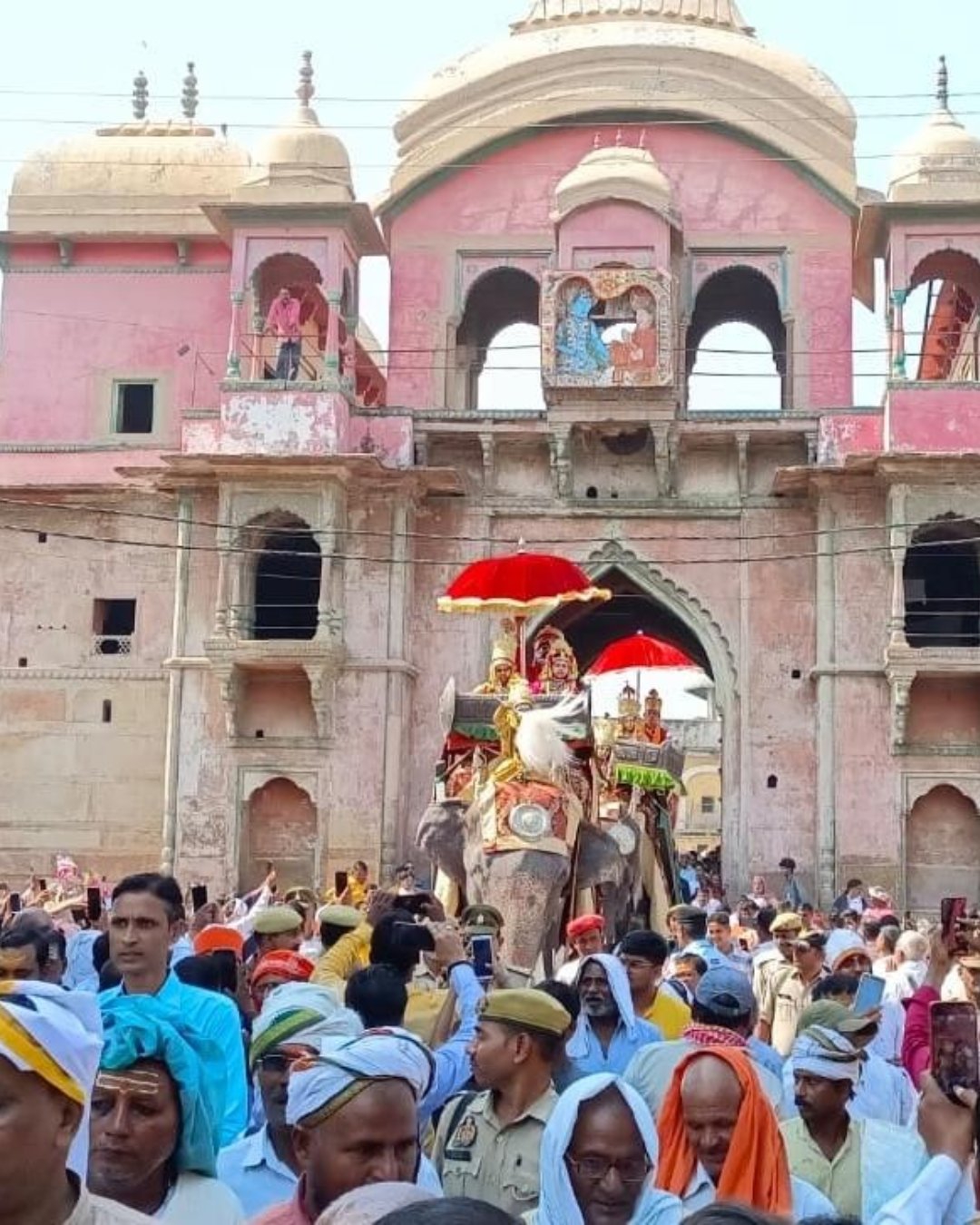
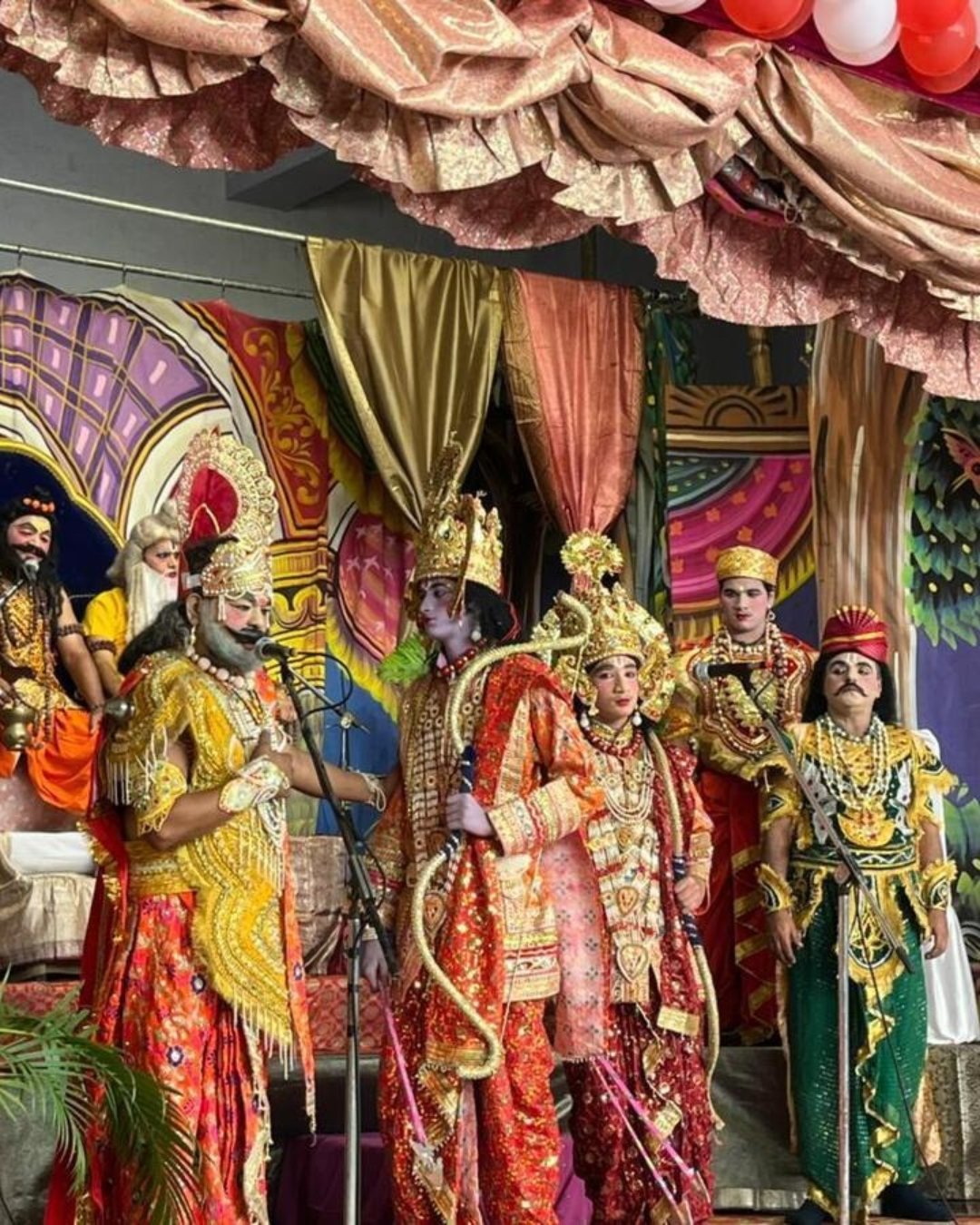
Ramnagar Ramlila: A 31-Day Epic That Uses an Entire Town as Its Stage
You've probably seen a Ramlila somewhere — a stage, loudspeakers, a Ravana effigy, a couple of evenings around Dussehra. So you assume Ramnagar's is more of the same, a show you drop in on for a night. But here's the thing nobody tells you: this one runs for a month, across a whole town, by lantern-light, with no microphones and no stage — and if you turn up for one random evening expecting a spectacle, you'll catch a slow, sung scene you don't have the thread to follow, and leave wondering what the fuss is about.
Let's fix that. Here's how the Ramnagar Ramlila actually works, and how to get it right the first time.
Why the timing is everything
This isn't a performance you attend; it's a cycle you join. The Ramnagar Ramlila runs for roughly 31 nights through the month of Ashwin — September into October — staged by tradition under the patronage of the Maharaja of Banaras, and it's one of the reasons UNESCO recognised Ramlila as intangible heritage. Each night covers one chapter of the Ramayana, in sequence, so the night you pick decides what you see.
Some nights are quiet and devotional; a few are enormous — the Bharat Milap, the burning of Lanka, the coronation. So you don't come "to the Ramlila," you come to a specific night, chosen on purpose, ideally after learning where the story has reached. Get that right and it's extraordinary. Turn up blind and you may land on a slow interlude.
What you'll actually see
The whole town of Ramnagar, across the Ganga from the city, is the set — no single stage, but permanent sites scattered around it standing for Ayodhya, Janakpur, Lanka:
The moving audience — the crowd walks from site to site as the story does, sometimes over a kilometre between scenes.
The Ramayanis — sadhus and devotees who chant the Ramcharitmanas and follow the entire month-long cycle.
The lighting — gas and petromax lanterns, not electric floods. The look is deliberately unchanged in nearly two centuries.
The Maharaja — who traditionally attends, sometimes by elephant, part of the spectacle himself.
Ramnagar Fort — the family's riverside seat, worth seeing by day before the evening's lila.
Come with water, a torch, and patience — you'll be walking, standing and waiting between scenes, often after dark on uneven ground.
And put the phone away entirely for this one. There's no amplification and little light, so photos and video mostly fail — and more to the point, this is a devotional act, not a show staged for visitors. Travellers who've sat through a night will tell you the same thing: the power is in the sung verse carrying across a dark field, the crowd murmuring the lines they've known since childhood, a scene lit by a single lantern. That's the part no phone was ever going to hold.
Pro tip: Check which chapter falls on your date and pick a marquee night — Bharat Milap or the Lanka burning if you can — and go with someone who can follow the Awadhi and tell you what's happening, because without that thread it's opaque. Cross to Ramnagar in daylight, see the fort, and settle in before dusk. Dress modestly, expect crowds on the big nights, and don't plan anything early the next morning; these run late.
The mistakes that ruin it
Most first-timers trip over the same few things. They come on a random night with no idea where the story is. They expect a fixed stage and a two-hour show, not a walking, month-long cycle. Or they treat it as a photo opportunity in a place where the camera is useless and unwelcome.
The easy fix is to pick your night by the story, go with someone who knows it, and let it unfold at its own pace rather than chasing a spectacle.
198
MomentShri Kashi Vishwanath Temple, Varanasi
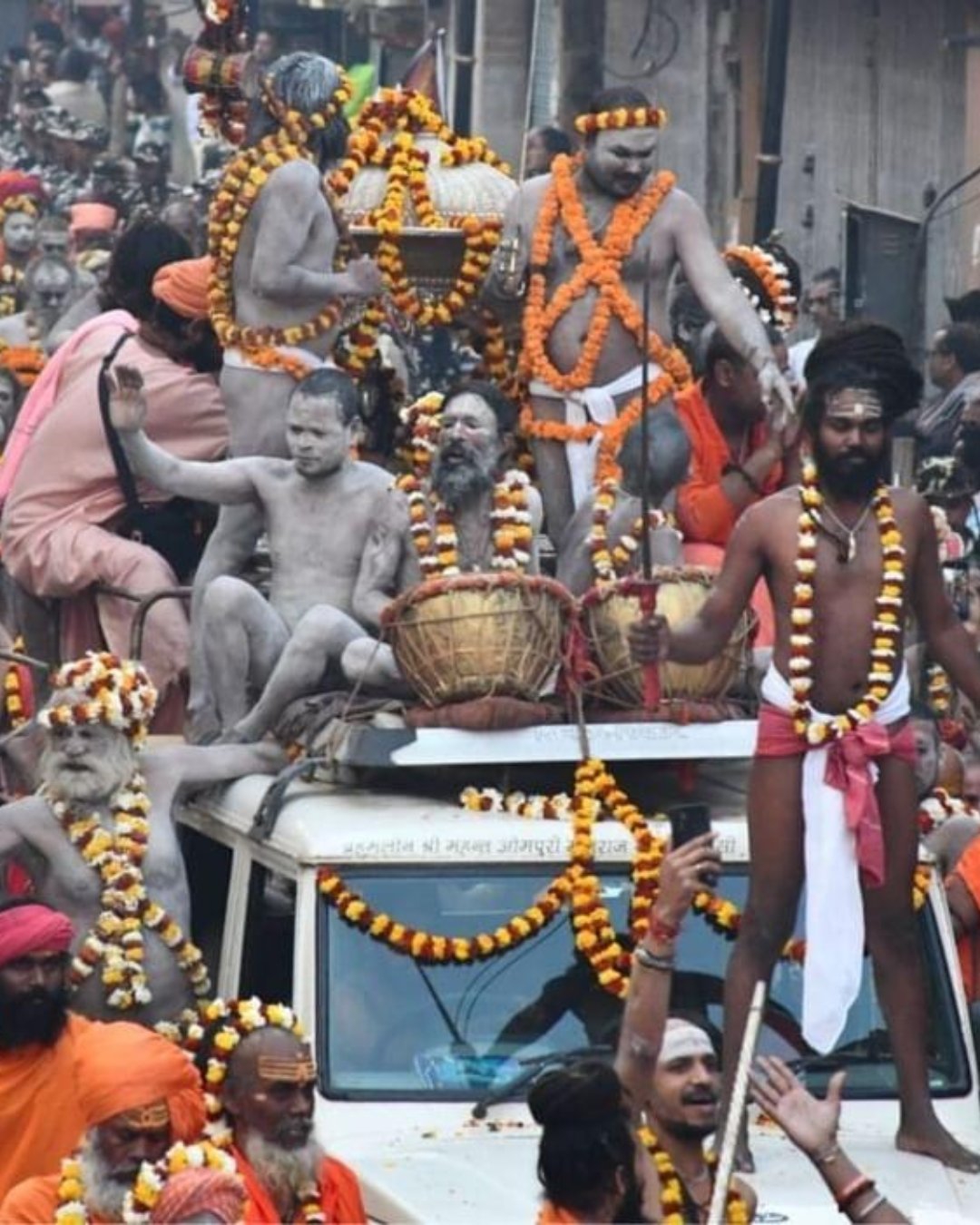
Mahashivratri: Varanasi Doesn't Sleep
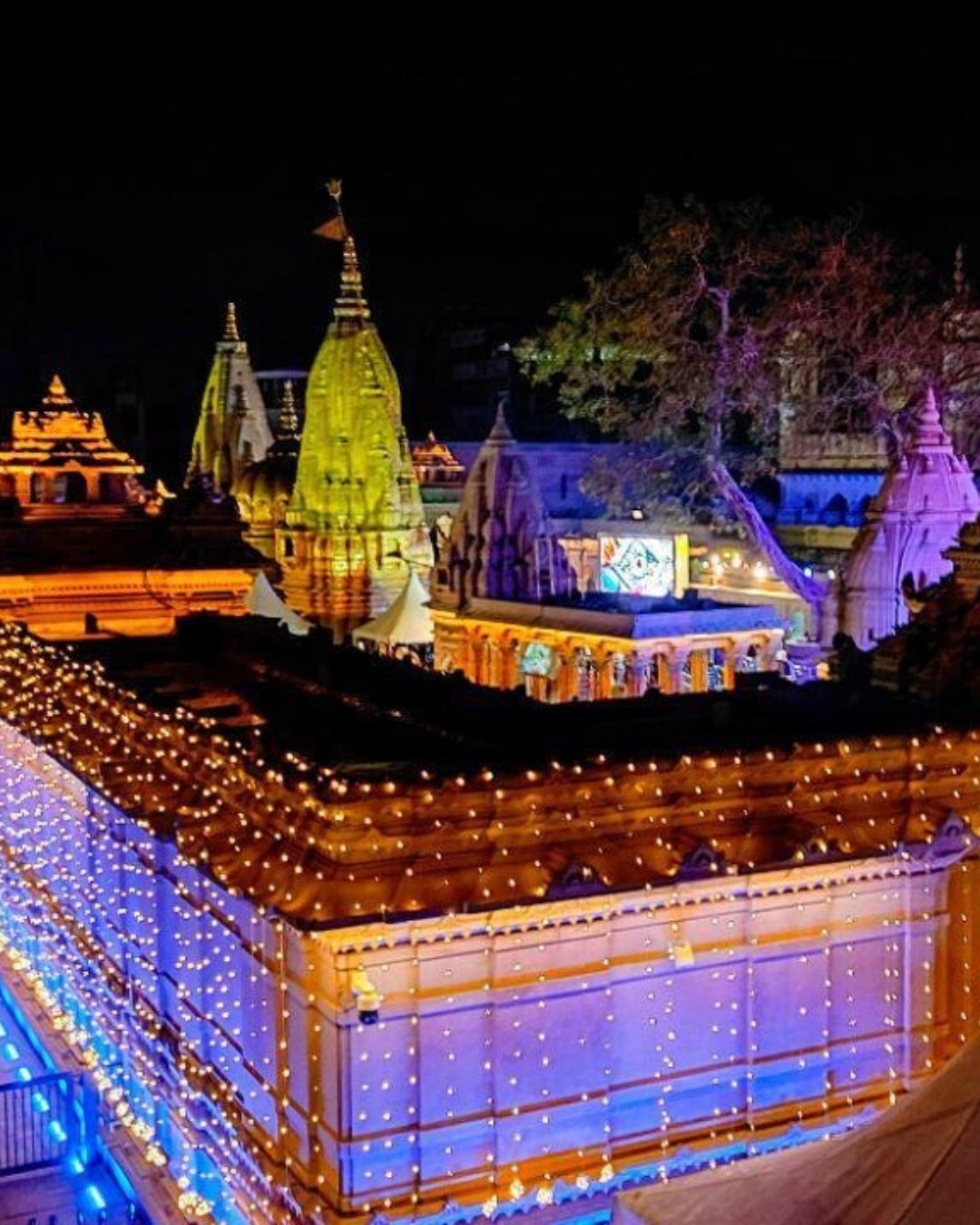
You've probably pictured a temple visit. Light a lamp, ring a bell, watch a puja, home for dinner. But here's the thing nobody tells you: on Mahashivratri, Varanasi — the city that belongs to Shiva — turns into something a first-timer is completely unprepared for. Come expecting a quiet darshan and you'll instead find a river of people flowing toward Kashi Vishwanath from every lane at once, a queue that can run many hours, and a city that genuinely does not sleep for a night and a day. Show up unplanned and you'll spend the festival stuck in a crush, not in it.
Let's fix that. Here's how Mahashivratri in Varanasi actually works, and how to get it right the first time.
Why the night, and not the day
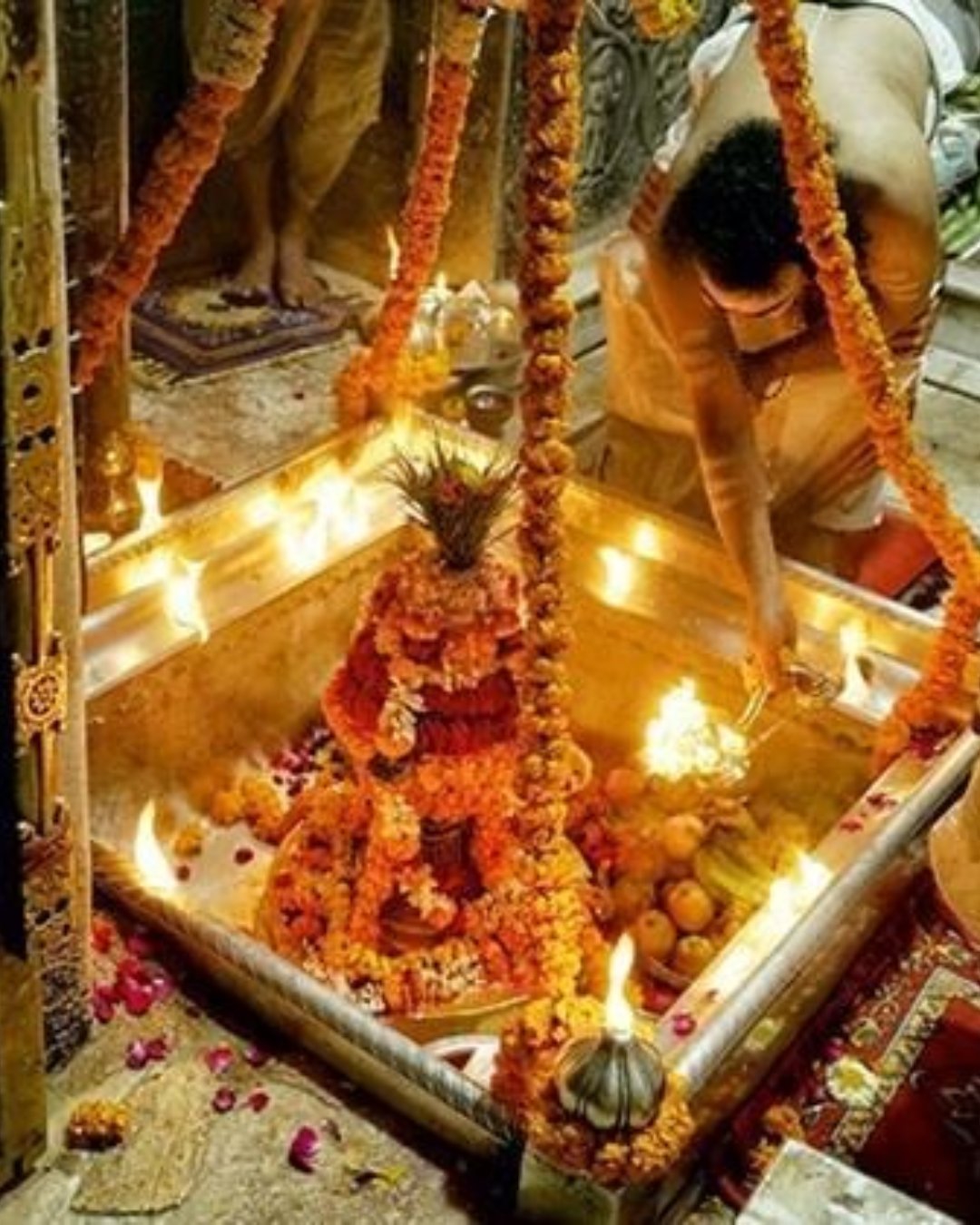
Mahashivratri — the "great night of Shiva" — is exactly that: a night vigil, not a daytime fair. The heart of it runs through the dark hours, when devotees stay awake, fast, and worship the lingam through four nightly watches, and Kashi Vishwanath keeps its doors open far longer than usual. This is Shiva's own city on Shiva's own night, so the intensity here is unlike anywhere else in India.
Which means the timing that works is counter-intuitive. The queues are longest in the daytime hours when everyone comes; the atmosphere is deepest late at night and in the small hours. So don't fight the midday crowd — plan for the night, and understand you're joining a vigil, not ticking off a temple.
What you'll actually see
The whole city becomes the event:
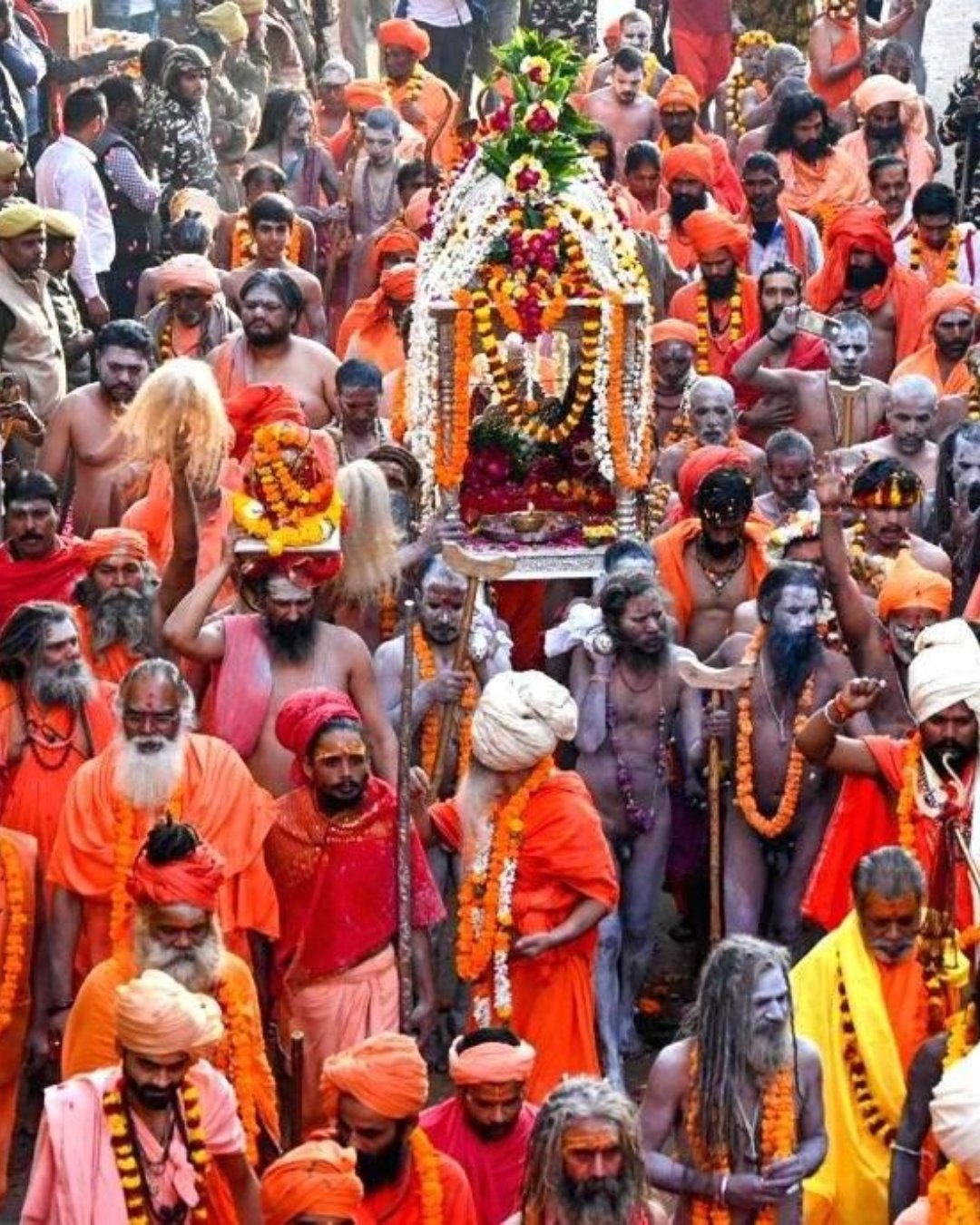
Kashi Vishwanath — the centre of it all, with darshan running through the night and queues stretching far into the lanes.
The procession — Shiva's baraat, a wild wedding procession of the god, with sadhus, Naga ascetics, music and colour.
The ghats and smaller temples — Tilbhandeshwar, Mrityunjay, and dozens of neighbourhood shrines alive all night.
Fasting and bhang — the traditional Shivratri drink; ubiquitous, and stronger than tourists expect.
Dress modestly and wear clothes and footwear you can lose in a crush — this is not the night for anything you care about.
And here the phone stays down, mostly for practical safety. Travellers who've been in it will tell you the same thing: in a crowd this size you want both hands and your wits, not a screen. Keep the phone deep in a zipped pocket, look up, and let the sheer scale of it land — hundreds of thousands of people awake through the night for one god in his own city. That electric, sleepless devotion is the part no photo taken over someone's shoulder will ever catch.
Pro tip: Book darshan access ahead if it's available, and pick your hours — very early morning or deep in the night beats the daytime peak. Keep valuables at the hotel; carry only ID and a little cash in a zipped, front pocket, and agree a meeting point with your group because networks jam when the crowd swells. Go with someone who knows the lanes, because the routes to the temple are rerouted and barricaded on the day, and getting lost in that press is genuinely unpleasant.
The mistakes that ruin it
Most first-timers trip over the same few things. They come at midday into the worst of the queue. They carry bags and valuables into a crush and lose them. Or they arrive with no plan and spend the festival trapped at the edge of it rather than inside it.
The easy fix is to plan the night, travel light, and move with someone who knows the routes — so you experience the vigil instead of surviving the crowd.
173
MomentGodowlia, Varanasi
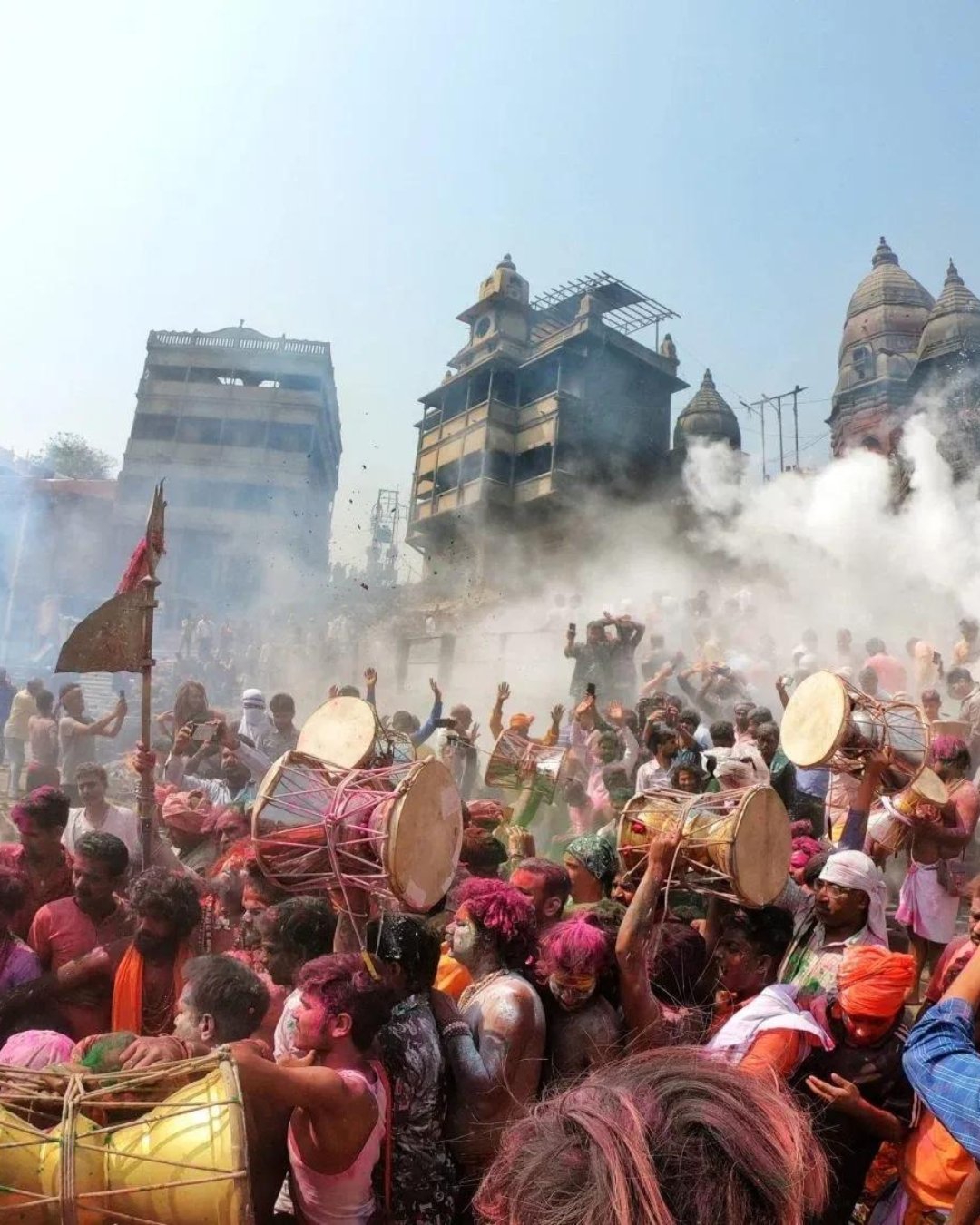
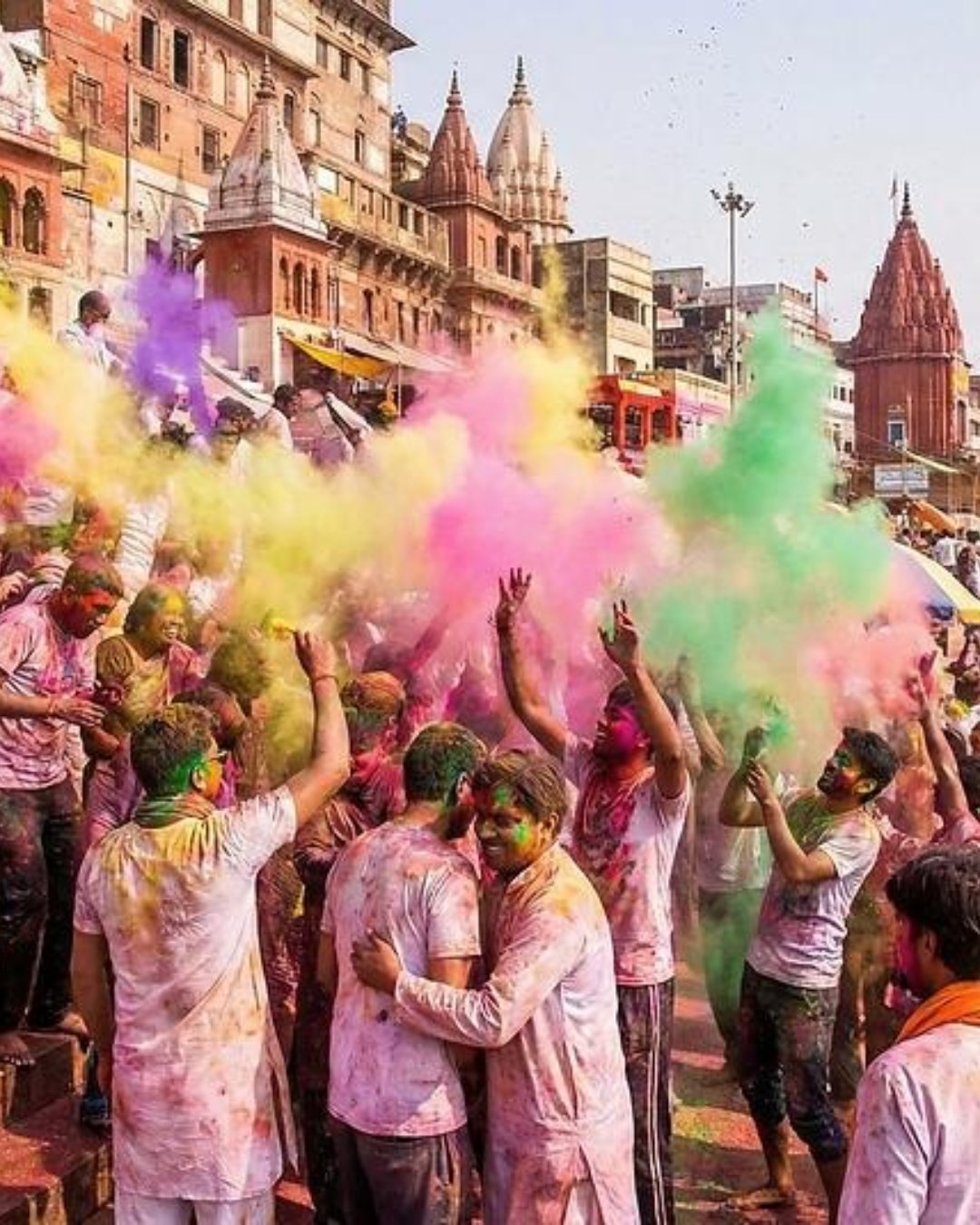
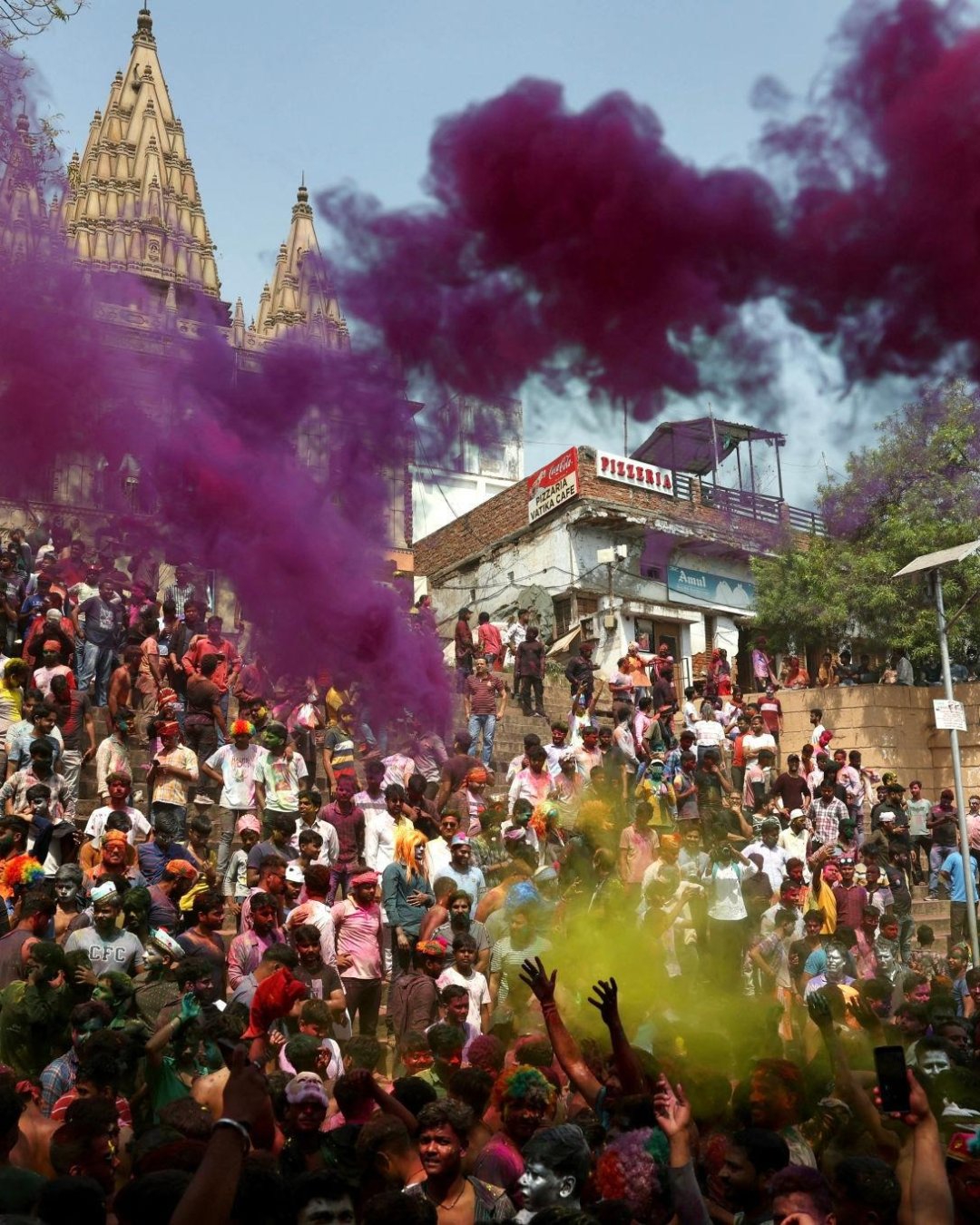
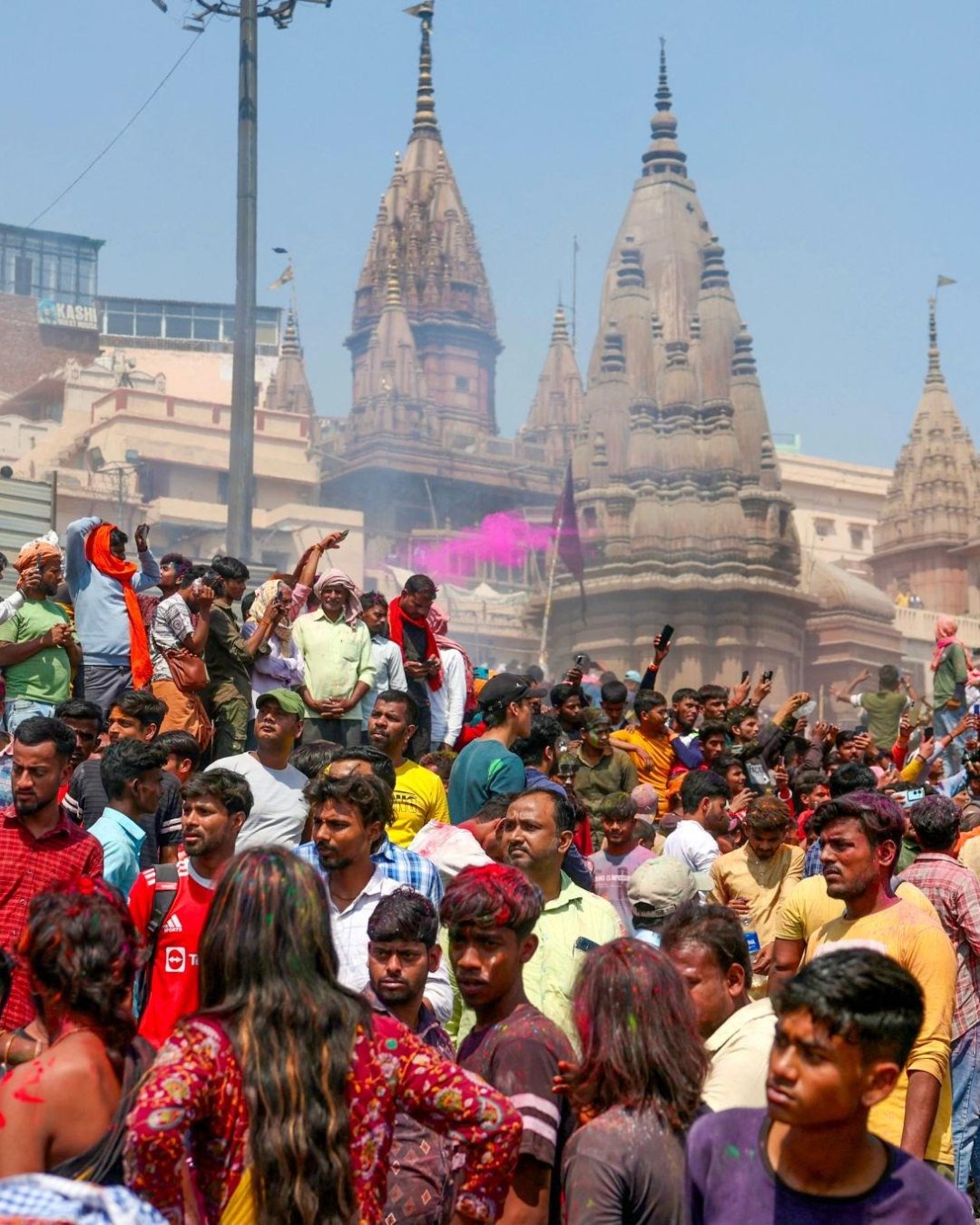
Holi in Banaras: Colour, Thandai & Beautiful Chaos
You've probably seen the reels. Clouds of pink and green over the ghats, drums, strangers smearing colour on each other, the whole city one enormous party. But here's the thing nobody tells you: Holi in Banaras is the most intense version of the festival in India, and turning up unprepared — good camera out, nice clothes on, alone in a crowd of thousands at midday — is how a bucket-list day turns into a ruined phone, wrecked skin, and a situation you can't get out of. The chaos is real. The magic is real too. You just have to meet it the right way.
Let's fix that. Here's how Holi in Banaras actually works, and how to get it right the first time.
Why the morning, and why not the whole day
Holi runs on a rhythm. The colour play kicks off after sunrise and burns hottest from about 9 a.m. to noon — that's the joyous, drum-driven heart of it, when the ghats and galis fill with colour. By early afternoon it winds down: people head home, wash off, and the streets go quiet before the evening's calmer social visits.
So the sweet spot is mid-morning, out for two or three hours, then off the streets by lunch. That's not caution for its own sake — the later it gets, the more bhang (cannabis) has gone round, and the rowdier and less predictable the crowds become. The best of Banaras Holi is the morning; the trouble tends to be the afternoon.
What you'll actually see
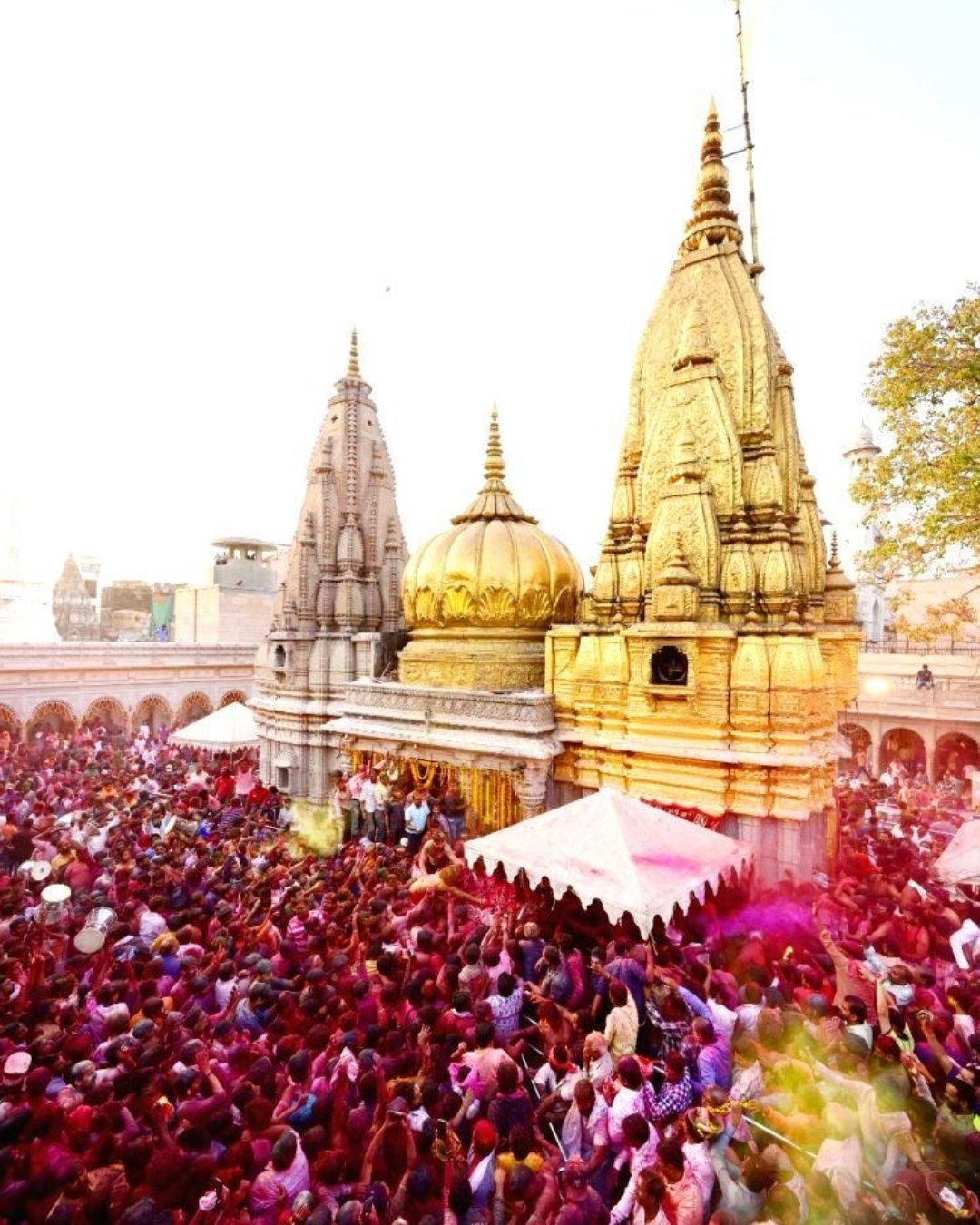
The ghats and galis — Assi Ghat and the old-city lanes are the epicentres, thick with colour, music and dancing.
Dry gulal and wet colour — powder in every shade, plus water, balloons and pichkaris (colour guns).
Thandai — the cold spiced-almond drink of the festival, sometimes laced with bhang. Ask before you drink; the bhang version sneaks up on you.
Masaan Holi at Manikarnika — a startling Banaras-only tradition where Holi is played with cremation ash, tied to Shiva. Witness respectfully, from a distance.
Wear white cotton you'll throw away, closed shoes, and oil your hair and skin beforehand — it makes the colour wash off far more easily afterward.
And here is the one place the "phone away" rule is about protection, not poetry. Travellers who've done Banaras Holi will tell you the same thing: leave the good camera and the phone locked up, or seal them in a zip bag, because colour and water destroy electronics and grabbing hands work the crowds. Take it in with your eyes. The drums, the colour hanging in the air, a whole city dissolving its usual rules for a morning — that's the part no photo was going to survive to catch anyway.
Pro tip: Go with a group or a local guide, never alone, and women especially should not wander the crowds unaccompanied — this is the honest advice every regular gives. Use only skin-safe colours and refuse to let anyone smear the cheap ones near your eyes. Ask before you accept thandai, so the bhang doesn't blindside you. And agree with your group on a wash-off point and a time to be back, so nobody's stranded in the afternoon crush.
The mistakes that ruin it
Most first-timers trip over the same few things. They wander in alone at midday with a phone out. They drink bhang thandai not knowing what it is. Or they stay out into the rowdy afternoon instead of catching the joyous morning and leaving.
The easy fix is to go in the morning, in a group, prepared and protected — or let the day be arranged with a guide who knows which lanes are joyful and which to avoid.
144
MomentAssi Ghat, Varanasi
Chhath Puja: The City Stands in the River at Sunrise
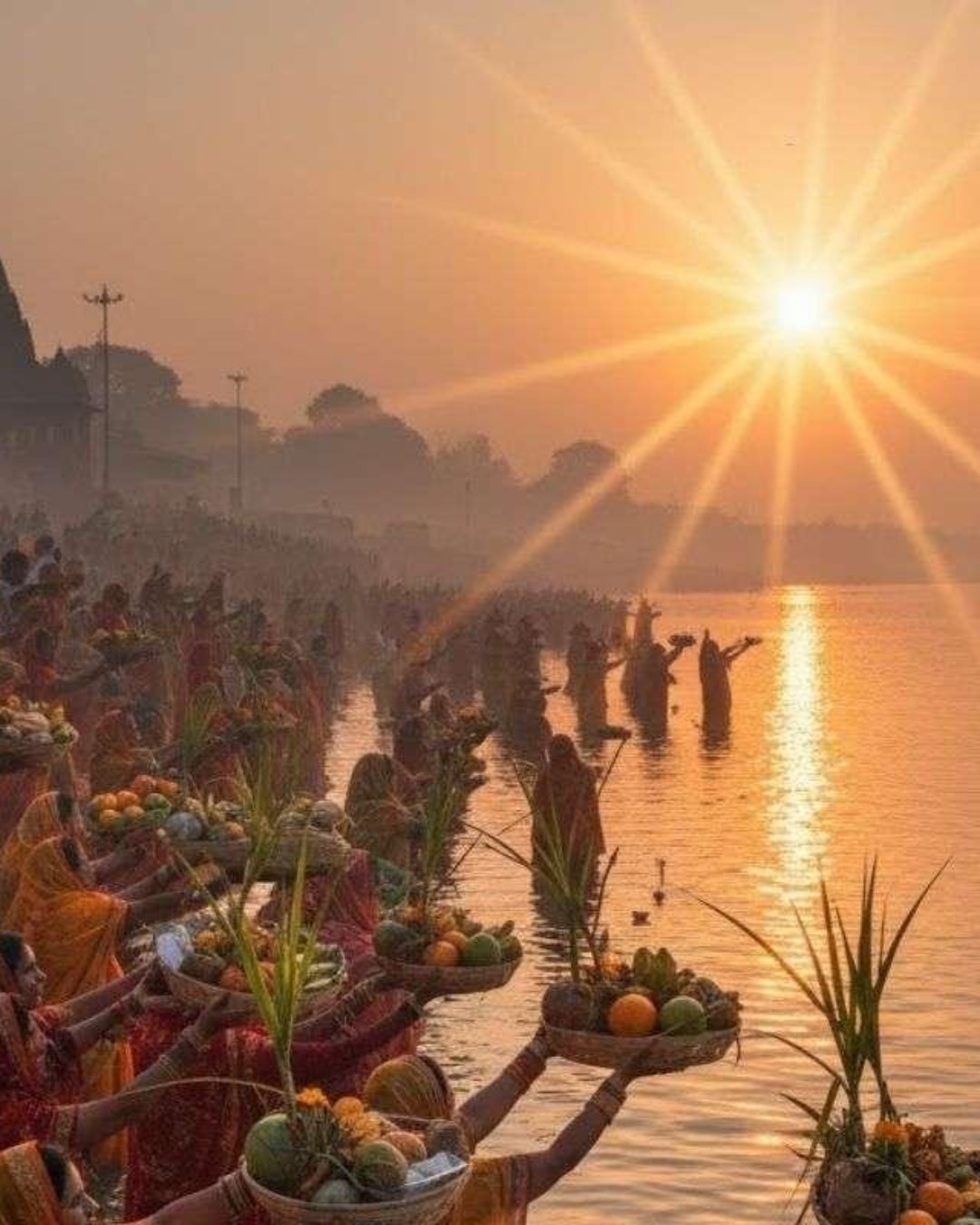
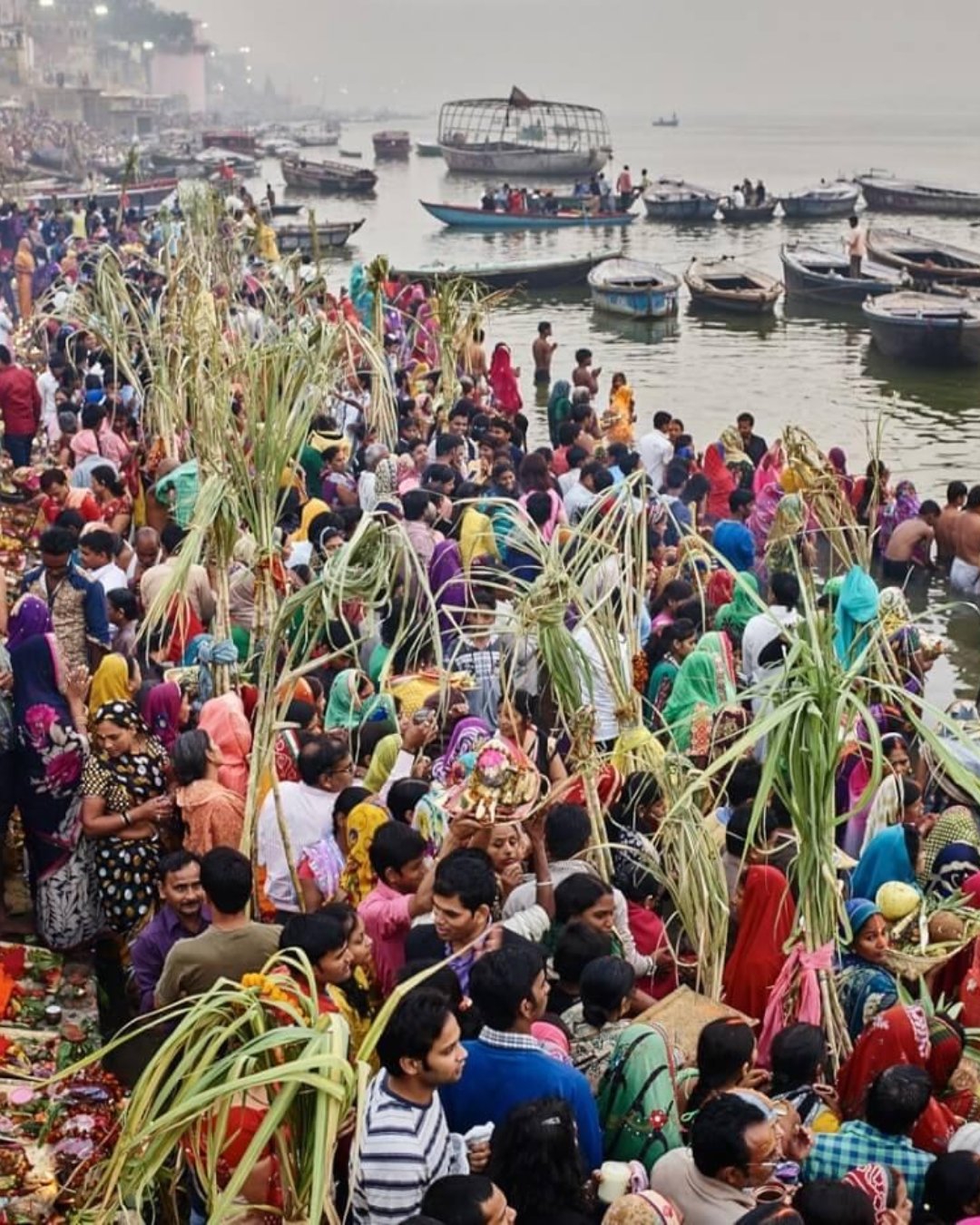
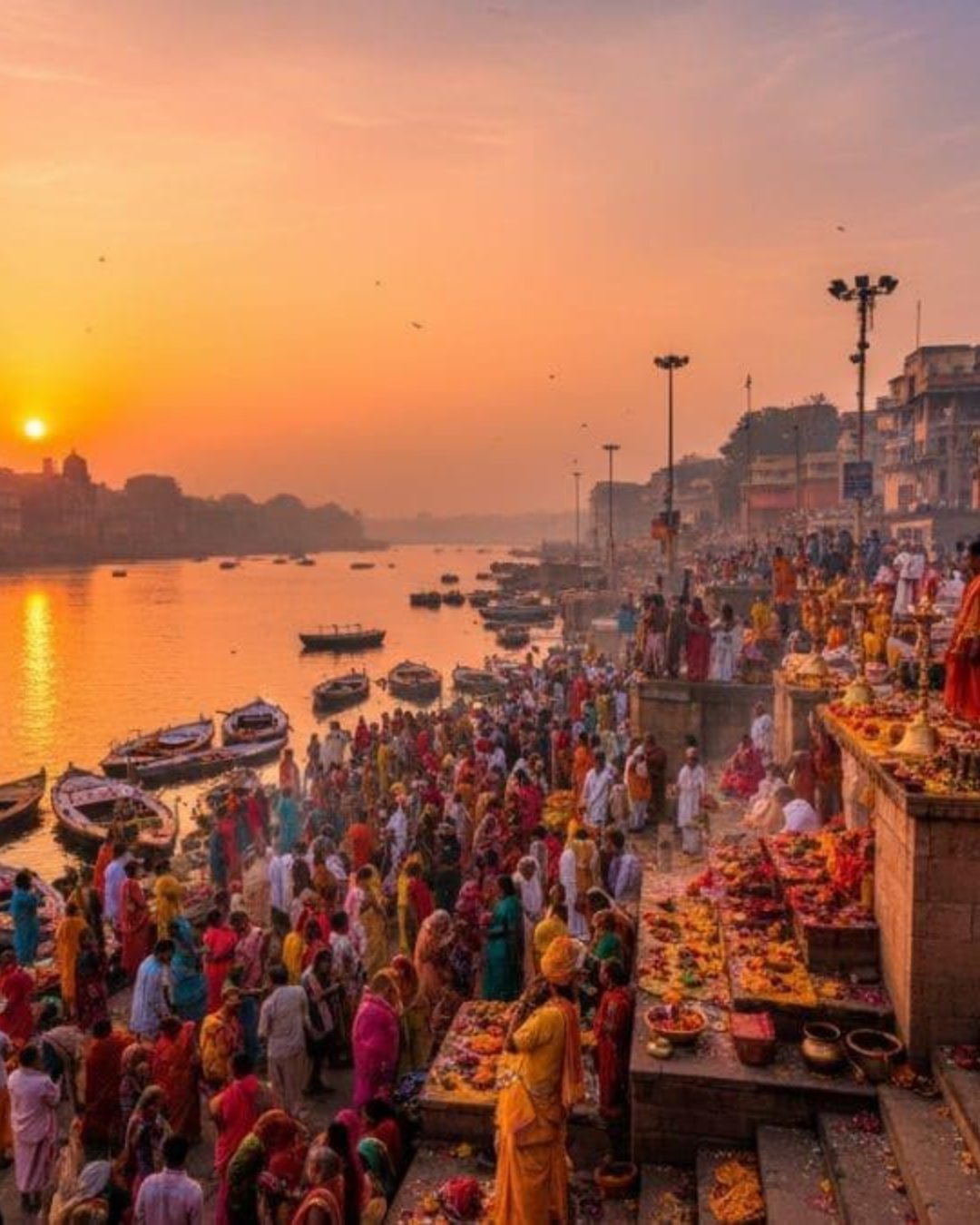
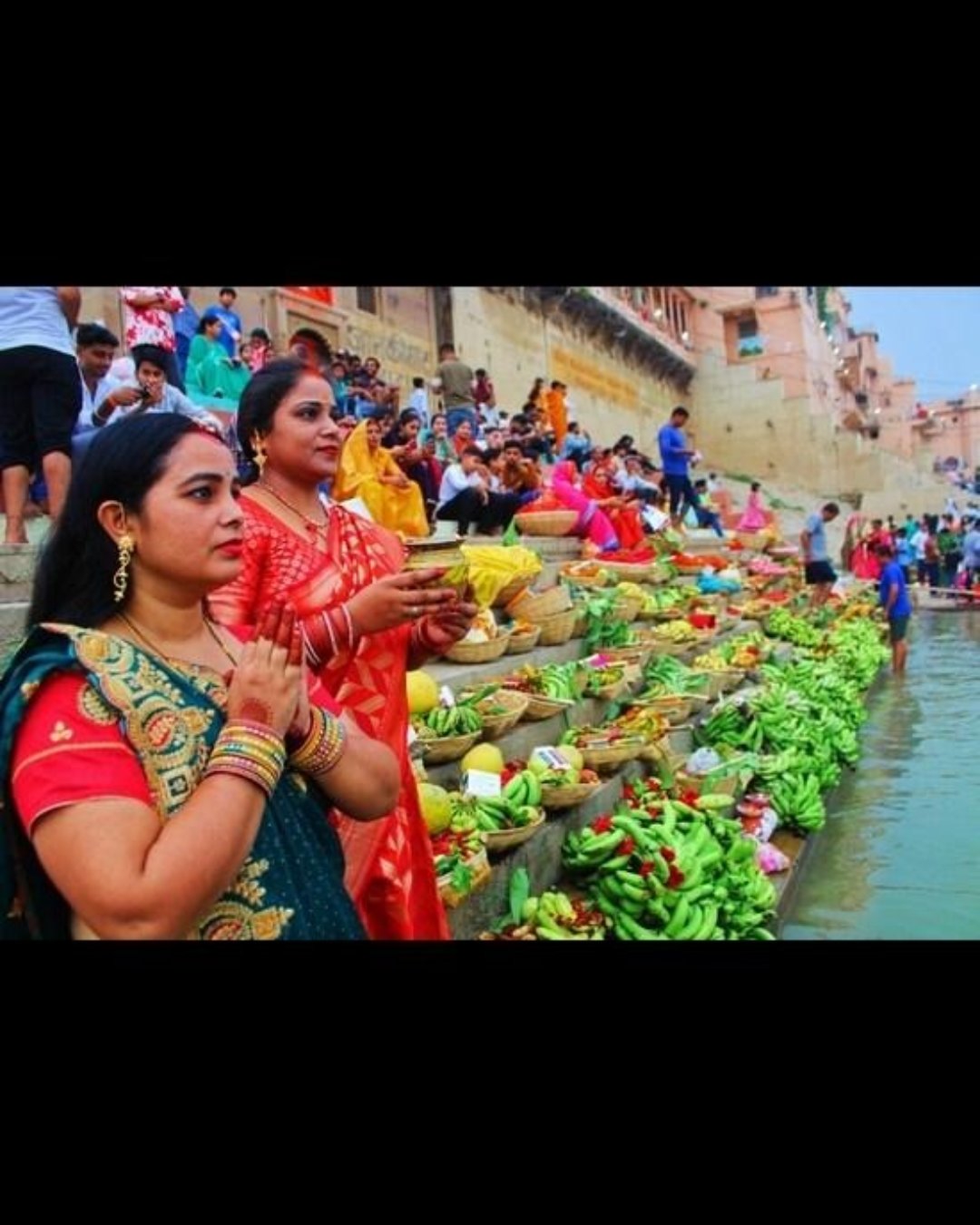
You've probably seen the images without knowing what they were. Thousands of people waist-deep in the Ganga at dawn, arms raised to the sun, the whole waterfront packed shoulder to shoulder. But here's the thing nobody tells you: this isn't a show, and it isn't for you. Chhath is one of the most demanding acts of devotion in India — a four-day fast ending with the faithful standing in the river to offer water to the sun — and if you turn up treating it as a photo opportunity, you've misread the single most sacred morning Varanasi's ghats will show you all year.
Let's get it right, then. Here's how Chhath Puja on the ghats actually works, and how to be there properly.
Why this hour, and why it matters so much
Chhath honours Surya, the sun god, and Chhathi Maiya, and it's one of the very few festivals anywhere that worships the setting sun as well as the rising one. It falls in Kartik, six days after Diwali (October–November), and it runs four days: the ritual meal of Nahay Khay, the day-long fast of Kharna, then the two great moments — Sandhya Arghya, the offering to the setting sun, and Usha Arghya, the offering to the rising sun the next morning.
The vratis — those who keep the fast, often women — go without food and even water for stretches that would frighten most people, then stand in the cold river to make their offering. The dawn of Usha Arghya is the climax. That's why the whole city is in the water at sunrise: not for a spectacle, but to complete a vow.
What you'll actually see
From a respectful distance, ideally from a boat or the upper steps:
The vratis in the water — offering arghya to the sun with raised hands, standing in the Ganga.
The soop and daura — bamboo trays and baskets of thekua, sugarcane, coconut and seasonal fruit, offered to the sun.
The ghats transformed — cleaned, decorated, lit through the night, more crowded than any other day of the year.
Families together — Chhath is deeply familial; you're watching households, not performers.
Dress modestly and warmly — dawn in Kartik is cold, and you may be still for a long time.
And this is a morning to keep the phone away, not for ten minutes but as a default. Photograph the wide scene from a distance if you must, but never push a lens into someone's face mid-prayer, never step into the water, never cross in front of an offering. Travellers who witness Chhath properly will tell you the same thing: the power of it is in standing quietly at the edge of a devotion this total — the silence of the fast, the raised arms, the sun coming up over a river full of people who mean it completely. That's the part no photo was ever going to hold.
How to be here, in place of a pro tip: come as a guest, not a spectator. Watch from a boat or the higher steps, well back from the vratis. Don't eat, drink or smoke at the water's edge during the offering. Don't touch the offerings or the river space the families have prepared. If someone offers you prasad, receive it with both hands — it's a kindness, not a transaction. And give the day the quiet it asks for.
The mistakes to avoid
Most visitors who get this wrong do the same things. They wade in for a photo. They crowd the vratis mid-prayer. Or they treat a profound family fast as street theatre laid on for their camera.
The right approach is to witness from a distance, quietly, knowing what you're seeing — a vow being kept, not a performance being staged.
241
MomentAssi Ghat, Varanasi
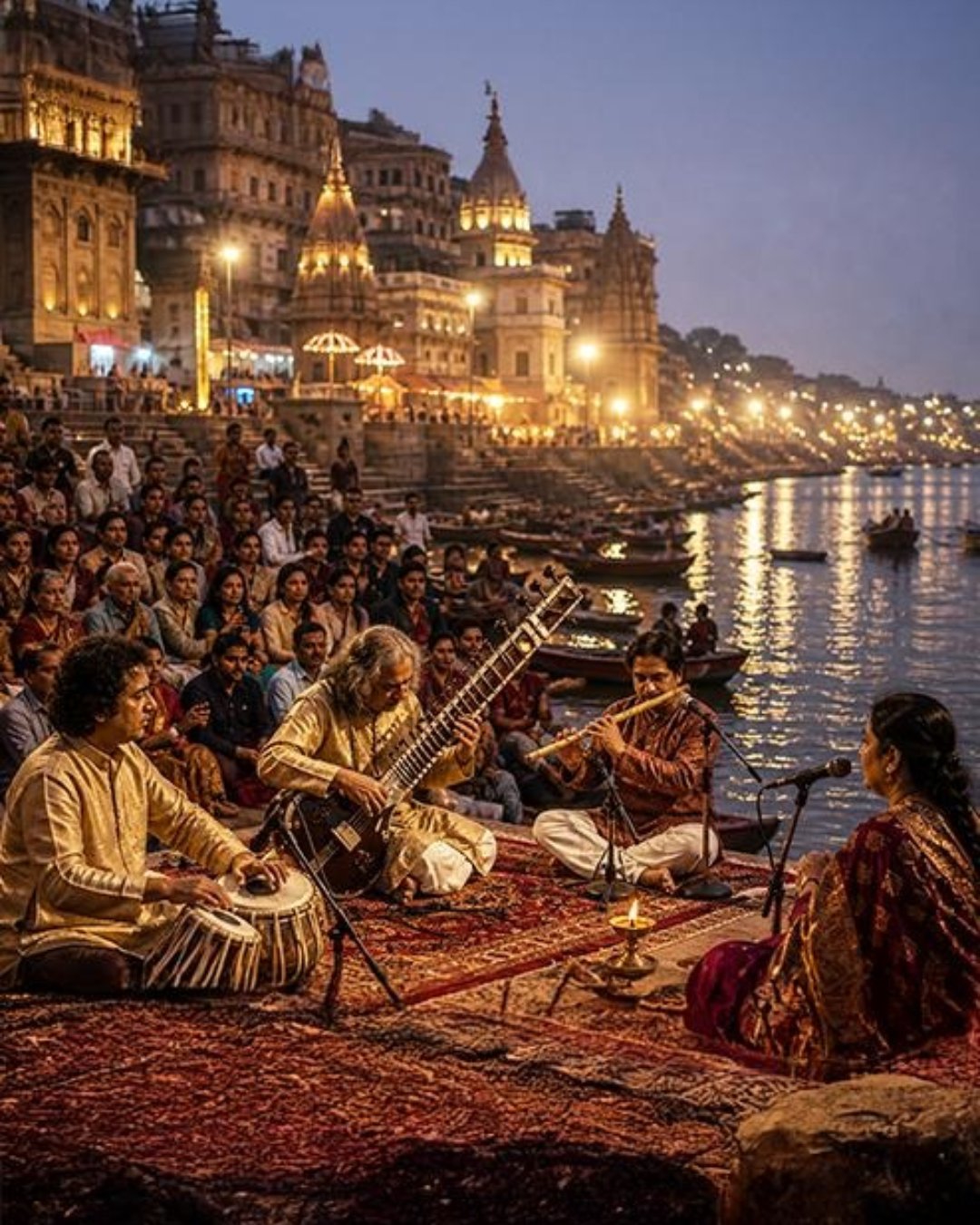
Ganga Mahotsav: Five Days of Music on the River
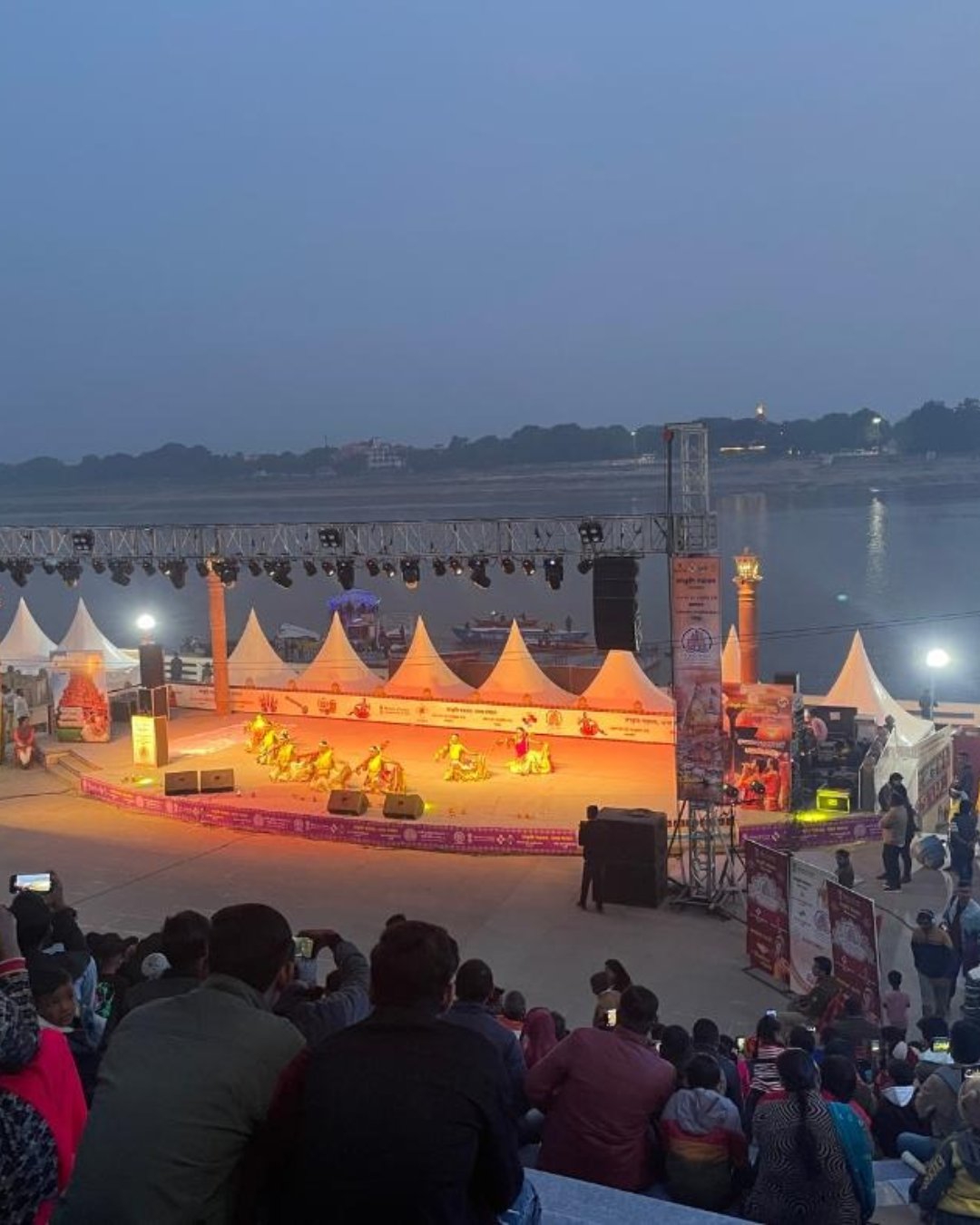
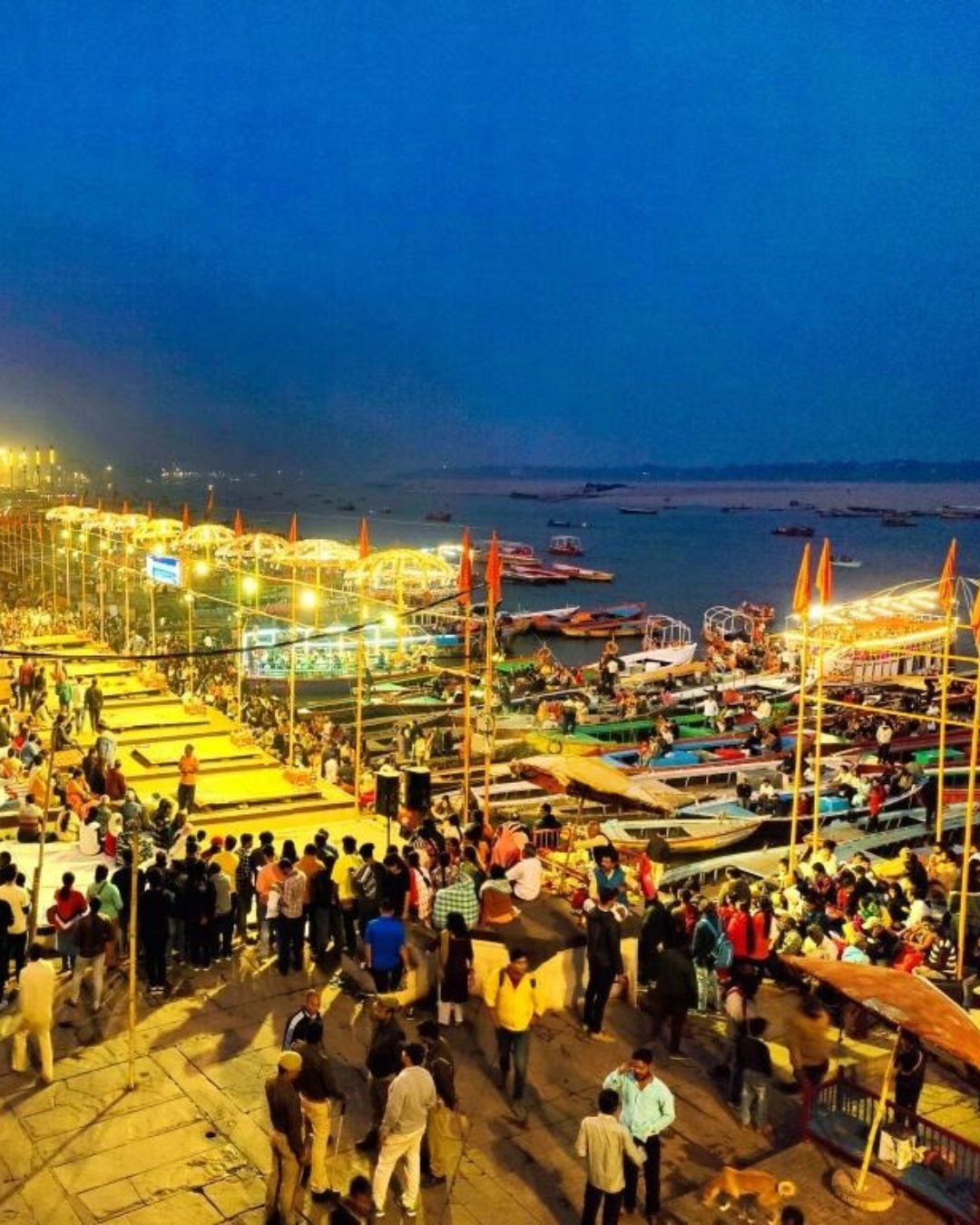
You've probably never heard of it, and that's the point. Everyone knows the Ganga Aarti; almost no visitor plans around Ganga Mahotsav — the five-day cultural festival Varanasi throws on the ghats each year in the run-up to Dev Deepavali. But here's the thing nobody tells you: turn up in the wrong week and you'll catch the ordinary evening aarti and nothing more; turn up in the right one and the ghats become an open-air stage of classical music and dance under the November sky, free, all night, with the river as the backdrop. Miss the dates and you miss the best week Varanasi has.
Let's fix that. Here's how Ganga Mahotsav actually works, and how to get it right the first time.
Why the dates decide everything
Ganga Mahotsav is tied to the lunar calendar, not a fixed week. It runs for roughly five days leading up to Kartik Purnima — the full moon that is also Dev Deepavali — so it usually falls in November, but the exact dates shift every year. That's the whole game: this isn't something you stumble into, it's something you plan the trip around.
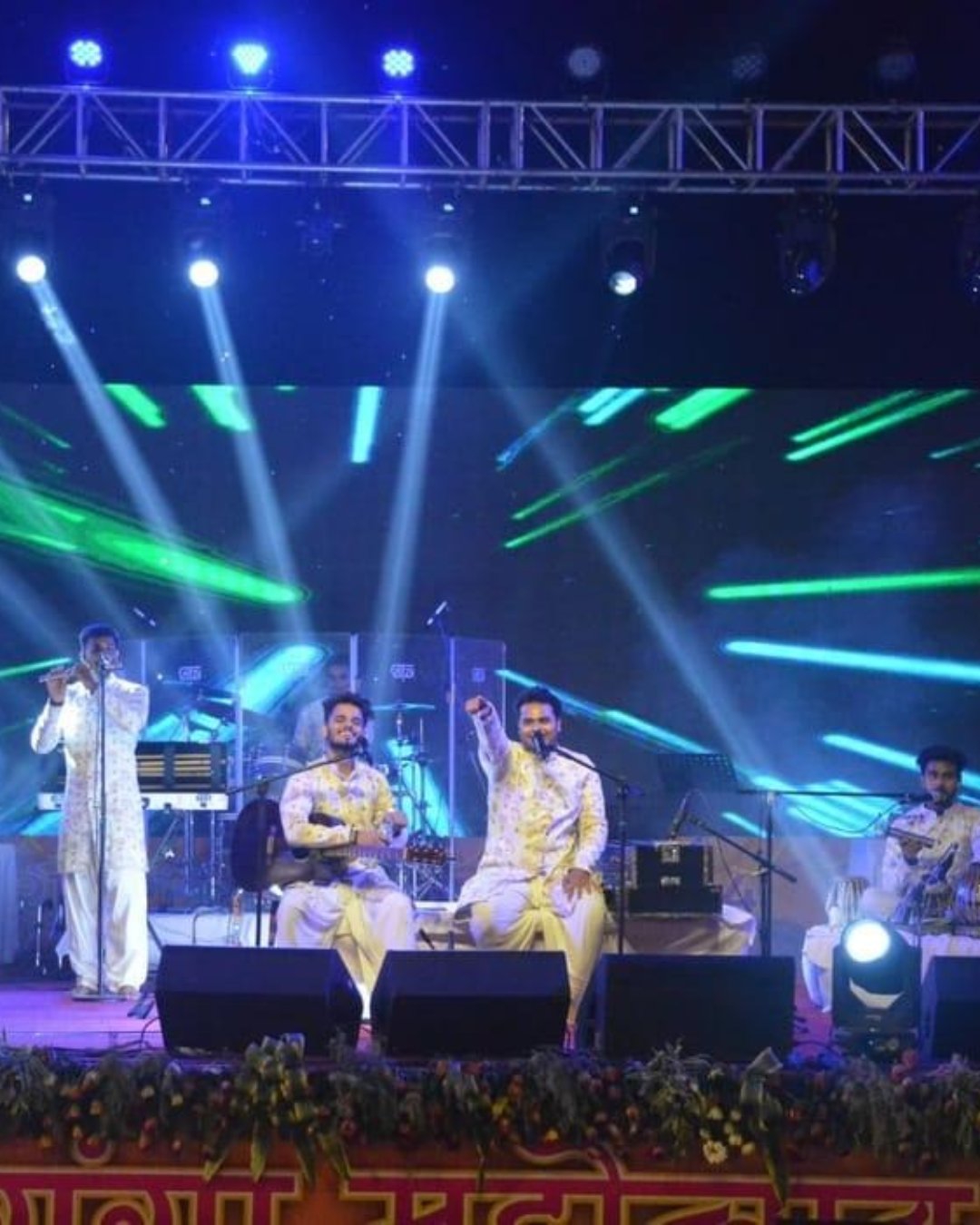
Get it right and your evenings transform. Instead of one 45-minute aarti, you get full concerts — sitar, tabla, khayal vocals, Kathak — staged on the ghats by musicians who matter, and it climbs toward the Dev Deepavali finale when a million lamps light the entire riverfront. Get it wrong by a week and it's a normal, lovely Varanasi evening, but not this.
What you'll actually see
Across the five nights, the festival moves through the ghats:
Classical music — Hindustani vocal and instrumental, often the leading names in the country.
Classical dance — Kathak above all, the North Indian form, performed against the river.
The main stage — usually centred on Rajghat or the prominent ghats, with seating that fills early.
Dev Deepavali — the crescendo, when the ghats are lined end to end with earthen lamps.
Craft and food stalls — the fringe of any Banaras festival, worth an hour of their own.
Bring a shawl or light blanket. November nights on the river are cold once you're sitting still for a three-hour concert.
And this is the rare Varanasi moment where the phone should stay down for the music, not the view. Travellers who catch it will tell you the same thing: the instinct is to film the performance, but a phone speaker flattens a raga to nothing. Just listen. A khayal unfolding slowly over the water at ten at night, the river black behind the stage, the cold and the crowd and the centuries of it — that's the part the recording never quite holds.
Pro tip: Confirm the exact dates before you book anything — the tourism department announces them each year, and they move, so a trip planned to the wrong week misses it entirely. Book accommodation months ahead: Ganga Mahotsav and Dev Deepavali together are Varanasi's busiest week, and rooms vanish. Arrive early for the good seats, and treat Dev Deepavali night itself as best seen from a boat, above the crowd.
The mistakes that ruin it
Most first-timers trip over the same few things. They assume it's a fixed date and arrive a week off. They leave booking too late and find no room in the city. Or they treat the concerts as background and film through them instead of listening.
The easy fix is to pin the year's dates first, book early, and build the whole trip around the festival week — or let it be planned around the calendar rather than left to luck.
124
MomentDashashwamedh Ghat, Varanasi
Diwali: The Night Varanasi Out-Lights Every Other City
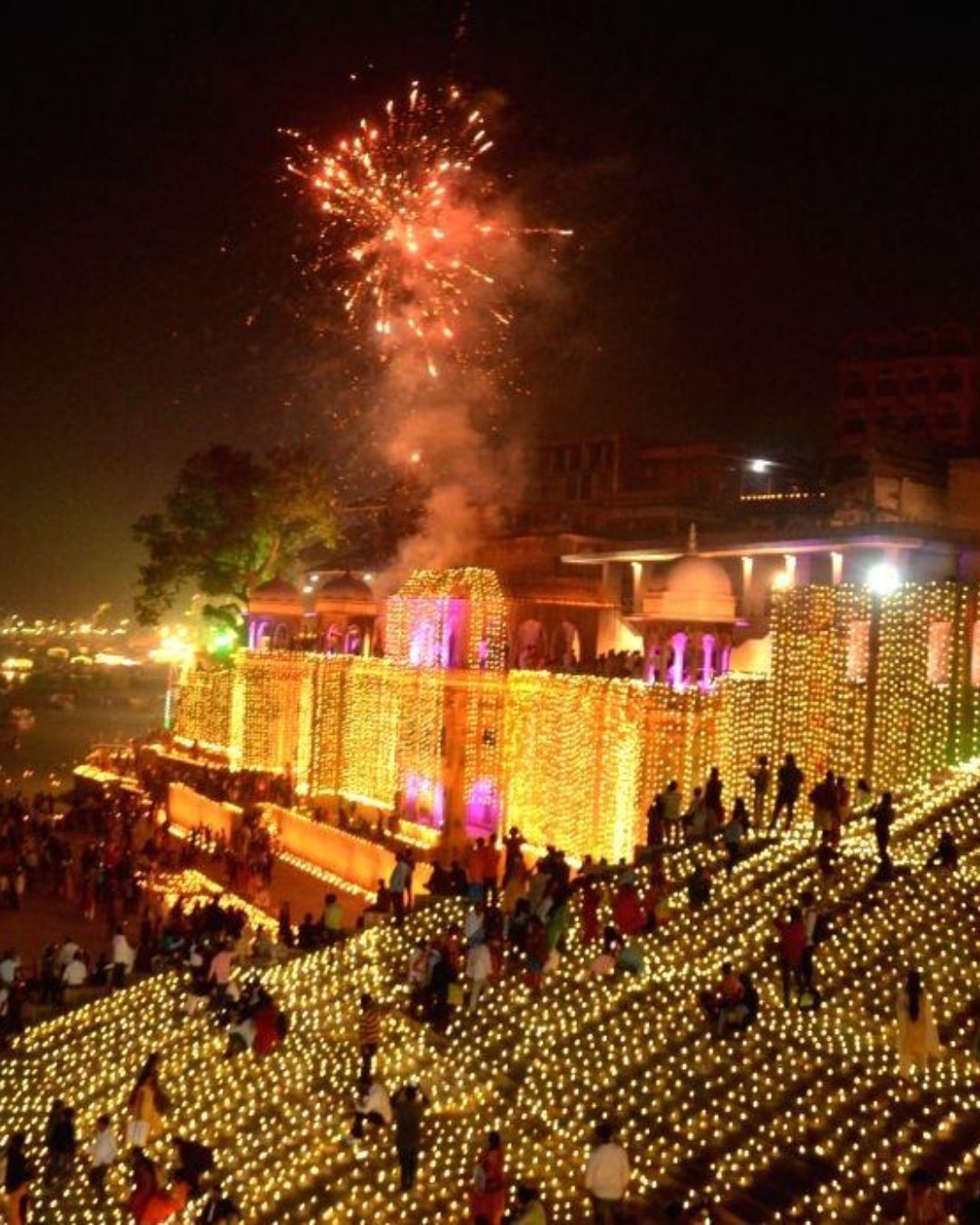
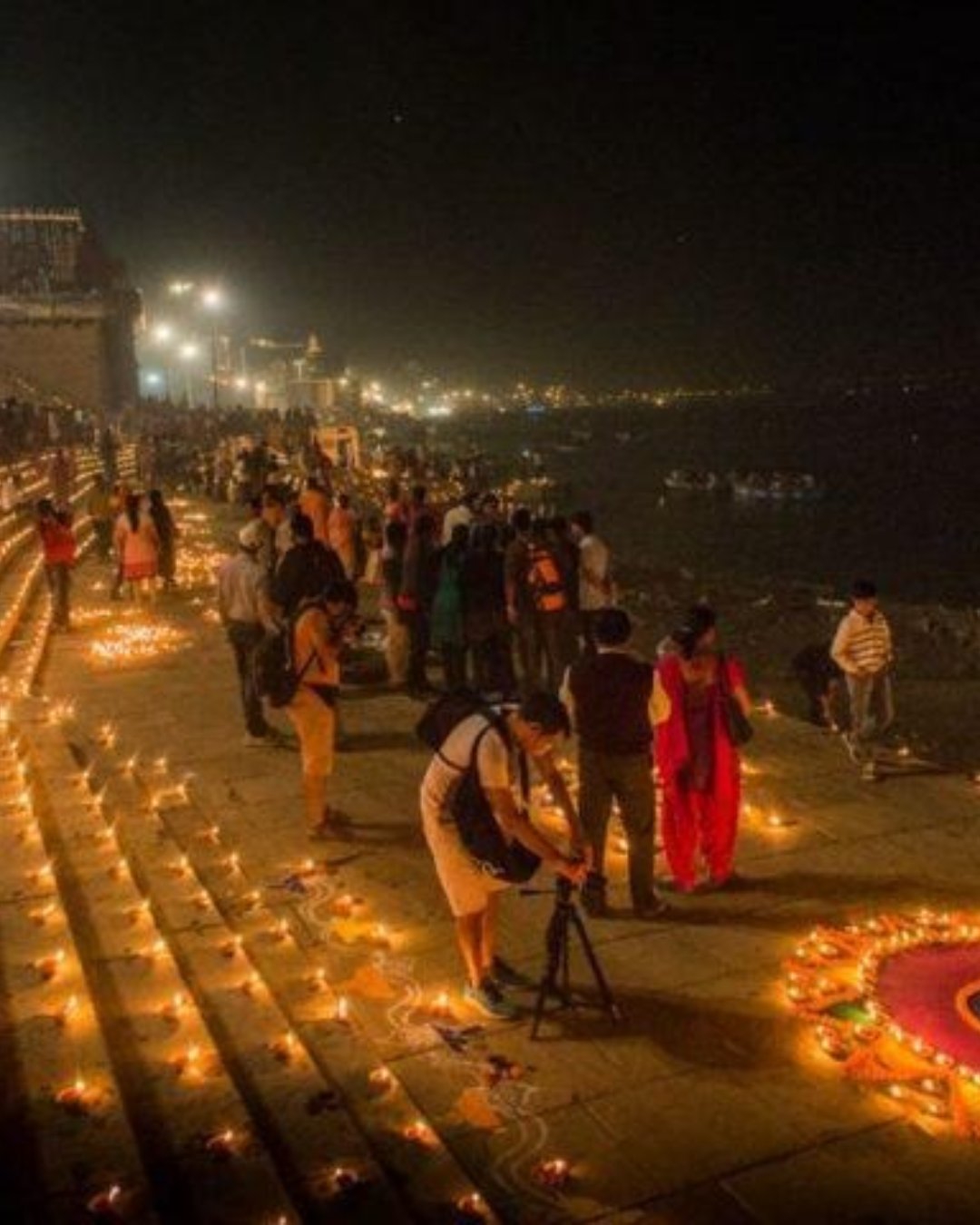
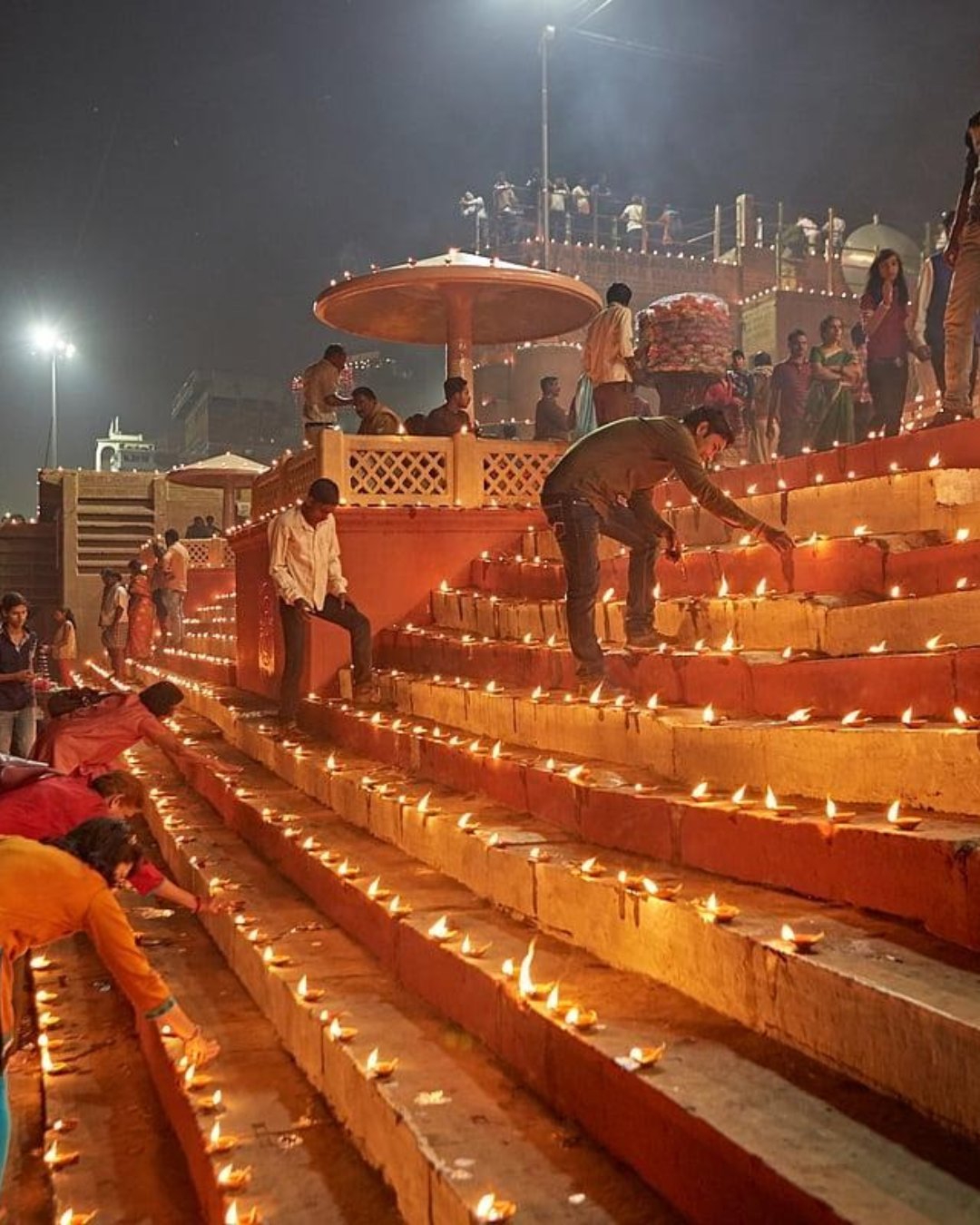
You've probably seen the photos. Every step of every ghat lined with tiny flames, the whole riverfront glowing, lamps reflected in the black Ganga for six kilometres. So you book Varanasi for Diwali, fly in for the big night — and find a city celebrating beautifully at home, with fireworks and lit doorways, but not the river of a million lamps you came for. You got the festival. You missed the spectacle. Because the two aren't the same night.
Let's fix that. Here's how Diwali in Varanasi actually works, and how to make sure you're here for the night that matters.
Why the date is everything
Varanasi has two festivals of light, and they fall two weeks apart. Diwali proper is the new-moon night — Lakshmi puja, homes and markets ablaze, sweets, fireworks over the old city. It's warm and joyful and worth seeing, but it happens in the lanes and the houses, not on the water.
The night the ghats out-light every city on earth is Dev Deepavali — the "Diwali of the Gods" — on Kartik Purnima, the full moon fifteen days after Diwali. That's when lakhs of earthen diyas are lit down every ghat, when priests perform a mass Ganga aarti, and when the entire riverfront becomes the thing in the photographs. Get this date right and nothing else you do in India will match it. Get it wrong by two weeks and you'll wonder what the fuss was about.
What you'll actually see (on Dev Deepavali)
The lamp-lined ghats — every step of all eighty-odd ghats set with tiny oil lamps, lit at dusk in sequence.
The mass Ganga aarti — rows of priests at Dashashwamedh performing the ceremony in unison, larger than any ordinary evening.
The lit river — the reflections doubling the flames, best seen from the water.
Panchganga Ghat — famous for its tiered wooden lamp frames, one of the signature sights of the night.
The crowds — hundreds of thousands of people. This is the trade-off, and it's a real one.
Dress for a cool November night and wear shoes you can move in — the ghats are packed and the stone is uneven in the dark.
And here, unlike the cremation ghats, the phone absolutely comes out — but look first. Travellers who come for this will tell you the same thing: the instinct is to film the whole time, and the footage never holds it — a phone can't capture a million flames across six kilometres of river. Watch it come alive first, from a boat if you can, then shoot. The scale of it, the sound of the aarti rolling off the water, the sheer number of small flames — that's the part the photos never quite catch.
Pro tip: See it from a boat. The ghats are so crowded on Dev Deepavali that the only comfortable, complete view is from the water — and it's also the safest, away from the crush on the steps. Book that boat months ahead; the good ones sell out and prices spike. And book your hotel even earlier — the city fills completely for this one night.
The mistakes that ruin it
Most first-timers trip over the same few things. They book Diwali expecting the ghat spectacle and get the wrong night. They plan Dev Deepavali but leave the boat and hotel too late and find both gone. Or they fight the crowds on the steps instead of taking the calm, complete view from the river.
The easy fix is to pin the correct date — Kartik Purnima, not Diwali — and lock in the boat and room months out.
111
MomentNati Imli Road, Varanasi
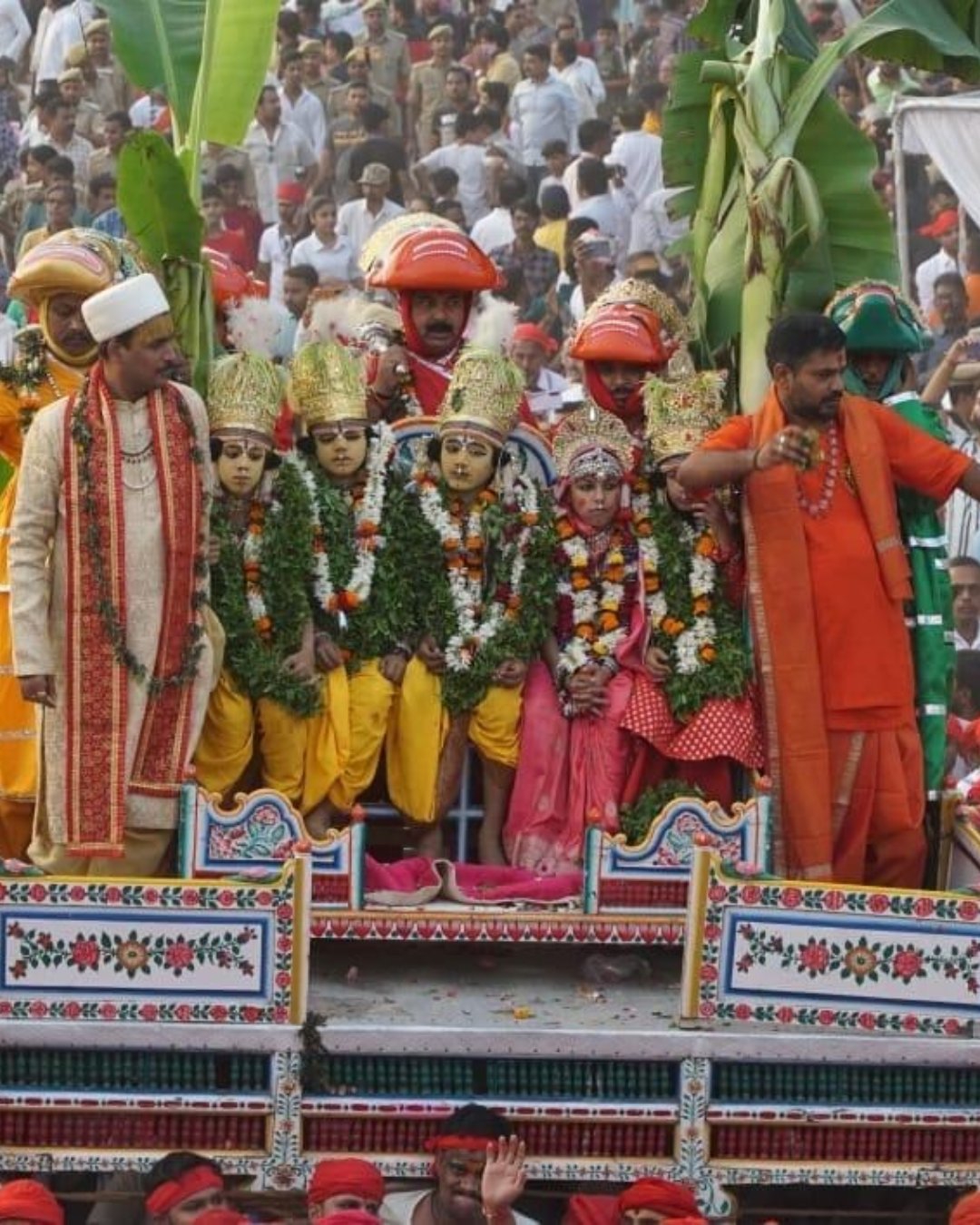
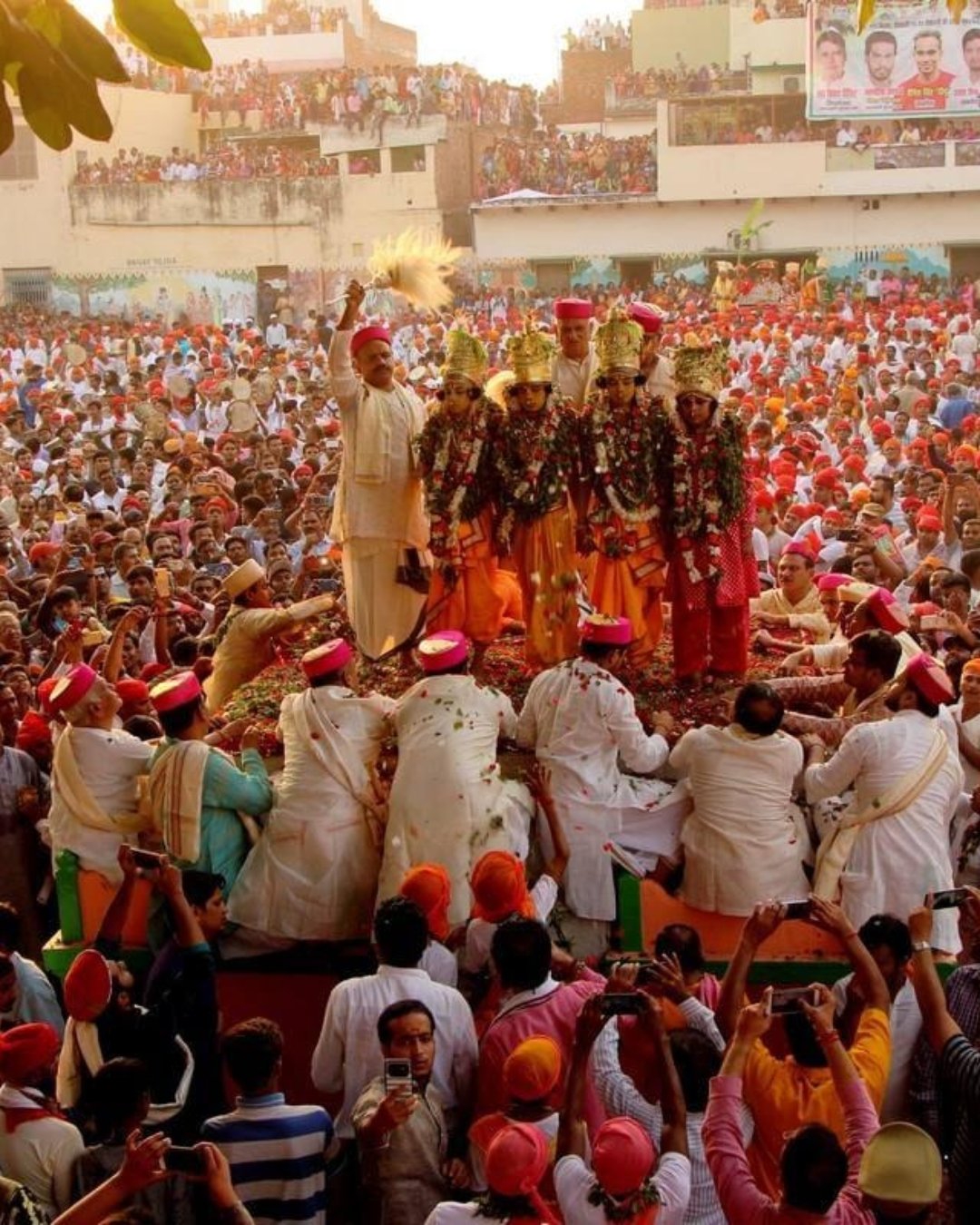
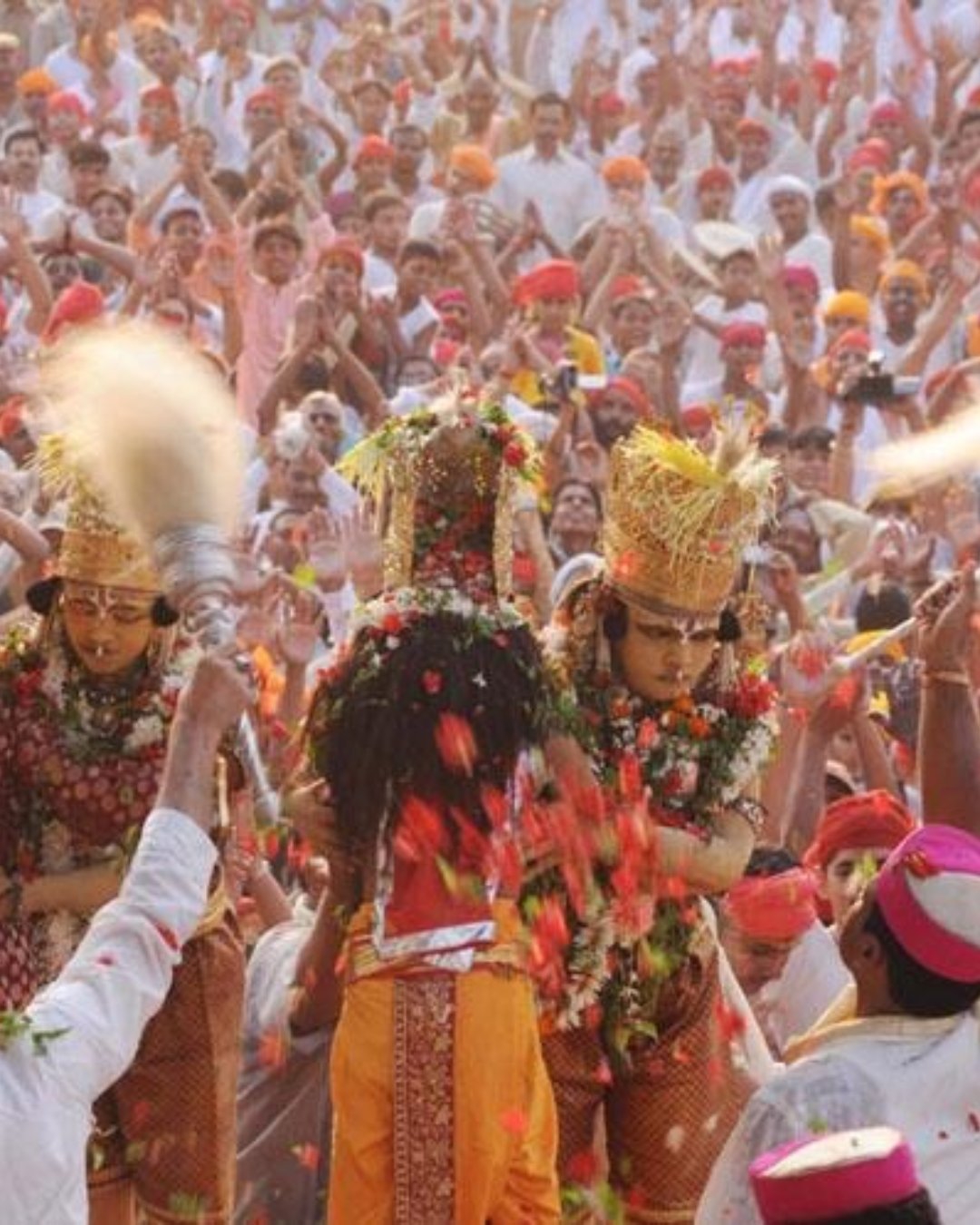
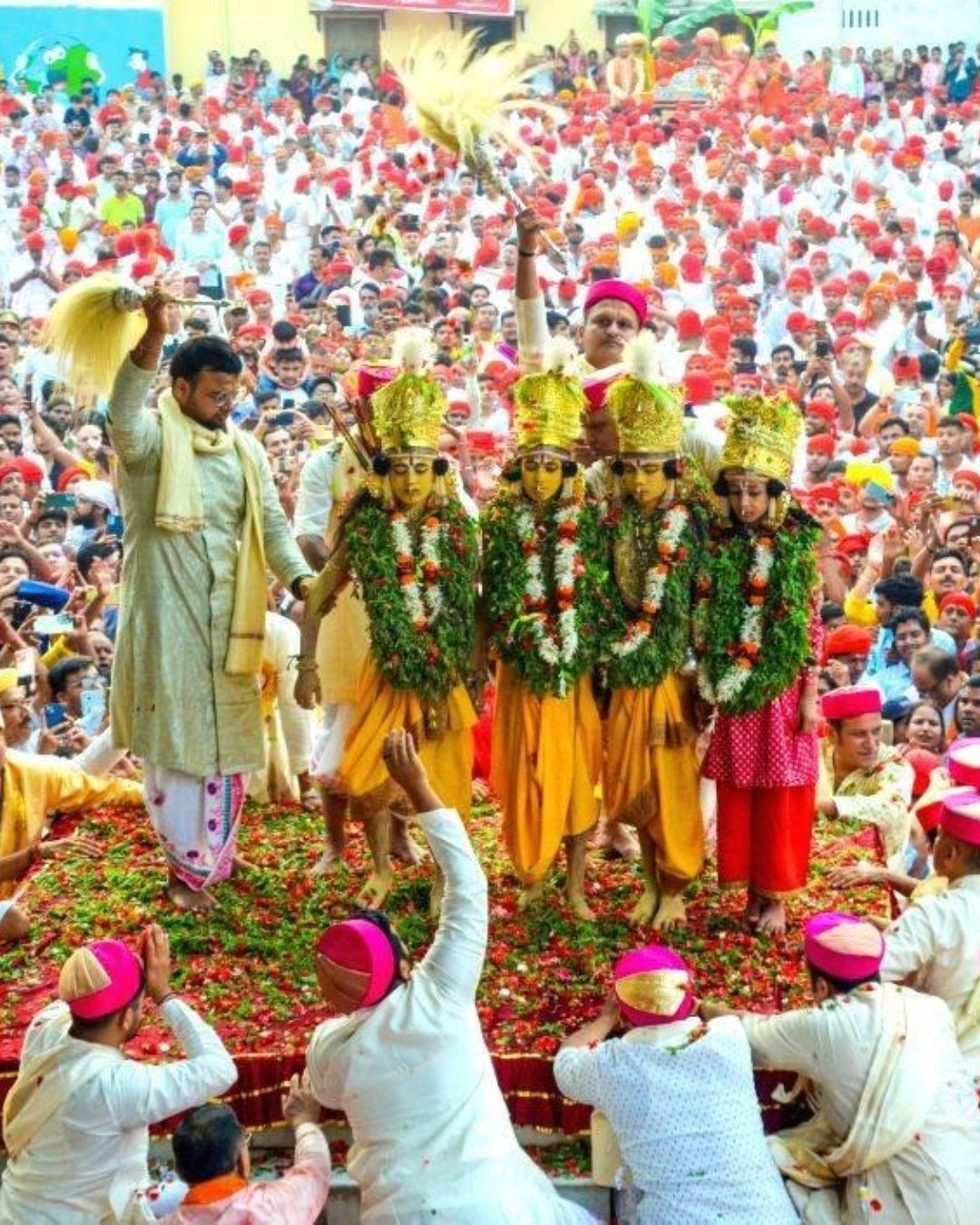
Bharat Milap at Nati Imli: The Most Emotional 10 Minutes in India
You've probably never heard of it, and that's the first problem. Ask about Varanasi and you'll get the boat ride and the aarti — never the one evening a year when a quarter of a million people pack a single ground to watch a reunion that lasts about ten minutes. But here's the thing nobody tells you: Bharat Milap at Nati Imli happens on one specific day, the crowd is unlike anything you've stood in, and if you don't know the date and the vantage in advance, you'll either miss it entirely or spend it crushed at the back seeing nothing.
Let's fix that. Here's how Bharat Milap at Nati Imli actually works, and how to get it right the first time.
Why the date is everything, not the hour
This isn't a place you drop by. It's the climax of the Chitrakoot Ramlila, staged at Nati Imli for centuries, and it falls on a single evening — the day after Dussehra, in the Hindu month of Ashwin, which lands in October or November. Miss that date and there's nothing to see; the ground is just a ground the other 364 days.
The milap itself — the moment Ram returns from exile and his brother Bharat runs to him — lasts only a few minutes, in the low golden light of late afternoon. That brevity is the whole point. People weep. The crowd, hundreds of thousands strong, falls silent and then roars. You're not there for a show that unfolds over an hour; you're there for ten minutes that a whole city has waited a year for.
What you'll actually see
The four brothers — boys chosen as the swaroops (divine embodiments), carried to the meeting point as the reunion is enacted.
The crowd — one of the densest gatherings you'll ever stand in, packed into the Nati Imli maidan and every rooftop and window around it.
The Kashi Naresh — by long tradition the former Maharaja of Banaras attends, arriving in procession, a living link to the event's royal patronage.
The release — the collective emotion when the brothers meet, which is the thing people actually come for.
Dress plainly, wear shoes you can lose in a crush, and carry nothing you'd mind losing. Keep valuables deep and your hands free.
And this is one where you might keep the phone down not for reverence but for presence — and safety. Travellers who've been will tell you the same thing: you cannot film your way through a crowd this tight, and holding a phone overhead in that press is how it disappears. Watch it happen instead. The hush before, the boys meeting, the sound of a quarter-million people letting go at once — that's the part no photo from the back of a crowd was ever going to hold.
Pro tip: Arrange a rooftop or balcony vantage in advance through a local host — from ground level in that crush you'll see very little, and a spot above the maidan is the difference between witnessing it and enduring it. Arrive hours early; the approach roads choke and close. Go with someone local who knows the timing, which shifts with the Ramlila schedule and isn't reliably published. And keep your group tight — separations in that crowd are real.
The mistakes that ruin it
Most first-timers trip over the same few things. They don't know the date and miss it by a day. They arrive late and get stranded at the back, seeing nothing. Or they try to push through the crush for a better view and end up worse off.
The easy fix is to lock the date, secure a raised vantage, and go early with a local who knows the ground — so you're above the crowd for the ten minutes that matter.
113
MomentTulsi ghat B2, Varanasi
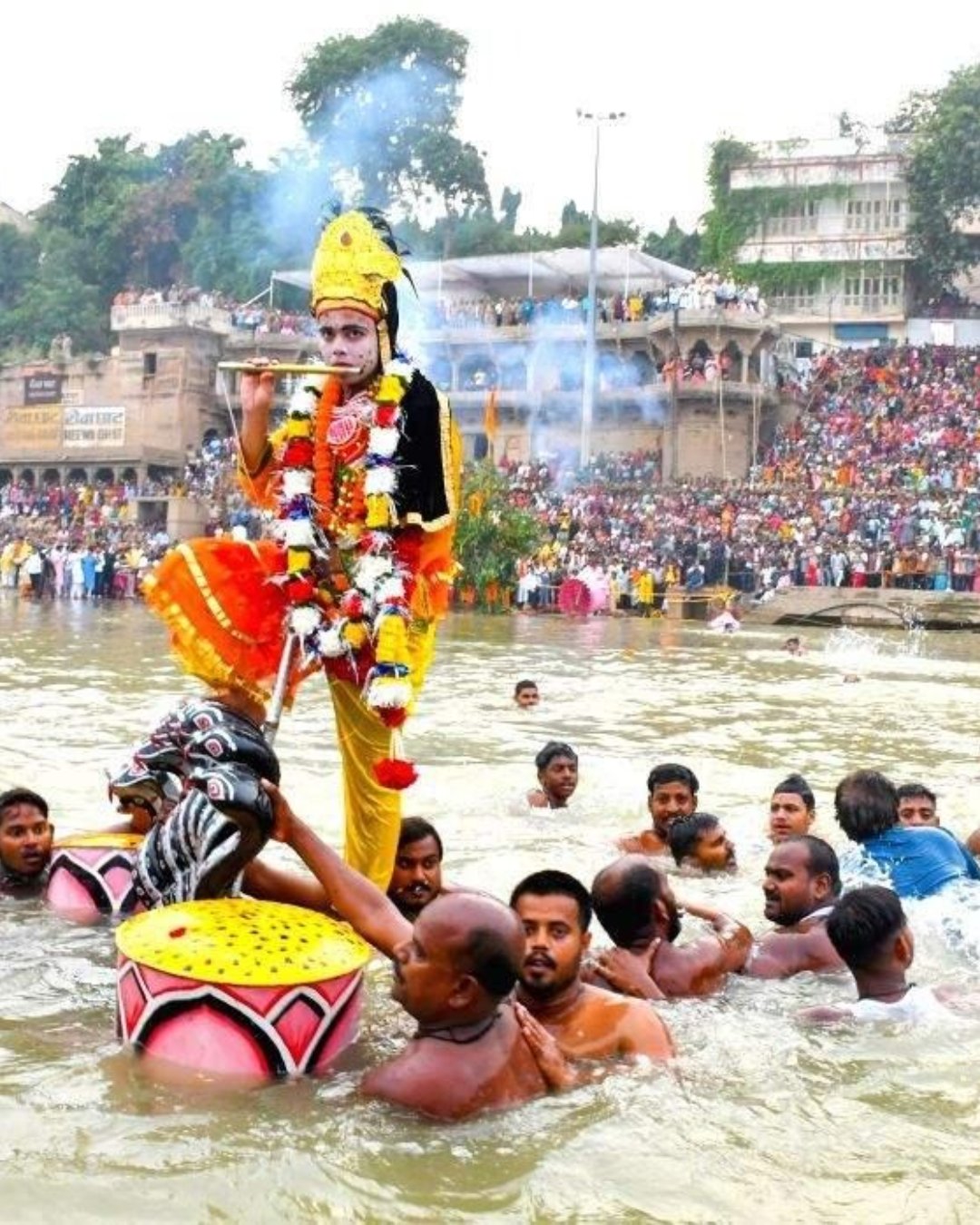
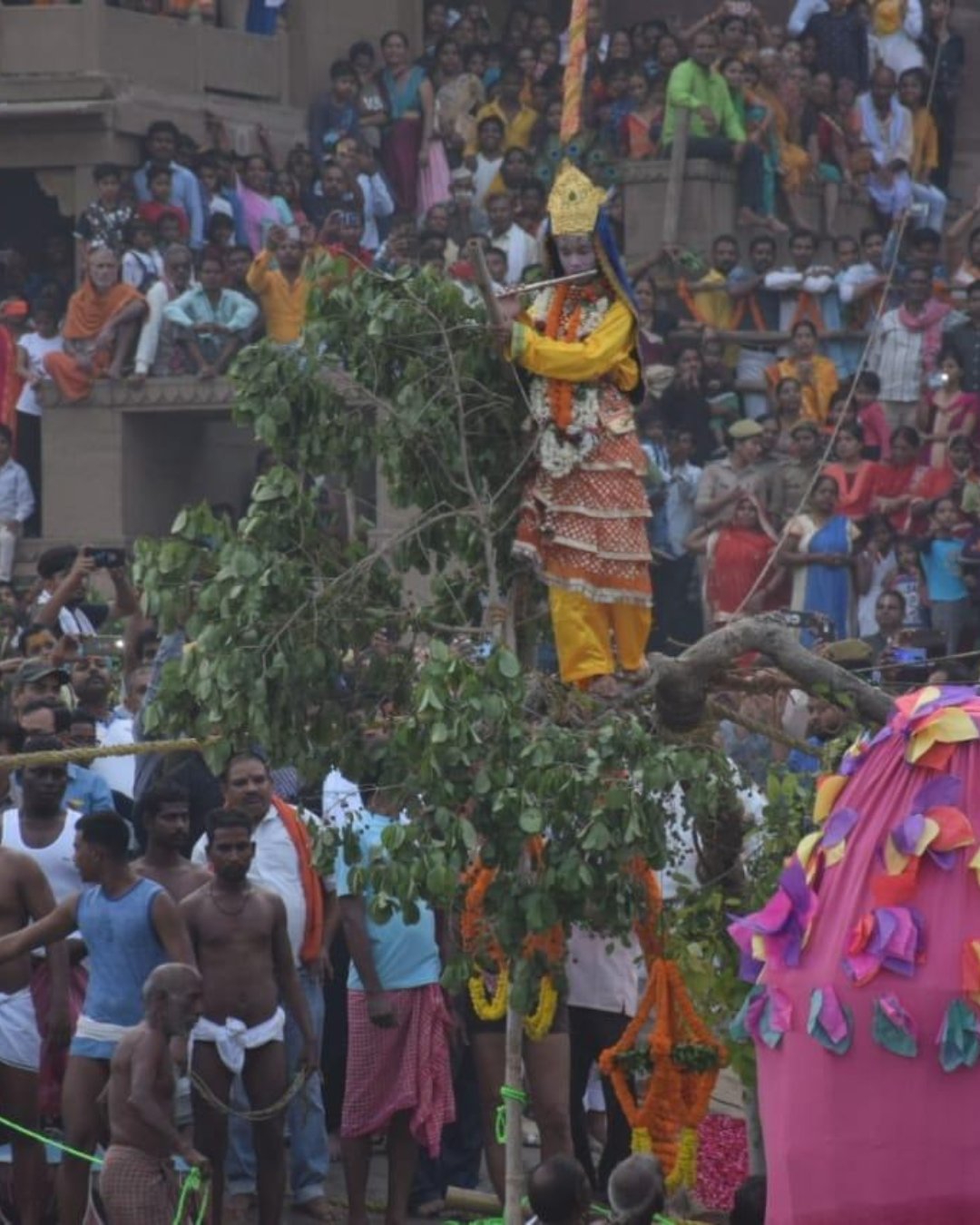
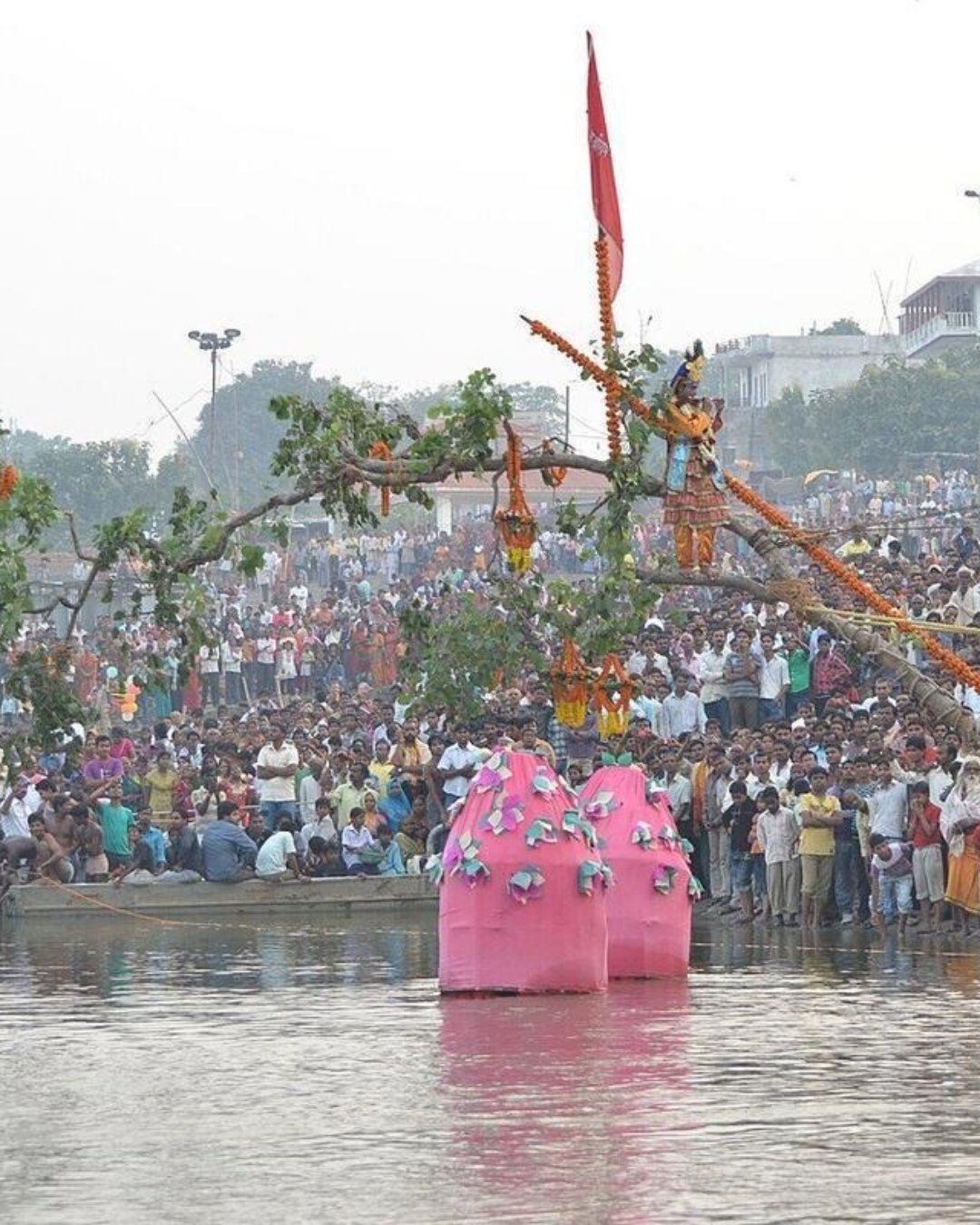
Nag Nathaiya: Krishna vs. the Serpent — On the Ganga
You've probably never heard of it, and that's exactly the point. Once a year, on one afternoon at Tulsi Ghat, the whole city packs the steps and the river to watch a boy playing Krishna leap onto the hood of the serpent Kaliya and dance him into submission — a 450-year-old ritual play staged on the Ganga itself. But here's the thing nobody tells you: it lasts minutes, it happens at a precise moment most visitors miss entirely, and if you're standing in the wrong place you'll see a wall of backs and a distant splash. Turn up unprepared and you've come for one of Varanasi's rarest sights and seen none of it.
Let's fix that. Here's how Nag Nathaiya actually works, and how to get it right the first time.
Why the one afternoon, and the one moment
Nag Nathaiya falls on Nag Nandan Chaturdashi, in Kartik (October–November) — a single day, once a year, tied to the lunar calendar rather than a fixed date. The Tulsi Ghat tradition traces to Tulsidas's own time, some four and a half centuries back, which is what makes it more than a performance.
And the climax is brief. The lila builds through the afternoon, but the moment everyone comes for — Krishna emerging onto Kaliya's hood from the river, dancing on the serpent — is over in minutes, in the late afternoon as the light drops. So this isn't a show you drift into; it's a single instant you position for hours ahead. Confirm the exact date for the year you're travelling, and be in place early.
What you'll actually see
An afternoon that culminates on the water:
The kadamba tree — by tradition a branch over the river from which the boy-Krishna leaps, as in the Braj legend.
The dance on Kaliya — the central image: Krishna subduing the serpent, staged on the Ganga at Tulsi Ghat.
The river crowd — hundreds of boats packed gunwale to gunwale, and the ghat steps solid with people.
The royal barge — the Kashi Naresh, the former king of Benares, traditionally attends, arriving by boat.
Bring a light layer for the water and small notes for the boat. It's breezier and cooler on the river than on the steps.
And here's the twist on the usual advice: this is one time you do want the phone ready — the moment is so brief you'll want to catch it — but get your shot in the first few seconds, then watch. Travellers who've seen it will tell you the same thing: the crowd, the boats, the roar when Krishna appears, the last light on the water — that swell of a whole city holding one moment together is the part the photos never quite catch.
Pro tip: Watch from a boat, not the steps. The lila plays out on and above the river, the ghat is dangerously packed, and a boat gives you the angle everyone on the steps is straining for. Book it well ahead — every rowboat in the city is spoken for that afternoon — and agree the price and position before you board. Arrive on the water early and hold your spot; you cannot turn up at the last minute and find room.
The mistakes that ruin it
Most first-timers trip over the same few things. They get the date wrong, because it moves with the lunar calendar. They watch from the crushed ghat and see nothing. Or they arrive late to a river already wall-to-wall with boats.
The easy fix is to confirm the exact date, book a boat well in advance, and be in position early — or let the afternoon be arranged so you're on the water in the right spot when Krishna leaps.
81
MomentSarnath Museum, Varanasi
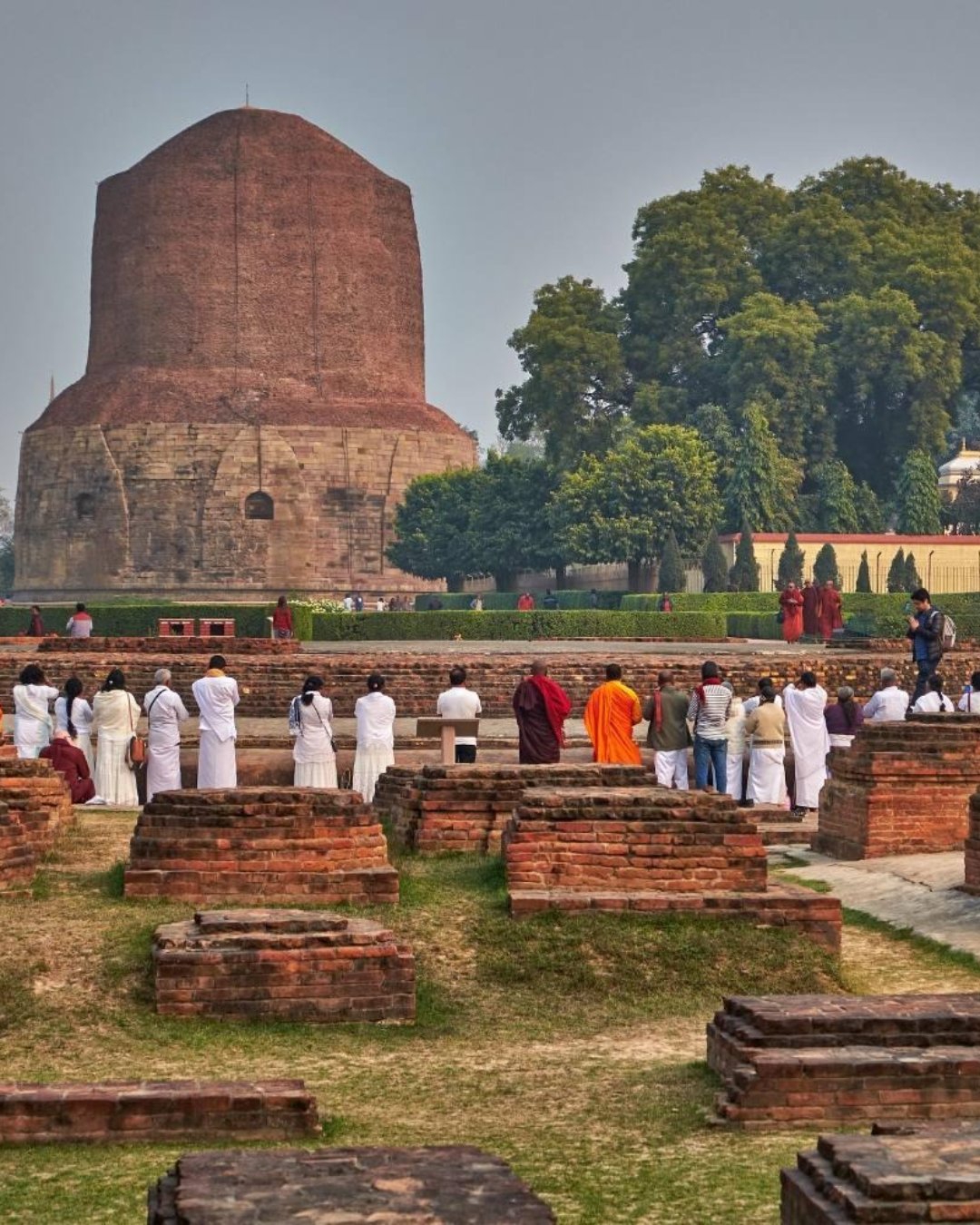
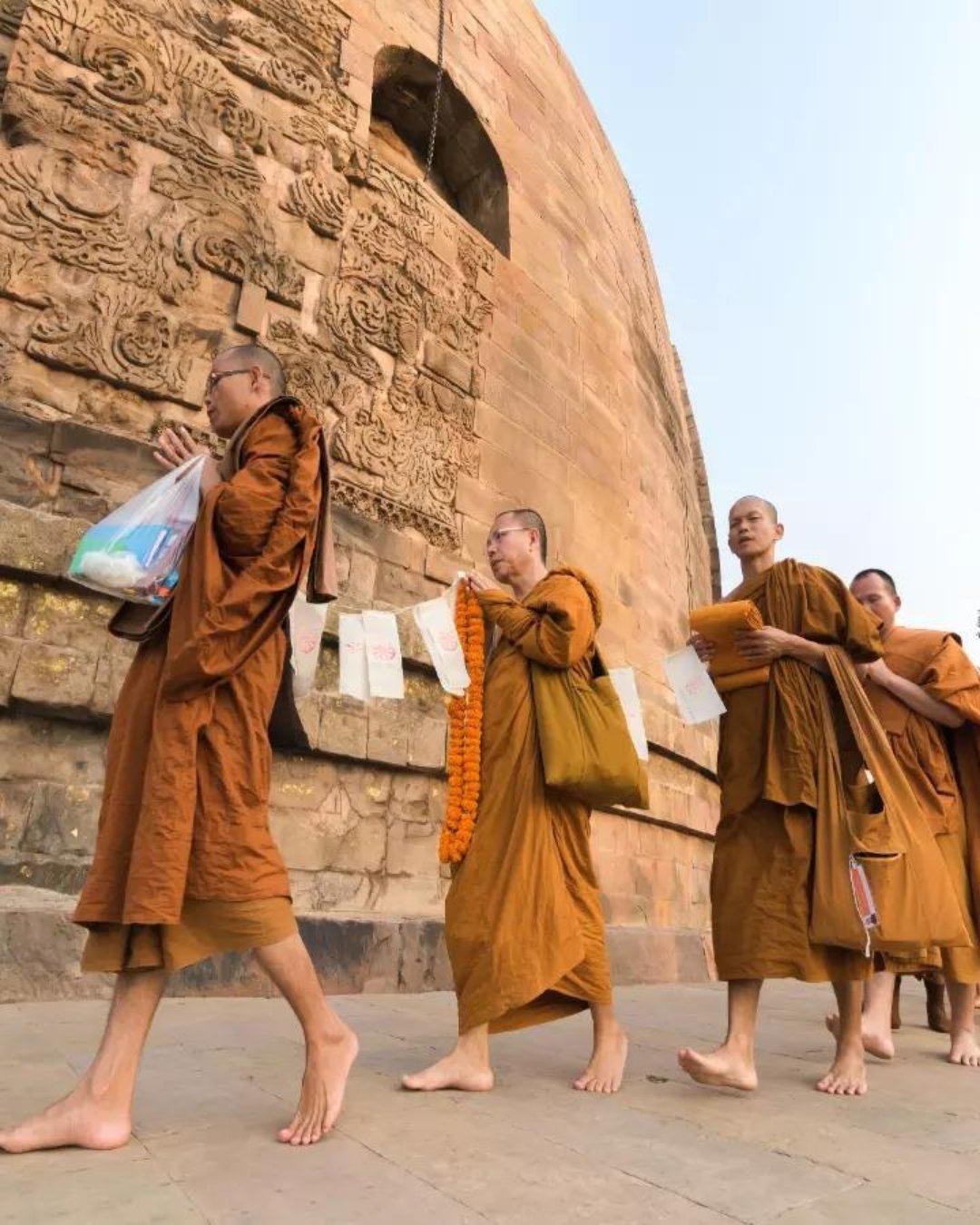
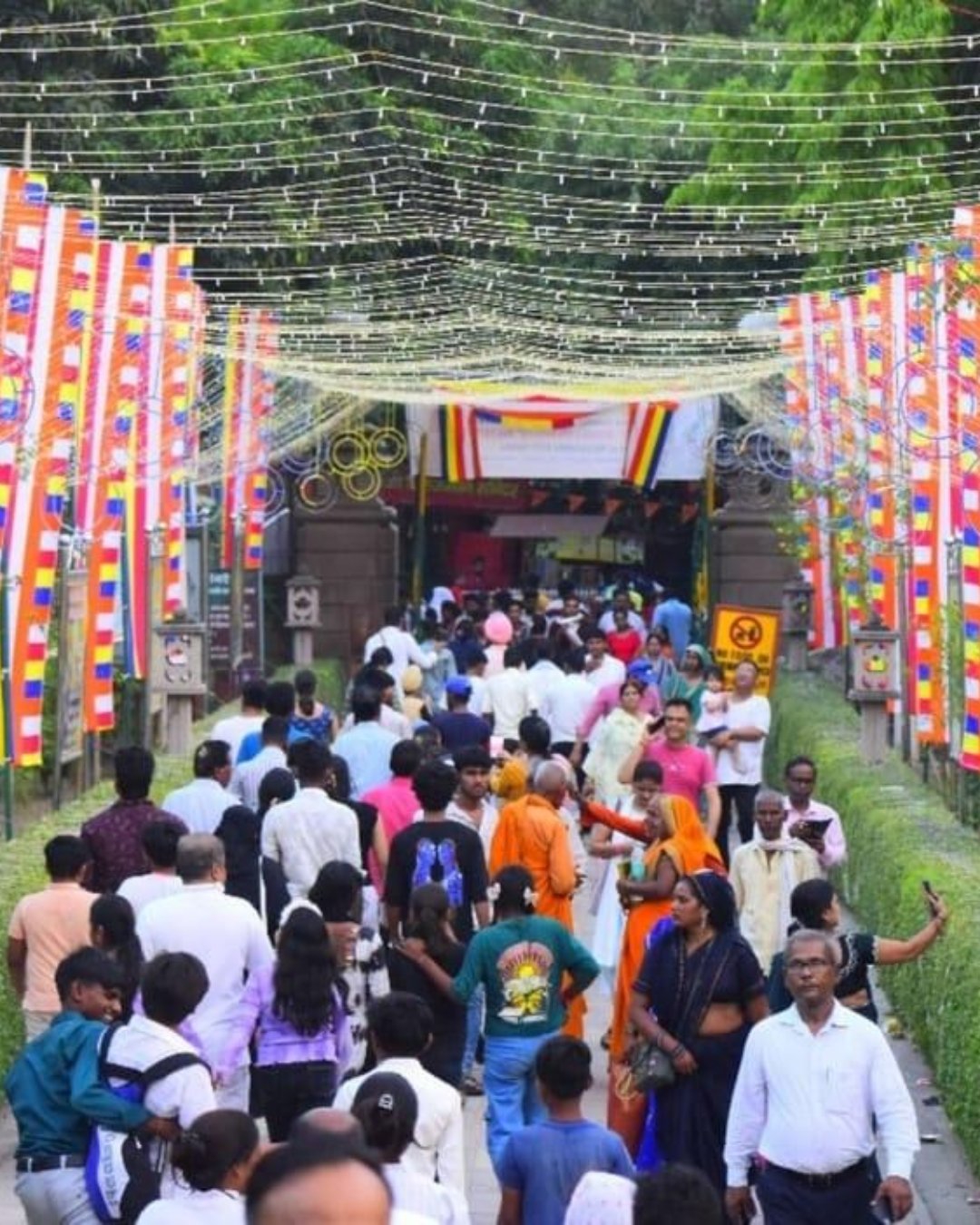
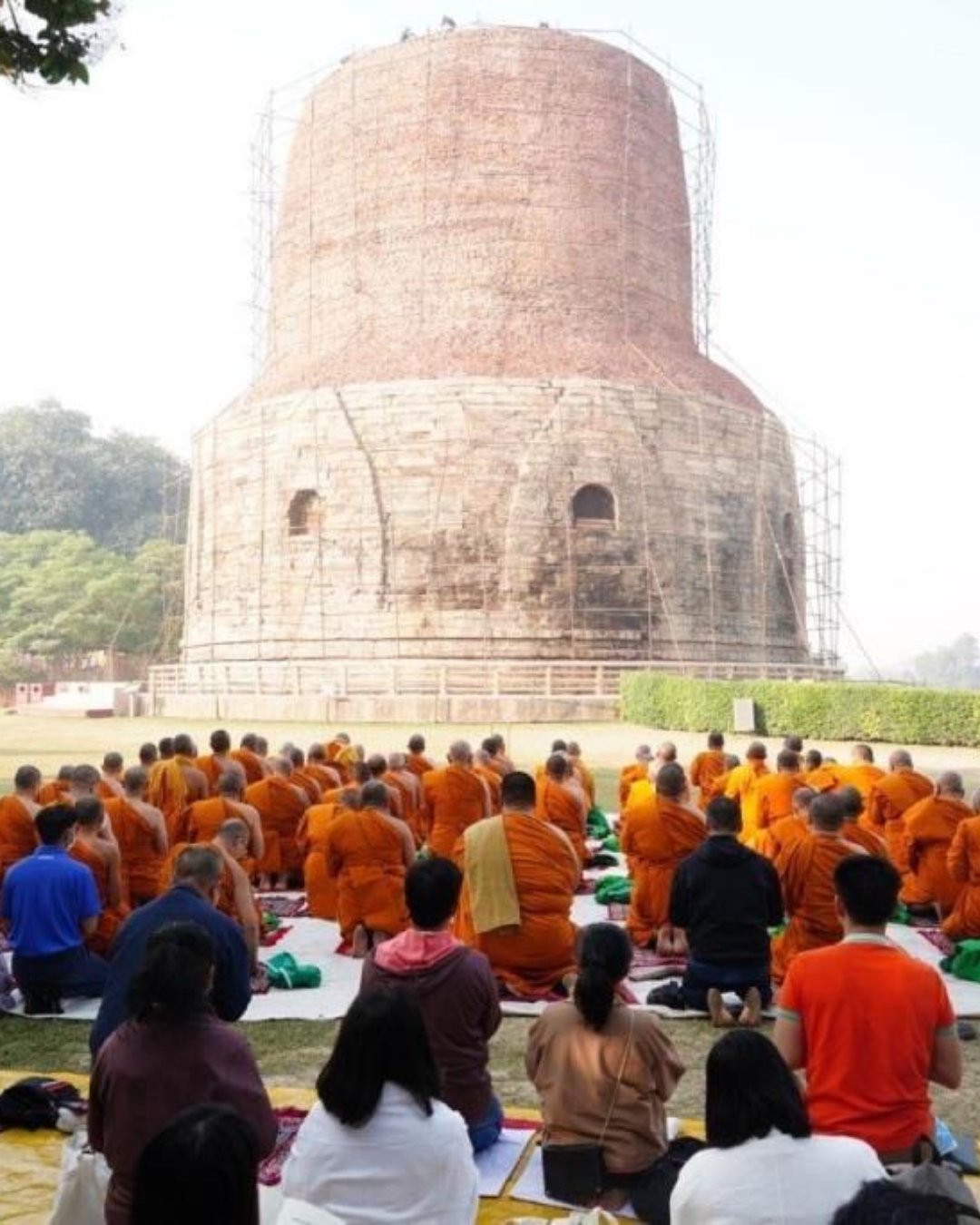
Buddha Purnima at Sarnath: Where Enlightenment Happened
You've probably filed Sarnath as a half-day of ruins. A stupa, some old brick foundations, a museum, an hour out of Varanasi and back. But here's the thing nobody tells you: this quiet field is where the Buddha gave his first sermon after enlightenment — where Buddhism, as a thing you could teach and follow, actually began. Turn up on an ordinary weekday afternoon and you'll see lawns and a big brick mound. Turn up on Buddha Purnima, the full-moon day that marks his birth, enlightenment and death, and you'll see the place come fully, movingly alive.
Let's fix that. Here's how Sarnath, and especially Buddha Purnima, actually works, and how to get it right the first time.
Why the day matters more than the hour
Sarnath is worth visiting any time — but it's a place of quiet significance rather than spectacle, and on a normal day you supply the meaning yourself. Buddha Purnima is the exception. On that full-moon day (usually in May), monks and pilgrims from across the Buddhist world converge here: robes of every tradition, chanting, processions, the relics carried out, and the Mahabodhi temple and Dhamek Stupa ringed with people who've travelled a long way to be exactly here.
So if you can align your trip with it, do. It falls on the Vaishakh full moon, so the date shifts each year — check it and build around it. Outside that day, come early morning, when the grounds are calm, the light is soft on the old brick, and the meditating monks have the lawns largely to themselves.
What you'll actually see
The Dhamek Stupa — the great cylindrical monument marking the spot of the first sermon, standing since the Gupta era on Mauryan foundations.
The Mahabodhi Society temple — with its frescoes and a Bodhi tree grown from a cutting of the original.
The ruins and the Ashokan pillar stump — the monastery foundations, and the pillar whose lion capital became India's national emblem.
The Sarnath Museum — home to that original Lion Capital of Ashoka. Closed Fridays.
On Buddha Purnima — processions, chanting, the relic display, and pilgrims from Sri Lanka, Thailand, Tibet, Japan and beyond.
Dress modestly, cover your shoulders, and be ready to go barefoot around the stupa and in the temples.
And keep your phone down at first, especially near anyone meditating or in procession. Travellers who come here will tell you the same thing: the pull of Sarnath isn't visual, it's atmospheric — the quiet, the sense of a beginning, the monks sitting where the teaching started. On Buddha Purnima that deepens into something genuinely stirring. Photographing a procession is fine from a respectful distance; photographing a person in prayer is not. That stillness, in a place this significant, is the part the photos never quite catch.
Pro tip: If Buddha Purnima is your aim, book accommodation well ahead — Sarnath and Varanasi fill for it, and it's a major day. Come early even on the festival to beat the peak crowds to the stupa. Visit the museum for the Lion Capital, but remember it's shut on Fridays. And treat Sarnath as its own calm half-day, not a rushed add-on squeezed after a morning of ghats — the contrast in pace is the point.
The mistakes that ruin it
Most first-timers trip over the same few things. They come on a random afternoon and see only ruins, missing the significance entirely. They arrive without knowing what happened here, so it reads as archaeology. Or they schedule it for a Friday and find the museum, with its national treasure, closed.
The easy fix is to come with context, ideally on or near Buddha Purnima, early in the day — because knowing this is where Buddhism began transforms a field of brick into one of the most important sites in Asia.
75
MomentVintage Riverfront Cottage by The Vintage Homestay, Varanasi
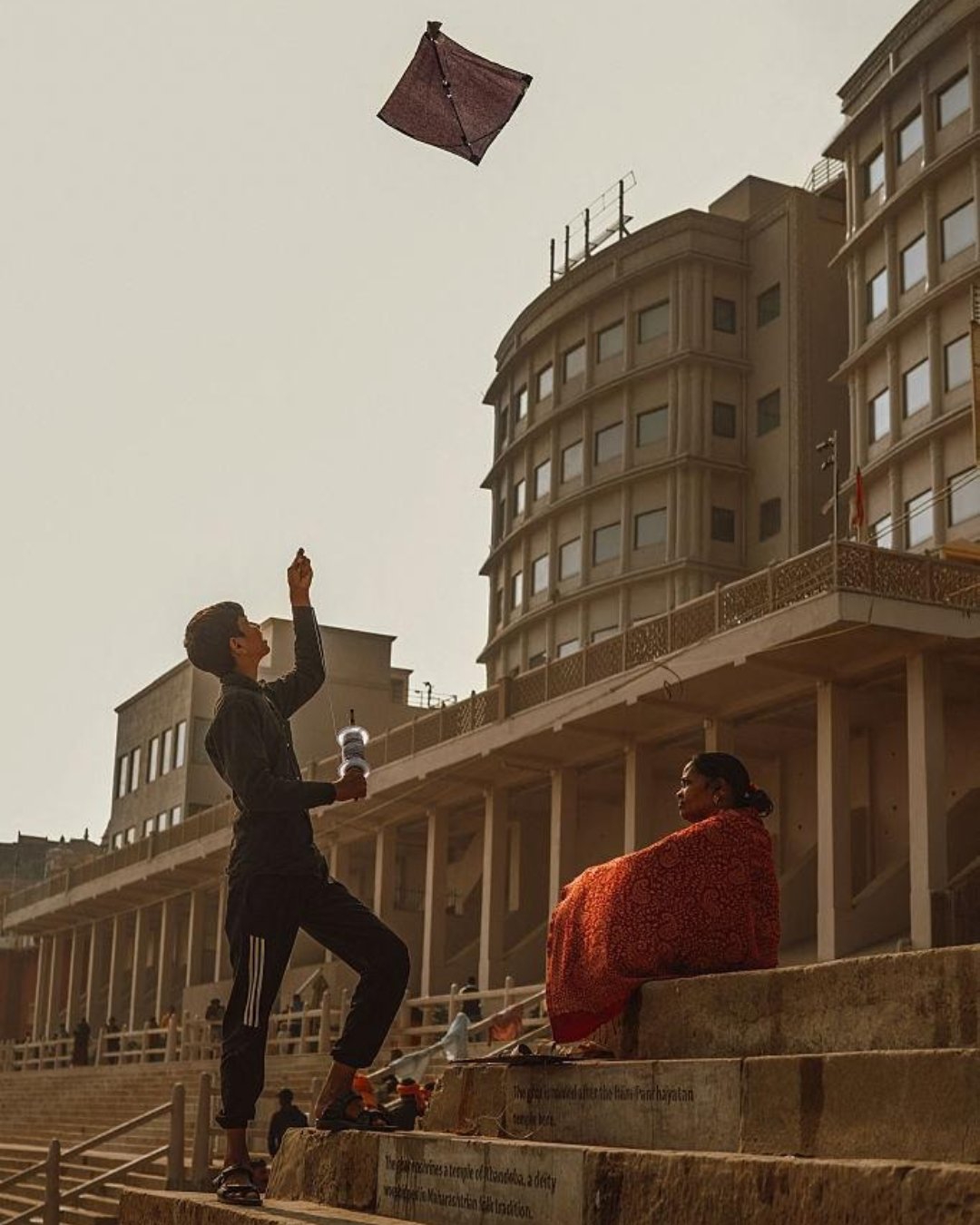
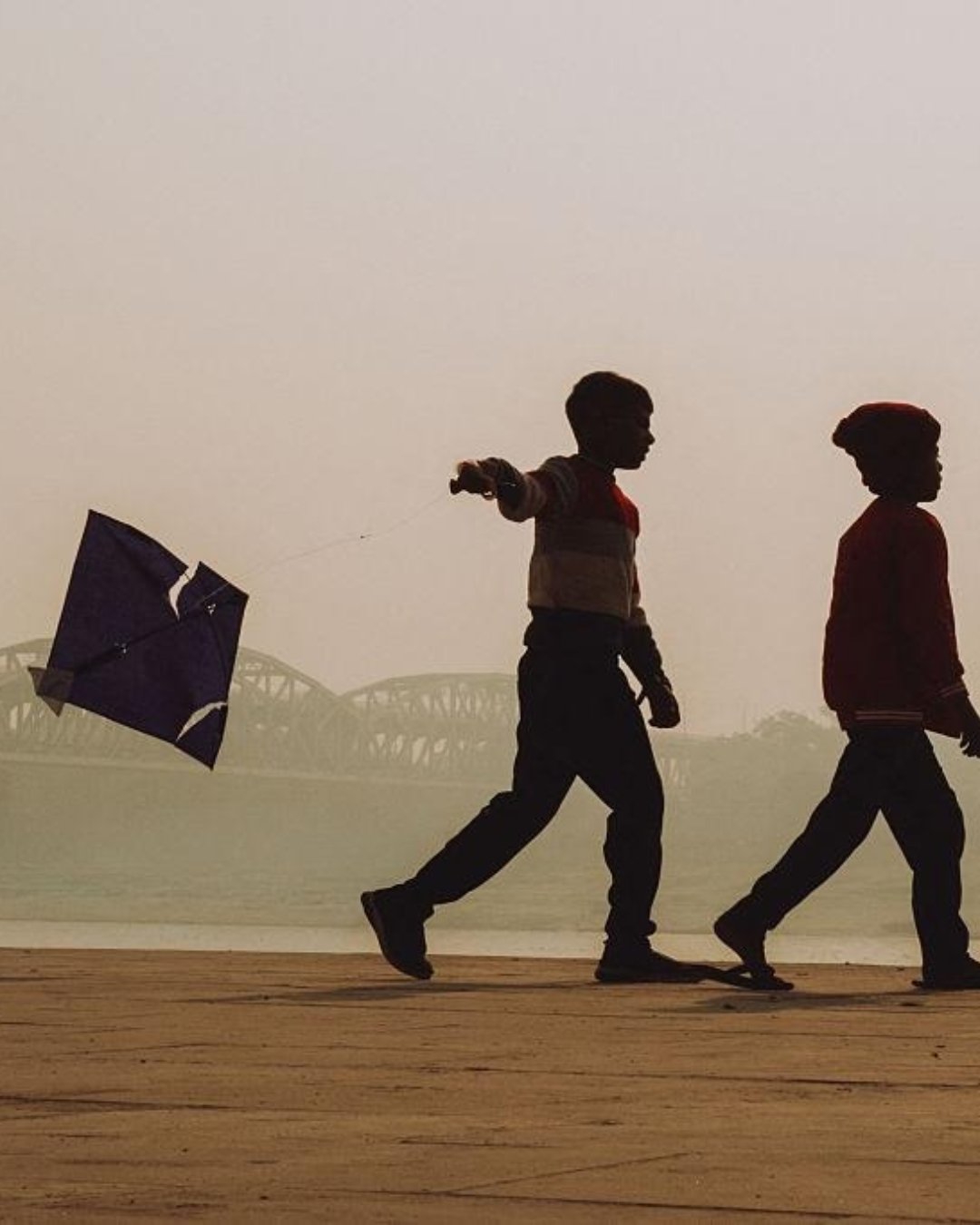
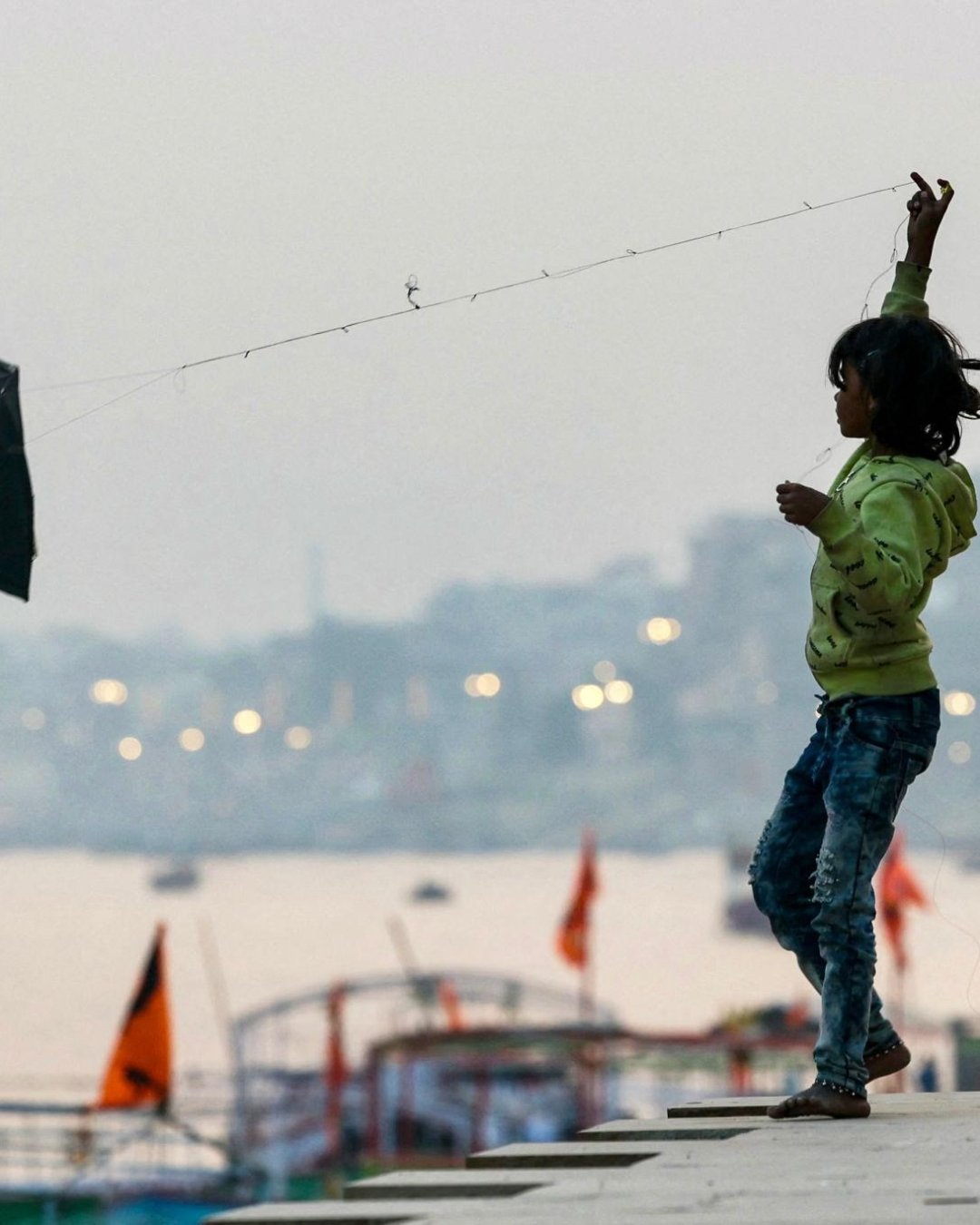
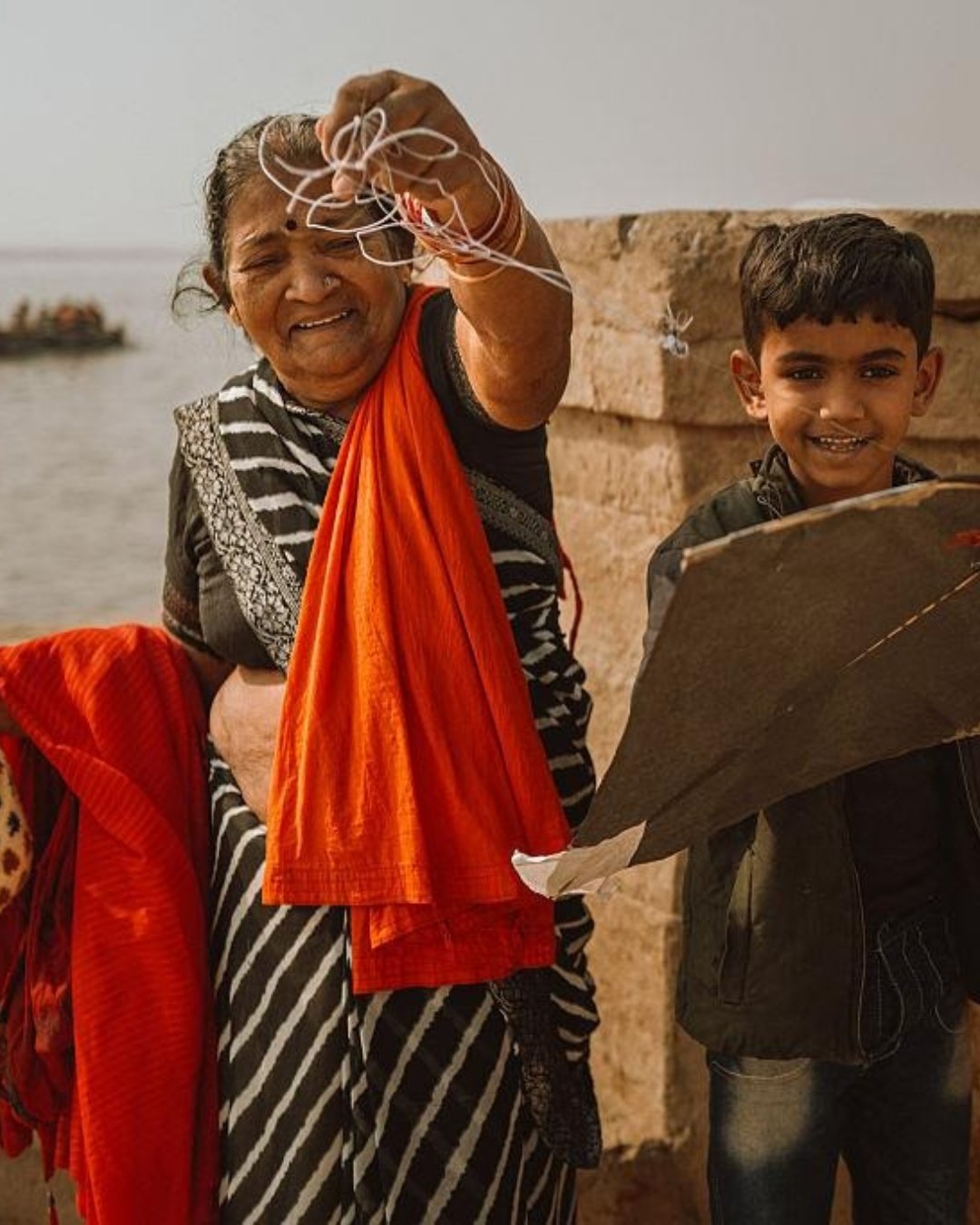
Makar Sankranti: Kites Over the Ghats
You've probably planned your Varanasi trip around the boat ride and the aarti, and picked your dates by what flights were cheap. But here's the thing nobody tells you: on one day in mid-January the entire sky over the ghats fills with kites — thousands of them, flown from every rooftop and every step, in a city-wide battle that's been going on for generations. Turn up the week before or the week after and you'll never know it happens. Turn up on the day and stay at river level, and you'll miss that the real game is played on the roofs above you.
Let's fix that. Here's how Makar Sankranti on the ghats actually works, and how to get it right the first time.
Why the date is the whole thing
Makar Sankranti falls on the same date every year — usually 14 January, occasionally the 15th — when the sun begins its northward turn. In Banaras it's a kite festival before it's anything else. The whole city climbs to its rooftops, the sky goes thick with paper, and the cry of "wo kaata!" — "it's cut!" — goes up every time someone's string saws through a rival's.
It's also a major bathing day: pilgrims take a holy dip in the Ganga at dawn, and the ghats are busy from first light. So the day has two halves — the sacred morning on the water, and the kite war that builds through the afternoon and peaks in the golden hour before sunset. Miss the date and none of it exists; the ghats are just the ghats.
What you'll actually see
The kites — the whole sky, from horizon to horizon, in every colour, dipping and cutting and falling.
The rooftops — where the serious flyers are. The ghats give you the spectacle; the roofs give you the game.
The dawn snan — pilgrims bathing at Assi and Dashashwamedh in the cold morning, before the kites take over.
The sweets — til and jaggery everywhere: tilkut, tilwa, sesame laddoos, sold on every corner.
Dress warm — mid-January mornings in Varanasi are genuinely cold, and you'll be out early and up high.
And this is the one day the phone comes out, not away. Unlike the quiet dawn of an ordinary boat ride, Sankranti is pure spectacle, and it's made to be shot — a sky full of kites over the river is one of the great sights in India. But watch one battle properly before you film it: pick two kites, follow the duel, and be there for the kaata — the moment one string cuts the other and a kite drifts free. That instant, and the roar that follows off a hundred rooftops, is the part a wide shot of the sky never quite catches.
Pro tip: Get on a rooftop. The ghats are spectacular, but the flyers are up top, and a terrace with a family teaching you to fly — and to hold the manjha — is the real experience. One serious warning, though: the glass-coated kite string is genuinely dangerous. It cuts hands, and stray falling manjha injures birds and people every year. Keep it away from children, watch your fingers, and never fly near overhead wires. Book a rooftop or a guide who provides safe string and a good vantage.
The mistakes that ruin it
Most first-timers trip over the same few things. They visit Varanasi on the wrong dates and never know the festival exists. They stay at ground level and watch instead of getting on a roof. Or they grab a spool of manjha without knowing it's coated in glass and cut their hands open.
The easy fix is to time your trip to 14 January and get onto a rooftop with someone who knows the safe string from the dangerous kind.
83
MomentAssi Ghat, Varanasi
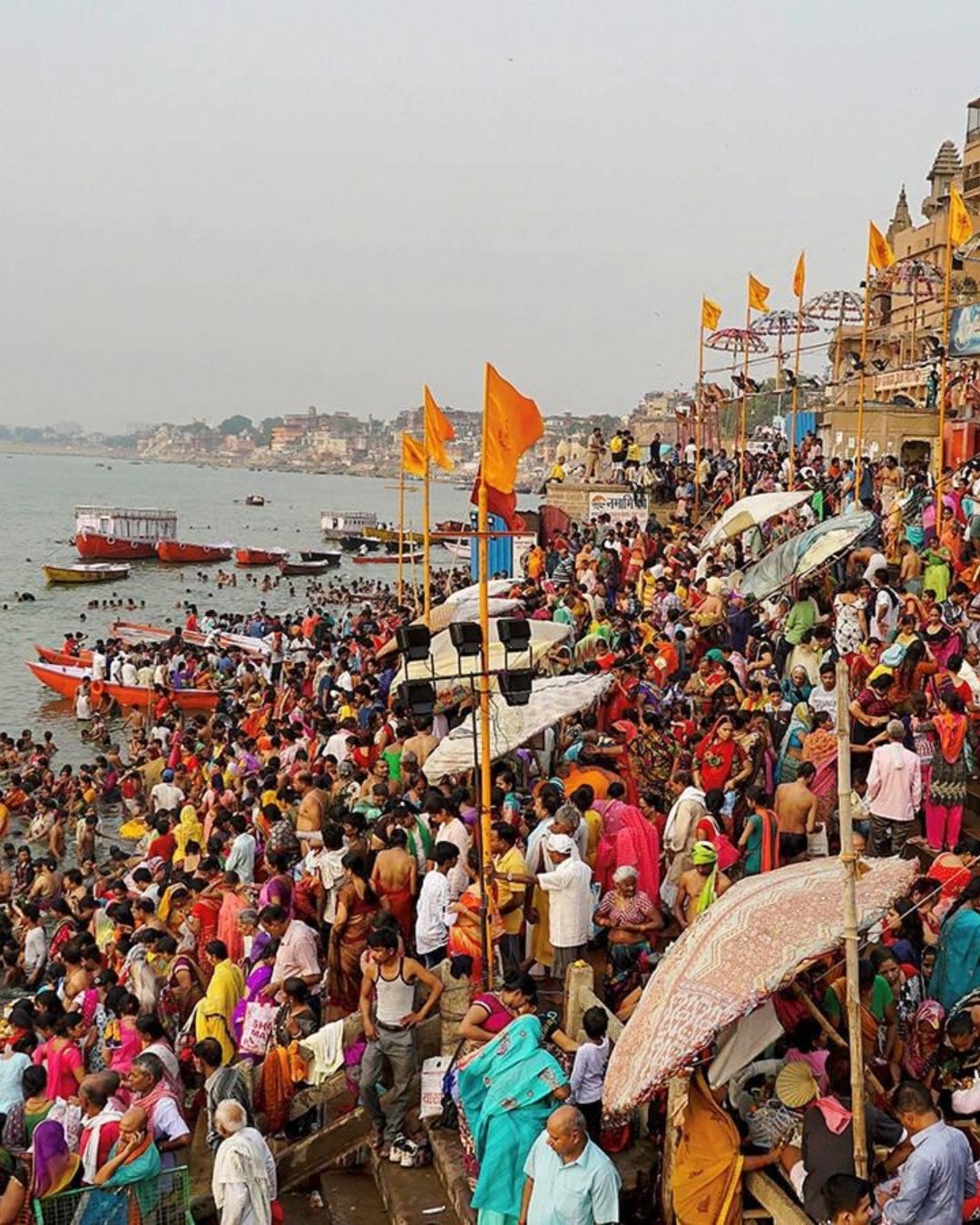
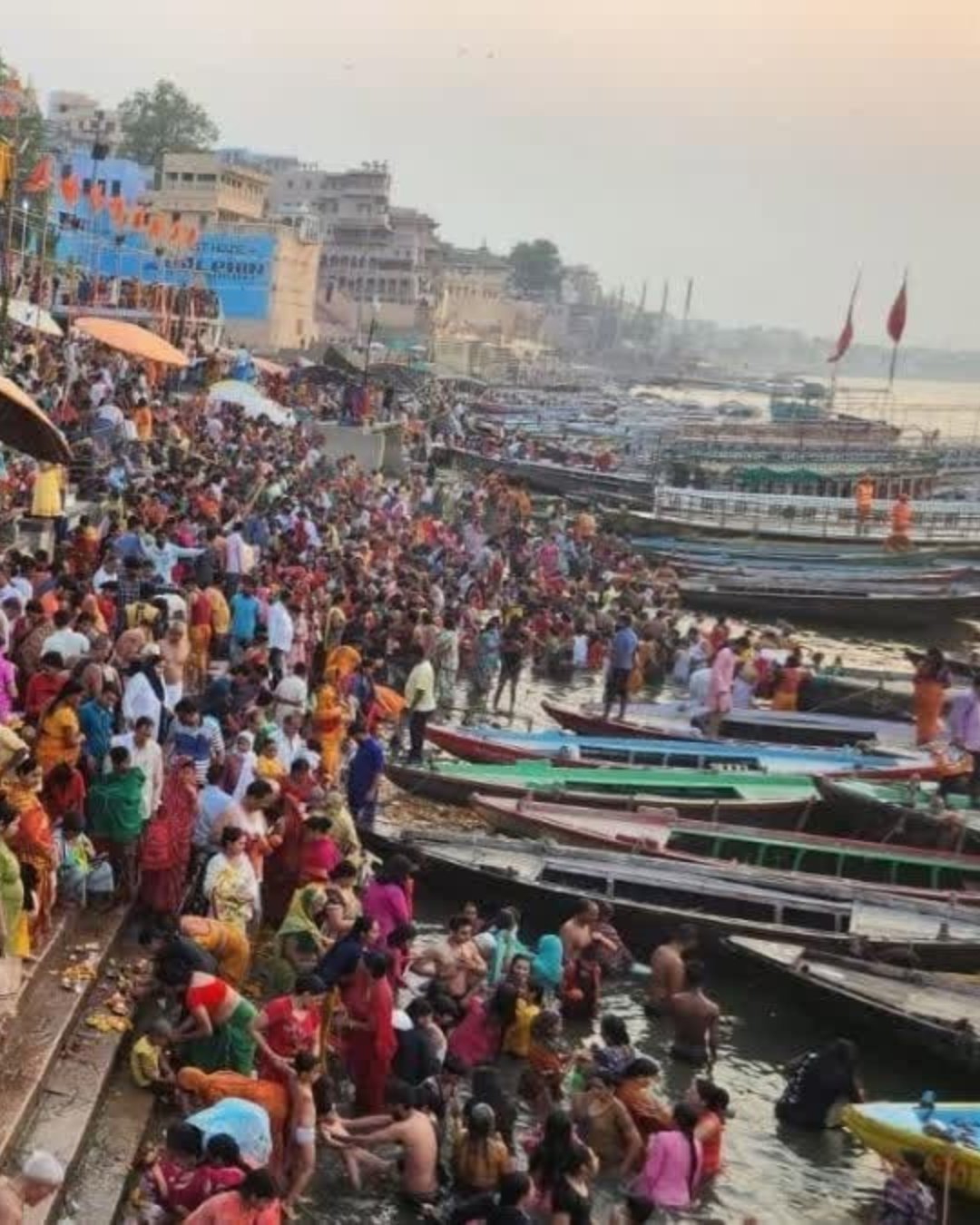
Ganga Dussehra & Hanuman Jayanti: The Ones Tourists Skip
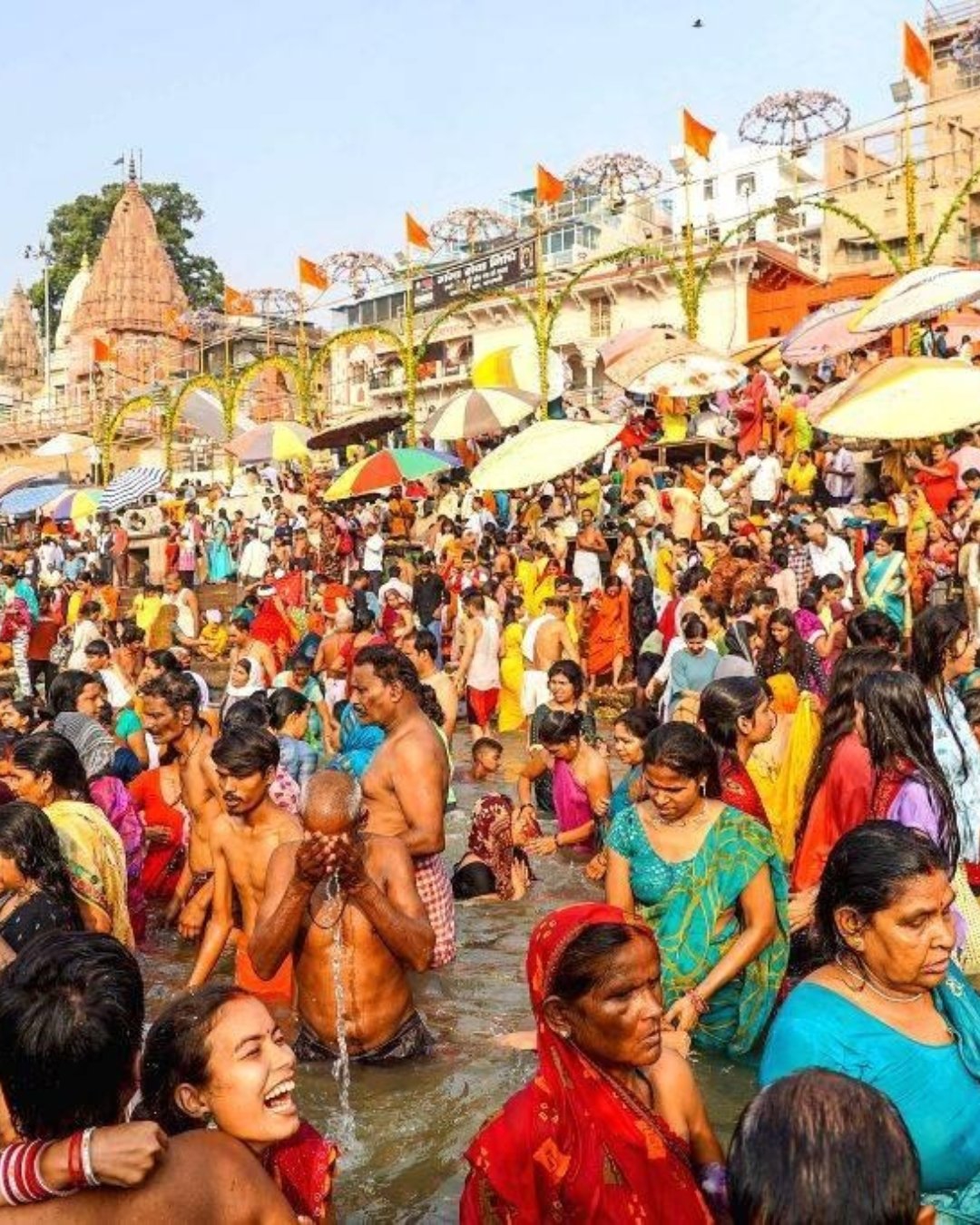
You've probably planned your trip around the sunrise boat ride and the evening aarti — the two things every itinerary lists. But here's the thing nobody tells you: some of the most extraordinary days on the ghats aren't on any tourist calendar at all. On Ganga Dussehra the whole city pours into the river to honour the day the Ganga herself came down to earth; on Hanuman Jayanti, Varanasi's own Sankat Mochan temple erupts in a celebration that has nothing to do with visitors. Turn up on an ordinary Tuesday and you'll never know these exist. Land on the right date and you'll see the city as it sees itself.
Let's fix that. Here's how these two festivals actually work, and how to get them right.
Why the date is the whole thing
Both run on the Hindu lunar calendar, so they move every year against the Western one. Ganga Dussehra falls in the month of Jyeshtha, roughly late May to mid-June, on the tenth day of the waxing moon — the day the river is believed to have descended from heaven. Hanuman Jayanti, marking Hanuman's birth, is celebrated in Varanasi around the Chaitra full moon, roughly late March to April. Get the dates wrong by a week and you've missed them entirely, so this is the rare trip you build around the calendar, not your convenience.
They're also hot-season festivals, which is exactly why tourists skip them — and why they belong to the locals.
What you'll actually see
Two very different days:
Ganga Dussehra — the ghats packed with pilgrims taking the holy dip, mass aartis, floating diyas by the thousand, and the river honoured as a living goddess.
Hanuman Jayanti at Sankat Mochan — the city's beloved Hanuman temple, founded by Tulsidas, in full flow: continuous recitation, prasad, marigold everywhere, and a devotional intensity you won't see on a normal day.
The processions and street life — both spill out of the temples and ghats into the lanes.
A local crowd, not a tourist one — you'll often be the only outsider there.
Dress modestly and lightly — it's hot — go barefoot where required, and carry small notes and water.
And on these days, mostly put the phone away. Travellers who've been present for either will tell you the same thing: the pull to film the colour and the crowds is strong, but these are acts of devotion, not performances laid on for anyone. Watch first. The scale of a whole city in the river at once, or the wall of sound inside Sankat Mochan, is the part the photos never quite catch — and pointing a camera at someone mid-prayer is the fastest way to feel like an intruder rather than a guest.
Pro tip: Confirm the exact dates the moment you're planning, because they shift each year and a week's error means you miss it. Go very early on Ganga Dussehra — the ghats fill fast and the heat builds. At Sankat Mochan, expect security and long queues on Hanuman Jayanti, and note it's a temple with its own history of a 2006 attack, so bags and phones may be restricted. And be a respectful presence: these aren't spectacles staged for visitors, and the right posture is quiet participation from the edge.
The mistakes that ruin it
Most visitors trip over the same few things. They never learn these festivals exist and schedule around them by accident. They get the lunar date wrong and arrive a week early or late. Or they treat a devotional day as a photo opportunity and misread the room.
The easy fix is to check the dates early, plan the trip around them, and come knowing you're a guest at someone else's celebration.
67
MomentVaranasi, Haldwani
The Month-by-Month Festival Calendar
You've probably picked your dates off a flight-price calendar. Cheapest fare, a free week, done. But here's the thing nobody tells you: in Varanasi, the week you come can matter more than anything else you plan. Land on the Kartik full moon and you'll see a million oil lamps down every ghat; land the wrong week in Sawan and you'll spend three hours in a darshan queue you didn't know existed. The city runs on a lunar religious calendar, and most visitors book blind to it.
Let's fix that. Here's how Varanasi's festival year actually works, and how to get your dates right the first time.
Why the lunar calendar decides everything
Almost every festival here moves. They're set by the Hindu lunar calendar, so they slide across the Gregorian months year to year — Holi might fall in early March one year and late March the next, Dev Deepavali in mid or late November. That's why "I'll come in November" isn't a plan; the same fortnight can be an ordinary quiet week or the single biggest night on the river.
So you work backwards. Decide whether you want a festival — the spectacle and the crowds — or want to avoid one, then set your dates to the actual lunar date for that year, not the month.
What you'll actually see, month by month
The headline events, roughly when they land:
January — Makar Sankranti: kite-flying over the ghats and a mass holy dip.
Feb–March — Maha Shivratri: enormous here, in Shiva's own city.
March — Holi, and the unique Masaan Holi at Manikarnika, where ash is played with among the pyres.
May — Buddha Purnima at nearby Sarnath, where the Buddha first taught.
May–June — Ganga Dussehra: the river's own festival.
July–Aug — Sawan: the Mondays fill Kashi Vishwanath to bursting.
Sep–Oct — the month-long Ramlila of Ramnagar, and Nag Nathaiya at Tulsi Ghat.
October — Navratri and Dussehra.
November — Dev Deepavali (Kartik Purnima): the ghats lit end to end with lamps, the peak of the year, and Ganga Mahotsav alongside it.
What no calendar quite prepares you for
And here's the honest note on the phone: at a festival like Dev Deepavali, yes, you'll photograph — a million lamps demands it. But travellers who've stood in it will tell you the same thing: the picture never holds the scale, the sound, or the heat of the crowd, so look first and shoot second. And at Masaan Holi, put the phone away entirely — it happens at a cremation ground, and it isn't a spectacle for your feed. Knowing which festival wants your camera and which wants your respect is the part the calendar alone won't teach you.
Pro tip: For the big nights — Dev Deepavali, Maha Shivratri, Holi — book accommodation and a boat months ahead, because the city fills and prices climb. See Dev Deepavali from the water, not the packed steps. And check the exact lunar date for your travel year before you lock flights, because a three-day miss is the difference between the lamp-lit river and an empty one.
The mistakes that ruin it
Most first-timers trip over the same few things. They book by month and miss the festival by a week. They arrive at a peak night with no room and no boat booked. Or they hit Sawan or Shivratri unaware and lose a day to crowds they didn't plan for.
The easy fix is to decide whether you want a festival or not, pin the real date for your year, and book early — or let your dates be planned around the calendar rather than the airfare.
Destination
Varanasi, Uttar Pradesh, India
Common questions
01Question
What is the most famous festival in Varanasi?
Dev Deepawali (Dev Diwali) is widely regarded as Varanasi's most iconic festival, especially from a tourism and visual-experience perspective. Celebrated on Kartik Purnima, about 15 days after Diwali, it transforms the Ganga ghats into a spectacular sea of thousands of diyas, with illuminated temples, river ceremonies, and reflections of the lamps shimmering across the Ganga.
02Question
Which month is best to visit Varanasi for festivals?
November is generally the best month to visit Varanasi for festivals, especially if you want to experience the city's famous Dev Deepawali celebrations. Around Kartik Purnima, the ghats are illuminated with thousands of diyas, accompanied by Ganga Aarti, prayers, cultural performances, and boat views of the glowing riverfront.
03Question
How is Dev Deepawali celebrated in Varanasi?
Dev Deepawali is celebrated on Kartik Purnima, around 15 days after Diwali. In Varanasi, the celebration is centered around the Ganga and its ghats, which are decorated with thousands of earthen lamps (diyas). Devotees light lamps as an offering to the Ganga, while temples and ghats are illuminated, creating a spectacular spiritual atmosphere.
04Question
What is Ramnagar Ramlila and why is it UNESCO- recognized?
Ramnagar Ramlila is a traditional, large-scale theatrical retelling of the Ramayana held annually in Ramnagar, across the Ganga from Varanasi. Unlike a conventional stage performance, the entire town becomes part of the theatre: different locations represent places such as Ayodhya, Janakpur, the forest and Lanka, and audiences move from one location to another as the story unfolds.
05Question
How many days is Chhath Puja and what happens?
Chhath Puja is a four-day Hindu festival dedicated primarily to Surya Dev (the Sun God) and Chhathi Maiya. It is especially celebrated across Bihar, Jharkhand, eastern Uttar Pradesh and parts of Nepal. One of its most distinctive features is that devotees offer prayers to both the setting sun and the rising sun.
Day 1 · Nahay Khay
Devotees begin the Chhath observance with a ritual bath, cleanliness, fasting preparations, and a simple traditional meal.
Day 2 · Kharna
A day of fasting concludes with an evening prayer and preparation of sacred prasad, traditionally including gur (jaggery) kheer and roti.
Day 3 · Sandhya Arghya
The main evening ritual begins as devotees gather at the Ganga ghats and offer Arghya to the setting Sun, accompanied by prayers, songs, and diyas.
Day 4 · Usha Arghya
Before sunrise, devotees return to the river to offer Arghya to the rising Sun. The ritual concludes the four-day Chhath observance and the fast is traditionally broken afterward.
06Question
Is Varanasi safe for tourists during Holi?
Yes, but Holi in Varanasi requires extra caution. The city itself is generally visitable, but the Holi morning celebrations can become extremely crowded and unpredictable, particularly in the Old City and around major ghats. Recent local travel guidance specifically warns about aggressive crowds, unwanted physical contact, isolated lanes, and the use of irritating synthetic colours.
07Question
Can you see all Varanasi festivals in one trip?
No — not realistically. Varanasi's major festivals are spread throughout the year, so there isn't a single trip when you can experience all of them. The city's festival calendar includes Dev Deepawali, Mahashivratri, Holi, Nag Nathaiya, Buddha Purnima, Ganga Dussehra, Makar Sankranti, Ganga Mahotsav, Ramnagar Ramlila and many other celebrations.
More to explore
Go further into one part of this trip.