

Makar Sankranti: Kites Over the Ghats
Vintage Riverfront Cottage by The Vintage Homestay, Varanasi, India
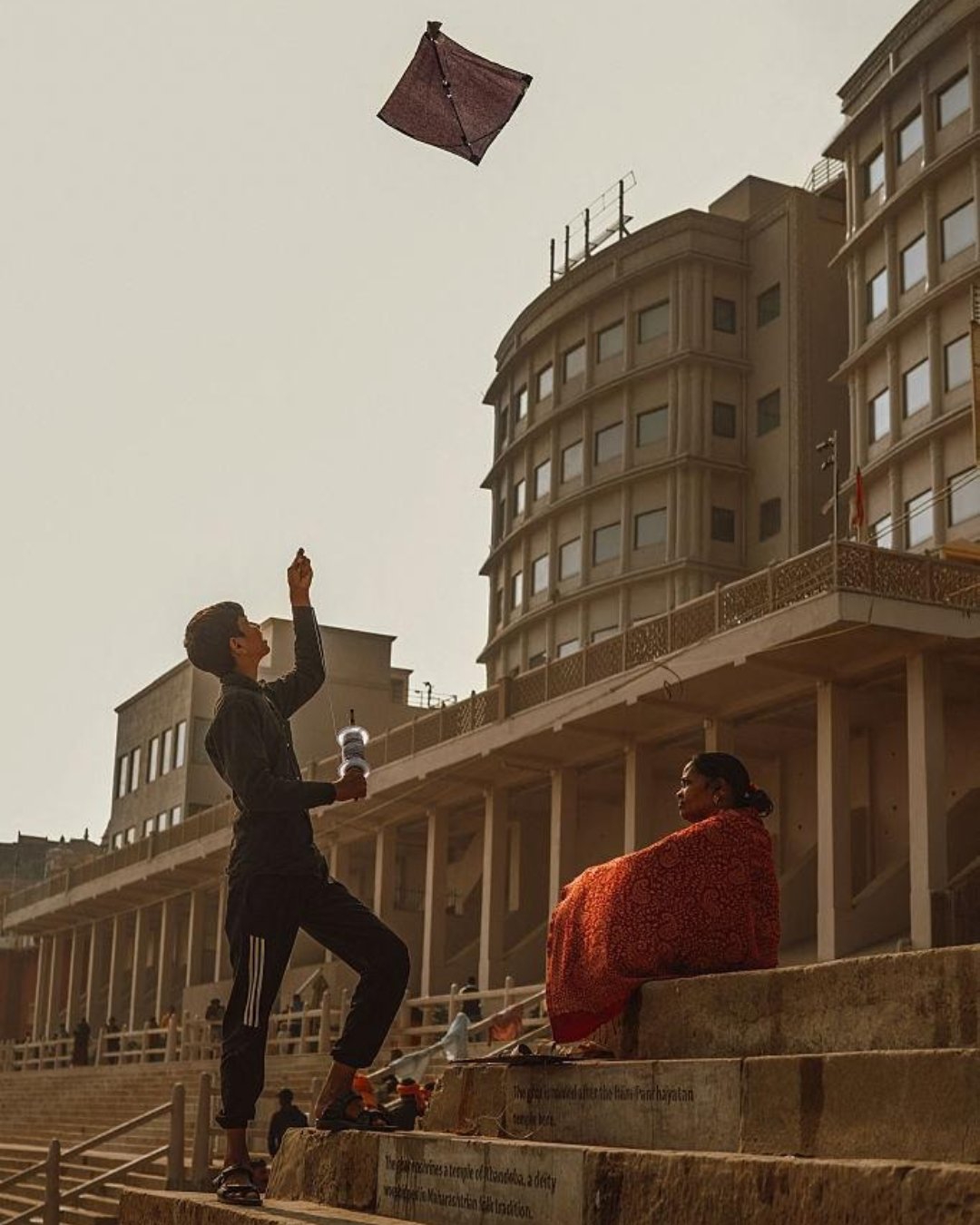
You've probably planned your Varanasi trip around the boat ride and the aarti, and picked your dates by what flights were cheap. But here's the thing nobody tells you: on one day in mid-January the entire sky over the ghats fills with kites — thousands of them, flown from every rooftop and every step, in a city-wide battle that's been going on for generations. Turn up the week before or the week after and you'll never know it happens. Turn up on the day and stay at river level, and you'll miss that the real game is played on the roofs above you.
Let's fix that. Here's how Makar Sankranti on the ghats actually works, and how to get it right the first time.
Why the date is the whole thing
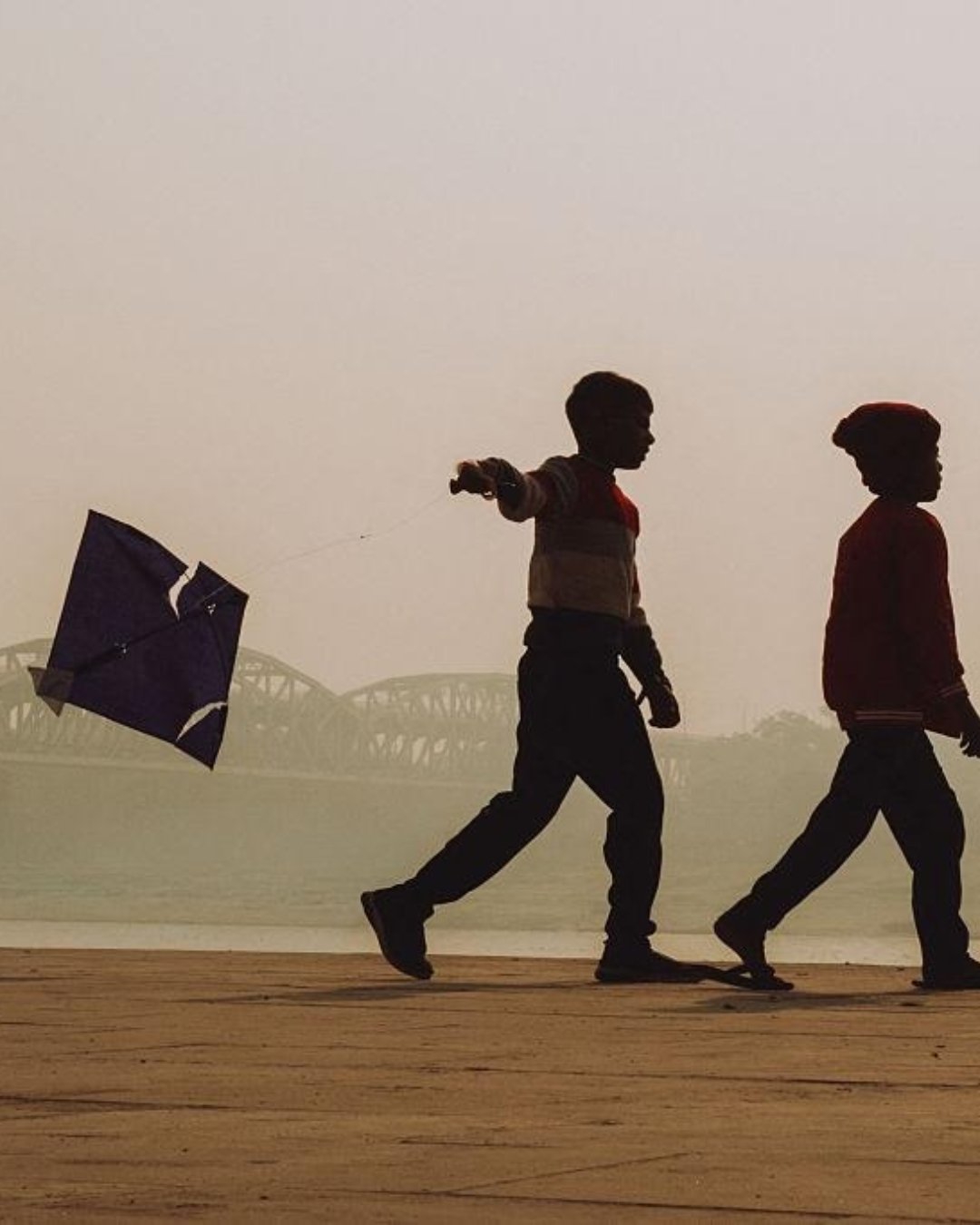
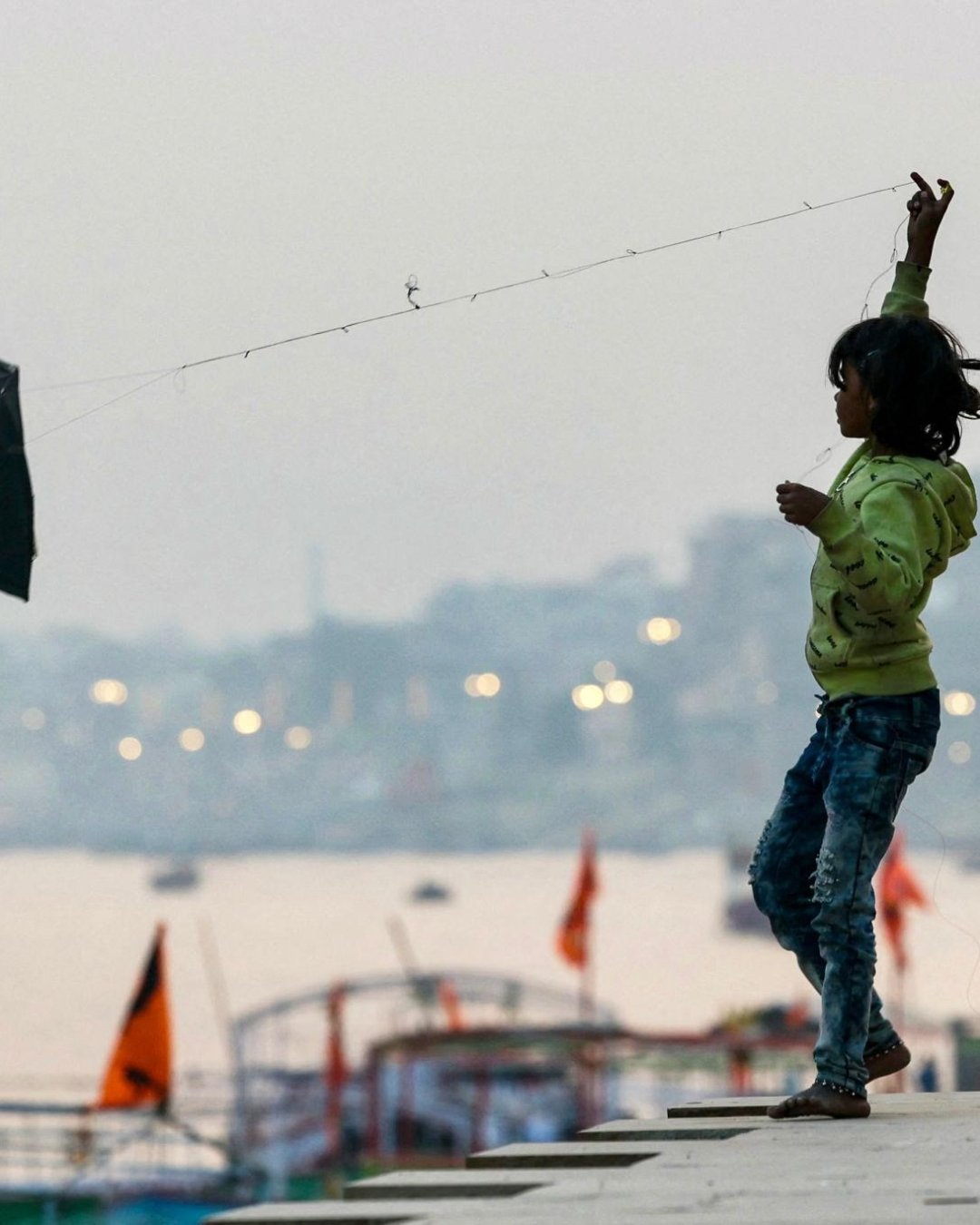
Makar Sankranti falls on the same date every year — usually 14 January, occasionally the 15th — when the sun begins its northward turn. In Banaras it's a kite festival before it's anything else. The whole city climbs to its rooftops, the sky goes thick with paper, and the cry of "wo kaata!" — "it's cut!" — goes up every time someone's string saws through a rival's.
It's also a major bathing day: pilgrims take a holy dip in the Ganga at dawn, and the ghats are busy from first light. So the day has two halves — the sacred morning on the water, and the kite war that builds through the afternoon and peaks in the golden hour before sunset. Miss the date and none of it exists; the ghats are just the ghats.
What you'll actually see
The kites — the whole sky, from horizon to horizon, in every colour, dipping and cutting and falling.
The rooftops — where the serious flyers are. The ghats give you the spectacle; the roofs give you the game.
The dawn snan — pilgrims bathing at Assi and Dashashwamedh in the cold morning, before the kites take over.
The sweets — til and jaggery everywhere: tilkut, tilwa, sesame laddoos, sold on every corner.
Dress warm — mid-January mornings in Varanasi are genuinely cold, and you'll be out early and up high.
And this is the one day the phone comes out, not away. Unlike the quiet dawn of an ordinary boat ride, Sankranti is pure spectacle, and it's made to be shot — a sky full of kites over the river is one of the great sights in India. But watch one battle properly before you film it: pick two kites, follow the duel, and be there for the kaata — the moment one string cuts the other and a kite drifts free. That instant, and the roar that follows off a hundred rooftops, is the part a wide shot of the sky never quite catches.
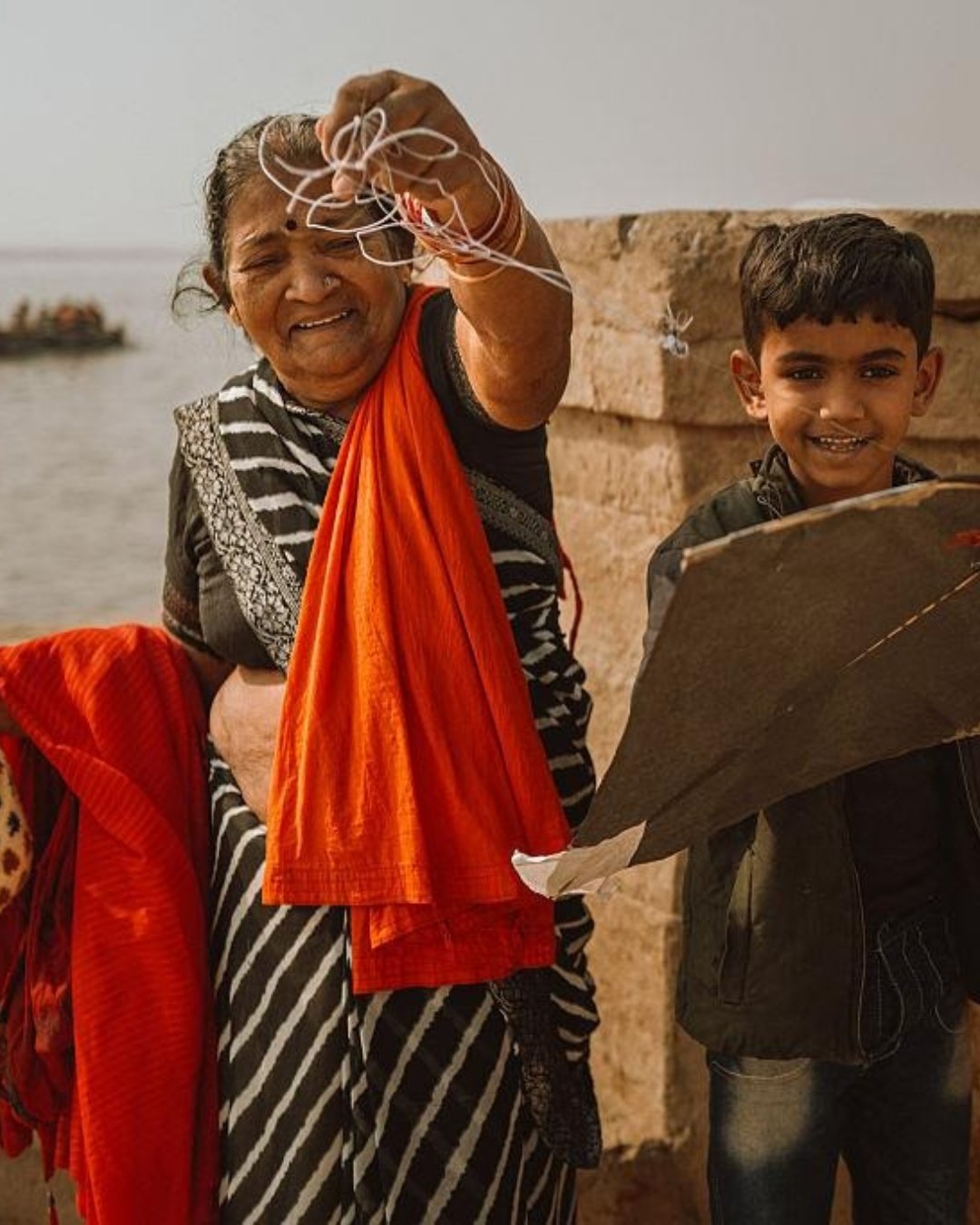
Pro tip: Get on a rooftop. The ghats are spectacular, but the flyers are up top, and a terrace with a family teaching you to fly — and to hold the manjha — is the real experience. One serious warning, though: the glass-coated kite string is genuinely dangerous. It cuts hands, and stray falling manjha injures birds and people every year. Keep it away from children, watch your fingers, and never fly near overhead wires. Book a rooftop or a guide who provides safe string and a good vantage.
The mistakes that ruin it
Most first-timers trip over the same few things. They visit Varanasi on the wrong dates and never know the festival exists. They stay at ground level and watch instead of getting on a roof. Or they grab a spool of manjha without knowing it's coated in glass and cut their hands open.
The easy fix is to time your trip to 14 January and get onto a rooftop with someone who knows the safe string from the dangerous kind.