

The Month-by-Month Festival Calendar
Varanasi, Haldwani, India
You've probably picked your dates off a flight-price calendar. Cheapest fare, a free week, done. But here's the thing nobody tells you: in Varanasi, the week you come can matter more than anything else you plan. Land on the Kartik full moon and you'll see a million oil lamps down every ghat; land the wrong week in Sawan and you'll spend three hours in a darshan queue you didn't know existed. The city runs on a lunar religious calendar, and most visitors book blind to it.
Let's fix that. Here's how Varanasi's festival year actually works, and how to get your dates right the first time.
Why the lunar calendar decides everything
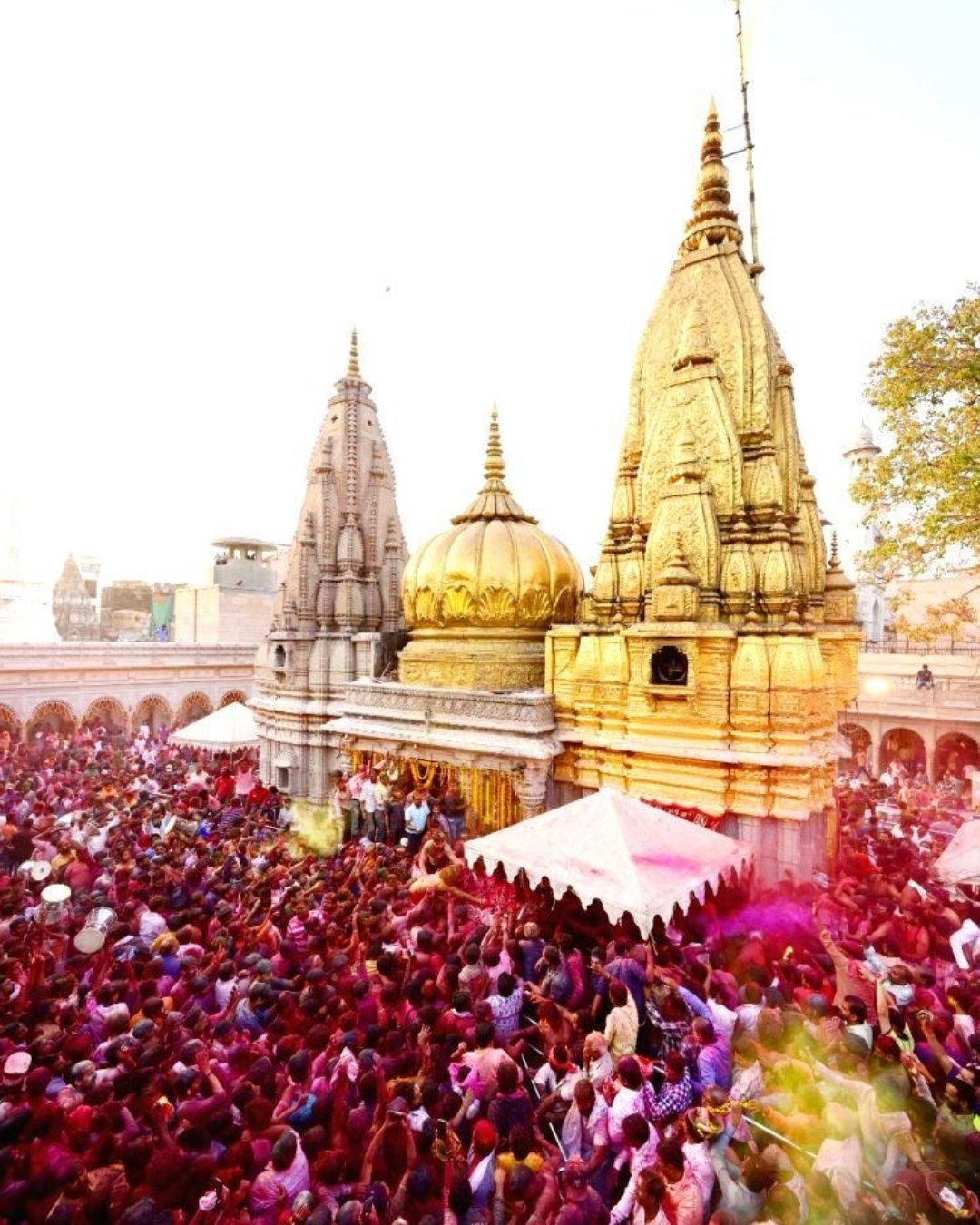
Almost every festival here moves. They're set by the Hindu lunar calendar, so they slide across the Gregorian months year to year — Holi might fall in early March one year and late March the next, Dev Deepavali in mid or late November. That's why "I'll come in November" isn't a plan; the same fortnight can be an ordinary quiet week or the single biggest night on the river.
So you work backwards. Decide whether you want a festival — the spectacle and the crowds — or want to avoid one, then set your dates to the actual lunar date for that year, not the month.
What you'll actually see, month by month
The headline events, roughly when they land:
January — Makar Sankranti: kite-flying over the ghats and a mass holy dip.
Feb–March — Maha Shivratri: enormous here, in Shiva's own city.
March — Holi, and the unique Masaan Holi at Manikarnika, where ash is played with among the pyres.
May — Buddha Purnima at nearby Sarnath, where the Buddha first taught.
May–June — Ganga Dussehra: the river's own festival.
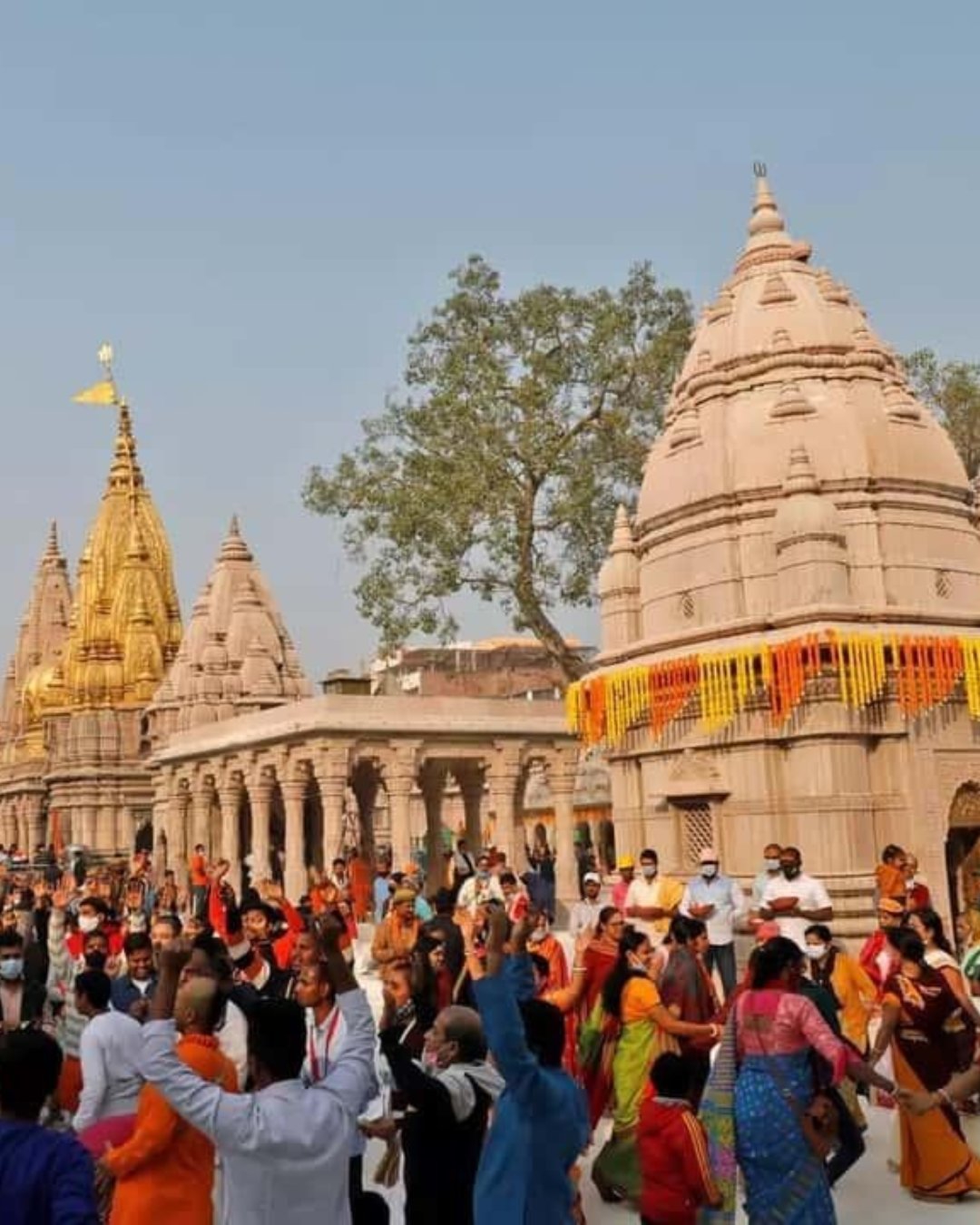
July–Aug — Sawan: the Mondays fill Kashi Vishwanath to bursting.
Sep–Oct — the month-long Ramlila of Ramnagar, and Nag Nathaiya at Tulsi Ghat.
October — Navratri and Dussehra.
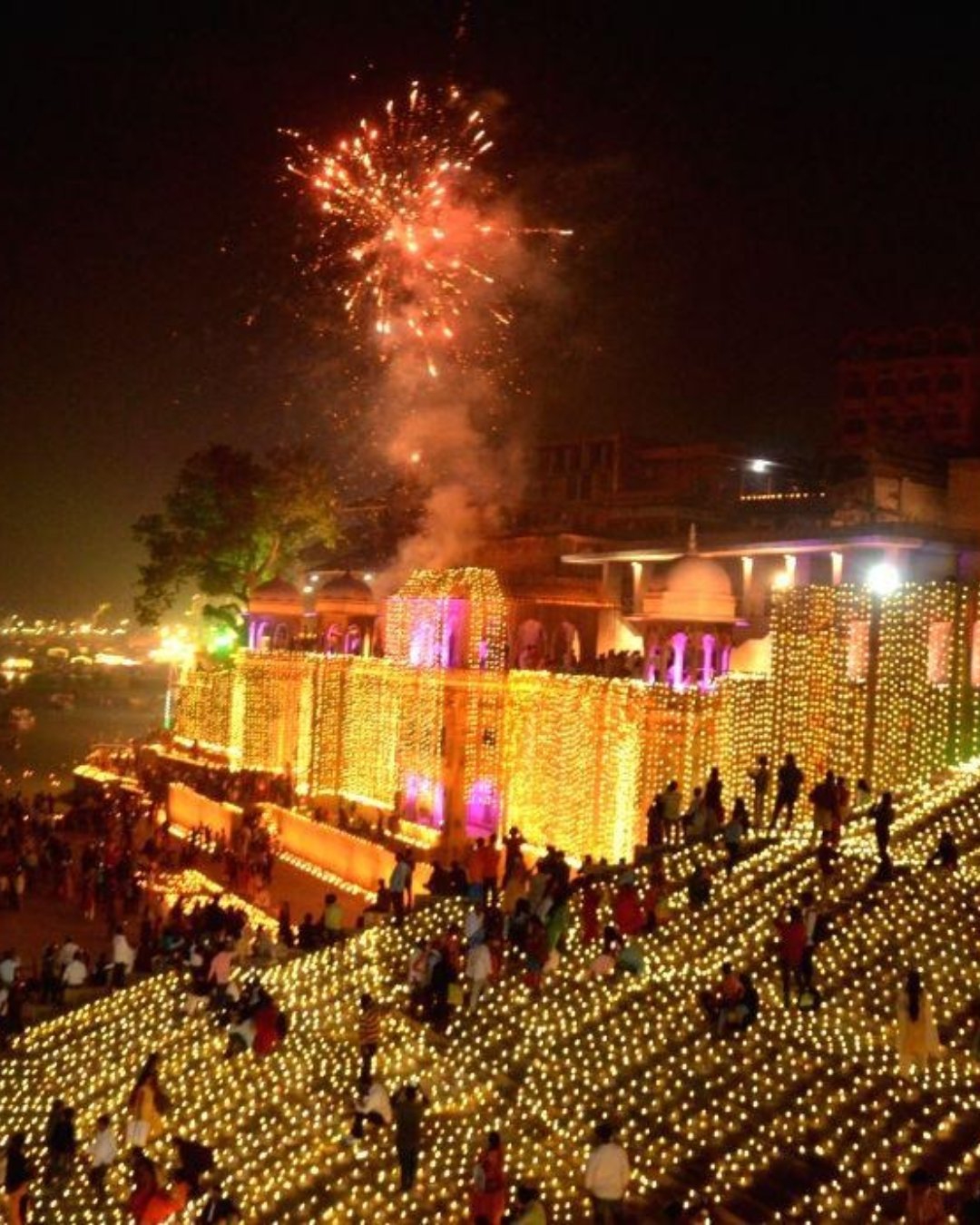
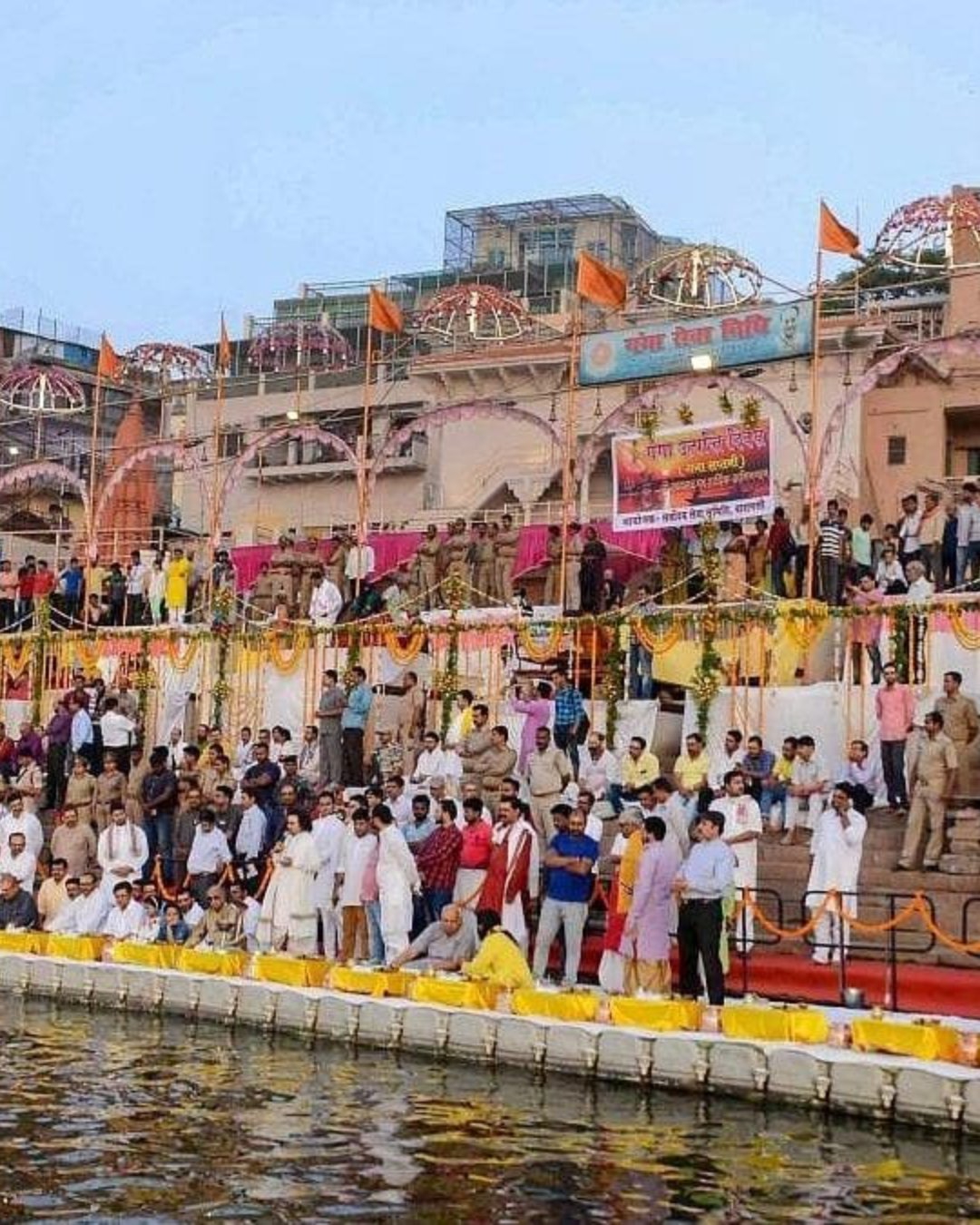
November — Dev Deepavali (Kartik Purnima): the ghats lit end to end with lamps, the peak of the year, and Ganga Mahotsav alongside it.
What no calendar quite prepares you for
And here's the honest note on the phone: at a festival like Dev Deepavali, yes, you'll photograph — a million lamps demands it. But travellers who've stood in it will tell you the same thing: the picture never holds the scale, the sound, or the heat of the crowd, so look first and shoot second. And at Masaan Holi, put the phone away entirely — it happens at a cremation ground, and it isn't a spectacle for your feed. Knowing which festival wants your camera and which wants your respect is the part the calendar alone won't teach you.
Pro tip: For the big nights — Dev Deepavali, Maha Shivratri, Holi — book accommodation and a boat months ahead, because the city fills and prices climb. See Dev Deepavali from the water, not the packed steps. And check the exact lunar date for your travel year before you lock flights, because a three-day miss is the difference between the lamp-lit river and an empty one.
The mistakes that ruin it
Most first-timers trip over the same few things. They book by month and miss the festival by a week. They arrive at a peak night with no room and no boat booked. Or they hit Sawan or Shivratri unaware and lose a day to crowds they didn't plan for.
The easy fix is to decide whether you want a festival or not, pin the real date for your year, and book early — or let your dates be planned around the calendar rather than the airfare.