

Ramnagar Ramlila: A 31-Day Epic That Uses an Entire Town as Its Stage
Ramnagar Road, Varanasi, India
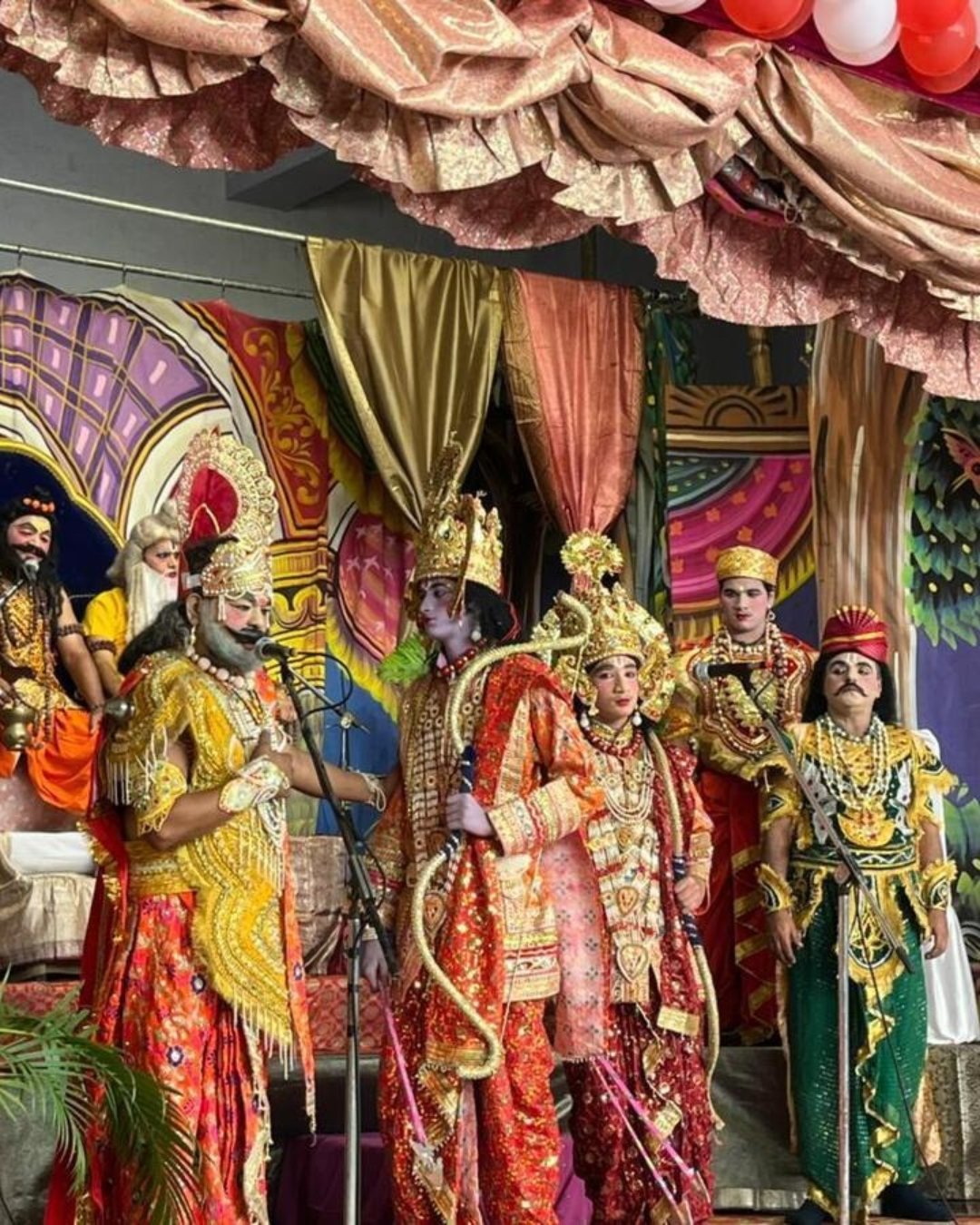
You've probably seen a Ramlila somewhere — a stage, loudspeakers, a Ravana effigy, a couple of evenings around Dussehra. So you assume Ramnagar's is more of the same, a show you drop in on for a night. But here's the thing nobody tells you: this one runs for a month, across a whole town, by lantern-light, with no microphones and no stage — and if you turn up for one random evening expecting a spectacle, you'll catch a slow, sung scene you don't have the thread to follow, and leave wondering what the fuss is about.
Let's fix that. Here's how the Ramnagar Ramlila actually works, and how to get it right the first time.
Why the timing is everything
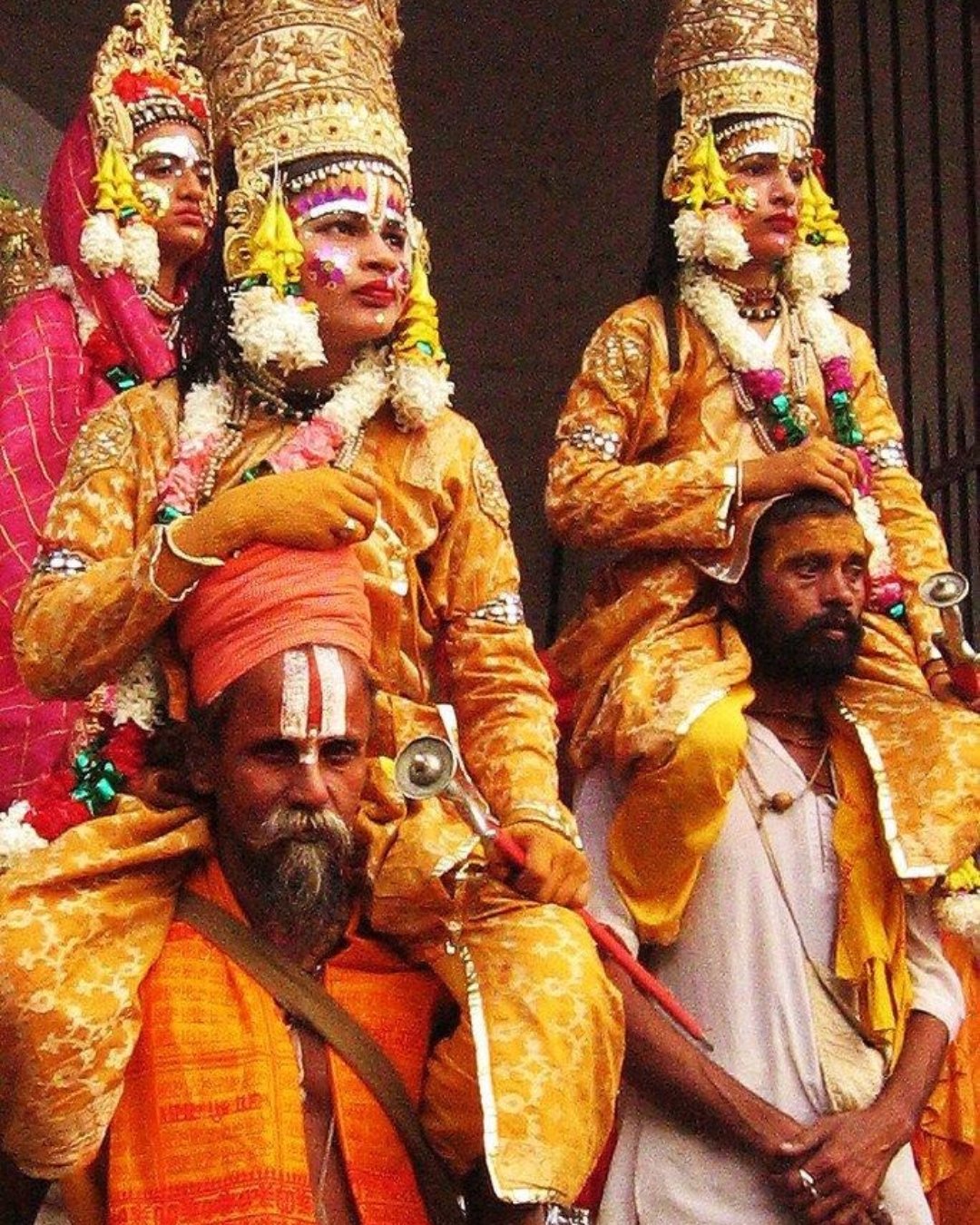
This isn't a performance you attend; it's a cycle you join. The Ramnagar Ramlila runs for roughly 31 nights through the month of Ashwin — September into October — staged by tradition under the patronage of the Maharaja of Banaras, and it's one of the reasons UNESCO recognised Ramlila as intangible heritage. Each night covers one chapter of the Ramayana, in sequence, so the night you pick decides what you see.
Some nights are quiet and devotional; a few are enormous — the Bharat Milap, the burning of Lanka, the coronation. So you don't come "to the Ramlila," you come to a specific night, chosen on purpose, ideally after learning where the story has reached. Get that right and it's extraordinary. Turn up blind and you may land on a slow interlude.
What you'll actually see
The whole town of Ramnagar, across the Ganga from the city, is the set — no single stage, but permanent sites scattered around it standing for Ayodhya, Janakpur, Lanka:
The moving audience — the crowd walks from site to site as the story does, sometimes over a kilometre between scenes.
The Ramayanis — sadhus and devotees who chant the Ramcharitmanas and follow the entire month-long cycle.
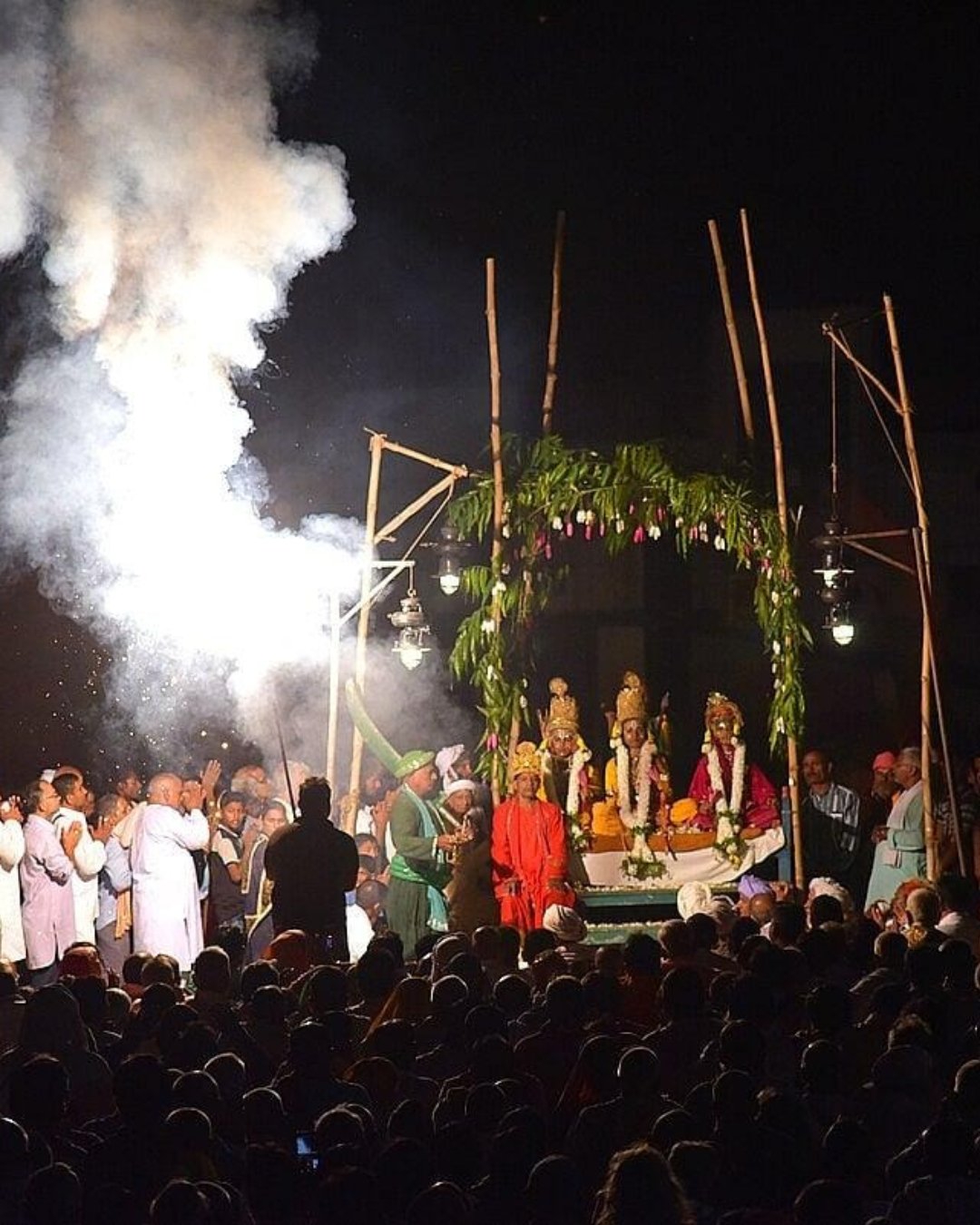
The lighting — gas and petromax lanterns, not electric floods. The look is deliberately unchanged in nearly two centuries.
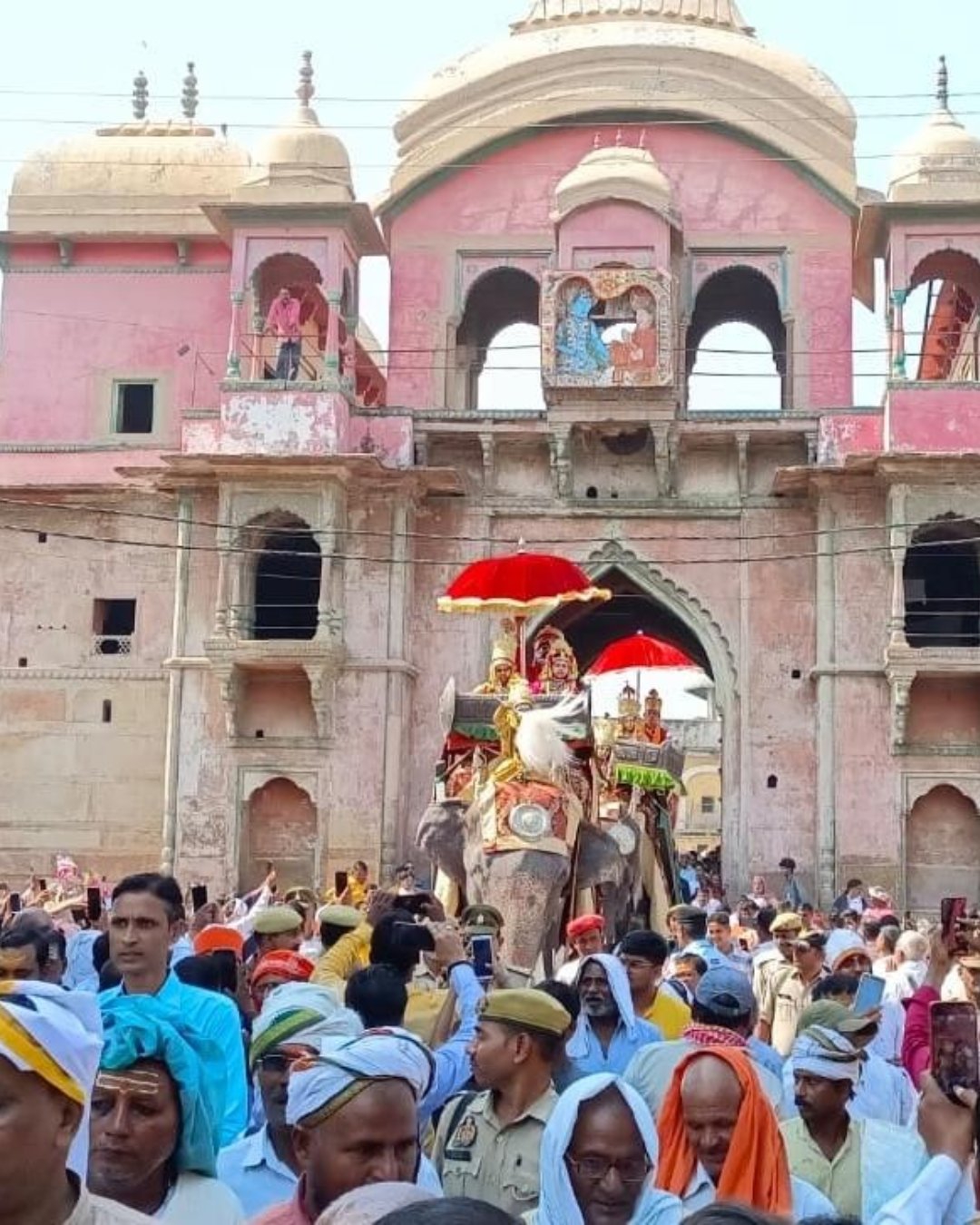
The Maharaja — who traditionally attends, sometimes by elephant, part of the spectacle himself.
Ramnagar Fort — the family's riverside seat, worth seeing by day before the evening's lila.
Come with water, a torch, and patience — you'll be walking, standing and waiting between scenes, often after dark on uneven ground.
And put the phone away entirely for this one. There's no amplification and little light, so photos and video mostly fail — and more to the point, this is a devotional act, not a show staged for visitors. Travellers who've sat through a night will tell you the same thing: the power is in the sung verse carrying across a dark field, the crowd murmuring the lines they've known since childhood, a scene lit by a single lantern. That's the part no phone was ever going to hold.
Pro tip: Check which chapter falls on your date and pick a marquee night — Bharat Milap or the Lanka burning if you can — and go with someone who can follow the Awadhi and tell you what's happening, because without that thread it's opaque. Cross to Ramnagar in daylight, see the fort, and settle in before dusk. Dress modestly, expect crowds on the big nights, and don't plan anything early the next morning; these run late.
The mistakes that ruin it
Most first-timers trip over the same few things. They come on a random night with no idea where the story is. They expect a fixed stage and a two-hour show, not a walking, month-long cycle. Or they treat it as a photo opportunity in a place where the camera is useless and unwelcome.
The easy fix is to pick your night by the story, go with someone who knows it, and let it unfold at its own pace rather than chasing a spectacle.