

Ganga Dussehra & Hanuman Jayanti: The Ones Tourists Skip
Assi Ghat, Varanasi, India
You've probably planned your trip around the sunrise boat ride and the evening aarti — the two things every itinerary lists. But here's the thing nobody tells you: some of the most extraordinary days on the ghats aren't on any tourist calendar at all. On Ganga Dussehra the whole city pours into the river to honour the day the Ganga herself came down to earth; on Hanuman Jayanti, Varanasi's own Sankat Mochan temple erupts in a celebration that has nothing to do with visitors. Turn up on an ordinary Tuesday and you'll never know these exist. Land on the right date and you'll see the city as it sees itself.
Let's fix that. Here's how these two festivals actually work, and how to get them right.
Why the date is the whole thing
Both run on the Hindu lunar calendar, so they move every year against the Western one. Ganga Dussehra falls in the month of Jyeshtha, roughly late May to mid-June, on the tenth day of the waxing moon — the day the river is believed to have descended from heaven. Hanuman Jayanti, marking Hanuman's birth, is celebrated in Varanasi around the Chaitra full moon, roughly late March to April. Get the dates wrong by a week and you've missed them entirely, so this is the rare trip you build around the calendar, not your convenience.
They're also hot-season festivals, which is exactly why tourists skip them — and why they belong to the locals.
What you'll actually see
Two very different days:
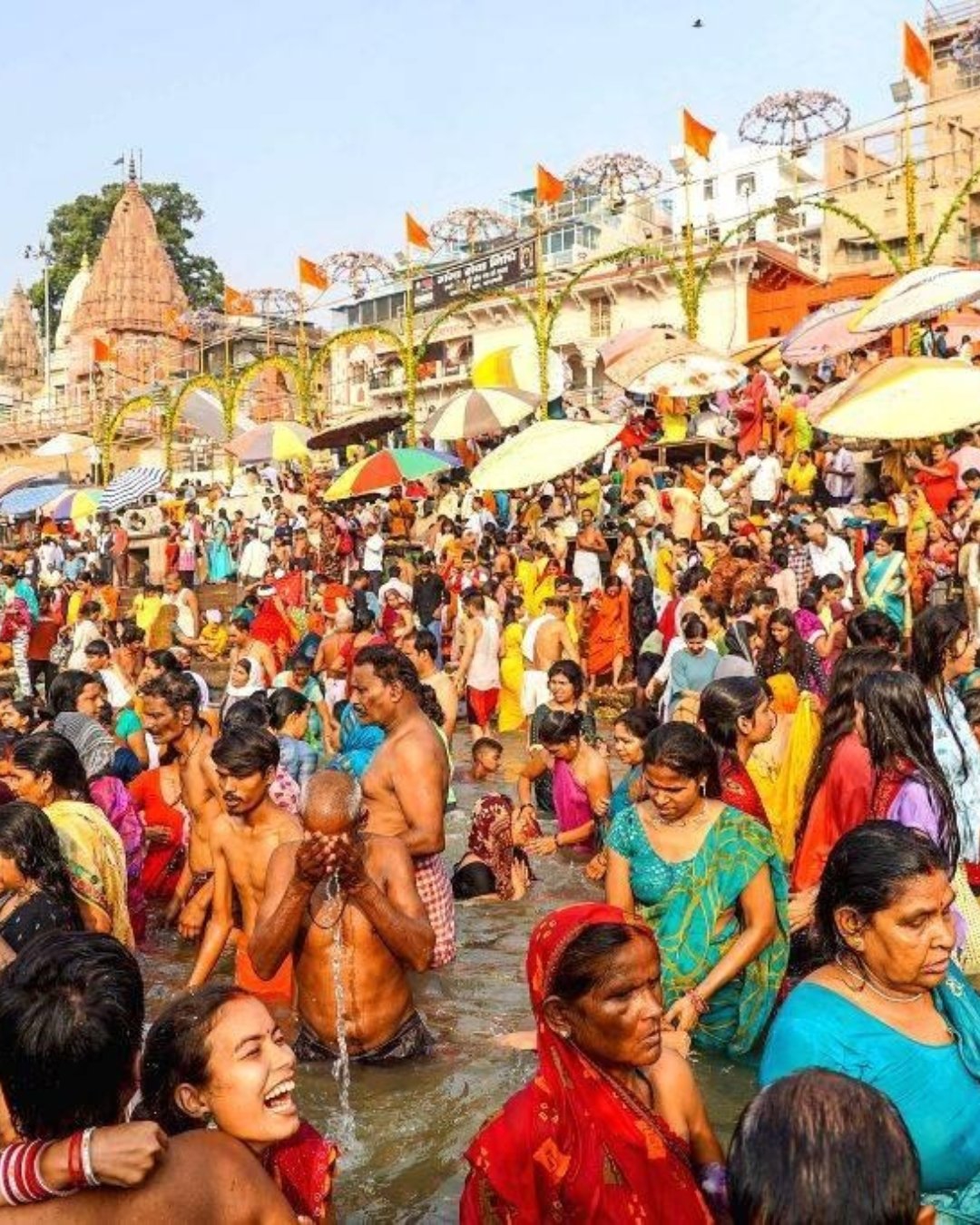
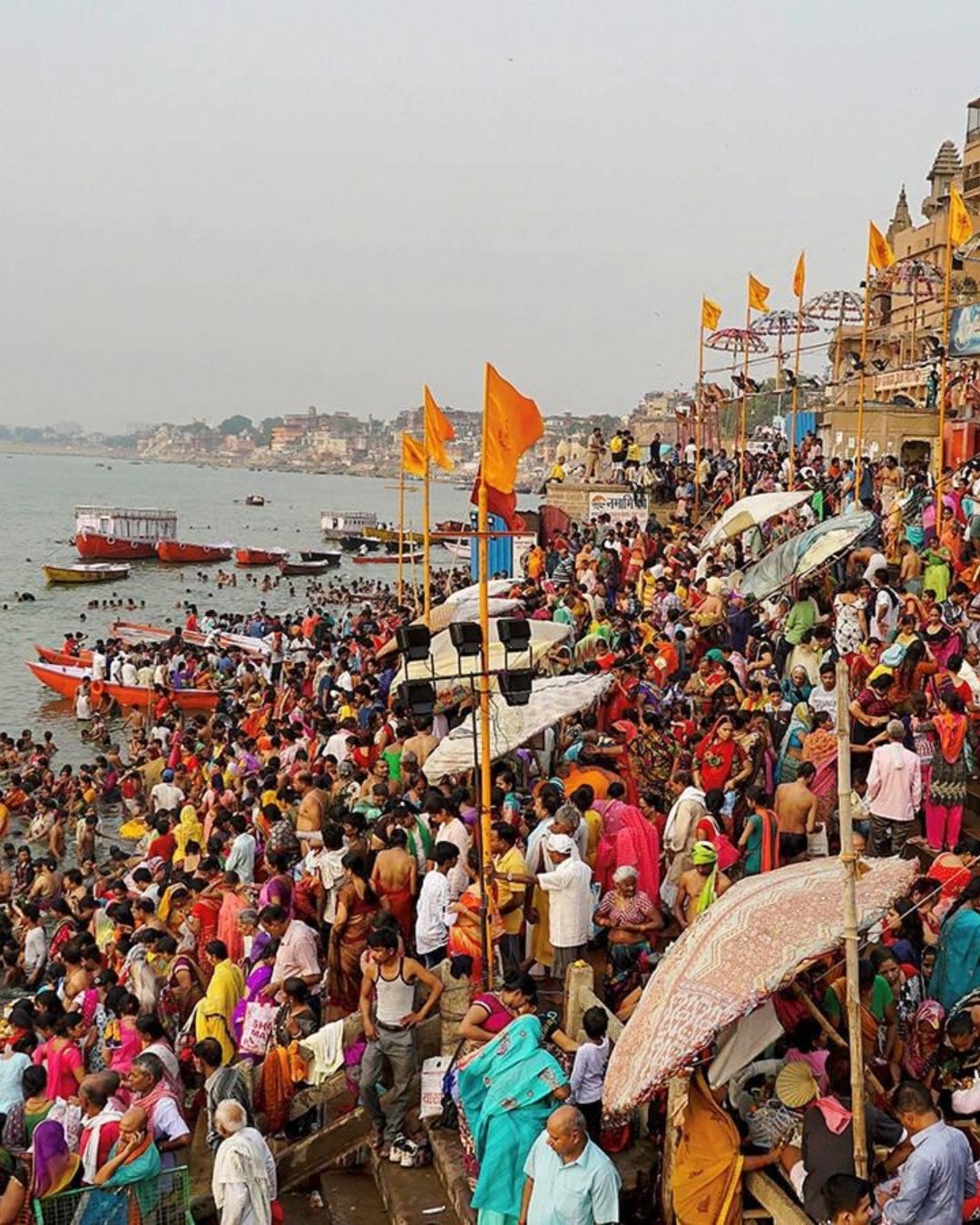
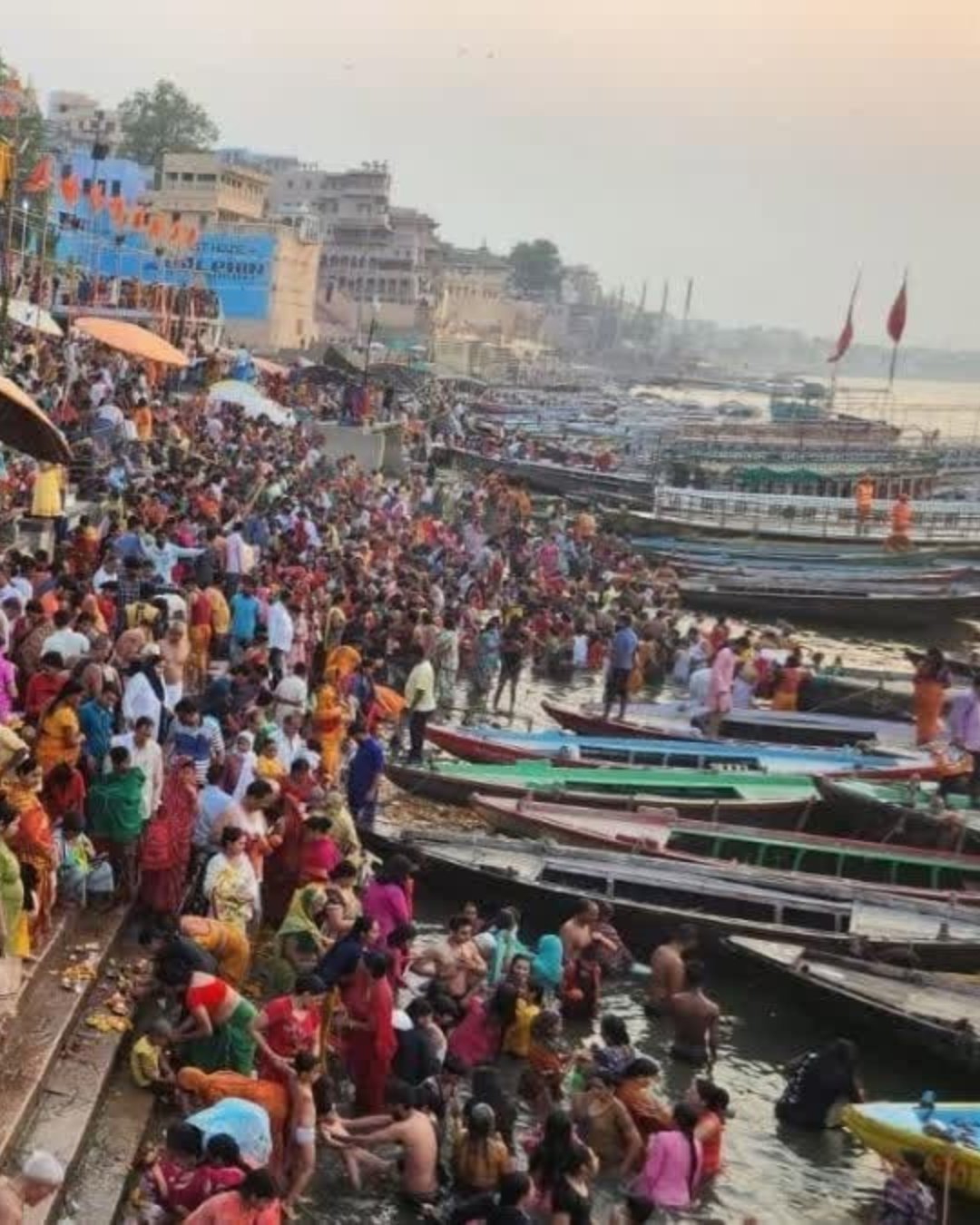
Ganga Dussehra — the ghats packed with pilgrims taking the holy dip, mass aartis, floating diyas by the thousand, and the river honoured as a living goddess.
Hanuman Jayanti at Sankat Mochan — the city's beloved Hanuman temple, founded by Tulsidas, in full flow: continuous recitation, prasad, marigold everywhere, and a devotional intensity you won't see on a normal day.
The processions and street life — both spill out of the temples and ghats into the lanes.
A local crowd, not a tourist one — you'll often be the only outsider there.
Dress modestly and lightly — it's hot — go barefoot where required, and carry small notes and water.
And on these days, mostly put the phone away. Travellers who've been present for either will tell you the same thing: the pull to film the colour and the crowds is strong, but these are acts of devotion, not performances laid on for anyone. Watch first. The scale of a whole city in the river at once, or the wall of sound inside Sankat Mochan, is the part the photos never quite catch — and pointing a camera at someone mid-prayer is the fastest way to feel like an intruder rather than a guest.
Pro tip: Confirm the exact dates the moment you're planning, because they shift each year and a week's error means you miss it. Go very early on Ganga Dussehra — the ghats fill fast and the heat builds. At Sankat Mochan, expect security and long queues on Hanuman Jayanti, and note it's a temple with its own history of a 2006 attack, so bags and phones may be restricted. And be a respectful presence: these aren't spectacles staged for visitors, and the right posture is quiet participation from the edge.
The mistakes that ruin it
Most visitors trip over the same few things. They never learn these festivals exist and schedule around them by accident. They get the lunar date wrong and arrive a week early or late. Or they treat a devotional day as a photo opportunity and misread the room.
The easy fix is to check the dates early, plan the trip around them, and come knowing you're a guest at someone else's celebration.