

Mahashivratri: Varanasi Doesn't Sleep
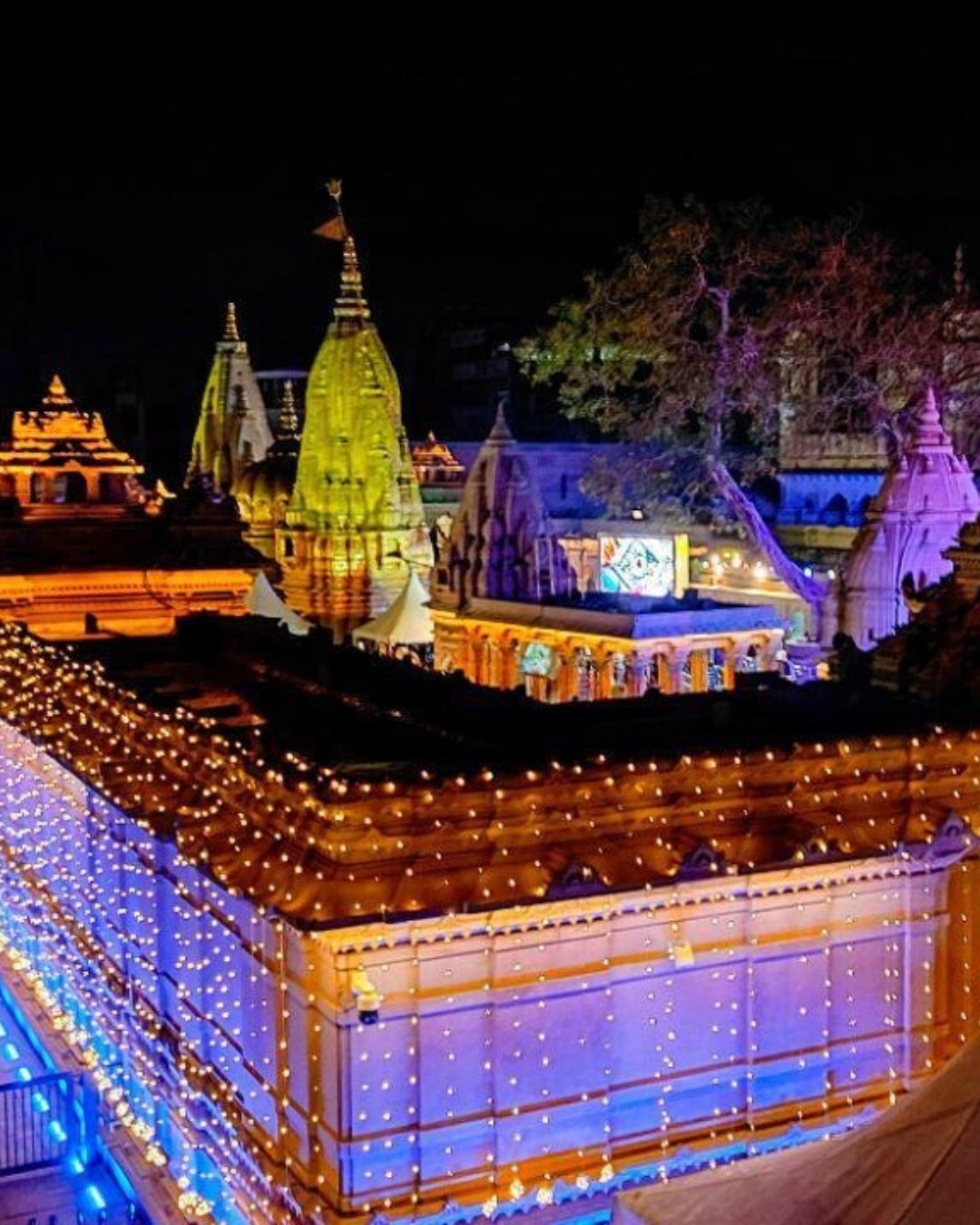
Shri Kashi Vishwanath Temple, Varanasi, India
You've probably pictured a temple visit. Light a lamp, ring a bell, watch a puja, home for dinner. But here's the thing nobody tells you: on Mahashivratri, Varanasi — the city that belongs to Shiva — turns into something a first-timer is completely unprepared for. Come expecting a quiet darshan and you'll instead find a river of people flowing toward Kashi Vishwanath from every lane at once, a queue that can run many hours, and a city that genuinely does not sleep for a night and a day. Show up unplanned and you'll spend the festival stuck in a crush, not in it.
Let's fix that. Here's how Mahashivratri in Varanasi actually works, and how to get it right the first time.
Why the night, and not the day
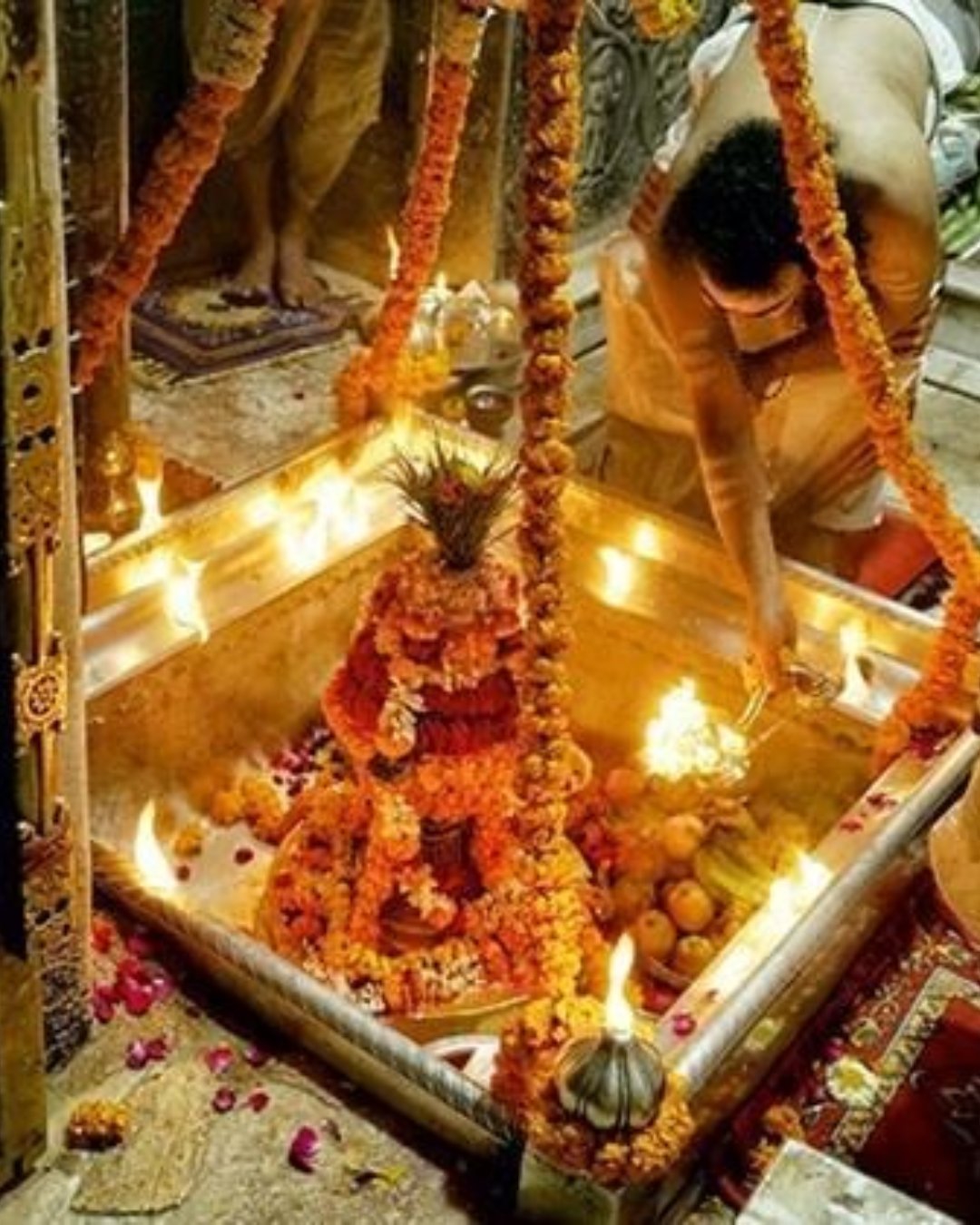
Mahashivratri — the "great night of Shiva" — is exactly that: a night vigil, not a daytime fair. The heart of it runs through the dark hours, when devotees stay awake, fast, and worship the lingam through four nightly watches, and Kashi Vishwanath keeps its doors open far longer than usual. This is Shiva's own city on Shiva's own night, so the intensity here is unlike anywhere else in India.
Which means the timing that works is counter-intuitive. The queues are longest in the daytime hours when everyone comes; the atmosphere is deepest late at night and in the small hours. So don't fight the midday crowd — plan for the night, and understand you're joining a vigil, not ticking off a temple.
What you'll actually see
The whole city becomes the event:
Kashi Vishwanath — the centre of it all, with darshan running through the night and queues stretching far into the lanes.
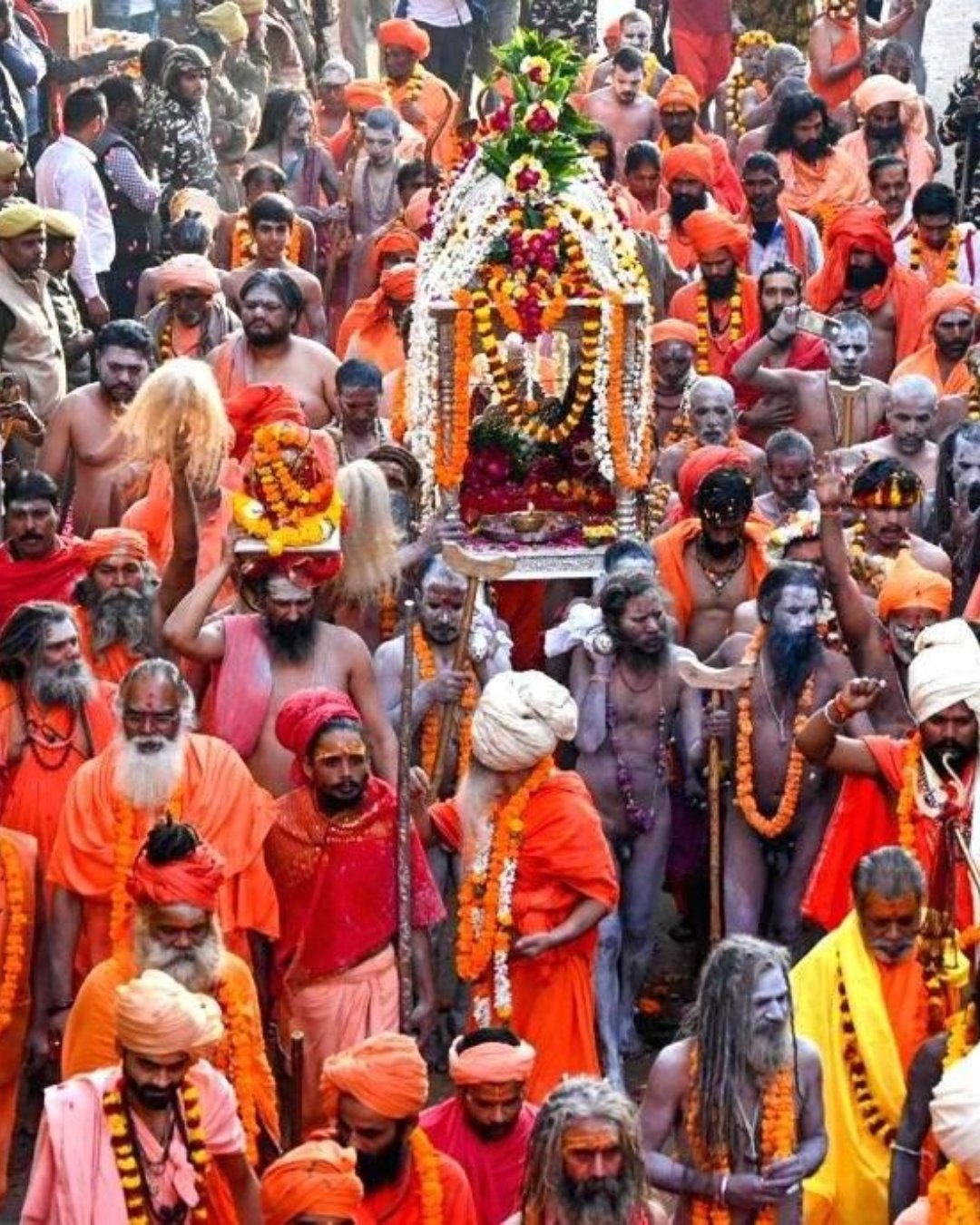
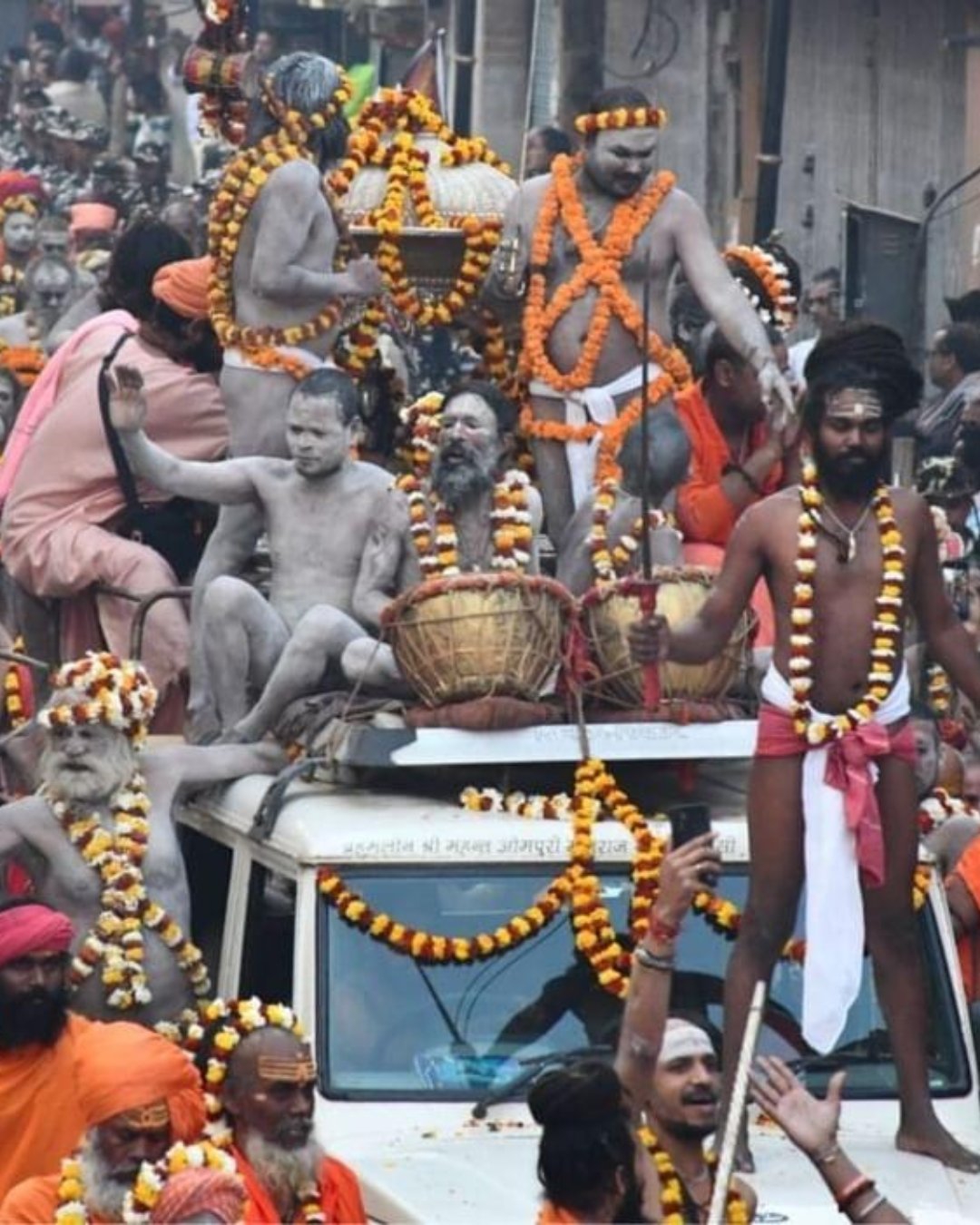
The procession — Shiva's baraat, a wild wedding procession of the god, with sadhus, Naga ascetics, music and colour.
The ghats and smaller temples — Tilbhandeshwar, Mrityunjay, and dozens of neighbourhood shrines alive all night.
Fasting and bhang — the traditional Shivratri drink; ubiquitous, and stronger than tourists expect.
Dress modestly and wear clothes and footwear you can lose in a crush — this is not the night for anything you care about.
And here the phone stays down, mostly for practical safety. Travellers who've been in it will tell you the same thing: in a crowd this size you want both hands and your wits, not a screen. Keep the phone deep in a zipped pocket, look up, and let the sheer scale of it land — hundreds of thousands of people awake through the night for one god in his own city. That electric, sleepless devotion is the part no photo taken over someone's shoulder will ever catch.
Pro tip: Book darshan access ahead if it's available, and pick your hours — very early morning or deep in the night beats the daytime peak. Keep valuables at the hotel; carry only ID and a little cash in a zipped, front pocket, and agree a meeting point with your group because networks jam when the crowd swells. Go with someone who knows the lanes, because the routes to the temple are rerouted and barricaded on the day, and getting lost in that press is genuinely unpleasant.
The mistakes that ruin it
Most first-timers trip over the same few things. They come at midday into the worst of the queue. They carry bags and valuables into a crush and lose them. Or they arrive with no plan and spend the festival trapped at the edge of it rather than inside it.
The easy fix is to plan the night, travel light, and move with someone who knows the routes — so you experience the vigil instead of surviving the crowd.