

Holi in Banaras: Colour, Thandai & Beautiful Chaos
Godowlia, Varanasi, India
You've probably seen the reels. Clouds of pink and green over the ghats, drums, strangers smearing colour on each other, the whole city one enormous party. But here's the thing nobody tells you: Holi in Banaras is the most intense version of the festival in India, and turning up unprepared — good camera out, nice clothes on, alone in a crowd of thousands at midday — is how a bucket-list day turns into a ruined phone, wrecked skin, and a situation you can't get out of. The chaos is real. The magic is real too. You just have to meet it the right way.
Let's fix that. Here's how Holi in Banaras actually works, and how to get it right the first time.
Why the morning, and why not the whole day
Holi runs on a rhythm. The colour play kicks off after sunrise and burns hottest from about 9 a.m. to noon — that's the joyous, drum-driven heart of it, when the ghats and galis fill with colour. By early afternoon it winds down: people head home, wash off, and the streets go quiet before the evening's calmer social visits.
So the sweet spot is mid-morning, out for two or three hours, then off the streets by lunch. That's not caution for its own sake — the later it gets, the more bhang (cannabis) has gone round, and the rowdier and less predictable the crowds become. The best of Banaras Holi is the morning; the trouble tends to be the afternoon.
What you'll actually see
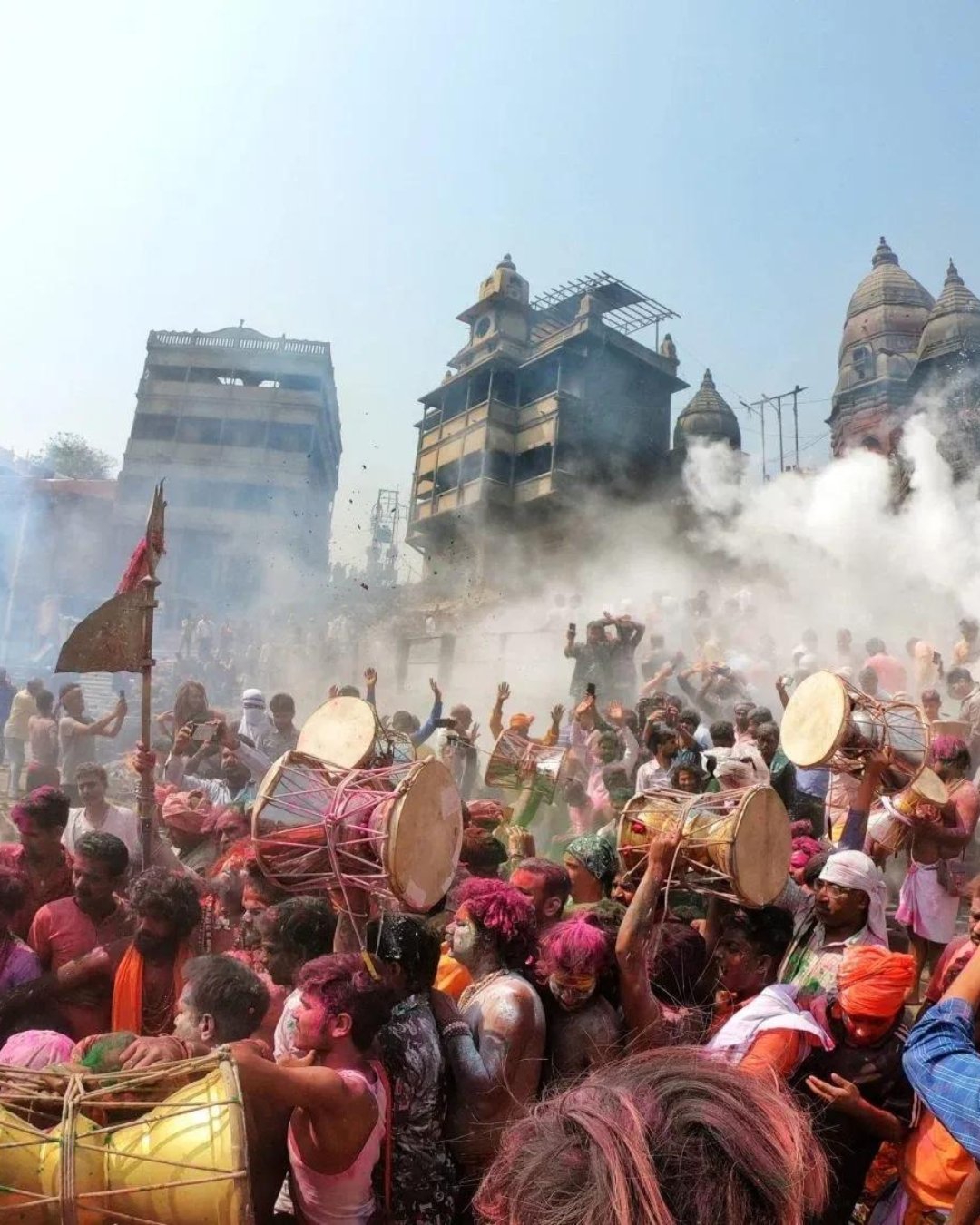
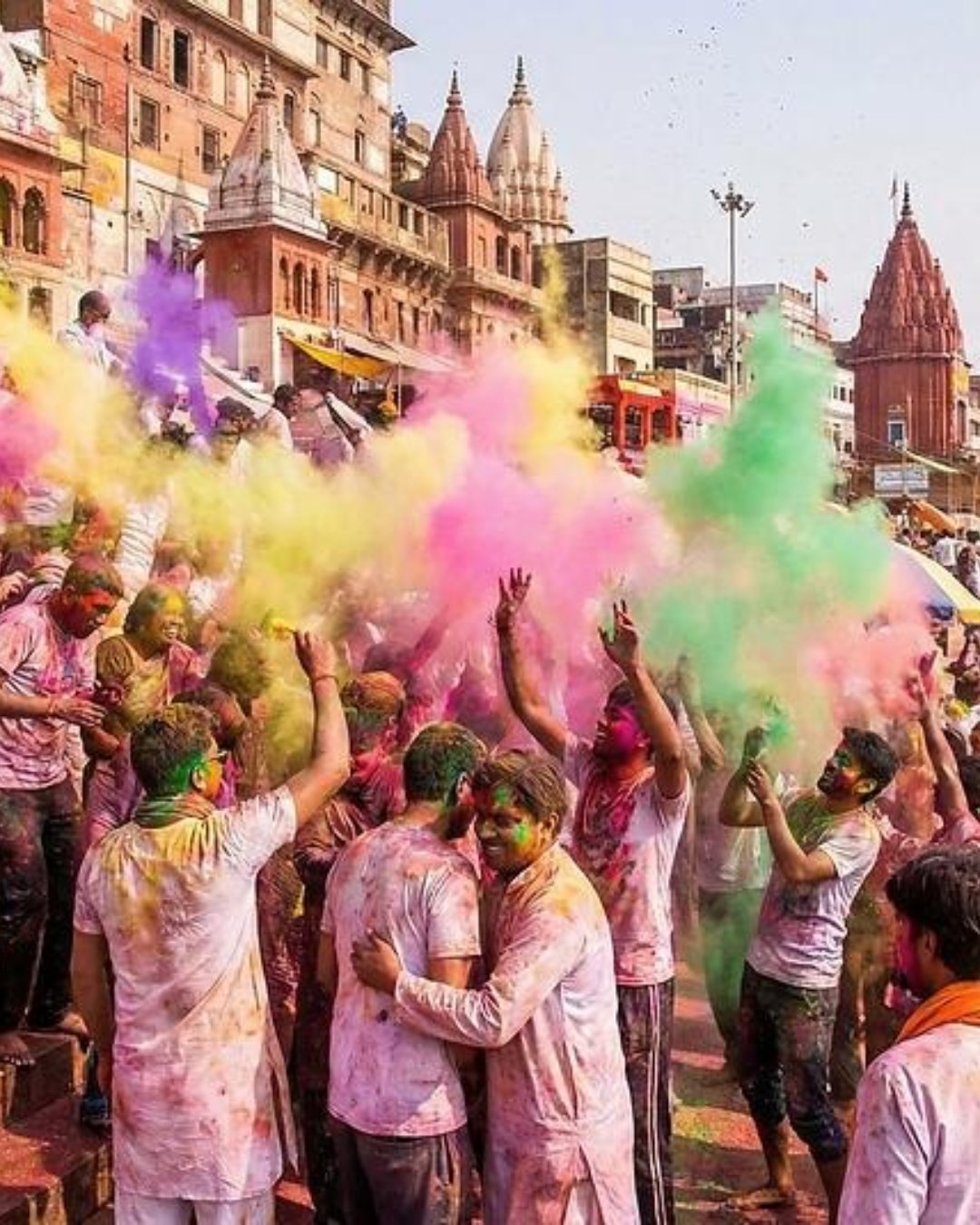
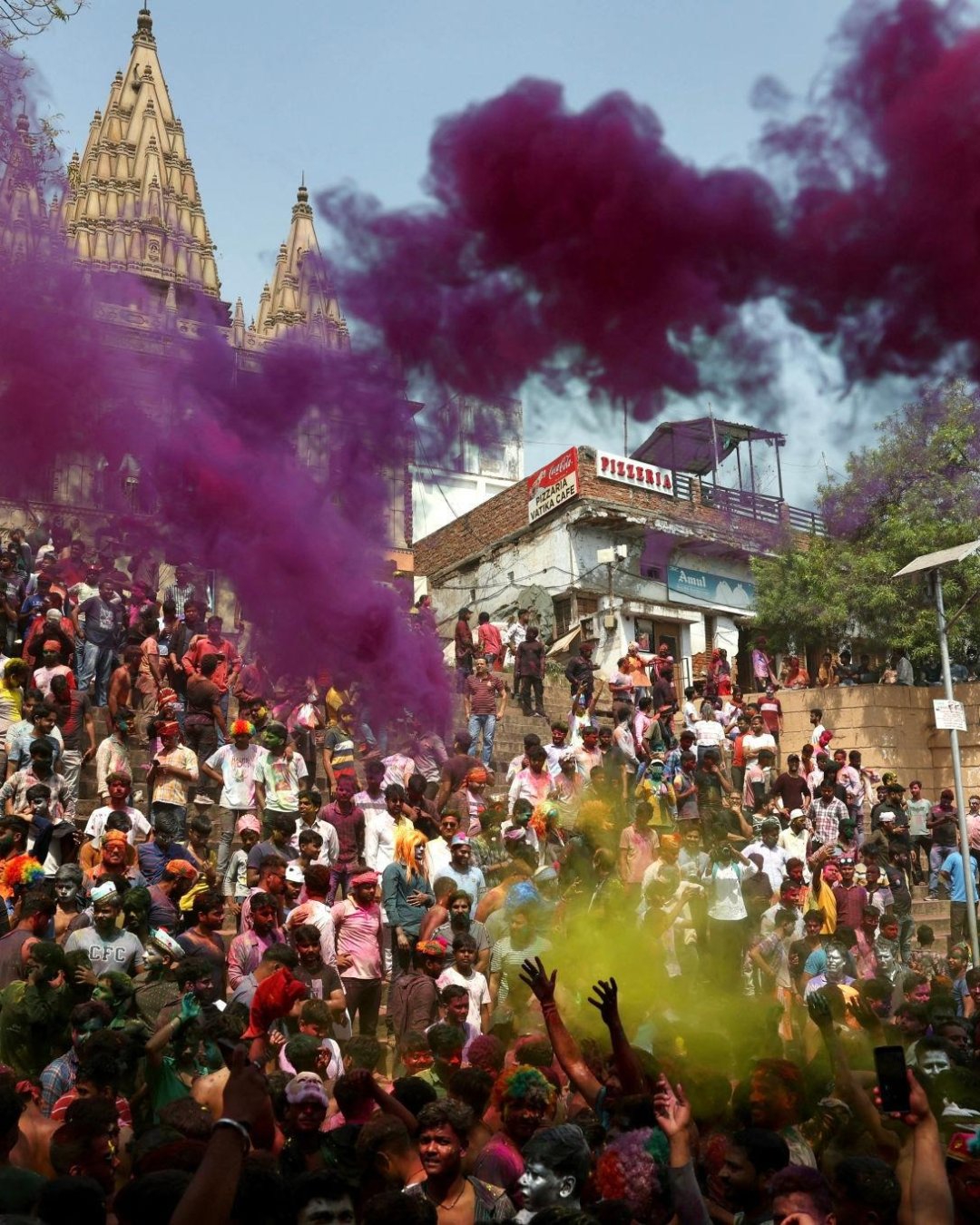
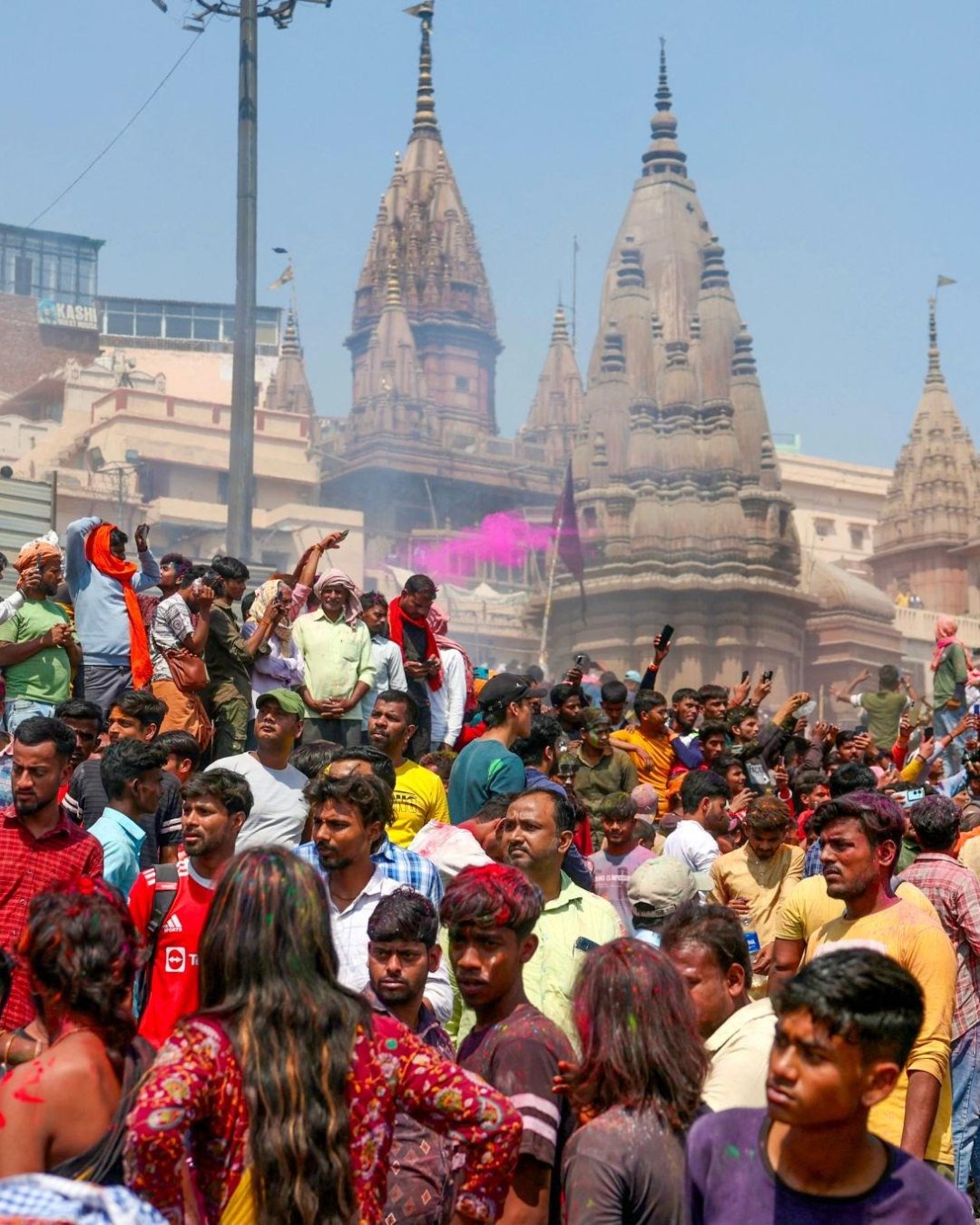
The ghats and galis — Assi Ghat and the old-city lanes are the epicentres, thick with colour, music and dancing.
Dry gulal and wet colour — powder in every shade, plus water, balloons and pichkaris (colour guns).
Thandai — the cold spiced-almond drink of the festival, sometimes laced with bhang. Ask before you drink; the bhang version sneaks up on you.
Masaan Holi at Manikarnika — a startling Banaras-only tradition where Holi is played with cremation ash, tied to Shiva. Witness respectfully, from a distance.
Wear white cotton you'll throw away, closed shoes, and oil your hair and skin beforehand — it makes the colour wash off far more easily afterward.
And here is the one place the "phone away" rule is about protection, not poetry. Travellers who've done Banaras Holi will tell you the same thing: leave the good camera and the phone locked up, or seal them in a zip bag, because colour and water destroy electronics and grabbing hands work the crowds. Take it in with your eyes. The drums, the colour hanging in the air, a whole city dissolving its usual rules for a morning — that's the part no photo was going to survive to catch anyway.
Pro tip: Go with a group or a local guide, never alone, and women especially should not wander the crowds unaccompanied — this is the honest advice every regular gives. Use only skin-safe colours and refuse to let anyone smear the cheap ones near your eyes. Ask before you accept thandai, so the bhang doesn't blindside you. And agree with your group on a wash-off point and a time to be back, so nobody's stranded in the afternoon crush.
The mistakes that ruin it
Most first-timers trip over the same few things. They wander in alone at midday with a phone out. They drink bhang thandai not knowing what it is. Or they stay out into the rowdy afternoon instead of catching the joyous morning and leaving.
The easy fix is to go in the morning, in a group, prepared and protected — or let the day be arranged with a guide who knows which lanes are joyful and which to avoid.