

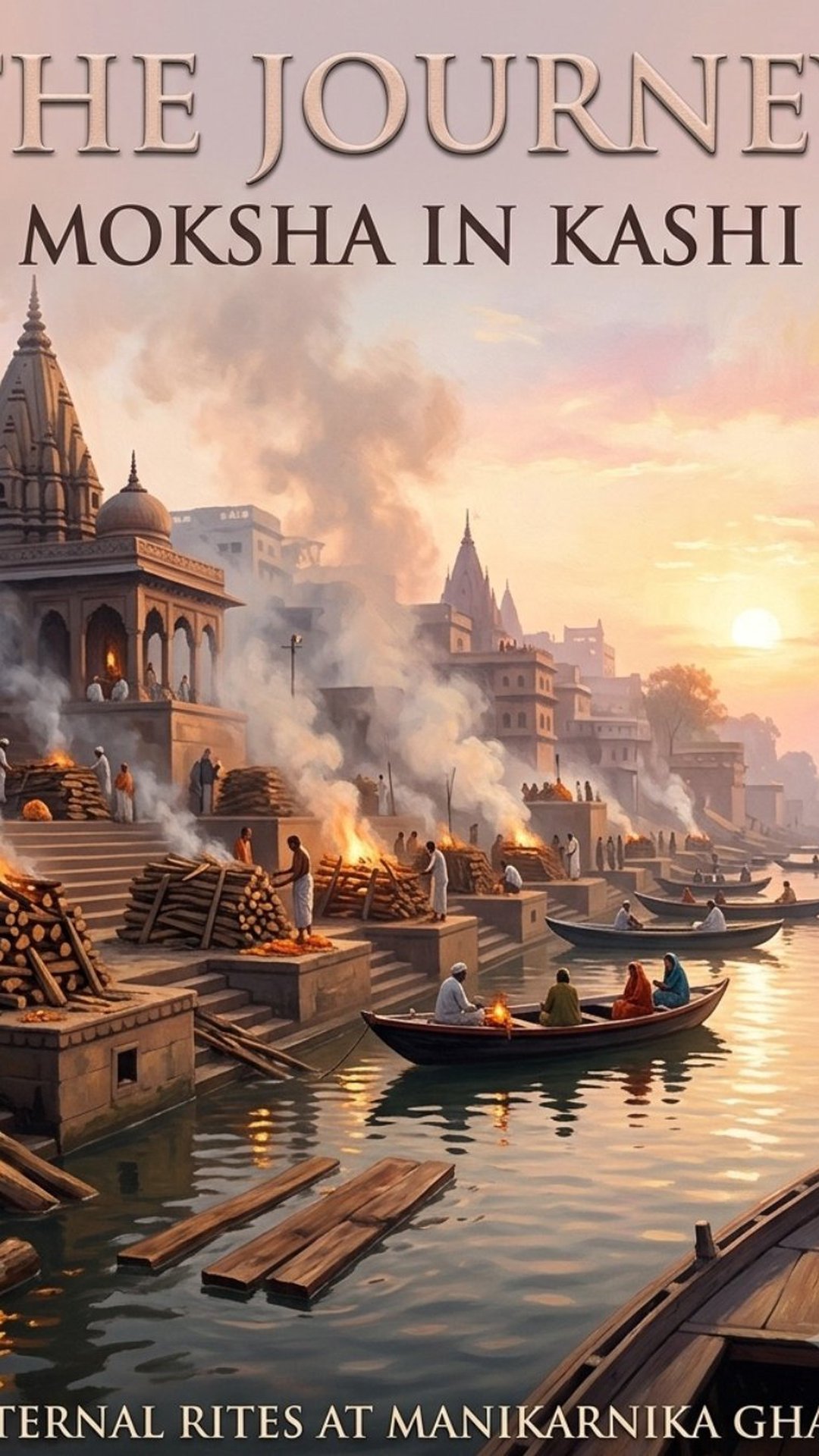
Moksha in Kashi: Death, Rebirth & Liberation in Varanasi
Why Varanasi is the city of moksha — Manikarnika, the eternal
flame, Mukti Bhawan, and how to witness the cremation ghats
with respect.
Moksha in Kashi is a journey into the spiritual heart of Varanasi — a place where the Ganga, Shiva, life, death and the idea of liberation are deeply intertwined. We'll explore this side of Kashi not as a conventional sightseeing tour, but as a story about faith, mortality, remembrance and what liberation means in Hindu tradition.
We'll begin by understanding why Kashi is known as the City of Moksha and why generations of pilgrims have believed that dying in Kashi can lead to liberation from the cycle of birth and rebirth. From there, we'll explore the sacred landscape around Kashi Vishwanath, the Ganga and the cremation ghats, where these beliefs become part of everyday life.
Our journey will take us to Manikarnika and Harishchandra Ghats, the city's principal cremation grounds. We'll approach these places with sensitivity — observing the architecture, riverfront and traditions without treating someone's final rites as a spectacle. Here, we'll learn about the beliefs surrounding the Tarak Mantra, the role of Shiva and the traditional significance of the Dom community, whose generations of work have been connected with cremation at the ghats.
We'll also explore Pind Daan and ancestral rites, understanding how families come to the Ganga to remember and honour those who have passed away. If you're personally travelling to perform these rituals, we'll treat the experience as a sacred family ceremony, helping with the practical arrangements while giving the ritual the privacy it deserves.
Another important chapter is Mukti Bhawan, where people nearing the end of life may stay because of their belief in dying in Kashi. Rather than treating it as a tourist attraction, we'll understand its purpose and the deeply personal reasons families come here.
156
Route
Home
MomentShri Kashi Vishwanath Temple, Varanasi
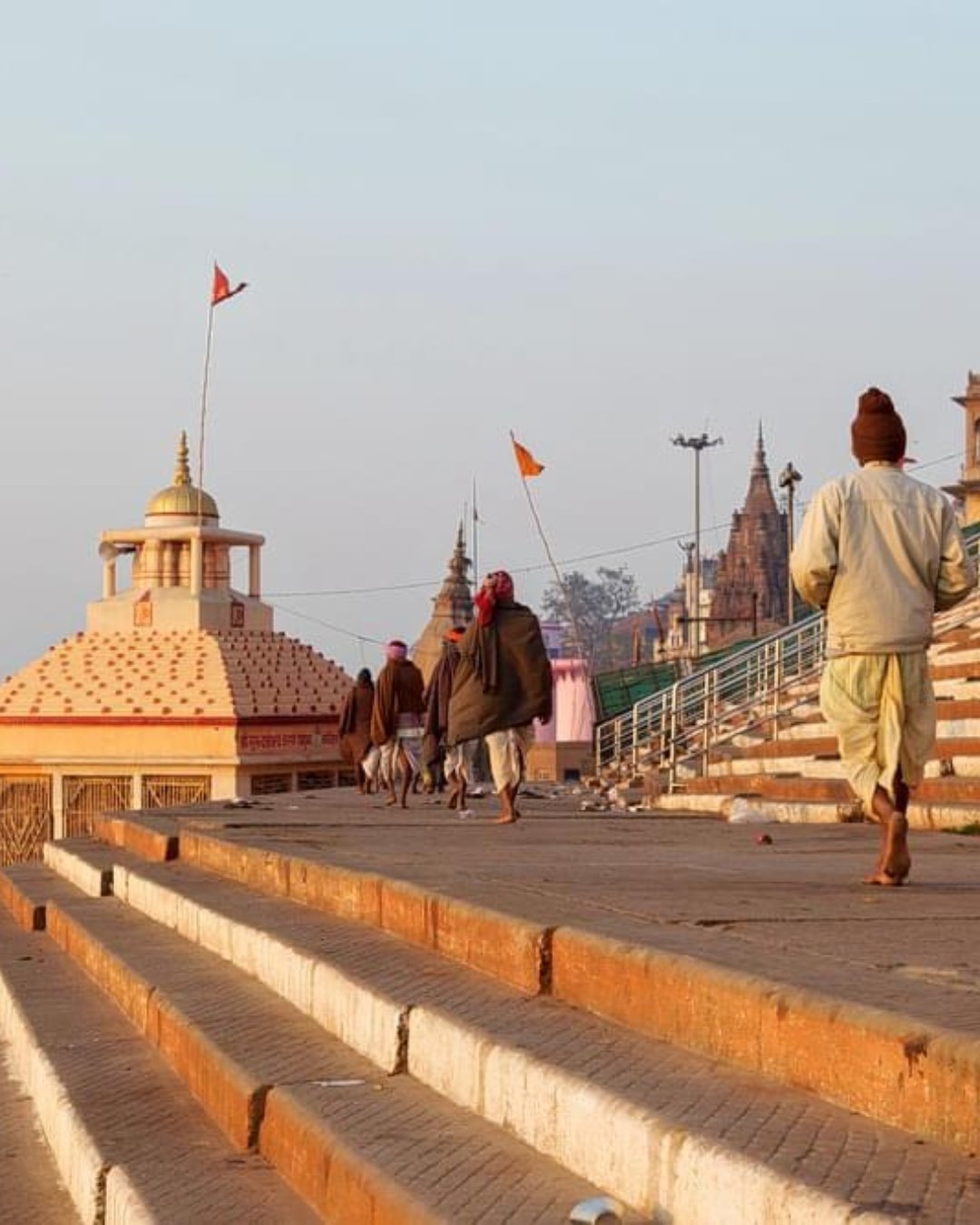
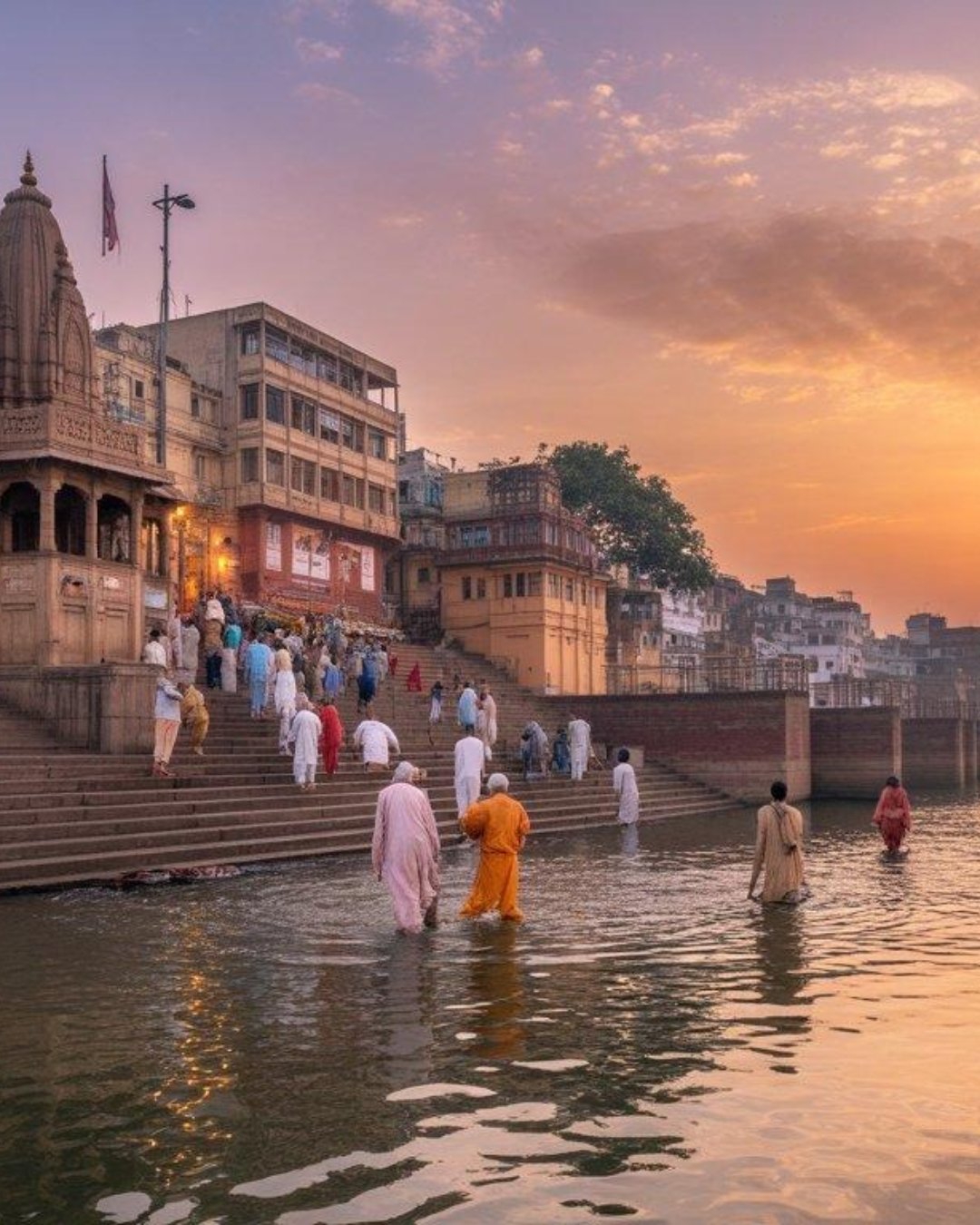
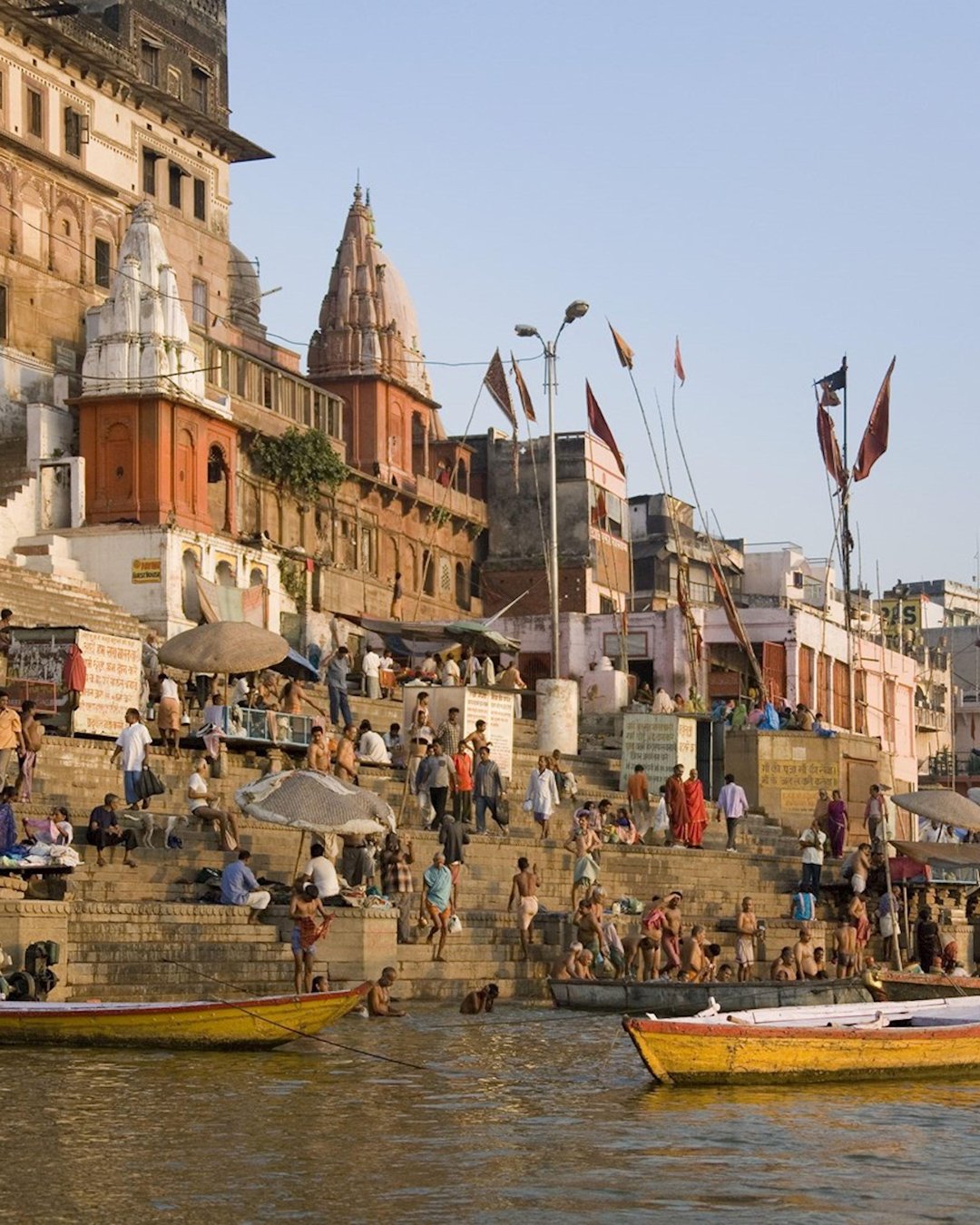
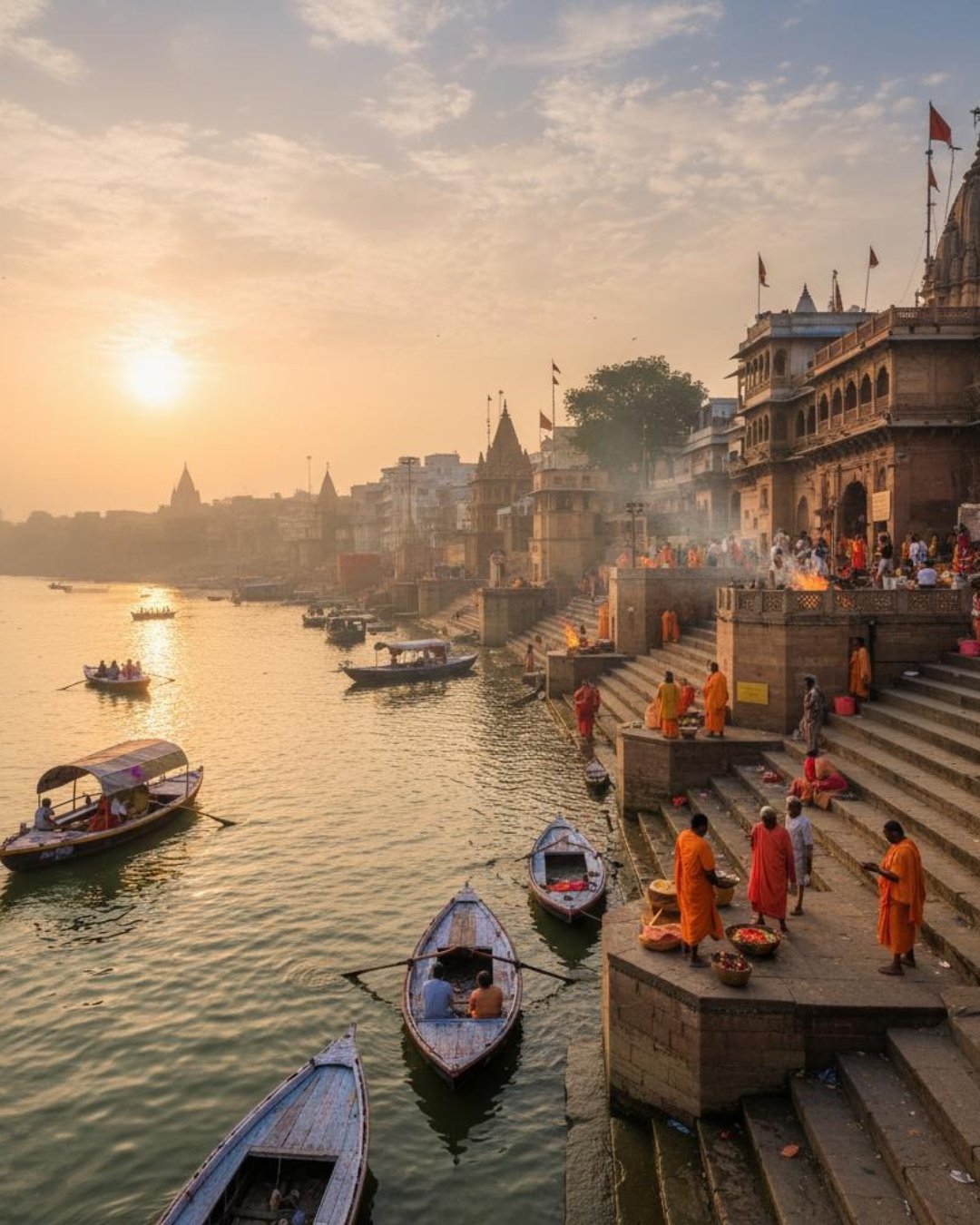
Why Kashi Is the City of Moksha
You'll have heard Varanasi called the holiest city in India — and the place people come to die. But here's the thing nobody tells you: if you arrive without understanding why, the whole city reads as chaos — cremations in the open, widows in white, dying pilgrims in hospices, ash and marigolds and grief, all of it at once. Miss the idea underneath it and you'll spend three days overwhelmed and a little repelled, photographing things you don't understand. Grasp it, and the same streets become the most coherent place you've ever stood.
Let's fix that. Here's what "the city of moksha" actually means, and how to let it change what you see.
WHY DEATH IS THE POINT, NOT THE SHADOW
Most cities hide death. Kashi builds itself around it, on purpose. The belief, held for millennia, is that to die here — within the sacred boundary of the city — is to be granted moksha, release from the endless cycle of birth, death and rebirth that every soul is otherwise bound to. Shiva himself, the story goes, whispers the taraka mantra, the ferry across, into the ear of the dying. Die in Kashi and you don't come back. You're free.
That single idea explains everything you'll see. The cremation fires that never go out. The hospices near Manikarnika where people come to spend their last days. The astonishing calm of the mourners. This isn't a city being morbid — it's a city that decided death is a doorway, and arranged itself around the door.
WHAT YOU'LL ACTUALLY SEE, ONCE YOU UNDERSTAND IT
With the idea in place, the pieces resolve:
The cremation ghats — Manikarnika and Harishchandra, where moksha is delivered in fire, in the open, without shame.
The dying-houses — modest hospices where pilgrims wait, by choice, in peace rather than fear.
The pilgrims bathing at dawn — washing away sin in the Ganga, the goddess who carries it away.
The sheer ordinariness of it — tea stalls and cricket and weddings, feet from the pyres, because here death isn't separate from life.
Come with a little humility, and dress and behave as you would at any funeral, because that's often exactly what you're near.
And this is an understanding to arrive with, not a photo to take. Travellers who grasp it first will tell you the same thing: the city stops being a spectacle and becomes legible. The grief you're witnessing isn't despair — for many families it's something closer to relief, even joy, that a loved one reached the one place that ends the cycle. That quiet, counterintuitive peace, running under everything, is the part the photos never quite catch, because it isn't a thing you can see. It's a thing you have to know.
PRO TIP
Read one paragraph about moksha before you land, or ask your guide to explain it on the first morning — five minutes of context reframes the entire trip.
Witness the cremation ghats from the water, at a distance, never with a camera; you're at a funeral, not a viewpoint.
And resist the urge to tidy it into something comfortable — Kashi doesn't need you to find it beautiful, only to understand what it's for.
The mistakes to avoid
Most first-timers trip over the same few things. They arrive with no framework and find the city disturbing rather than profound. They treat the cremation grounds as dark tourism. Or they look for the pretty Varanasi of the postcards and are unsettled when the real one, the one about death and release, keeps intruding.
The easy fix is to come understanding the one idea the whole city is built on — because everything here makes sense the moment you do.
49
MomentManikarnika Ghat, Varanasi
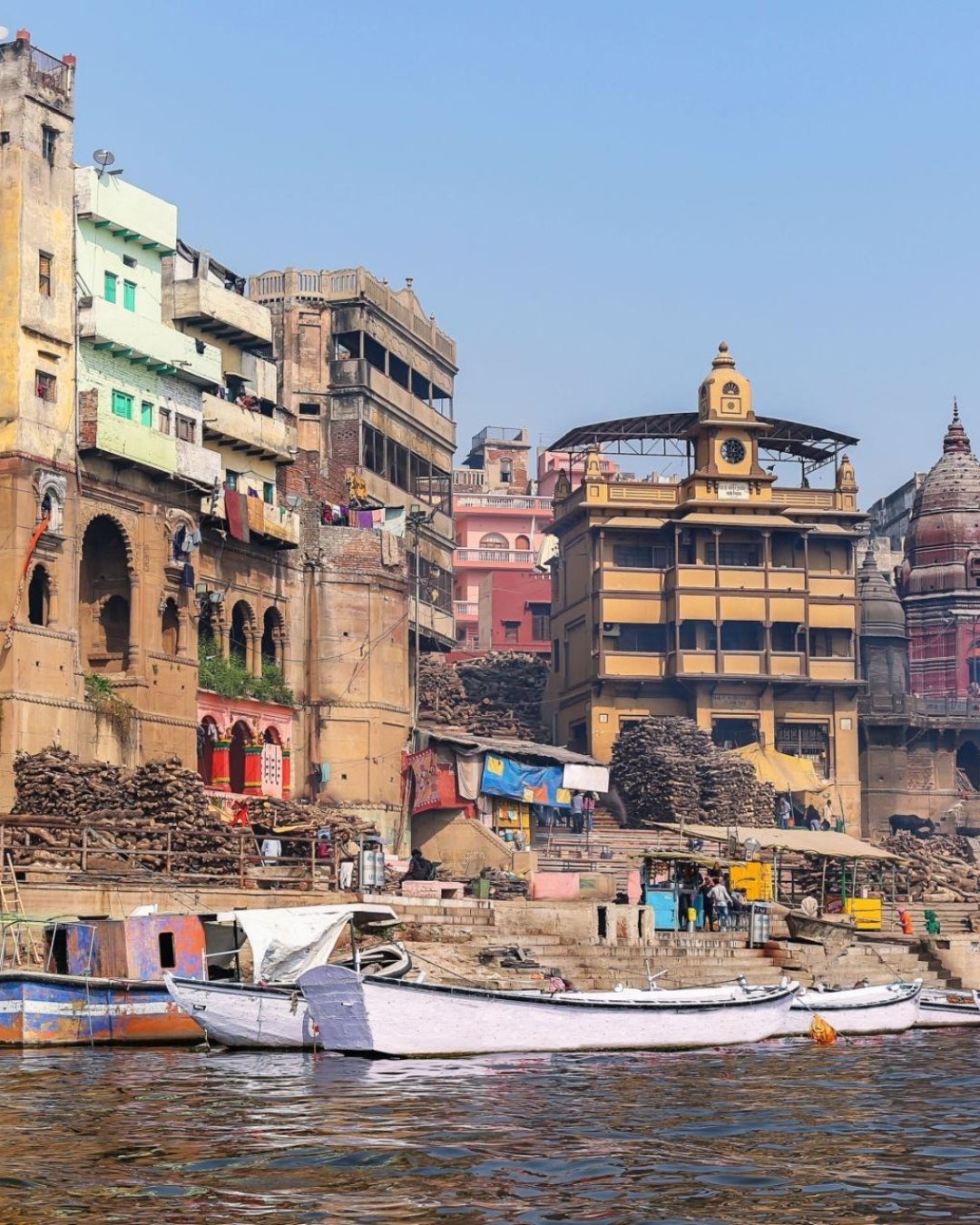
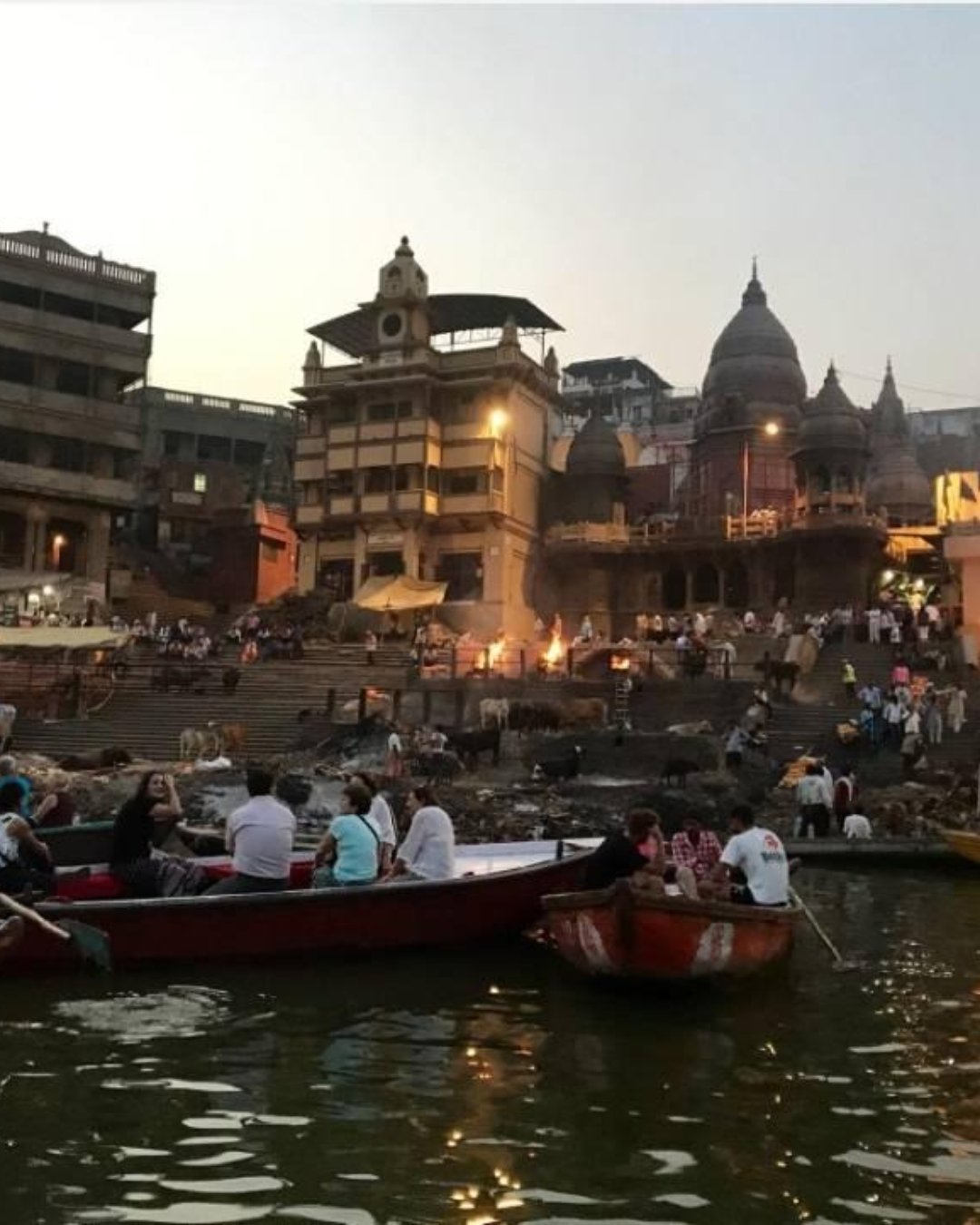
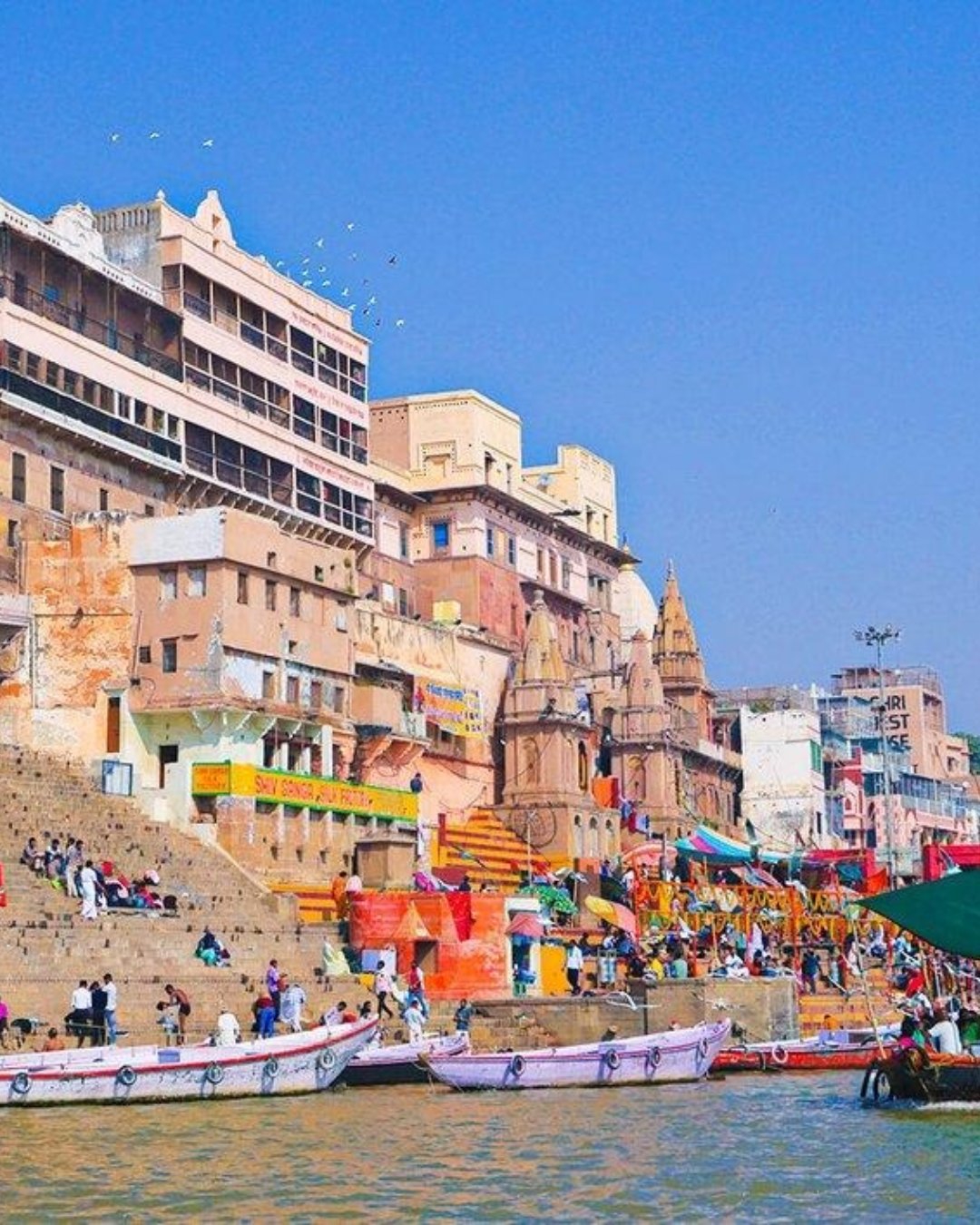
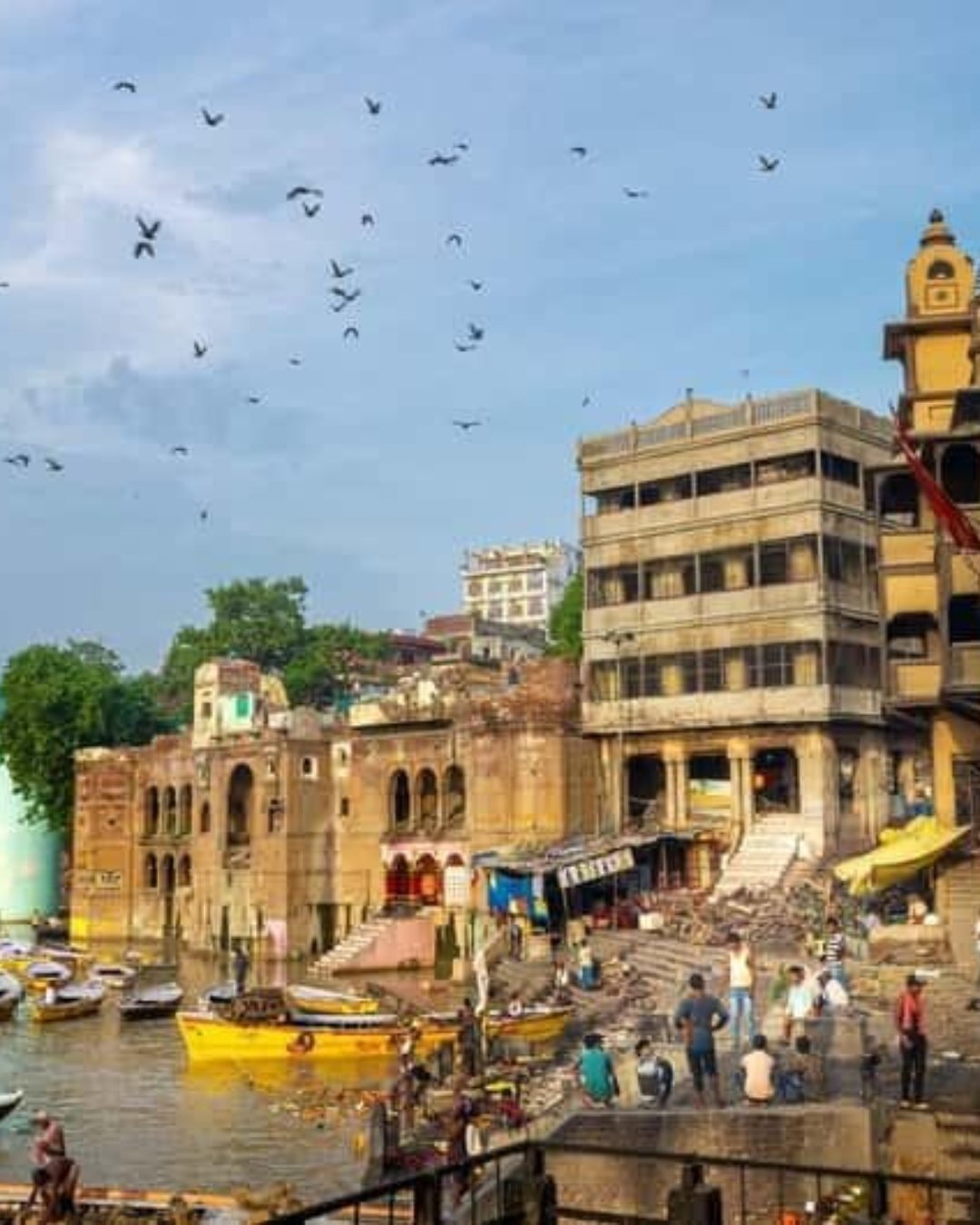
Manikarnika: The Great Cremation Ground
You may have seen Manikarnika Ghat described as Varanasi's most famous cremation ground. The great burning ghat, fires day and night, the most famous cremation ground on earth — it's on every Varanasi list. But here's the thing nobody tells you: the way most visitors are steered to see it, walked in close by a "guide" who then asks you to buy wood for a grieving family, is both a scam and an intrusion on a real funeral. There's a right way to witness Manikarnika, and it's the one the touts don't offer.
Let's be clear about how to be here. Here's how Manikarnika actually works, and how to approach it with the respect it demands.
Why this isn't a sight, and why that changes everything
Manikarnika is a working cremation ground where roughly a hundred bodies a day are brought, in the belief that to be cremated here grants moksha — release from the cycle of rebirth. That belief is why it never stops. Some sources say the flame that lights the pyres has burned for centuries, tended by the Dom community, who alone supply the sacred fire.
None of that makes it a spectacle. It's a funeral — many funerals — happening in the open, and the right posture is a bystander's: quiet, still, and at a distance. There's nothing staged for anyone here, nothing to queue for, nothing to "do." The reason to come is understanding, not a photograph, and if you can't be here quietly, the right choice is not to come at all.
What you'll actually see, and how to hold it
From a boat, at a respectful remove, is how most visitors should take this in:
The pyres — burning on the steps, day and night. You do not photograph them. Ever.
The stacked wood — sold by weight, walls of it above the ghat, a whole economy of death.
The eternal flame — tended by the Dom community, source of every pyre's fire.
Manikarnika Kund — the ancient sacred tank beside the ghat, older than the cremation ground itself.
Dress plainly and covered. This is not a place for bright clothes or a camera held ready.
And the phone stays away completely — not for ten minutes, the whole time. Photographing cremations is forbidden and deeply offensive, and no image here was ever yours to take. Travellers who approach this properly will tell you the same thing: you watch from the water, you take in what the city is showing you about death being ordinary and unhidden rather than shut away, and you leave. What stays with you isn't a picture — it couldn't be — it's having stood quietly at the edge of something most of the world keeps behind closed doors.
A note in place of a pro tip: decline anyone who offers a close "tour," a "rooftop view," or asks you to buy wood for a poor or dying family — it's the oldest scam in Varanasi and the price climbs fast. Nobody official will ever solicit you. You do not need a guide standing over a funeral. If you want to give, give to a registered charity later, not to a man on the steps at night. And take it in from the boat you're already on rather than landing.
The mistakes to avoid
Most visitors who get this wrong do the same things. They let a tout walk them into a working ground for money. They raise a camera. Or they treat it as a dark-tourism box to tick and leave having understood nothing.
The right approach is to witness it briefly, from the water, at a distance, with someone who can quietly explain what you're seeing without turning it into a show.
46
MomentLahori Tola, Varanasi
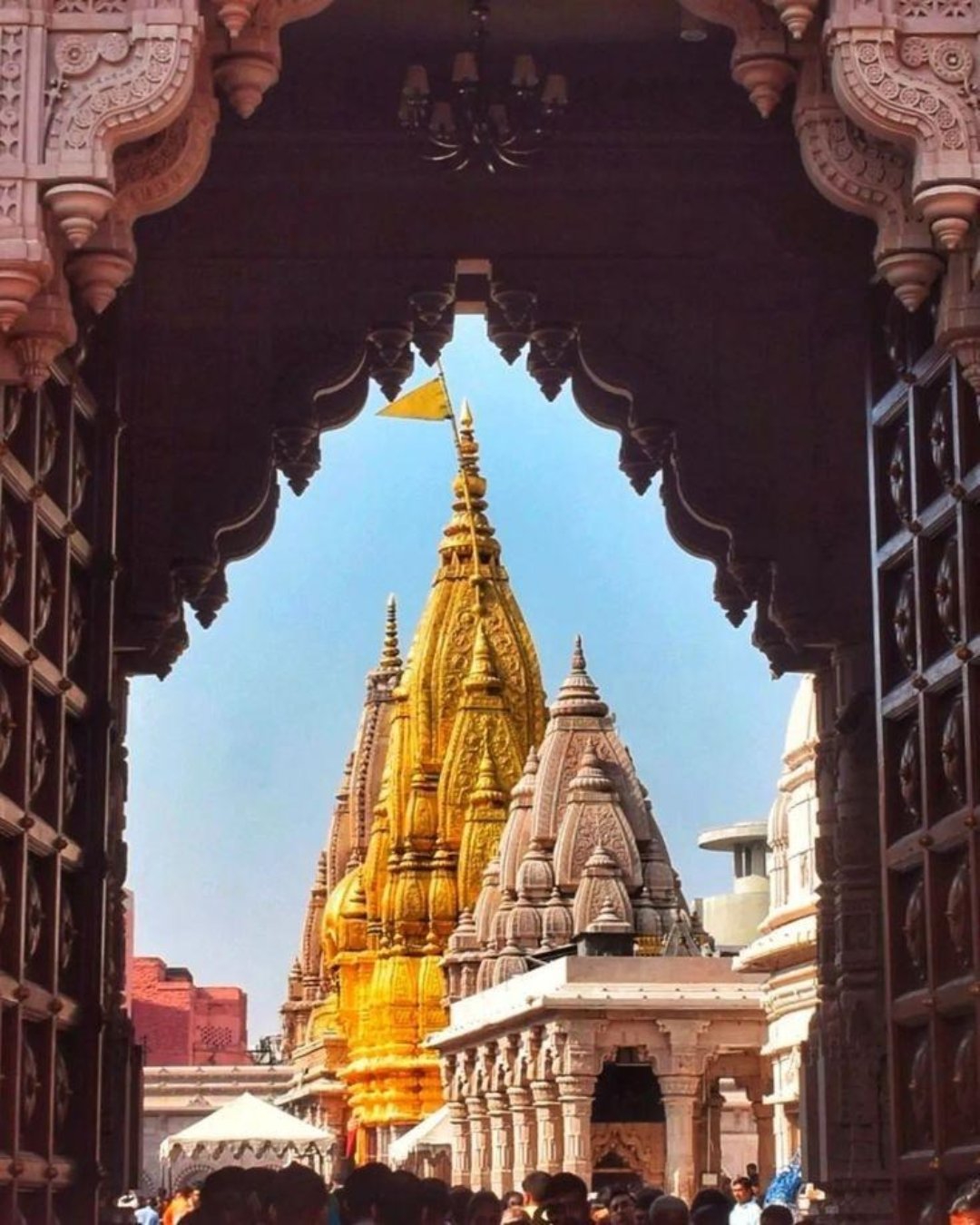
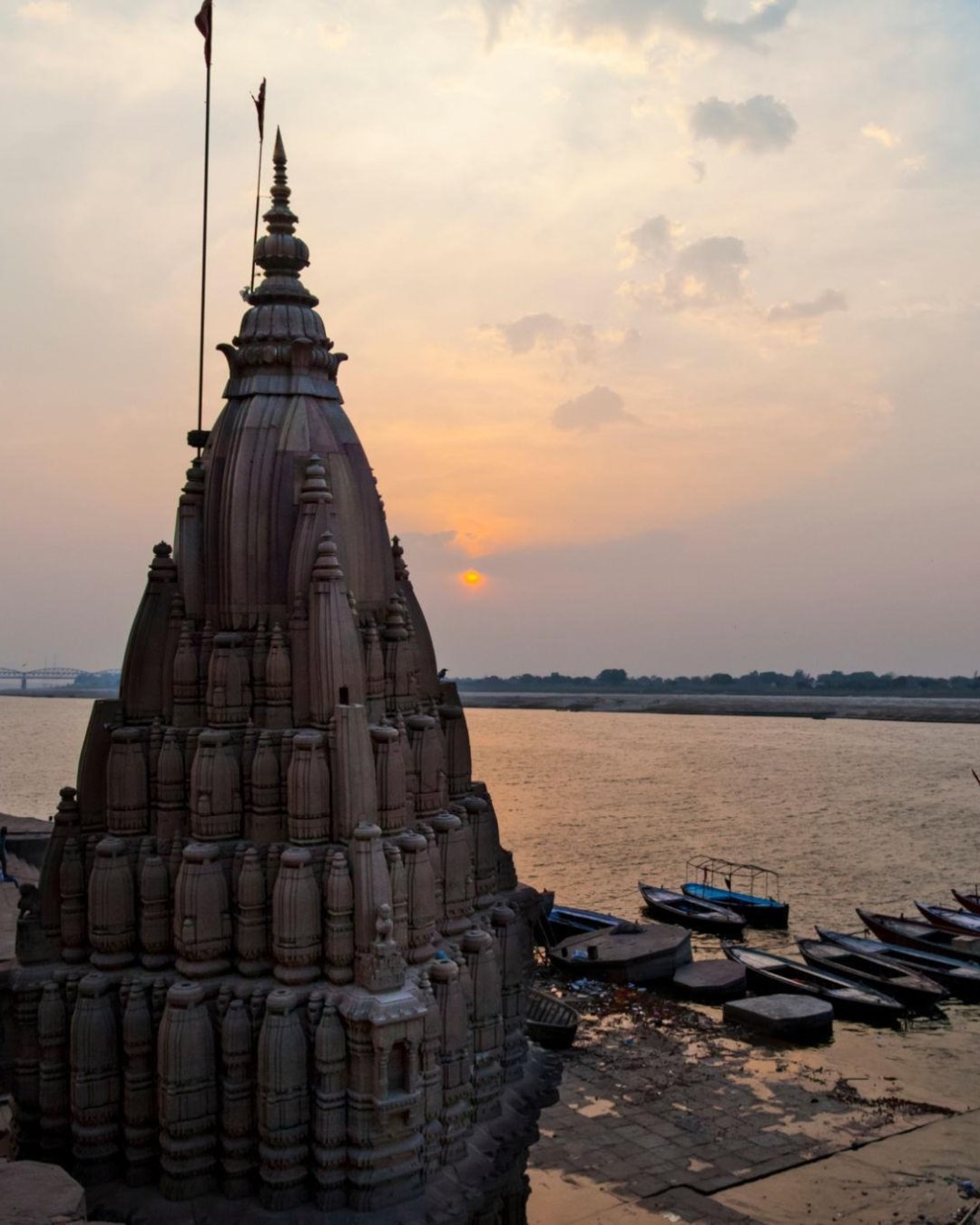
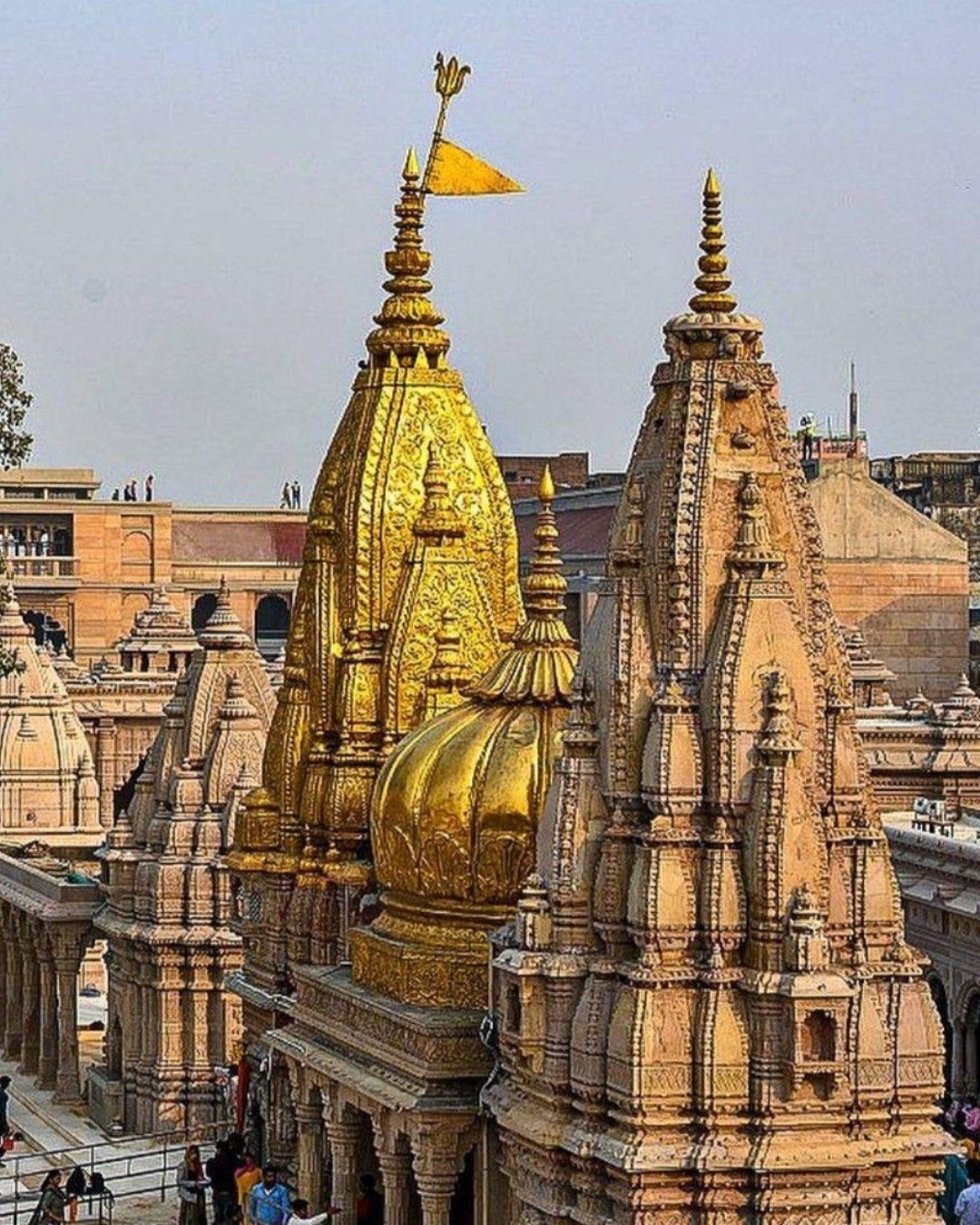
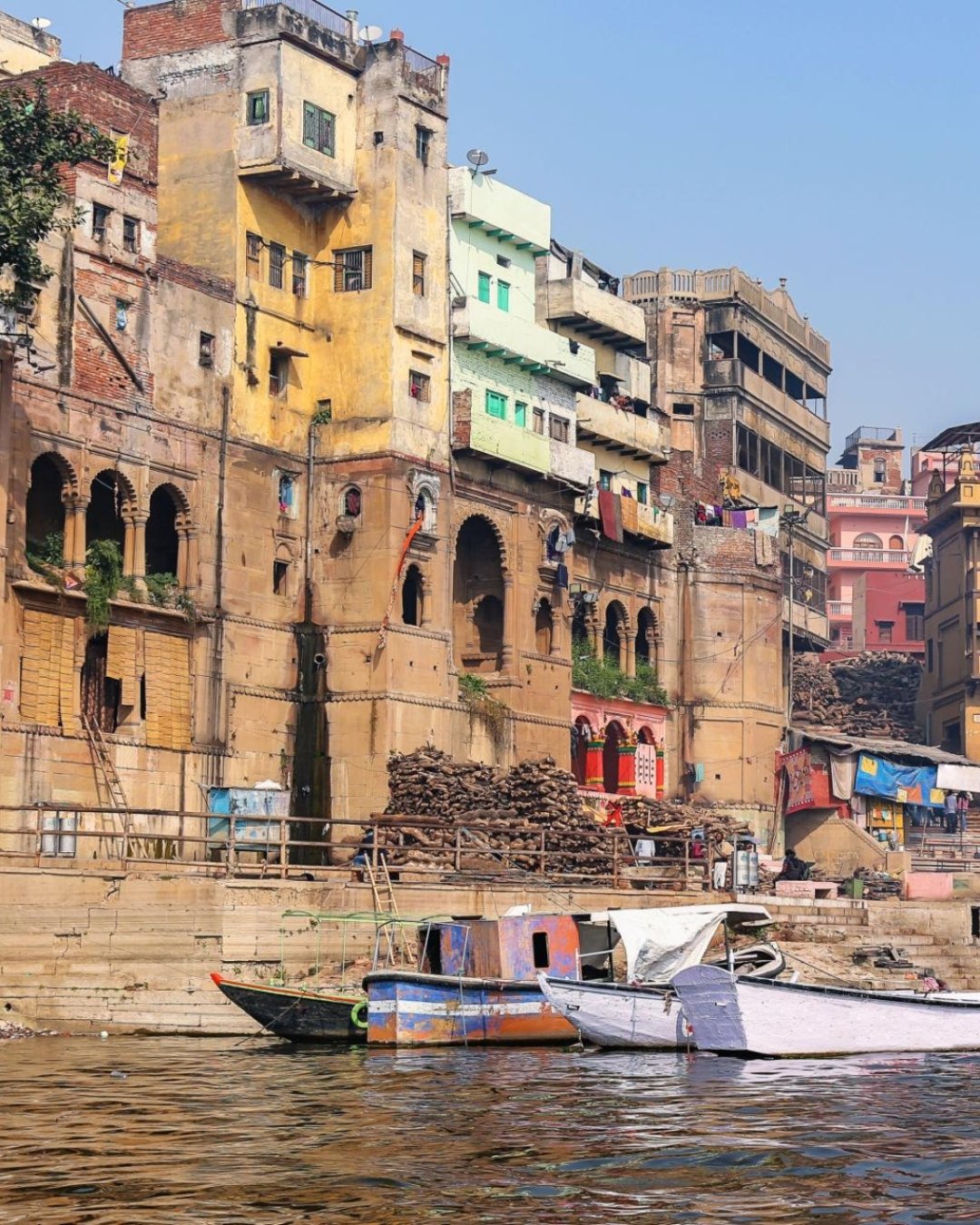
The Tarak Mantra & What Moksha Means
You'll have seen Varanasi described as the city where people come to die. It sounds morbid to an outsider, even grim. But here's the thing nobody explains: for millions of Hindus this is not a sad idea at all — it's the most hopeful one there is. To die in Kashi is believed to break the endless cycle of birth and death, and at the heart of that belief is a single whispered mantra most visitors never even hear of. Understand it, and the whole city — the pyres, the pilgrims, the old people waiting in the hospices — reads completely differently.
Before you explore the ghats, there's one idea worth understanding. Here's what the Tarak Mantra is, and what moksha actually means here.
Why Kashi, and not anywhere else
For Hindu traditions, the soul is understood to move through samsara — a long chain of rebirths, life after life, shaped by karma. Moksha is release from that chain: not heaven, but liberation, the end of returning. Most traditions hold it takes lifetimes of effort to reach.
What makes Kashi unique is its identity as mukti-bhumi, the ground of liberation, where the city itself is said to grant what elsewhere takes ages. The belief is that Shiva, whose city this is, guarantees moksha to anyone who dies within its sacred boundary. That single conviction is why the old and the dying come here to spend their last days, and why death in Varanasi is met less with grief than with a kind of quiet arrival.
What the Tarak Mantra is
At the centre of this belief sits the Tarak Mantra — the "ferryboat" or "crossing" mantra, the one that carries the soul across.
The whisper at death — by tradition, Shiva himself speaks this mantra into the ear of the dying at Kashi, and it is what severs the bond to rebirth.
The name — taraka means "that which helps you cross," the same root as a ferryman taking you over water. On a river city, the image is exact.
The meaning over the mechanics — traditions differ on its exact words, and it isn't a formula to be collected or performed. What matters is what it represents: the final crossing.
Why the fires burn day and night — Manikarnika's flame is the visible half of this belief; the mantra is the unseen half.
That is also why the cremation ghats should never be treated as a photo opportunity. What you are looking at is not death as loss. It is, in the eyes of the family, someone completing a journey the rest of us are still on.
Once you understand that distinction, much of Varanasi begins to make sense. The openness about death, the calm of the mourners, the old woman in the hospice near Manikarnika who came here to die on purpose — none of it is bleak once you understand what they believe is happening. That shift in understanding is the part no photograph carries.
Approaching it with respect
Because this is belief, not spectacle, hold it gently. Don't go looking for the mantra as a thing to witness or record — it isn't a performance and it isn't yours to collect. Watch the cremation ghats only from a distance and never with a camera. Decline anyone who offers to "explain the secret mantra" for money, or to walk you close to the fires — that preys on exactly this sincerity. If you want to understand more, read, ask quietly, or sit with a knowledgeable guide away from the pyres — not at them.
43
MomentManikarnika Ghat, Varanasi
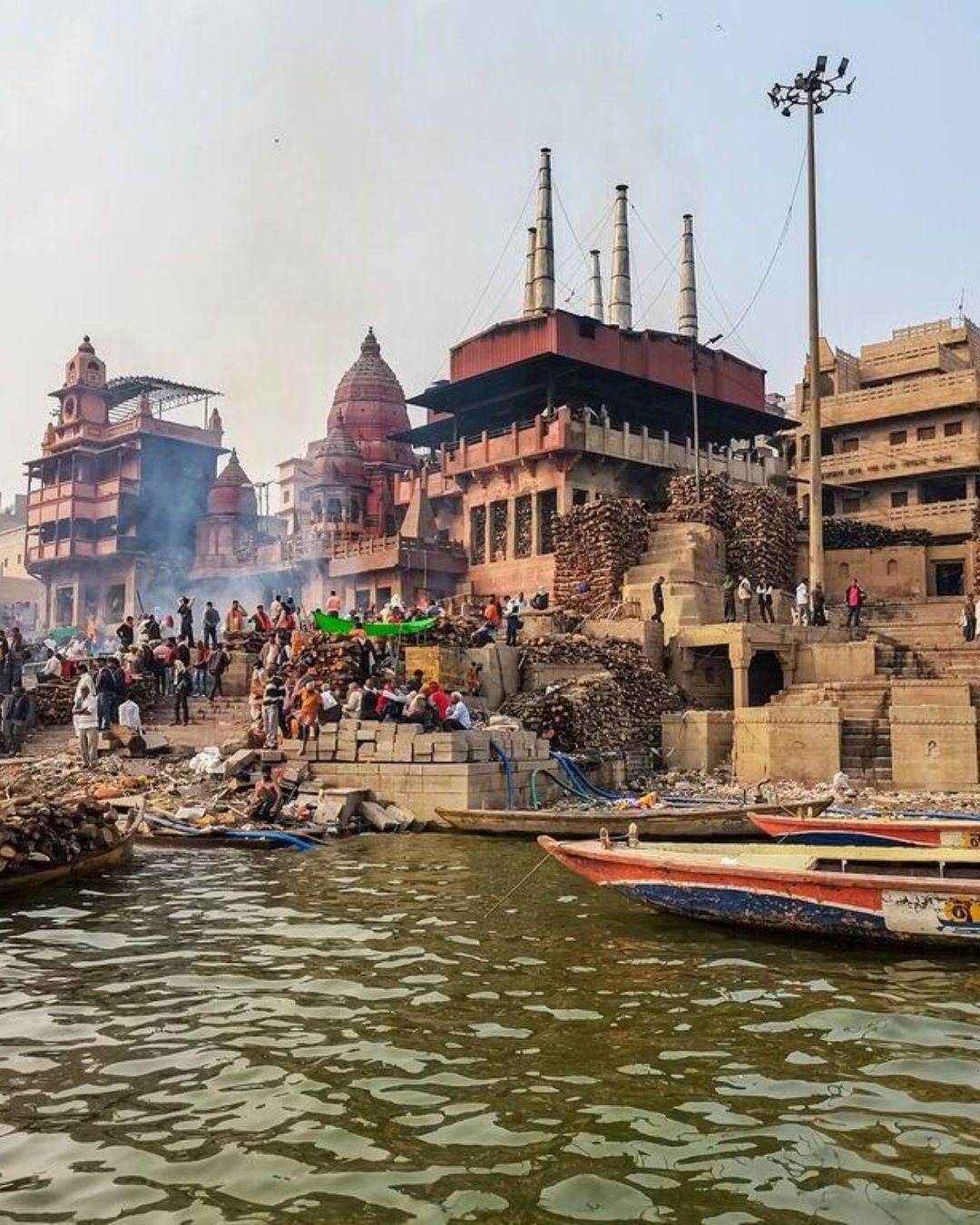
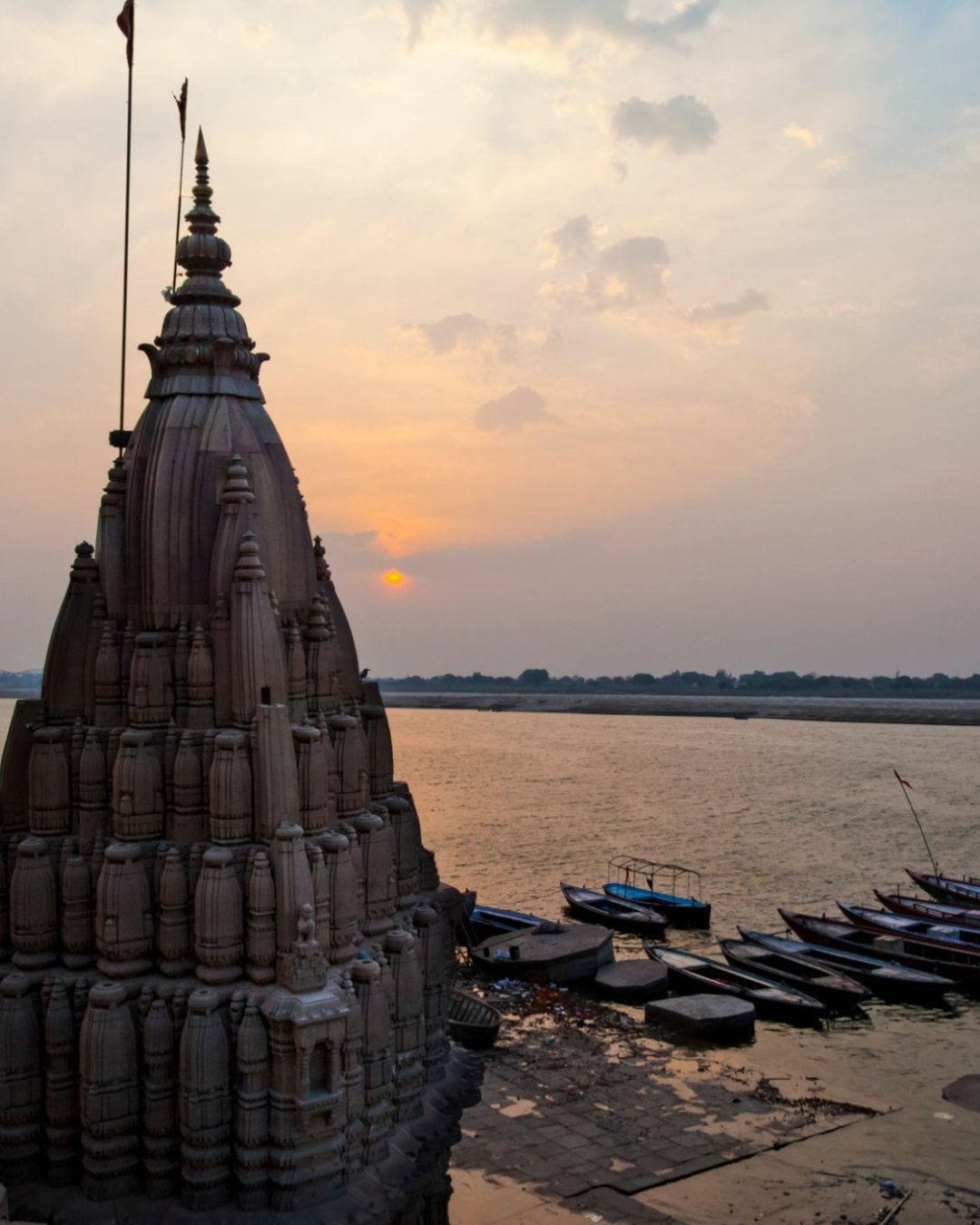
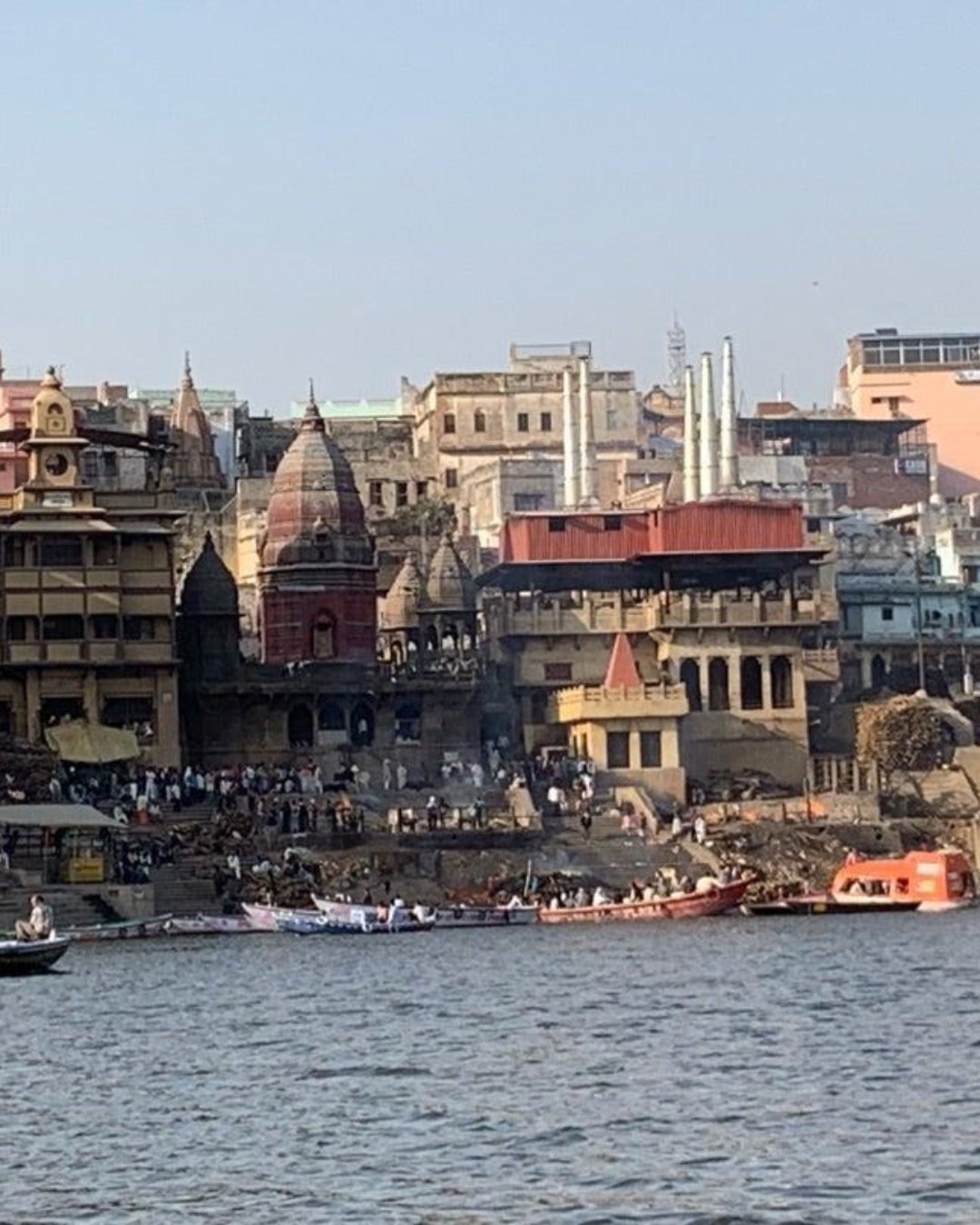
The Keepers of the Flame: The Dom Community
It's easy to watch the fires at Manikarnika without ever wondering who keeps them burning. The pyres burn day and night, someone keeps them going, and most visitors never think past the flames themselves. But here's the thing nobody tells you: those fires are kept by one community, the Doms, who have done this work for generations — and understanding who they are changes how you see the whole ghat. This isn't a sight to seek out. It's a piece of the city worth understanding before you ever reach the river.
Before you visit Manikarnika, it's worth knowing the people behind this essential role. Here's who the Doms are, and why they matter to Kashi.
Why one community holds this role
At the heart of Manikarnika's cremation tradition are the Doms, who have long served as keepers of the fire. They supply the flame said to have burned continuously for centuries, they handle the practical work of the pyres that others by custom will not touch, and without them the ghat does not function. It is essential work, and the city could not do what it does at the river's edge without them.
Behind that responsibility is a difficult social history. The Doms are a Dalit community, historically placed at the bottom of the caste order precisely because of their association with death and cremation — indispensable and marginalised at once. Both things are true, and an honest account holds them together rather than choosing the comfortable one.
What this means at the ghat
If you witness Manikarnika from the water, the most important thing is not to seek out the Doms themselves but to understand the context surrounding their work:
The eternal flame — tended by the Dom community, the source from which pyres are lit.
The Dom Raja — the hereditary head of the community, a figure of real standing in the city's life around death.
The work itself — physically and emotionally heavy labour, done constantly, that the rest of the society relies on and rarely acknowledges.
The families — who come to the Doms at the worst moment of their lives, and are served by them.
This is context to carry with you quietly, not an invitation to approach someone for a photograph or a story.
At Manikarnika, the phone should stay away entirely — not for ten minutes, but throughout your visit. Photographing the Doms at work, like photographing the pyres, treats a person's labour and a family's grief as content. Travellers who take this in respectfully will tell you the same thing: what stays with you isn't an image, it's the recognition that a whole community carries the weight of the city's relationship with death, and has for longer than anyone can trace. That's the part no photo should try to catch.
What to hold, and what to let go
The real mistakes here aren't logistical; they're about attitude. Some visitors reduce the Doms to a grim curiosity — "the caste that handles the dead" — and miss the people entirely. Some try to photograph or interview them. Some romanticise the Dom Raja into a folk character and forget the injustice underneath the role.
The respectful path is simpler: understand that the fires are kept by real people doing essential, undervalued work, witness the ghat from a distance if at all, and leave them to it.
33
MomentKashi Labh Mukti Bhawan, Varanasi
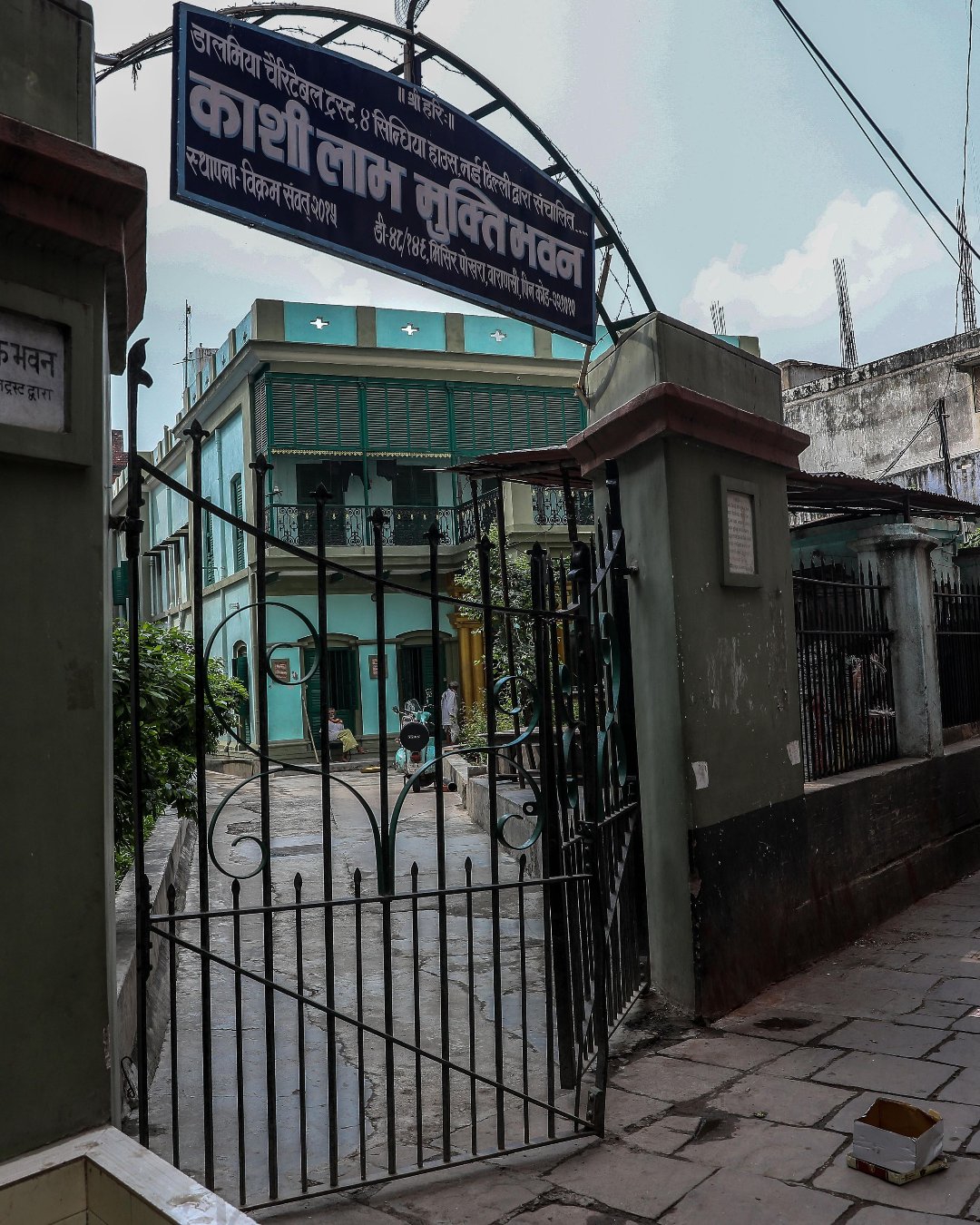
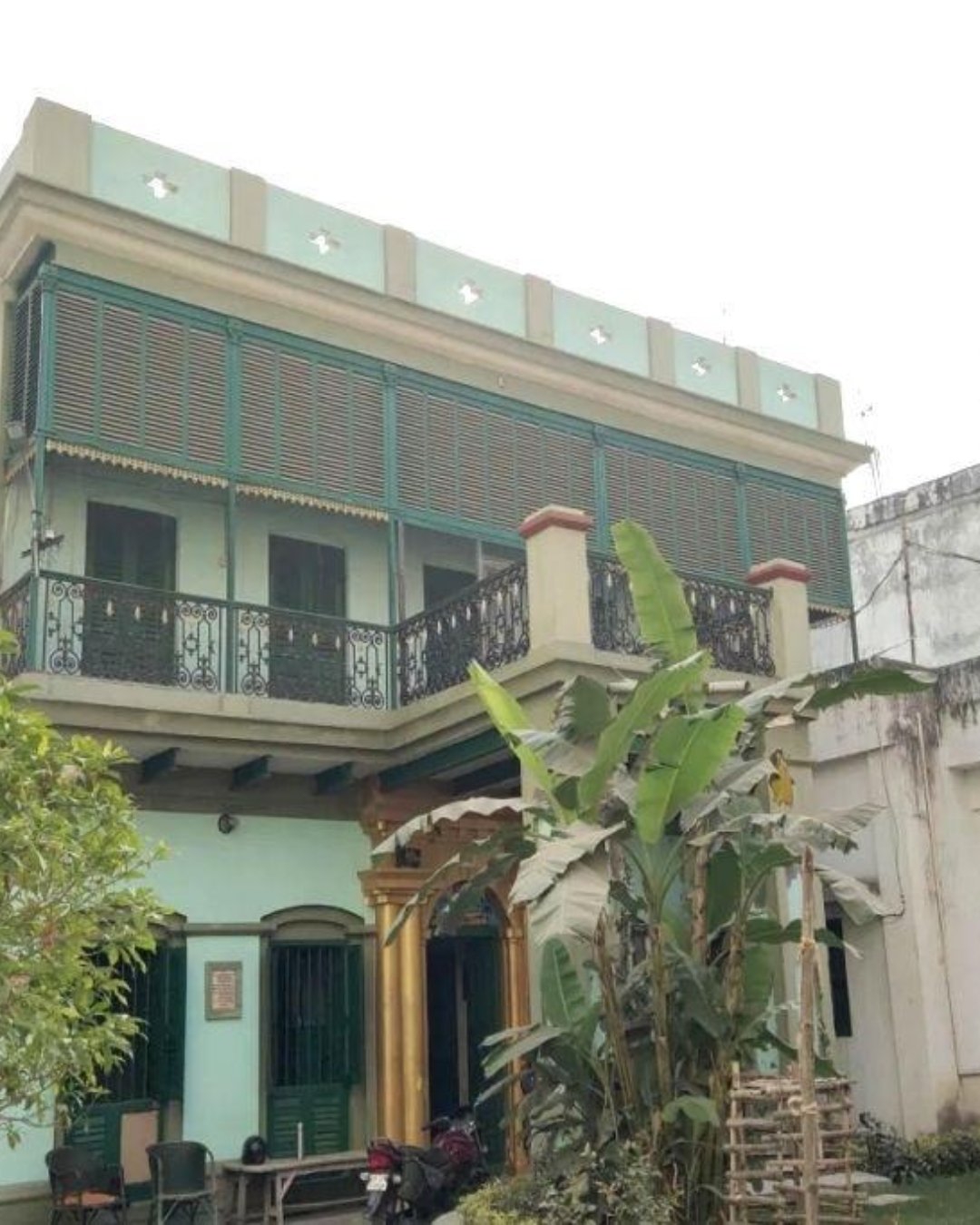
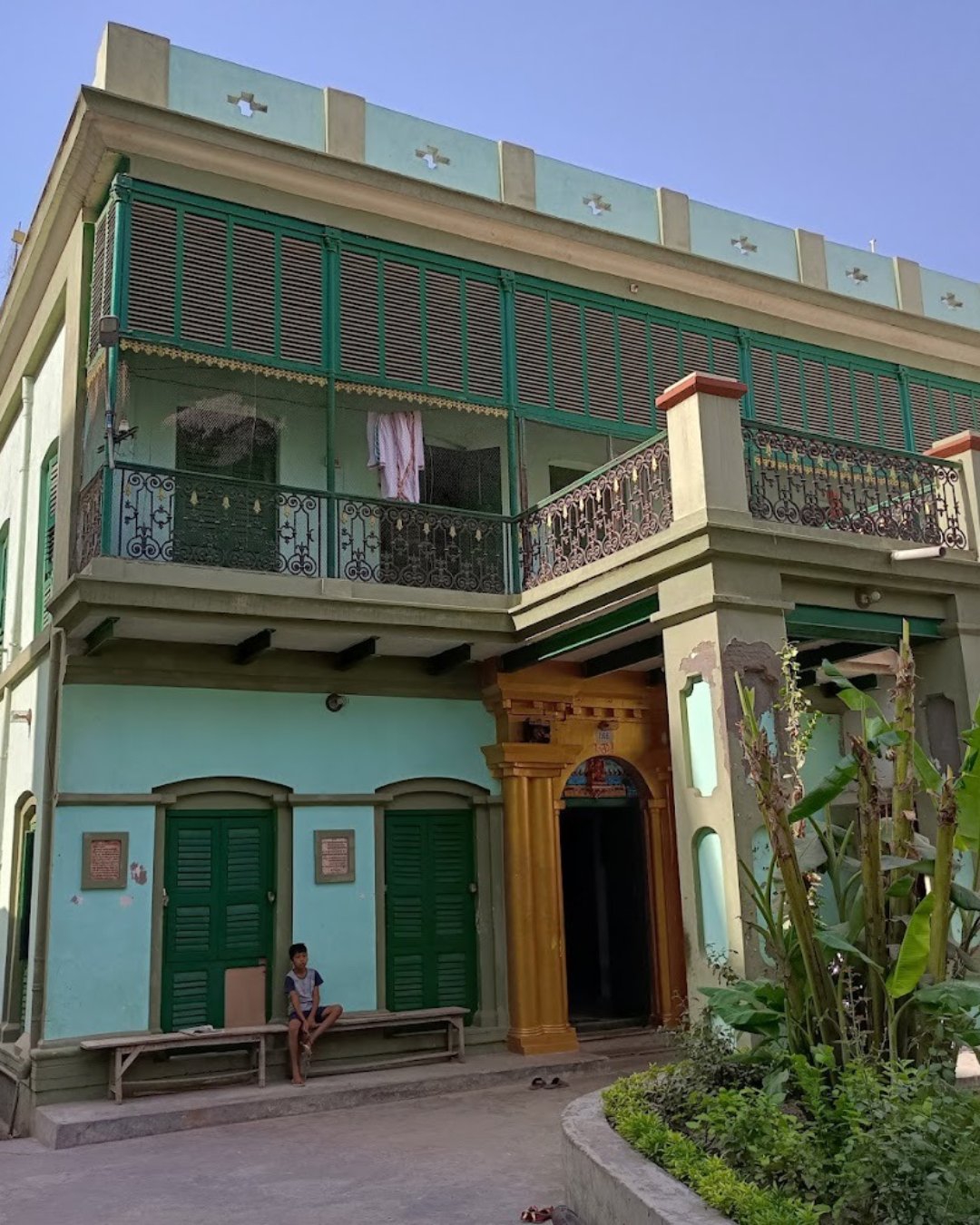
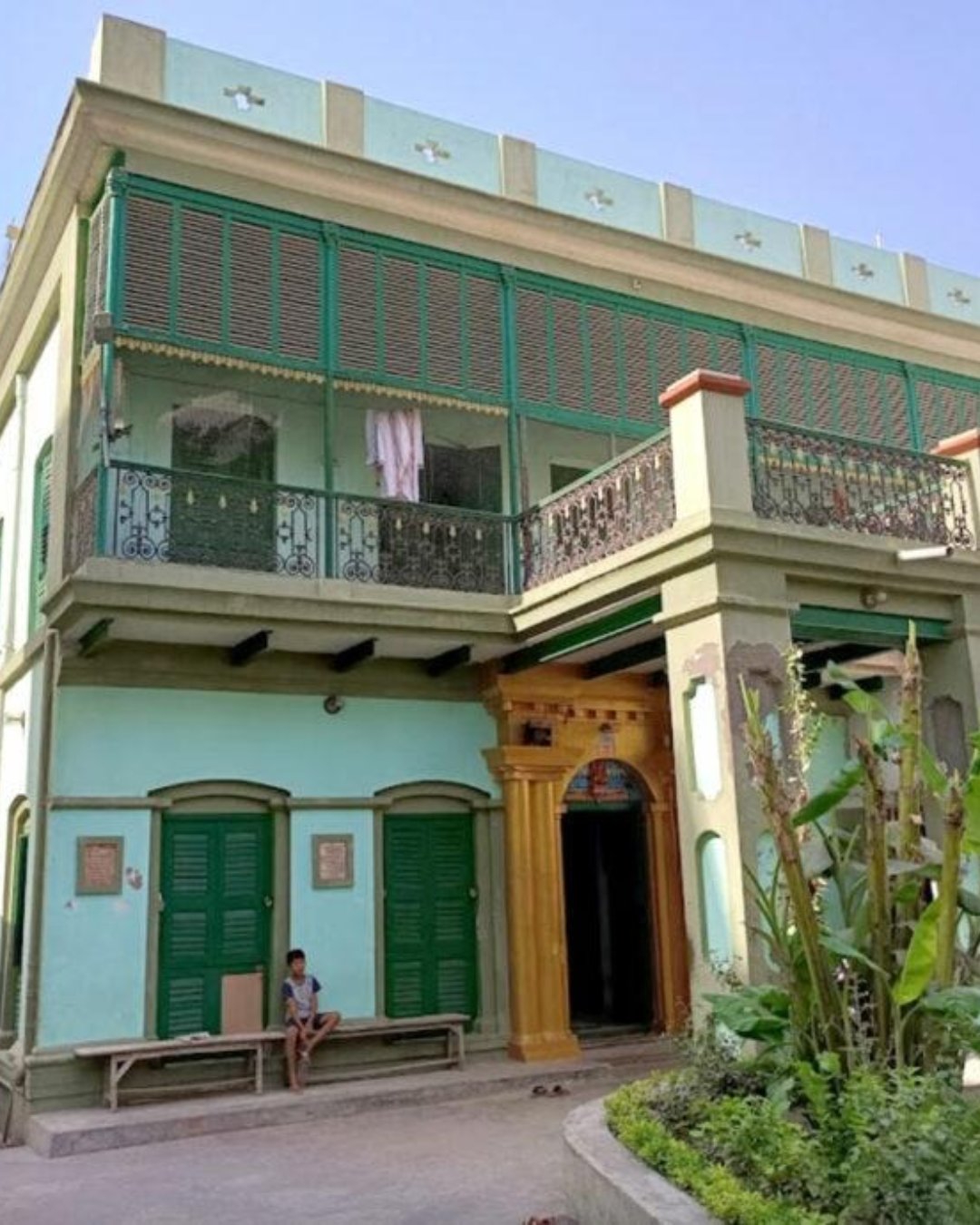
Mukti Bhawan: Where People Come to Die
You may have heard of Mukti Bhawan — the Varanasi guesthouse where people come not to holiday but to die, and something in you wants to go and see it. Here's the thing that has to be said first: this is not a sight, and it is not somewhere you visit. It's a hospice, in effect — a place where the very old and the terminally ill are brought by their families to spend their last days in Kashi, in the hope of dying here. The right way to encounter Mukti Bhawan is to understand what it is, not to turn up at the door.
Before thinking about visiting a place like this, it helps to understand why it exists at all.
Why a place like this exists at all
The story begins with the belief beneath the whole city: that to die in Kashi is to be released — that Shiva grants moksha, liberation from the endless cycle of birth and death, to those who die within its sacred bounds. For a devout Hindu, that is the best possible death. So families bring their dying elders here, to institutions like the Kashi Labh Mukti Bhavan near Godowlia, where a handful of simple rooms are given, without charge, to those the priests judge to be genuinely close to the end. There are rules: a stay is meant to last only a couple of weeks, and if death does not come, the family is gently asked to return home. Prayers and rites are kept up while they wait.
What it actually is, and how to hold it
From the outside, it is small, old, plain, and quiet, yet inside it holds grief alongside a strange kind of peace. What matters is what it is not: it is not a spectacle, not a photo opportunity, not a stop on a tour. The families there are living through the death of someone they love. If you learn about it at all, learn about it as a window onto how this city thinks about death — openly, without hiding it away — rather than as a thing to witness. The most respectful traveller here is the one who reads about it, understands it, and leaves the doorway alone.
A note in place of a pro tip
There is no respectful way to "do" Mukti Bhawan as a tourist attraction, because it isn't yours to do. Do not go to photograph it or the people inside. Do not treat a family's last days as content. If your interest is genuine — and it's a reasonable thing to be moved by — the honest way in is the 2016 Hindi film Mukti Bhawan (Hotel Salvation), or the reporting that's been done on these institutions, both of which let you understand the place without intruding on anyone's grief.
60
MomentHarishchandra Ghat, Varanasi
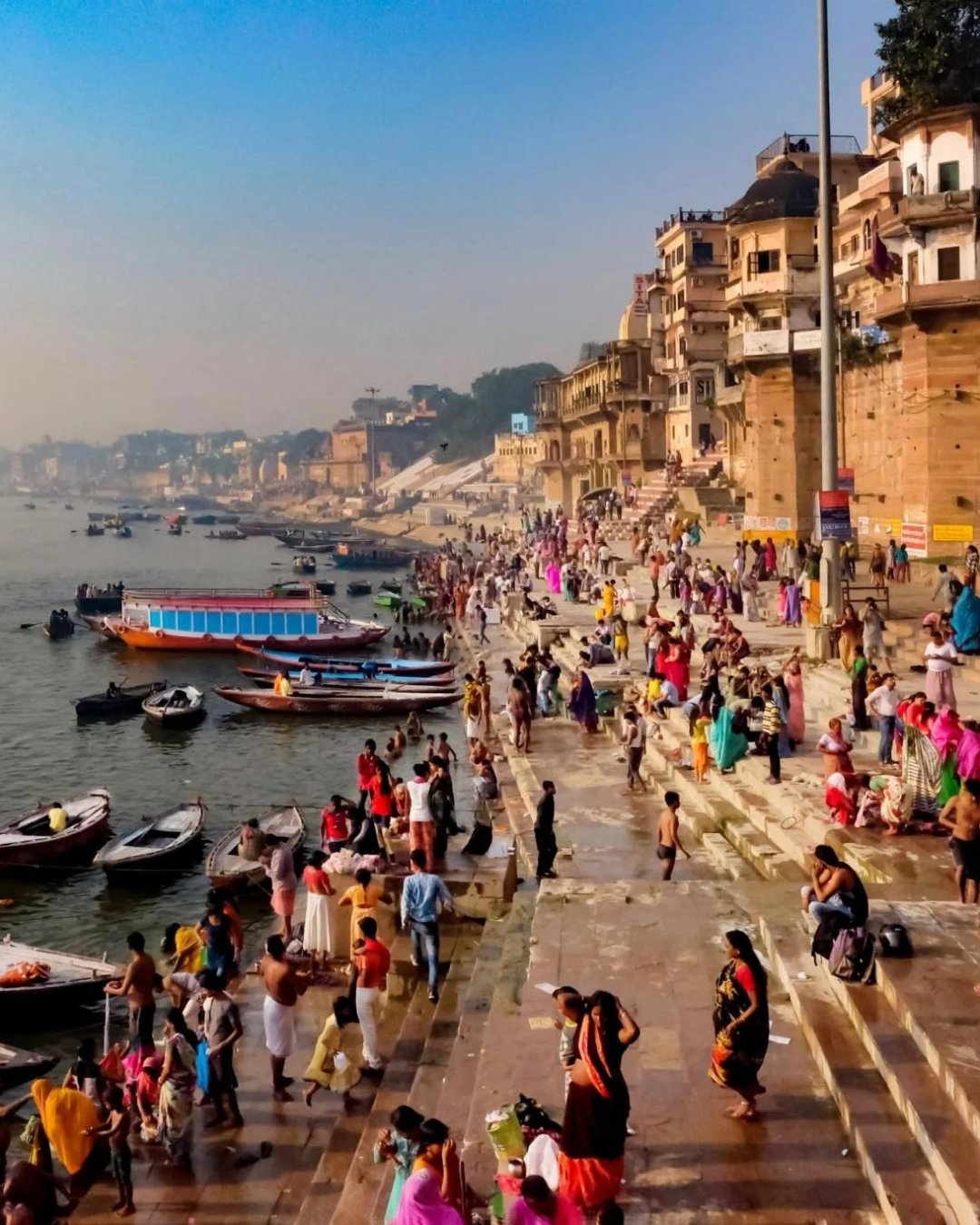
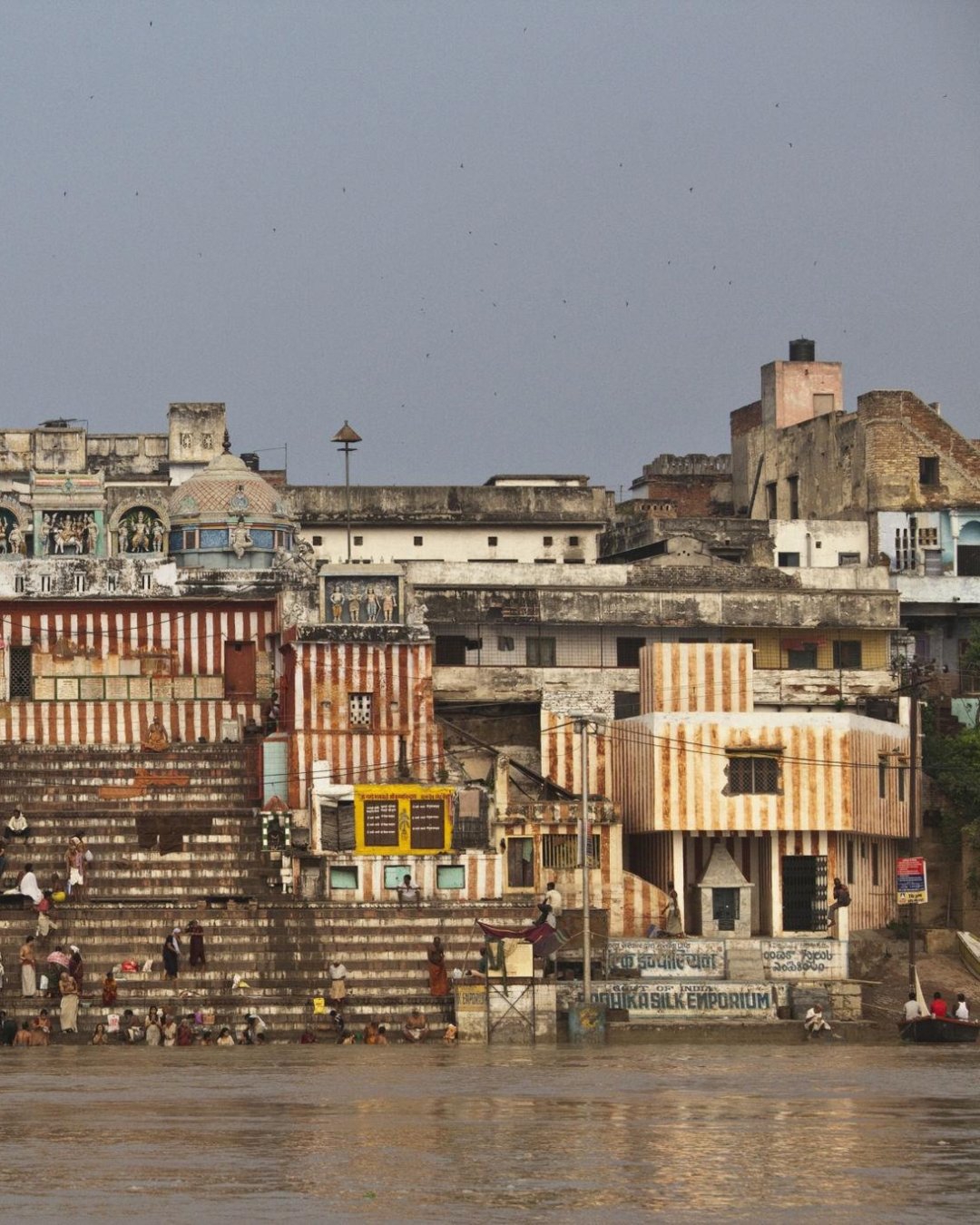
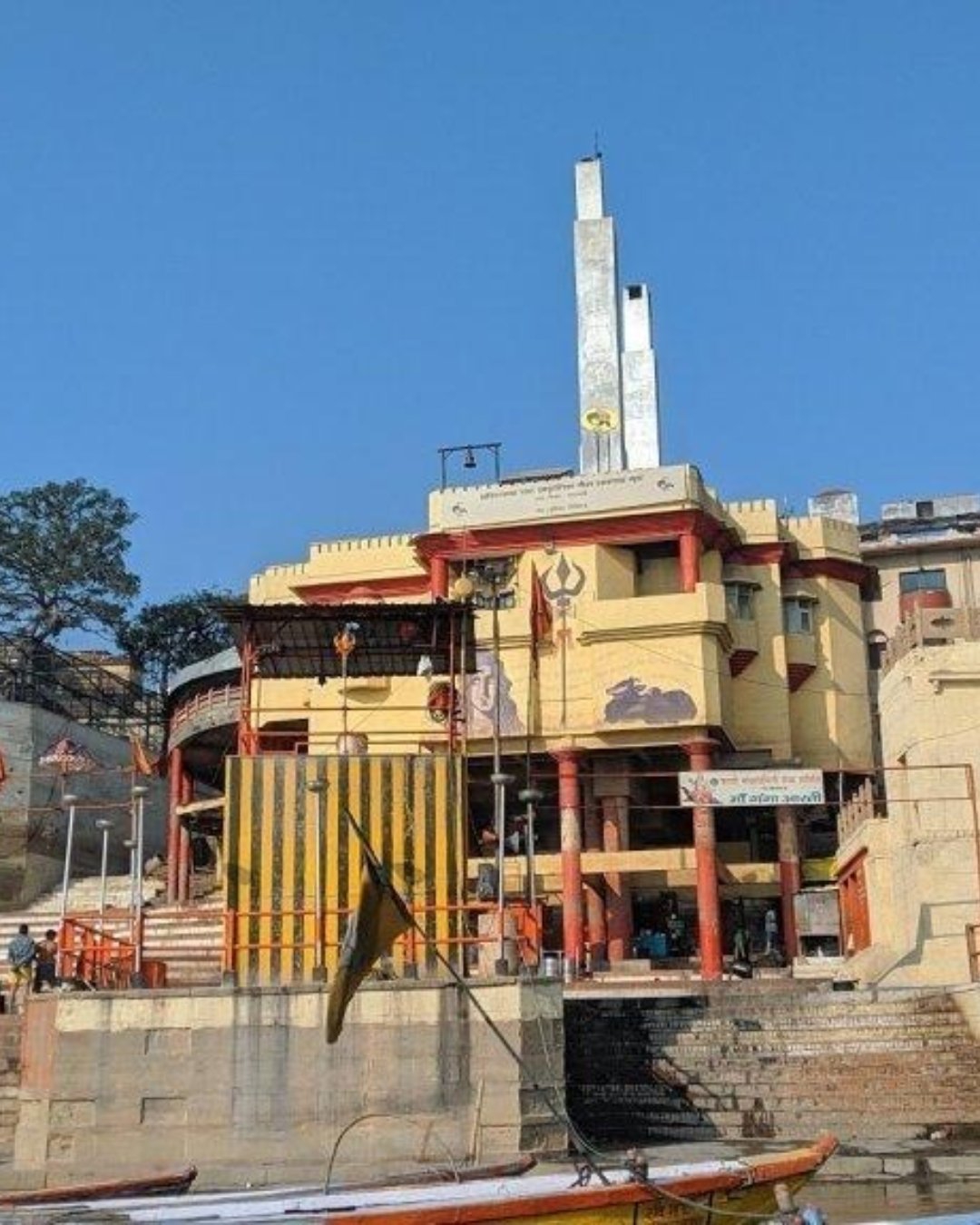
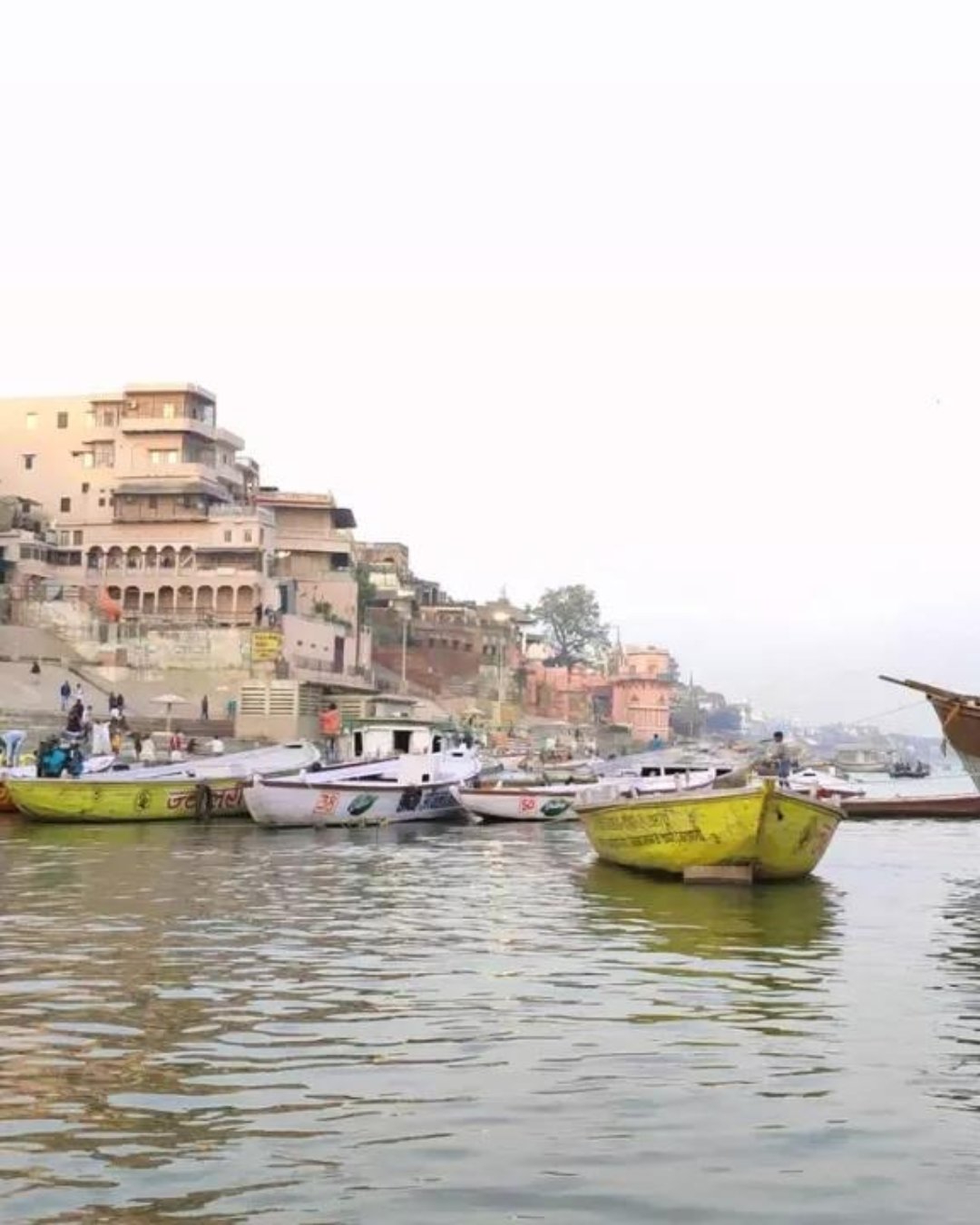
Harishchandra: The Quieter Cremation Ground
You may know Manikarnika, but Harishchandra Ghat often remains almost invisible to visitors. It's the city's other cremation ground, a little to the south, and while it receives fewer visitors, that doesn't make it a gentler place to sightsee. It's still a working cremation ground where families are grieving in the open, and with no crowd to disappear into, how a visitor behaves here matters even more.
Before coming here, it's worth understanding why this quieter ghat demands a little more care.
Why the quieter ghat asks more of you
Harishchandra is one of Varanasi's two cremation ghats, named for a king of legend who gave up his throne, his family and his freedom for the sake of truth — and, the story goes, worked here at the cremation ground itself. Cremations run day and night, some now in an electric crematorium alongside the open pyres.
The difference from Manikarnika is mainly one of scale and atmosphere. At Manikarnika there's constant movement; a respectful visitor can watch from the water and be one of many. Harishchandra is smaller and stiller, and that stillness is the point. There's no spectacle to absorb your presence, so you're closer to the plain fact of what's happening: a family, a fire, a goodbye. The right posture is distance and quiet, and if you can't offer that, the right choice is not to come.
What you'll actually see, and how to hold it
If you pass Harishchandra by boat, keep your distance and let the scene speak for itself:
The pyres — burning on the steps. You do not photograph them. Ever.
The electric crematorium — the modern facility alongside, quietly changing how the poor are cremated here.
The families and the Dom community — the mourners, and those who tend the fires, as at Manikarnika.
Kedar Ghat — just north, if you want a gentler place to continue to afterward.
For a place like this, dress plainly and keep yourself covered. This is not a place for bright clothes or a camera held ready.
More importantly, keep your phone away completely — not for ten minutes, but for the whole time. Photographing cremations is forbidden and deeply hurtful, and no image here was ever yours to take. People who come to Harishchandra the right way describe the same thing afterward: you stand back, you take in what the city is quietly showing you about death being ordinary and unhidden rather than shut behind a door, and you leave. What stays isn't a photograph — it couldn't be — it's having stood, briefly and with respect, at the edge of something most of the world keeps out of sight.
A note in place of a pro tip: if you want to understand Harishchandra, the most respectful option is to witness it from the water, at a distance, as part of the boat ride you're likely already taking. You get the meaning of the place without intruding on the ground itself. Decline anyone who offers to walk you in close or asks for a donation of wood for a poor or dying family — as at Manikarnika, that's a scam that trades on exactly this setting. If you wish to give, give to a registered charity later.
The mistakes to avoid
The most common mistakes come from assuming that a quieter ghat means a more accessible one. They assume "quieter" means it's more acceptable to approach closely. They raise a camera. Or they let a tout walk them into the middle of a working ground for money.
The respectful way to experience Harishchandra is to see it briefly, from a distance, ideally from the boat, with someone who can explain what you're witnessing without turning grief into a show.
22
MomentGanga Mahal Ghat, (Varanasi), Varanasi
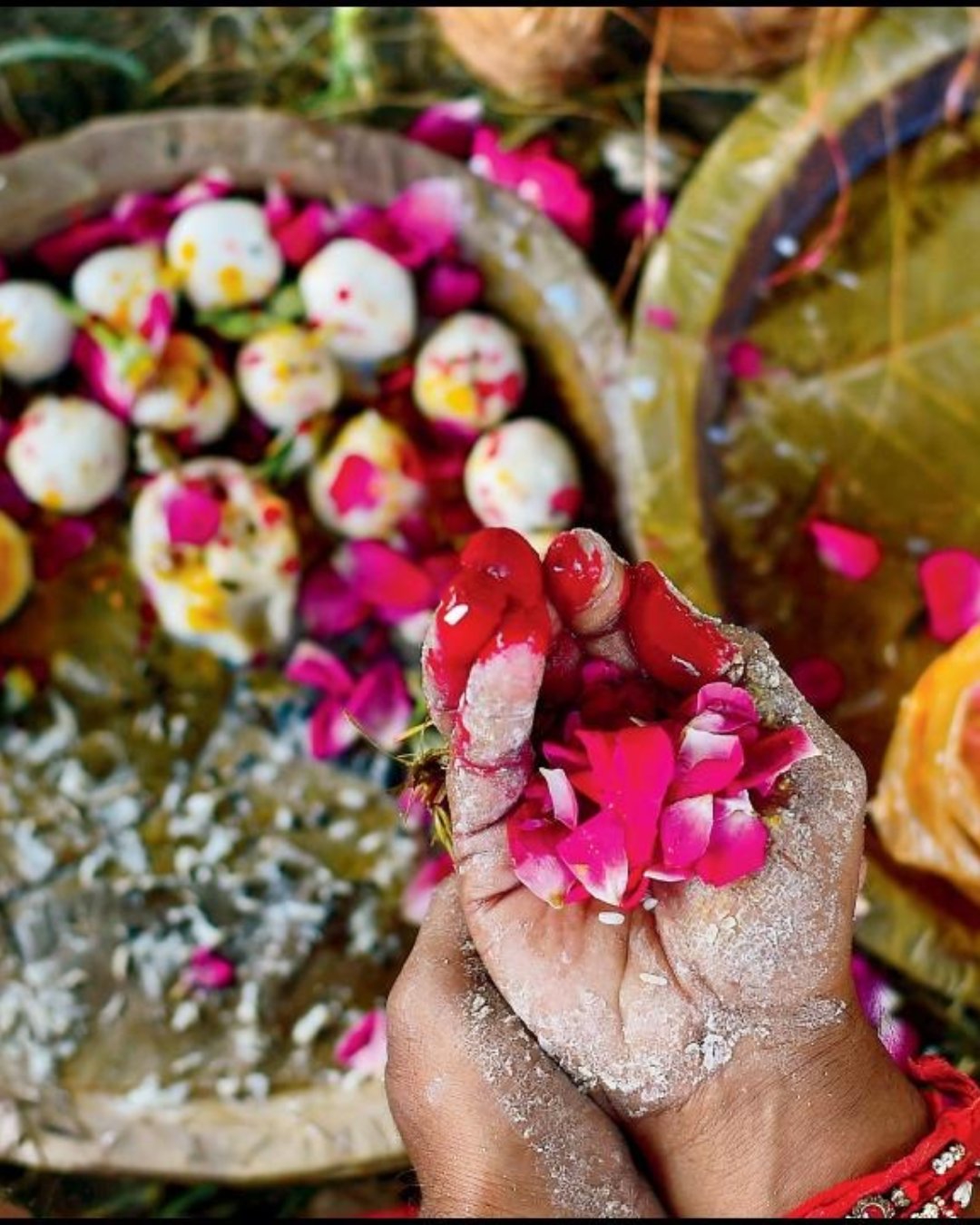
Pind Daan & the Rites for Ancestors
You may know Varanasi for its cremation ghats, but the city is also where families come to perform rites for those who have already died. What's less understood is that it's also where the living come for the dead — to perform Pind Daan, the rite that offers rest and release to departed ancestors. If you've come to Kashi to do this for a parent or forebear, or simply to understand it, the worst thing is to arrive unprepared, be steered by a middleman on the ghat steps, and rush through something that was meant to be done with care.
Before you arrive, it's worth knowing how the ritual works and what you should prepare. Here's what Pind Daan in Varanasi actually involves, and how to come ready.
Why it's done here, and why it isn't hurried
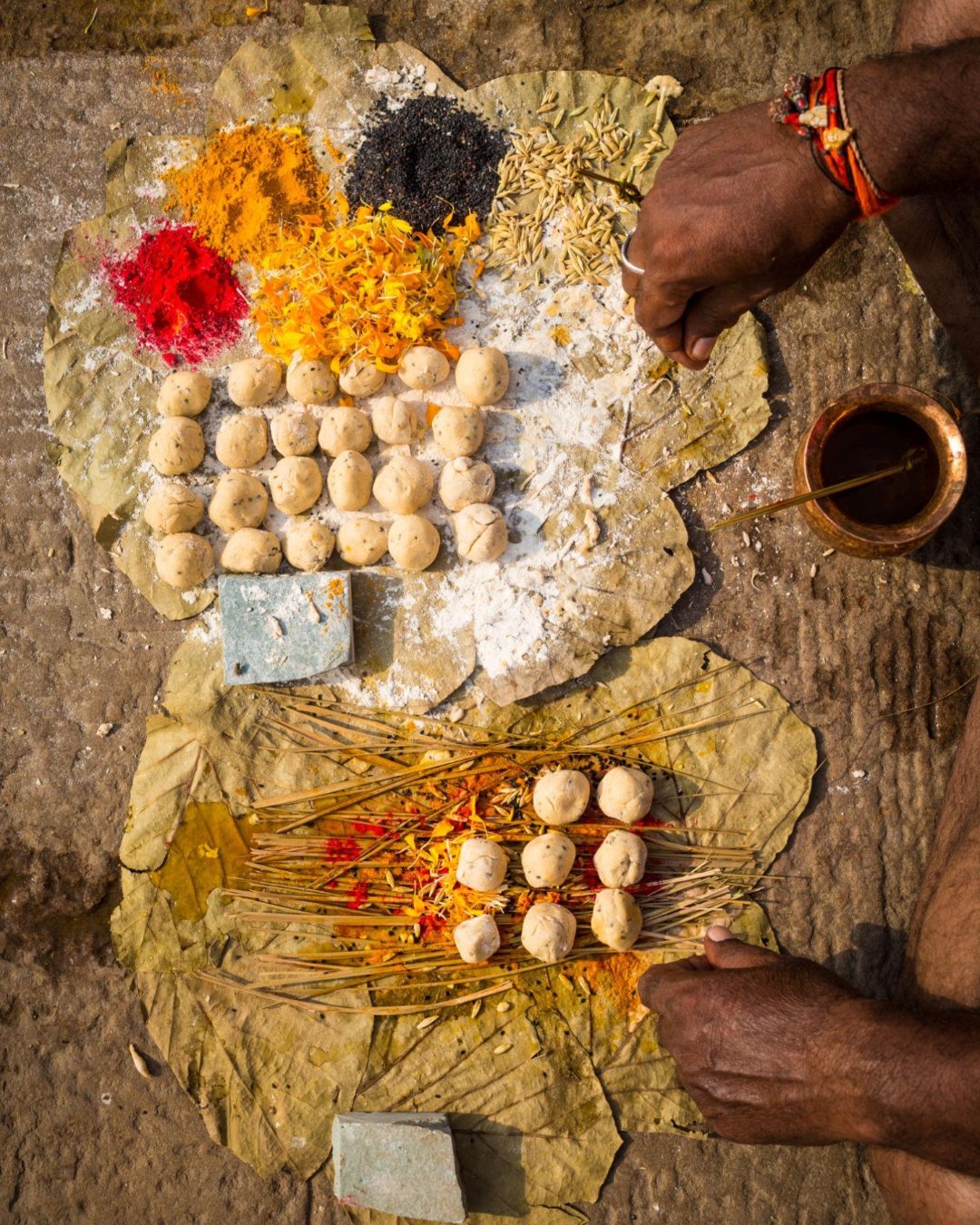
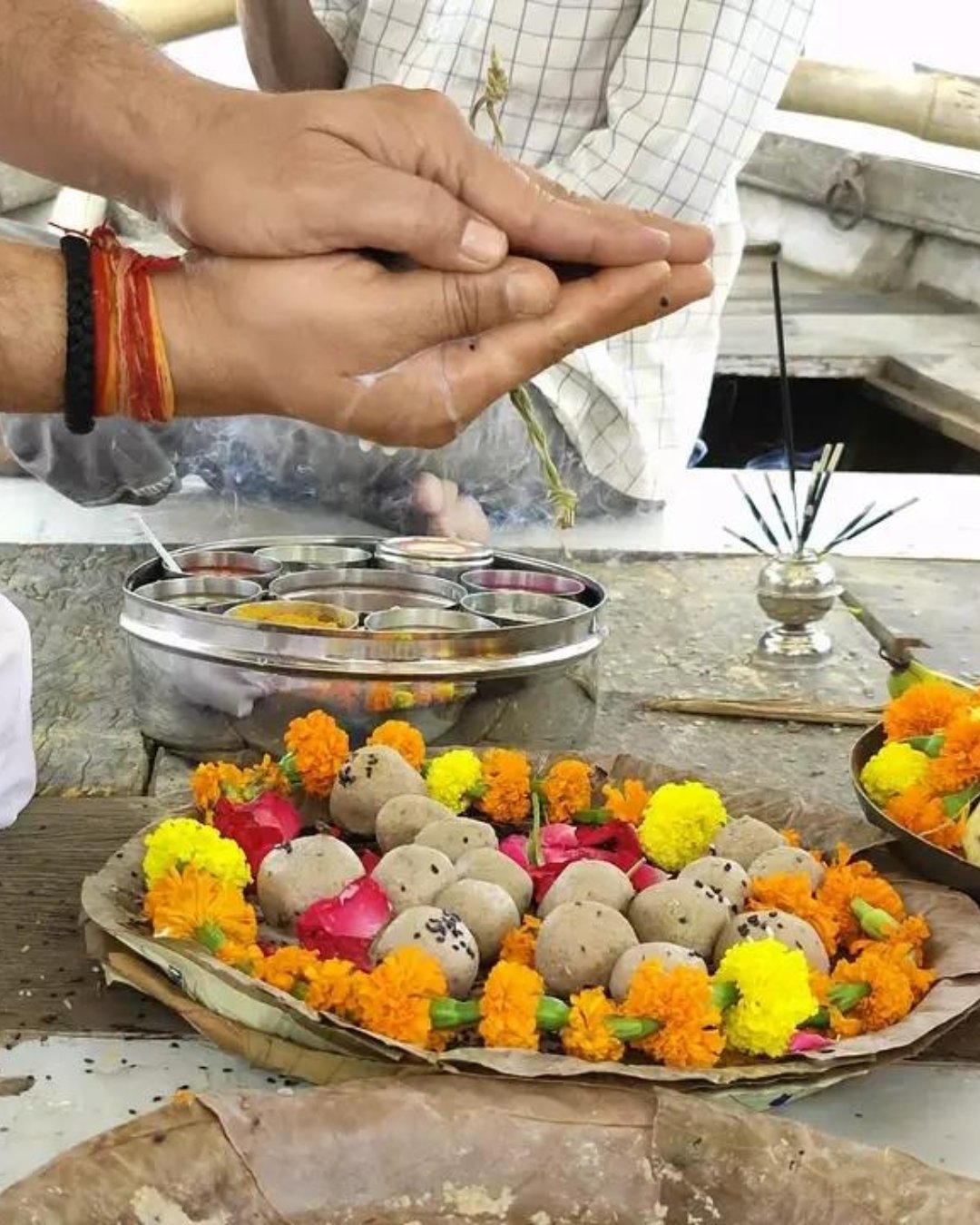
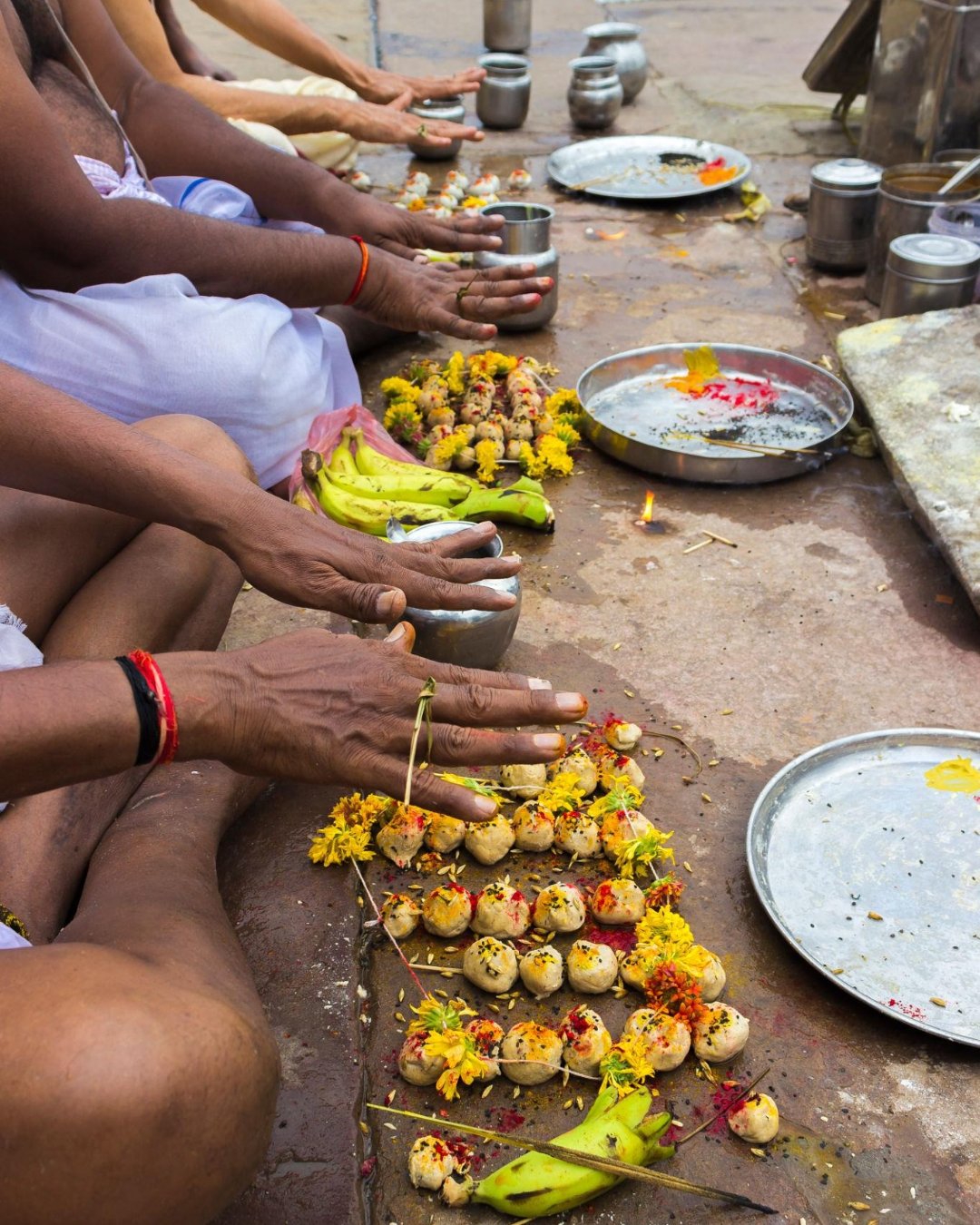
At its heart, Pind Daan is a shraddha rite: rice-flour and barley balls (pind) offered to nourish and liberate the pitru, the ancestors, helping a soul move on rather than linger. Hindus believe performing it at a sacred tirtha carries special power, and Kashi — along with Gaya and Prayagraj — is among the foremost places to do it. Varanasi's Pishach Mochan kund is particularly associated with releasing souls held in unrest.
Unlike a sightseeing activity, this is a ritual guided by a tirtha purohit, a priest whose family has guided these rites for generations. It unfolds at its own pace — the offerings, the water rites (tarpan), the prayers by name and lineage. You come for the rite, not for a view, and you give it the morning it needs.
What the rite involves
The exact observance depends on family tradition and the particular rite being performed, but the basic sequence often includes:
Sankalp — the intention, spoken with your name and your ancestors' names and lineage.
The pind — balls of rice flour, barley and sesame, prepared and offered.
Tarpan — water offerings to the ancestors, often at the river or the kund.
The purohit's guidance — the priest leads the Sanskrit rites; you follow.
For the ritual itself, dress simply and modestly; some traditions call for particular observances beforehand, so ask your priest in advance. Come with the details you'll need — ancestral names and gotra if known.
Photography has no real place in this ritual. Where the sunrise boat ride asks you to put the phone away for ten minutes, this asks you to leave it away entirely. What matters here isn't recorded; it's done. The quiet of naming your own dead, at the river, with a priest who has done this for a thousand grieving families before you — that is not something a photograph was ever meant to hold.
A word of caution, in place of a pro tip
Because this is where genuine grief can meet exploitation, a little preparation matters. Agree what a rite involves and what it costs before it begins, never on the steps mid-ceremony. Engage a genuine tirtha purohit through a trusted arrangement rather than whoever approaches you first. Be wary of anyone inflating fees against your emotion, or insisting a soul is "trapped" and only a costlier rite will free it. A sincere priest will explain, not pressure.
What people get wrong
The same avoidable problems tend to catch people who arrive without preparation. They arrive with no priest arranged and are picked up by a tout. They don't bring the ancestral names the rite needs. Or they let someone rush and upsell them through what should have been unhurried and dignified.
The simplest solution is to arrange a reputable priest and the right site in advance, and to come knowing what the rite is for — so the morning belongs to your ancestors, not to a negotiation.
38
MomentManikarnika Ghat, Varanasi
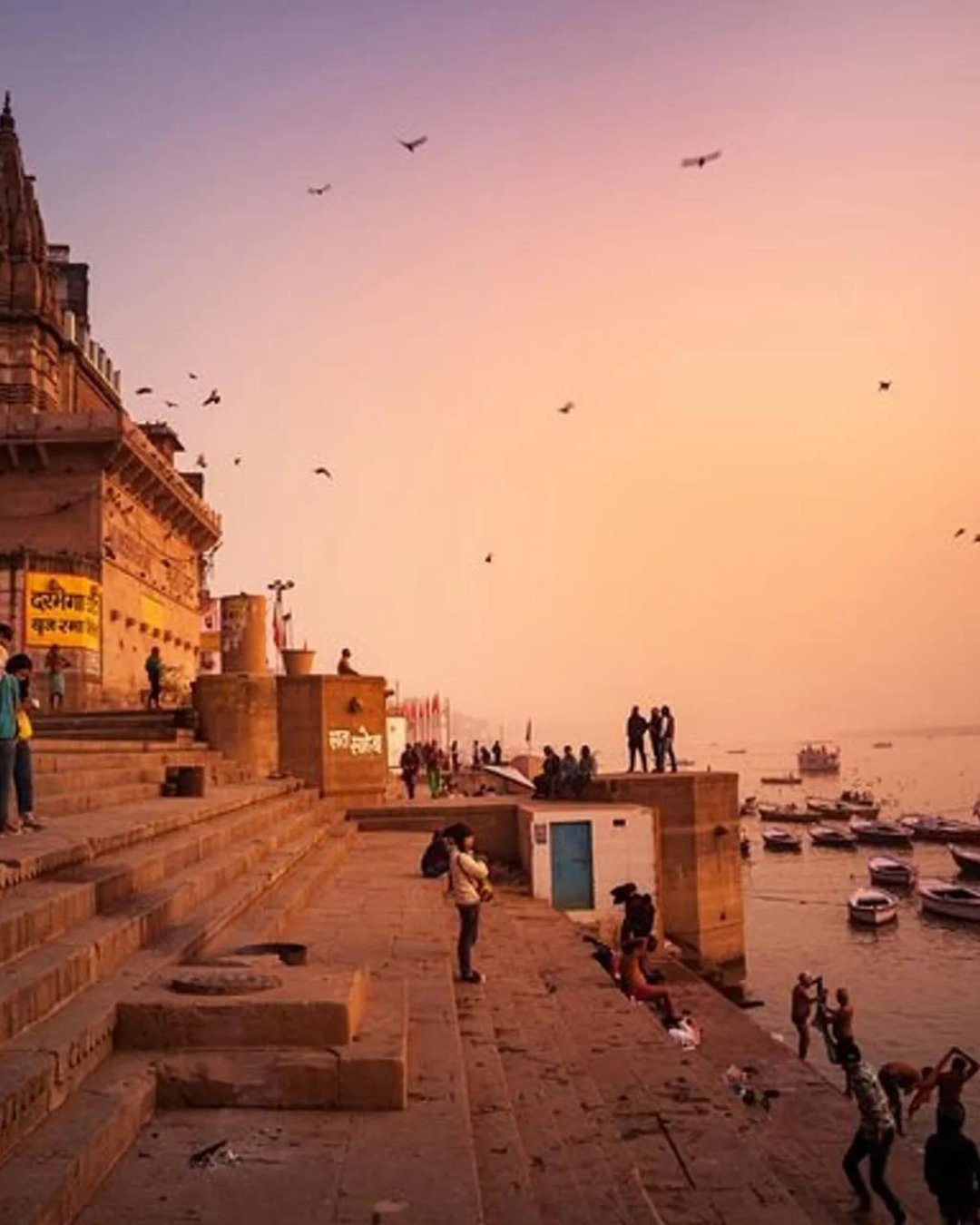
How to Witness With Respect
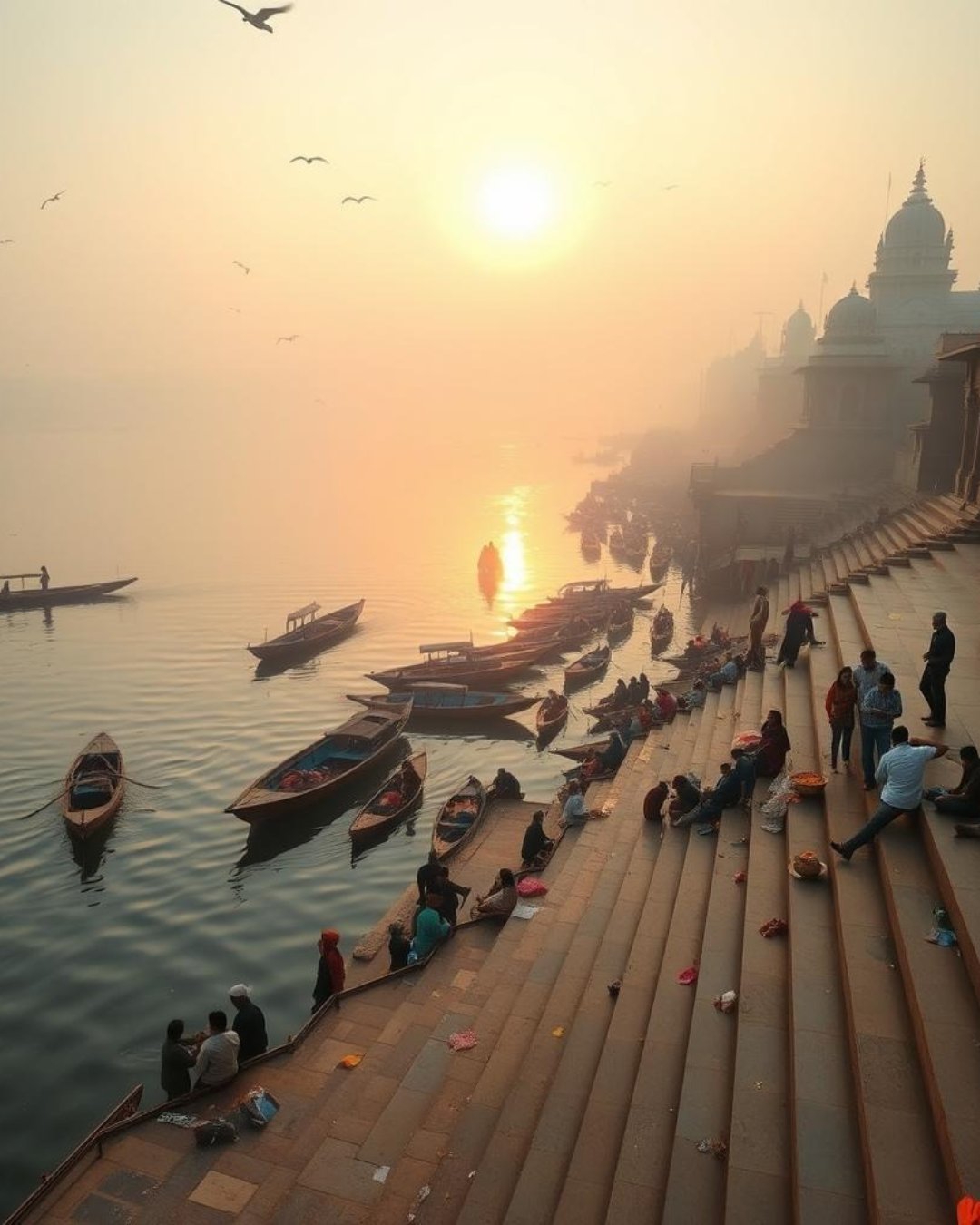
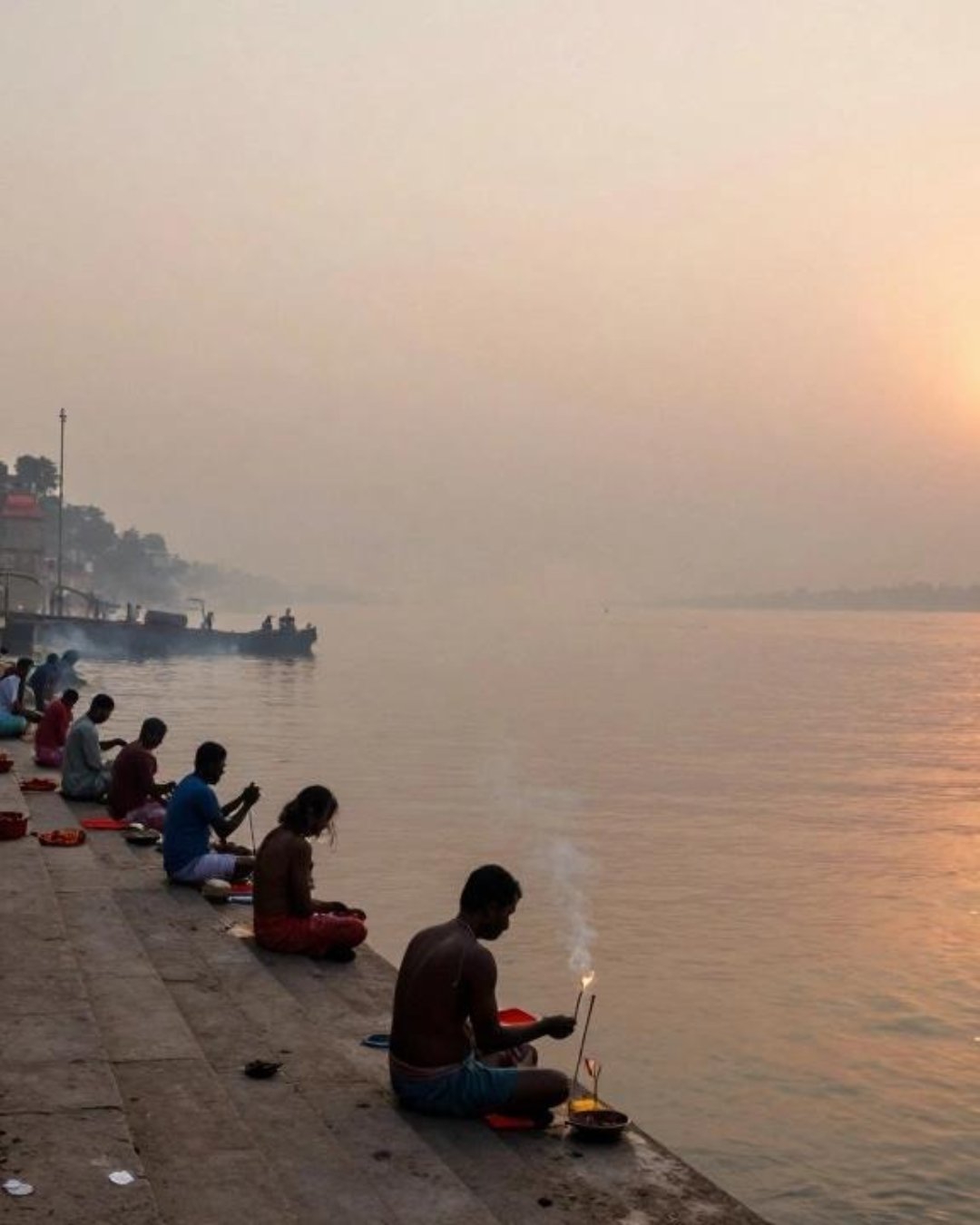
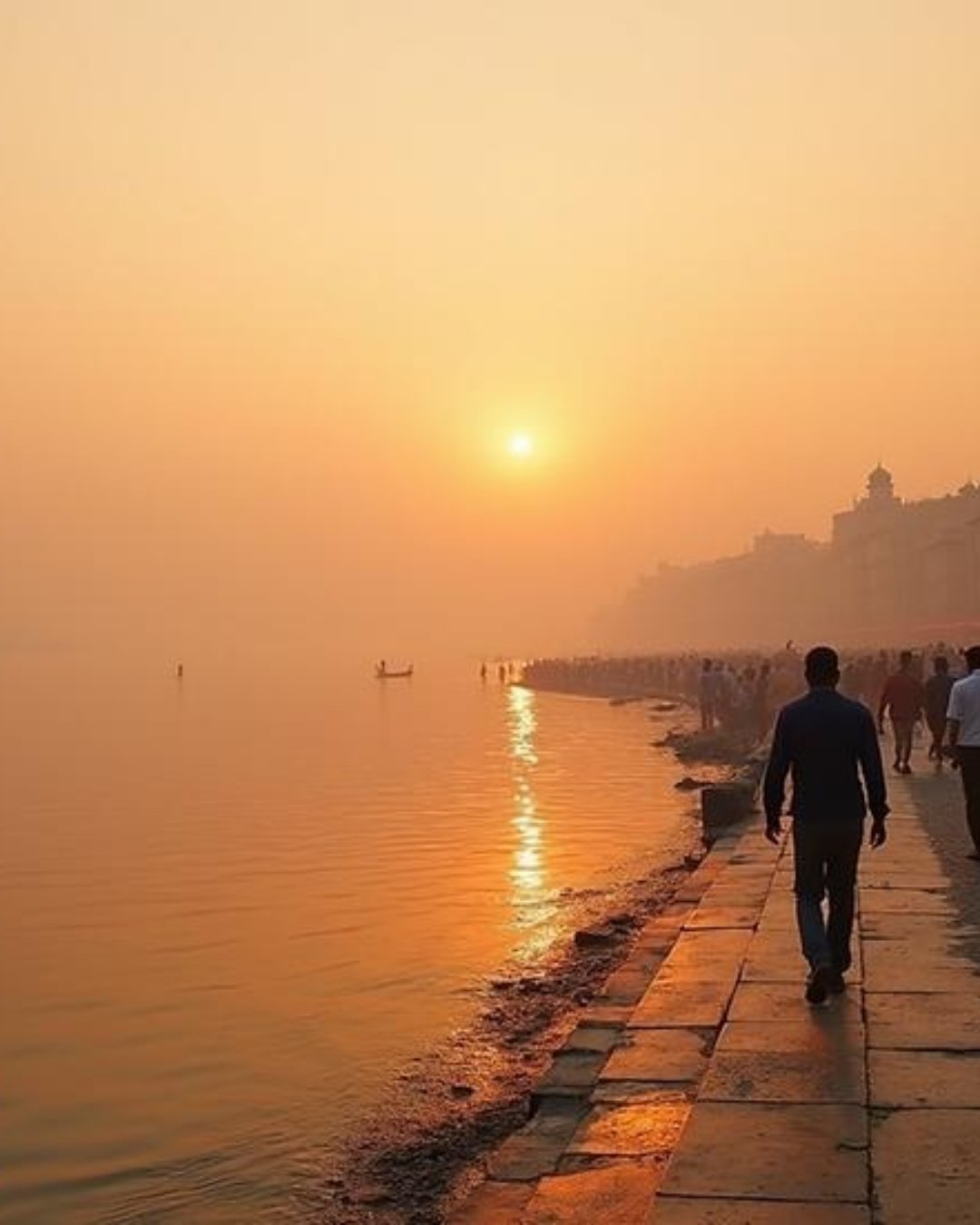
You may arrive in Varanasi ready to photograph the ghats, the fires, the bathers, and the faces in prayer. But here's the thing nobody tells you: almost everything you'll photograph in Varanasi is somebody's private moment made public by geography. The grief, the worship, the last rites — they happen in the open here, not because they're a show, but because this city has never hidden them. Treat that openness as a backdrop and you'll take home a memory card full of other people's most sacred hours. There's a better way to be here.
Before you lift your camera, it's worth understanding the responsibility that comes with witnessing these moments. Let's talk about how to witness Varanasi with respect, and get it right from the first morning.
Why your posture matters more than your itinerary
At its heart, Varanasi is a living religious city, not an exhibit. Pilgrims come to die here, families come to cremate their dead, and devotees come to worship at dawn — and you are a guest among all of it. The single shift that changes your whole trip is to think of yourself as a witness rather than a viewer: someone quietly present at something real, not an audience it's performing for.
The difference starts with how you move through the city. That means moving slowly, keeping your voice down near rituals, and reading a situation before you act in it. It costs you nothing and it changes how the city meets you. People who move through Varanasi gently find it opens up; people who treat it as content find doors, quite literally, closing.
Where the lines are
Certain places and situations require more care than others:
The cremation ghats — Manikarnika and Harishchandra are working funerals. Watch from a distance, ideally from the water, and never photograph the pyres or the mourners.
Bathers and worshippers — people at prayer or in the river are not subjects. Ask, or don't shoot.
Inside temples — phones and cameras are often forbidden entirely; at Kashi Vishwanath you carry nothing in at all.
Sadhus and priests — many will pose, some for money, some not at all. Ask first, and accept no as an answer.
When you're near the river or temples, dress modestly — covered shoulders and knees. It signals respect before you've said a word.
The biggest adjustment may simply be knowing when not to reach for your phone. Travellers who do this will tell you the same thing: the instinct is to document everything, but the moments that stay with you are the ones you actually watched. The chanting rolling off the ghats, the heat of a pyre you chose not to film, the quiet of a temple you entered empty-handed — that's the part no photo was ever going to hold.
A note in place of a pro tip: when in doubt, ask, and when you can't ask, don't. Decline the touts who offer a "better view" of a cremation or ask you to fund a dying stranger's wood — it is a scam that preys on exactly this setting. If you want to give, give to a registered charity, not a man on the steps. And let a knowledgeable local guide walk you through the harder sights; the difference between gawking and understanding is usually just context, offered by someone who belongs here.
The mistakes to avoid
The same few mistakes tend to turn respectful witnessing into intrusive tourism. They raise a camera at a funeral. They wade into a crowd of worshippers for a photo. Or they treat the whole river as a set and never notice the people living their faith on it.
The better approach is quieter: come slowly, watch before you act, and let someone who knows the city show you how to be in it.
Destination
Varanasi, Uttar Pradesh, India
People also ask
01Question
Why do people go to Varanasi to die?
Many Hindus believe that dying in Kashi (Varanasi) can lead to moksha — liberation from the cycle of birth and rebirth. The belief is closely associated with Lord Shiva, the sacred Ganga, and the idea that Shiva grants the departing soul the Tarak Mantra.
02Question
What is Manikarnika Ghat?
Manikarnika Ghat is one of Varanasi's most sacred Hindu cremation ghats, located on the banks of the Ganga near Lalita Ghat. Cremation rites are performed here around the clock, and Hindu tradition associates the ghat with moksha, or liberation from the cycle of rebirth.
03Question
Can tourists watch cremations in Varanasi?
Yes, tourists can observe cremations at Manikarnika or Harishchandra Ghat, but only from a respectful distance. Stay quiet, don't interfere, and never photograph or film cremations or grieving families. A boat passing the ghat can provide a respectful distant view.
04Question
Is photography allowed at Manikarnika Ghat?
No — photography and videography of the cremations, funeral pyres, deceased, or grieving families should not be taken. Manikarnika is an active cremation ground, so we recommend keeping your camera/phone away and observing quietly.
You can photograph the wider Varanasi riverfront and architecture from an appropriate distance, provided you are not capturing private funeral rituals or identifiable mourners.
05Question
Why is Varanasi called the city of moksha?
Varanasi is called the “City of Moksha” because Hindu tradition holds that dying in Kashi can lead to moksha — liberation from the cycle of birth and rebirth. The city is especially sacred because of its association with Lord Shiva, the Ganga, and Kashi Vishwanath Temple.
06Question
What is the Tarak Mantra?
The Tarak Mantra is traditionally understood as a “liberating mantra” associated with Lord Shiva. In Kashi, Hindu tradition holds that Shiva whispers the mantra to a dying person, helping the soul attain moksha — liberation from the cycle of birth and rebirth.
The exact mantra is described differently across traditions; “Rama,” “Om Namah Shivaya,” and “Om” are among the forms associated with the Tarak tradition.
07Question
What is Mukti Bhawan?
Mukti Bhawan (Kashi Labh Mukti Bhawan) is a charitable guesthouse in Varanasi for people who are nearing the end of life and wish to spend their final days in Kashi, guided by the Hindu belief that dying in Varanasi can lead to moksha (liberation). It is not a regular tourist hotel.
A place where people come to spend their final days in Kashi, hoping for spiritual liberation.
Experience layers
Go further into one part of this trip.