

The Keepers of the Flame: The Dom Community
Manikarnika Ghat, Varanasi, India
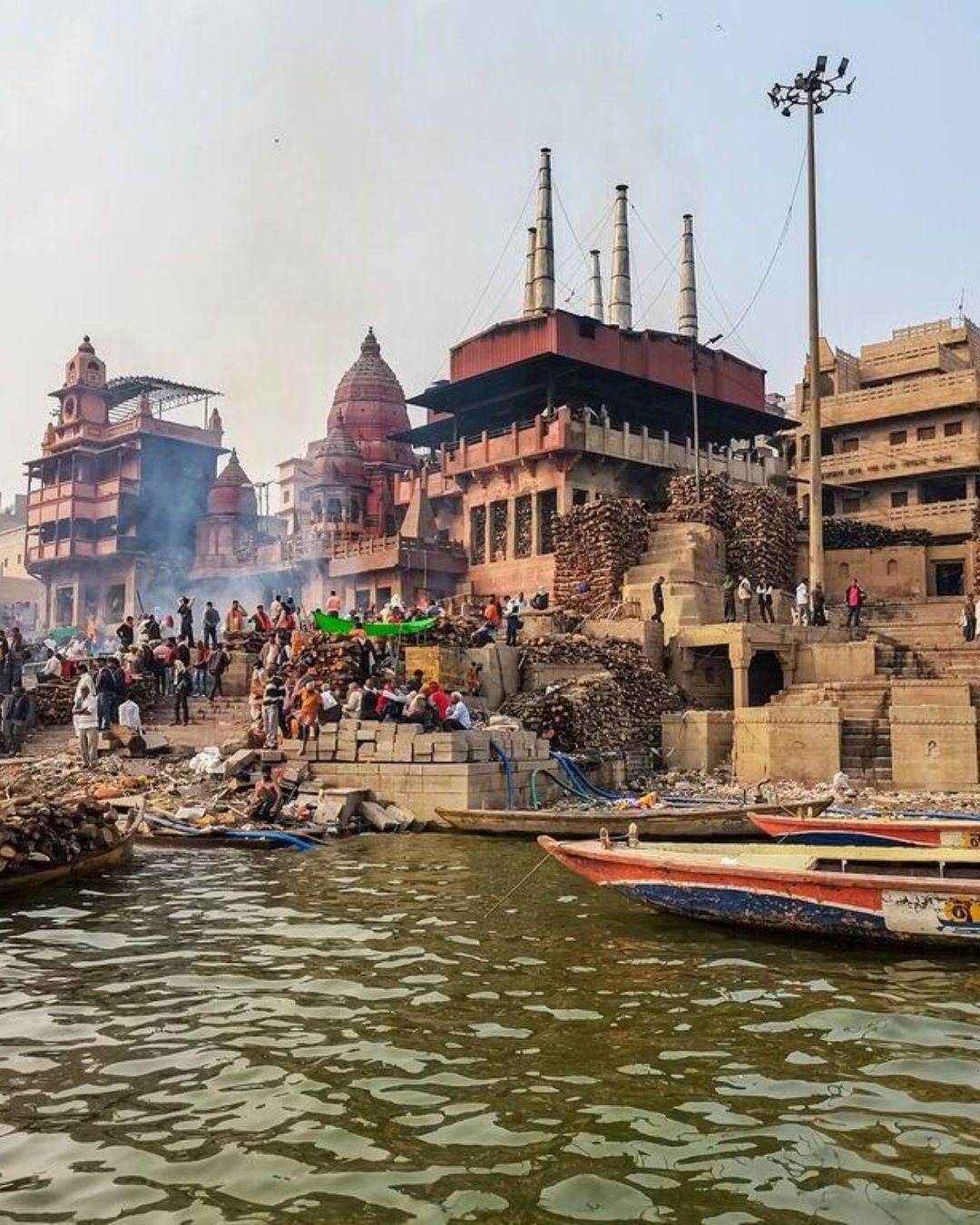
It's easy to watch the fires at Manikarnika without ever wondering who keeps them burning. The pyres burn day and night, someone keeps them going, and most visitors never think past the flames themselves. But here's the thing nobody tells you: those fires are kept by one community, the Doms, who have done this work for generations — and understanding who they are changes how you see the whole ghat. This isn't a sight to seek out. It's a piece of the city worth understanding before you ever reach the river.
Before you visit Manikarnika, it's worth knowing the people behind this essential role. Here's who the Doms are, and why they matter to Kashi.
Why one community holds this role
At the heart of Manikarnika's cremation tradition are the Doms, who have long served as keepers of the fire. They supply the flame said to have burned continuously for centuries, they handle the practical work of the pyres that others by custom will not touch, and without them the ghat does not function. It is essential work, and the city could not do what it does at the river's edge without them.
Behind that responsibility is a difficult social history. The Doms are a Dalit community, historically placed at the bottom of the caste order precisely because of their association with death and cremation — indispensable and marginalised at once. Both things are true, and an honest account holds them together rather than choosing the comfortable one.
What this means at the ghat
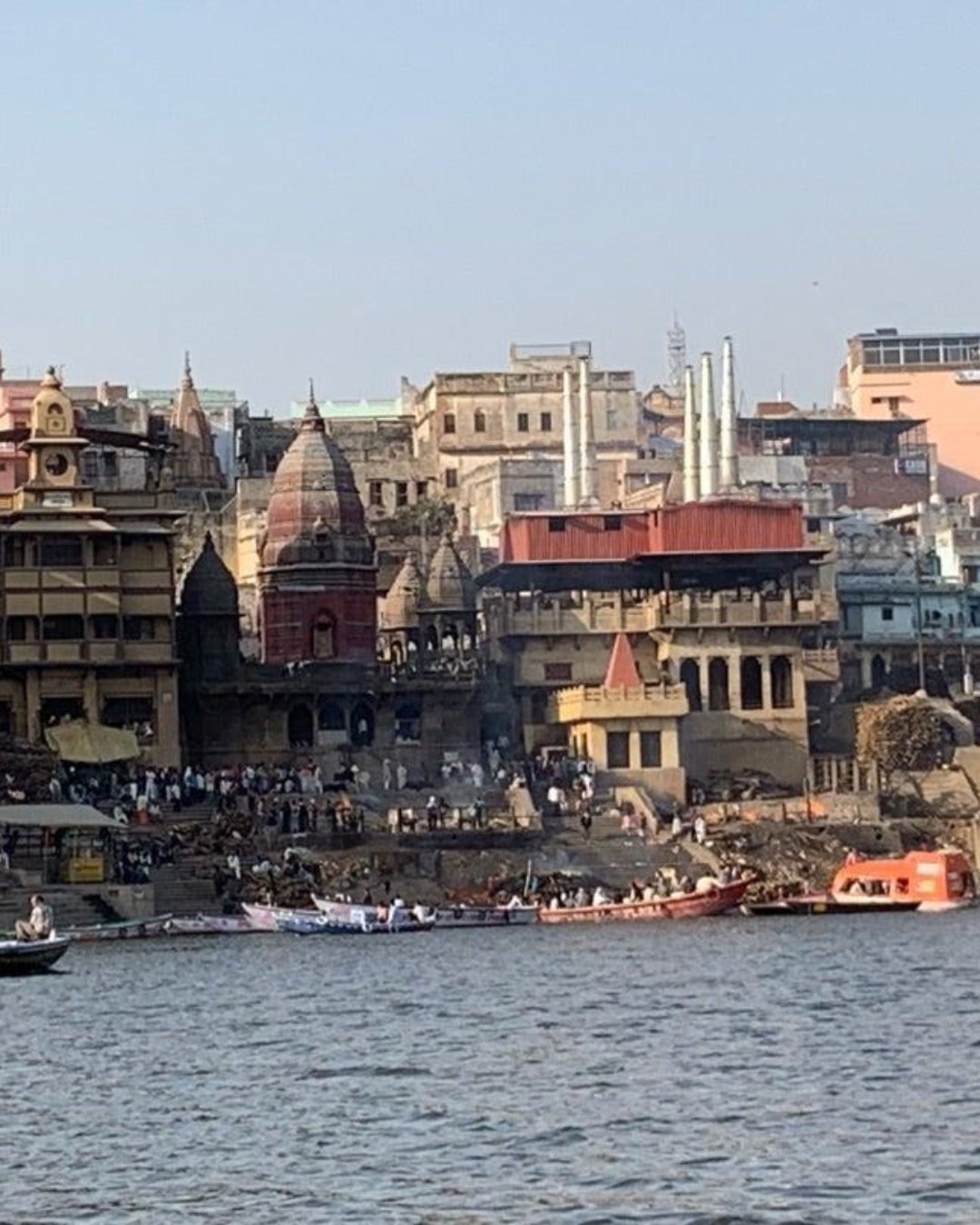
If you witness Manikarnika from the water, the most important thing is not to seek out the Doms themselves but to understand the context surrounding their work:
The eternal flame — tended by the Dom community, the source from which pyres are lit.
The Dom Raja — the hereditary head of the community, a figure of real standing in the city's life around death.
The work itself — physically and emotionally heavy labour, done constantly, that the rest of the society relies on and rarely acknowledges.
The families — who come to the Doms at the worst moment of their lives, and are served by them.
This is context to carry with you quietly, not an invitation to approach someone for a photograph or a story.
At Manikarnika, the phone should stay away entirely — not for ten minutes, but throughout your visit. Photographing the Doms at work, like photographing the pyres, treats a person's labour and a family's grief as content. Travellers who take this in respectfully will tell you the same thing: what stays with you isn't an image, it's the recognition that a whole community carries the weight of the city's relationship with death, and has for longer than anyone can trace. That's the part no photo should try to catch.
What to hold, and what to let go
The real mistakes here aren't logistical; they're about attitude. Some visitors reduce the Doms to a grim curiosity — "the caste that handles the dead" — and miss the people entirely. Some try to photograph or interview them. Some romanticise the Dom Raja into a folk character and forget the injustice underneath the role.
The respectful path is simpler: understand that the fires are kept by real people doing essential, undervalued work, witness the ghat from a distance if at all, and leave them to it.