

The Tarak Mantra & What Moksha Means
Lahori Tola, Varanasi, India
You'll have seen Varanasi described as the city where people come to die. It sounds morbid to an outsider, even grim. But here's the thing nobody explains: for millions of Hindus this is not a sad idea at all — it's the most hopeful one there is. To die in Kashi is believed to break the endless cycle of birth and death, and at the heart of that belief is a single whispered mantra most visitors never even hear of. Understand it, and the whole city — the pyres, the pilgrims, the old people waiting in the hospices — reads completely differently.
Before you explore the ghats, there's one idea worth understanding. Here's what the Tarak Mantra is, and what moksha actually means here.
Why Kashi, and not anywhere else
For Hindu traditions, the soul is understood to move through samsara — a long chain of rebirths, life after life, shaped by karma. Moksha is release from that chain: not heaven, but liberation, the end of returning. Most traditions hold it takes lifetimes of effort to reach.
What makes Kashi unique is its identity as mukti-bhumi, the ground of liberation, where the city itself is said to grant what elsewhere takes ages. The belief is that Shiva, whose city this is, guarantees moksha to anyone who dies within its sacred boundary. That single conviction is why the old and the dying come here to spend their last days, and why death in Varanasi is met less with grief than with a kind of quiet arrival.
What the Tarak Mantra is
At the centre of this belief sits the Tarak Mantra — the "ferryboat" or "crossing" mantra, the one that carries the soul across.
The whisper at death — by tradition, Shiva himself speaks this mantra into the ear of the dying at Kashi, and it is what severs the bond to rebirth.
The name — taraka means "that which helps you cross," the same root as a ferryman taking you over water. On a river city, the image is exact.
The meaning over the mechanics — traditions differ on its exact words, and it isn't a formula to be collected or performed. What matters is what it represents: the final crossing.
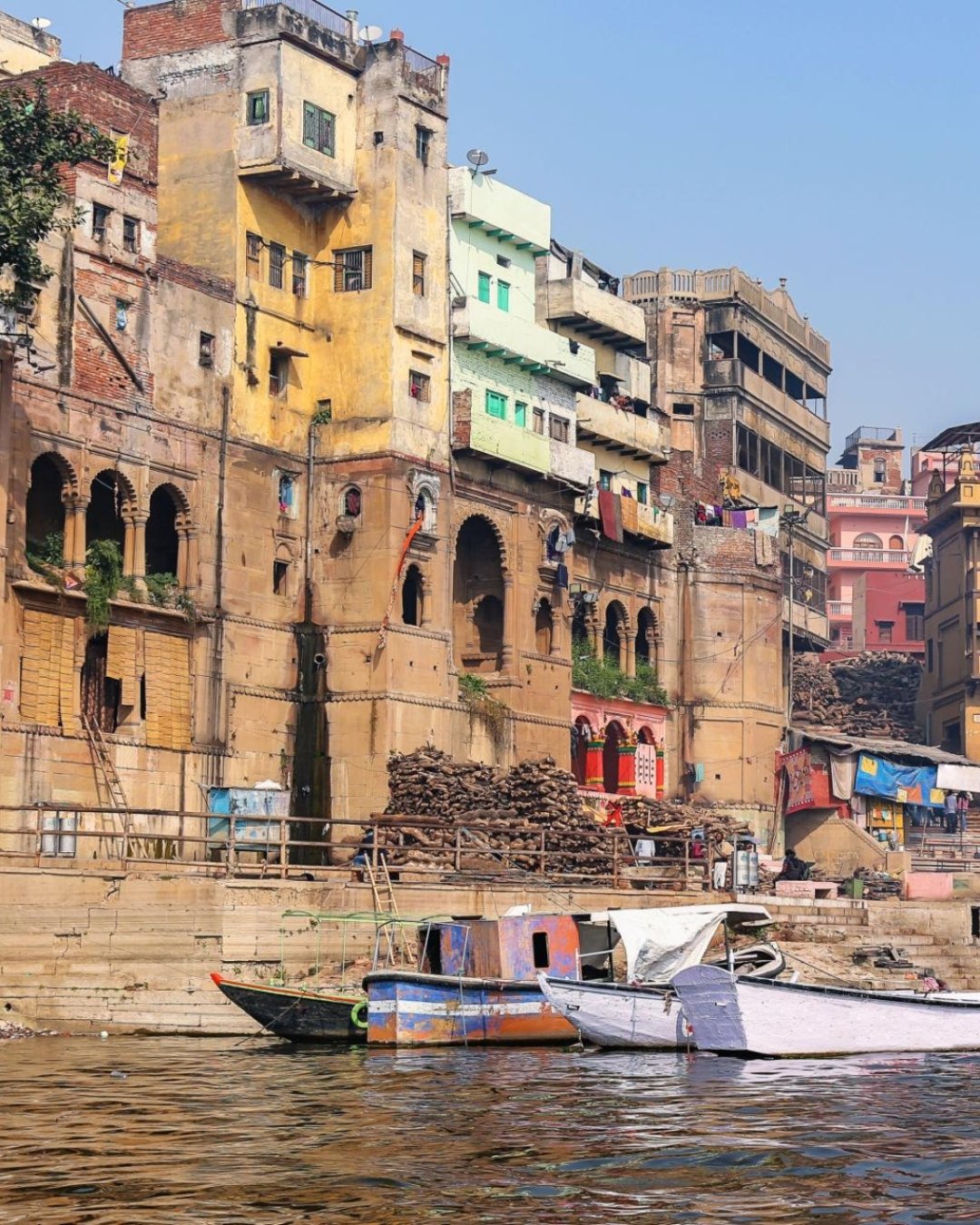
Why the fires burn day and night — Manikarnika's flame is the visible half of this belief; the mantra is the unseen half.
That is also why the cremation ghats should never be treated as a photo opportunity. What you are looking at is not death as loss. It is, in the eyes of the family, someone completing a journey the rest of us are still on.
Once you understand that distinction, much of Varanasi begins to make sense. The openness about death, the calm of the mourners, the old woman in the hospice near Manikarnika who came here to die on purpose — none of it is bleak once you understand what they believe is happening. That shift in understanding is the part no photograph carries.
Approaching it with respect
Because this is belief, not spectacle, hold it gently. Don't go looking for the mantra as a thing to witness or record — it isn't a performance and it isn't yours to collect. Watch the cremation ghats only from a distance and never with a camera. Decline anyone who offers to "explain the secret mantra" for money, or to walk you close to the fires — that preys on exactly this sincerity. If you want to understand more, read, ask quietly, or sit with a knowledgeable guide away from the pyres — not at them.