

How to Witness With Respect
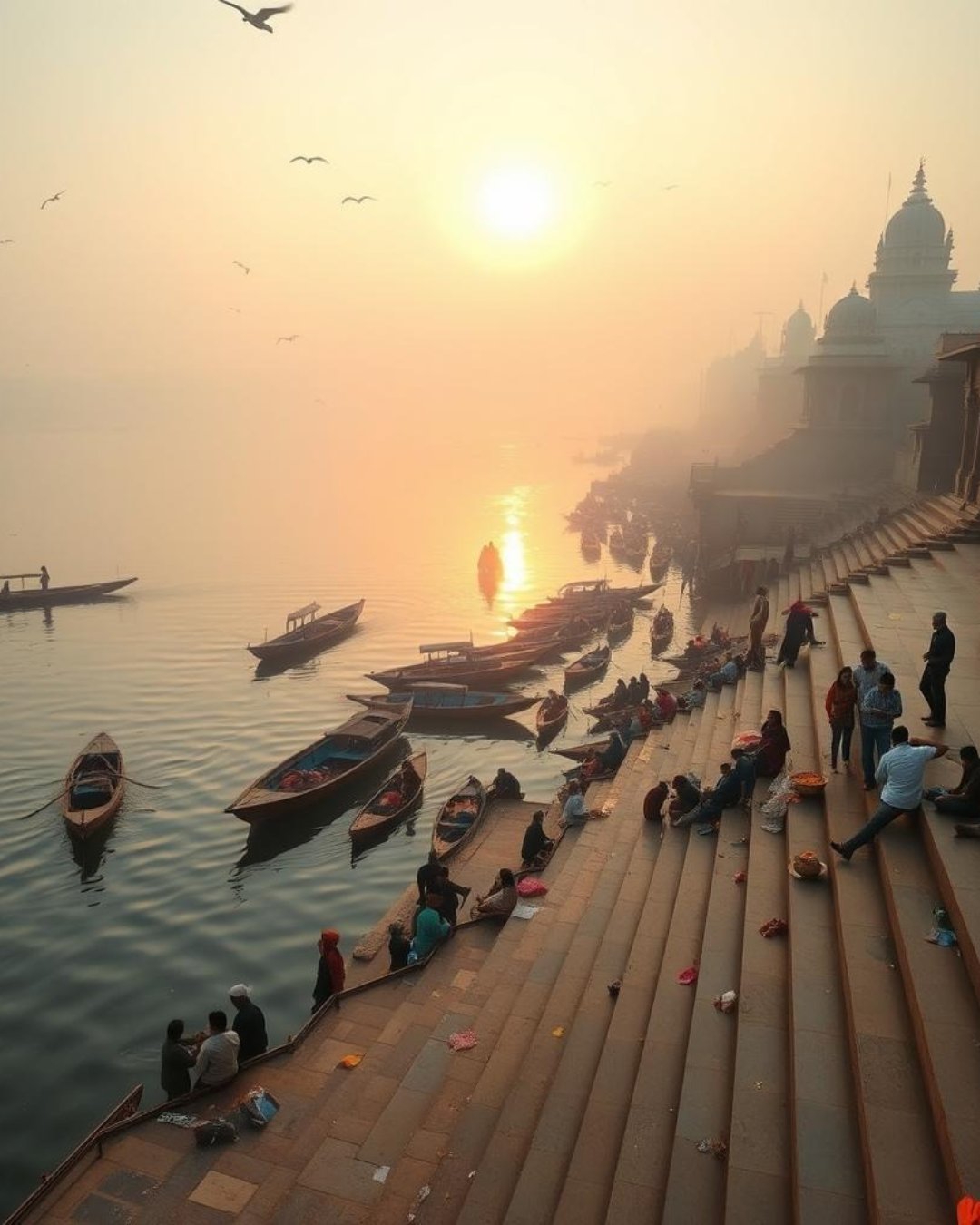
Manikarnika Ghat, Varanasi, India
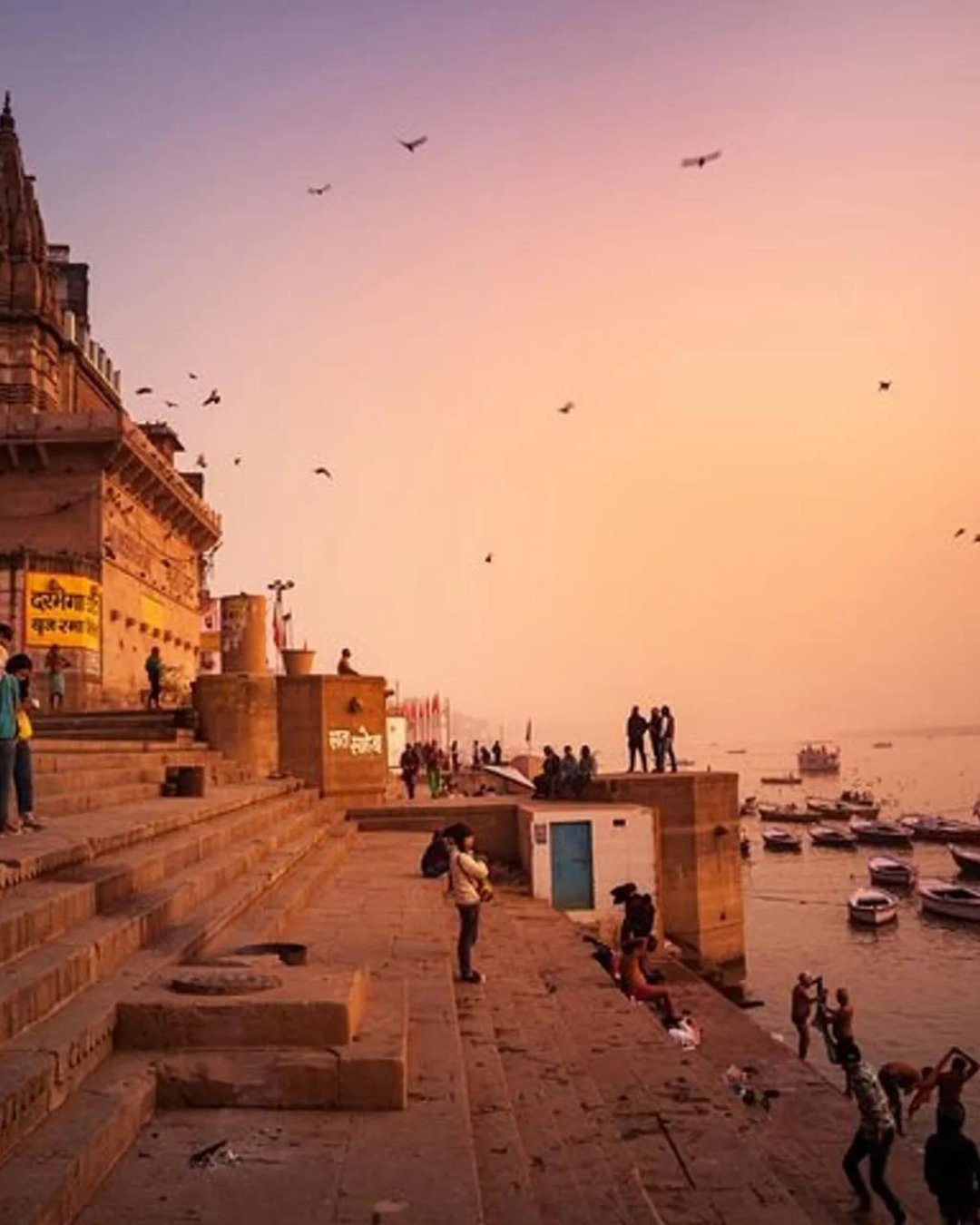
You may arrive in Varanasi ready to photograph the ghats, the fires, the bathers, and the faces in prayer. But here's the thing nobody tells you: almost everything you'll photograph in Varanasi is somebody's private moment made public by geography. The grief, the worship, the last rites — they happen in the open here, not because they're a show, but because this city has never hidden them. Treat that openness as a backdrop and you'll take home a memory card full of other people's most sacred hours. There's a better way to be here.
Before you lift your camera, it's worth understanding the responsibility that comes with witnessing these moments. Let's talk about how to witness Varanasi with respect, and get it right from the first morning.
Why your posture matters more than your itinerary
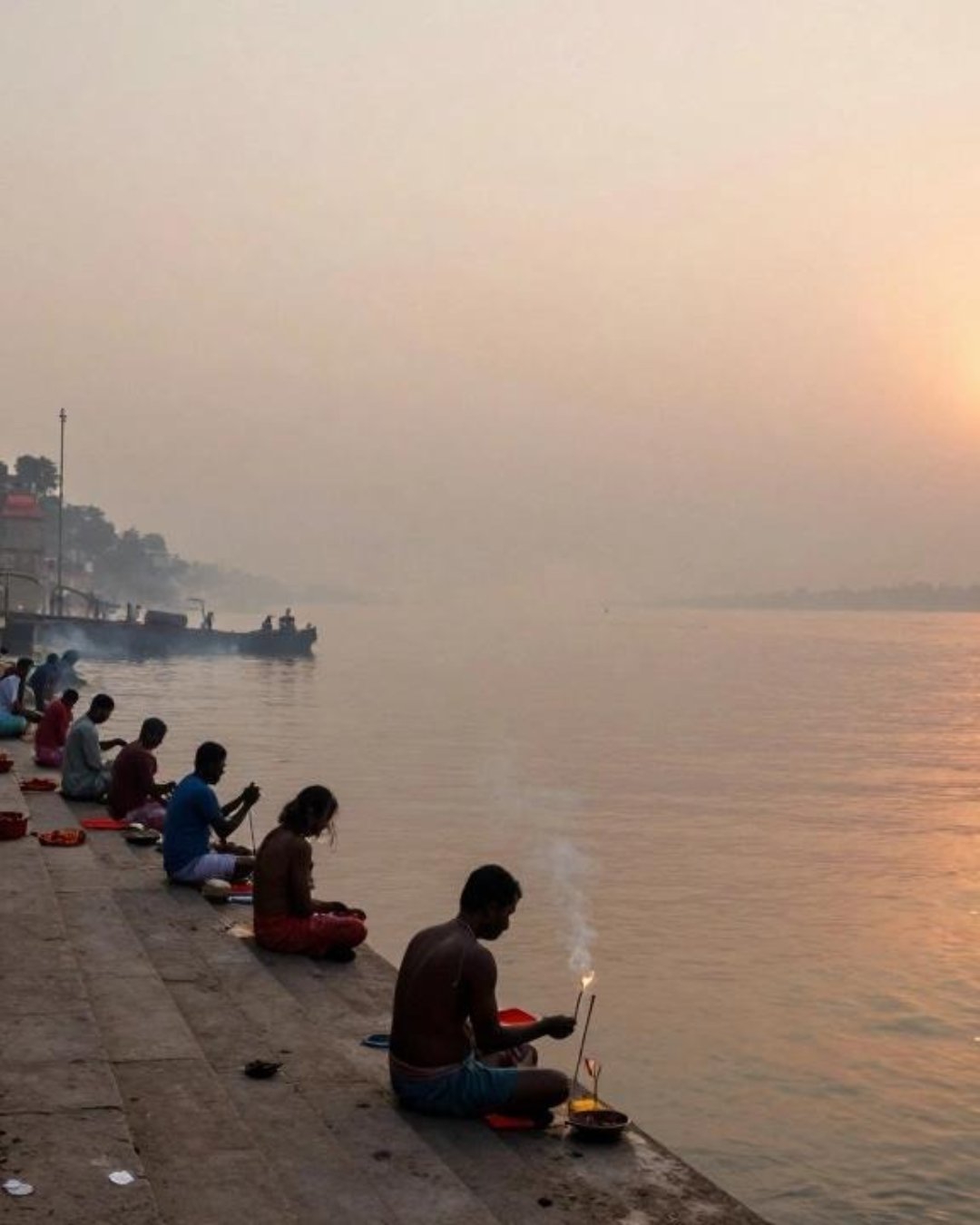
At its heart, Varanasi is a living religious city, not an exhibit. Pilgrims come to die here, families come to cremate their dead, and devotees come to worship at dawn — and you are a guest among all of it. The single shift that changes your whole trip is to think of yourself as a witness rather than a viewer: someone quietly present at something real, not an audience it's performing for.
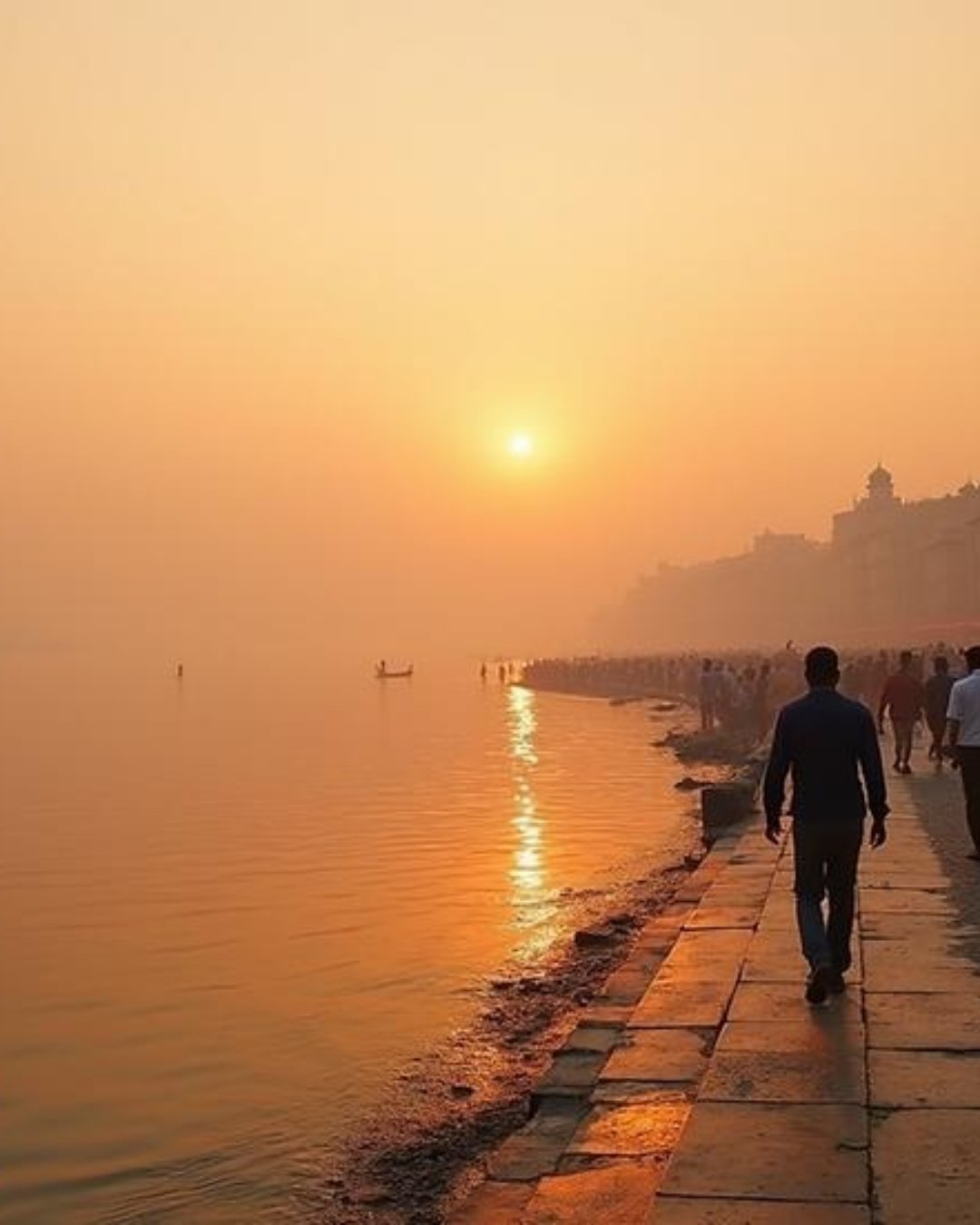
The difference starts with how you move through the city. That means moving slowly, keeping your voice down near rituals, and reading a situation before you act in it. It costs you nothing and it changes how the city meets you. People who move through Varanasi gently find it opens up; people who treat it as content find doors, quite literally, closing.
Where the lines are
Certain places and situations require more care than others:
The cremation ghats — Manikarnika and Harishchandra are working funerals. Watch from a distance, ideally from the water, and never photograph the pyres or the mourners.
Bathers and worshippers — people at prayer or in the river are not subjects. Ask, or don't shoot.
Inside temples — phones and cameras are often forbidden entirely; at Kashi Vishwanath you carry nothing in at all.
Sadhus and priests — many will pose, some for money, some not at all. Ask first, and accept no as an answer.
When you're near the river or temples, dress modestly — covered shoulders and knees. It signals respect before you've said a word.
The biggest adjustment may simply be knowing when not to reach for your phone. Travellers who do this will tell you the same thing: the instinct is to document everything, but the moments that stay with you are the ones you actually watched. The chanting rolling off the ghats, the heat of a pyre you chose not to film, the quiet of a temple you entered empty-handed — that's the part no photo was ever going to hold.
A note in place of a pro tip: when in doubt, ask, and when you can't ask, don't. Decline the touts who offer a "better view" of a cremation or ask you to fund a dying stranger's wood — it is a scam that preys on exactly this setting. If you want to give, give to a registered charity, not a man on the steps. And let a knowledgeable local guide walk you through the harder sights; the difference between gawking and understanding is usually just context, offered by someone who belongs here.
The mistakes to avoid
The same few mistakes tend to turn respectful witnessing into intrusive tourism. They raise a camera at a funeral. They wade into a crowd of worshippers for a photo. Or they treat the whole river as a set and never notice the people living their faith on it.
The better approach is quieter: come slowly, watch before you act, and let someone who knows the city show you how to be in it.