

Varanasi Photography Guide
The 20-minute light window, boat vs ghat angles, where cameras are banned, and the
drone answer. A working photographer’s guide to shooting Varanasi.
Varanasi Photography Guide is a journey designed to help you experience and photograph one of India's most visually extraordinary cities with patience, creativity and respect. This isn't simply a list of famous photo spots. It takes you through the changing light of the Ganga, the architecture of the ghats, ancient lanes, boats, rituals and the small everyday details that often become more memorable than the famous landmarks.
Your journey begins with light. Varanasi changes dramatically between dawn and sunset, and the river gives you one of the most powerful perspectives in the city. We'll take you onto the Ganga to understand why photographing the ghats from a boat feels completely different from standing on the steps. You'll discover how a short window of morning light can transform the river, boats and historic waterfront.
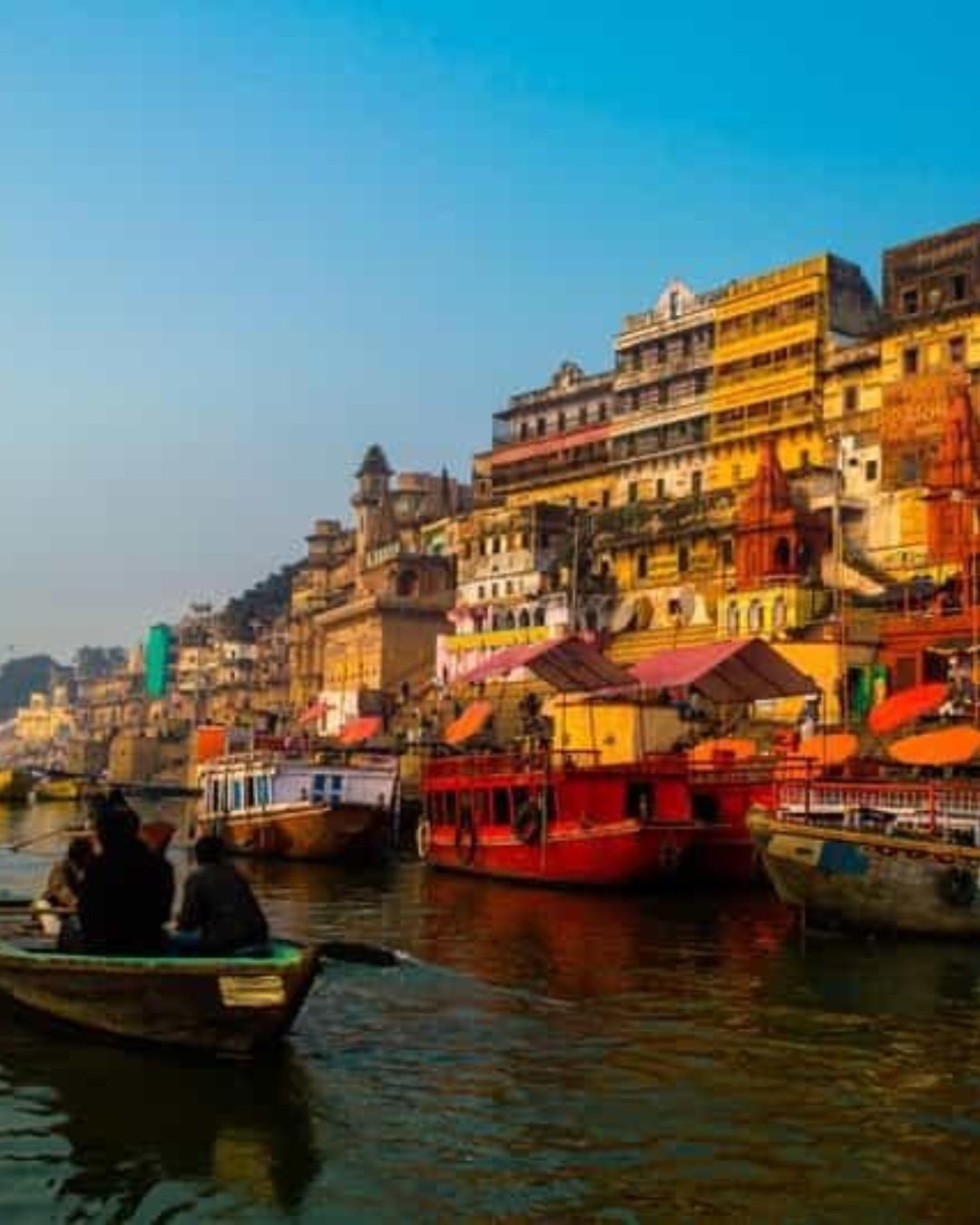
You'll also learn that boat angles and ghat angles create two completely different versions of Varanasi. From the ghats, you'll experience the city's energy up close — narrow steps, people, temples and everyday movement. From the river, the entire waterfront opens in front of you, revealing the scale and architectural beauty of the city.
But this journey is not only about taking photographs. One of its most important lessons is knowing when the camera should stay away. Varanasi is a living spiritual city where people pray, mourn and participate in deeply personal rituals. We'll help you approach photography respectfully, especially around sensitive locations, and understand that not every powerful moment needs to become an image.
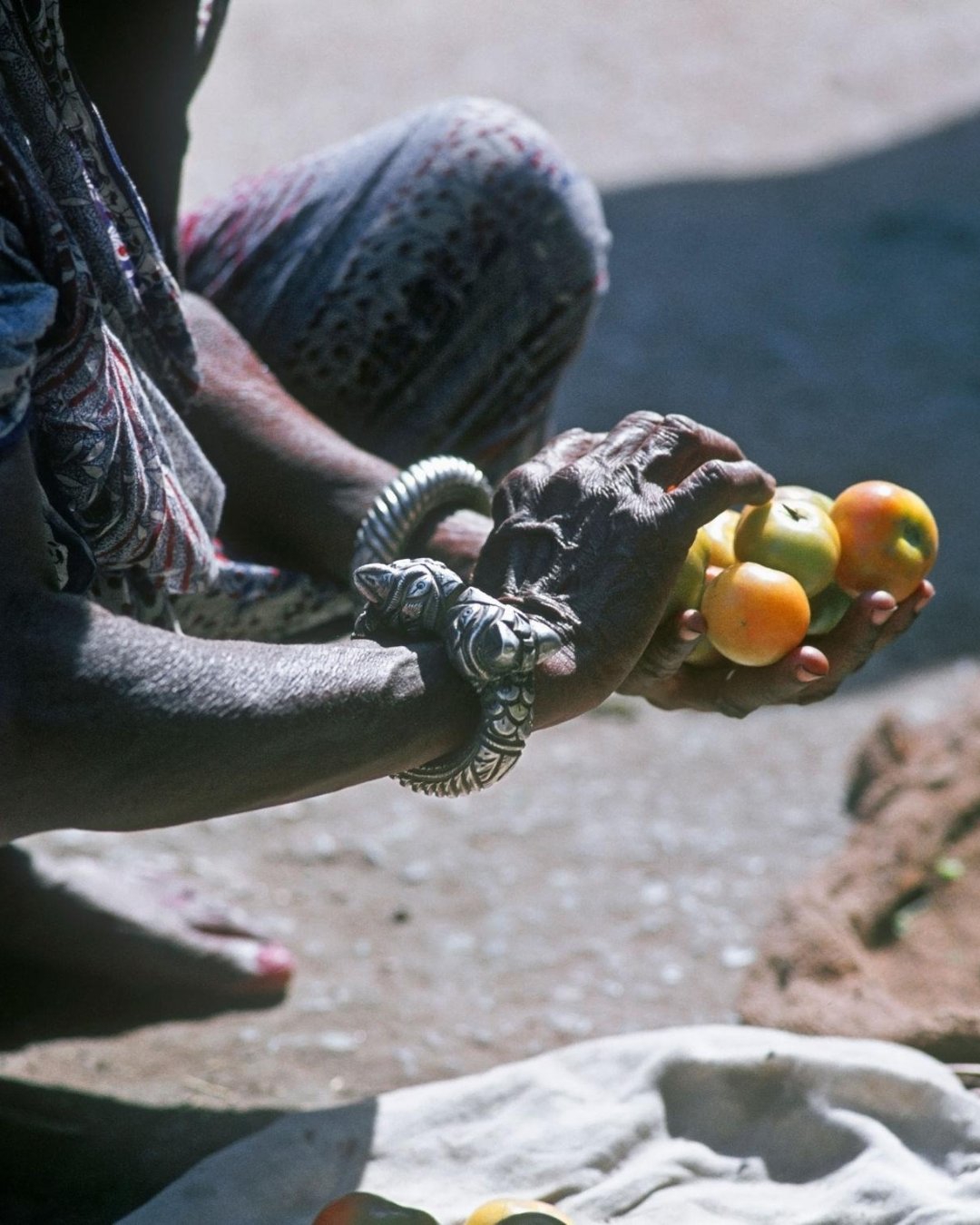
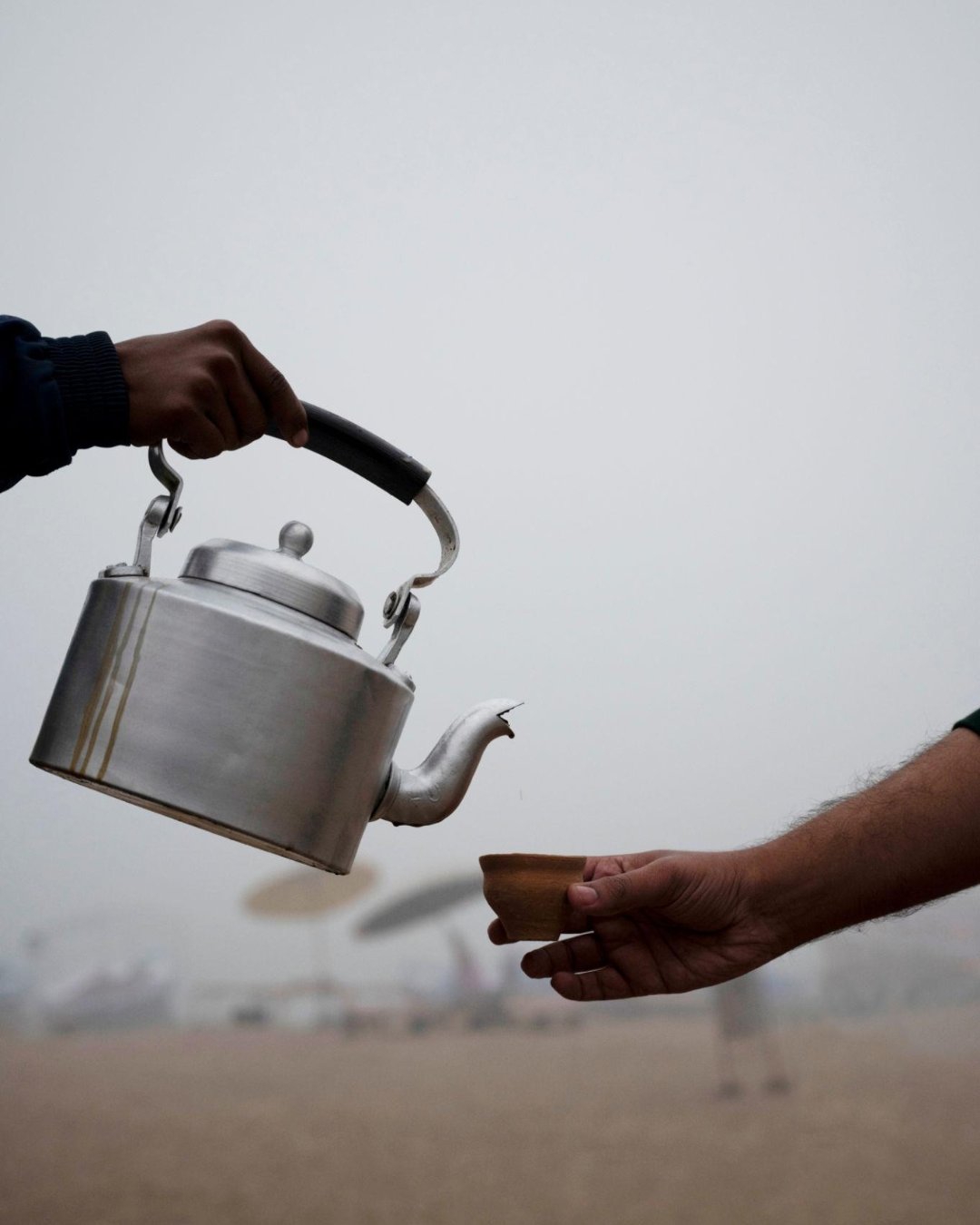
The journey also explores how to photograph people respectfully in a city that has been photographed for generations. Instead of simply pointing a camera at strangers, you'll learn the value of slowing down, asking permission where appropriate and discovering stories through hands, silhouettes, objects, movement and everyday details.
At Dashashwamedh Ghat, you'll experience the famous Ganga Aarti, but with a different creative challenge. Hundreds of people photograph the ceremony from the same position every evening. We'll encourage you to look beyond the obvious frame — towards the boats, reflections, smoke, crowds and atmosphere surrounding the ritual. Sometimes the most original photograph of the Aarti isn't the ceremony itself but the world happening around it.
The guide also covers the practical reality of a photography trip. You'll learn what equipment is genuinely useful for long days around the ghats, boats and Old City lanes. Rather than carrying everything you own, the focus is on travelling light, protecting your equipment and staying ready for unexpected moments.
Route
Home
MomentAssi Ghat, Varanasi
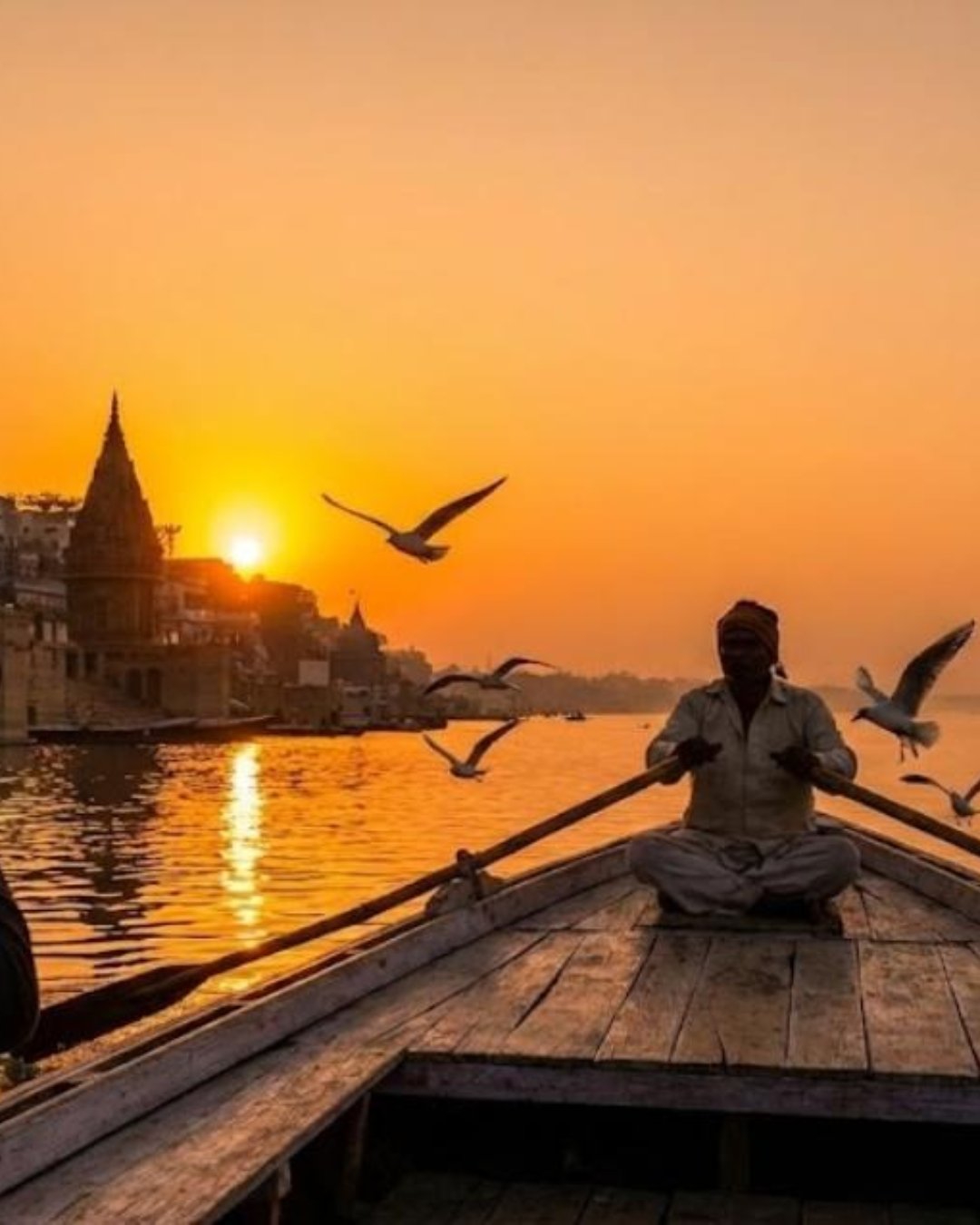
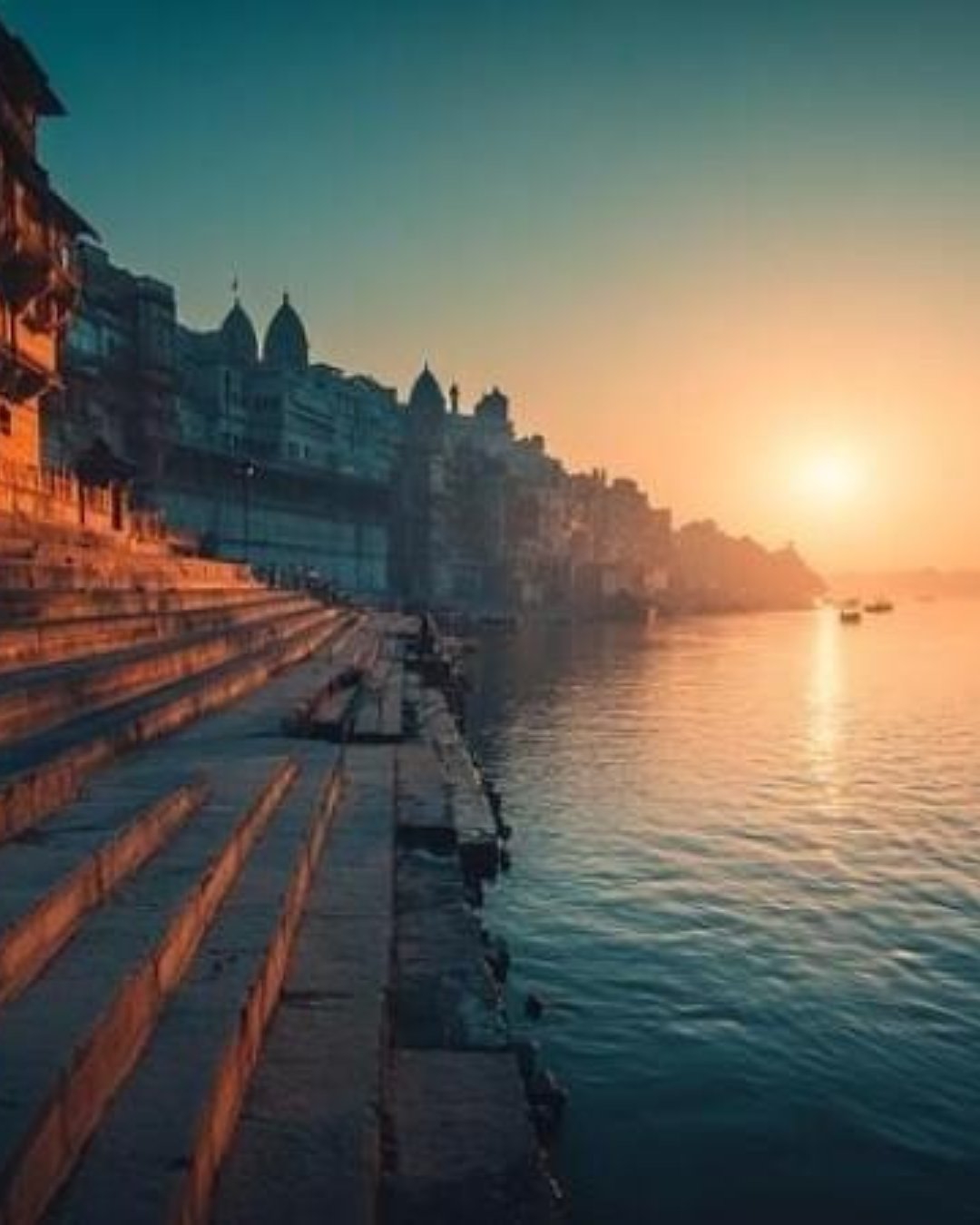
The Light Comes From the Wrong Side of the River
Every city has a good side. Varanasi has a strange one.
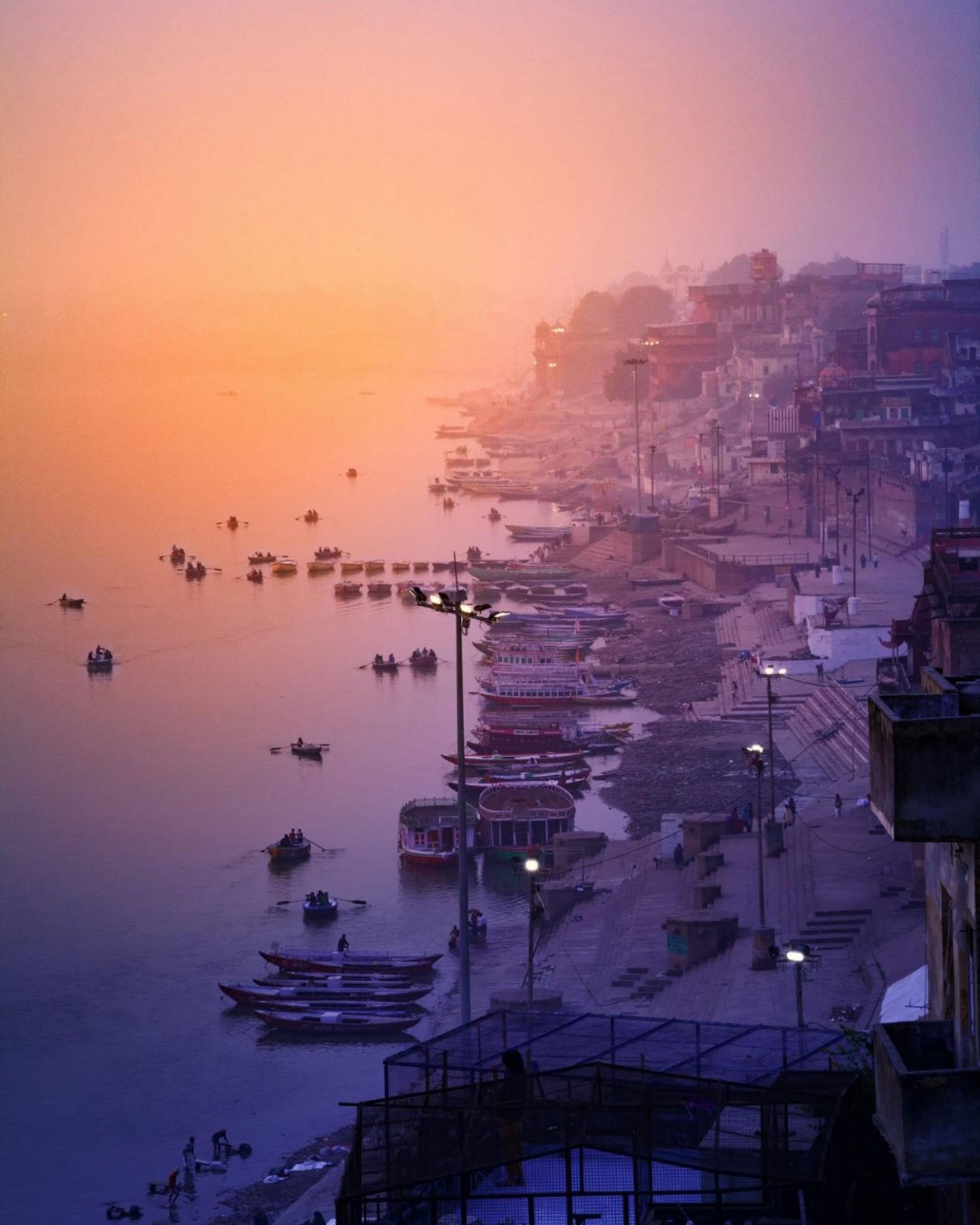
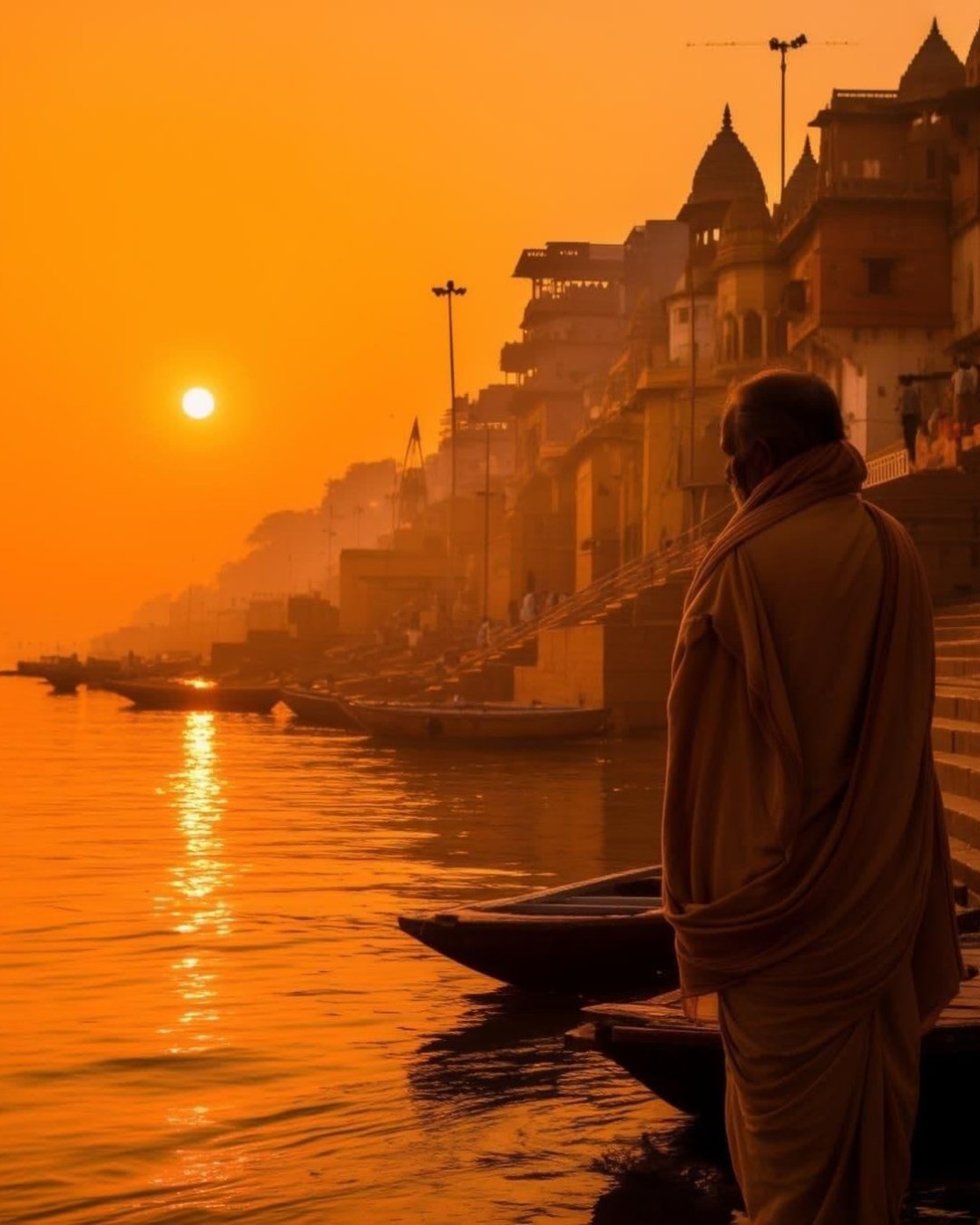
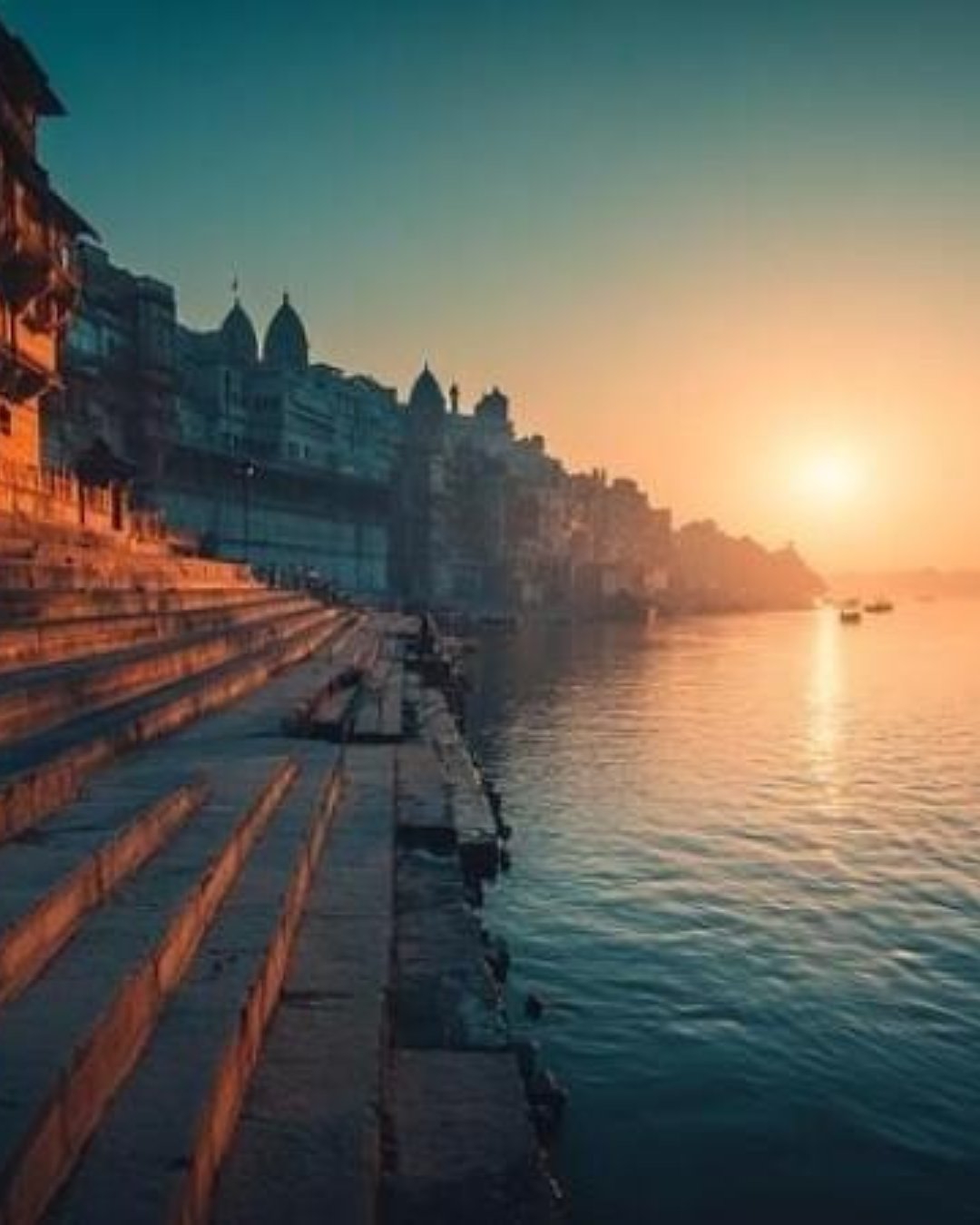
●All the ghats sit on the west bank in a crescent. The east bank is bare sand — no buildings, no trees, nothing. So the sun does not light the ghats at sunrise; it rises behind the river and comes straight into
your lens.
●Practical consequence: at sunrise you are shooting into the light, not with it. Silhouettes, rim-light on wet skin, haze glowing between you and the buildings. Faces go dark unless you expose for them and let the sky blow.
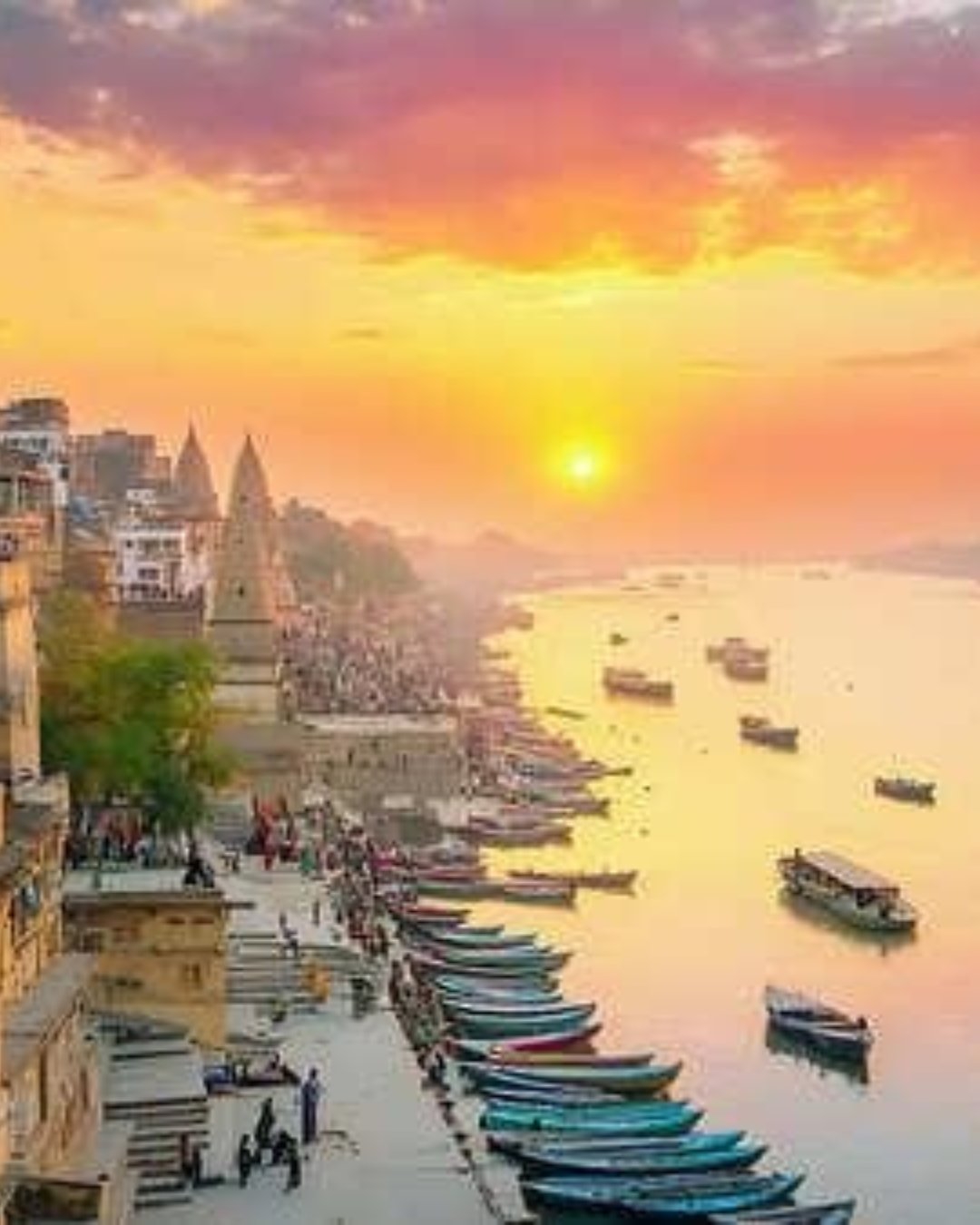
●The reverse is true at sunset. The ghats catch warm frontal light on the stone for roughly 30 minutes before the sun drops behind the old city — but the river itself goes flat and grey. Sunset is for architecture; sunrise is for atmosphere.
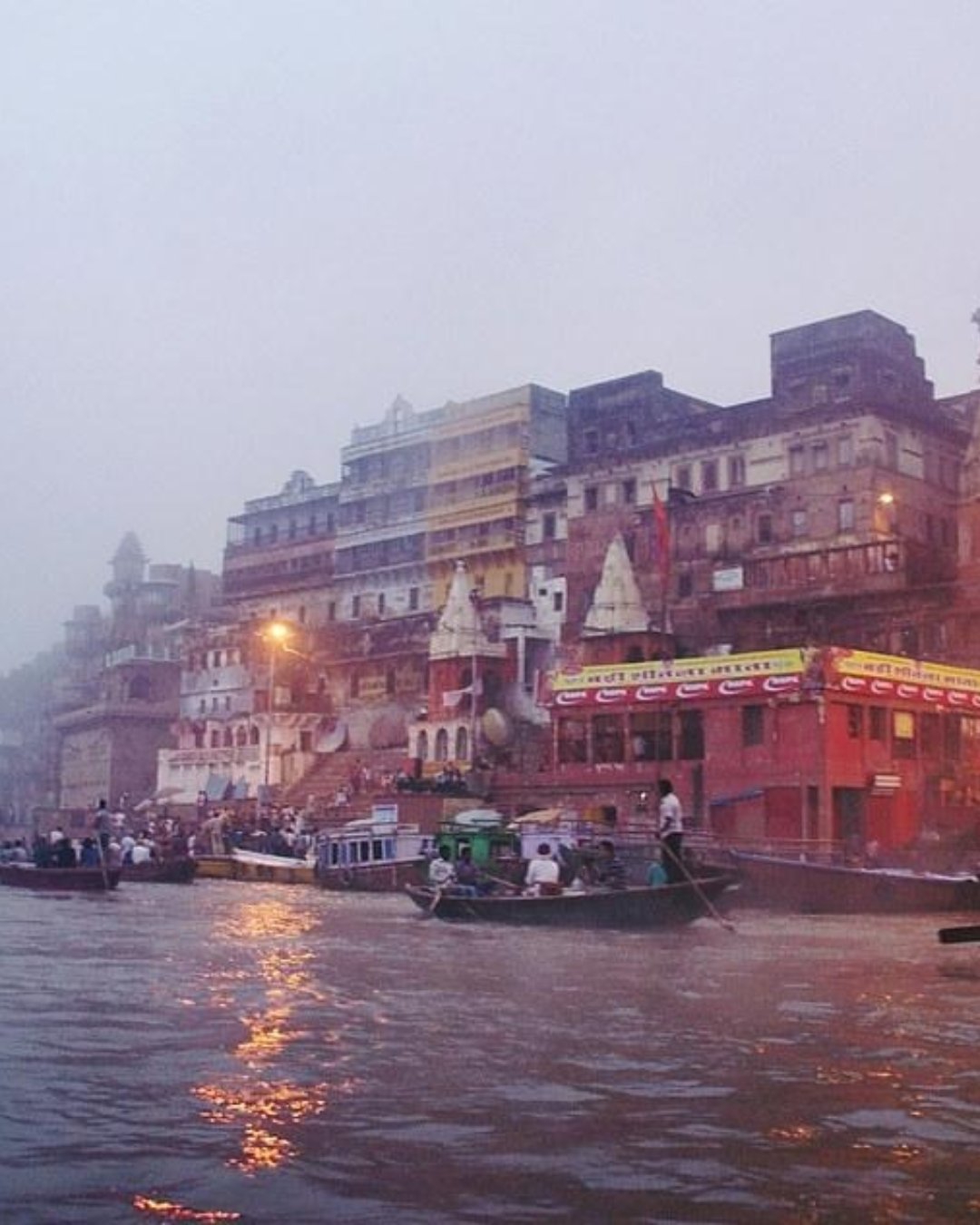
●The winter fog (mid-December to early February) sits on the water and acts as a giant diffuser. It is the single best photographic condition in the city and the reason serious photographers come in January, not October.
Pro tip: Meter for the highlights, not the scene. Set exposure compensation to about −1 stop before you leave the hotel and correct from there. A backlit ghat metered on average will blow the sky and still leave the stone muddy.
The mistakes that ruin it:
●Shooting sunrise from the ghat steps. You are on the wrong side of the subject — everything faces away from you.
●Auto white balance in fog. It will neutralise the exact warmth you came for. Lock to daylight (around 5500K) and warm from there.
●Arriving at sunrise. Sunrise is the end of the window, not the start.
33
MomentDashashwamedh Ghat, Varanasi
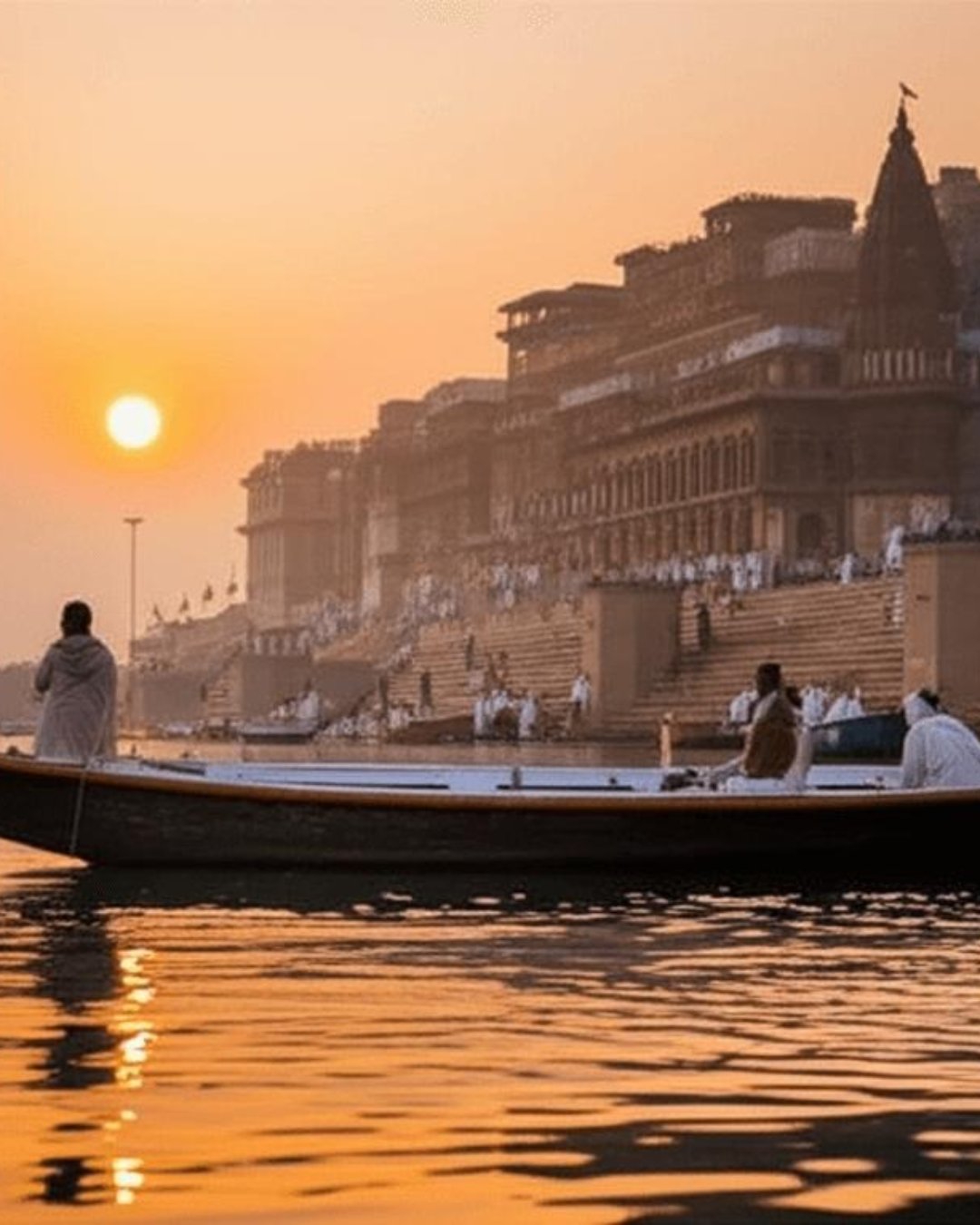
Twenty Minutes Is the Whole Window
The frames people come to Varanasi for happen inside a window shorter than a coffee break.
●The usable morning light runs from roughly 20 minutes before sunrise to about 25 minutes after. Before that it is too blue to hold detail; after that the sun climbs above the haze layer and the contrast turns
brutal.
●By 8:00 am in winter — earlier in summer — the ghats are lit like a car park. Harsh top light, no modelling, washed colour. Most visitors are still photographing at 9:00 am and wondering why the pictures look
nothing like what they saw online.
●Sunrise moves nearly two hours across the year, from around 6:40 am in late December to around 5:05 am in mid-June. Booking a fixed 6:00 am boat in May means you arrive after the show. Check the actual
sunrise time for your date and subtract 45 minutes for boarding.
●Evening has a second, quieter window: the 25 minutes after the sun drops, when the ghat lamps come on and the sky still holds blue. This is the only time the aarti and the sky are within the same dynamic range.
Pro tip: Be on the water 45 minutes before sunrise, not 45 minutes before your alarm. That means boarding in the dark. The boatman will think you are early. You are not.
The mistakes that ruin it:
●Booking a "sunrise boat ride" without checking the date's actual sunrise. Operators run standard slots; the sun does not.
●Spending the good 20 minutes moving between locations. Pick one stretch and stay.
●Skipping the pre-dawn blue window because it looks too dark to the naked eye. The sensor sees far more than you do.
31
MomentAssi Ghat, Varanasi
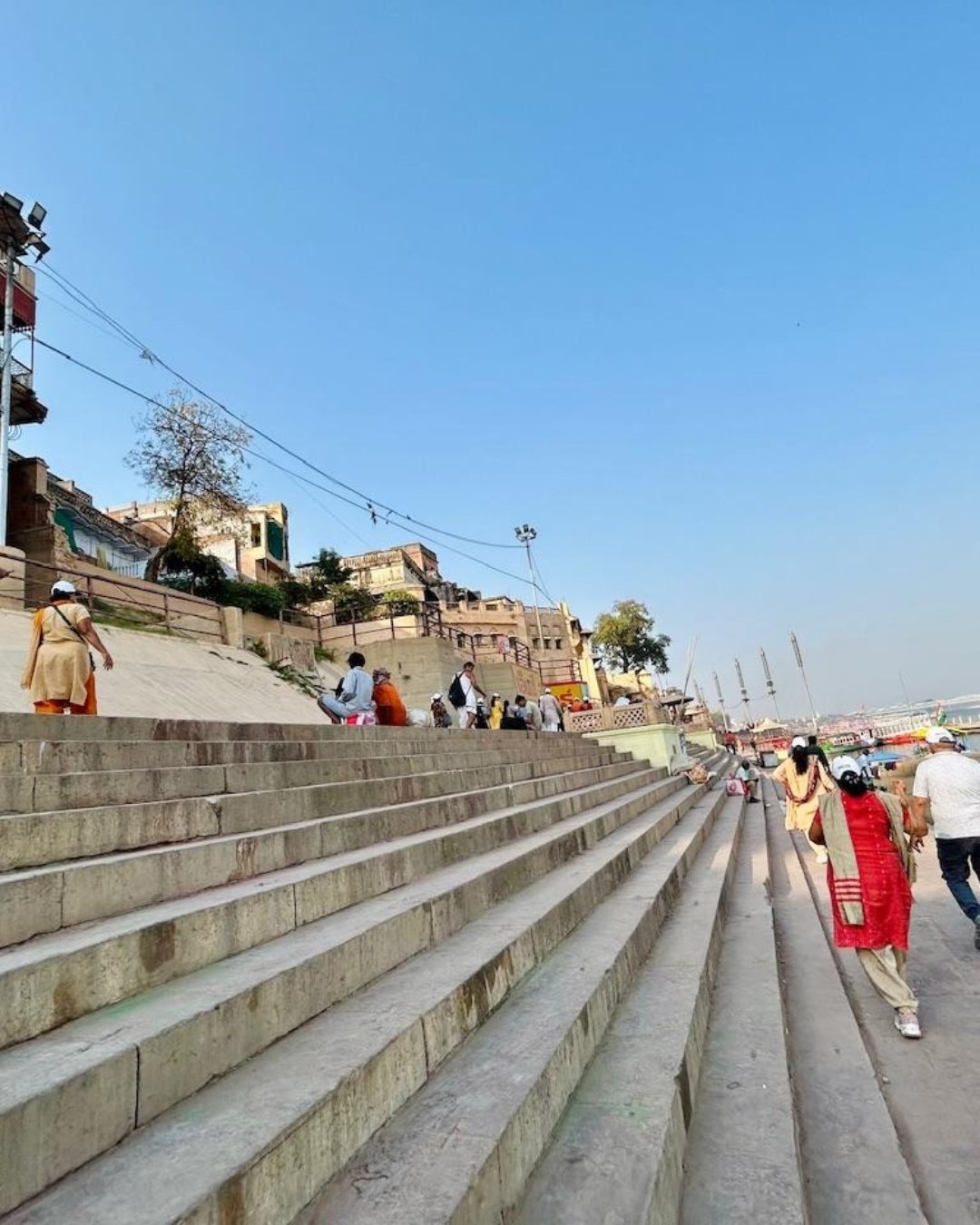
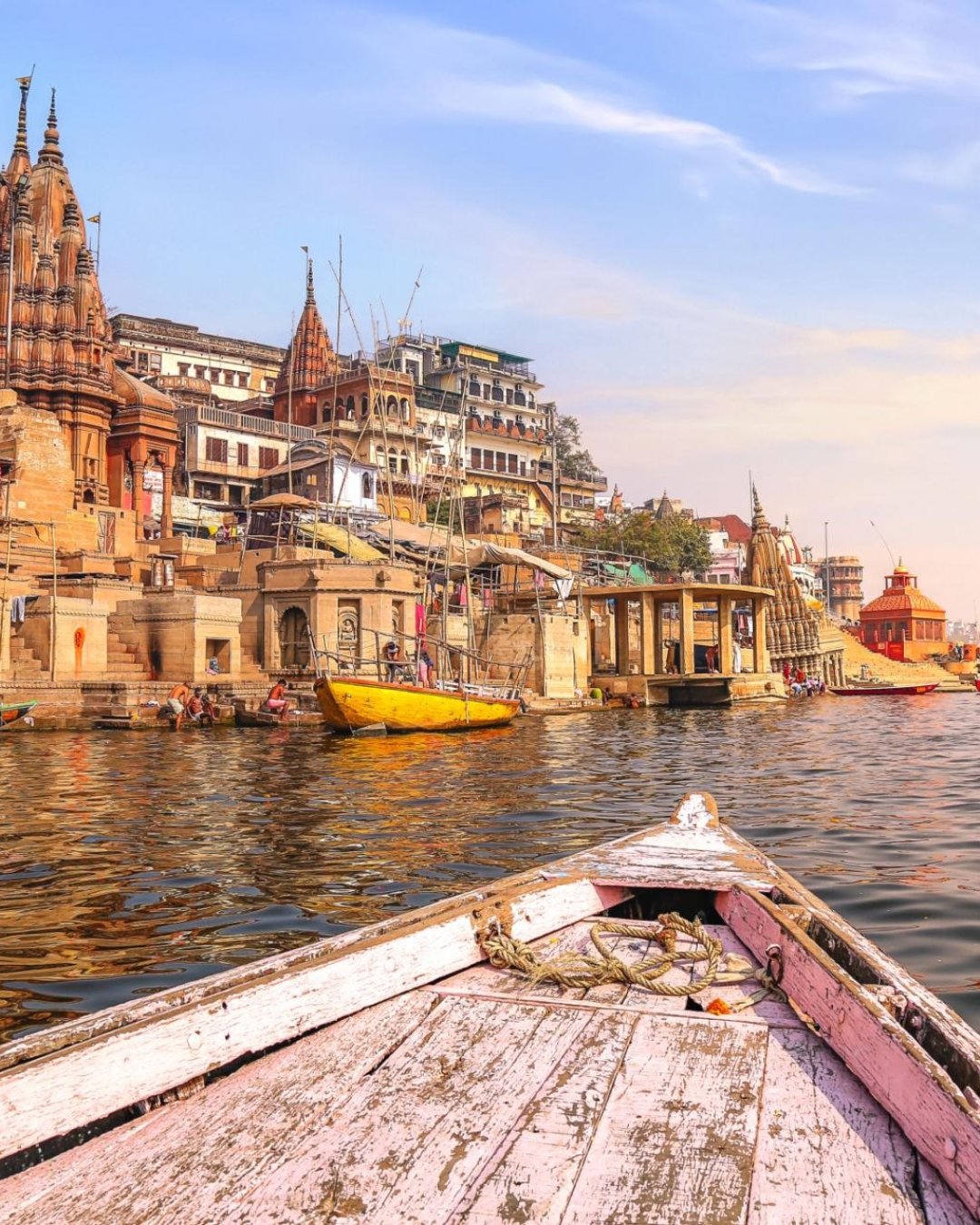
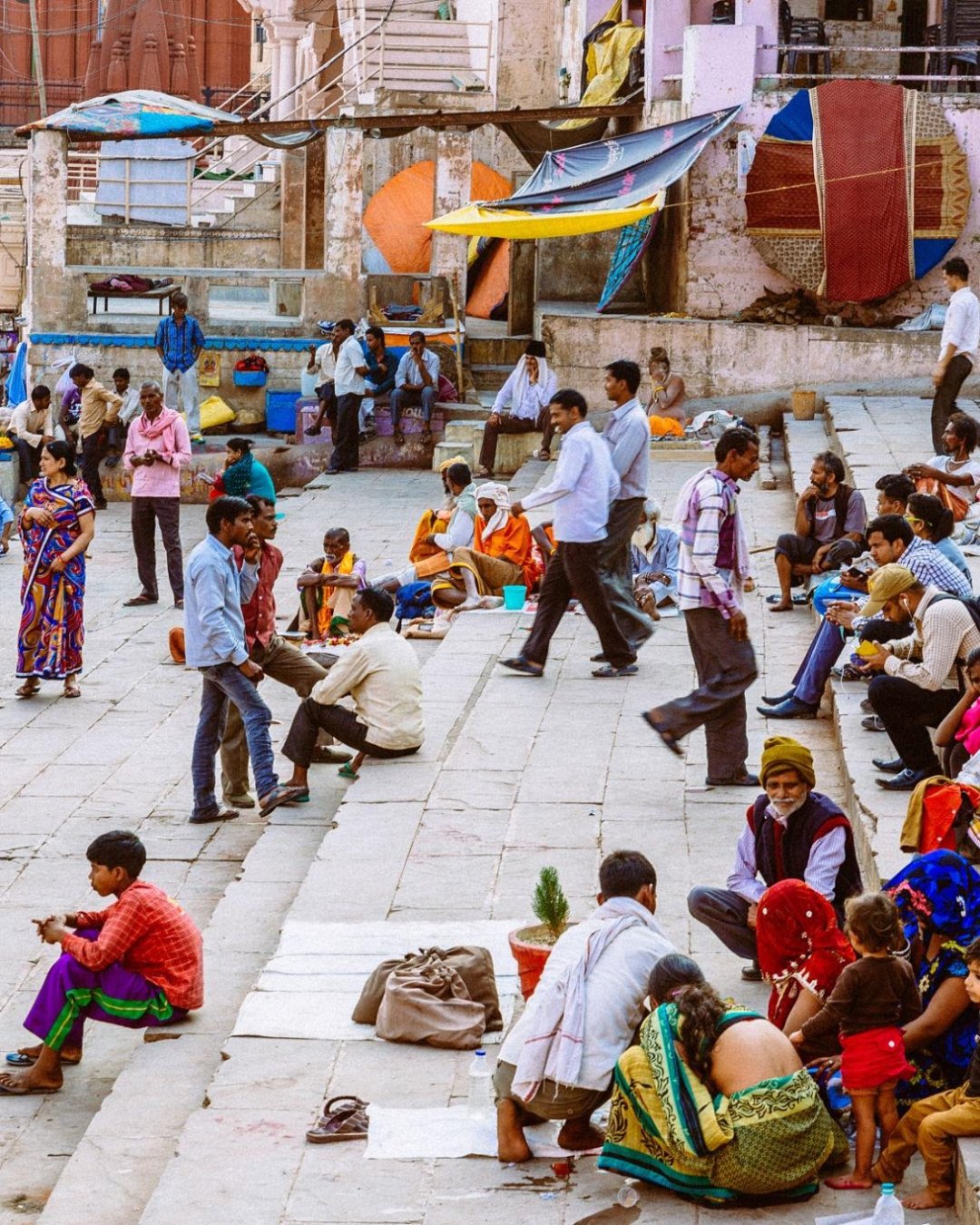
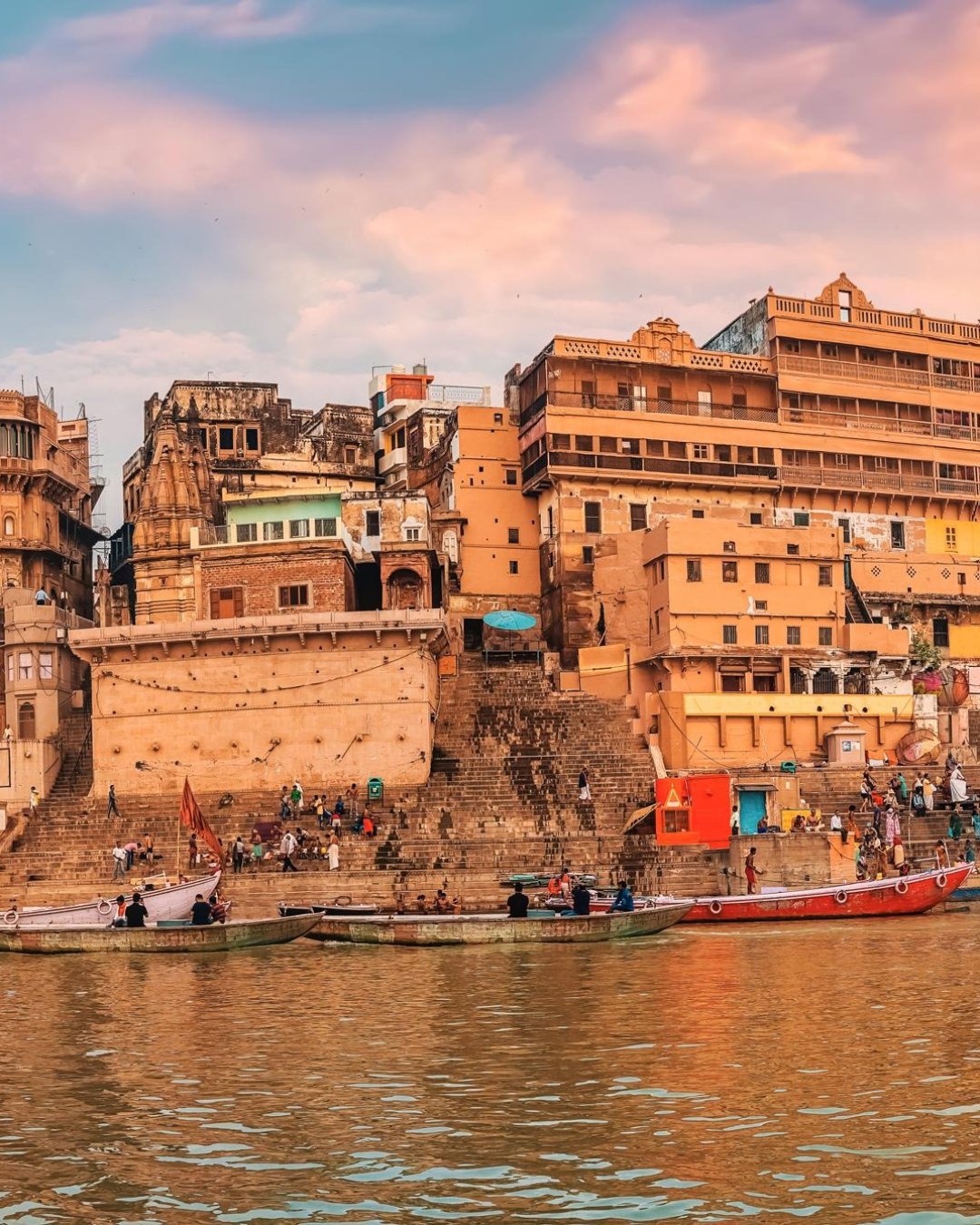
Boat Angle and Ghat Angle Are Two Different Cities
Same river, same hour, two completely unrelated sets of photographs.
●From the water you get the thing Varanasi is famous for: the full crescent of ghats stacked in layers, the scale of the buildings against the people, clean separation between subject and background. It is a landscape position. Wide to short-telephoto, roughly 24–70mm equivalent, and you are shooting outward.
●From the steps you get the other city: the gestures. Wet cloth wrung out, a barber's blade, chai glasses, a wrestler's hands in the dirt, the way people arrange themselves on stone. It is a street position. One fast prime, 35mm or 50mm equivalent, and you are shooting inward.
●The mistake is trying to do both in one morning. The boat window and the ghat window are the same 45 minutes. Give the boat one morning and the steps another.
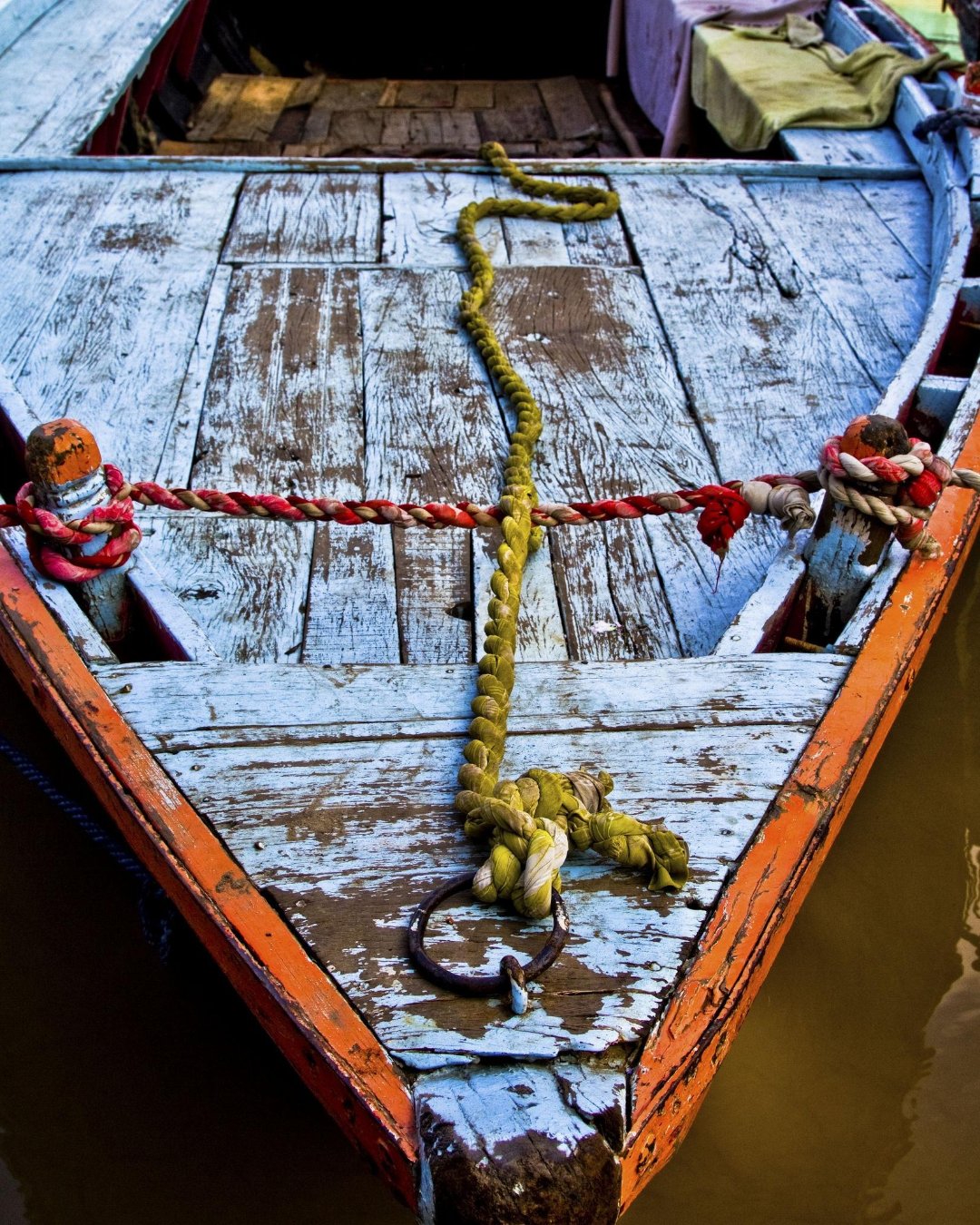
●A rowed boat beats a motorboat for photography by a wide margin — no engine vibration, no diesel smell, and it can hold position instead of passing. Ask the boatman to stop, not to cruise. Most will, if you say so before you push off.
Pro tip: On the boat, shoot at 1/500s or faster even in dim light. The boat is moving, the water is moving, and image stabilisation does not fix a rocking platform. Push ISO instead — noise is fixable, motion blur is not.
The mistakes that ruin it:
●Standing up in a moving rowboat to get a higher angle. You will not get the frame and you may get everyone wet.
●Booking a shared group boat and expecting it to stop where you want.
●Bringing a tripod onto the ghat steps at sunrise. There is no room, and it makes you the obstacle in everyone else's morning.
24
MomentDashashwamedh Ghat, Varanasi
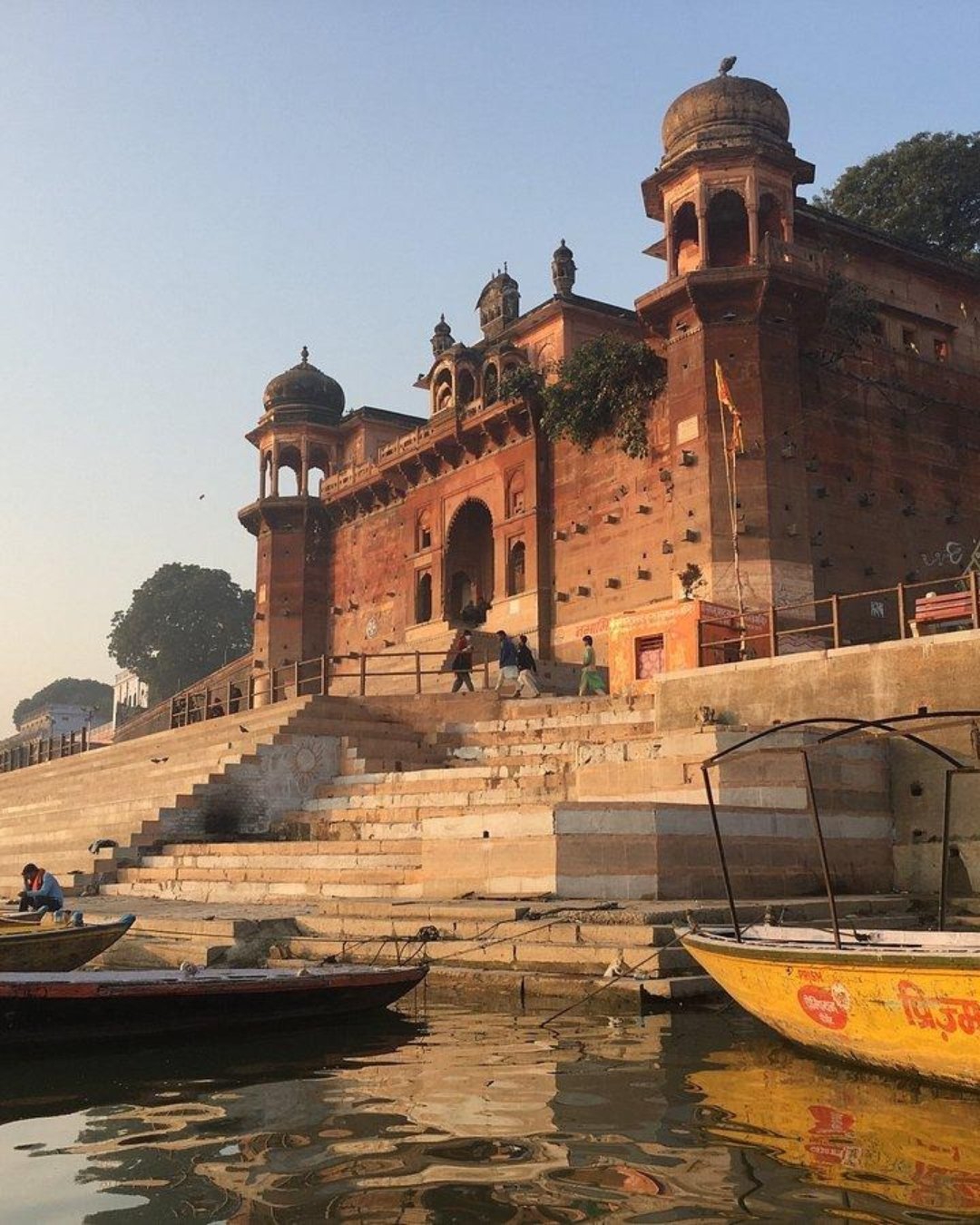
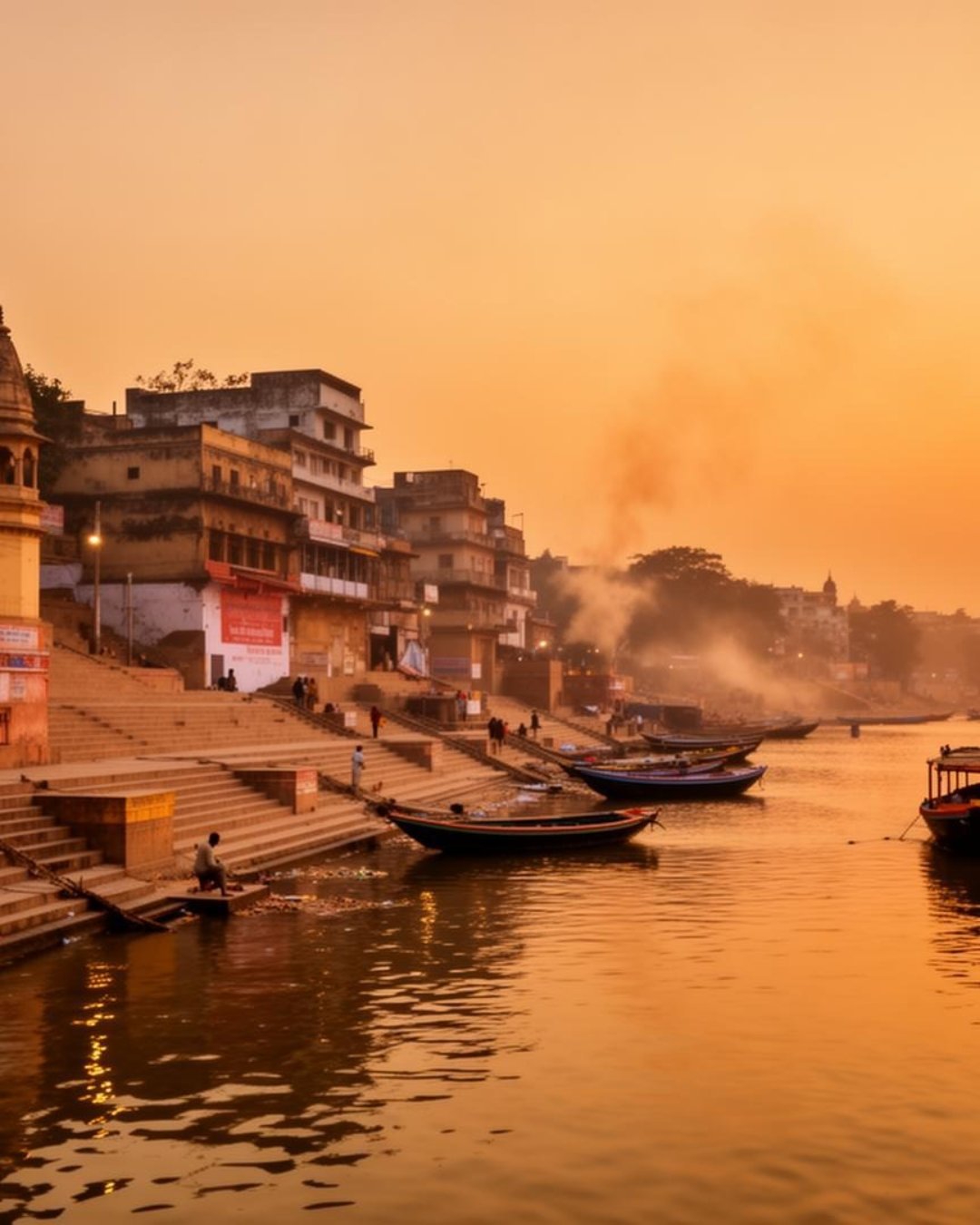
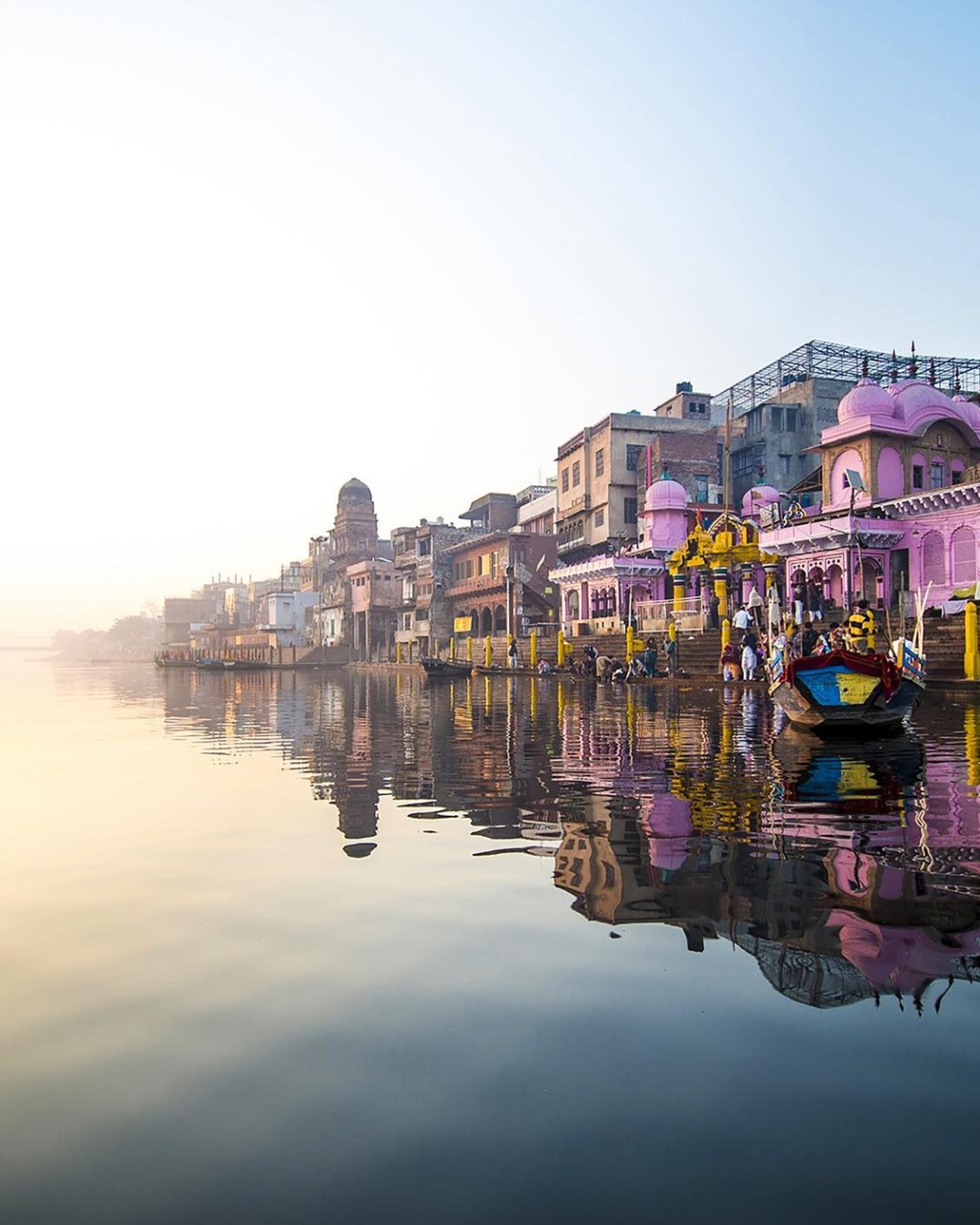
Where the Camera Goes Away — and Stays Away
There are places in this city where lifting a camera is not a faux pas. It is a confrontation.
●The cremation grounds — the burning ghats at Manikarnika and Harishchandra — are absolutely off limits. No camera, no phone, no discreet hip shot. Families are grieving three metres away. People do get confronted, and phones do end up in the river. There is no angle, no distance and no lens that makes this acceptable.
●Anyone who offers to sell you photographic access to a cremation is running a scam on you and an indignity on the family. Decline it.
●Kashi Vishwanath: phones, cameras and smartwatches are surrendered at security before you enter the main shrine. Free lockers sit near the entrances. Photography is only possible in designated outer areas, never in the sanctum. Plan the temple as a no-camera morning rather than fighting the queue with gear
you cannot use.
●Some festivals go phone-free entirely — Sankat Mochan's music nights are the best-known example. Turn up expecting to listen, not to record.
●Inside the main aarti enclosure at Dashashwamedh, and inside most working temples in the galis, the rule is simpler than any list: if a priest gestures no, the answer is no, and it does not get renegotiated.
Pro tip: Put the strap over your shoulder and the body behind your back when you walk past the burning ghats. Visibly not shooting is a different signal from not shooting. It is read, and it is appreciated.
The mistakes that ruin it:
●Assuming a phone is less intrusive than a camera. At a cremation it is read exactly the same way.
●Photographing from a boat drifting past Manikarnika because the distance feels like permission. It is not; the ban follows the subject, not your standing position.
●Carrying a camera to Kashi Vishwanath and then losing an hour to the locker queue and re-entry.
31
MomentBangali Tola, Varanasi
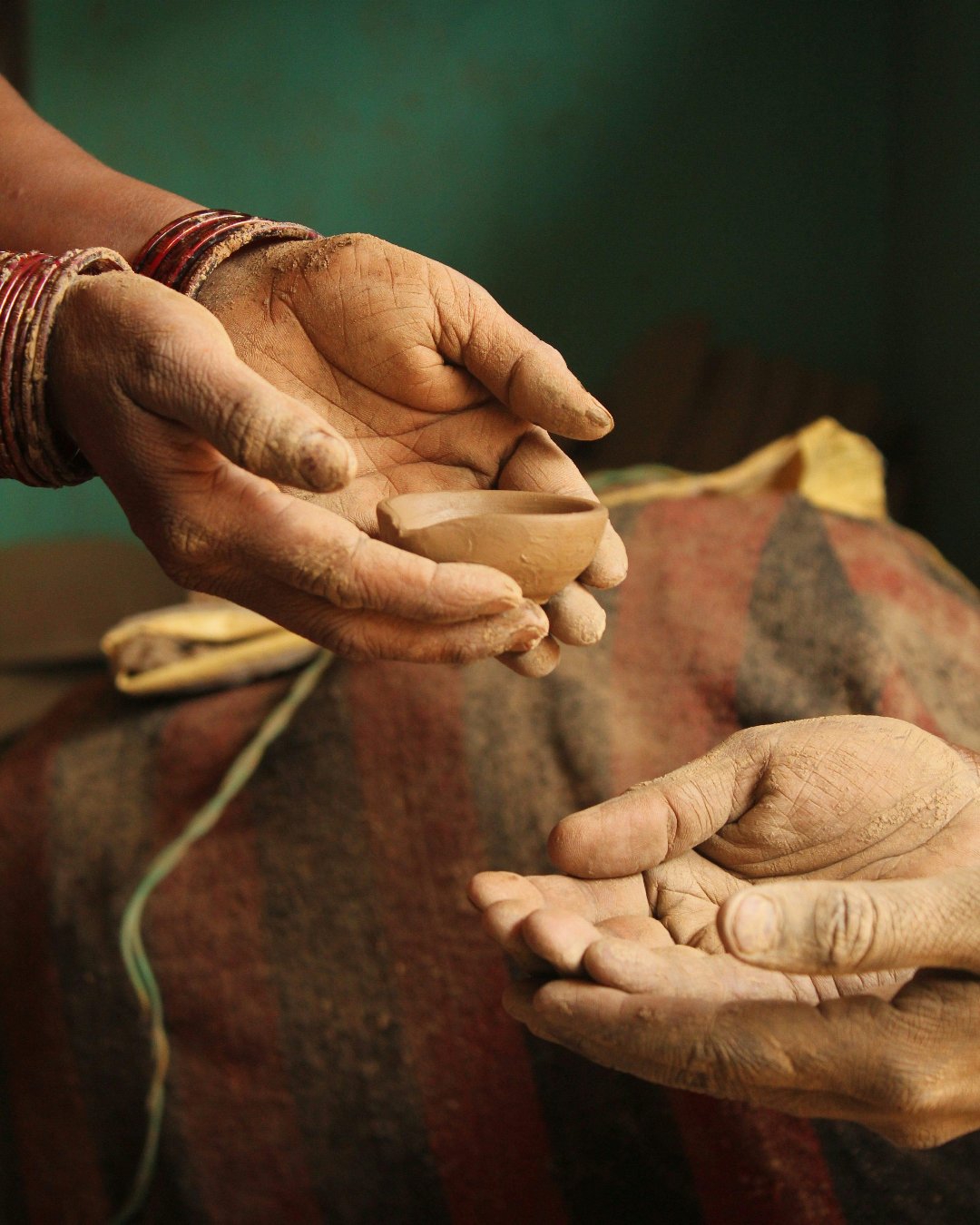
Asking, in a City That Has Been Photographed to Death
The sadhu in orange sitting photogenically at the top of the steps is, in most cases, at work.
●A visible economy has grown around the ghats: pose, get photographed, get paid. There is nothing scandalous about it — it is a job — but the resulting picture is a picture of a transaction, and it looks like one. Everyone's Varanasi portfolio contains the same three men.
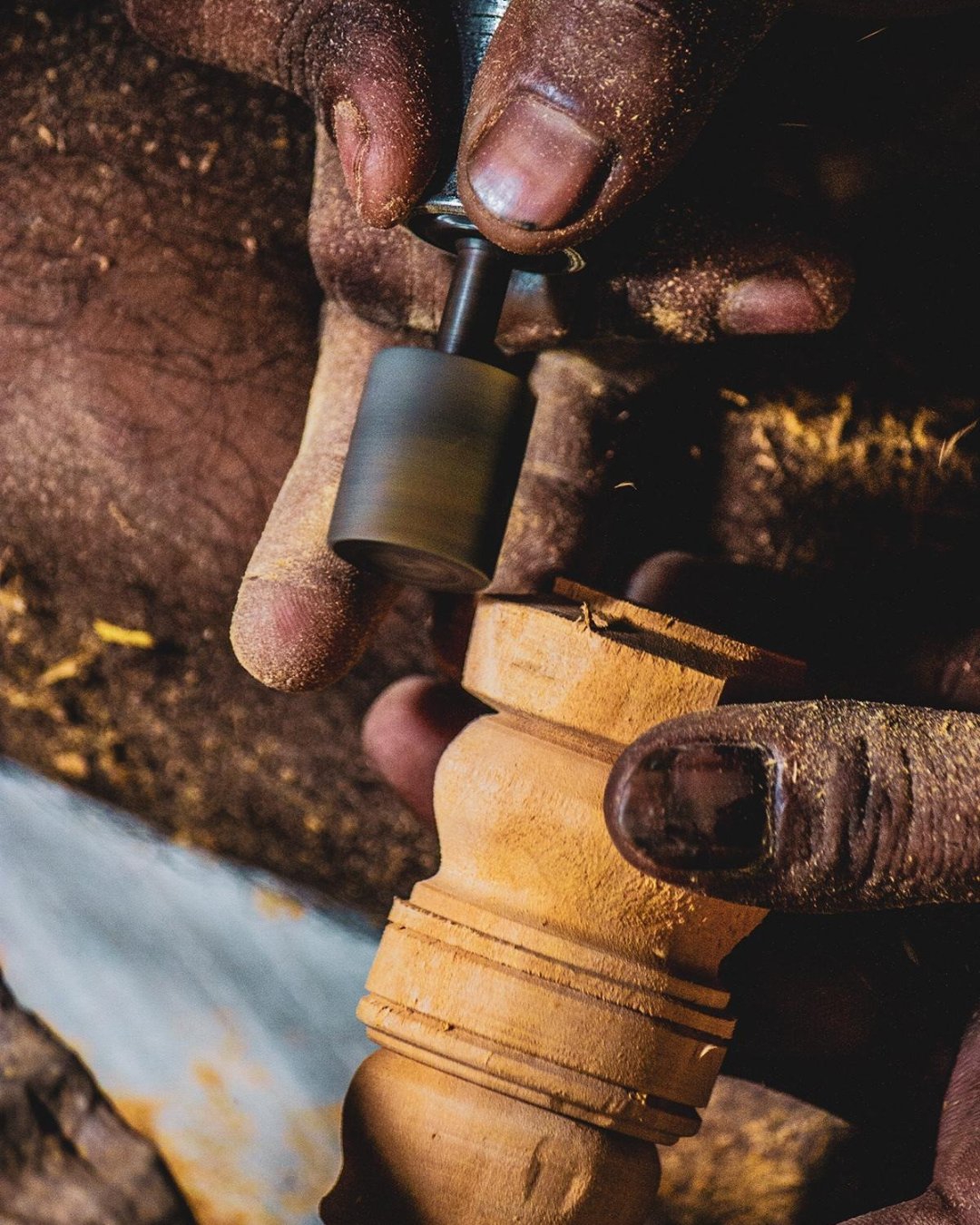
●The alternative is slower. Sit down. Buy chai from the stall you want to photograph. Stay in one place for 40 minutes and let people stop noticing you. The frames that arrive after people forget you are there are the only ones worth carrying home.
●Ask with the camera, not with money. Lift it slightly, catch the eye, raise your eyebrows. Yes is a head-wobble; no is unmistakable. If the answer is no, smile and move — arguing costs you the next three
subjects who are watching.
●If you promise to send the photo, send the photo. Take a number, take a WhatsApp, and actually do it. Photographers who do not are the reason the next visitor gets a harder no.
●Children: ask a parent, never only the child, and never hand out money or sweets for a pose. It teaches a behaviour that makes life worse for the people who live there.
Pro tip: Learn two words. "Photo?" with a raised camera, and "dhanyavaad" after. That is the whole vocabulary and it changes the yes-rate more than any lens.
The mistakes that ruin it:
●Long lens from twenty metres so you never have to ask. It shows in the picture — nobody is looking at you because nobody knows you exist.
●Paying for one portrait in a crowded spot. Everybody nearby now has a price, and the morning is over.
●Photographing people mid-prayer or mid-bath. Ritual bathing is not a photo opportunity; it is a private act performed in a public place.
22
MomentDashashwamedh Ghat, Varanasi
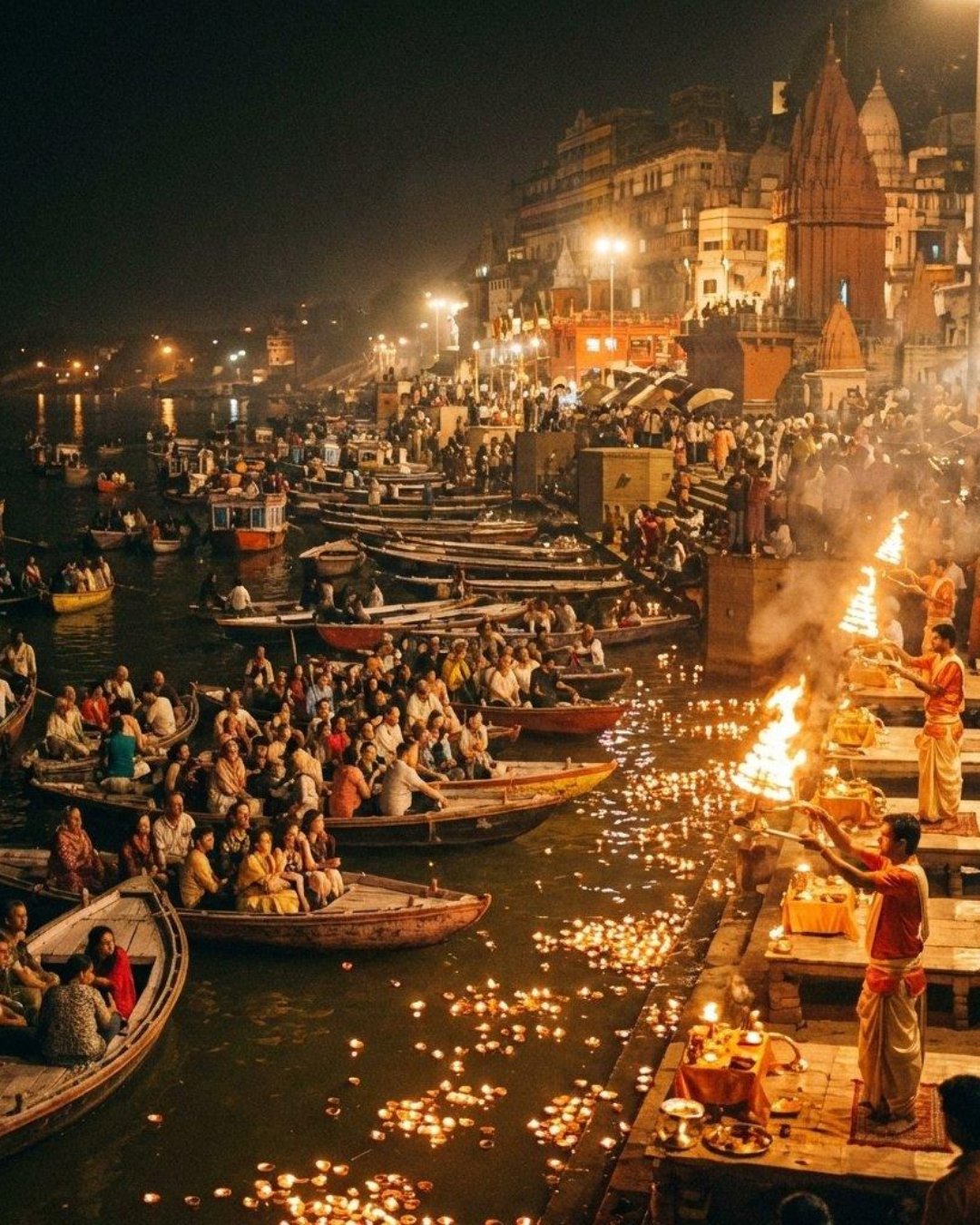
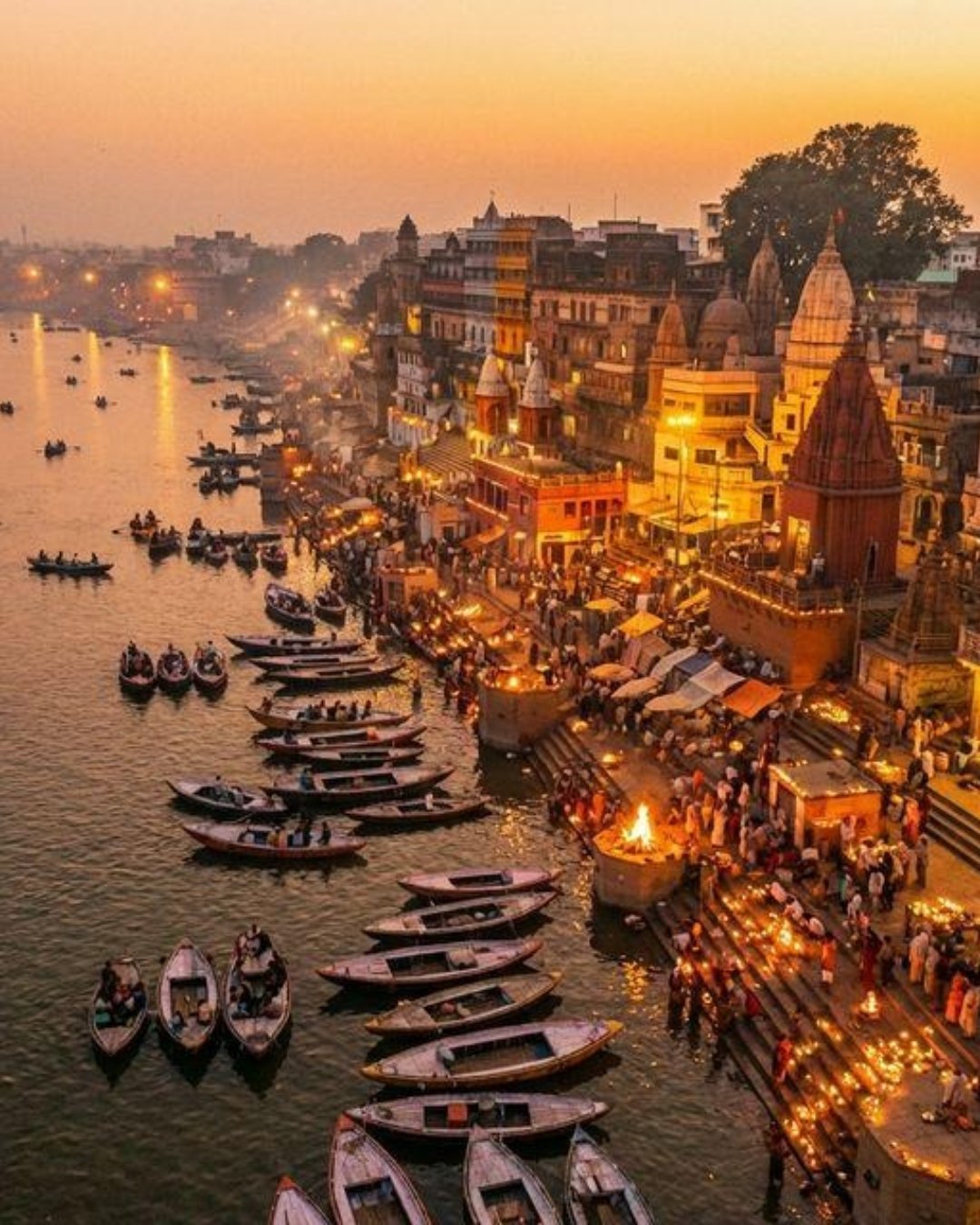
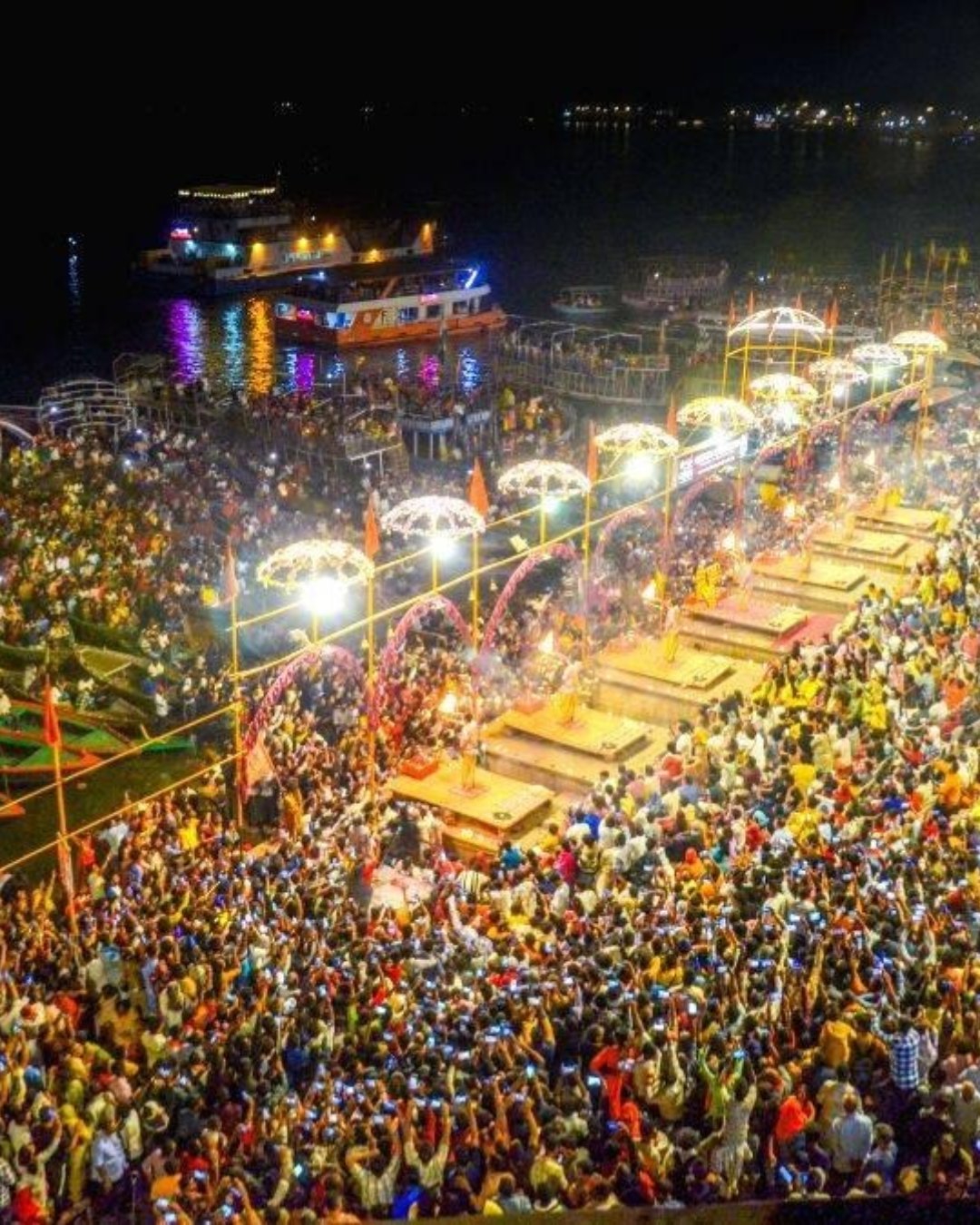
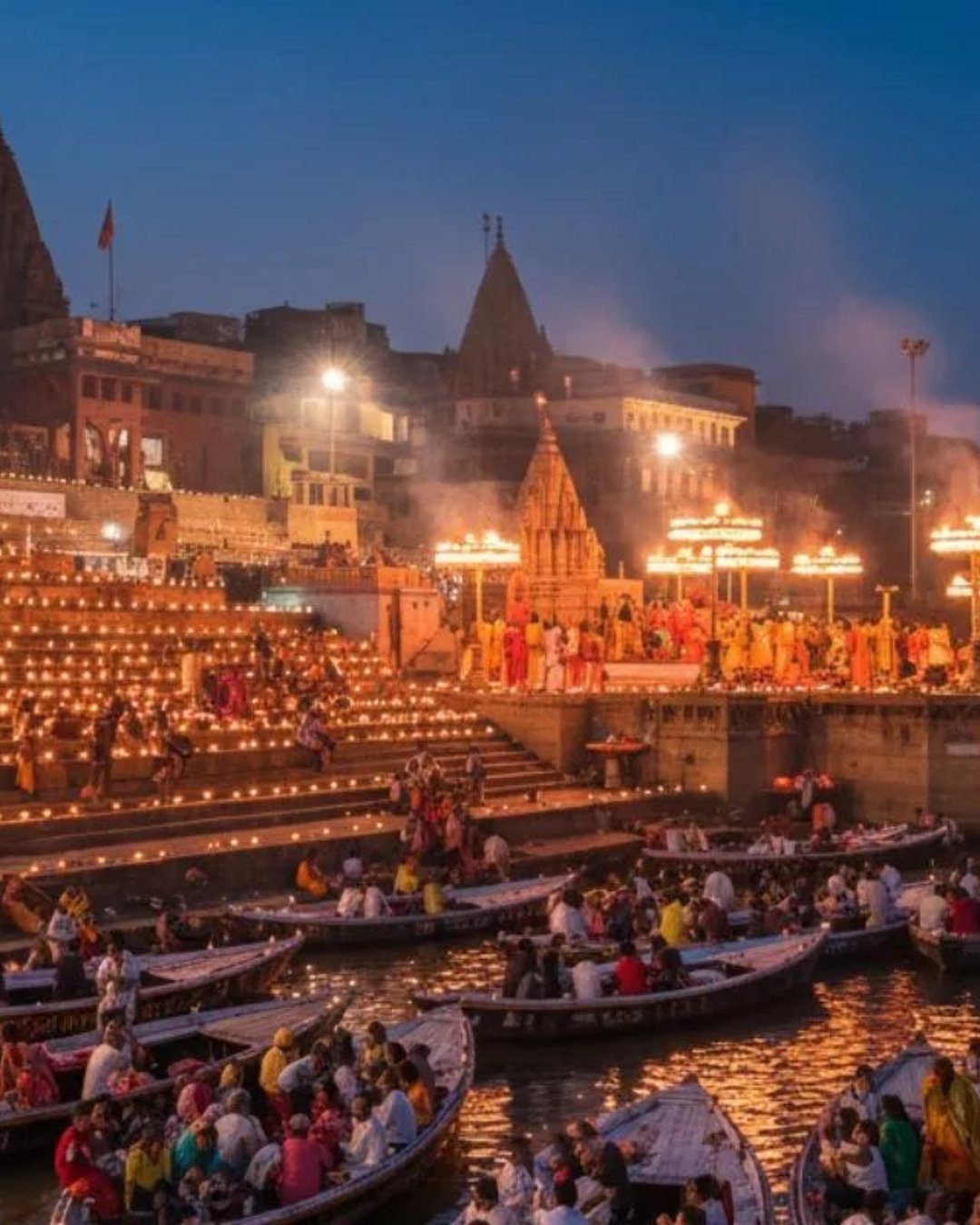
The Aarti Is Shot From the Same Spot by Four Hundred People
Search the evening aarti and you will find one photograph, taken four hundred thousand times.
●Front-and-centre on the steps is the worst photographic position and the most contested one. You arrive 90 minutes early, you sit, you cannot move, and you get a frame identical to everyone else's — the priests dead-on, backs of heads in the foreground.
●Three positions produce different pictures. From a boat moored off the ghat you get the whole tiered set with the crowd as a wall of faces and lamps. From the upper terraces or a rooftop behind, you get elevation, the layered geometry of the platforms and the crowd receding. From the side, tight on one priest, you get the fire trails and the actual gesture.
●Exposure is the real problem, not position. Enormous flame against black night. Spot meter on the lit face or the brass lamp and let everything else fall away. Around 1/125s, wide aperture, ISO wherever it needs to go.
●Long exposures of the swinging lamp — 1/8s to 1/4s braced against a railing — turn the aarti into fire calligraphy. This is the frame almost nobody brings back, and it needs no tripod, only a wall.
●The smaller Assi Ghat morning aarti, part of the Subah-e-Banaras programme, has a fraction of the crowd and warm dawn light instead of tungsten and flame. For many photographers it is the better shoot.
Pro tip: Turn the flash off and leave it off. It reaches four metres, kills every bit of the firelight you came for, and marks you instantly as the person ruining the row behind you.
The mistakes that ruin it:
●Shooting the whole 45 minutes. The choreography repeats; work the first ten minutes, then watch.
●Auto ISO with a slow shutter floor. It will pick 1/30s and every lamp becomes a smear.
●Standing up in the seated crowd. You will be asked to sit, correctly.
23
MomentAssi Ghat, Varanasi
What Actually Survives a Week on the Ghats
Varanasi is hard on equipment in three specific ways, and none of them is theft.
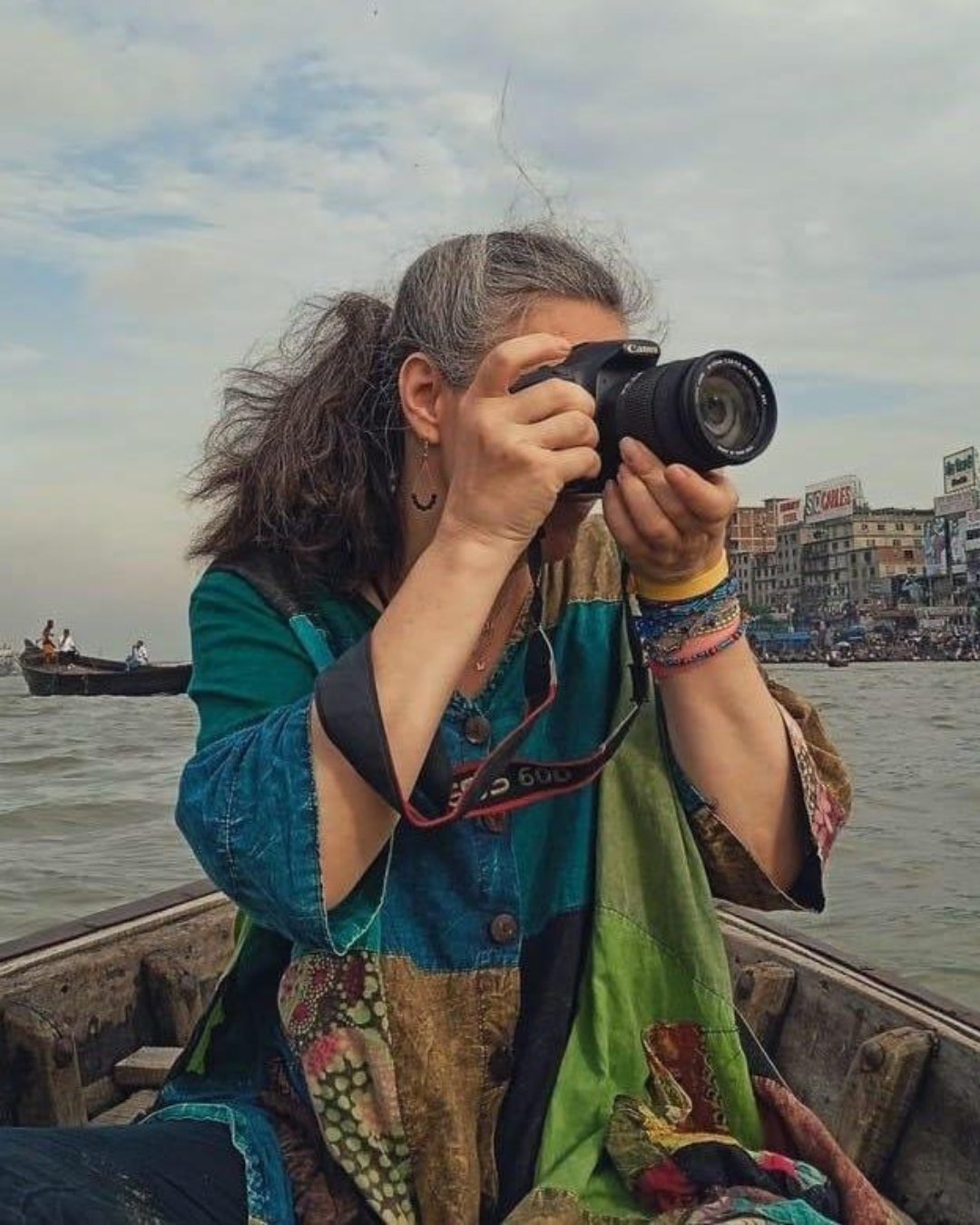
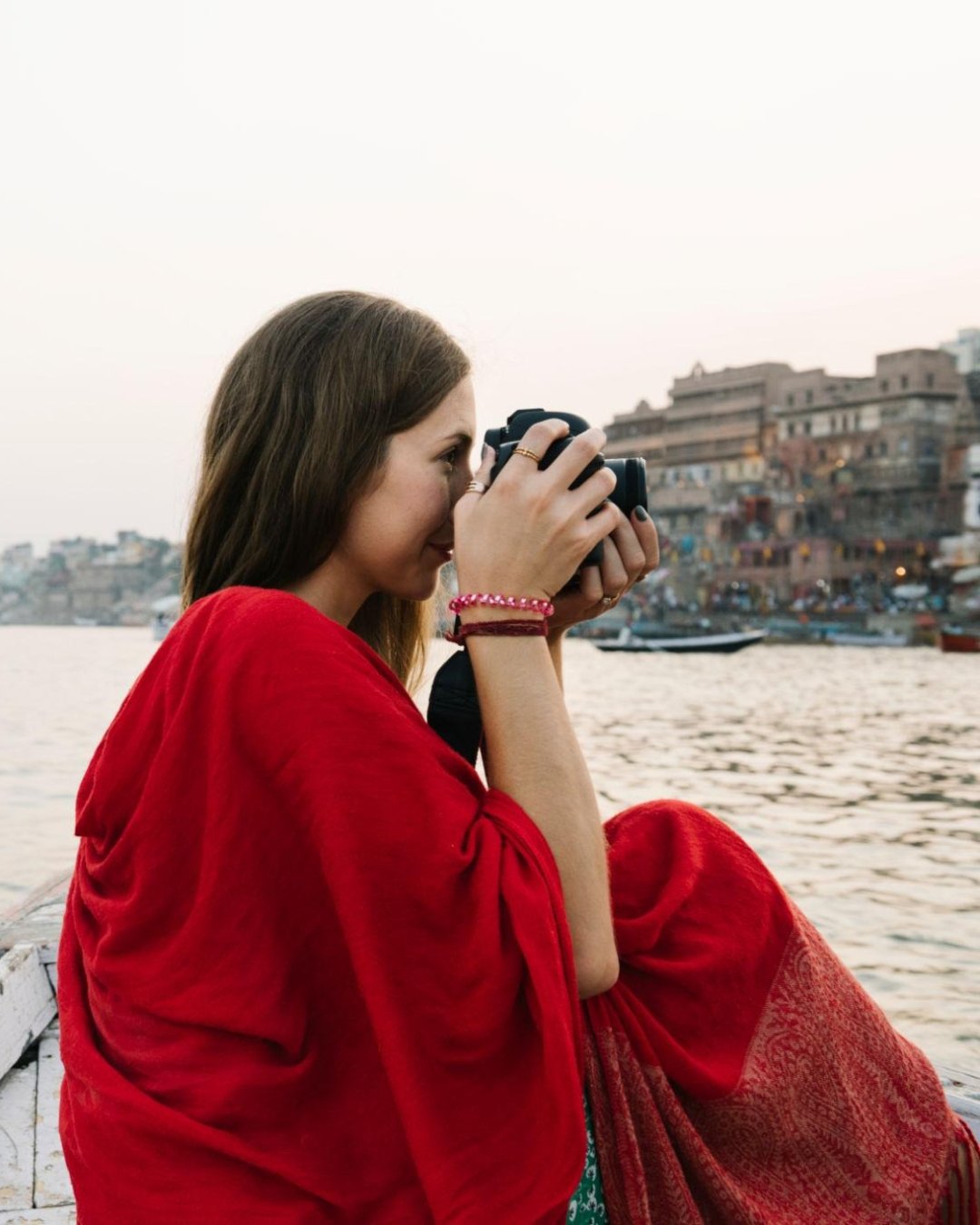
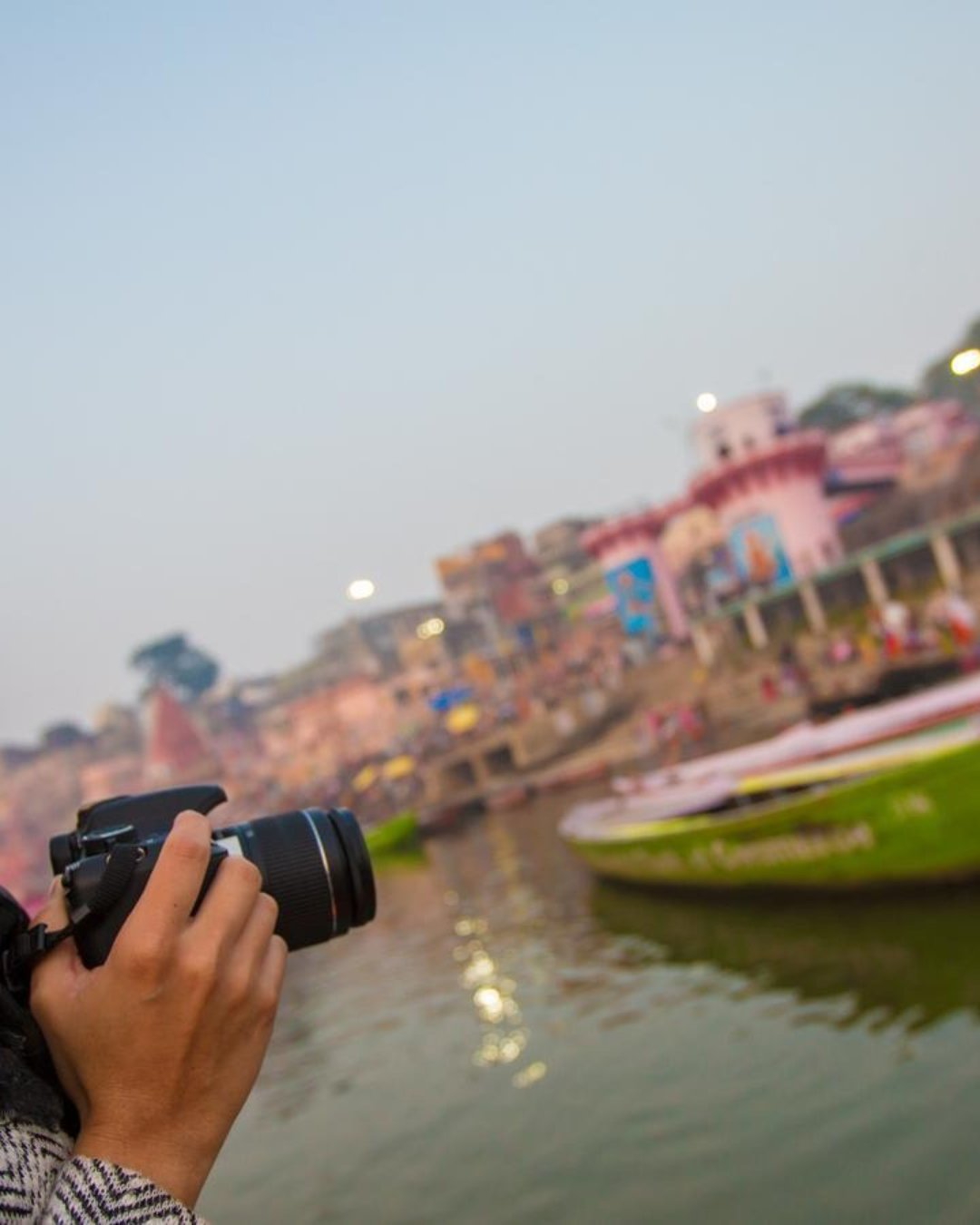
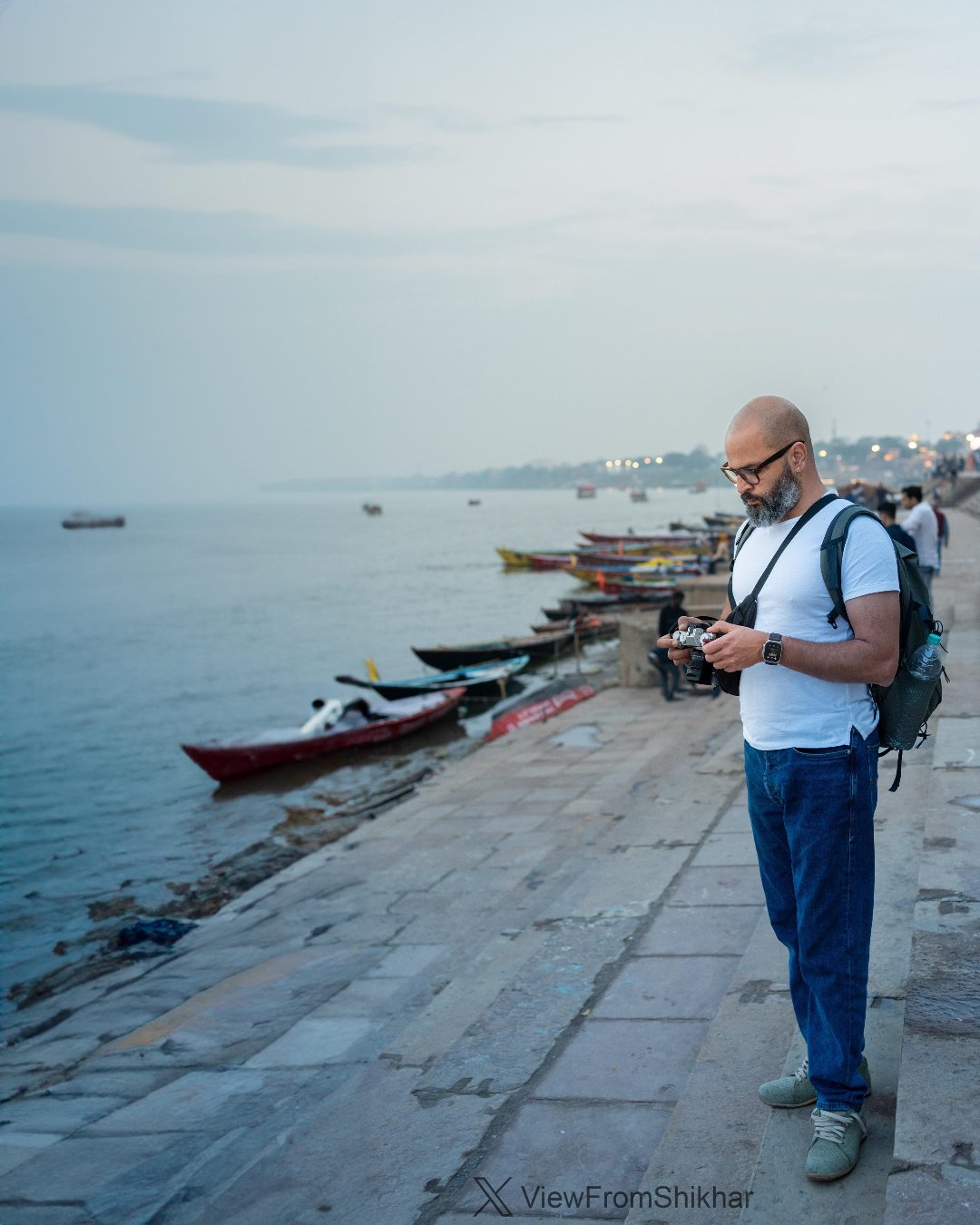
●Dust and ash. Fine grey particulate is in the air all day, especially near the cremation ghats and in the dry season. Change lenses as little as possible; ideally, do not change them outdoors at all. One versatile zoom on a body beats two primes and a sensor full of spots.
●Low light in the galis. The old-city lanes are narrow and roofed with wires and cloth; even at noon they are two or three stops darker than the ghats. A fast prime earns its place here, not on the river.
●Weight and access. You will walk five to eight kilometres a day on uneven stone, through crowds, past cows, often in the dark. Anything you have to unzip a bag to reach will not get used. One body, one lens,
strap across the chest.
●Batteries drain faster than you expect in December mornings and you cannot buy your model locally. Two spares, carried warm, in an inside pocket.
●A polariser is worth more than a filter kit — it cuts the haze off the river and puts colour back into the sky. A tripod is worth almost nothing: banned or unwelcome in most temple areas, impossible on crowded
steps, and useless on a rocking boat.
Pro tip: Back up every night. Two copies, two devices. Humidity, dust and a week of stone steps kill more cards in Varanasi than anywhere else on a normal India itinerary.
The mistakes that ruin it:
●Bringing the whole kit on the sunrise boat. There is nowhere dry to put it and the boat rocks.
●Wearing an expensive camera strap with a brand name across your chest in the crowded galis. Plain strap, camera in front of you.
●Assuming you can clean a sensor in Varanasi. Bring what you need or shoot around it.
18
MomentAssi Ghat, Varanasi
Drones: The Short Answer Is No
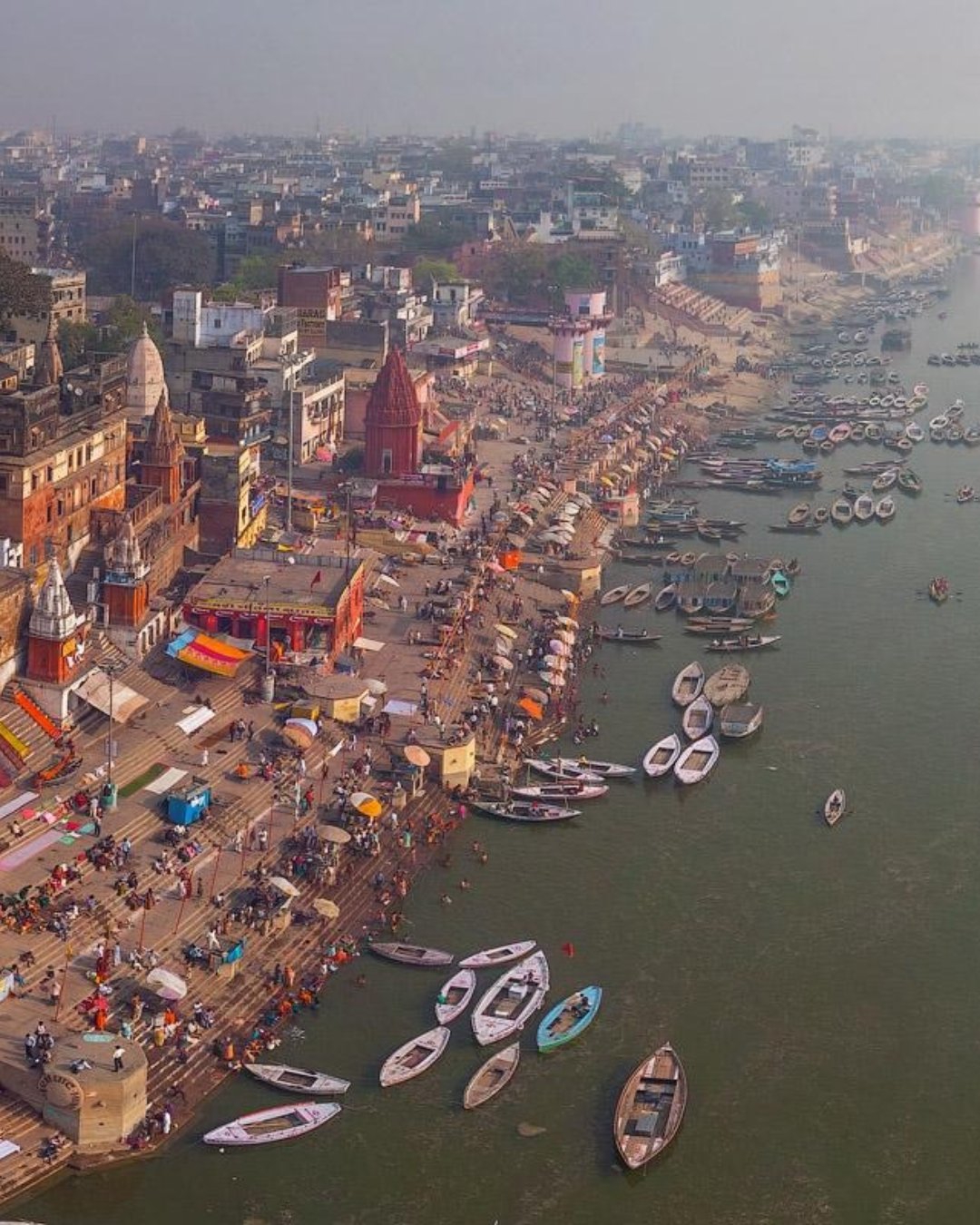
Every year a few visitors pack a drone for the ghats. Almost none of them fly it.
●India regulates drone airspace in green, yellow and red zones under DGCA rules, with registration on the Digital Sky platform and a unique identification number required for almost every drone above the nano
class. Airspace within roughly 3 km of an airport is automatically restricted.
●Varanasi's core is a hard case on several counts at once: dense population, temple and religious-site sensitivities, heavy security presence, and the practical reality that authorities on the ghats will stop you long before any zone map matters. Flying over the ghats and temple areas requires prior permission that individual tourists are effectively never granted.
●Penalties for flying in a restricted zone are real — confiscation and fines running into six figures in rupees, with criminal exposure near sensitive installations.
●The honest planning answer: leave the drone at home, or expect it to stay in the bag. Check the current zone classification on the Digital Sky platform for any specific location before you travel, and treat any
"everyone does it" advice as someone else's risk.
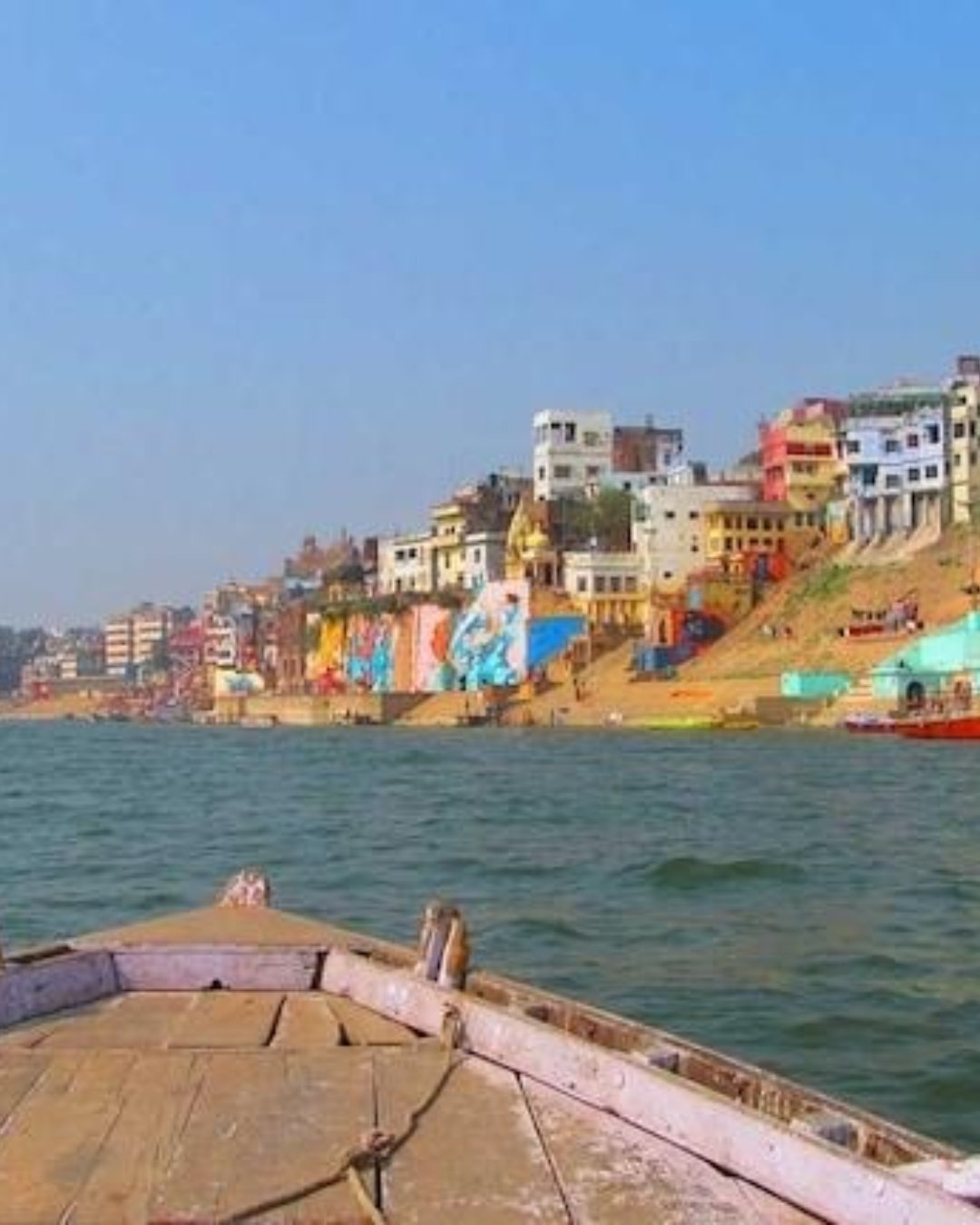
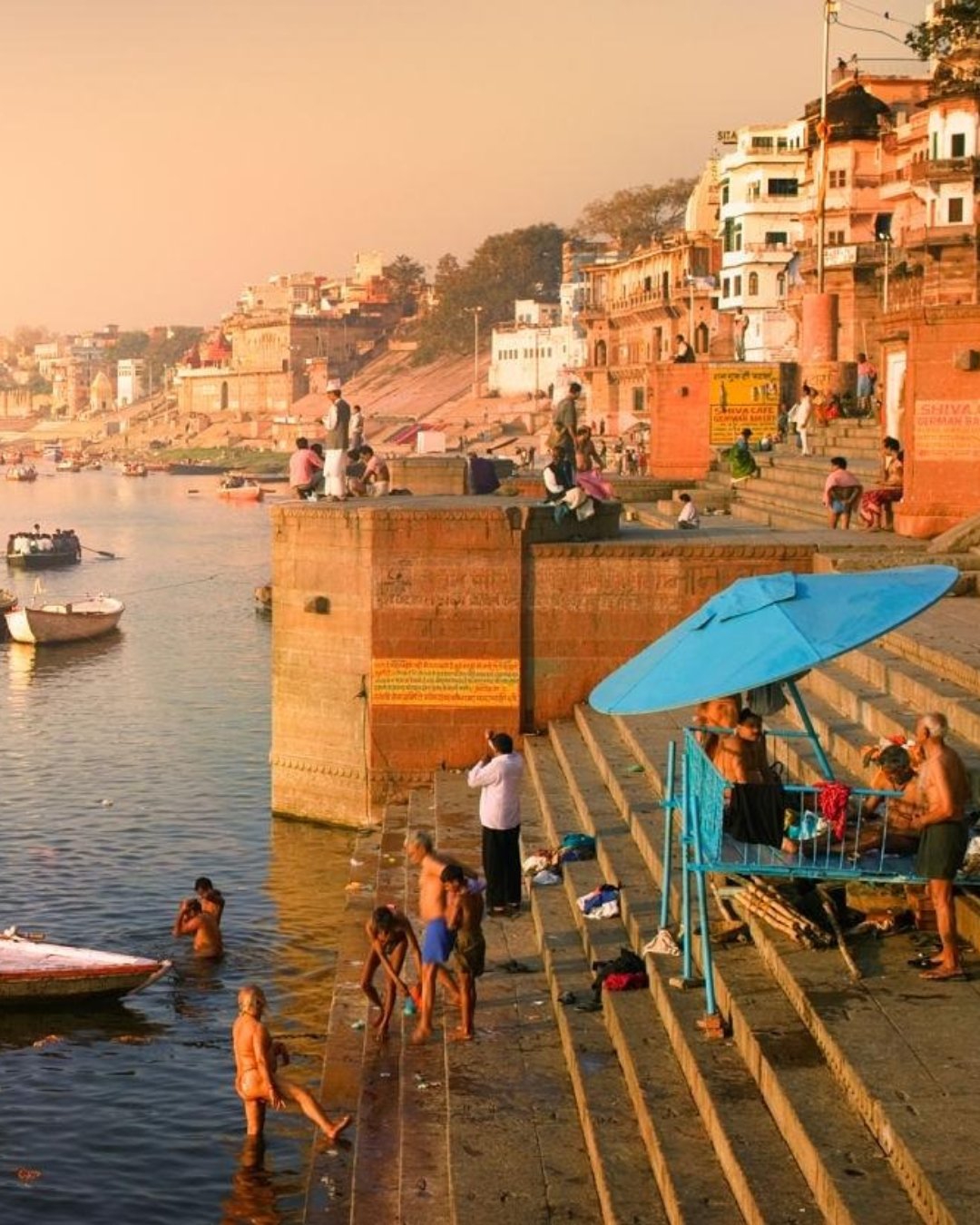
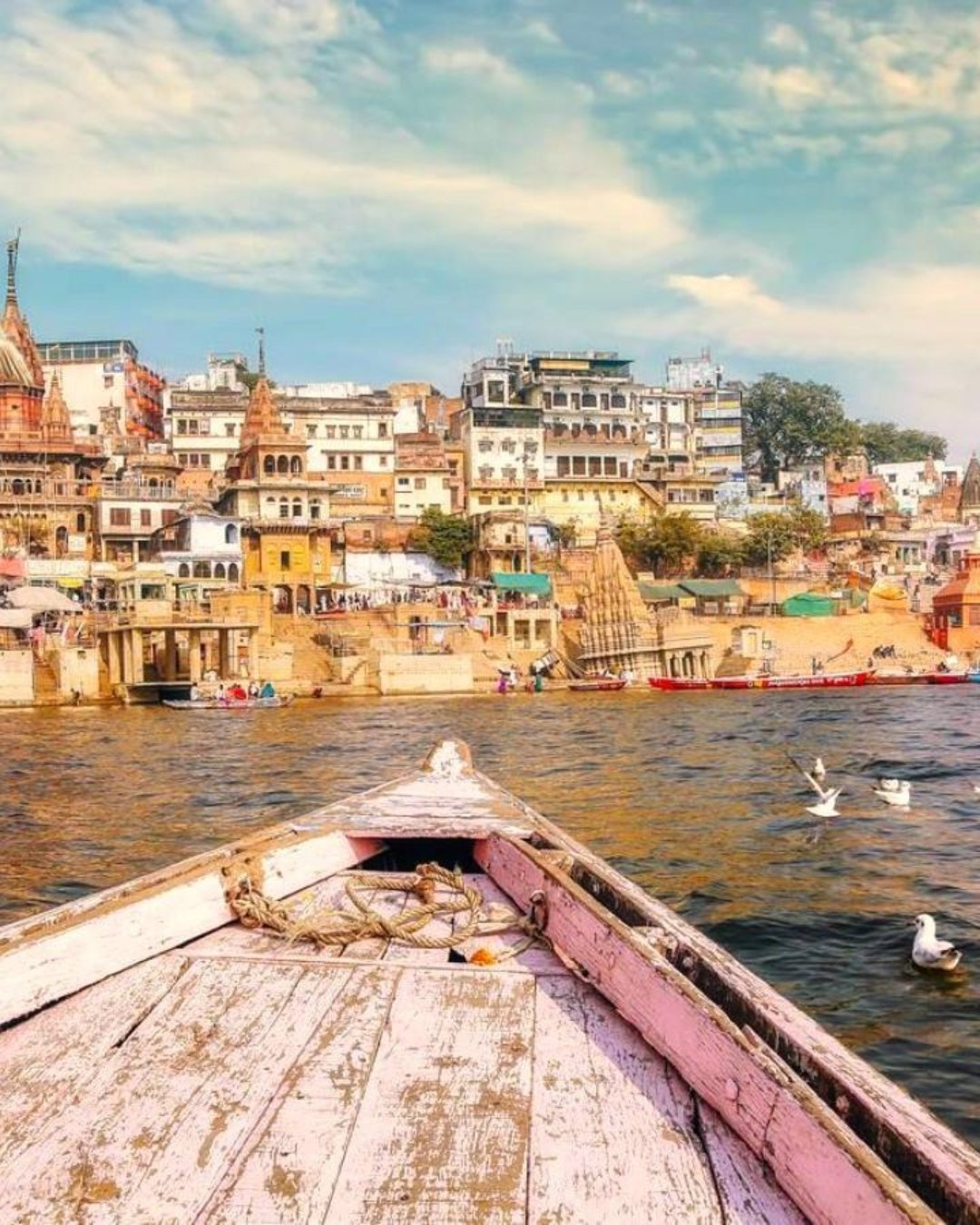
●The alternative angle is elevation, not altitude. The rooftops and upper terraces along the ghat line, the higher steps at Assi and Panchganga, and the far side of the river at dawn all give you height and separation without a permit.
Pro tip: If you want the aerial-looking frame legitimately, shoot from the east bank at sunrise with a short telephoto. Compression across the water stacks the ghats into a single wall — visually closer to the drone shot than most drone shots are.
The mistakes that ruin it:
●Assuming a small sub-250g drone is unregulated. It is treated differently for some requirements, not exempted from zones.
●Launching quickly and hoping. On a ghat, you will be surrounded within a minute.
●Relying on a blog post from years ago. Indian drone rules have changed repeatedly; verify current status before you pack.
30
MomentGodowlia, Varanasi
The Photographs Nobody Comes Back With
Nine out of ten Varanasi portfolios end at the water line.
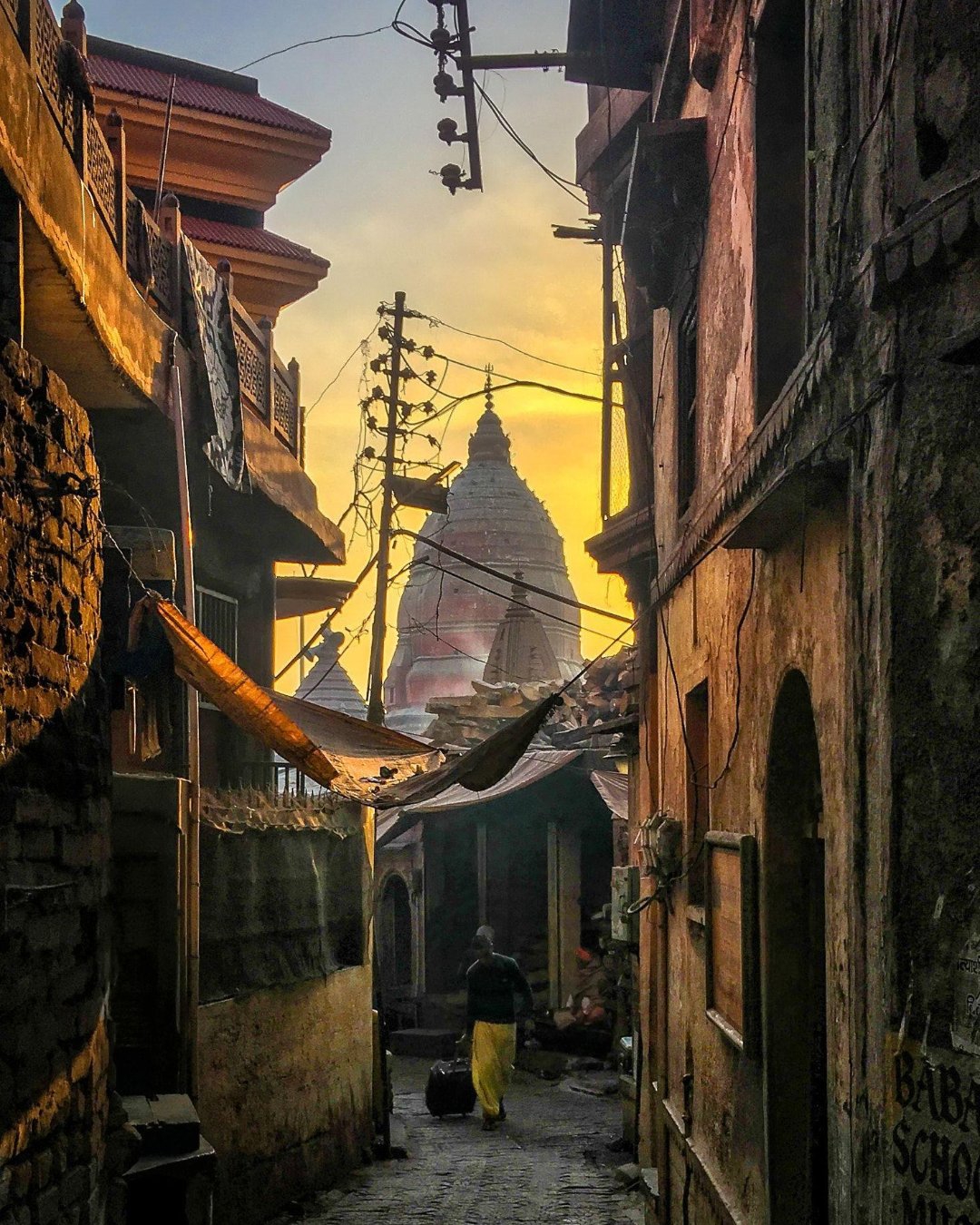
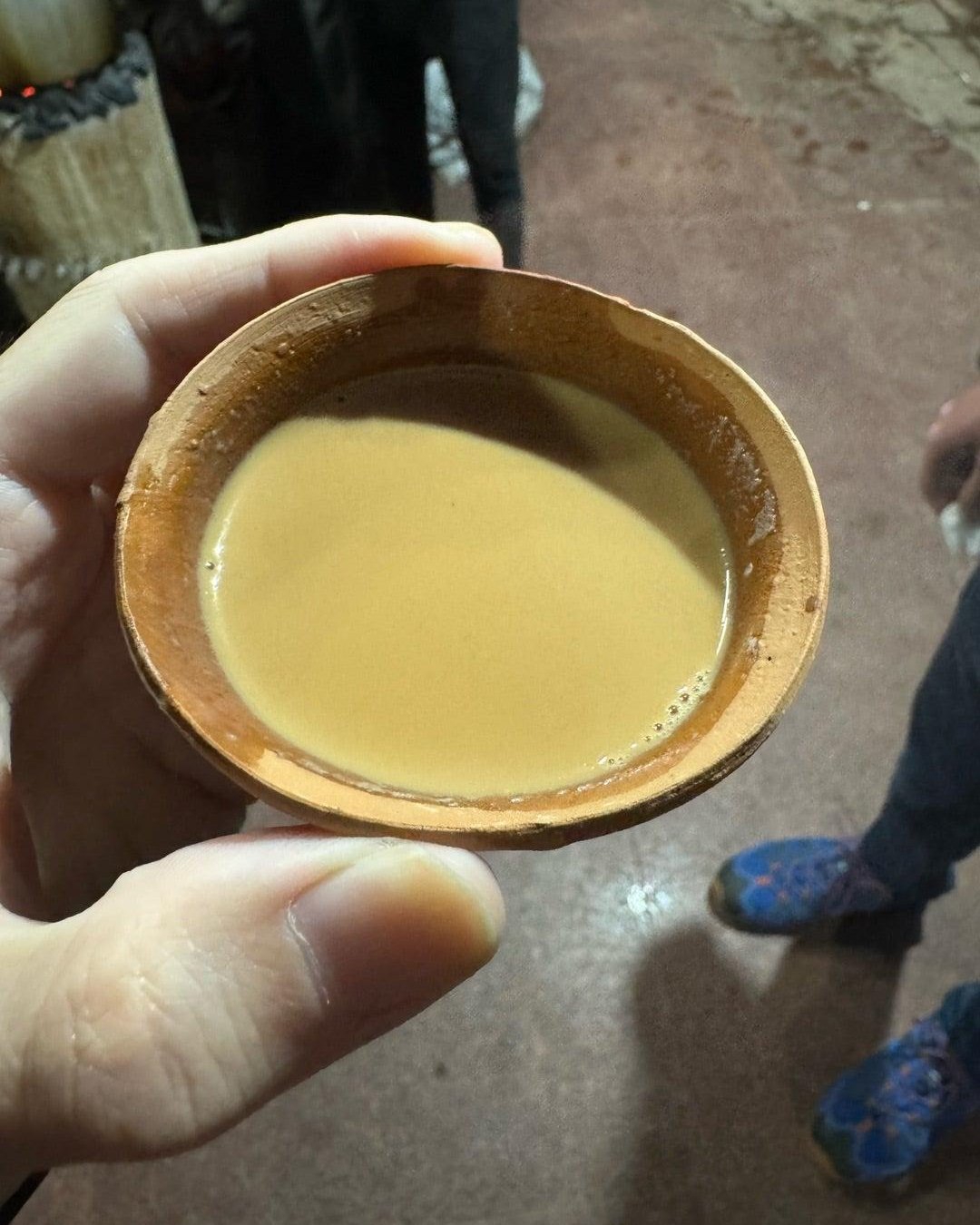
●The lanes behind the ghats — the galis of the old city — are the strongest street photography in the city and almost nobody shoots them properly. Narrow, dark, layered with wires, shrines set into walls every
twenty metres, light arriving in shafts. Go mid-morning when the shafts are steepest.
●The weaving quarters in the northern and eastern parts of the old city are where Banarasi silk is actually made. Handlooms in low rooms, thread under a single bulb, hands moving. Ask before entering a working loft; many weavers will say yes, some will not, and a family workshop is a home as much as a workplace.
●The akharas — traditional wrestling and exercise grounds near several ghats — run at dawn. Earth, bodies, oil, ritual. Ask first; this is training, not performance.
●The east bank sandbank at sunrise gives you the reverse view: the entire ghat line as a wall in the haze, with foreground of nothing but sand and light. Cross by boat before dawn.
●Sarnath, about 10 km out, is a different visual register altogether — open lawns, a massive brick stupa, excavated foundations, ochre robes. Clean geometry and space after a week of compression. Shoot it late
afternoon.
●Ramnagar across the river holds the fort and a working ghat with almost no visitors. Best in the last hour of light.
Pro tip: Give one full day to the lanes with no river on the itinerary at all. The ghats will pull you back every morning otherwise, and the galis need unhurried time to open up.
The mistakes that ruin it:
●Treating the galis as a corridor between ghats. They are the destination.
●Photographing inside a working loom loft without asking, then being surprised at the reaction.
●Saving Sarnath for a half-day at the end when you are tired. It rewards fresh eyes and good light.
Destination
Varanasi, Uttar Pradesh, India
People also ask
01Question
What is the best time of day for photography in Varanasi?
The 45 minutes around sunrise, weighted to the 20 minutes before it. That is when the ghats are busy with ritual, the light comes low across the river, and haze or fog softens everything. A second, shorter window opens for about 25 minutes after sunset, when the ghat lamps come on and the sky is still blue. Between roughly 8:00 am and 4:00 pm the light on the ghats is harsh and flat, which is when the lanes behind them shoot best.
02Question
Is photography allowed at the burning ghats in Varanasi?
No. Photography and filming of cremations at Manikarnika and Harishchandra Ghat is prohibited and enforced by the people there, not by signage. Cameras and phones have been confiscated. You may watch respectfully from a distance; you may not photograph. Anyone offering paid photographic access to a cremation should be refused.
03Question
Can I take a camera into Kashi Vishwanath Temple?
No. Phones, cameras and smartwatches must be deposited at security before entering the main shrine, and photography inside the sanctum is prohibited. Free lockers are available near the entrances. Some outer courtyard areas permit photography, but plan the temple visit as a no-camera trip rather than carrying gear you cannot use.
04Question
Are drones allowed in Varanasi?
In practice, no. Drone flying over the ghats, temple areas and the dense old city requires prior permission that individual visitors are effectively never granted, and India's DGCA rules restrict airspace near airports and sensitive sites with registration on the Digital Sky platform required. Flying in a restricted zone risks confiscation and heavy fines. For elevated frames, use rooftops, the upper ghat terraces, or a telephoto from the east bank.
05Question
What is the best month for photography in Varanasi?
Mid-December to early February. Winter mornings bring fog that sits on the river and acts as a natural diffuser, the temperature is workable for long dawn shoots, and the light stays usable slightly longer than in summer. November adds Dev Deepawali, when the ghats are lit with lamps. April to June is punishingly hot with hazy white light, and the monsoon months bring high water and closed lower steps.
06Question
Should I photograph Varanasi from a boat or from the ghats?
Both, on different mornings. The boat gives you the wide layered view of the ghat crescent with clean separation
between people and buildings. The steps give you the close human detail — hands, cloth, ritual, faces. They
occupy the same short light window, so trying to do both in one morning means doing neither well. A rowed boat
that can hold position beats a motorboat for photography.
07Question
How do I photograph people in Varanasi respectfully?
Ask, with the camera rather than with money. Raise it slightly, catch the eye, wait for the nod. Spend time in one
spot until people stop noticing you — the frames after that are the good ones. Do not photograph ritual bathing, prayer, or grief. Ask a parent before photographing a child, and do not pay for children's photos. If you promise to send an image, send it.
08Question
What camera gear should I bring to Varanasi?
One body, one versatile lens, and a fast prime for the dark lanes. Dust and ash make lens changes outdoors a bad idea. Bring two spare batteries, a polariser, and a second backup device — humidity and dust are hard on cards. Skip the tripod: it is unwelcome in most temple areas, impractical on crowded steps and useless on a moving boat. Keep the strap plain and the camera in front of you in the galis.
Experience layers
Go further into one part of this trip.