
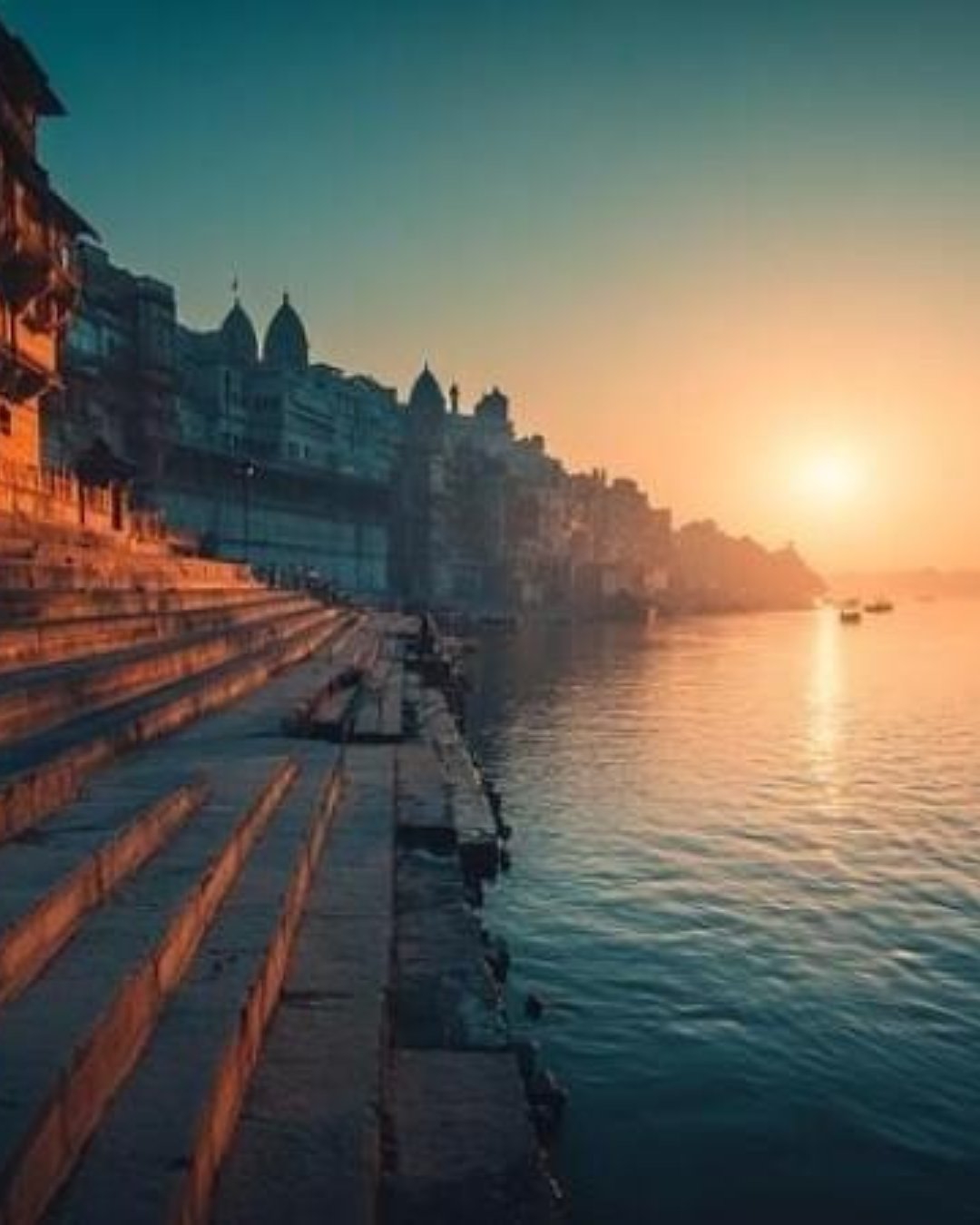
Where the Camera Goes Away — and Stays Away
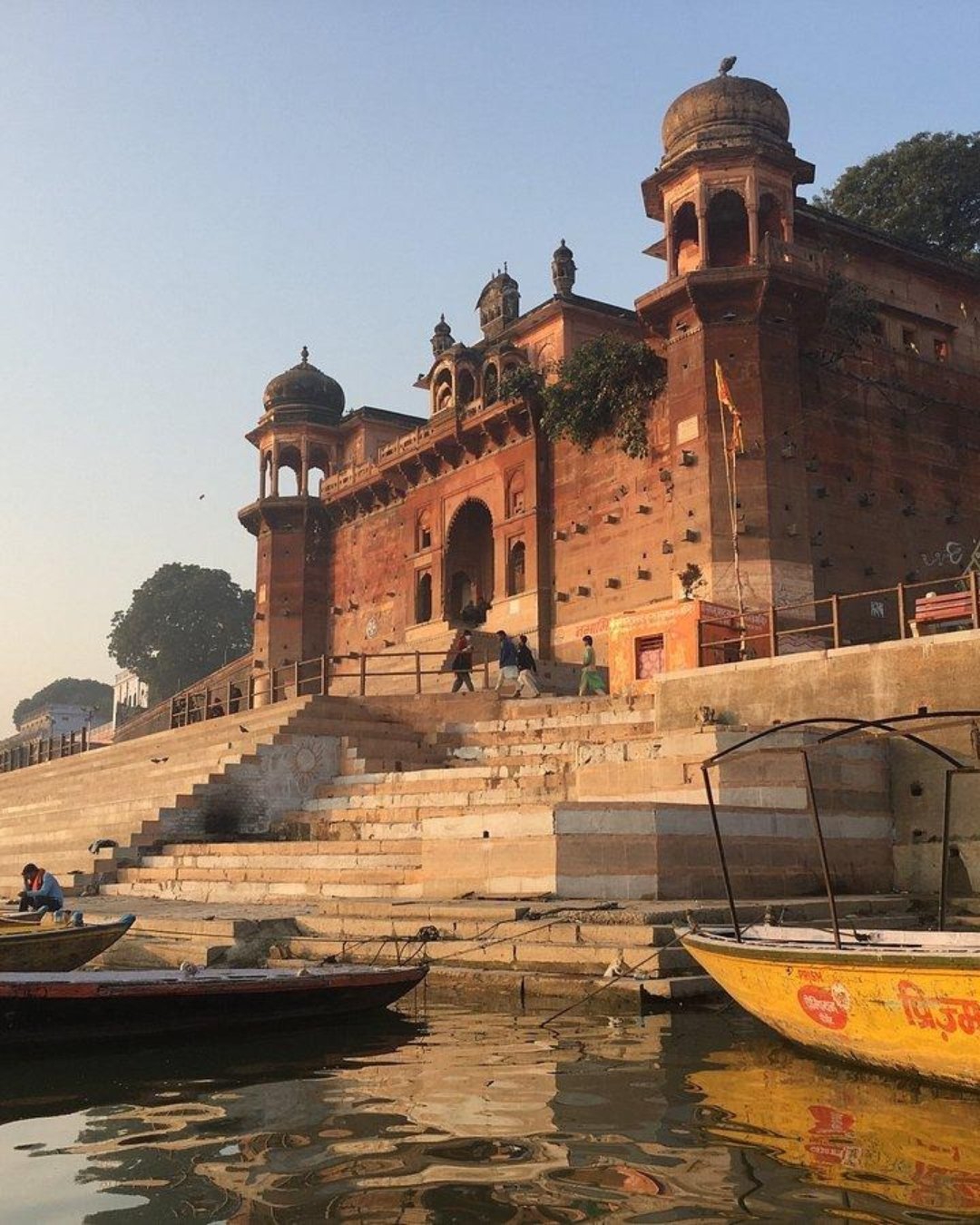
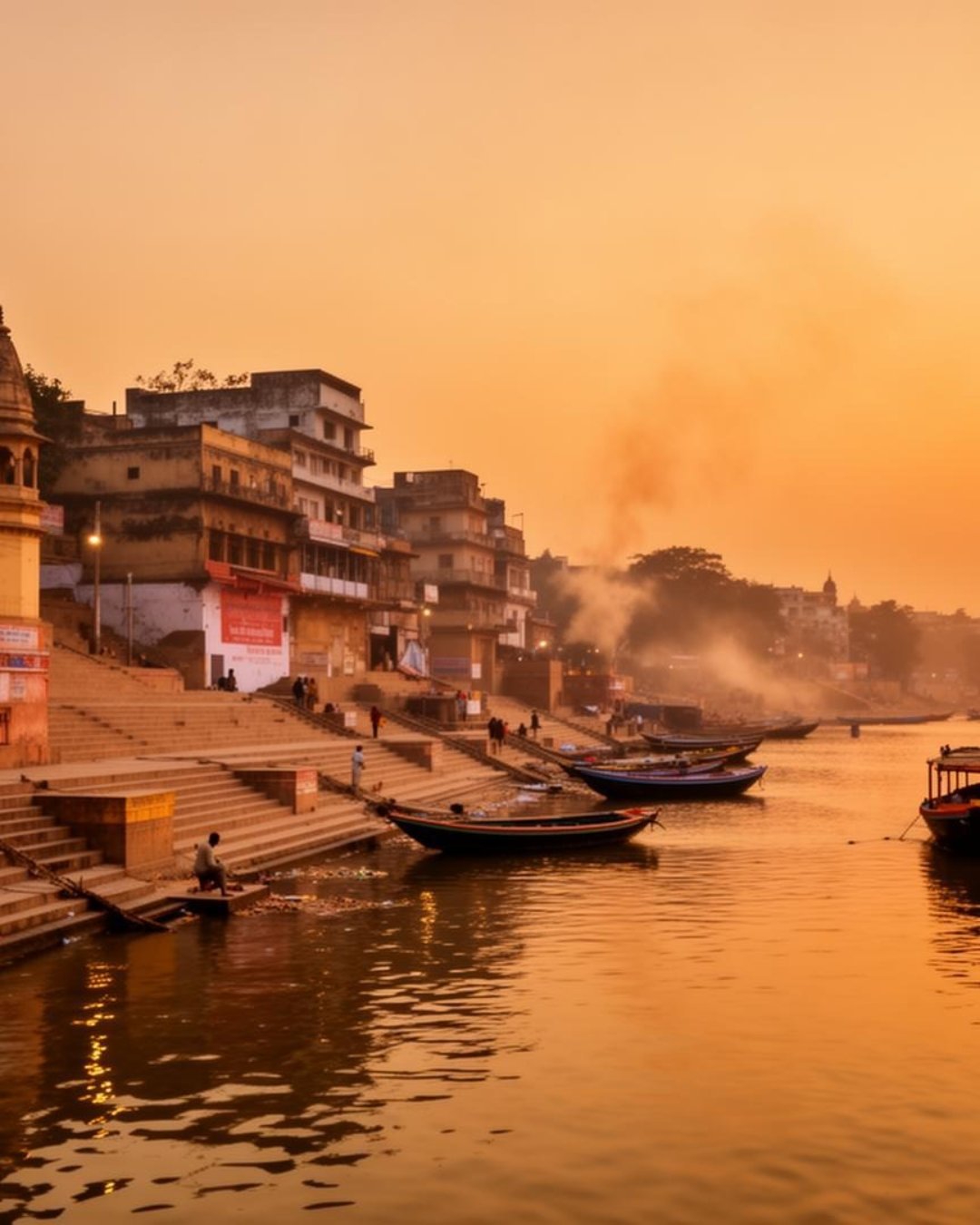
Dashashwamedh Ghat, Varanasi, India
There are places in this city where lifting a camera is not a faux pas. It is a confrontation.
●The cremation grounds — the burning ghats at Manikarnika and Harishchandra — are absolutely off limits. No camera, no phone, no discreet hip shot. Families are grieving three metres away. People do get confronted, and phones do end up in the river. There is no angle, no distance and no lens that makes this acceptable.
●Anyone who offers to sell you photographic access to a cremation is running a scam on you and an indignity on the family. Decline it.
●Kashi Vishwanath: phones, cameras and smartwatches are surrendered at security before you enter the main shrine. Free lockers sit near the entrances. Photography is only possible in designated outer areas, never in the sanctum. Plan the temple as a no-camera morning rather than fighting the queue with gear
you cannot use.
●Some festivals go phone-free entirely — Sankat Mochan's music nights are the best-known example. Turn up expecting to listen, not to record.
●Inside the main aarti enclosure at Dashashwamedh, and inside most working temples in the galis, the rule is simpler than any list: if a priest gestures no, the answer is no, and it does not get renegotiated.
Pro tip: Put the strap over your shoulder and the body behind your back when you walk past the burning ghats. Visibly not shooting is a different signal from not shooting. It is read, and it is appreciated.
The mistakes that ruin it:
●Assuming a phone is less intrusive than a camera. At a cremation it is read exactly the same way.
●Photographing from a boat drifting past Manikarnika because the distance feels like permission. It is not; the ban follows the subject, not your standing position.
●Carrying a camera to Kashi Vishwanath and then losing an hour to the locker queue and re-entry.