

The Light Comes From the Wrong Side of the River
Assi Ghat, Varanasi, India
Every city has a good side. Varanasi has a strange one.
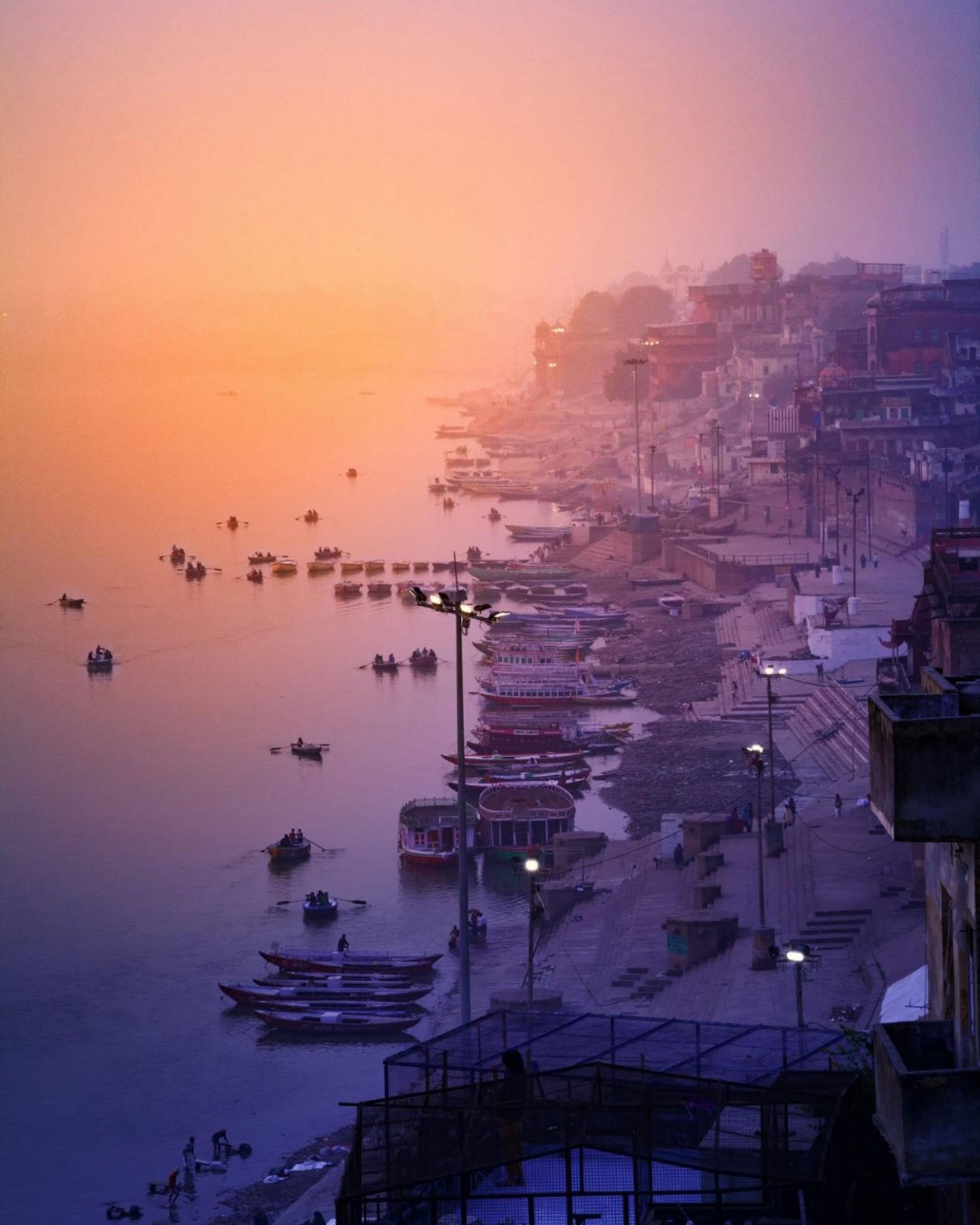
●All the ghats sit on the west bank in a crescent. The east bank is bare sand — no buildings, no trees, nothing. So the sun does not light the ghats at sunrise; it rises behind the river and comes straight into
your lens.
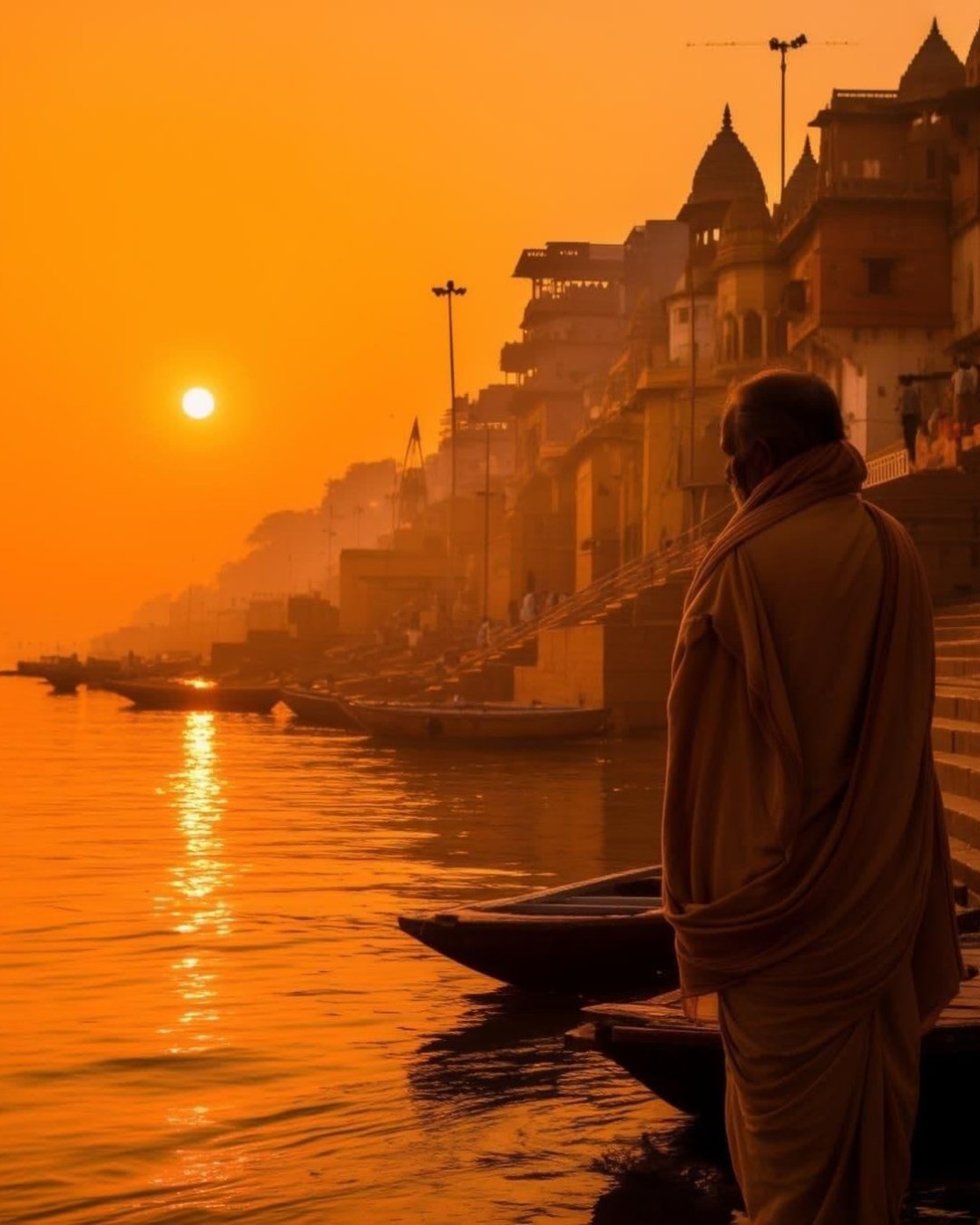
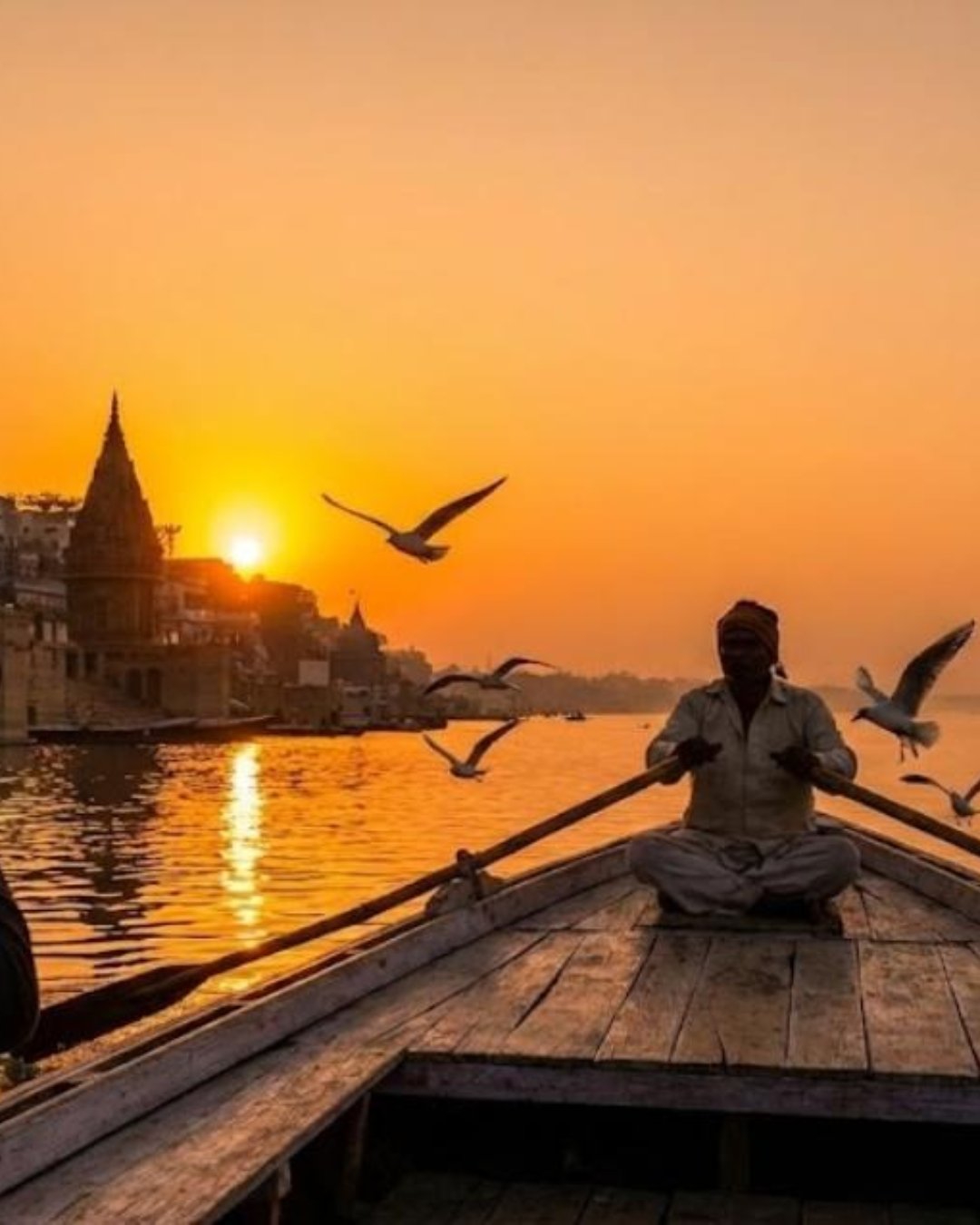
●Practical consequence: at sunrise you are shooting into the light, not with it. Silhouettes, rim-light on wet skin, haze glowing between you and the buildings. Faces go dark unless you expose for them and let the sky blow.
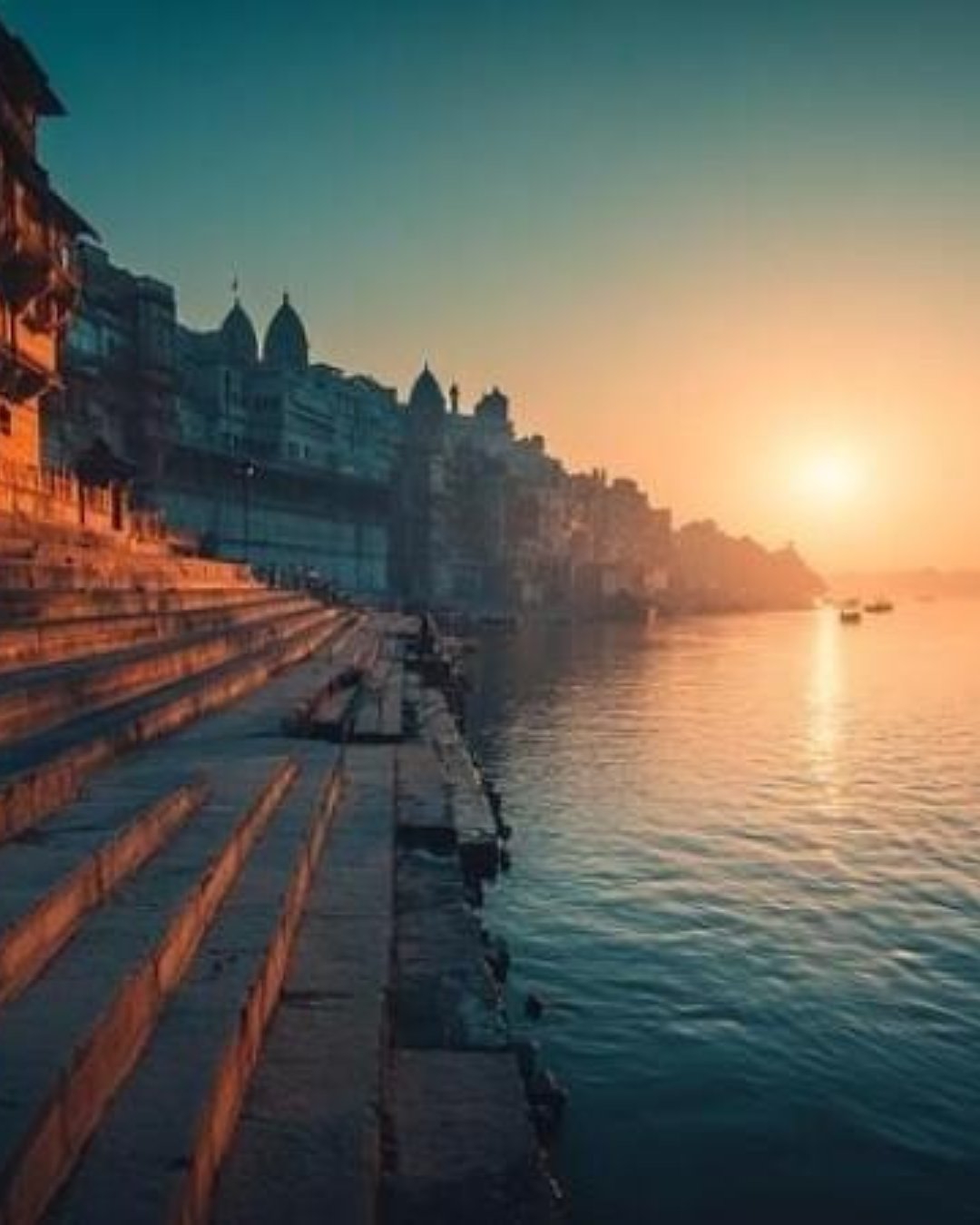
●The reverse is true at sunset. The ghats catch warm frontal light on the stone for roughly 30 minutes before the sun drops behind the old city — but the river itself goes flat and grey. Sunset is for architecture; sunrise is for atmosphere.
●The winter fog (mid-December to early February) sits on the water and acts as a giant diffuser. It is the single best photographic condition in the city and the reason serious photographers come in January, not October.
Pro tip: Meter for the highlights, not the scene. Set exposure compensation to about −1 stop before you leave the hotel and correct from there. A backlit ghat metered on average will blow the sky and still leave the stone muddy.
The mistakes that ruin it:
●Shooting sunrise from the ghat steps. You are on the wrong side of the subject — everything faces away from you.
●Auto white balance in fog. It will neutralise the exact warmth you came for. Lock to daylight (around 5500K) and warm from there.
●Arriving at sunrise. Sunrise is the end of the window, not the start.