

Varanasi Cafes and Restaurants: Best Rooftop and Riverside Dining
Rooftop cafes over the Ganga, continental and Israeli food,
specialty coffee — where to sit in Varanasi, by area, with the view-
vs-food truth nobody tells you.
Varanasi is more than temple bells, boat rides, and ancient lanes — it has a food and café culture waiting to be discovered between every experience. On this journey, we’ll take you from relaxed rooftop cafés around Assi Ghat to hidden restaurants in the lanes of old Kashi, from Ganga-view breakfasts to comforting local flavours, specialty coffee, continental plates, and peaceful vegetarian meals.
We’ll plan your food stops around your sightseeing, so you’re never just stopping for a meal — you’re experiencing another side of Varanasi. Start the morning with coffee overlooking the Ganga, wander through the old city for a Banarasi bite, pause for a slow lunch, and end the evening with dinner as the ghats begin to glow.
Come hungry, stay curious — because in Varanasi, every meal can become part of the journey.
147
Route
Home
MomentGodowlia, Varanasi
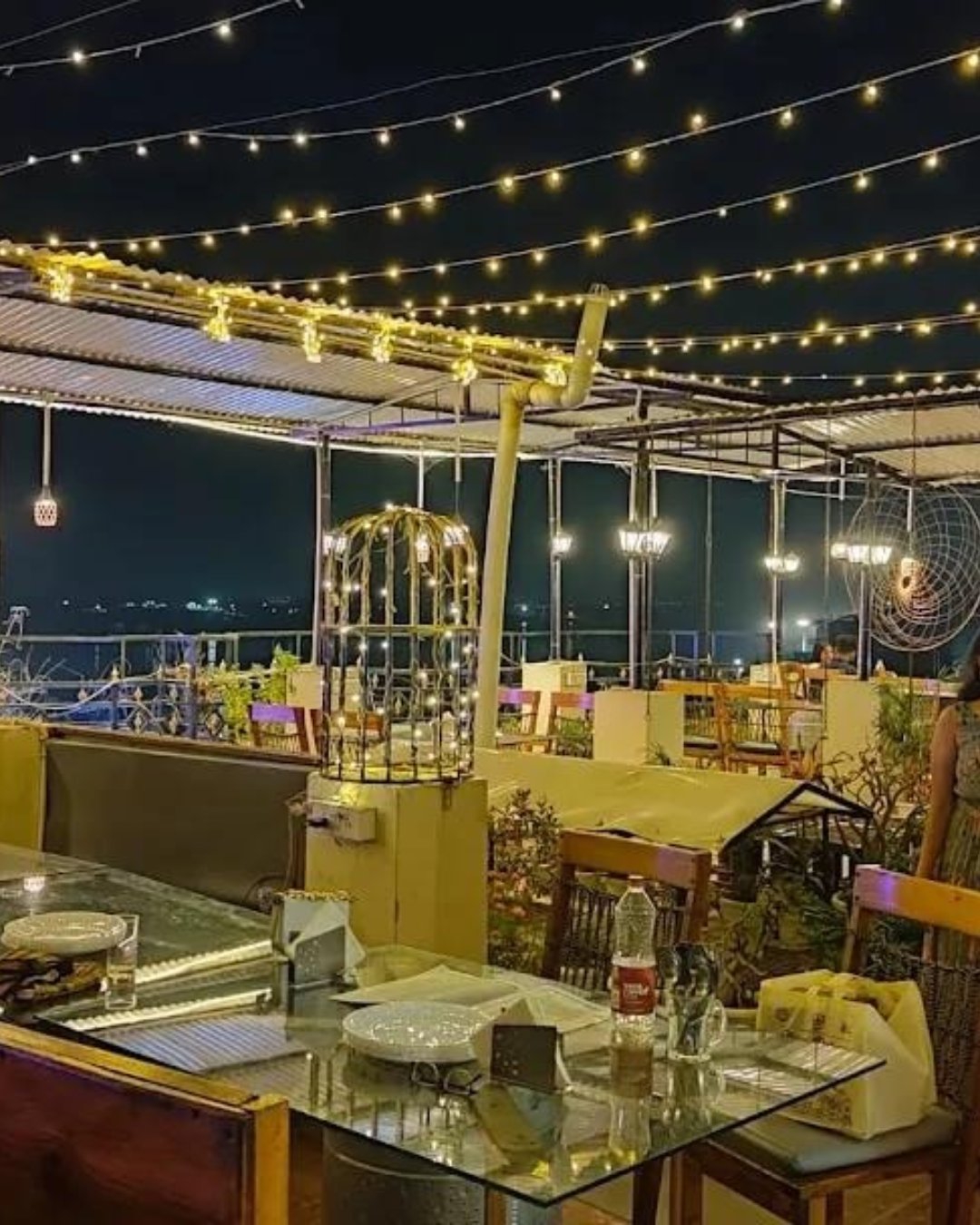
The Assi Ghat Rooftop Belt
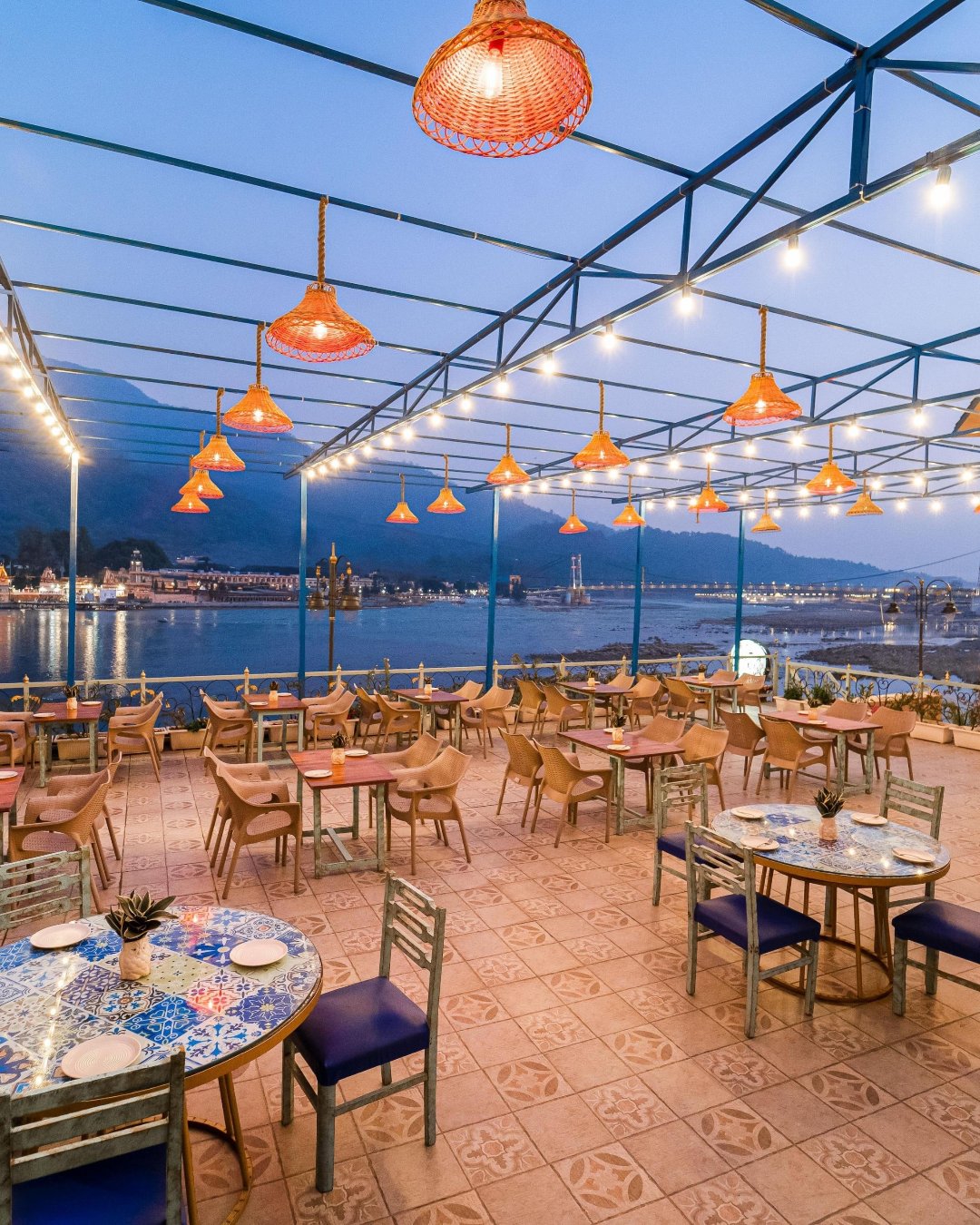
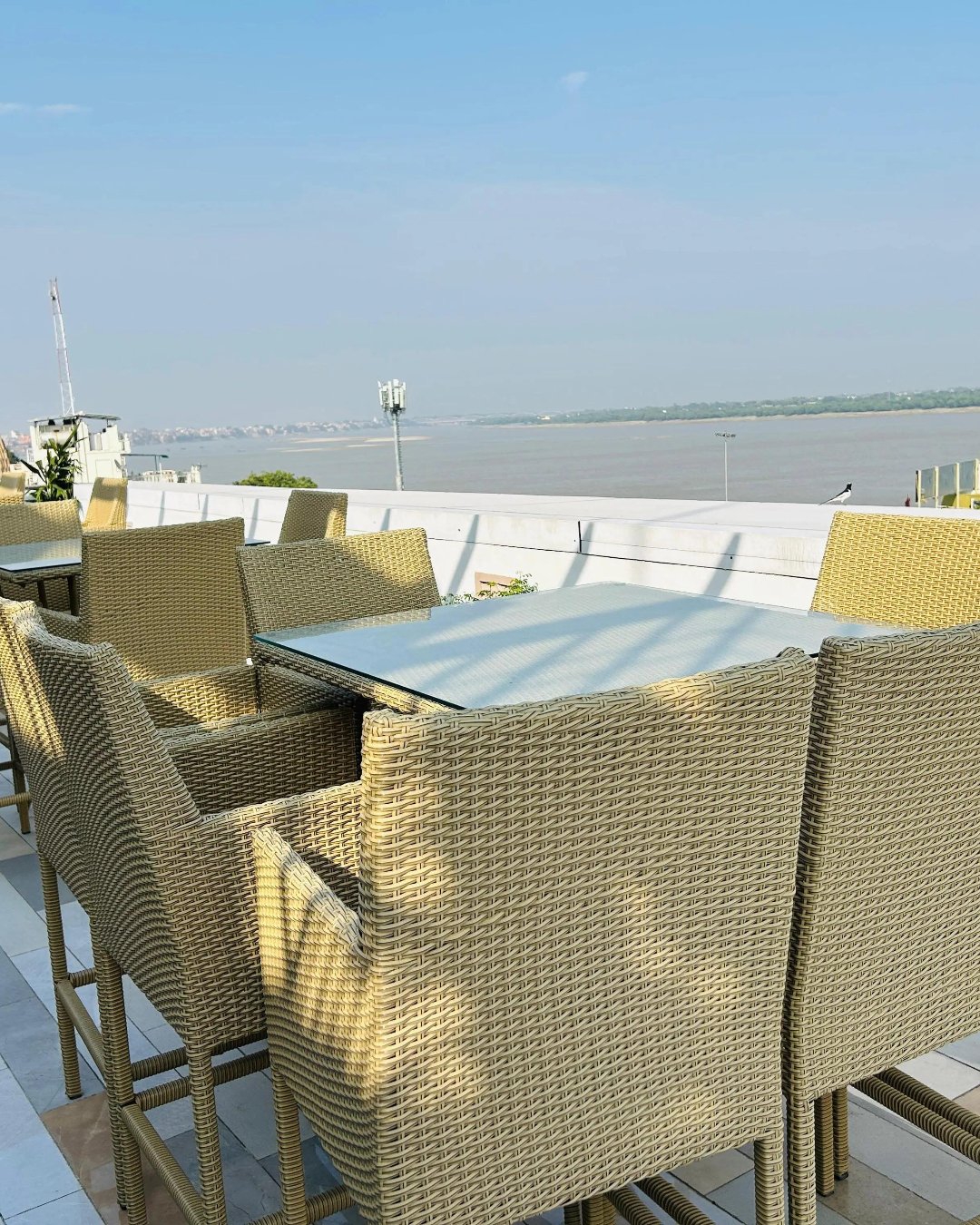
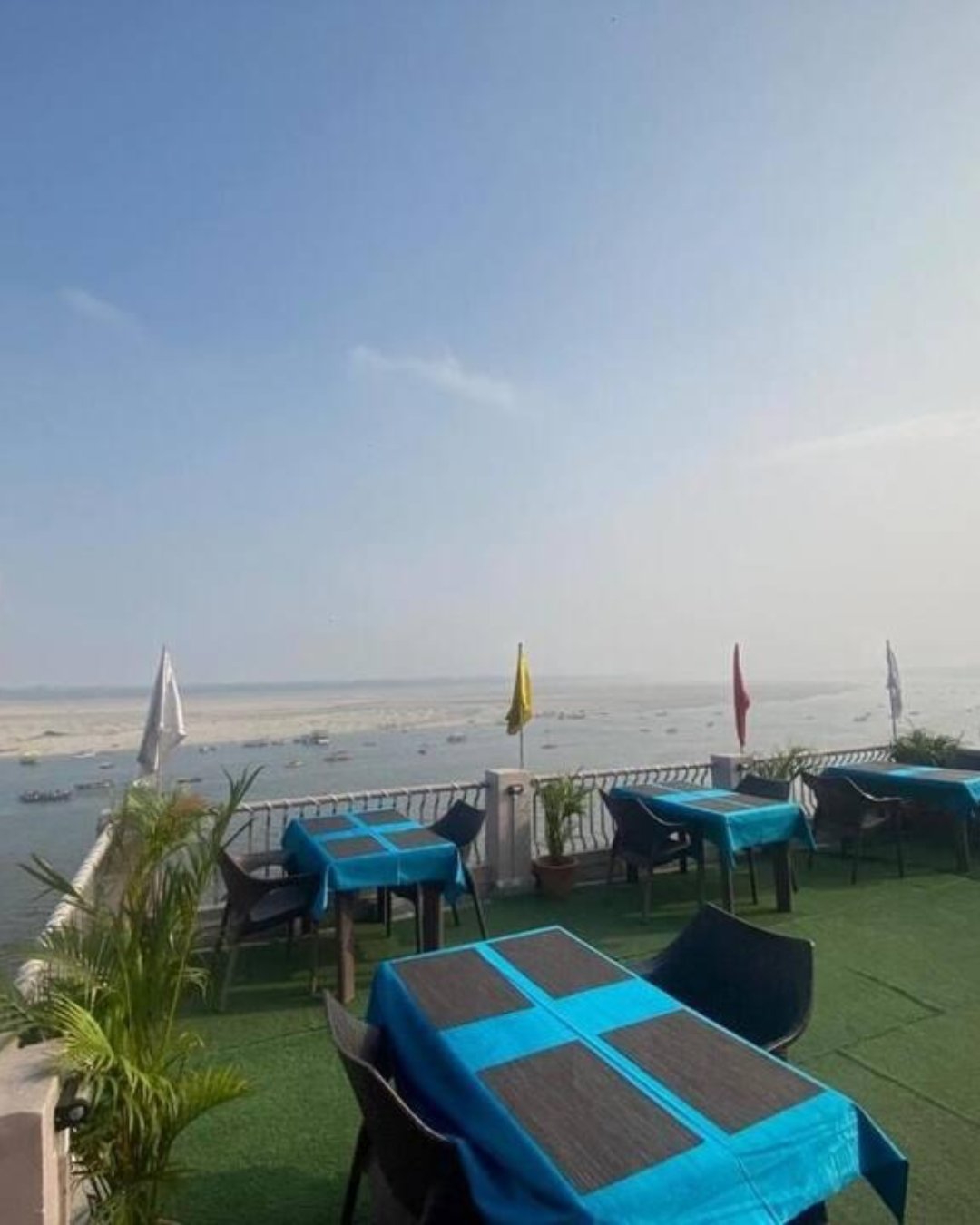
You've probably booked a hotel "near the ghats" and pictured a room over the river. But here's the thing nobody tells you: the actual riverfront rooms are scarce, pricey and often basic, and the real find in the Assi neighbourhood is up on the rooftops — a whole belt of café-terraces and guesthouse roofs where the city's backpacker-and-traveller scene has lived for decades. Get the wrong roof, or don't know they're there, and you'll spend your evenings in a windowless room a lane back, wondering where everyone is.
Let's fix that. Here's how the Assi rooftop belt actually works, and how to get it right the first time.
Why up top, and why Assi
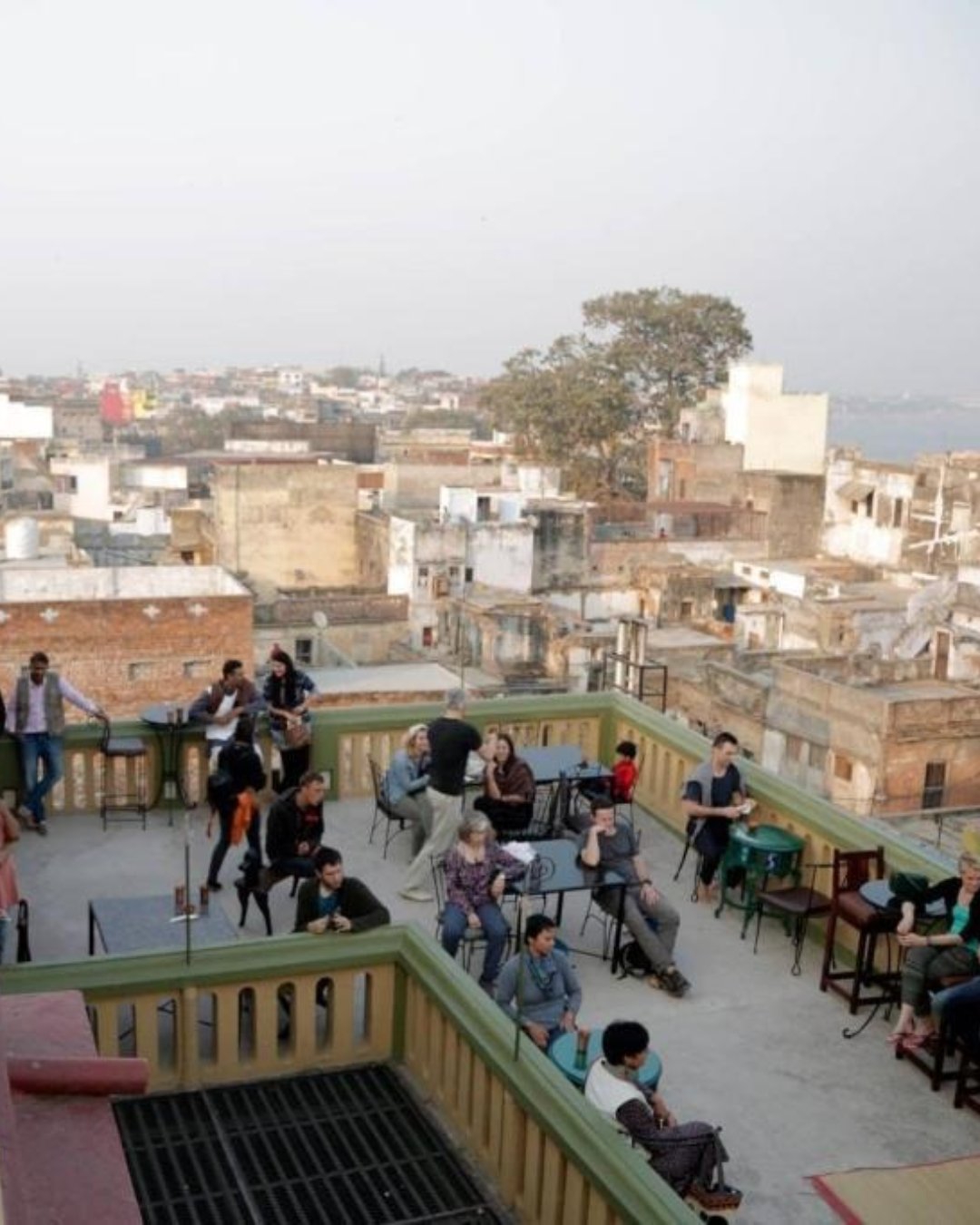
Assi is the southern end of the ghats, next to the university quarter — calmer, greener and more liveable than the crush around Dashashwamedh. It's where long-stay travellers, students and musicians base themselves, and the life happens on the roofs: the ground-floor lanes are tight and shadeless, but two or three storeys up you catch the breeze, the light, and a view over the tangle of the old city to the river.
So the move is to choose your stay for its terrace, not just its address. A good rooftop is where you'll eat breakfast after the dawn boat, wait out the midday heat, and end the evening — it's half the reason to base in Assi at all.
What you'll actually find
The belt runs through the lanes just back from Assi Ghat:
Café terraces — long-running traveller cafés doing everything from banana pancakes to thalis, with river or old-city views.
Guesthouse roofs — where the budget and mid-range places put their best seats; some host music and open-mic evenings.
Morning yoga decks — several terraces run sunrise and sunset yoga, a short walk from the ghat.
The rooftop soundtrack — sitar and tabla practice drifting up from music schools in the quarter.
Carry a light layer for the evenings — it's breezier up top than in the lanes, especially in winter.
And here's a place to actually put the phone down and stay a while. Travellers who've spent time here will tell you the same thing: the rooftop belt is where Varanasi slows down, where you meet other travellers and long-stay regulars over a two-hour chai, and where the city stops being a checklist. The kites overhead, the call to prayer and temple bells crossing in the air, the light going long over the old city — that's the part a quick visit never reaches.
Pro tip: Choose your guesthouse for its rooftop, and ask to see it before you commit — some are stunning, some are a water tank and a plastic chair. The Assi end is quieter and more traveller-friendly than the central ghats; if you want the real long-stay atmosphere, this is where to base. Go up for sunset even if you've a dawn start — the light over the old city is worth losing an hour's sleep for.
The mistakes that ruin it
Most first-timers trip over the same few things. They book a room without a roof and miss the whole scene. They base at the crowded central ghats and never find the calmer Assi belt. Or they treat the rooftops as somewhere to sleep rather than the place the neighbourhood actually lives.
The easy fix is to base in Assi with a good terrace and give yourself unhurried time on it — or let your stay be chosen for the roof rather than just the postcode.
64
MomentDarbhanga Ghat, (Varanasi), Varanasi
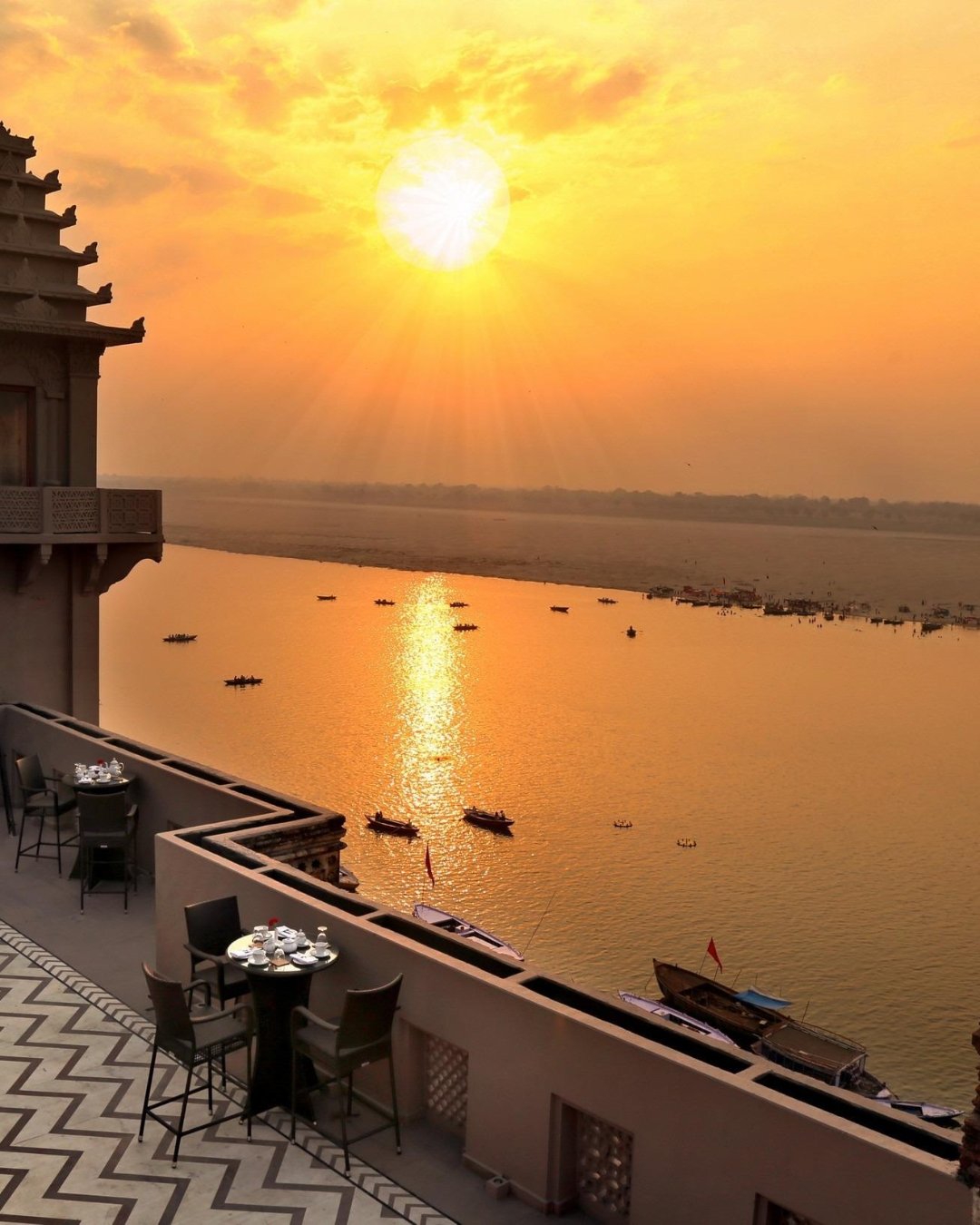
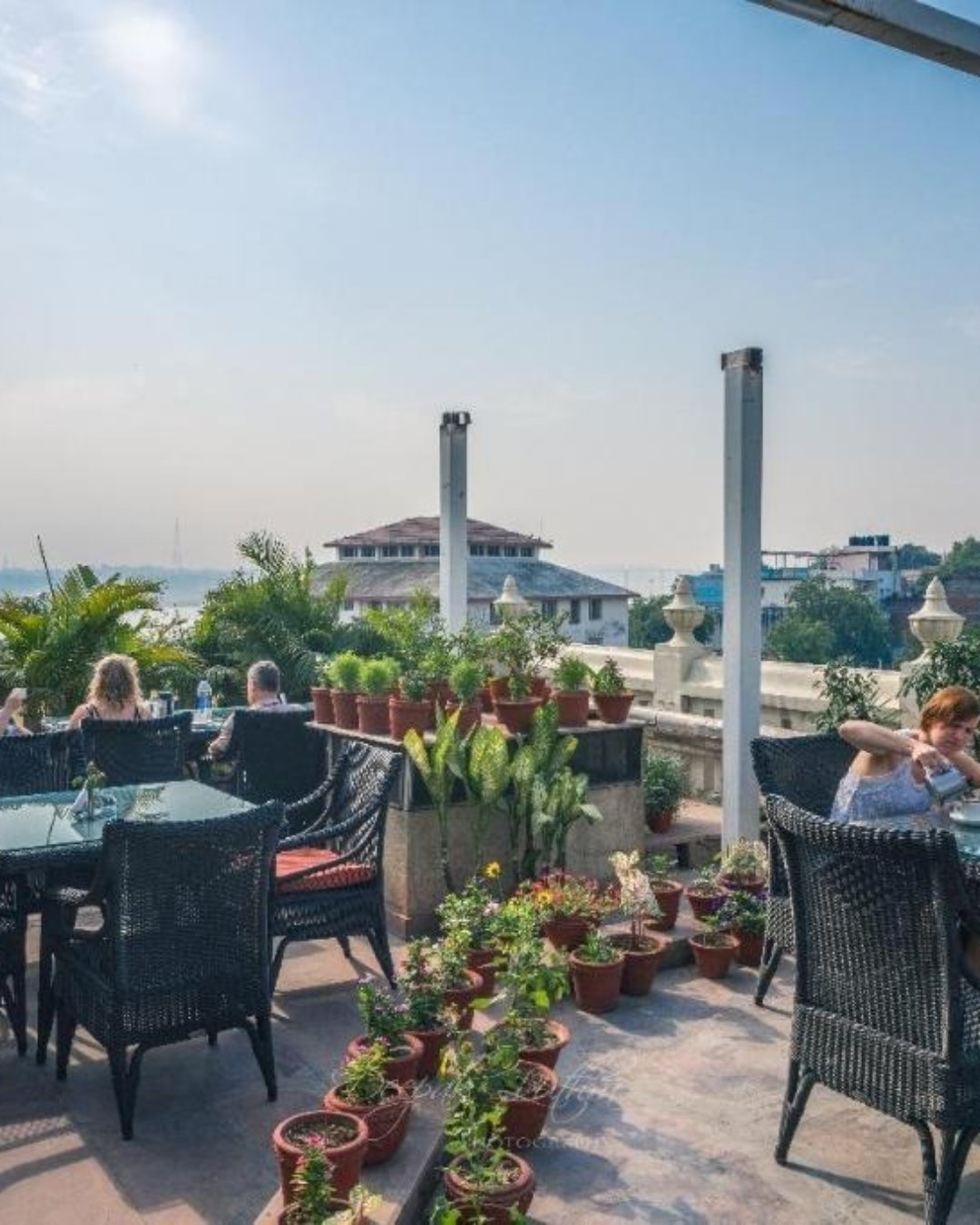
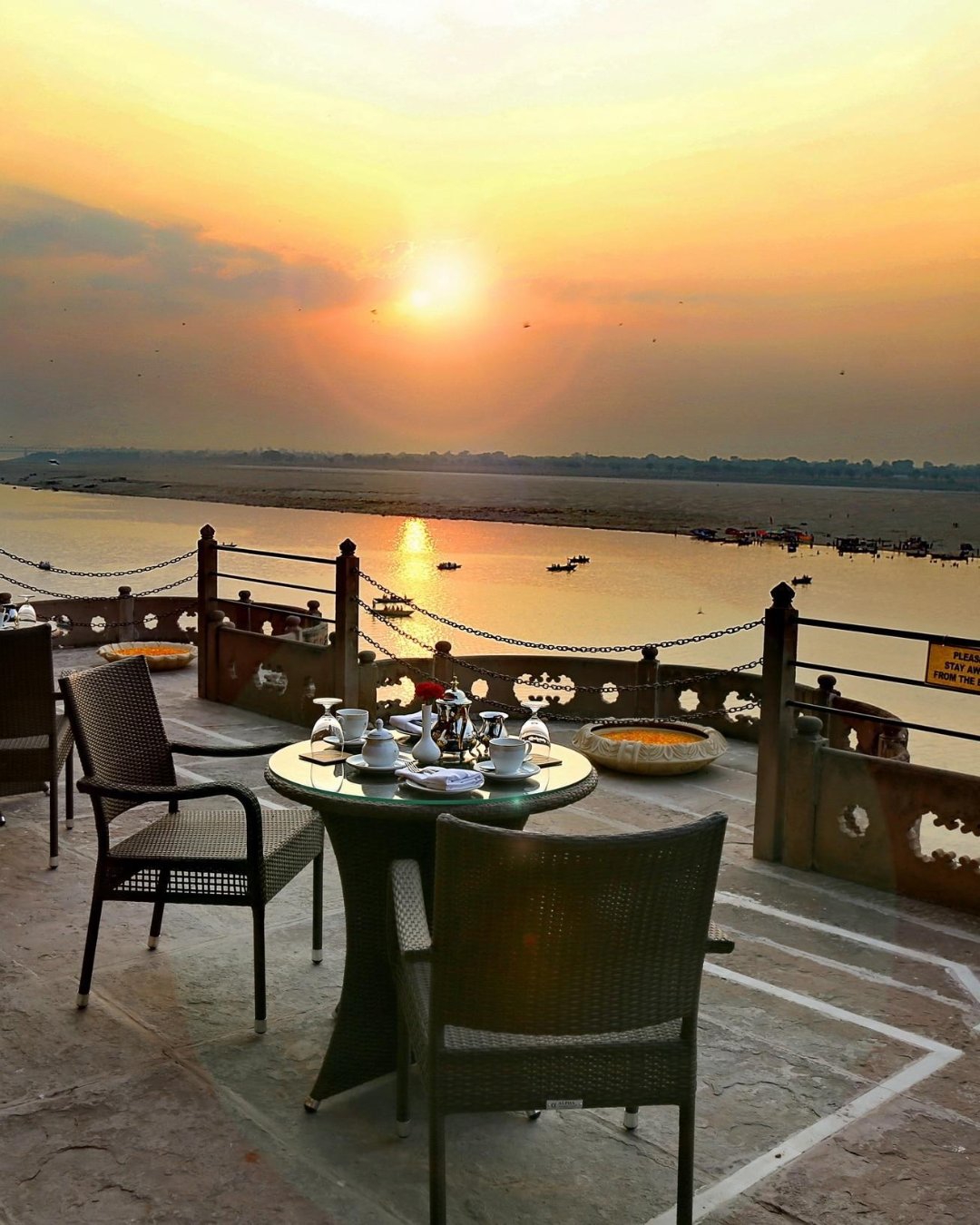
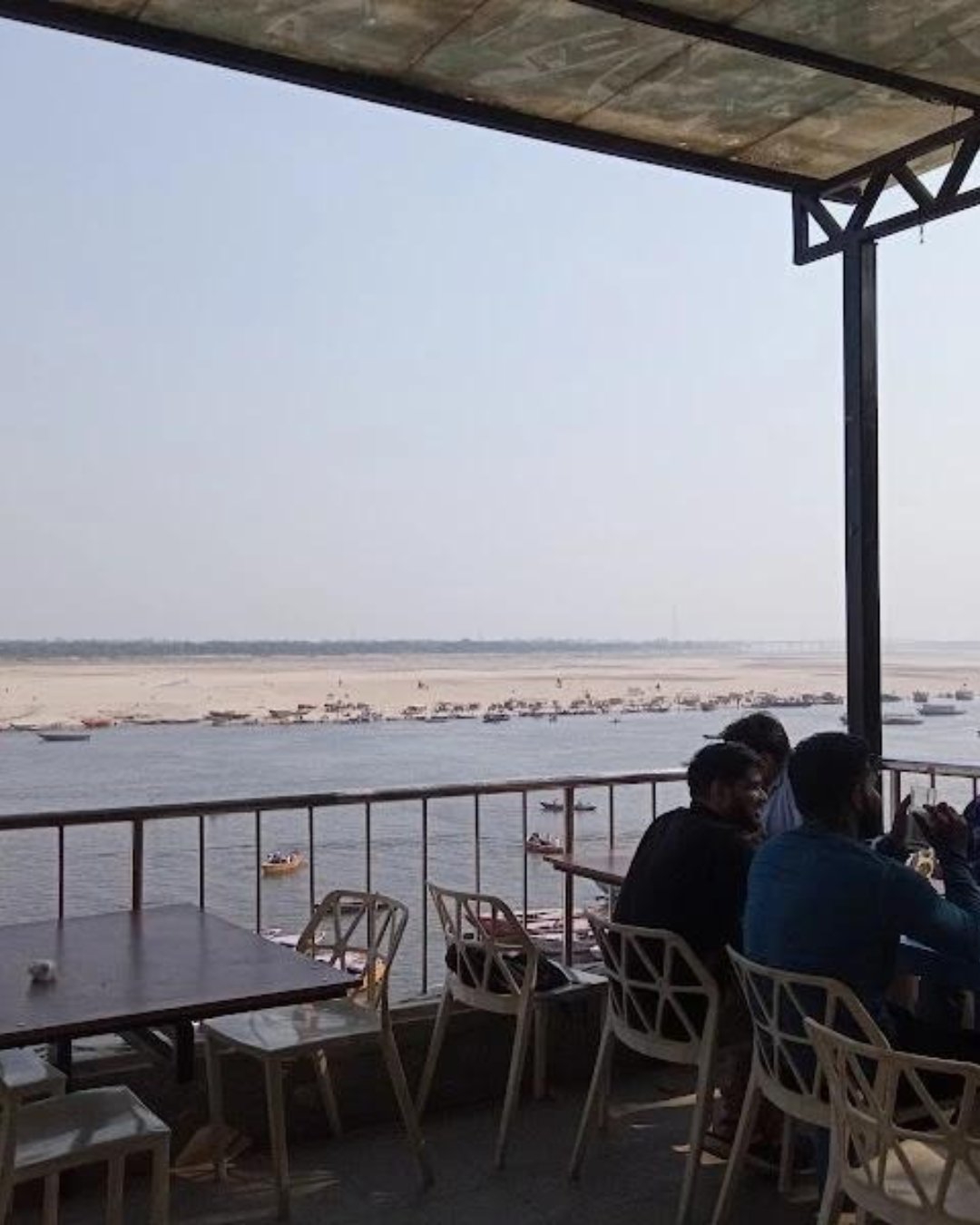
River-View Dining — and the Honest Tradeoff
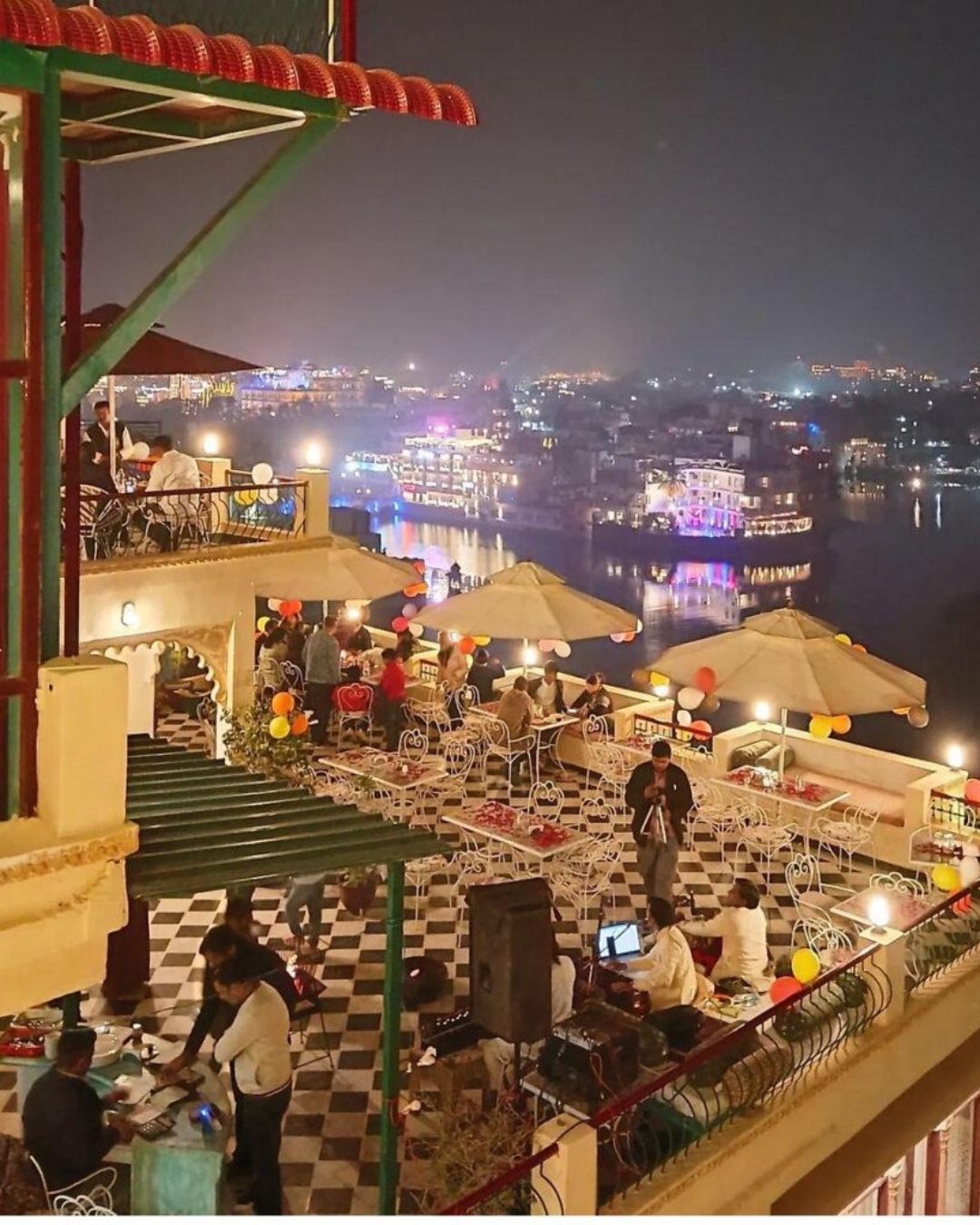
You've probably pictured the dinner. A rooftop table over the Ganga, the ghats lit below, a plate of something local, the aarti drifting up from the water. But here's the thing nobody tells you: the tables with the best view usually serve the most ordinary food, and the places locals actually eat at have no view at all. Chase the balcony and you'll pay tourist prices for a mediocre thali; chase the food and you'll eat in a cramped lane with no river in sight. That's the tradeoff nobody mentions, and pretending it doesn't exist is how people end up disappointed on both counts.
Let's be straight about it. Here's how river-view dining in Varanasi actually works, and how to get it right.
Why the view and the food rarely come together
The rooftops along the ghats trade on the view, and they know it. Rent on that riverfront is high, the clientele is mostly one-time visitors, and the incentive to cook brilliantly simply isn't there — the sunset does the selling. Meanwhile the city's genuinely great food — the kachori-sabzi, the tamatar chaat, the malaiyo in winter — comes from lanes and hole-in-the-wall counters in the old city, most of them with no seating, let alone a river.
So decide what a given meal is for before you book it. A view dinner is an experience you're paying for; a food meal is something else entirely. Trying to get both in one sitting is how you get neither.
What you'll actually find
The ghat-side rooftops — Assi and the central ghats have the cluster. Come for the setting, the breeze and the aarti drifting up, not the menu.
The old-city food lanes — around Kachori Gali, Thatheri Bazaar and Godowlia, where the real eating happens, often standing up.
The cafés of Assi — a middle ground: decent food, a relaxed crowd, sometimes a glimpse of the river.
The winter specials — malaiyo, the fragile saffron-milk froth sold only on cold mornings, is a lane thing, never a rooftop one.
Carry small notes and a bottle of water, and be sensible about hygiene — busy stalls with high turnover are generally a better bet, and street food is best eaten where the food is freshly prepared and the local crowd is steady.
And here's the one meal to put the phone down for: the rooftop dinner. Travellers who do this will tell you the same thing — you booked the table for the view, so watch it, don't photograph it through a screen for twenty minutes while your food goes cold. The lamps on the water, the sound of the aarti climbing up from below, the city going dark across the river — that's the part the photos never quite catch, and it's the actual thing you paid for.
Pro tip: Split the two. Do one rooftop evening for the setting — go for the view and a drink or a simple plate, with expectations set realistically on the food — and do your serious eating in the lanes, on foot, where the city actually cooks. If you only want one, and you care about food more than views, skip the rooftop entirely and eat where the queue of locals is. And book a ghat-facing table ahead on busy aarti evenings; the best spots can fill quickly.
The mistakes that ruin it
Most first-timers trip over the same few things. They expect great food to come with the great view, and get let down. They eat every meal on a rooftop and never touch the real thing. Or they chase the famous street food with no sense of which stalls are safe and which aren't.
The easy fix is to treat the view and the food as two different outings — or let someone who knows the city point you at the right lane for the eating and the right roof for the evening.
56
MomentBangali Tola, Varanasi
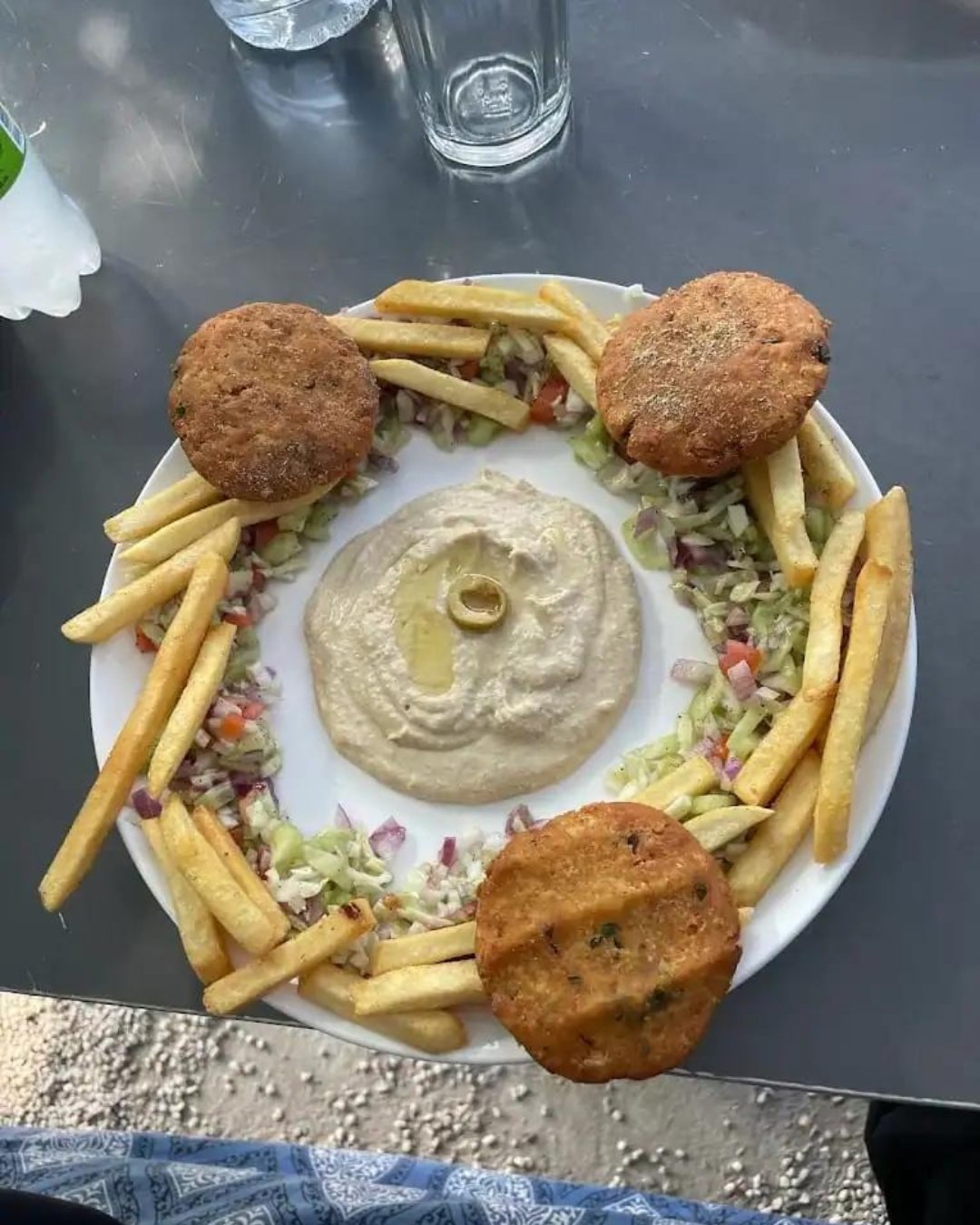
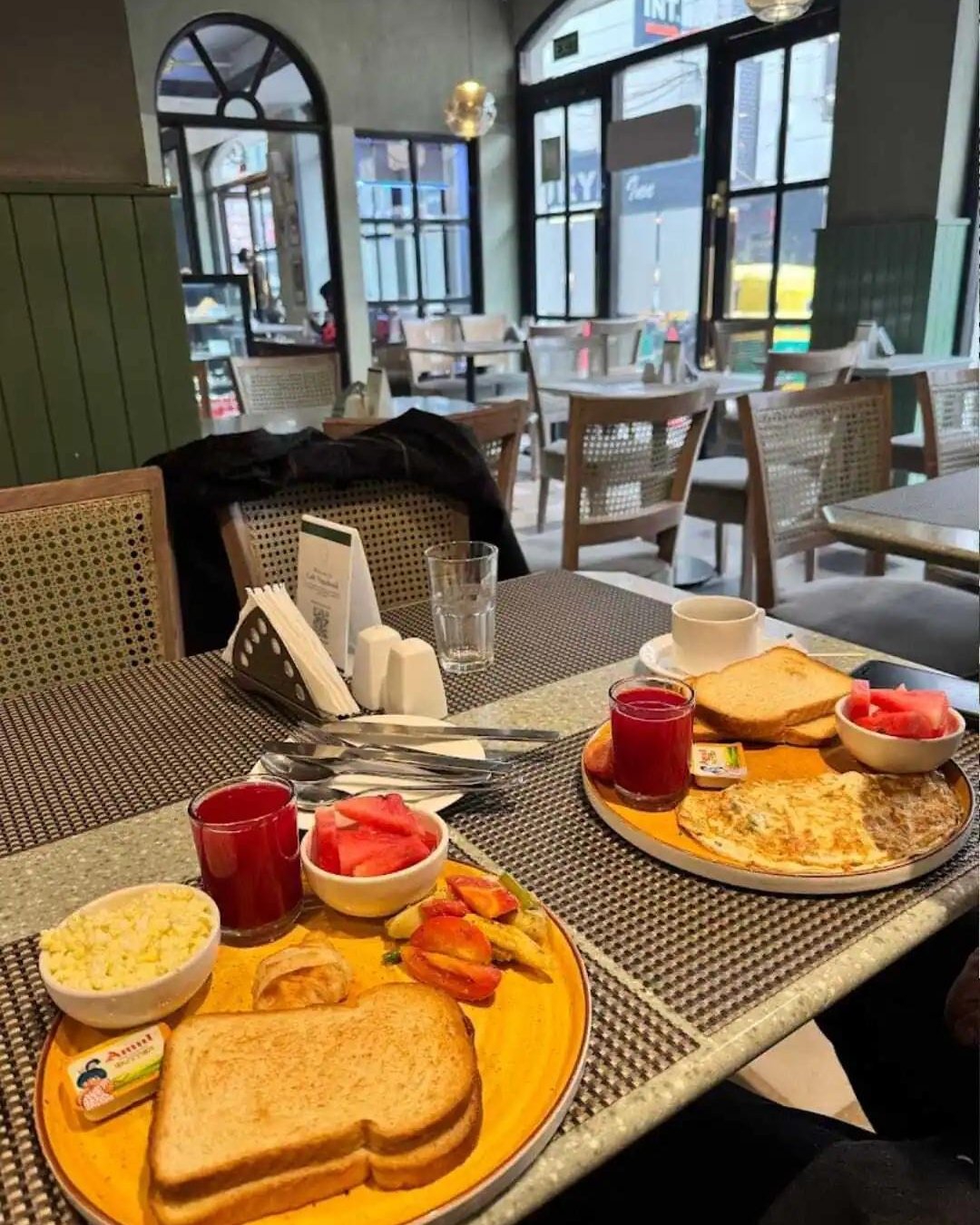
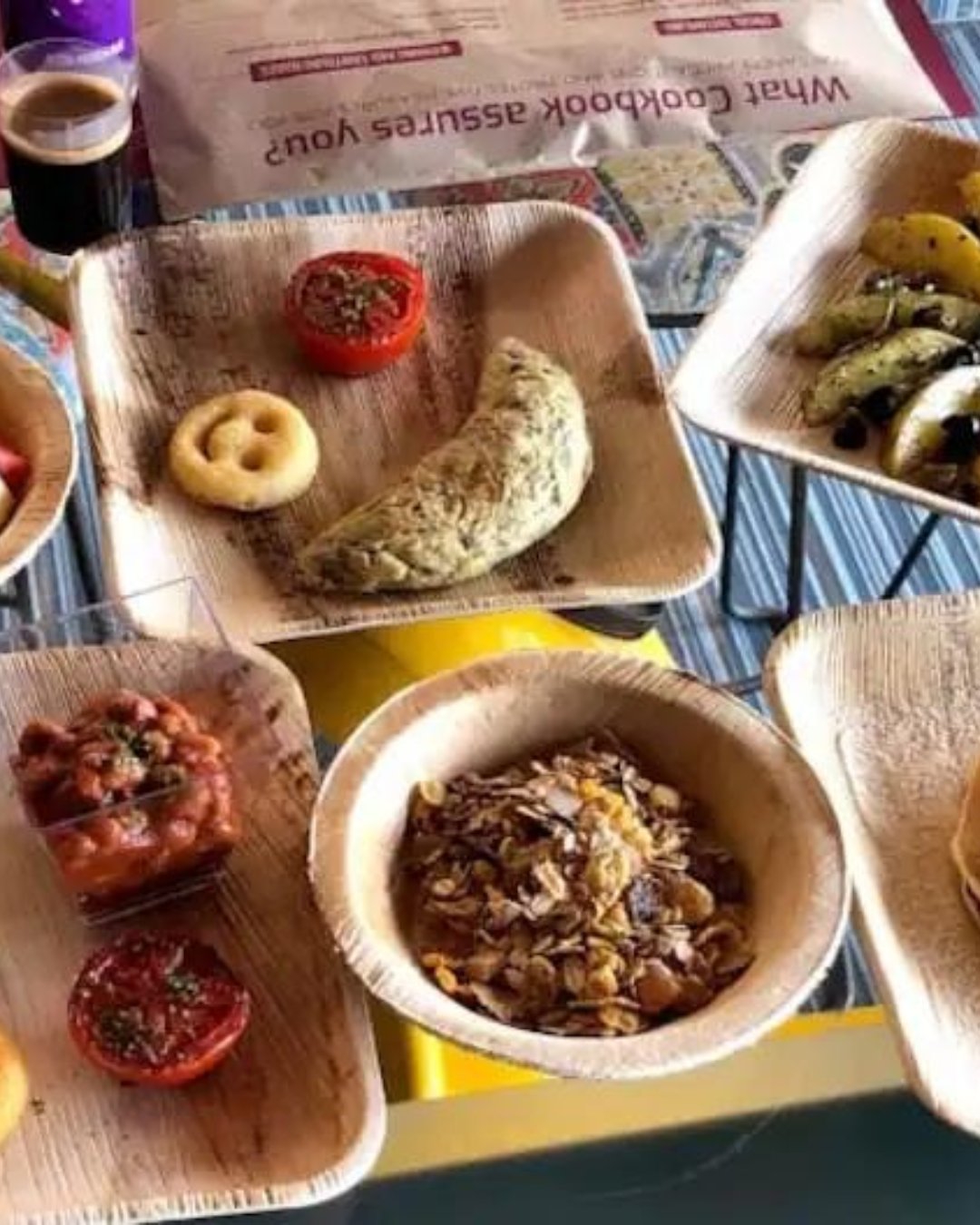
Continental & Israeli Food
You've probably assumed you'll eat Indian for a week straight, or worried you'll be stuck with dodgy "continental" from a laminated menu. But here's the thing nobody tells you: tucked into the lanes above the ghats is one of the best traveller-café scenes in India — proper hummus and shakshuka, wood-fired pizza, real coffee, rooftop banana pancakes — grown up over decades around the backpackers and the long-staying Israeli crowd. Most visitors never find it, because it's hidden in galis you'd never wander into by accident, and they end up eating bland hotel food instead.
Let's fix that. Here's how the café scene in Varanasi actually works, and how to get it right the first time.
Why it clusters where it does
This isn't spread across the city — it's concentrated in the ghat-side lanes, above all around Assi Ghat and the Bhelupur–Shivala stretch, with more tucked behind the central ghats. Assi is the hub: the university crowd, the long-stay travellers and the music students keep a run of cafés alive there that you simply won't find out in the cantonment or near the station.
The Israeli thread runs deep here — Varanasi has been on the post-army travel trail for years, and the food followed. So you get genuine hummus, falafel, shakshuka and laffa alongside the usual traveller-café spread. It's real, not a gimmick, and it's walkable from the ghats you're already visiting.
What you'll actually find
Come hungry after a dawn boat ride and you've got options a short walk up from the water:
Israeli food — hummus, falafel, shakshuka, sabich, fresh laffa bread. Assi and Bhelupur are the strongholds.
Wood-fired pizza and pasta — several rooftop places do a genuinely good version.
Real coffee and bakeries — proper espresso, cakes, apple pie and banana pancakes, a relief after a week of chai.
The rooftops — the best tables look straight out over the Ganga; the food is half the reason, the view the other half.
Carry small cash — many of these places are tiny and don't take cards — and keep an eye on hygiene: pick busy spots with high turnover over an empty room.
And here's where you do put the phone down, but for a different reason than usual. Travellers who eat their way through Assi will tell you the same thing: the joy of these cafés is the slow rooftop hour, not the food photo. Order the shakshuka, get a coffee, and watch the river go by from three floors up while the ghats do their thing below. That unhurried meal over the Ganga, no rush to be anywhere — that's the part the photos never quite catch.
Pro tip: Eat vegetarian or freshly cooked and stick to bottled or filtered water — Varanasi is a pilgrimage city and the tap water is not for you, however clean the café looks. Favour places that are busy, where the food turns over fast. And go rooftop at Assi for sunset: order early, because the good tables fill, and the kitchens can be slow when they're full. A café crawl through the Assi lanes is a genuinely lovely half-day between the morning boat and the evening aarti.
The mistakes that ruin it
Most first-timers trip over the same few things. They eat every meal at the hotel and never discover the lanes. They pick an empty tourist café over a busy local-favourite one and regret it. Or they drink the wrong water and lose two days of their trip to it.
The easy fix is to base yourself near Assi, walk the café lanes, and eat where the travellers who stay for weeks actually eat — busy, fresh, and rooftop when you can.
51
MomentMahmoorganj, Varanasi
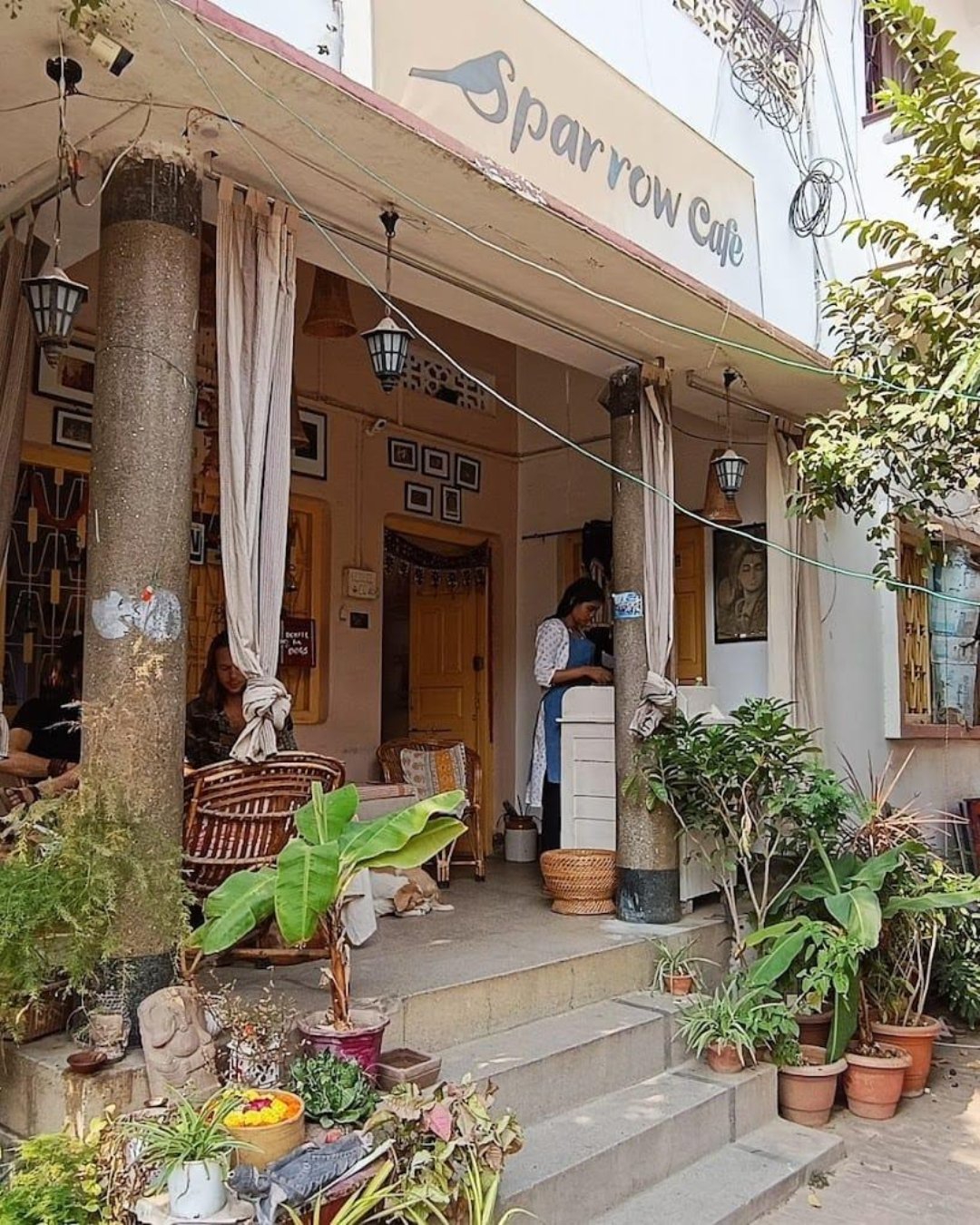
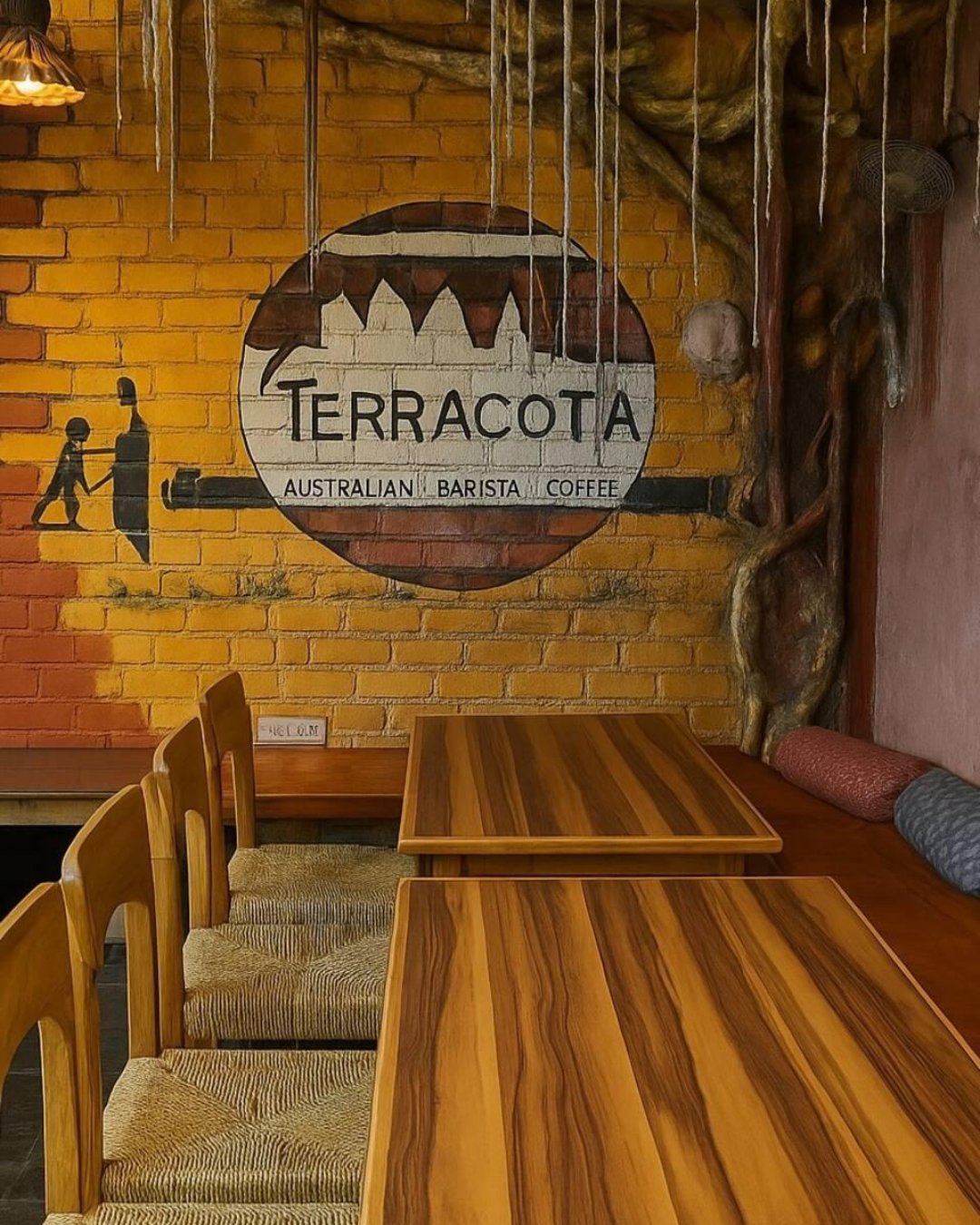
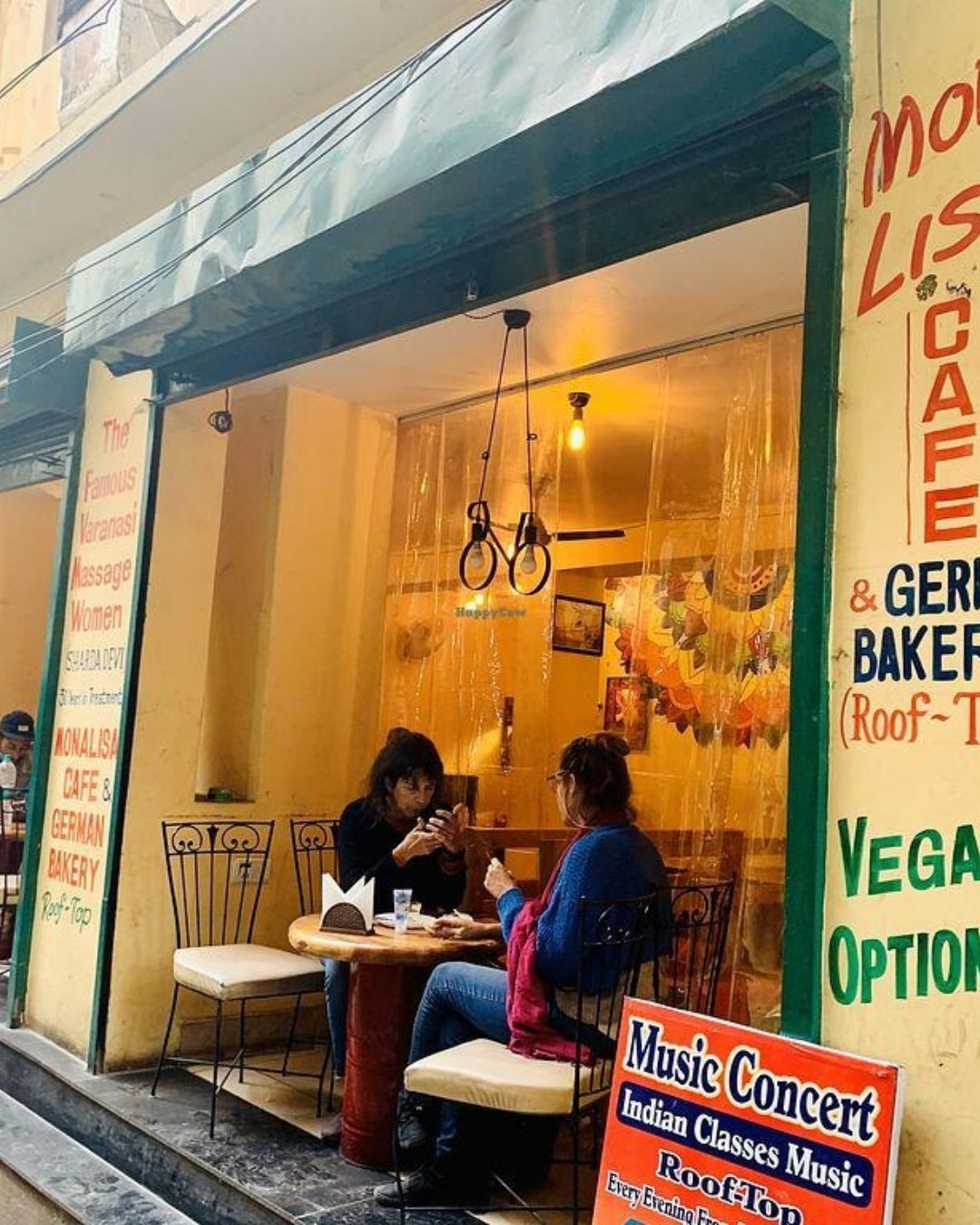
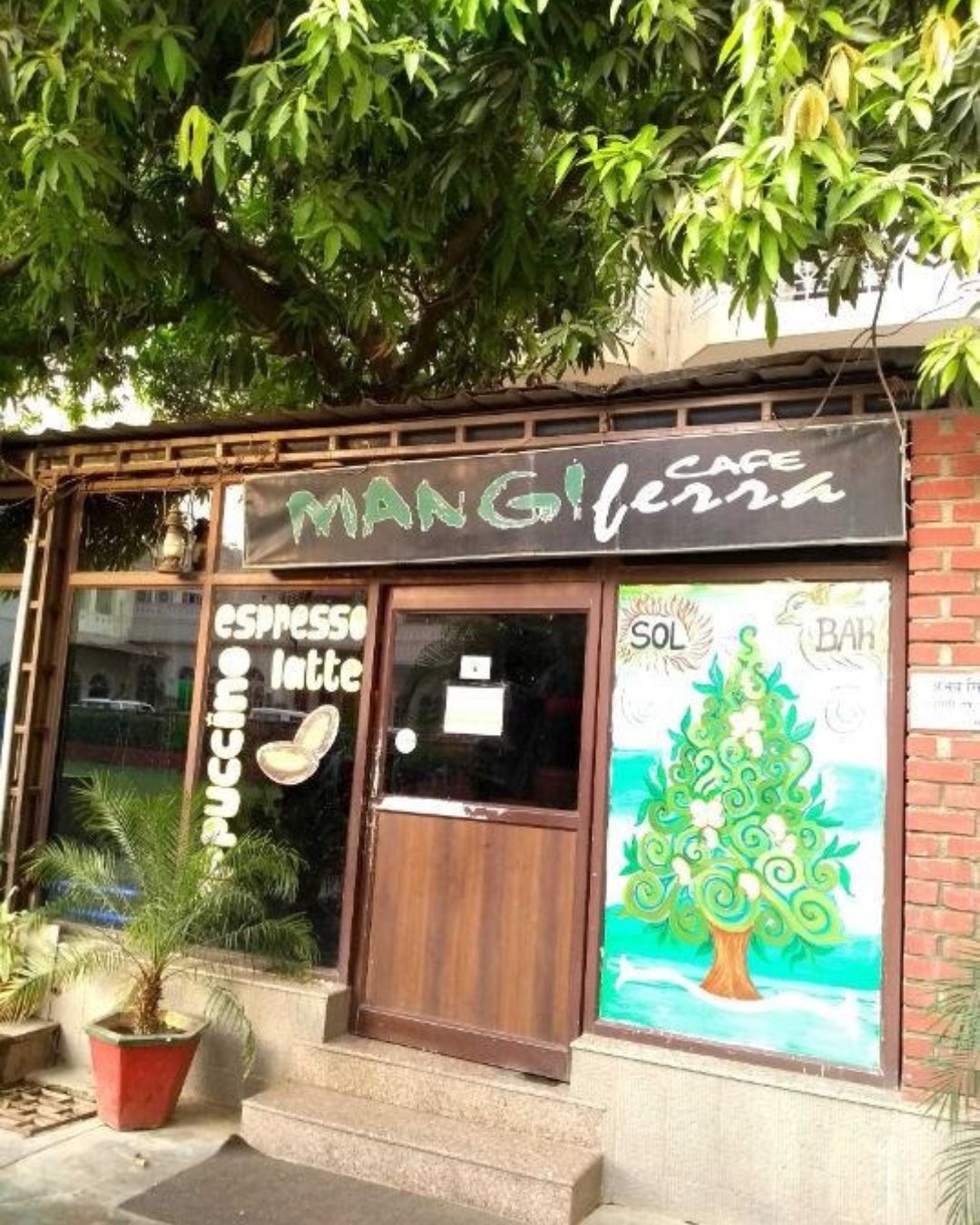
Varanasi's Specialty Coffee Corner
You've probably made peace with going without. This is chai country — kulhad after kulhad of sweet, gingery, boiled milk tea — and every guide tells you to drink it, so you assume a proper coffee here means a sad spoon of instant in lukewarm milk. But here's the thing nobody tells you: in the last few years a small specialty coffee scene has grown up in the lanes near Assi and the university, doing real espresso and pour-over with South Indian beans, and most visitors never find it because they weren't looking.
Let's fix that. Here's how Varanasi's specialty coffee corner actually works, and how to get it right the first time.
Why it's the mid-morning gap, not any other hour
The rhythm of a ghat day leaves a hole. You're up at five for the boat, you've done Subah-e-Banaras and a walk, and by nine or ten you're wrung out, over-caffeinated on nothing, and the ghats have gone hot and flat. That mid-morning slump is exactly when the coffee corner earns its place.
It's also when these cafés are at their best — calm, before the afternoon student crowd fills them. The scene clusters around Assi Ghat and the Bhelupur–BHU stretch, where the university keeps a young, café-going crowd, so that's the neighbourhood to aim for rather than the deep old city, where you'll mostly find chai stalls and tourist cafés serving indifferent coffee.
What you'll actually find
Small, owner-run places doing a handful of things properly:
Real espresso — flat whites, cappuccinos and cortados pulled on a proper machine, with beans usually roasted in Bengaluru or the Chikmagalur estates.
Pour-over and cold brew — for the places that lean third-wave, often using single-origin South Indian beans.
A quiet table — the thing a ghat morning doesn't give you: shade, a fan, a seat, and a minute to sit down.
Decent breakfast — eggs, banana bread, occasionally a proper filter coffee if you want the South Indian classic instead.
Bring cash and a little patience — the good places are small, and a hand-pulled coffee is not fast food. It's not meant to be.
And here the phone advice flips completely. Everywhere else on this trip I've told you to put it away; here, this is the one spot where you're meant to sit with it. Travellers doing a long river trip will tell you the same thing: the coffee corner is where you finally back up the morning's photos, message home, and plan the afternoon in the shade. Do that — and then, when it's done, still put the phone down for the last ten minutes and just drink the coffee while it's hot. Even the permission to sit has a limit worth keeping.
Pro tip: Ask what they roast and when — a genuine specialty place will happily tell you the origin and roast date, and a tourist café will change the subject; that one question sorts them fast. Order the espresso-based drink or the pour-over, not the sweet blended "cold coffee" that dominates most Indian café menus. And don't write off filter coffee as a lesser option — a good South Indian filter kaapi is its own excellent thing, not a consolation prize.
The mistakes that ruin it
Most first-timers trip over the same few things. They assume Varanasi has no real coffee and never look. They settle for the first "café" near the main ghats, which is usually chai with a coffee sign. Or they order a sugary blended cold coffee and conclude the city can't do the real thing.
The easy fix is to head for the Assi–BHU side mid-morning and ask one good question about the beans — or let a guide who knows the current spots point you at the right door.
56
MomentDashashwamedh Ghat, Varanasi
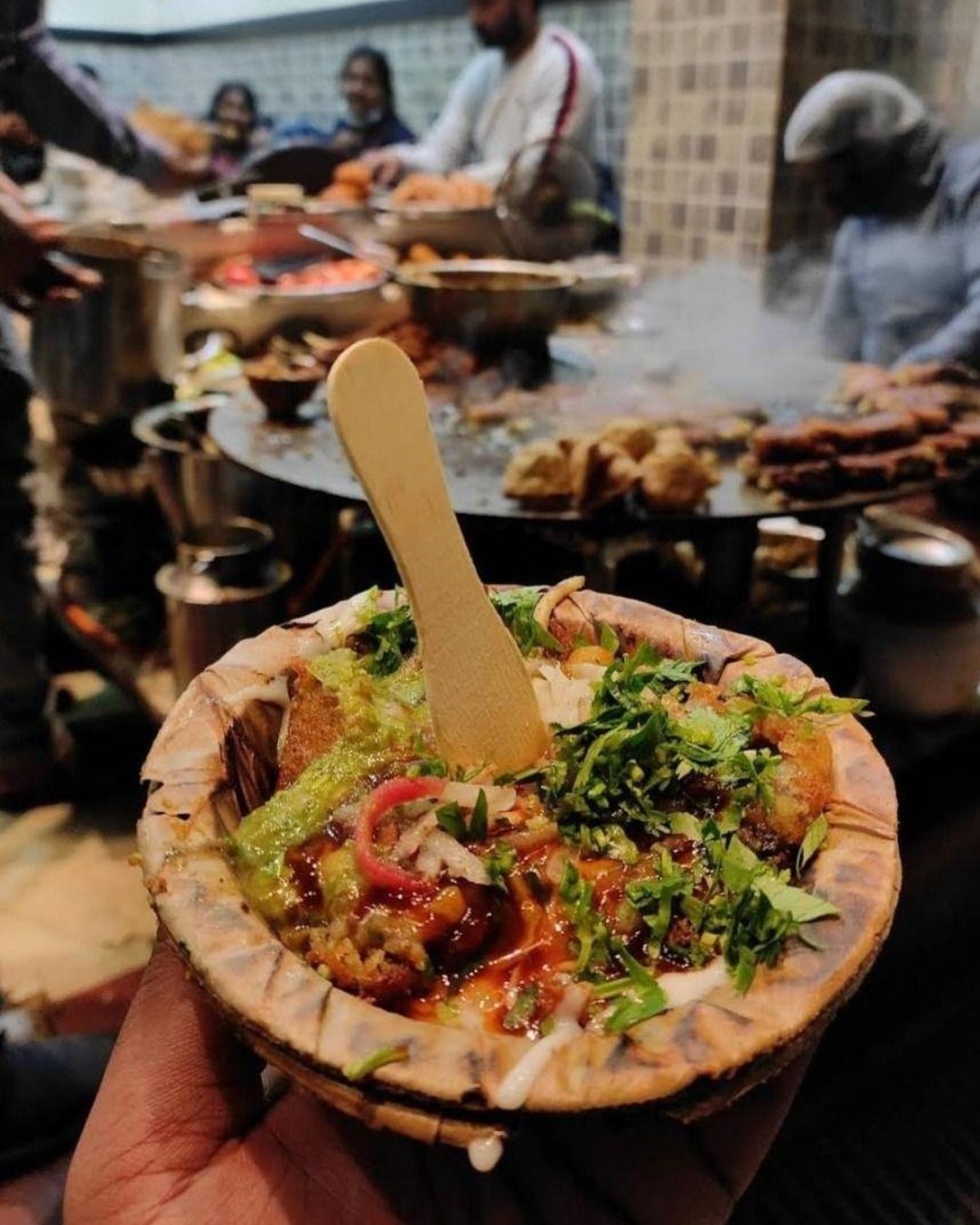
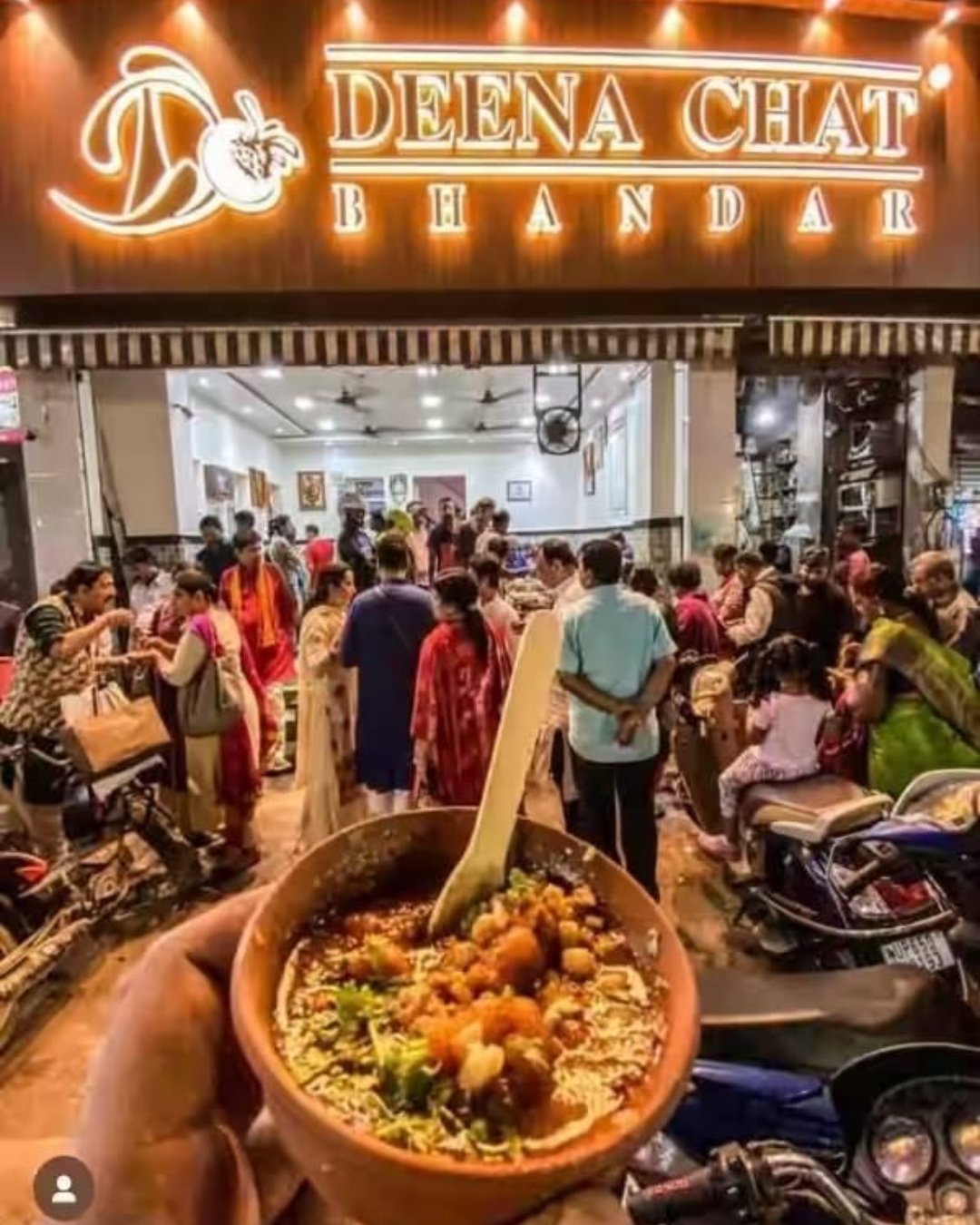
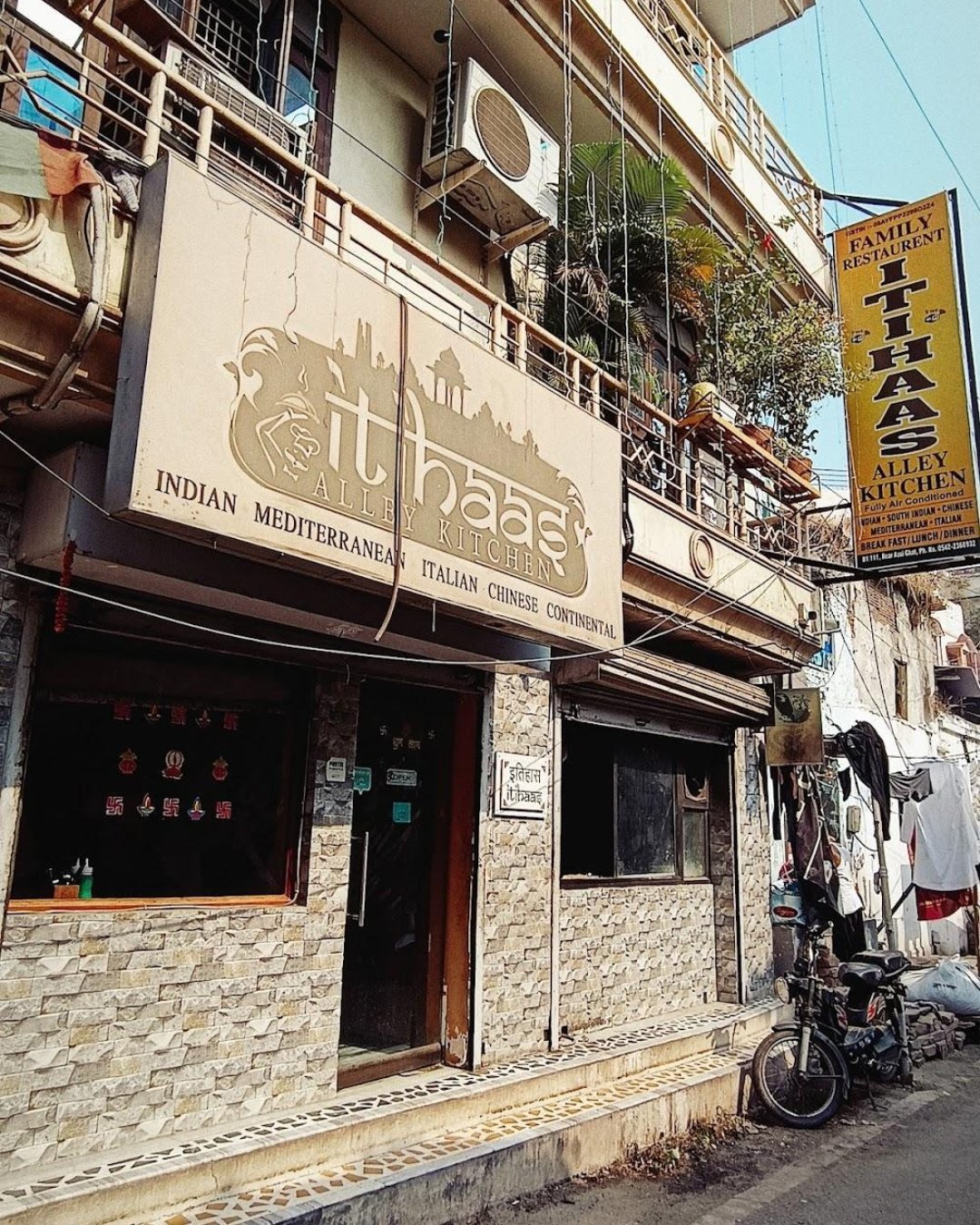
Old-City Dining Near Dashashwamedh
You've probably pictured a great meal after the aarti. You step off the ghat, wander into the lanes, and find the perfect local spot. But here's the thing nobody tells you: the streets right behind Dashashwamedh are wall-to-wall tourist traps — inflated menus, "authentic" thalis aimed at foreigners, and touts steering you toward whoever pays them a cut. The genuinely great Banarasi food is a few lanes deeper, at places that have fed the city for generations, and you'll walk straight past them looking at the ones with English signboards.
Let's fix that. Here's how eating in the old city actually works, and how to get it right the first time.
Why the timing and the lane matter more than the menu
Banaras food runs on its own clock. The best kachori-sabzi is a breakfast thing, gone by mid-morning; the famous chaat and the tamatar chaat come alive in the evening; the milk sweets and thandai are afternoon. Turn up hungry at the wrong hour and the thing you came for isn't being made.
And the geography is everything. The lanes immediately off Dashashwamedh are priced for tourists who won't come back. Walk into Vishwanath Gali, Godowlia, Thatheri Bazaar or Kachori Gali proper, and you're eating where Banaris eat, at Banaras prices. The difference is two hundred metres and a willingness to leave the obvious strip.
What you'll actually eat
The city's signature plates, each with its own spot and its own hour:
Kachori-sabzi & jalebi — the classic breakfast, hot from the kadhai, best before 10 a.m.
Tamatar chaat & palak chaat — the evening street ritual, tangy and unlike chaat anywhere else.
Banarasi thali — puri-sabzi, local vegetables, done simply and well away from the ghat-front menus.
Malaiyo — the winter-only saffron milk froth, sold at dawn in the galis from November to February.
Thandai & lassi — the thick, cardamom-and-nut kind, served in a clay cup.
Carry small notes and hand sanitiser, and eat where there's a queue of locals — turnover is freshness.
And here's the one stop where the phone genuinely helps rather than hurts. Travellers who eat well here will tell you the same thing: check what a plate should cost before you order, not after, and don't accept the "special price." The lanes have no menus half the time, so ask the person next to you or look it up — the moment you know the number, nobody overcharges you. That, more than any photo of a thali, is what a good meal in the galis turns on.
Pro tip: Skip the restaurants with English boards and "traveller" menus right behind the ghat; walk two lanes deeper to the places with no menu and a crowd of locals. Go vegetarian and freshly-fried — the old city is largely veg, and hot-from-the-pan is the safe, delicious default. If your stomach isn't used to street food, ease in with cooked, piping-hot items and bottled water rather than the raw chutneys on day one.
The mistakes that ruin it
Most first-timers trip over the same few things. They eat at the first tourist-facing spot behind Dashashwamedh and overpay for a mediocre thali. They arrive at the wrong hour and miss the dish the place is famous for. Or they let a tout choose the restaurant and eat wherever pays the best commission.
The easy fix is to go a few lanes deeper, at the right hour, ideally with someone who knows which stall does which thing best — because the galis are a maze, and the good food hides in it.
34
MomentCentral Market, Varanasi
Vegetarian & Satvik Sit-Down
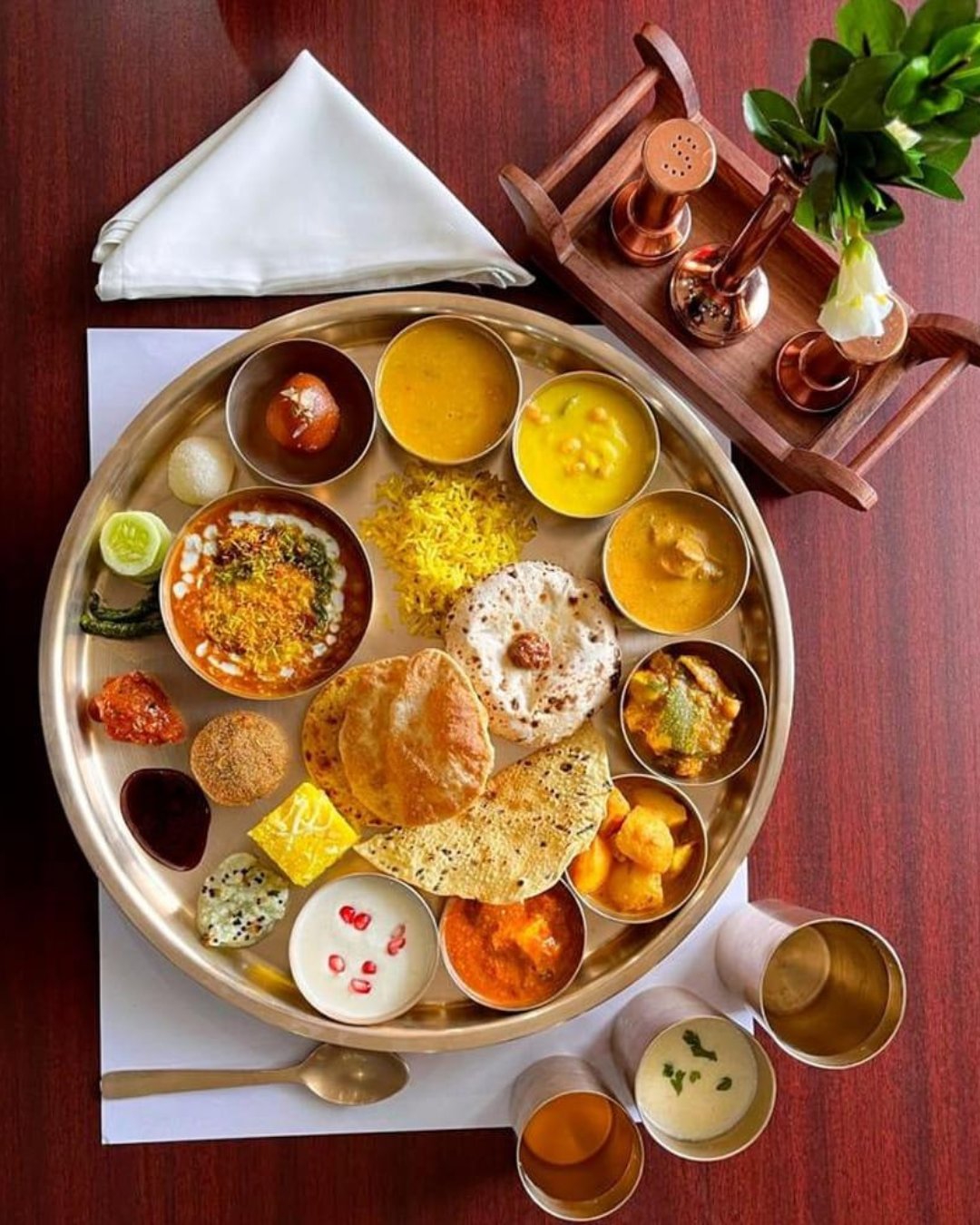
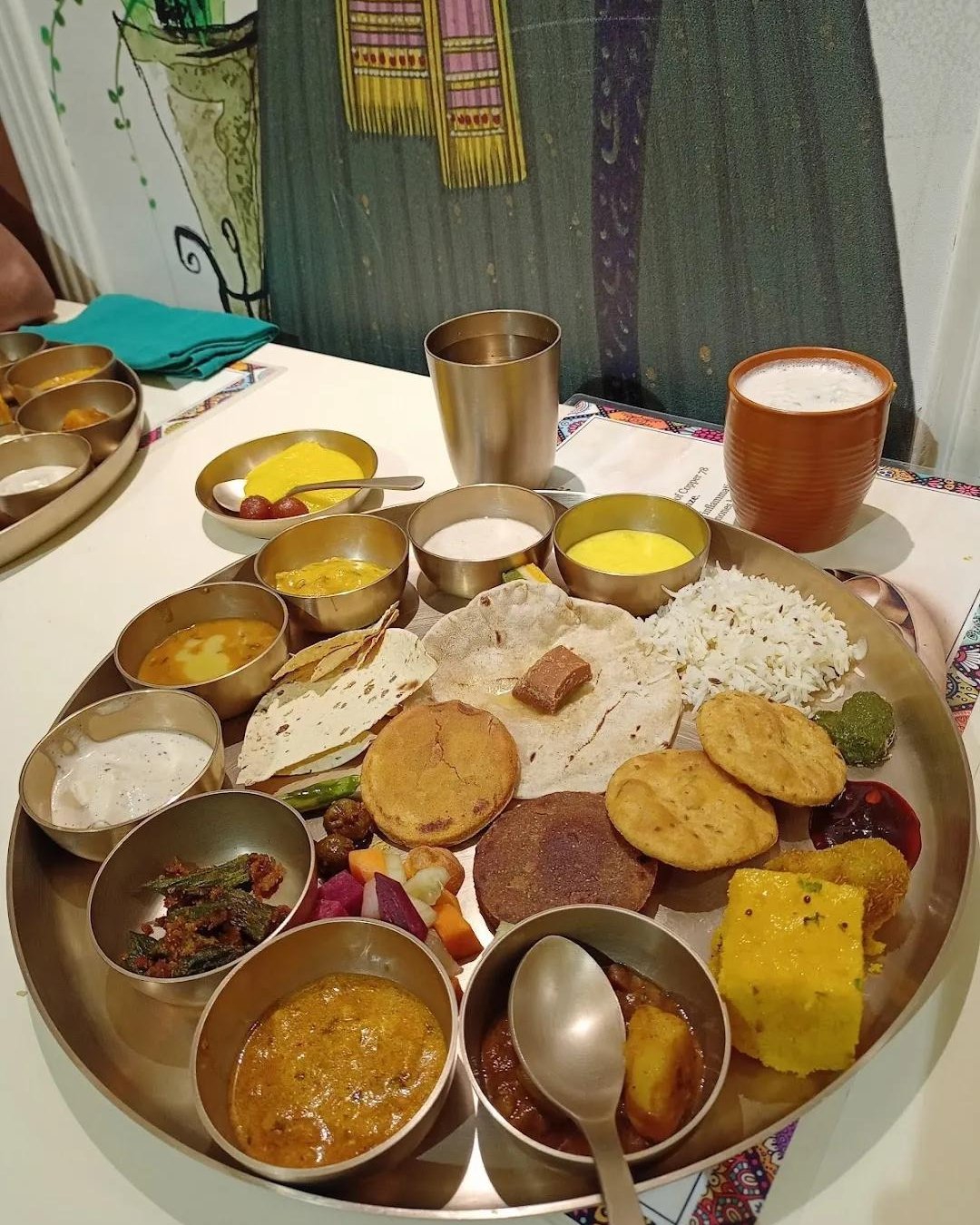
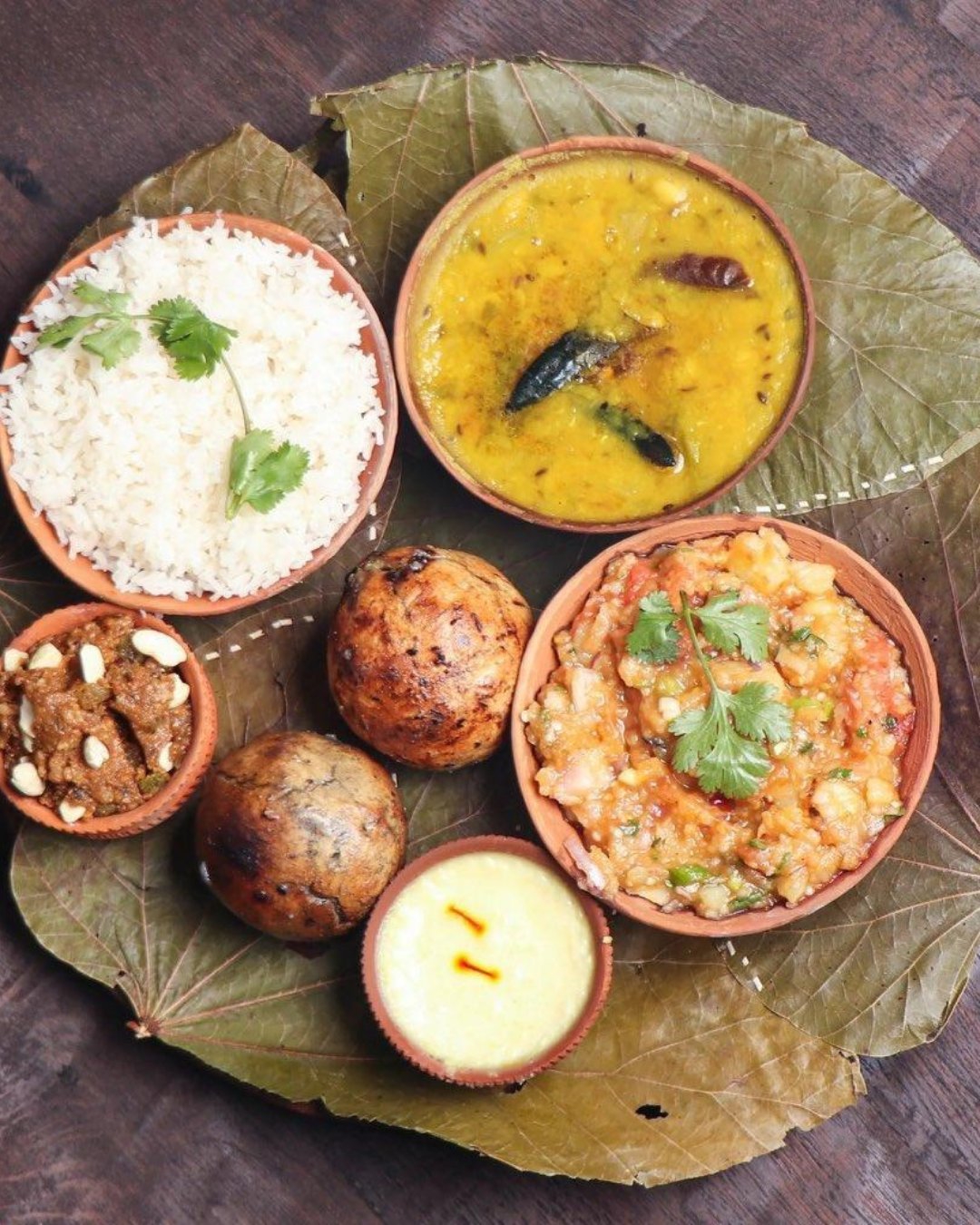
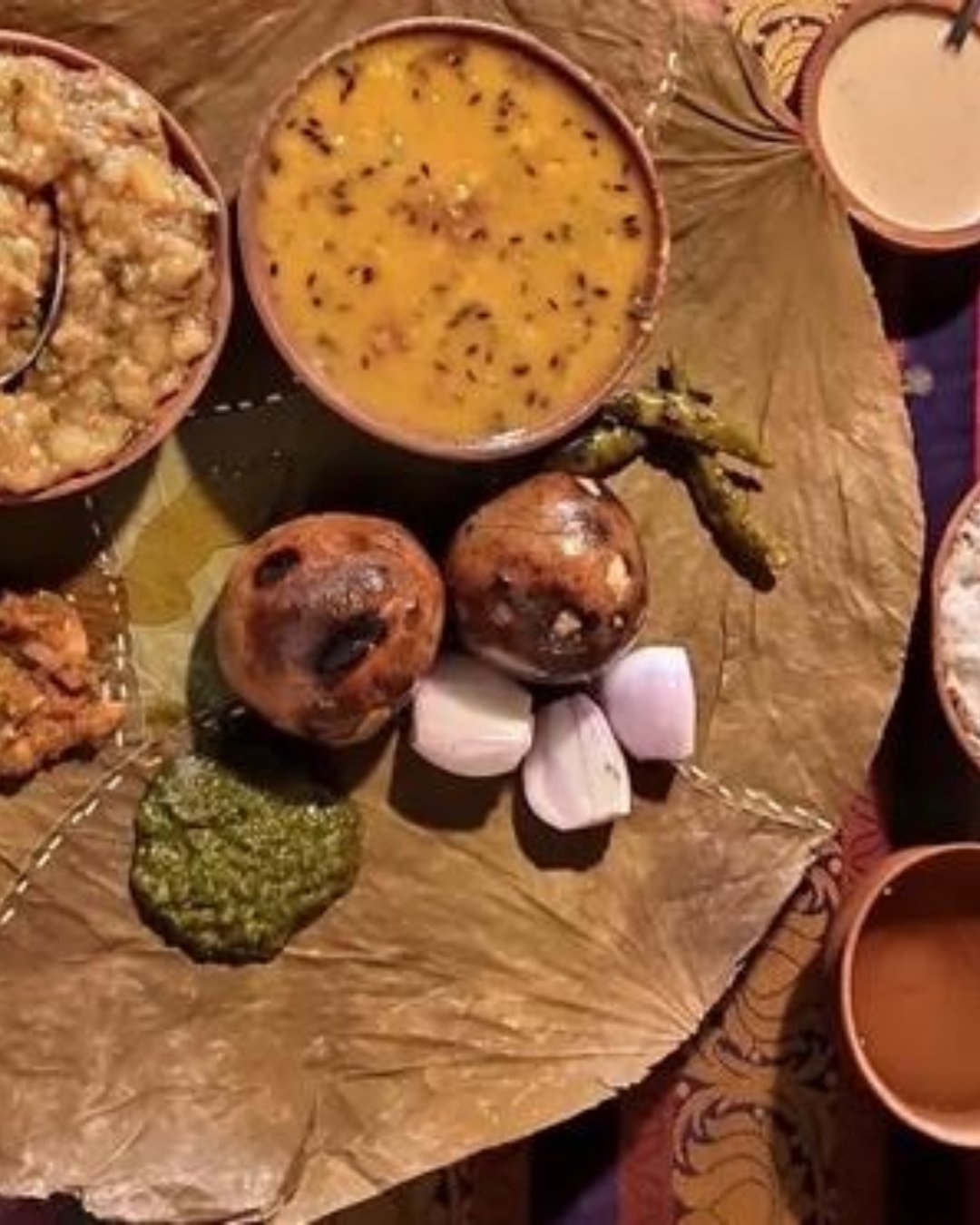
You've probably pictured street food. Kachori-sabzi at a stall, a paper plate of chaat, eat and move on. But here's the thing nobody tells you: Varanasi also has a quieter tradition of the proper satvik thali — a full vegetarian sit-down cooked without onion or garlic, the food of temples and pilgrims — and if you only graze the galis, you'll miss the meal the city is actually built around. Rush it, order like it's a restaurant back home, or turn up ravenous at the wrong hour, and you'll leave thinking Banaras is only snacks.
Let's fix that. Here's how a satvik sit-down in Varanasi actually works, and how to get it right the first time.
Why satvik, and why it's a sit-down and not a snack
Satvik food follows the principle of purity — no onion, no garlic, nothing that's meant to agitate the body or mind — and in a temple city that's not a diet, it's the everyday way of cooking. A thali built this way is gentle, layered and filling: dal, seasonal sabzi, kachori or puri, rice, curd, a sweet, and a pickle, all arriving together so you eat across the whole plate rather than course by course.
The mistake is treating it like fast food. This is a meal you sit down for, unhurried, ideally the main event of your midday. Many of the best places serve a fixed thali at set hours and simply stop when the food runs out — so you come to them on their terms, not yours.
What you'll actually eat
A good Banarasi vegetarian thali moves through:
Kachori-sabzi — the city's signature breakfast: crisp fried kachori with a spiced potato curry.
The thali proper — dal, two sabzis, rice, puri or roti, curd and papad, with unlimited refills at the classic places.
Chaat, done right — tamatar chaat and chura-matar are Banarasi specialities you won't find the same elsewhere.
The sweet — a fresh jalebi, malaiyo in winter (a saffron milk foam, mornings only), or a slab of Banarasi milk sweet.
Come hungry but not starving, and go easy on street snacks beforehand — a proper thali is more food than it looks.
And here's the one time the phone genuinely helps rather than hurts. Travellers who eat well here will tell you the same thing: ask before you order, because the good satvik places are often plain rooms with no menu and no English sign, and a quick check of where locals are actually sitting beats any listicle. But once the plate arrives, put it away and eat with your hands the way it's meant to be eaten — the mixing, the tearing of the puri, the curd cooling the dal is the part a photo of the thali never catches.
Pro tip: Eat your big thali at lunch, not dinner — the traditional kitchens do their best work midday and many wind down early. Say "no onion, no garlic" if you specifically want satvik, and "kam teekha" if you want it less spicy. Drink bottled or filtered water, be cautious with raw salads and anything washed in tap water, and start gentle if your stomach isn't used to Indian food. And for the sweets — malaiyyo is a winter, early-morning thing only; if it's on offer, drop everything.
The mistakes that ruin it
Most first-timers trip over the same few things. They fill up on chaat and have no room for the thali. They arrive at three when the good kitchens have closed. Or they play it too safe and eat bland hotel-buffet food in the city with some of the best vegetarian cooking in India.
The easy fix is to time your thali to lunch, come with an appetite, and let someone who knows the lanes point you at the real kitchens rather than the tourist ones.
40
MomentAssi Ghat, Varanasi
Where to Work: Wi-Fi & Slow Mornings
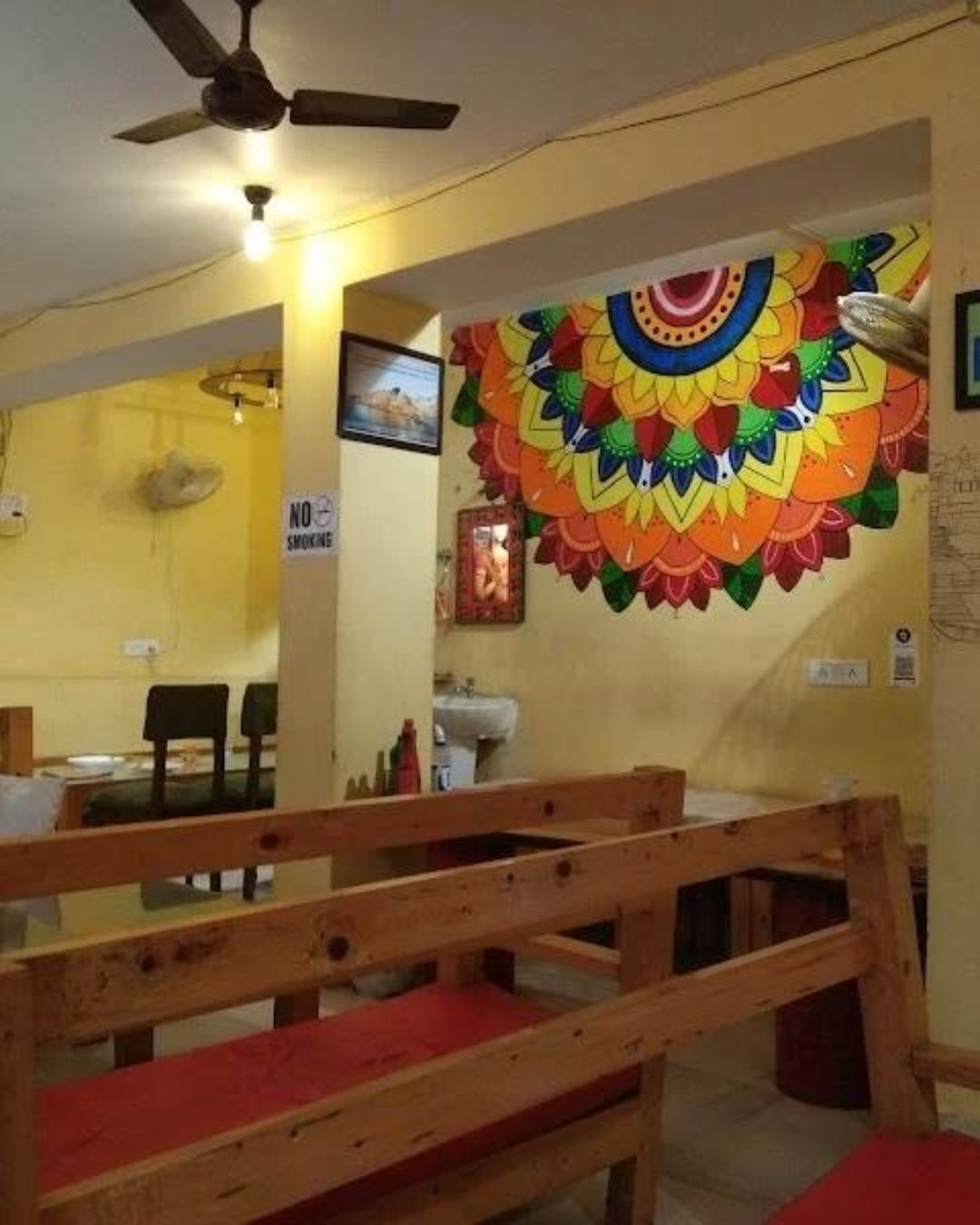
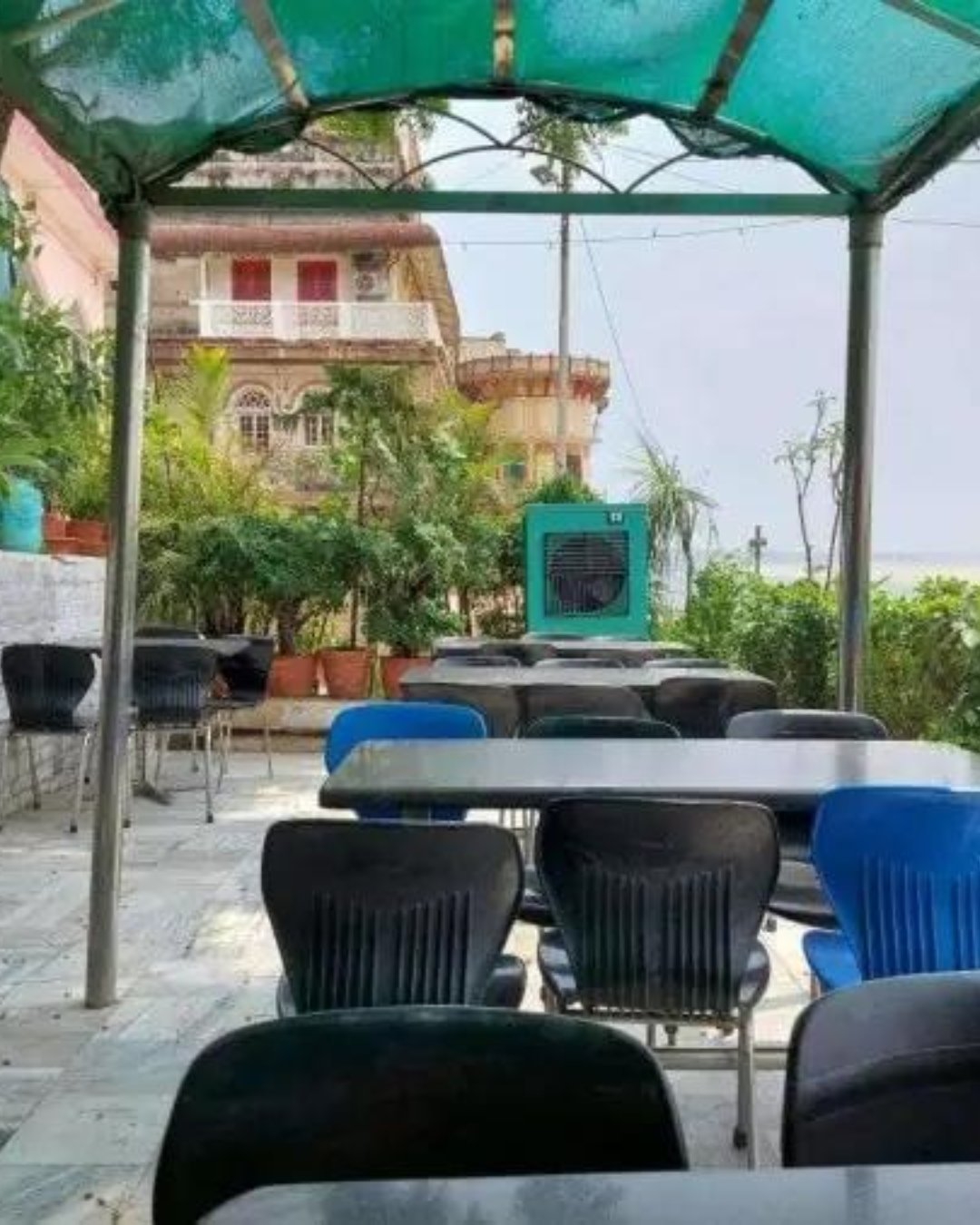
You've probably pictured trying to work here and winced. Varanasi is sensory overload — lanes, bells, crowds, power cuts — not a place you'd open a laptop. But here's the thing nobody tells you: the old city has a quiet parallel life of rooftop cafés and riverside guesthouses where the Wi-Fi holds, the coffee's decent, and you can watch the Ganga between emails. Show up without knowing where they are, though, and you'll burn a morning hunting for a plug and a signal that both work at once.
Let's fix that. Here's how working from Varanasi actually goes, and how to set yourself up right.
Why the morning is the window
The city runs on a rhythm, and mornings are the calm in it. The dawn rush of pilgrims thins by nine, the heat hasn't peaked, and the cafés along Assi and the southern ghats are open, quiet and freshly caffeinated. That's your working window — a few focused hours with a river view before the afternoon crowds and the evening aarti build.
By late afternoon the old city fills up again and the good rooftop tables go. So you front-load: the real work between about eight and noon, the sightseeing when the light returns.
What you'll actually find
Varanasi's remote-work scene is small but real, clustered in a few areas:
Assi Ghat cafés — the most reliable pocket. Rooftops with river views, traveller-friendly menus, and the steadiest Wi-Fi in the city.
Guesthouse rooftops — many old-city stays offer a quiet terrace, often better for calls than a busy café.
The university side (BHU) — calmer, greener, and used to students and long-stayers.
A power bank and a local SIM — the two things that actually save you, given power cuts and patchy café signals.
Carry a light layer for early mornings by the river and a plug adapter — sockets vary and rooftop tables don't always have one.
And this is a rare Varanasi moment where the phone and laptop are the point, not the distraction. Still, close the lid for the first hour if you can. Travellers who've worked from here will tell you the same thing: the temptation is to treat it as any other café city, but the river doing its thing at eight in the morning — the boats, the bathers, the light — is why you chose to work here rather than anywhere with faster internet. Watch it for a bit before the inbox swallows the morning.
Pro tip: Get a local SIM with data on day one — café Wi-Fi is a bonus, not a plan, and mobile data is your real safety net when the power dips. Ask your guesthouse about backup power before you book if you have calls to make; the better places may run an inverter through the cuts. And scout one reliable café near your stay rather than café-hopping — consistency beats novelty when you're actually trying to get work done.
The mistakes that trip people up
Most first-timers do the same few things. They rely on café Wi-Fi alone and lose a morning to a power cut. They try to work in the afternoon crush instead of the calm early hours. Or they pick a stay with no quiet corner and end up with nowhere to focus.
The easy fix is a local data SIM, a power bank, one scouted café, and a morning-first rhythm — then Varanasi is a genuinely lovely place to work slowly.
35
MomentMahmoorganj, Varanasi
The Alcohol Question
You've probably not thought about it until you're here. It's a holiday, you fancy a cold beer after a long day on the ghats, and you assume you'll find one the way you would anywhere else in India. But here's the thing nobody tells you: Varanasi is one of Hinduism's holiest cities, and the ghat-and-temple heart of it treats alcohol very differently from a beach town in Goa. Get it wrong — drink openly near the ghats, turn up to a temple with beer on your breath, or go looking for a bar in the old city — and you'll cause offence you didn't intend and can't take back.
Let's fix that. Here's how the alcohol question actually works in Varanasi, and how to get it right.
Why the geography matters more than the law
Alcohol isn't banned in Uttar Pradesh — there are licensed shops and hotel bars, and drinking is legal for adults. But Varanasi isn't Uttar Pradesh in general; it's Kashi, and the closer you are to the river and the temples, the more out of place a drink becomes.
The old city, the ghats, and the temple lanes are effectively a sacred zone. People come here to die, to grieve, to pray, to bathe away lifetimes of sin — and a tourist drinking among them reads as a real disrespect, not a minor faux pas. So the rule of thumb isn't about what's legal; it's about where you are. Away from the river, in a hotel, discreetly: fine. On the ghats, near a temple, on show: no.
What you'll actually find
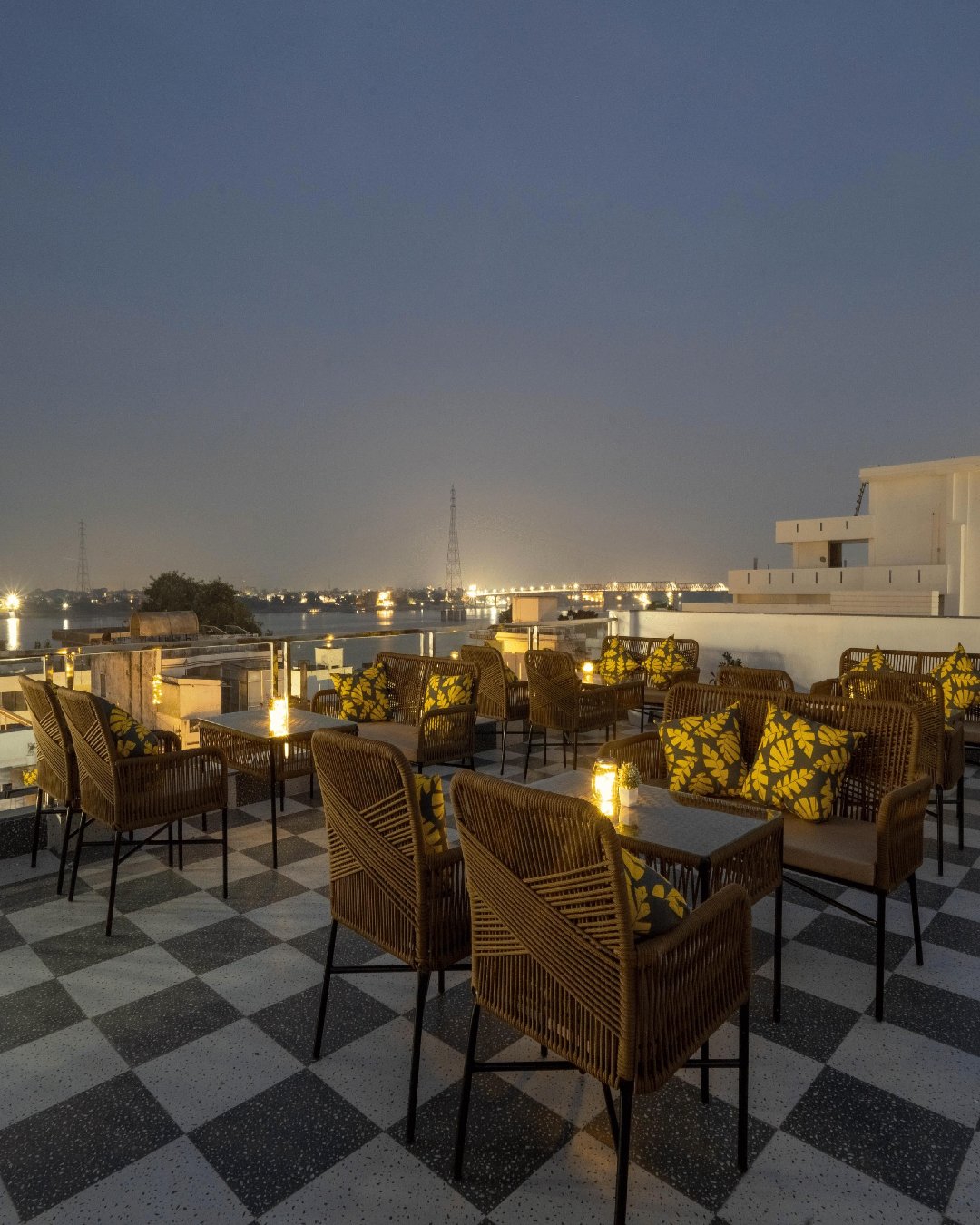
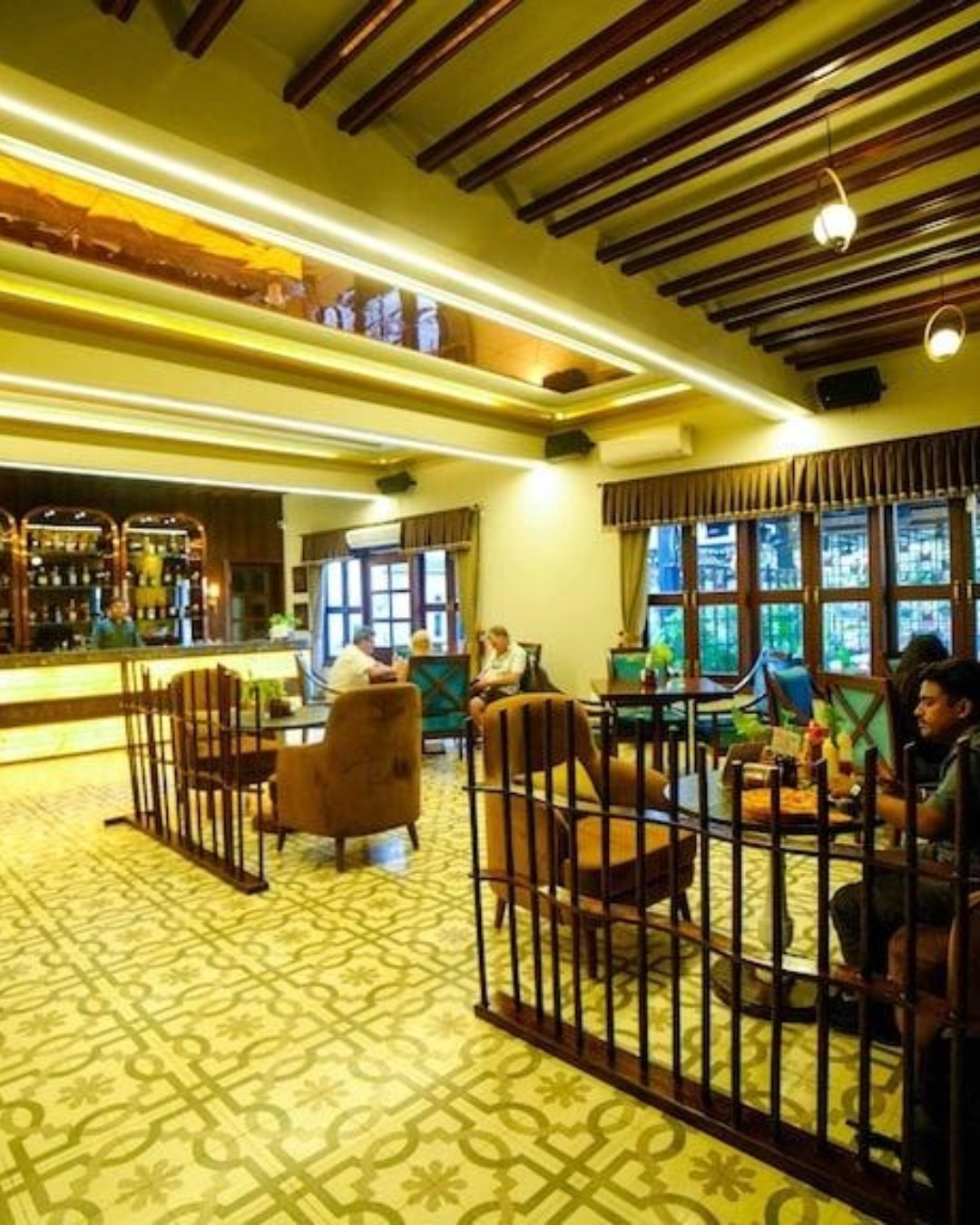
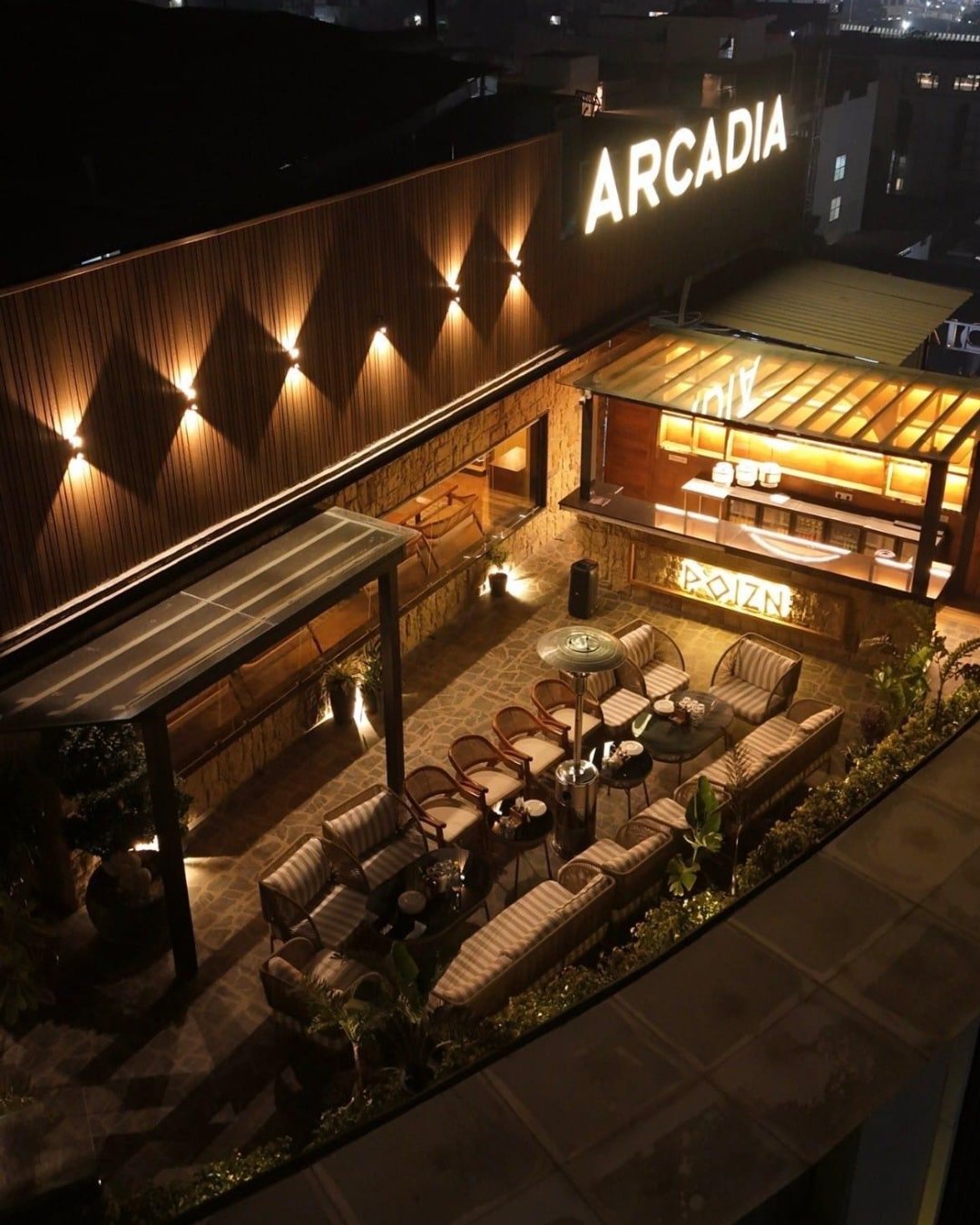
Hotel bars and restaurants — the main licensed, comfortable option, mostly in the cantonment and larger hotels away from the river.
Government and licensed liquor shops — they exist across the city, but not in the immediate ghat-and-temple core.
Dry days — alcohol sales stop on major religious days, festivals, and around elections; it's not just a normal supply.
The ghats and old city — treat as effectively dry. No open drinking, and nothing before a temple visit.
Keep any alcohol discreet — in your room, not on the steps — and never carry or consume it near a place of worship.
And here's the part worth sitting with rather than rushing past: a lot of what makes Varanasi extraordinary is precisely that it isn't a party town. Travellers who lean into that will tell you the same thing — the city gives you something a beer never could, and the dawn boat, the aarti, the silence of the upper ghats all land harder sober and early than they would after a late night out. That's the part the "where's the nearest bar" version of the trip never catches.
Pro tip: If you want a drink, have it discreetly at your hotel in the evening, well away from the river, and never before a temple visit or a ceremony. Respect dry days without complaint — they're tied to the religious calendar, not aimed at you. And be doubly careful with bhang, which is sold semi-openly around Holi and in some "government" shops: it's legal in a way alcohol isn't, but it's potent, unpredictable, and lands many first-timers in real trouble. Treat it with far more caution than the novelty suggests.
The mistakes that ruin it
Most first-timers trip over the same few things. They drink openly on the ghats and draw genuine anger. They arrive at a temple having had a few and can't understand the cold reception. Or they treat bhang as a harmless souvenir and have a night they'd rather forget.
The easy fix is simple: keep alcohol away from the ghats and temples, drink only where it's appropriate and licensed, and remember that Varanasi is a sacred city before it's a nightlife destination.
56
MomentAssi Ghat, Varanasi
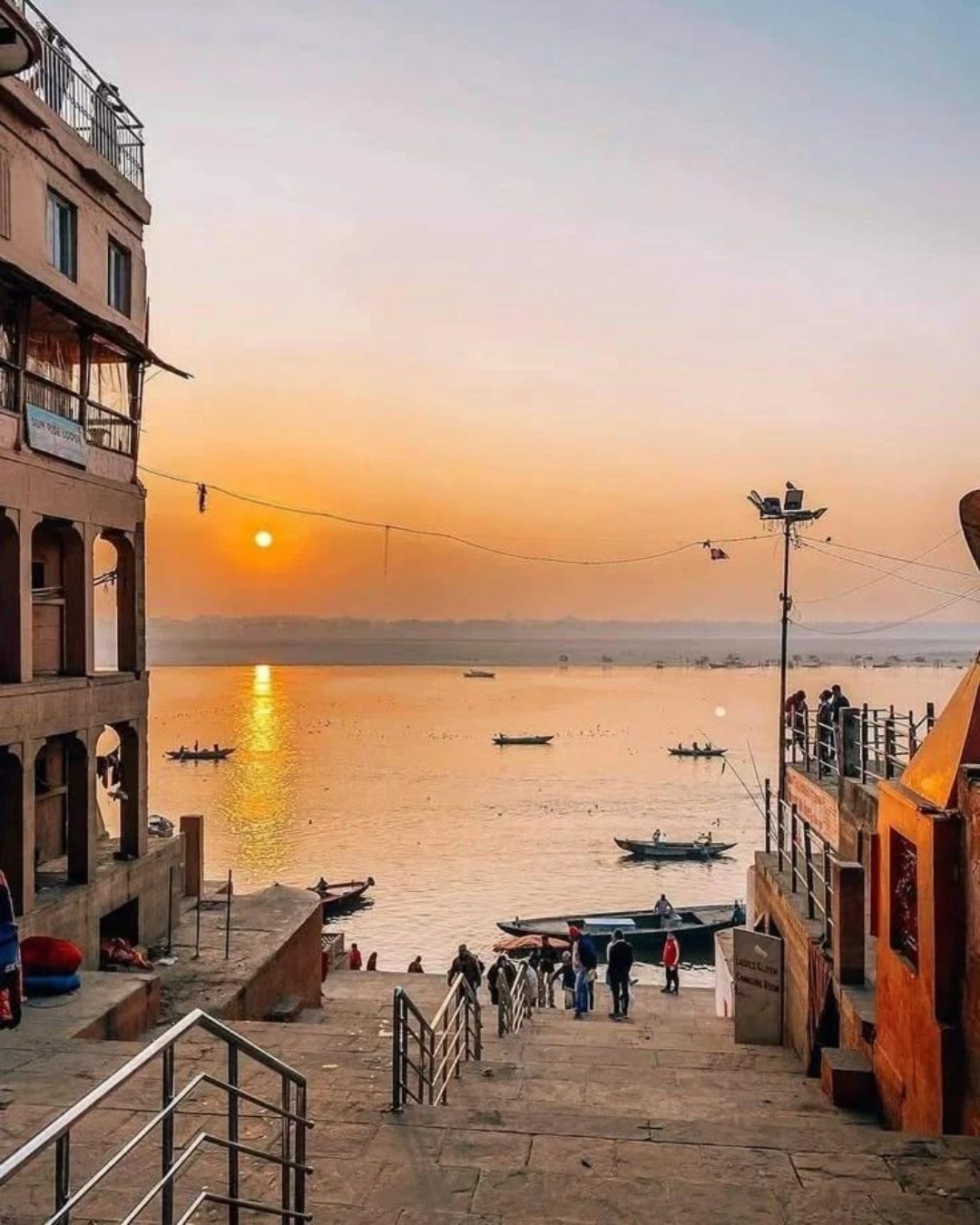
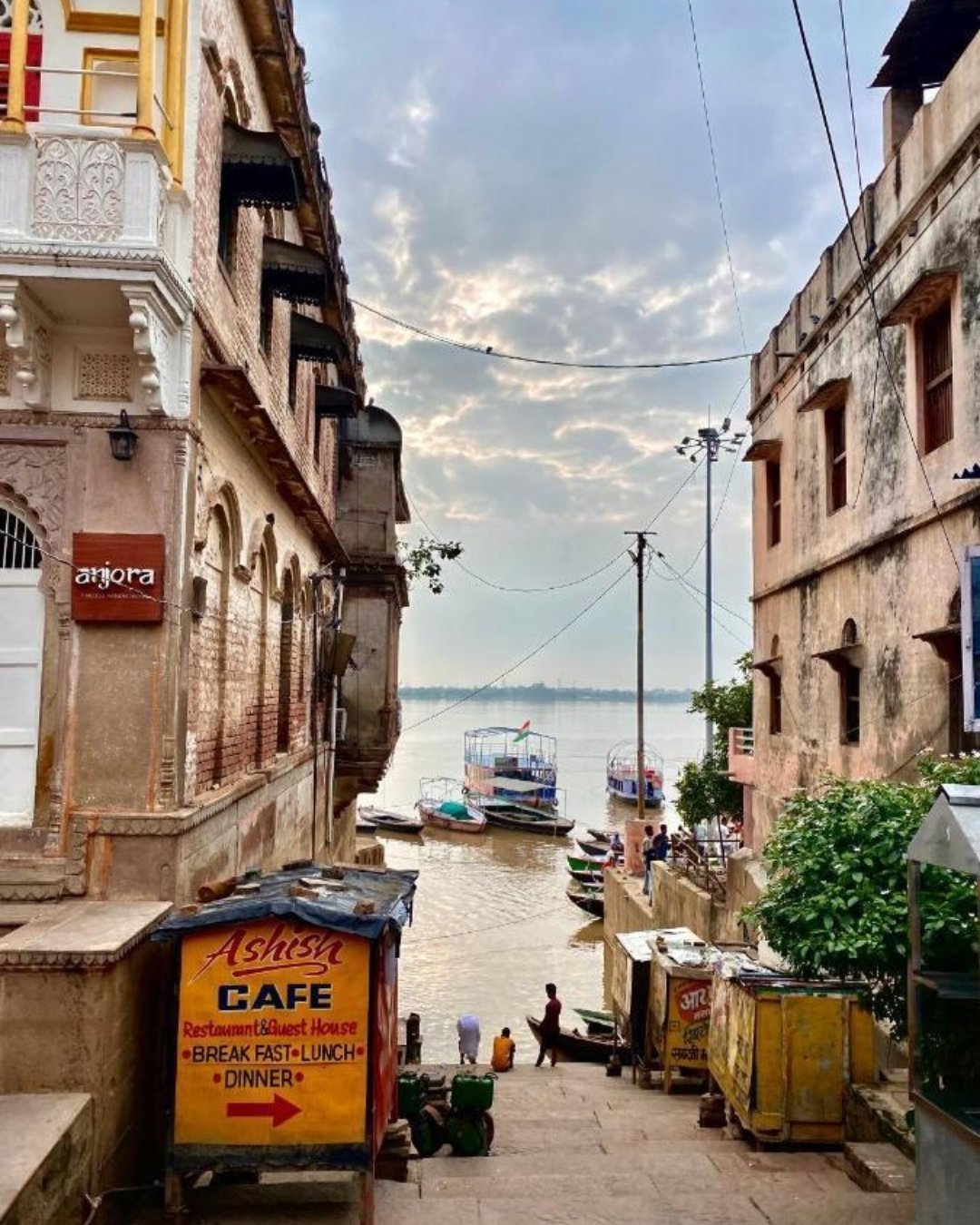
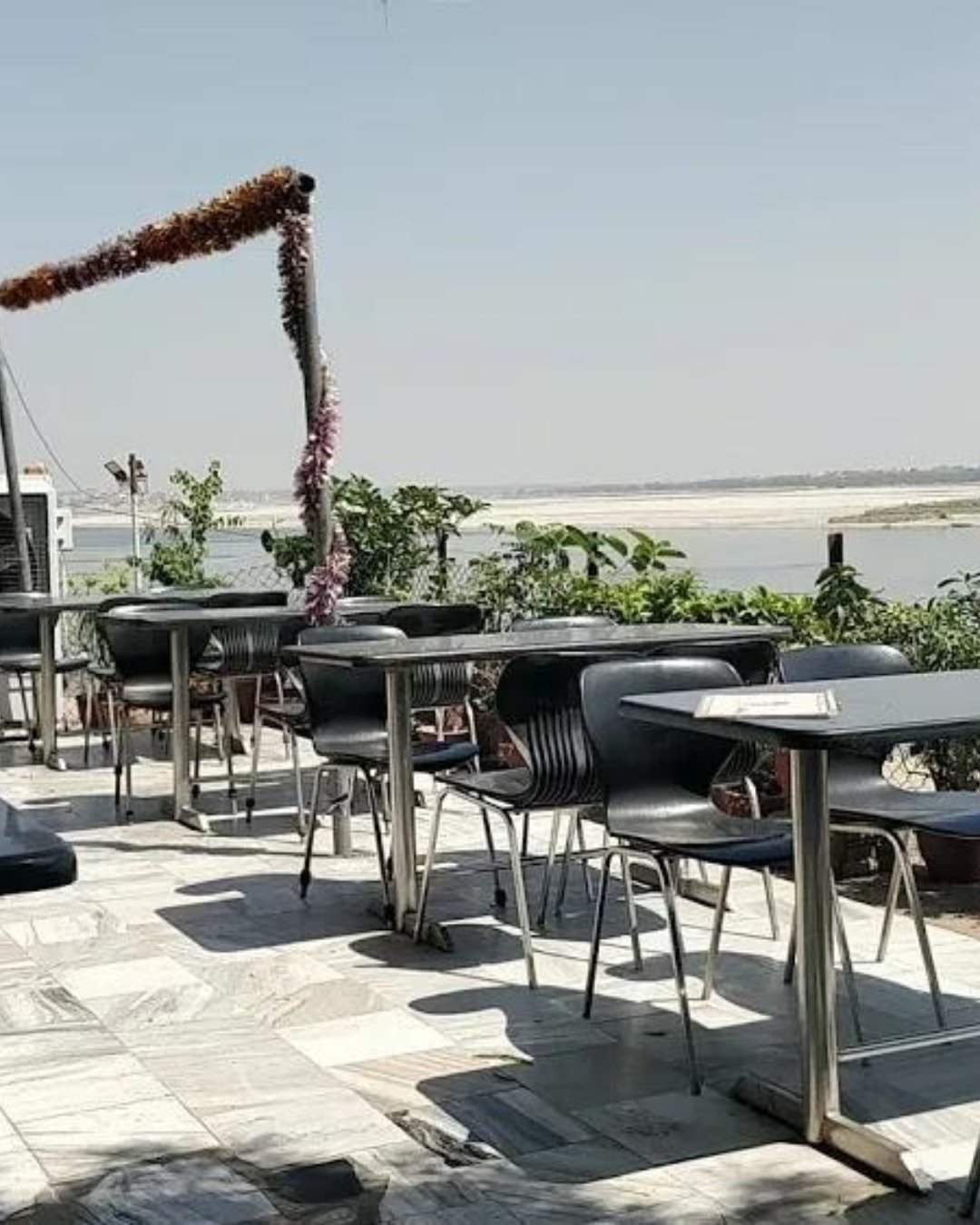
How to Choose Your Zone
You've probably searched "best hotels in Varanasi" and booked whatever looked comfortable. Big room, good photos, decent price. But here's the thing nobody tells you: in Varanasi, where you stay matters more than how nice the room is. Book a smart hotel in the Cantonment and you'll spend your whole trip in an auto-rickshaw, stuck in traffic, arriving at the ghats at 5:30 a.m. already frazzled — when the entire point of this city is being able to walk down to the river before dawn. The wrong zone quietly ruins the trip, and almost nobody warns you.
Let's fix that. Here's how to choose your zone in Varanasi, and how to get it right the first time.
Why the zone beats the star rating
The ghats are the reason you came, and the sunrise is the best hour of the day. If you can walk to the water in five minutes, you'll do it every morning. If it's a twenty-minute auto ride through waking traffic, you'll do it once and skip the rest. The old city near the ghats is a maze of narrow lanes — atmospheric, but no cars go in, so a "riverside" hotel means a short walk with your bags from where the auto drops you.
So decide what you're optimising for: proximity to the river and atmosphere, or space and comfort with a commute. In Varanasi, proximity wins almost every time.
What you'll actually choose between
Four broad zones, each a different trip:
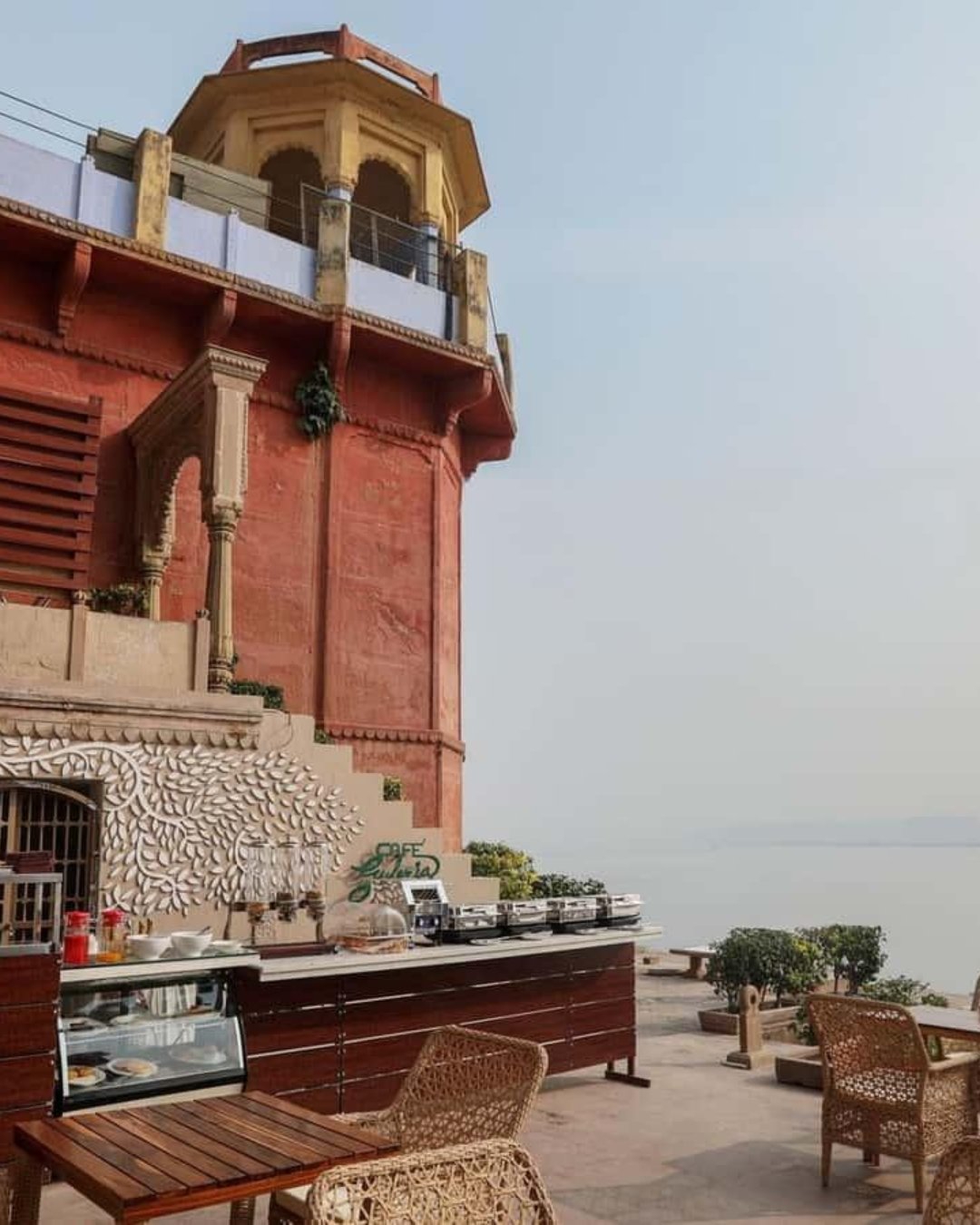
Assi Ghat (south) — calm, greener, near the university, with Subah-e-Banaras on your doorstep and the city's best café scene. The traveller's favourite, and the one I'd pick.
Dashashwamedh / central ghats — in the thick of it, the aarti and the main ghats steps away, but crowded, loud, and tight on vehicle access.
The northern ghats — quiet, atmospheric, cheap, but far from the action and thin on food.
Cantonment — the big comfortable hotels and the railway station, and a 20–30 minute ride to the ghats every single time. Convenient for trains, wrong for the river.
Book a place inside the old-city lanes and check how far the auto actually drops you from the door — bags plus alleys plus 5 a.m. is a real consideration.
And here's where you do use your phone: read the recent reviews specifically for the words "walk to the ghats" and "auto drop." Travellers who've stayed will tell you the same thing — the listing photos never show the ten-minute lane walk or the traffic. The map pin and the honest reviews tell you what the glossy shots won't. That gap between the photo and the walk is the part the booking site never quite catches.
Pro tip: For most people, stay in the Assi Ghat zone. It's calm enough to sleep, close enough to walk to the river, and it has the cafés — Assi and the university quarter are where Varanasi's café culture lives, from rooftop chai spots overlooking the water to proper coffee and bakeries. Pick a hotel with a rooftop or river view if you can, keep the Cantonment only if you have an early train, and check the walk-in distance before you book, not after.
The mistakes that ruin it
Most first-timers trip over the same few things. They book the Cantonment for comfort and commute to the river all week. They pick a "riverside" place without checking the lane walk with bags. Or they chase a star rating and end up far from the one thing they came for.
The easy fix is to choose the zone first and the hotel second — or let your stay be arranged near the ghats you'll actually use, so you step out of the door and you're there.
Destination
Varanasi, Uttar Pradesh, India
People also ask
01Question
Where are the best cafes in Varanasi?
The best café scene is around Assi Ghat, where you'll find relaxed rooftops, Ganga views, international food and coffee spots.
Terracotta Cafe — Assi — artisan coffee & relaxed atmosphere.
Aum Cafe — Assi Ghat — healthy vegetarian breakfast.
Pizzeria Vaatika — Assi Ghat — pizza with a Ganga-facing setting.
Open Hand Café — Assi — coffee, light meals and a work-friendly atmosphere.
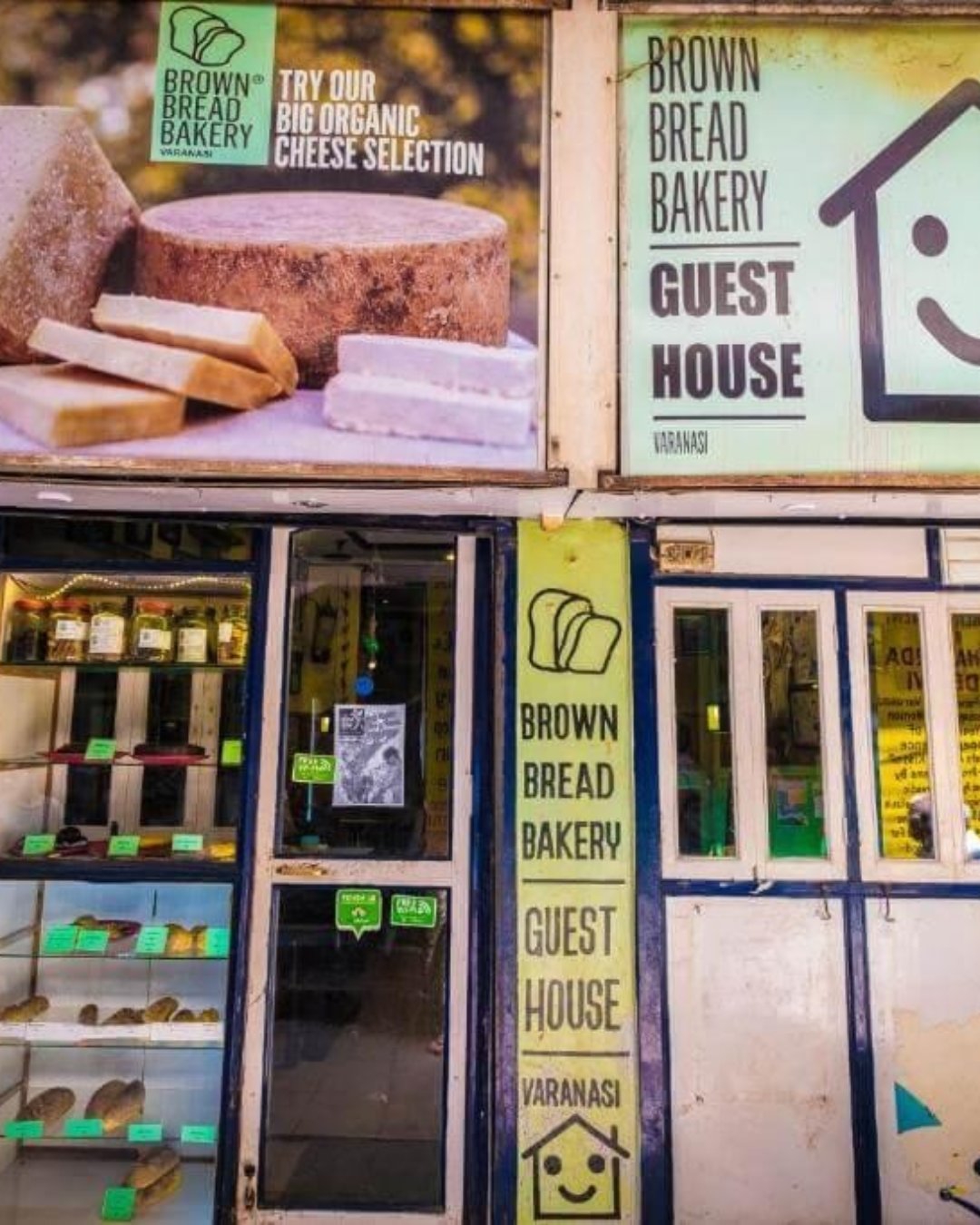
Brown Bread Bakery — Assi area — European-style breads and breakfast.
Blue Lassi — Old City/Kachori Gali — an iconic lassi stop rather than a conventional café.
Our travel-agent pick: Start at Assi Ghat in the morning, grab coffee and breakfast, then spend the afternoon exploring the old-city lanes. Assi is where we'd send you for the best café-hopping experience.
02Question
Which cafe has the best Ganga view?
Our top pick: Pizzeria Vaatika Cafe — Assi Ghat.
It is one of the most iconic choices for a direct Ganga-and-ghat view, especially around sunset. Grab a riverside table, order a pizza, and let the Ganga become the backdrop to your evening.
📍 Location: B-1/178, Assi Ghat Road, Shivala, Varanasi
Travel-agent tip: We’d aim to arrive before sunset so you have a better chance of getting the view you came for.
03Question
Does Varanasi have good coffee?
Yes — surprisingly good! Varanasi has a growing specialty-coffee scene, especially around Mahmoorganj, Assi and Bangali Tola. For serious coffee, we'd recommend Svas - Specialty Coffee, Matcha & Bakes in Mahmoorganj or 4689 SHIROPAGU Coffee Roasters near Munshi Ghat. Svas specifically focuses on specialty coffee, matcha and artisanal bakes.
04Question
Can you get continental / Israeli food in Varanasi?
Yes! You absolutely can. Assi Ghat and the old-city café belt have plenty of traveller-friendly places serving Continental, Mediterranean and some Israeli-style dishes such as hummus, falafel, pancakes, pasta, pizza, sandwiches and salads. Continental options are particularly easy to find around Assi.
05Question
Is alcohol served in Varanasi restaurants?
Yes — but not at every restaurant.
Alcohol is served at licensed restaurants, hotel bars and lounges in Varanasi. Uttar Pradesh specifically provides restaurant-bar and hotel-bar licences for serving liquor on licensed premises.
You'll find more options around Sigra, Cantt, Mahmoorganj and Sarnath than around the temple-and-ghat core. Current listings include licensed venues such as DOB - Drinks On Board | Pub Nightclub & Rooftop in Sigra and Sol Haveli Bar in Cantt.
06Question
Are Varanasi restaurants vegetarian?
Yes, many restaurants in Varanasi are vegetarian, and you'll find vegetarian food almost everywhere. Due to the city's strong religious and pilgrimage culture, pure vegetarian and Satvik restaurants are very common, especially around Kashi Vishwanath Temple, Dashashwamedh Ghat, Godowlia, and Assi Ghat.
What you'll find:
Traditional Banarasi thalis
Kachori-sabzi breakfasts
Chaat and street food
South Indian vegetarian meals
Satvik (no onion-garlic) options
Modern cafés with vegetarian-friendly menus
07Question
Best area to stay for cafes and restaurants?
Assi Ghat is the best area to stay if cafés and restaurants are your priority. You’ll find a strong concentration of cafés, rooftop restaurants, international food, coffee spots and casual eateries within walking distance, while still being close to the Ganga.
Experience layers
Go further into one part of this trip.