

The Alcohol Question
Mahmoorganj, Varanasi, India
You've probably not thought about it until you're here. It's a holiday, you fancy a cold beer after a long day on the ghats, and you assume you'll find one the way you would anywhere else in India. But here's the thing nobody tells you: Varanasi is one of Hinduism's holiest cities, and the ghat-and-temple heart of it treats alcohol very differently from a beach town in Goa. Get it wrong — drink openly near the ghats, turn up to a temple with beer on your breath, or go looking for a bar in the old city — and you'll cause offence you didn't intend and can't take back.
Let's fix that. Here's how the alcohol question actually works in Varanasi, and how to get it right.
Why the geography matters more than the law
Alcohol isn't banned in Uttar Pradesh — there are licensed shops and hotel bars, and drinking is legal for adults. But Varanasi isn't Uttar Pradesh in general; it's Kashi, and the closer you are to the river and the temples, the more out of place a drink becomes.
The old city, the ghats, and the temple lanes are effectively a sacred zone. People come here to die, to grieve, to pray, to bathe away lifetimes of sin — and a tourist drinking among them reads as a real disrespect, not a minor faux pas. So the rule of thumb isn't about what's legal; it's about where you are. Away from the river, in a hotel, discreetly: fine. On the ghats, near a temple, on show: no.
What you'll actually find
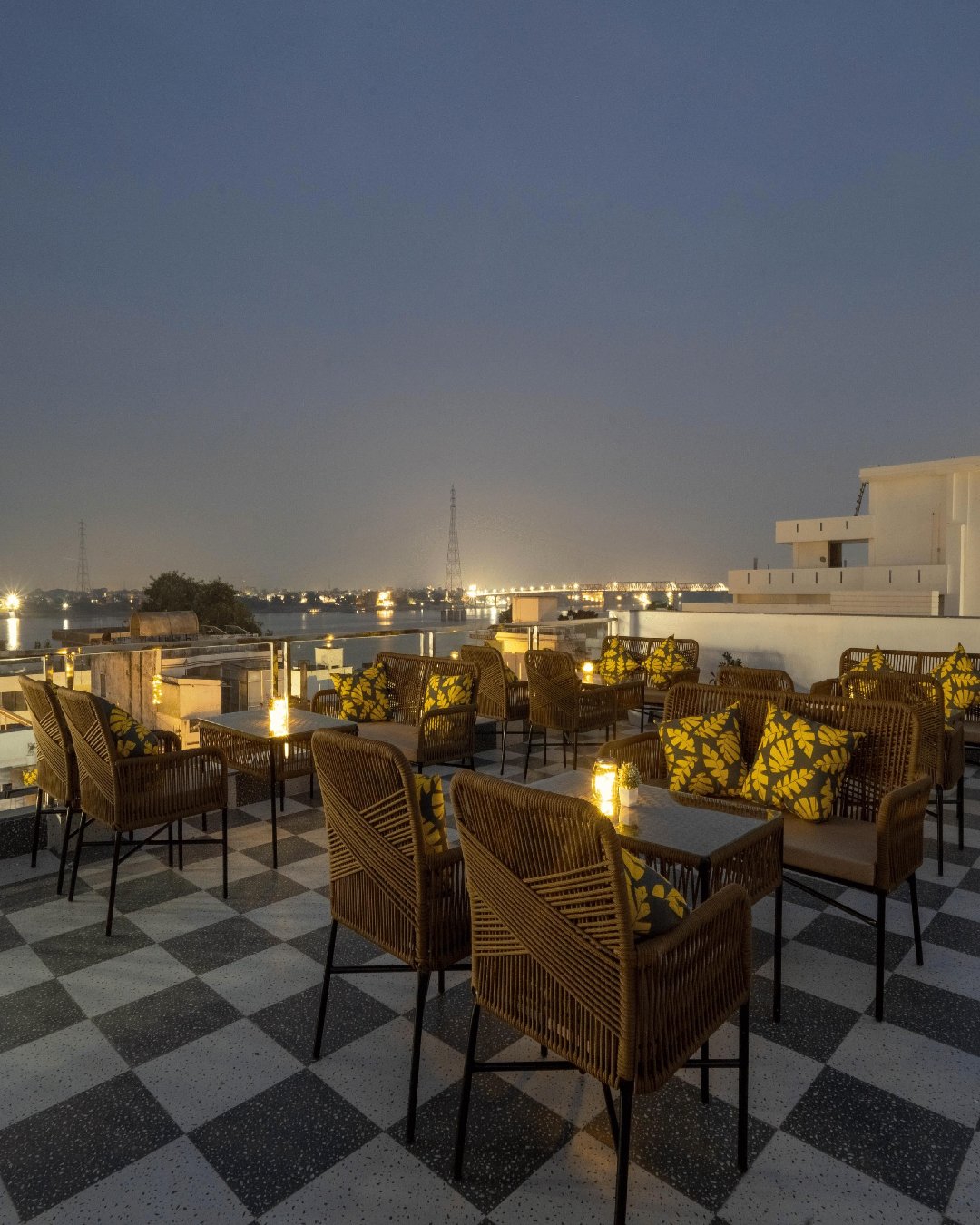
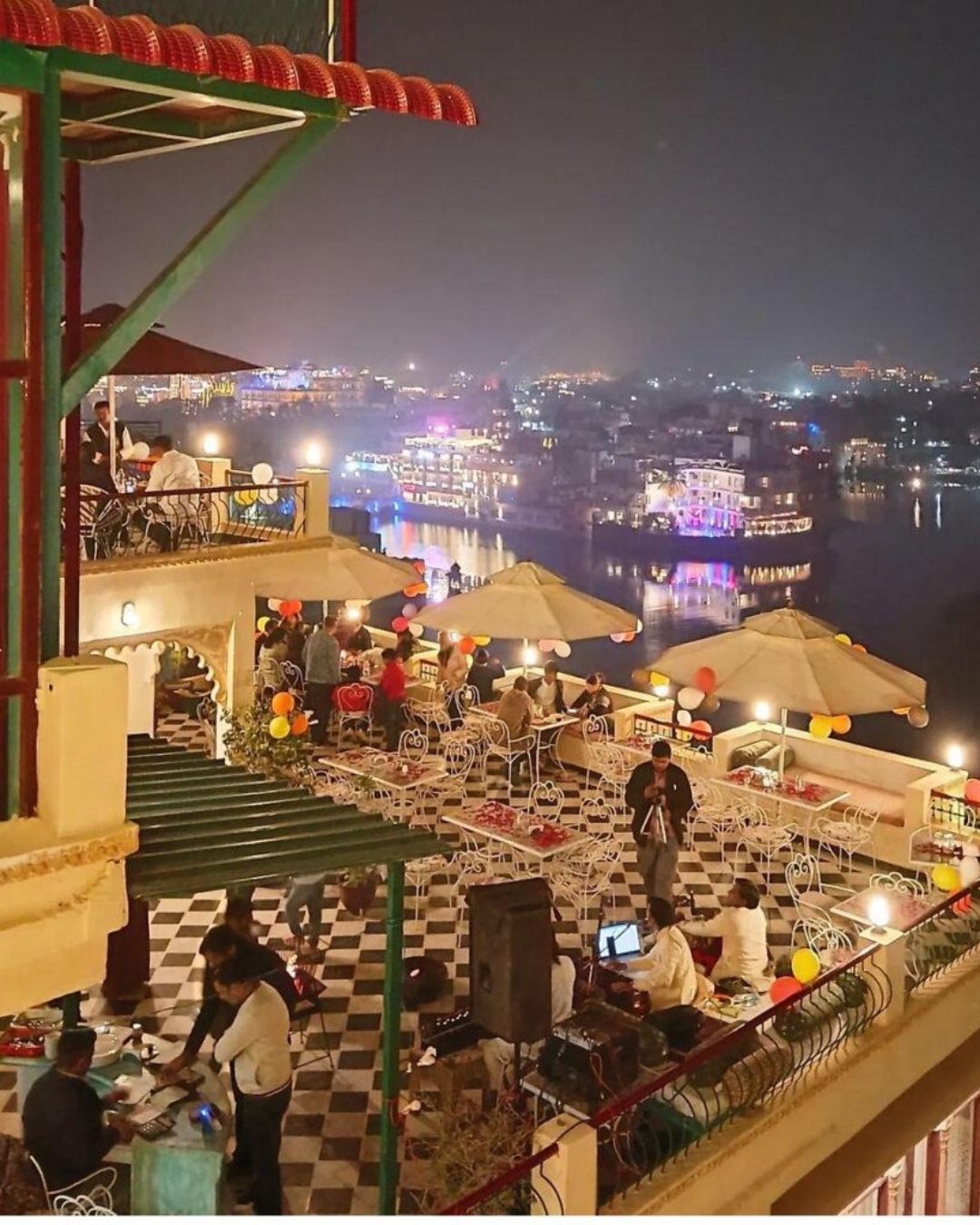
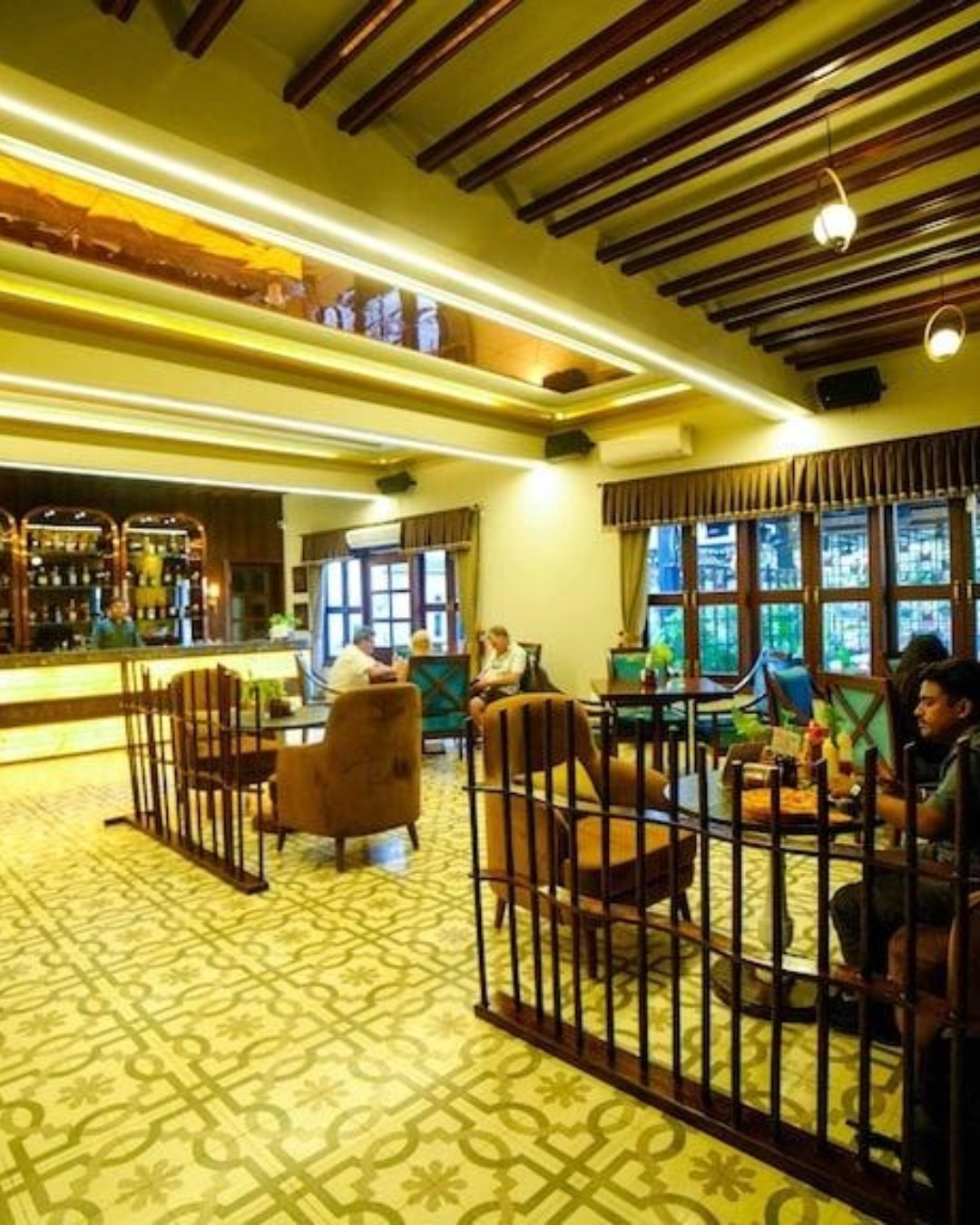
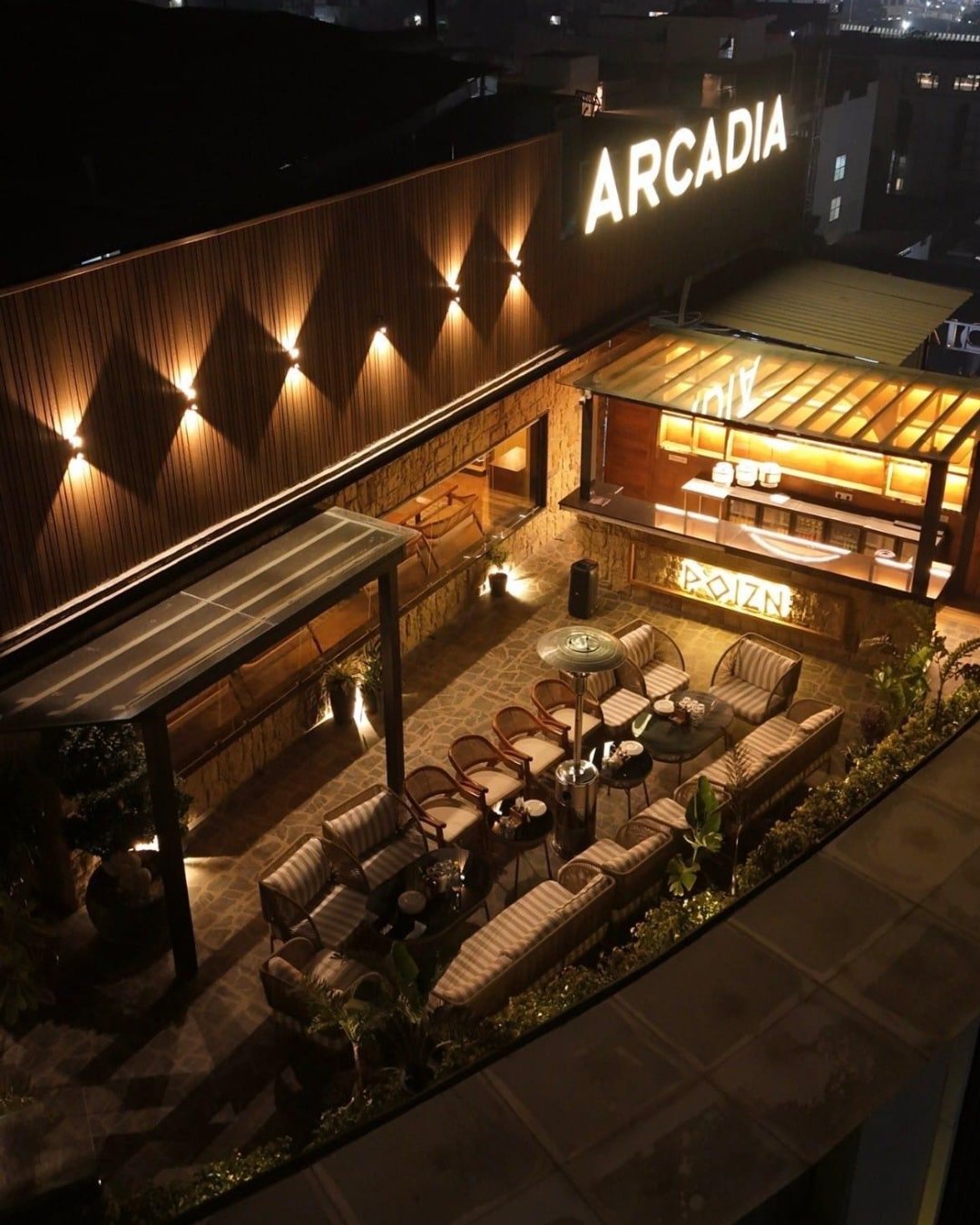
Hotel bars and restaurants — the main licensed, comfortable option, mostly in the cantonment and larger hotels away from the river.
Government and licensed liquor shops — they exist across the city, but not in the immediate ghat-and-temple core.
Dry days — alcohol sales stop on major religious days, festivals, and around elections; it's not just a normal supply.
The ghats and old city — treat as effectively dry. No open drinking, and nothing before a temple visit.
Keep any alcohol discreet — in your room, not on the steps — and never carry or consume it near a place of worship.
And here's the part worth sitting with rather than rushing past: a lot of what makes Varanasi extraordinary is precisely that it isn't a party town. Travellers who lean into that will tell you the same thing — the city gives you something a beer never could, and the dawn boat, the aarti, the silence of the upper ghats all land harder sober and early than they would after a late night out. That's the part the "where's the nearest bar" version of the trip never catches.
Pro tip: If you want a drink, have it discreetly at your hotel in the evening, well away from the river, and never before a temple visit or a ceremony. Respect dry days without complaint — they're tied to the religious calendar, not aimed at you. And be doubly careful with bhang, which is sold semi-openly around Holi and in some "government" shops: it's legal in a way alcohol isn't, but it's potent, unpredictable, and lands many first-timers in real trouble. Treat it with far more caution than the novelty suggests.
The mistakes that ruin it
Most first-timers trip over the same few things. They drink openly on the ghats and draw genuine anger. They arrive at a temple having had a few and can't understand the cold reception. Or they treat bhang as a harmless souvenir and have a night they'd rather forget.
The easy fix is simple: keep alcohol away from the ghats and temples, drink only where it's appropriate and licensed, and remember that Varanasi is a sacred city before it's a nightlife destination.