

Vegetarian & Satvik Sit-Down
Central Market, Varanasi, India
You've probably pictured street food. Kachori-sabzi at a stall, a paper plate of chaat, eat and move on. But here's the thing nobody tells you: Varanasi also has a quieter tradition of the proper satvik thali — a full vegetarian sit-down cooked without onion or garlic, the food of temples and pilgrims — and if you only graze the galis, you'll miss the meal the city is actually built around. Rush it, order like it's a restaurant back home, or turn up ravenous at the wrong hour, and you'll leave thinking Banaras is only snacks.
Let's fix that. Here's how a satvik sit-down in Varanasi actually works, and how to get it right the first time.
Why satvik, and why it's a sit-down and not a snack
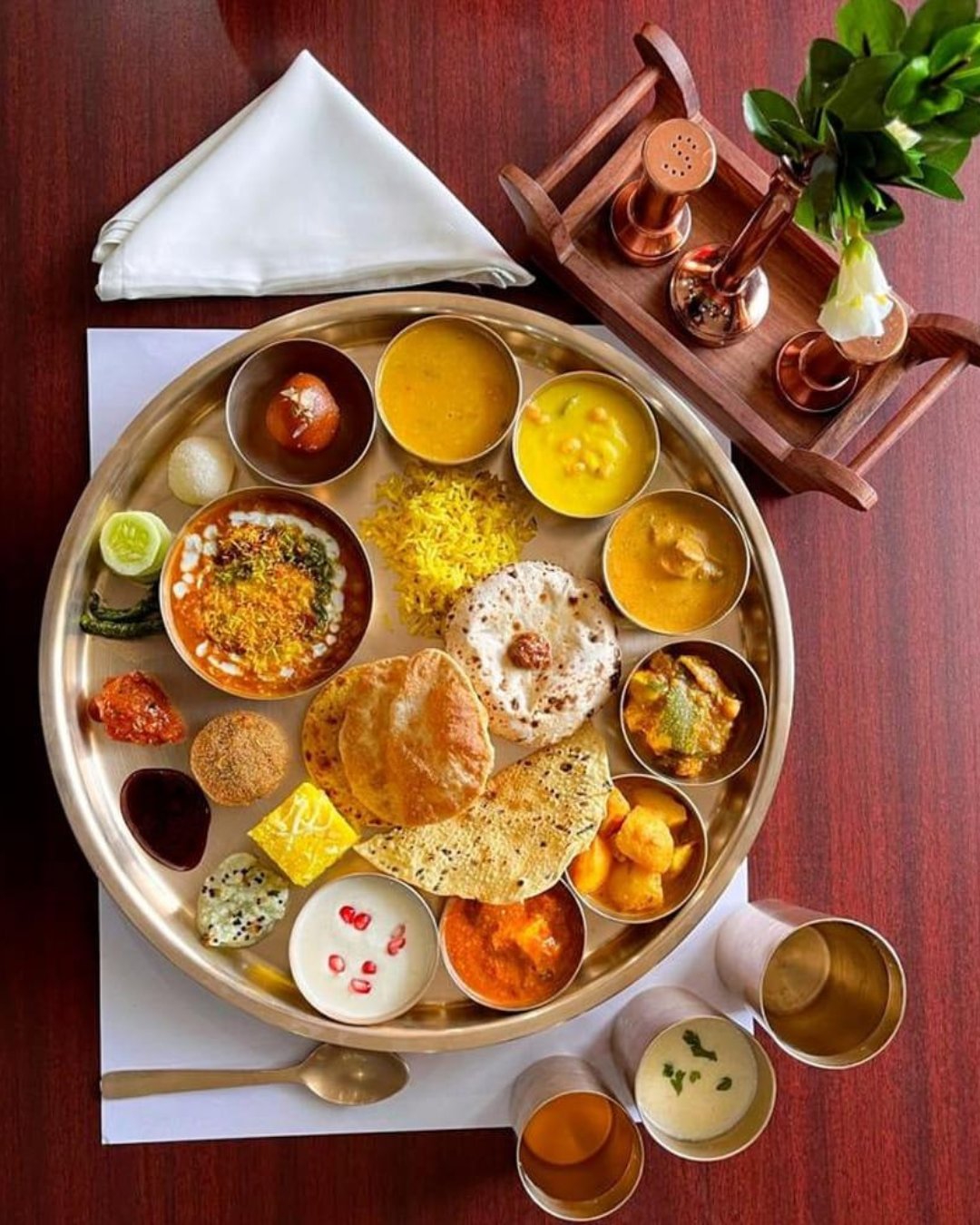
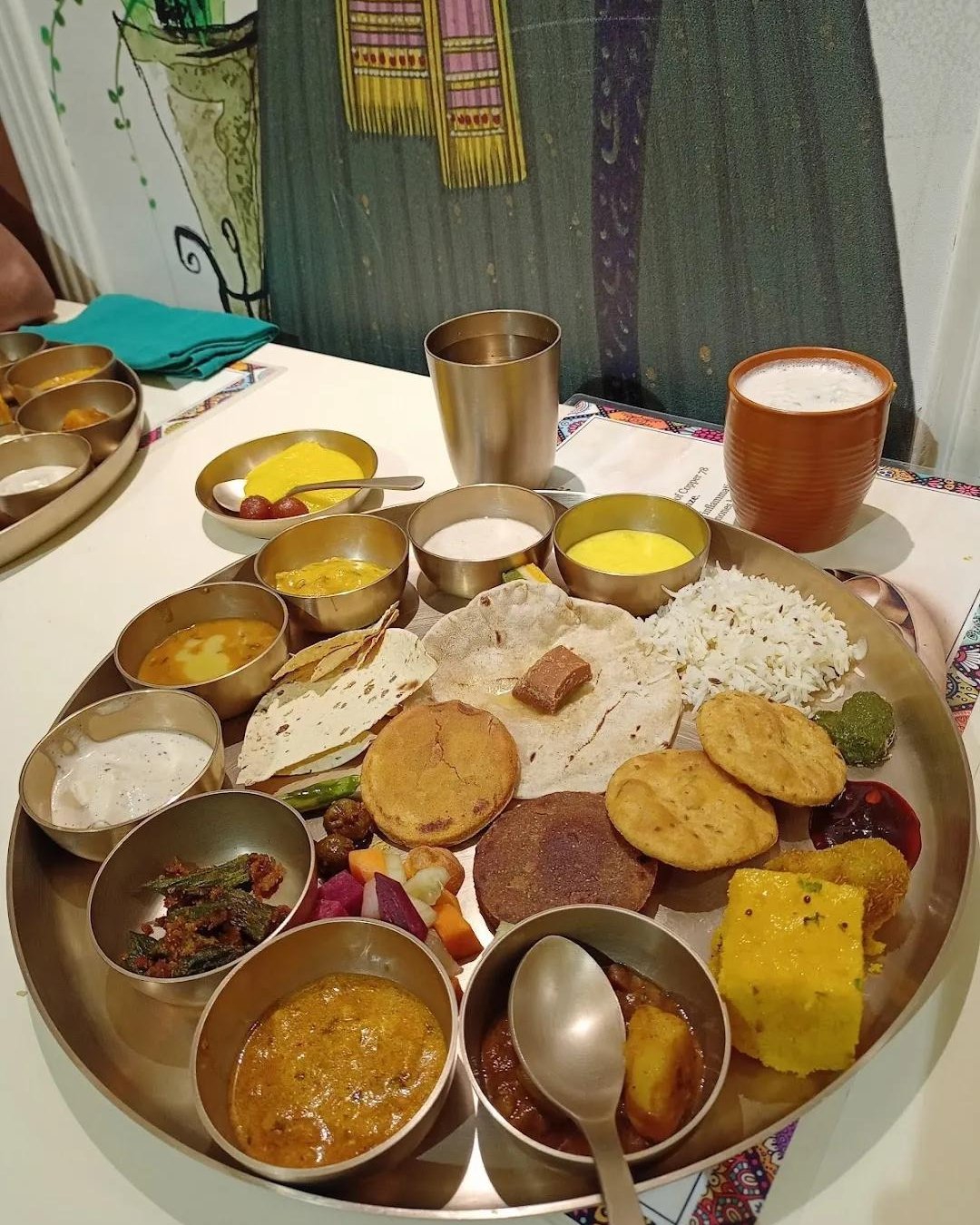
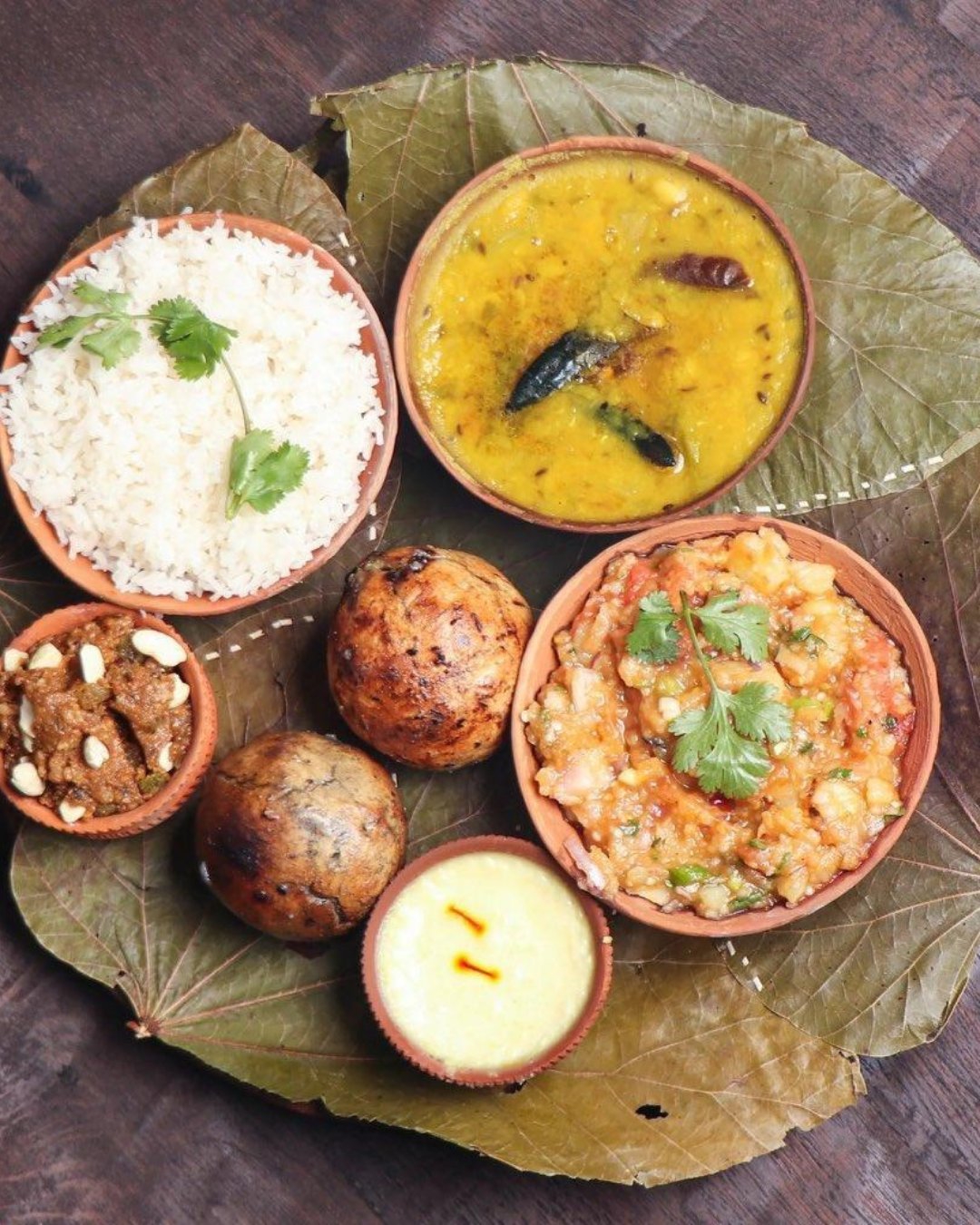
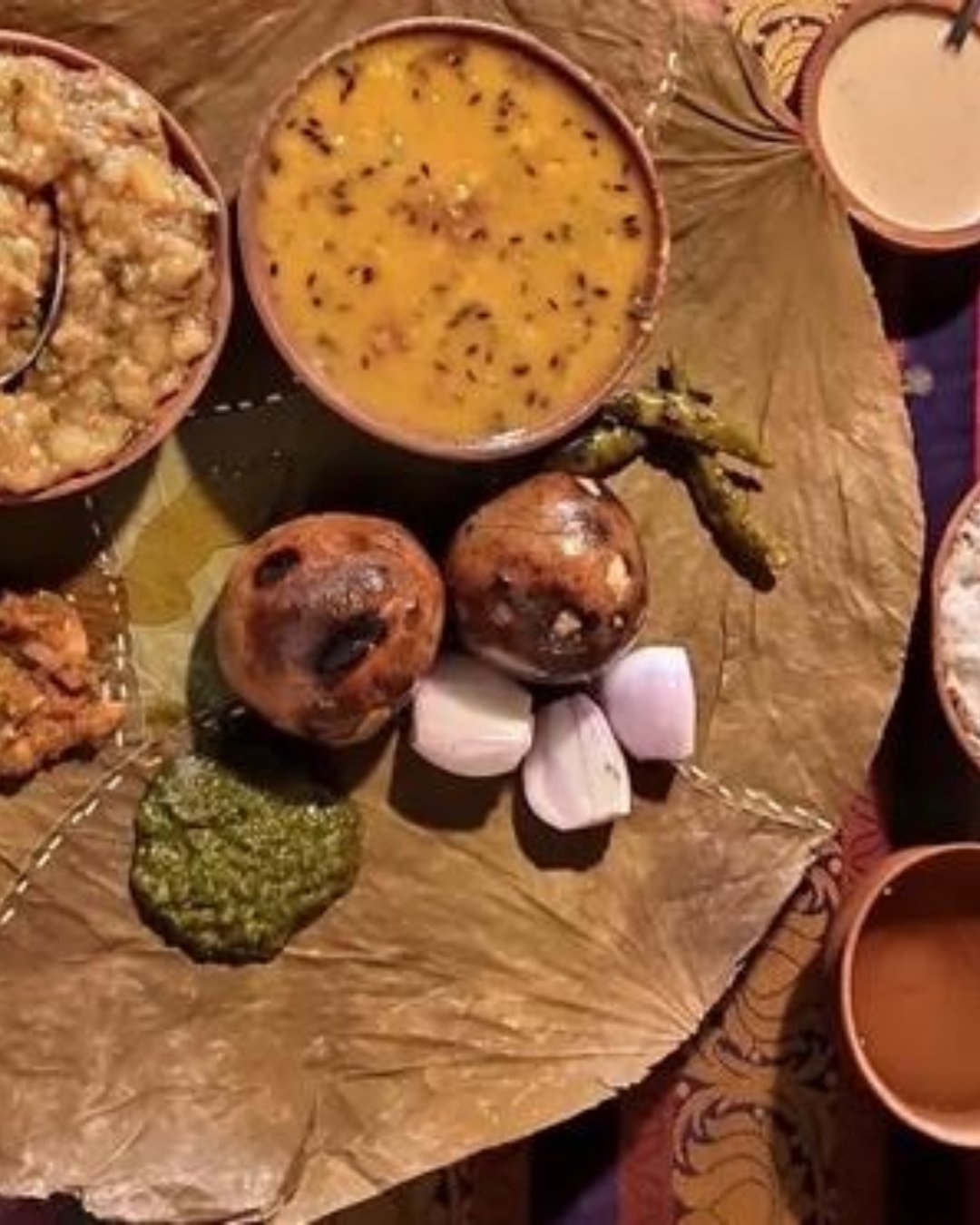
Satvik food follows the principle of purity — no onion, no garlic, nothing that's meant to agitate the body or mind — and in a temple city that's not a diet, it's the everyday way of cooking. A thali built this way is gentle, layered and filling: dal, seasonal sabzi, kachori or puri, rice, curd, a sweet, and a pickle, all arriving together so you eat across the whole plate rather than course by course.
The mistake is treating it like fast food. This is a meal you sit down for, unhurried, ideally the main event of your midday. Many of the best places serve a fixed thali at set hours and simply stop when the food runs out — so you come to them on their terms, not yours.
What you'll actually eat
A good Banarasi vegetarian thali moves through:
Kachori-sabzi — the city's signature breakfast: crisp fried kachori with a spiced potato curry.
The thali proper — dal, two sabzis, rice, puri or roti, curd and papad, with unlimited refills at the classic places.
Chaat, done right — tamatar chaat and chura-matar are Banarasi specialities you won't find the same elsewhere.
The sweet — a fresh jalebi, malaiyo in winter (a saffron milk foam, mornings only), or a slab of Banarasi milk sweet.
Come hungry but not starving, and go easy on street snacks beforehand — a proper thali is more food than it looks.
And here's the one time the phone genuinely helps rather than hurts. Travellers who eat well here will tell you the same thing: ask before you order, because the good satvik places are often plain rooms with no menu and no English sign, and a quick check of where locals are actually sitting beats any listicle. But once the plate arrives, put it away and eat with your hands the way it's meant to be eaten — the mixing, the tearing of the puri, the curd cooling the dal is the part a photo of the thali never catches.
Pro tip: Eat your big thali at lunch, not dinner — the traditional kitchens do their best work midday and many wind down early. Say "no onion, no garlic" if you specifically want satvik, and "kam teekha" if you want it less spicy. Drink bottled or filtered water, be cautious with raw salads and anything washed in tap water, and start gentle if your stomach isn't used to Indian food. And for the sweets — malaiyyo is a winter, early-morning thing only; if it's on offer, drop everything.
The mistakes that ruin it
Most first-timers trip over the same few things. They fill up on chaat and have no room for the thali. They arrive at three when the good kitchens have closed. Or they play it too safe and eat bland hotel-buffet food in the city with some of the best vegetarian cooking in India.
The easy fix is to time your thali to lunch, come with an appetite, and let someone who knows the lanes point you at the real kitchens rather than the tourist ones.