

River-View Dining — and the Honest Tradeoff
Darbhanga Ghat, (Varanasi), Varanasi, India
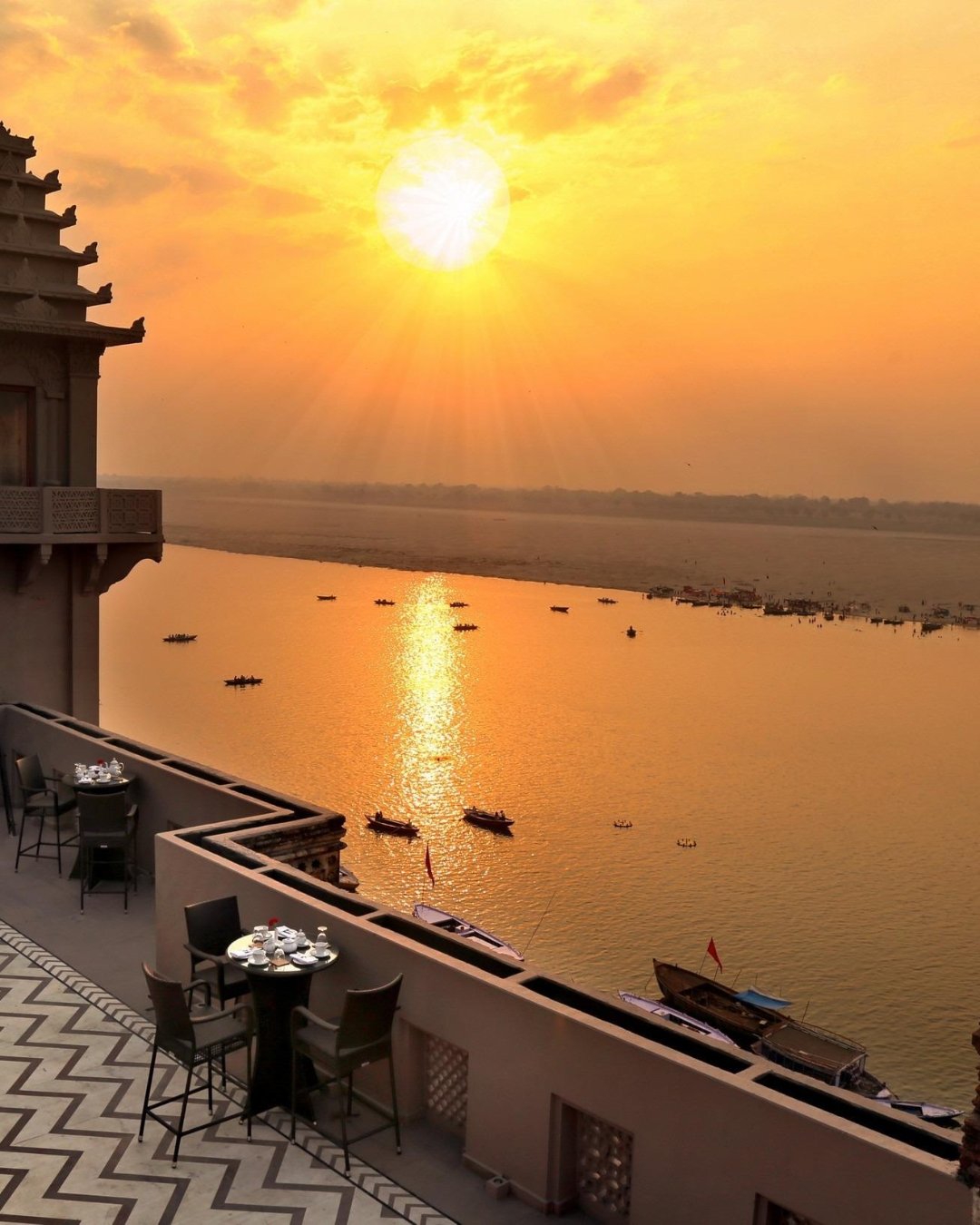
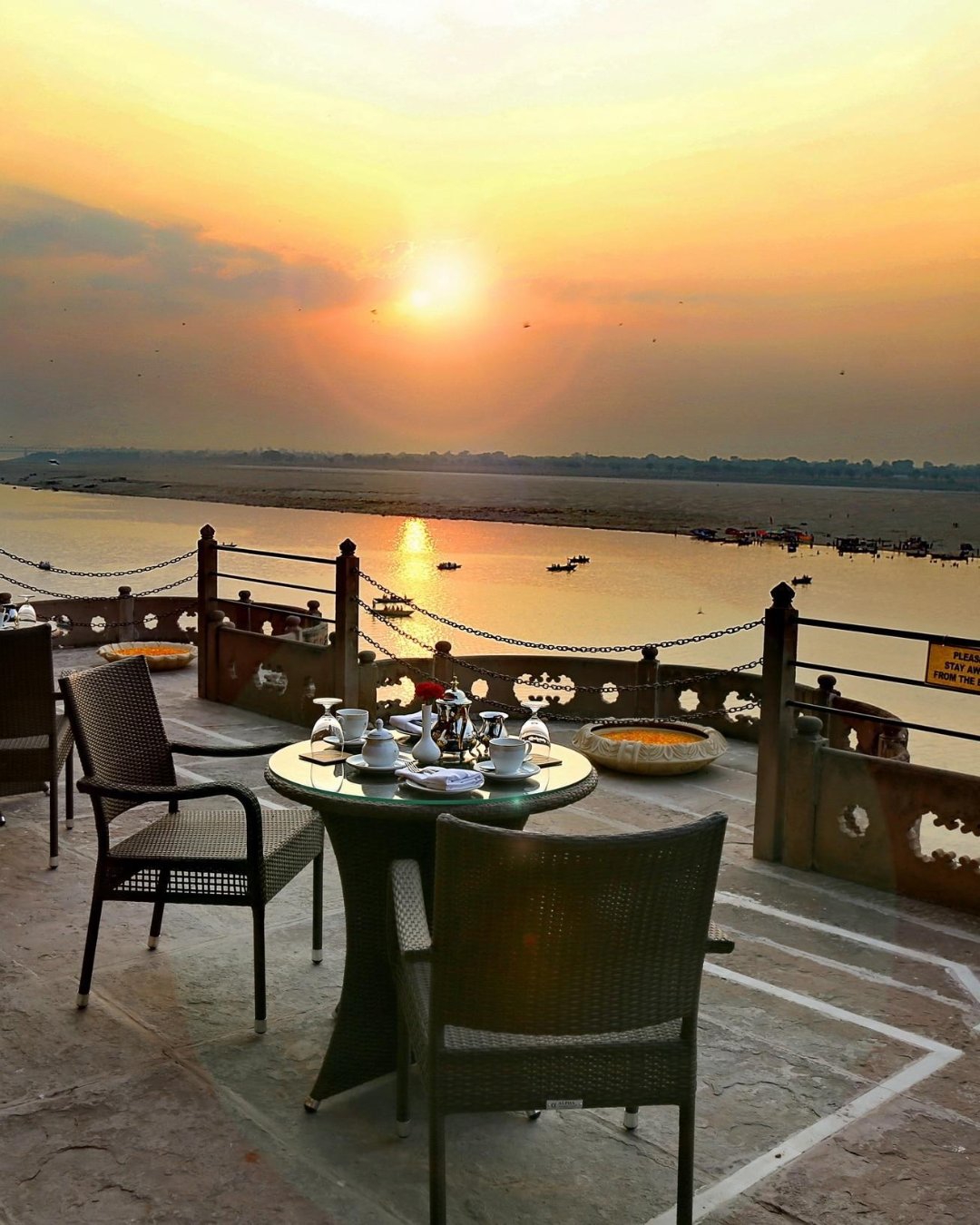
You've probably pictured the dinner. A rooftop table over the Ganga, the ghats lit below, a plate of something local, the aarti drifting up from the water. But here's the thing nobody tells you: the tables with the best view usually serve the most ordinary food, and the places locals actually eat at have no view at all. Chase the balcony and you'll pay tourist prices for a mediocre thali; chase the food and you'll eat in a cramped lane with no river in sight. That's the tradeoff nobody mentions, and pretending it doesn't exist is how people end up disappointed on both counts.
Let's be straight about it. Here's how river-view dining in Varanasi actually works, and how to get it right.
Why the view and the food rarely come together
The rooftops along the ghats trade on the view, and they know it. Rent on that riverfront is high, the clientele is mostly one-time visitors, and the incentive to cook brilliantly simply isn't there — the sunset does the selling. Meanwhile the city's genuinely great food — the kachori-sabzi, the tamatar chaat, the malaiyo in winter — comes from lanes and hole-in-the-wall counters in the old city, most of them with no seating, let alone a river.
So decide what a given meal is for before you book it. A view dinner is an experience you're paying for; a food meal is something else entirely. Trying to get both in one sitting is how you get neither.
What you'll actually find
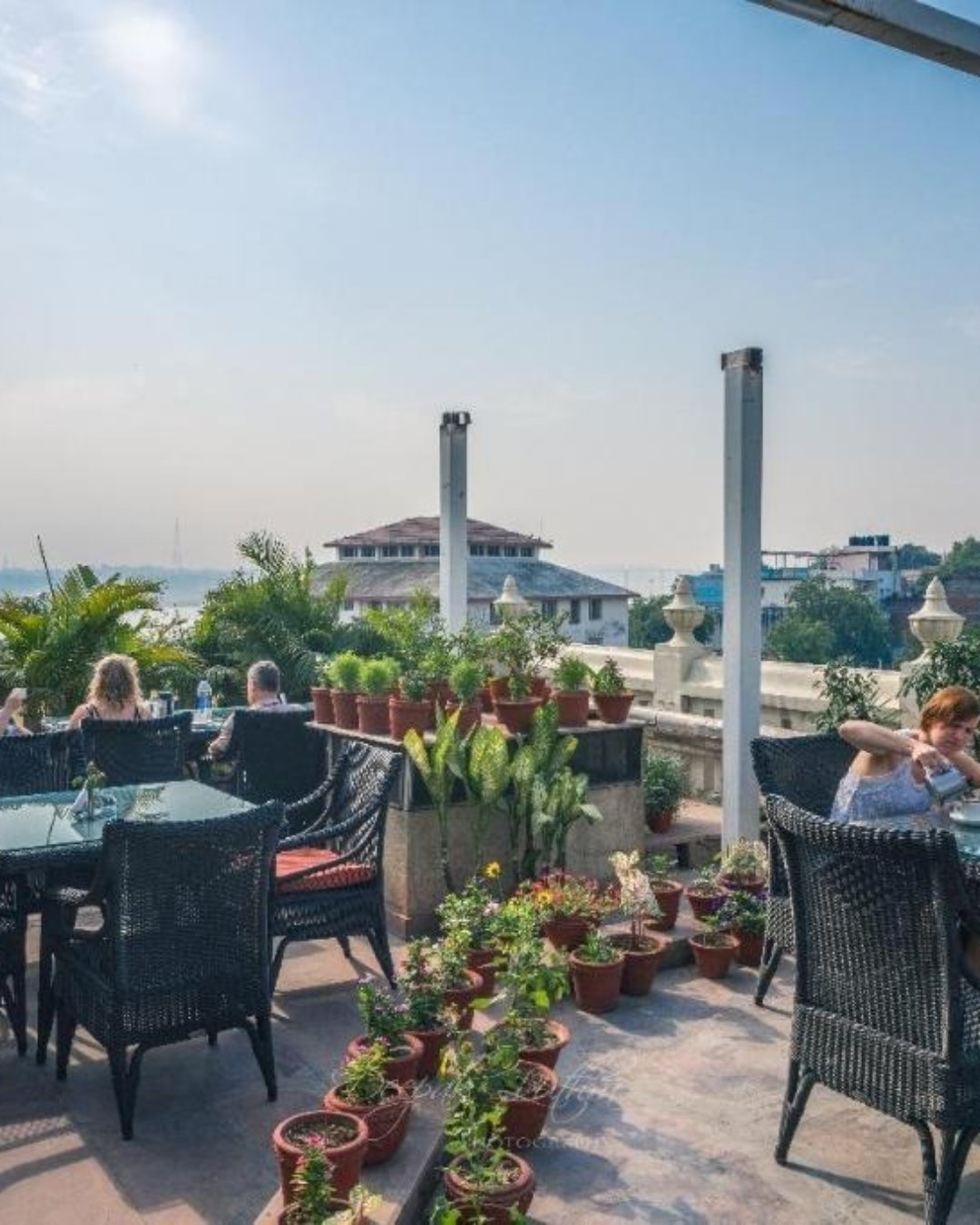
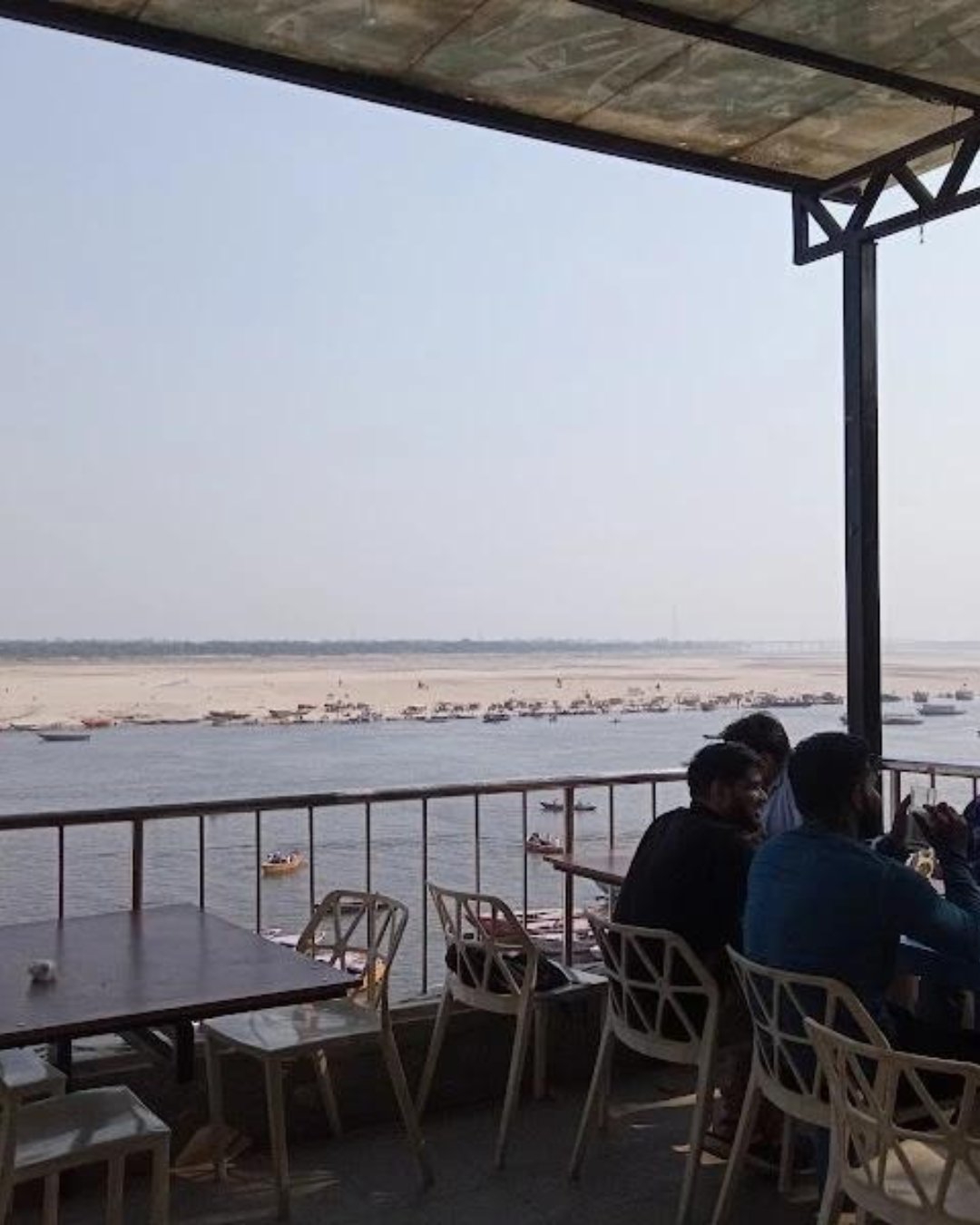
The ghat-side rooftops — Assi and the central ghats have the cluster. Come for the setting, the breeze and the aarti drifting up, not the menu.
The old-city food lanes — around Kachori Gali, Thatheri Bazaar and Godowlia, where the real eating happens, often standing up.
The cafés of Assi — a middle ground: decent food, a relaxed crowd, sometimes a glimpse of the river.
The winter specials — malaiyo, the fragile saffron-milk froth sold only on cold mornings, is a lane thing, never a rooftop one.
Carry small notes and a bottle of water, and be sensible about hygiene — busy stalls with high turnover are generally a better bet, and street food is best eaten where the food is freshly prepared and the local crowd is steady.
And here's the one meal to put the phone down for: the rooftop dinner. Travellers who do this will tell you the same thing — you booked the table for the view, so watch it, don't photograph it through a screen for twenty minutes while your food goes cold. The lamps on the water, the sound of the aarti climbing up from below, the city going dark across the river — that's the part the photos never quite catch, and it's the actual thing you paid for.
Pro tip: Split the two. Do one rooftop evening for the setting — go for the view and a drink or a simple plate, with expectations set realistically on the food — and do your serious eating in the lanes, on foot, where the city actually cooks. If you only want one, and you care about food more than views, skip the rooftop entirely and eat where the queue of locals is. And book a ghat-facing table ahead on busy aarti evenings; the best spots can fill quickly.
The mistakes that ruin it
Most first-timers trip over the same few things. They expect great food to come with the great view, and get let down. They eat every meal on a rooftop and never touch the real thing. Or they chase the famous street food with no sense of which stalls are safe and which aren't.
The easy fix is to treat the view and the food as two different outings — or let someone who knows the city point you at the right lane for the eating and the right roof for the evening.