

Old-City Dining Near Dashashwamedh
Dashashwamedh Ghat, Varanasi, India
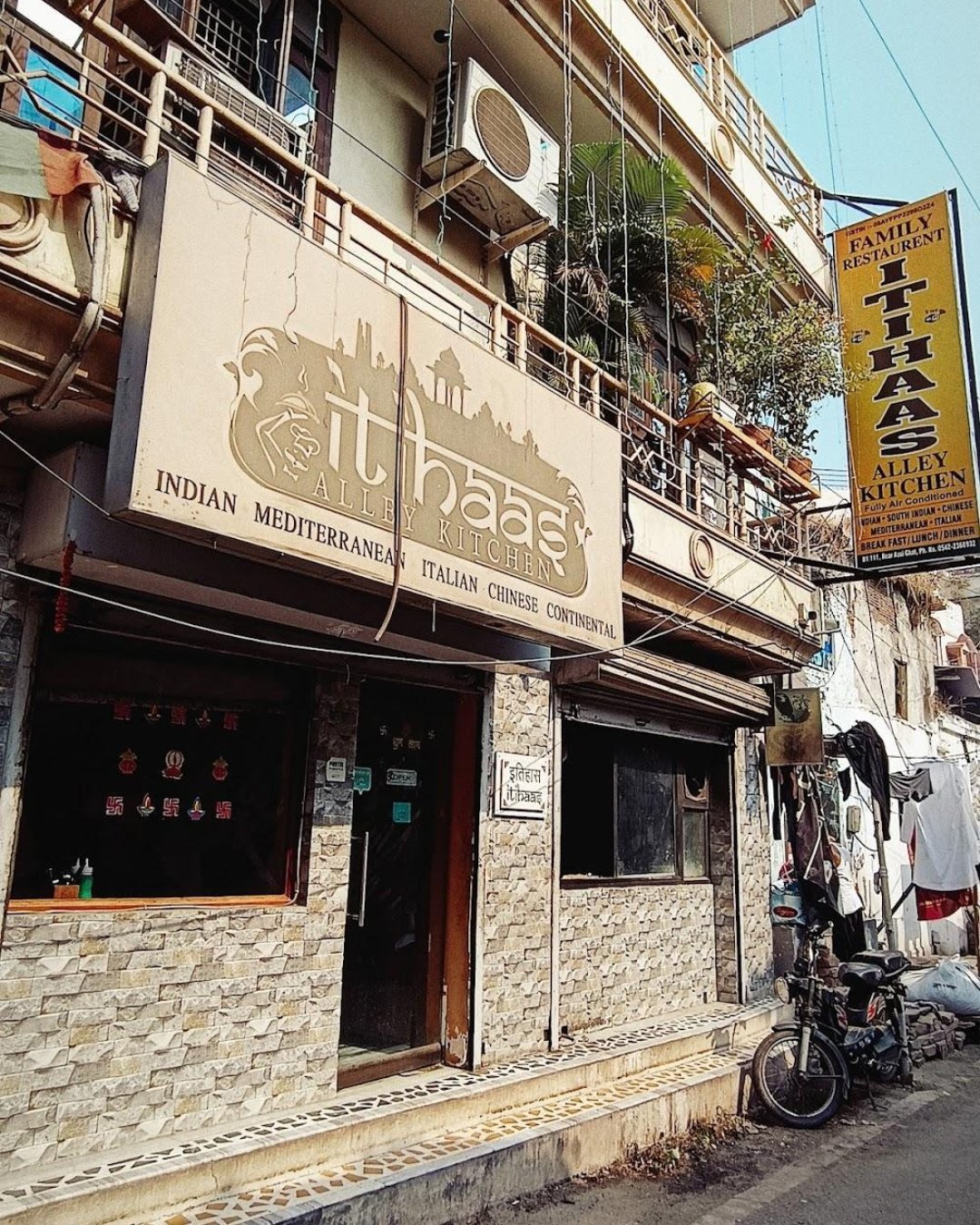
You've probably pictured a great meal after the aarti. You step off the ghat, wander into the lanes, and find the perfect local spot. But here's the thing nobody tells you: the streets right behind Dashashwamedh are wall-to-wall tourist traps — inflated menus, "authentic" thalis aimed at foreigners, and touts steering you toward whoever pays them a cut. The genuinely great Banarasi food is a few lanes deeper, at places that have fed the city for generations, and you'll walk straight past them looking at the ones with English signboards.
Let's fix that. Here's how eating in the old city actually works, and how to get it right the first time.
Why the timing and the lane matter more than the menu
Banaras food runs on its own clock. The best kachori-sabzi is a breakfast thing, gone by mid-morning; the famous chaat and the tamatar chaat come alive in the evening; the milk sweets and thandai are afternoon. Turn up hungry at the wrong hour and the thing you came for isn't being made.
And the geography is everything. The lanes immediately off Dashashwamedh are priced for tourists who won't come back. Walk into Vishwanath Gali, Godowlia, Thatheri Bazaar or Kachori Gali proper, and you're eating where Banaris eat, at Banaras prices. The difference is two hundred metres and a willingness to leave the obvious strip.
What you'll actually eat
The city's signature plates, each with its own spot and its own hour:
Kachori-sabzi & jalebi — the classic breakfast, hot from the kadhai, best before 10 a.m.
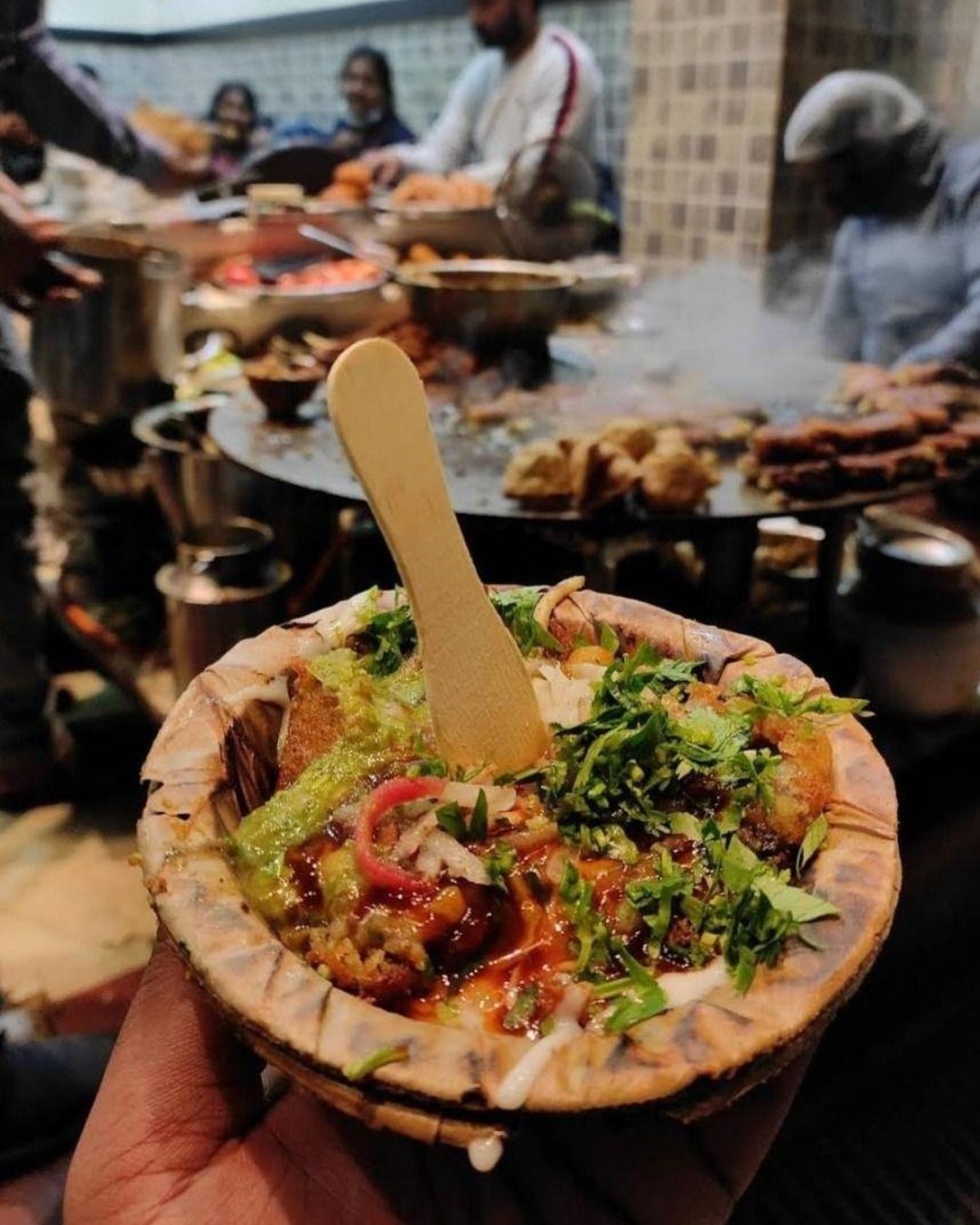
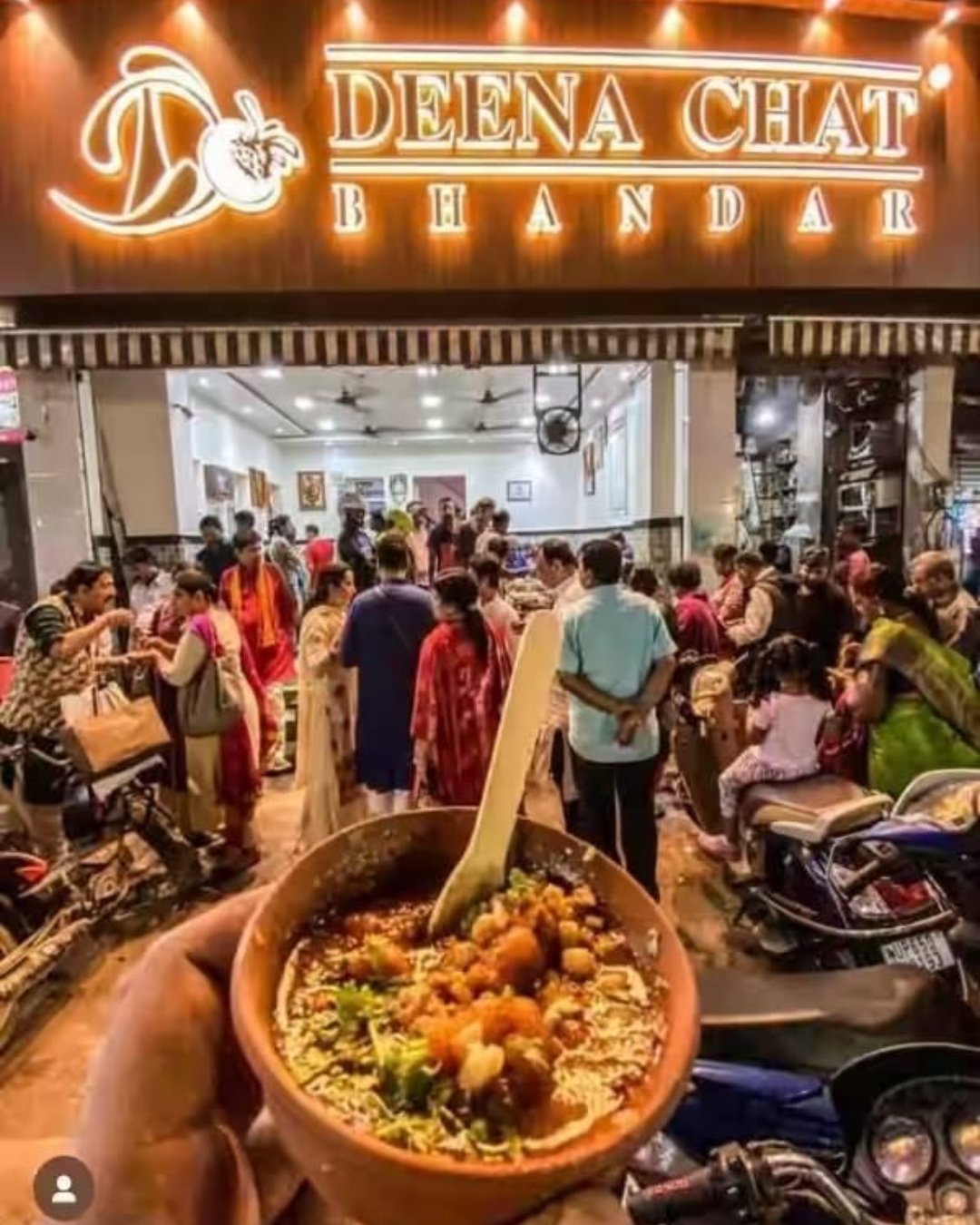
Tamatar chaat & palak chaat — the evening street ritual, tangy and unlike chaat anywhere else.
Banarasi thali — puri-sabzi, local vegetables, done simply and well away from the ghat-front menus.
Malaiyo — the winter-only saffron milk froth, sold at dawn in the galis from November to February.
Thandai & lassi — the thick, cardamom-and-nut kind, served in a clay cup.
Carry small notes and hand sanitiser, and eat where there's a queue of locals — turnover is freshness.
And here's the one stop where the phone genuinely helps rather than hurts. Travellers who eat well here will tell you the same thing: check what a plate should cost before you order, not after, and don't accept the "special price." The lanes have no menus half the time, so ask the person next to you or look it up — the moment you know the number, nobody overcharges you. That, more than any photo of a thali, is what a good meal in the galis turns on.
Pro tip: Skip the restaurants with English boards and "traveller" menus right behind the ghat; walk two lanes deeper to the places with no menu and a crowd of locals. Go vegetarian and freshly-fried — the old city is largely veg, and hot-from-the-pan is the safe, delicious default. If your stomach isn't used to street food, ease in with cooked, piping-hot items and bottled water rather than the raw chutneys on day one.
The mistakes that ruin it
Most first-timers trip over the same few things. They eat at the first tourist-facing spot behind Dashashwamedh and overpay for a mediocre thali. They arrive at the wrong hour and miss the dish the place is famous for. Or they let a tout choose the restaurant and eat wherever pays the best commission.
The easy fix is to go a few lanes deeper, at the right hour, ideally with someone who knows which stall does which thing best — because the galis are a maze, and the good food hides in it.