

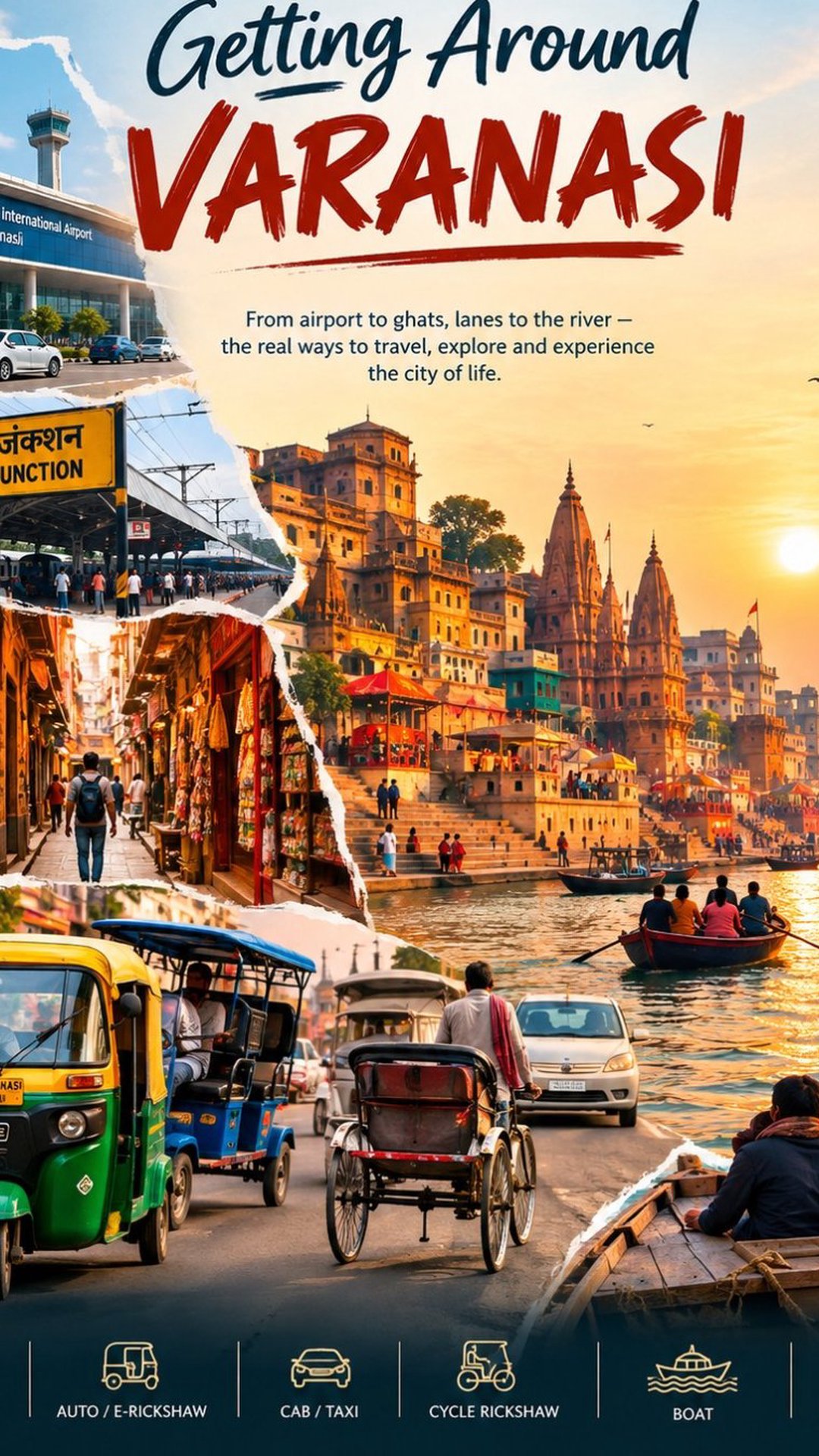
Getting Around Varanasi
How to actually move around Varanasi — airport and station transfers, auto and e-
rickshaw fares, the no-vehicle zone, and why maps fail in the lanes.
Getting around Varanasi is less about finding one perfect vehicle and more about knowing which transport works for which part of the city. When we organize your trip, we'll plan your movement in layers: airport or railway-station transfer by cab or auto, local journeys by e-rickshaw or auto, and the old city largely on foot. The moment you enter the historic lanes, Varanasi stops behaving like an ordinary city—and that's where knowing the system saves you time, money and frustration.
Your journey may begin at Lal Bahadur Shastri International Airport in Babatpur, around 25 km from the central ghats, so we'll normally arrange a pre-booked cab, particularly if you're carrying luggage or arriving late. From the railway side, we'll check your ticket carefully because Varanasi Junction, Banaras, Kashi and Varanasi City are different stations. We'll arrange your pickup according to the exact station rather than simply writing “Varanasi railway station” on your itinerary.
For shorter journeys, auto-rickshaws and e-rickshaws become the practical workhorses. We'll use them for neighbourhood transfers, markets, station connections and places that are accessible by road. Fares can vary with distance, traffic, time and whether the ride is shared or private, so our simple rule is: destination first, total fare second, confirmation before getting in. For important transfers, pre-arranging the vehicle removes unnecessary bargaining when you're carrying luggage.
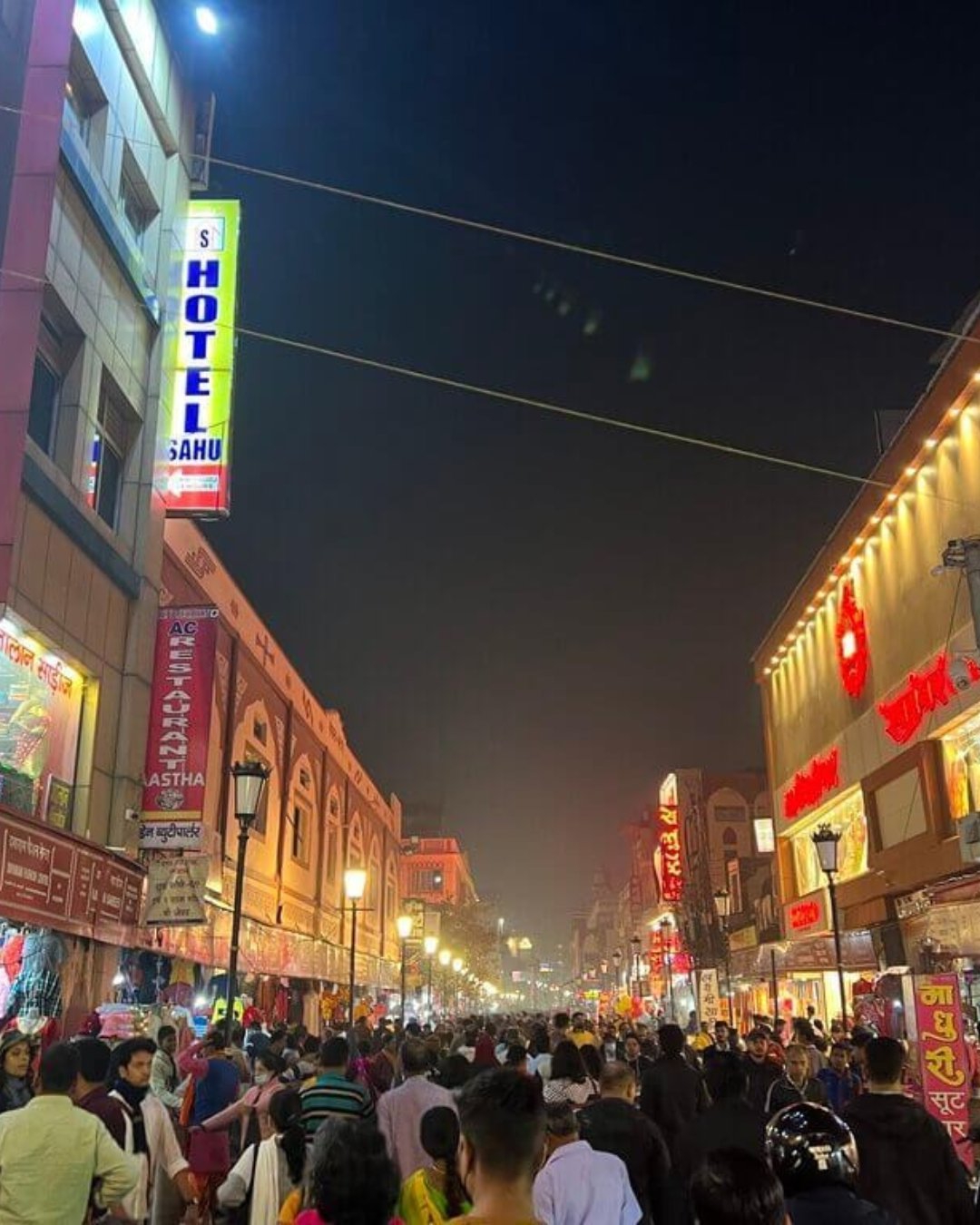
Then comes the part many first-time visitors don't expect: the road eventually ends. Around Godowlia, Vishwanath Gali, Dashashwamedh and other old-city areas, vehicles cannot simply drive to every hotel, temple or ghat entrance. We'll get you as close as practical and then walk the final stretch. In Varanasi, walking isn't a transport failure—it's part of the experience.
And don't completely trust your map. GPS can tell you where a building is without telling you how to reach its entrance. A hotel may have a perfectly correct digital address but sit inside a maze of narrow lanes where a car cannot enter. That's why we'll use landmarks, recognised drop-off points and walking directions alongside the map.
We'll also build extra time into journeys during major festivals, religious events, peak hours and heavy traffic, when roads around the ghats can become dramatically slower. The result is a simple Varanasi transport rhythm: cab for distance, auto/e-rickshaw for local movement, walking for the old city, and boat for experiencing the city from the Ganga.
The goal isn't to spend your trip figuring out transportation. We'll arrange the movement so you can spend your time experiencing Varanasi.
Route
Home
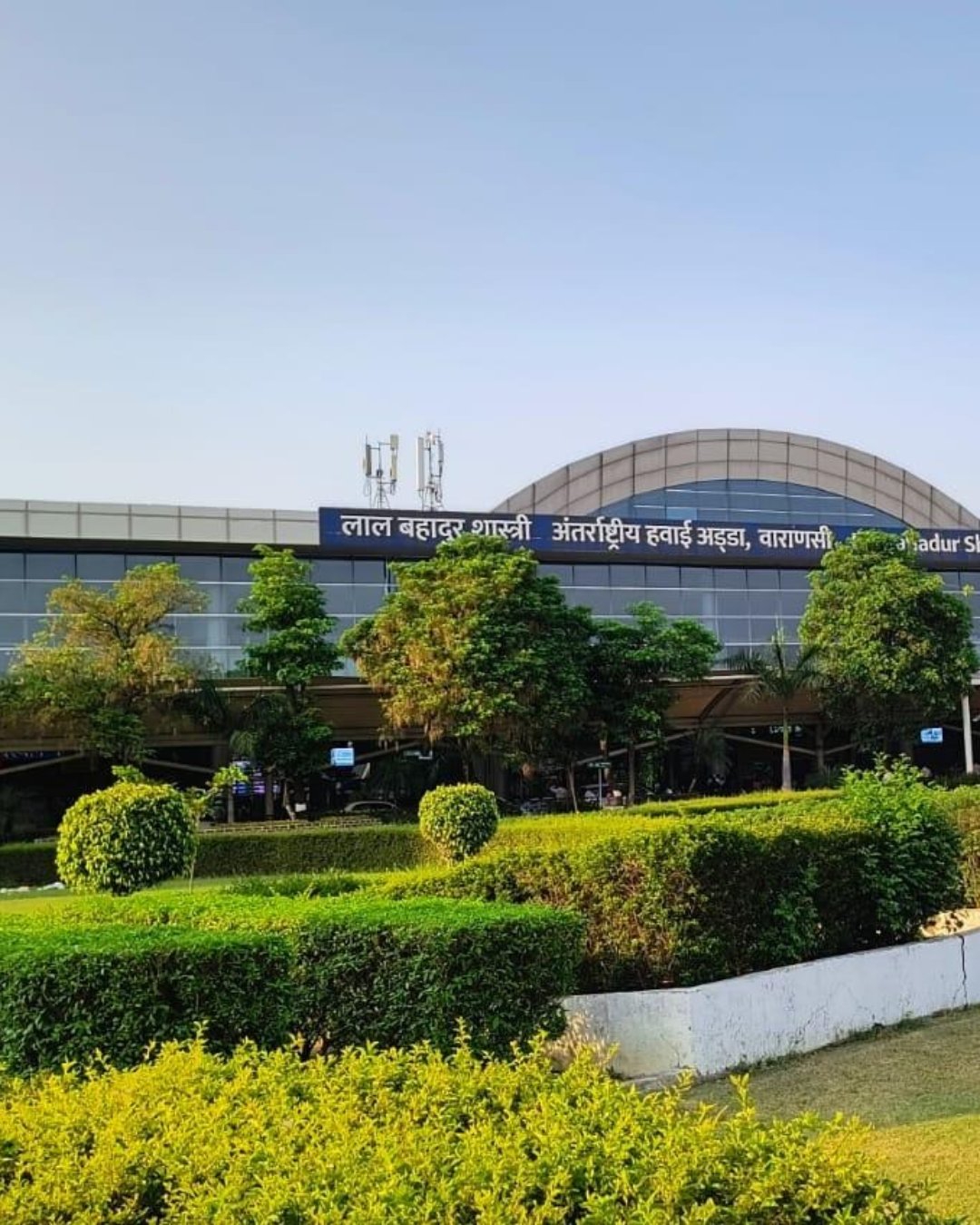
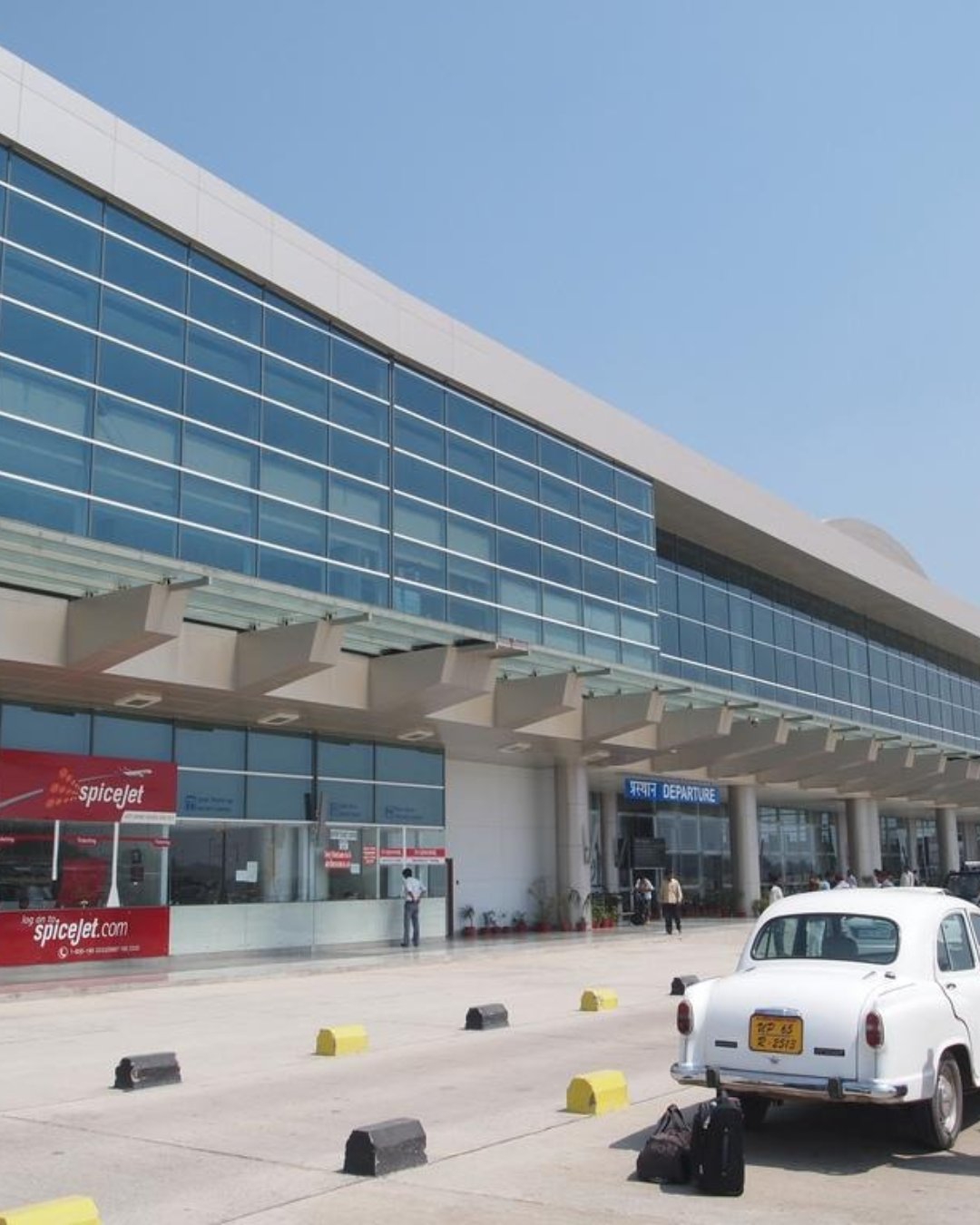
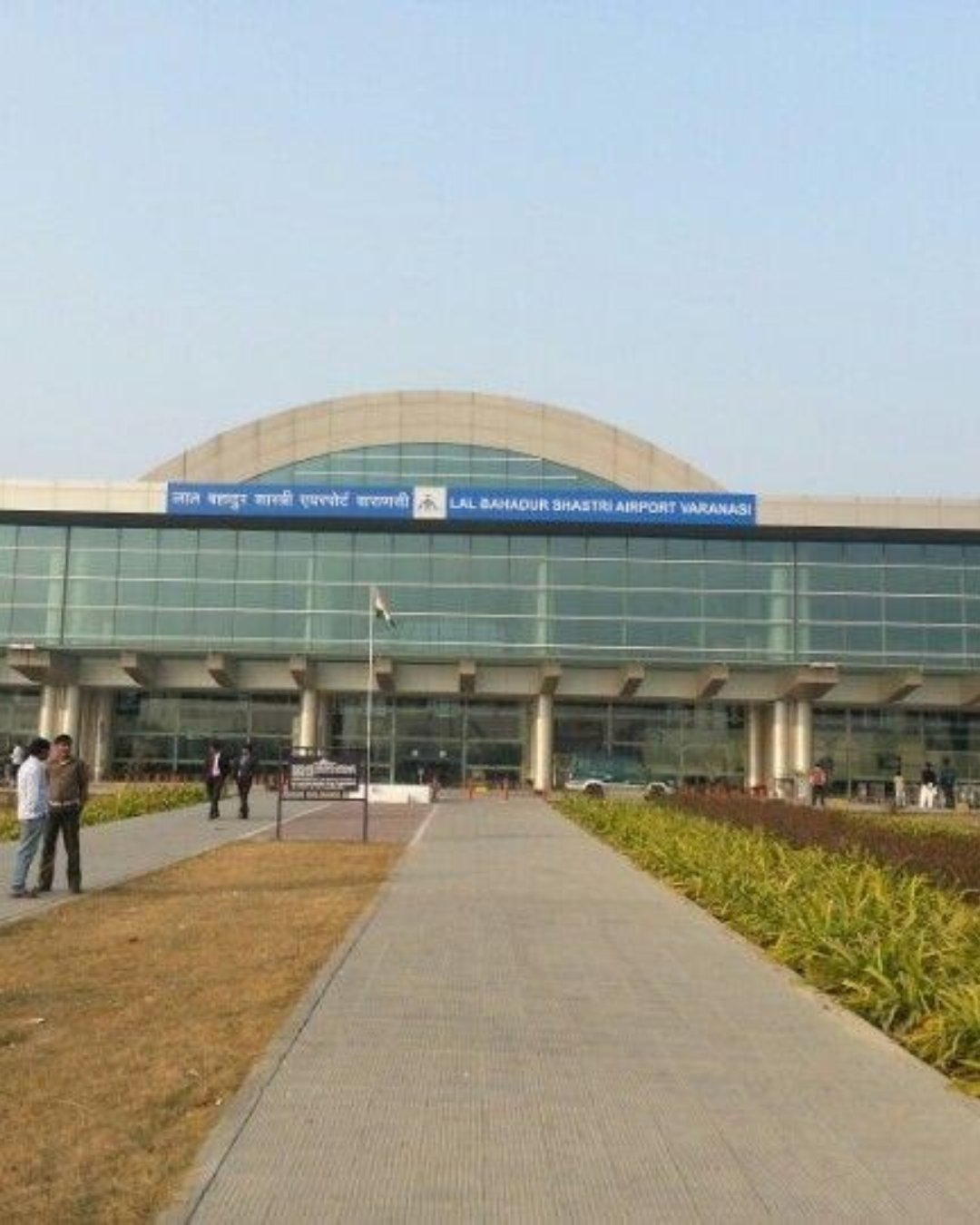
MomentLal Bahadur Shastri International Airport, Varanasi
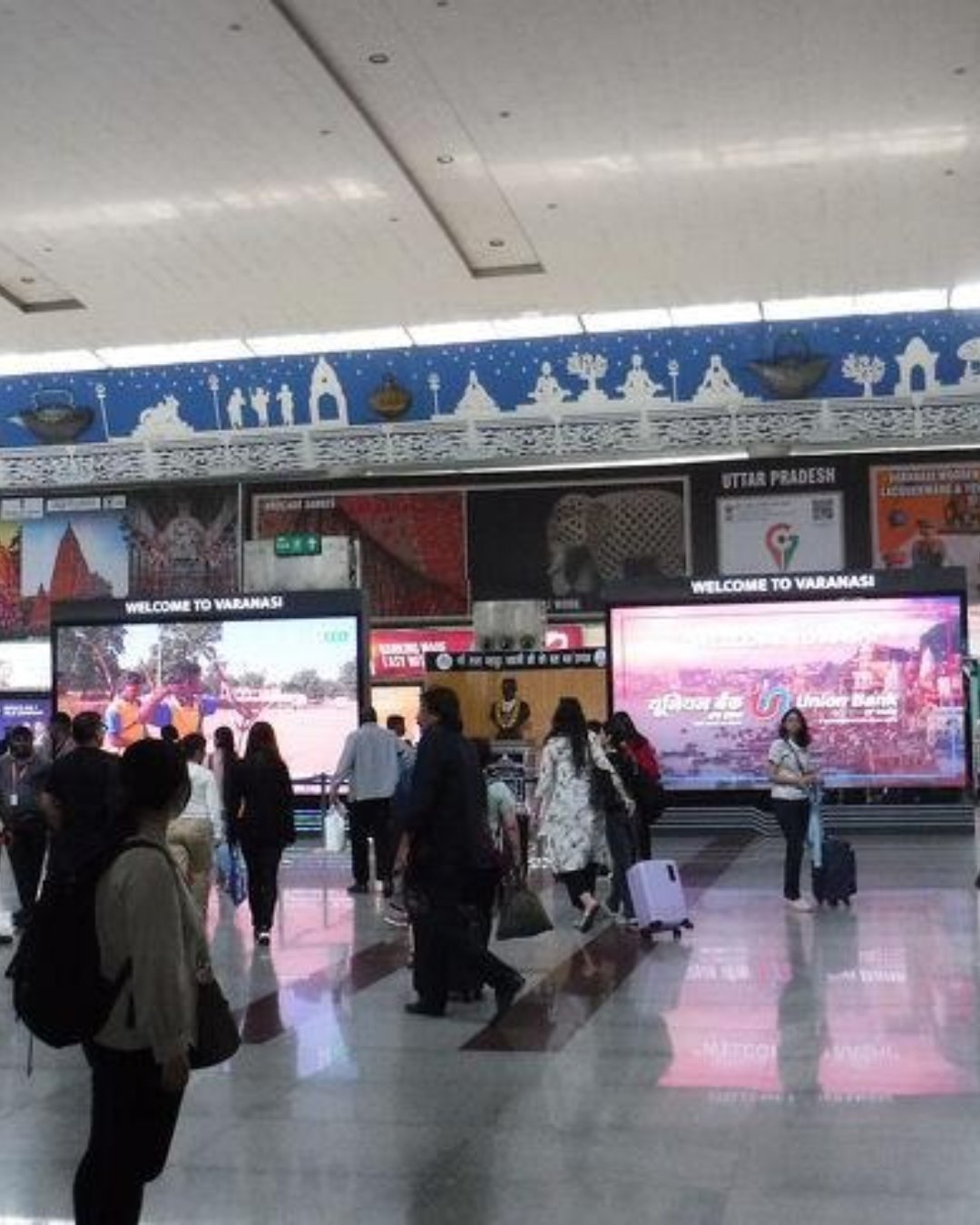
The Airport Is Twenty-Five Kilometres From Anything You Came For
The first hour in Varanasi is a drive, and almost nobody plans for it.
●Lal Bahadur Shastri International Airport sits at Babatpur, roughly 25 km northwest of the city and about 22 to 24 km from the Cantt area. Budget 45 to 60 minutes in normal traffic, and more in the evening.
●A prepaid or app-booked cab to the Cantt and station area typically runs in the ₹620 to ₹850 band for a sedan, with the Banaras station side a little further and a little more. Treat these as indicative and confirm at the counter — fares move with fuel, season and time of day.
●App cabs work at the airport and are usually the calmer option because the price is fixed before you get in. The prepaid counter is the reliable fallback when signal or driver availability is poor.
●If your hotel is in the old city, the cab cannot take you to the door. That is not the driver being difficult.
Pro tip: Ask your hotel, at the time of booking, for the exact drop point a car can reach and how far the walk is from there. Every well-run old-city guesthouse has this answer ready, and the ones that do not are telling you something.
The mistakes that ruin it:
●Assuming a 25 km transfer will take 25 minutes is unrealistic; it rarely takes less than 45 minutes.
●Landing at night with no pre-arranged pickup and an old-city address.
●Booking a tight onward train from the airport without a real buffer.
43
MomentVaranasi railway station, Varanasi
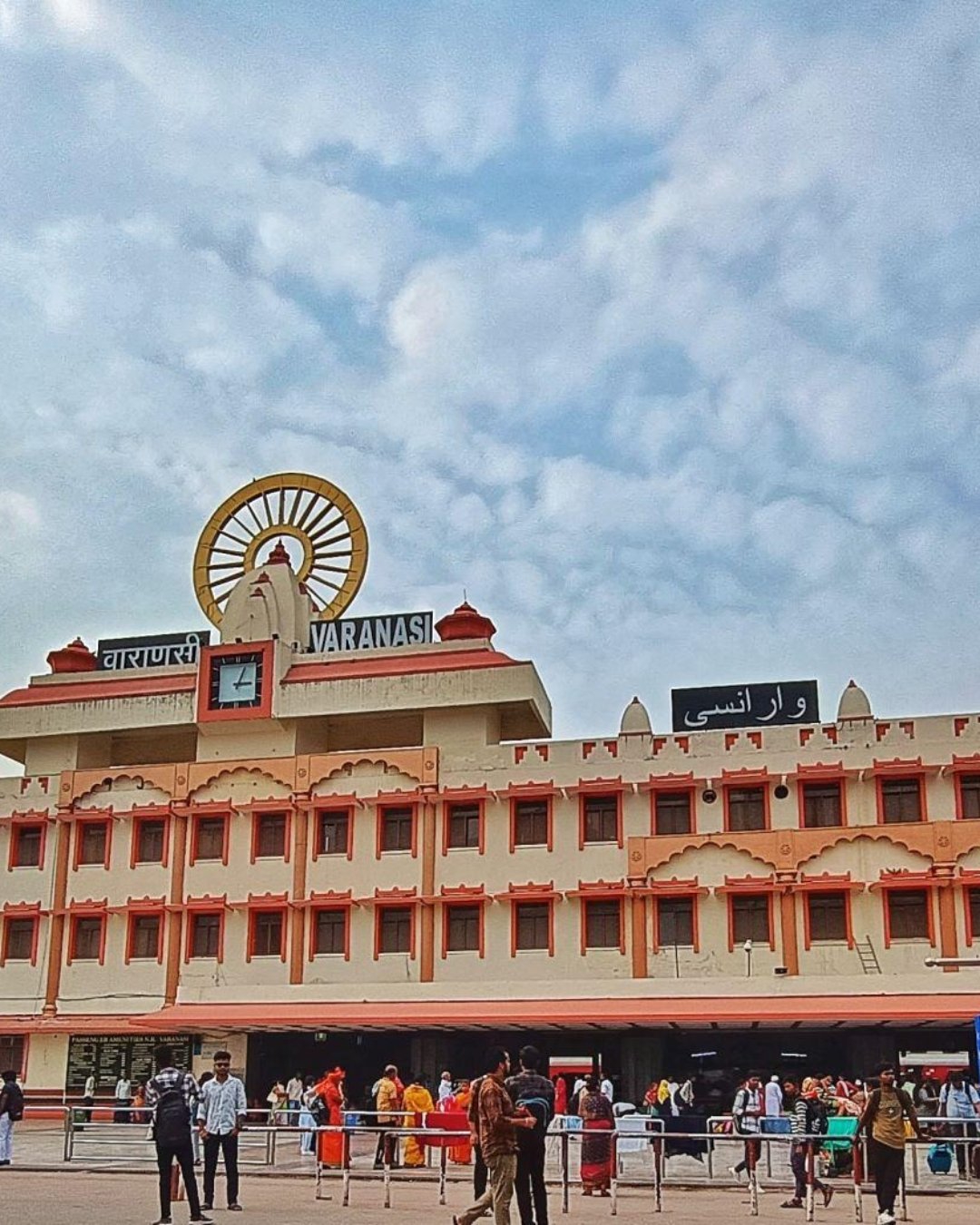
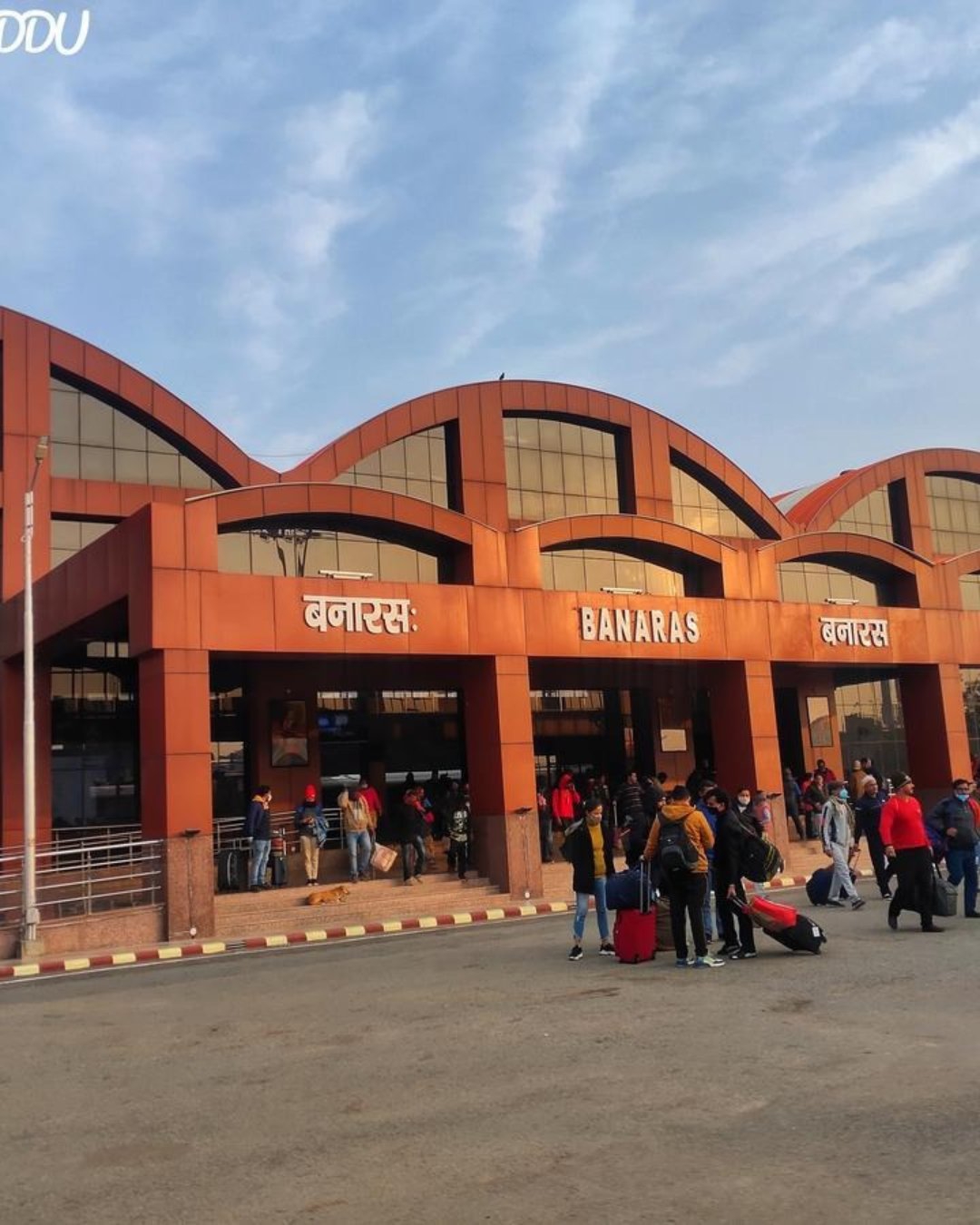
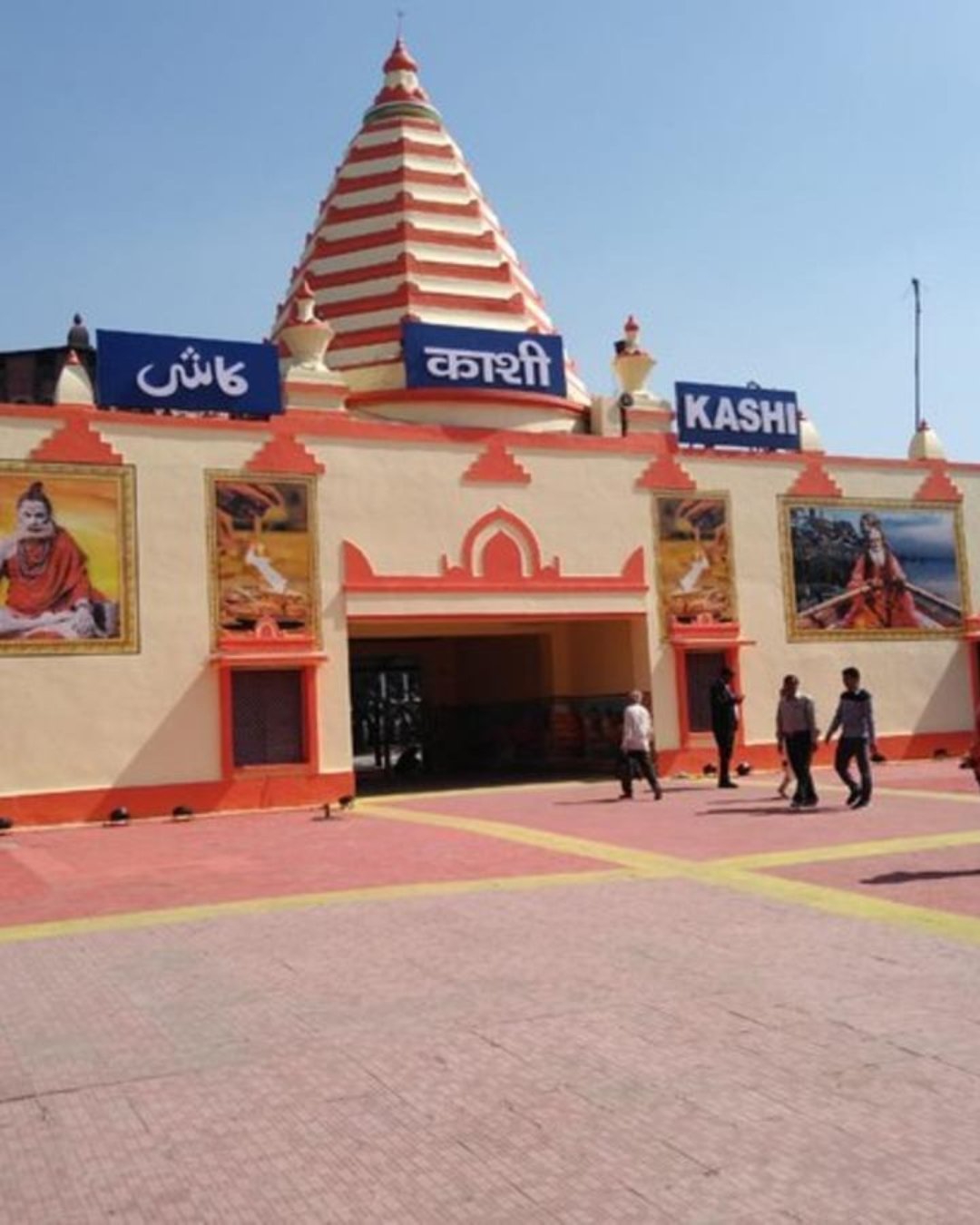
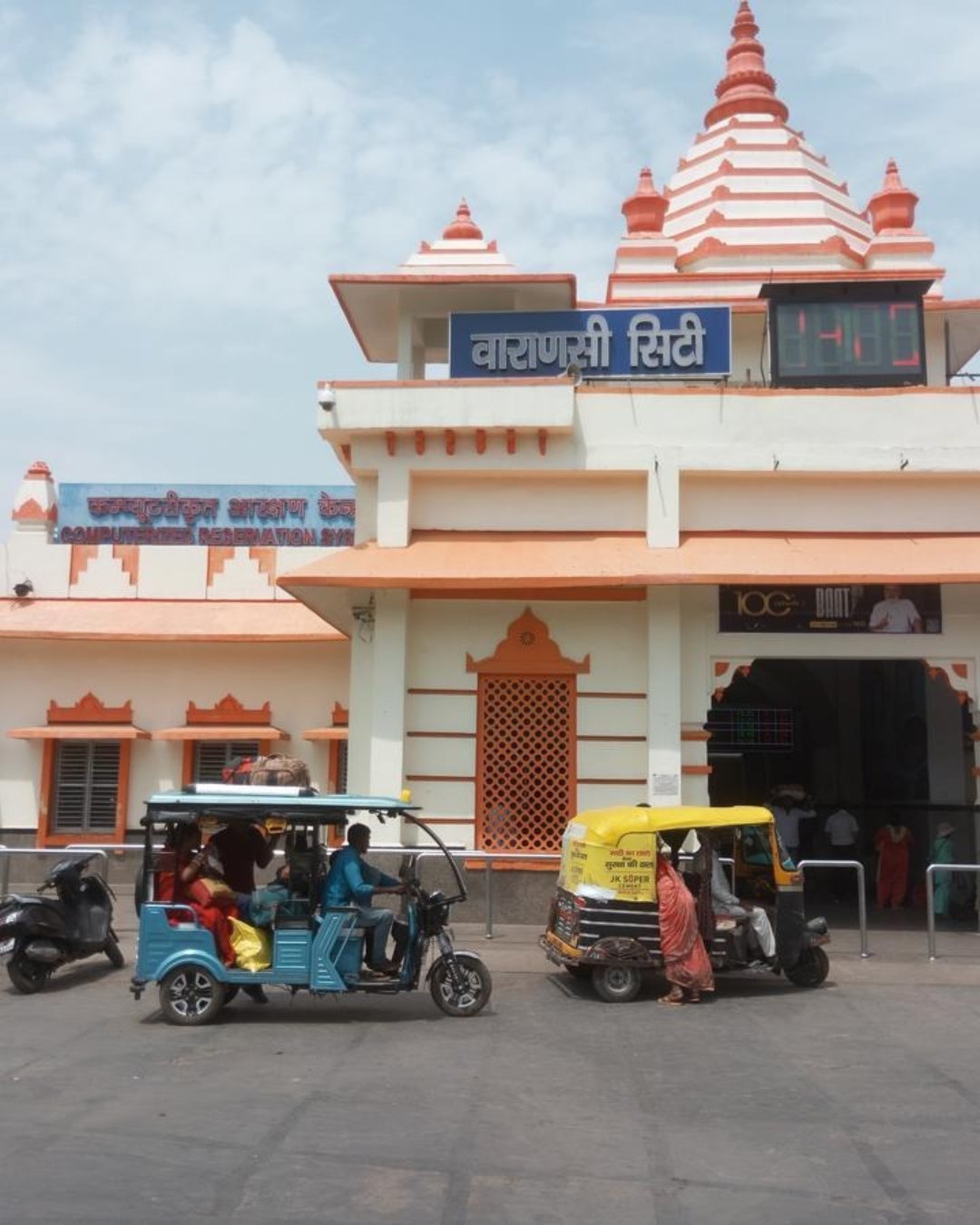
Four Stations, Almost the Same Name
More visitors arrive at the wrong Varanasi station than at the wrong airport in most of India.
●Varanasi Junction, almost always called Cantt, is the main station and the one most long-distance trains use. It is the closest of the four to the city centre and has the most transport waiting outside it.
●Banaras station, which many people still call Manduadih, is the newer renamed terminus and takes a growing share of services. It is further out on the western side, and arriving there expecting Cantt costs
you an extra fare and half an hour.
●Varanasi City is a smaller station serving shorter-distance and regional services.
● Kashi station is a separate station near Rajghat.
●The names on a booking site will not warn you which is which, and two of them translate to "Varanasi" in casual conversation. Check the station code on your ticket, not the city name.
●From any of the four, the old city and ghats are a further ride — none of them puts you at the river.
Pro tip: Screenshot your ticket's station code before you travel and show it to the driver rather than saying the name. "BSB", "BSBS", "BCY" and "KEI" are unambiguous in a way that "Varanasi station" is not.
The mistakes that ruin it:
●Telling a driver "Varanasi station" and being taken to whichever one is nearest.
●Booking a return train from a different station than the one you arrived at without noticing.
●Assuming the newest station is the most central. It is not.
40
MomentVishwanath Gali, Varanasi
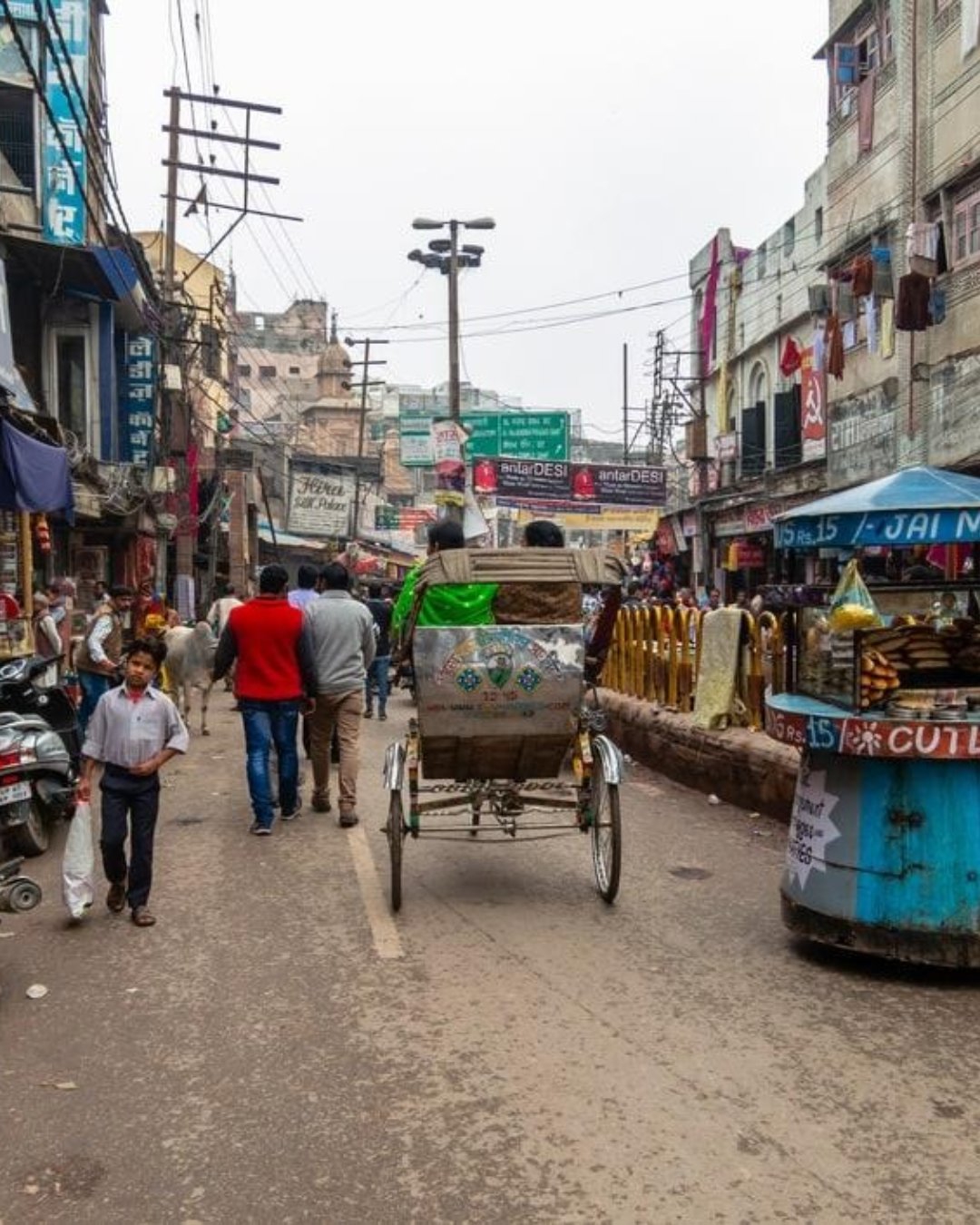
Where the Road Actually Ends
There is a line in this city that wheels do not cross, and nobody tells you where it is until you are standing at it.
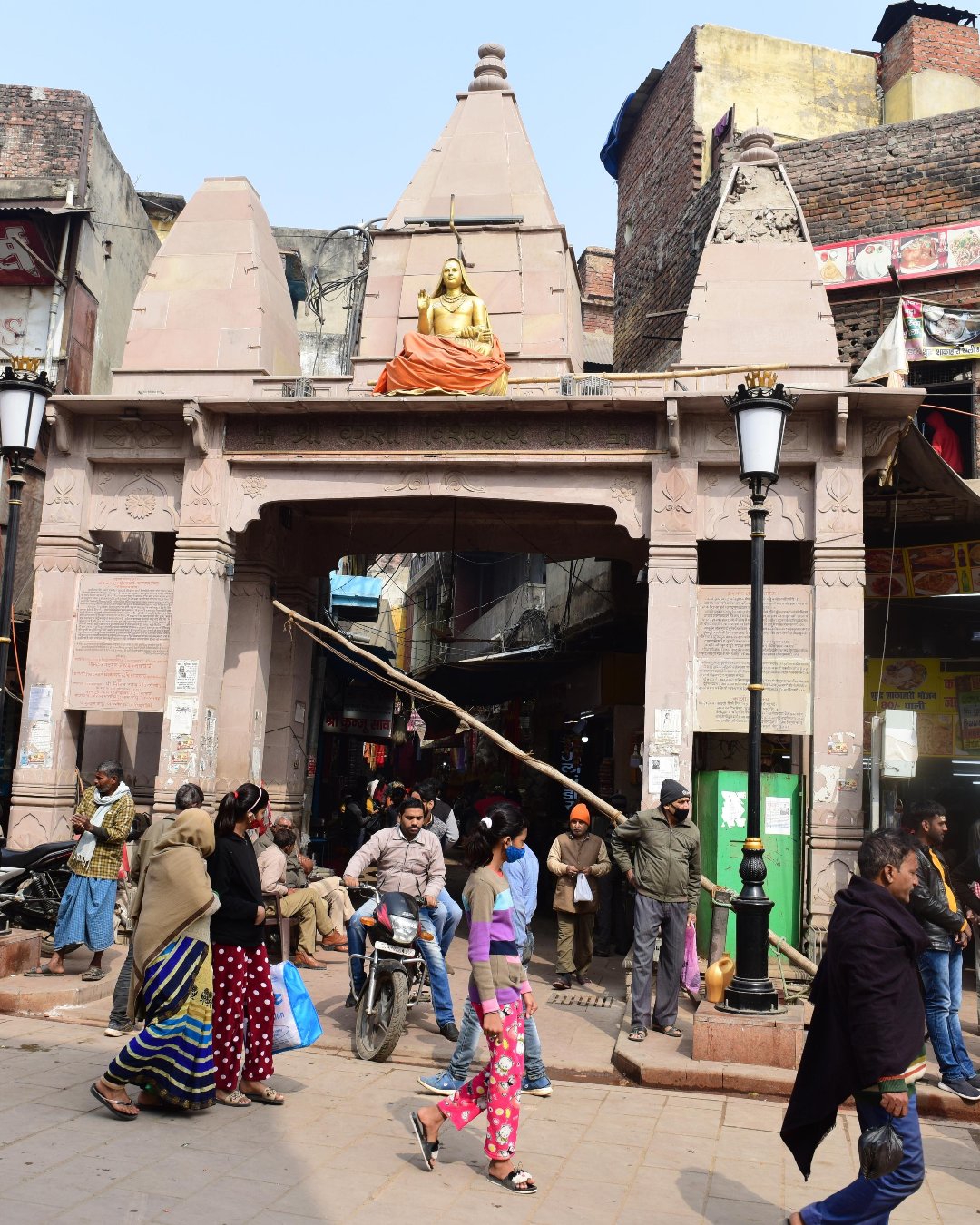
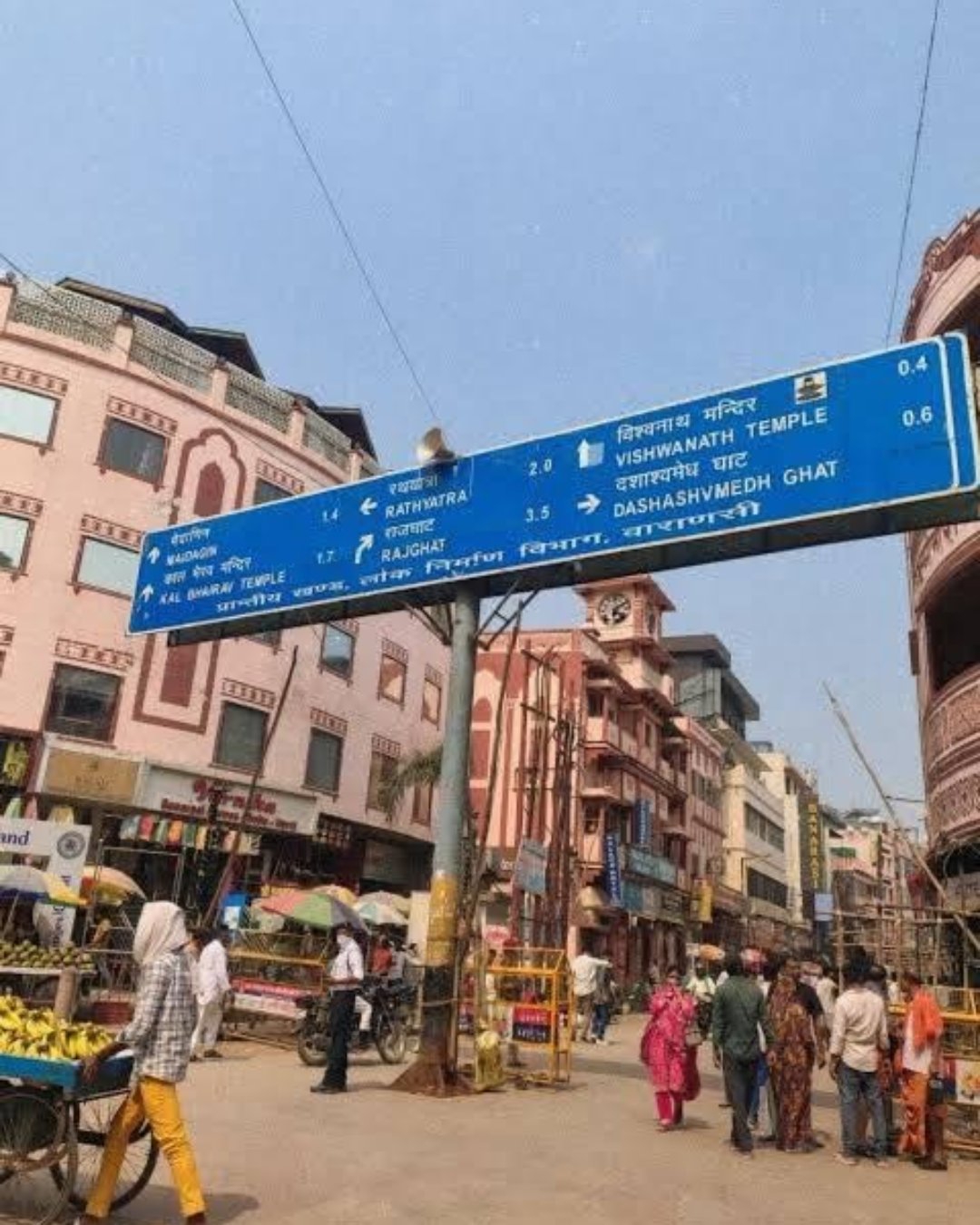
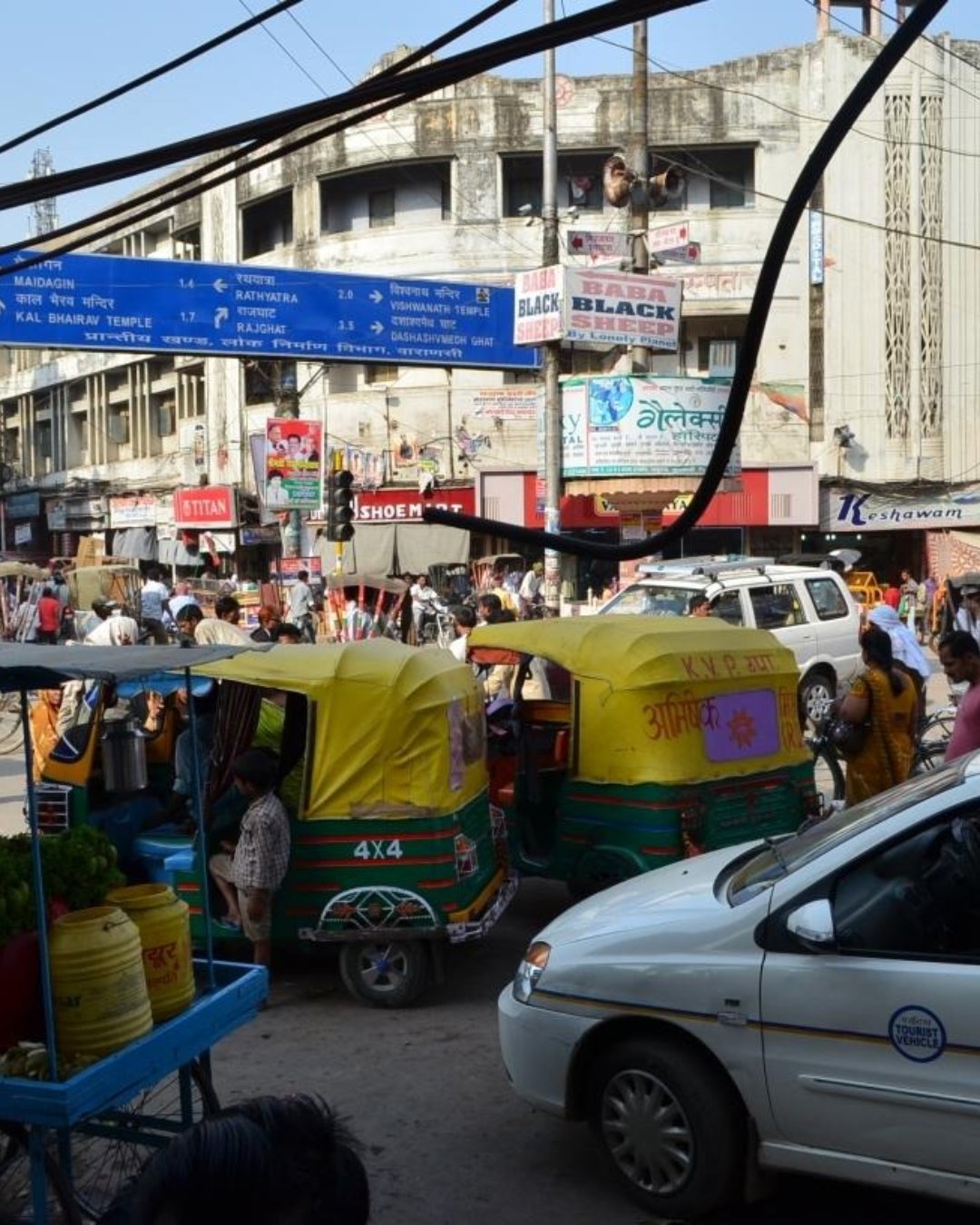
●The stretch running from Maidagin down to Godowlia is a no-vehicle zone for four-wheelers through the daytime and evening hours, and Godowlia itself is where motorised transport effectively stops for anyone heading to the ghats.
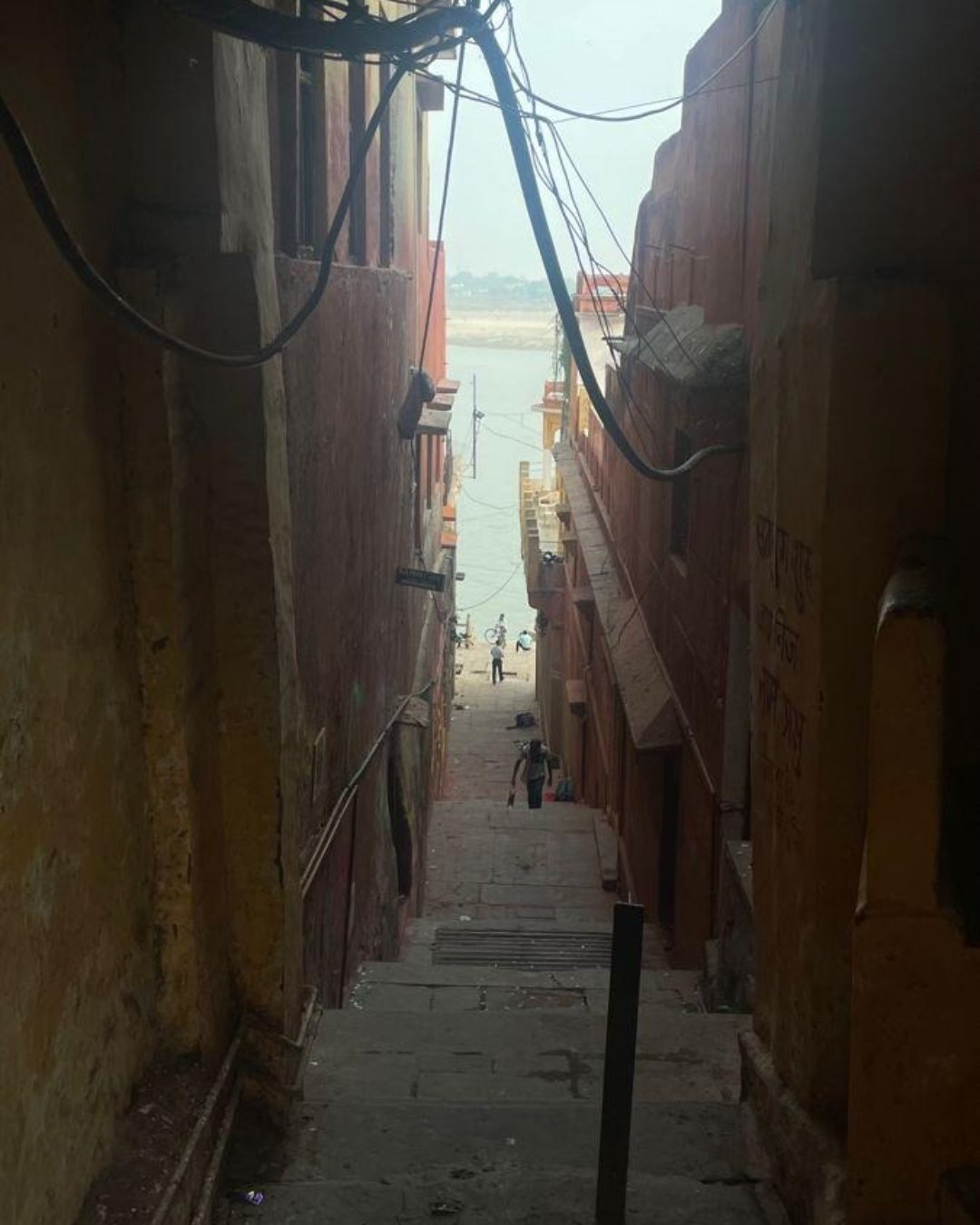
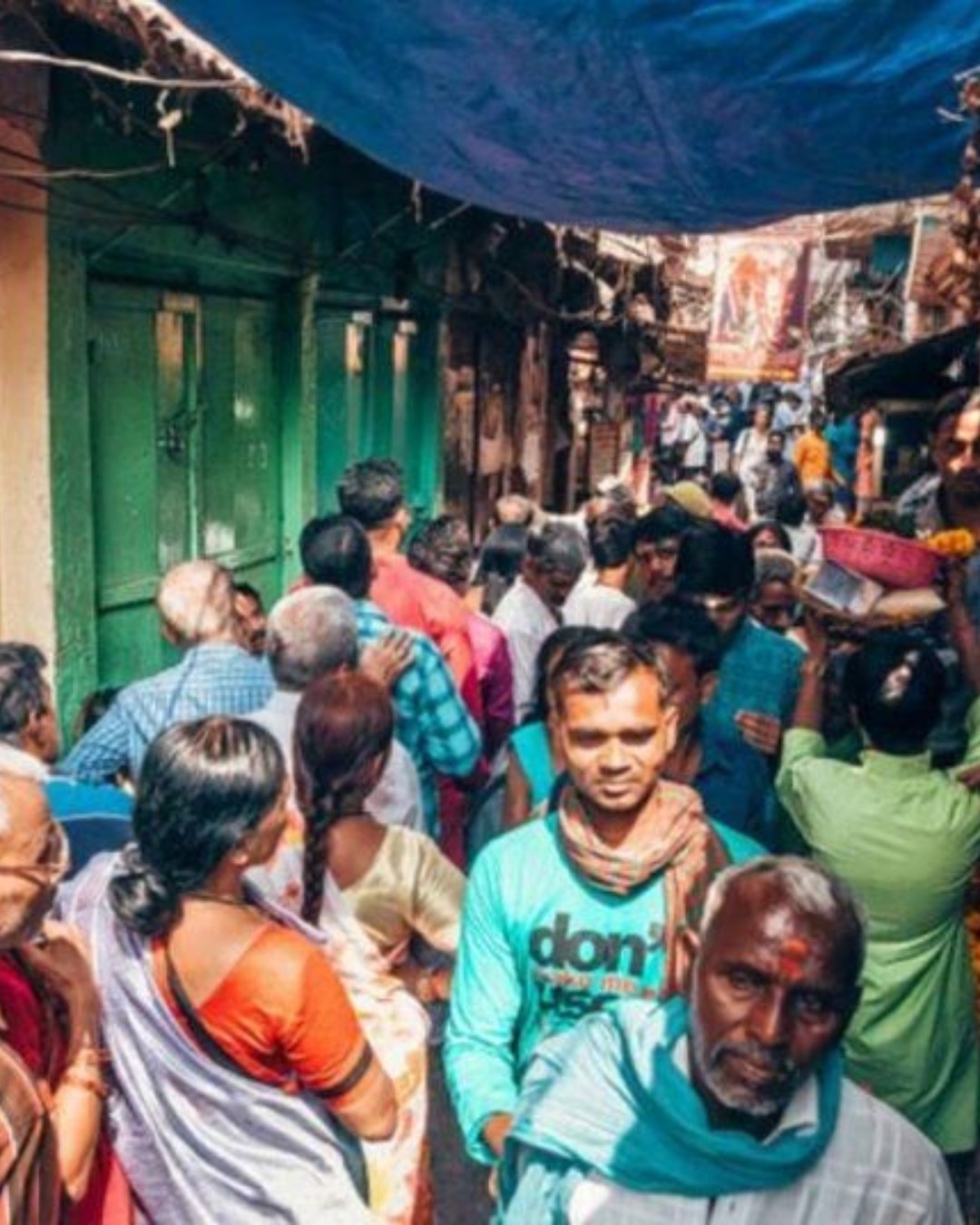
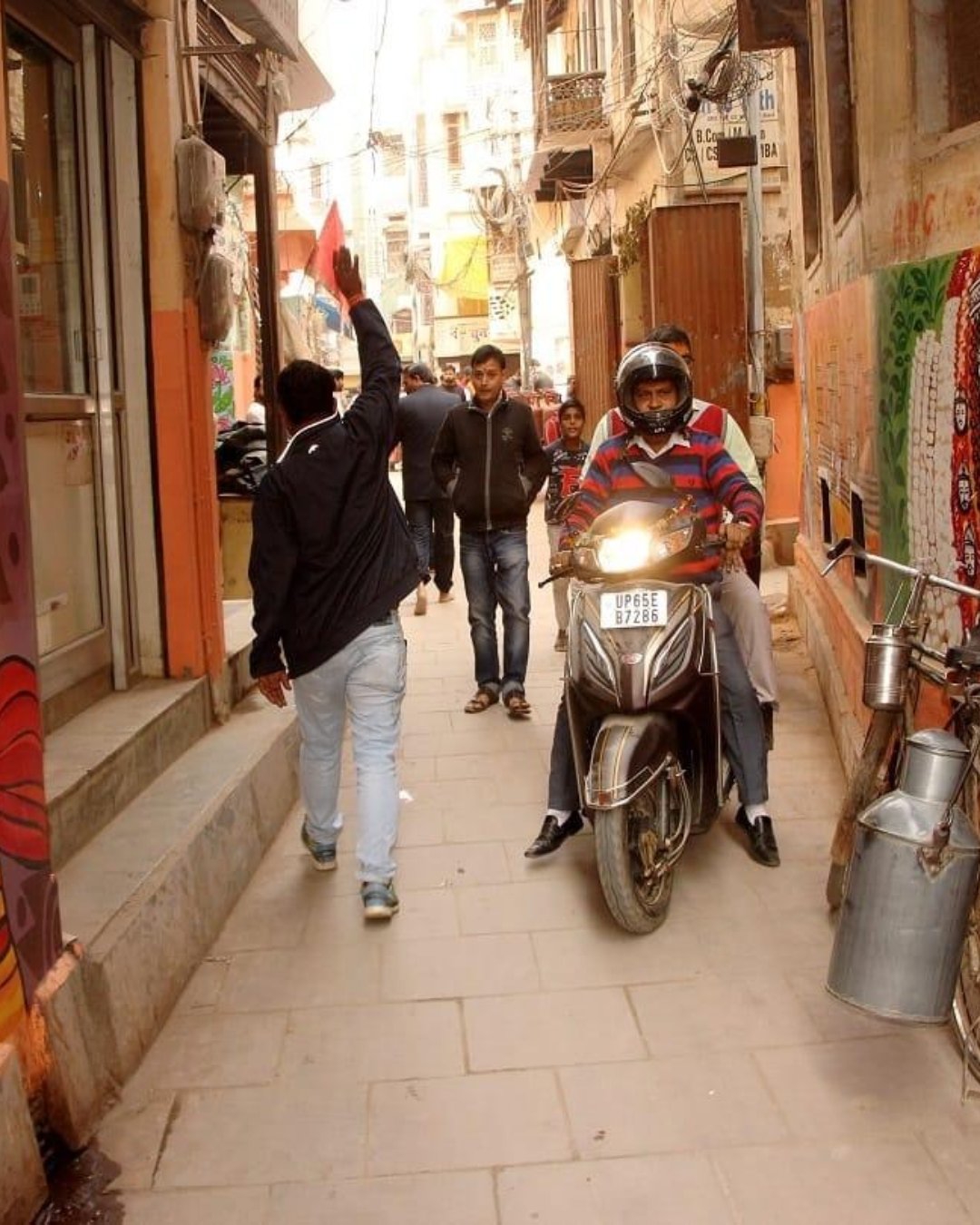
●Beyond that point the old city is lanes — the galis — and they are too narrow for cars, often too narrow for an e-rickshaw, and sometimes barely wide enough for two people and a cow to pass.
●So every arrival at an old-city hotel ends the same way: a vehicle drops you at a junction, and you walk the last stretch. That walk can be two minutes or fifteen, over uneven stone, sometimes down steps.
●This is the single biggest gap between what visitors expect and what happens, and it is where most first-day frustration in Varanasi comes from.
●It also means luggage matters more here than in most Indian cities. A hard four-wheel suitcase on wet gali stone is a genuinely bad time.
●The upside is real: the reason the lanes are quiet, walkable and intact is precisely because the cars cannot get in.
Pro tip: Travel with a bag you can carry, not one you can only wheel. If you are coming with heavy luggage, arrange a porter through the hotel in advance rather than negotiating one at the junction with your bags on the ground.
The mistakes that ruin it:
●Booking a car to an old-city address and expecting door service.
●Arriving in the evening with heavy bags and no idea where the drop point is.
●Arguing with the driver at the barrier. He is not refusing; he is not permitted.
20
MomentVishwanath Gali, Varanasi
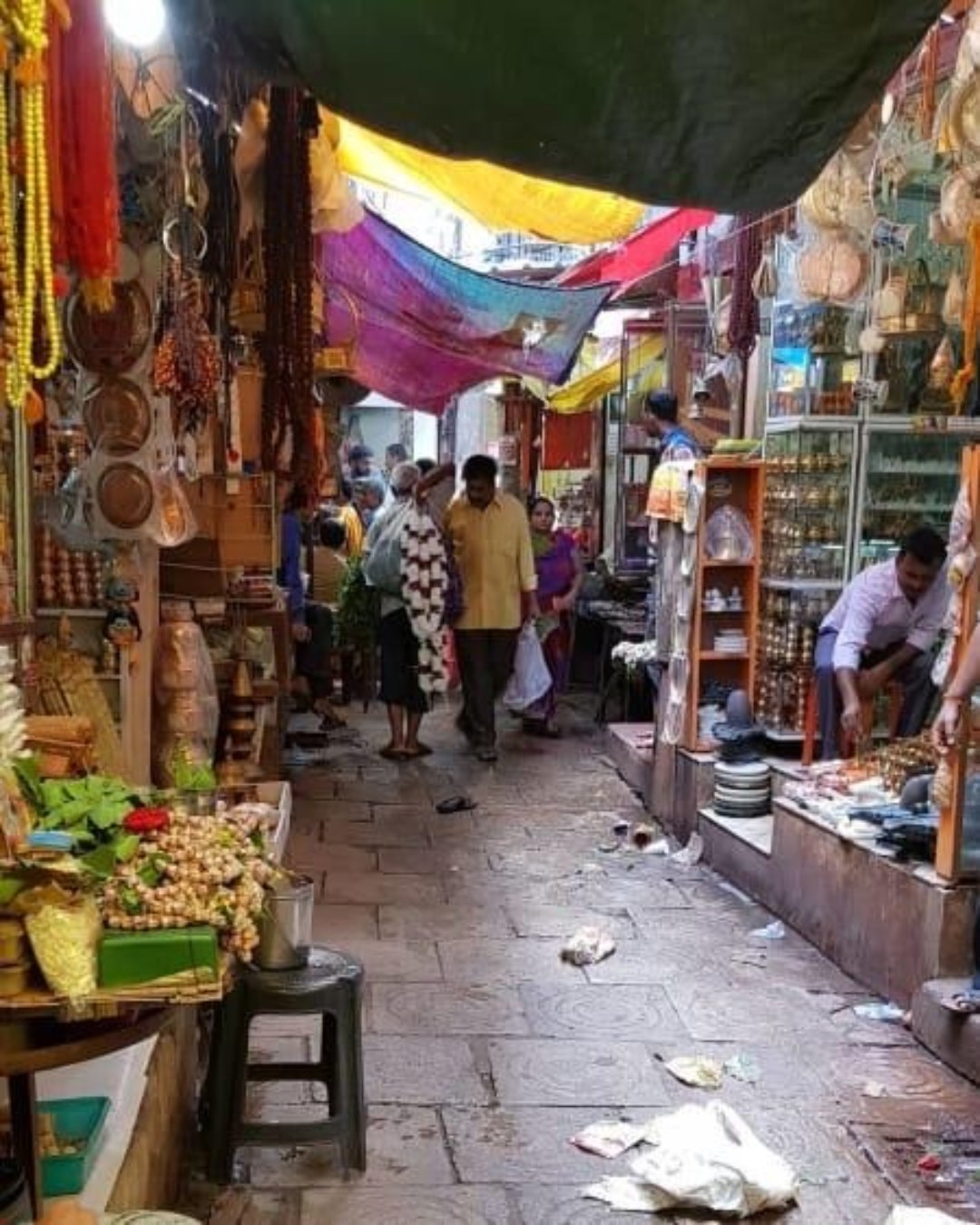
The Address Will Not Help You
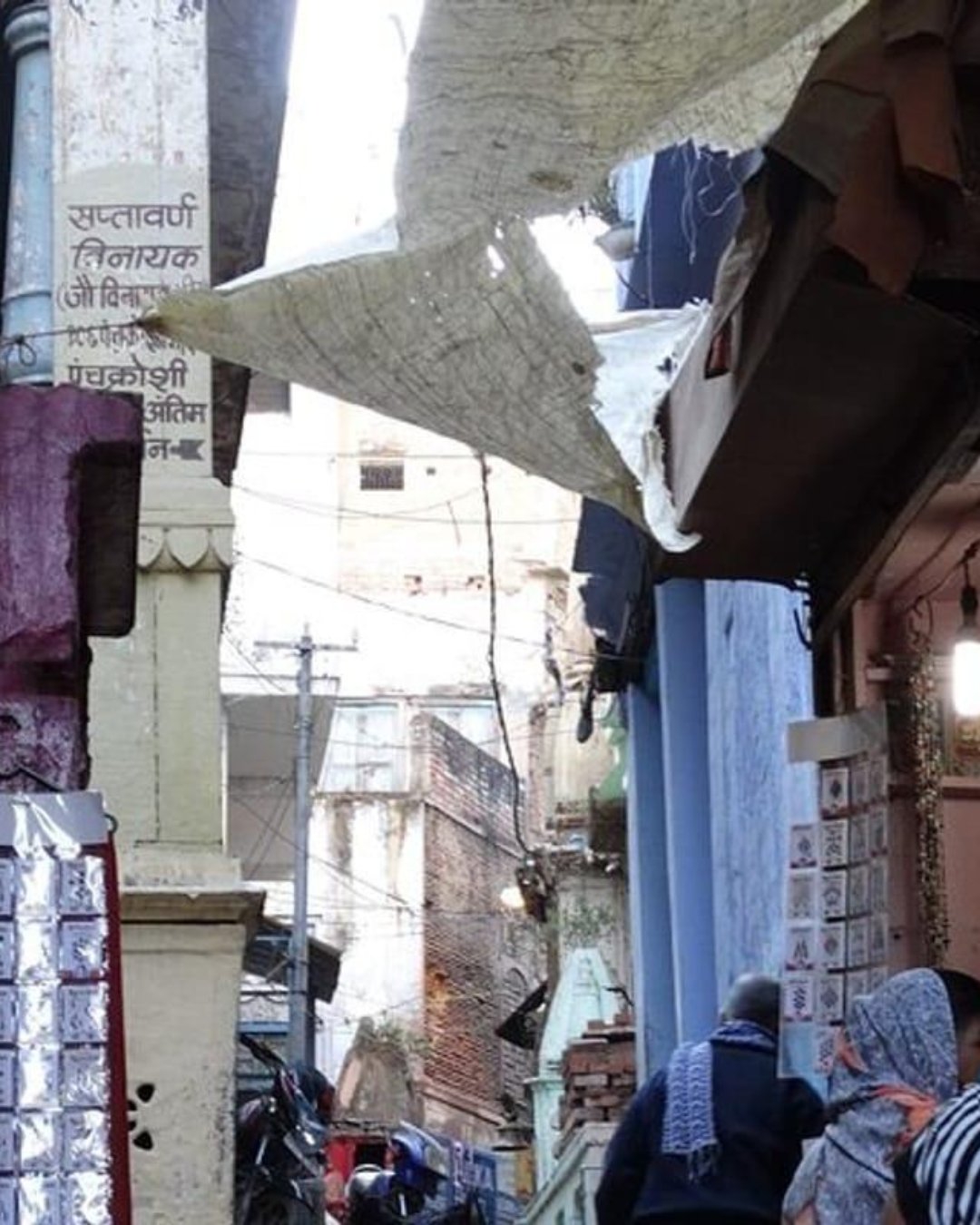
A Varanasi address looks like a serial number because, functionally, that is what it is.
●Old-city addresses commonly read as a letter, a number, a slash and another number — a plot reference rather than a street and house number. They identify a property to someone who already knows the
neighbourhood. To you, they are close to meaningless.
●Mapping apps struggle badly in the lanes. Vehicles cannot drive them, so they are poorly surveyed; the GPS bounces between tall walls; and a route that looks like fifty metres can be a wall with no door.
●Navigate by landmark instead. The Ganga runs roughly north to south along the eastern edge of the old city, so the river is always downhill and always east. If you can find the water, you can find yourself.
●Ghat names are the real coordinate system. Locals orient by ghat far more reliably than by street. "Near Meer Ghat" gets a useful answer; a plot number rarely does.
●Asking works better than searching. Shopkeepers standing in the same doorway every day are the best navigation resource in the city, and they are used to the question.
●Getting lost in the galis is not a failure state. Most people's best hour in Varanasi is an accident.
Pro tip: Ask your hotel for their nearest ghat and a photograph of their doorway before you arrive. Ghat plus a picture will get you home from anywhere in the old city; the postal address will not.
The mistakes that ruin it:
●Following a mapping app blindly into a dead end after dark.
●Giving a driver a plot number instead of a ghat or a junction.
●Assuming the lane you came out of is the lane you went in by. It usually is not.
18
MomentGodowlia, Varanasi
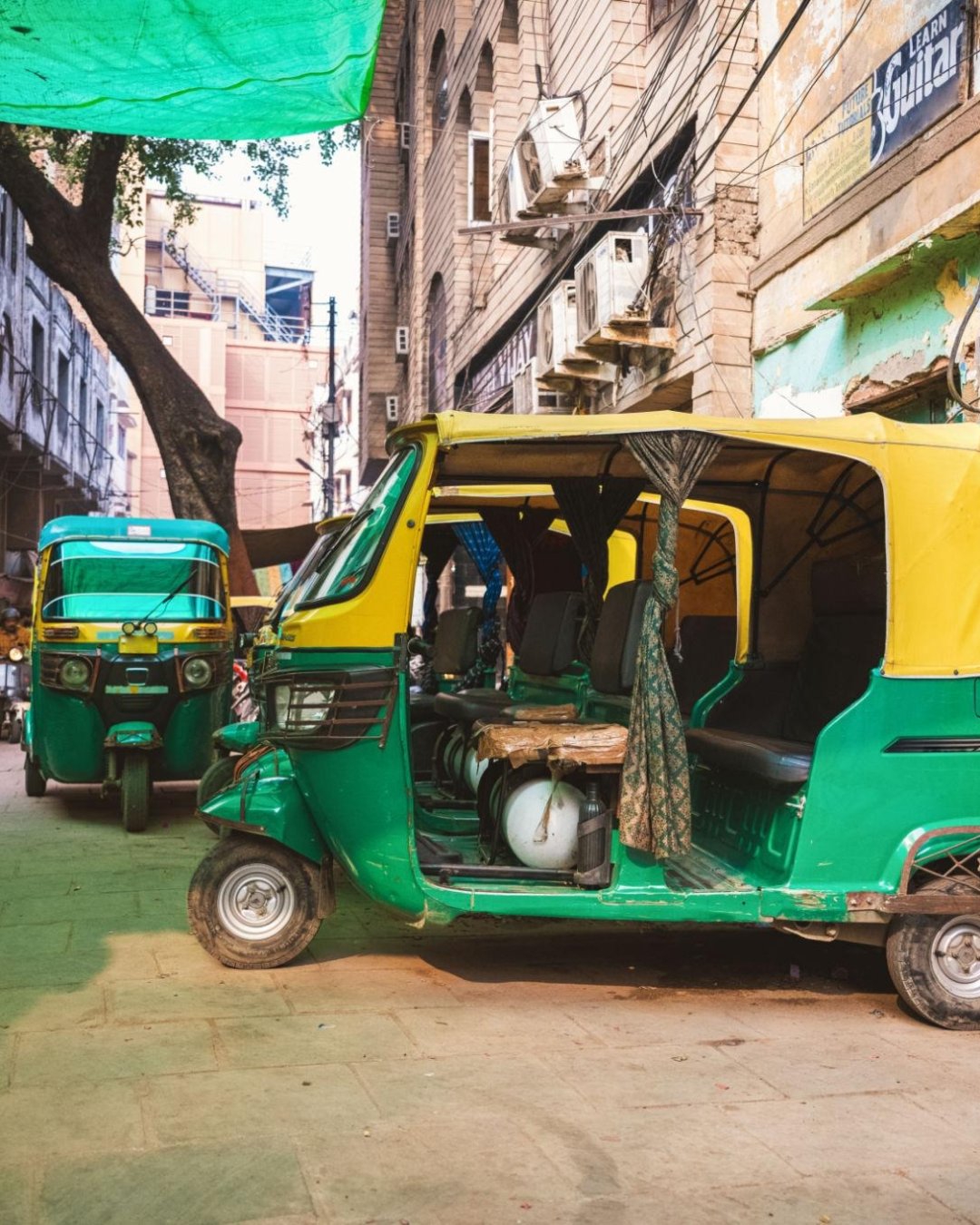
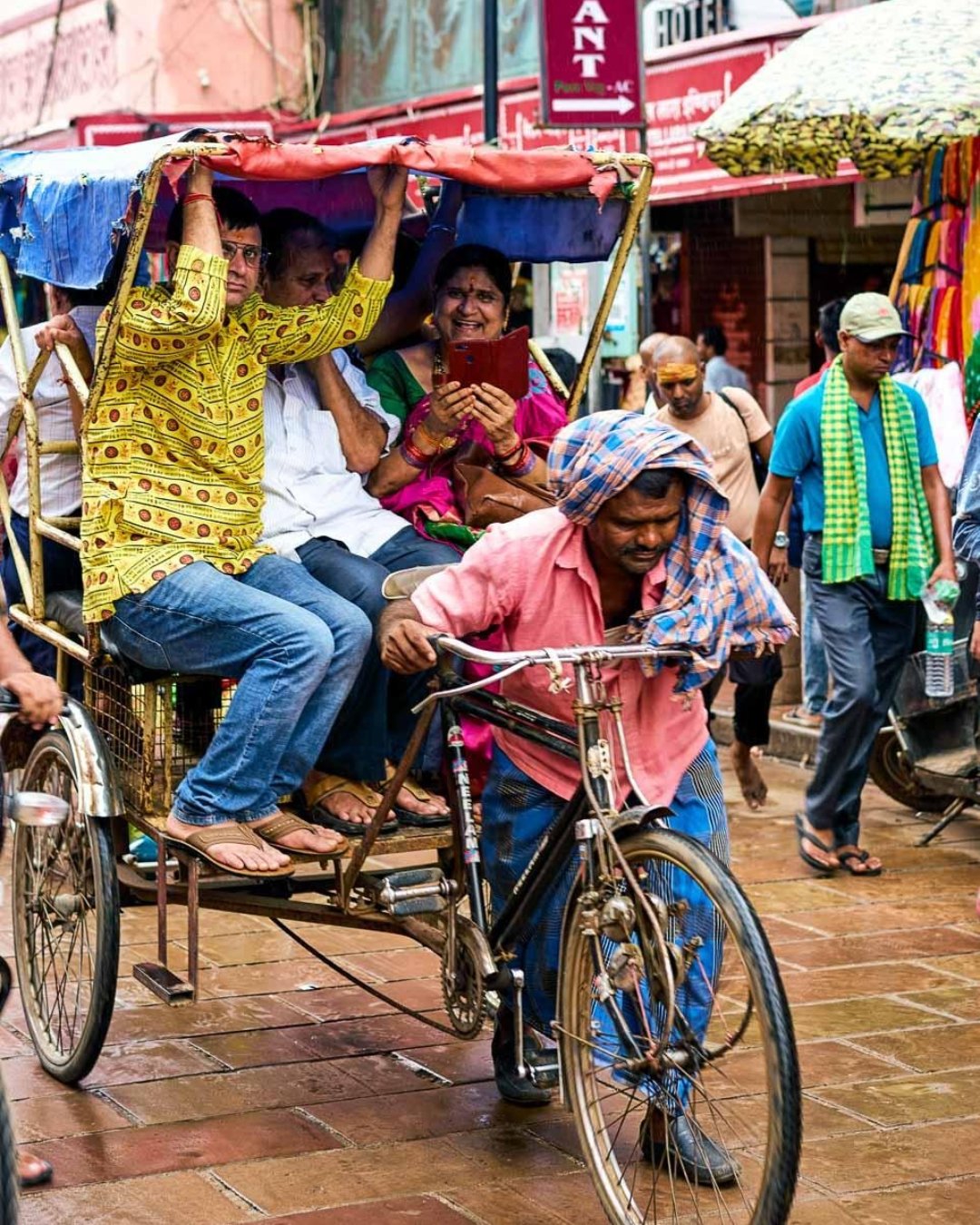
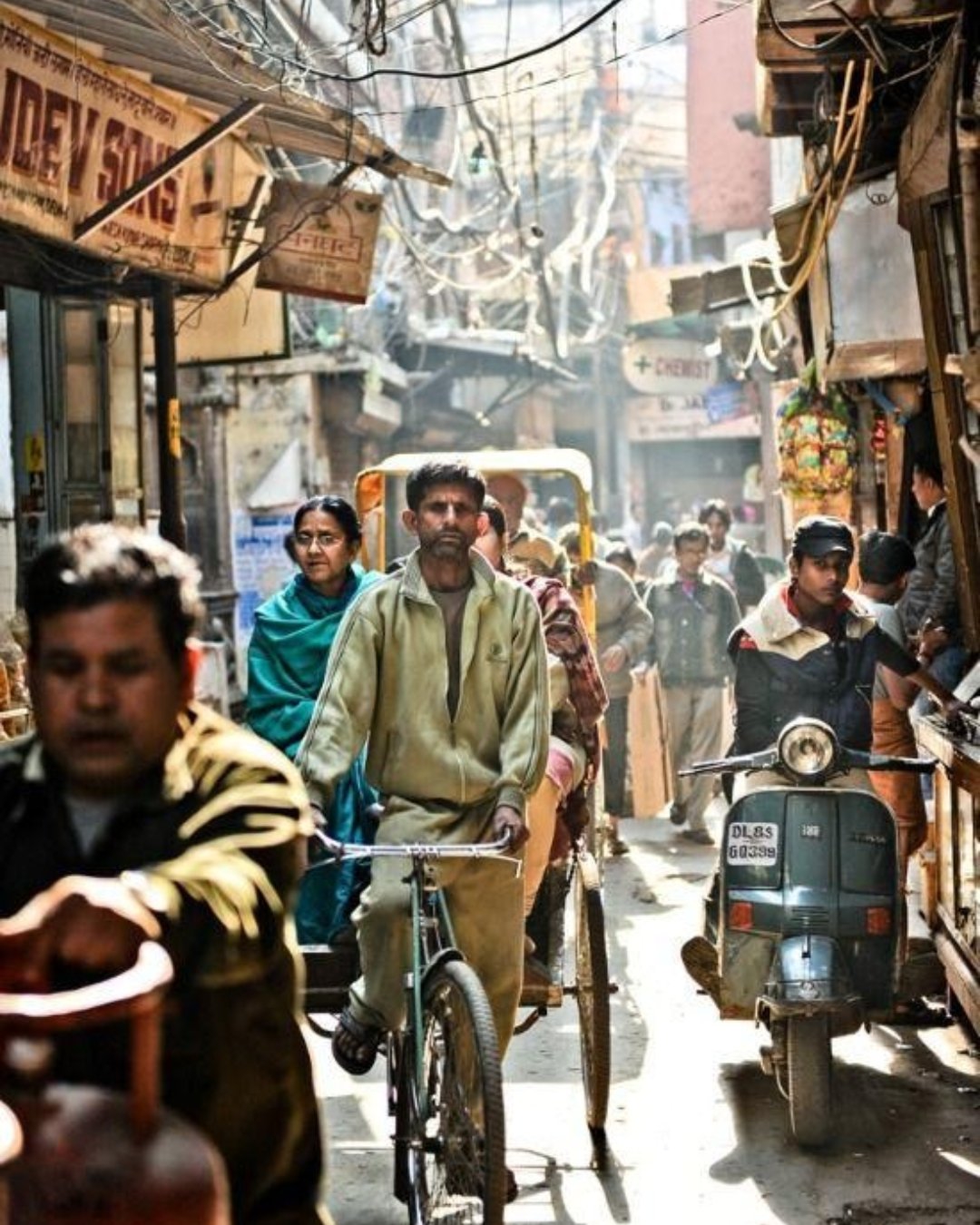
Which Vehicle for Which Journey
Varanasi has five kinds of transport and each one is wrong for most journeys.
●App cabs and private taxis are for the long, fixed runs — airport, stations, Sarnath, Ramnagar. Fixed price, air conditioning, GPS, no negotiation. They cannot reach the old city.
●Auto-rickshaws are the workhorse for medium distances across the wider city. Faster than an e-rickshaw, wider than a gali, and the default for anything two to eight kilometres.
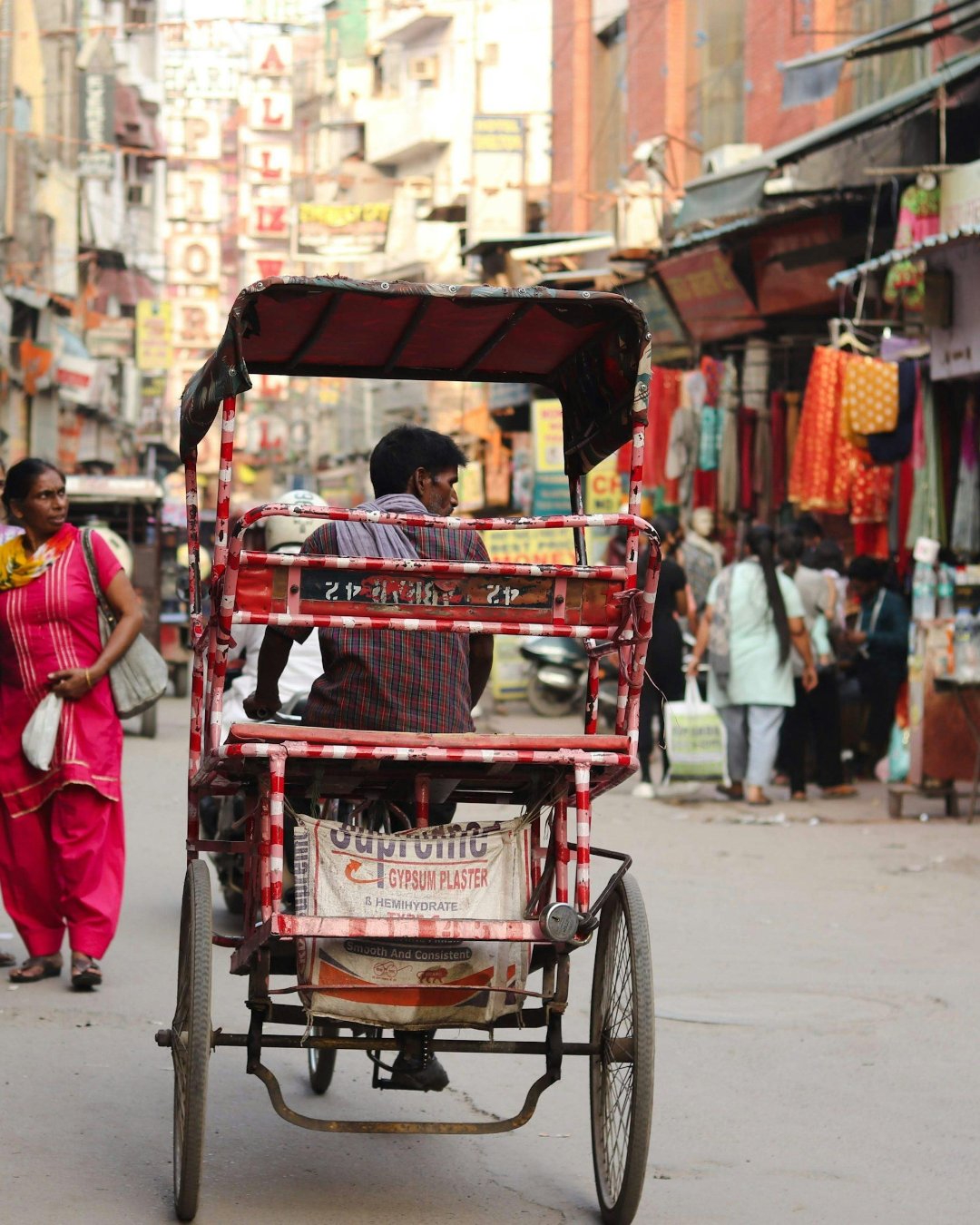
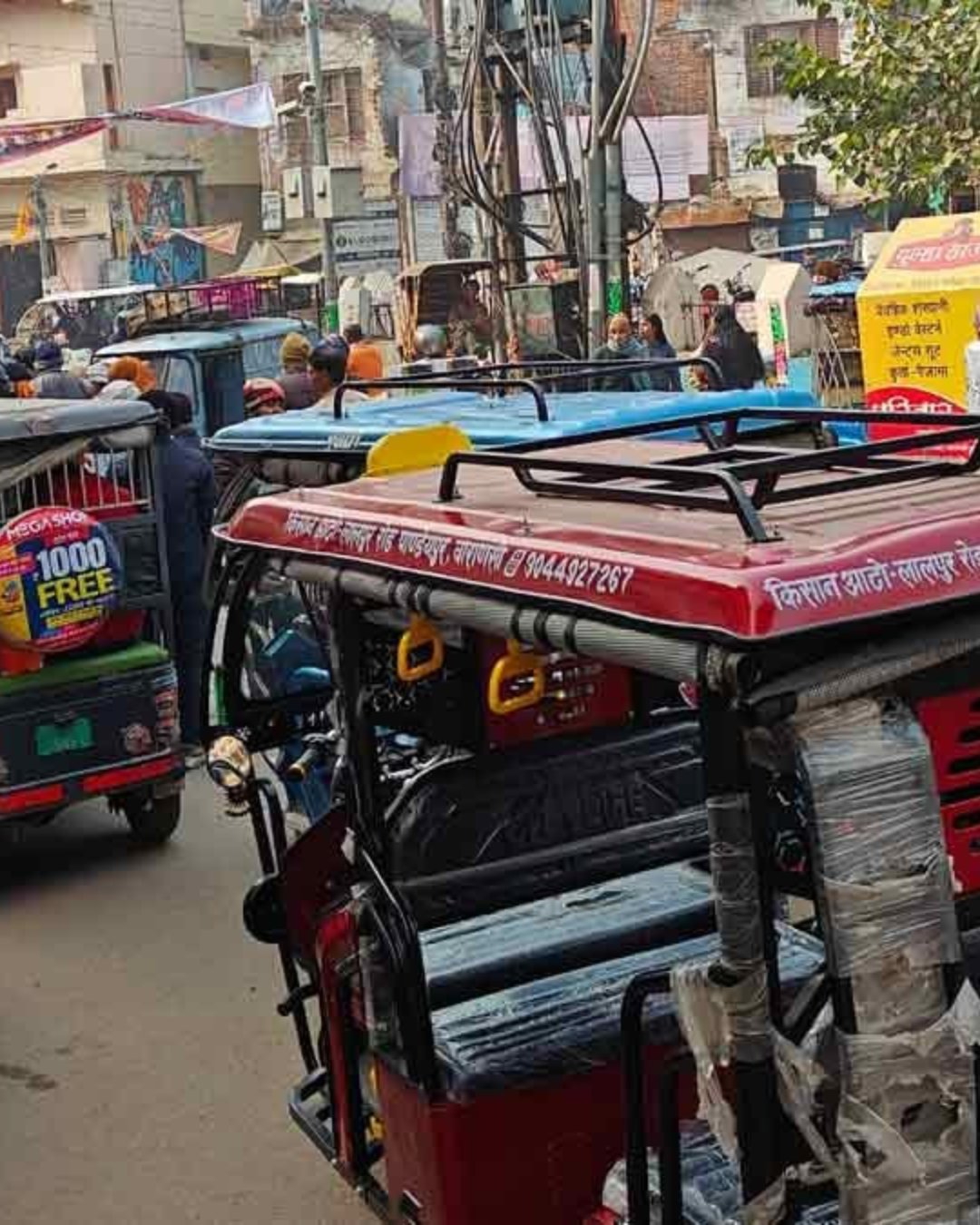
●E-rickshaws are the ones that get closest to the old city. Slower, quieter, cheaper, and narrow enough for streets an auto will not attempt. For the last leg to Godowlia or Assi, this is usually the right vehicle.
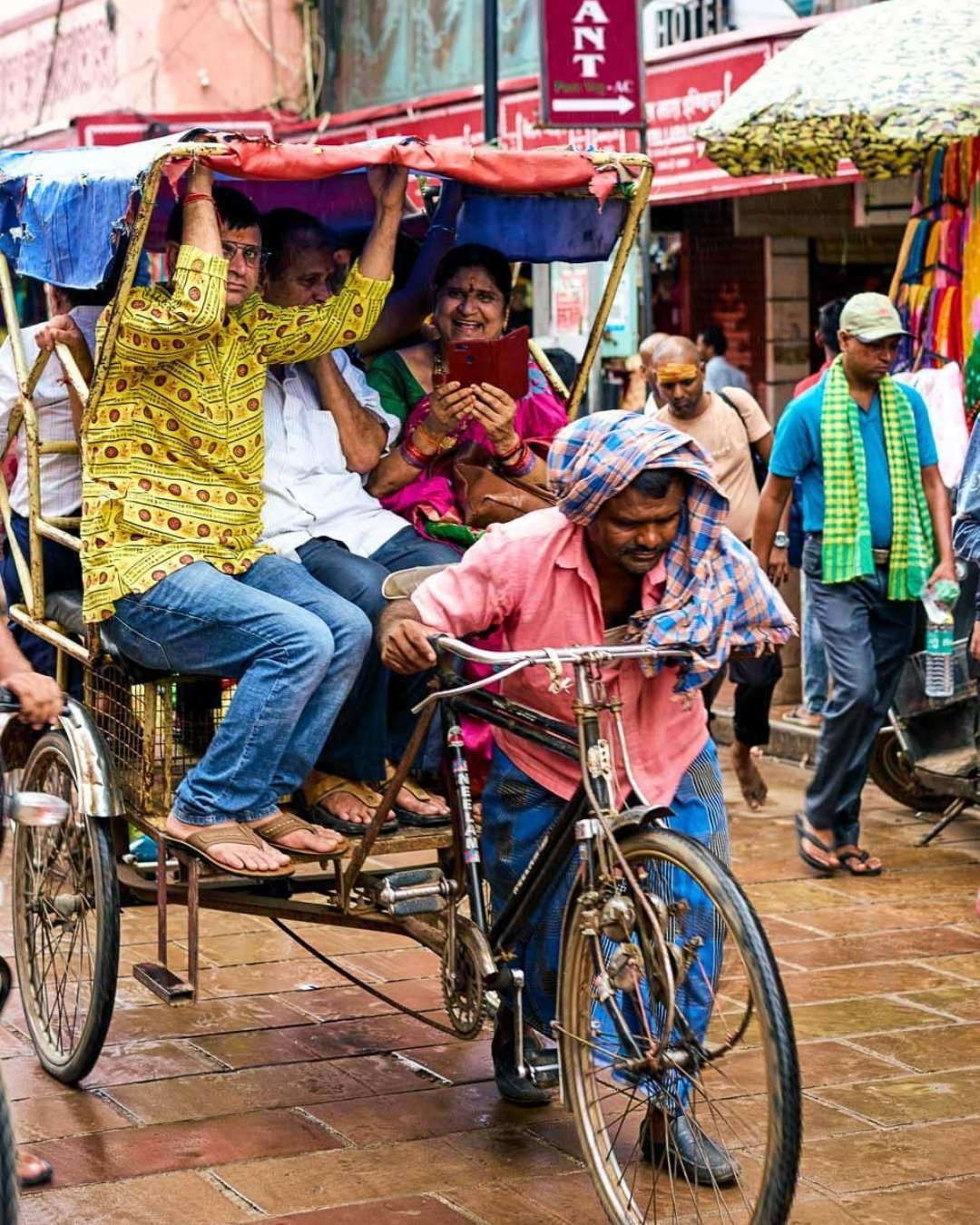
●Cycle rickshaws survive around Godowlia, Dashashwamedh Road and the Chowk area. Slow, cheap and genuinely useful for the short hop that is too far to walk with shopping and too short to be worth an auto.
●Walking is the fifth mode and, along the riverfront, the fastest one. More on that below.
●Shared autos run fixed routes for a fraction of the private fare. They are excellent value if your journey happens to match a route, and useless if it does not.
Pro tip: Match the vehicle to the last hundred metres, not the first kilometre. The question is not what gets you across town fastest — it is what can actually stop nearest to where you are going.
The mistakes that ruin it:
●Booking an app cab to a ghat. It will drop you at a junction you did not choose.
●Taking an auto for a 400-metre hop when walking is quicker and free.
●Assuming an e-rickshaw can reach your hotel door. Almost nothing can.
22
MomentVishwanath Market, Varanasi
The Fare Is Agreed Before You Get In
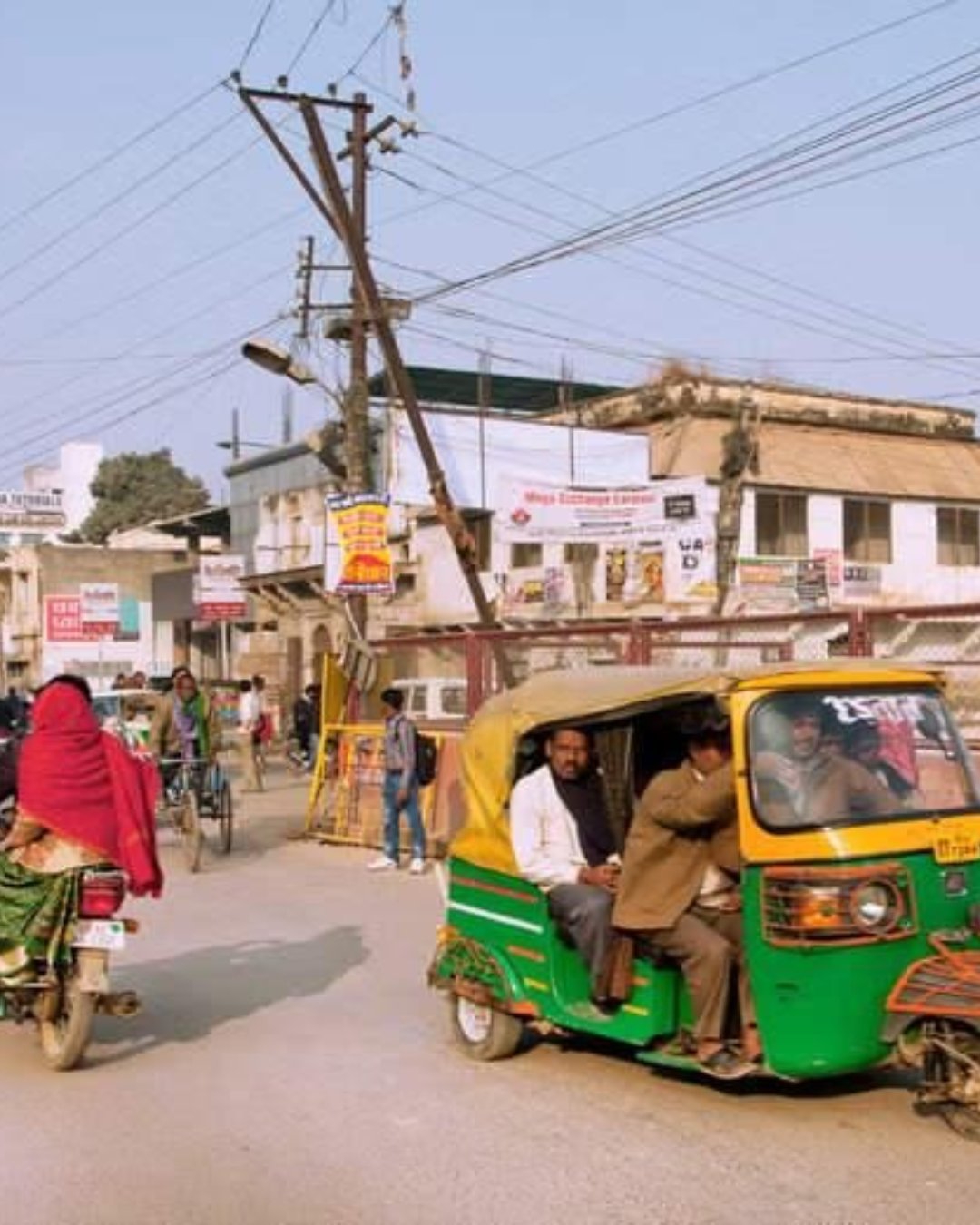
The meter in a Varanasi auto is decoration. The price is a conversation, and it happens before you sit down.
●Short auto or e-rickshaw hops of two to three kilometres generally land somewhere around ₹80 to ₹150 private. Shared seats on the same routes run far lower, often in the ₹20 to ₹30 per-person range. Cycle
rickshaw short runs sit roughly ₹50 to ₹120. Treat all of these as indicative — they move with fuel, season, weather, time of day and how obviously new you are.
●Agree the number, and agree that it is the total for the vehicle rather than per person, before you get in. That second half is where most disputes come from.
●A first quote to an obvious visitor is usually well above the local rate. Countering at roughly half and settling in the middle is normal, expected, and not rude. Walking away is a legitimate move and often
produces the real price.
●Carry small notes. "No change" at the end of a ride is a negotiating position, and a ₹500 note for an ₹80 fare hands it to the driver.
●App cabs remove all of this for the longer runs, which is exactly why they are worth it for the airport and Sarnath even when they cost a little more.
●Rain, festival days and the hour before evening aarti all move prices upward, sometimes sharply. That is supply and demand, not a scam.
Pro tip: Ask your hotel what a given ride should cost before you walk out. Ten seconds of local intelligence is worth more than ten minutes of bargaining, and it recalibrates you for the whole trip.
The mistakes that ruin it:
●Getting in first and asking the price at the destination.
●Agreeing a fare without clarifying whether it is per person.
●Treating every high quote as a scam. Some of it is genuine surge on a hard day.
17
MomentThe Mall Rd, Varanasi
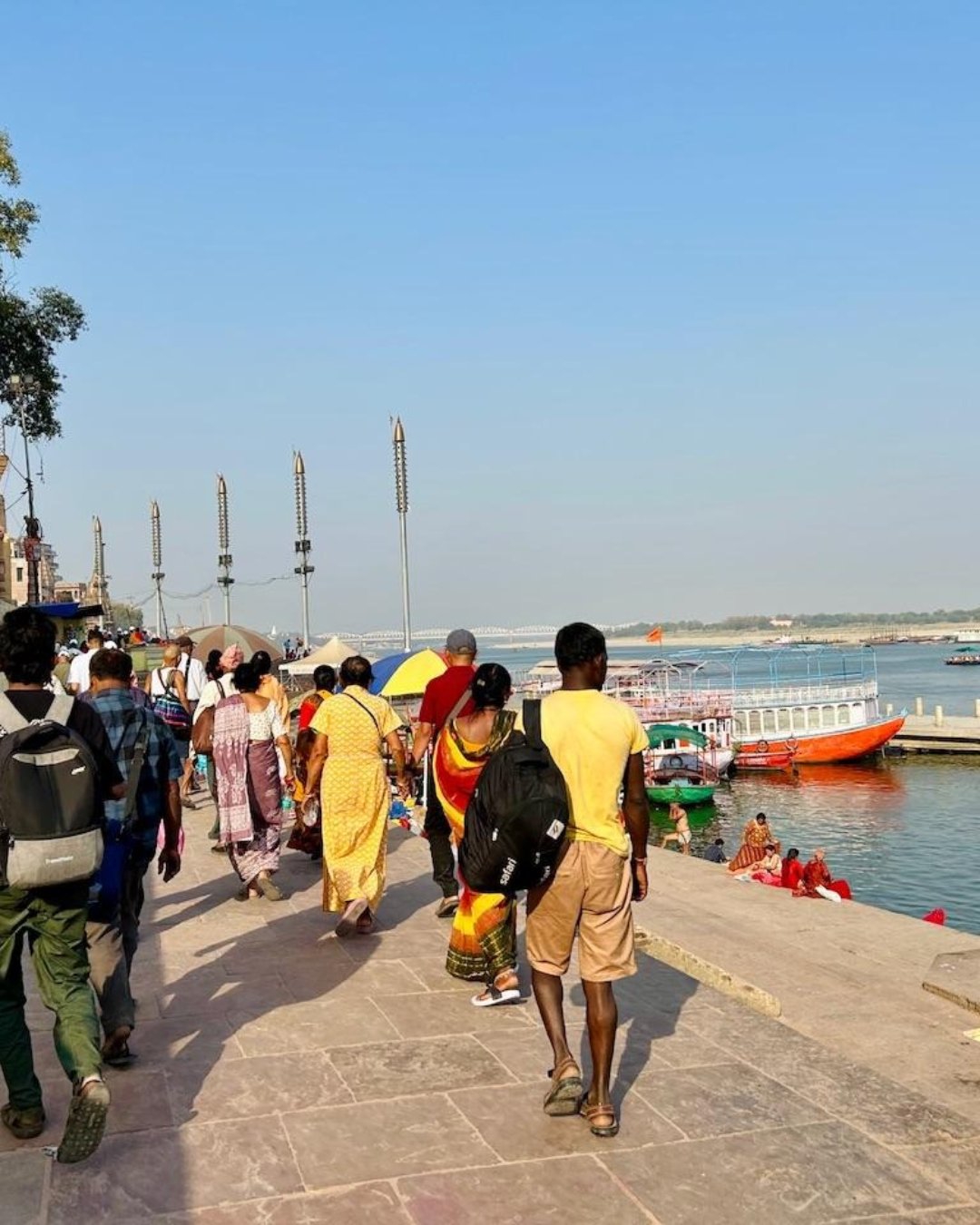
Walking Is Not the Backup Plan
Along the river, the fastest transport in this city is your own feet, and it is not close.
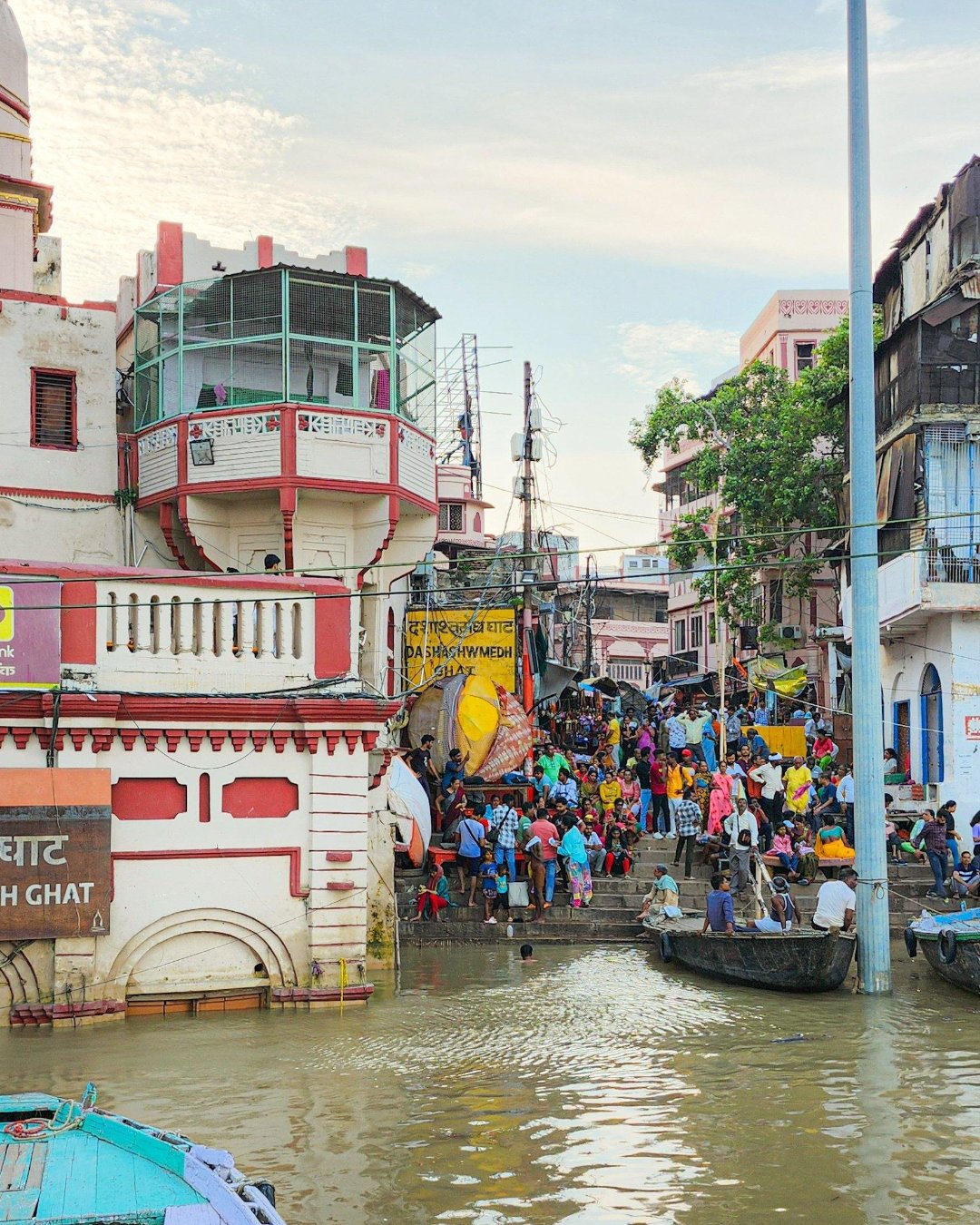
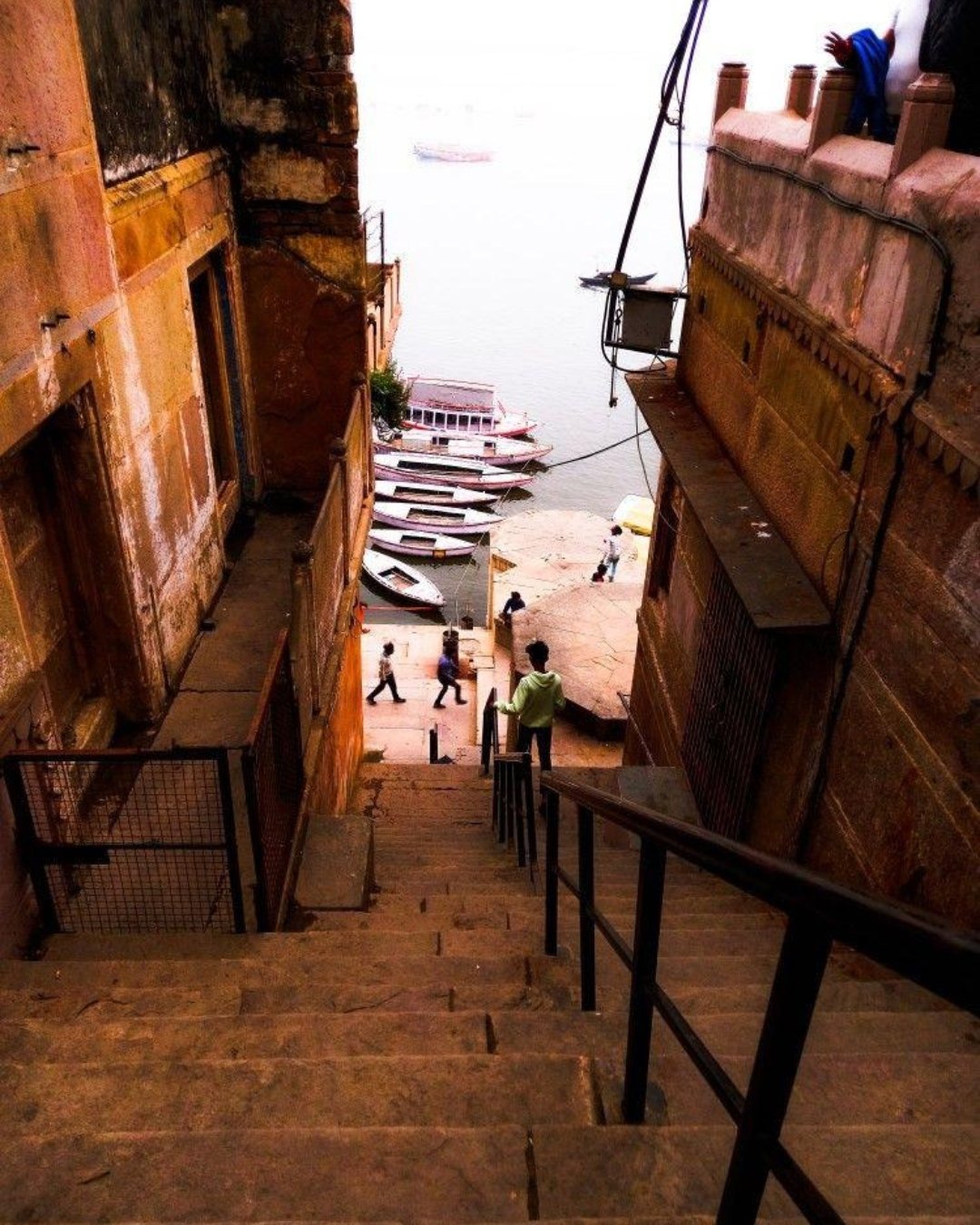
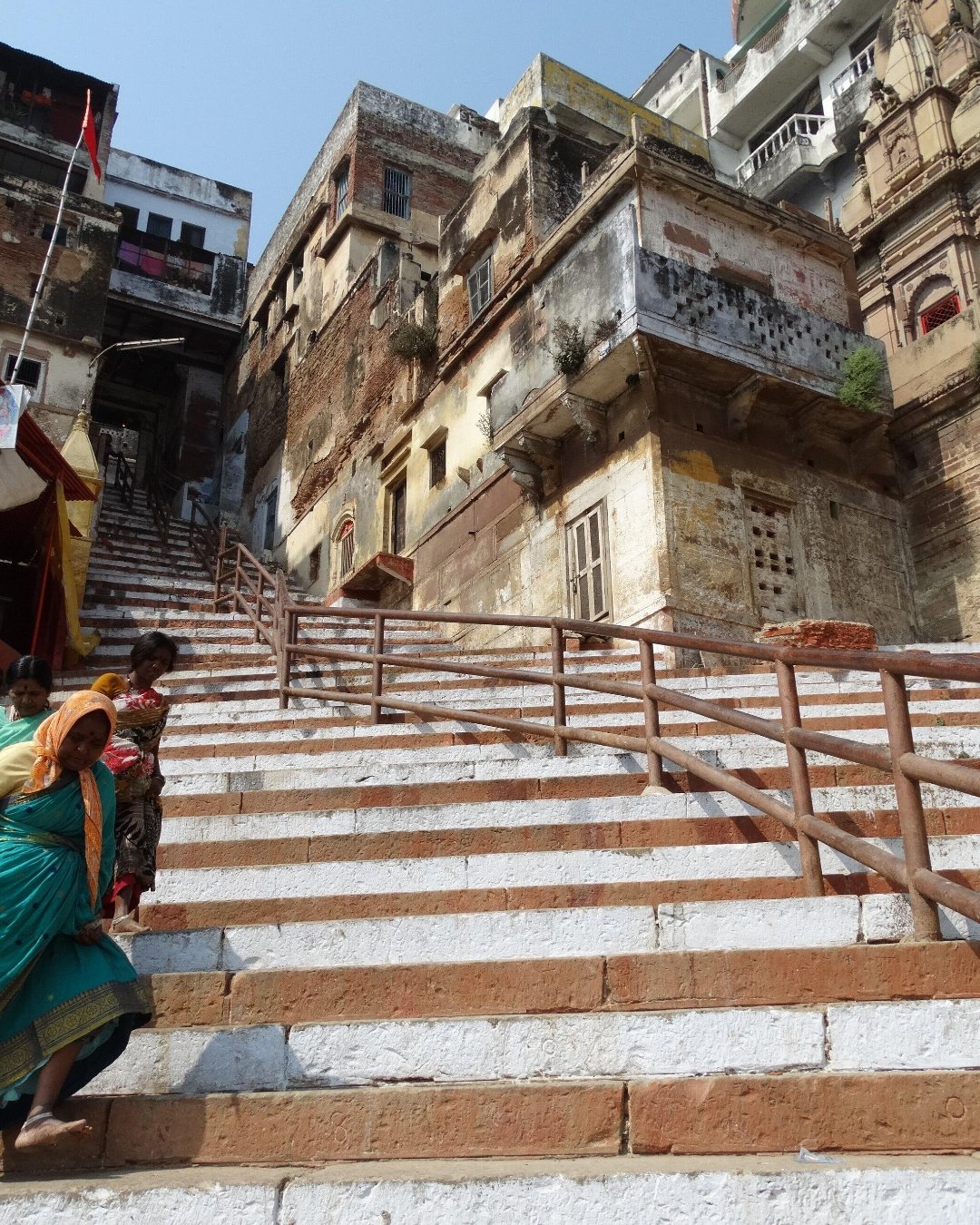
●The ghats form a near-continuous walkway along the west bank. In the dry months you can walk most of the riverfront end to end without leaving the steps, and doing so is quicker than any vehicle attempting
the same journey by road.
●The surface is the catch. Stone steps, uneven levels, sudden drops, wet patches near the water and slick algae on the lower steps. It is not a promenade.
●Footwear that grips and comes on and off easily is the single best piece of kit for Varanasi, because temples require you to remove shoes constantly and the steps punish anything smooth-soled.
●Expect animals. Cows have right of way and are immovable; monkeys are opportunistic and will take food, sunglasses and anything shiny held loosely.
●In monsoon and immediately after, high water submerges the lower steps and the continuous riverfront walk breaks up. You are pushed back into the lanes, which is slower and more disorienting.
●Distances are shorter than they feel. Assi to Dashashwamedh is a walk of well under an hour at an unhurried pace, and most of what visitors want sits inside that stretch.
Pro tip: Walk the ghats once from end to end early on, in the morning, before you try to navigate the lanes. It gives you the spine of the city, and everything inland afterwards makes sense relative to it.
The mistakes that ruin it:
●Wearing sandals with smooth soles on wet ghat steps.
●Carrying a phone loosely near the monkey-heavy stretches.
●Planning a riverfront walk in high water without checking that the steps are passable.
11
MomentVishwanath Gali, Varanasi
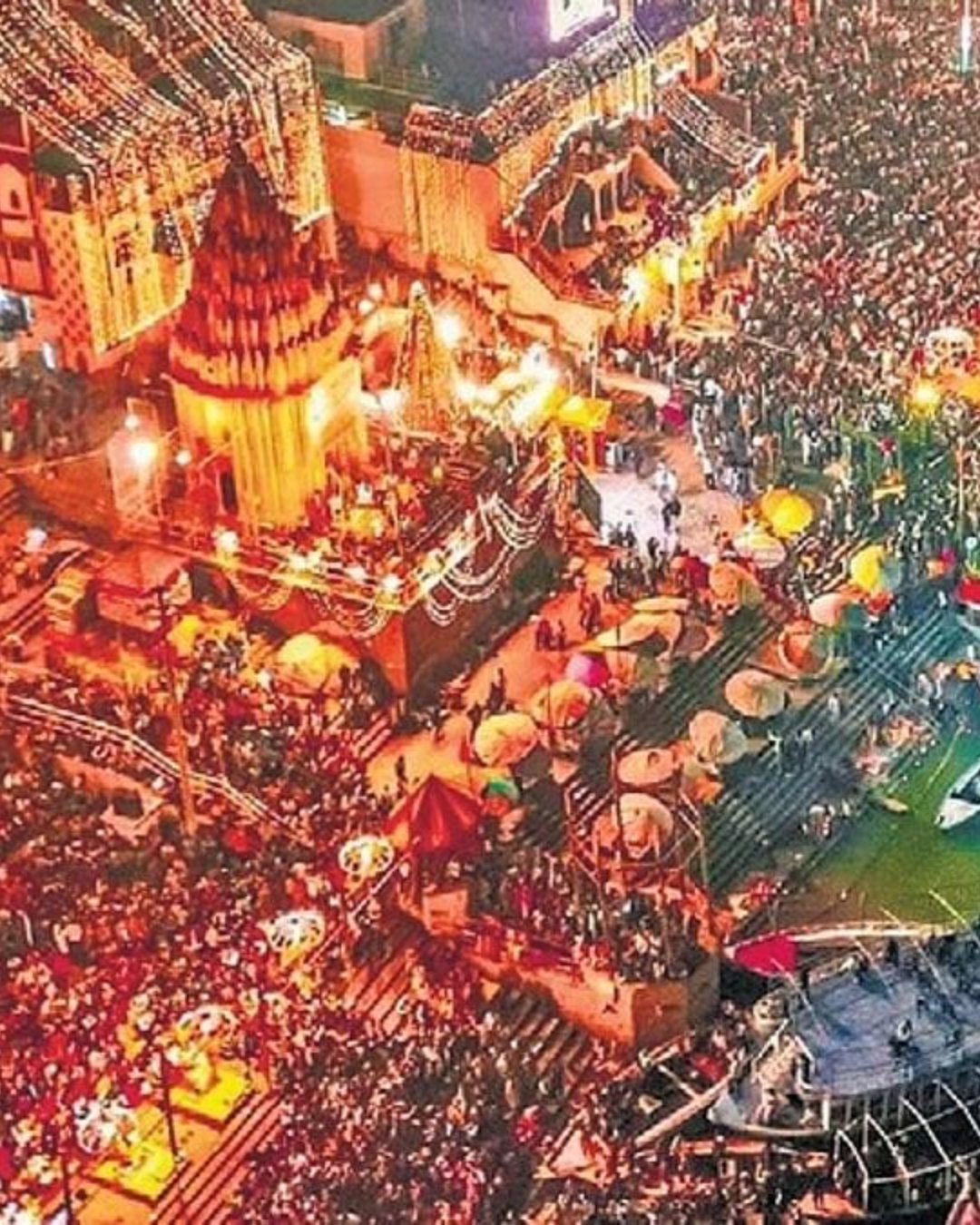
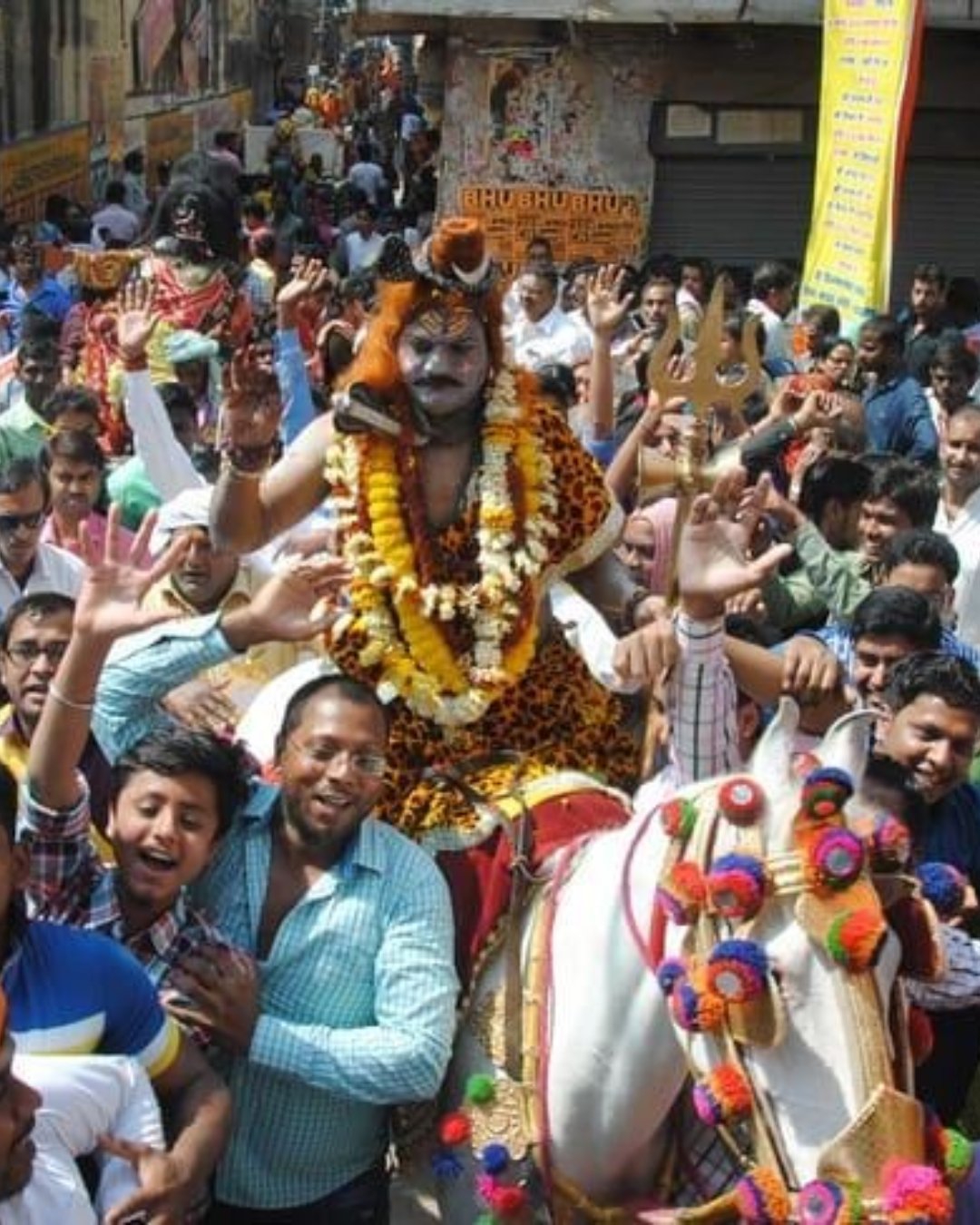
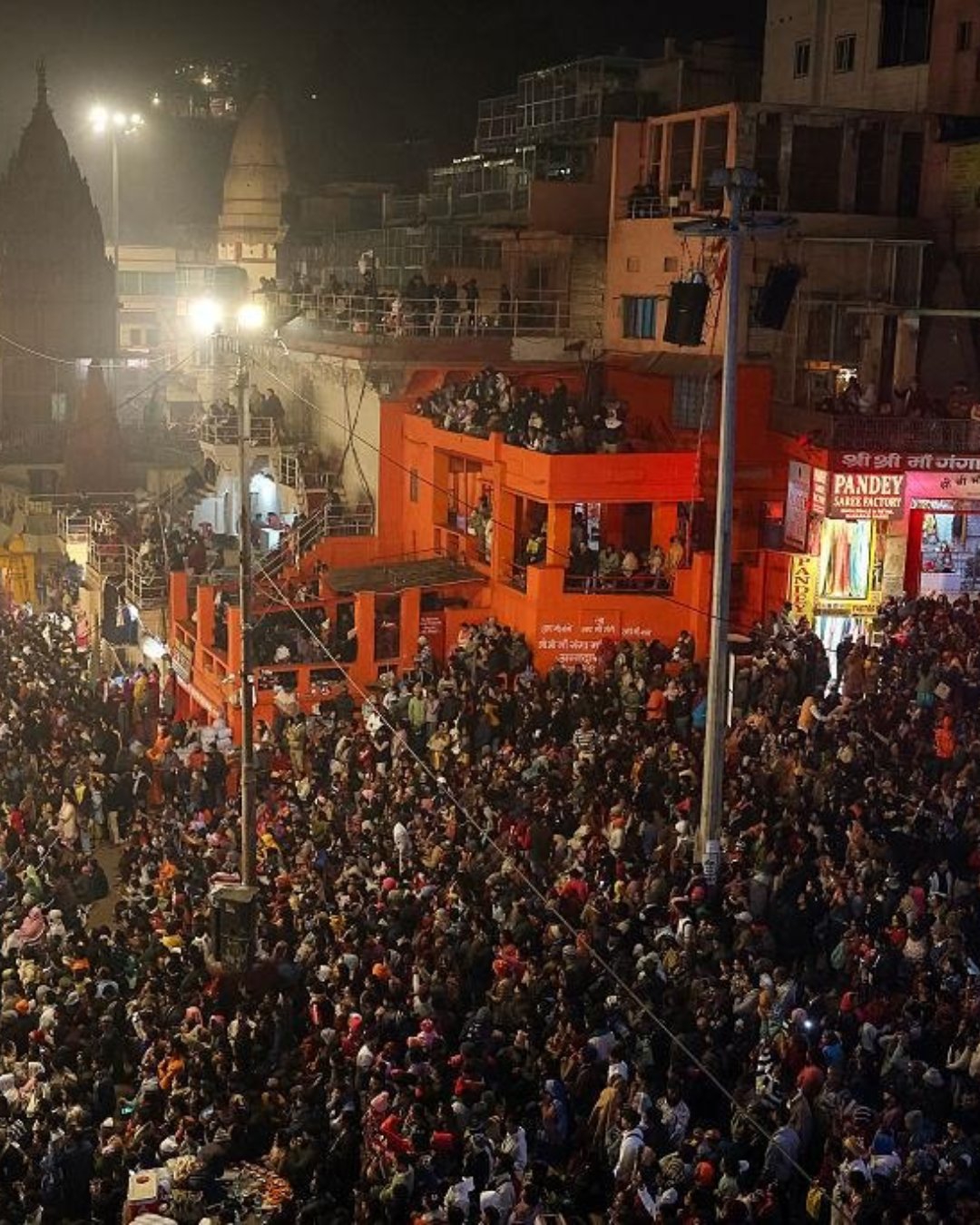
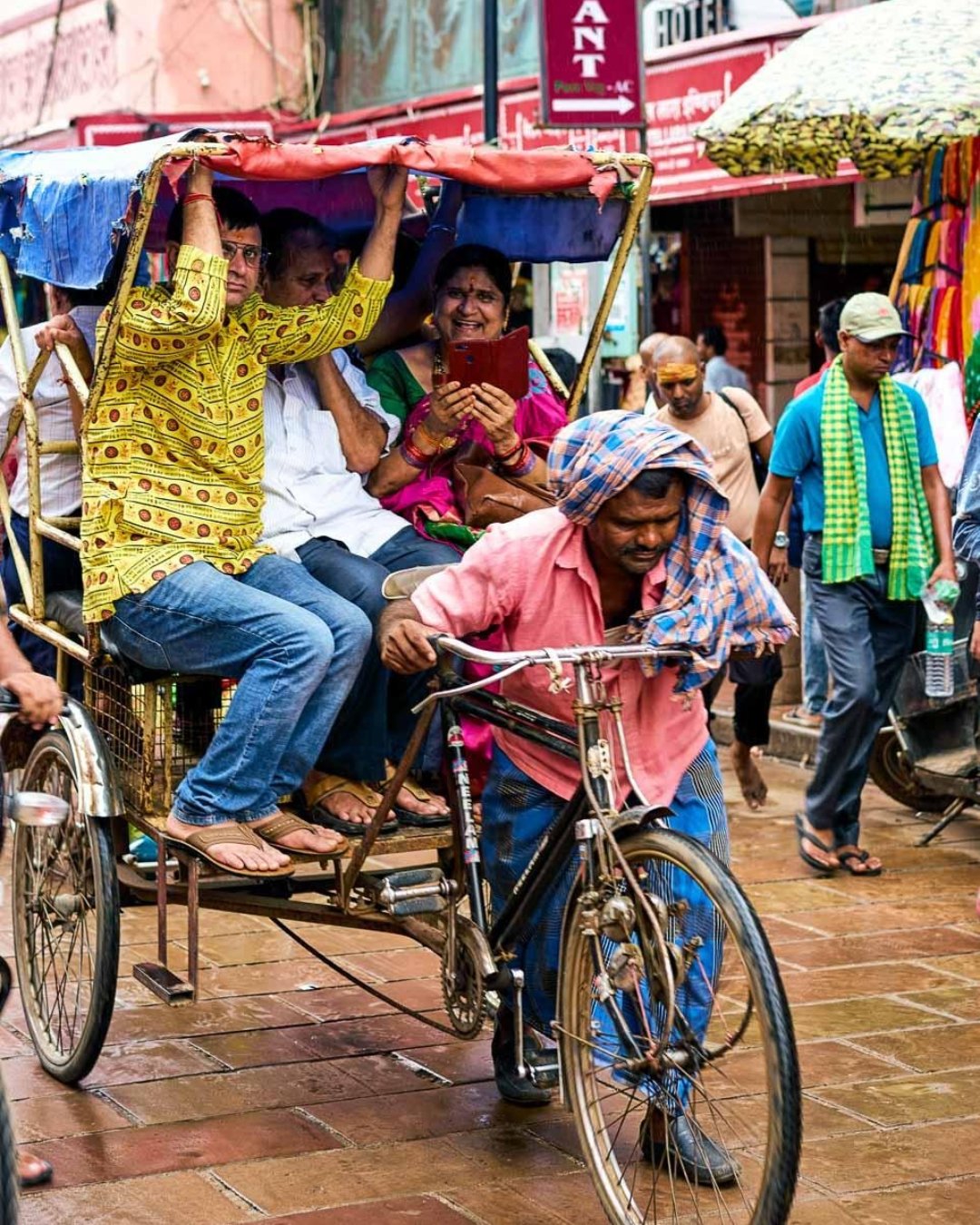
The Days the City Stops Moving
Varanasi has a normal traffic pattern and roughly forty days a year when it does not apply at all.
●The hour before evening aarti turns the approach to Dashashwamedh into gridlock every single day. Any journey crossing that area between roughly five and seven in the evening should be planned as a walk or
given double the time.
●Major festival days close roads outright, extend the no-vehicle zones, and put crowd volumes on the lanes that make walking slow rather than fast. Dev Deepawali is the extreme case.
●On the biggest Shiva days the temple approach areas are managed as queues rather than streets, and the ordinary rules about which vehicle goes where stop applying.
●Security movements close roads at short notice and without announcement. There is no route around this and no point planning for it beyond leaving margin.
●Monsoon changes the geometry. High water closes the riverfront walk, boats are restricted, and everything reroutes inland onto roads that were already full.
●None of this is a reason to avoid those days — some are the best days to be here. It is a reason not to schedule a train connection through one.
Pro tip: On a festival day, work out where you need to be and get there early, then stay. Trying to move across the old city mid-event is the mistake; committing to one position is the strategy.
The mistakes that ruin it:
●Booking an evening departure that requires crossing Godowlia at aarti hour.
●Assuming a vehicle can get you out of the old city quickly on a festival night.
●Planning a tight itinerary during Dev Deepawali without checking road closures.
24
MomentAssi Ghat, Varanasi
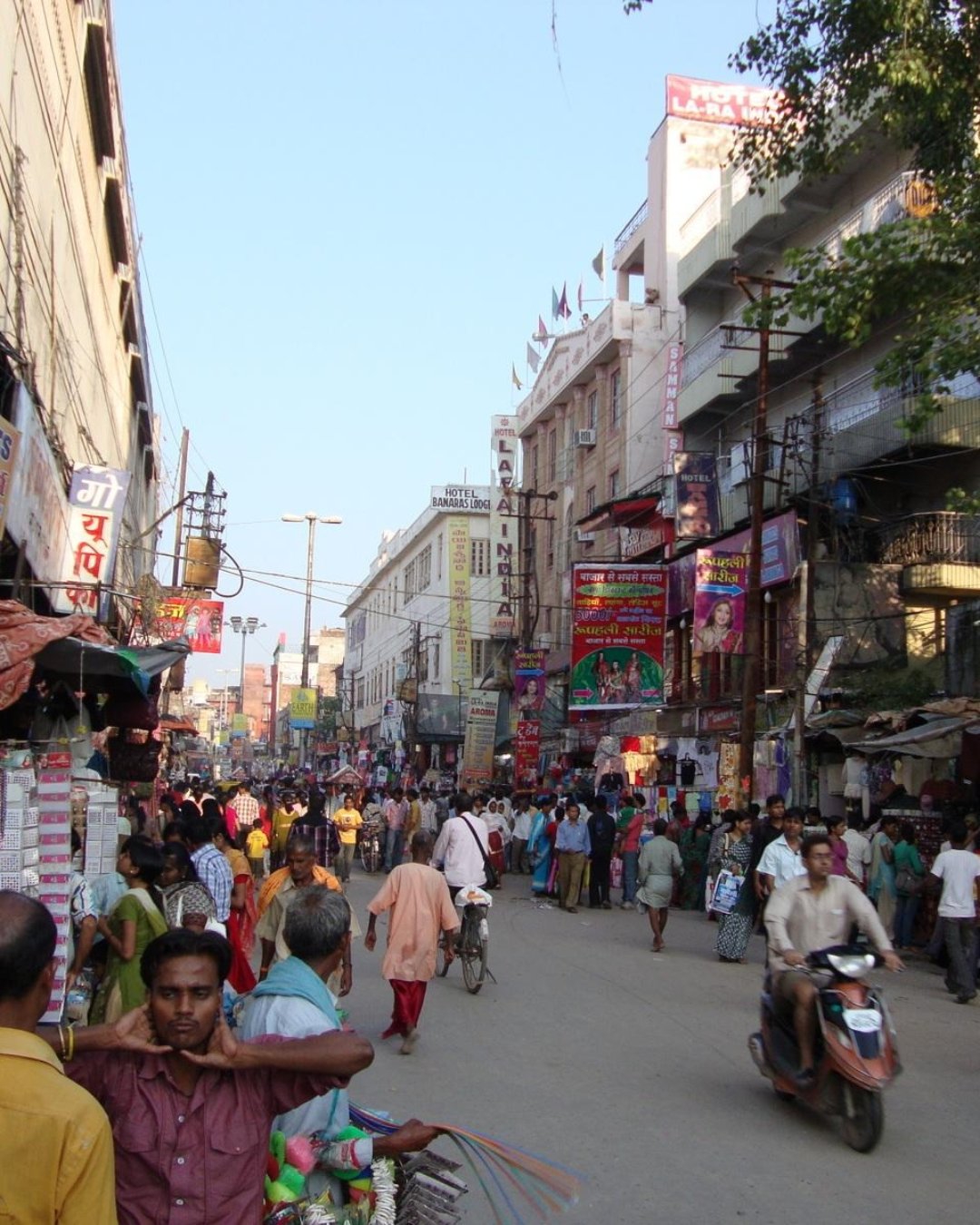
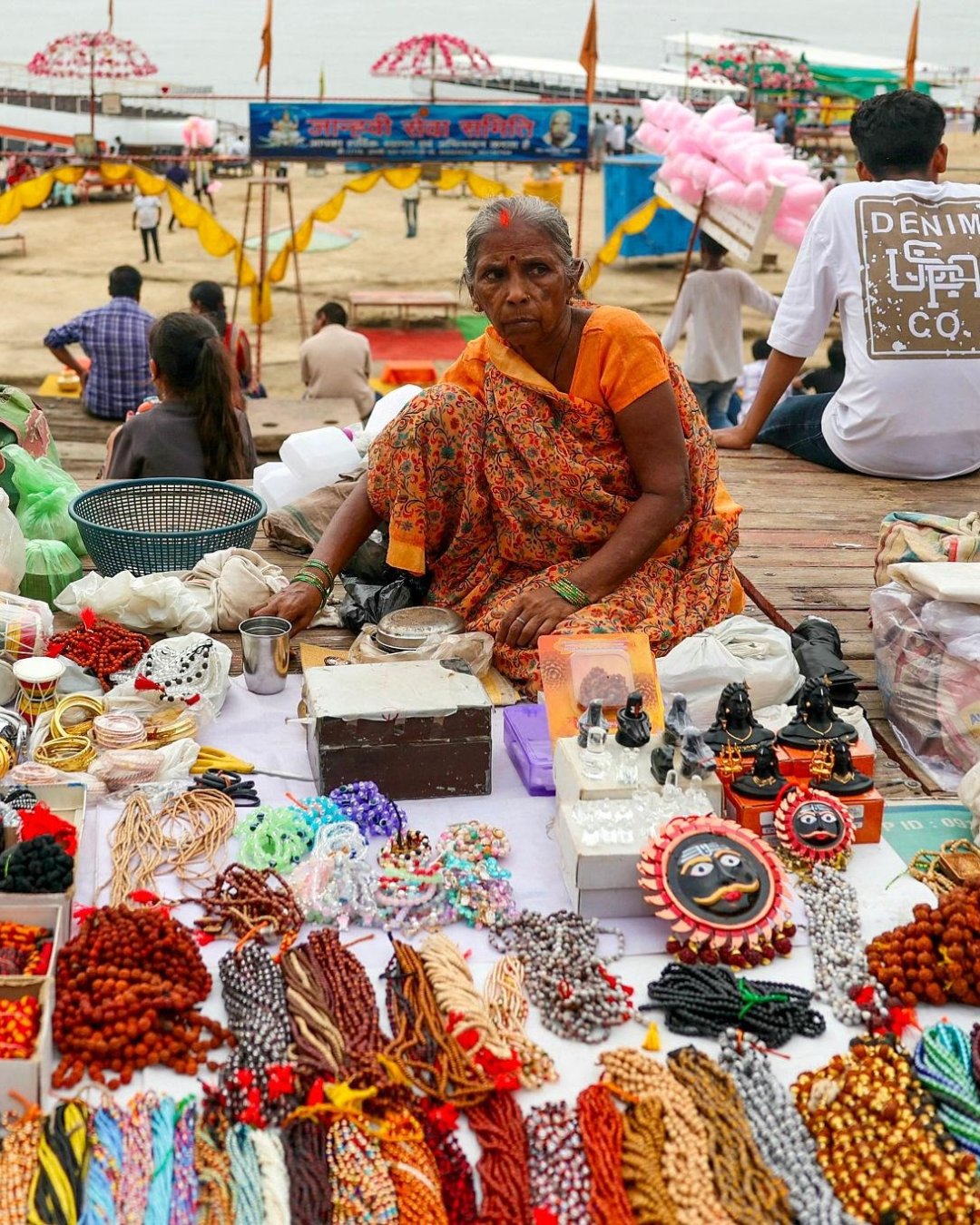
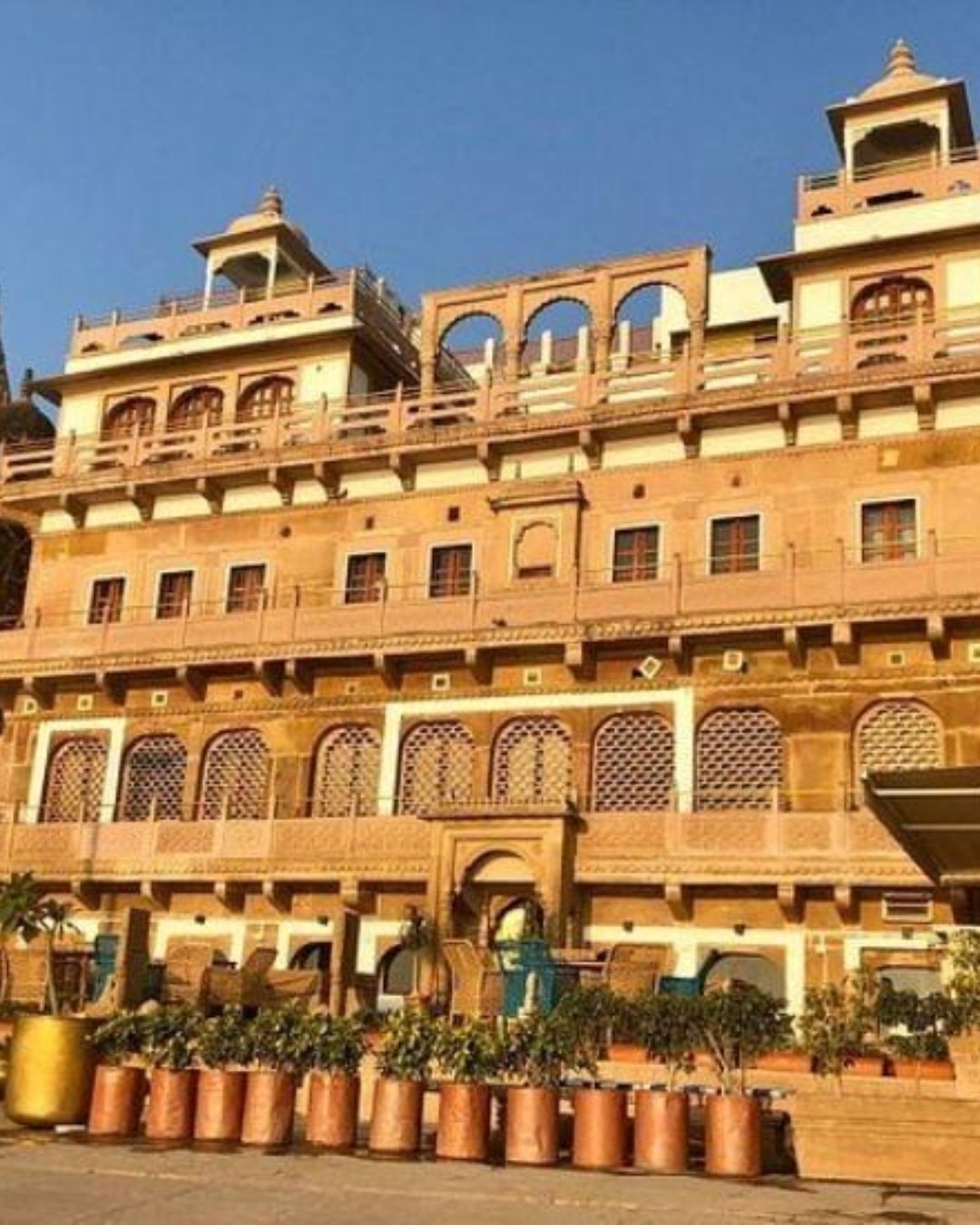
Where You Sleep Decides How Much You Travel
The transport question in Varanasi is mostly decided before you arrive, by where you booked.
●Staying in the old city near the central ghats means you walk to almost everything and take almost no vehicles. The trade is the last-mile carry, the noise, and the fact that leaving for a train is a production.
●Basing yourself around the southern end near Assi gives you a calmer, more open area with road access much closer to the door, at the cost of a longer walk or a short ride to the central ghats.
●The Cantt area is the practical choice for short stays built around train connections and day trips. Easy vehicle access, straightforward departures, and a genuine distance from the river that you will pay for in
daily travel.
●The pattern is consistent: the closer you sleep to the water, the less you travel and the harder your arrival and departure days are. The further out, the easier the logistics and the more of your day goes into getting to the river at dawn.
●For a first trip of two or three nights, proximity to the ghats usually wins, because the mornings are the point and a 6 am ride across town is the thing most people quietly stop doing by day three.
Pro tip: Decide what your mornings look like before you book. If sunrise at the ghats is the reason you are coming, everything else should bend around being able to walk there half asleep.
The mistakes that ruin it:
●Booking far out to save money and then paying it back in daily fares and lost mornings.
●Booking deep in the lanes for a one-night stopover with an early train.
●Choosing a base without asking how far the vehicle drop point is.
Destination
Varanasi, Uttar Pradesh, India
People also ask
01Question
How do you get around Varanasi?
Auto-rickshaws for medium distances across the city, e-rickshaws for narrower streets and the last leg toward the old city, cycle rickshaws for short hops around Godowlia and Dashashwamedh Road, and app cabs for the airport, stations and Sarnath. Along the riverfront, walking is the fastest option and often the only one. Cars cannot enter the old-city lanes at all.
02Question
How far is Varanasi airport from the city?
Lal Bahadur Shastri International Airport at Babatpur is roughly 25 km from the city centre and about 22 to 24 km from the Cantt and station area. Allow 45 to 60 minutes in normal traffic and longer in the evening. A sedan transfer typically falls in the ₹620 to ₹850 range depending on destination and time — confirm the current rate at the prepaid counter or in the app.
03Question
Which railway station should I use in Varanasi?
Varanasi has four: Varanasi Junction (commonly called Cantt) is the main and most central station, Banaras (formerly Manduadih) is the newer terminus further west, and Varanasi City serves shorter regional routes and another is Kashi Station. Two of them are casually called "Varanasi", so check the station code on your ticket rather than the name. None of the four is walking distance from the ghats.
04Question
Can taxis reach the ghats in Varanasi?
No. The stretch from Maidagin to Godowlia is closed to four-wheelers through the day and evening, and beyond Godowlia the old city is narrow lanes that no car can enter. Vehicles drop you at a junction and you walk the last stretch, which can take two to fifteen minutes over uneven stone. Ask your hotel for the exact drop point before
you arrive.
05Question
How much does an auto-rickshaw cost in Varanasi?
A private auto or e-rickshaw hop of two to three kilometres generally runs around ₹80 to ₹150, while a shared seat on the same route is often ₹20 to ₹30 per person. Cycle rickshaw short runs sit roughly ₹50 to ₹120. Agree the fare and confirm it is for the vehicle rather than per person before getting in. Treat all figures as indicative — rates move with fuel, weather and demand.
06Question
Does Uber or Ola work in Varanasi?
Yes, both operate in the city and are generally the better choice for airport transfers, railway stations and trips to Sarnath because the price is fixed and tracked before you travel. They cannot take you into the old city or to the ghats — no car can — so they will drop you at the nearest accessible junction and you walk from there.
07Question
Is Google Maps reliable in Varanasi old city?
Not in the lanes. The galis are too narrow for vehicles so they are poorly surveyed, GPS bounces between tall walls, and routes that look short can end at a wall. Navigate by landmark instead: the Ganga runs along the eastern edge, so the river is always downhill and east, and ghat names work far better than addresses when asking directions.
08Question
Is Varanasi walkable?
The riverfront is highly walkable and usually faster on foot than by any vehicle — the ghats form a near-continuous walkway, and Assi to Dashashwamedh takes well under an hour at an easy pace. The surfaces are uneven stone with wet and slippery sections, temples require removing shoes constantly, and high water in and after monsoon breaks the continuous route.
Experience layers
Go further into one part of this trip.