

The Address Will Not Help You
Vishwanath Gali, Varanasi, India
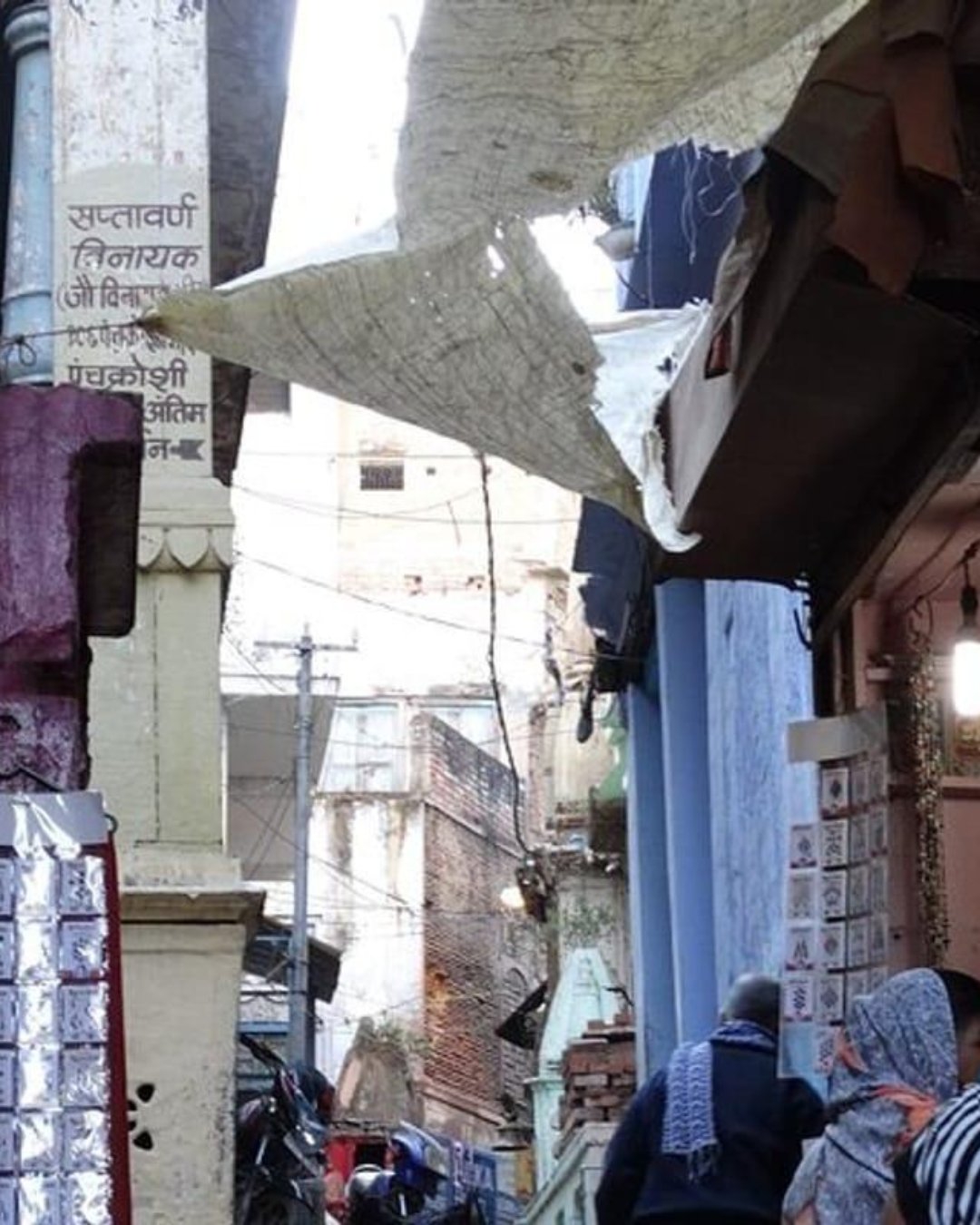
A Varanasi address looks like a serial number because, functionally, that is what it is.
●Old-city addresses commonly read as a letter, a number, a slash and another number — a plot reference rather than a street and house number. They identify a property to someone who already knows the
neighbourhood. To you, they are close to meaningless.
●Mapping apps struggle badly in the lanes. Vehicles cannot drive them, so they are poorly surveyed; the GPS bounces between tall walls; and a route that looks like fifty metres can be a wall with no door.
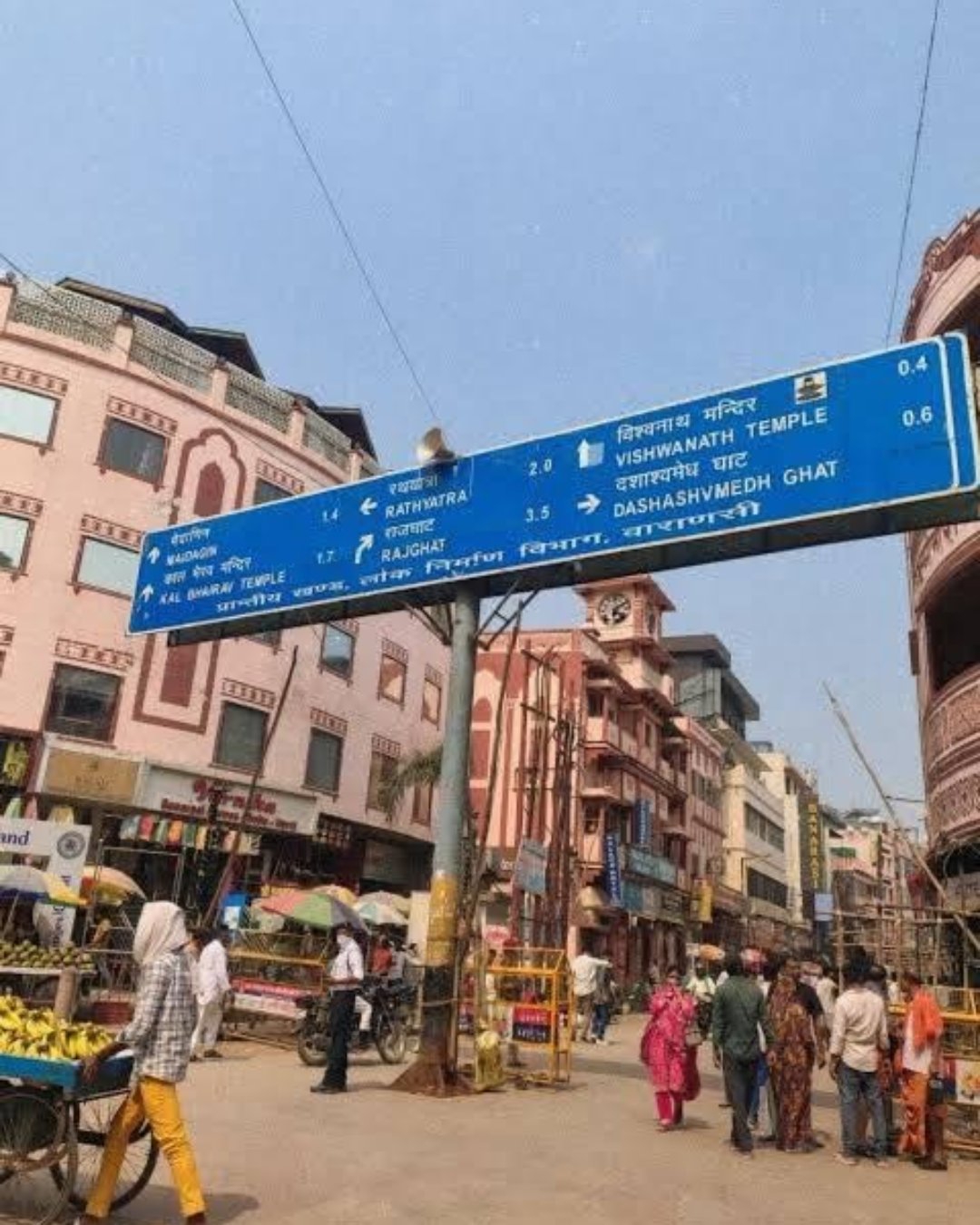
●Navigate by landmark instead. The Ganga runs roughly north to south along the eastern edge of the old city, so the river is always downhill and always east. If you can find the water, you can find yourself.
●Ghat names are the real coordinate system. Locals orient by ghat far more reliably than by street. "Near Meer Ghat" gets a useful answer; a plot number rarely does.
●Asking works better than searching. Shopkeepers standing in the same doorway every day are the best navigation resource in the city, and they are used to the question.
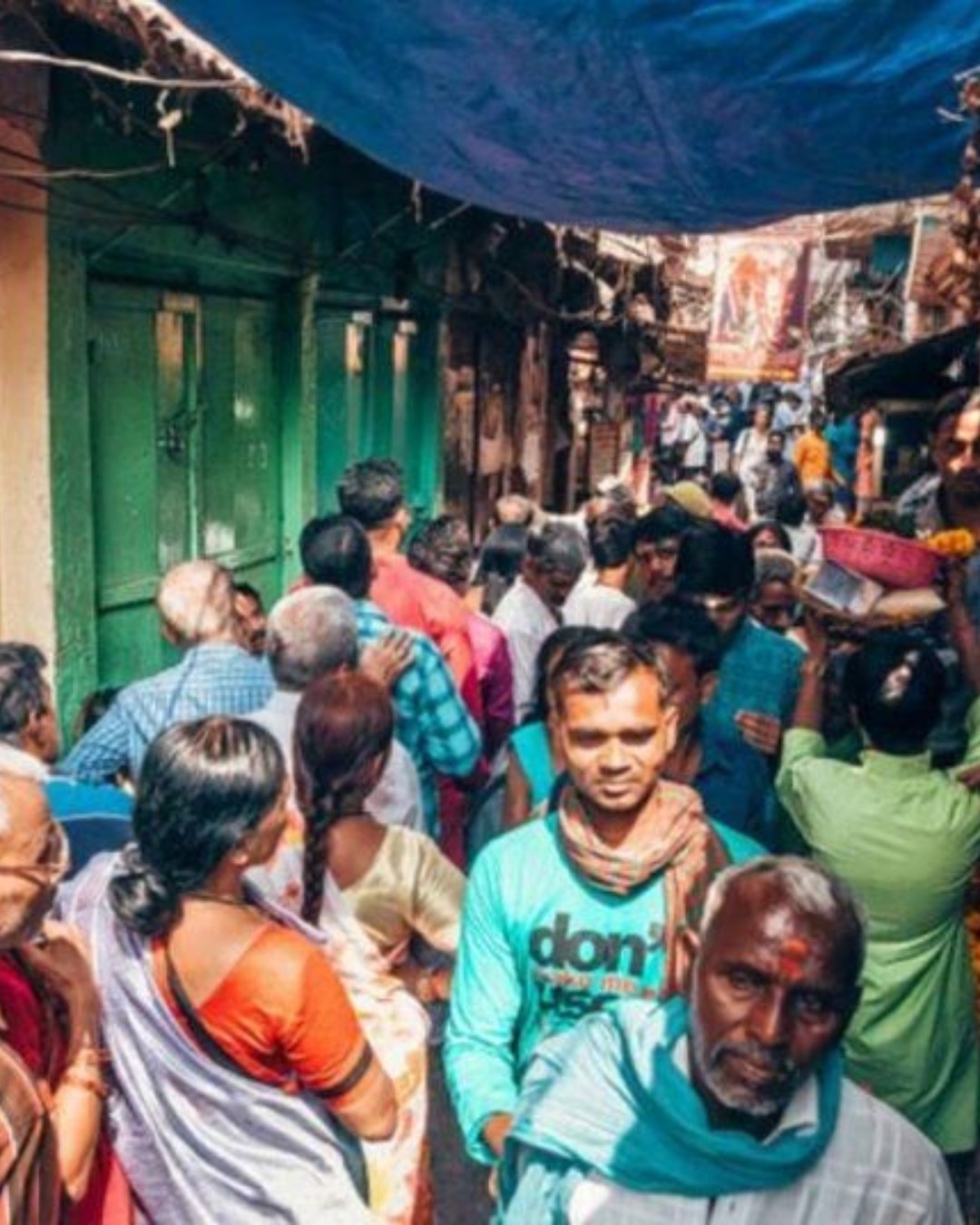
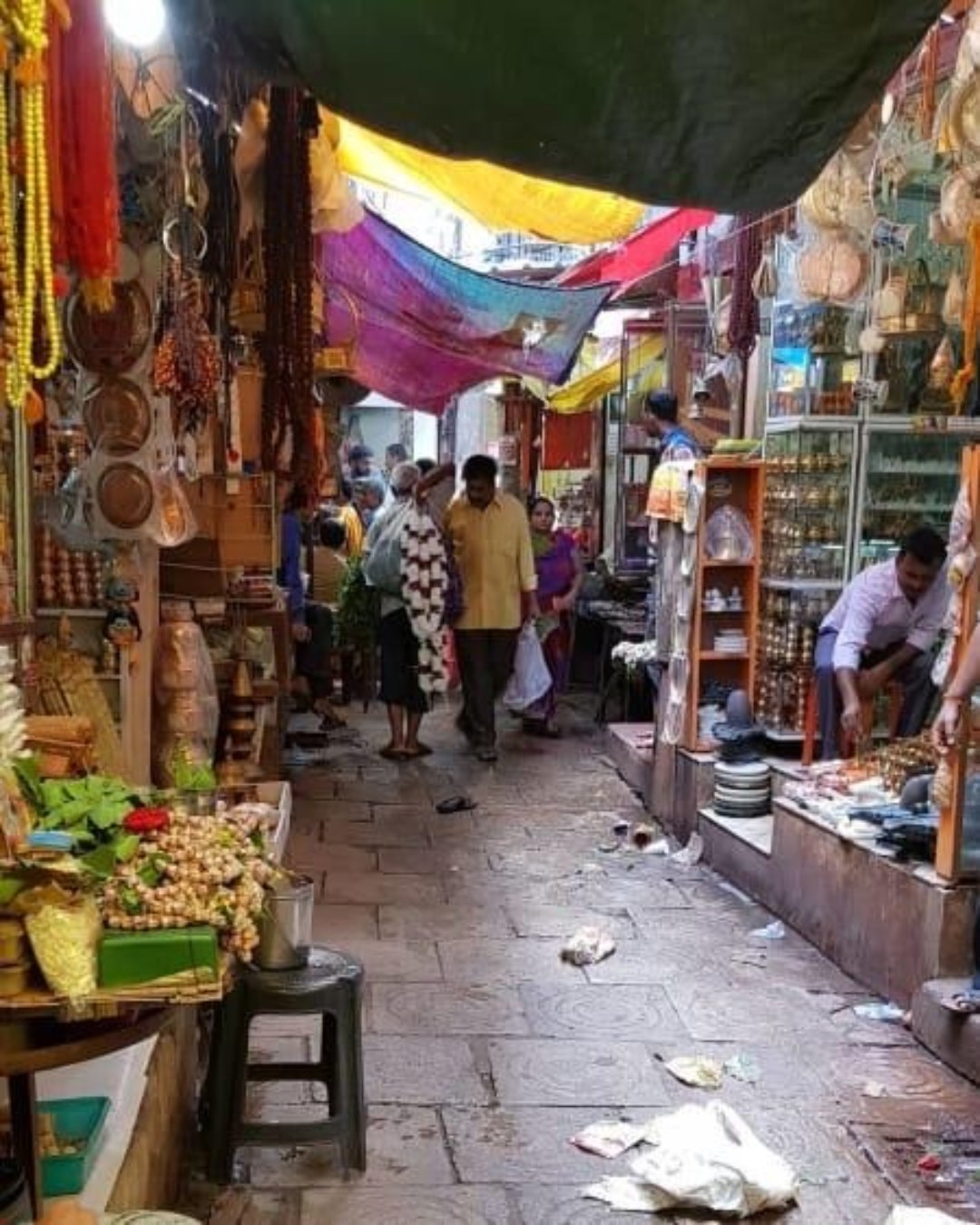
●Getting lost in the galis is not a failure state. Most people's best hour in Varanasi is an accident.
Pro tip: Ask your hotel for their nearest ghat and a photograph of their doorway before you arrive. Ghat plus a picture will get you home from anywhere in the old city; the postal address will not.
The mistakes that ruin it:
●Following a mapping app blindly into a dead end after dark.
●Giving a driver a plot number instead of a ghat or a junction.
●Assuming the lane you came out of is the lane you went in by. It usually is not.