

The Fare Is Agreed Before You Get In
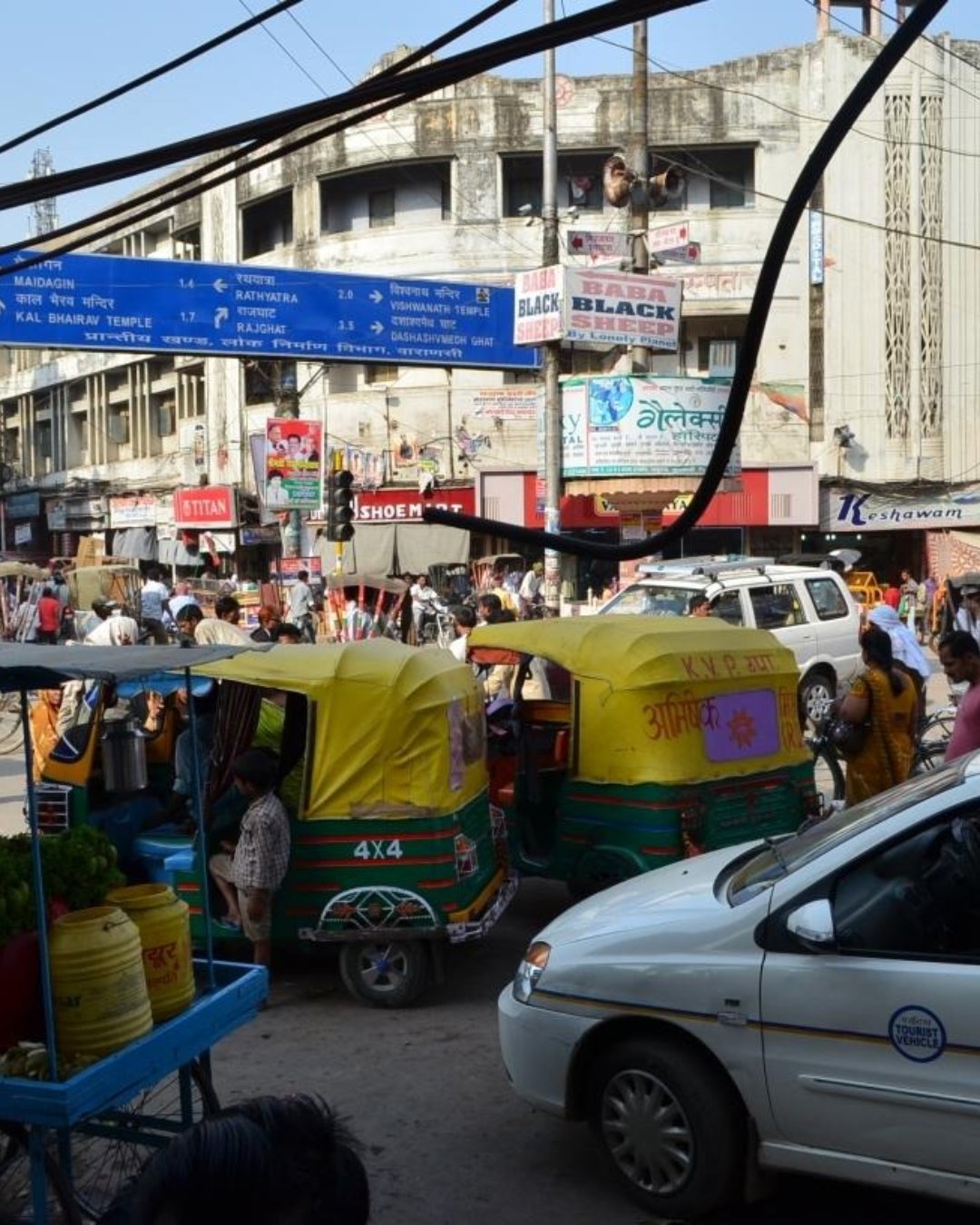
Vishwanath Market, Varanasi, India
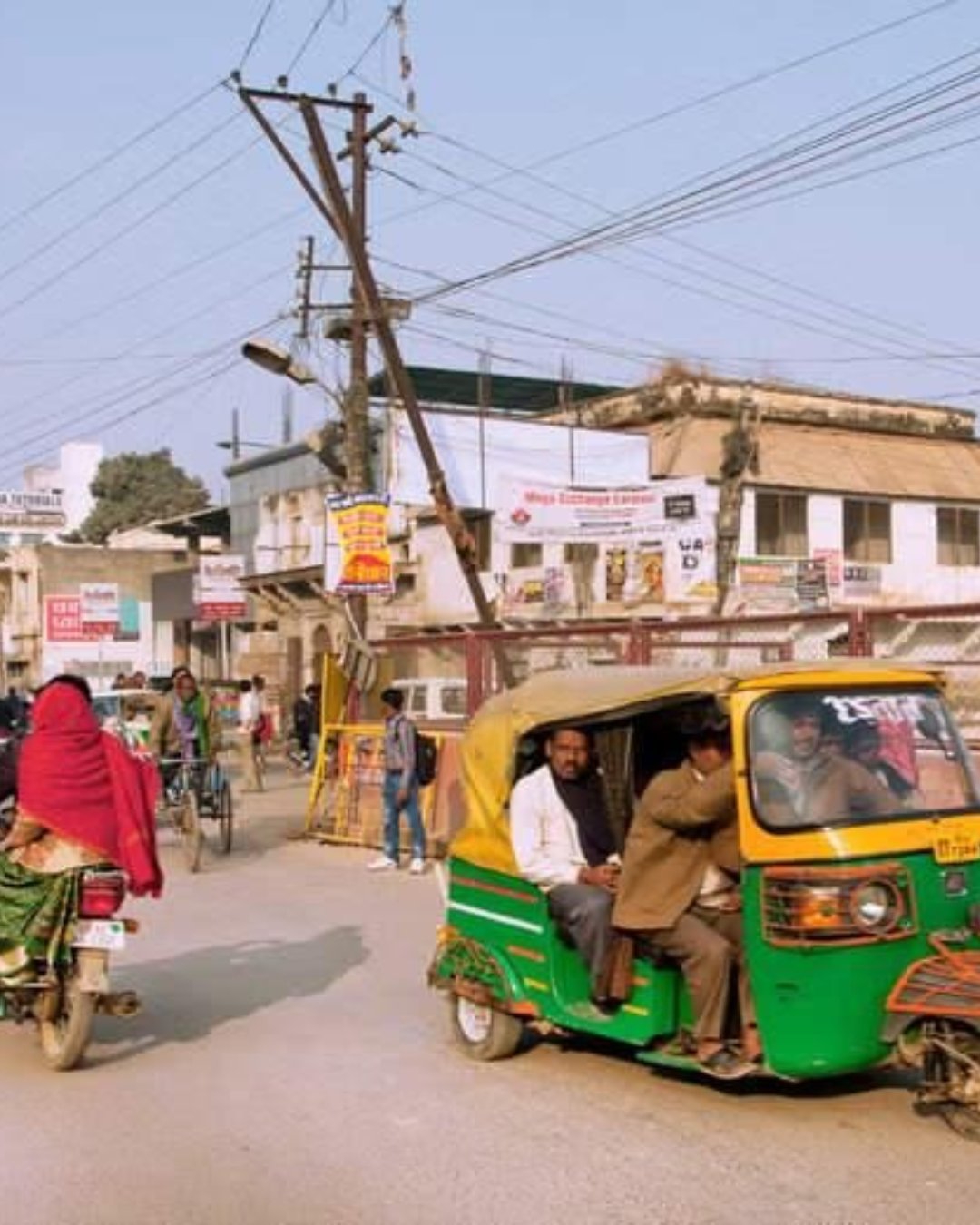
The meter in a Varanasi auto is decoration. The price is a conversation, and it happens before you sit down.
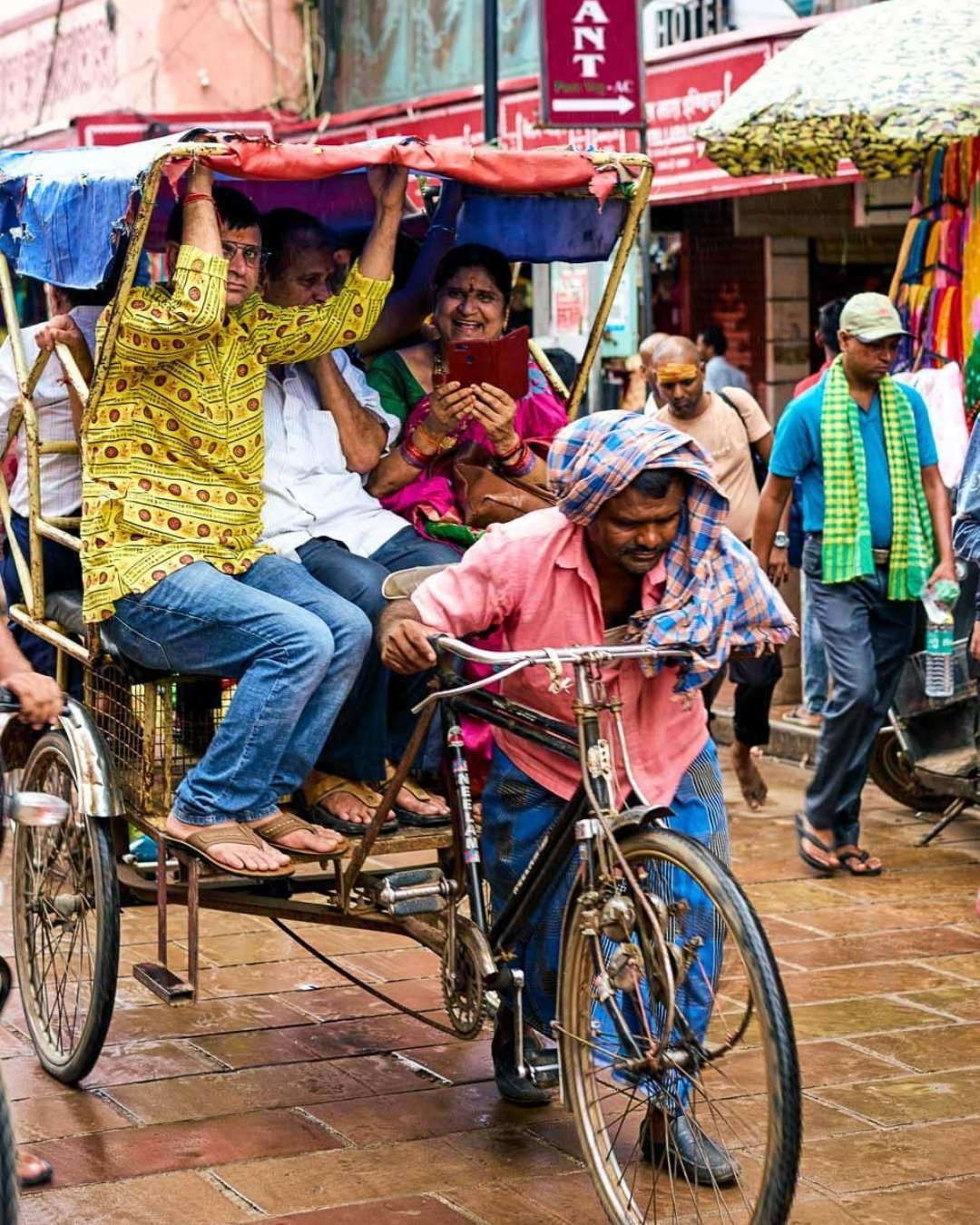
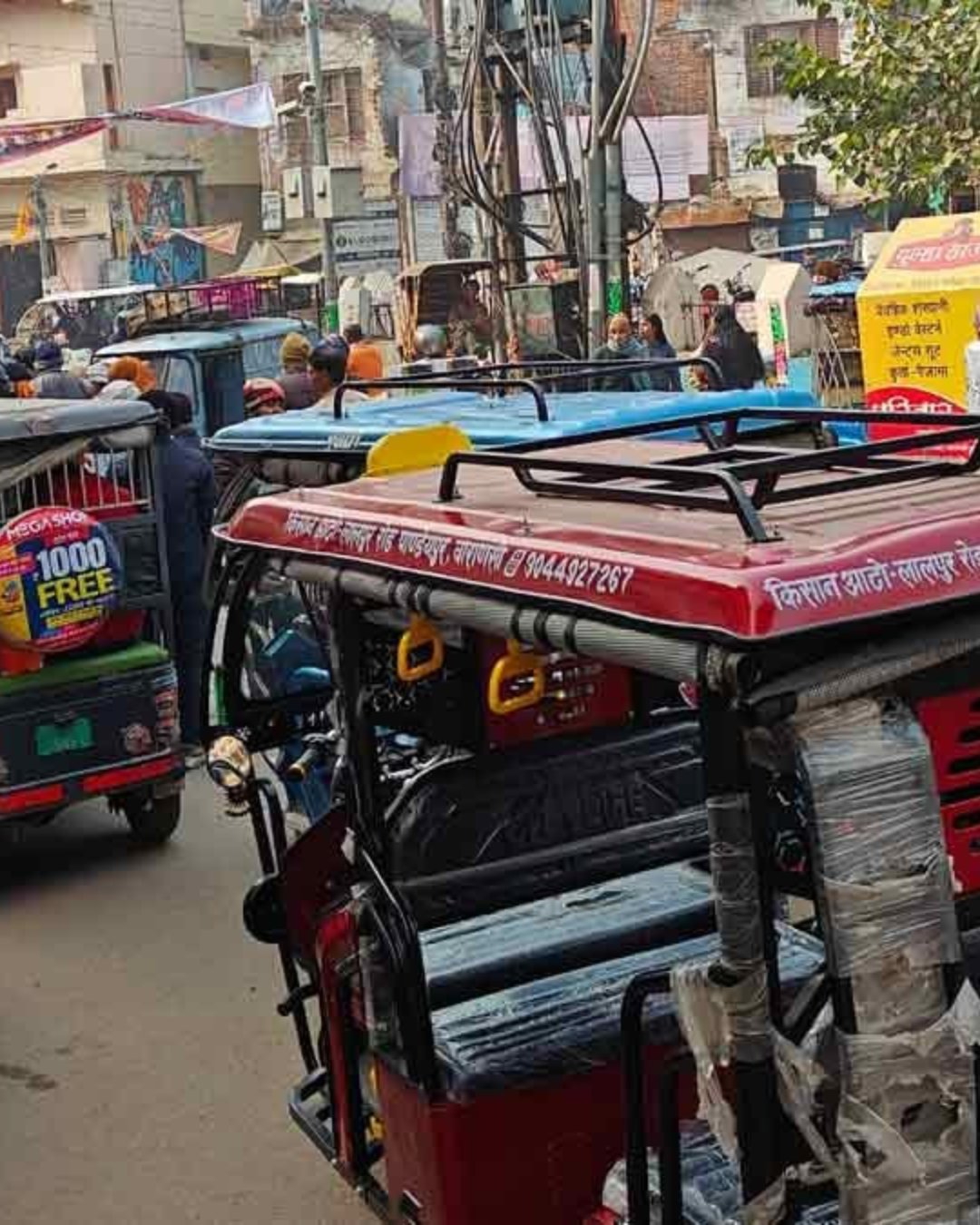
●Short auto or e-rickshaw hops of two to three kilometres generally land somewhere around ₹80 to ₹150 private. Shared seats on the same routes run far lower, often in the ₹20 to ₹30 per-person range. Cycle
rickshaw short runs sit roughly ₹50 to ₹120. Treat all of these as indicative — they move with fuel, season, weather, time of day and how obviously new you are.
●Agree the number, and agree that it is the total for the vehicle rather than per person, before you get in. That second half is where most disputes come from.
●A first quote to an obvious visitor is usually well above the local rate. Countering at roughly half and settling in the middle is normal, expected, and not rude. Walking away is a legitimate move and often
produces the real price.
●Carry small notes. "No change" at the end of a ride is a negotiating position, and a ₹500 note for an ₹80 fare hands it to the driver.
●App cabs remove all of this for the longer runs, which is exactly why they are worth it for the airport and Sarnath even when they cost a little more.
●Rain, festival days and the hour before evening aarti all move prices upward, sometimes sharply. That is supply and demand, not a scam.
Pro tip: Ask your hotel what a given ride should cost before you walk out. Ten seconds of local intelligence is worth more than ten minutes of bargaining, and it recalibrates you for the whole trip.
The mistakes that ruin it:
●Getting in first and asking the price at the destination.
●Agreeing a fare without clarifying whether it is per person.
●Treating every high quote as a scam. Some of it is genuine surge on a hard day.