

The Days the City Stops Moving
Vishwanath Gali, Varanasi, India
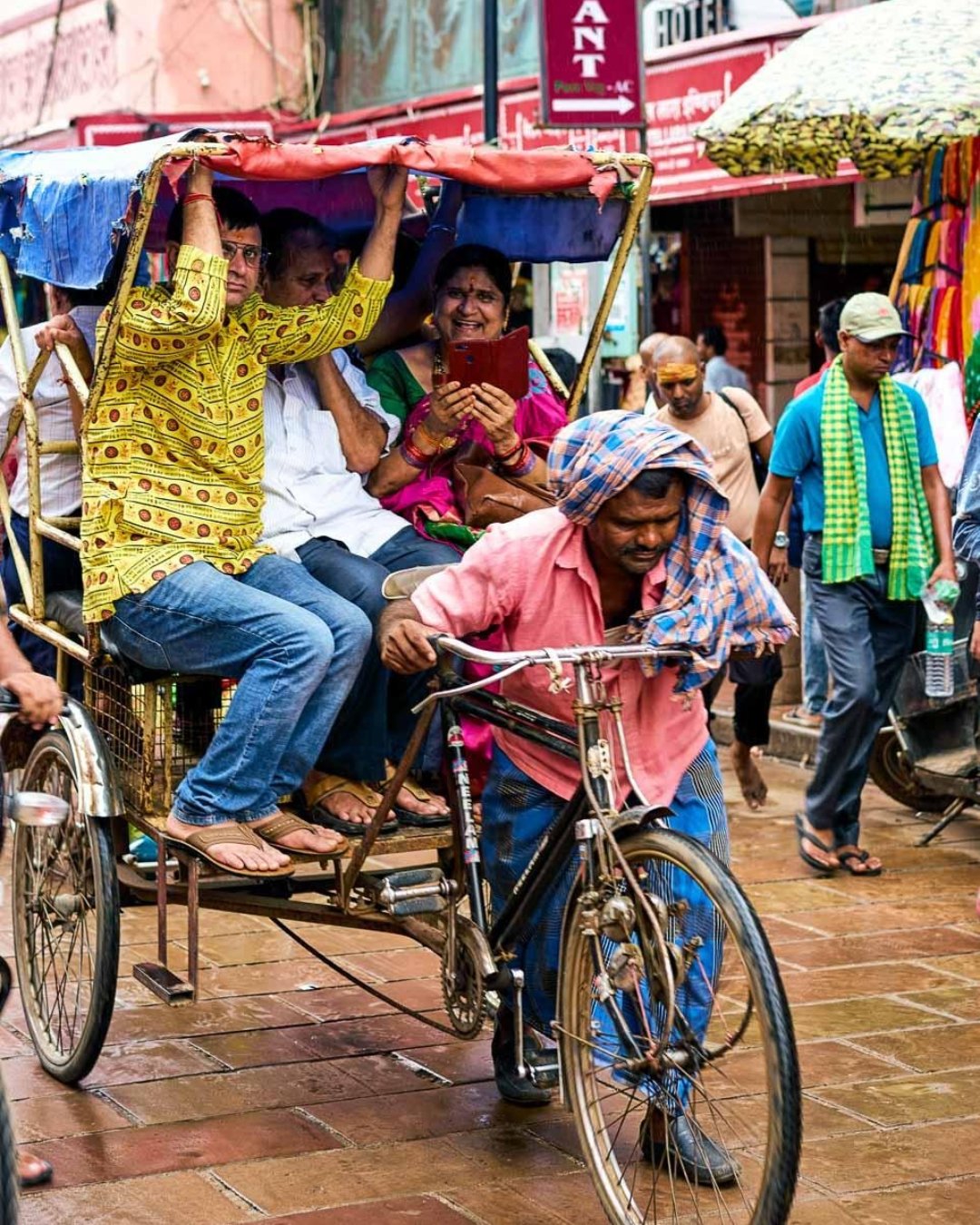
Varanasi has a normal traffic pattern and roughly forty days a year when it does not apply at all.
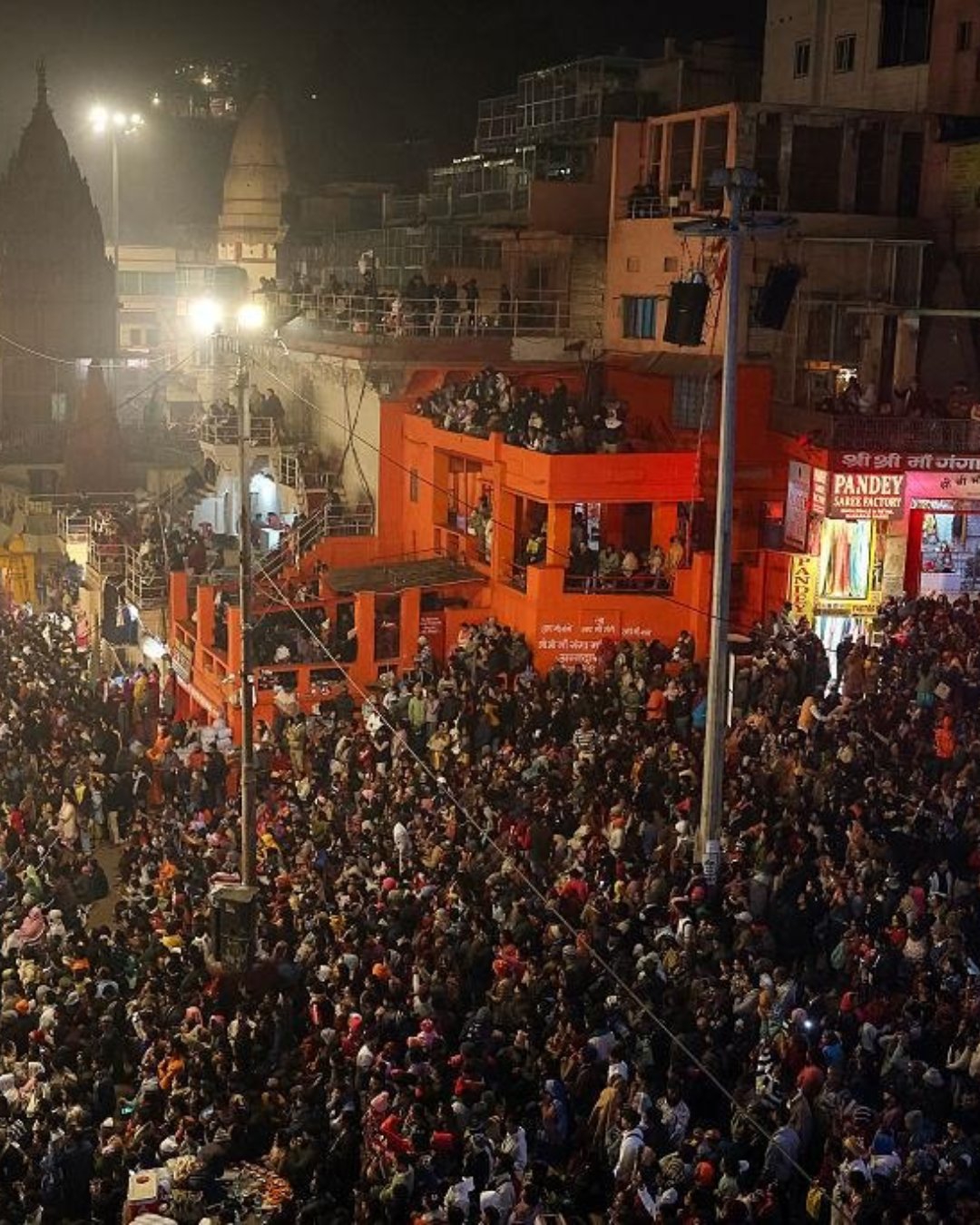
●The hour before evening aarti turns the approach to Dashashwamedh into gridlock every single day. Any journey crossing that area between roughly five and seven in the evening should be planned as a walk or
given double the time.
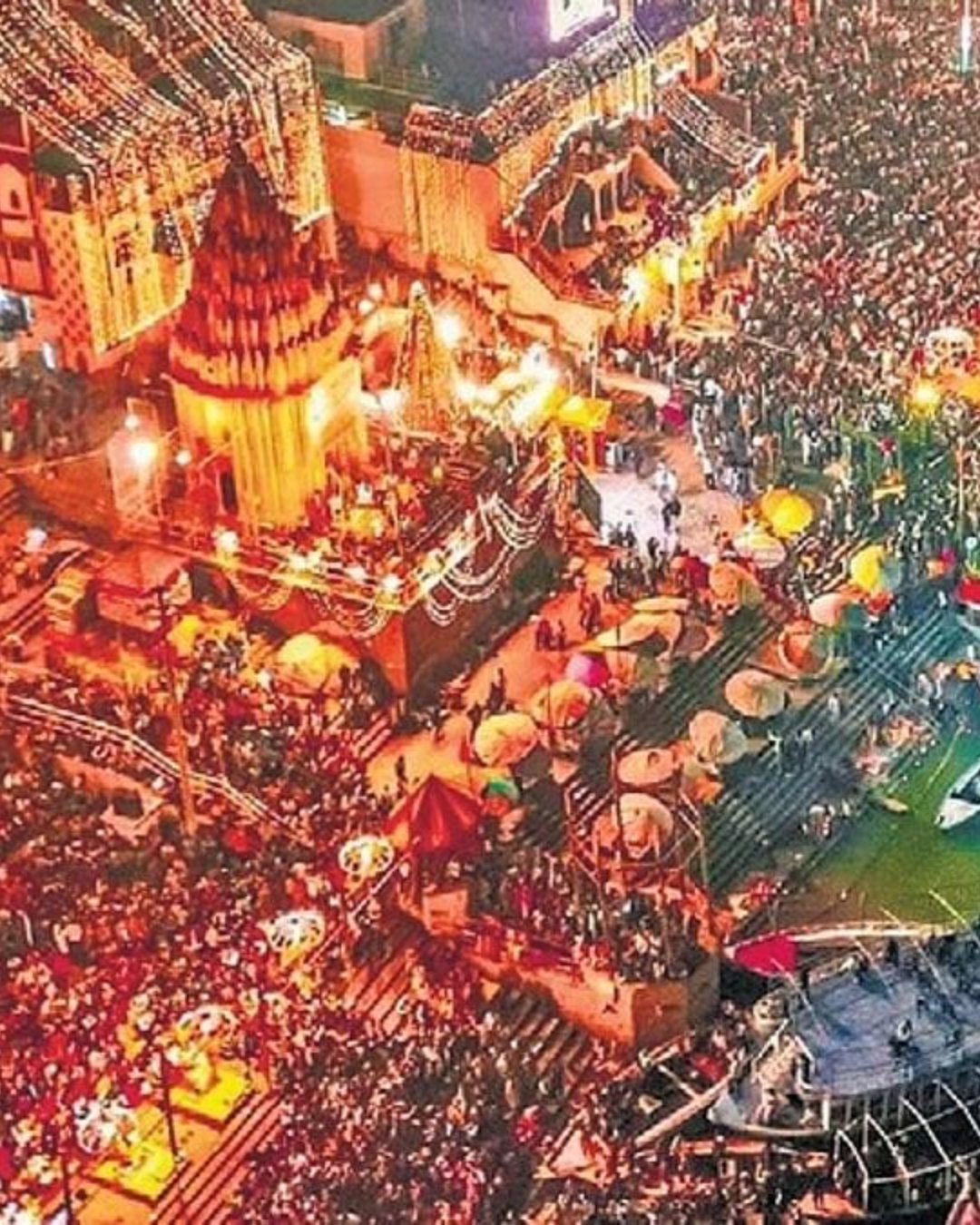
●Major festival days close roads outright, extend the no-vehicle zones, and put crowd volumes on the lanes that make walking slow rather than fast. Dev Deepawali is the extreme case.
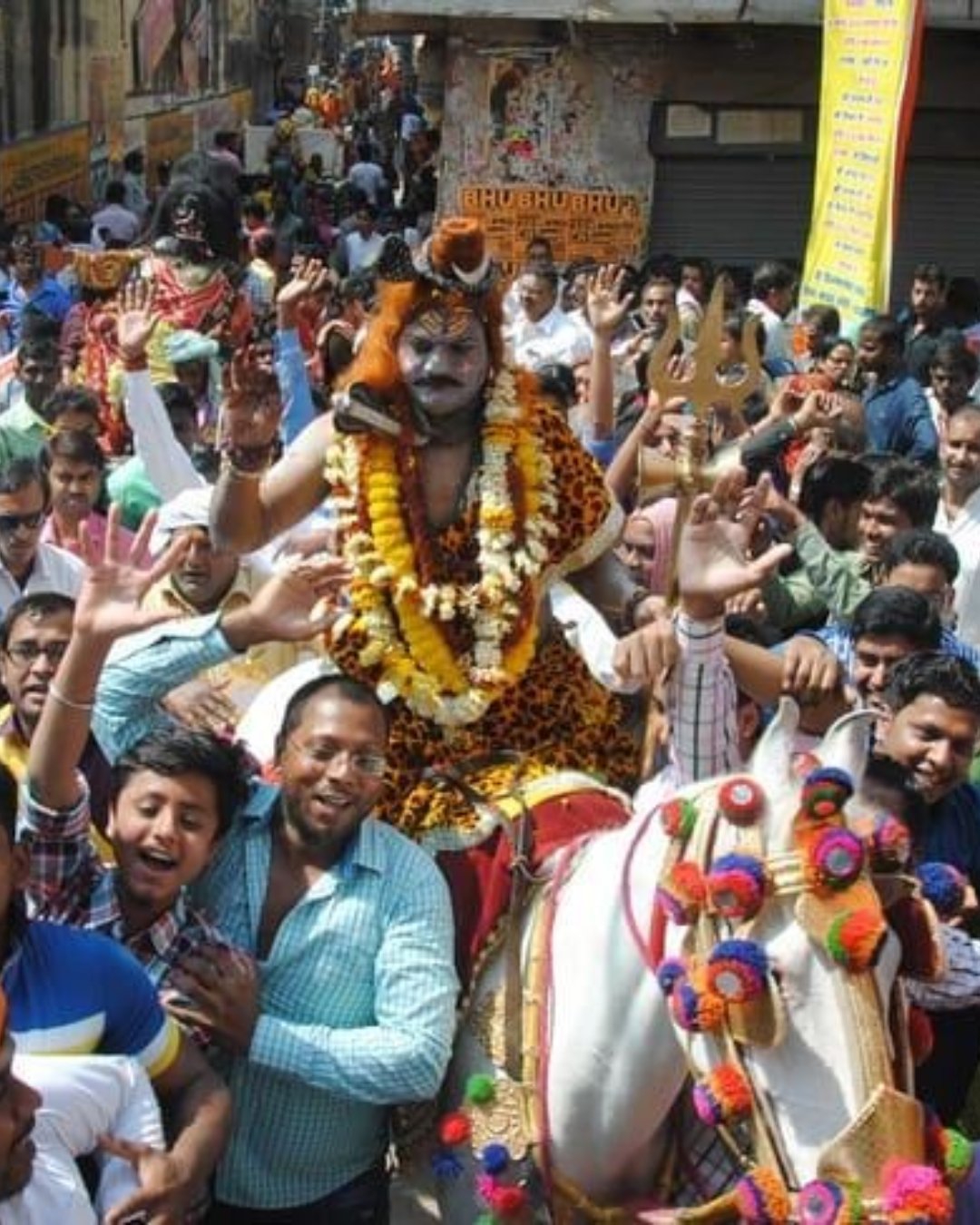
●On the biggest Shiva days the temple approach areas are managed as queues rather than streets, and the ordinary rules about which vehicle goes where stop applying.
●Security movements close roads at short notice and without announcement. There is no route around this and no point planning for it beyond leaving margin.
●Monsoon changes the geometry. High water closes the riverfront walk, boats are restricted, and everything reroutes inland onto roads that were already full.
●None of this is a reason to avoid those days — some are the best days to be here. It is a reason not to schedule a train connection through one.
Pro tip: On a festival day, work out where you need to be and get there early, then stay. Trying to move across the old city mid-event is the mistake; committing to one position is the strategy.
The mistakes that ruin it:
●Booking an evening departure that requires crossing Godowlia at aarti hour.
●Assuming a vehicle can get you out of the old city quickly on a festival night.
●Planning a tight itinerary during Dev Deepawali without checking road closures.