


Munnar Trip: 3-Day Itinerary from Kochi
3-day Munnar tour from Kochi — Top Station at dawn, Eravikulam National Park, tea factory tours & sunset tea gardens.
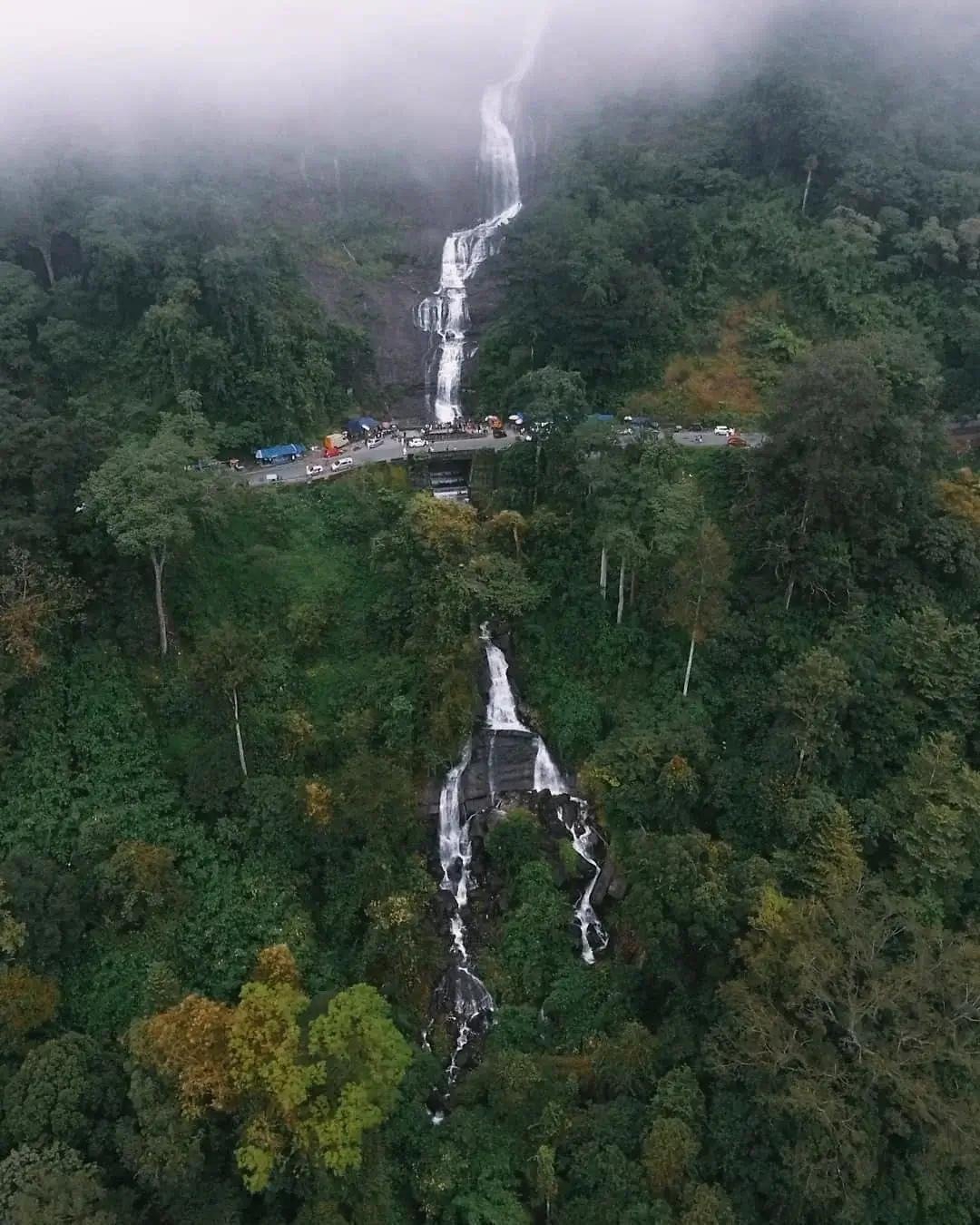
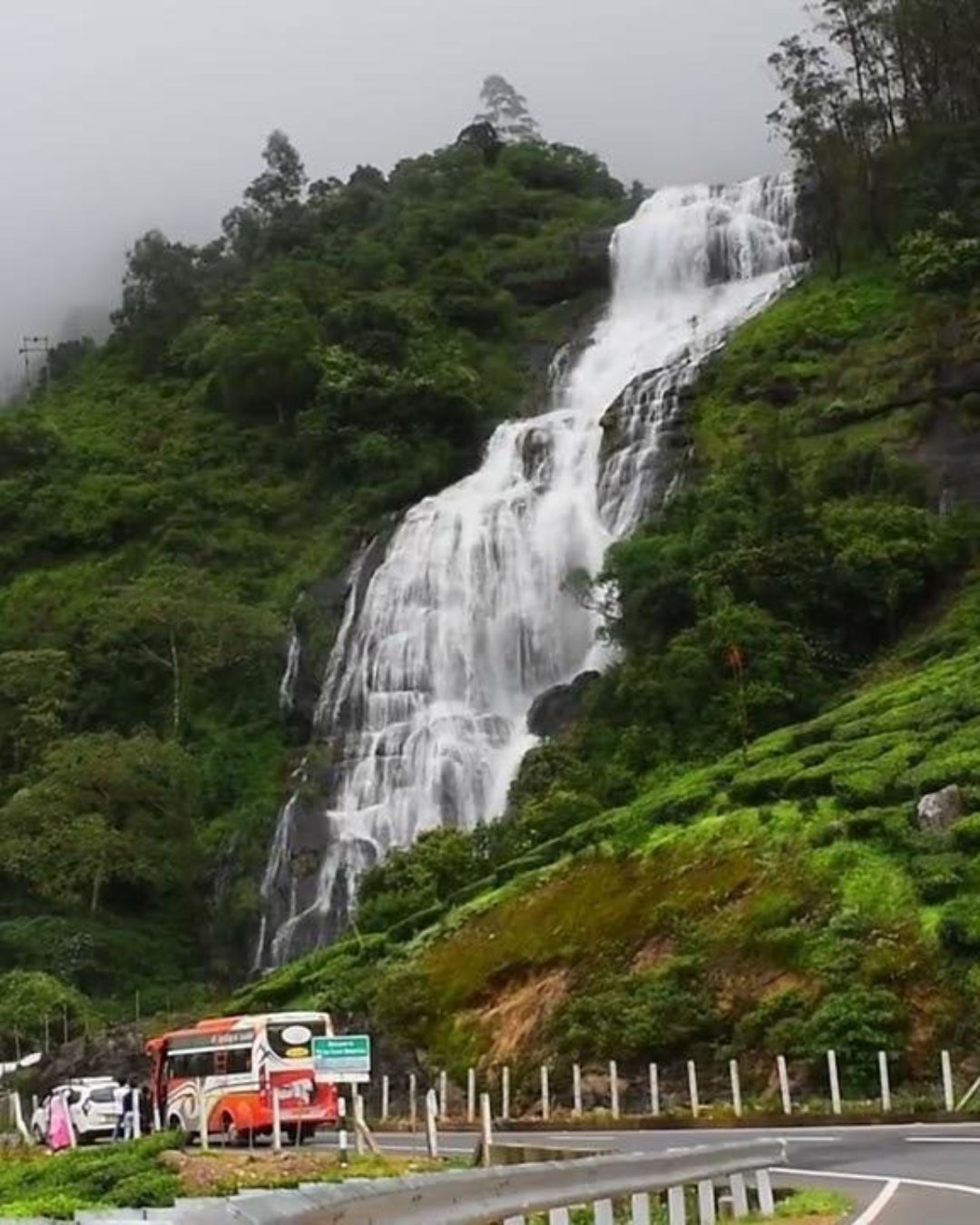
Your adventure begins with an early morning departure from Kochi around 8:00 am. Over the next four to four-and-a-half hours, you'll travel approximately 130 kilometres through winding mountain roads, lush rainforests, and fragrant cardamom plantations. Along the way, you'll stop at the beautiful Cheeyappara Waterfalls, where seven cascading tiers flow beside the highway, followed by the serene Valara Waterfalls, tucked away amidst dense forest.
By early afternoon, you'll arrive in the heart of Munnar's famous tea country. Before even checking into your resort, you'll have the opportunity to walk through the rolling tea plantations and breathe in the fresh mountain air. As evening approaches, you'll head to a west-facing viewpoint where the golden sunlight spreads across the endless green tea gardens, creating one of Munnar's most beautiful landscapes.
Day two is carefully planned around the region's weather patterns. The famous Top Station offers spectacular panoramic views of the Tamil Nadu plains, but these views are often covered by clouds later in the morning. That's why the day begins before sunrise.
Watch the first rays of sunlight illuminate the tea estates, visit Echo Point while the valley is still peaceful enough to hear its famous natural echo, and reach Top Station before the morning mist begins to roll in. On your return journey, stop at the scenic Kundala Lake and Mattupetty Dam, where you can enjoy a peaceful boat ride after the boating facilities open for the day.
Later in the afternoon, visit Munnar's Tea Museum and Factory to learn how tea leaves are transformed into the world-famous beverage through the traditional stages of withering, rolling, oxidation, drying, and grading. Complete the experience by tasting freshly brewed premium teas produced right in the region.
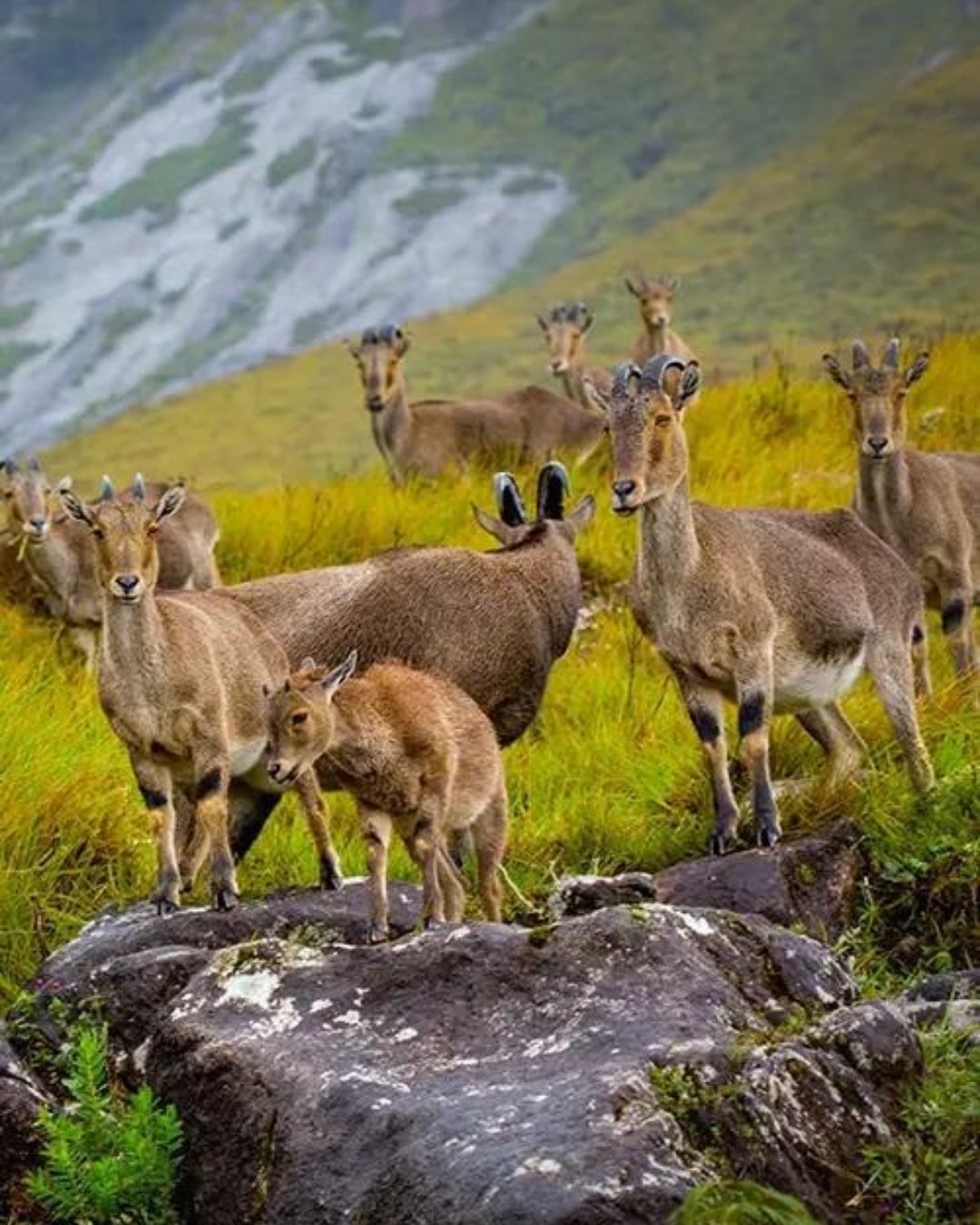
Your final morning begins at Eravikulam National Park as soon as the gates open. Home to the endangered Nilgiri Tahr and dominated by Anamudi Peak—the highest mountain in South India—the park offers spectacular grasslands, shola forests, and breathtaking mountain scenery.
Before returning to Kochi, visit a traditional spice plantation where you'll discover how cardamom, pepper, cinnamon, cloves, and other spices are cultivated. You'll also have the opportunity to purchase authentic Munnar tea directly from local producers before beginning the scenic drive back around early afternoon.
This itinerary focuses on twelve carefully chosen experiences rather than trying to fit everything into a rushed schedule. Munnar is best enjoyed at a relaxed pace, giving you time to truly appreciate its peaceful atmosphere and natural beauty.
236
Route
Home
MomentFort Kochi, Kochi

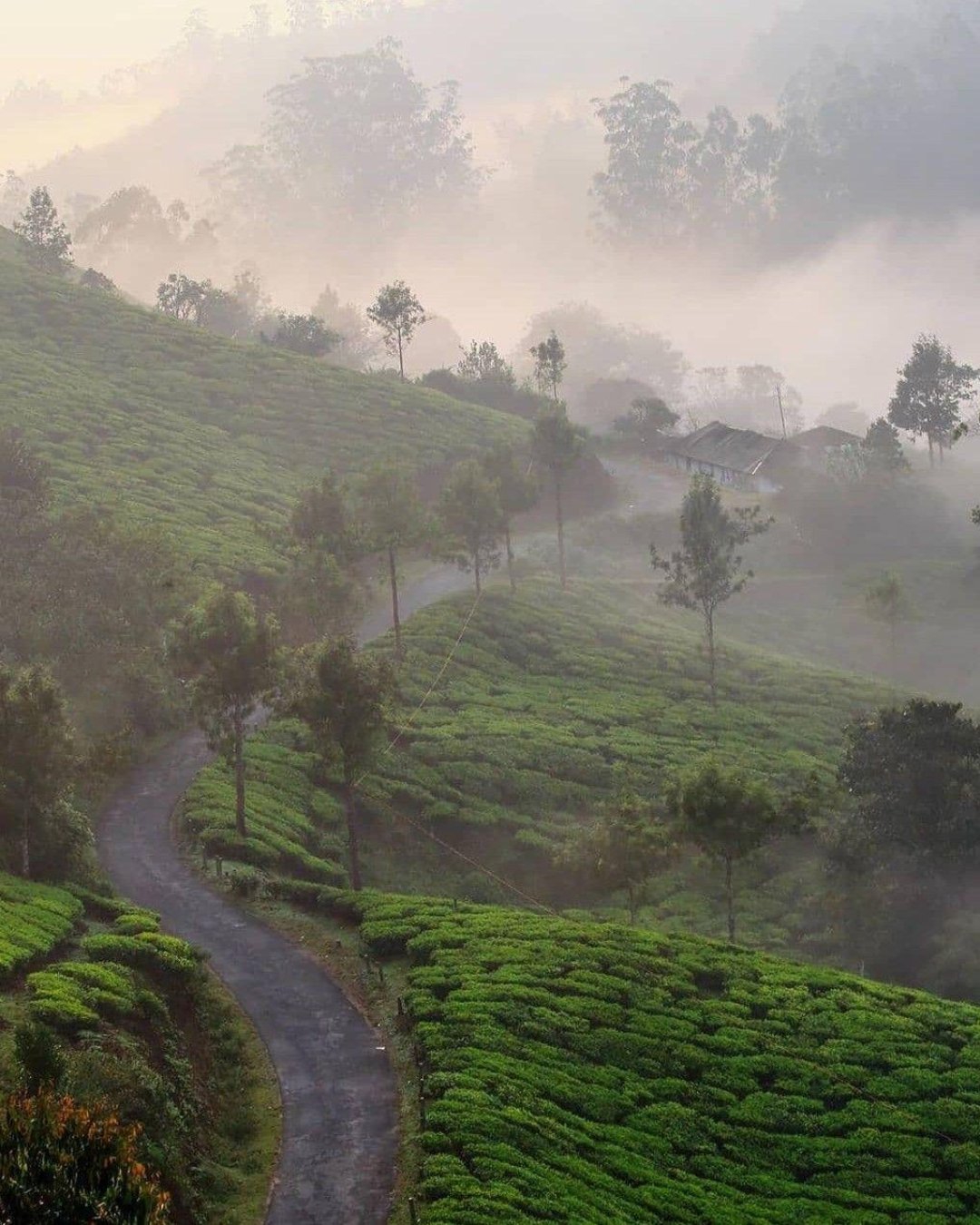
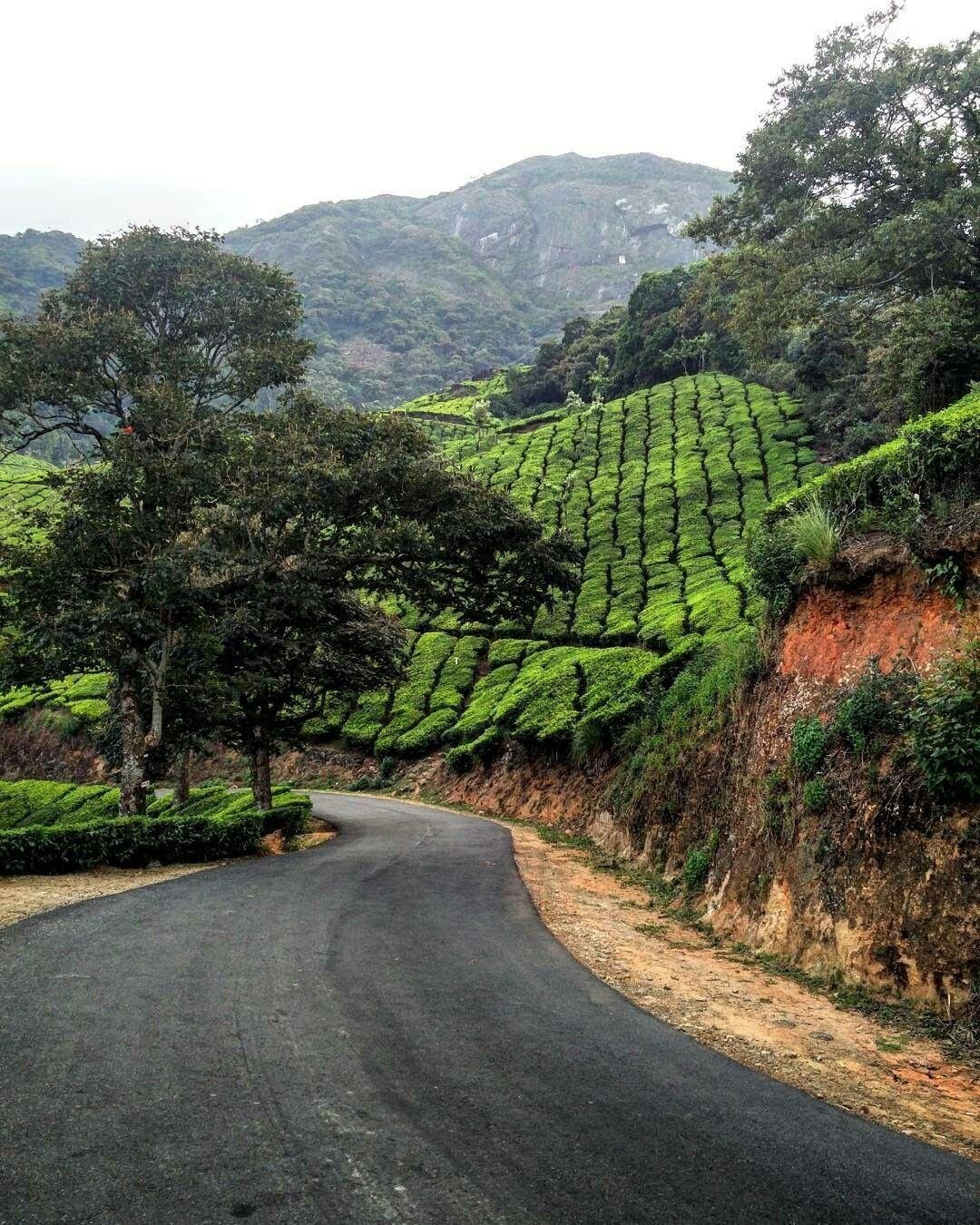
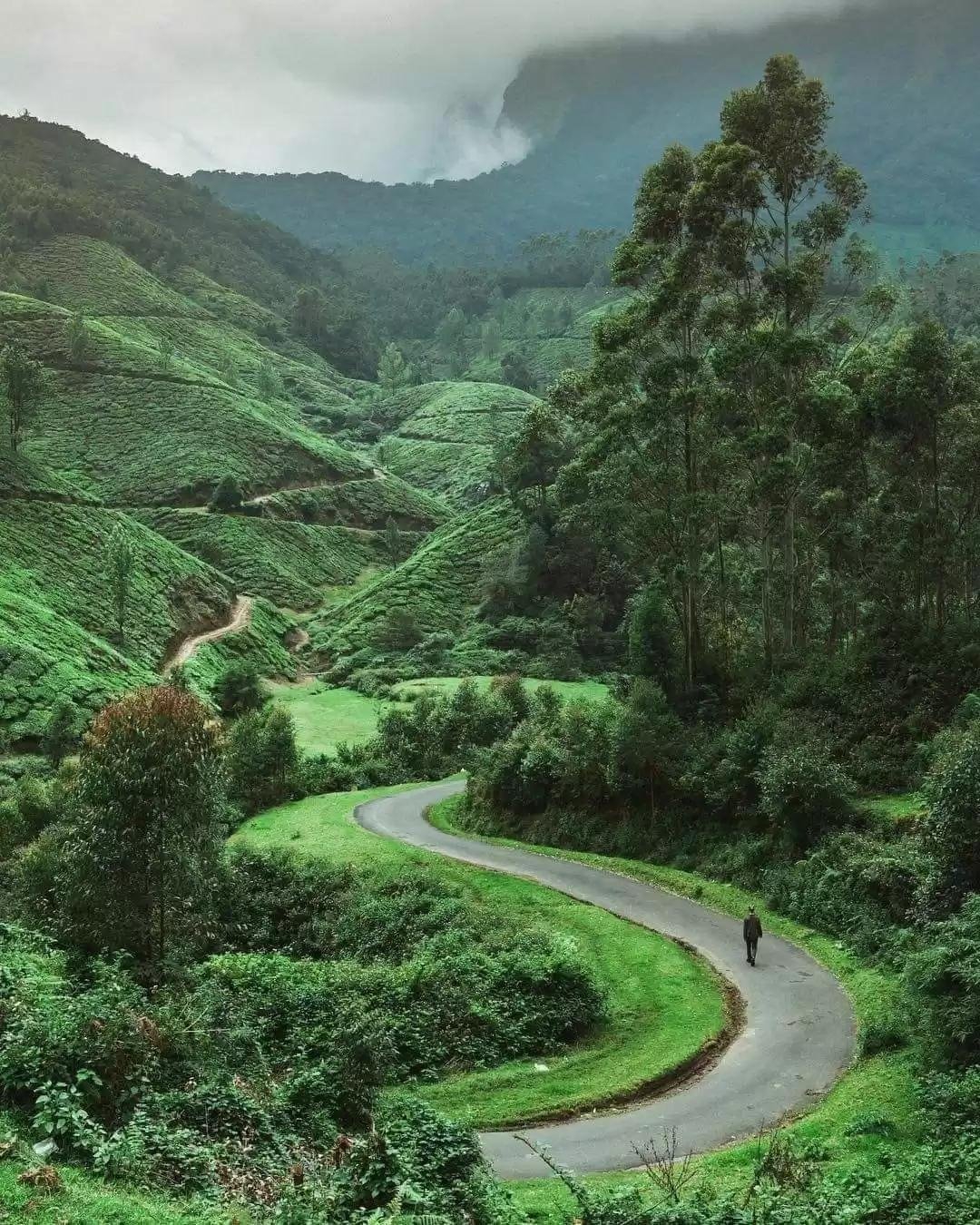
Journey Through the Western Ghats
You've probably thought of the drive from Kochi to Munnar as just a transfer—a few hours on the road before the real holiday begins.
But many travelers later realize it's one of the most memorable parts of the entire journey.
Leave too late, and you'll spend hours in city traffic, reach the mountains after sunset, and miss the waterfalls, forests, and breathtaking viewpoints that make this route so special.
Here's how to make the most of the drive from Kochi to Munnar.
WHY AN EARLY START MAKES ALL THE DIFFERENCE
The drive covers approximately 130 kilometres and usually takes 4 to 4.5 hours, depending on traffic and weather.
The busiest section is the first part of the journey, as you leave Kochi and travel through Aluva, Perumbavoor, and Kothamangalam.
Once you cross Neriamangalam, the landscape changes completely. The traffic fades away, the road begins climbing into the Western Ghats, and the scenery becomes increasingly spectacular.
Starting around 8:00 am gives you the best experience.
You'll avoid most of the city traffic, reach the waterfalls during daylight, enjoy the mountain roads at a relaxed pace, and arrive in Munnar with plenty of time left to explore.
WHAT YOU'LL SEE ALONG THE WAY
The journey gradually transforms from coastal Kerala to the cool mountains of Munnar.
Lowland Kerala
The first stretch passes through towns, rubber plantations, pineapple farms, and lush tropical countryside.
Neriamangalam
Often called the "Gateway to the High Ranges," this marks the point where the road enters the mountains. Dense forests surround the highway, temperatures begin to drop, and the climb toward Munnar truly begins.
Cheeyappara Waterfalls
One of Kerala's most photographed waterfalls, Cheeyappara cascades down seven rocky tiers beside the highway, making it an ideal stop for photos and a short break.
Valara Waterfalls
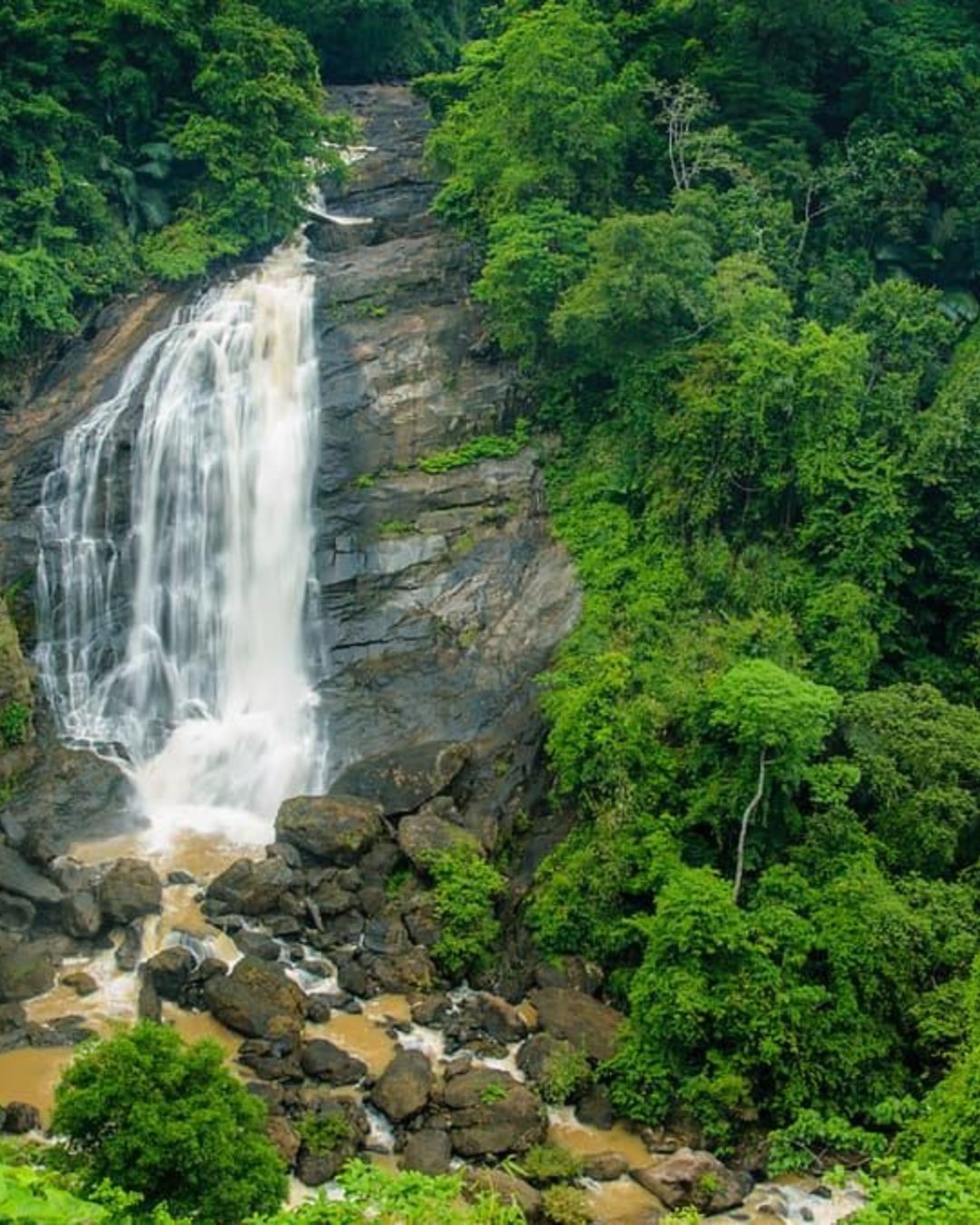
A little farther along, Valara Waterfalls offers a quieter setting surrounded by dense forest and mountain scenery.
The Mountain Hairpins
Beyond Adimali, the road winds through a series of scenic bends, gradually climbing toward Munnar while revealing beautiful valley views around every corner.
The First Tea Gardens
As you approach Pallivasal, you'll catch your first glimpse of Munnar's iconic rolling tea plantations—a sign that you're almost there.
TRAVEL COMFORT TIPS
Eat a light breakfast before starting the journey.
The final stretch includes many winding mountain roads, so those who are prone to motion sickness may feel more comfortable sitting in the front seat.
Keep a light jacket handy, as temperatures become noticeably cooler as you gain altitude.
ENJOY THE JOURNEY
Mobile network coverage becomes limited after Neriamangalam.
Rather than worrying about staying connected, enjoy the changing scenery.
Watch the forests grow denser, notice the fresh mountain air replacing the coastal humidity, and take in the dramatic landscapes that unfold around every turn.
Some experiences are best enjoyed with your own eyes rather than through a phone screen.
PRACTICAL TIPS
• Avoid driving this route after dark whenever possible.
• Fog is common on the upper mountain roads, especially during winter and the monsoon.
• Wild elephants are occasionally seen near the forest sections around Adimali, so daytime travel is always safer.
• Stop in Adimali for an authentic Kerala lunch instead of relying on roadside snacks.
• During the monsoon season (June to September), check road conditions before travelling, as heavy rainfall can occasionally cause temporary landslides.
COMMON MISTAKES TO AVOID
Many first-time visitors leave Kochi too late and spend the best part of the day sitting in traffic.
Others skip the waterfalls to save time, only to arrive at their hotel a little earlier without experiencing one of Kerala's most scenic drives.
Some choose drivers unfamiliar with the mountain roads, making the journey less comfortable than it needs to be.
The easiest way to enjoy the drive is to leave early, travel with an experienced hill driver, and allow enough time to stop at the waterfalls and scenic viewpoints along the way.
READY TO EXPERIENCE ONE OF KERALA'S MOST BEAUTIFUL ROAD TRIPS?
The journey to Munnar is far more than just a drive—it's the perfect introduction to the beauty of the Western Ghats.
Choose one of our Munnar Tour Packages and enjoy an early departure, comfortable transport, scenic waterfall stops, and a carefully planned route that lets you experience the mountains without rushing. Just pick your travel dates, and we'll take care of everything else.
55
MomentCheeyappara Waterfalls, Chillithodu

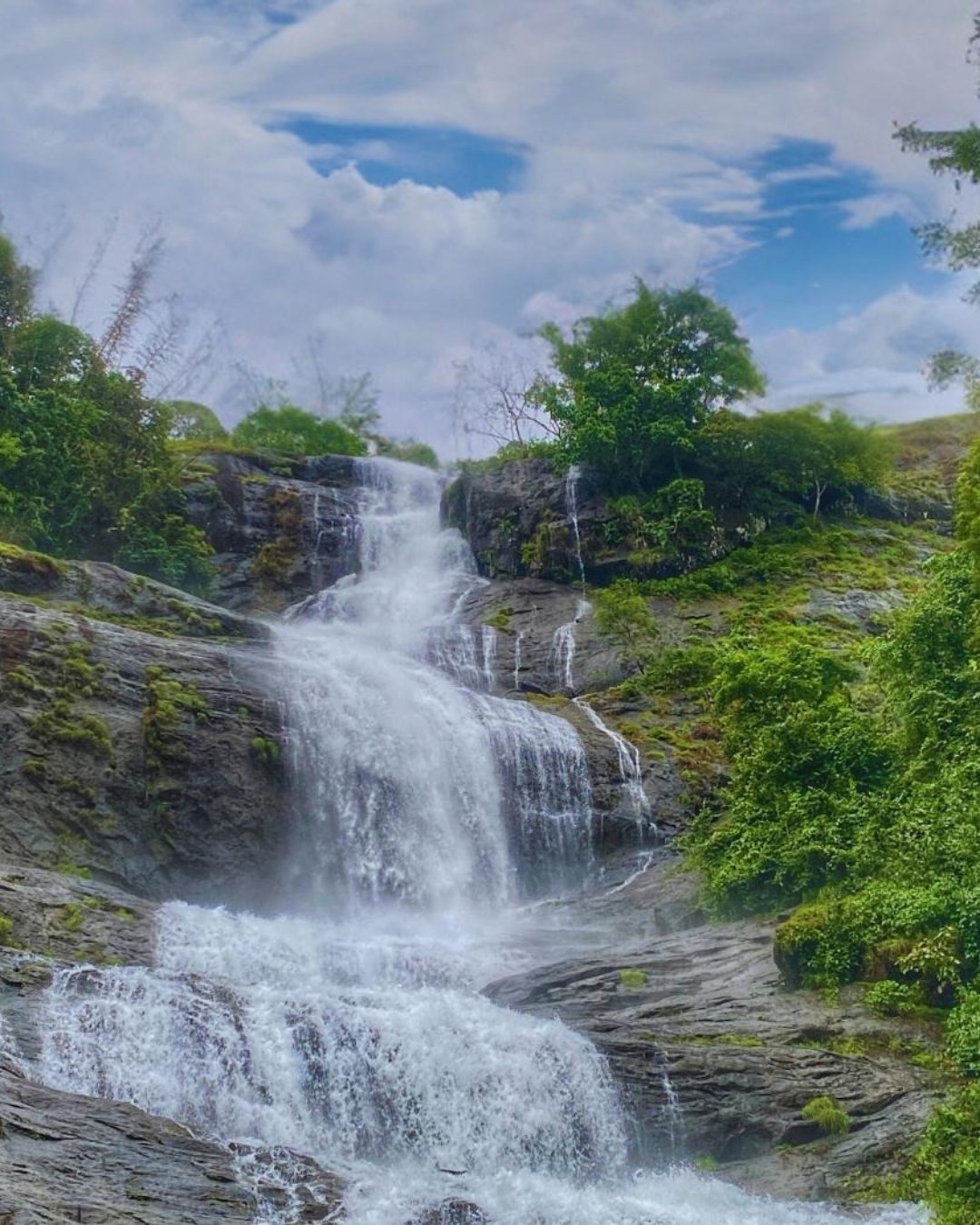
Cheeyappara Waterfalls
You've probably seen the photos of Cheeyappara Waterfalls—seven tiers of white water cascading down a dark rocky hillside, surrounded by lush green forests and mist rising from below.
What many travelers don't realize is that the waterfall looks completely different depending on the season.
Visit during the peak of summer, and you may find only a small stream flowing over the rocks instead of the powerful waterfall you've seen in photographs.
Here's how to experience Cheeyappara Waterfalls at its best.
WHY THE SEASON MATTERS
Cheeyappara is a rain-fed waterfall.
Its flow depends almost entirely on the monsoon, so the amount of water changes significantly throughout the year.
From June to September, during the southwest monsoon, the waterfall is at its most spectacular. The water roars down all seven tiers, creating one of the most impressive roadside waterfalls in Kerala.
During October and November, the flow remains strong while the skies become clearer, making it an excellent time for photography.
From December to February, the waterfall gradually becomes smaller, although it still remains attractive.
During the summer months (March to May), the water flow is often minimal. If you're visiting during this period, think of Cheeyappara as a short scenic stop rather than the highlight of your journey.
WHAT YOU'LL SEE
Cheeyappara Waterfalls is located directly along the Kochi–Munnar highway between Neriamangalam and Adimali.
There is no entrance gate or ticket. Vehicles simply stop at the roadside viewing area.
The Seven Cascades
The waterfall descends in seven distinct levels over a broad rock face, giving Cheeyappara its unique appearance.
Viewing Area
Most visitors admire the lower sections of the waterfall from the roadside steps and designated viewpoints, which offer the best perspective for photographs.
Forest Surroundings
Dense tropical forests surround the waterfall, creating a peaceful atmosphere filled with birdsong and the sound of rushing water.
Valara Waterfalls
Just a few kilometres farther along the same highway lies Valara Waterfalls. Since both attractions are close together, it's well worth visiting both during the same journey.
Roadside Refreshments
Several small stalls nearby serve tea, fresh pineapple, local snacks, and refreshments—perfect for a short break before continuing toward Munnar.
WHAT TO WEAR
Wear comfortable footwear with good grip.
The viewing steps often remain wet from the waterfall's spray, making the surface slippery even on dry days.
TAKE A MOMENT TO ENJOY THE EXPERIENCE
Before reaching for your camera, spend a minute simply listening.
Hear the sound of water crashing against the rocks.
Feel the cool mist carried by the breeze.
Notice the fresh scent of the surrounding forest.
These are the moments that photographs rarely capture.
PRACTICAL TIPS
• Visit during the morning whenever possible for softer light and fewer crowds.
• Combine your stop with nearby Valara Waterfalls.
• Carry a light rain jacket during the monsoon, as the spray can be quite strong.
• Be careful when walking near wet steps and viewing platforms.
IMPORTANT SAFETY ADVICE
Do not climb onto the rocks surrounding the waterfall.
The rocks are often covered with algae and become extremely slippery, especially during and after the monsoon.
Every year, accidents occur because visitors leave the designated viewing areas in search of better photographs.
Stay on the marked paths and enjoy the waterfall safely.
COMMON MISTAKES TO AVOID
Many first-time visitors expect to see the powerful monsoon waterfall during the dry season and leave disappointed.
Others stop for only a few minutes without realizing that Valara Waterfalls is located just ahead.
Some attempt to climb the rocks for photographs, putting themselves at unnecessary risk.
The easiest way to enjoy Cheeyappara is to visit during or shortly after the monsoon, combine it with nearby Valara Waterfalls, and travel with someone familiar with the route.
READY TO EXPERIENCE ONE OF KERALA'S MOST SCENIC WATERFALLS?
Cheeyappara Waterfalls is one of the highlights of the drive to Munnar when visited at the right time of year.
Choose one of our Munnar Tour Packages and enjoy a well-planned journey with scenic waterfall stops, experienced hill drivers, and a relaxed itinerary that lets you experience the beauty of the Western Ghats without rushing. Just choose your travel dates, and we'll take care of the rest.
51
MomentMunnar - Aluva Rd, Chillithodu

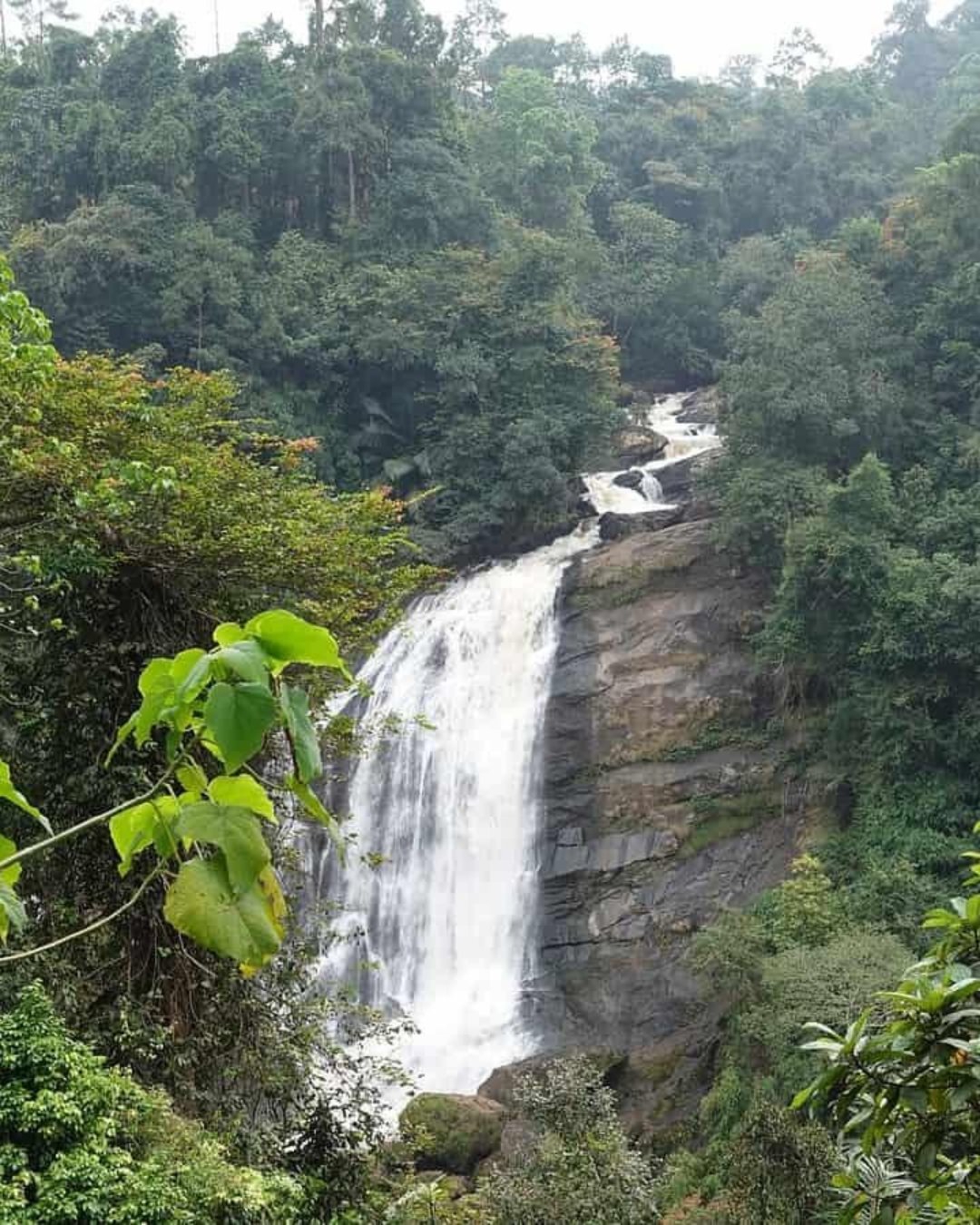
Valara Waterfalls
You've probably never heard of Valara Waterfalls.
Most travelers stop at the famous Cheeyappara Waterfalls a few kilometres earlier, take a few photos, and continue their journey to Munnar without realizing another beautiful waterfall is waiting just ahead.
Unlike Cheeyappara, Valara doesn't immediately catch your attention from the road. It's quieter, surrounded by dense evergreen forests, and offers a much more peaceful experience.
Here's how to enjoy Valara Waterfalls the right way.
WHY IT'S WORTH STOPPING
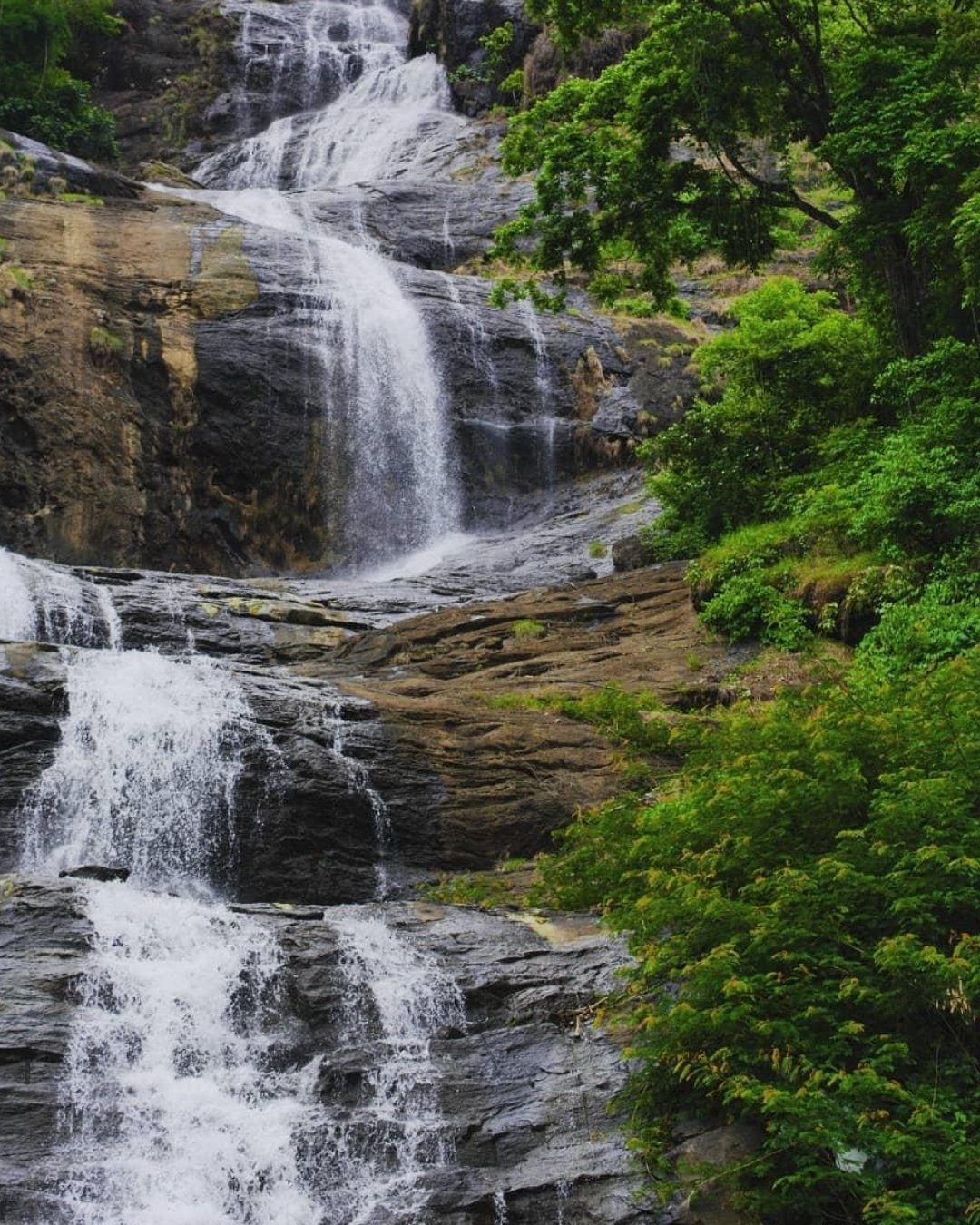
While Cheeyappara impresses visitors with its wide, cascading rock face, Valara offers something completely different.
The waterfall flows through a forested gorge, surrounded by thick vegetation and the sounds of nature. Instead of large crowds and busy viewpoints, you'll often find a calm and relaxing atmosphere where you can simply enjoy the scenery.
Like Cheeyappara, Valara is also a rain-fed waterfall.
During the monsoon season (June to September), the waterfall is at its most powerful, surrounded by lush greenery and flowing water.
October and November continue to offer excellent views with pleasant weather and clearer skies.
From March to May, the water flow reduces significantly, making it a pleasant roadside stop rather than a major attraction.
WHAT YOU'LL SEE
Valara Waterfalls is located along the Kochi–Munnar highway between Neriamangalam and Adimali, only a few kilometres beyond Cheeyappara.
There is no entrance ticket or formal gate.
Simply park your vehicle safely and walk a short distance to the viewpoint.
The Viewpoint
A short walk leads to a viewing area overlooking the waterfall and surrounding forest.
The Forest Gorge
The waterfall descends through a deep valley surrounded by evergreen rainforest, creating a peaceful natural setting.
Dense Tropical Forest
The surrounding vegetation is just as impressive as the waterfall itself, with towering trees, birdsong, and cool mountain air.
Nearby Cheeyappara Waterfalls
Since both waterfalls are located close together, visiting both makes for an excellent break during the drive to Munnar.
WHAT TO WEAR
Wear comfortable shoes with good grip.
The pathway can remain damp during the monsoon, making some sections slippery.
TAKE IN THE ATMOSPHERE
Valara is less about dramatic photographs and more about enjoying nature.
Spend a few quiet moments listening to the sound of water echoing through the forest.
Feel the cool breeze rising from the gorge.
Notice the peaceful surroundings away from the busier tourist stops.
It's one of those places that's often remembered more for how it feels than how it looks in photographs.
PRACTICAL TIPS
• Visit during or just after the monsoon for the strongest waterfall.
• Stop here after visiting Cheeyappara Waterfalls since both are located along the same route.
• Let your driver know in advance that you'd like to stop, as some vehicles continue directly to Munnar without halting.
• Carry drinking water and enjoy a short break before continuing your journey.
IMPORTANT SAFETY ADVICE
Do not attempt to climb down toward the waterfall.
Although informal paths may appear, the rocks are slippery and the terrain can be dangerous, especially during the rainy season.
Enjoy the views from the designated viewpoint and avoid crossing safety barriers.
COMMON MISTAKES TO AVOID
Many visitors simply don't know Valara Waterfalls exists and drive straight past it.
Others stop only long enough to look from the roadside without walking to the viewpoint, missing the best perspective.
Some visit during the dry summer months expecting the dramatic monsoon waterfall shown in photographs.
The best way to enjoy Valara is to visit during the rainy or post-monsoon season, combine it with Cheeyappara Waterfalls, and allow enough time to appreciate its peaceful surroundings.
READY TO DISCOVER ONE OF THE HIDDEN GEMS ON THE ROAD TO MUNNAR?
Valara Waterfalls may not be as famous as Cheeyappara, but its quiet beauty makes it one of the most rewarding stops on the journey through the Western Ghats.
Choose one of our Munnar Tour Packages and enjoy a carefully planned itinerary that includes both waterfalls, experienced local drivers, and all the highlights of Munnar—from Top Station and Eravikulam National Park to scenic tea estates and mountain viewpoints. Just choose your travel dates, and we'll take care of the rest.
45
MomentMG Rd, Munnar

Arrival in the Land of Tea
You've probably imagined waking up in Munnar to endless tea plantations, rolling mist, and a steaming cup of fresh tea overlooking the mountains.
But here's something many first-time visitors don't realize.
Booking a hotel in Munnar town doesn't necessarily mean you'll wake up surrounded by tea gardens.
The town itself is a busy commercial area with shops, restaurants, buses, and local traffic. While it's convenient for shopping and dining, it doesn't offer the peaceful hill-station experience most travelers expect.
Here's how to choose the right place to stay in Munnar and make the most of your visit.
WHY YOUR LOCATION MATTERS
Munnar town is the commercial center of the region.
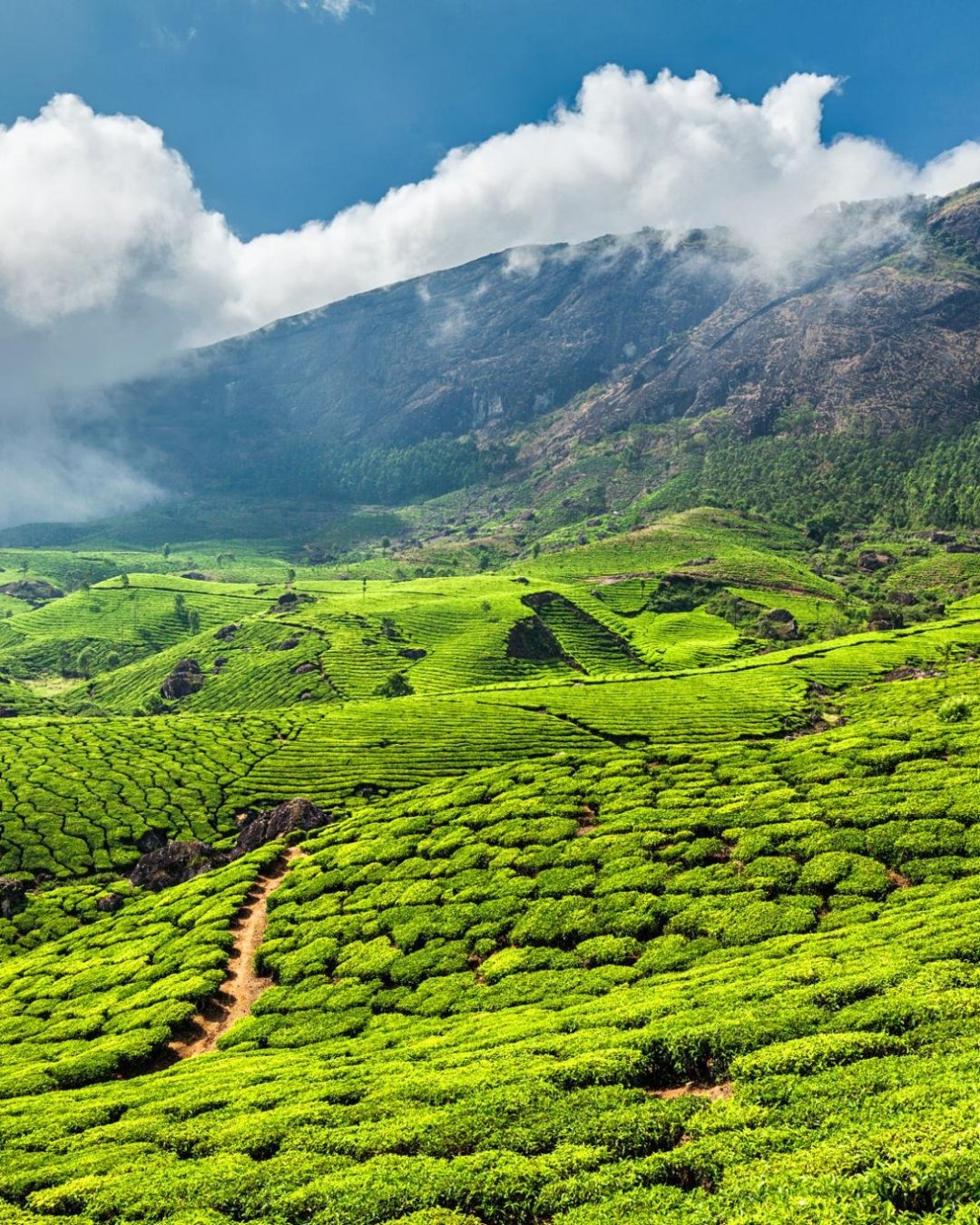
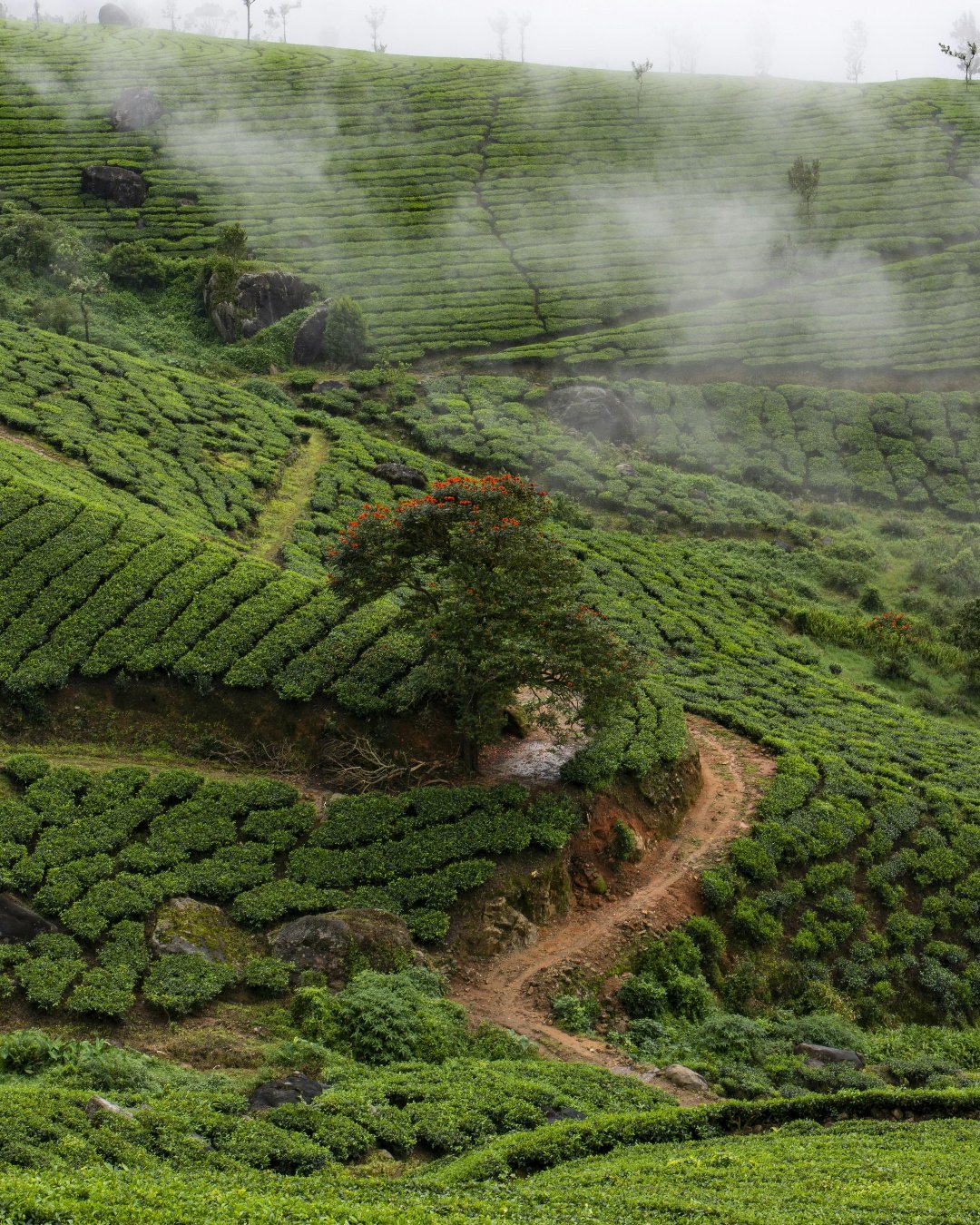
The famous tea plantations begin just a few kilometres outside the town, where quiet country roads wind through endless green hills and plantation estates.
Staying in one of these plantation areas completely changes your experience.
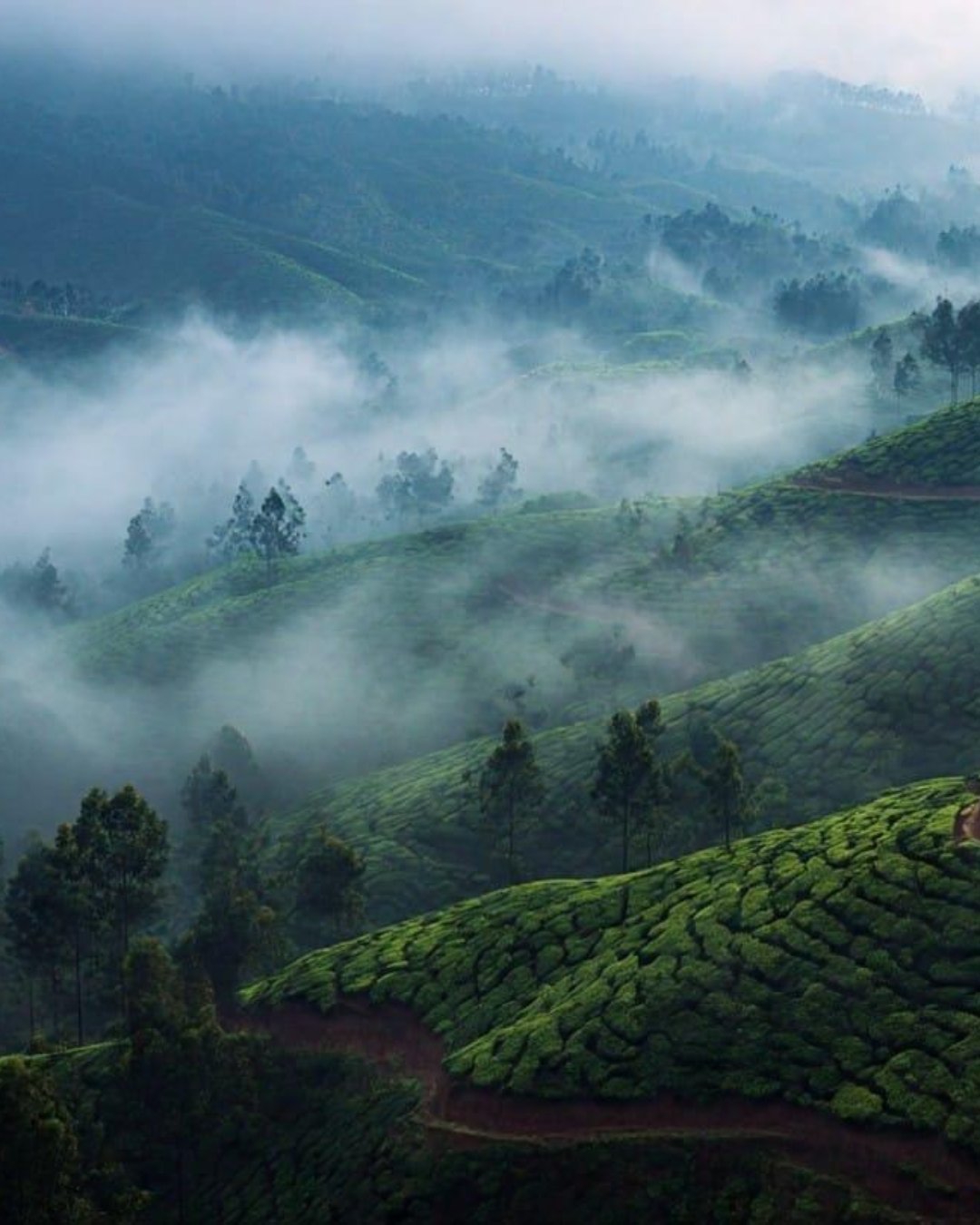
Instead of waking up to traffic and busy streets, you'll open your curtains to mist-covered valleys, birdsong, and rolling tea gardens stretching as far as the eye can see.
The difference isn't always reflected in the price—but it makes a huge difference to your holiday.
WHERE TO STAY
Munnar Town
Best for shopping, restaurants, ATMs, and local markets.
A convenient place to visit during the day, but not the ideal choice if you're looking for peace and scenic views.
Chithirapuram and Pallivasal
These plantation areas, located along the Kochi–Munnar road, offer beautiful tea estates, peaceful surroundings, and easy access to most attractions.
Mattupetty Road
An excellent location for travelers planning to visit Mattupetty Dam, Echo Point, and Top Station. Many resorts here offer spectacular valley views.
Chinnakanal and Anachal
Located farther from town, these areas provide larger resorts, panoramic mountain scenery, and a quieter atmosphere, although attractions require slightly longer drives.
Tea Estate Bungalows
For a truly authentic experience, consider staying in one of Munnar's heritage plantation bungalows. These beautifully restored homes offer a unique opportunity to stay amidst working tea estates while enjoying exceptional hospitality and breathtaking surroundings.
WHAT TO PACK
Although Munnar is located in Kerala, the higher altitude means temperatures can become surprisingly cool.
During winter, nighttime temperatures often fall into single digits.
Pack a light jacket, comfortable walking shoes, and a few warm layers, especially if you're visiting between October and February.
It's also worth confirming that your accommodation provides hot water and extra blankets during colder months.
MAKE THE MOST OF YOUR FIRST AFTERNOON
Many travelers arrive in Munnar around lunchtime after the scenic drive from Kochi.
It's tempting to check into your room and take a nap after the journey.
Instead, unpack quickly and head outside.
Take a leisurely walk through the nearby tea plantations before sunset.
The late afternoon light transforms the hills into beautiful shades of green and gold, creating one of the most peaceful moments of your trip.
There's no schedule to follow.
Simply enjoy the fresh mountain air, the gentle breeze, and the quiet beauty of the tea gardens.
PRACTICAL TIPS
• Before booking your hotel, ask whether it is located inside or overlooking a tea estate.
• Check the distance from Munnar town so you know whether you'll need transport for sightseeing.
• Confirm that the property serves dinner, as many hill resorts stop food service by around 9:00 pm.
• During winter, ask whether rooms have hot water and extra blankets.
COMMON MISTAKES TO AVOID
Many first-time visitors choose accommodation based only on price and later discover they're staying beside a busy road in the town center.
Others spend their first afternoon resting indoors and miss the beautiful golden-hour light across the tea plantations.
Some arrive expecting tropical temperatures and forget to pack warm clothing for the cool mountain evenings.
Choosing the right accommodation is one of the simplest ways to transform your Munnar holiday from an ordinary stay into an unforgettable hill-station experience.
READY TO WAKE UP SURROUNDED BY TEA GARDENS?
The right location makes all the difference.
Choose one of our Munnar Tour Packages and stay in carefully selected tea-estate resorts or scenic mountain retreats, with Top Station, Eravikulam National Park, Mattupetty, and the best of Munnar all included. Simply choose your travel dates, and we'll take care of the rest.
53
MomentLockhart Estate, Devikulam

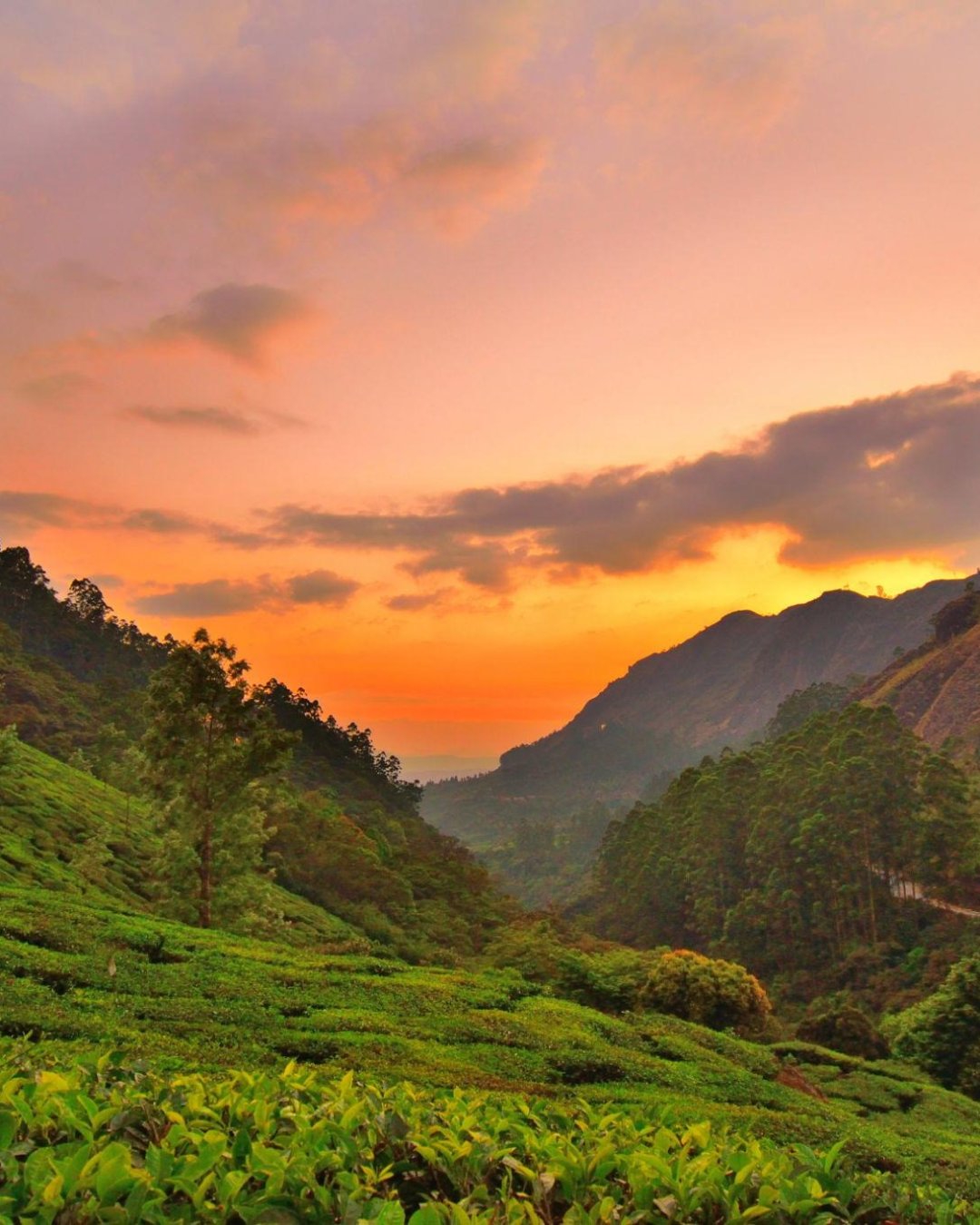
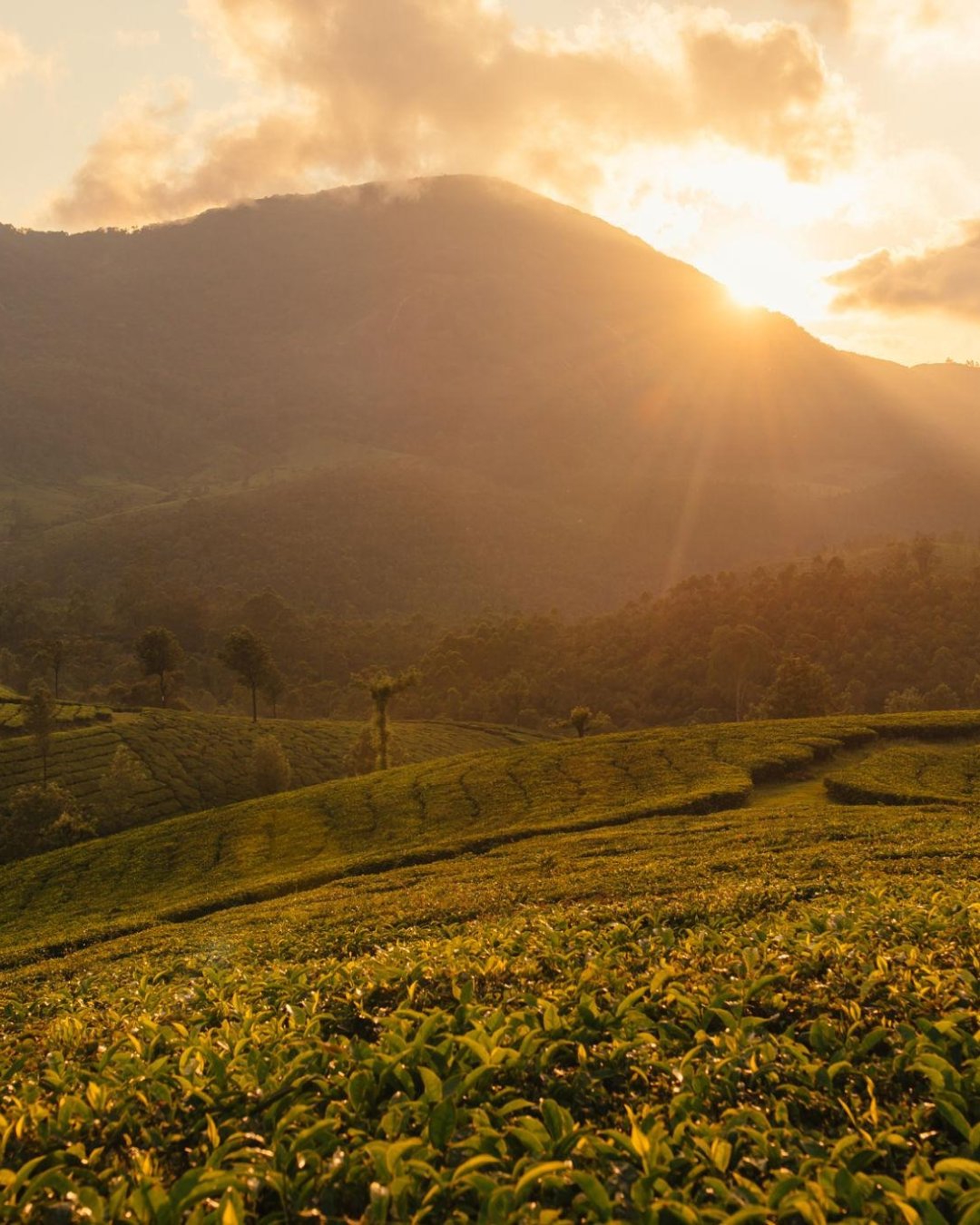
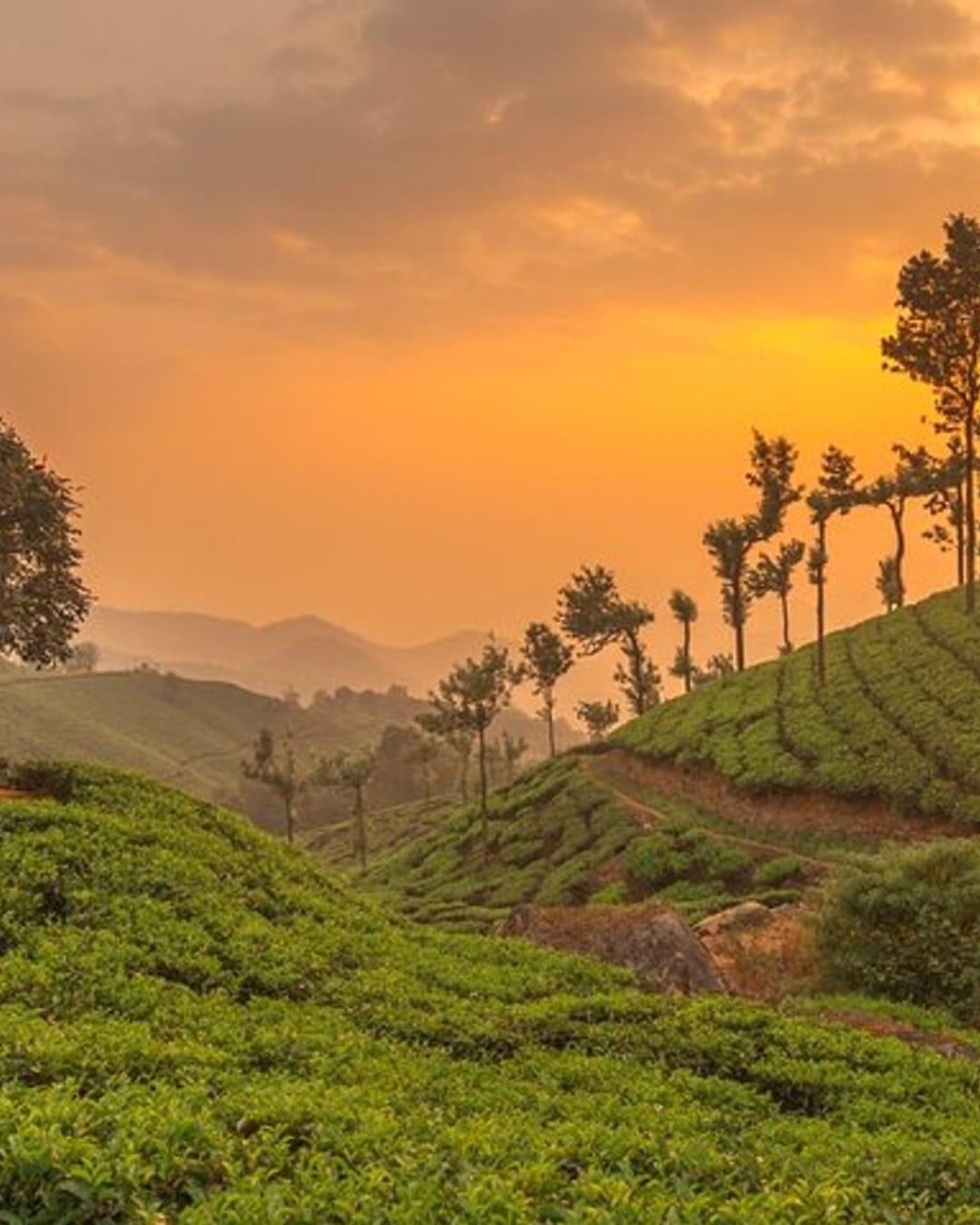
Sunset Over the Tea Gardens
You've probably imagined the perfect Munnar sunset—rolling tea plantations glowing in golden light, long shadows stretching across the hills, and cool mountain air all around you.
But here's something many first-time visitors discover too late.
The magic isn't the moment the sun disappears below the horizon.
It's the hour before sunset.
Visit the tea gardens in the middle of the day, and they can look surprisingly flat. Return in the late afternoon, and the same landscape transforms into one of the most beautiful sights in Kerala.
Here's how to experience sunset in Munnar's tea plantations the right way.
WHY THE LAST HOUR IS THE BEST
Tea bushes are carefully trimmed into neat rows that cover entire hillsides.
During the middle of the day, when the sun is directly overhead, the plantations appear as large green carpets with very little texture.
As the sun begins to sink lower, everything changes.
The soft golden light creates long shadows across every tea bush, revealing the curves of the hills, the walking paths between the plantations, and the incredible patterns that make Munnar so famous.
This beautiful transformation begins about an hour before sunset.
Depending on the season, sunset usually occurs between 6:15 pm and 6:50 pm, so plan to be at your chosen viewpoint by around 5:00 pm.
WHAT YOU'LL SEE
Rolling Tea Plantations
Golden light highlights every row of tea bushes, creating stunning layers across the hills.
Mist-Filled Valleys
As evening approaches, mist slowly begins to collect in the valleys while the surrounding hills remain bathed in sunlight.
Silver Oak Trees
These tall shade trees stand above the tea plantations and are often the last to catch the evening light.
Tea Workers Returning Home
Depending on the season, you may see workers carrying baskets of freshly picked tea leaves as they finish their day, adding a wonderful local touch to the landscape.
WHAT TO BRING
Carry a light jacket with you.
Temperatures in Munnar can drop quickly once the sun begins to set, especially between October and February.
Comfortable walking shoes are also recommended if you plan to explore the tea estate on foot.
ENJOY THE MOMENT
Before taking photographs, spend a few minutes simply looking around.
Watch the changing light move across the hills.
Feel the cool breeze replacing the warmth of the afternoon.
Listen to the quiet sounds of the tea estate as the day comes to an end.
Some of the most memorable travel moments are the ones you experience without looking through a camera screen.
PRACTICAL TIPS
• Stay at a resort or tea estate with west-facing views whenever possible.
• Walk through the nearby plantations instead of driving to crowded sunset viewpoints.
• Arrive at least an hour before sunset to enjoy the changing light.
• Check the local sunset time during your travel dates.
COMMON MISTAKES TO AVOID
Many visitors photograph the tea plantations at midday and wonder why they don't look like the images they've seen online.
Others spend valuable time driving to busy viewpoints where haze or clouds often block the sunset.
Some arrive only minutes before sunset and miss the beautiful golden hour that makes Munnar so special.
The easiest way to enjoy the evening is to stay in a tea-estate resort, walk out into the plantations around 5:00 pm, and simply let the landscape reveal itself.
READY TO EXPERIENCE MUNNAR'S GOLDEN HOUR?
Sunset in the tea gardens is one of the most unforgettable experiences in Munnar when enjoyed at the right place and the right time.
Choose one of our Munnar Tour Packages and stay amidst scenic tea estates with carefully planned experiences, breathtaking viewpoints, and relaxed itineraries that let you enjoy every moment without rushing. Simply choose your travel dates, and we'll take care of the rest.
37
MomentKolukkumalai Tea Estate, Munnar

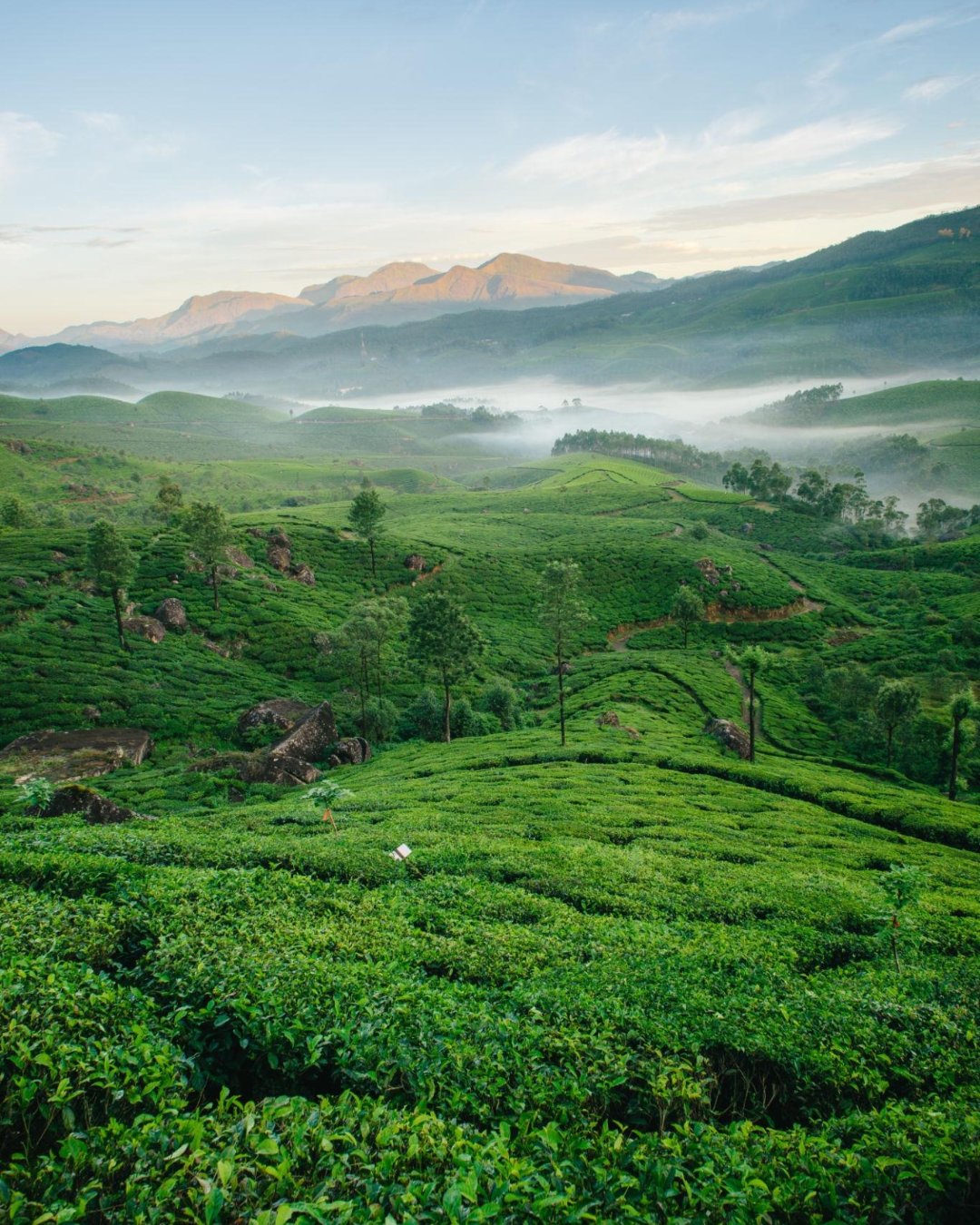
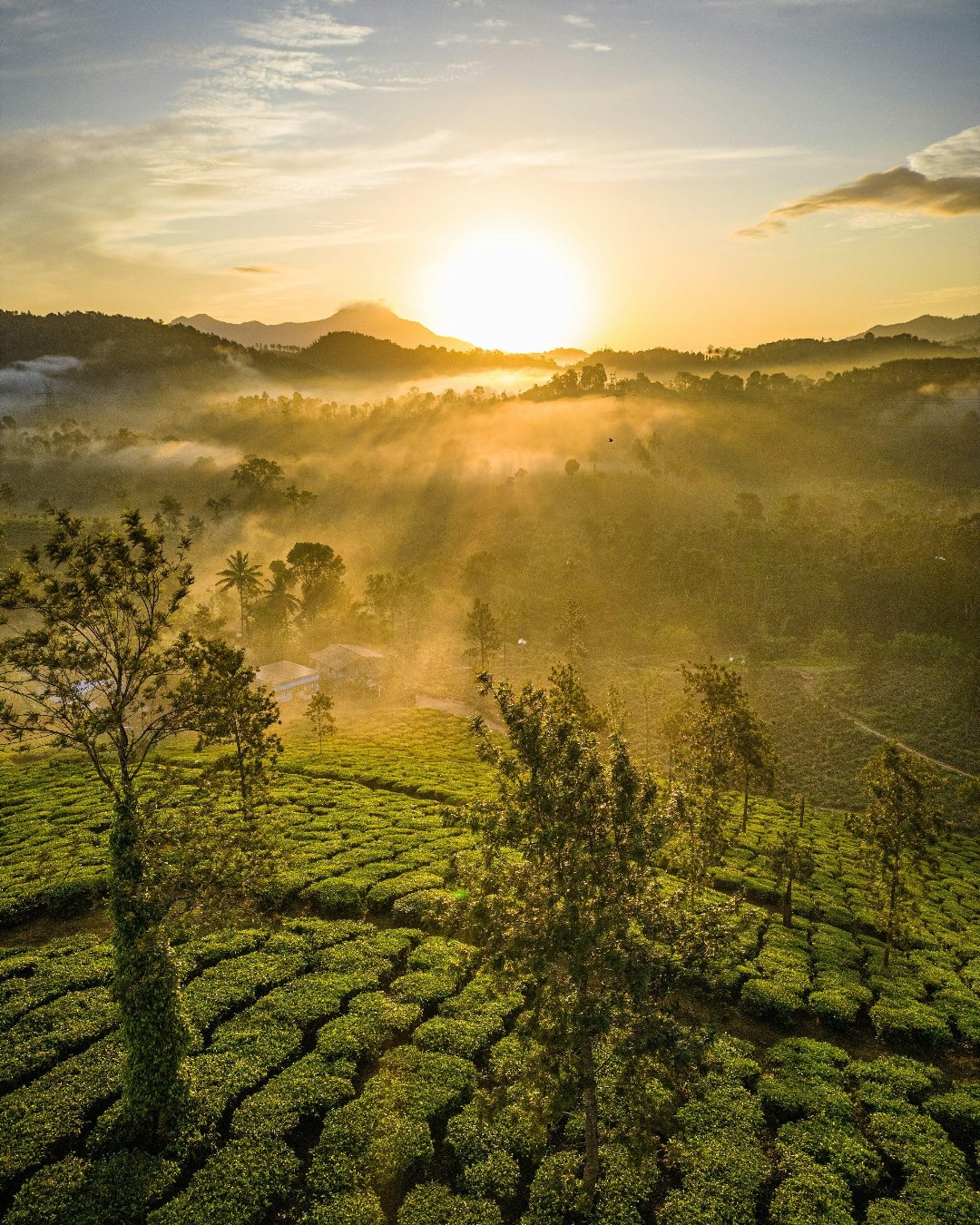
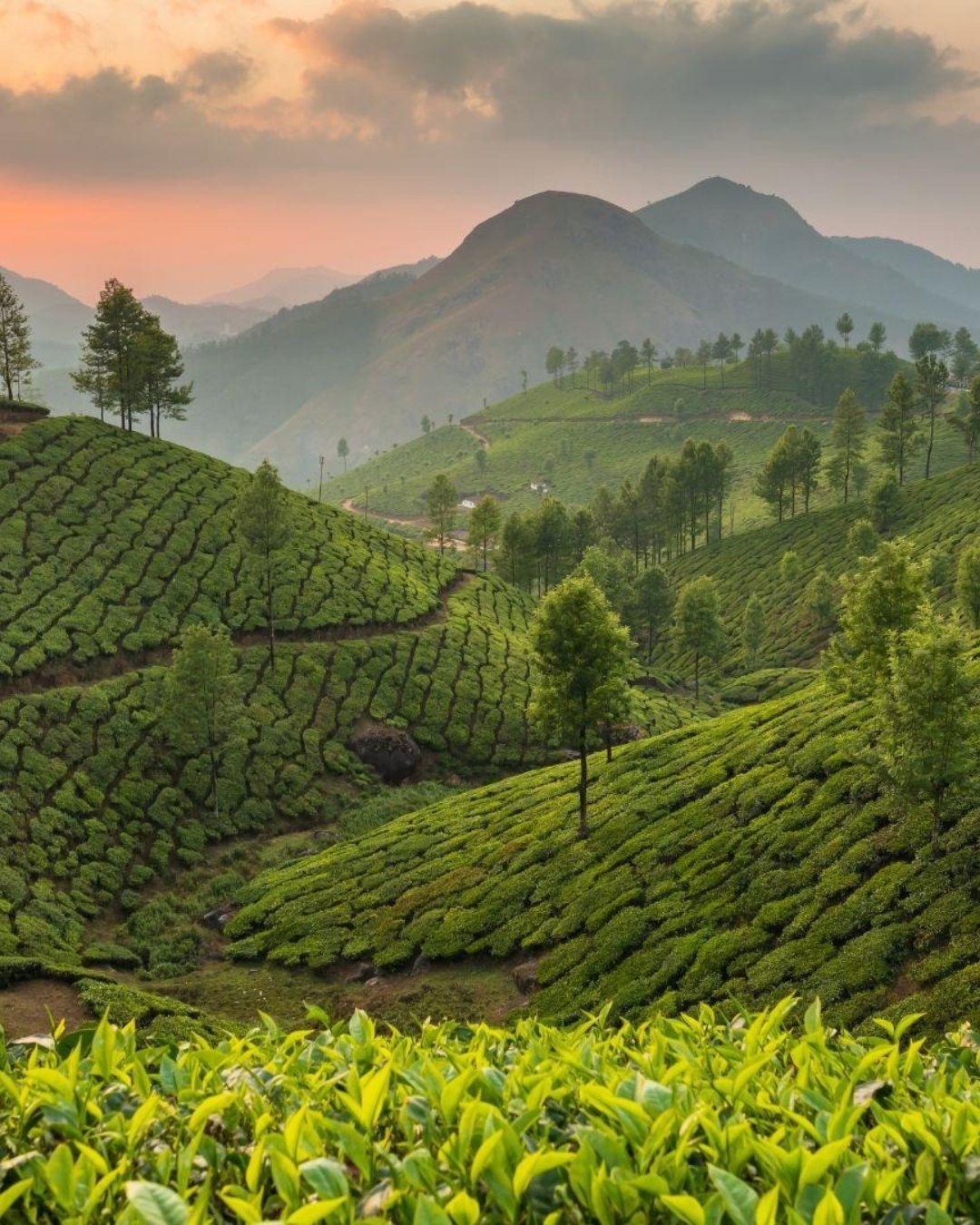
Sunrise in the Tea Plantations
You've probably seen those breathtaking photos of Munnar at sunrise—a sea of clouds filling the valleys while the hilltops glow in soft golden light.
Many travelers wake up early hoping to witness the same magical view, only to find themselves surrounded by thick fog with almost no visibility.
The difference isn't luck.
It's all about being in the right place at the right time.
Here's how to experience sunrise in Munnar's tea plantations the way it's meant to be.
WHY YOUR LOCATION MATTERS
The famous "sea of clouds" appears when cool night air settles into the valleys, creating a layer of mist below the surrounding hills.
This natural phenomenon is most common after clear, calm nights during the cooler months.
To enjoy this view, you need to stay at a higher elevation overlooking the valleys.
If your hotel is located lower down, you'll likely find yourself inside the fog instead of looking down at it.
The best conditions usually occur between December and February, when the nights are cooler and the skies are clear.
During the monsoon season, heavy cloud cover often prevents this spectacular sunrise from appearing.
WHAT YOU'LL SEE
Start your morning around 30 minutes before sunrise, giving yourself enough time to watch the changing light.
The Sea of Clouds
As dawn approaches, the valleys below fill with soft white clouds while the surrounding hills rise above them like islands.
Changing Morning Colors
The sky gradually shifts from deep blue to shades of pink, orange, and gold as the first sunlight reaches the mountains.
Golden Tea Plantations
The early rays of sunlight slowly illuminate the rolling tea gardens, revealing beautiful textures across the hillsides.
Morning Mist
As temperatures rise, the mist begins to lift, creating constantly changing views before gradually disappearing later in the morning.
WHAT TO BRING
Temperatures before sunrise can be surprisingly cold, especially during winter.
Carry a warm jacket, wear comfortable walking shoes, and bring a hot cup of tea or coffee if possible to make the experience even more enjoyable.
TAKE IN THE MOMENT
Before reaching for your camera, spend a few minutes simply enjoying the peaceful atmosphere.
Listen to the birds beginning their morning songs.
Feel the cool mountain breeze.
Watch the mist slowly drift through the valleys as the landscape comes alive with the rising sun.
Some memories are best experienced with your own eyes before being captured in a photograph.
PRACTICAL TIPS
• Choose accommodation on higher ground with unobstructed eastern views.
• Wake up at least 30 minutes before sunrise.
• Check the weather the previous evening—clear skies usually offer the best chance of seeing the cloud-filled valleys.
• Stay close to your accommodation rather than driving to distant viewpoints before dawn.
COMMON MISTAKES TO AVOID
Many visitors book accommodation at lower elevations and wake up surrounded by fog instead of enjoying views above the clouds.
Others visit during the monsoon expecting the same winter sunrise conditions.
Some arrive just as the sun rises and miss the beautiful colors that appear before sunrise.
The easiest way to enjoy Munnar's spectacular mornings is to stay at a well-located tea-estate resort, wake up early, and simply step outside before dawn.
READY TO EXPERIENCE MUNNAR'S MOST MAGICAL MORNING?
Watching the sunrise over Munnar's tea plantations is one of the most unforgettable experiences in the Western Ghats.
Choose one of our Munnar Tour Packages and enjoy carefully selected tea-estate accommodations, scenic sunrise viewpoints, and thoughtfully planned itineraries that let you experience the very best of Munnar. Simply choose your travel dates, and we'll take care of the rest.
41
MomentMattupetty Dam, Mattupetty

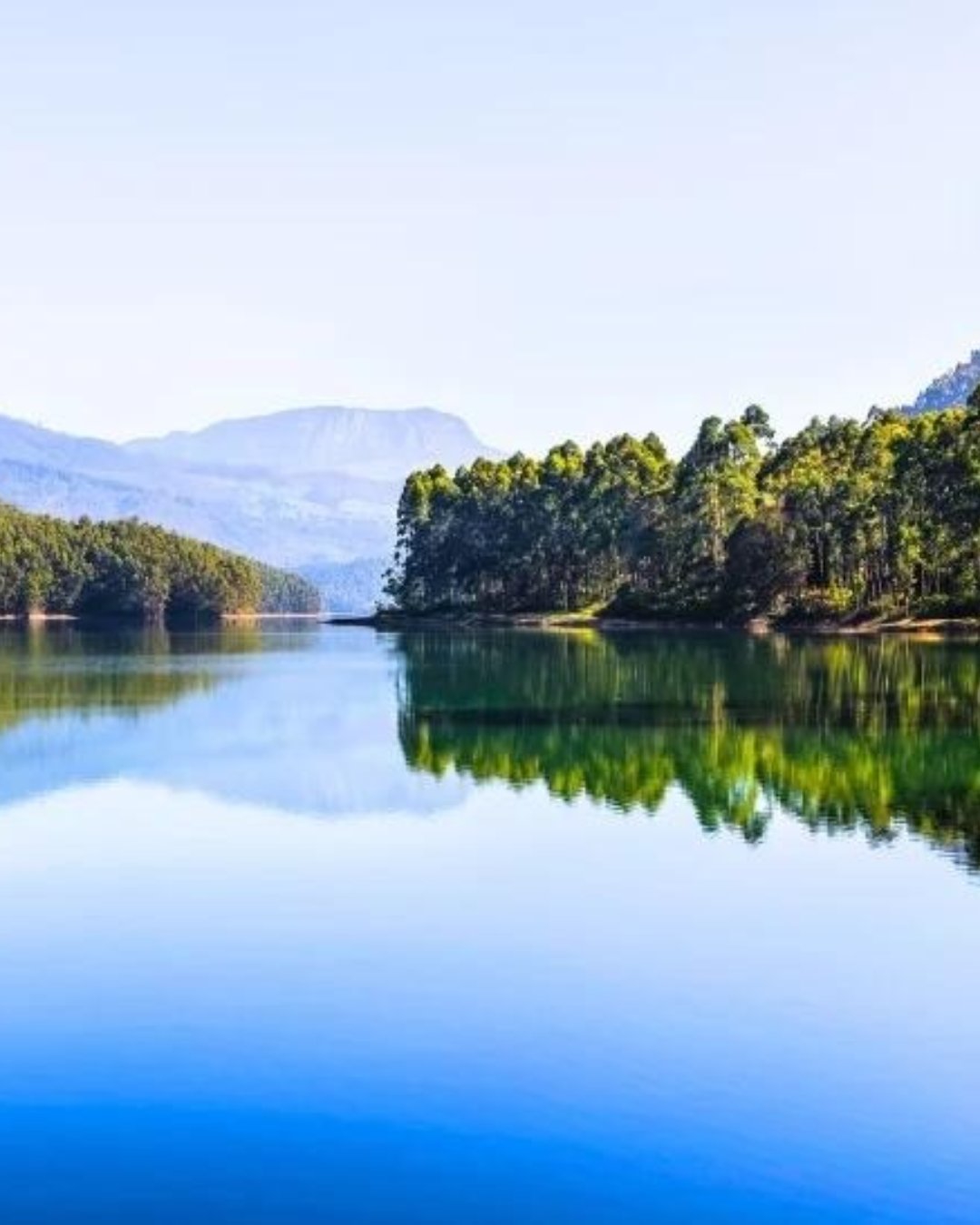
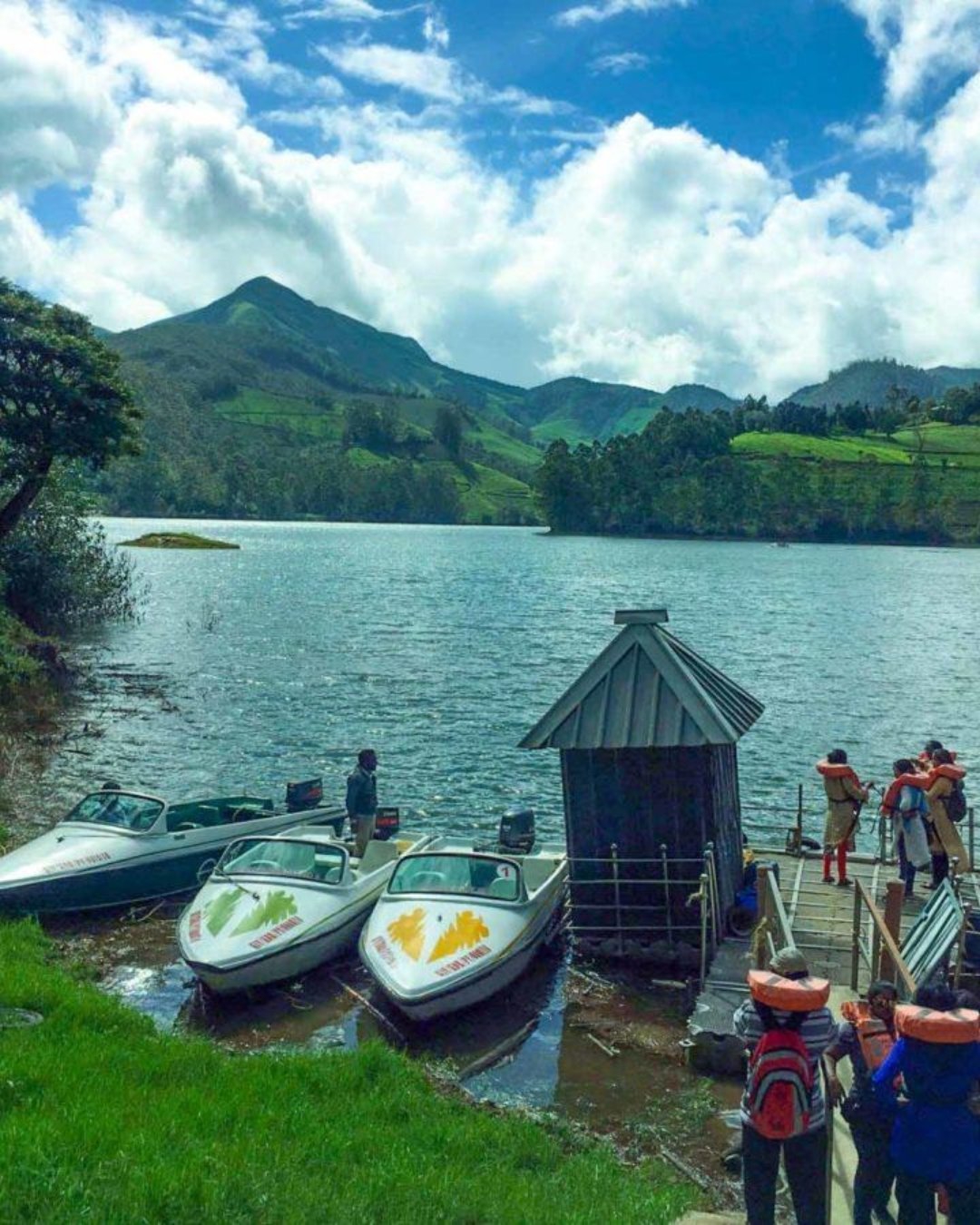
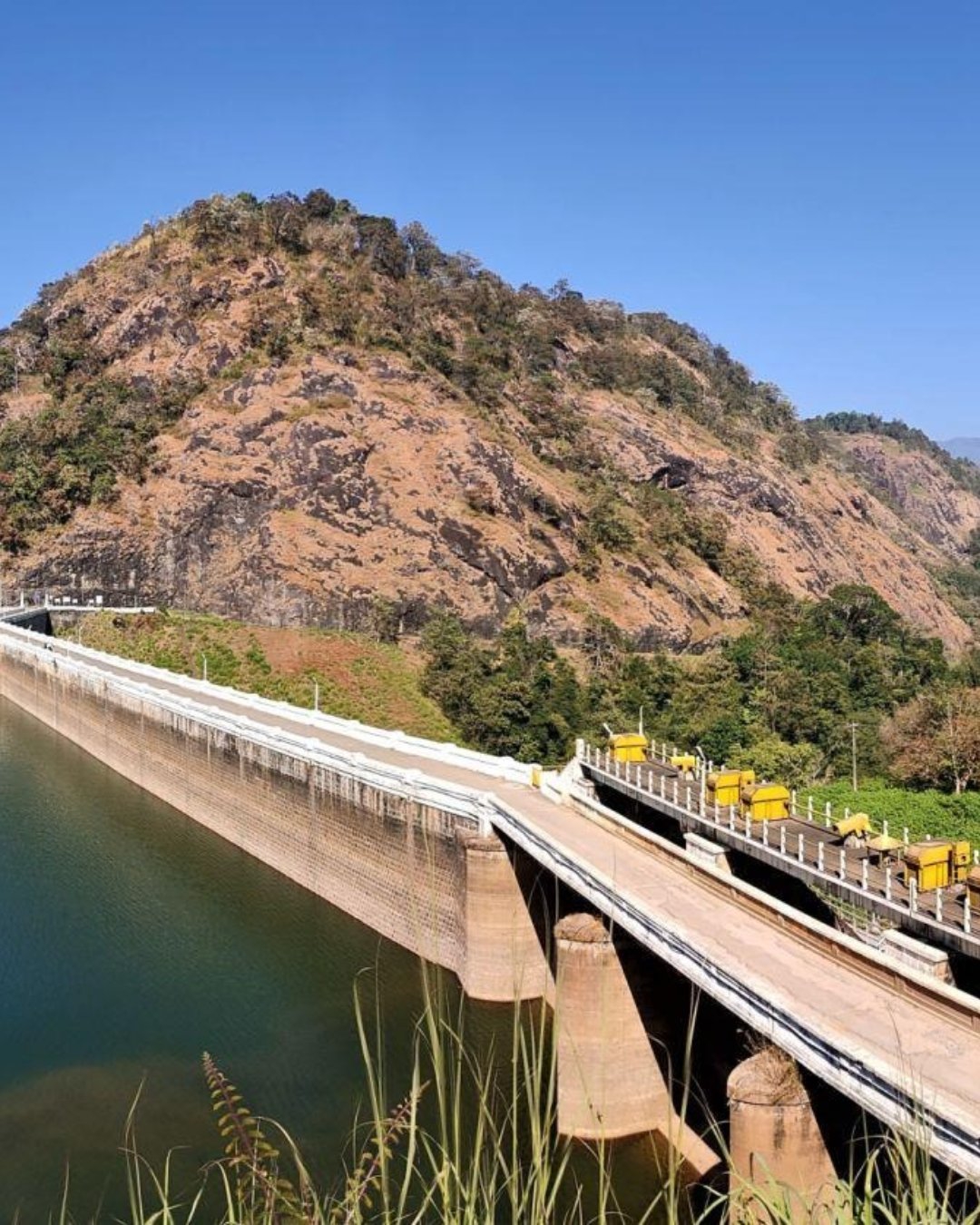
Mattupetty Dam & Echo Point
You've probably heard that Mattupetty Dam and Echo Point are among Munnar's most popular tourist attractions.
They're often included in every sightseeing itinerary, which means many visitors arrive during the busiest part of the day—only to find crowded viewpoints, long queues, and packed parking areas.
The good news is that both places are genuinely beautiful.
The secret is simply visiting them at the right time.
Here's how to experience Mattupetty Dam and Echo Point without the crowds.
WHY TIMING MAKES ALL THE DIFFERENCE
Mattupetty Dam and Echo Point are located along the scenic road leading towards Top Station, making them easy to visit together.
Early morning is the ideal time.
Before the tour buses arrive, the reservoir is calm, the air is cool, and Echo Point is peaceful enough for its famous natural echo to actually be heard.
As the morning progresses, more visitors arrive, boating queues become longer, and the quiet atmosphere gradually disappears.
For the best experience, visit Echo Point first, continue onward to Top Station, and then stop at Mattupetty Dam on your return once boating operations begin.
WHAT YOU'LL SEE
Echo Point
Surrounded by hills and a tranquil lake, Echo Point is known for the way sound reflects naturally across the valley. During the early morning, you'll clearly hear your voice echo back from the surrounding mountains.
Mattupetty Dam
Built in the 1950s, this scenic reservoir is surrounded by rolling tea plantations, forested hills, and peaceful mountain landscapes, making it one of Munnar's most picturesque spots.
Boating Experience
Visitors can choose from several boating options, including pedal boats, speedboats, motorboats, and traditional shikara-style boats. Each offers a different way to enjoy the reservoir.
Indo-Swiss Dairy Farm
Located nearby, this government-run dairy farm has played an important role in cattle breeding and dairy development in the region. Visiting hours may vary.
Wildlife
During the early morning, lucky visitors may occasionally spot wild elephants or other wildlife near the forested edges of the reservoir.
WHAT TO BRING
Carry a light jacket.
The area around the reservoir is often cooler than the rest of Munnar, especially during the morning hours.
Comfortable walking shoes are also recommended.
ENJOY THE EXPERIENCE
Echo Point is best enjoyed by listening rather than constantly taking photographs.
Call out across the valley.
Pause.
Listen as your voice returns from the hills.
Then spend a few quiet moments enjoying the peaceful surroundings before moving on.
Similarly, while boating on Mattupetty Lake, take time to appreciate the still water, surrounding forests, and mountain reflections instead of rushing through the experience.
PRACTICAL TIPS
• Visit early in the morning before the crowds arrive.
• Stop at Echo Point before Top Station.
• Enjoy boating at Mattupetty Dam while returning from Top Station.
• Purchase boating tickets only from the official ticket counter.
• Choose a pedal boat or shikara if you're looking for a slower, more peaceful experience.
COMMON MISTAKES TO AVOID
Many visitors arrive during the middle of the day when Echo Point becomes crowded and the famous echo is difficult to hear.
Others spend a long time waiting for boats during peak hours instead of arriving earlier.
Some simply follow the standard sightseeing circuit without realizing that visiting the attractions in a different order creates a much more enjoyable experience.
With a little planning, you can experience both Mattupetty Dam and Echo Point at their quietest and most beautiful.
READY TO EXPERIENCE MUNNAR'S MOST SCENIC LAKESIDE DRIVE?
Mattupetty Dam and Echo Point are two of Munnar's most memorable attractions when visited at the right time of day.
Choose one of our Munnar Tour Packages and enjoy a thoughtfully planned itinerary that includes Top Station, Mattupetty Dam, Echo Point, Eravikulam National Park, scenic tea plantations, and the very best of Munnar—without the rush. Simply choose your travel dates, and we'll take care of the rest.
62
MomentKundale Lake, Kannan Devan Hills

Kundala Lake & Top Station
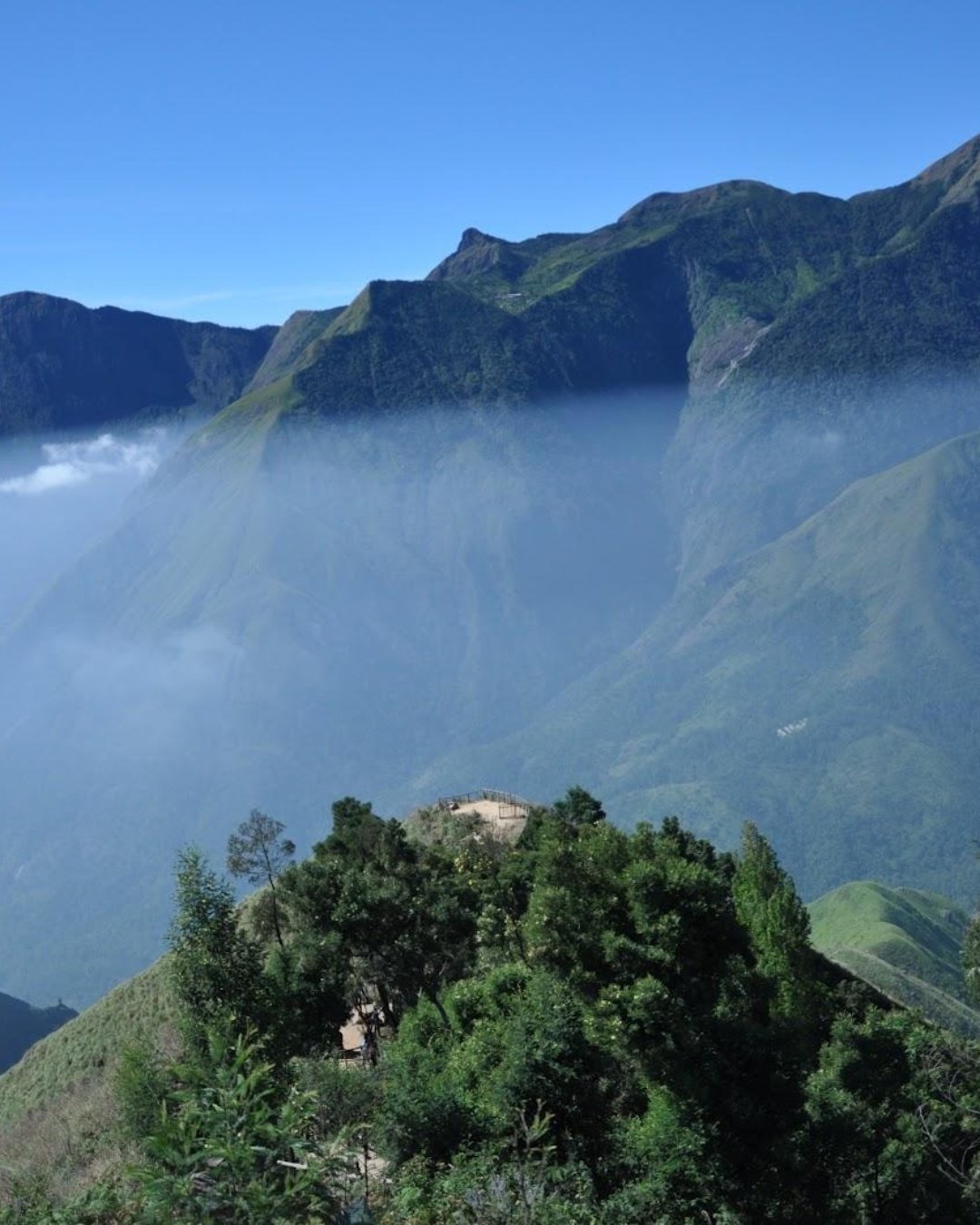
You've probably seen the photo. The land just ends — a green escarpment dropping away and the Tamil Nadu plains spread out two thousand metres below, hazy and enormous, like looking out of a plane. So you finish breakfast, drive an hour up, pay at the gate, walk to the rail — and see white. Solid, featureless white. Someone tells you it's "usually clear," you wait twenty minutes, it gets whiter, and you drive an hour back down having photographed a cloud.
That wasn't bad luck. That's what Top Station does, most days, by mid-morning.
Let's fix that. Here's how Kundala and Top Station actually work, and how to get it right the first time.
Why first light, and not any other hour
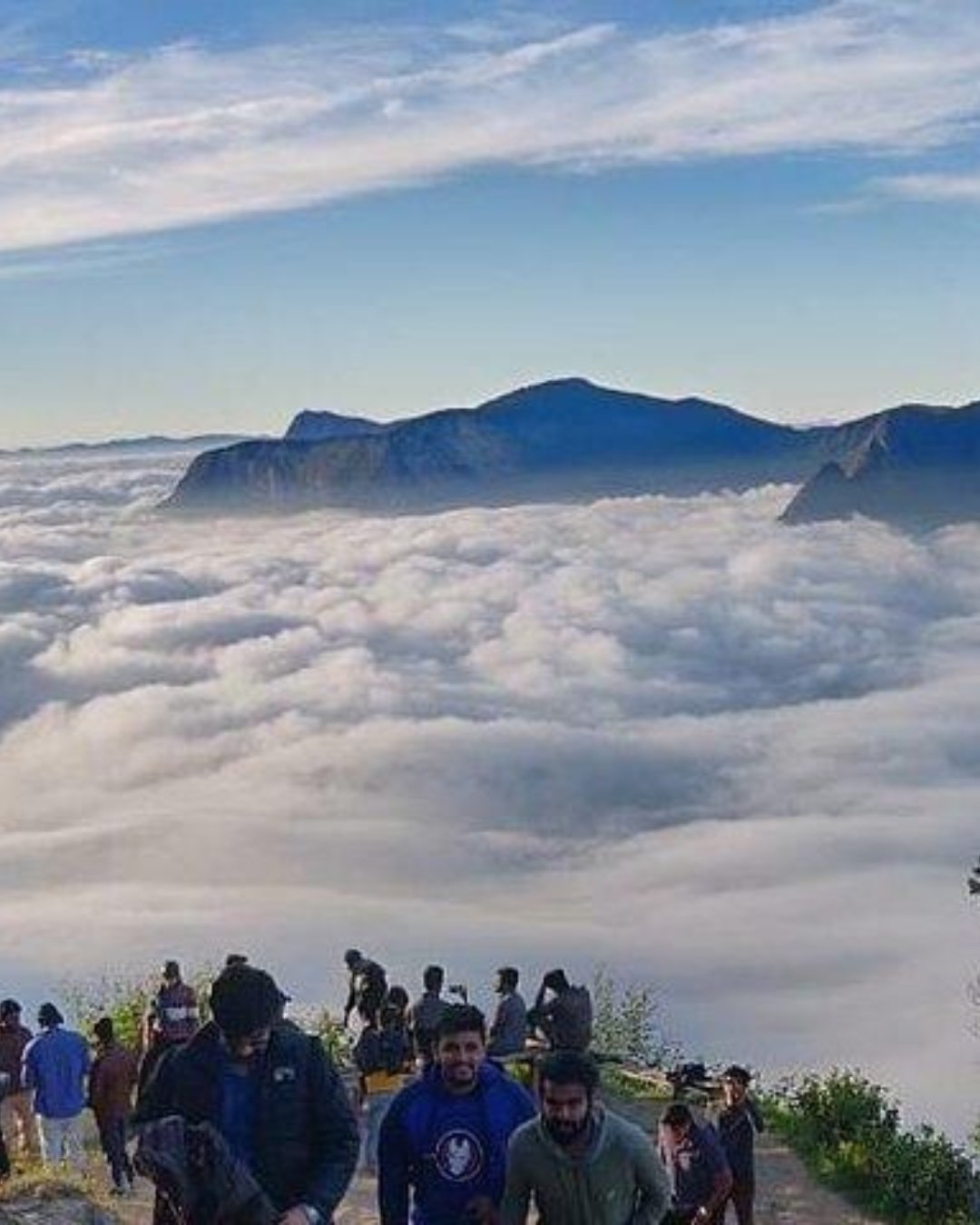
Top Station sits on the lip of the escarpment at around 1,700 metres, with the plains dropping away in front of it. As the sun warms those plains, the air over them rises, hits the wall of the Ghats, cools, and condenses. The cloud comes up at you from below and fills the view from the bottom.
It's not weather. It's the terrain, and it happens on ordinary days. Dawn is clear, seven is usually clear, by nine it's thickening, and from ten onward you're mostly looking at soup. That's why this stop goes first and everything else on that road bends around it. Leave Munnar around six, and stop at Kundala on the way back down, not on the way up.
What you'll actually see
One road out of Munnar strings these together — Mattupetty, Echo Point, Kundala, Top Station, about 32 km end to end:
The escarpment — the whole reason you came. Ghats falling away, Theni district laid out beneath you.
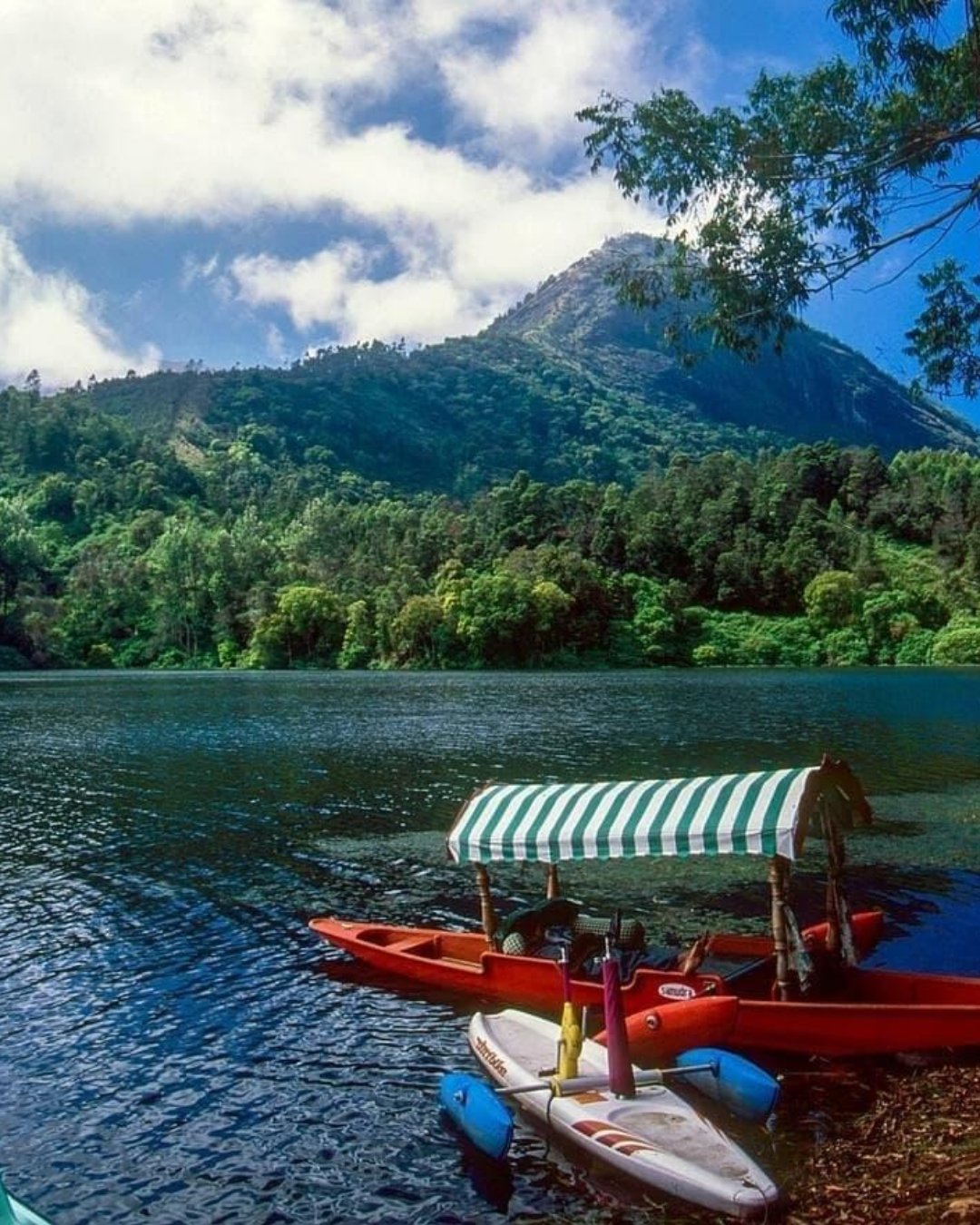
Kundala Lake — a reservoir in a fold of the hills, with shikara and pedal boats. Better on the way down, once the counter's open.
The ropeway remains — Top Station is a literal name. It was the upper terminus of the old Kundala Valley line, where tea was transferred to a ropeway and sent down to Bottom Station on the plains.
Vattavada — the vegetable-farming valley beyond, if you've got a spare half-day.
Neelakurinji — the hills here flower purple once every twelve years. The next bloom is expected around 2030. Not before. Anyone selling it sooner is selling you something else.
Take a proper jacket, not a layer. This is the highest, windiest, most exposed point of your trip, and at six in the morning it bites.
And put the phone down for the first minute at the rail. Travellers who get here early will tell you the same thing: the drop doesn't photograph — there's nothing in the frame to give it scale, so two thousand metres comes out looking like a field. Just stand and look at it. The air moving up the face, the plains going gold, the sheer distance of it — that's the part the photos never quite catch.
Pro tip: Do the whole road in one direction, in the right order — Echo Point at dawn, Top Station by seven, then Kundala and Mattupetty on the way back as the boating opens. Most drivers run it the other way because it matches the map, and it costs you the only view that's time-sensitive. Say so before you set off. And if you wake to a clear cold sky, go; if it's already grey at six, save the drive.
The mistakes that ruin it
Most first-timers trip over the same few things. They go after breakfast and see nothing. They let the driver run the standard circuit and reach Top Station last, at eleven, at its worst. Or they wait at the rail for an hour expecting it to "clear," which is backwards — it clears in the morning and closes as the day goes on.
The easy fix is to have the day built around the one stop that can't wait.
Ready to see it for yourself?
Top Station at dawn is the moment most travellers came for and don't get. Get the hour and the order right, and it's effortless.
Want it handled end to end — the early start, the right order, the view actually there when you arrive? Browse our Munnar Tour Packages, where the high-range run comes built in, along with Eravikulam, the tea factory and the rest. Pick your dates and we'll take care of the timing.
44
MomentTea Museum, Munnar

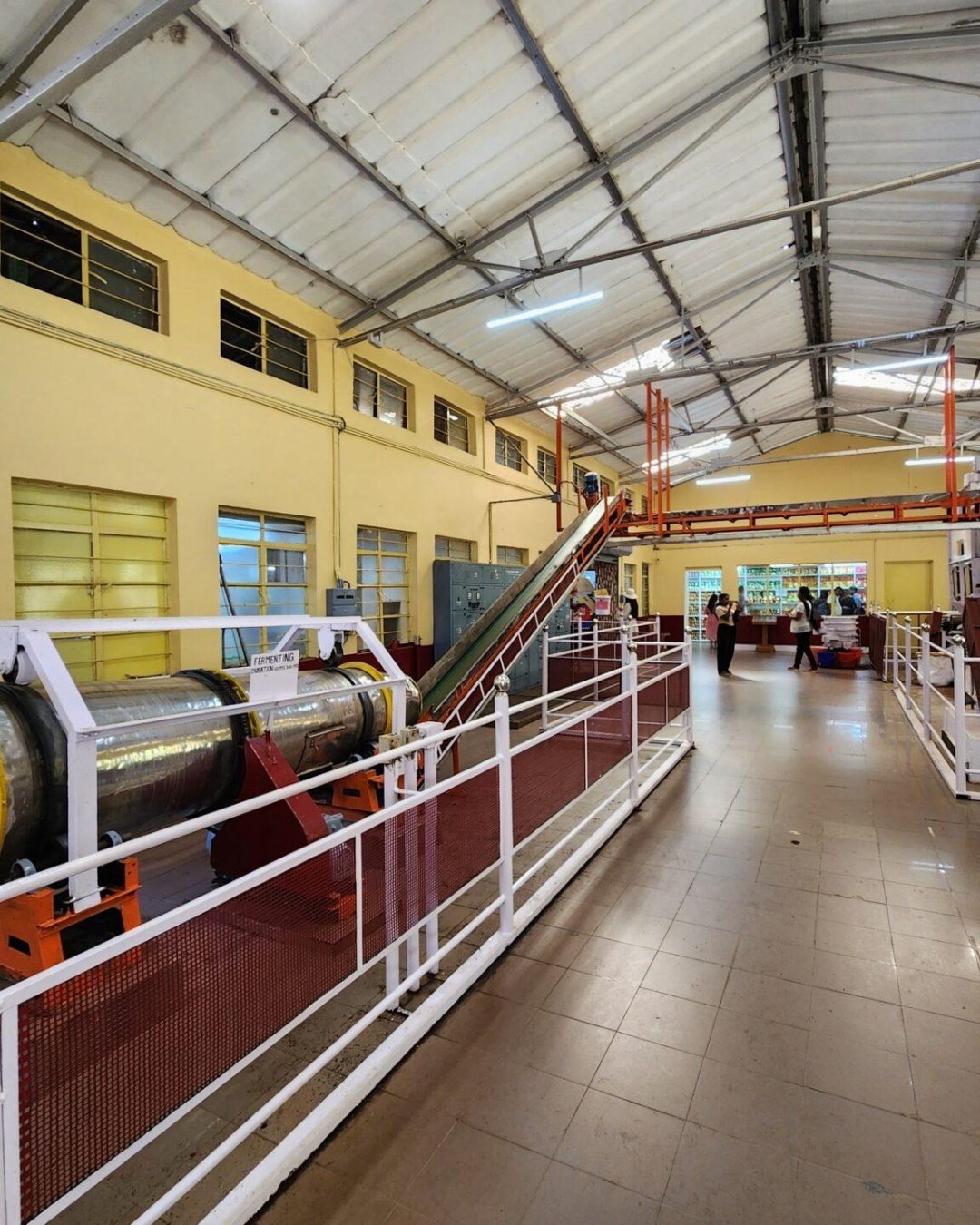
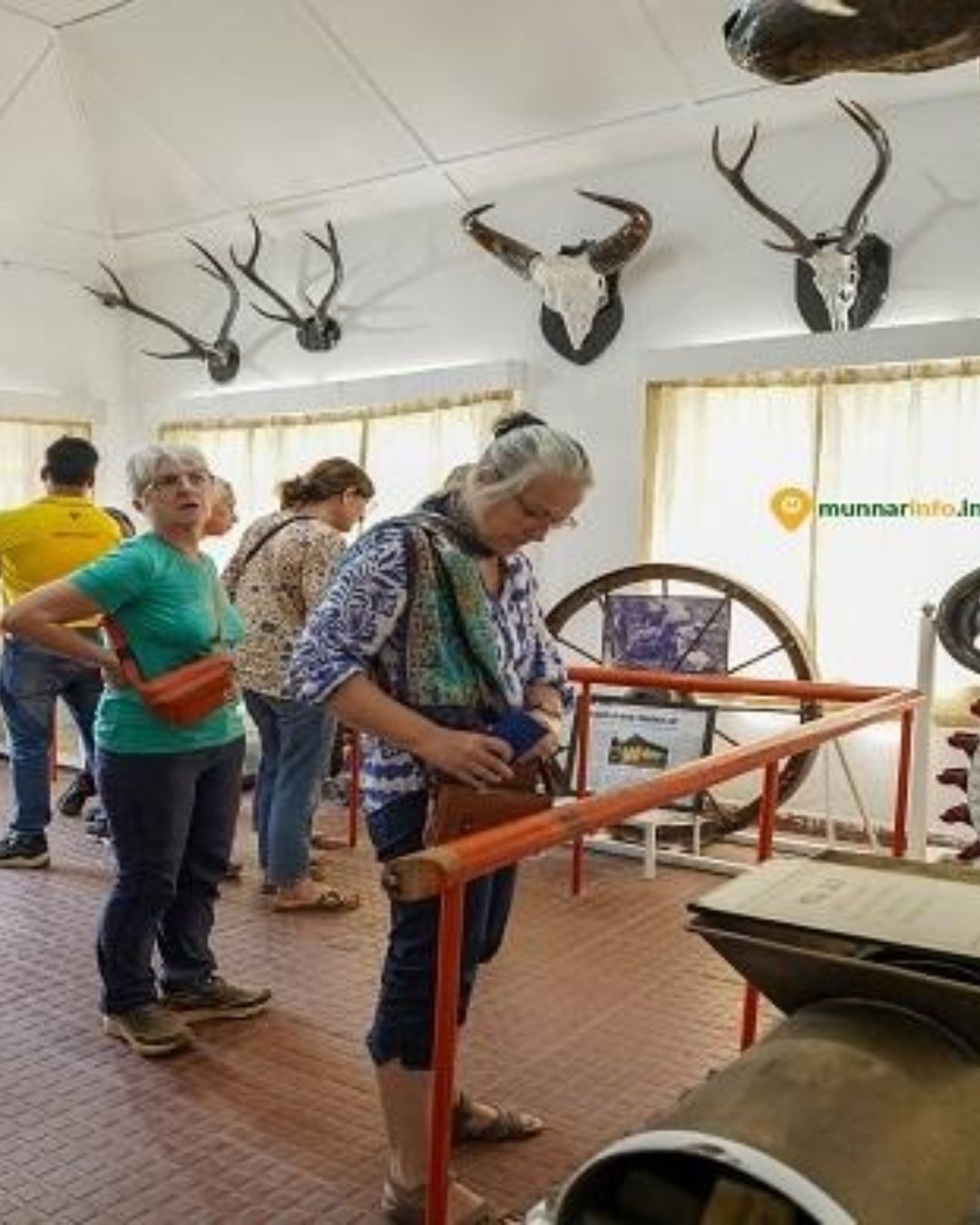
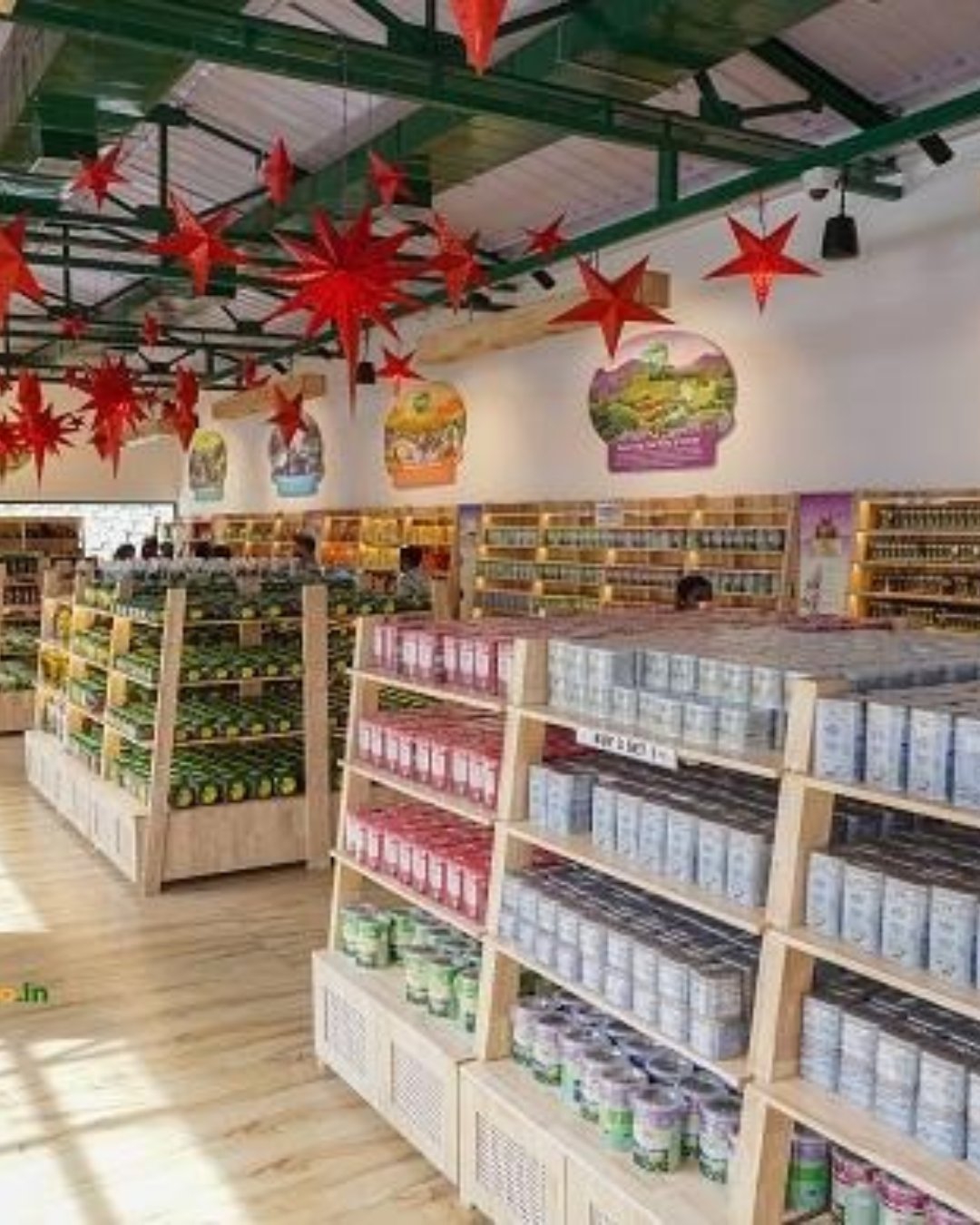
Tea Museum & Tea Factory Experience
You've probably slotted this in as the wet-weather option. The thing you do on the afternoon it's raining, a museum, some old machines, half an hour, fine. So you roll up on a Monday and find the gate shut. Or you turn up at half four, get told last entry's gone, and stand in the car park looking at a sign. Or — worst of all — you get in, walk a room of dead machinery behind ropes, drink a paper cup of tea, and leave thinking that was it.
Let's fix that. Here's how the Tea Museum and factory actually work, and how to get it right the first time.
Why the day matters more than the hour
It's closed on Mondays. That's the whole first hurdle, and it catches people constantly because Munnar itineraries get built around the weather rather than the calendar. It opens mid-morning and stops admitting somewhere around four, so an afternoon slot works — but a late afternoon one doesn't.
The second thing nobody tells you: the factory floor is only interesting when leaf is actually coming in from the field. The machinery is the point, and machinery that isn't running is just painted steel. If you want the real thing — the noise, the heat, the smell of it — you want a day they're processing, and that's worth asking about when you book.
What you'll actually see
This is the KDHP museum, on Nallathanni Estate a couple of kilometres out of town. It's two halves — the history, then the working process:
Withering — leaf spread in long troughs, air pulled through it overnight to take the moisture out. This is where it starts.
CTC — crush, tear, curl. Toothed rollers that shred the leaf into granules.
Oxidation — the bit people call fermentation. Green goes to copper goes to brown, on a belt, in front of you.
Firing and grading — dried, then sorted by particle size into BOP, PD, Dust and the rest.
The old kit — the original Pullivasal roller, a rotorvane, a sundial, and a burial urn from the estate that's a couple of thousand years older than the tea.
The tasting — at the end, and worth staying for.
Carry small notes for the entry and the shop. It's a working estate, not a mall.
And your phone stays in your pocket on the factory floor. Cameras generally aren't allowed past the museum section — this is a live plant, not an exhibit. It's a gift, honestly. Travellers who've done this will tell you the same thing: you can't film a smell anyway, and the smell is the whole thing. Thirty tonnes of oxidising leaf in a warm room is a wall you walk into. That's the part the photos never quite catch.
Pro tip: Understand what Munnar makes before you spend money in the shop. This is CTC country — granular black tea built for strong milk chai — not the delicate whole-leaf orthodox you might be picturing from Darjeeling. If you brew Munnar CTC like a Darjeeling first flush you'll wonder what went wrong. Nothing did; it's a different product for a different cup. Also: the grades are particle sizes, not quality rankings — BOP isn't "better" than Dust, it's bigger. Buy from the KDHP outlet or the factory rather than a roadside stall if you want the real thing at the real price.
The mistakes that ruin it
Most first-timers trip over the same few things. They come on a Monday. They arrive after last entry. They walk the machines without knowing what any of them do, so it's just a shed. Or they buy three kilos of "premium Munnar tea" from a stall on the way out and get chai dust at four times the price.
The easy fix is to have the day chosen around the closure and the processing, with someone to tell you what you're actually looking at.
Ready to see it for yourself?
The factory floor is the moment most travellers underestimate and then talk about. Get the day and the timing right, and it's effortless.
Want it handled end to end — the right day, the right slot, the shop that isn't a tourist trap? Browse our Munnar Tour Packages, where the tea experience comes built in, along with Top Station, Eravikulam and the rest of the high range. Pick your dates and we'll take care of the details.
42
MomentEravikulam National Park, Kannan Devan Hills

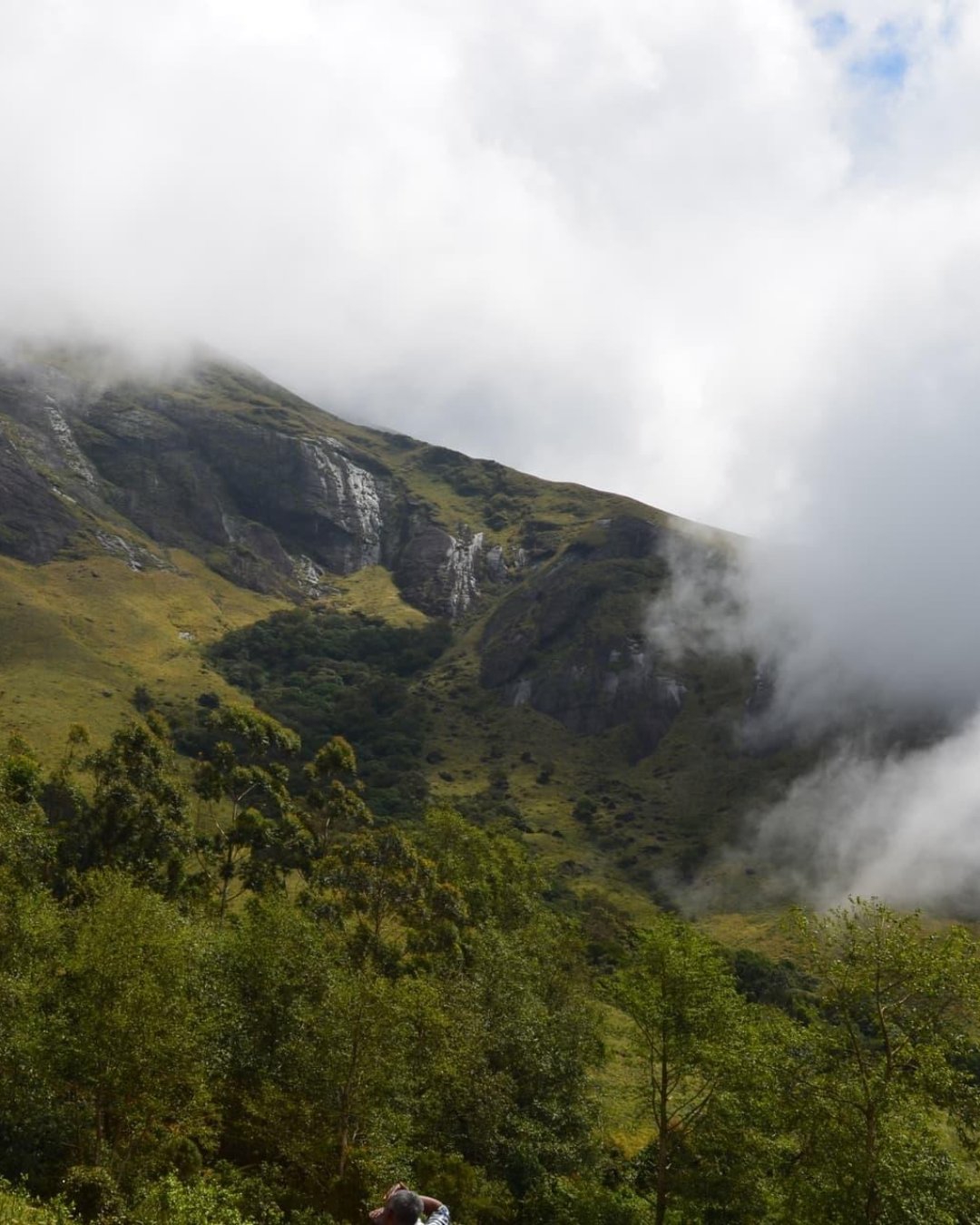
Eravikulam National Park
You've probably got this pencilled in for March. Good weather, school holidays, the wildlife day of the trip. But here's the thing nobody tells you: for roughly February and March, Eravikulam is shut. Not busy — closed. That's calving season, when the Nilgiri Tahr drop their young in the Rajamalai zone and the whole area is handed back to them. People book flights around a park that isn't open, drive up to a gate, read a laminated sign, and turn around.
Let's fix that. Here's how a visit to Eravikulam actually works, and how to get it right the first time.
Why the date decides it, and then the hour
Check the closure first, before anything else on your trip is booked. Roughly Feb–March, and the exact dates shift year to year — the park announces them, so confirm rather than assume.
Once your dates work, it's about being early. Tickets are capped daily, you can't drive your own car in, and everyone moves through on the park's shuttle from the Rajamalai gate. Turn up at eleven in season and you'll spend two hours in a queue for a bus. Be at the gate for opening, around half seven, and you're on the first shuttle into a park that's quiet, cold and completely different from the one at midday.
What you'll actually see
You're not going into the whole park. Eravikulam is 97 square kilometres of core habitat, and visitors see one small tourism zone at Rajamalai — which is the right call, and still extraordinary:
Nilgiri Tahr — endangered, and a large share of the world's population lives on these slopes. They're habituated here and come close to the path.
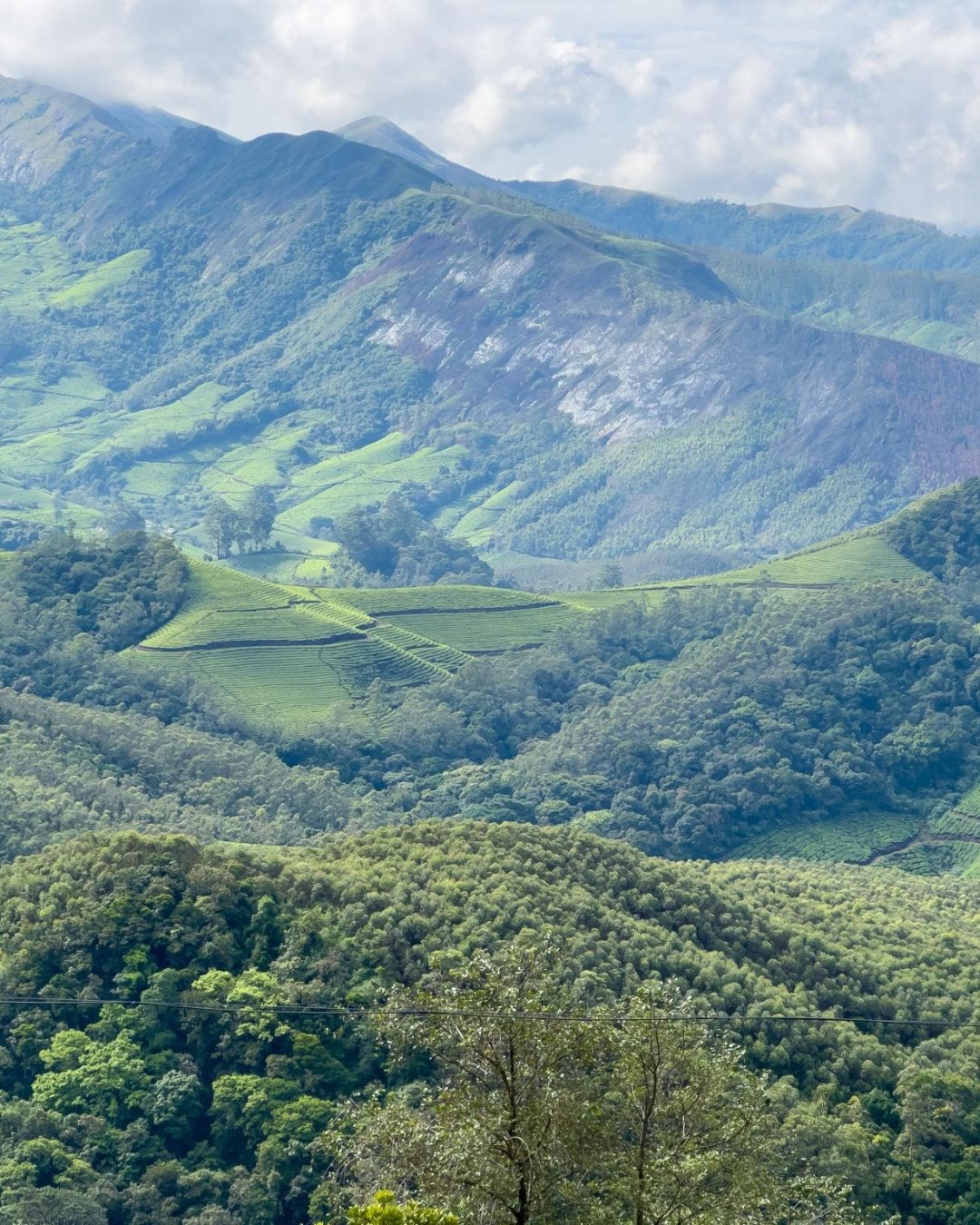
Anamudi — 2,695 m, the highest peak in India south of the Himalayas, standing behind the grassland. You look at it; you don't climb it.
Shola-grassland mosaic — stunted evergreen forest in the folds, grass on the ridges. It's a rare, ancient system and the reason the park exists.
Neelakurinji — the purple bloom that comes once every twelve years. Next expected around 2030. Not before, whatever anyone tells you.
The path — a paved kilometre or so through the zone. That's the whole walk. Fine for most fitness levels.
Take a windproof layer. This is high, exposed grassland and the wind comes across it hard, even on a bright day.
And keep your phone down when a Tahr comes near, which it will. Travellers who've been will tell you the same thing: everyone rushes the animal for a photo and the animal stops behaving like an animal. Stand still and let it walk past you. A wild goat-antelope grazing a metre from your shoe, entirely unbothered, on a mountain in a place where there are only a few thousand of them left — that's the part the photos never quite catch. And don't feed them. It's how habituation turns into a problem.
Pro tip: Book online in advance — the daily quota genuinely runs out in season, and the counter queue is not a strategy. Take the first shuttle of the day: the Tahr are most active early, and the mist that closes the view usually arrives later. Leave plastic bottles behind; they're restricted at the gate. And if you're weighing dates, October–January gives you an open park and clear air.
The mistakes that ruin it
Most first-timers trip over the same few things. They plan for calving season and find it closed. They arrive mid-morning without a booking and queue instead of walk. Or they chase the Tahr around with a camera and wonder why it left.
The easy fix is to have your dates checked against the closure before you book anything, and your ticket held before you arrive.
Ready to see it for yourself?
Eravikulam is the moment most travellers remember from Munnar. Get the dates, the booking and the hour right, and it's effortless.
Want it handled end to end — the right dates, tickets held, first shuttle, no queue? Browse our Munnar Tour Packages, where the park comes built in, along with Top Station, the tea factory and the rest of the high range. Pick your dates and we'll take care of the gate.
41
MomentKaradippara, Idukki

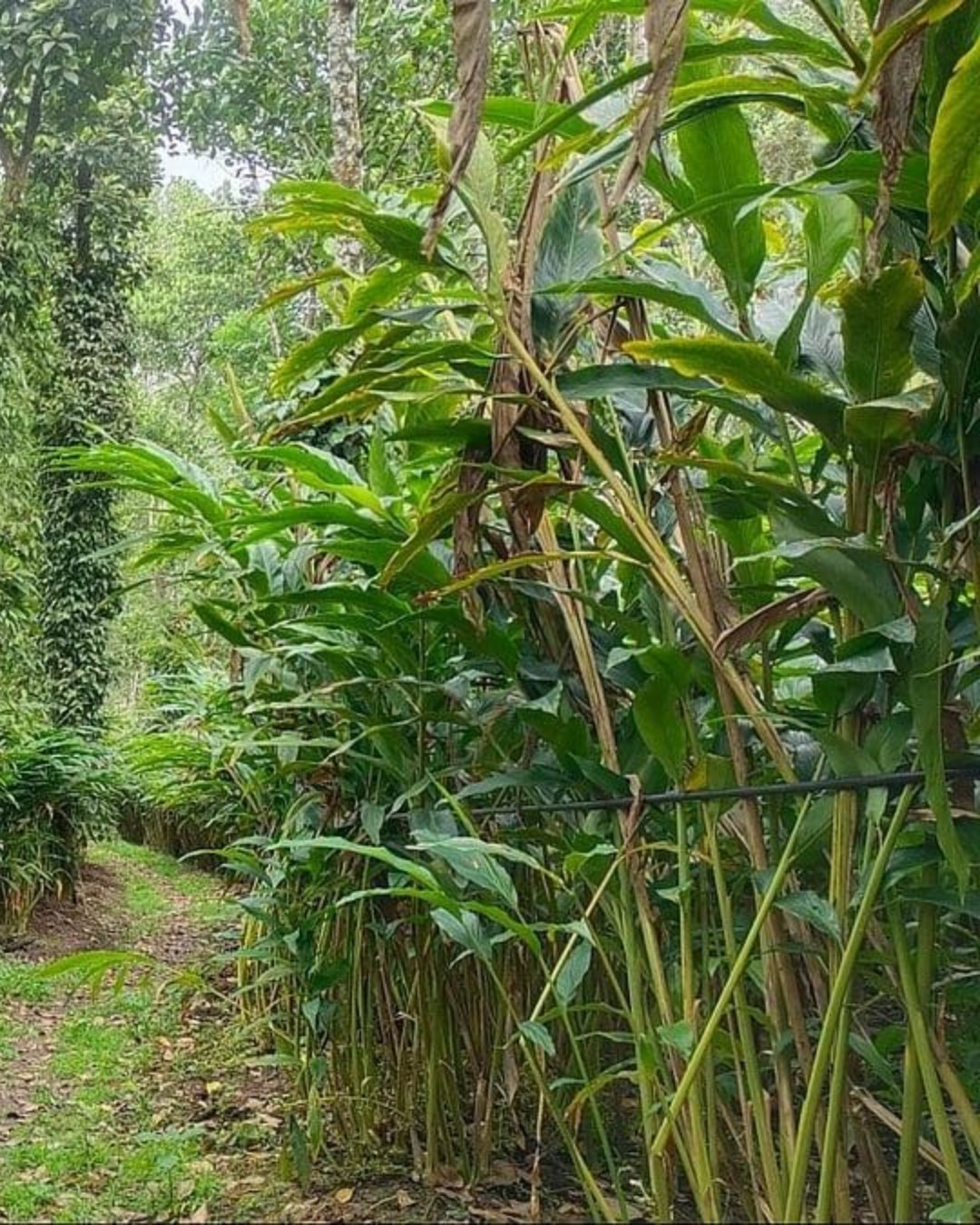
Spice Plantation & Munnar Local Market
You've probably budgeted an hour for this. Walk round a garden, smell some cardamom, buy tea for the people at work, done. But here's the thing nobody tells you: the "spice plantation tour" your driver suggests is very often a shop with plants outside it — twenty minutes of pointing at a pepper vine, then forty in a room full of packets while someone explains why you need the ayurvedic oil. Your driver gets a cut of what you spend. And the "premium Munnar tea" you carry home from the stall on the corner is frequently chai dust at four times what the estate charges.
Let's fix that. Here's how the plantation and the market actually work, and how to get it right the first time.
Why the place you're taken decides what you pay
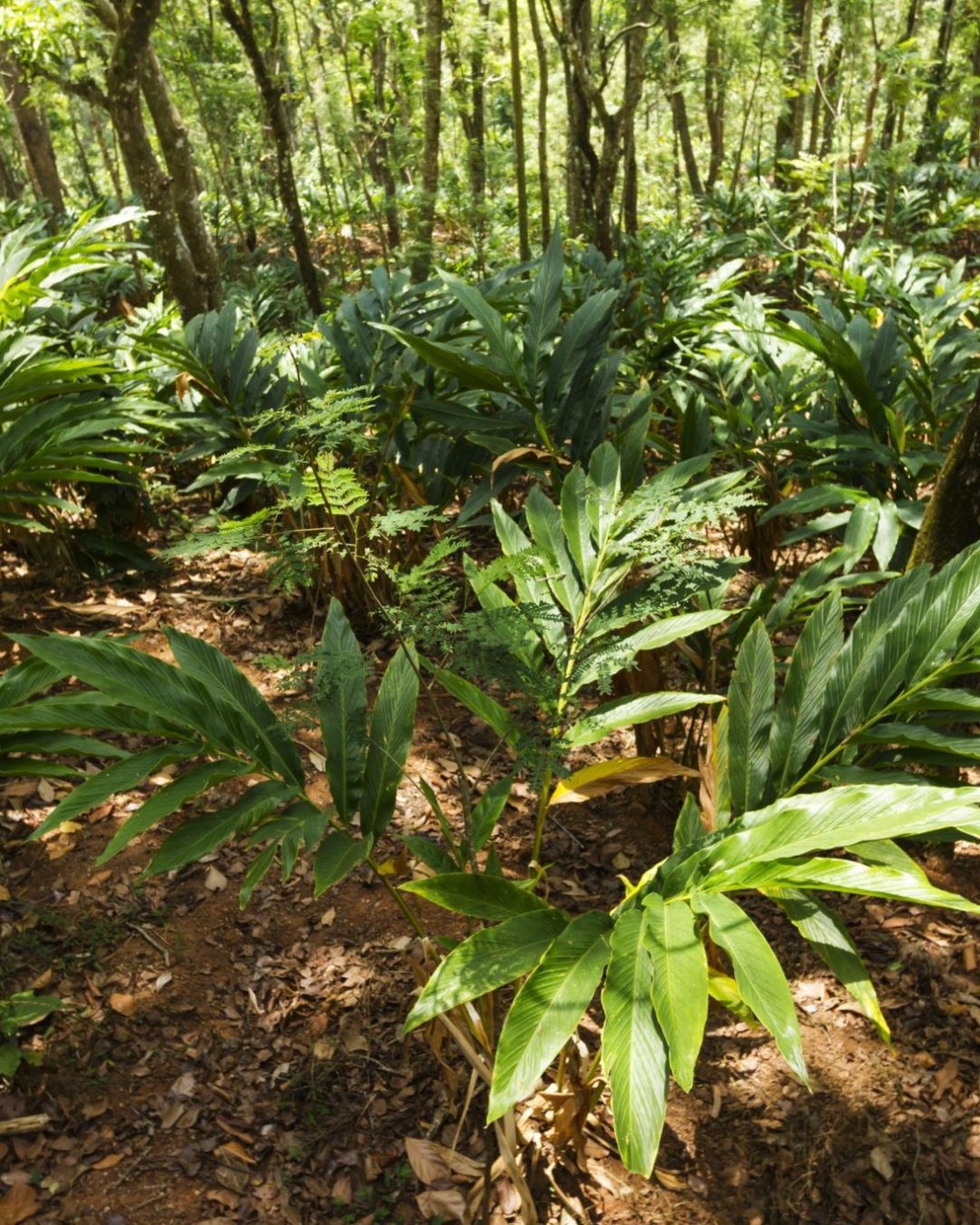
Munnar sits in the Cardamom Hills. There are real working plantations here — cardamom under shade trees, pepper climbing them, coffee below. There are also roadside operations that exist to sell you things and grow just enough to justify the sign.
Both cost about the same hour of your day. The difference is whether you asked to go somewhere specific or let someone choose for you. Almost every unsolicited offer in Munnar ends at a counter, with the commission already inside the price. So go on your terms. Morning is better anyway — the smell is stronger before the day heats up, and the market's fresher.
What you'll actually see
On a real plantation, most of it is growing over your head or under your feet:
Cardamom — a knee-high plant with the pods on runners at ground level. Everyone looks up. It's down.
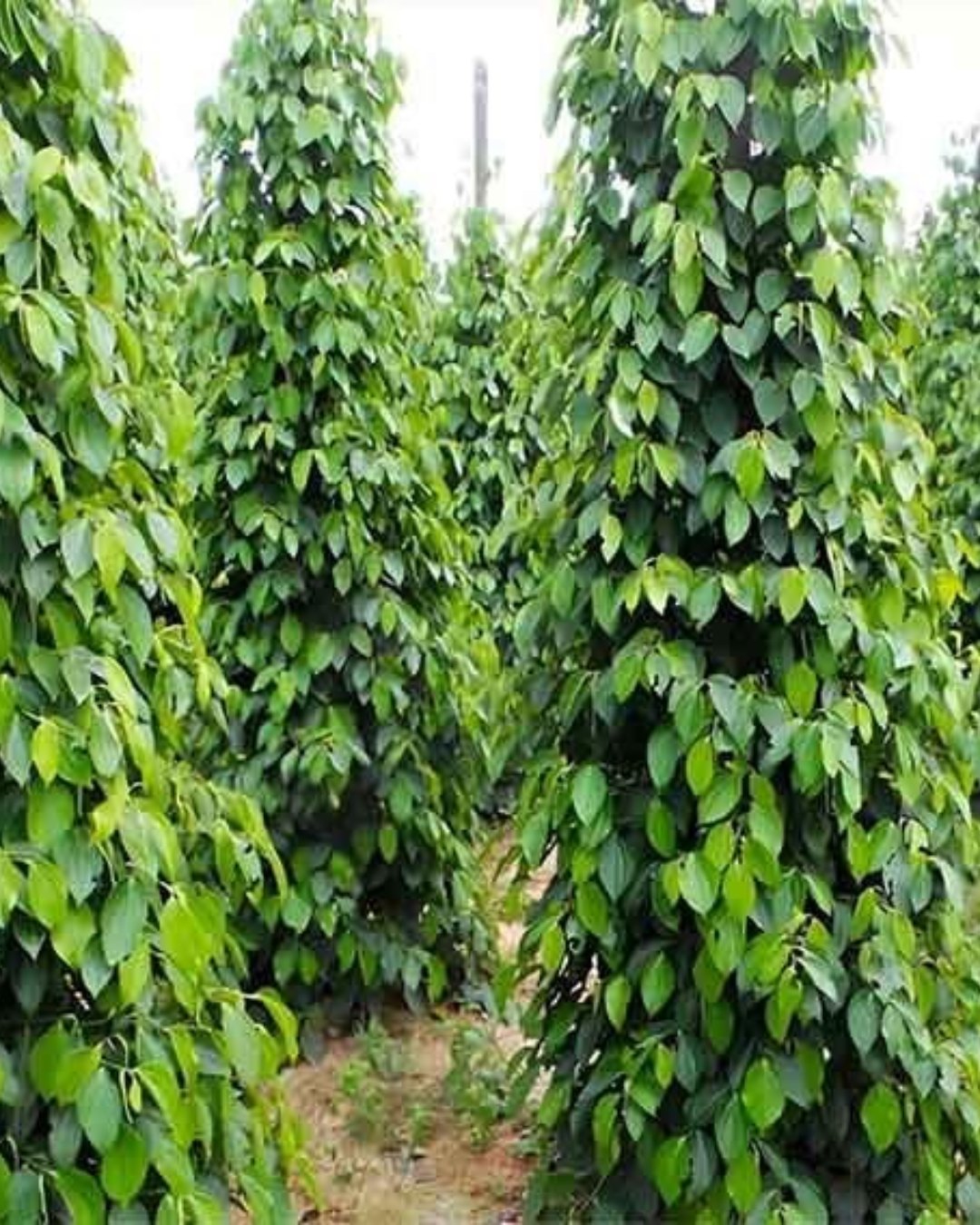
Pepper — a vine spiralling up the shade trees. Green, black and white pepper are the same fruit, handled differently.
Cinnamon — the bark, peeled and curled as it dries.
Clove, nutmeg, vanilla — vanilla is hand-pollinated here, one flower at a time, which is why it costs what it costs.
The market — tea, oils, homemade chocolate, spices, and a great deal of packaging.
Carry small notes and a bag. Cardamom especially will scent everything it touches, which is charming until it's your shirts.
And this is the one stop where the phone actively helps you. Travellers who've been will tell you the same thing: check the price of what you're holding before you buy it, not after. Cardamom has a public market rate that moves daily and is easy to look up. Nobody in the room is offended by a customer who knows the number. The moment you can quote it, the conversation changes entirely — that's the part no photo of a pepper vine is going to do for you.
Pro tip: Buy tea from the KDHP factory outlet or the museum shop, not a stall — same tea, real price, and Munnar makes CTC granules for milk chai, not delicate whole-leaf, so buy accordingly. For cardamom, buy whole green pods, not powder: powder is where the sweepings go, and pods hold their oil for months. Skip the "ayurvedic" oils and miracle balms entirely. And ask one question before you get out of the car: is this a working plantation, and does anyone here take a commission on what I buy?
The mistakes that ruin it
Most first-timers trip over the same few things. They accept a lift to a "plantation" that's a shop. They buy tea at the first stall and discover the factory price on the way home. Or they treat it as souvenir shopping and never actually look at the farm they're standing in.
The easy fix is to pick the plantation yourself, or go with someone who isn't earning a percentage of your bill.
Ready to see it for yourself?
The plantation is the moment most travellers underestimate. Get the place and the prices right, and it's effortless.
Want it handled end to end — a working farm, an honest shop, nobody taking a cut? Browse our Munnar Tour Packages, where the plantation comes built in, along with Top Station, Eravikulam and the rest of the high range. Pick your dates and we'll take care of the introductions.
41
MomentAttukad Waterfalls, Pallivasal

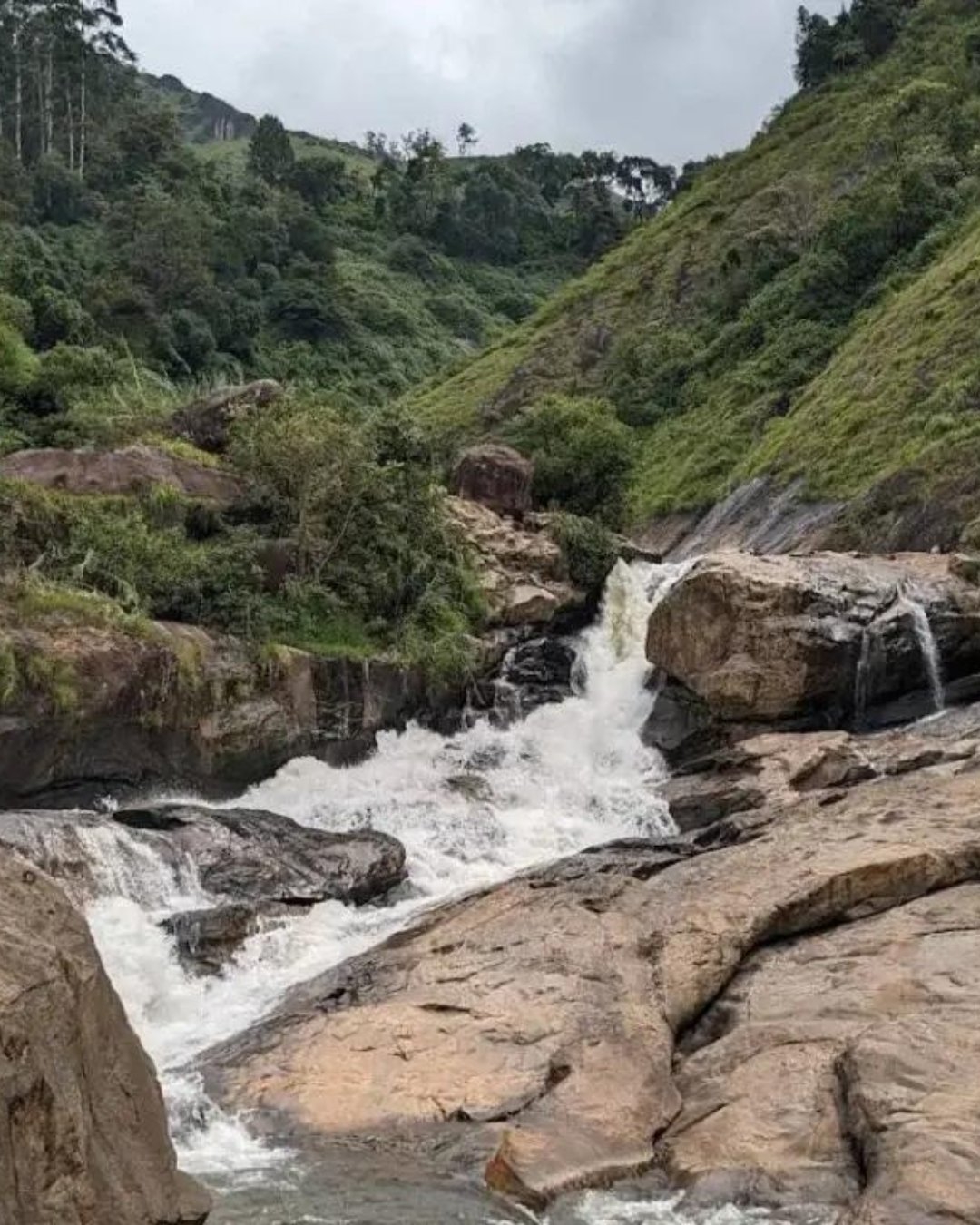
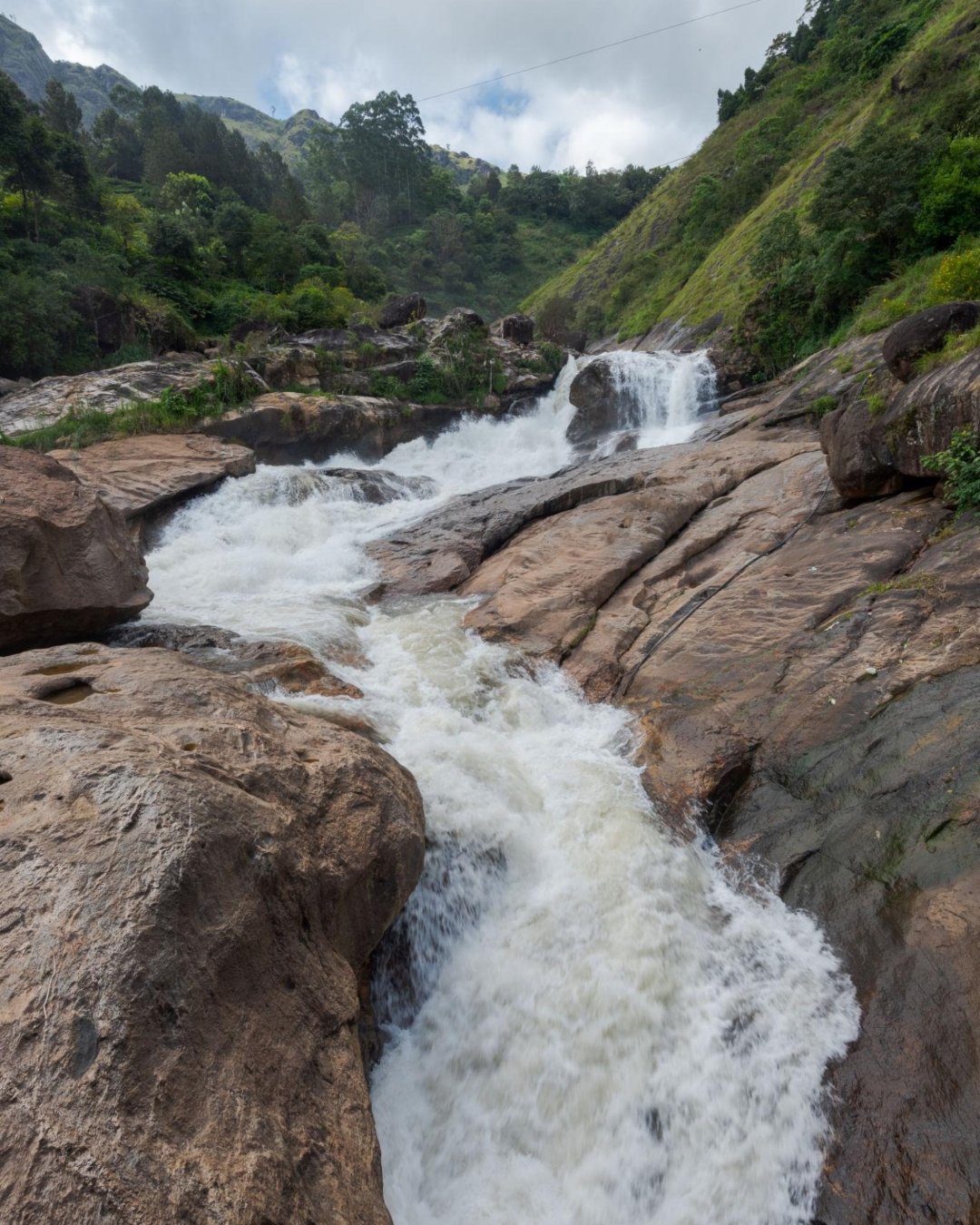
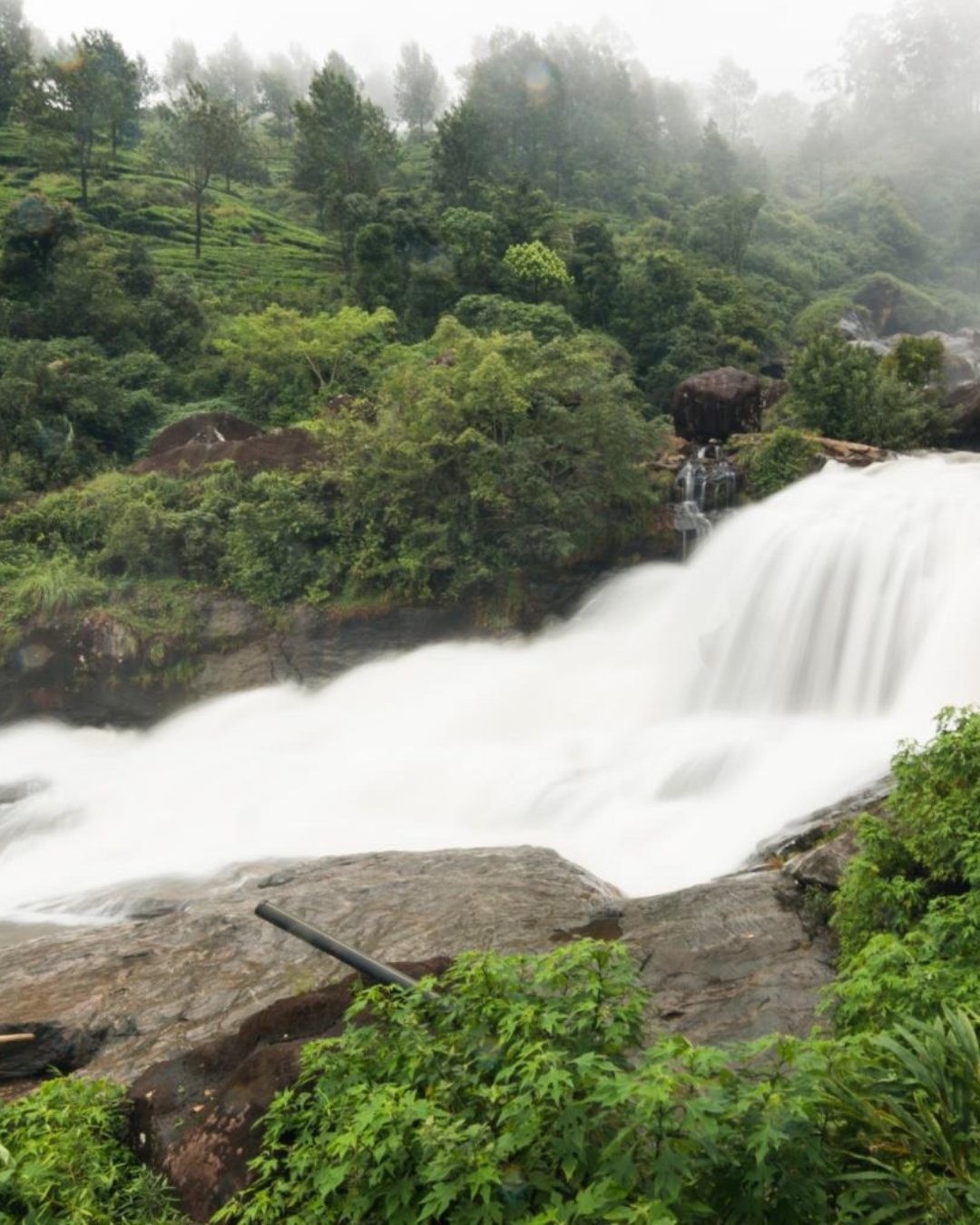
Attukad Waterfalls Adventure
You've probably picked this as the adventurous swap. Skip the market, do something real, the word "adventure" is right there in the name. But here's the thing nobody tells you: everything else in Munnar is a car park with a view. This one makes you walk — and the walk down is the easy half. People stroll to the bottom in flip-flops with no water, spend twenty minutes on the rocks, and then discover that what they came down, they now have to go back up, at 1,600 metres, in the heat, with a sunburn.
Let's fix that. Here's how Attukad actually works, and how to get it right the first time.
Why the season decides whether it's worth the walk at all
Attukad is rain-fed, like Cheeyappara and Valara. In monsoon — June through September — it comes down the rock face in a broad white sheet and the noise fills the valley. It's spectacular, and it earns the climb.
From March to May it's a damp slab with a trickle on it. Same walk down, same walk back up, and nothing at the bottom worth either. This is why it's the optional moment: in the wet months, swap the market for it without hesitating. In the dry months, keep the market. That's not a compromise — it's the correct answer.
What you'll actually see
It sits about nine kilometres out, near Pallivasal on the Kochi side. Park, then descend:
The descent — steps and path down through forest from the road. Not far. Steeper coming back.
The falls — a wide cascade over stepped rock rather than a single drop, with hills closing in on both sides.
The stream and the bridge — the crossing over the water partway down.
The forest — thick, wet, and loud. Honestly half the reason to come.
Wear proper closed shoes. Not sandals, not flip-flops — the path is wet earth and rock, and this is the one moment in Munnar where footwear genuinely matters. Carry water for the climb back.
And your phone goes in your pocket on the way down, for a practical reason rather than a philosophical one: you want both hands. Travellers who've done this will tell you the same thing — the people who slip are the ones filming the descent instead of watching it. Get to the bottom, then look. The sheet of water, the spray coming off it, the fact that you had to work to get there when nothing else here asked you to — that's the part the photos never quite catch anyway.
Pro tip: In monsoon, the leeches are real and they're not a warning, they're a certainty. Tuck trousers into socks, carry a small pot of salt or a lighter, and check your ankles at the bottom and again at the top. They don't hurt and they don't carry disease — pull them off with salt rather than yanking, and don't panic when you find one. And don't climb the wet rock beside the falls. Same rule as Cheeyappara, same reason, same outcome when people ignore it.
The mistakes that ruin it
Most first-timers trip over the same few things. They come in April expecting the monsoon photo and get a wet slab. They go down in sandals and come back up regretting it. Or they find their first leech, lose the plot entirely, and spend the rest of the walk staring at their feet instead of the forest.
The easy fix is to only do this in the season it works, with shoes that suit it and someone who's told you about the leeches in advance rather than at the bottom.
Ready to see it for yourself?
Attukad is the moment most travellers didn't expect to earn. Get the season and the shoes right, and it's effortless.
Want it handled end to end — the right months, the right swap, no surprises on the path? Browse our Munnar Tour Packages, where Attukad slots in when the rains are running, along with Top Station, Eravikulam and the rest of the high range. Pick your dates and we'll take care of the timing.
33
Destination