


Tea Museum & Tea Factory Experience
Tea Museum, Munnar, India
You've probably slotted this in as the wet-weather option. The thing you do on the afternoon it's raining, a museum, some old machines, half an hour, fine. So you roll up on a Monday and find the gate shut. Or you turn up at half four, get told last entry's gone, and stand in the car park looking at a sign. Or — worst of all — you get in, walk a room of dead machinery behind ropes, drink a paper cup of tea, and leave thinking that was it.
Let's fix that. Here's how the Tea Museum and factory actually work, and how to get it right the first time.
Why the day matters more than the hour
It's closed on Mondays. That's the whole first hurdle, and it catches people constantly because Munnar itineraries get built around the weather rather than the calendar. It opens mid-morning and stops admitting somewhere around four, so an afternoon slot works — but a late afternoon one doesn't.
The second thing nobody tells you: the factory floor is only interesting when leaf is actually coming in from the field. The machinery is the point, and machinery that isn't running is just painted steel. If you want the real thing — the noise, the heat, the smell of it — you want a day they're processing, and that's worth asking about when you book.
What you'll actually see
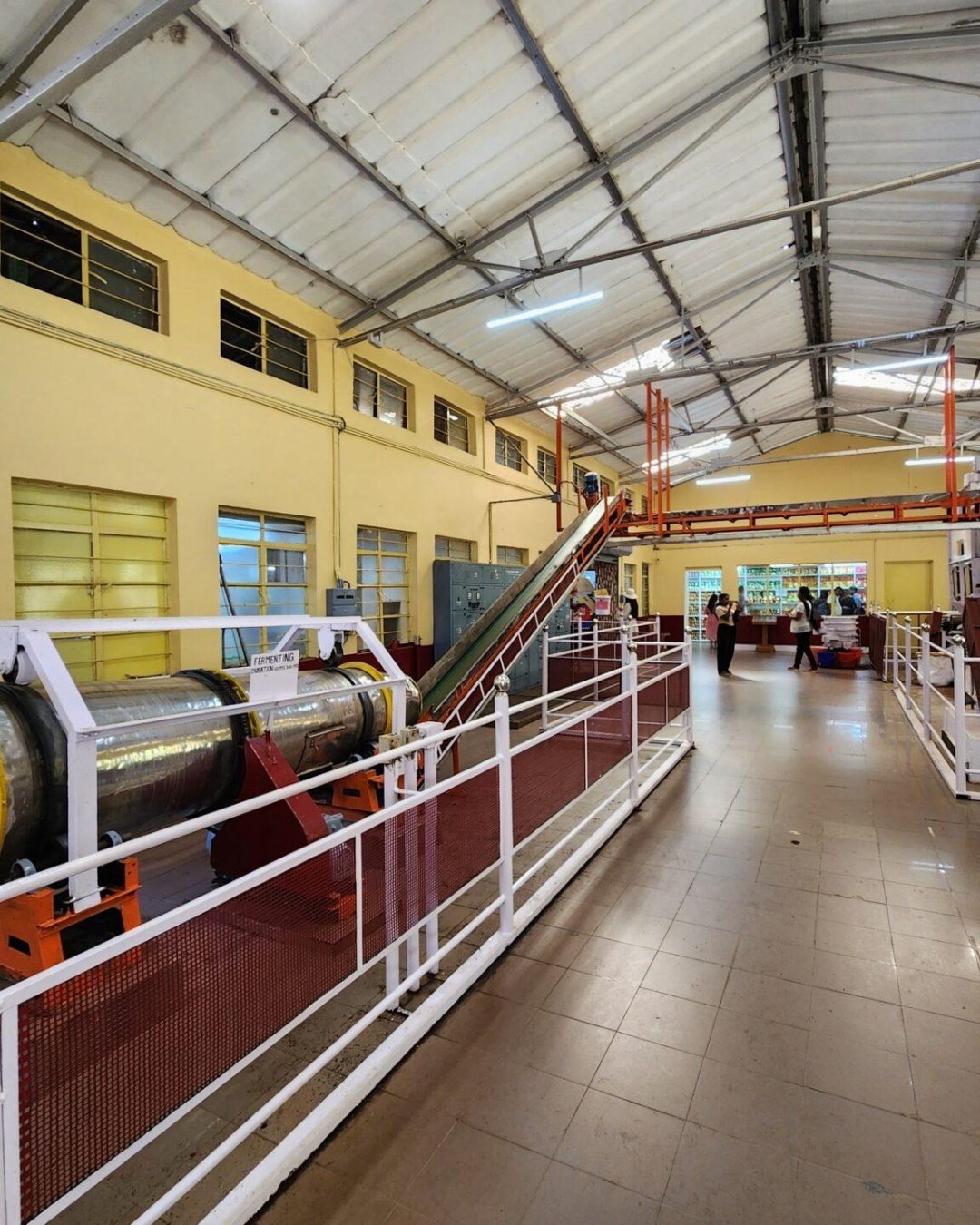
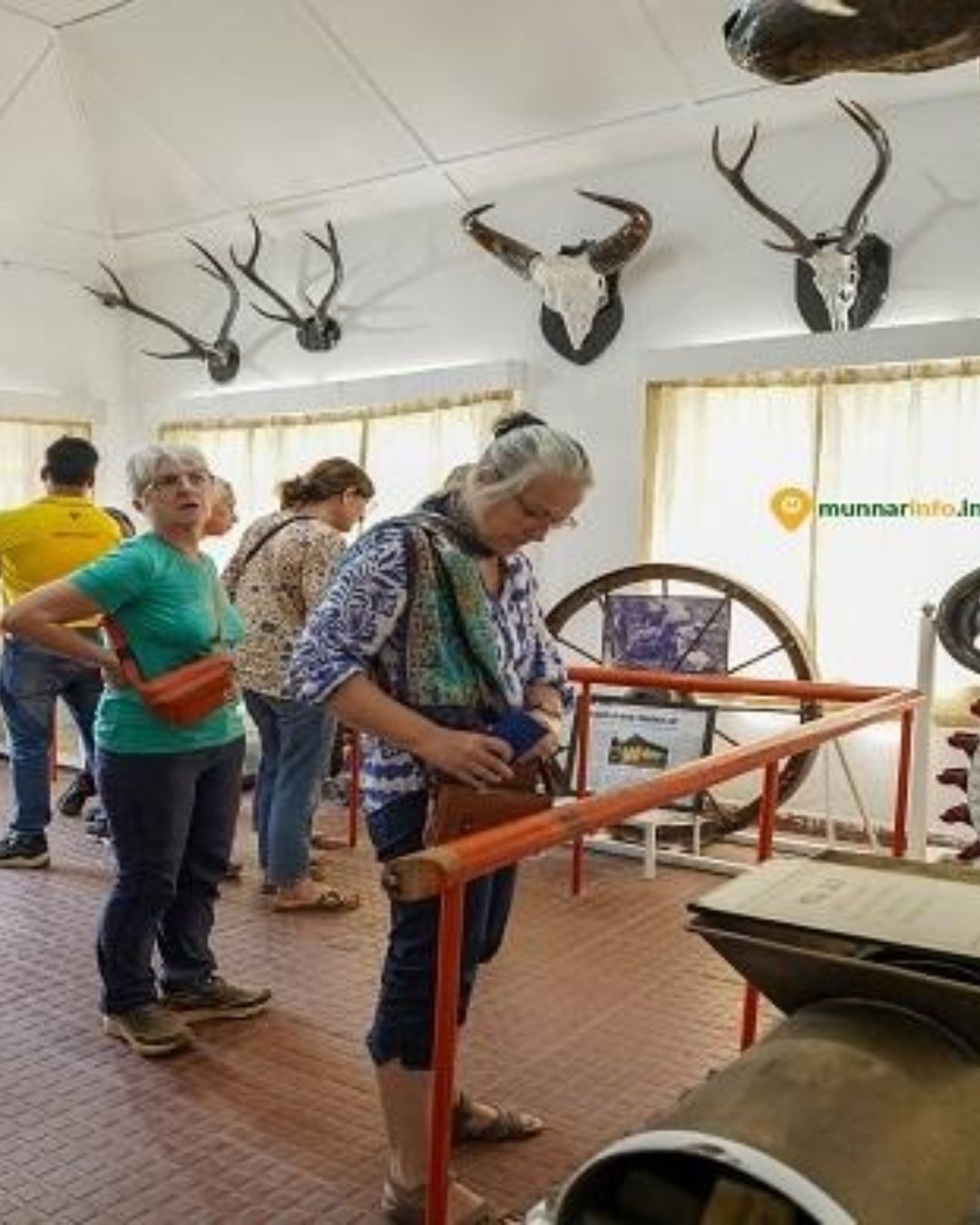
This is the KDHP museum, on Nallathanni Estate a couple of kilometres out of town. It's two halves — the history, then the working process:
Withering — leaf spread in long troughs, air pulled through it overnight to take the moisture out. This is where it starts.
CTC — crush, tear, curl. Toothed rollers that shred the leaf into granules.
Oxidation — the bit people call fermentation. Green goes to copper goes to brown, on a belt, in front of you.
Firing and grading — dried, then sorted by particle size into BOP, PD, Dust and the rest.
The old kit — the original Pullivasal roller, a rotorvane, a sundial, and a burial urn from the estate that's a couple of thousand years older than the tea.
The tasting — at the end, and worth staying for.
Carry small notes for the entry and the shop. It's a working estate, not a mall.
And your phone stays in your pocket on the factory floor. Cameras generally aren't allowed past the museum section — this is a live plant, not an exhibit. It's a gift, honestly. Travellers who've done this will tell you the same thing: you can't film a smell anyway, and the smell is the whole thing. Thirty tonnes of oxidising leaf in a warm room is a wall you walk into. That's the part the photos never quite catch.
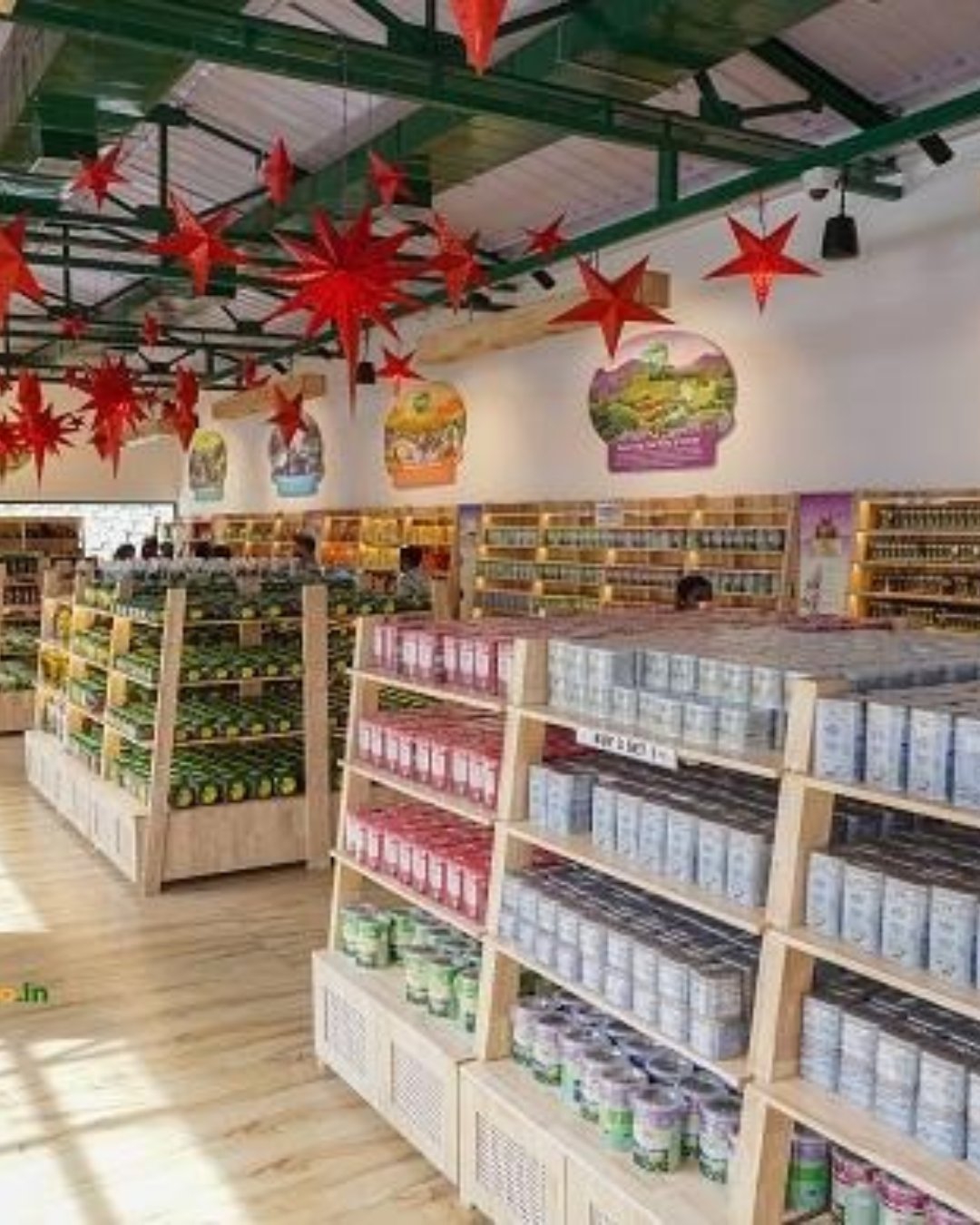
Pro tip: Understand what Munnar makes before you spend money in the shop. This is CTC country — granular black tea built for strong milk chai — not the delicate whole-leaf orthodox you might be picturing from Darjeeling. If you brew Munnar CTC like a Darjeeling first flush you'll wonder what went wrong. Nothing did; it's a different product for a different cup. Also: the grades are particle sizes, not quality rankings — BOP isn't "better" than Dust, it's bigger. Buy from the KDHP outlet or the factory rather than a roadside stall if you want the real thing at the real price.
The mistakes that ruin it
Most first-timers trip over the same few things. They come on a Monday. They arrive after last entry. They walk the machines without knowing what any of them do, so it's just a shed. Or they buy three kilos of "premium Munnar tea" from a stall on the way out and get chai dust at four times the price.
The easy fix is to have the day chosen around the closure and the processing, with someone to tell you what you're actually looking at.
Ready to see it for yourself?
The factory floor is the moment most travellers underestimate and then talk about. Get the day and the timing right, and it's effortless.
Want it handled end to end — the right day, the right slot, the shop that isn't a tourist trap? Browse our Munnar Tour Packages, where the tea experience comes built in, along with Top Station, Eravikulam and the rest of the high range. Pick your dates and we'll take care of the details.