


Varanasi Tour Package: 2 Nights, 3 Days Stay & Transfers
Three days, two nights in Varanasi. Stay, airport or railway transfers included. Local transport, boat tour, sugam darshan and food walks you choose.
Varanasi — also known as Kashi and Banaras — is one of the world’s oldest continuously inhabited cities. Life here unfolds along the banks of the Ganga, where ancient temples, timeless traditions and centuries of faith come together in a way you’ll find nowhere else.
What the package covers
Two things: two nights of stay, your arrival and departure transfers from Varanasi airport or railway station.
That’s deliberate. It’s the part of a Varanasi trip that’s genuinely hard to arrange from outside the city — the right hotel for the ghats you want to reach, a driver who knows which lanes a car simply cannot enter, and someone waiting when your train pulls in at 4am. Get those two right and the rest of the city opens up on its own.
Why the experiences aren’t bundled in
Most Varanasi packages sell you a fixed list. You pay for a boat tour you may not want, a Sarnath trip timed around someone else’s schedule, and one number at the end that never tells you what any of it actually cost.
Each experience here is priced separately on its own page, at a fixed rate. You choose what you want, you set the timing, and you can see exactly what you’re adding before you add it.
Experiences you can add
Every one of these is timed around when the city actually does it — which is the difference between seeing Varanasi and queuing in it.
Sunrise boat ride on the Ganga. Before dawn the river is at its quietest. A wooden boat glides past the ghats as the first light reaches the stone and pilgrims gather for morning prayers. The light is the whole point, and it’s flat by nine.
Kashi Vishwanath Temple. One of the twelve Jyotirlingas, reached now through the Vishwanath Corridor running from the temple down to the river. General darshan is free and you can walk in yourself. Sugam Darshan, the priority queue, has to be booked ahead — never on the day.
The old city’s food lanes. Kachori-sabzi in the morning, tamatar chaat in the evening, and in winter, malaiyo — a saffron milk froth sold at dawn and gone by mid-morning. Banarasi street food runs to a timetable, and most visitors turn up at the wrong hour.
Manikarnika Ghat. The cremation ground where the fire hasn’t gone out in centuries. Approached with the respect it asks for, it is the clearest window into why this city exists at all. No photographs.
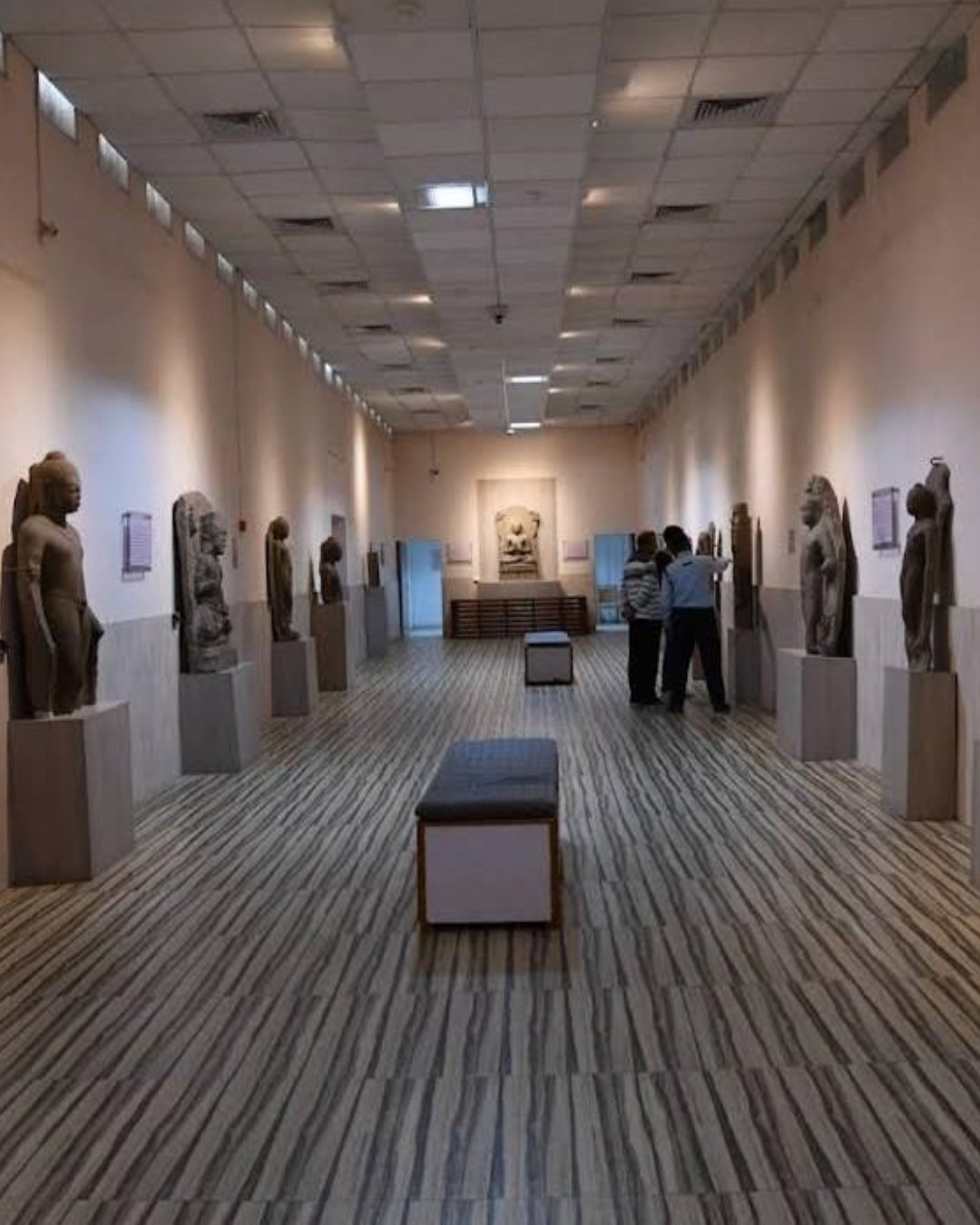
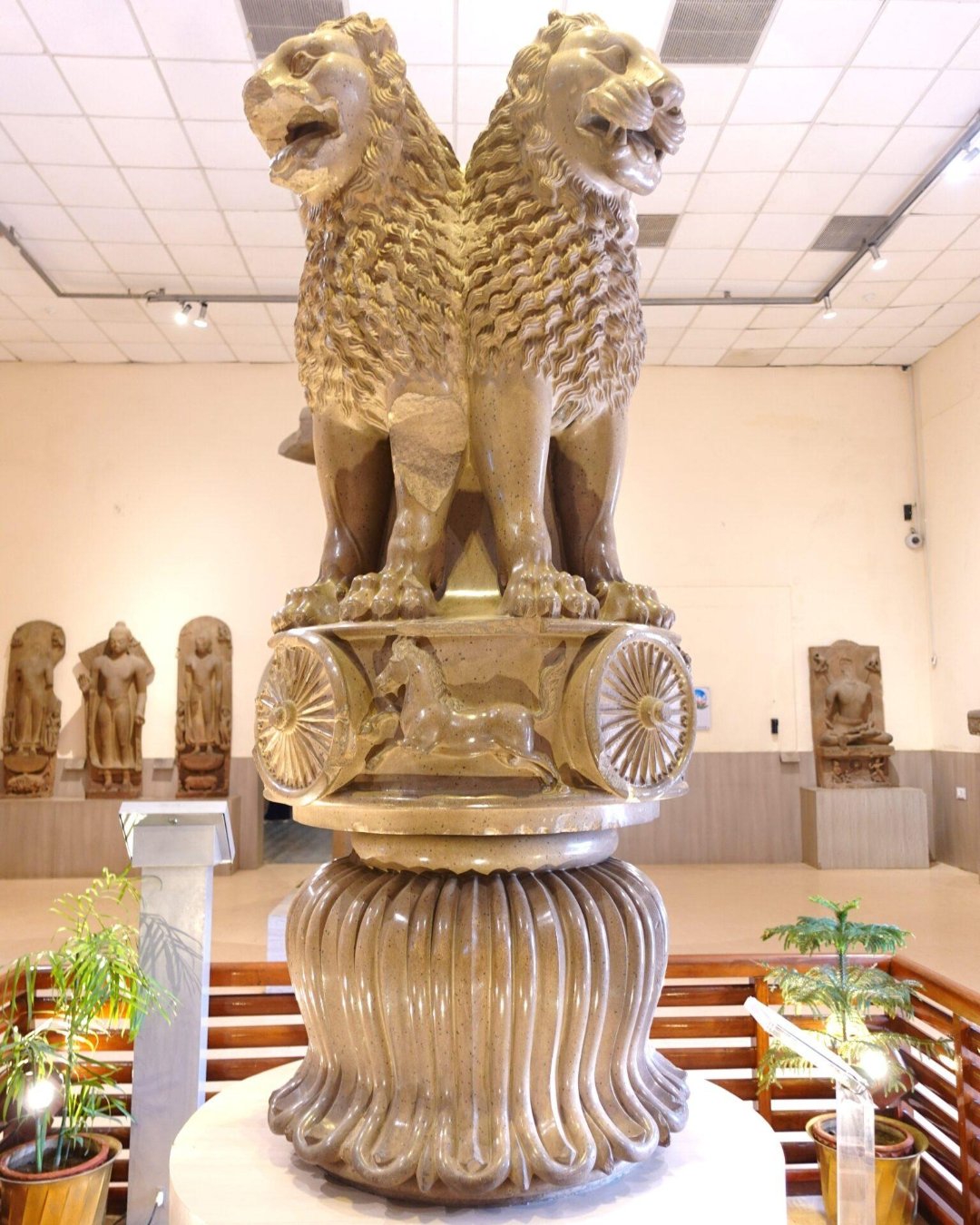
Sarnath. Ten kilometres out, where the Buddha gave his first sermon after enlightenment. The Dhamek Stupa, the monastery ruins, and the Archaeological Museum — which is where the original Lion Capital of Ashoka actually is, rather than among the ruins where most people go looking for it.
Planning your trip
Your dates, hotel category, group size and pace decide the base price.
from₹5,999
Route
Home
MomentDashashwamedh Ghat, Varanasi

Ganga Aarti at Dashashwamedh Ghat
If you've seen the videos, you know the image: priests lifting huge brass lamps in perfect rhythm, flames glowing against the dark Ganga, bells ringing, and conch shells echoing across the river.
What the videos don't show is how easy it is to get the experience wrong.
Arrive right as the ceremony begins, enter from the wrong lane, or hop onto the first boat someone offers you, and you may spend the entire evening standing behind a wall of people watching the aarti through other people's phone screens. That's not the Ganga Aarti everyone talks about.
Here's how to experience the Dashashwamedh Ghat Ganga Aarti properly the first time.
ARRIVE EARLY — MUCH EARLIER THAN YOU THINK
The aarti begins after sunset—usually around 6:45 pm in winter and 7:00 pm in summer. The ceremony lasts about 45 minutes and takes place every evening, rain or shine.
The real challenge isn't the timing of the ritual—it's the crowd.
The best spots are usually taken 45–60 minutes before the first lamp is lit. Instead of arriving at 6:45 pm, aim to be there by 6:00 pm, or even earlier on weekends and festival days.
Yes, you'll wait. But you'll be sitting comfortably near the front while hundreds of people arrive later and struggle to see anything.
WHERE SHOULD YOU WATCH FROM?
Your view changes the entire experience.
The Steps of the Ghat
This is the best free option. You'll be close to the ceremony, surrounded by the energy of the crowd, and able to hear every chant and bell. Arrive early and sit low on the steps for the clearest view.
A Boat on the River
This is the experience most visitors remember. From the river, the priests line up directly in front of you with no crowd blocking your view. The ceremony feels as if it is happening across the water just for you.
Upper Platforms
If the steps are already full, the upper viewing areas offer a wider perspective. You're a little farther away, but you'll still have an excellent view of the entire ceremony.
Floating Diyas
Once the aarti ends, you can buy a small diya for a few rupees, light it, and let it float gently down the Ganga. It's a simple tradition that adds a peaceful ending to the evening.
If you're visiting only once, choose the boat. Watching the ceremony unfold from the river is easily the most memorable way to experience it.
ONE THING MOST TRAVELERS WISH THEY'D DONE
The first instinct is to pull out your phone and start recording.
Try not to.
Spend the first ten minutes simply watching.
Listen to the bells. Hear the chanting rolling across the ghats. Watch the smoke rise above the river as the lamps move together in perfect rhythm.
Photos and videos can wait. You only get one first impression, and no recording truly captures what it feels like to be there.
A FEW PRACTICAL TIPS
• Book or negotiate your boat before the crowd becomes too large.
• Agree on the price and trip duration before boarding.
• Shared boats are more affordable, while private boats offer better views and more space.
• Keep your bag zipped and on your lap in crowded areas.
• Carry some small cash if you'd like to buy a floating diya afterward.
THE MISTAKES THAT RUIN THE EVENING
Most first-time visitors make the same mistakes.
They arrive exactly when the aarti begins and end up too far back to see.
They get lost in the narrow lanes behind Dashashwamedh Ghat and reach the river already stressed.
Or they spend the entire ceremony looking through a phone screen instead of experiencing it.
The easiest solution is to plan ahead. If you want to watch from a boat, arrange it before the evening crowds arrive so you aren't bargaining while dozens of touts compete for your attention.
When everything is sorted in advance, the evening becomes what it should be—you simply arrive, find your place, and watch the river glow with fire.
WANT THE TIMING, BOAT, AND BEST VIEW SORTED FOR YOU?
Tap "Get a Quote" and let us arrange everything, so all you have to do is sit back and experience one of Varanasi's most unforgettable evenings.
MomentShri Kaal Bhairav Temple, Varanasi

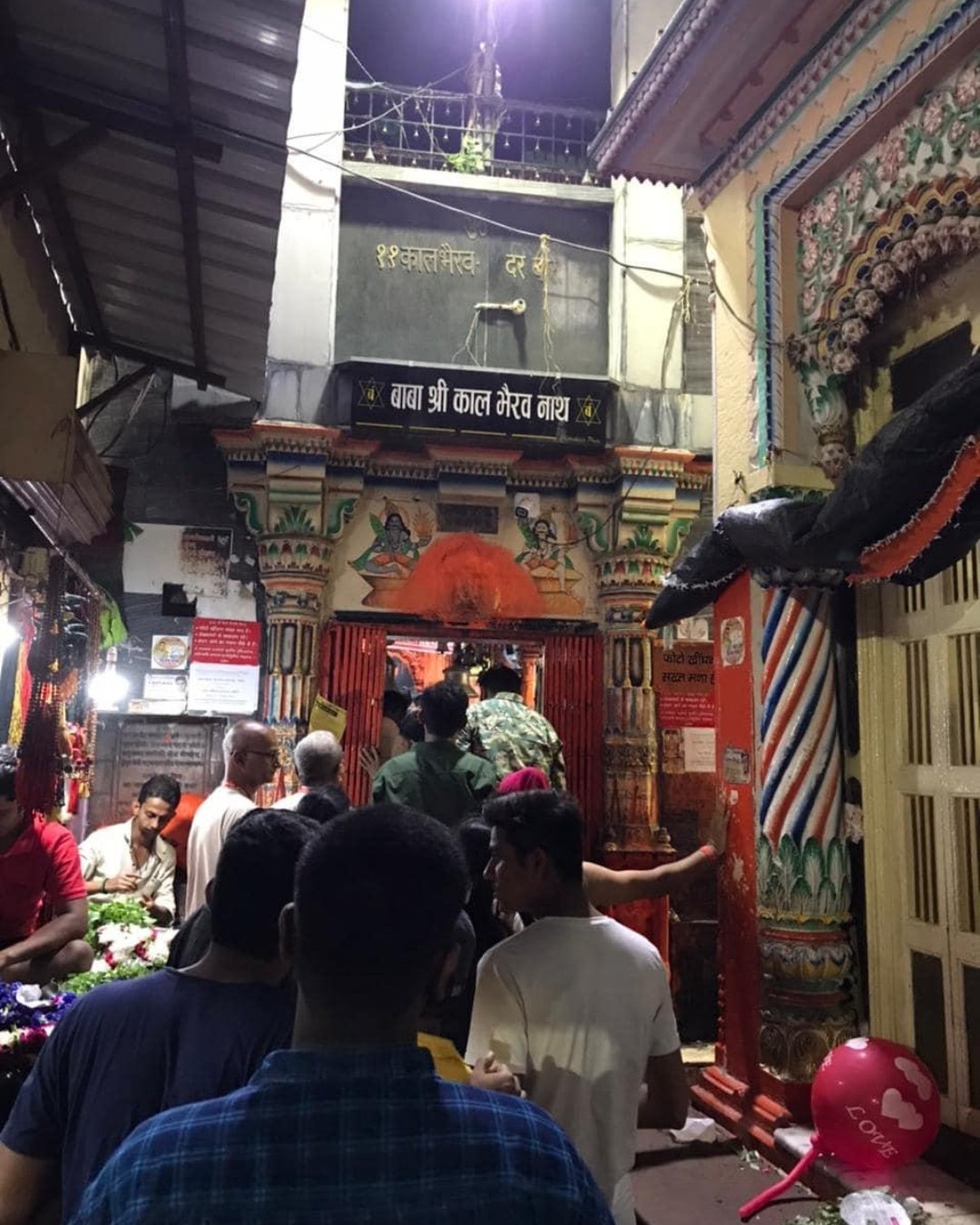
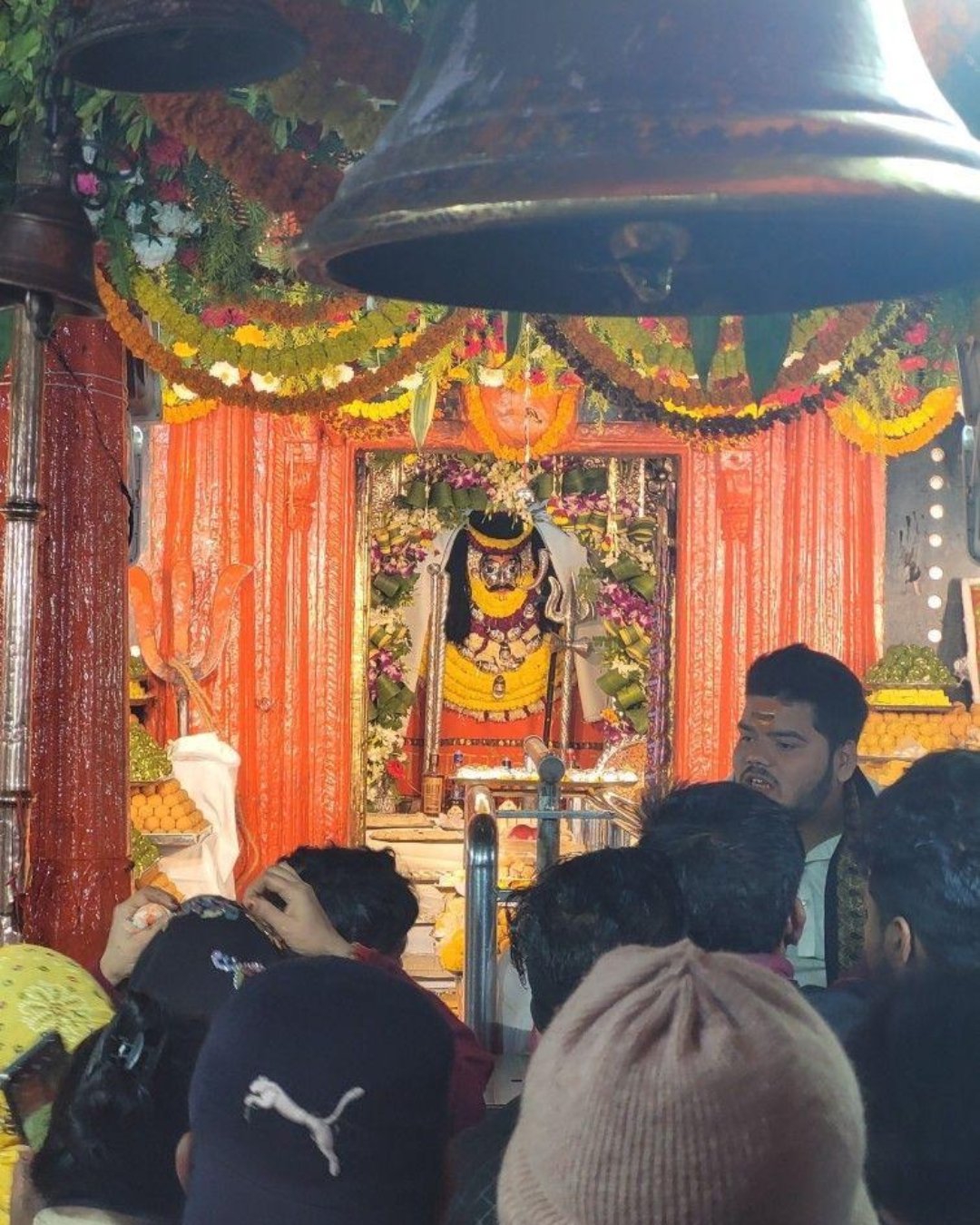
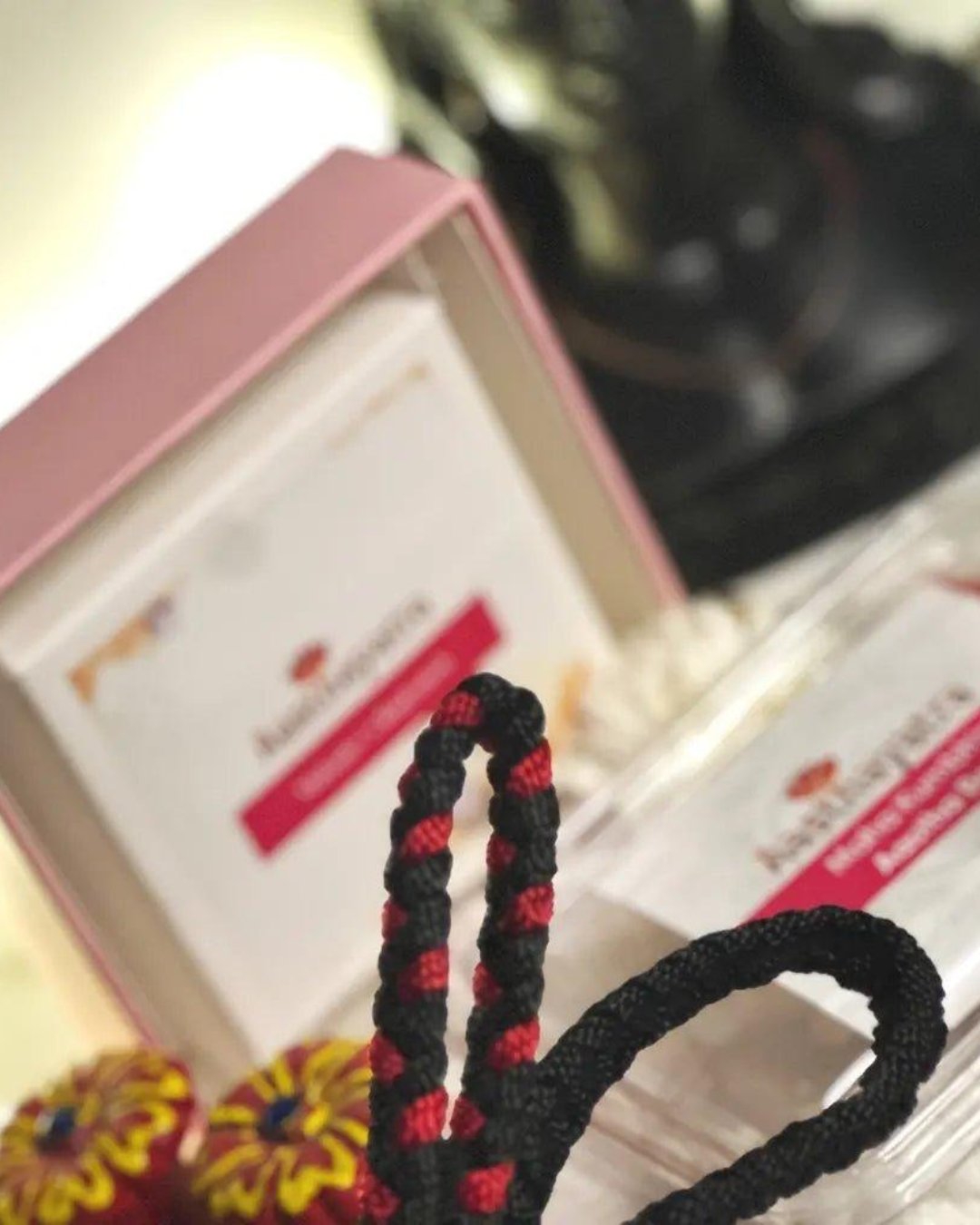
Kaal Bhairav Temple – The Guardian of Kashi
You've probably placed Kashi Vishwanath Temple at the top of your Varanasi itinerary. It's one of the twelve sacred Jyotirlingas and the city's most famous temple.
But ask a local, and they may tell you that you're starting in the wrong place.
According to centuries-old tradition, pilgrims first visit Kaal Bhairav Temple, the guardian deity of Kashi, before seeking blessings at Kashi Vishwanath.
Known as the Kotwal (guardian or protector) of Kashi, Lord Kaal Bhairav is believed to grant permission to those entering the sacred city.
Here's how to experience Kaal Bhairav Temple the right way.
WHY THE ORDER MATTERS
For generations, devotees have believed that no pilgrimage to Kashi is complete without first offering prayers to Lord Kaal Bhairav.
Many pilgrims visit this temple before any other shrine in the city.
Following this tradition adds a deeper spiritual meaning to your journey through Varanasi.
The temple usually operates in two sessions, closing during part of the afternoon before reopening later in the day.
Since timings may vary, it's always a good idea to check the opening hours before your visit.
Located north of the Kashi Vishwanath Temple area, Kaal Bhairav Temple sits within a busy local neighborhood rather than the main tourist circuit, giving visitors a chance to experience a more authentic side of Varanasi.
WHAT YOU'LL SEE
Unlike the grand temple complexes elsewhere in the city, Kaal Bhairav Temple is compact, traditional, and deeply rooted in local devotion.
The Deity
Lord Kaal Bhairav is worshipped here in a fierce form of Lord Shiva. The deity is adorned with a silver face covering, flowers, and sacred offerings. The darshan is brief but deeply meaningful for devotees.
Kala Dhaga (Black Sacred Thread)
One of the temple's most well-known traditions is receiving the black thread, or Kala Dhaga, which is tied around the wrist as a blessing and is believed to symbolize Lord Bhairav's protection.
The Blessing Ritual
In some cases, the priest gently touches devotees with a ceremonial whisk as part of the blessing. This is a traditional ritual and an important part of the temple experience.
Temple Dogs
Dogs are considered sacred to Lord Kaal Bhairav and are believed to be his divine companions. You'll often see them peacefully resting around the temple, and visitors are encouraged to treat them with kindness.
WHAT TO BRING
Wear modest clothing and footwear that can be removed easily before entering the temple.
Carry some small cash if you'd like to make an offering or receive the traditional black thread.
TEMPLE ETIQUETTE
Photography is generally not allowed inside the temple.
Keep your phone in your pocket and take a few moments to simply experience the atmosphere.
Unlike many popular tourist sites, this is an active neighborhood temple where local devotees come to worship every day.
The chants, the bells, the fragrance of incense, and the quiet devotion often leave a much stronger impression than any photograph.
PRACTICAL TIPS
• Visit Kaal Bhairav Temple before going to Kashi Vishwanath Temple if you wish to follow local tradition.
• Wear the black sacred thread after receiving it instead of storing it away.
• If you're visiting during Bhairav Ashtami (usually in November or December), expect much larger crowds and longer waiting times.
• You do not need a special guide or paid arrangement for darshan. Simply join the queue and follow the temple procedures.
THE MISTAKES THAT RUIN THE EXPERIENCE
Most first-time visitors make the same mistakes.
They visit Kashi Vishwanath first and skip Kaal Bhairav Temple altogether, missing an important local tradition.
They arrive during the afternoon when the temple may be closed.
Or they treat the visit as a quick photo stop instead of spending a few quiet moments understanding its spiritual significance.
With a little planning, Kaal Bhairav Temple becomes much more than another stop on your itinerary—it becomes the beginning of your journey through Kashi.
WANT THE PERFECT TEMPLE SEQUENCE PLANNED FOR YOU?
Tap Get a Quote and let us arrange your temple visits in the traditional order, so you can experience Varanasi the way generations of pilgrims have for centuries.
MomentDashashwamedh Ghat, Varanasi

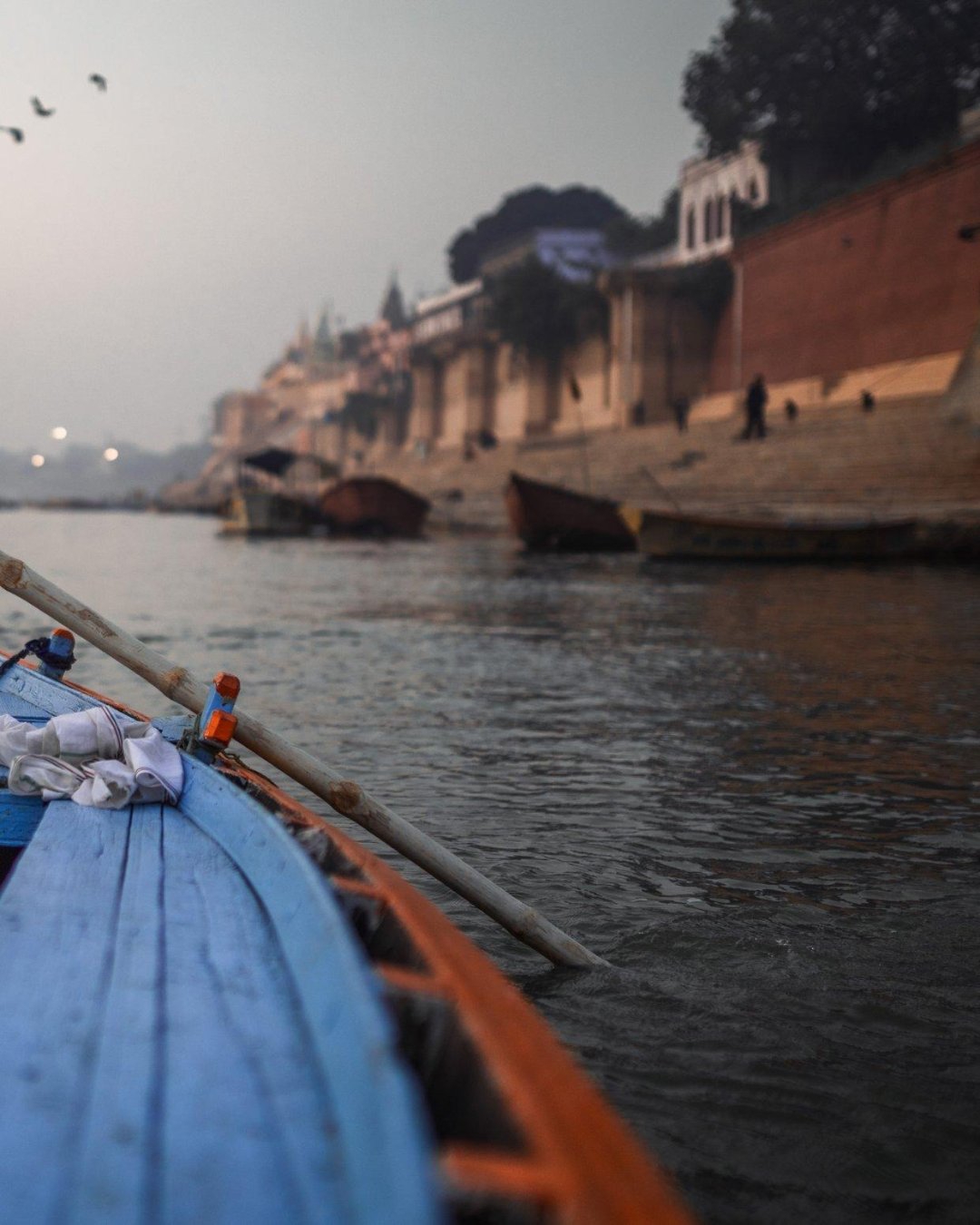
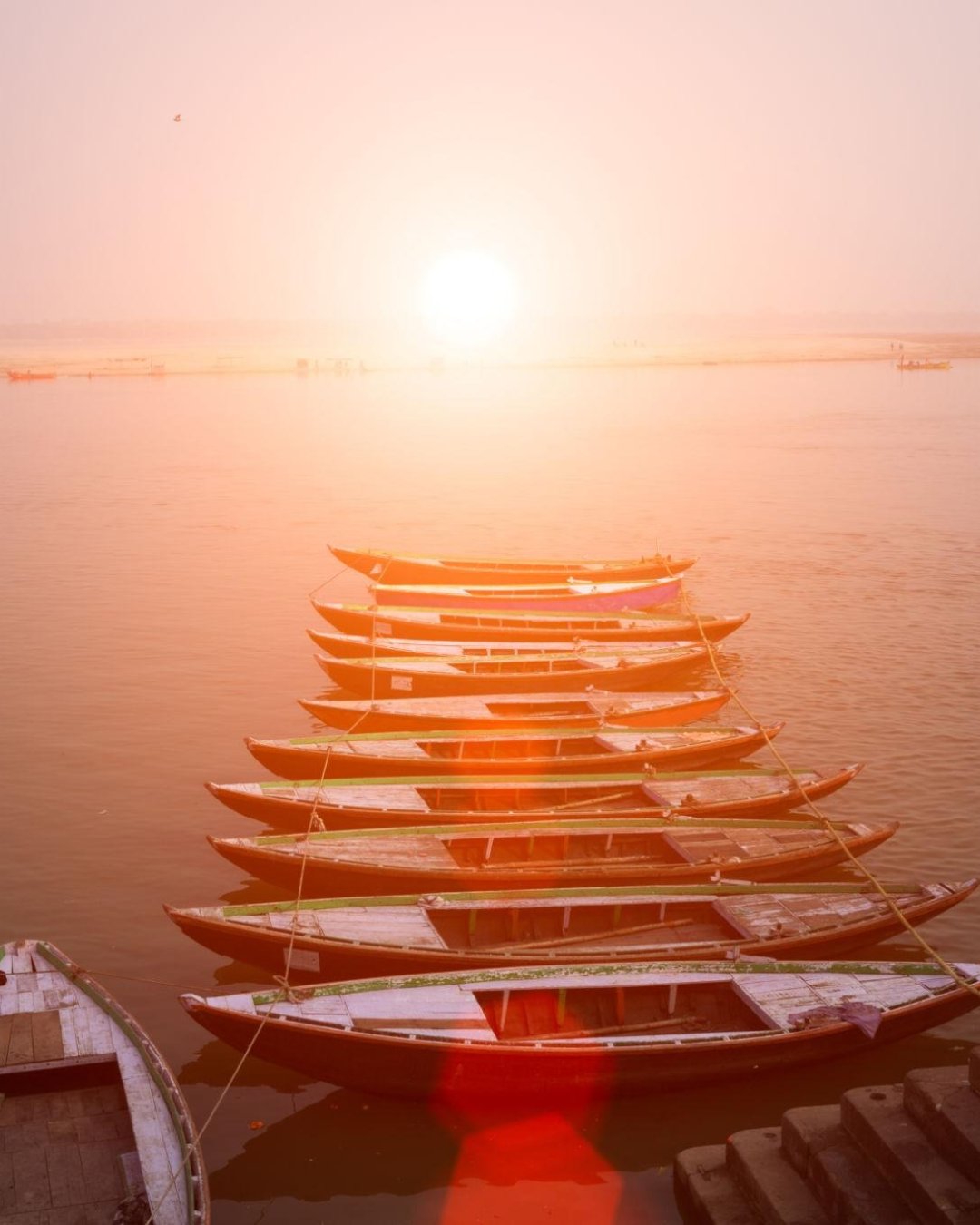
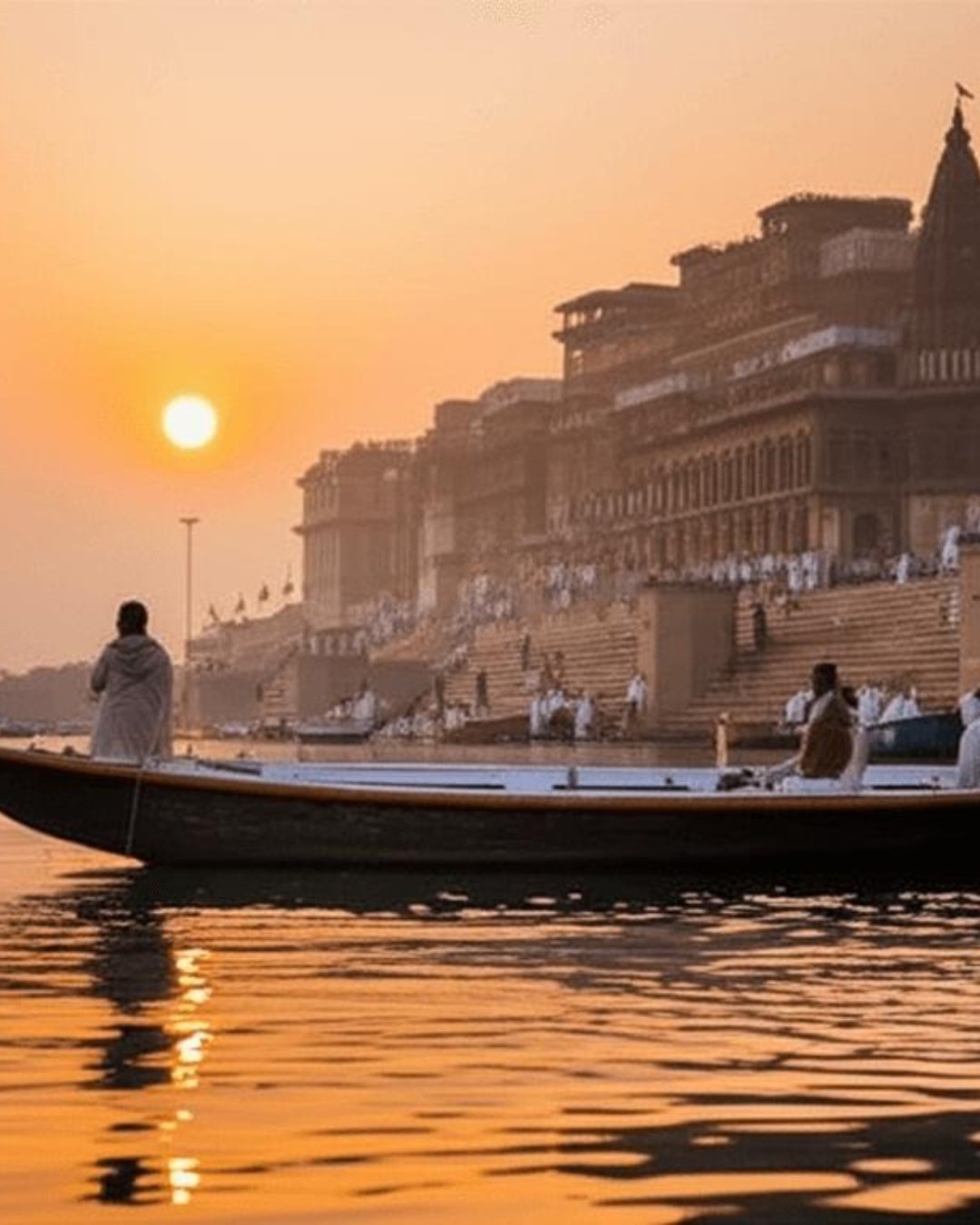
Sunrise Boat Ride on the Ganga: What to Know Before You Go
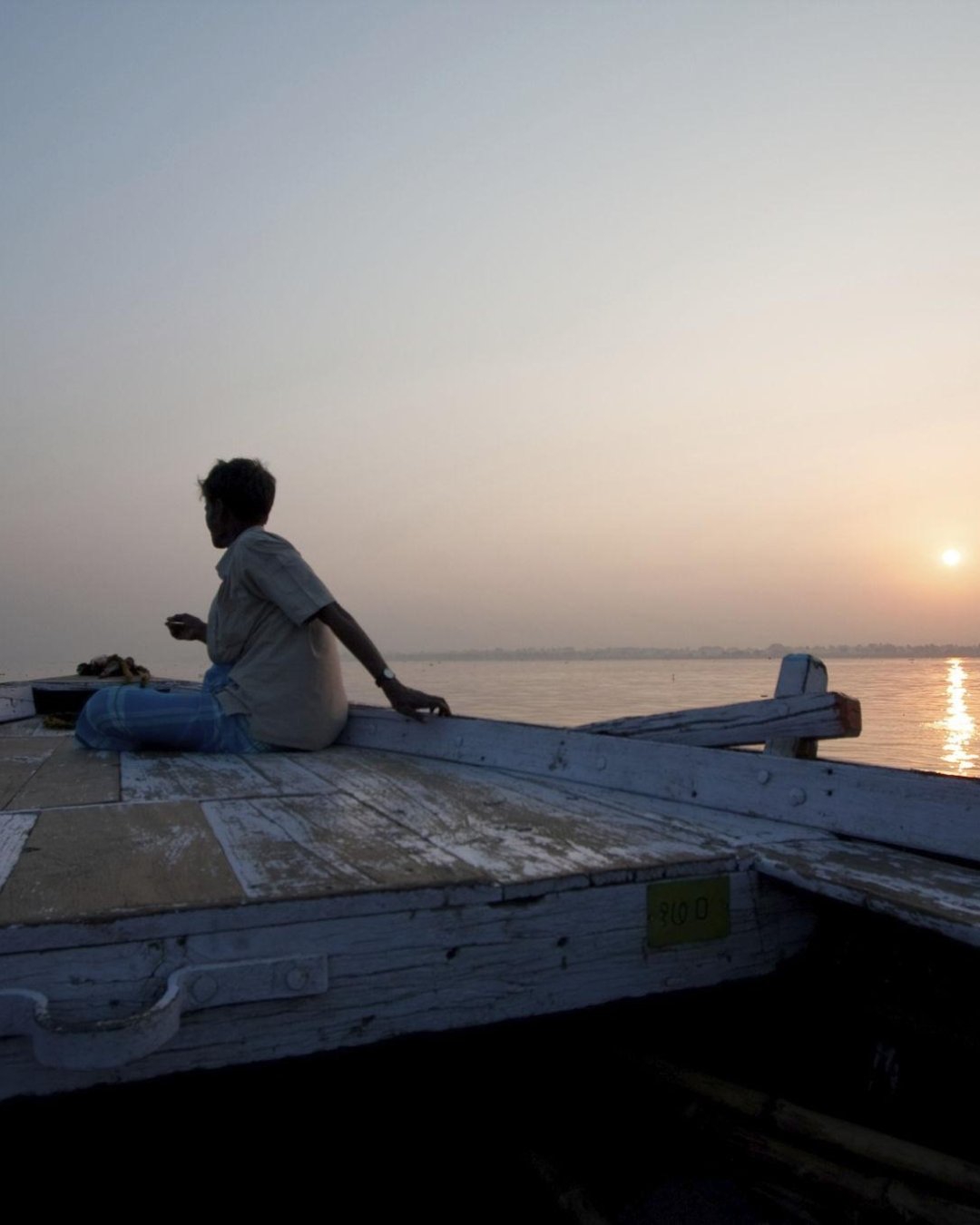
You've probably seen the photos. Golden light reflecting on the Ganga, boats gliding past centuries-old ghats, and the first rays of the sun painting the river in shades of gold. It looks peaceful—and it is—but only if you do it right.
What most people don't realize is that timing makes all the difference.
Take a boat too late in the morning, start from the wrong ghat, or bargain with the first boatman who approaches you, and you could end up with an overpriced ride through crowded waters. That's not the sunrise experience people remember.
Here's how to enjoy a sunrise boat ride on the Ganga the right way.
WHY SUNRISE IS THE BEST TIME
The Ganga feels completely different at dawn.
Before sunrise, the river is calm, the air is cool, and the city slowly comes to life. You'll see pilgrims taking their first holy dip, priests performing morning rituals, birds flying across the river, and the rising sun illuminating the ghats one by one.
By 8:00 or 9:00 am, the river becomes much busier. The peaceful atmosphere fades, boats multiply, and the soft morning light is gone.
For the best experience, plan to leave your hotel around 5:00–5:30 am in summer, or a little later during winter.
It may be an early start, but it's one of the most unforgettable experiences Varanasi has to offer.
WHAT YOU'LL SEE DURING THE RIDE
Most sunrise boat rides begin from Dashashwamedh Ghat or Assi Ghat and last between 45 minutes and one hour.
Along the way, you'll pass some of Varanasi's most iconic ghats.
Dashashwamedh Ghat
The city's most famous ghat and the venue for the spectacular evening Ganga Aarti. At sunrise, it has a completely different atmosphere—quiet, spiritual, and beautifully lit.
Manikarnika Ghat
Varanasi's main cremation ghat, where ancient traditions continue day and night. This is a deeply sacred place. Observe respectfully and avoid taking photographs.
Assi Ghat
Known for its relaxed atmosphere, Assi Ghat is where many locals gather each morning for yoga, prayers, and the peaceful Subah-e-Banaras ceremony.
Floating Diyas
Many visitors choose to light a small diya and place it on the river after their ride, creating a beautiful and meaningful memory of the morning.
A FEW THINGS TO BRING
Carry a light jacket or shawl, even during warmer months. The breeze on the river before sunrise can feel surprisingly cool.
If you're bringing a camera or phone, keep it tucked away for the first few minutes.
Simply watch.
Listen to the temple bells echoing across the water. Hear the chants drifting from the ghats. Watch the oars gently cut through the river as the city wakes up around you.
Those moments stay with you far longer than any photograph.
PRACTICAL TIPS
• Decide whether you want a shared or private boat before arriving.
• Agree on the total price before stepping into the boat.
• Confirm the route and ride duration in advance.
• A shared wooden rowboat is more affordable, while a private boat offers more flexibility for photography and sightseeing.
• Choose a traditional rowboat whenever possible. The silence of rowing through the morning mist is a big part of the experience. Motorboats simply don't offer the same atmosphere.
THE MISTAKES THAT RUIN THE EXPERIENCE
Most first-time visitors make the same mistakes.
They wake up too late and miss the magical morning light.
They spend twenty minutes bargaining with boatmen while the sunrise slips away.
Or they choose the wrong starting point and waste half their ride getting oriented.
The easiest solution is to arrange your boat the evening before or book it as part of a guided experience.
That way, you simply arrive, step into your boat, and enjoy the sunrise without worrying about prices, routes, or negotiations.
WANT THE EARLY START AND THE RIGHT BOAT SORTED FOR YOU?
Tap Get a Quote and let us arrange everything, so all you have to do is step aboard and enjoy one of the most memorable mornings in Varanasi.
MomentAssi Ghat, Varanasi

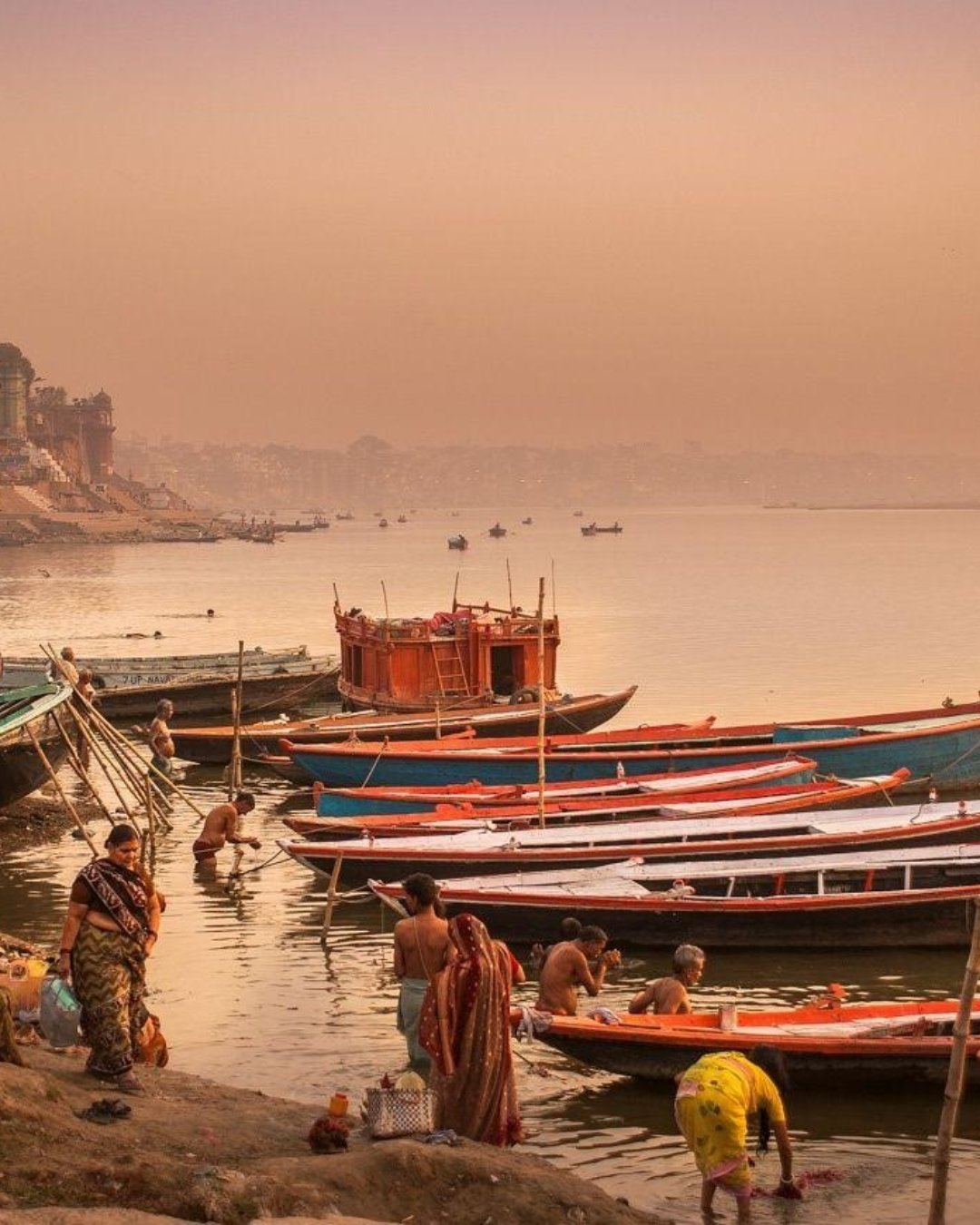
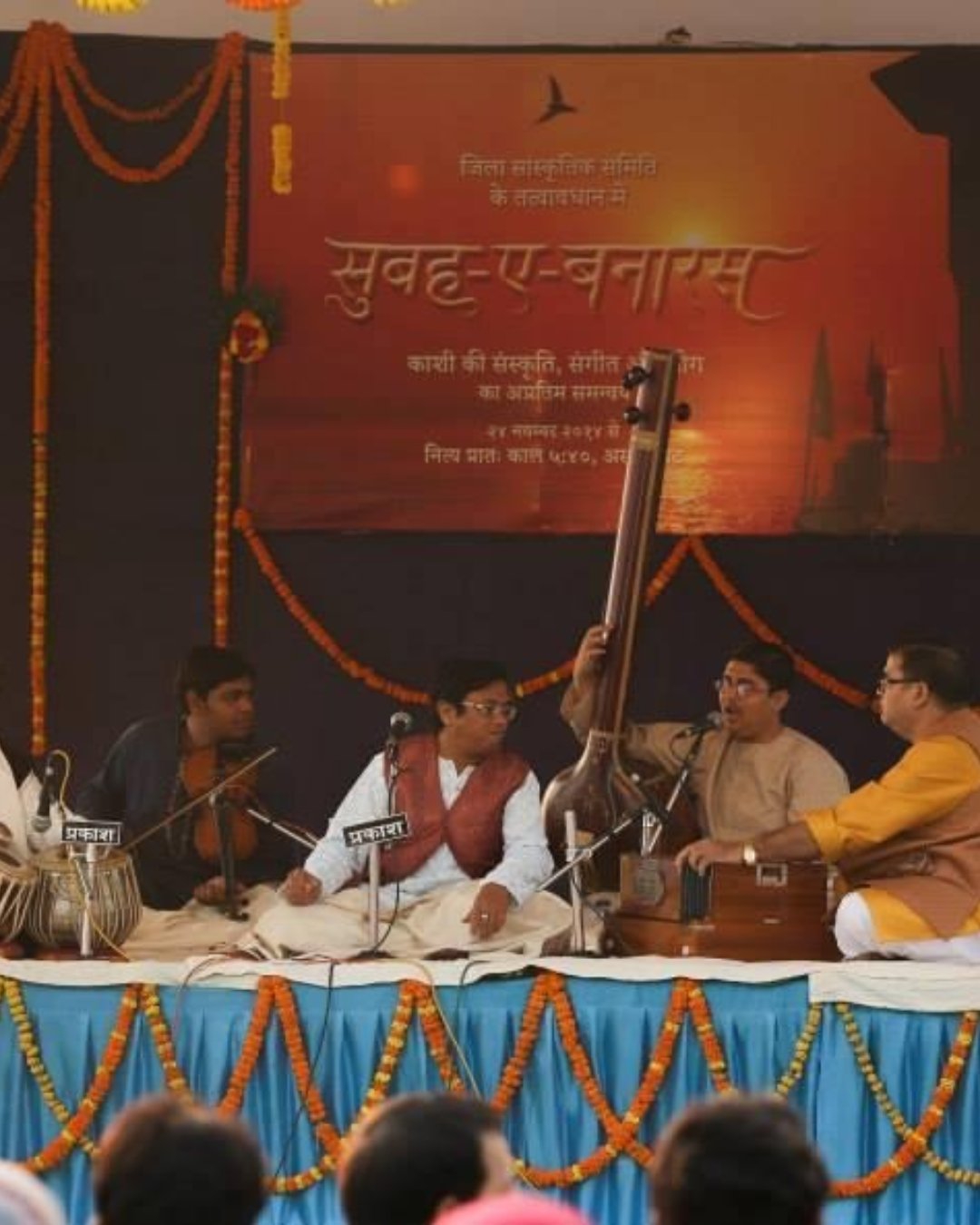
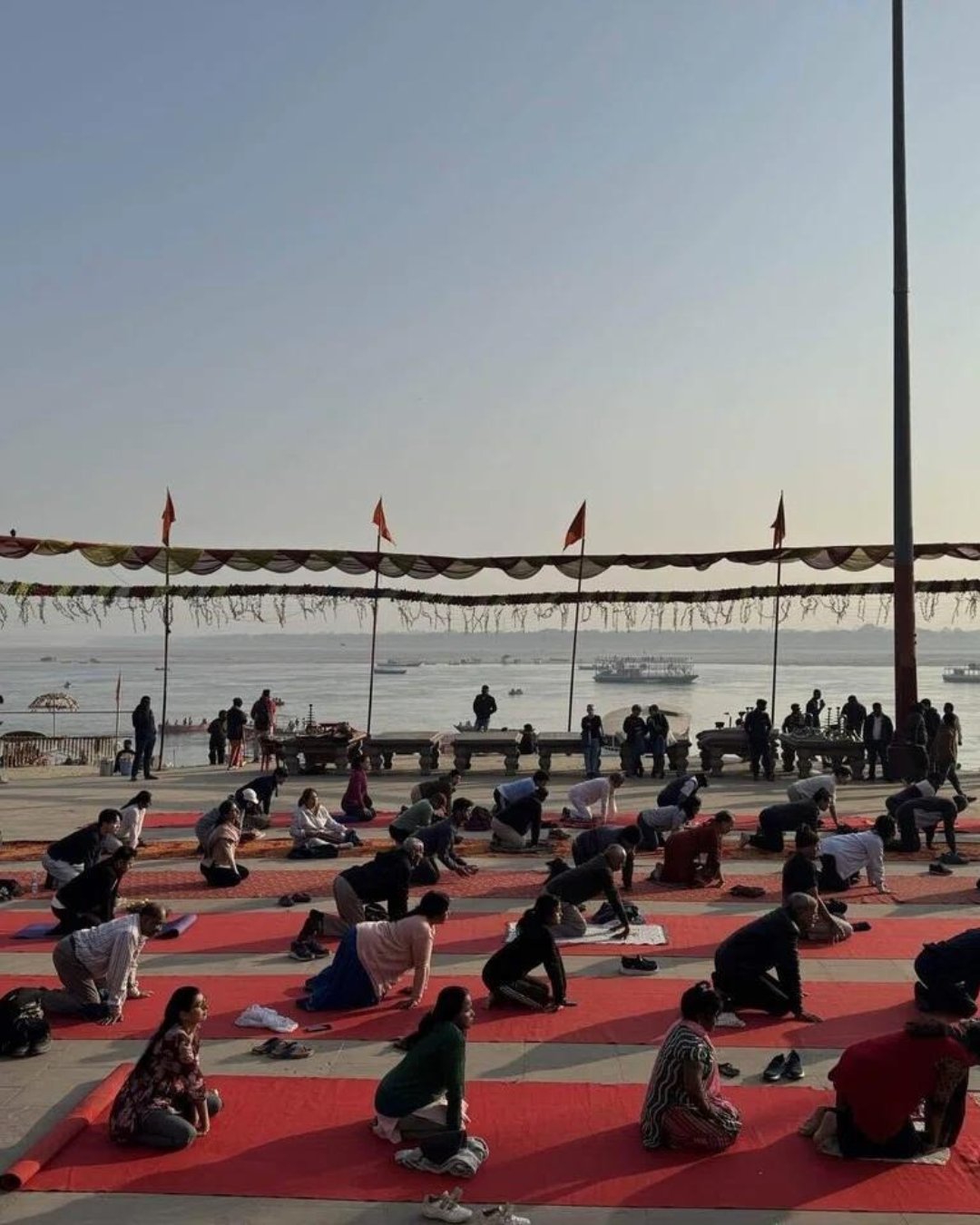
Subah-e-Banaras at Assi Ghat
You've probably heard about the famous Ganga Aarti at Dashashwamedh Ghat—the one held after sunset with huge crowds, towering lamps, and hundreds of people recording every moment.
But here's what many travelers don't know.
Varanasi has a beautiful morning ceremony called Subah-e-Banaras, and it's an experience that many visitors completely miss.
Arrive at Assi Ghat at 8:00 am, and you'll find a peaceful ghat with no sign of the event that ended hours earlier.
Here's how to experience Subah-e-Banaras the right way.
WHY VISIT IN THE MORNING?
The evening Ganga Aarti is grand and energetic.
Subah-e-Banaras is the opposite.
It's peaceful, unhurried, and deeply spiritual. As the sun begins to rise, the river is calm, the air is cool, and the ghat slowly comes alive with prayers, music, and morning rituals.
Pilgrims take their holy dip, priests perform the morning aarti, and the first golden light spreads across the Ganga.
There are no massive crowds or constant pushing—just a relaxed atmosphere that lets you experience the city at its most authentic.
The program usually begins around sunrise—approximately 5:30 am in summer and 6:00 am in winter—and continues for nearly two hours.
To enjoy the full experience, plan to leave your hotel around 5:00 am so you can arrive before the ceremony begins.
WHAT YOU'LL ACTUALLY EXPERIENCE
Many people think Subah-e-Banaras is only a morning aarti.
It's much more than that.
The experience unfolds in three beautiful stages.
Morning Aarti and Vedic Chanting
The ceremony begins with priests offering lamps, flowers, and prayers to the River Ganga while Vedic chants fill the air. Watching the sunrise during the aarti creates a completely different atmosphere from the evening ceremony.
Community Yoga Session
After the aarti, an open yoga session takes place right on the ghat. Visitors are welcome to join, making it a unique way to start the day in one of India's most spiritual cities.
Live Classical Music
The morning concludes with live performances featuring instruments like the sitar, flute, and tabla, along with devotional vocals. As the music fills the ghat and the city slowly wakes up, the experience becomes truly unforgettable.
The Beauty of Assi Ghat
Located where the Assi River meets the Ganga, Assi Ghat is quieter and less crowded than Dashashwamedh Ghat. The sunrise reflects beautifully across the river, creating one of the most peaceful scenes in Varanasi.
WHAT TO BRING
Carry a light shawl or jacket, even during warmer months. The stone steps can feel chilly before sunrise.
You may also want to bring a small mat or cloth to sit on, especially if you plan to stay for the entire program.
WHEN YOU ARRIVE...
Resist the urge to reach for your phone immediately.
Spend the first few minutes simply listening.
Hear the Vedic chants echo across the river. Listen to the flute and temple bells. Watch the Ganga slowly change from silver to gold as the sun rises.
Those quiet moments are what people remember long after the photos are forgotten.
PRACTICAL TIPS
• Entry is completely free—there are no tickets or reservations.
• Arrive at least 20–30 minutes before the ceremony begins to find a good place to sit.
• Sitting on the left side of the main platform usually offers an excellent view of both the priests and the sunrise.
• Stay until the music ends. Many visitors leave after the aarti and miss one of the most peaceful parts of the morning.
• If you're planning a sunrise boat ride, start from Assi Ghat. Many boats depart before dawn, allowing you to finish the ride and walk directly into the Subah-e-Banaras program.
THE MISTAKES THAT RUIN THE EXPERIENCE
Most first-time visitors make the same mistakes.
They wake up too late and arrive after everything is over.
They leave immediately after the aarti and miss the yoga session and live classical music.
Or they mistakenly head to Dashashwamedh Ghat, not realizing that Subah-e-Banaras takes place at Assi Ghat.
The easiest way to enjoy the experience is to plan your morning in advance or include it as part of a guided itinerary.
That way, you can simply arrive before sunrise, find a comfortable spot, and enjoy one of the most peaceful mornings Varanasi has to offer.
WANT THE EARLY START AND THE RIGHT GHAT SORTED FOR YOU?
Get a Quote and let us plan your morning, so all you have to do is arrive before sunrise and enjoy the magic of Subah-e-Banaras.
MomentShri Kashi Vishwanath Temple, Varanasi

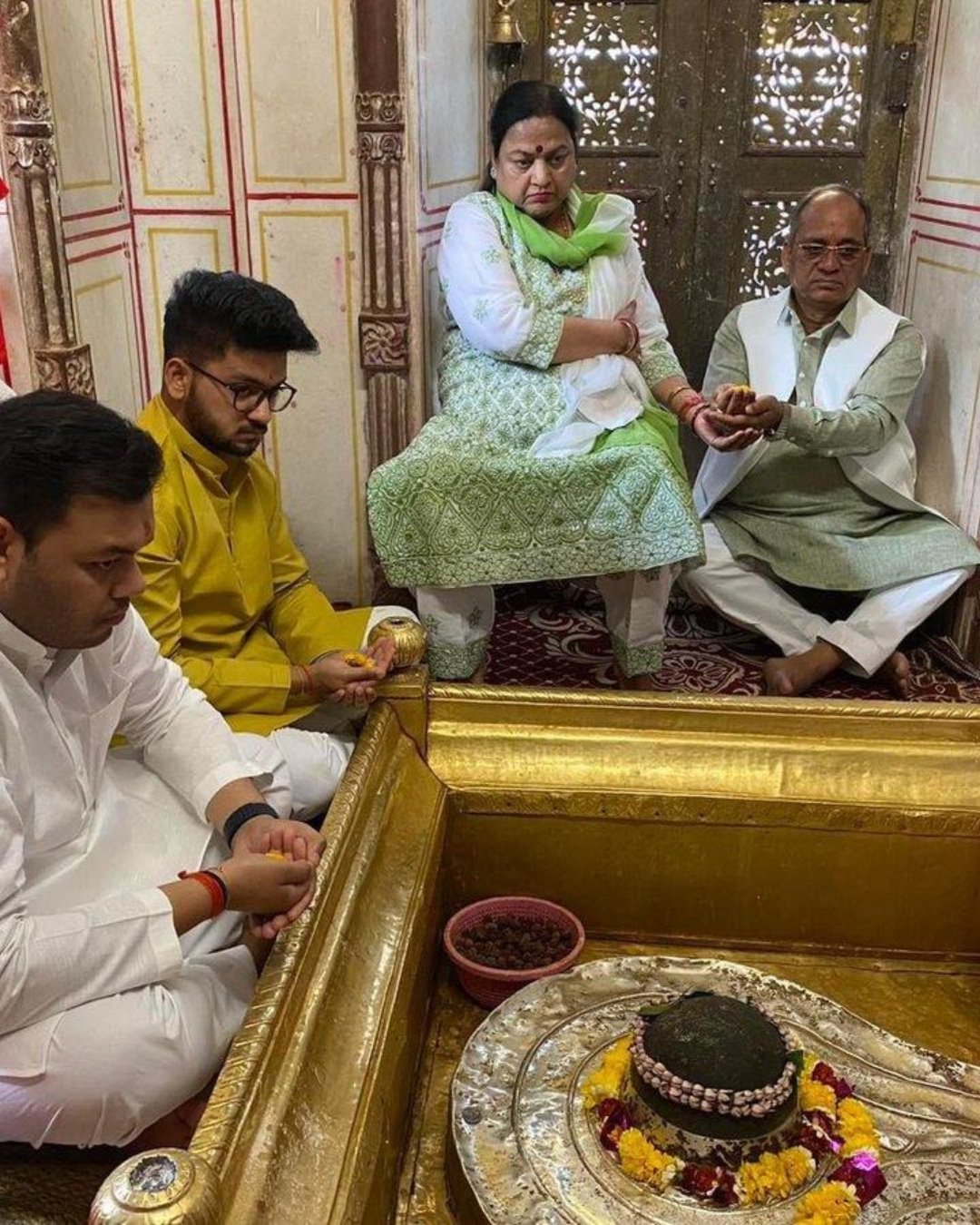
Kashi Vishwanath Temple
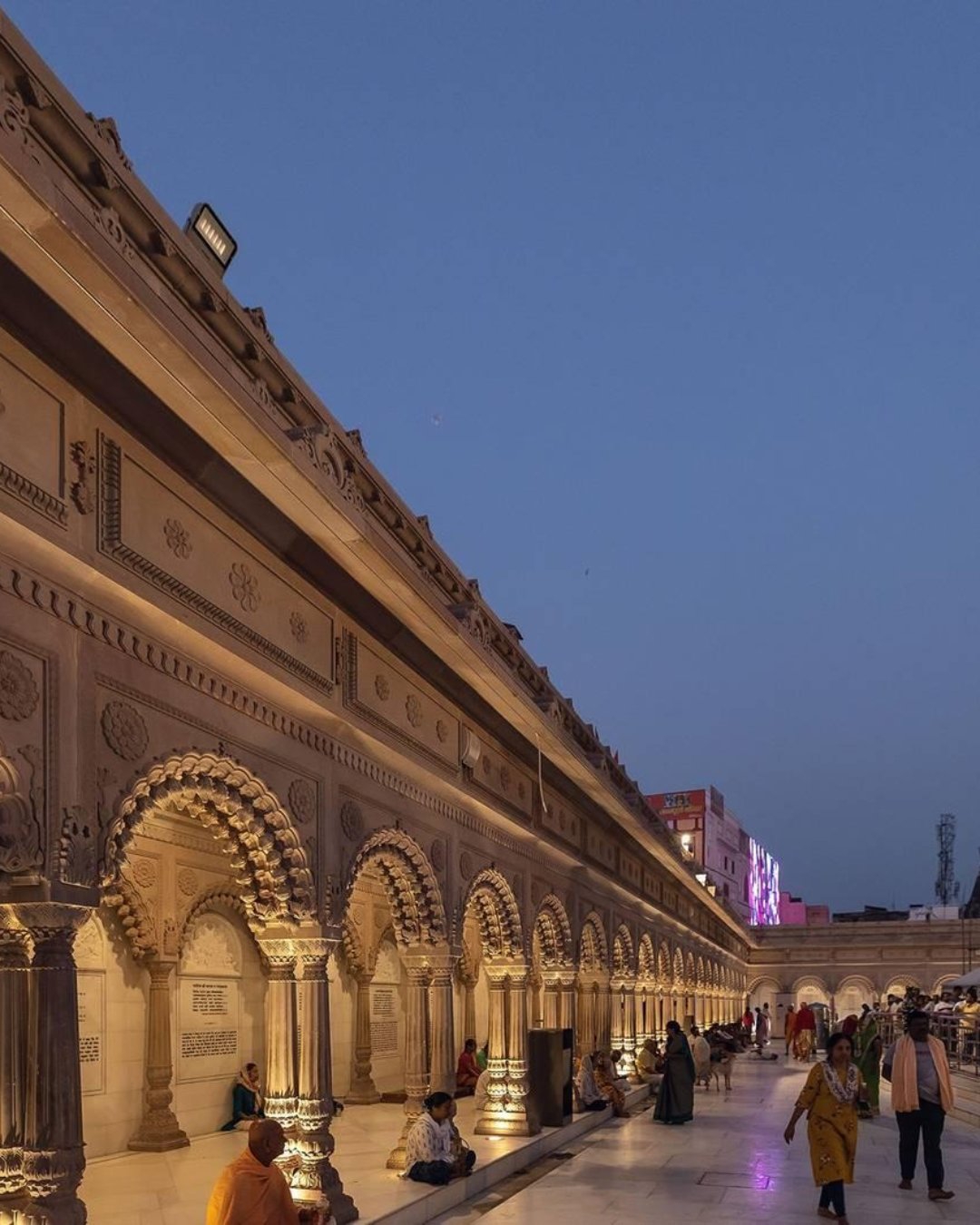
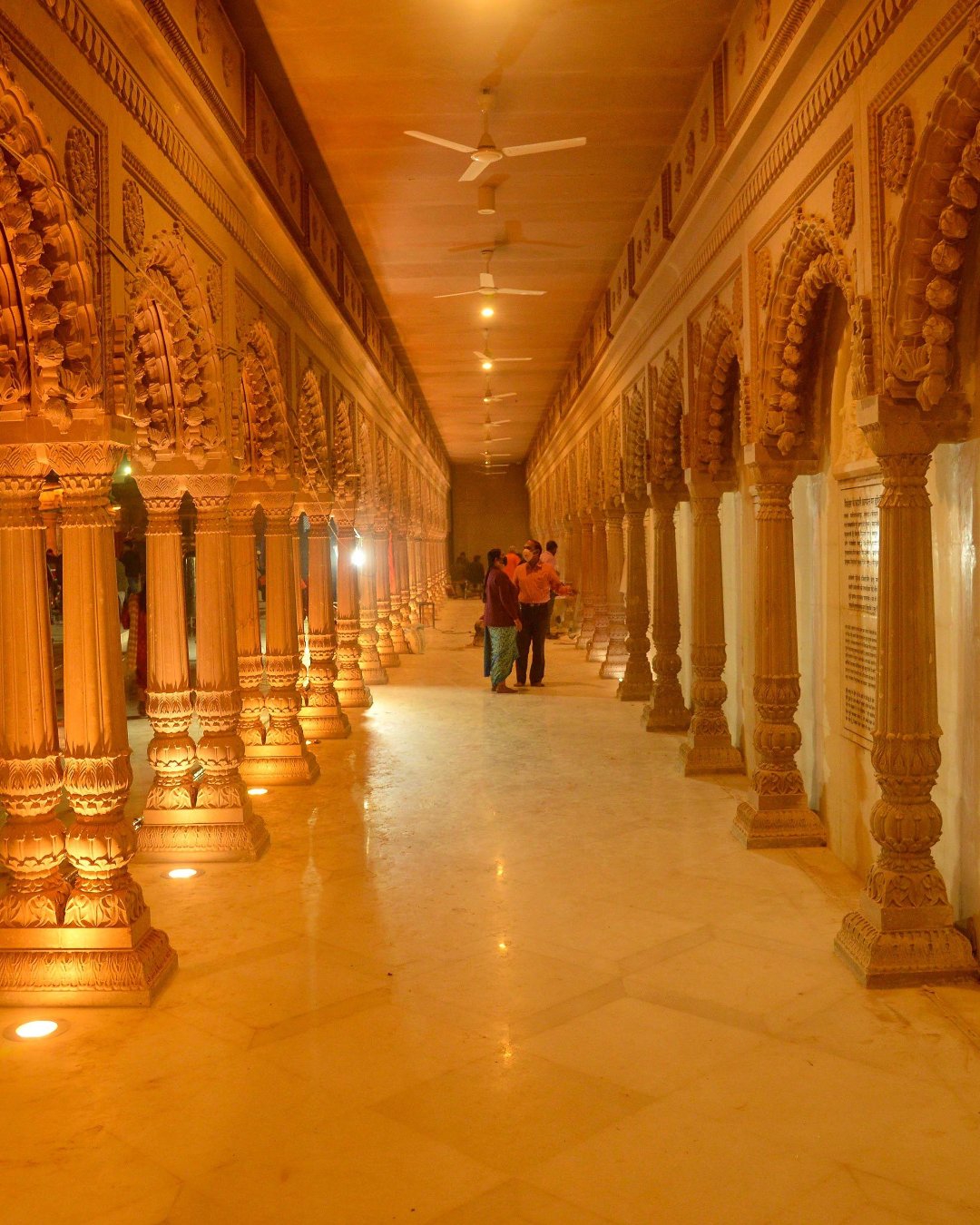
You've probably seen the golden spire of Kashi Vishwanath Temple shining above the rooftops of Varanasi. You've probably also seen the grand temple corridor leading down to the Ganga, with thousands of devotees making their way toward one of India's holiest shrines.
What many first-time visitors don't realize is that getting into the temple isn't as simple as walking through the gate.
Arrive with your phone, camera, or backpack, and you'll be asked to leave them outside before entering. That often means searching for a locker, standing in another queue, and losing valuable time.
Here's how to visit Kashi Vishwanath Temple the right way.
WHY TIMING MATTERS
The temple is open from approximately 2:30 am until 11:00 pm, but your experience depends heavily on when you visit.
The best time is early in the morning, before 7:00 am.
At this hour, the weather is cooler, the queues are shorter, and the atmosphere is much more peaceful.
As the morning progresses, the crowds become much larger and remain busy throughout the day.
Mondays are dedicated to Lord Shiva and are usually the busiest day of the week.
During the holy month of Shravan (July–August) and on Mahashivratri, waiting times can become significantly longer.
If your schedule allows, choose an early weekday morning for the smoothest experience.
WHAT YOU'LL SEE
Kashi Vishwanath Temple is one of the twelve sacred Jyotirlingas, making it one of the most important Shiva temples in India.
The actual darshan inside the sanctum is brief, often lasting only a few seconds.
The experience is about much more than those few moments.
Kashi Vishwanath Dham Corridor
Opened in 2021, the spacious corridor connects the temple directly to Lalita Ghat on the banks of the Ganga. Take your time walking through it instead of rushing straight to the temple.
The Golden Spire
The temple's famous gold-plated spire looks especially beautiful in the soft morning sunlight.
Daily Aartis
Several aartis take place throughout the day, including:
• Mangala Aarti before sunrise (advance booking required)
• Bhog Aarti around midday
• Sandhya Aarti in the evening
• Shringar and Shayan Aartis later at night
Arriving by Boat
One of the most memorable ways to reach the temple is by taking an early morning boat ride on the Ganga and walking directly through the Kashi Vishwanath Corridor to the temple.
WHAT TO WEAR
Dress modestly by covering your shoulders and knees.
Shoes must be removed before entering the temple complex, and you'll walk barefoot on stone floors. During summer, the ground can become very hot, so lightweight socks can make the walk more comfortable.
IMPORTANT SECURITY RULES
Mobile phones, cameras, large bags, and electronic devices are not allowed inside the temple.
These rules are strictly enforced.
To save time, leave unnecessary belongings at your hotel and carry only essential items like cash, a valid ID, and any required documents.
Foreign visitors should carry their passport for identification.
Without your phone, you'll notice something unexpected.
Instead of looking through a screen, you'll hear temple bells, Vedic chants, and devotional songs while the fragrance of incense fills the air.
It's one of the few places where being disconnected actually makes the experience more meaningful.
PRACTICAL TIPS
• Leave your phone, camera, and backpack at your hotel whenever possible.
• Carry only cash and a valid government-issued ID.
• Book Sugam Darshan in advance if you want to reduce waiting time during busy periods.
• Enter through Gate 4 via the Kashi Vishwanath Corridor for a smoother approach.
• Photography is prohibited in and around the security zones, so always follow instructions from temple staff.
THE MISTAKES THAT RUIN THE VISIT
Most first-time visitors make the same mistakes.
They arrive carrying phones and bags, only to spend extra time searching for lockers.
They visit on a Monday during Shravan without advance planning and end up waiting for hours.
Or they enter through the crowded old lanes, rush through the corridor, and miss one of the temple's most impressive features.
The easiest way to enjoy the visit is to plan your timing in advance and book your darshan if you're visiting during a busy season.
That way, you can focus on the spiritual experience instead of worrying about queues and logistics.
WANT YOUR DARSHAN SLOT AND THE BEST ENTRY ROUTE SORTED FOR YOU?
Tap Get a Quote and let us arrange everything, so you can simply arrive and experience one of India's most sacred temples without the stress.
MomentManikarnika Ghat, Varanasi

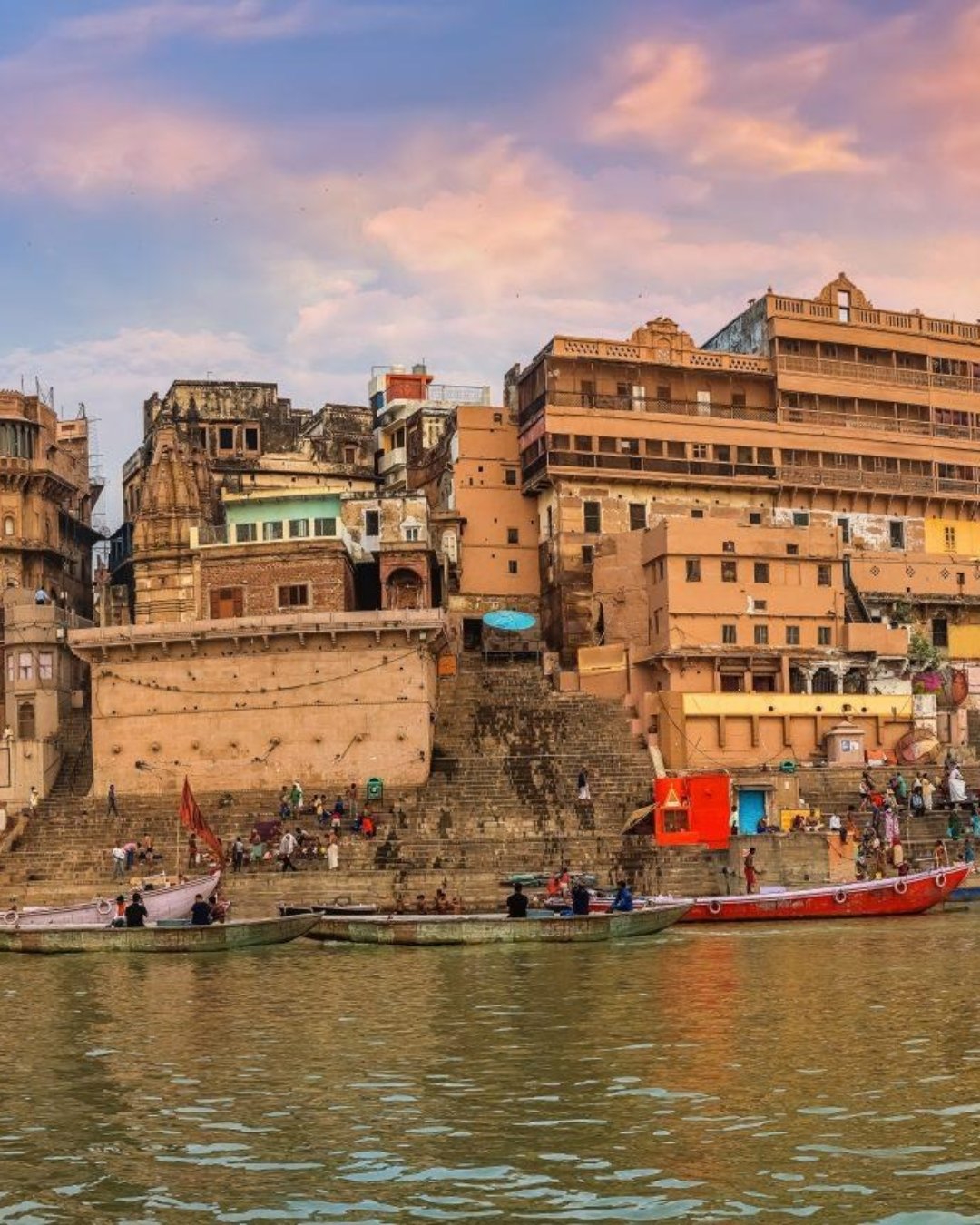
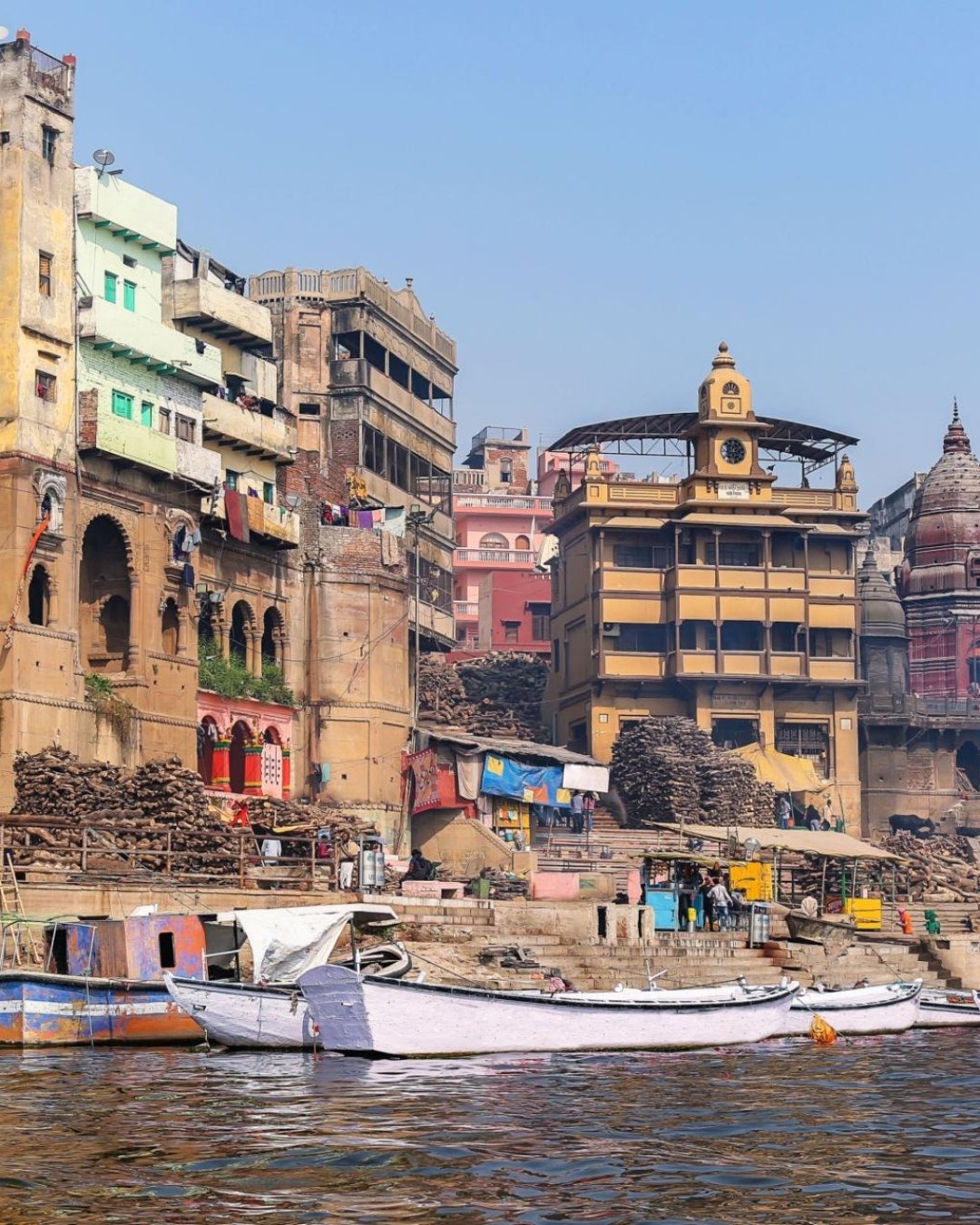
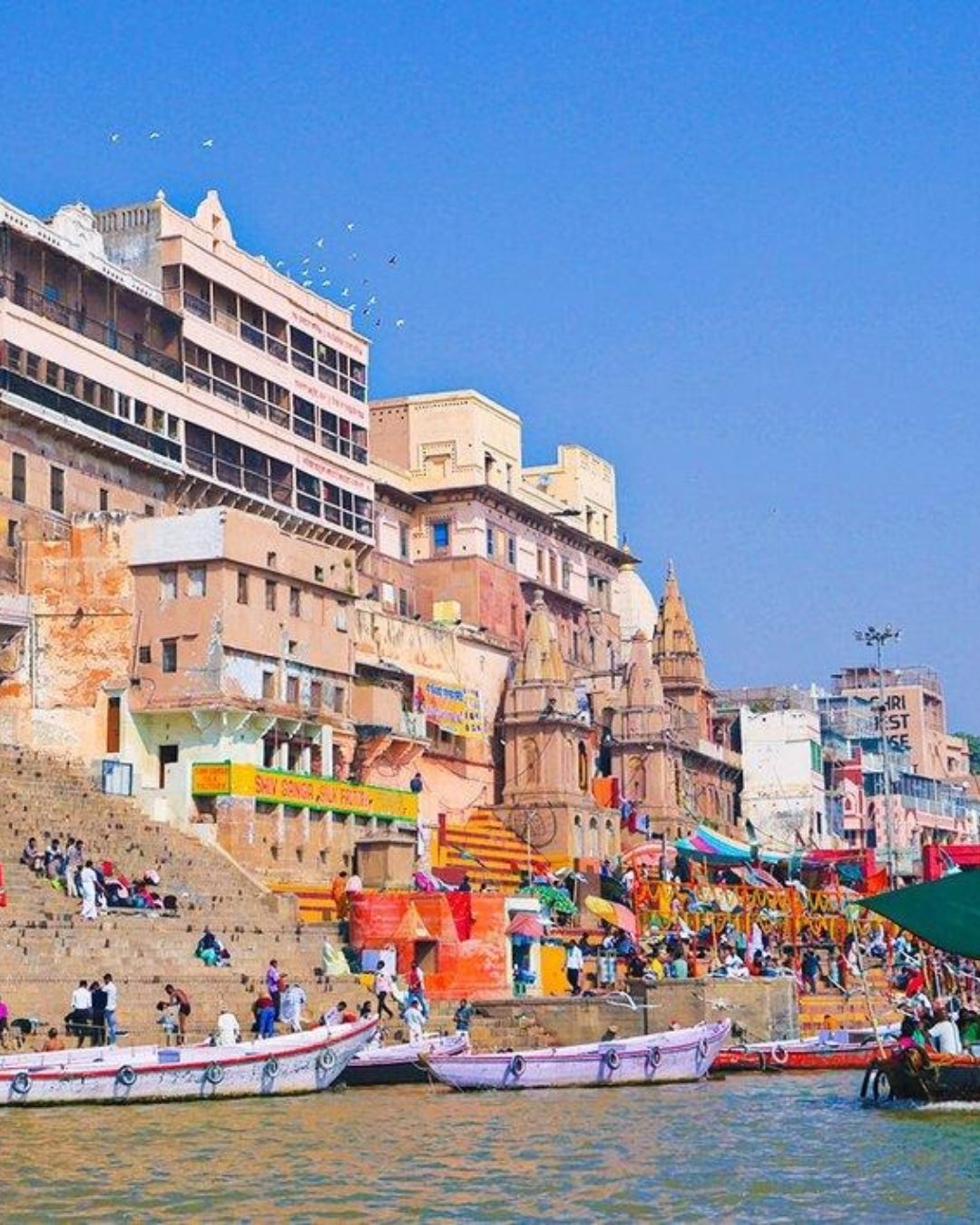
Manikarnika Ghat – The Eternal Flame of Kashi
You've probably heard about the fire that never goes out.
Smoke rises over the Ganga, stacks of firewood line the steps, and funeral pyres burn day and night. Manikarnika Ghat is one of the oldest and most sacred cremation grounds in the world.
What many first-time visitors don't realize is that this isn't a tourist attraction.
People come here to say goodbye to their loved ones. Visiting respectfully is far more important than getting a photograph.
Here's how to visit Manikarnika Ghat the right way.
WHY THIS GHAT IS DIFFERENT
Manikarnika Ghat is an active cremation ground where Hindu funeral rites take place around the clock.
According to Hindu belief, being cremated here helps the soul attain moksha, or liberation from the cycle of birth and rebirth. For this reason, families travel from across India to perform the final rites of their loved ones at this sacred place.
When you visit, remember that you are entering a place of mourning and devotion—not a sightseeing attraction.
Walk quietly, keep a respectful distance, and avoid lingering unnecessarily.
Even a short, respectful visit leaves a much stronger impression than spending a long time treating the place like a tourist stop.
WHAT YOU'LL SEE
The Funeral Pyres
Cremations take place throughout the day and night. The rituals continue without interruption, making Manikarnika one of the most significant spiritual places in Varanasi.
The Eternal Flame
An eternal sacred fire, maintained by the Dom community, is traditionally used to light every funeral pyre. According to local belief, this flame has burned continuously for centuries.
The Firewood Stacks
Large piles of wood are stored and sold by weight. Different types of wood are used depending on family preference and tradition. This is an essential part of the cremation process, not a display for visitors.
Manikarnika Kund
Near the cremation ground lies the ancient Manikarnika Kund, a sacred pond associated with Hindu mythology and believed to be older than the ghat itself.
Viewing from the River
One of the most respectful ways to experience Manikarnika Ghat is from a boat on the Ganga. From the river, you can understand the scale and significance of the ghat while maintaining an appropriate distance from the ceremonies taking place.
WHAT TO WEAR
Choose simple, modest clothing that covers your shoulders and knees.
Wear comfortable footwear that you don't mind getting dusty, as the pathways around the ghat may be covered with ash, mud, and wood dust.
You should also expect smoke from the funeral pyres, which can linger on your clothes.
IMPORTANT ETIQUETTE
Do not photograph or record the cremation ceremonies.
Keep your phone in your pocket throughout your visit.
Photography of funeral rites is considered deeply disrespectful and is strictly discouraged. More importantly, remember that real families are grieving, and they deserve privacy during one of the most difficult moments of their lives.
Take time to observe quietly instead.
The chanting, the crackling wood, the smoke rising into the sky, and the peaceful acceptance of life's final journey create an experience that no photograph can truly capture.
PRACTICAL TIPS
• Visit quietly and respectfully.
• Avoid blocking pathways used by funeral processions.
• If possible, view the ghat from a boat for a more respectful perspective.
• Do not engage with anyone demanding donations or offering unofficial tours.
• If you wish to make a charitable contribution, donate later through a trusted and registered organization rather than to individuals approaching visitors.
COMMON SCAMS TO AVOID
One of the most common scams involves someone offering to take you to a hospice, a rooftop viewpoint, or asking for money to buy firewood for a poor family.
These requests often become increasingly expensive and are not connected to any official organization.
Politely decline and continue your visit.
THE MISTAKES THAT RUIN THE EXPERIENCE
Most first-time visitors make the same mistakes.
They arrive with cameras in hand and unintentionally offend grieving families.
They follow unofficial guides and end up paying unnecessary "donations."
Or they rush through the ghat as though checking off another tourist attraction without understanding its spiritual importance.
The best approach is to visit quietly, respect local customs, and remember that this is a place of faith, remembrance, and humanity.
WANT A RESPECTFUL VISIT PLANNED FOR YOU?
Tap Get a Quote and let us arrange a thoughtful itinerary, including a respectful boat ride and guidance on visiting Manikarnika Ghat with the care it deserves.
MomentGodowlia, Varanasi

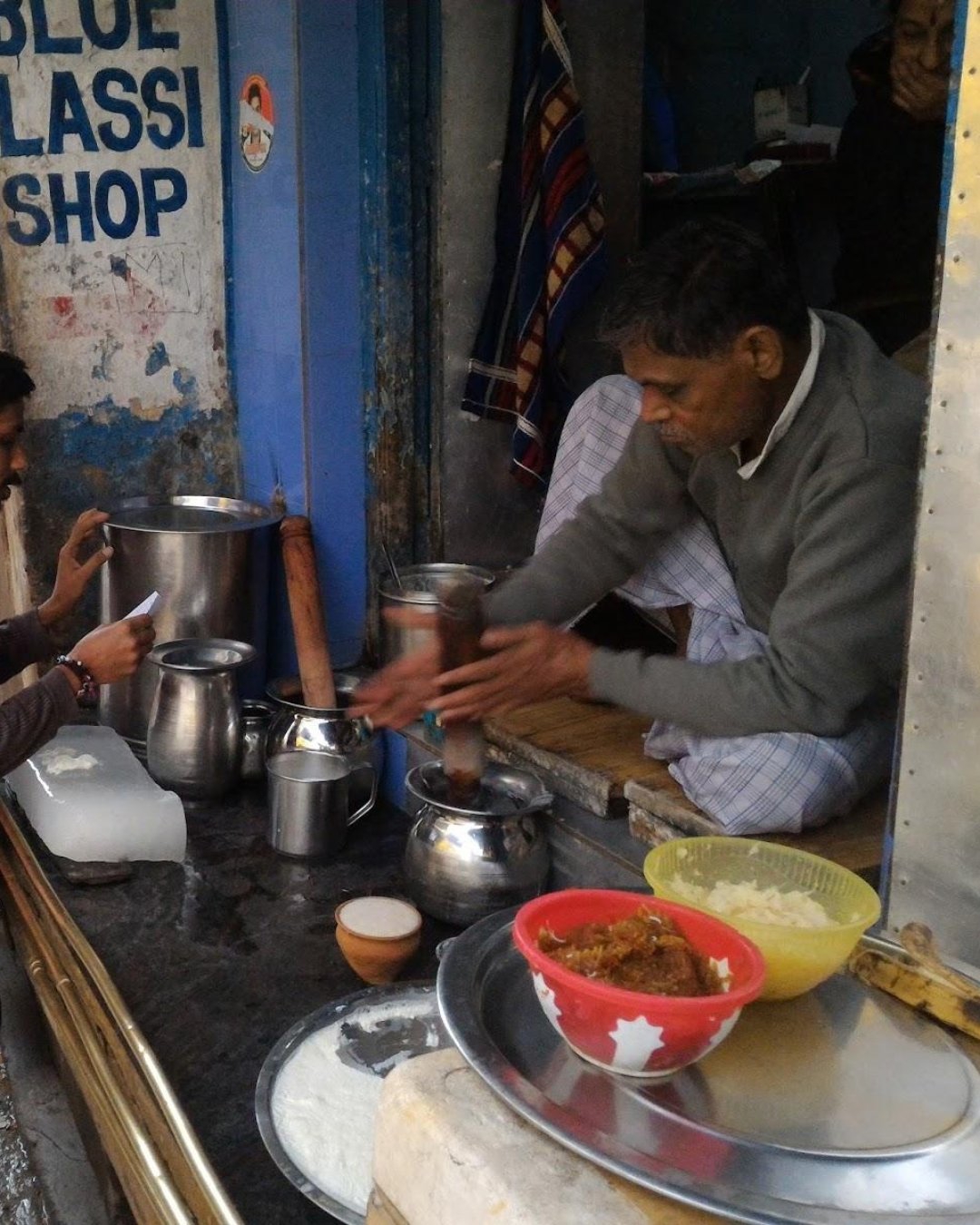
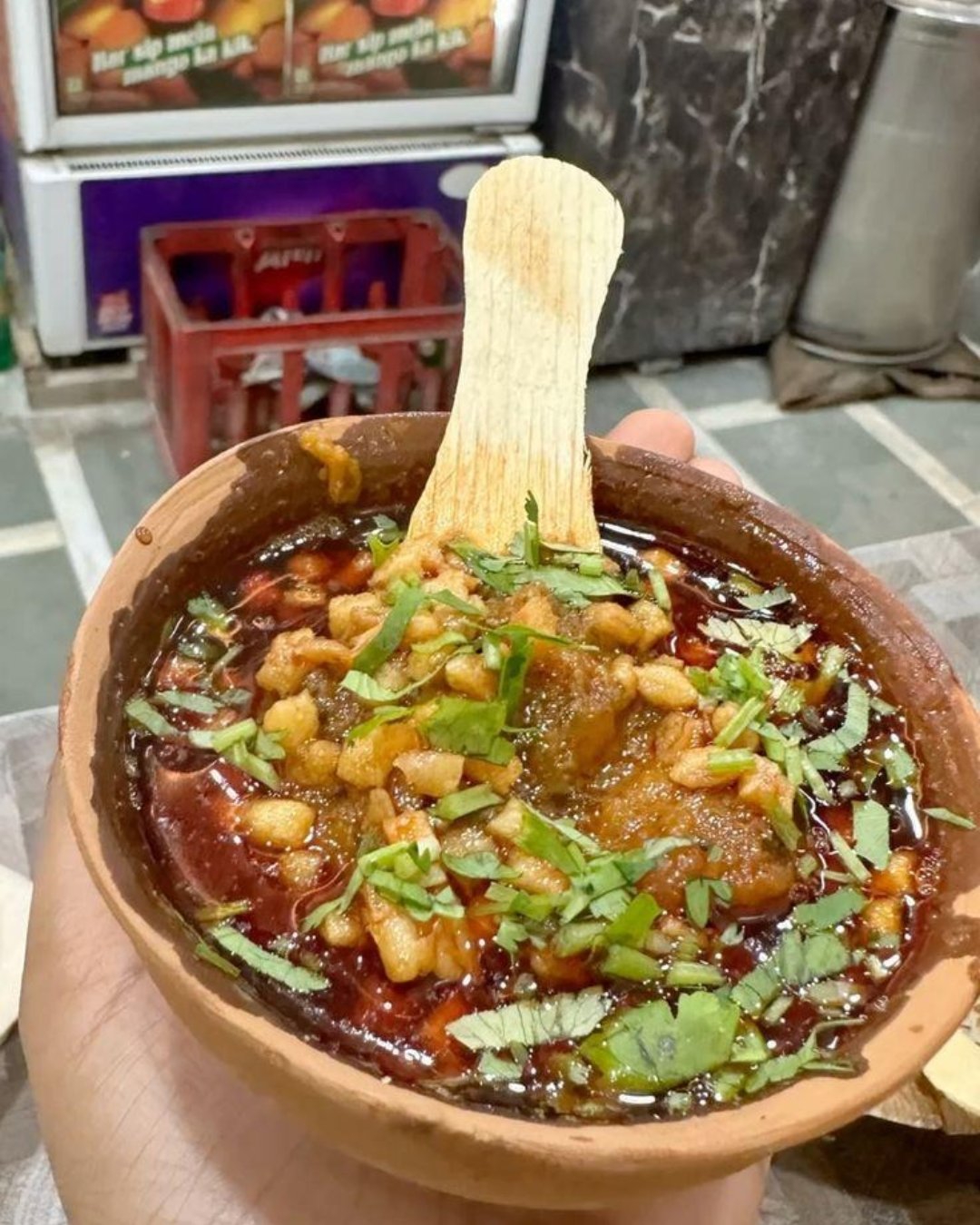
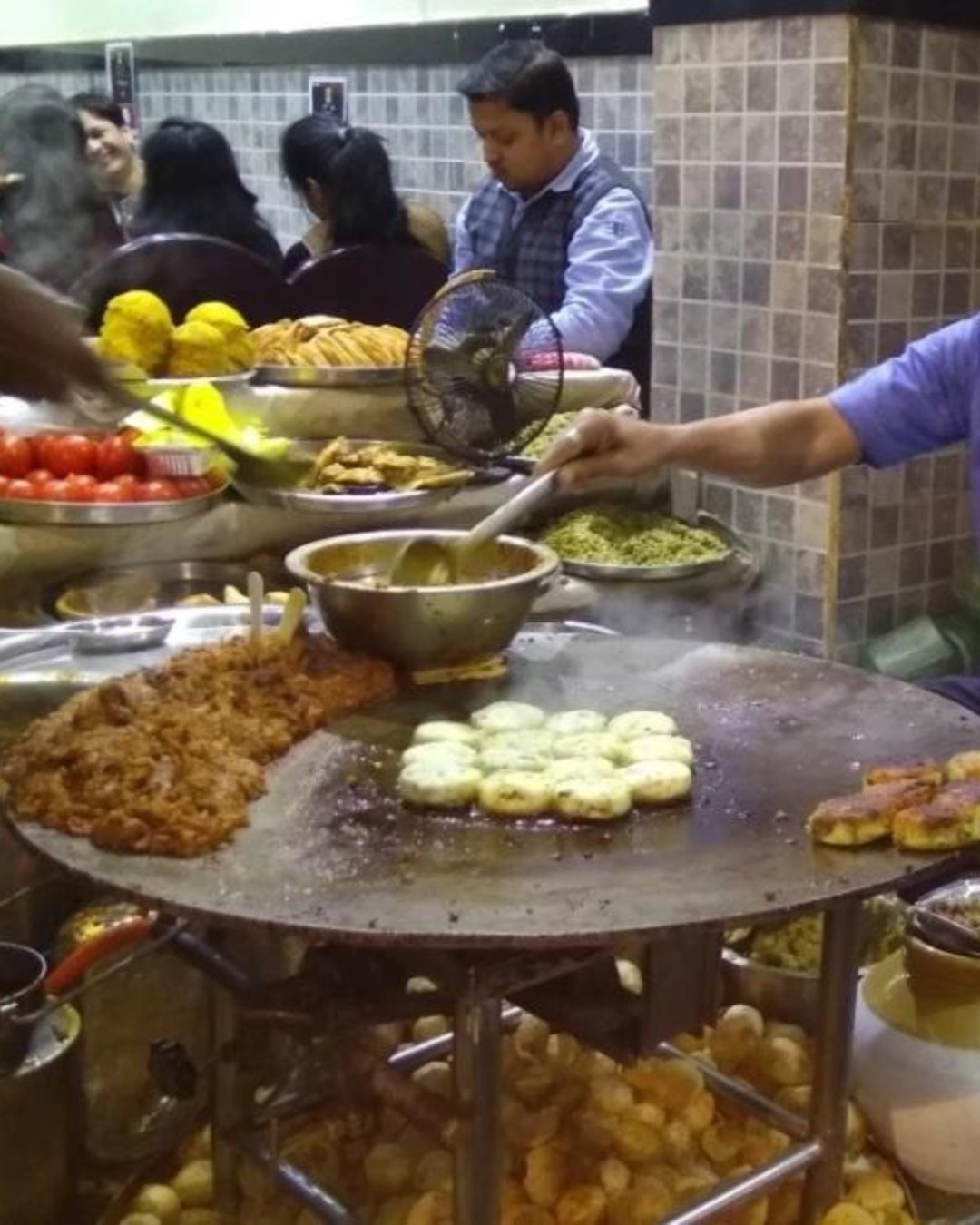
Old-City Galis & Banaras Street Food
You've probably saved the photos—thick lassi served in clay cups, crispy kachoris, colorful chaat, and narrow lanes filled with centuries of history.
But here's something many first-time visitors don't know.
Varanasi's famous street food isn't available all day.
Arrive at the wrong time hoping to eat hot kachori-sabzi, and the stalls may already be closed. Ask for the famous winter delicacy, malaiyo, during summer, and you simply won't find it.
To truly experience Banaras through its food, timing is everything.
Here's how to do it right.
WHY TIMING MATTERS
Street food in Varanasi follows a daily rhythm.
Different dishes are prepared at different times, and many are only available for a few hours.
Kachori-Sabzi
This is a breakfast favorite, usually served from around 7:00 am until mid-morning. Once it's sold out, that's it for the day.
Chaat
The city's famous tamatar chaat and other varieties come alive in the evening, usually after 5:00 pm.
Malaiyo
This delicate saffron-flavored milk foam is one of Varanasi's most unique treats, but it's only available during winter, generally from December to February. It's prepared overnight in the cold and sold early in the morning before the airy foam begins to melt.
The best way to plan your food trail is to explore the old city during two main food windows:
• Early morning for breakfast.
• Evening for chaat, snacks, and desserts.
WHAT YOU SHOULD TRY
Start your food walk around Godowlia and explore the narrow lanes at a relaxed pace.
These are the local favorites you shouldn't miss.
Kachori-Sabzi
Freshly fried kachoris served with spicy potato curry make for one of the most iconic breakfasts in Varanasi.
Tamatar Chaat
Unlike any other chaat in India, Banarasi tamatar chaat combines mashed tomatoes, spices, herbs, and crunchy toppings into a rich and flavorful dish.
Blue Lassi
One of the city's most famous lassi shops serves thick yogurt-based lassi topped with fresh fruits, nuts, and cream in traditional clay cups.
Malaiyo (Winter Only)
If you're visiting during winter, don't miss this light, saffron-infused milk foam. It's one of the few dishes that truly exists only because of the cold weather.
Banarasi Paan
Finish your food journey with a traditional Banarasi paan, a centuries-old local specialty enjoyed after meals.
PRACTICAL TIPS
Carry small cash notes, as many small food stalls do not accept digital payments or cards.
Wear comfortable shoes that you don't mind getting dusty while walking through the narrow lanes.
And remember—cows always have the right of way.
DON'T RELY ENTIRELY ON GOOGLE MAPS
The old city's lanes are incredibly narrow and often confusing.
Navigation apps don't always work well here.
Instead of following your phone, follow the locals.
Busy food stalls with long lines are usually the ones worth visiting.
Sometimes getting a little lost is part of discovering the real Banaras.
FOOD SAFETY TIPS
A few simple precautions make street food much more enjoyable.
• Choose busy stalls where food is freshly prepared.
• Eat dishes that are cooked hot and served immediately.
• Avoid cut fruits, salads, or drinks made with untreated water.
• Drink bottled water whenever possible.
• Lassi served in fresh clay cups is generally a safe choice.
• Be cautious with bhang thandai. Although it is legal in Varanasi, it contains cannabis and can have strong effects if you're unfamiliar with it.
THE MISTAKES THAT RUIN THE EXPERIENCE
Most first-time visitors make the same mistakes.
They try only one famous food stop and miss dozens of equally good local specialties nearby.
They visit at the wrong time and find many stalls already closed.
Or they avoid street food altogether and end up missing one of the city's greatest experiences.
The easiest way to enjoy Banaras street food is to plan your day around the breakfast and evening food hours, or join a guided food walk that takes you to the best local stalls at the right time.
WANT THE BEST STALLS, THE RIGHT TIMING, AND A LOCAL FOOD ROUTE PLANNED FOR YOU?
Tap Get a Quote and let us create the perfect Banaras food trail, so you can spend less time searching and more time tasting the city's most iconic flavors.
MomentMadanpura, Varanasi

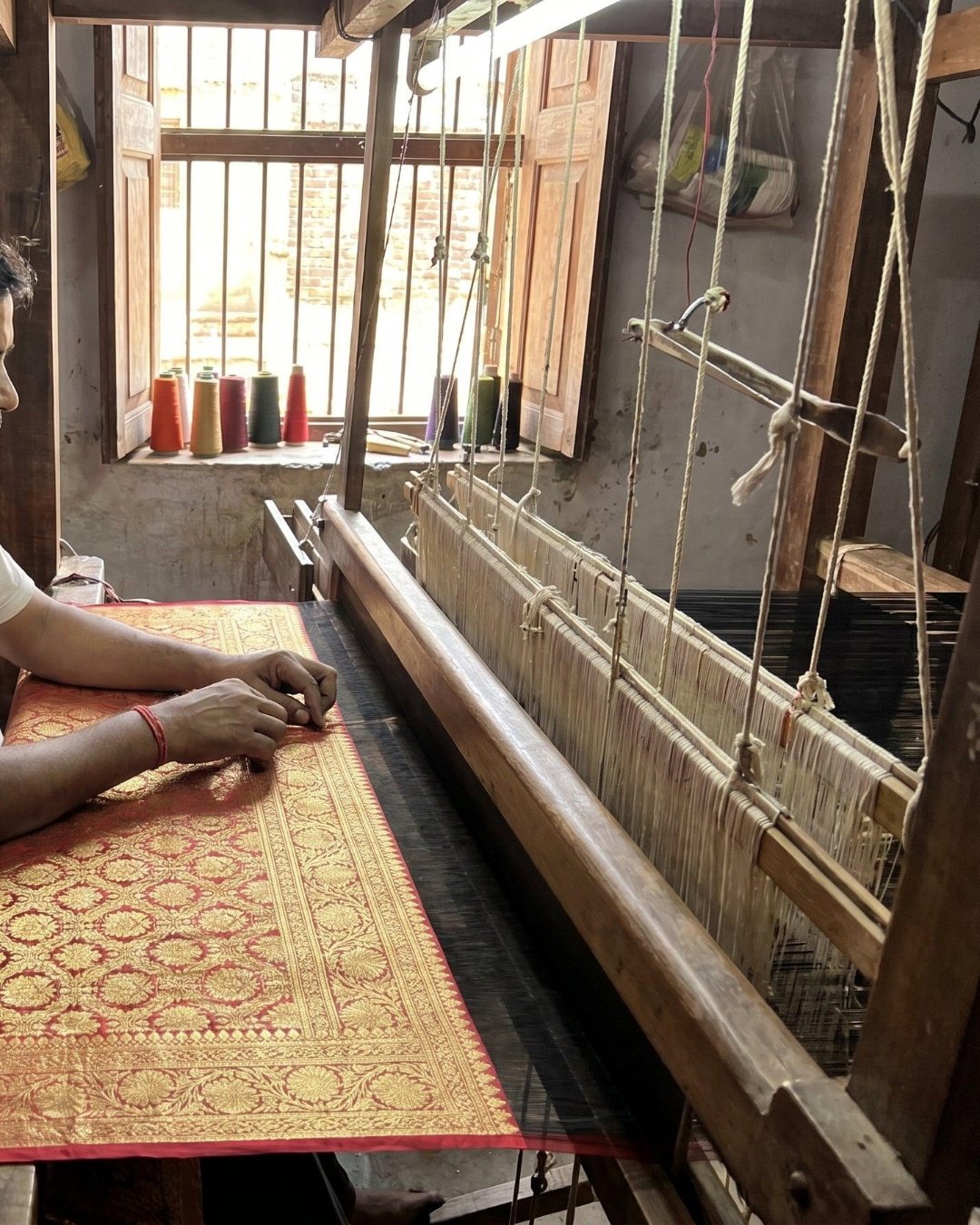
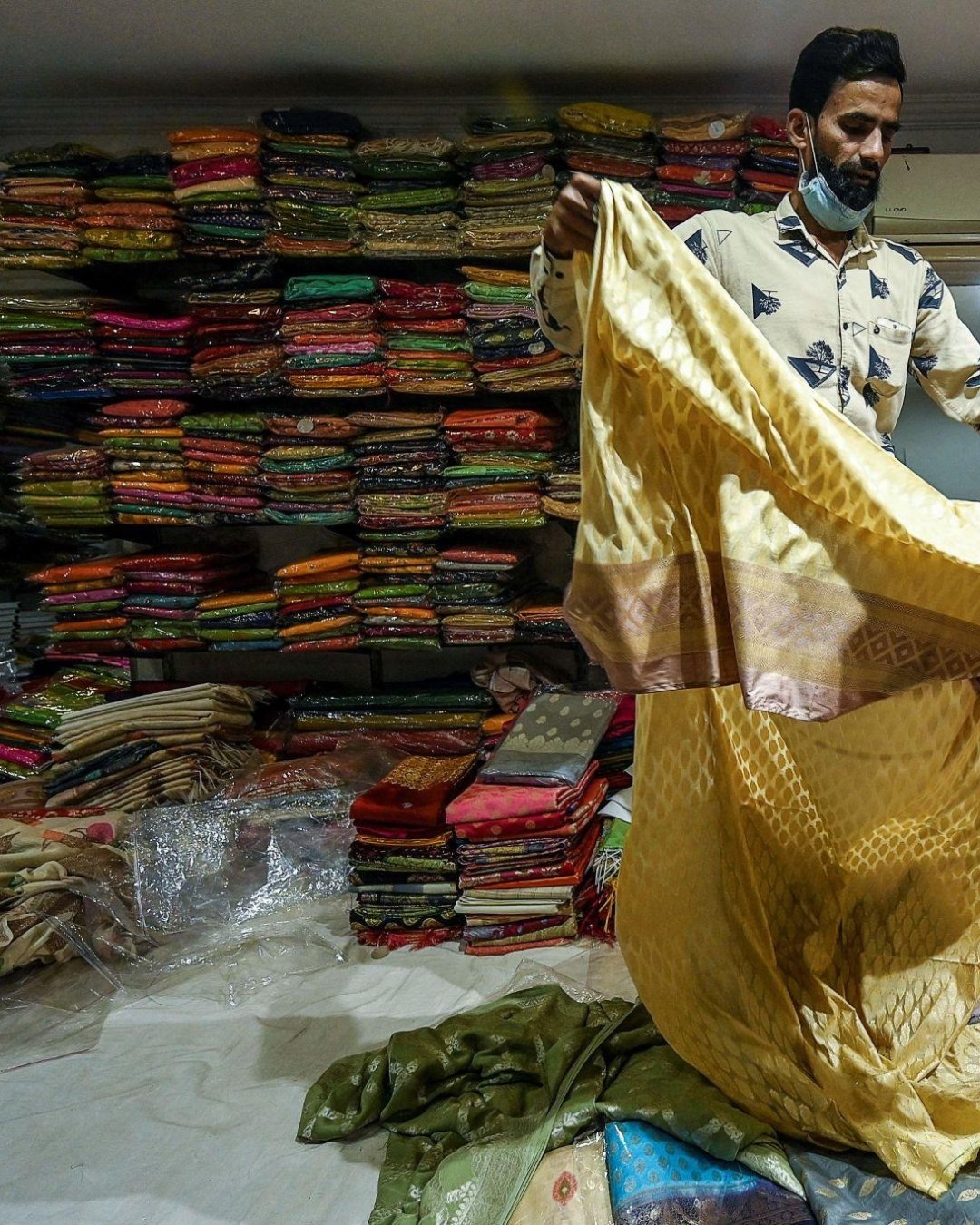
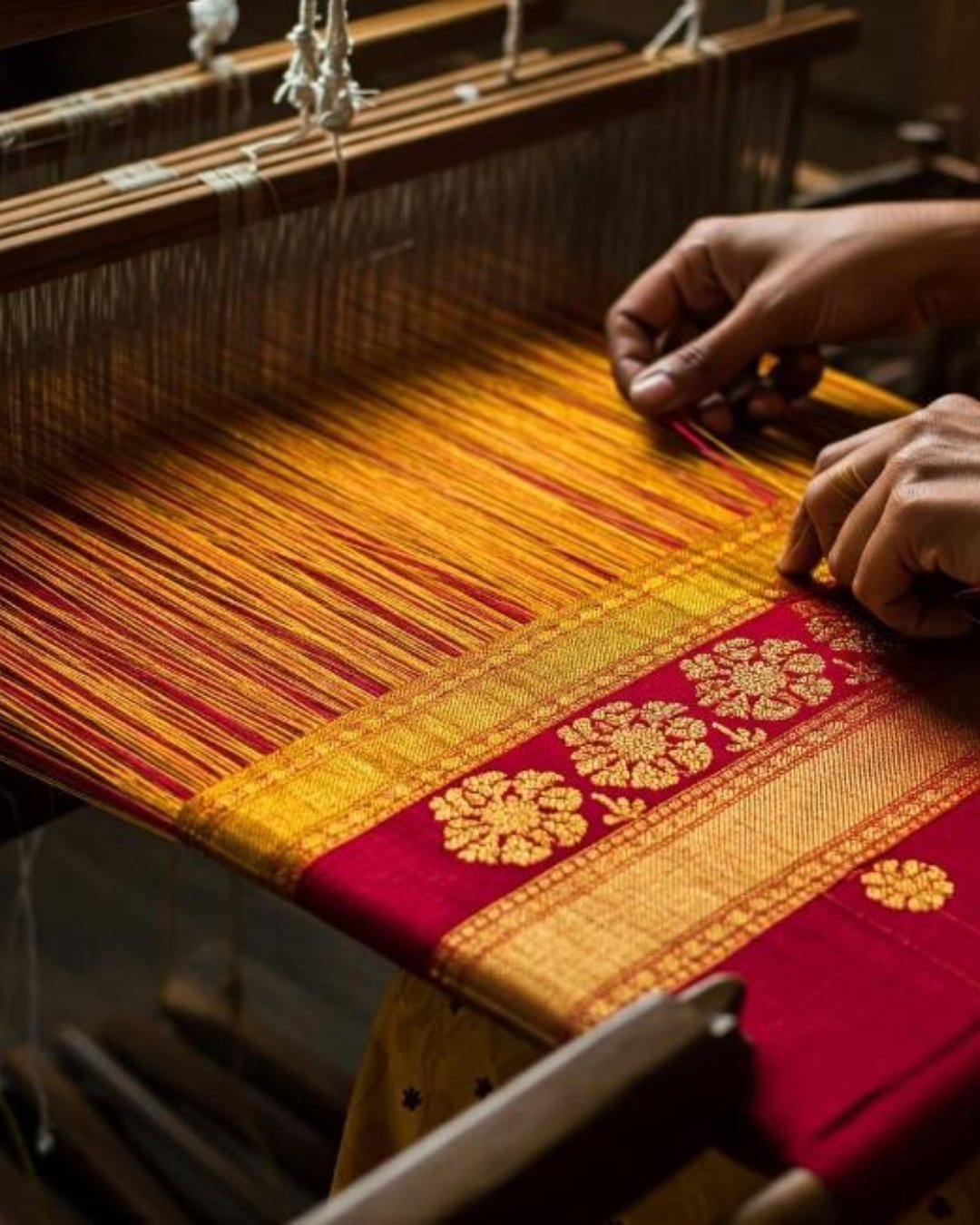
Banarasi Silk – The Weavers of Banaras
You've probably imagined visiting a traditional Banarasi silk workshop—watching a wooden handloom in action, seeing shimmering silk threads woven into intricate patterns, and meeting the artisans who have preserved this craft for generations.
What many visitors don't realize is that not every "weaver tour" is genuine.
If an auto driver or guide offers to take you to "his family's silk shop," chances are they're earning a commission on whatever you buy. That often means higher prices and, in some cases, machine-made sarees being sold as handcrafted masterpieces.
Here's how to experience the real Banarasi weaving tradition.
WHY WHERE YOU GO MATTERS
Many unsolicited shopping recommendations lead directly to commercial showrooms.
The prices often include large commissions paid to drivers and middlemen.
If you want to see authentic weaving, visit neighborhoods like Madanpura and Lallapura, where weaving is still a part of everyday life.
These are working residential areas where many artisans have handlooms inside their homes.
Morning is usually the best time to visit, when the looms are running and the natural light makes it easier to appreciate the weaving process.
Remember that you're visiting someone's home and workplace, not a retail showroom, so always be respectful and ask before entering.
WHAT YOU'LL SEE
Traditional Pit Loom
The weaver sits with their legs below floor level, operating the loom with foot pedals while carefully guiding hundreds of silk threads by hand. Watching the rhythm and precision of the weaving process is an experience in itself.
Naksha Design System
Many traditional Banarasi sarees are woven using an intricate pattern-planning system known as Naksha, which guides the creation of complex floral and geometric designs.
Kadhwa Weaving
One of the finest Banarasi weaving techniques, Kadhwa creates each motif individually without loose floating threads, making the saree more durable and significantly more valuable.
Cutwork Technique
In cutwork weaving, extra threads run behind the fabric and are trimmed after weaving. While beautiful, this technique is generally less time-consuming and more affordable than Kadhwa weaving.
GI Tag
Authentic Banarasi silk enjoys Geographical Indication (GI) protection, confirming that it originates from Varanasi and neighboring weaving regions.
Silk Mark
The Silk Mark certifies that the fabric is made from genuine silk. It does not, however, guarantee that the saree is handwoven.
WHAT TO WEAR
Wear comfortable clothing, as you may be invited to sit on the floor while watching the weaving process.
If you plan to purchase a saree, ask in advance whether digital payments are accepted or whether cash is preferred.
ALWAYS ASK BEFORE TAKING PHOTOS
Remember that you're inside someone's home and workplace.
Always ask permission before photographing or filming the weavers, their family members, or their work.
Visitors who show genuine curiosity and respect are often rewarded with a closer look at unfinished masterpieces and the opportunity to learn directly from the artisans.
HOW TO IDENTIFY AN AUTHENTIC HANDLOOM SAREE
Understanding a few important certifications can help you make an informed purchase.
• GI Tag confirms the saree comes from the Banarasi weaving region.
• Silk Mark confirms the fabric is genuine silk.
• Handloom Mark confirms the saree was woven on a handloom.
These certifications serve different purposes, and an authentic saree may carry one or more of them.
You can also examine the reverse side of the fabric.
Handwoven sarees often have slight variations that reflect the artisan's craftsmanship, while machine-made fabrics tend to have perfectly uniform and repetitive patterns.
Be realistic about pricing as well.
A genuine handwoven Banarasi silk saree requires weeks or even months of work and is priced accordingly. If someone offers a "pure handwoven Banarasi silk saree" at an unusually low price, it's unlikely to be authentic.
THE MISTAKES THAT RUIN THE EXPERIENCE
Most first-time visitors make the same mistakes.
They follow commission-based shopping recommendations without realizing it.
They purchase machine-made sarees at handwoven prices because they don't know what to look for.
Or they buy from airport or tourist shops without ever seeing the craftsmanship behind Banarasi weaving.
The best experience comes from visiting a genuine weaving workshop, learning about the craft directly from the artisans, and making an informed purchase only if you truly find something you love.
WANT TO VISIT A REAL WEAVING WORKSHOP WITHOUT THE COMMISSION GAMES?
Tap Get a Quote and let us arrange an authentic visit where you can meet Banaras' skilled weavers, learn about their craft, and shop directly with confidence.
MomentRamnagar Fort, Varanasi, Ramnagar

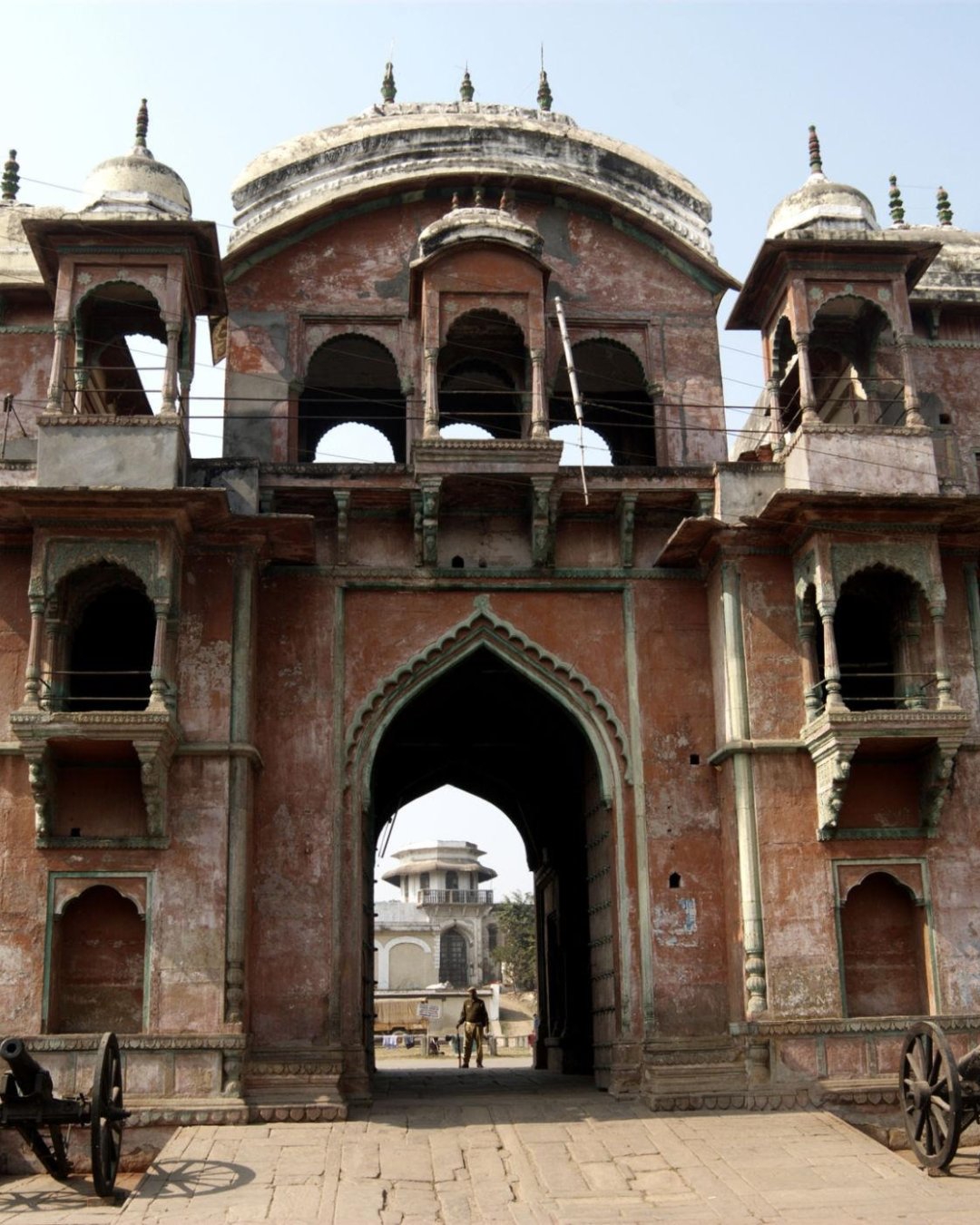
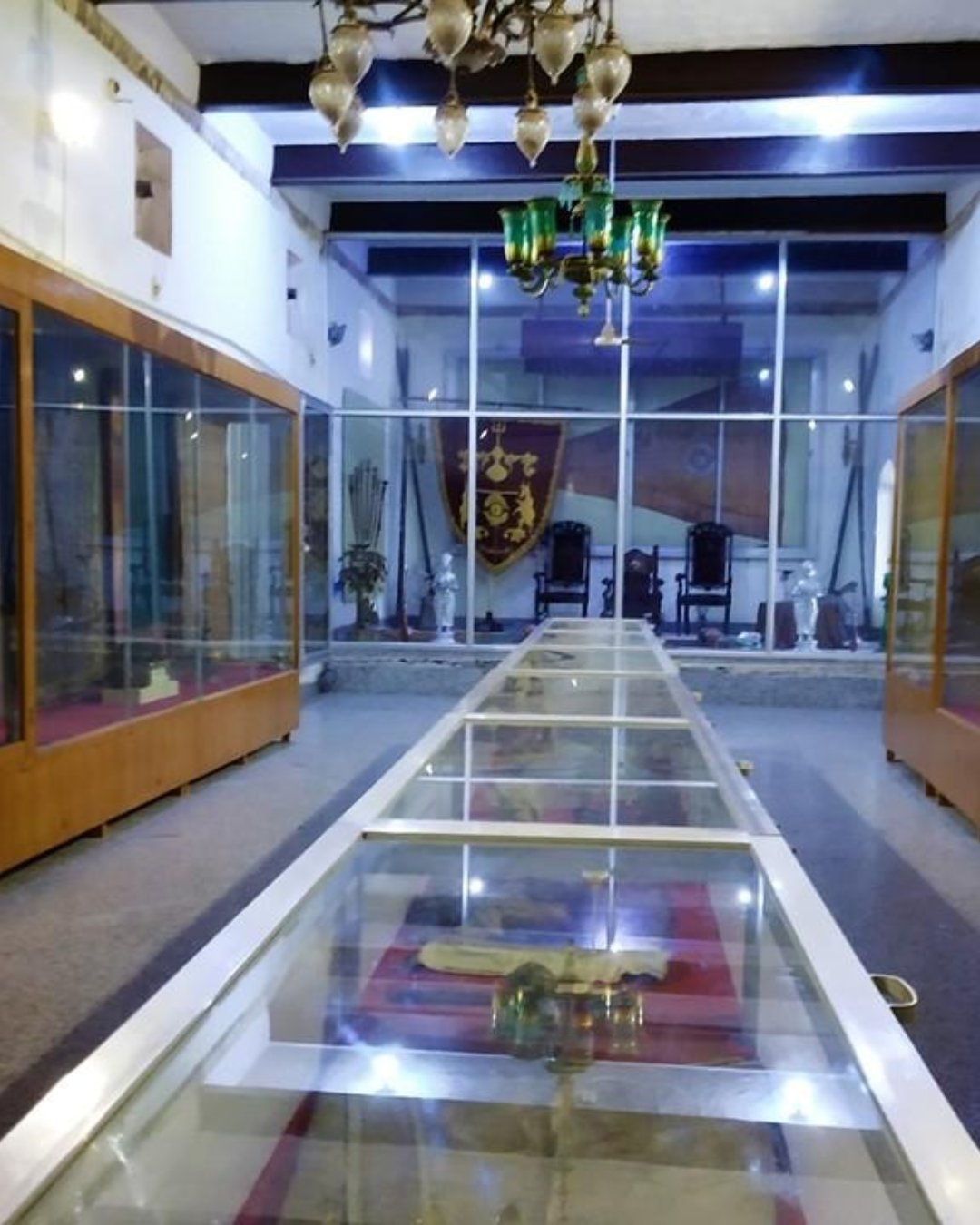
Ramnagar Fort
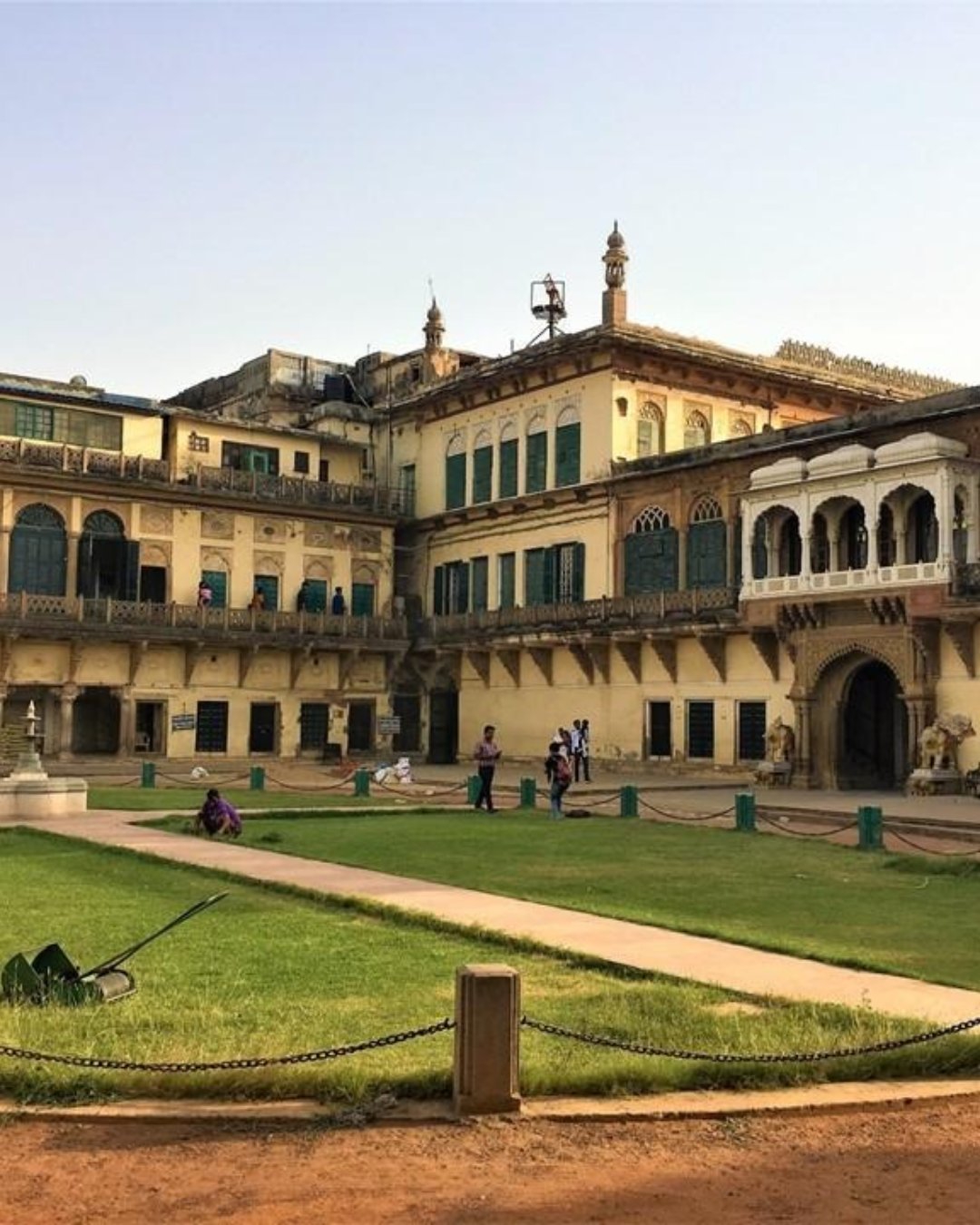
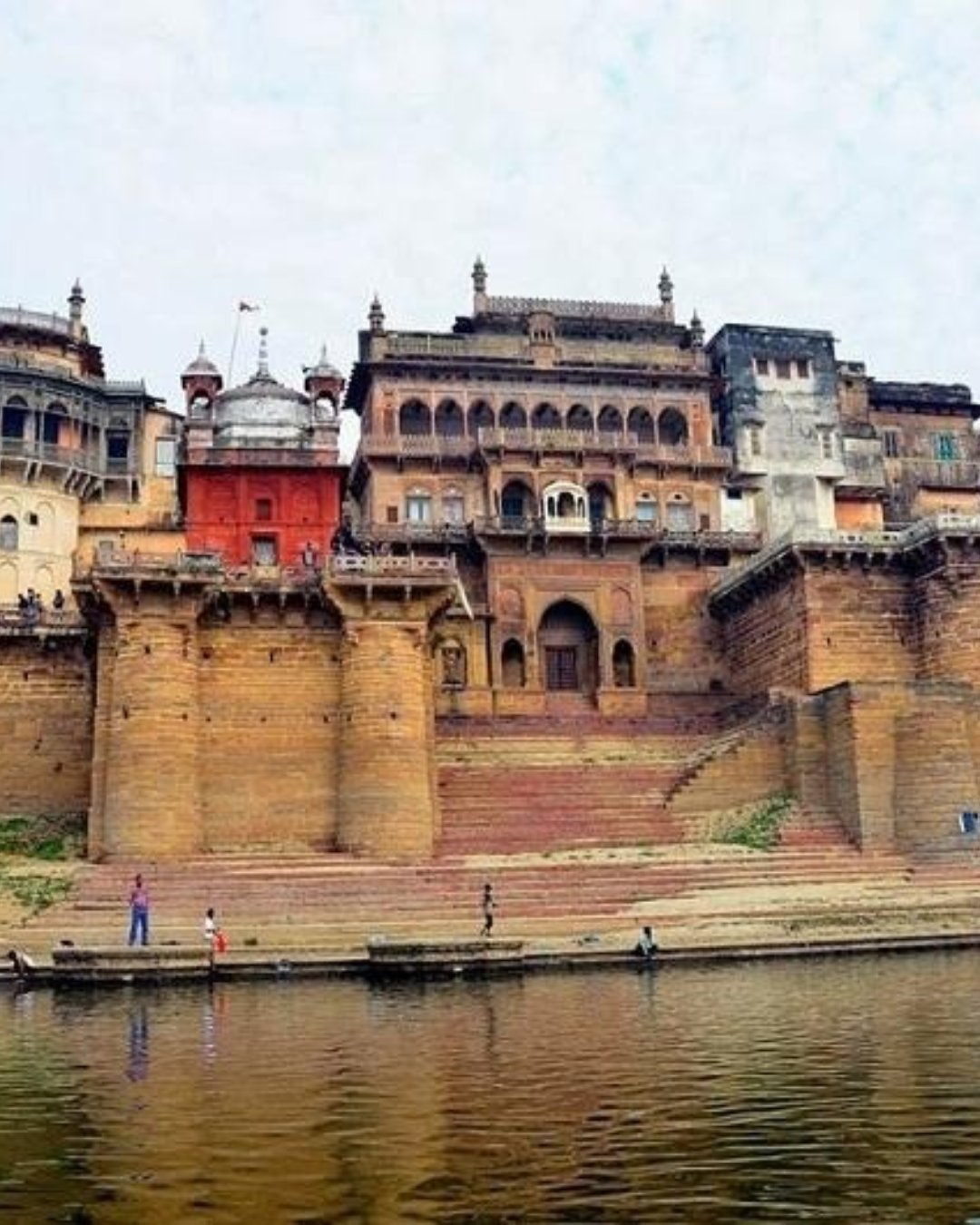
You've probably seen photos of Ramnagar Fort—its sandstone walls overlooking the Ganga, vintage royal cars lined up inside the museum, and the famous astronomical clock that has fascinated visitors for generations.
What many travelers don't realize is that reaching the fort depends on the season.
During the dry months, a temporary pontoon bridge makes crossing the river quick and easy. But when the monsoon arrives and the Ganga rises, the bridge is dismantled, turning a short crossing into a much longer drive unless you travel by boat.
Here's how to visit Ramnagar Fort the right way.
WHY THE SEASON MATTERS
Ramnagar Fort stands on the eastern bank of the Ganga, directly opposite the ghats of Varanasi.
During the winter and summer months, the temporary pontoon bridge often provides a convenient crossing.
However, during the monsoon, the bridge is removed for safety, and visitors must either take the road bridge or enjoy a boat ride across the river.
The fort museum is generally open during daytime hours, making this an ideal afternoon excursion rather than an early morning or evening visit.
If you're visiting in September or October, check whether the famous Ramnagar Ramlila is taking place. This month-long theatrical performance is one of the oldest and most celebrated Ramlilas in India.
WHAT YOU'LL SEE
Ramnagar Fort was built in the 18th century and remains the ancestral residence of the Kashi Naresh family. Part of the palace is still privately occupied, while another section houses the museum.
Vintage Car Collection
The museum displays an impressive collection of royal automobiles, many of which have been preserved exactly as they were used by the royal family.
Astronomical Clock
One of the museum's most remarkable exhibits is its 19th-century astronomical clock, capable of displaying the time, date, lunar phase, zodiac signs, and several astronomical calculations.
Royal Armoury and Palanquins
The museum also features traditional weapons, royal costumes, ivory artifacts, ornate palanquins, and ceremonial objects that offer a glimpse into the lifestyle of the former royal family.
Durga Temple and Ramparts
Don't miss the riverside ramparts, which provide beautiful panoramic views of the Ganga and the ghats of Varanasi across the river.
WHAT TO BRING
Carry some cash in small denominations.
In addition to the museum entry ticket, there is often a separate fee for photography inside the museum.
Having small notes makes ticket purchases easier.
MANAGE YOUR EXPECTATIONS
The museum is very different from a modern, professionally curated gallery.
Many displays are housed in older cases, lighting is limited, and the atmosphere feels more like stepping into a preserved royal residence than visiting a polished museum.
For many visitors, that's exactly what makes it special.
Rather than expecting a perfectly restored palace, think of it as a fascinating glimpse into a chapter of history that has been carefully preserved over time.
PRACTICAL TIPS
• Consider taking a boat from Assi Ghat instead of driving. The journey across the river is scenic and avoids seasonal bridge closures.
• If you plan to take photographs inside the museum, pay the required camera fee.
• Ask the staff which sections of the fort are open before beginning your visit, as some areas may occasionally be closed because parts of the palace are still occupied.
• Plan enough time to walk along the ramparts instead of spending all your time inside the museum.
THE MISTAKES THAT RUIN THE VISIT
Most first-time visitors make the same mistakes.
They assume the pontoon bridge is always available and discover it's closed during the monsoon.
They arrive shortly before closing time and rush through the museum.
Or they spend only a few minutes inside before leaving without exploring the riverside views that make Ramnagar Fort so memorable.
A little planning goes a long way.
Check the crossing route before your visit, arrive during the afternoon, and give yourself enough time to enjoy both the museum and the beautiful views over the Ganga.
WANT THE TRANSPORT, TIMING, AND ROUTE PLANNED FOR YOU?
Tap Get a Quote and let us organize your Ramnagar Fort visit, so you can enjoy the history, the river crossing, and the royal heritage without worrying about the logistics.
MomentSarnath Museum, Varanasi

Sarnath – Where Buddha First Taught
You've probably seen the famous Lion Capital of Ashoka—the four lions standing back to back that appear on every Indian passport, currency note, and official emblem.
Many visitors come to Sarnath expecting to find it among the ancient ruins.
But here's something that surprises first-time travelers.
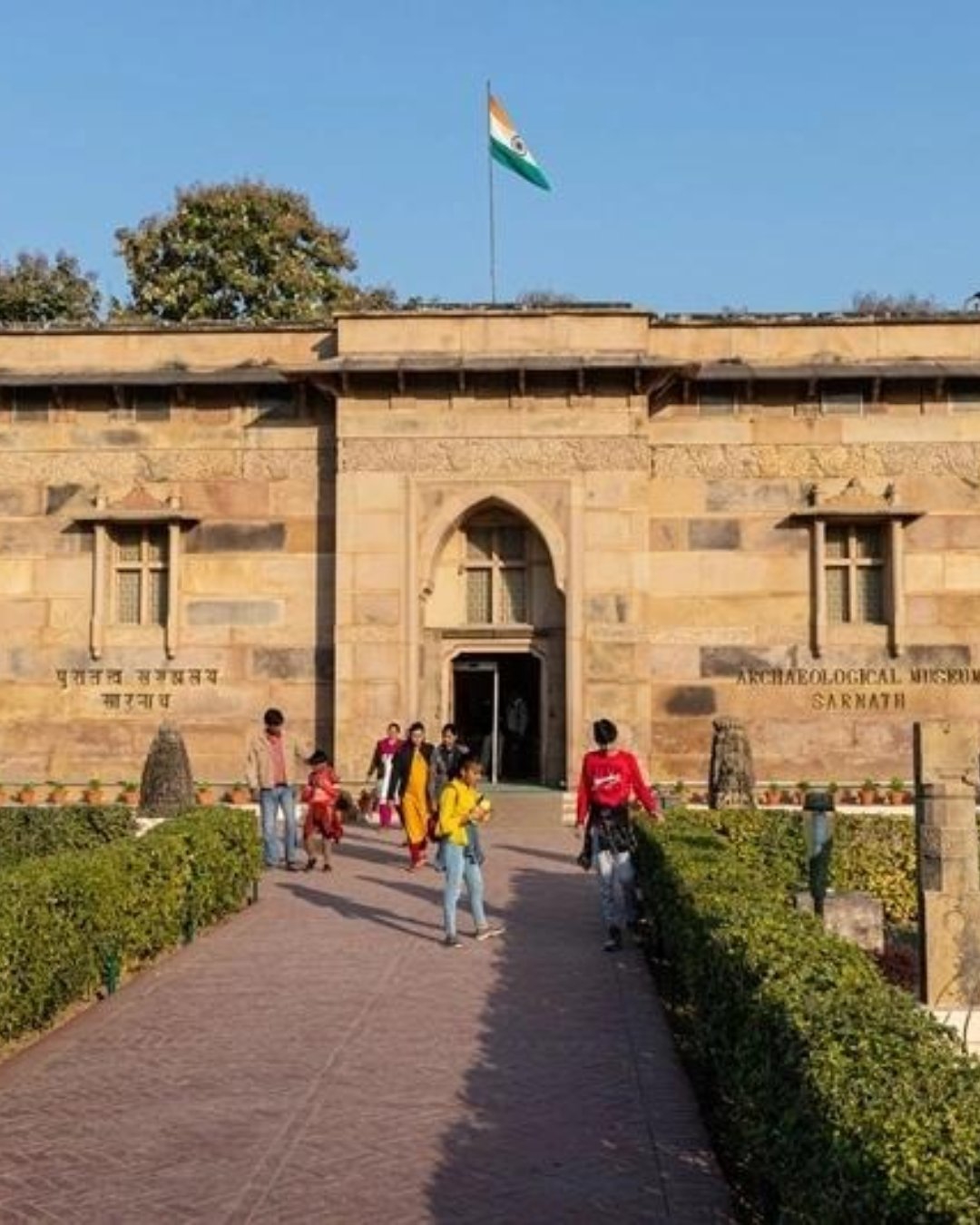
The original Lion Capital isn't in the archaeological park at all. It's preserved inside the Sarnath Archaeological Museum, and the museum is closed every Friday.
Visit on the wrong day, and you could miss one of the most important artifacts in Indian history.
Here's how to experience Sarnath the right way.
WHY TIMING MATTERS
Sarnath is located about 10 km from Varanasi, making it an easy 30–40 minute drive and a perfect half-day excursion.
The site is divided into two separate attractions:
• The Archaeological Park, which includes the Dhamek Stupa and ancient monastery ruins.
• The Sarnath Archaeological Museum, which houses the original Lion Capital and many priceless Buddhist sculptures.
The archaeological park is generally open from sunrise until sunset.
The museum follows different operating hours and remains closed on Fridays.
For the best experience, visit either early in the morning or during the late afternoon.
The park has very little shade, and the midday heat—especially during summer—can make exploring uncomfortable.
WHAT YOU'LL SEE
Sarnath is one of Buddhism's holiest pilgrimage sites.
It was here that Lord Buddha delivered his first sermon after attaining enlightenment, introducing the teachings that became the foundation of Buddhism.
Dhamek Stupa
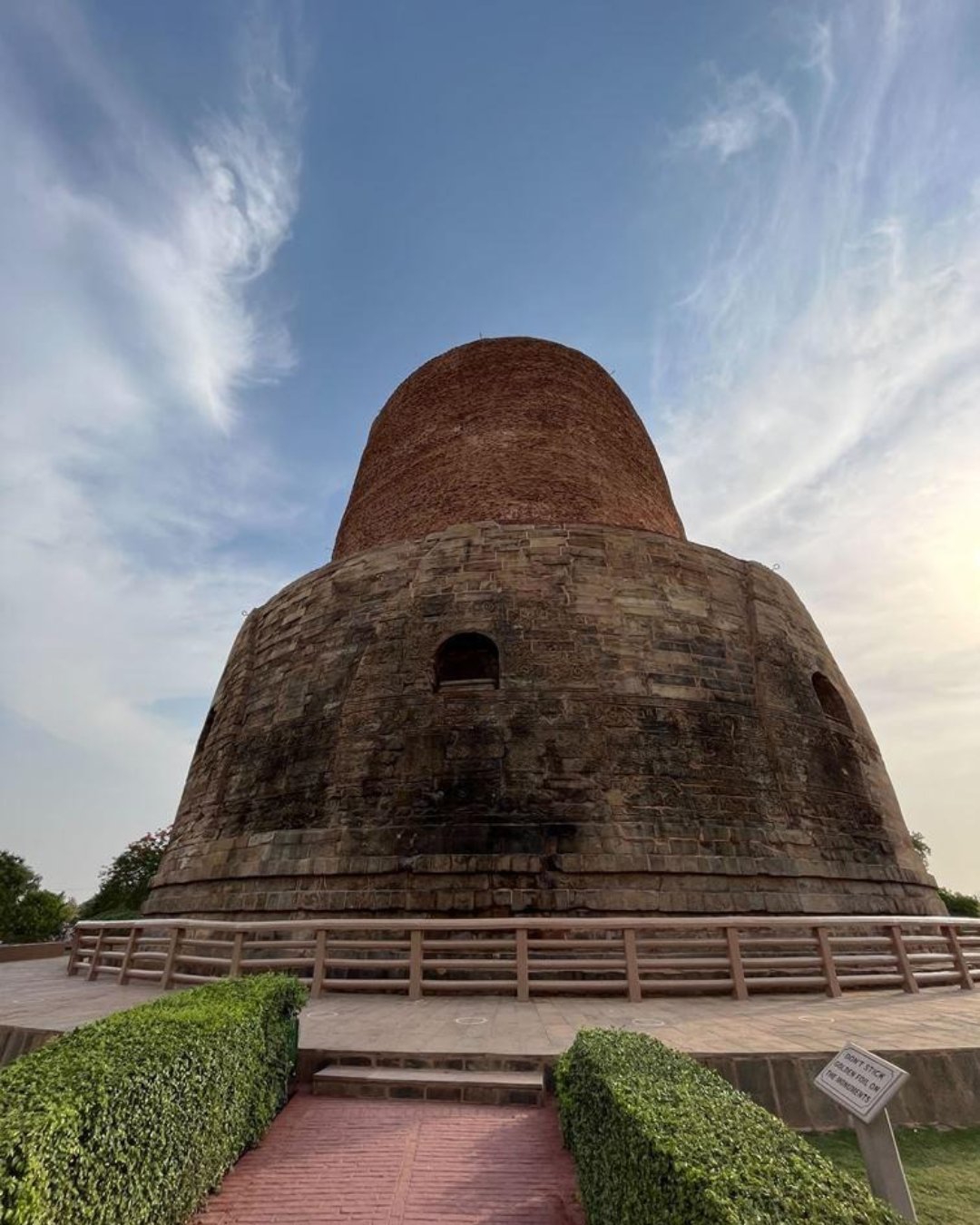
Standing nearly 43 meters tall, the Dhamek Stupa marks the place where Buddha is believed to have given his first sermon. Walk around the stupa slowly and take in its intricate stone carvings rather than simply viewing it from a distance.
Ashoka Pillar
The remains of Emperor Ashoka's pillar still stand within the archaeological park. Although only the stone shaft remains here today, it marks one of the most significant monuments of ancient India.
Sarnath Archaeological Museum
This is the highlight of the visit.
Inside the museum, you'll find the original Lion Capital of Ashoka along with an exceptional collection of Gupta-period Buddha sculptures and other important archaeological discoveries.
Mulagandha Kuti Vihar
This modern Buddhist temple is known for its beautiful murals depicting the life of Buddha and for the Bodhi tree grown from a sapling linked to the original Bodhi Tree at Bodh Gaya.
Chaukhandi Stupa
A short distance from the main complex, this stupa commemorates the place where Buddha is believed to have met his first disciples. Its distinctive Mughal-era octagonal tower makes it easy to recognize.
WHAT TO BRING
Carry drinking water, a hat or cap, and sunscreen, especially if you're visiting during warmer months.
Wear comfortable walking shoes that are easy to remove, as you'll need to take them off before entering Buddhist temples.
MUSEUM RULES
Photography and mobile phones are generally not permitted inside the museum galleries.
You'll be asked to leave electronic devices at the designated counter before entering.
Without distractions, you'll have the opportunity to truly appreciate the Lion Capital and the remarkable sculptures preserved inside.
PRACTICAL TIPS
• Visit the museum before exploring the archaeological park.
• Seeing the original Lion Capital first makes the remains of the Ashoka Pillar outside much more meaningful.
• Avoid visiting on Fridays when the museum is closed.
• Check museum timings before your visit, as operating hours may occasionally change.
• If available, book your archaeological park ticket online to save time.
• The information boards throughout the site are informative, so many visitors can comfortably explore without hiring a guide.
THE MISTAKES THAT RUIN THE VISIT
Most first-time visitors make the same mistakes.
They visit on a Friday and miss the museum entirely.
They arrive during the hottest part of the day and rush through the archaeological park because of the heat.
Or they spend a few minutes at the Dhamek Stupa without crossing the road to explore the museum, leaving without seeing Sarnath's most famous treasure.
A little planning makes all the difference.
Visit early or late in the day, explore the museum first, and then take your time walking through one of the most important Buddhist sites in the world.
WANT THE TIMING, TRANSPORT, AND TICKETS ARRANGED FOR YOU?
Tap Get a Quote and let us plan your Sarnath visit, so you can enjoy the history, spirituality, and archaeology without worrying about the logistics.
Destination
Varanasi, Uttar Pradesh, India
People also ask
01Question
What’s included in the Varanasi package?
Two things: your stay for the duration, arrival and departure transfers from the airport or railway station. That’s the base — a place to sleep, a way in, and a way out. Experiences like the sunrise boat ride, temple darshan or a food walk are added separately, so you choose exactly what you want.
02Question
Why aren’t the boat ride and aarti included?
Because bundling them means paying for things you may not want, at times someone else picked. Keeping the base separate means three things: you only pay for the experiences you actually choose, you set your own timings rather than joining a fixed departure, and every price is visible instead of buried inside one number.
03Question
How many nights do I need in Varanasi?
Two nights is the realistic minimum for a first visit — enough for an evening aarti, a sunrise on the river and the old city without rushing. A third night lets you add Sarnath, the weavers’ lanes or a day trip properly rather than squeezing them into a departure day. Beyond that depends how deep you want to go.
04Question
What do most people add?
The sunrise boat ride is the one almost nobody skips. After that it divides by interest — Sarnath and the temple circuit for the sacred side, a food walk for the old city, the weavers’ lanes for craft, a dawn photo walk if you shoot. Two or three experiences across two nights is a comfortable pace.
05Question
Is Kashi Vishwanath darshan included?
Not in the base. General darshan is free and you can walk in yourself — the temple guide explains the queues, the security rules and what you can’t carry. Sugam Darshan, the priority queue, is a separate add-on and has to be booked in advance, so choose it when you book rather than on the day.
06Question
Can I add experiences after I’ve booked?
Yes, though earlier is better for anything with limited capacity — Sugam Darshan, festival-period boats and day trips in particular. Your stay and transfers are confirmed first; experiences can be added to the same booking afterwards and appear on one schedule.
07Question
What does it cost?
The base is quoted on your dates, hotel category and group size, since those are what actually move the price. Each experience is listed at a fixed price on its own page, so you can see exactly what you’re adding before you add it. No bundled estimate, no “from” figure that changes at the end.
08Question
Is this suitable for elderly travellers or young children?
The base works well — transfers are door-to-door and hotel choice makes most of the difference. The experiences vary: a cruise suits mobility needs far better than a rowboat, and the old-city lanes can’t be reached by vehicle at all. Tell us at booking and the stay, transfers and experiences get chosen around it.
09Question
Are flights or trains included?
No — the base starts when you arrive. Transfers from the airport or your railway station are included, which matters more than it sounds: Varanasi has several stations and one of them, DDU, is across the river in another district. Check the station code on your ticket.
Experience layers
Go further into one part of this trip.