

Sarnath – Where Buddha First Taught
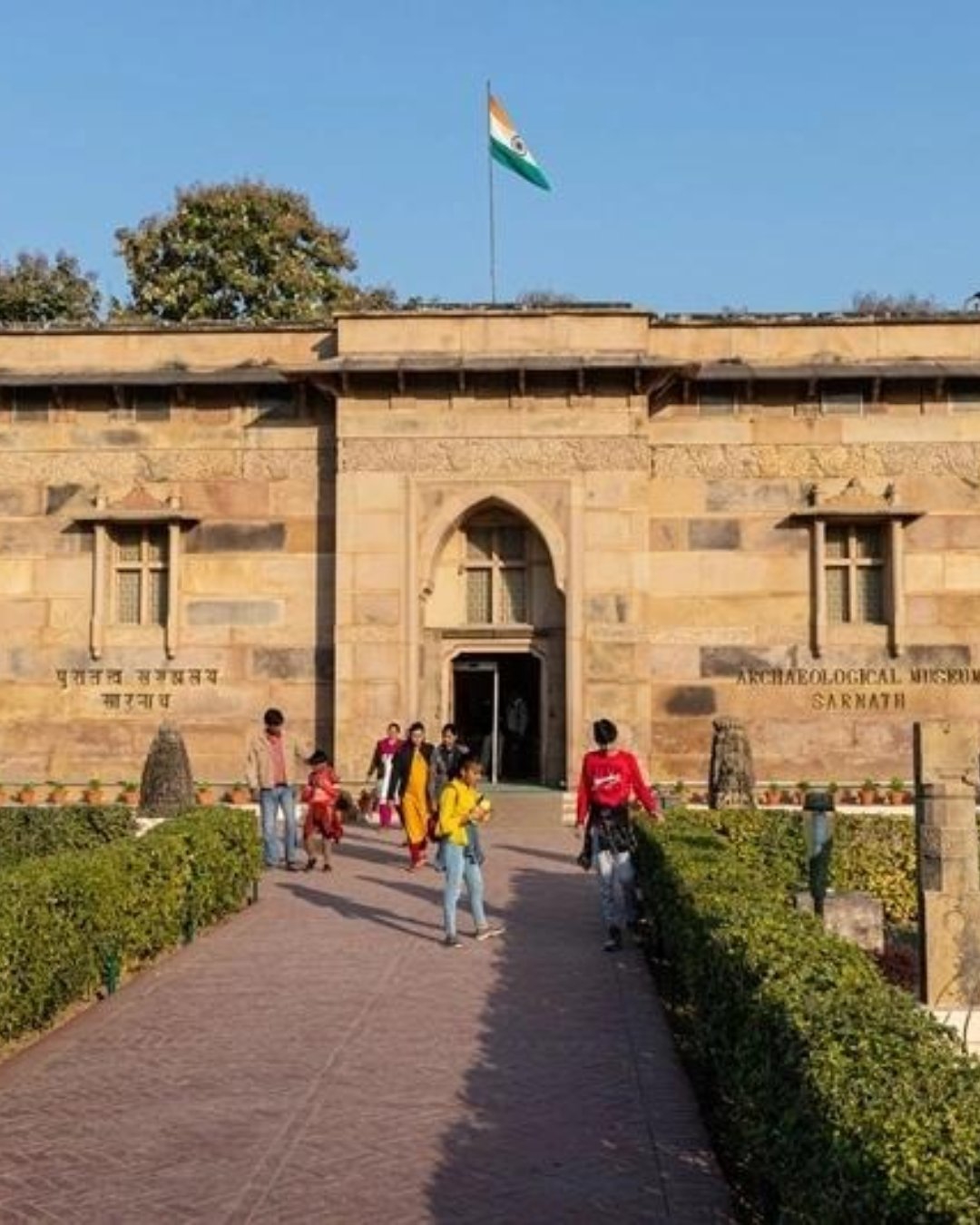
Sarnath Museum, Varanasi, India
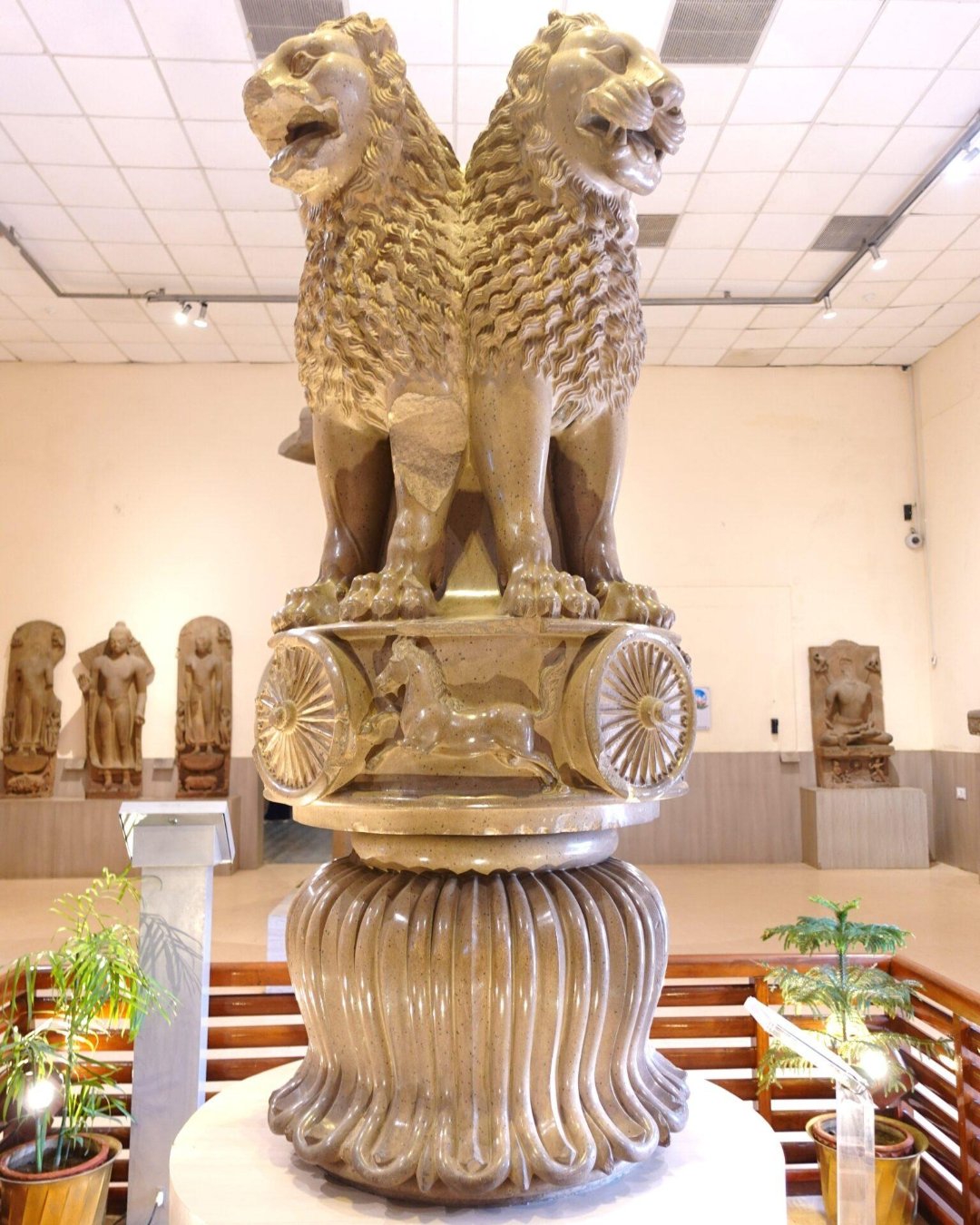
You've probably seen the famous Lion Capital of Ashoka—the four lions standing back to back that appear on every Indian passport, currency note, and official emblem.
Many visitors come to Sarnath expecting to find it among the ancient ruins.
But here's something that surprises first-time travelers.
The original Lion Capital isn't in the archaeological park at all. It's preserved inside the Sarnath Archaeological Museum, and the museum is closed every Friday.
Visit on the wrong day, and you could miss one of the most important artifacts in Indian history.
Here's how to experience Sarnath the right way.
WHY TIMING MATTERS
Sarnath is located about 10 km from Varanasi, making it an easy 30–40 minute drive and a perfect half-day excursion.
The site is divided into two separate attractions:
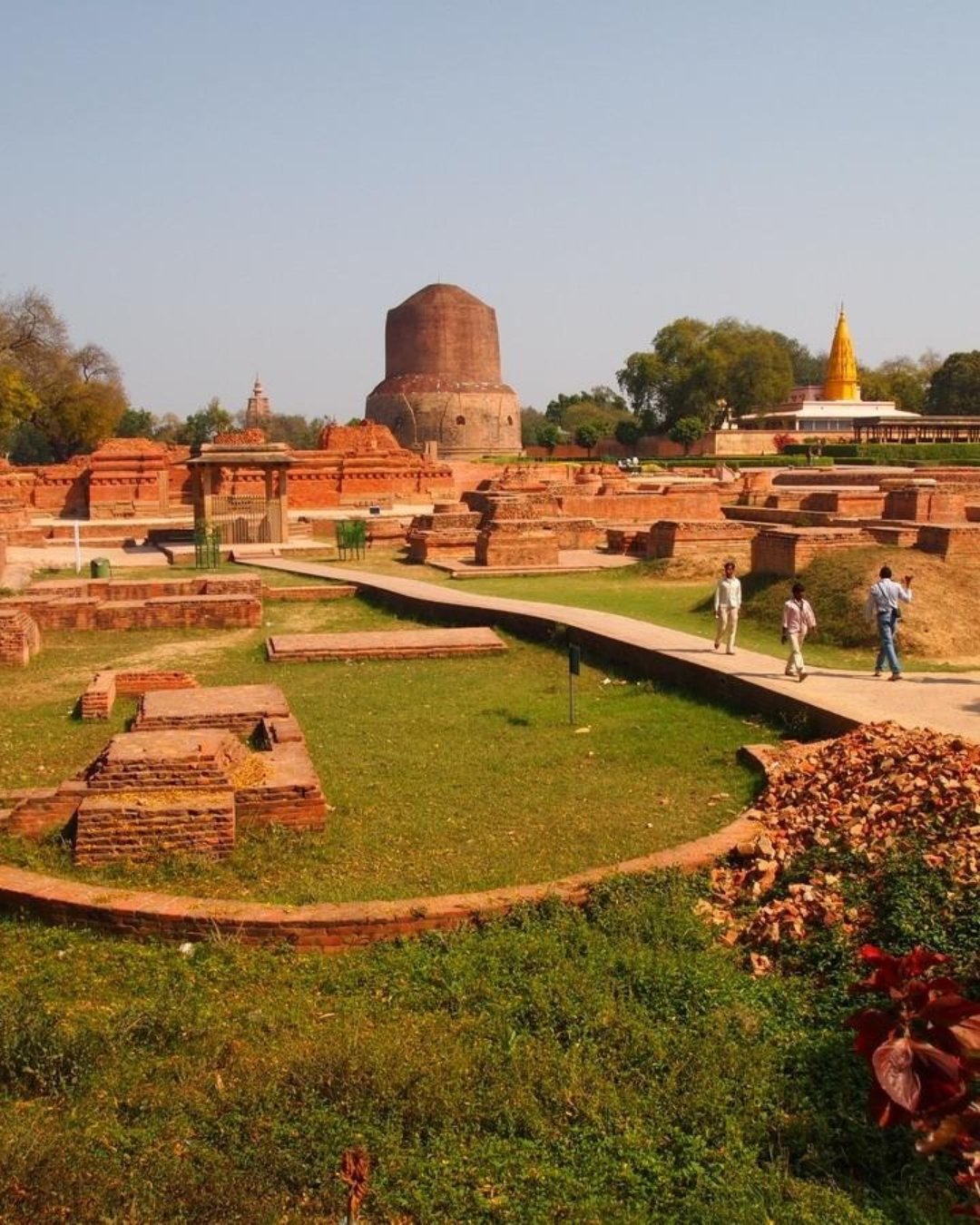
• The Archaeological Park, which includes the Dhamek Stupa and ancient monastery ruins.
• The Sarnath Archaeological Museum, which houses the original Lion Capital and many priceless Buddhist sculptures.
The archaeological park is generally open from sunrise until sunset.
The museum follows different operating hours and remains closed on Fridays.
For the best experience, visit either early in the morning or during the late afternoon.
The park has very little shade, and the midday heat—especially during summer—can make exploring uncomfortable.
WHAT YOU'LL SEE
Sarnath is one of Buddhism's holiest pilgrimage sites.
It was here that Lord Buddha delivered his first sermon after attaining enlightenment, introducing the teachings that became the foundation of Buddhism.
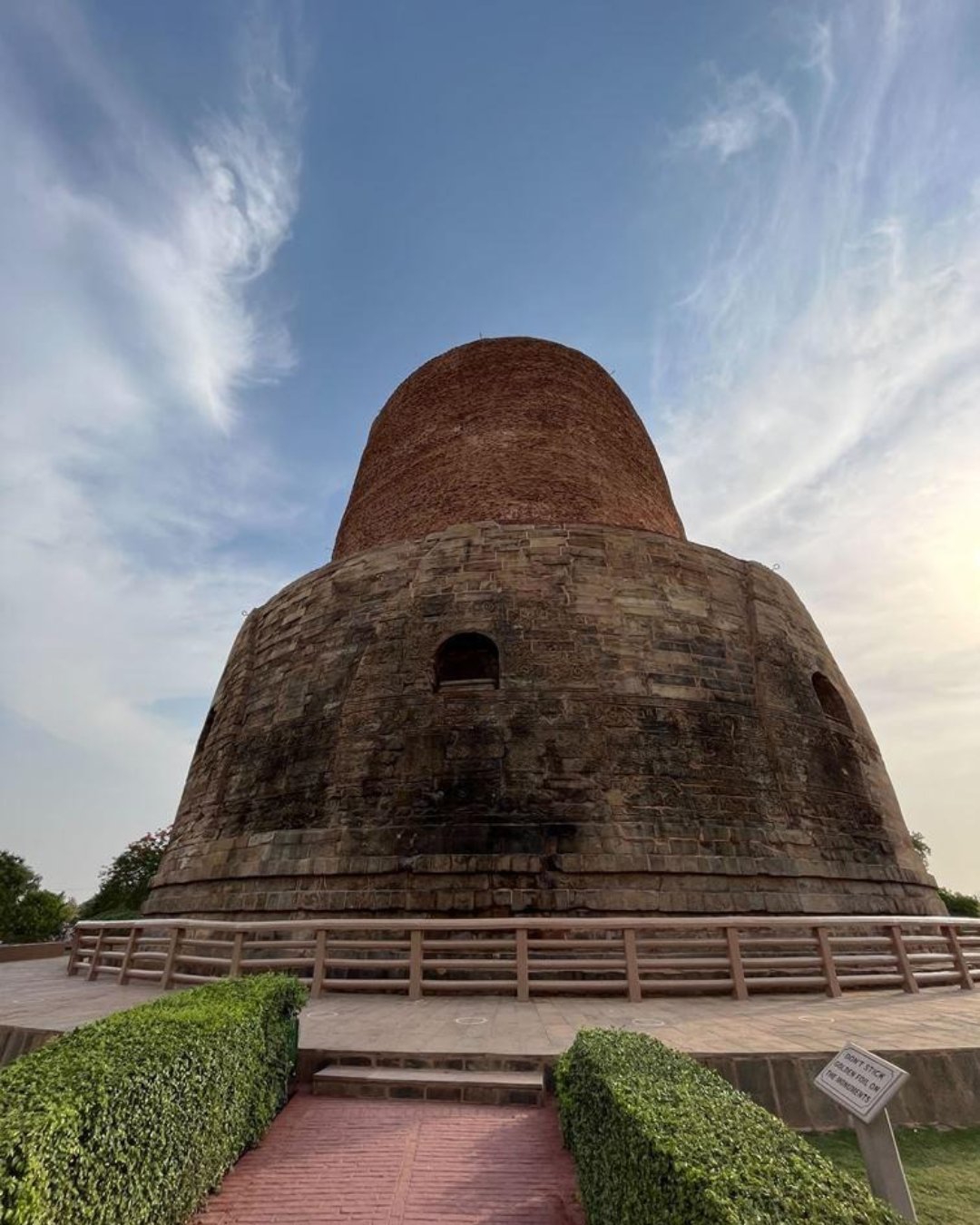
Dhamek Stupa
Standing nearly 43 meters tall, the Dhamek Stupa marks the place where Buddha is believed to have given his first sermon. Walk around the stupa slowly and take in its intricate stone carvings rather than simply viewing it from a distance.
Ashoka Pillar
The remains of Emperor Ashoka's pillar still stand within the archaeological park. Although only the stone shaft remains here today, it marks one of the most significant monuments of ancient India.
Sarnath Archaeological Museum
This is the highlight of the visit.
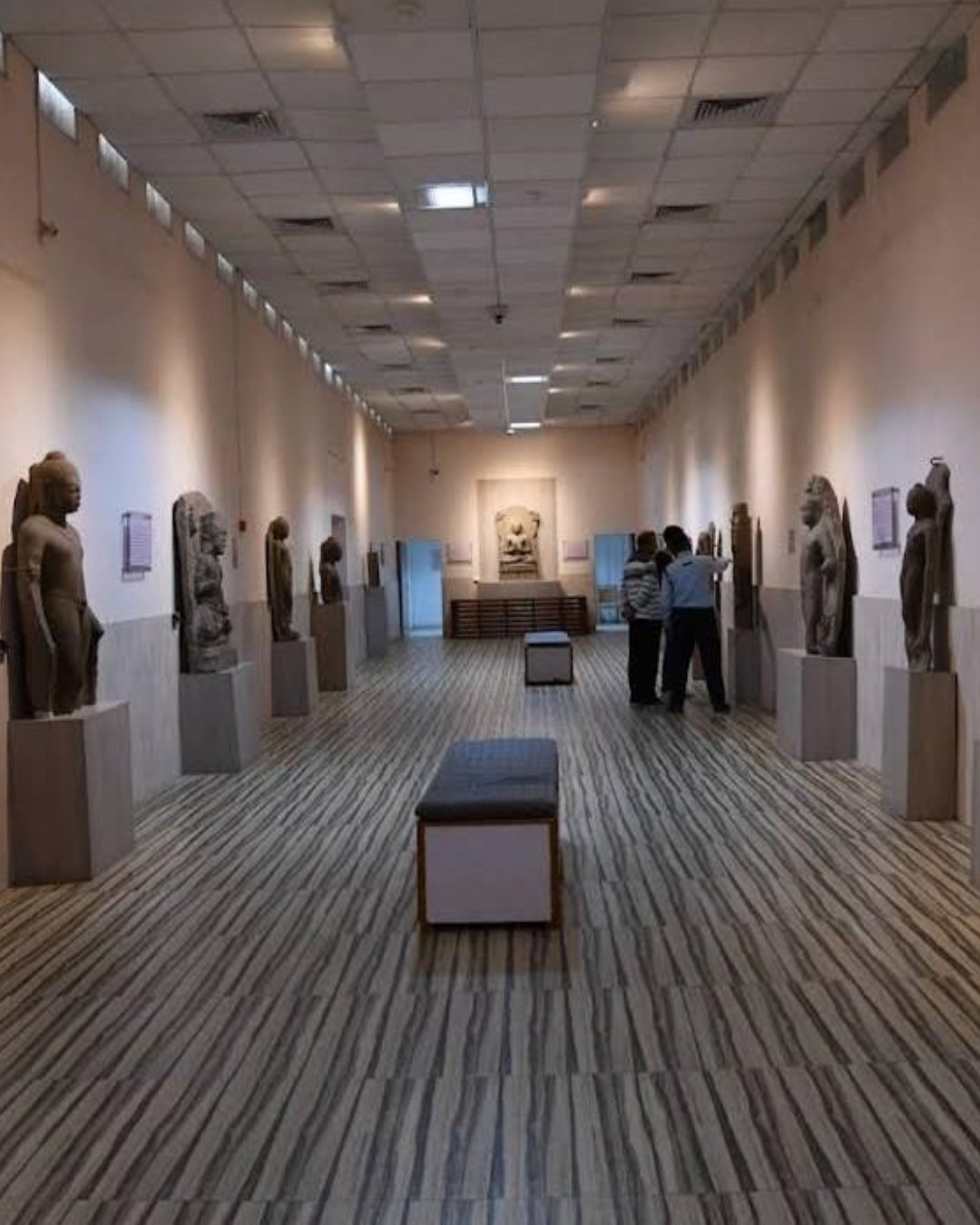
Inside the museum, you'll find the original Lion Capital of Ashoka along with an exceptional collection of Gupta-period Buddha sculptures and other important archaeological discoveries.
Mulagandha Kuti Vihar
This modern Buddhist temple is known for its beautiful murals depicting the life of Buddha and for the Bodhi tree grown from a sapling linked to the original Bodhi Tree at Bodh Gaya.
Chaukhandi Stupa
A short distance from the main complex, this stupa commemorates the place where Buddha is believed to have met his first disciples. Its distinctive Mughal-era octagonal tower makes it easy to recognize.
WHAT TO BRING
Carry drinking water, a hat or cap, and sunscreen, especially if you're visiting during warmer months.
Wear comfortable walking shoes that are easy to remove, as you'll need to take them off before entering Buddhist temples.
MUSEUM RULES
Photography and mobile phones are generally not permitted inside the museum galleries.
You'll be asked to leave electronic devices at the designated counter before entering.
Without distractions, you'll have the opportunity to truly appreciate the Lion Capital and the remarkable sculptures preserved inside.
PRACTICAL TIPS
• Visit the museum before exploring the archaeological park.
• Seeing the original Lion Capital first makes the remains of the Ashoka Pillar outside much more meaningful.
• Avoid visiting on Fridays when the museum is closed.
• Check museum timings before your visit, as operating hours may occasionally change.
• If available, book your archaeological park ticket online to save time.
• The information boards throughout the site are informative, so many visitors can comfortably explore without hiring a guide.
THE MISTAKES THAT RUIN THE VISIT
Most first-time visitors make the same mistakes.
They visit on a Friday and miss the museum entirely.
They arrive during the hottest part of the day and rush through the archaeological park because of the heat.
Or they spend a few minutes at the Dhamek Stupa without crossing the road to explore the museum, leaving without seeing Sarnath's most famous treasure.
A little planning makes all the difference.
Visit early or late in the day, explore the museum first, and then take your time walking through one of the most important Buddhist sites in the world.
WANT THE TIMING, TRANSPORT, AND TICKETS ARRANGED FOR YOU?
Tap Get a Quote and let us plan your Sarnath visit, so you can enjoy the history, spirituality, and archaeology without worrying about the logistics.