

What It Is Actually Like on the Ground, and Is It Worth It
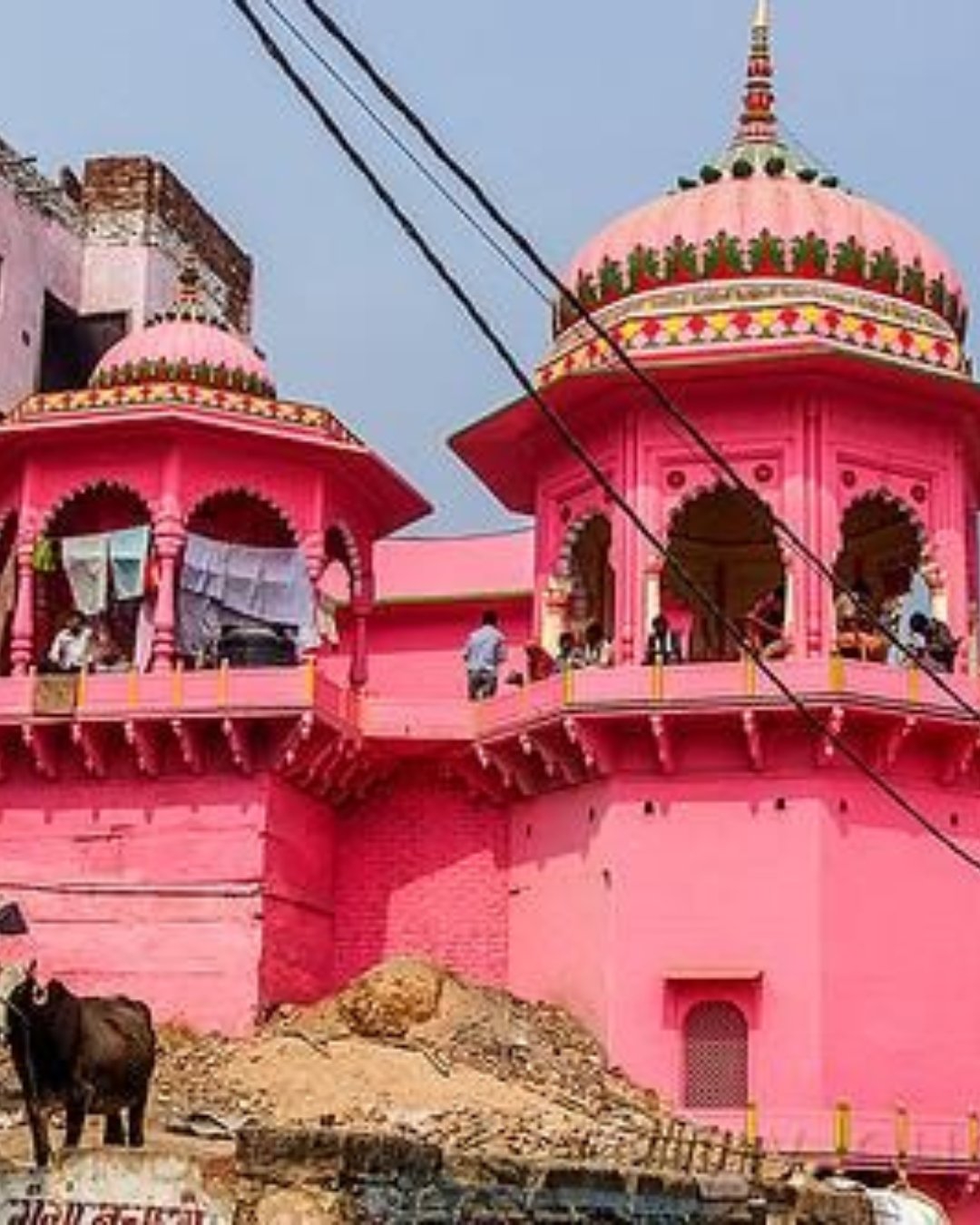
Daraganj, Prayagraj, India
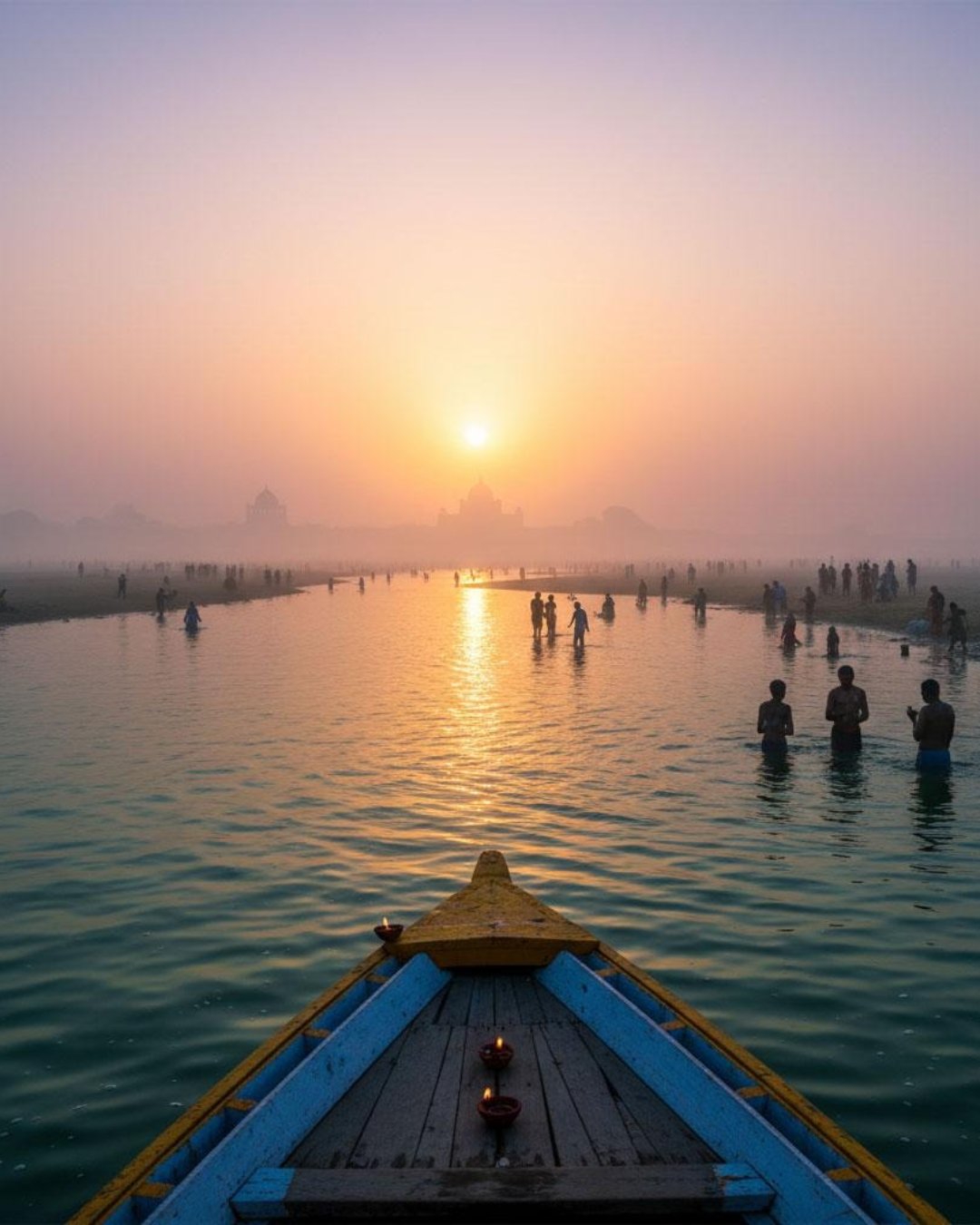
Prayagraj is less of a performance than Varanasi, and that is the strongest argument for going.
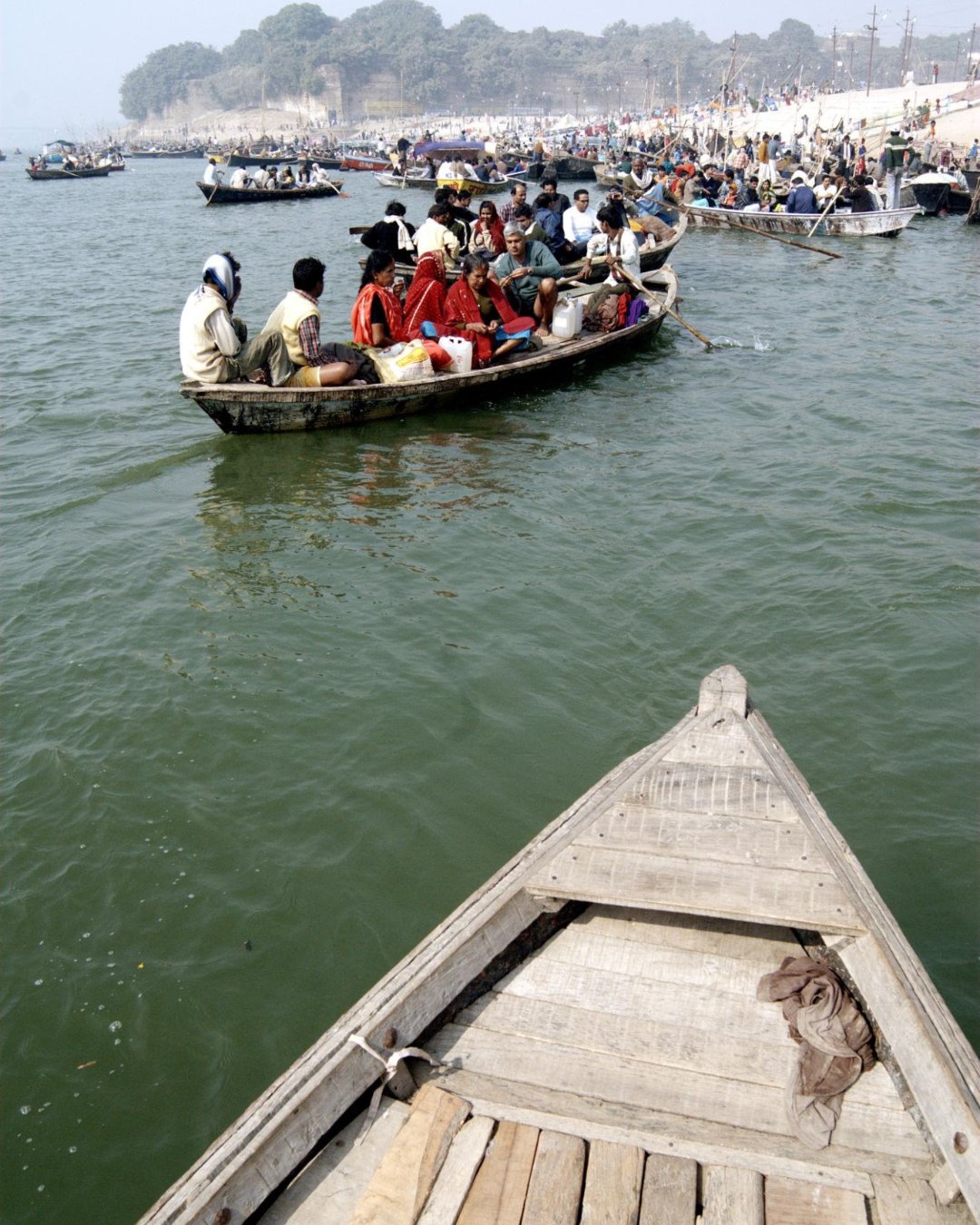
●Yes, it is worth visiting — for the Sangam at sunrise, the melas, and a city with real history beyond the river. It is calmer and far less touristed than Varanasi; it is not a nightlife or shopping destination, and the
page should say so.
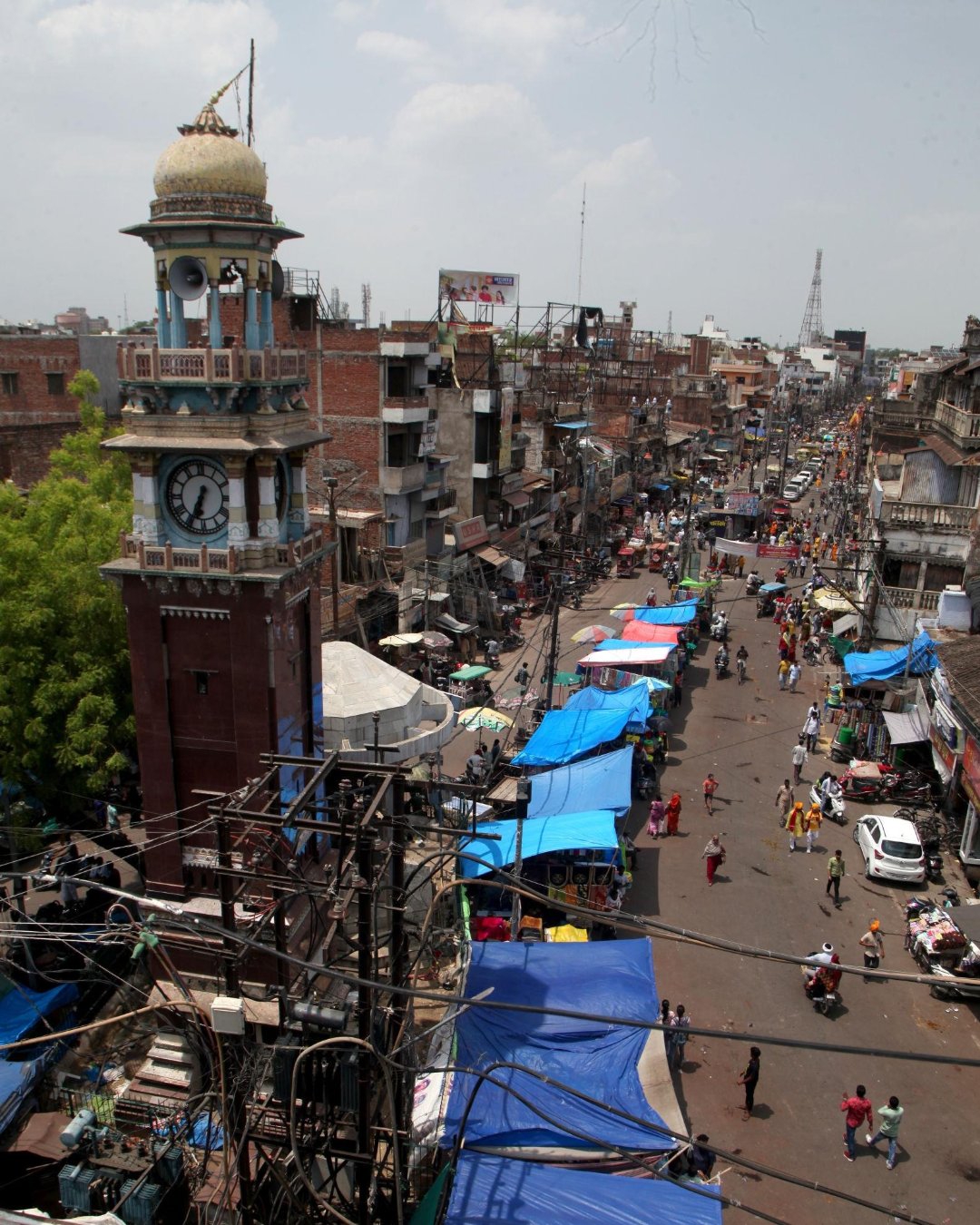
●There are two cities in one. The riverside and old city — Daraganj, the Sangam, the lanes around Chowk and Loknath — and the planned Civil Lines with its wide roads, cathedral and cafés. Most visitors see only
the first.
●Hindi is the everyday language, spoken with the flavour of eastern Uttar Pradesh. English is understood in hotels, in Civil Lines and by guides; a few words of Hindi go a long way at the ghats.
●October to March is the comfortable window; summers are fiercely hot and the monsoon floods the Sangam area. One line only, then link to the best-time page.
●In a mela season the city changes completely — crowds, vehicle restrictions, stays booked out. Plan that trip differently and link to the Magh Mela page. And against Varanasi: different, not lesser. One line, then link to the comparison.
Pro tip: Give the city at least one night. Day-trippers from Varanasi tend to see the Sangam at the worst hour and leave before the evening aarti and a Civil Lines evening, which is when Prayagraj makes its case.
The mistakes that ruin it:
●Visiting in May or June without planning the day around the heat.
●Arriving on a main mela bathing day without knowing it is one.
●Judging the whole city from the area around the railway station.