


Prayagraj Travel Guide: What It Is Famous For & Why Go
What Prayagraj is famous for, why it was Allahabad, where it sits in Uttar Pradesh and whether it is worth the trip. Start every Prayagraj plan here.
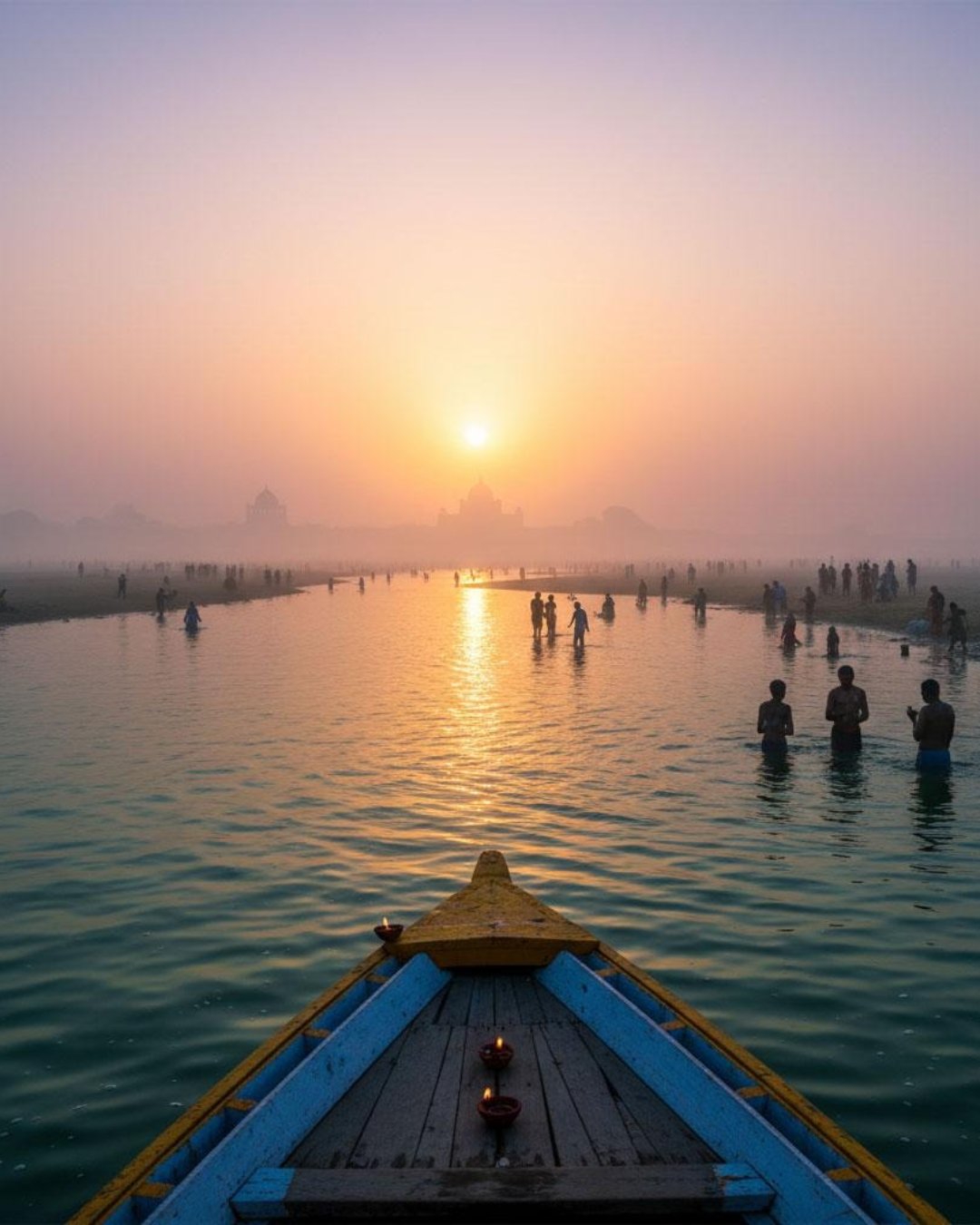
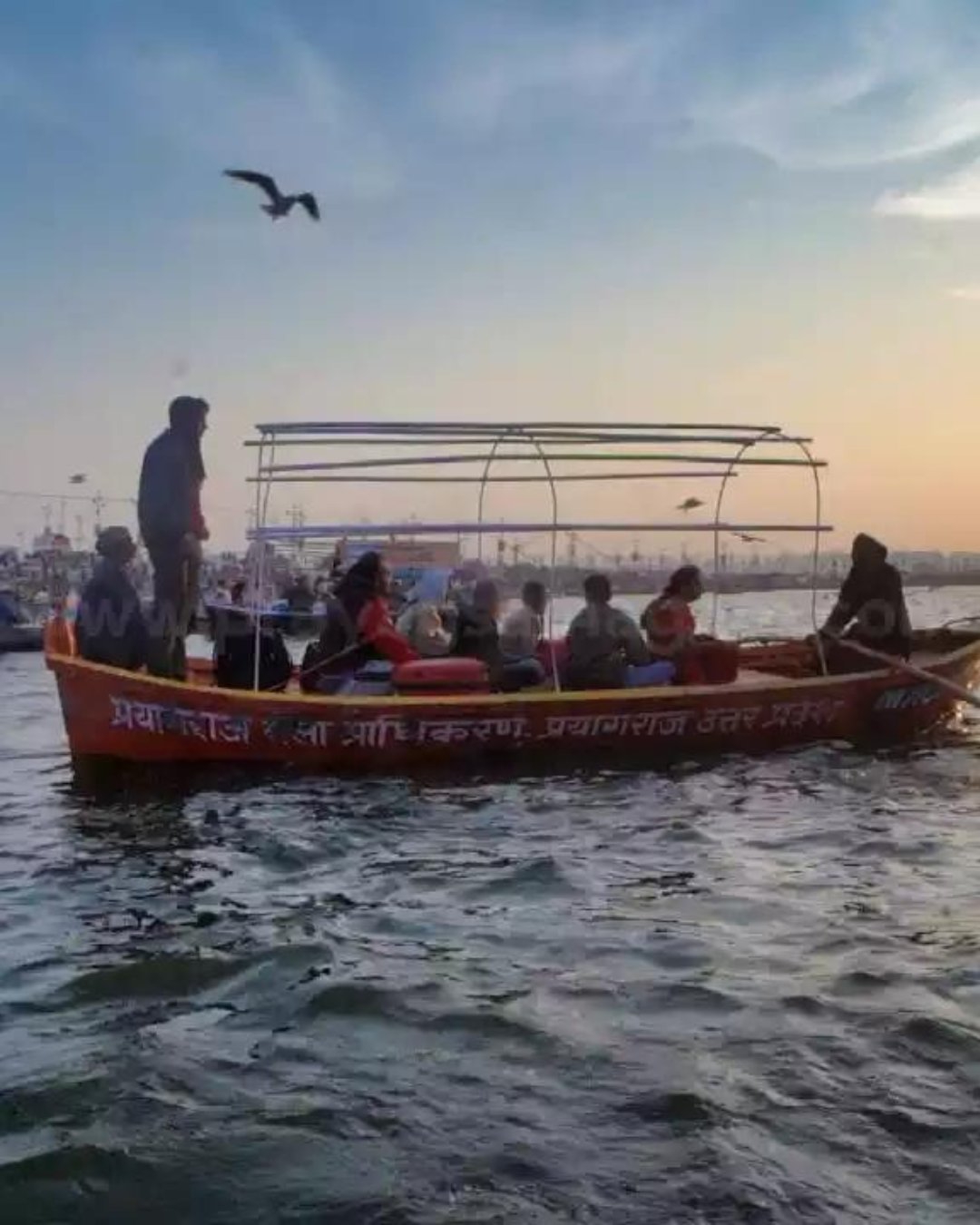
If you are planning Prayagraj for the first time, start with the Sangam. This is the city's defining experience: the meeting of the Ganga, Yamuna and the traditionally believed invisible Saraswati at Triveni Sangam. Prayagraj has been revered as ancient Prayag or Tirthraj, the “King of Pilgrimage,” and today the city remains one of North India's major spiritual destinations, especially during Magh Mela and Kumbh. But the Sangam is only the beginning—the city also brings together temples, river rituals, Mughal architecture, colonial buildings, literature and India's freedom-movement history.
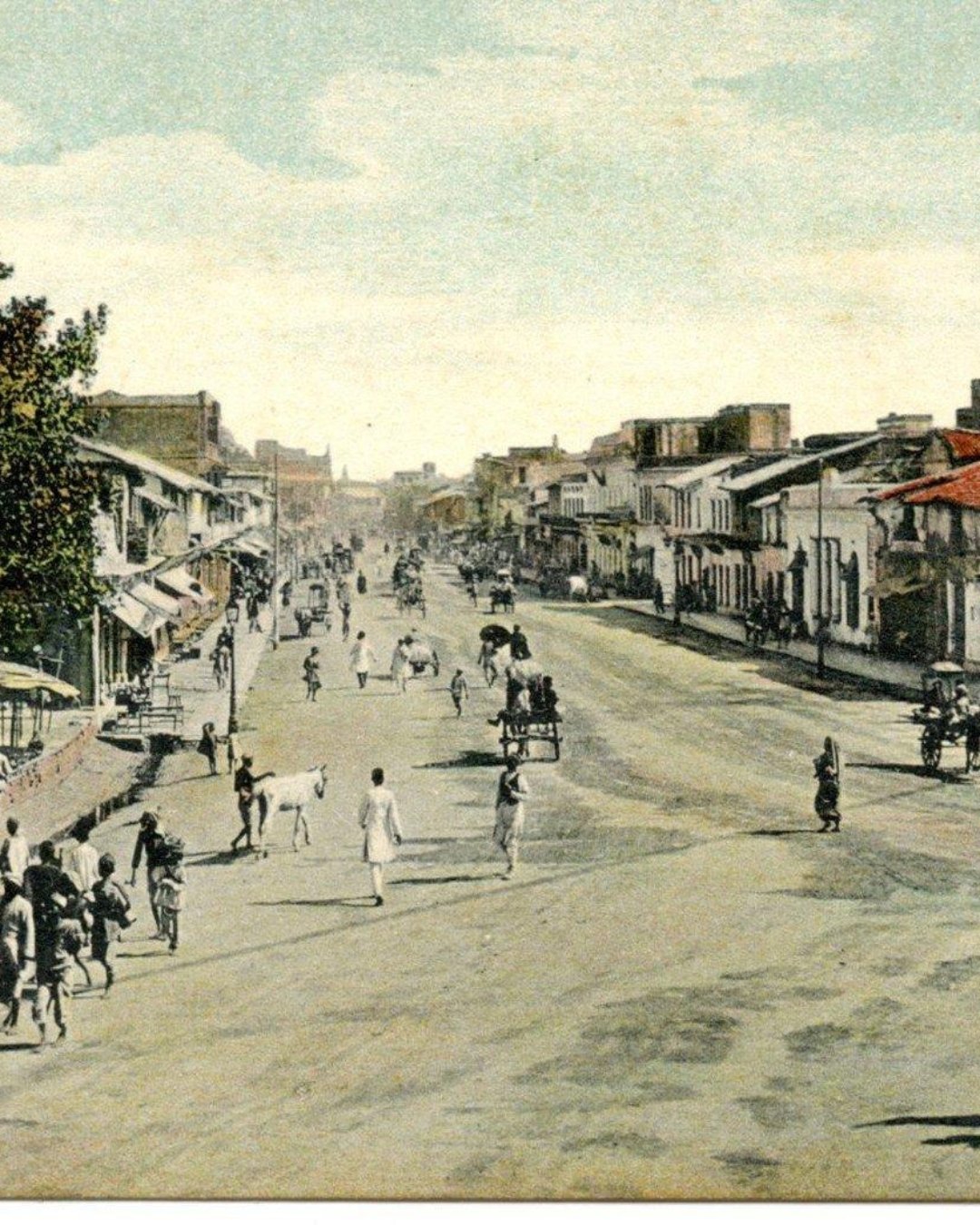
You will also hear Allahabad and Prayagraj used in different contexts, and knowing why makes the city much easier to understand. The ancient pilgrimage identity is associated with Prayag, while Emperor Akbar established the Mughal-era city in 1575 as Illahabas, a name that later became Allahabad. Under British rule, Allahabad developed into an important administrative and educational centre, leaving behind institutions and architecture that are still part of the city today. The official name is now Prayagraj, but “Allahabad” remains deeply present in historical references and the city's modern cultural memory.
Geographically, Prayagraj sits in the southern part of Uttar Pradesh, at about 25.45°N, 81.84°E, where the Lower Doab meets the wider cultural regions of northern India. It works particularly well as part of a larger Uttar Pradesh journey: you can connect it with Ayodhya and Varanasi for a pilgrimage-focused route, or combine it with heritage destinations across Uttar Pradesh. Once you understand its position, Prayagraj stops feeling like a place you visit only for the Sangam and starts making sense as a major crossroads of pilgrimage, history, education and culture.
So, is Prayagraj worth the trip? Absolutely—but give it more than a quick Sangam stop. We would begin with an early visit to the confluence, then take you into the city's temples and old neighbourhoods before shifting towards the historical side—Allahabad Fort, Khusro Bagh, Anand Bhawan, the university and colonial-era Prayagraj. Give yourself at least enough time to experience both sides of the city: the sacred Prayag of rivers and pilgrimage, and the historic Allahabad of forts, institutions and India's freedom movement. That is the starting point for every Pinaak Prayagraj plan: first understand why the rivers made the city sacred, then discover everything the city became around them.
95
Stops
Home
MomentTriveni Sangam, Prayagraj
The Confluence at the Centre of Everything
Most cities are famous for something they built. Prayagraj is famous for something it was given.
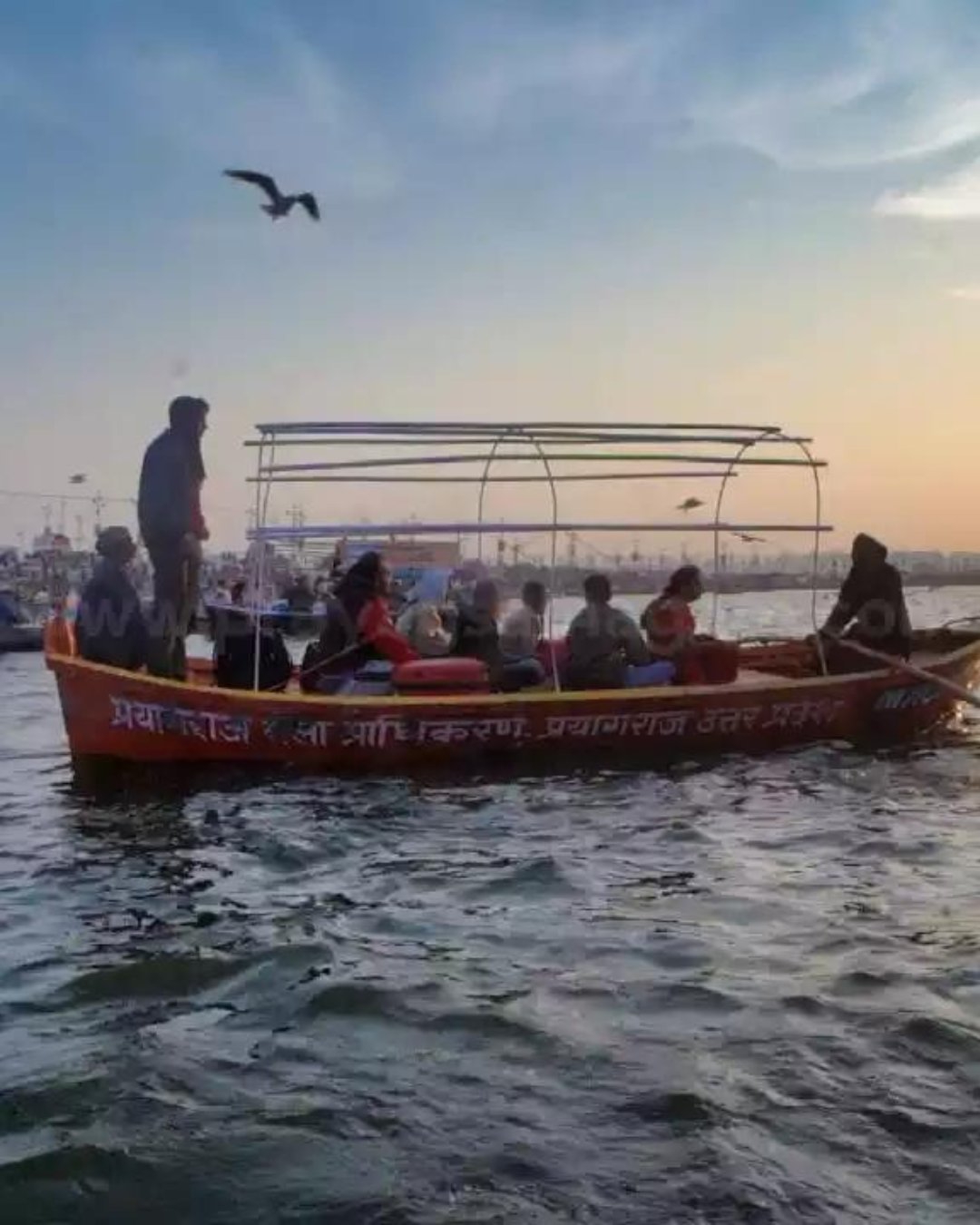
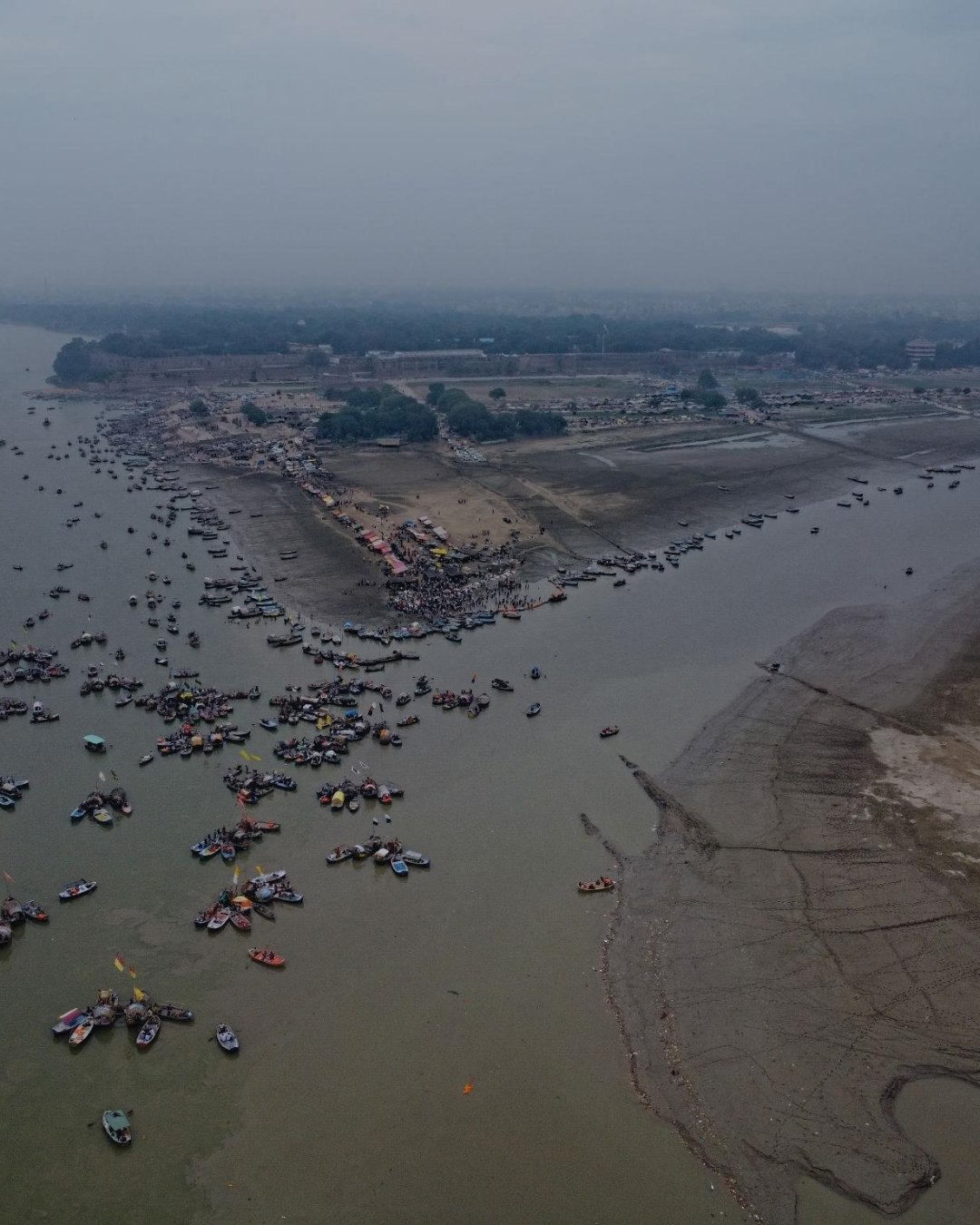
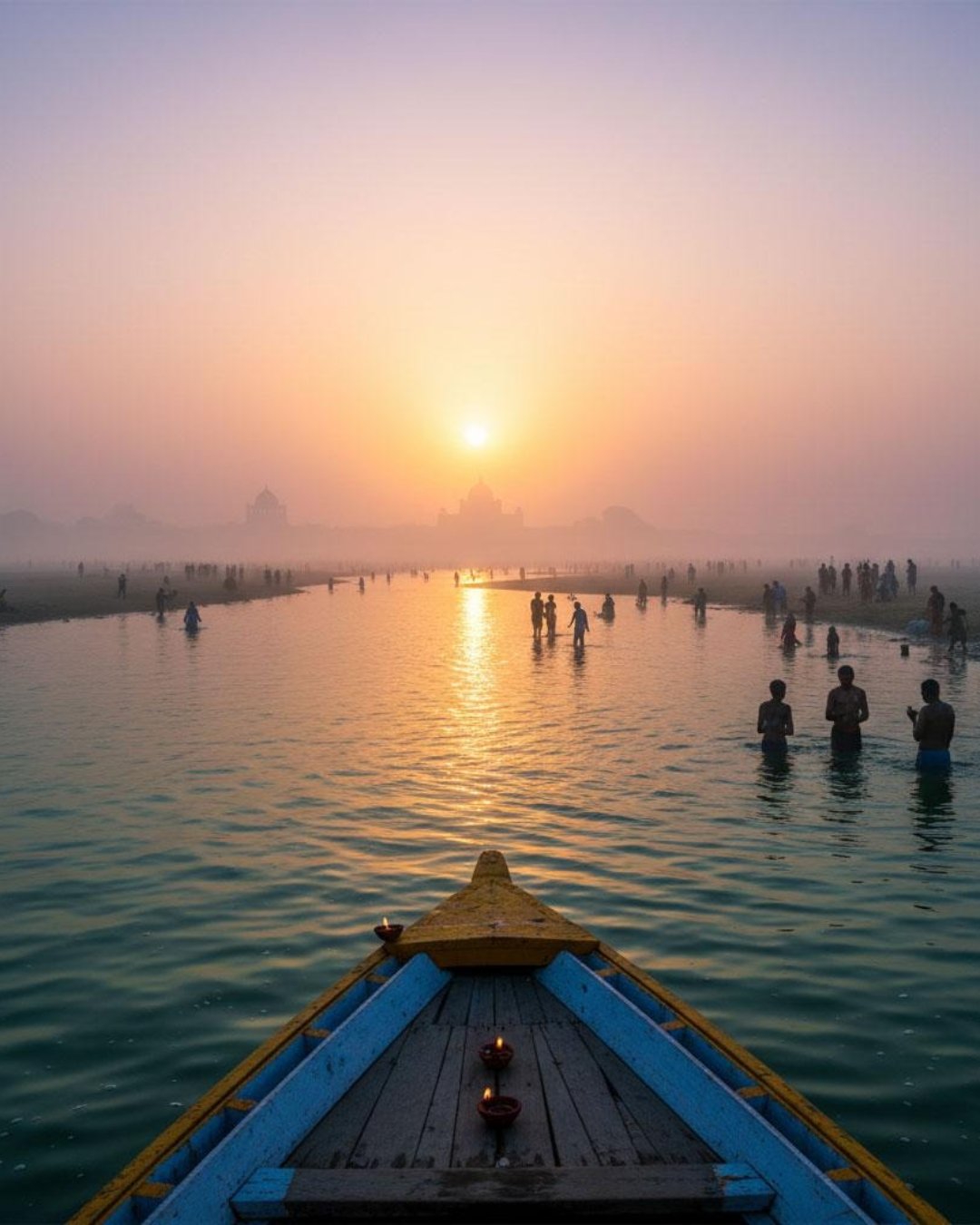
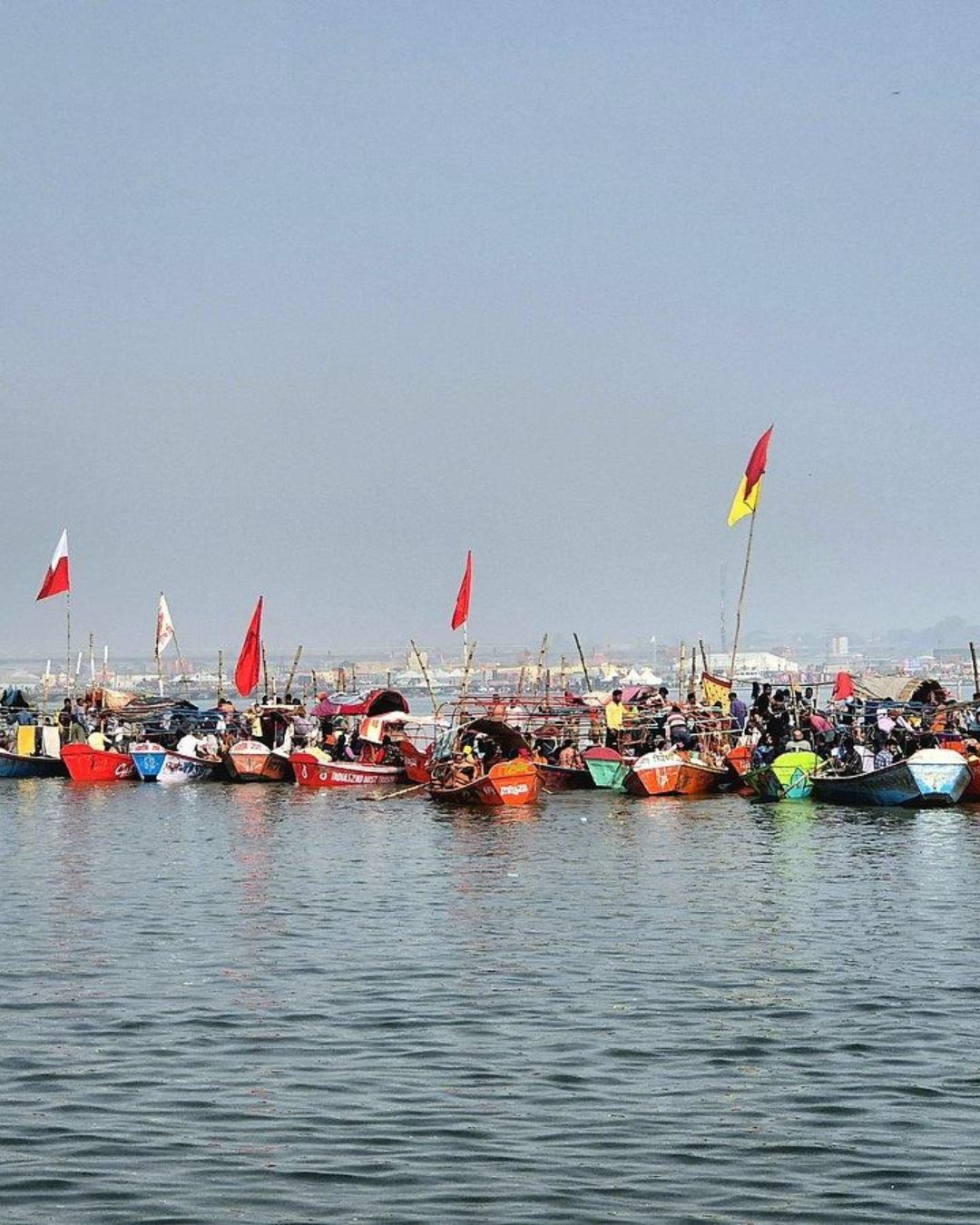
●Prayagraj is famous above all for the Triveni Sangam, where the Ganga and the Yamuna meet and where, according to tradition, the unseen Saraswati joins them — and for the Kumbh Mela held on its banks. Say
this in the first two sentences, plainly.
●Tradition calls the city Tirtharaj, the king of pilgrimage places. A dip at the Sangam is held to be among the most meritorious acts in Hindu practice, which is why people come from every corner of India and why
families return across generations.
●The Kumbh is the headline, but it is not the whole calendar. The Magh Mela is held on the same sands every year, in the month of Magh, so Prayagraj is a living pilgrimage city annually rather than once every
twelve years.
●The half most guides skip: as Allahabad, the city was a centre of law, learning, politics and Hindi literature. Its High Court and University still carry the old name, and the Nehru family home is here.
●So the city rewards two kinds of visitor — the pilgrim who comes for the water and the curious traveller who stays for the city. Say this, and use it to hand off to Moments 2 to 6.
Pro tip: Decide which Prayagraj you are coming for before you book anything. A Sangam-and-temples visit fits in a day or two; adding the old city, Civil Lines and the heritage sites changes how long you need and which side of the river you should sleep on.
The mistakes that ruin it:
●Treating Prayagraj as a half-day stop on the way to Varanasi.
●Assuming the city only matters in a Kumbh year.
●Seeing the Sangam from the bank at midday and calling it done.
17
MomentPrayagraj
Allahabad and Prayagraj: One City, Two Names, Both Still in Use
The city has had at least three names, and all of them are still in use somewhere in it.
●Prayagraj's old name is Allahabad. They are the same city: the Uttar Pradesh government officially renamed it Prayagraj in October 2018.
●Prayag is the oldest of the names and the one used in Sanskrit texts. It is usually explained as the place of sacrifice or offering, tied to the tradition that Brahma performed a great yajna here. Prayagraj means the king of the prayags — the confluences — which sets it apart from the five prayags of the Himalayas.
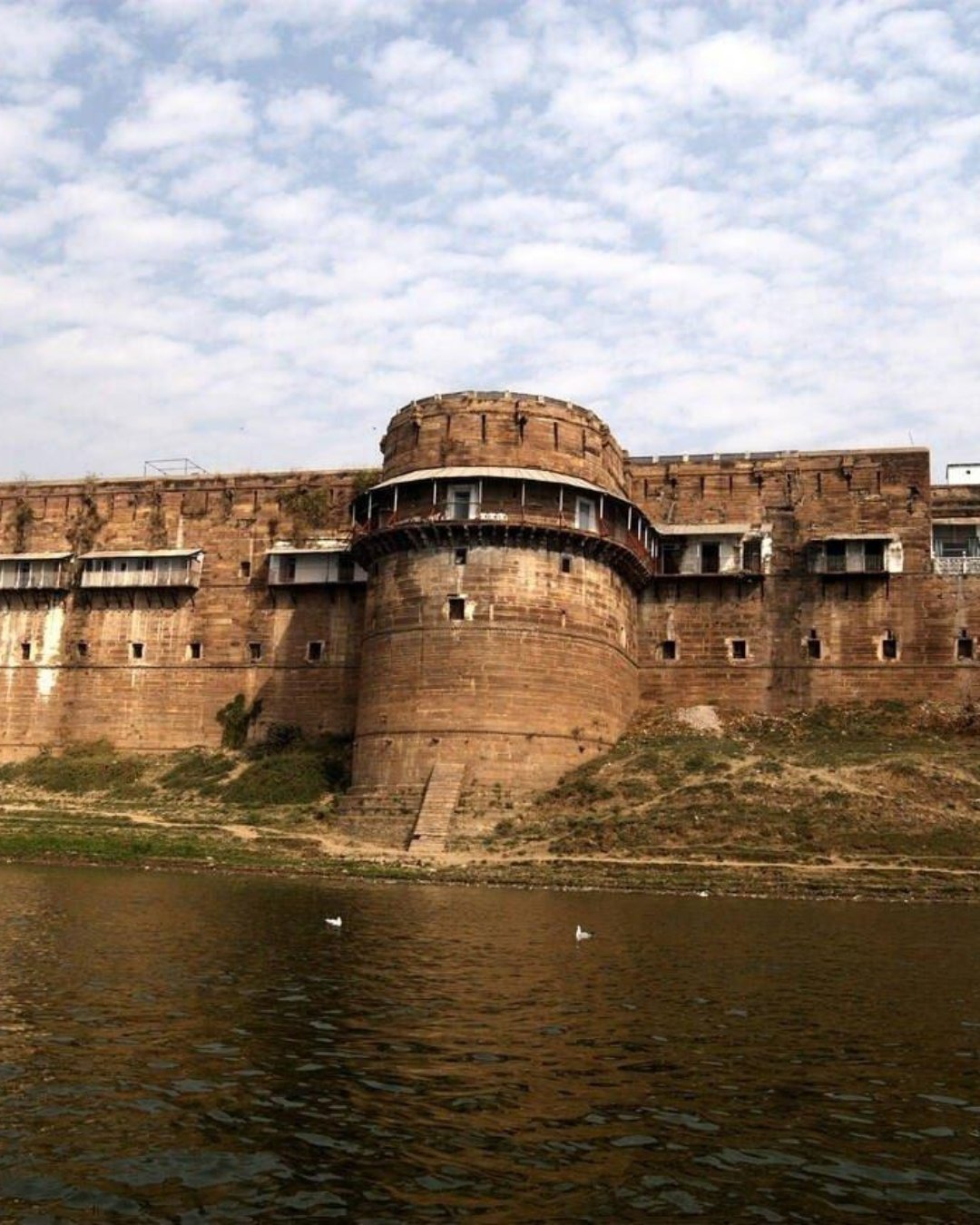
●Akbar built his fort at the confluence and renamed the settlement around it in the 1570s. The name is usually given as Illahabas, and it became Allahabad in later usage.
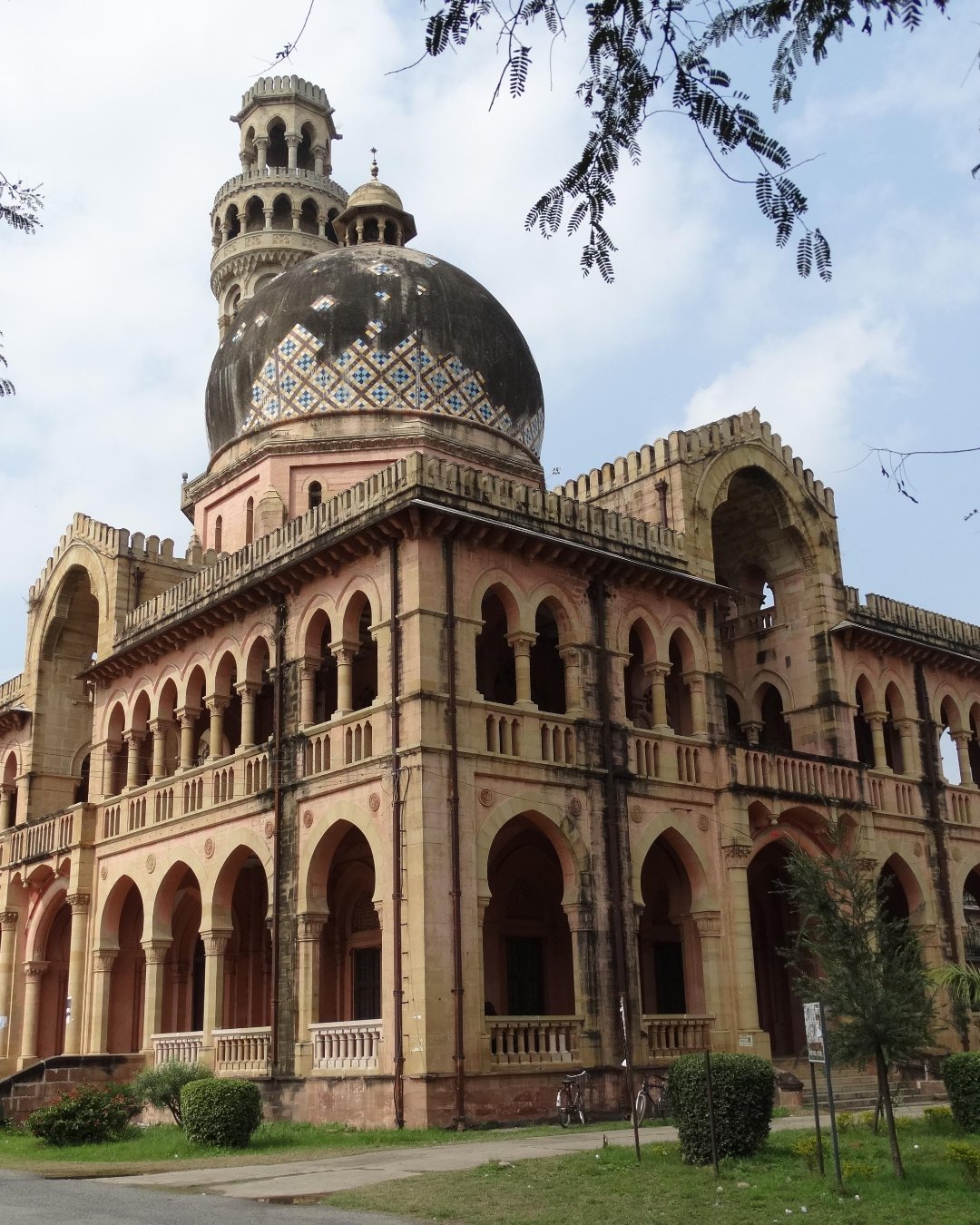
●Both names are alive. The Allahabad High Court and the University of Allahabad kept the old name, older maps and rail history use it, and many residents still say it. You will hear both in a single conversation and nobody will correct you.
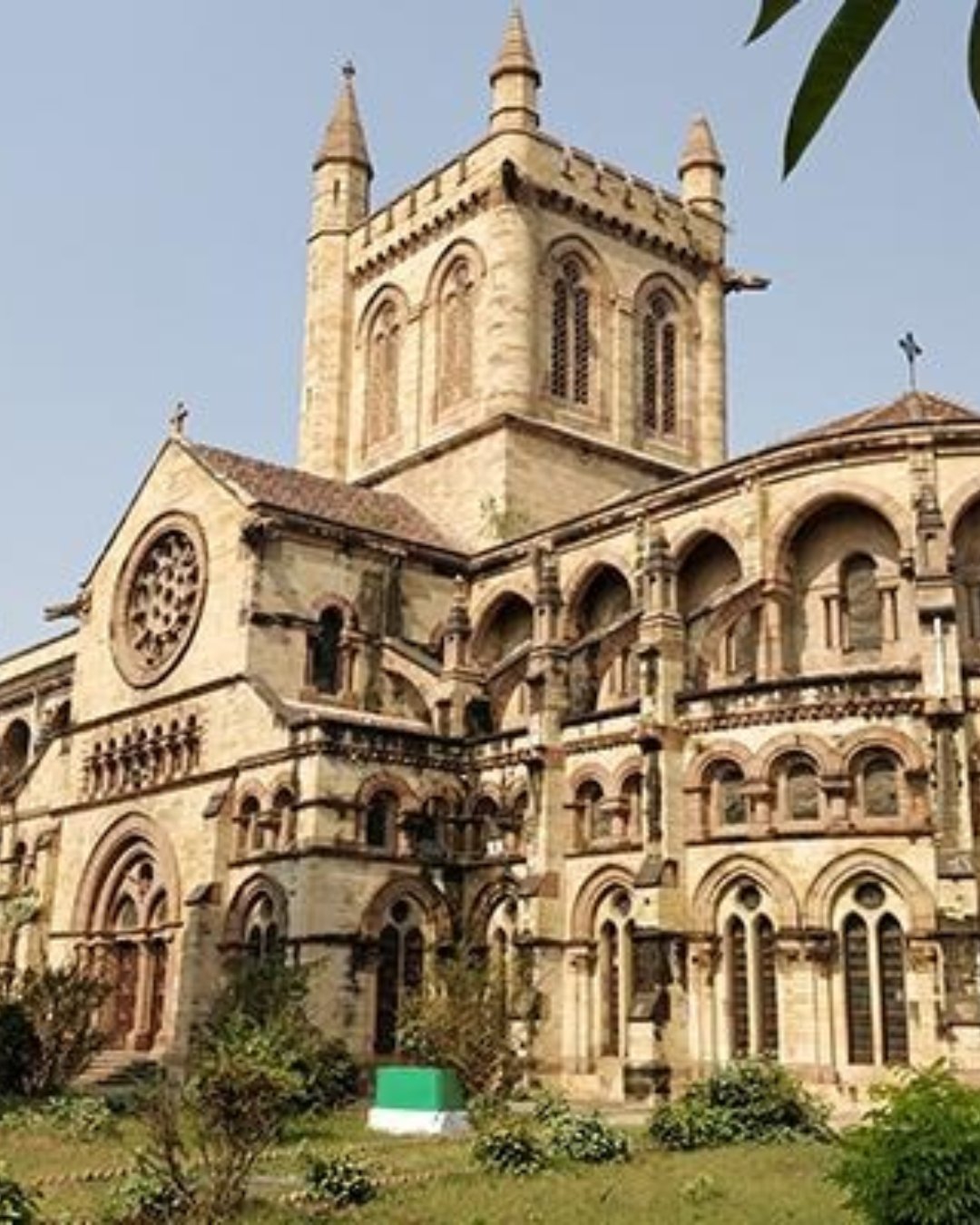
●Why Allahabad became famous in its own right: its role in the freedom movement, a university once called the Oxford of the East, one of India's oldest high courts, and a literary life that produced several of the
great names of Hindi and Urdu writing. Keep this to a short passage and link to the heritage page.
Pro tip: Search under both names when you research. A lot of the best background reading — heritage material, older travel writing, institutional history — exists only under Allahabad.
The mistakes that ruin it:
●Assuming Allahabad and Prayagraj are two different places.
●Searching only the new name and missing most of the city's written history.
●Treating the name as a debate to take sides on. Locals use both without fuss; so should you.
12
MomentPrayagraj
Where Prayagraj Sits, and How It Fits a North India Trip
Prayagraj sits where two of India's great rivers stop being separate, which also makes it a crossroads for nearly everything else.
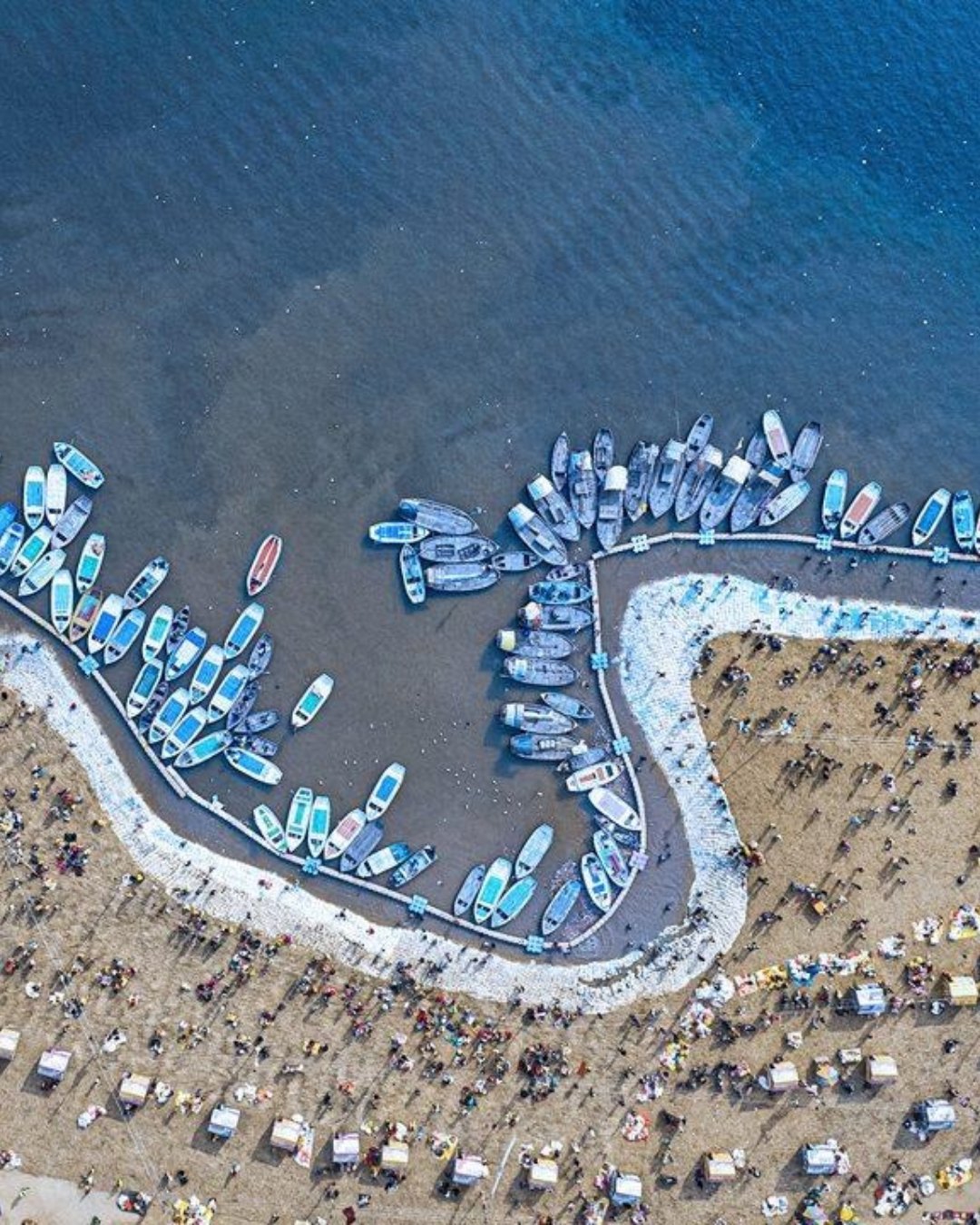
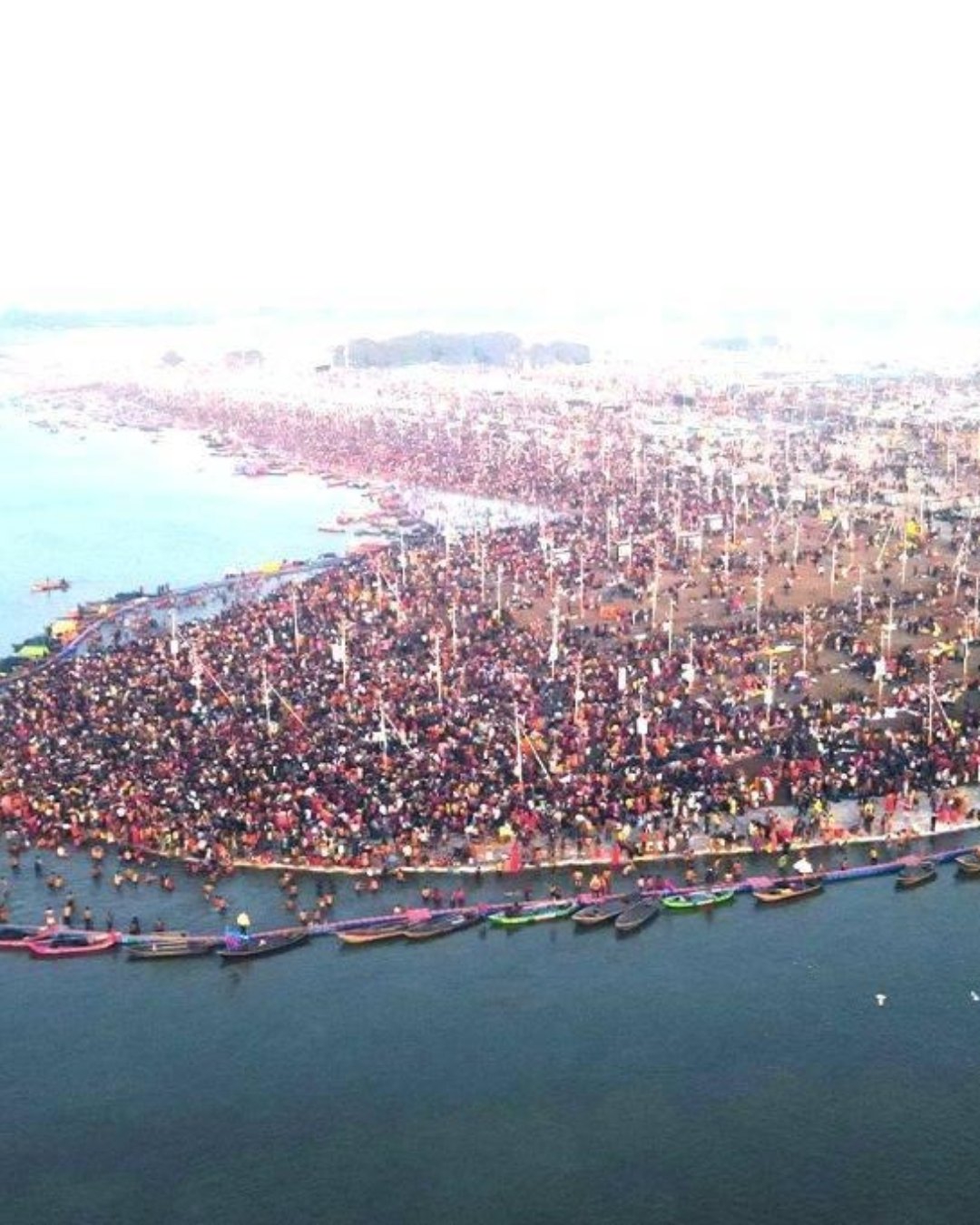
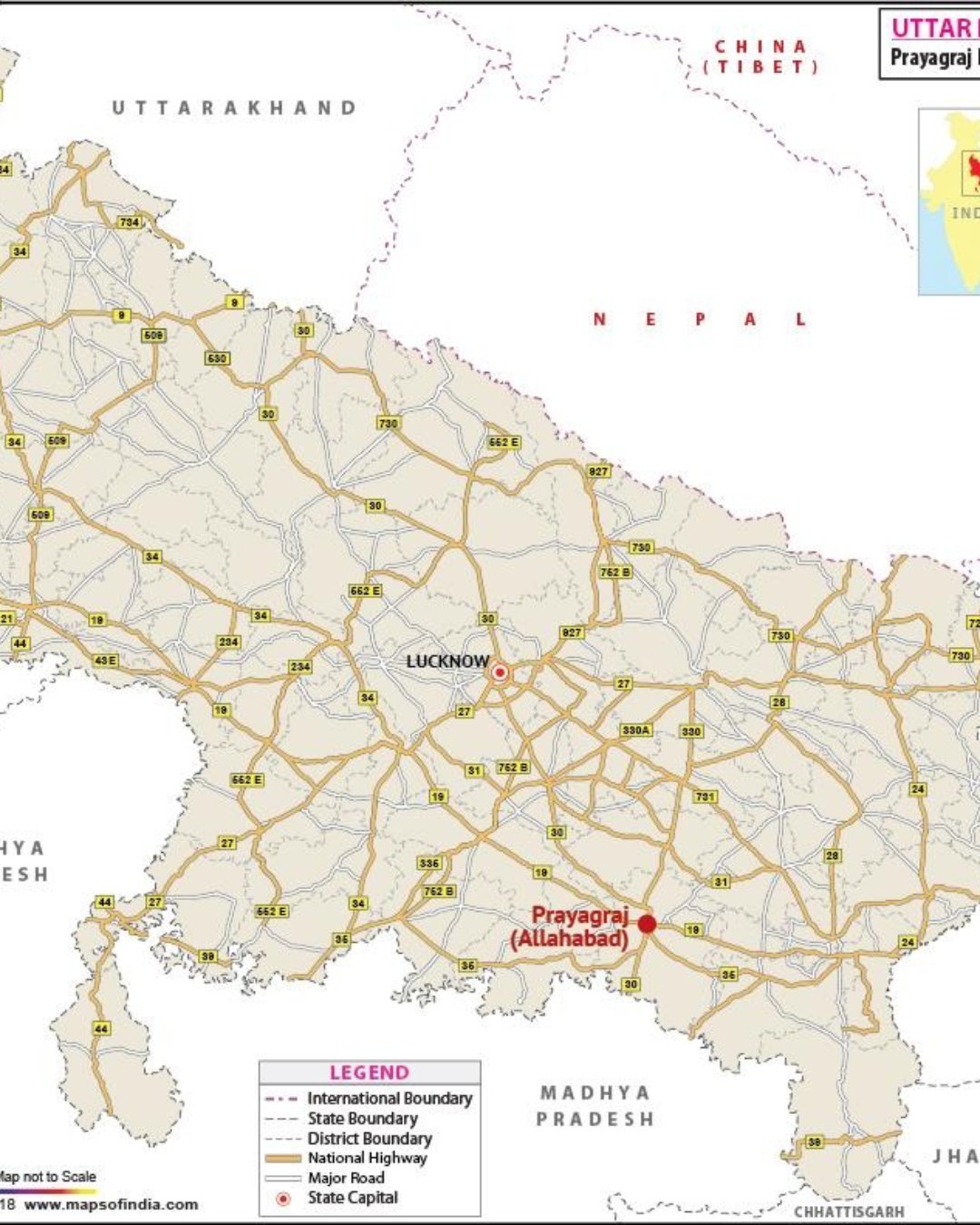
●Prayagraj is in Uttar Pradesh, in the south-east of the state, at the meeting of the Ganga and the Yamuna.
It is the headquarters of both Prayagraj district and Prayagraj division.
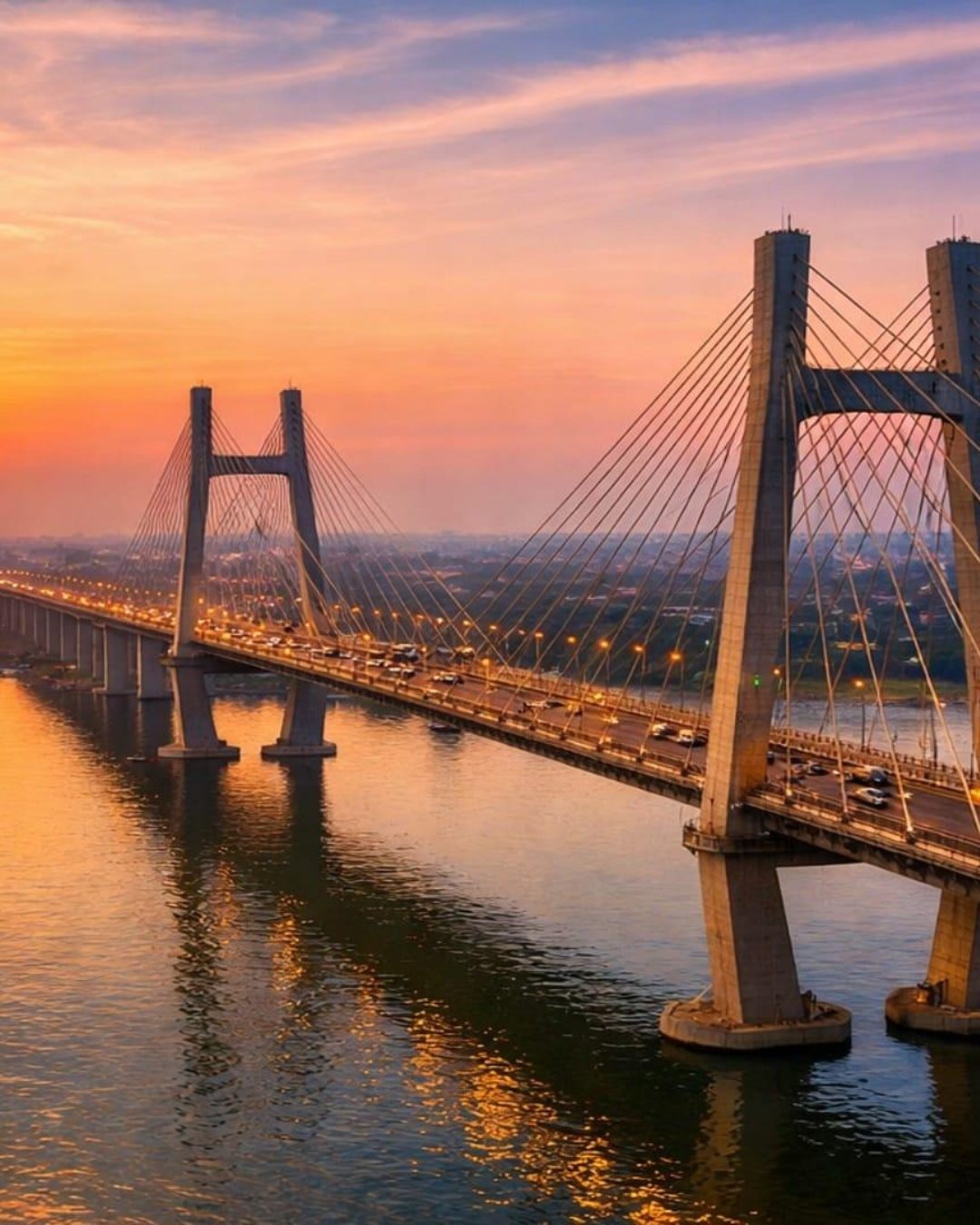
●The rivers divide the city into parts that feel like separate towns. The main city lies along and between them; Jhunsi is across the Ganga; Naini and Arail are across the Yamuna. Bridges, not distance, decide how long it takes to get anywhere.
●It sits on the main rail corridor between Delhi and eastern India, which is why so many long-distance trains stop here. Leave the detail to the how-to-reach page.
●On a map it forms a triangle with Varanasi and Ayodhya, the most visited pilgrimage cities of eastern Uttar Pradesh, with Chitrakoot and Vindhyachal also within reach. Name them; the places-near page gives the distances.
●That geography gives Prayagraj three roles in a trip: a short standalone visit, the first or last stop of a Varanasi trip, or a base for day trips. Say which reader each role suits.
Pro tip: Check which side of which river your stay is on before you book it. A place that looks close on a map can be a slow bridge crossing away, and during a mela some crossings close to vehicles altogether.
The mistakes that ruin it:
●Assuming Prayagraj and Ayodhya are the same place or next door because they are so often mentioned
together.
●Booking a stay across the river without realising it.
●Trying to do Prayagraj and Varanasi properly on the same day.
11
MomentAnand Bhawan Museum, Prayagraj
Three Thousand Years in One City
Few places in India let you stand in front of three empires on a single stone column while the traffic goes past outside.
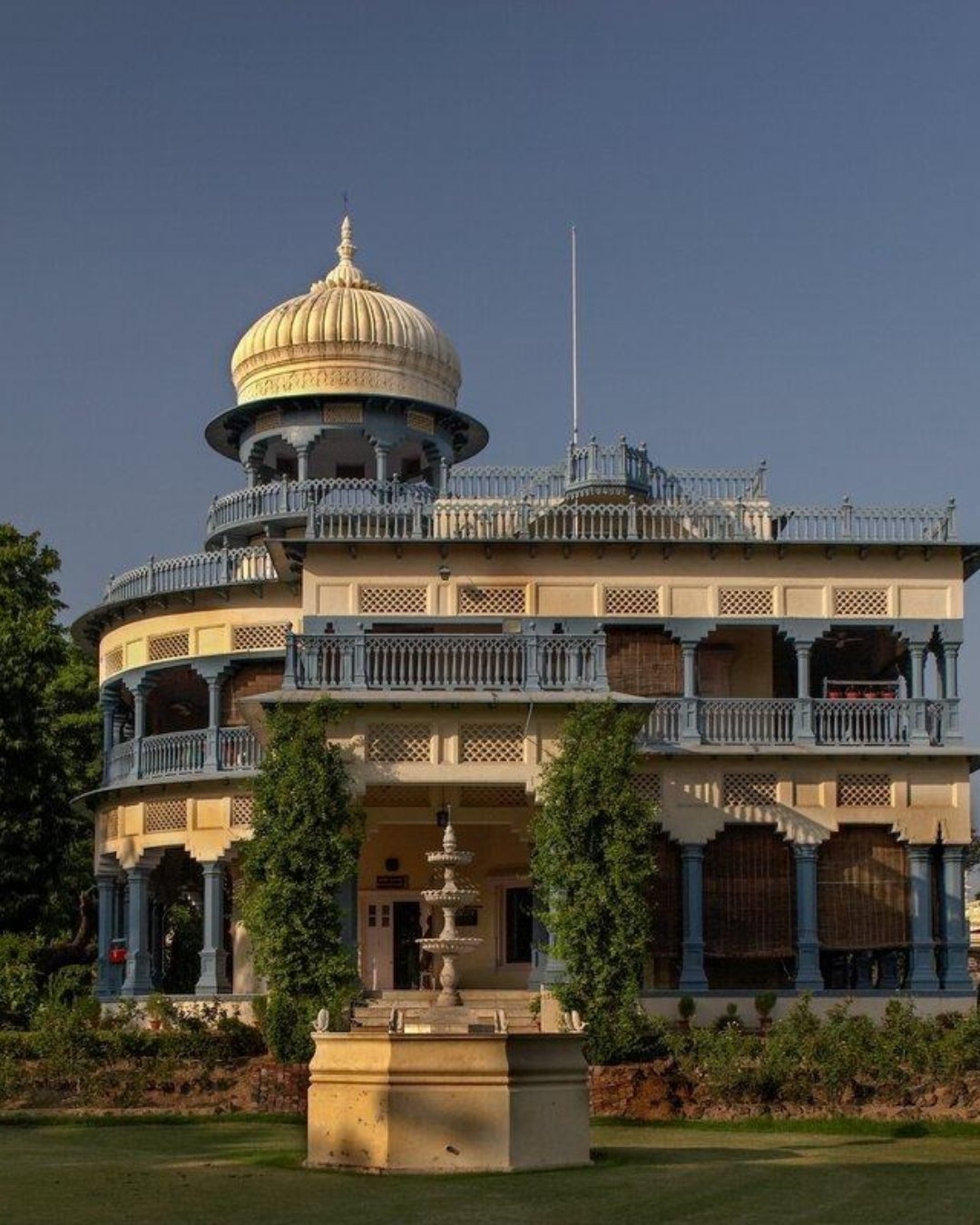
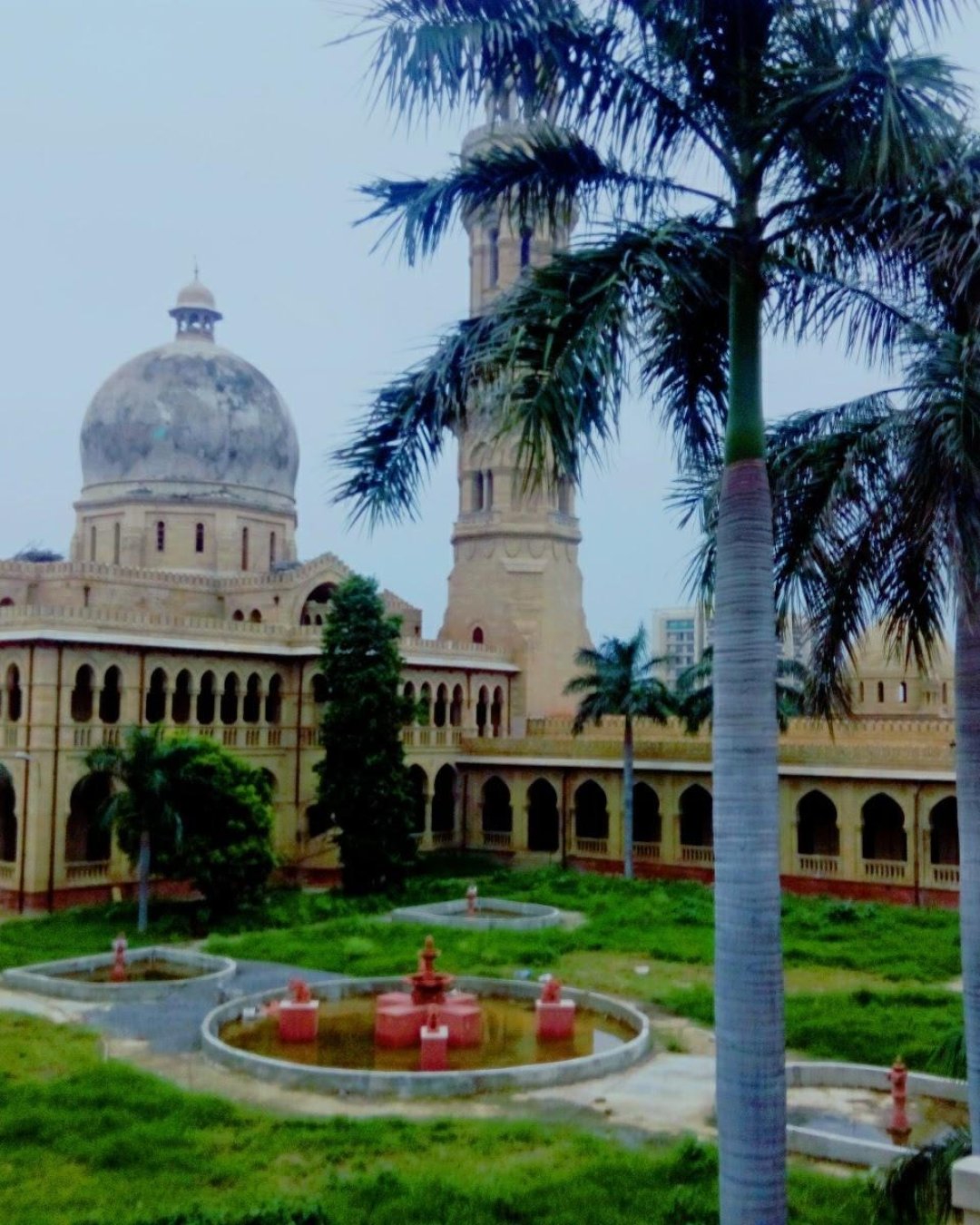
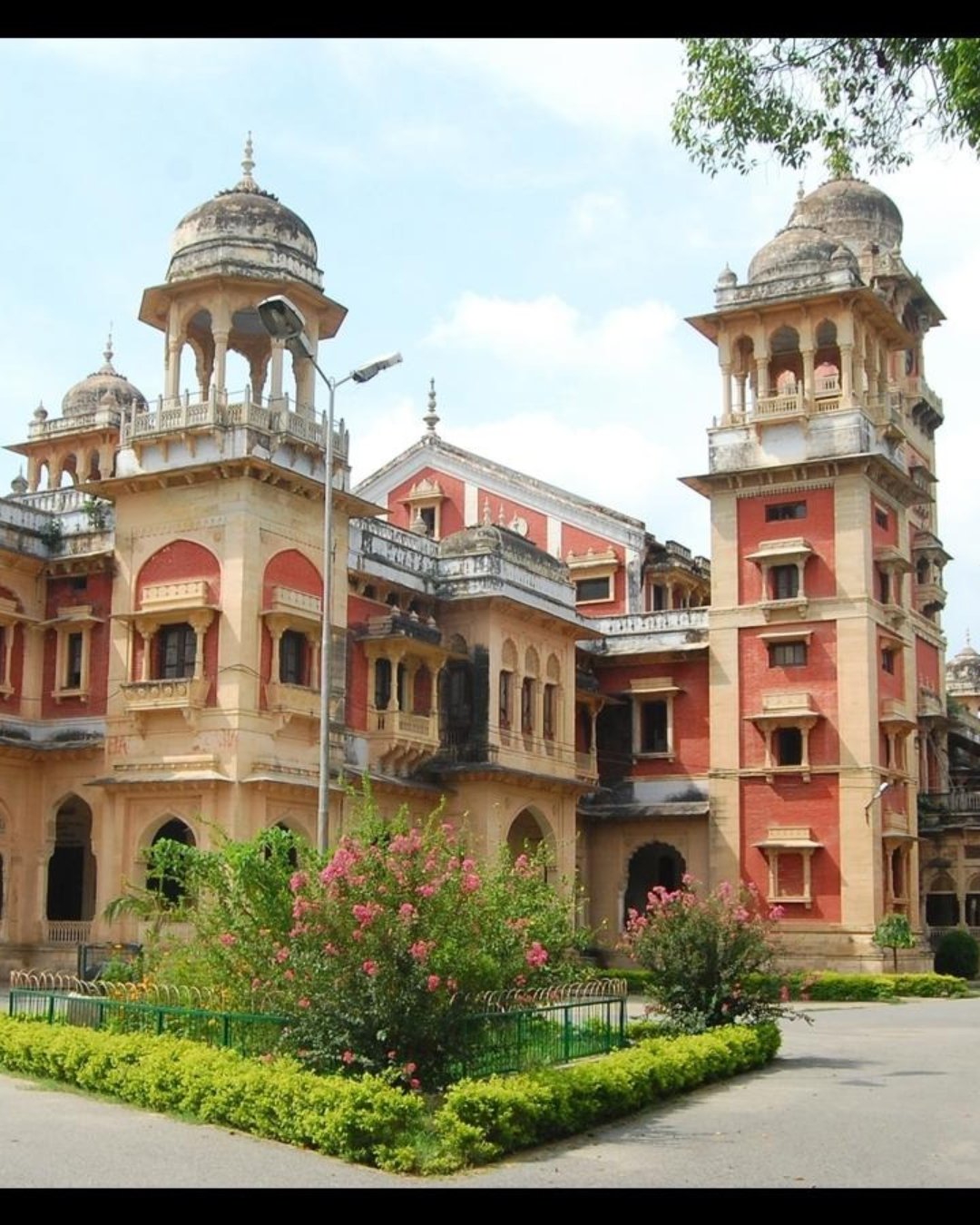
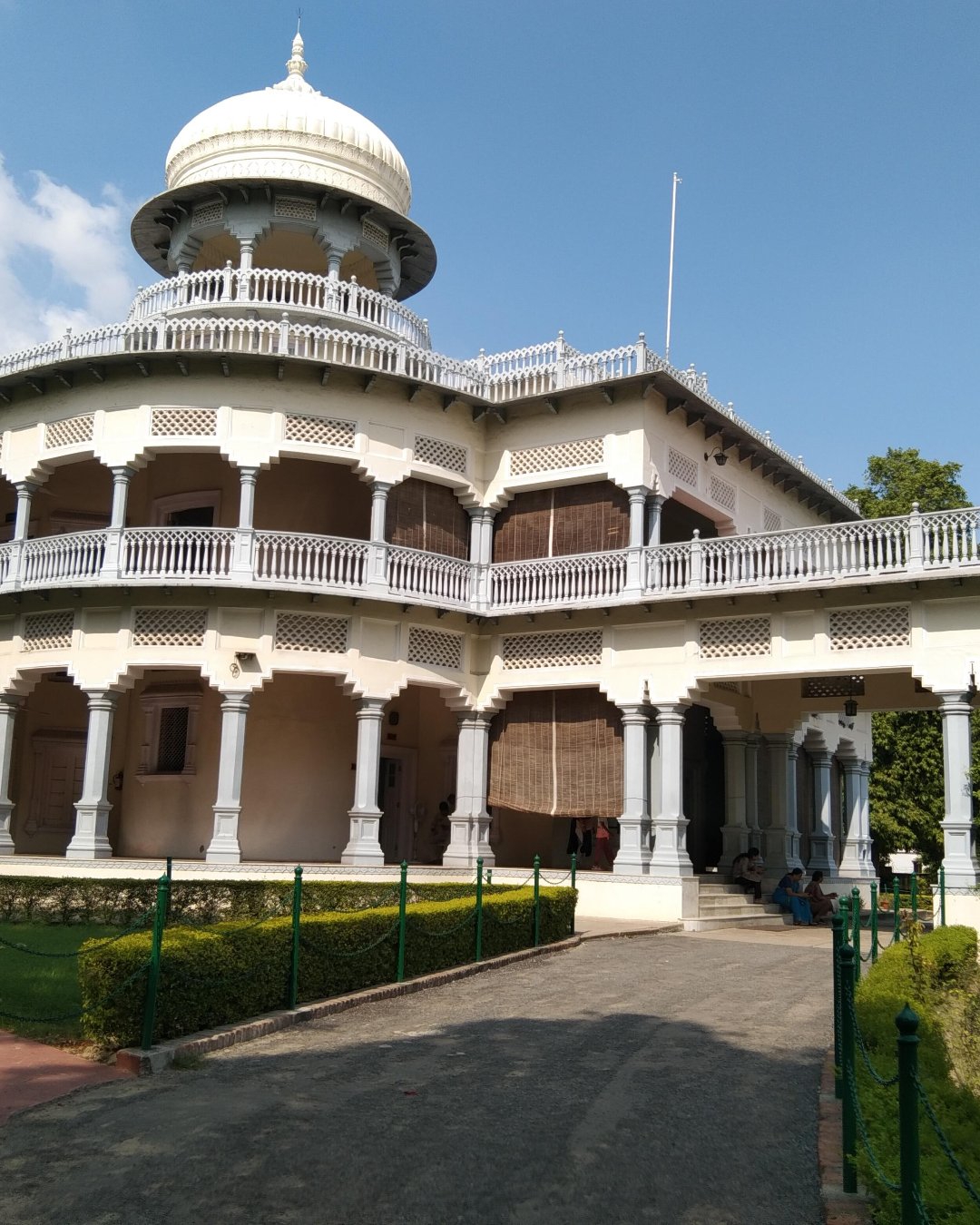
●The summary: Prayagraj has been a sacred site since ancient times and appears as Prayag in the epics and Puranas. It was an important centre under the Mauryas and Guptas, was refounded by Akbar in the
sixteenth century, became a seat of British administration after 1857, and was a centre of India's freedom movement.
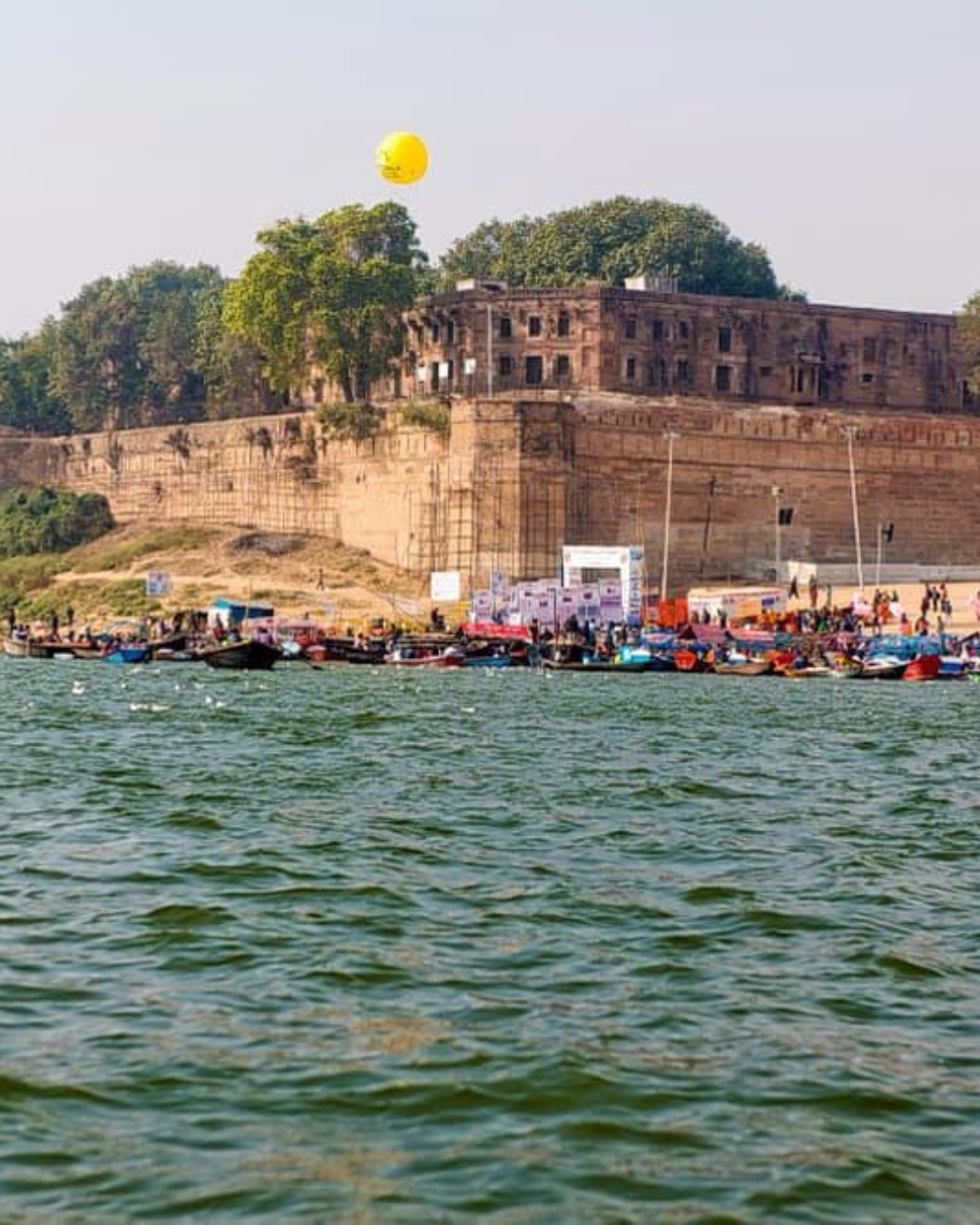
●Ancient: the Ashokan pillar now inside the fort carries an edict of Ashoka, a later Gupta-era eulogy of Samudragupta and a Mughal inscription of Jahangir. Three empires, one column.
●In the seventh century the Chinese pilgrim Xuanzang described a great gathering at Prayag where King Harsha gave away his wealth — often cited as an early account of mass gatherings at the confluence.
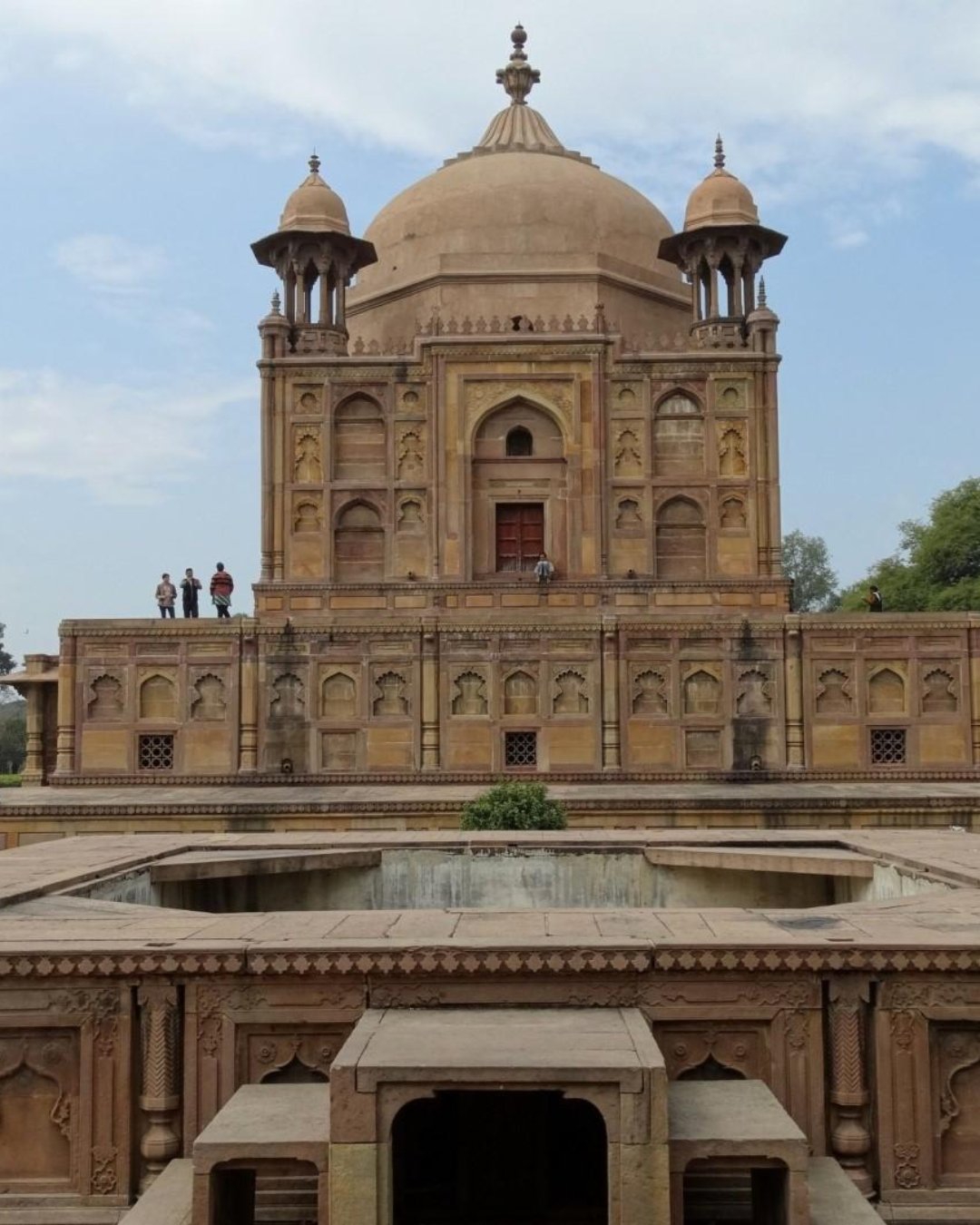
●Mughal: Akbar's fort at the confluence, and Khusro Bagh with its tombs of Jahangir's family.
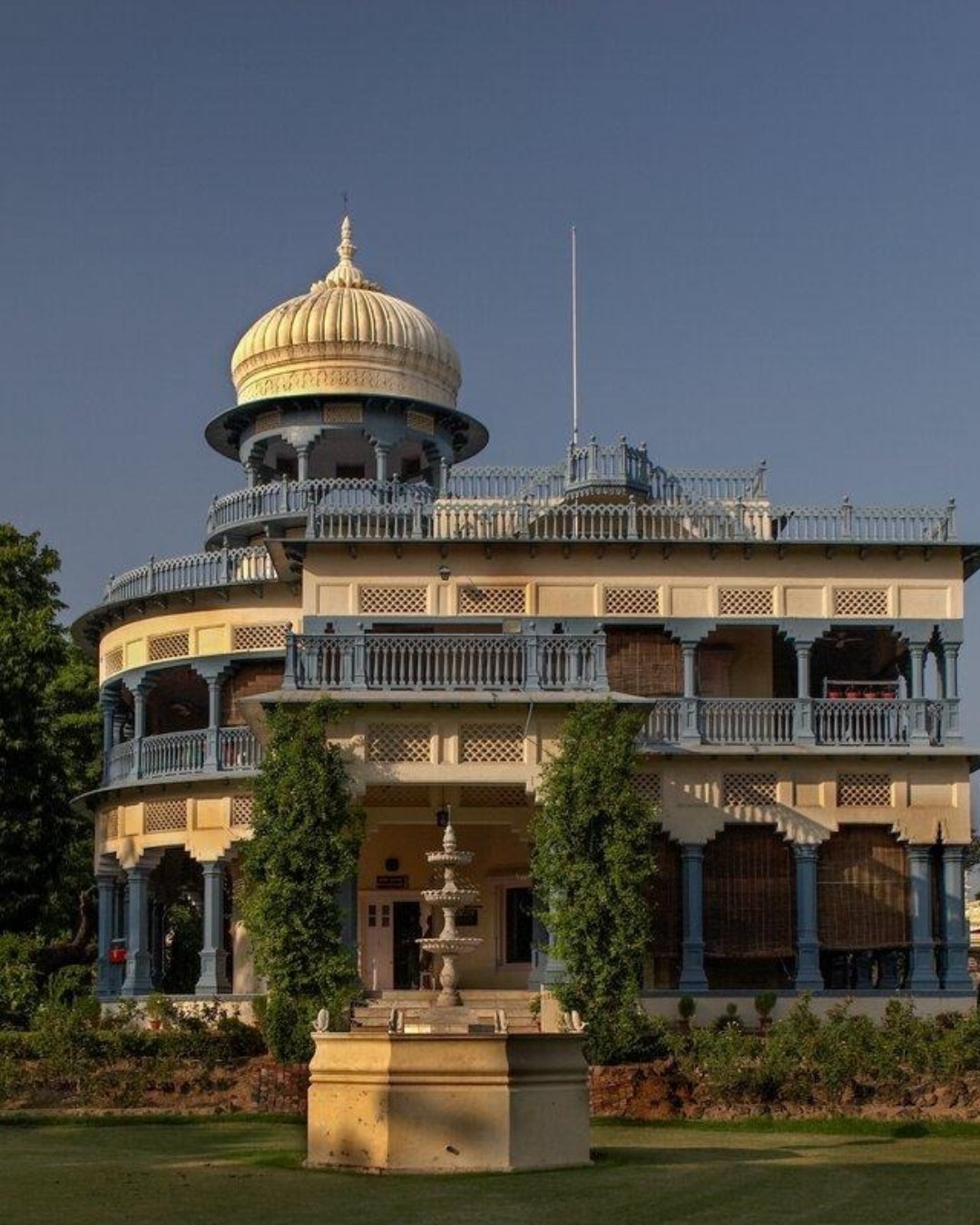
●Colonial and national: after 1857 the British laid out Civil Lines, and in 1858 Queen Victoria's proclamation taking over from the East India Company was read here. The city then became a hub of the national
movement — Anand Bhawan was the Nehru family home, and Chandrashekhar Azad died in the park that now bears his name in 1931. Link to the heritage page.
Pro tip: Read the story of the fort and its pillar before you go. Access inside the fort is restricted because it is an army area, so the context you bring is most of the experience — check the current arrangements before planning a morning around it.
The mistakes that ruin it:
●Treating the city's history as purely religious.
●Skipping Khusro Bagh and Anand Bhawan because they are not on the way to the Sangam.
●Expecting to walk freely into the fort.
8
MomentShri Bade Hanuman Ji Mandir, Prayagraj
The Gods of Prayag: Veni Madhav, Hanuman and the City's Sacred Guardians
Ask who the god of Prayagraj is and a priest, a boatman and a pilgrim will each give a different answer, and all three will be right.
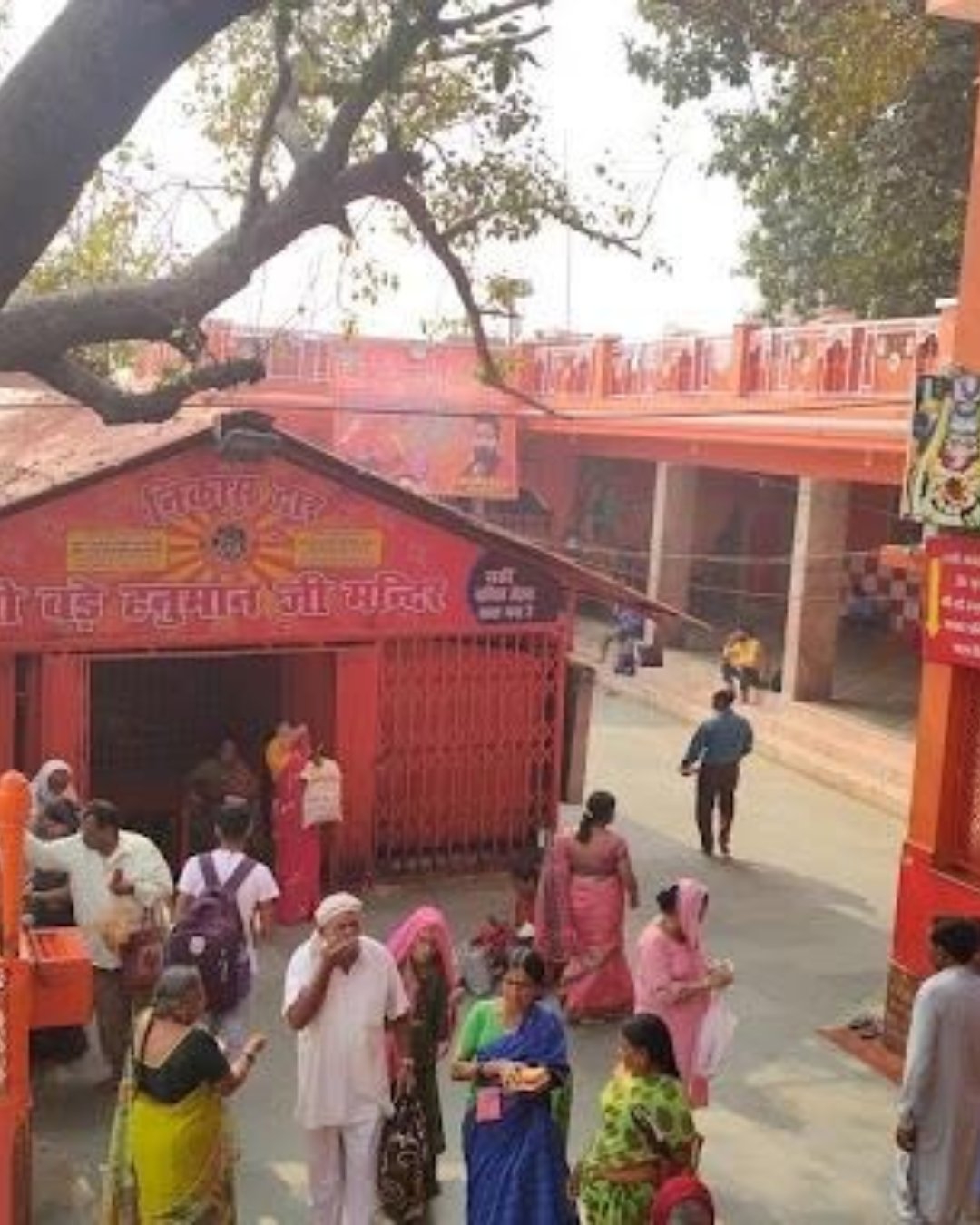
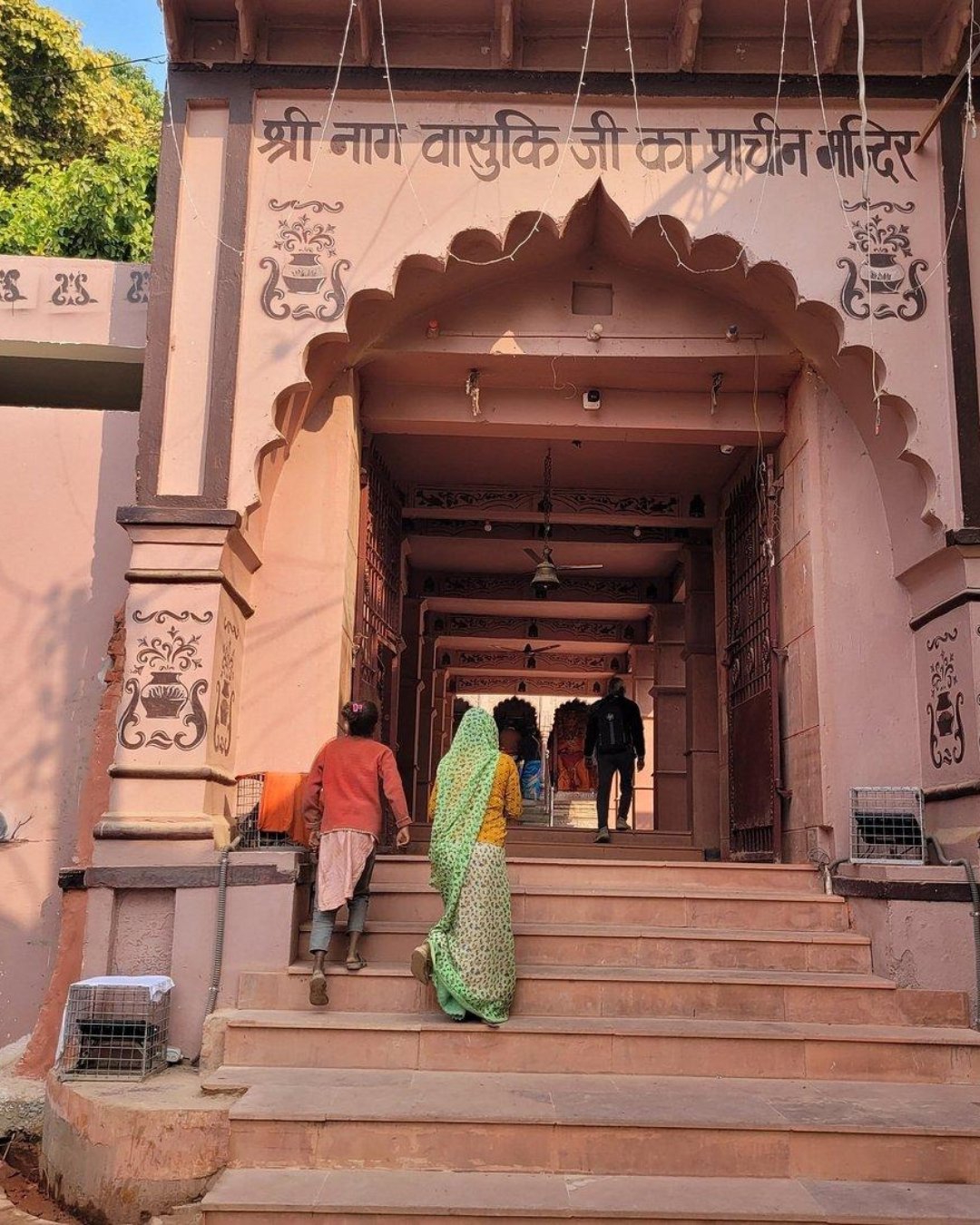
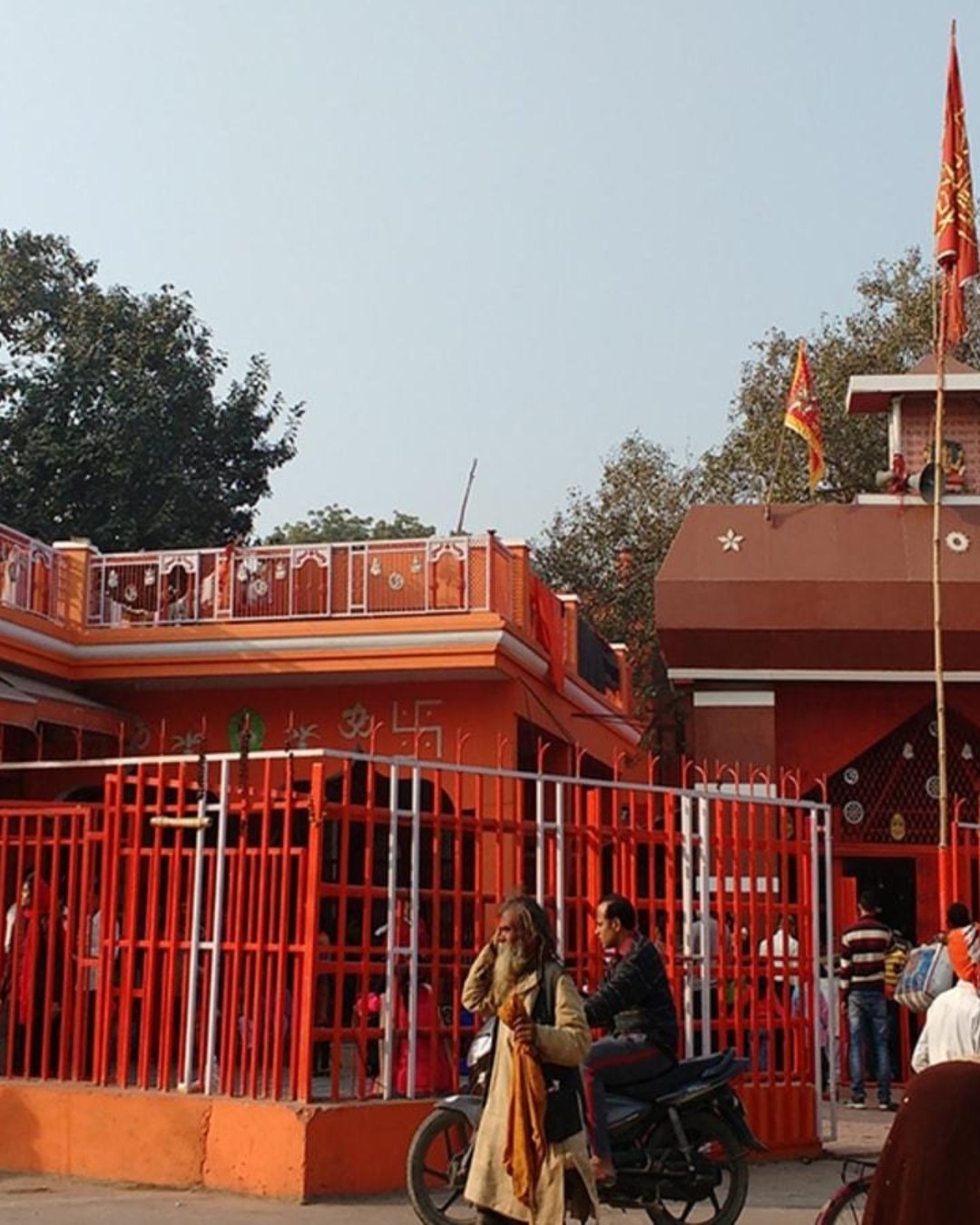
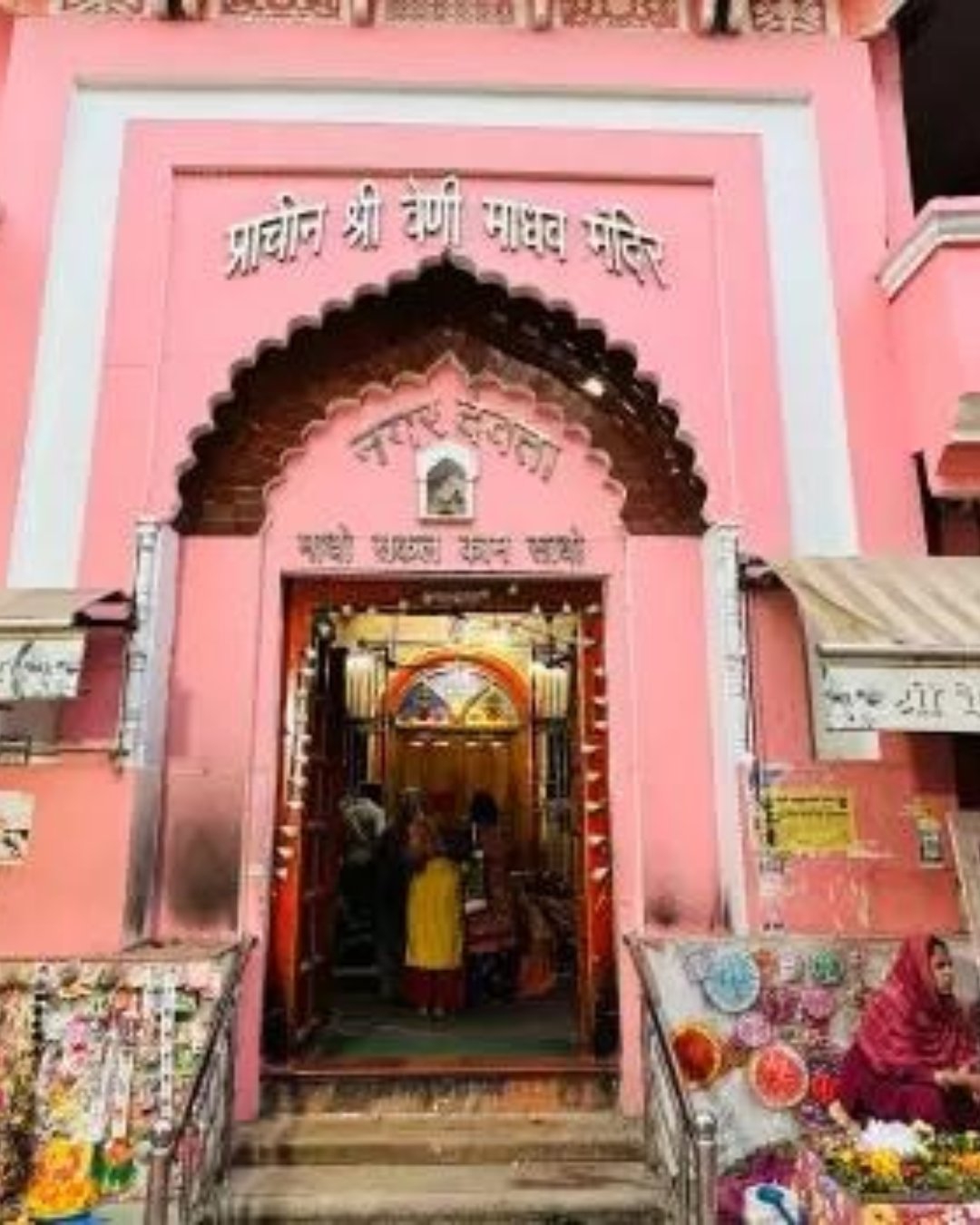
●Tradition holds Vishnu, as Veni Madhav, to be the presiding deity of Prayag, while the Sangam itself is worshipped as Tirtharaj. The most visited temple is the reclining Hanuman beside the Sangam.
●Veni Madhav is one of the twelve Madhavs — forms of Vishnu traditionally believed to guard the sacred area. The parikrama that links them is a reason many pilgrims return. Link to the spiritual page.
●The reclining Hanuman, known as Bade or Lete Hanuman, lies below ground level close to the confluence, and the monsoon river is said to rise to reach the image. Link to its own page.
●Akshayavat, the "indestructible banyan" inside the fort, and the Patalpuri temple; Alopi Devi, a Shakti shrine where a cradle is worshipped in place of an idol; Mankameshwar, a Shiva temple on the Yamuna.
●The sacred map is wider than one faith. Khusro Bagh holds Mughal tombs and All Saints Cathedral anchors Civil Lines. Say this in one sentence; it is part of what makes the city.
Pro tip: If you only have time for one temple, make it the reclining Hanuman and go early. It sits right by the Sangam, so it folds into a morning boat ride instead of costing you a separate trip.
The mistakes that ruin it:
●Thinking the Sangam is the only sacred site worth your time.
●Arriving at the Hanuman temple late on a Tuesday or Saturday, when the queues are longest.
●Photographing inside shrines without asking first.
13
MomentDaraganj, Prayagraj
What It Is Actually Like on the Ground, and Is It Worth It
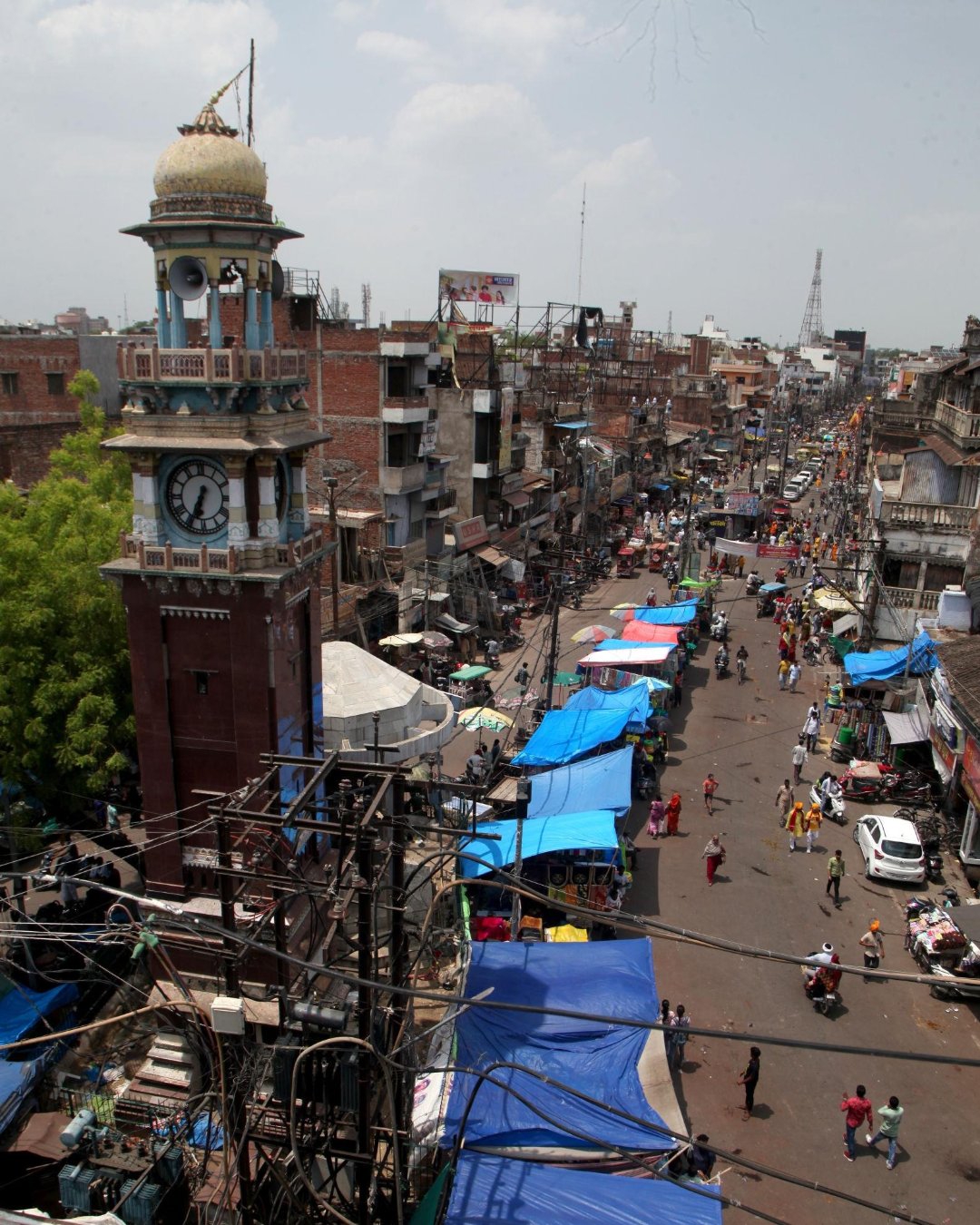
Prayagraj is less of a performance than Varanasi, and that is the strongest argument for going.
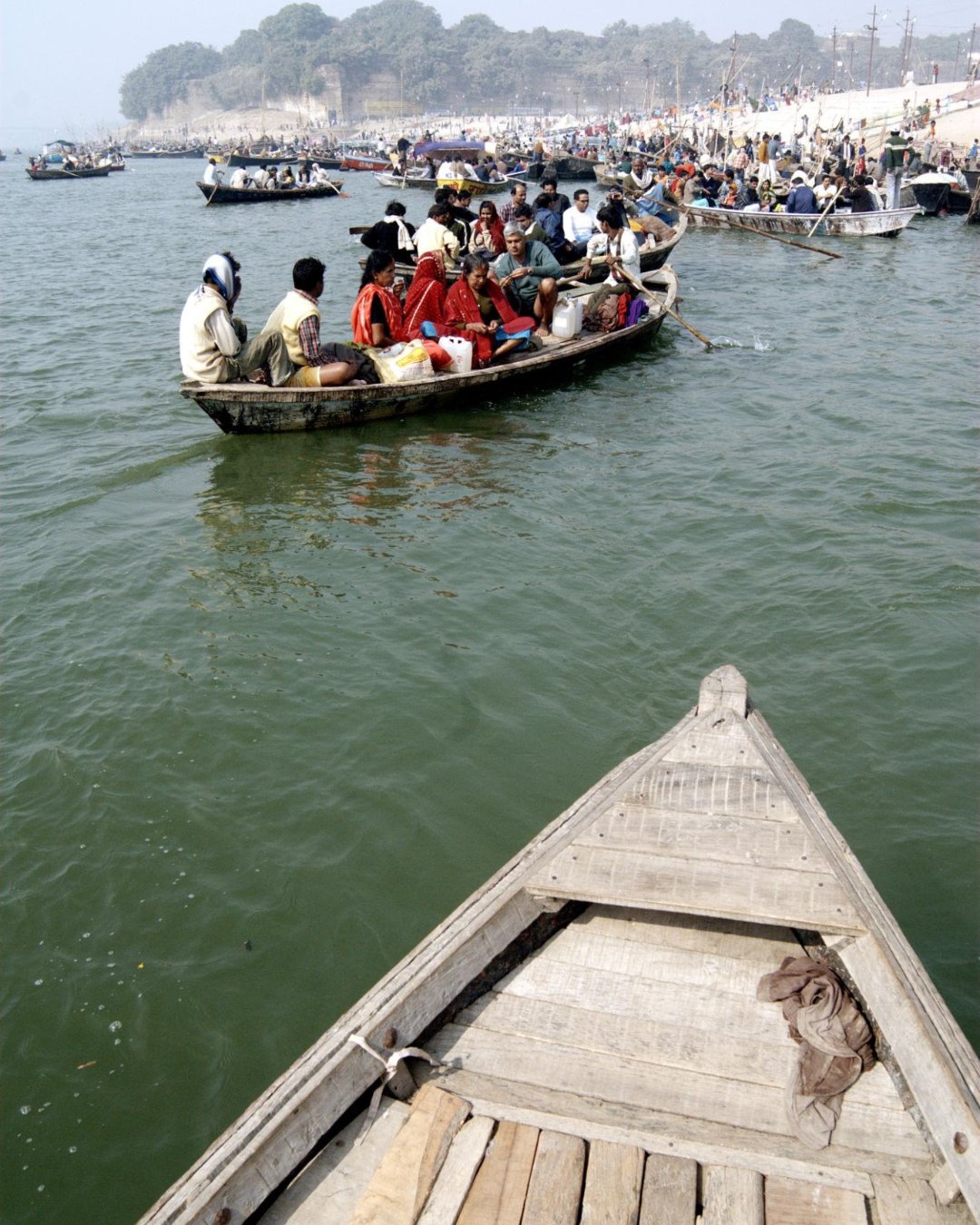
●Yes, it is worth visiting — for the Sangam at sunrise, the melas, and a city with real history beyond the river. It is calmer and far less touristed than Varanasi; it is not a nightlife or shopping destination, and the
page should say so.
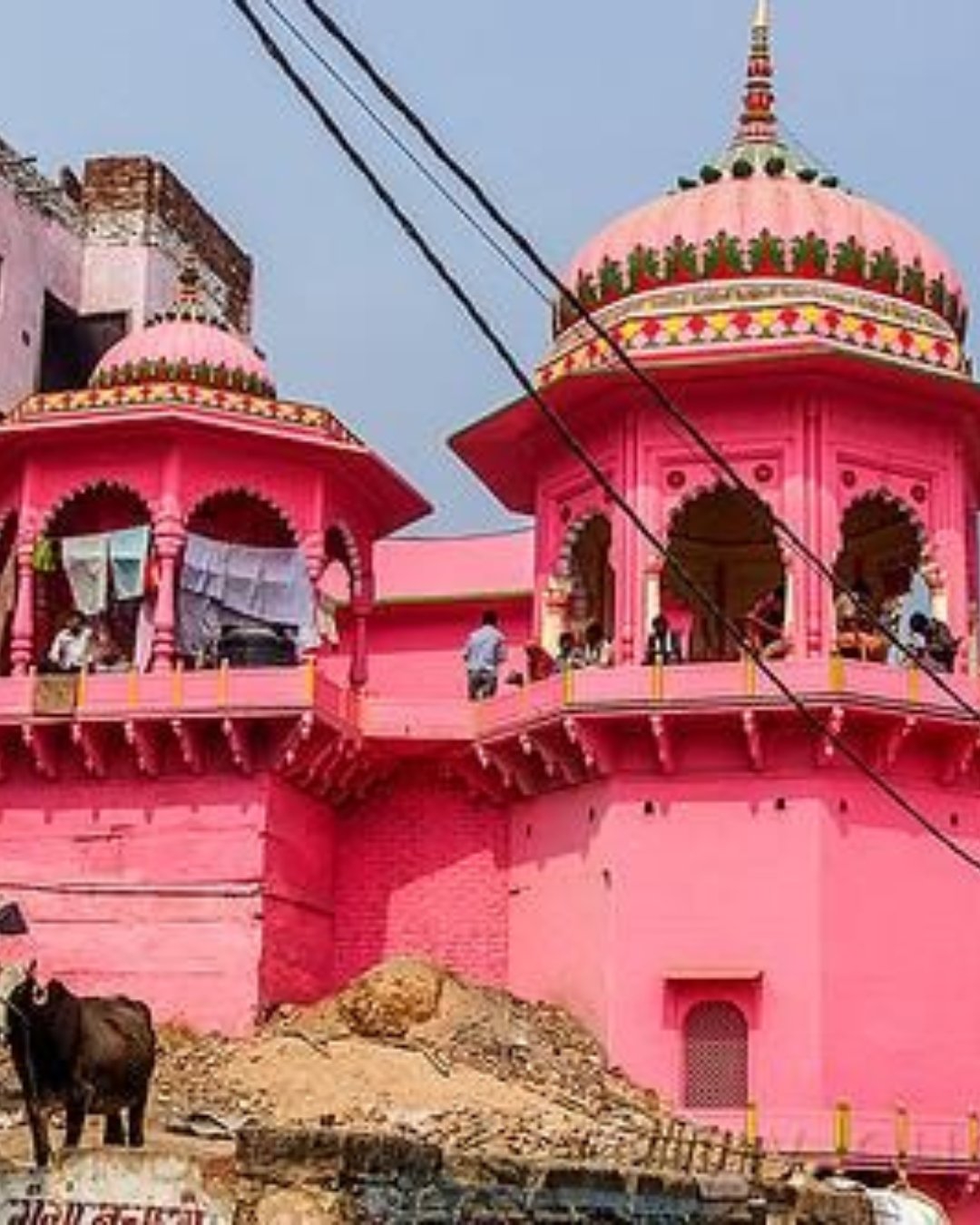
●There are two cities in one. The riverside and old city — Daraganj, the Sangam, the lanes around Chowk and Loknath — and the planned Civil Lines with its wide roads, cathedral and cafés. Most visitors see only
the first.
●Hindi is the everyday language, spoken with the flavour of eastern Uttar Pradesh. English is understood in hotels, in Civil Lines and by guides; a few words of Hindi go a long way at the ghats.
●October to March is the comfortable window; summers are fiercely hot and the monsoon floods the Sangam area. One line only, then link to the best-time page.
●In a mela season the city changes completely — crowds, vehicle restrictions, stays booked out. Plan that trip differently and link to the Magh Mela page. And against Varanasi: different, not lesser. One line, then link to the comparison.
Pro tip: Give the city at least one night. Day-trippers from Varanasi tend to see the Sangam at the worst hour and leave before the evening aarti and a Civil Lines evening, which is when Prayagraj makes its case.
The mistakes that ruin it:
●Visiting in May or June without planning the day around the heat.
●Arriving on a main mela bathing day without knowing it is one.
●Judging the whole city from the area around the railway station.
12
Momentrambagh prayagraj, Prayagraj
Where to Go Next: The Prayagraj Journeys on Pinaak
Where you go from here depends on why you are coming.
●Coming for the Sangam: the Sangam guide, rituals at the Sangam, the reclining Hanuman.
●Coming for the mela: the Magh Mela guide, where to stay during the mela, Kalpvas, the Kumbh explained.
●Planning the trip: best time to visit, how to reach, where to stay, the itinerary.
●Exploring the city: places to visit, things to do, what to eat, what to buy, the heritage walk, the literary city.
●Going further, or coming back: places near Prayagraj, Varanasi, Ayodhya and the three-city circuit; Prayagraj for repeat visitors.
Pro tip: If you are not sure how long to stay, start with the itinerary journey. It is built to answer exactly that question and links to everything else in a sensible order.
The mistakes that ruin it:
●Booking transport before deciding which Prayagraj you are coming for.
●Planning a mela-season trip from a regular-season guide.
●Leaving the day trips to chance and discovering on arrival that they need a full day each.
19
Destination
Prayagraj, Uttar Pradesh, India
Common questions
01Question
Why is Prayagraj so famous?
For the Triveni Sangam, where the Ganga and Yamuna meet and, according to tradition, the unseen Saraswati joins them, and for the Kumbh Mela held on its banks. The Magh Mela is held there every year as well. As Allahabad, the city was also a centre of law, education, politics and Hindi literature.
02Question
What is the old name of Prayagraj?
Allahabad. The Uttar Pradesh government officially renamed the city Prayagraj in October 2018. Allahabad itself dates from Akbar, who renamed the settlement around his fort in the 1570s; Prayag is the far older name found in Sanskrit texts.
03Question
Are Allahabad and Prayagraj the same city?
Yes. They are two names for the same city. Prayagraj has been the official name since October 2018, but institutions such as the Allahabad High Court and the University of Allahabad kept the old name, and many people still use it.
04Question
Which state is Prayagraj in, and is it a district?
Prayagraj is in Uttar Pradesh, in the south-east of the state, at the confluence of the Ganga and Yamuna. It is the headquarters of Prayagraj district and of Prayagraj division.
05Question
What does the name Prayagraj mean?
Prayag is usually explained as the place of sacrifice or offering, linked to the tradition that Brahma performed a great yajna here. Prayagraj means the king of the prayags — the sacred river confluences — setting it above the five prayags of the Himalayas.
06Question
What language do they speak in Prayagraj?
Hindi is the everyday language, spoken with the flavour of eastern Uttar Pradesh, and Urdu is part of the city's literary heritage. English is widely understood in hotels, in Civil Lines and by guides.
07Question
Is Prayagraj the same as Varanasi?
No. They are separate cities, both on the Ganga, a few hours apart by road or rail. Prayagraj is the city of the Sangam and the Kumbh; Varanasi is the city of the ghats. Our Prayagraj or Varanasi guide compares them and explains how to do both.
08Question
How many days do you need in Prayagraj?
One full day covers the Sangam, the reclining Hanuman and a couple of city sights. Two days lets you add the old city, Civil Lines and an evening aarti. Add a third for a day trip. Our Prayagraj itinerary sets out each version.