

Three Thousand Years in One City
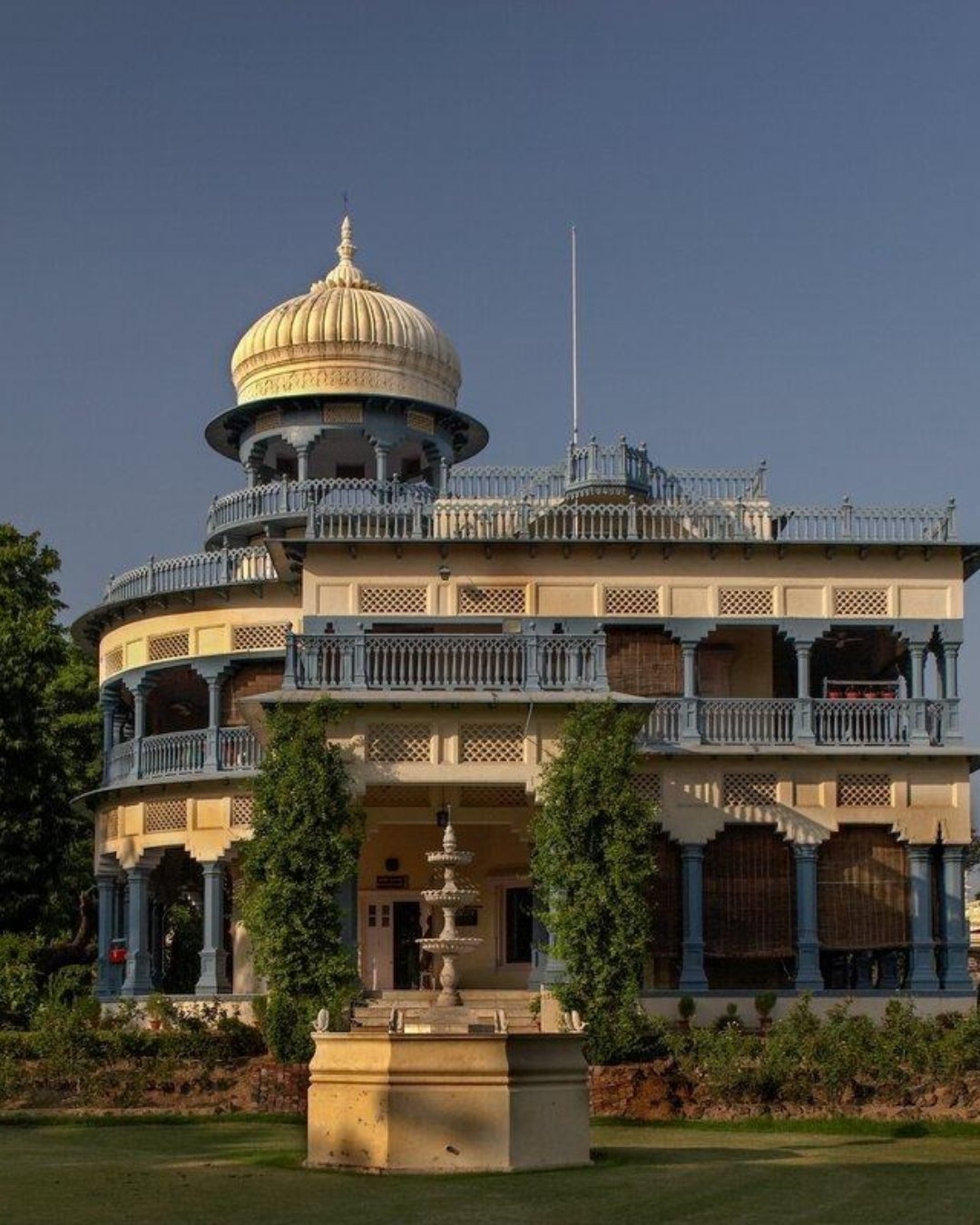
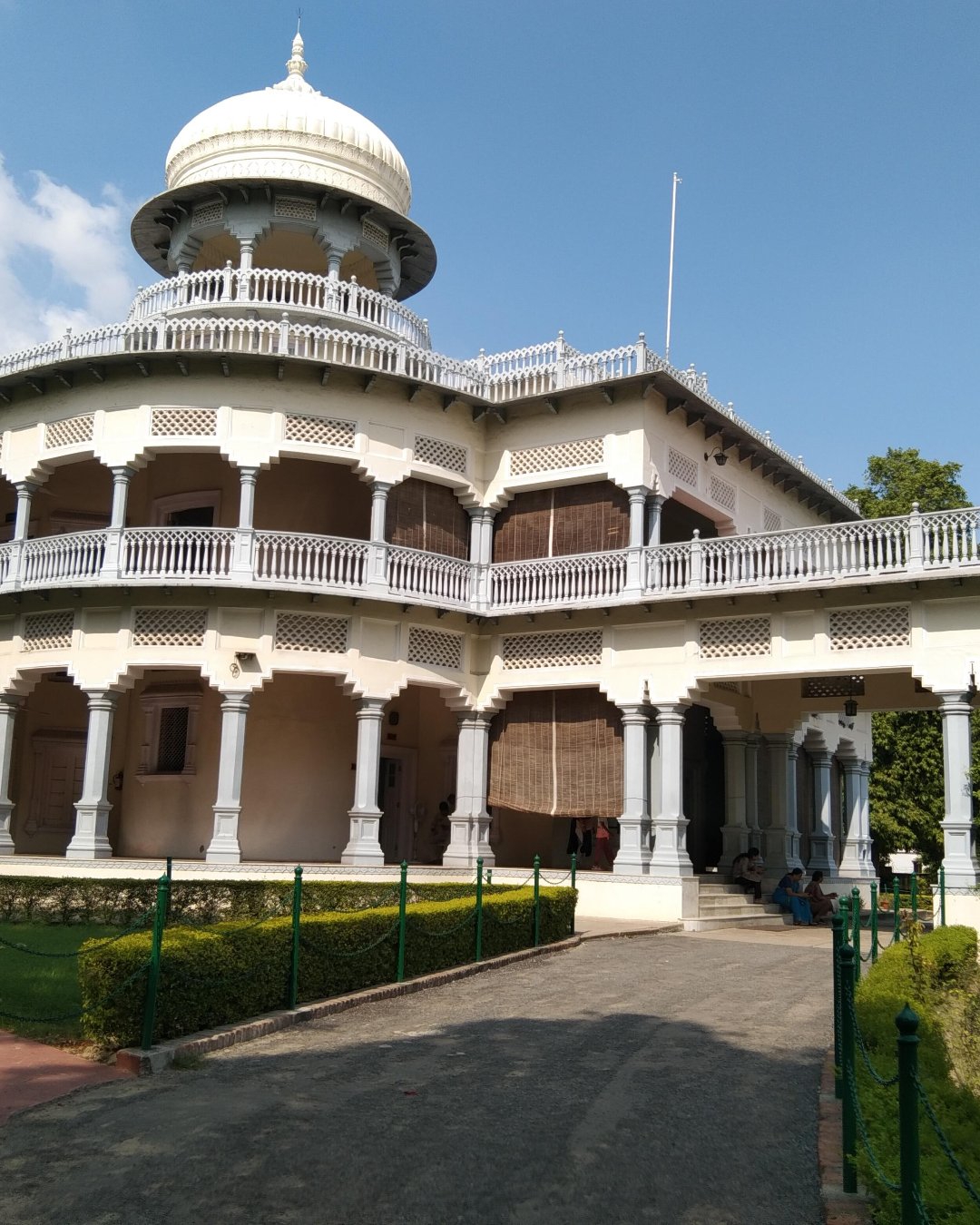
Anand Bhawan Museum, Prayagraj, India
Few places in India let you stand in front of three empires on a single stone column while the traffic goes past outside.
●The summary: Prayagraj has been a sacred site since ancient times and appears as Prayag in the epics and Puranas. It was an important centre under the Mauryas and Guptas, was refounded by Akbar in the
sixteenth century, became a seat of British administration after 1857, and was a centre of India's freedom movement.
●Ancient: the Ashokan pillar now inside the fort carries an edict of Ashoka, a later Gupta-era eulogy of Samudragupta and a Mughal inscription of Jahangir. Three empires, one column.
●In the seventh century the Chinese pilgrim Xuanzang described a great gathering at Prayag where King Harsha gave away his wealth — often cited as an early account of mass gatherings at the confluence.
●Mughal: Akbar's fort at the confluence, and Khusro Bagh with its tombs of Jahangir's family.
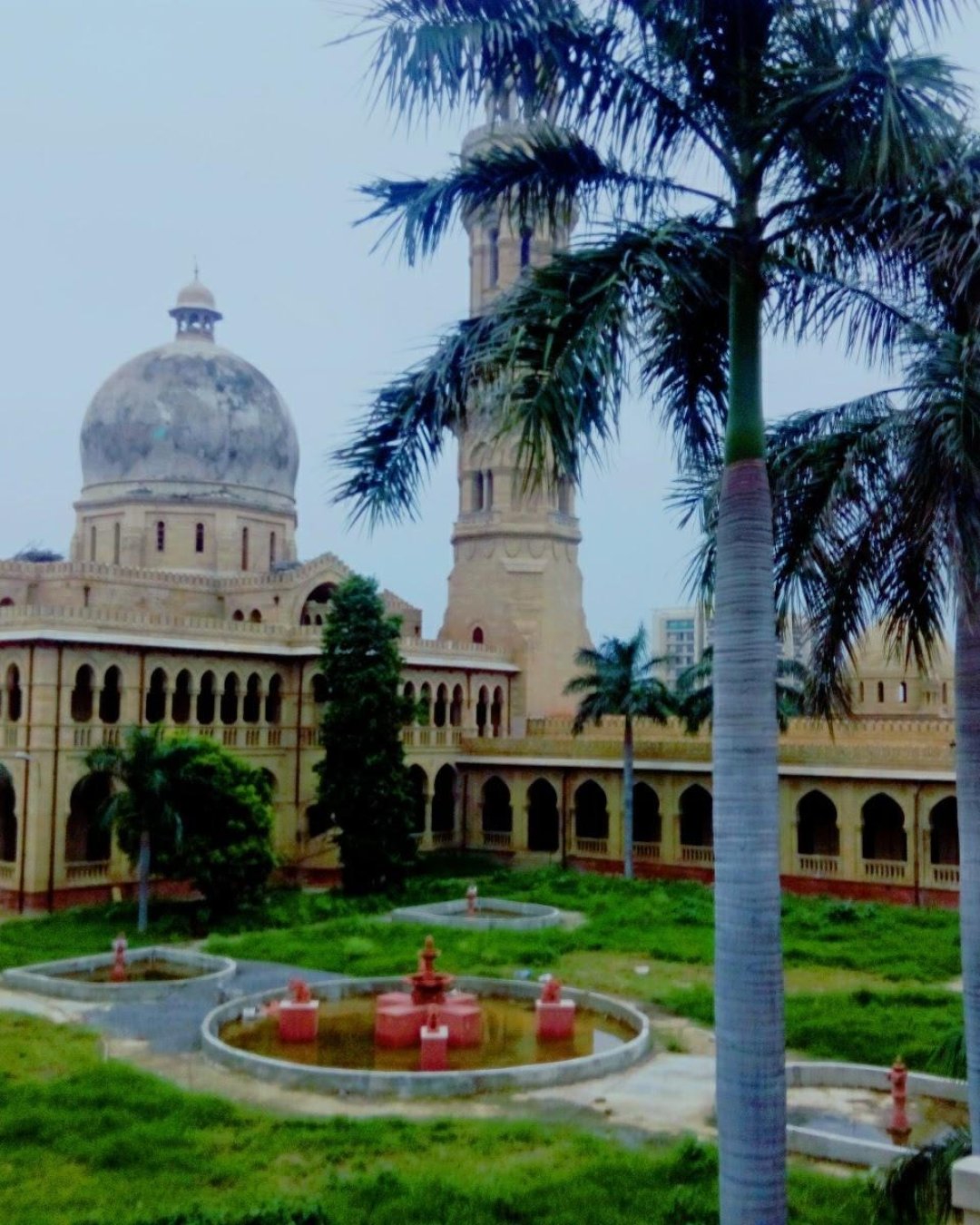
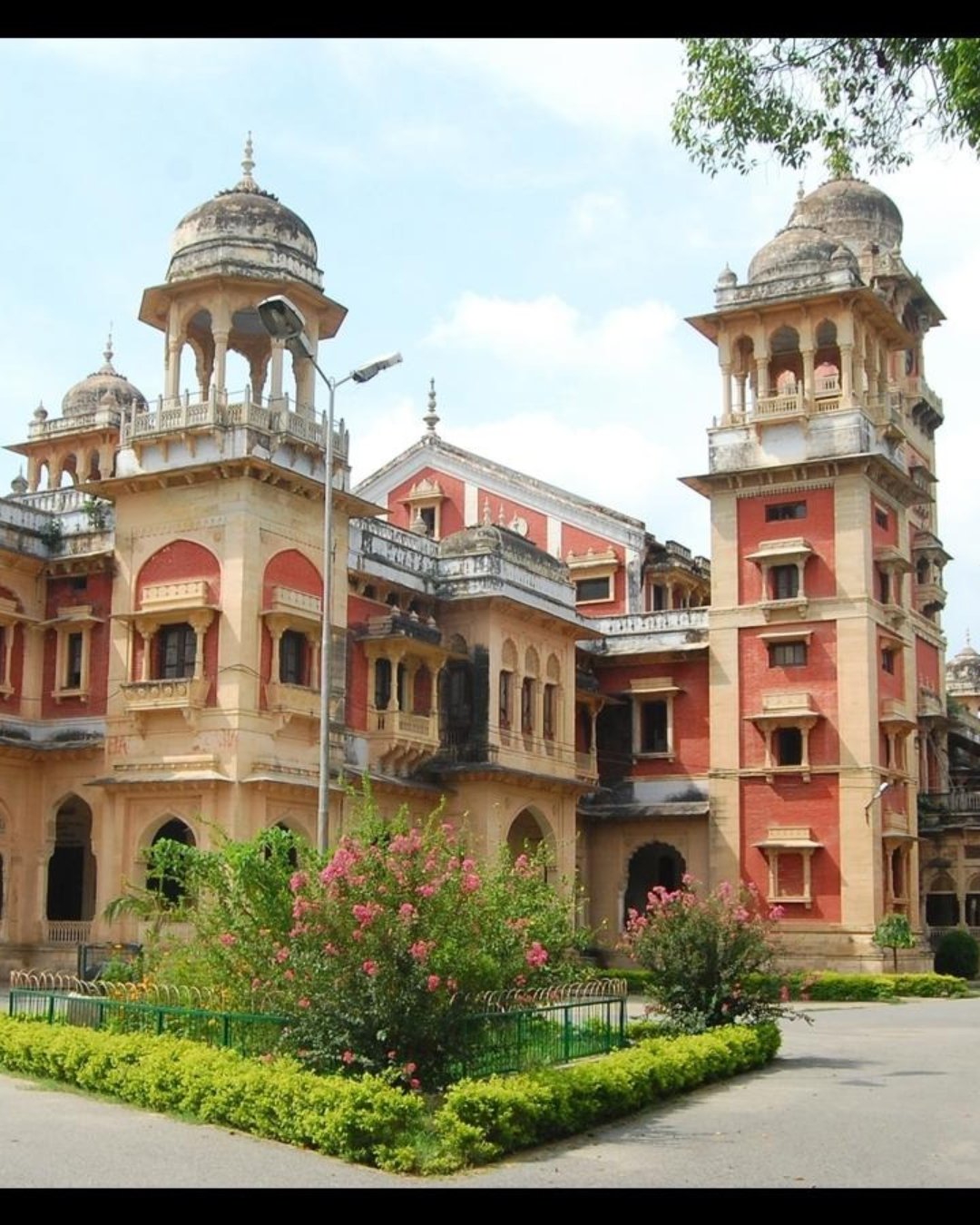
●Colonial and national: after 1857 the British laid out Civil Lines, and in 1858 Queen Victoria's proclamation taking over from the East India Company was read here. The city then became a hub of the national
movement — Anand Bhawan was the Nehru family home, and Chandrashekhar Azad died in the park that now bears his name in 1931. Link to the heritage page.
Pro tip: Read the story of the fort and its pillar before you go. Access inside the fort is restricted because it is an army area, so the context you bring is most of the experience — check the current arrangements before planning a morning around it.
The mistakes that ruin it:
●Treating the city's history as purely religious.
●Skipping Khusro Bagh and Anand Bhawan because they are not on the way to the Sangam.
●Expecting to walk freely into the fort.