



Why They Were Armed, and Who They Fought
Ayodhya, India
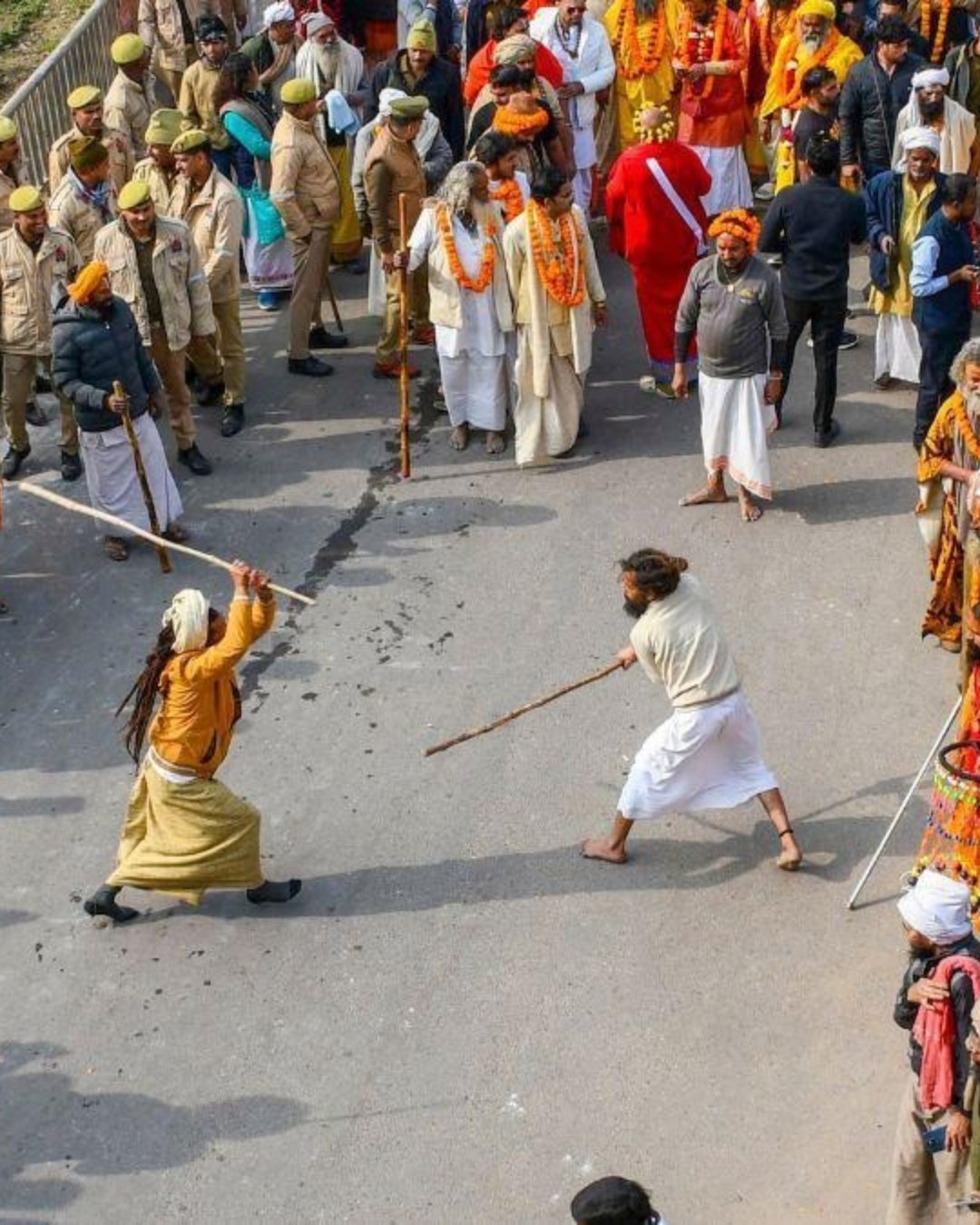
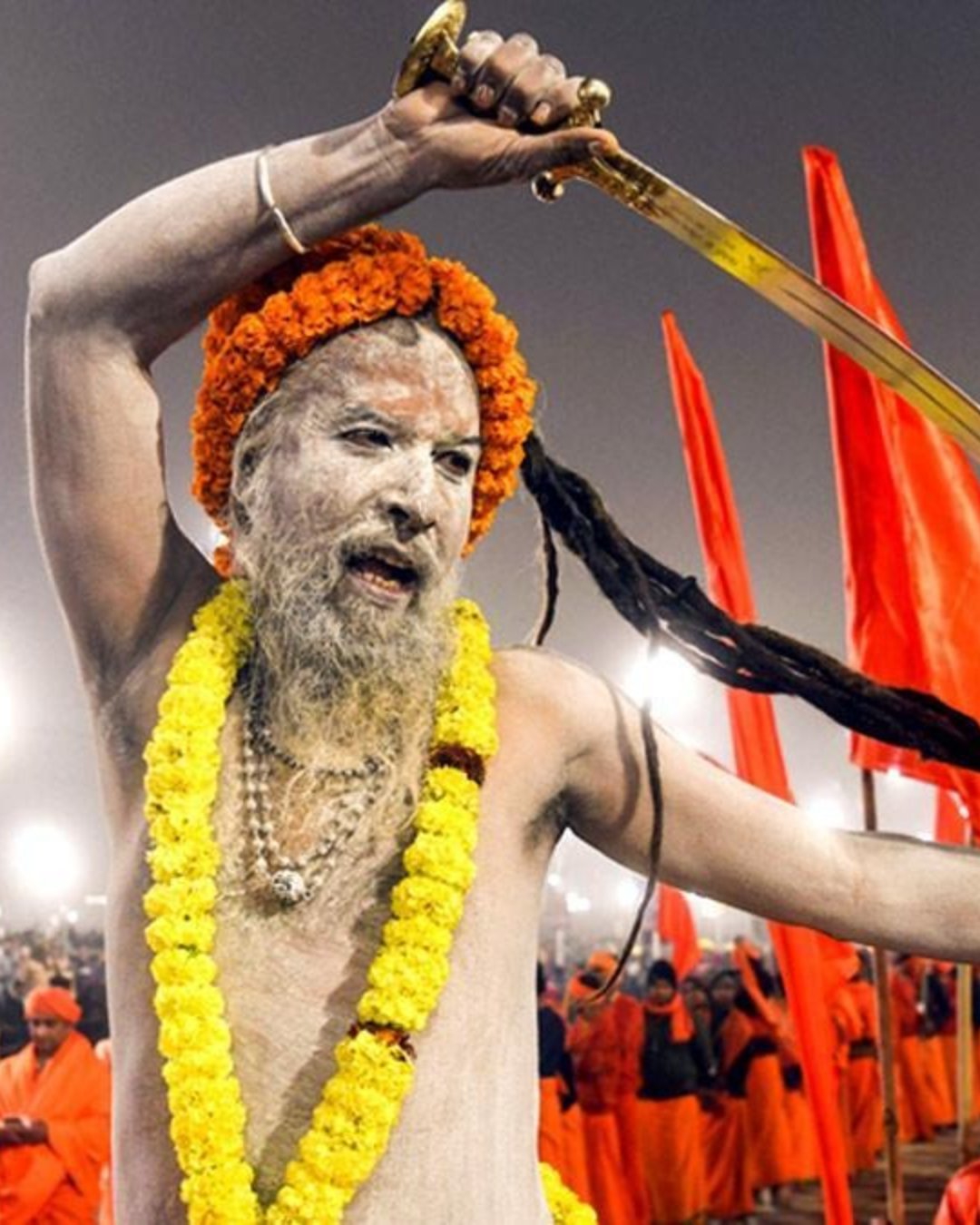
The akharas were founded as fighting orders, and the fight they were founded for is not the one most people assume.
•Ramanandi akharas were formed in the early eighteenth century to train ascetics in fighting, at a time when rival ascetic orders contested control of sacred sites across northern India.
•The rivalry that drove their formation was with Shaiva ascetic orders rather than with any other religion.
•After the Ramanandi orders established themselves, Ayodhya shifted from a Shaivite centre to a predominantly Vaishnavite one.
•Their fighting members were called bairagis, and the akharas grew into landholding institutions rather than remaining purely militant.
•Under the Nawabs of Awadh, land and funds were granted to the Nirvani Akhara, and Hanuman Garhi became its principal seat.
•Historians of the town treat this as well established, and it complicates the simpler narratives that circulate about Ayodhya's past.
Pro tip: Read the eighteenth-century history before you visit rather than the twentieth-century one. It explains the shape of the town — who holds what, and why the temples are laid out as they are — in a way the recent history does not.
The mistakes that ruin it:
•Assuming the armed orders were formed in opposition to Muslim rule.
•Drawing modern conclusions from eighteenth-century sectarian rivalry.