


Ayodhya's Akharas: The Monastic City Most Visitors Miss
Hanuman Garhi is an akhara's headquarters. Ayodhya has been run by monastic orders for three centuries — and almost no guide mentions it.
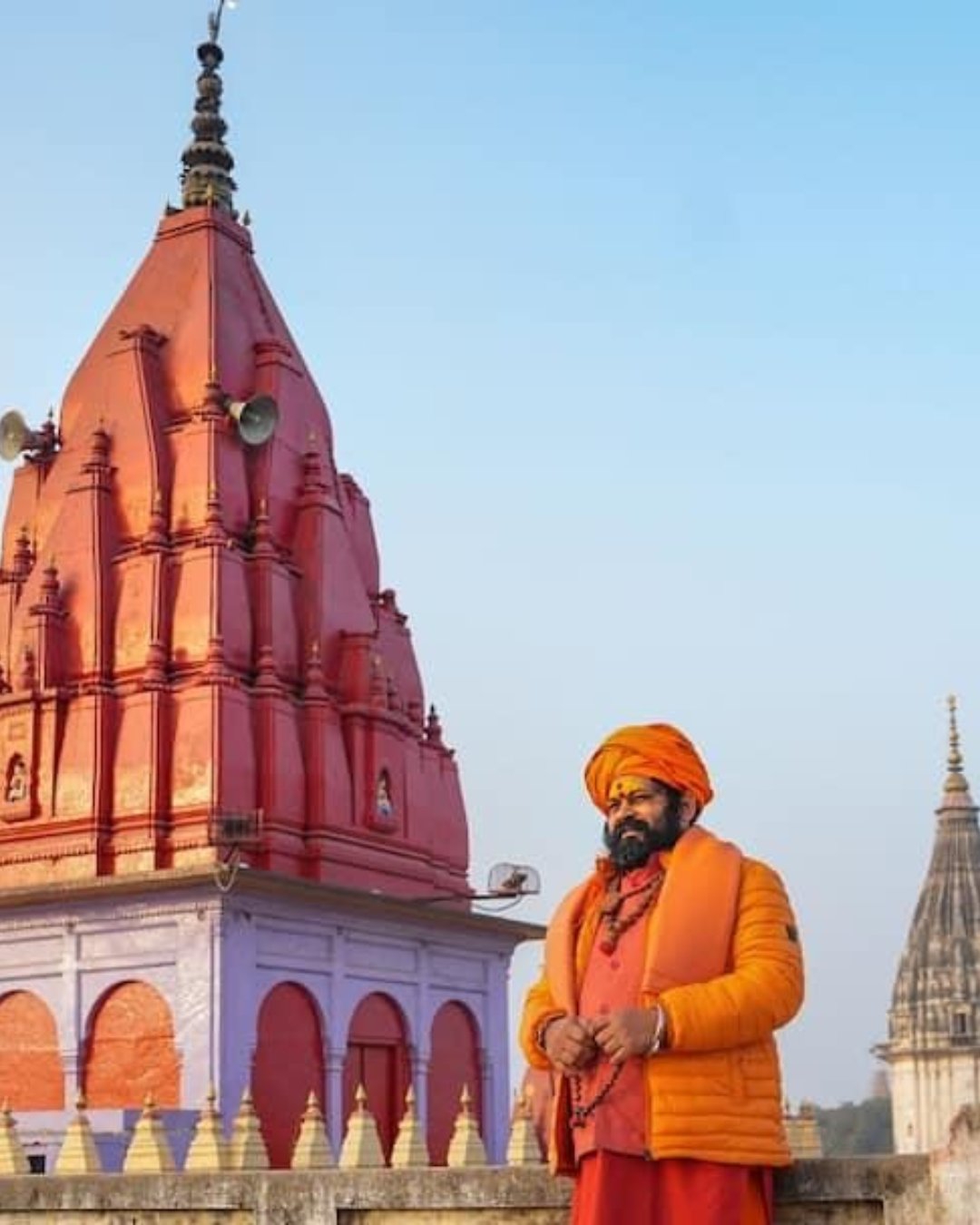
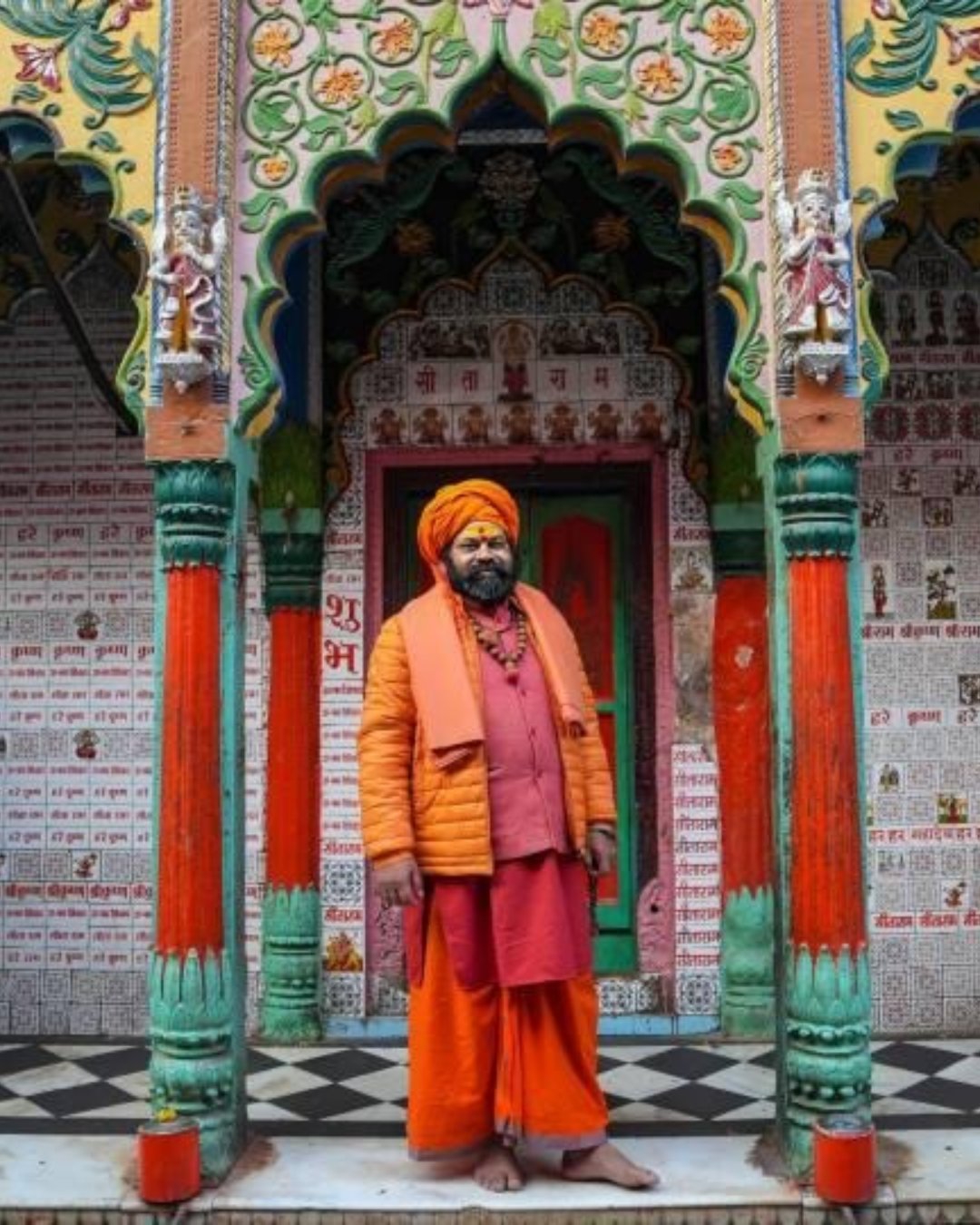
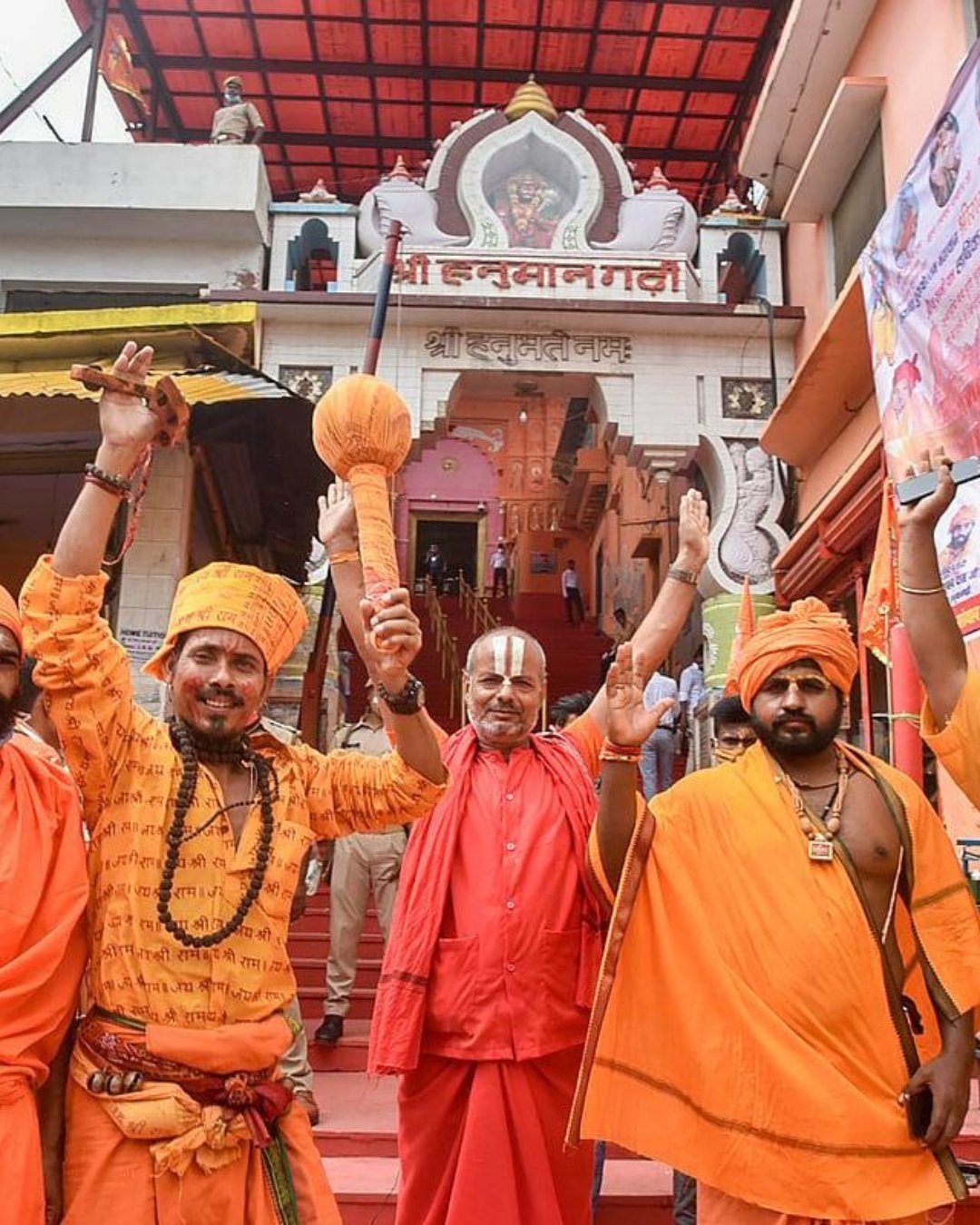
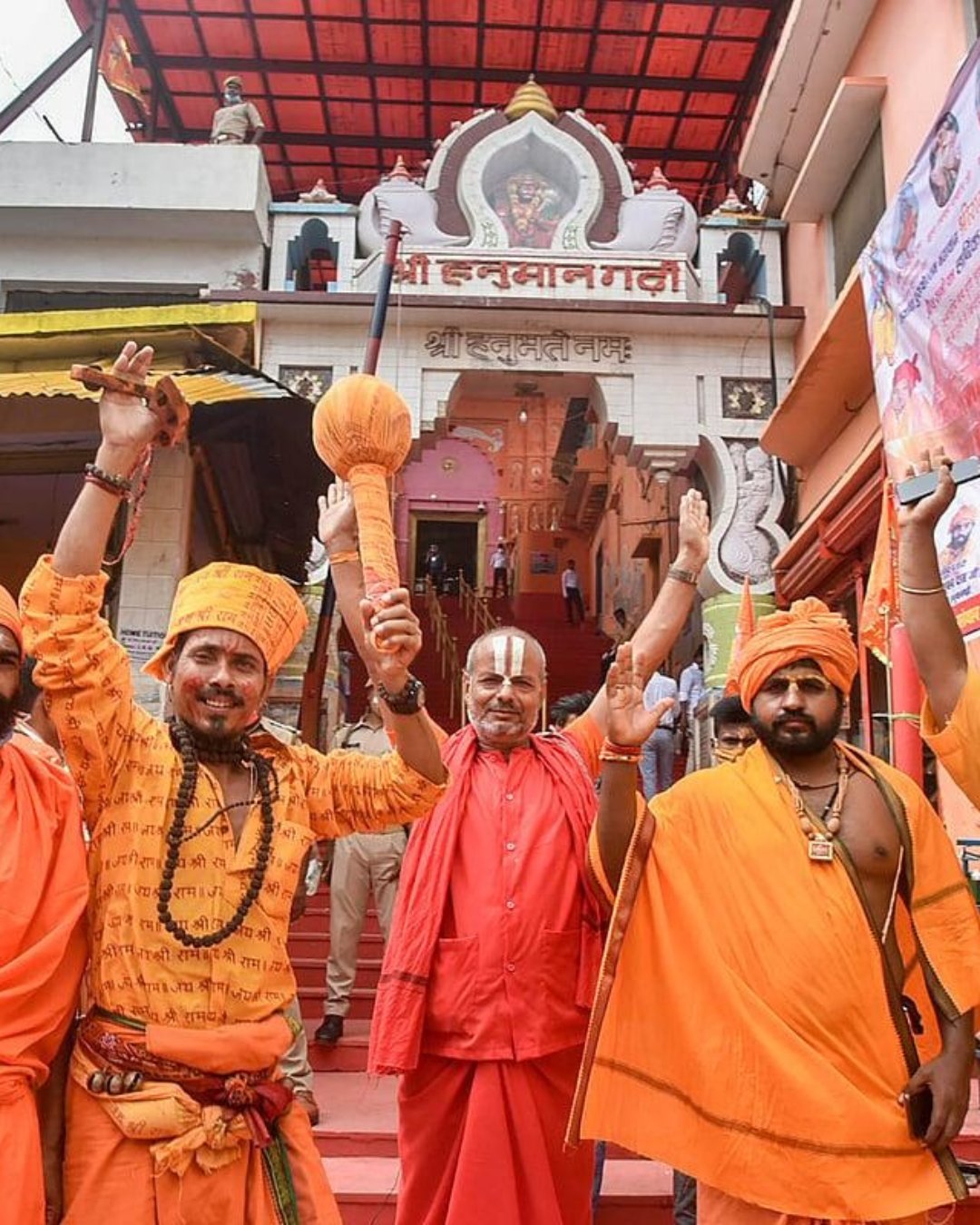
Hanuman Garhi is more than a temple you climb stairs to visit — it is the chief seat of the Nirvani Akhara, one of the major Ramanandi Bairagi institutions of Ayodhya. If you enter this part of the city looking only for temples, you will miss the institutional world behind them: mahants, akharas, maths, sadhus, disciples and long-established religious lineages. Ramanandi institutions became particularly prominent in Ayodhya during the late 18th and early 19th centuries, establishing important centres and akharas across the city.
Your journey then takes you inside the Ramanandi tradition itself. The three major Ramanandi ani formations associated with Ayodhya are Nirvani, Nirmohi and Digambar, organized as institutional bodies of Bairagi ascetics. The Supreme Court record describes Nirmohi Akhara as a Panchayati Math of the Ramanandi sect, while historical research traces the growth of Ramanandi akharas in Ayodhya to the 18th-century world of Vaishnava warrior ascetics. As you walk through Ramkot, Hanuman Garhi and the older religious quarters, the city begins to feel less like a collection of isolated temples and more like a network of living institutions.
You will also discover why the word “akhara” cannot simply be translated as a monastery. These were organized communities of ascetics with their own leadership, traditions, property, disciples and, historically, martial functions. Their rise was connected to competition among different ascetic orders and to the political and economic conditions of early-modern North India. Hanuman Garhi itself became a fortified religious centre, and its history includes conflicts and negotiations involving different communities and rulers. The story is therefore not simply “sadhus versus outsiders”; it is a much more complicated history of religious institutions competing, protecting their interests and establishing authority.
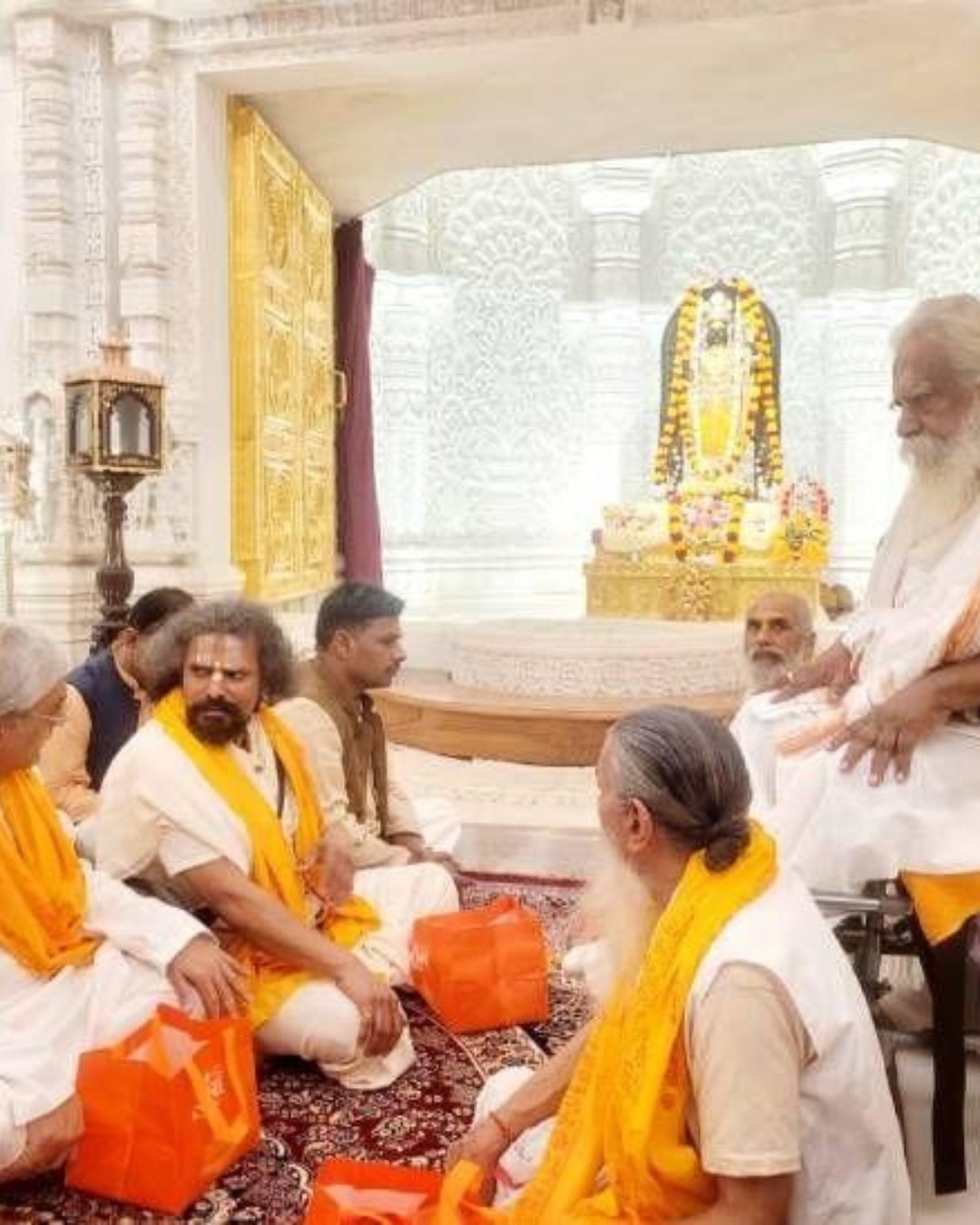
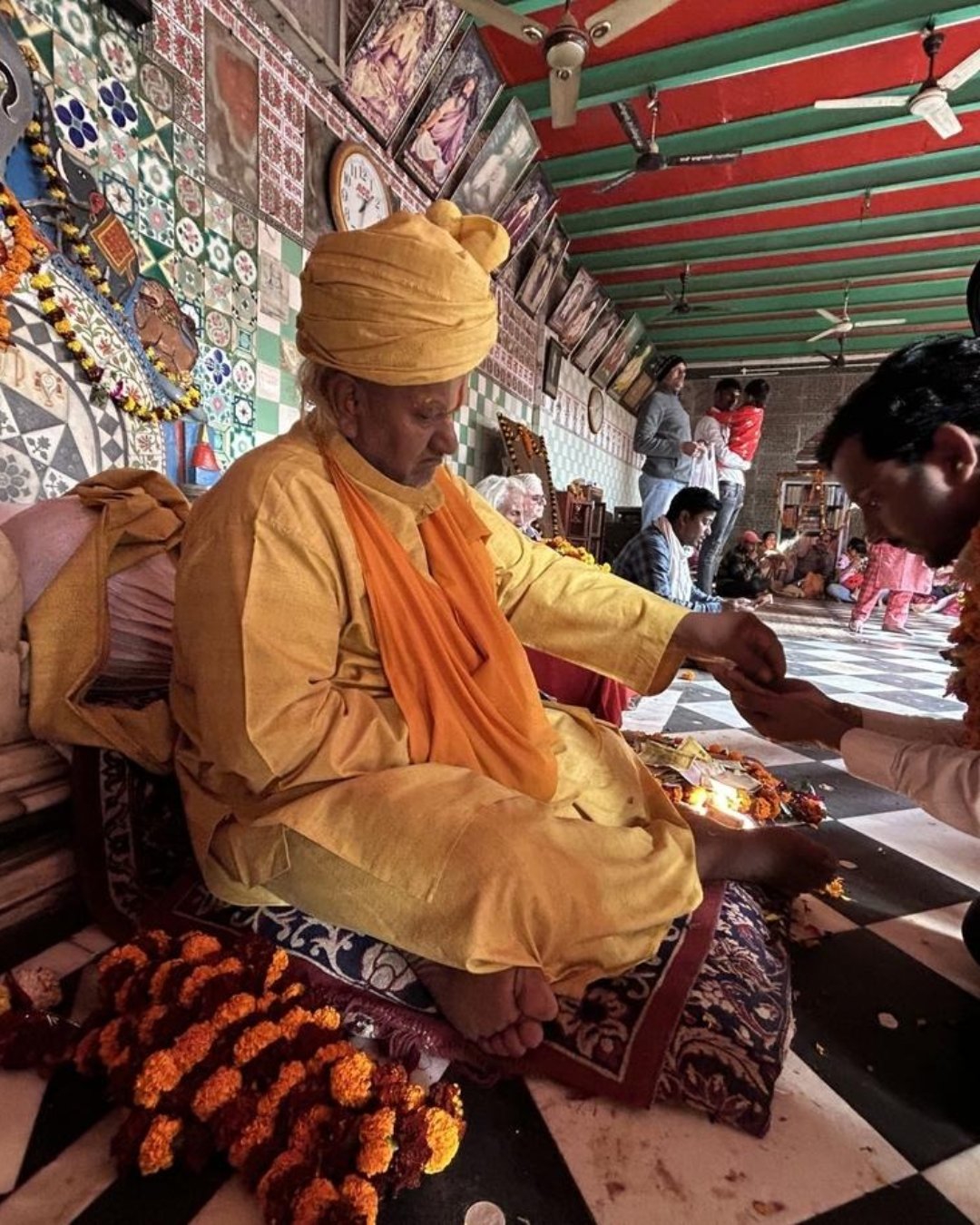
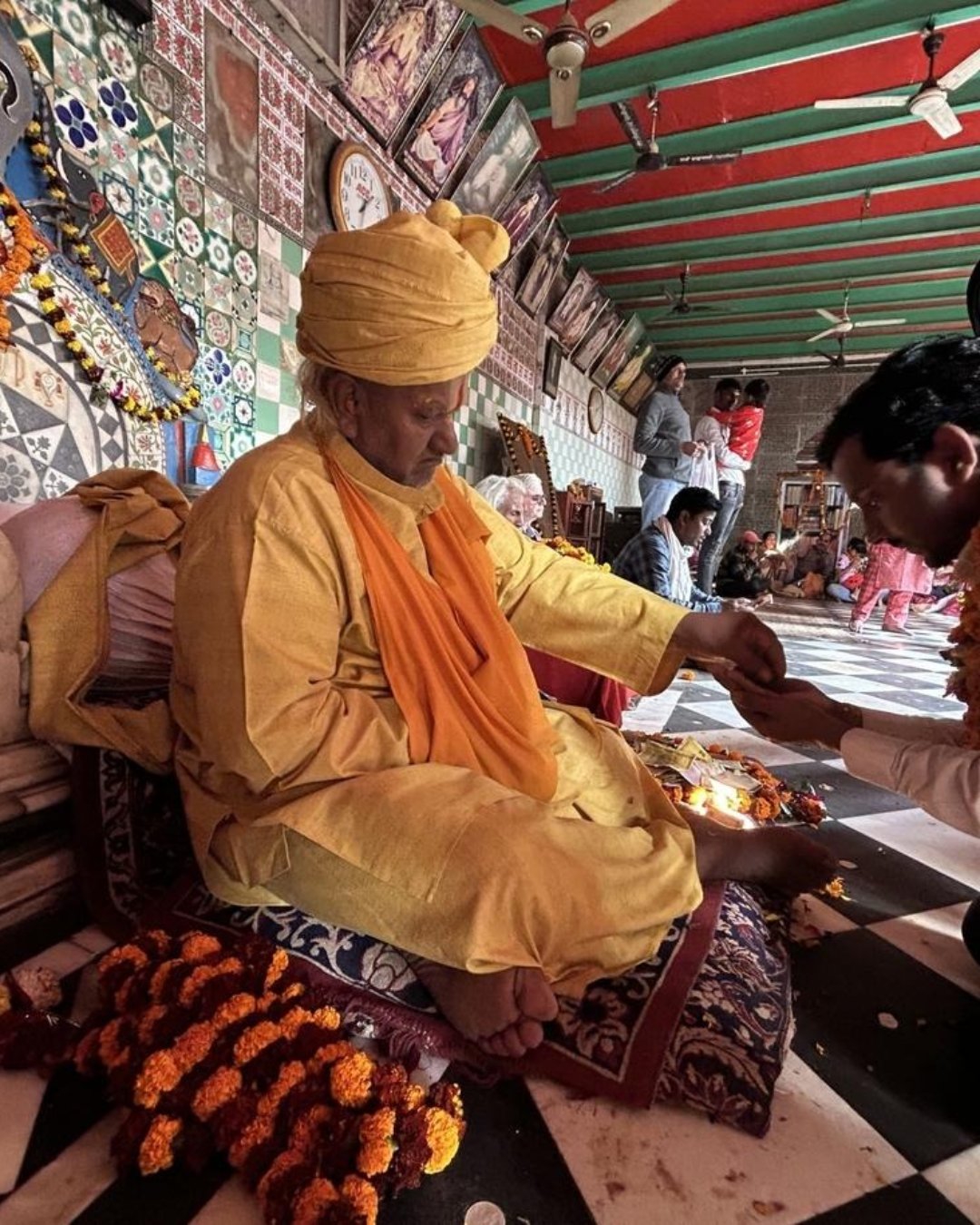
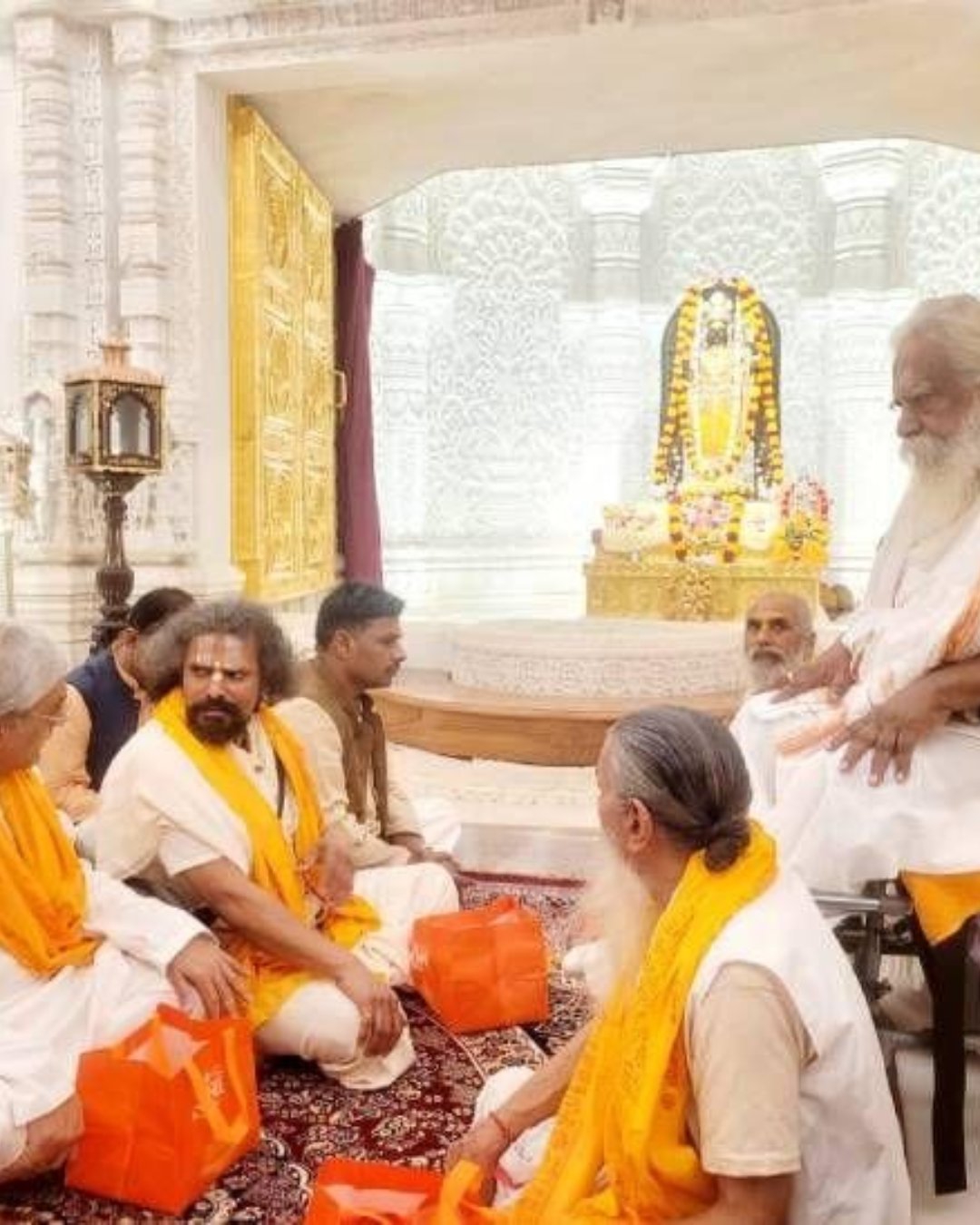
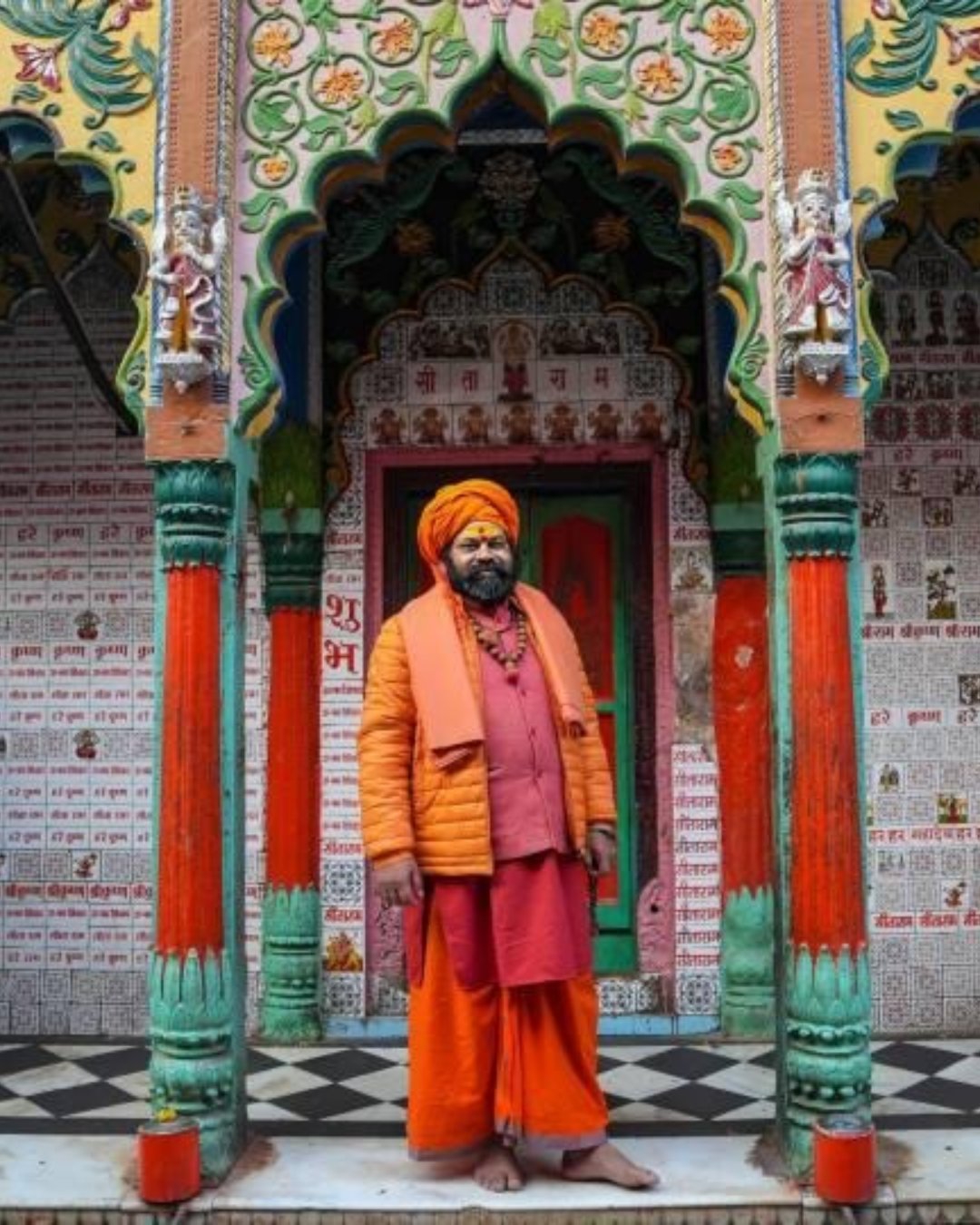
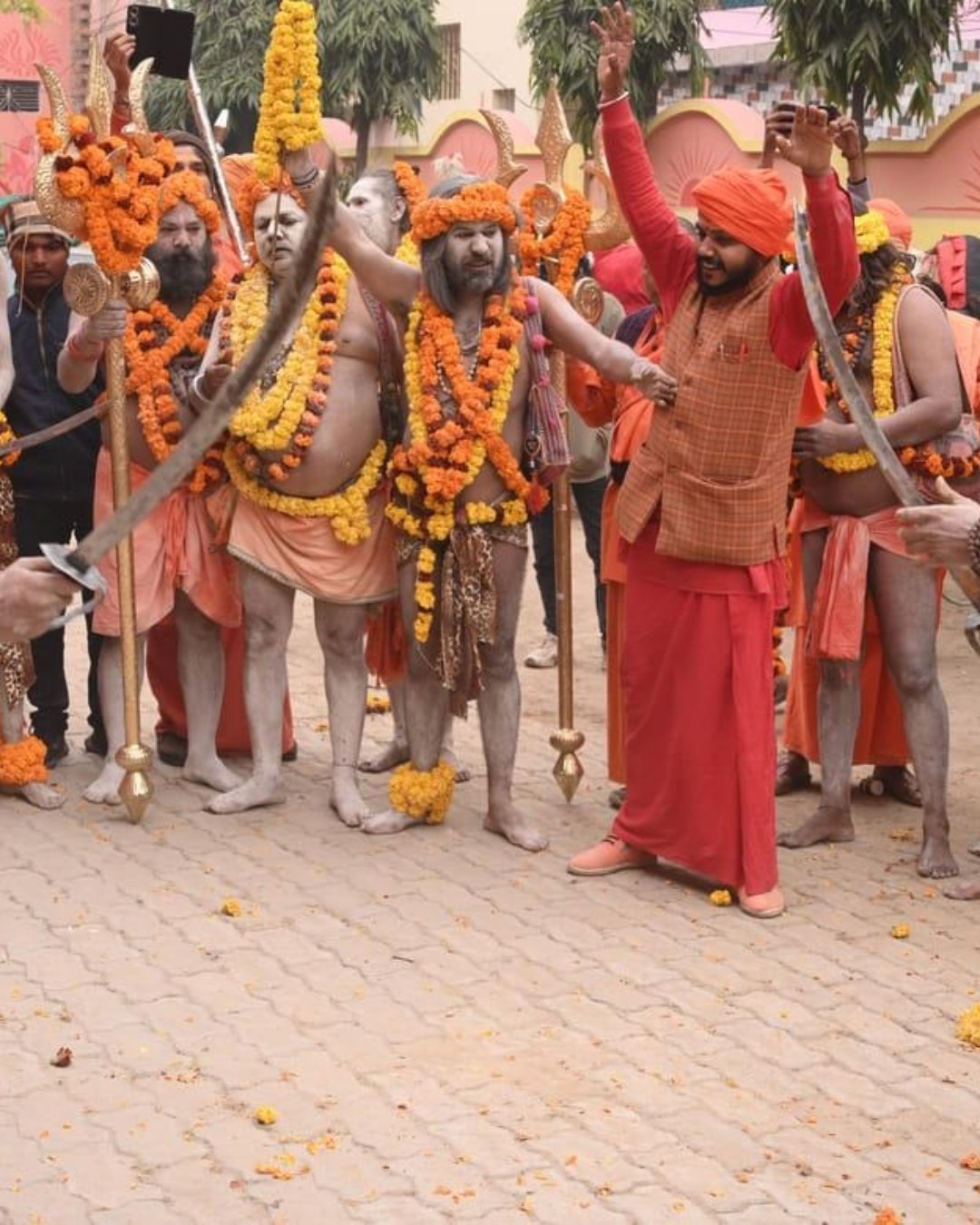
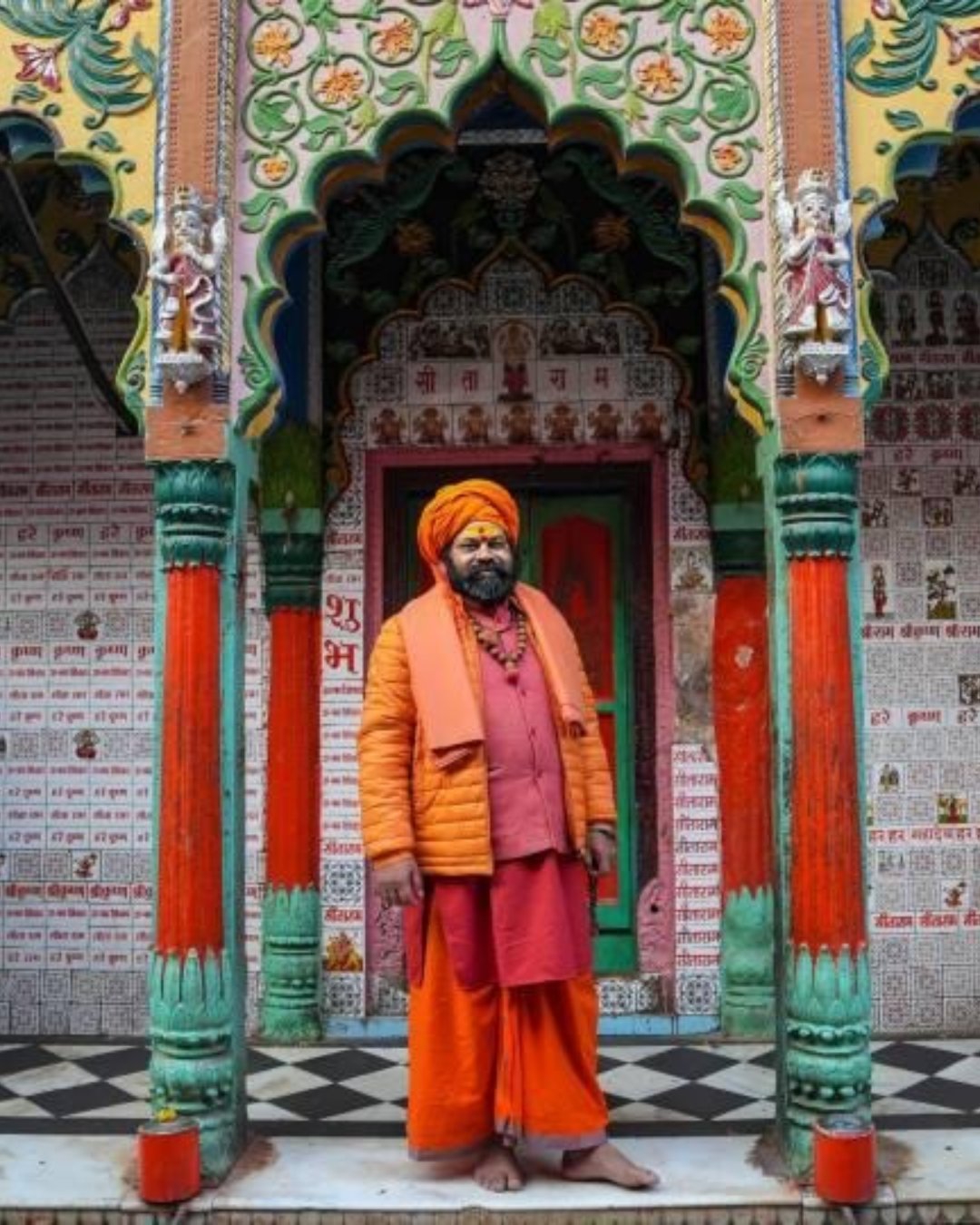
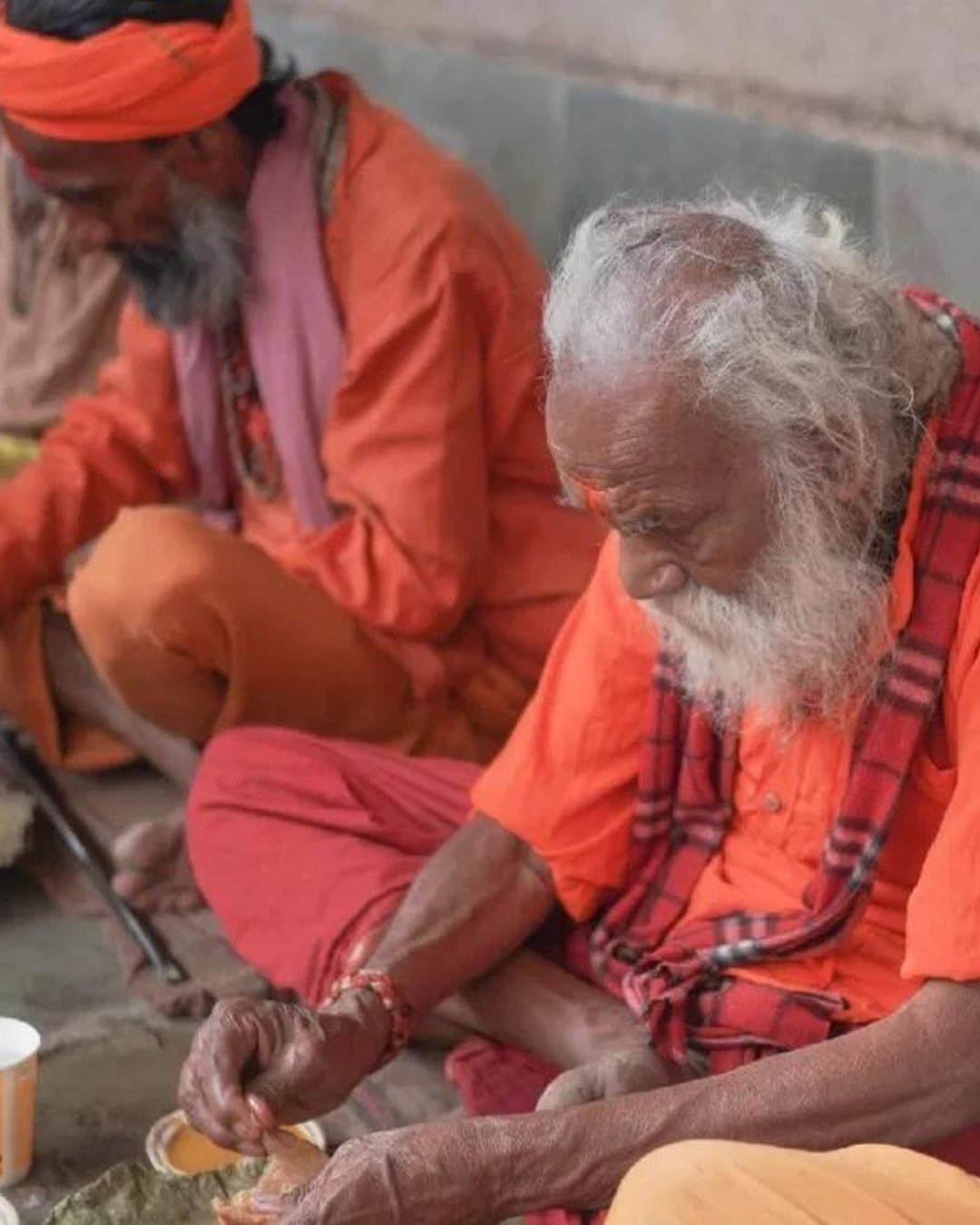
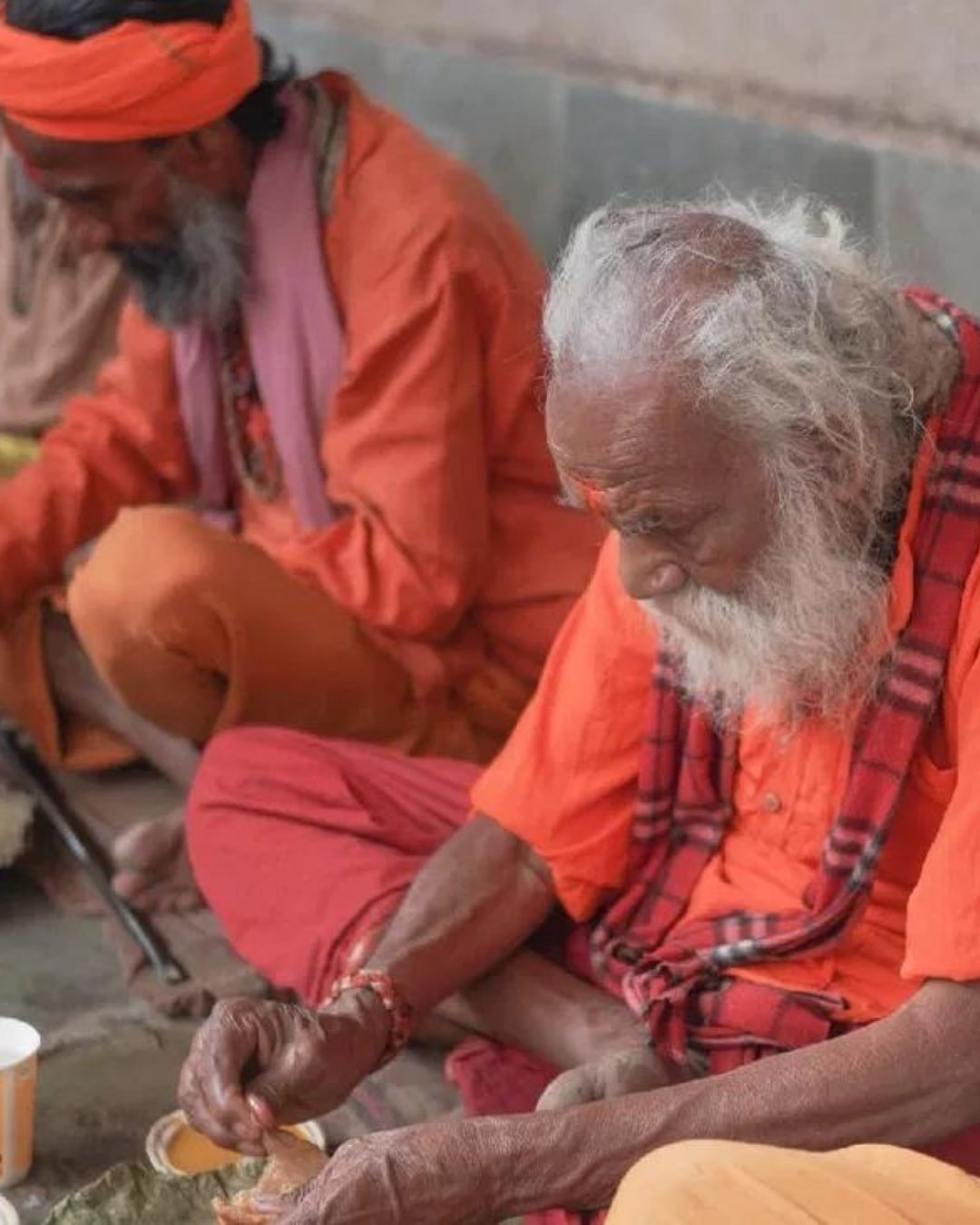
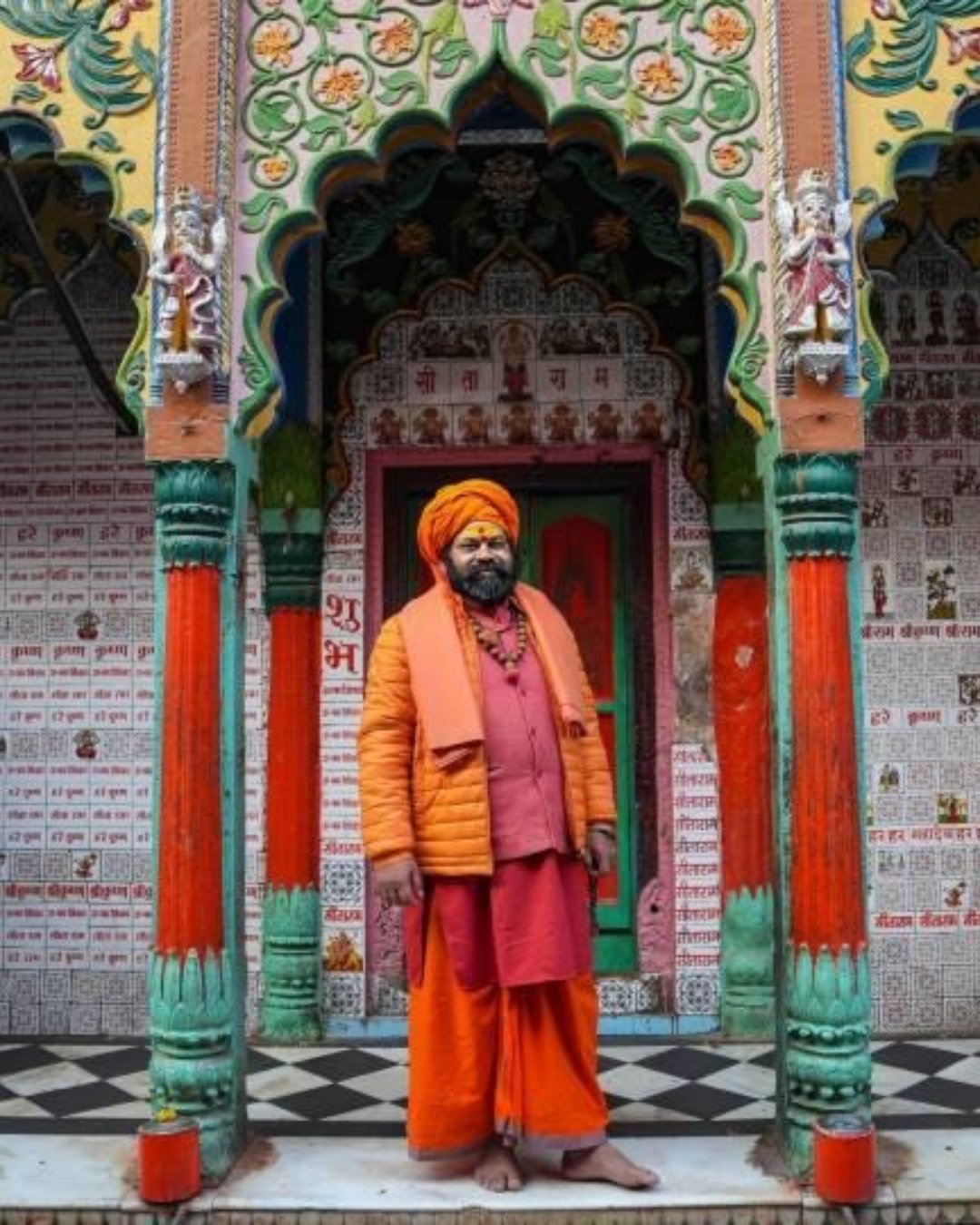
Finally, you experience Ayodhya through the people who still inhabit this tradition. Watch how a mahant, sadhu or Bairagi carries himself; notice the tilak, robes, beads, akhara affiliation and the spaces around a math; and understand that some customs are still treated as institutional responsibilities rather than tourist attractions. In 2025, for example, Hanuman Garhi's chief priest Mahant Prem Das made a highly unusual public departure from the temple premises to visit Ram Temple, accompanied by a procession of sadhus and officials of the Nirvani Akhara — a moment that showed how seriously the institution's traditions are regarded. Your journey is therefore not just about seeing sadhus; it is about learning how Ayodhya's religious landscape was built, who maintained these institutions, how the Ramanandi akharas shaped the city, and how those traditions continue to be visible today.
Stops
Home
MomentShri Hanuman Garhi Mandir, Ayodhya
The Town Is Run by Mahants
Ayodhya is not simply a town with temples in it. It is a town run by monastic orders, and has been .for three hundred years.
•The temples here largely belong to akharas and mathas — monastic institutions — rather than to a municipal or state authority.
•A matha is a local monastic centre housing resident sadhus, and a mahant is its head, responsible for day-to-day administration.
•Akharas oversee groups of mathas, manage endowments and land, and run facilities for pilgrims.
•This is why the town feels different from a purely administered pilgrimage site: much of what you walk past is somebody's institution, not a monument.
•Almost every visitor passes a dozen of these in a morning without recognising any of them.
•The orders here belong overwhelmingly to the Ramanandi tradition, which is what the rest of this journey is about.
Pro tip: Look at the doorways rather than the domes. The buildings with a name, a flag and an open courtyard along the temple approach are mathas, and they are the actual fabric of the town.
The mistakes that ruin it:
•Reading Ayodhya as a collection of monuments rather than a working monastic city.
•Assuming the newest temple is how the town has always been organised.
13
MomentShri Hanuman Garhi Mandir, Ayodhya
Who the Ramanandis Are
The order that dominates Ayodhya changed the religious history of northern India, and almost no visitor has heard its name.
•The Ramanandi Sampradaya takes its name from Ramananda, and is among the largest Vaishnavite monastic orders in India and Nepal.
•It is credited with carrying the Bhakti tradition from southern India into the north — a popular saying holds that Ramananda brought Bhakti up from the south.
•Its devotional focus is Ram, with Hanuman central, which is why Ayodhya has always been theologically important to the order.
•Tulsidas, who composed the Ramcharitmanas, belongs to this tradition.
•The order's emblem is the Kapidhwaj, the flag bearing Hanuman — look for it on buildings across the town.
•Transmission runs through guru-disciple lineages within mathas, which is how doctrine and custody of temples both pass down.
Pro tip: Once you know the Kapidhwaj flag, you start seeing how much of the town belongs to one tradition. It is the single most useful thing to learn before walking Ayodhya.
The mistakes that ruin it:
•Assuming the order is a recent development tied to the new temple.
•Missing the Tulsidas connection, which links the town to the text most pilgrims actually recite.
20
MomentShri Hanuman Garhi Mandir, Ayodhya
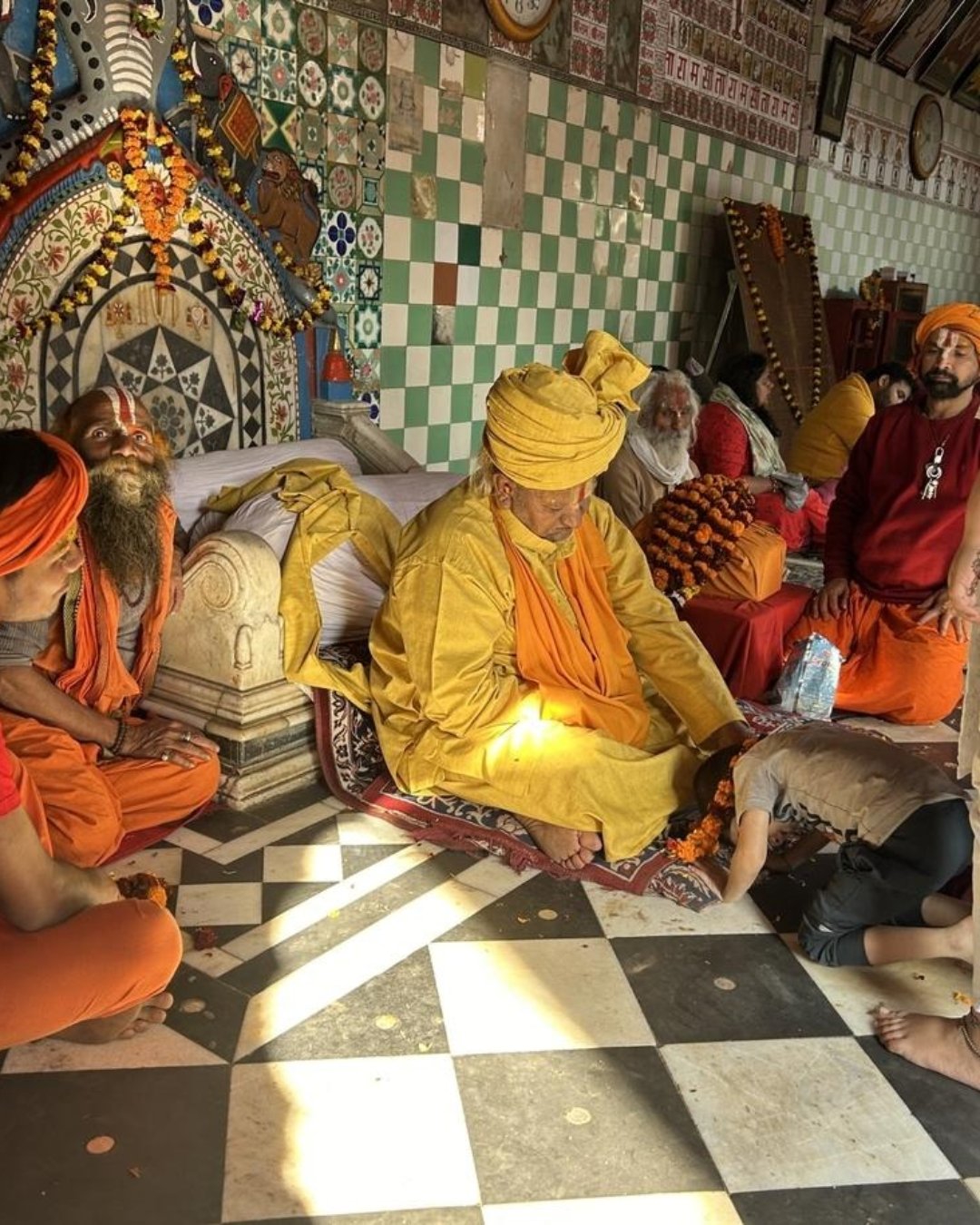
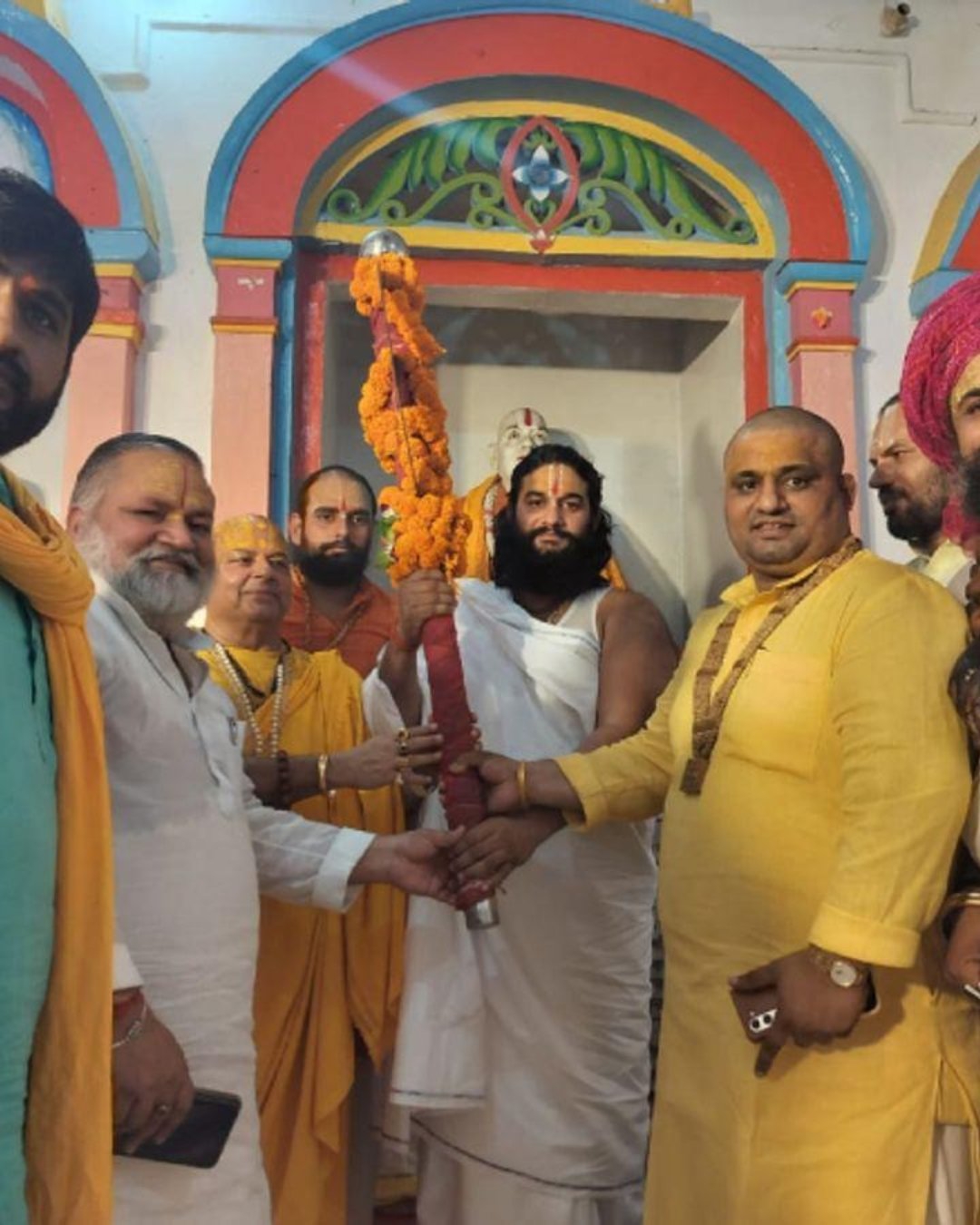
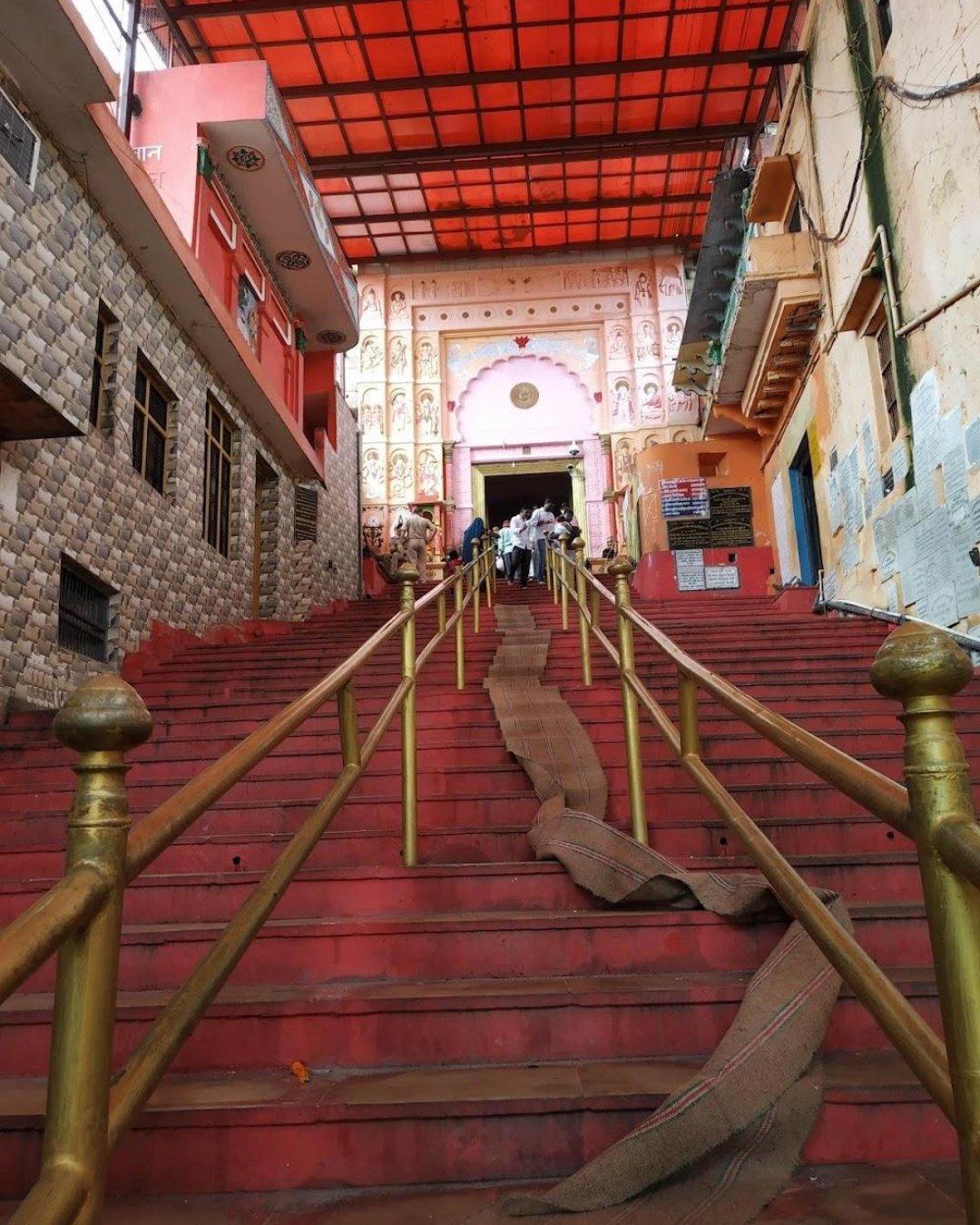
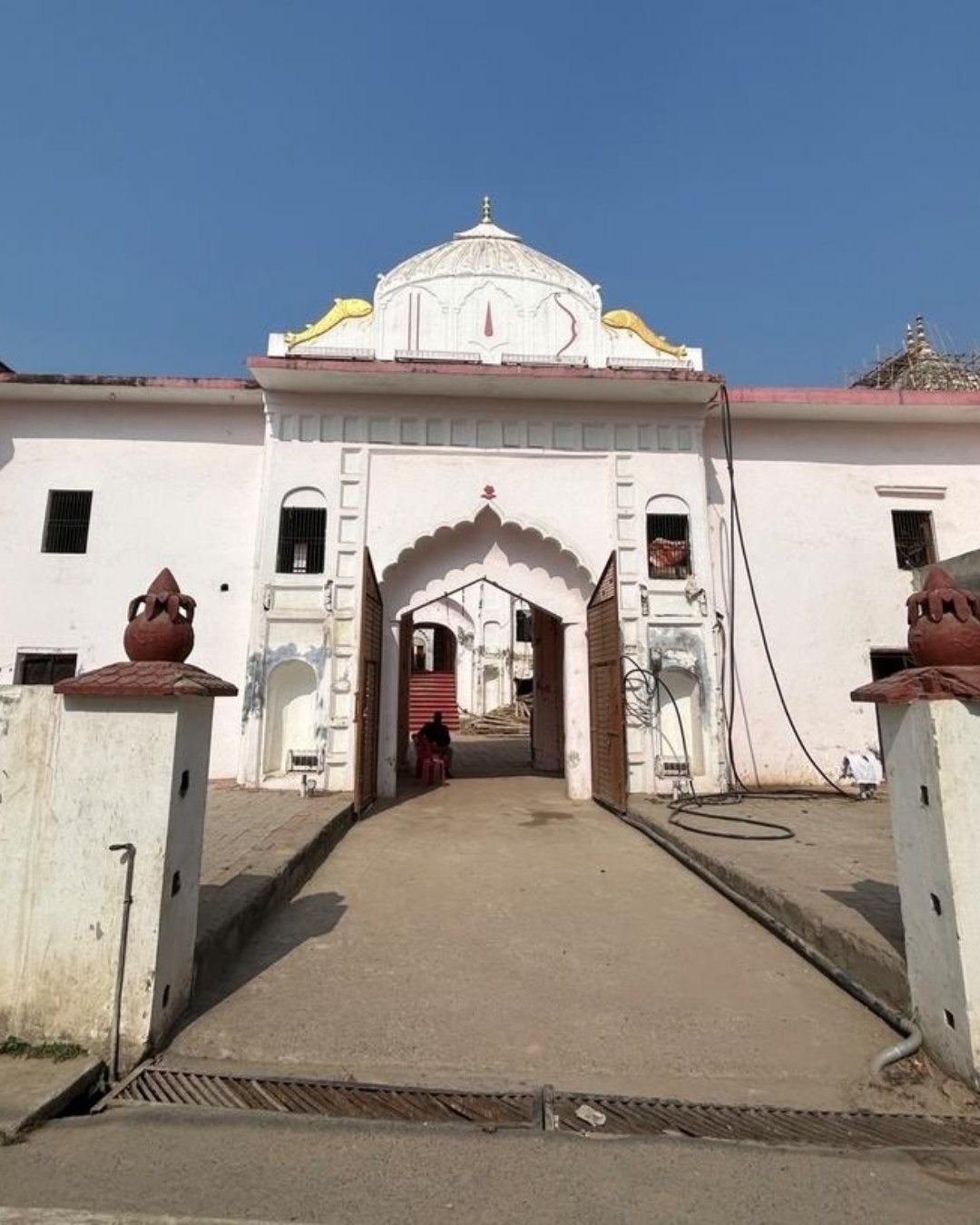
Three Akharas: King, Minister and Army
There are three principal akharas in Ayodhya, and tradition assigns each of them a role borrowed from a royal court.
•Digambar, Nirmohi and Nirvani are the three principal Ramanandi akharas, and all three have their main centres in Ayodhya.
•Mahants describe their roles in the language of a court: Digambar as Raja, the king; Nirmohi as Mantri, the minister; Nirvani as Sena, the army.
•Nirmohi Akhara's name means, roughly, the group without attachment, and it is among the fourteen akharas recognised by the Akhil Bharatiya Akhara Parishad.
•They were founded as armed ascetic bodies in the early eighteenth century and had established bases in Ayodhya by the second half of that century.
•Each akhara operates with its own hierarchy, overseeing sub-groups of ascetics and affiliated mathas.
•Nirvani Akhara alone comprises several hundred sadhus and mahants.
Pro tip: When someone in Ayodhya tells you which akhara a temple belongs to, they are telling you something about its history and its custody, not just its address. It is worth asking.
The mistakes that ruin it:
•Treating the three as interchangeable.
•Reading the king-minister-army framing as an official structure rather than the tradition's own way of
describing itself.
14
MomentAyodhya
Why They Were Armed, and Who They Fought
The akharas were founded as fighting orders, and the fight they were founded for is not the one most people assume.
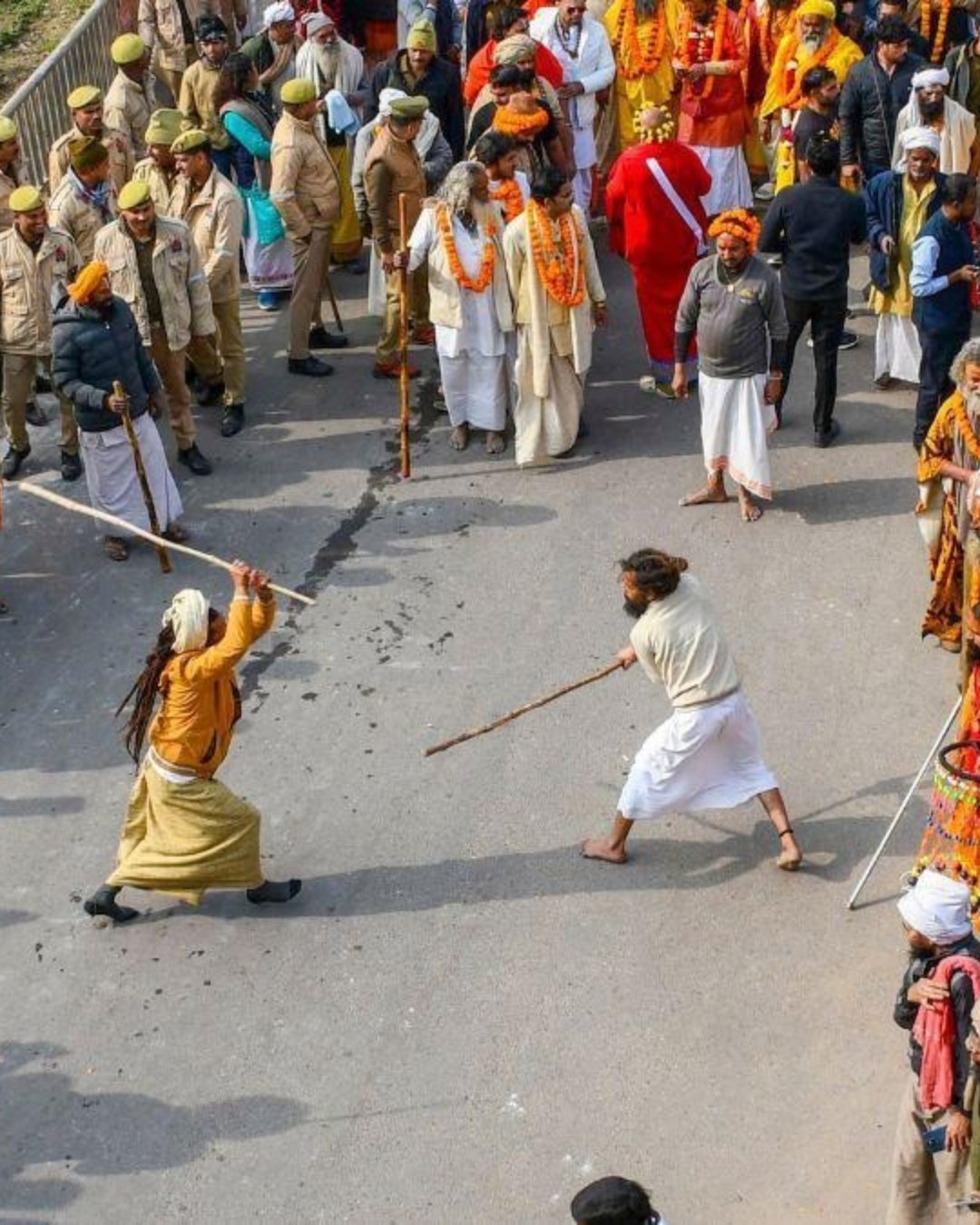
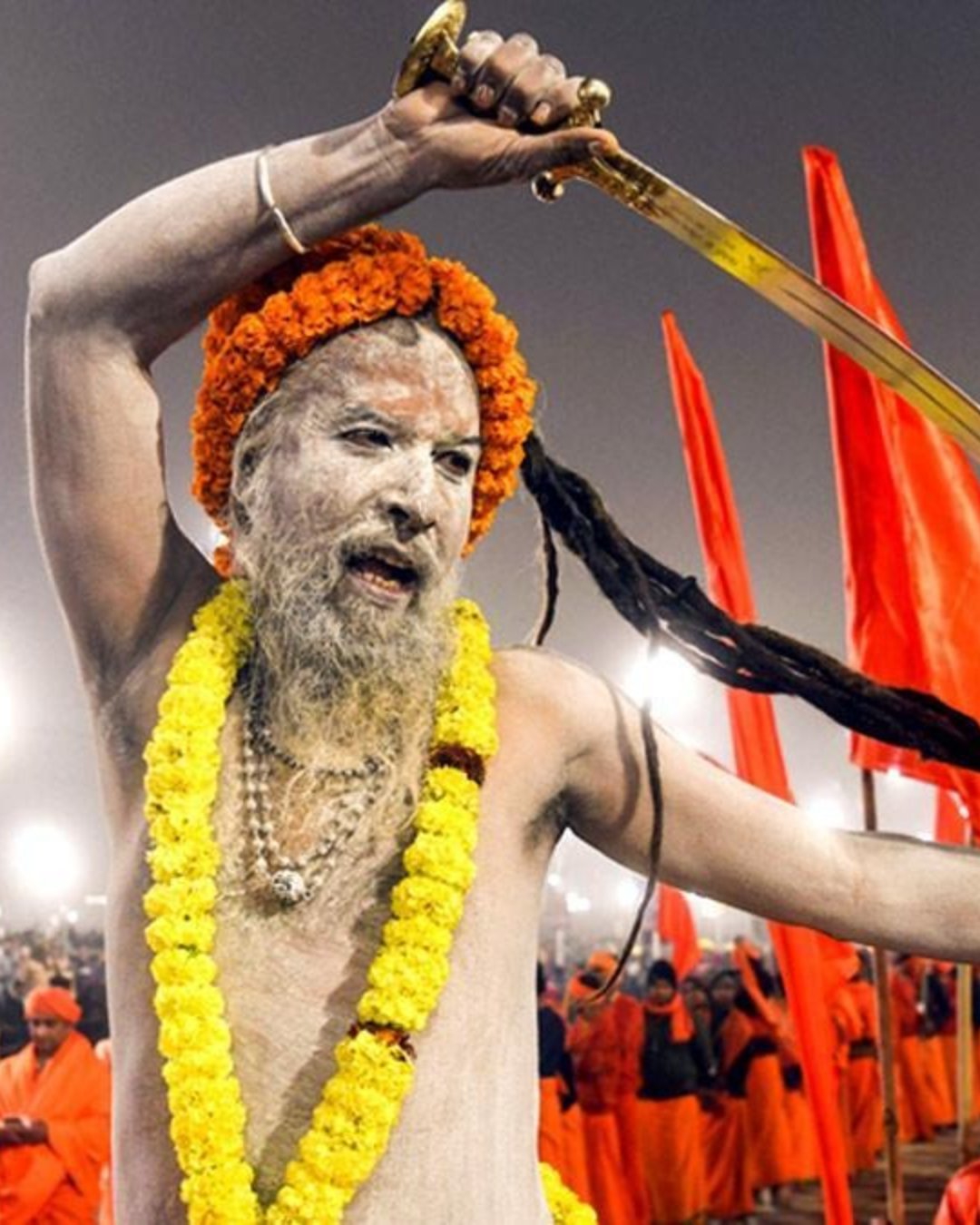
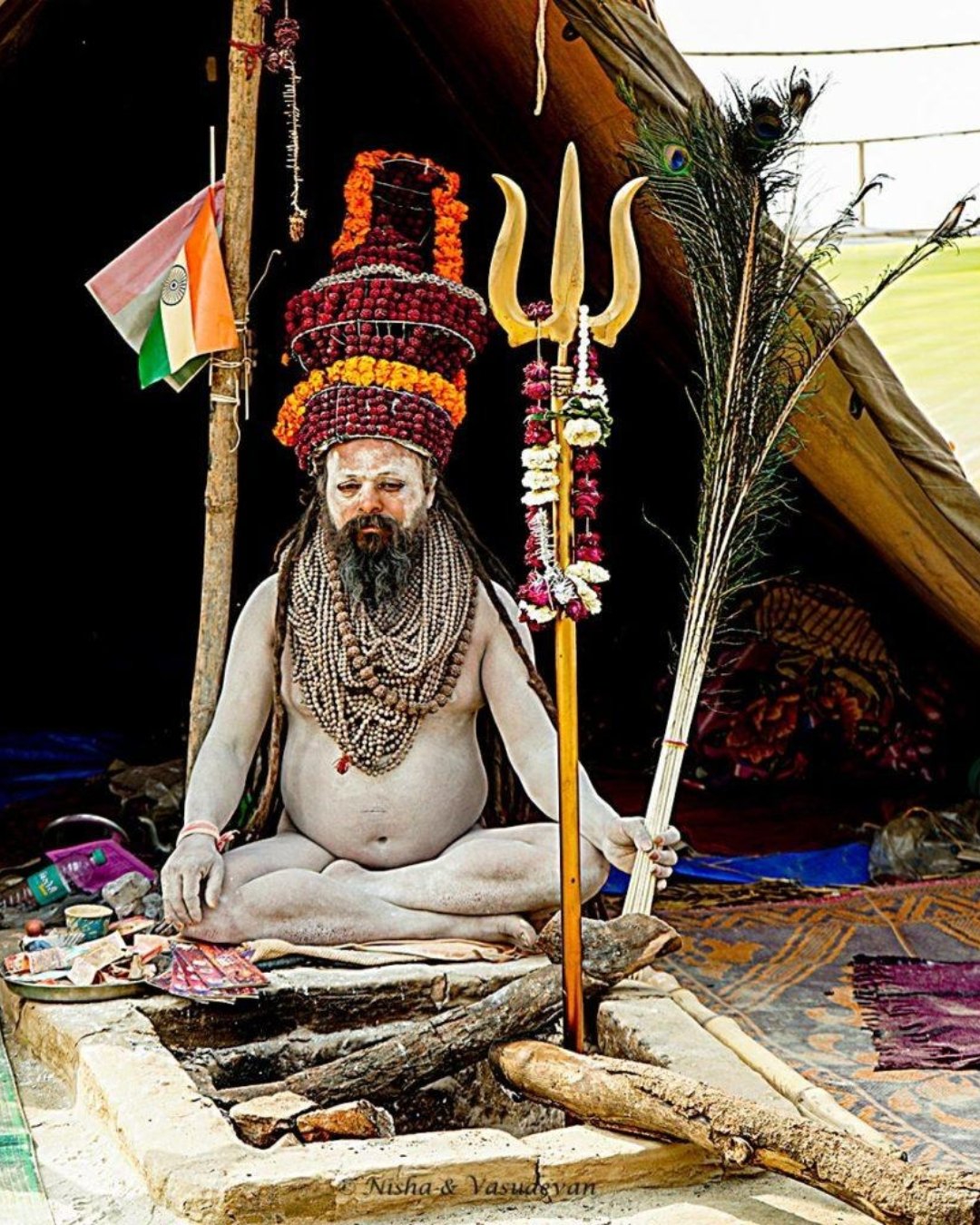
•Ramanandi akharas were formed in the early eighteenth century to train ascetics in fighting, at a time when rival ascetic orders contested control of sacred sites across northern India.
•The rivalry that drove their formation was with Shaiva ascetic orders rather than with any other religion.
•After the Ramanandi orders established themselves, Ayodhya shifted from a Shaivite centre to a predominantly Vaishnavite one.
•Their fighting members were called bairagis, and the akharas grew into landholding institutions rather than remaining purely militant.
•Under the Nawabs of Awadh, land and funds were granted to the Nirvani Akhara, and Hanuman Garhi became its principal seat.
•Historians of the town treat this as well established, and it complicates the simpler narratives that circulate about Ayodhya's past.
Pro tip: Read the eighteenth-century history before you visit rather than the twentieth-century one. It explains the shape of the town — who holds what, and why the temples are laid out as they are — in a way the recent history does not.
The mistakes that ruin it:
•Assuming the armed orders were formed in opposition to Muslim rule.
•Drawing modern conclusions from eighteenth-century sectarian rivalry.
11
MomentShri Hanuman Garhi Mandir, Ayodhya
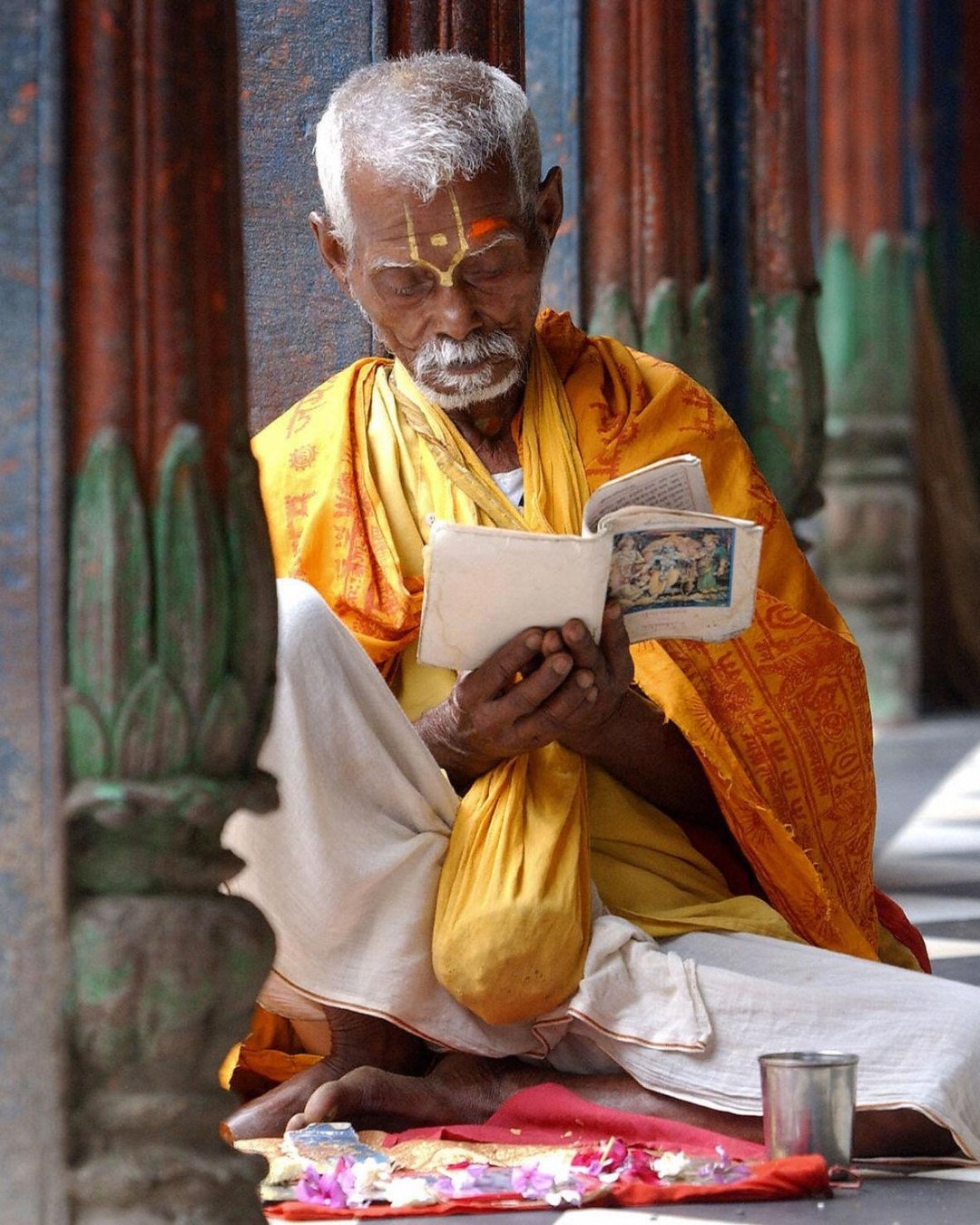
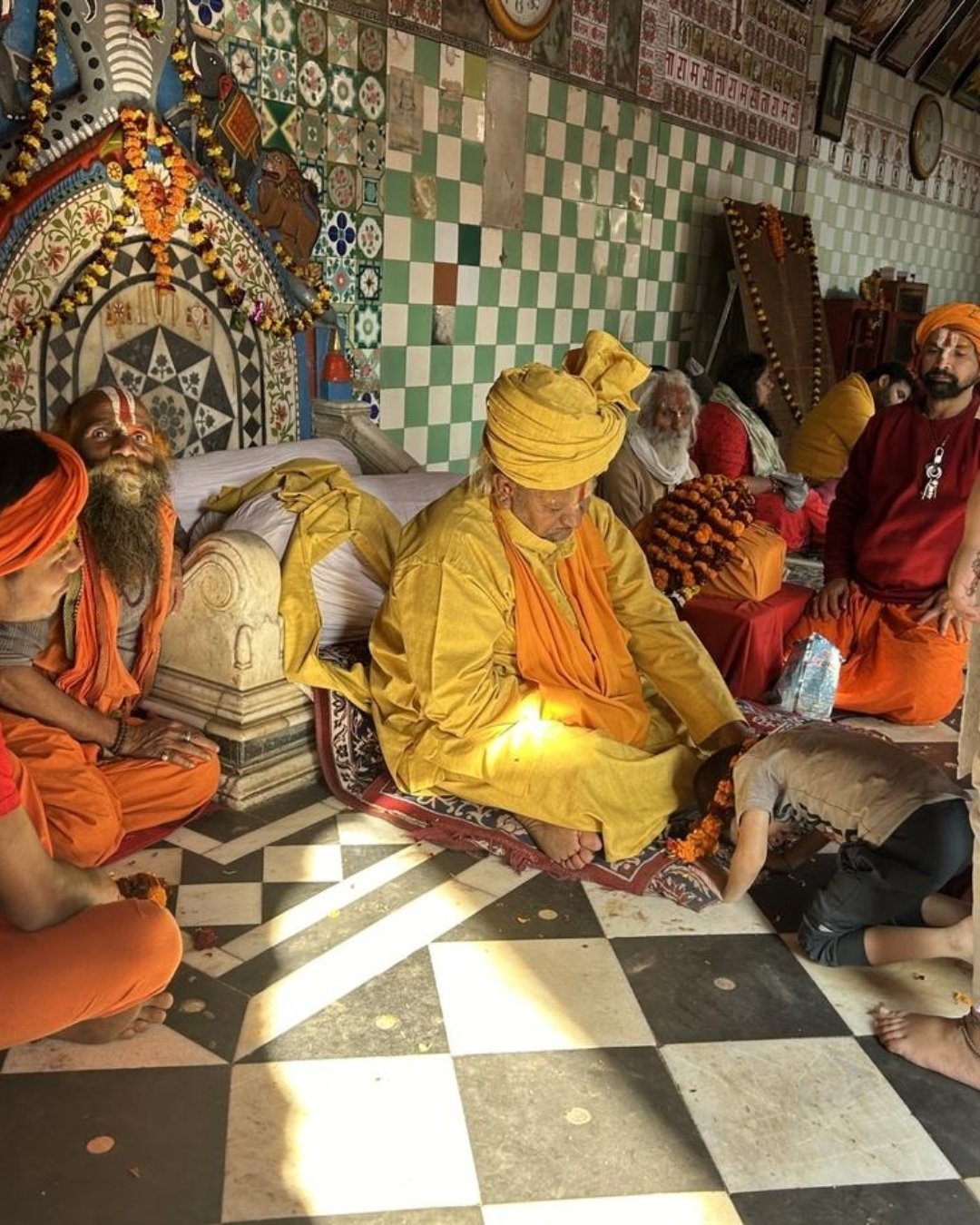
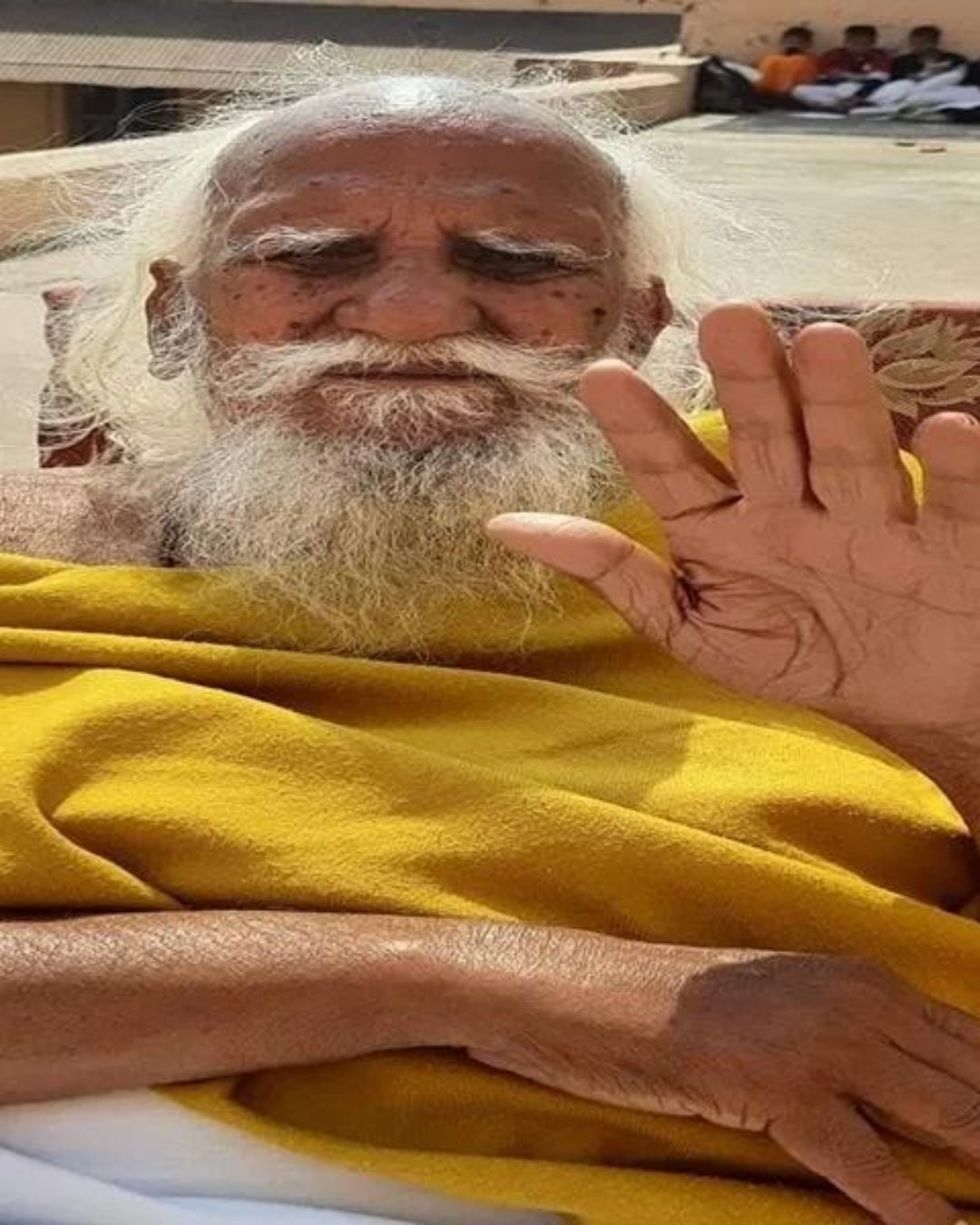
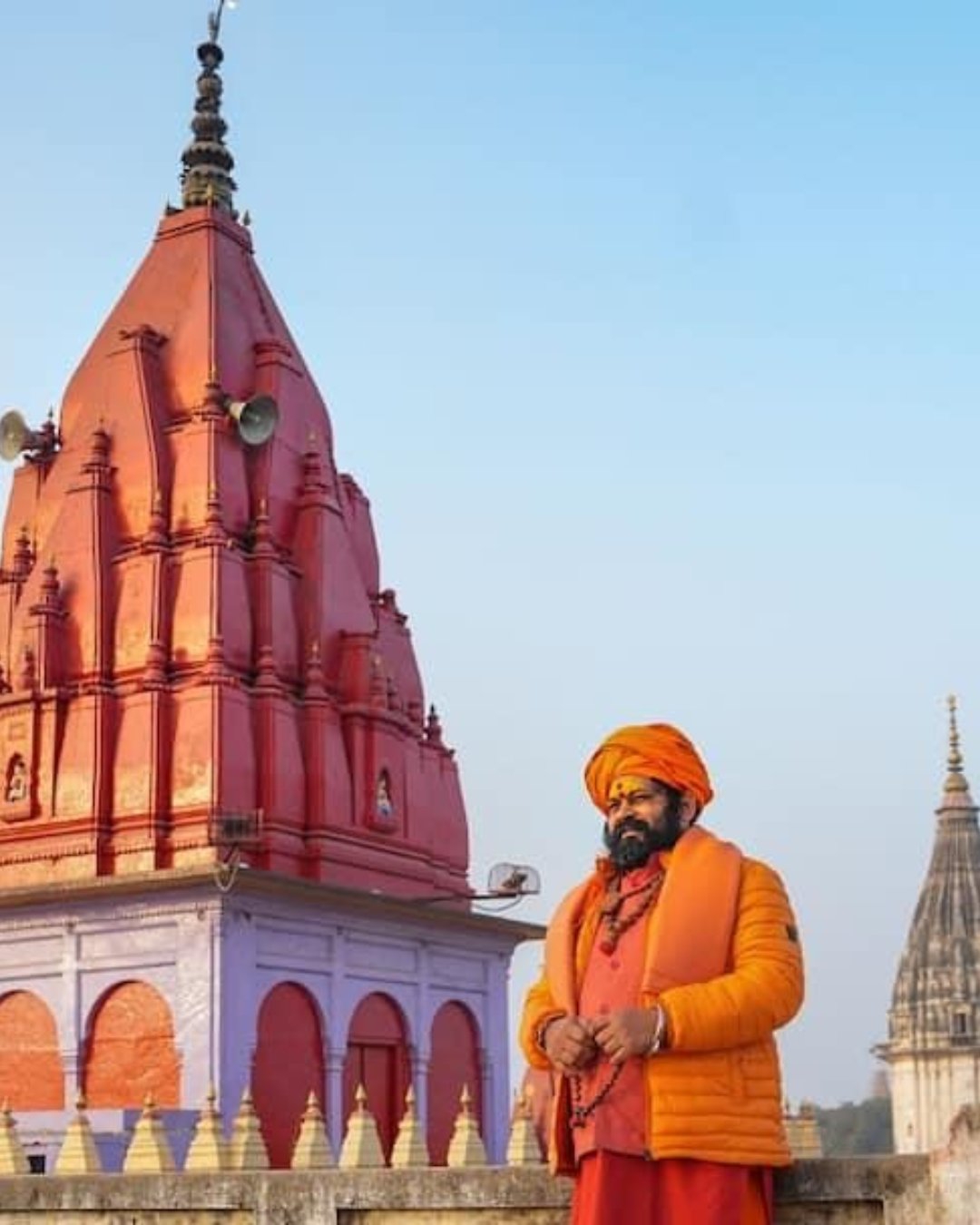
Reading a Bairagi
The ascetics you pass in Ayodhya are dressed according to rules, and the rules are readable once you know them.
•Bairagi ascetics of the tradition wear unstitched white cloth rather than the ochre associated with other orders — the single quickest way to place someone in Ayodhya.
•A necklace of tulsi beads, the janeu, and a tilak on the forehead complete the standard markers.
•Many carry a kamandal, the water pot, and wear the shikha, the tuft of hair at the crown.
•A bow-and-arrow mark, branded on the arm, was traditionally used for identification within the bairagi
tradition.
•Obedience to one's guru is among the order's defining obligations, which is why lineage matters so much in conversation here.
•None of this is costume. It is a working uniform that tells other ascetics who someone is and where they belong.
Pro tip: White cloth rather than ochre is the marker to learn first. It tells you the person in front of you belongs to Ayodhya's own tradition rather than to the wider ascetic world you may have seen elsewhere in India.
The mistakes that ruin it:
•Reading all Indian ascetics as one category.
•Photographing ascetics without asking. These are people at work in their own town.
9
MomentShri Hanuman Garhi Mandir, Ayodhya
Hanuman Garhi Belongs to an Akhara
You have probably already visited an akhara headquarters without being told that is what it was.
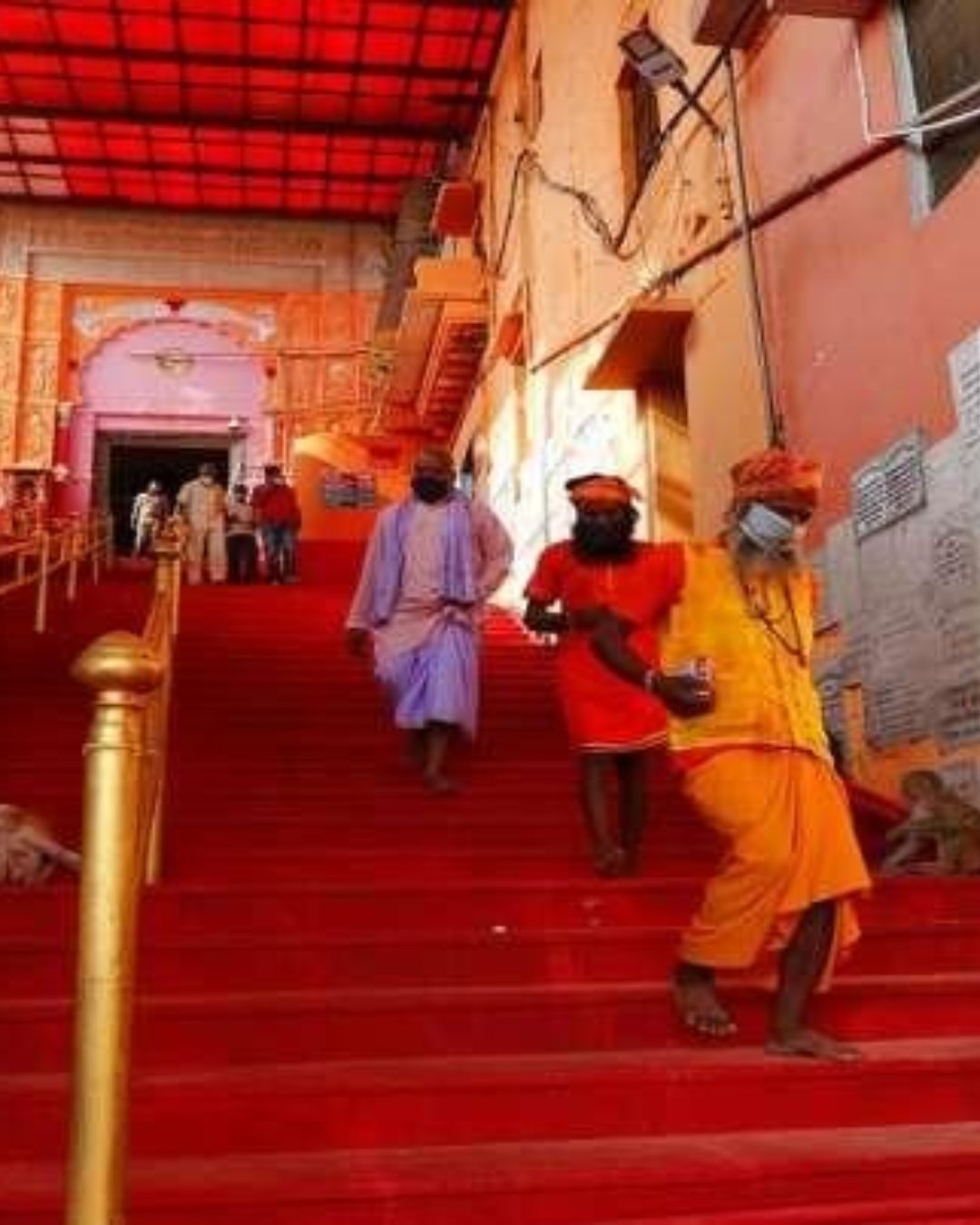
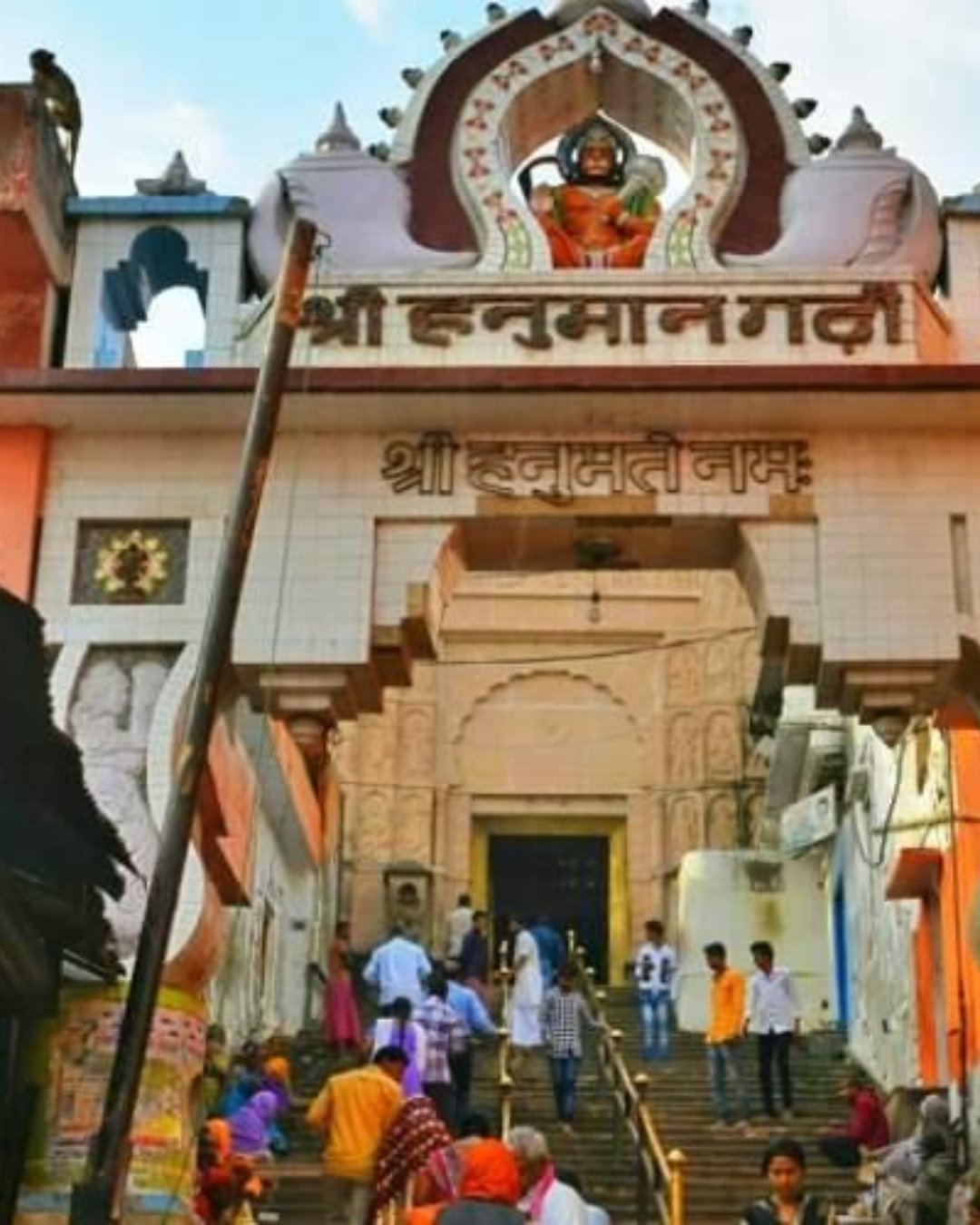
•Hanuman Garhi, the hilltop temple almost every visitor climbs, is under the charge of the Bairagi mahants of the Ramanandi Sampradaya and the Nirvani Akhara.
•It is not merely a temple the akhara looks after. It is the order's principal seat in the town.
•It came into their hands through land and funding granted under the Nawabs of Awadh, which is a more complicated origin than most accounts suggest.
•That custody is why Hanuman Garhi feels administered differently from Ram Mandir, and why its timings and customs are its own.
•The tradition of visiting Hanuman before Ram, which shapes every pilgrim's day here, is bound up with this history.
•Knowing whose institution you are standing in changes the climb entirely.
Pro tip: Climb Hanuman Garhi knowing it is the Nirvani Akhara's seat. The same seventy steps read completely differently when you understand you are entering an order's headquarters rather than visiting a viewpoint.
The mistakes that ruin it:
•Treating Hanuman Garhi as a scenic stop.
•Assuming all Ayodhya temples are administered by the same body. They are not.
11
MomentAyodhya
A Live Disagreement, Told Plainly
There is an unresolved disagreement in Ayodhya about who should conduct worship at the new temple, and it is worth understanding rather than ignoring.
•The Ram Mandir is administered by a trust, established following the Supreme Court verdict of 2019.
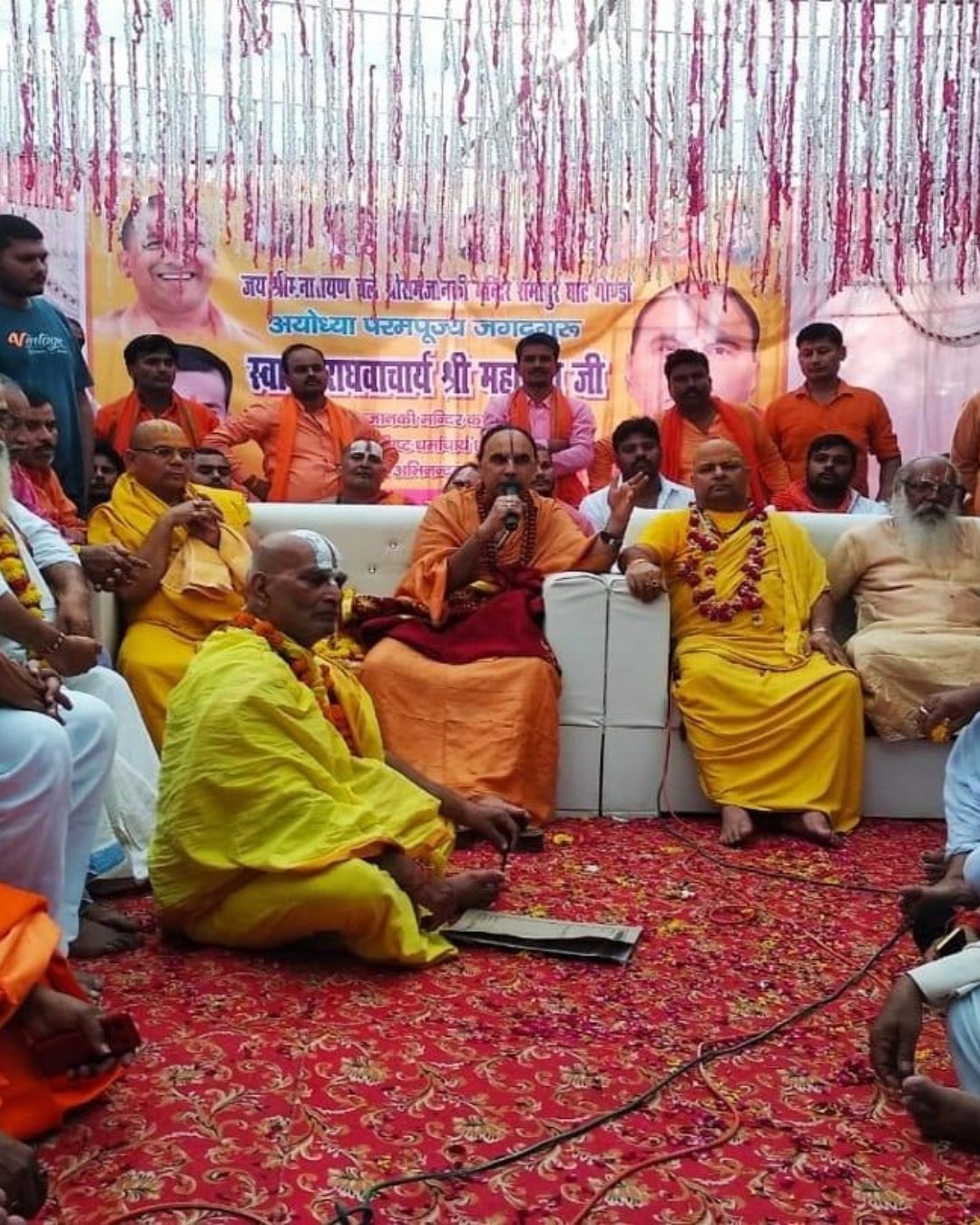
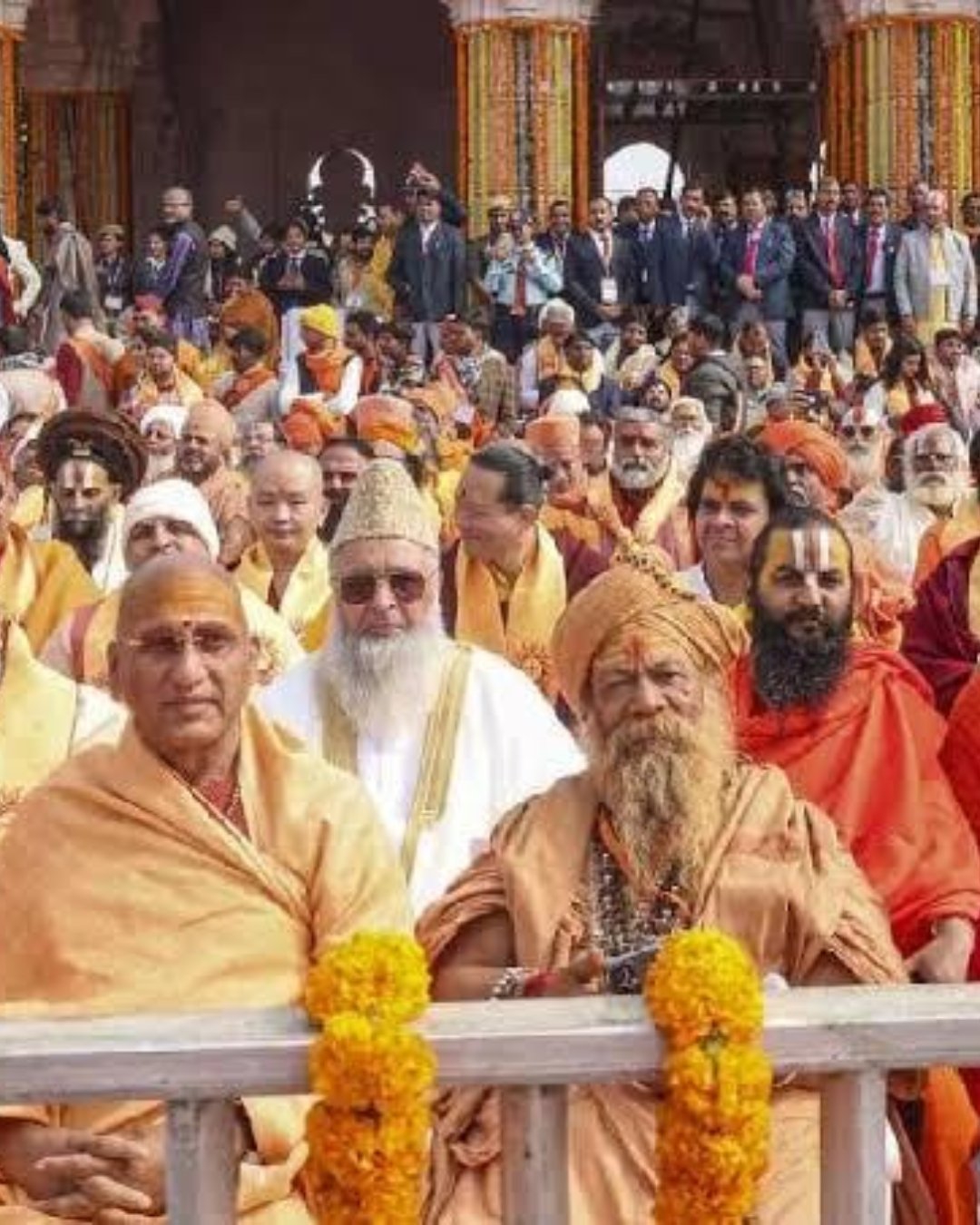
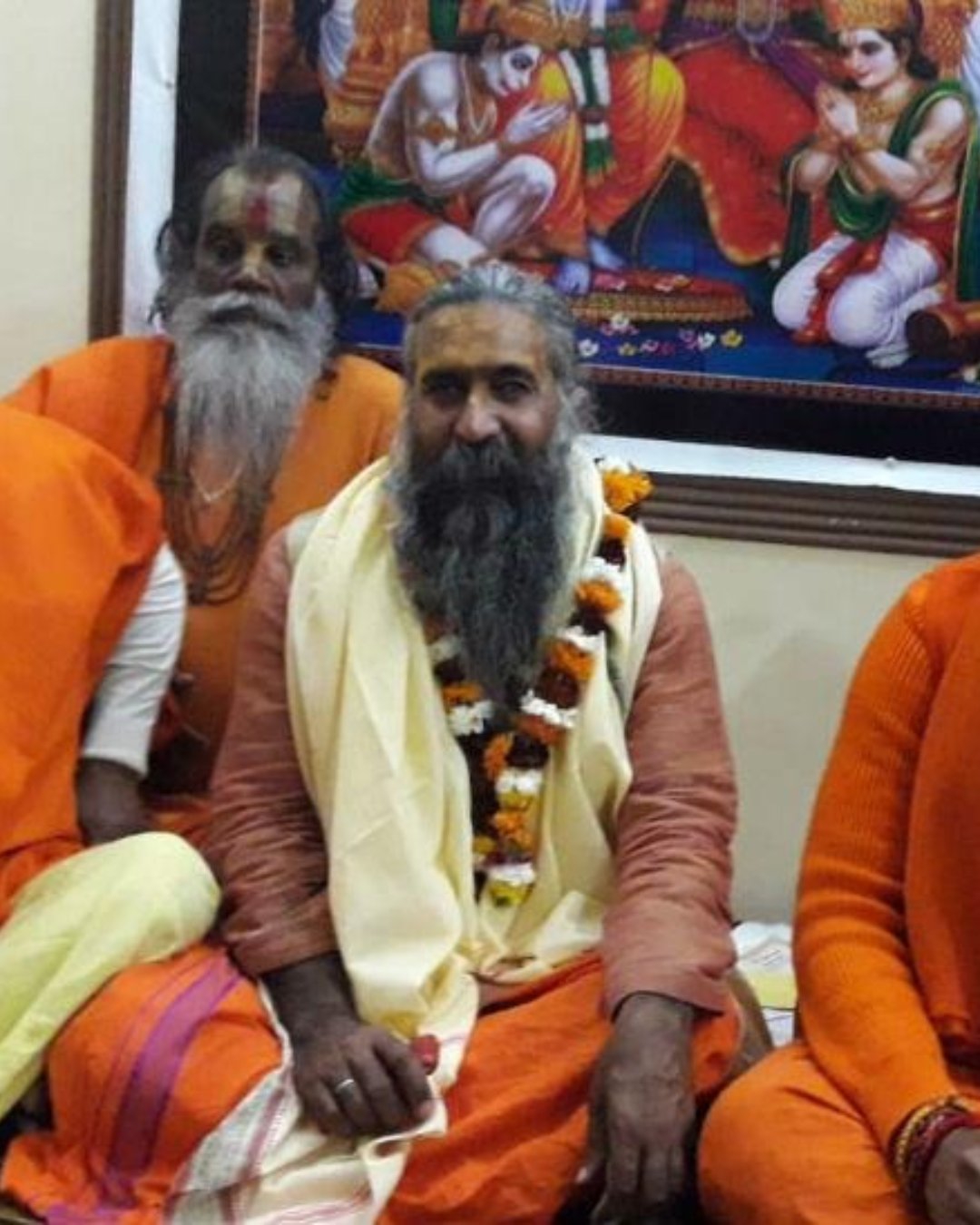
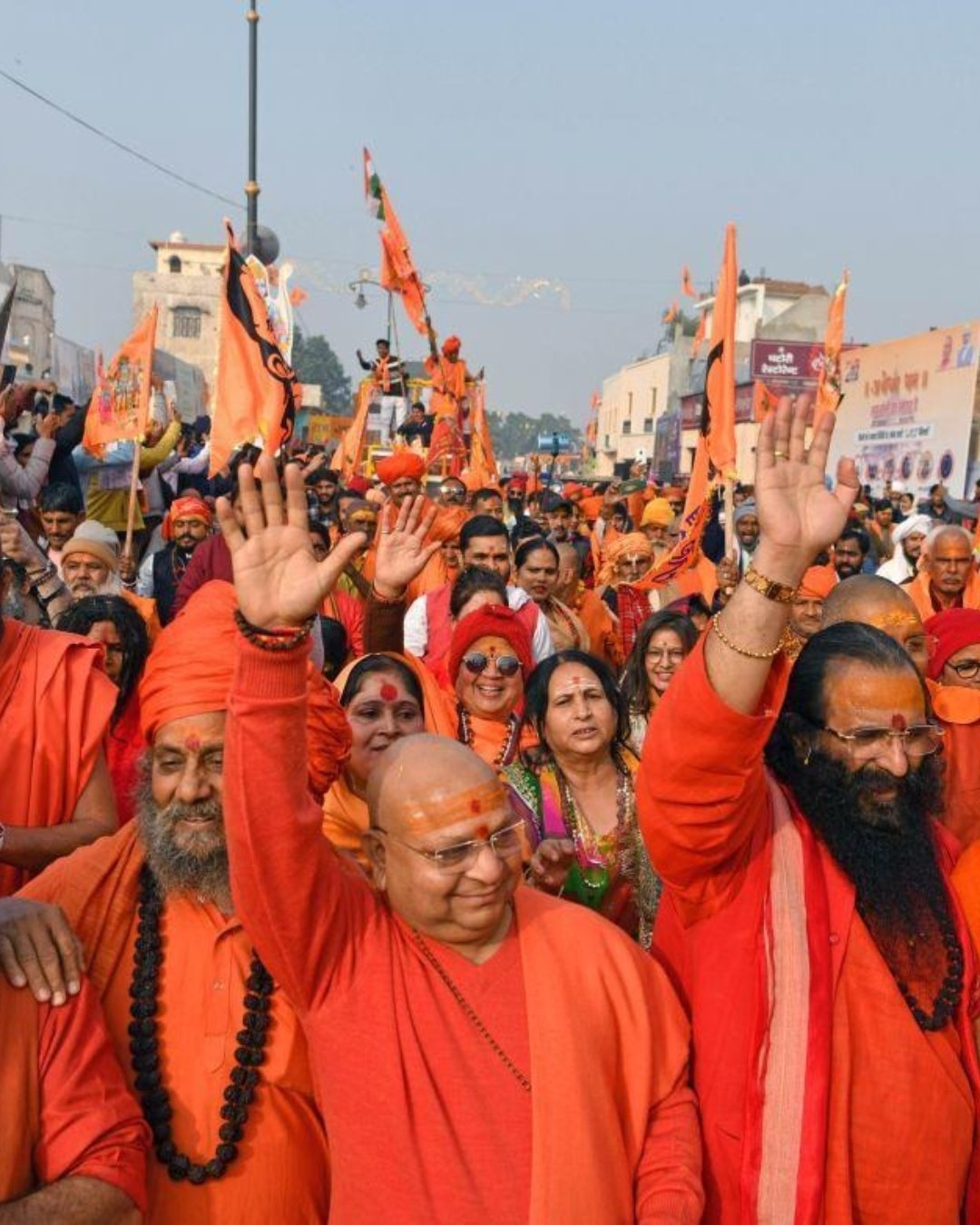
•Seers from the Ramanandi akharas have publicly argued that ritual custody should sit with their tradition, given its long association with the site.
•A Nirmohi mahant has been reported as saying the trust has not followed Ramanandi parampara in the temple's rituals.
•A Nirvani mahant has been reported as saying Ayodhya has a tradition of sadhus and a system of mahants rather than of trusts.
•The akharas did not boycott the consecration, and thousands of religious figures from across the country attended it.
•This is a live and public disagreement between institutions. It is not a secret, and visitors will hear about it locally.
Pro tip: If the subject comes up in conversation, listen rather than arbitrate. You are being told something about how the town understands itself, and there is no useful outsider verdict to offer.
The mistakes that ruin it:
•Repeating one side's characterisation as settled fact.
•Assuming a visitor's opinion is wanted.
10
MomentAyodhya
How to Be a Guest Rather Than an Audience
Most of what makes Ayodhya remarkable is somebody's home and workplace, and it is treated far better as such.
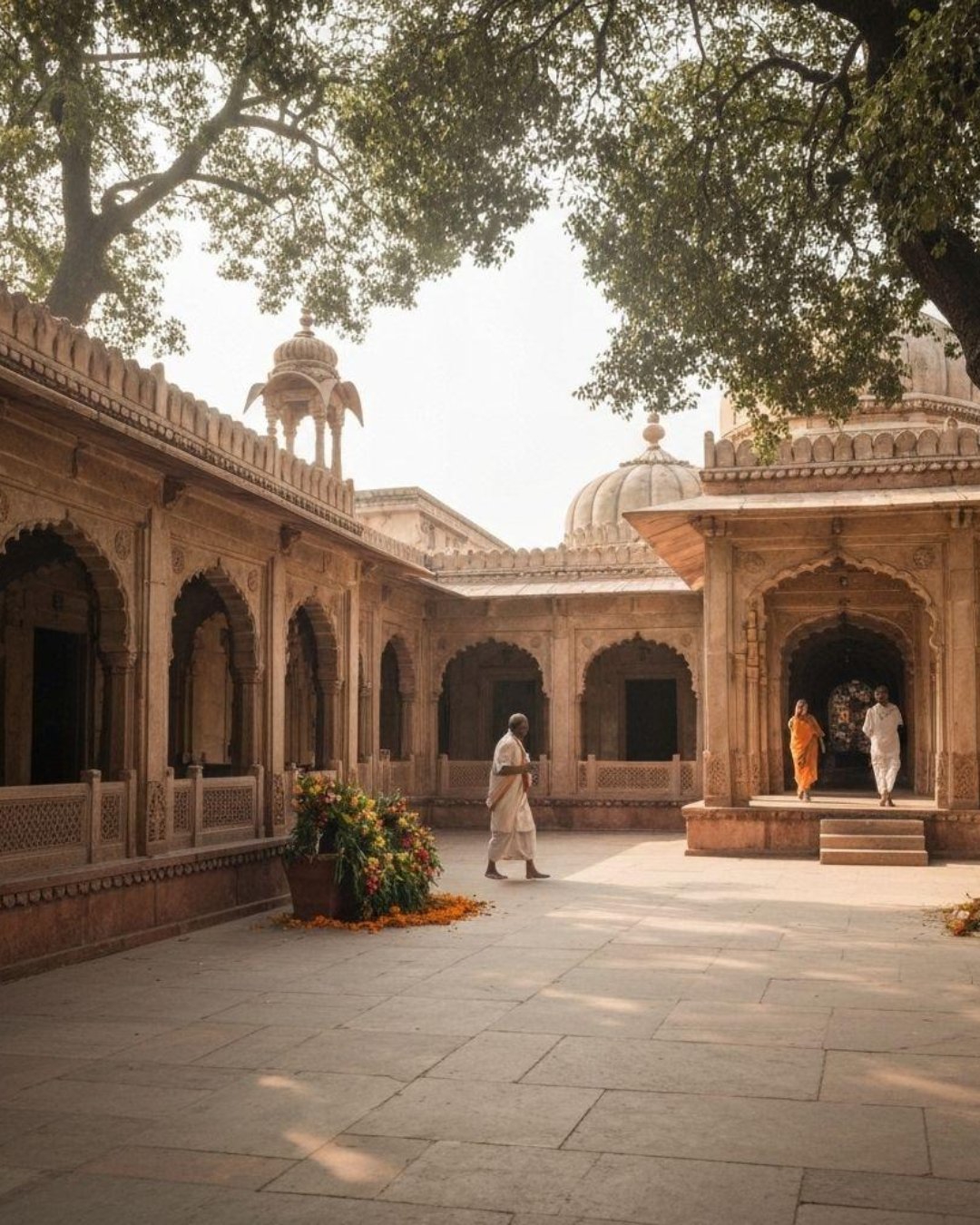
•Mathas and akhara buildings are living institutions. Some welcome visitors, some do not, and the difference is not always signposted.
•Ask before entering a courtyard, and ask before photographing anyone. A refusal is not unfriendliness.
•Remove footwear where others have, and follow the room rather than a rulebook.
•Many mathas and trusts run bhojanalayas and offer accommodation to pilgrims. Accepting hospitality means observing the house's rules, including curfews and vegetarian-only food.
•Donations are customary rather than compulsory, and are given discreetly.
•Conversations here are generous if you arrive curious rather than acquisitive. Lineage, guru and akhara are normal topics; the dispute is not yours to raise.
Pro tip: Ask which akhara a place belongs to rather than what it is famous for. It is the question that marks you as someone paying attention, and it usually opens a much better conversation.
The mistakes that ruin it:
•Walking into a matha courtyard uninvited.
•Photographing ascetics as subjects rather than asking as a guest.
•Raising the trust dispute with someone you have just met.
Destination
Ayodhya, Uttar Pradesh, India
Common questions
01Question
What is an akhara in Ayodhya?
A monastic institution that oversees a group of mathas, manages endowments and land, and runs facilities for pilgrims. Ayodhya's three principal akharas — Digambar, Nirmohi and Nirvani — all belong to the Ramanandi Sampradaya and were founded as armed ascetic bodies in the early eighteenth century.
02Question
What is the Ramanandi Sampradaya?
One of the largest Vaishnavite monastic orders in India and Nepal, named for Ramananda and credited with carrying the Bhakti tradition from southern India into the north. Its devotional focus is Ram, with Hanuman central, and Tulsidas — who composed the Ramcharitmanas — belongs to the tradition.
03Question
What are the three akharas of Ayodhya?
Digambar, Nirmohi and Nirvani, all Ramanandi and all with their principal centres in Ayodhya. Mahants describe their roles in the language of a court: Digambar as king, Nirmohi as minister, Nirvani as army. Nirvani alone comprises several hundred sadhus and mahants.
04Question
Who manages Hanuman Garhi?
The Bairagi mahants of the Ramanandi Sampradaya and the Nirvani Akhara. It is not simply a temple the order looks after — it is its principal seat in the town, and it came into their hands through land and funding granted under the Nawabs of Awadh.
05Question
How can you recognise a Ramanandi ascetic?
By the unstitched white cloth, rather than the ochre associated with other orders — the quickest marker to learn in Ayodhya. A tulsi bead necklace, the janeu and a forehead tilak complete the standard markers, and many carry a kamandal and wear the shikha.
06Question
Why were the akharas originally armed?
They were formed in the early eighteenth century to train ascetics in fighting, amid rivalry between Vaishnava and Shaiva ascetic orders over control of sacred sites. After the Ramanandi orders established themselves, Ayodhya shifted from a Shaivite centre to a predominantly Vaishnavite one.
More to explore
Go further into one part of this trip.