

The Samitis Who Actually Put It On
Ram Katha Park, Ayodhya, India
Nobody commissions a Ramlila. Neighbourhoods fund them, and that is the whole point.
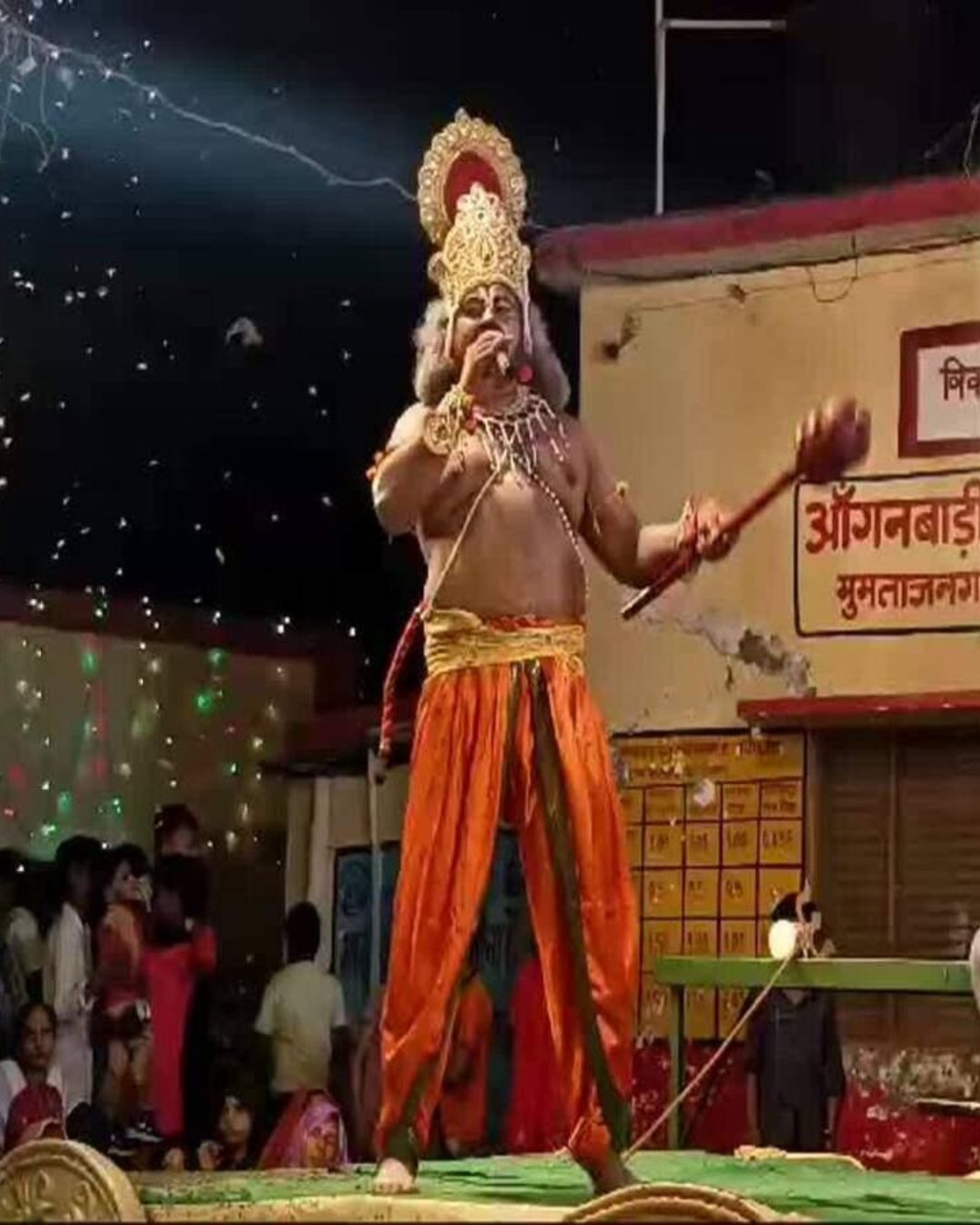
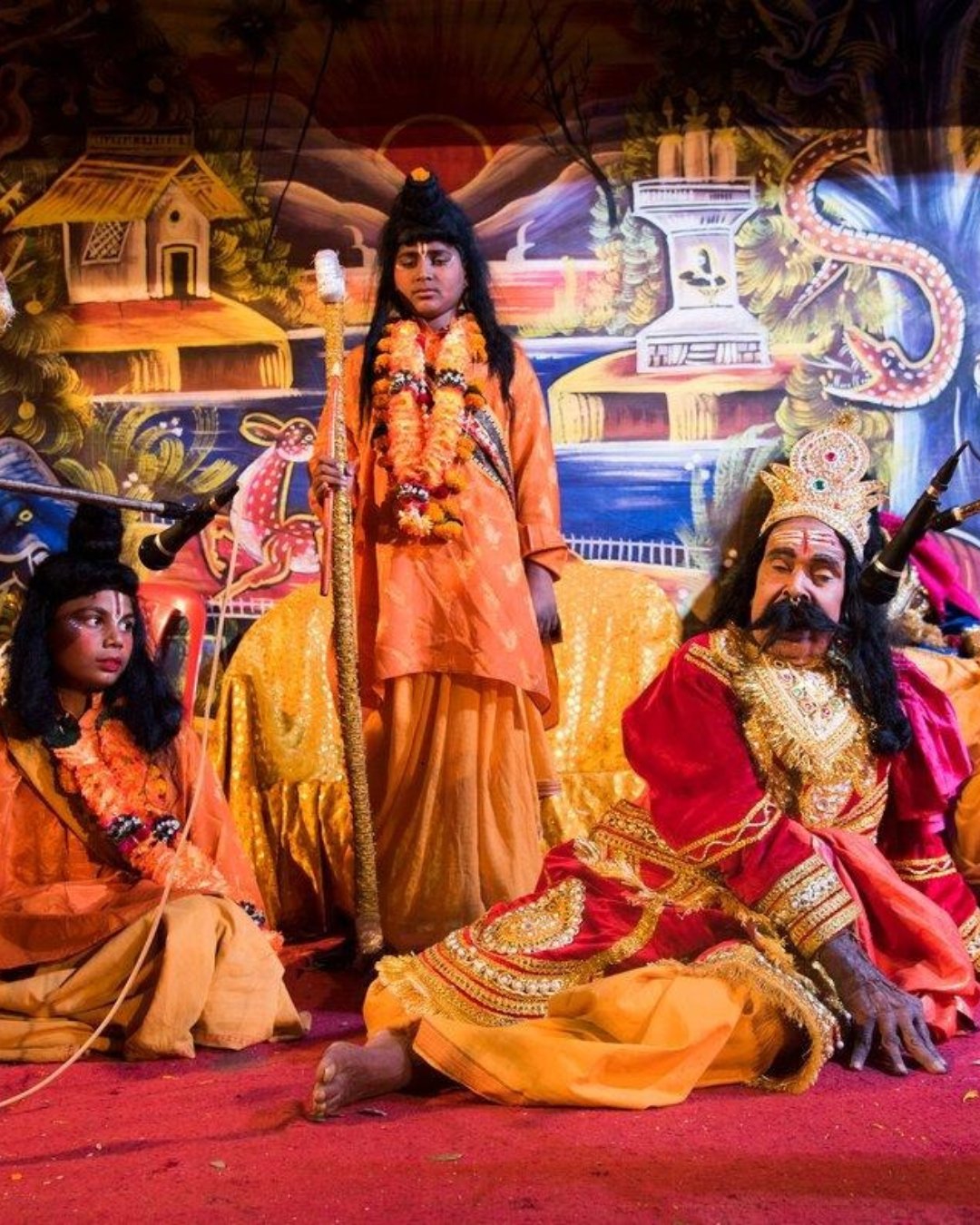
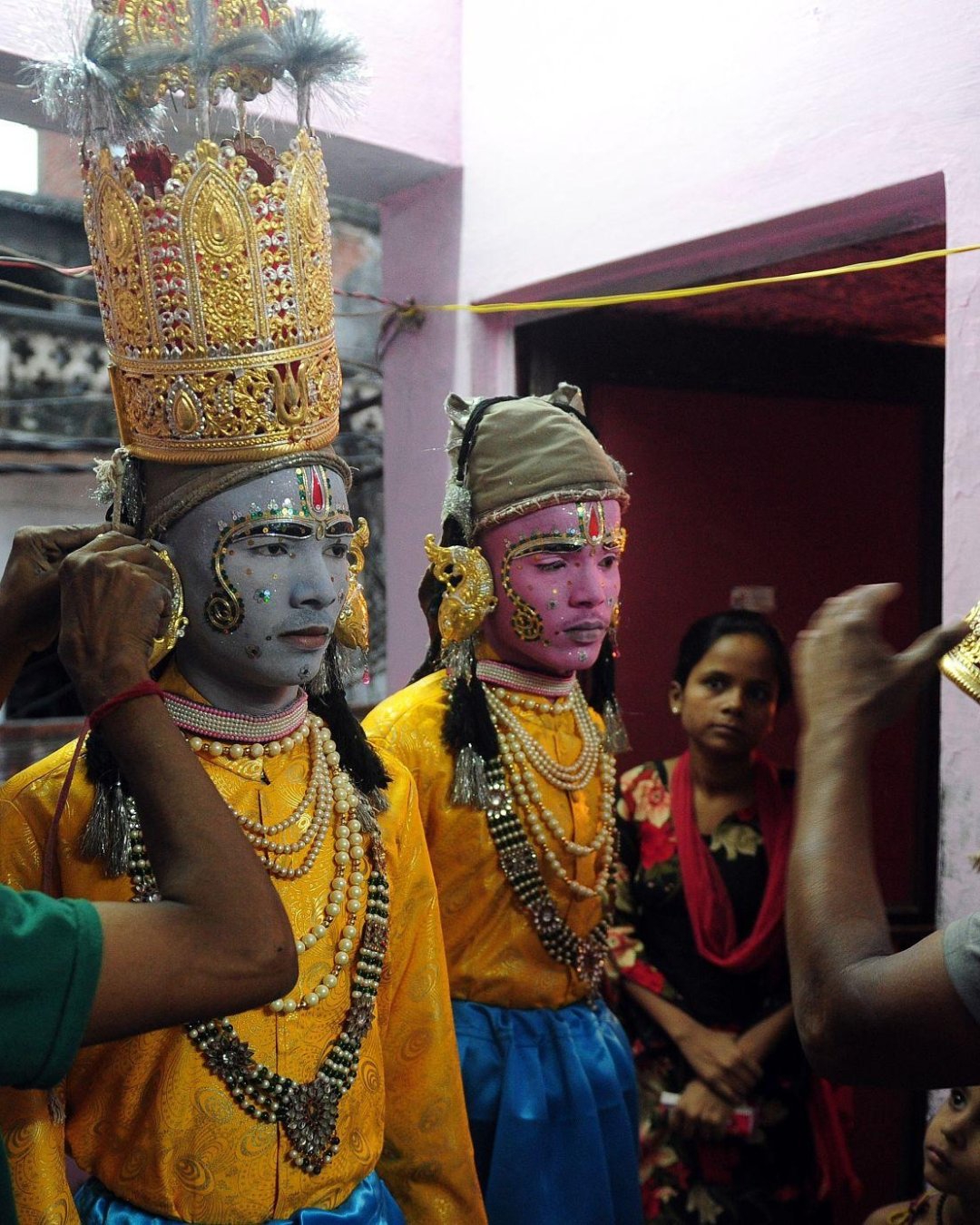
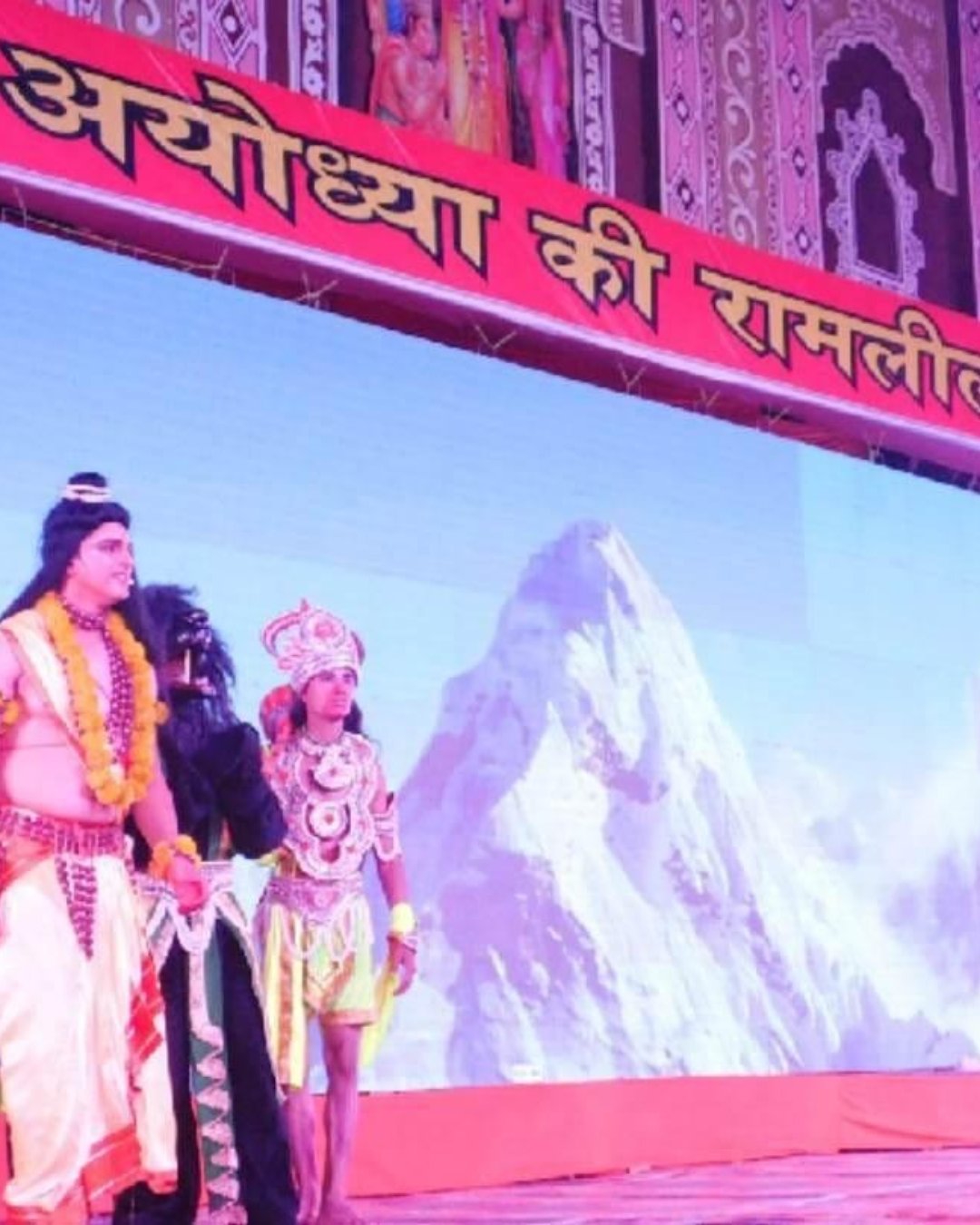
•Open-air productions are staged by local Ramlila committees, known as samitis.
•They are funded by the villagers or the urban neighbourhoods that host them, rather than by the state or a temple trust.
•A core team of performers trains for the dance-drama, but performances draw impromptu participation from the audience and from local residents.
•This is why no two Ramlilas are identical and why the same story feels different in different parts of town.
•It also means that the thing you are watching belongs to the people around you, not to an institution presenting it to visitors.
•Standing at the back and watching how the crowd behaves tells you as much as watching the stage does.
Pro tip: Find out which neighbourhood is staging the performance you are attending. It is a community's own production, and knowing whose it is changes how you watch it.
The mistakes that ruin it:
•Treating a Ramlila as a tourist show with an audience of outsiders.
•Expecting scheduled seating, tickets or a programme.