

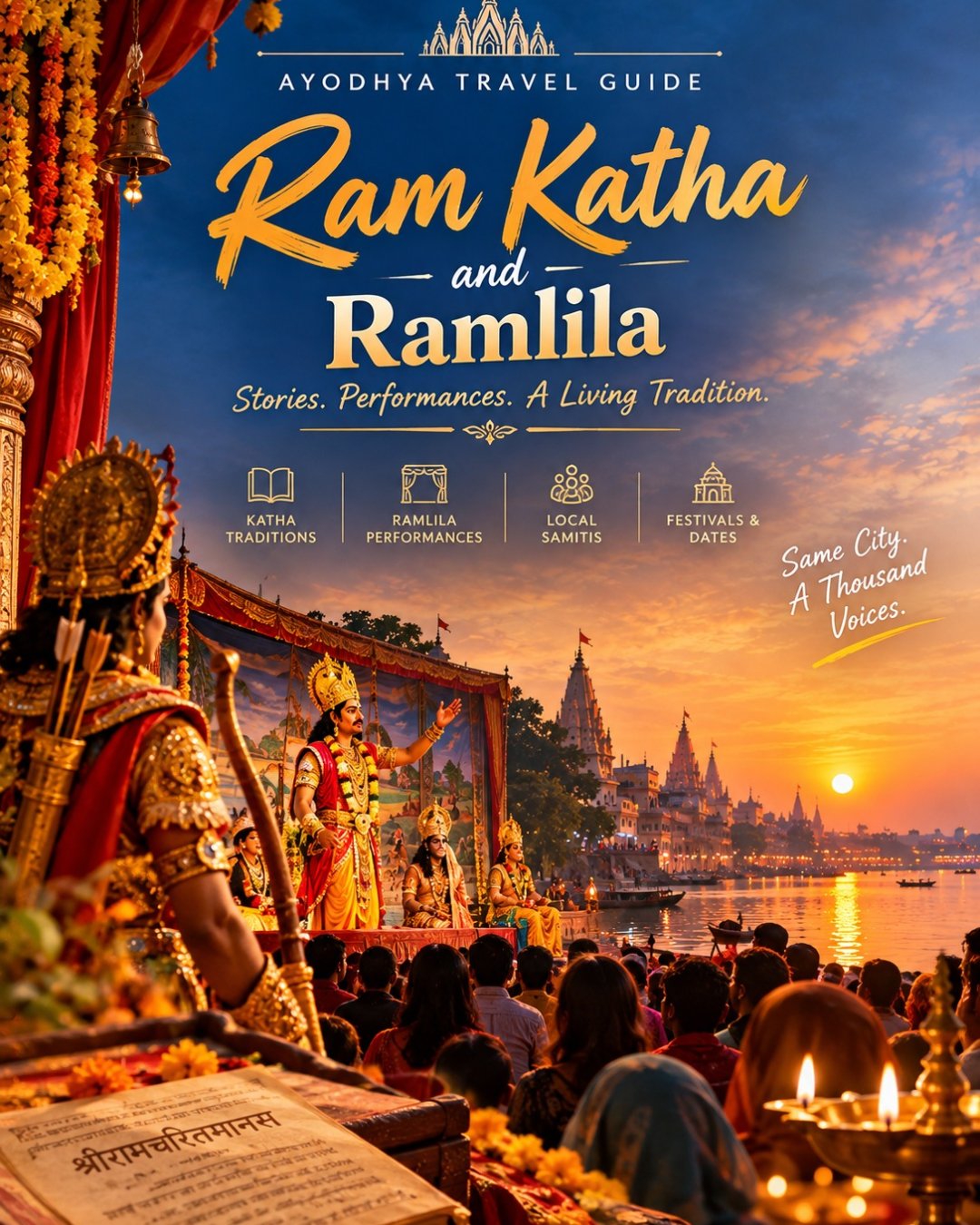
Ramlila in Ayodhya: The Town That Tells One Story
UNESCO names Ayodhya first among India's Ramlilas — ahead of Varanasi. How the
town performs, recites and sings the Ramayana, and when to come for it.
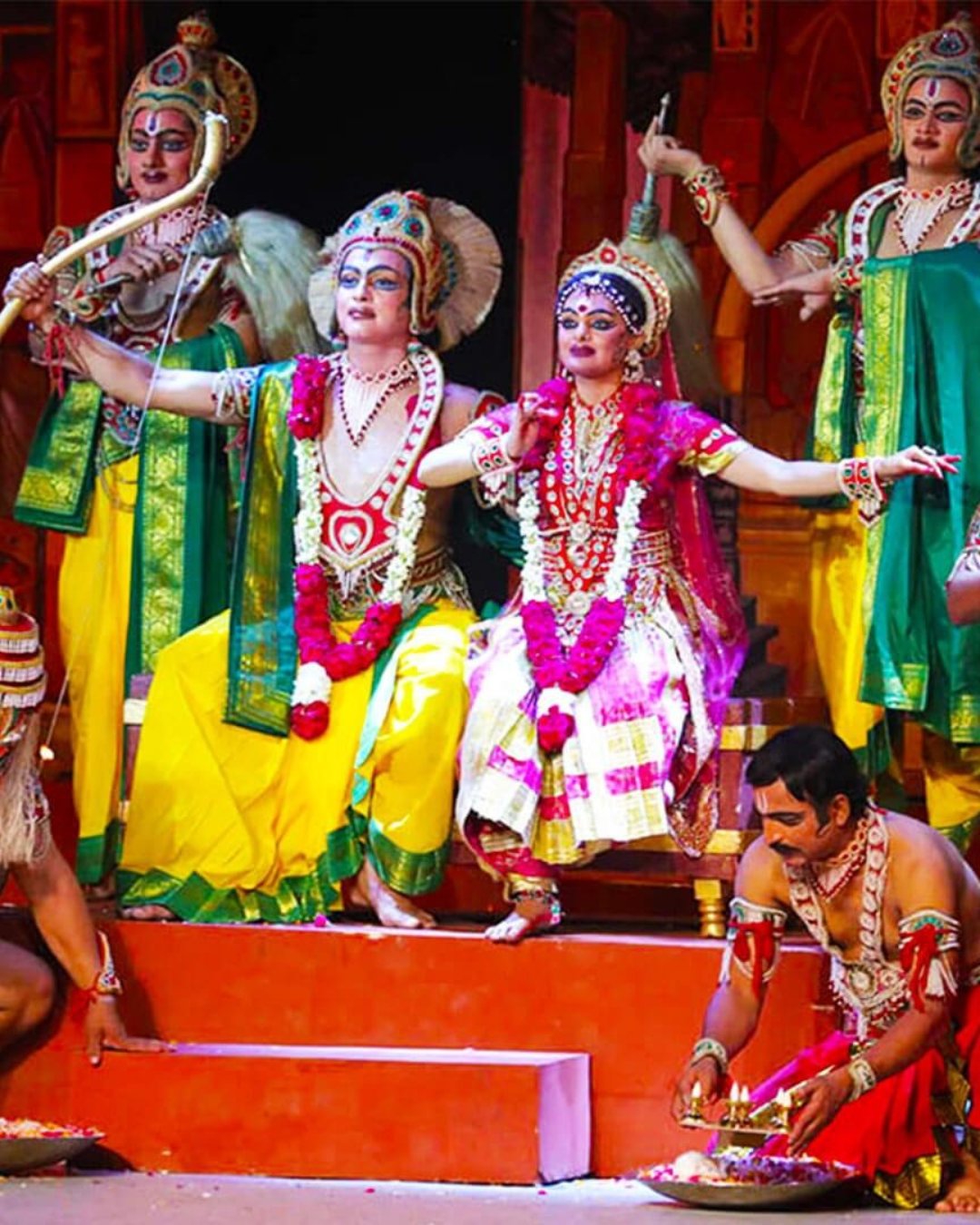
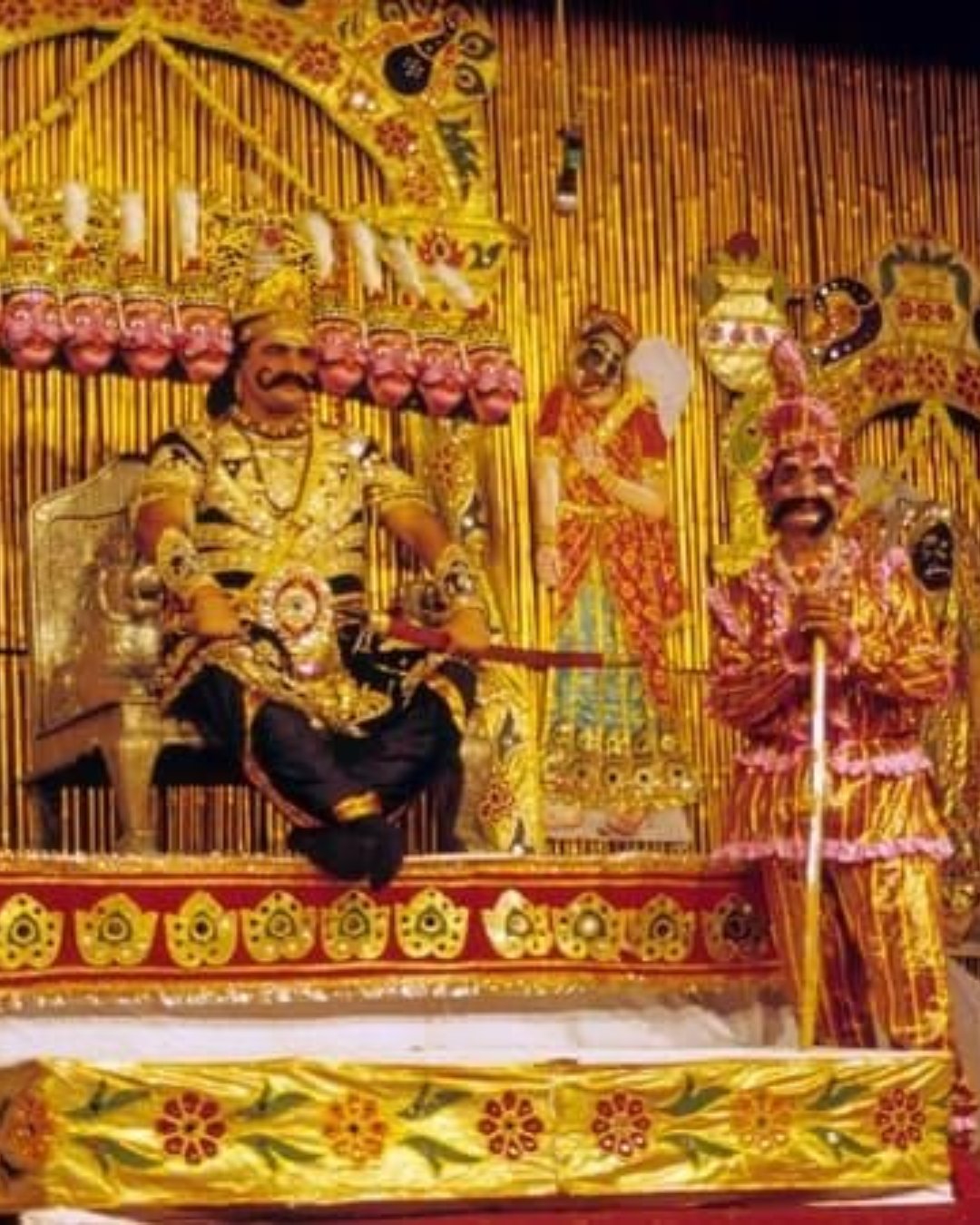
Ayodhya is one of the places UNESCO identifies among the most representative traditions of Ramlila, but it is important to get the wording right: UNESCO does not rank Ayodhya ahead of Varanasi. In 2008, it inscribed Ramlila—the traditional performance of the Ramayana—on the Representative List of the Intangible Cultural Heritage of Humanity and specifically names the traditions of Ayodhya, Ramnagar and Benares, Vrindavan, Almora, Satna and Madhubani as representative examples. In Ayodhya, that tradition becomes something you can experience through theatre, narration, recital, song and dialogue rather than simply reading about the Ramayana.
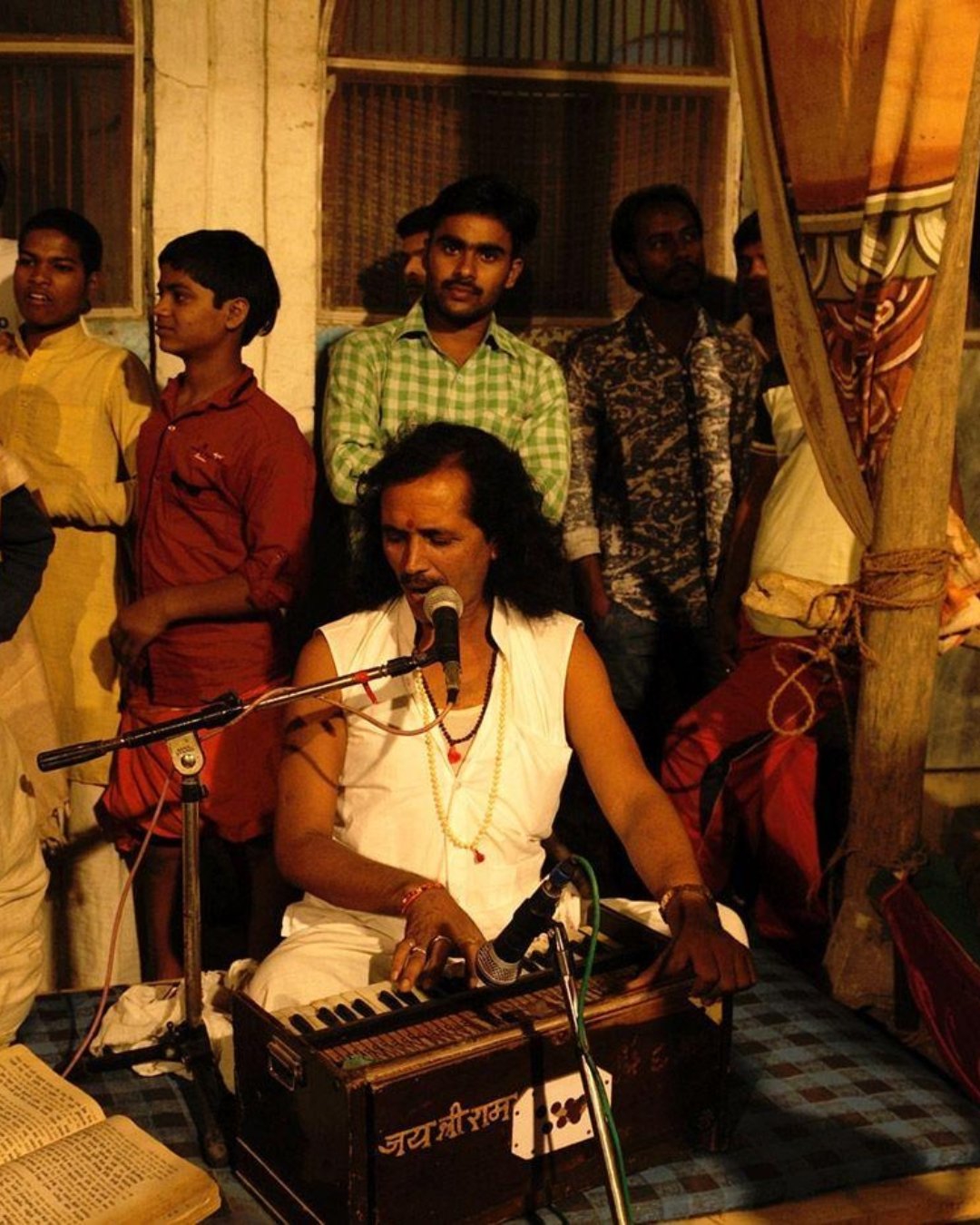
When you organise this journey, the most rewarding way to experience it is to follow the story from Ram Katha to Ramlila. You can begin by sitting with a kathavachak and listening as the Ramayana is explained through voice, verses, music and devotional storytelling, then move towards a live Ramlila where the same tradition becomes visible through costumes, characters, dialogue and dramatic scenes. Ayodhya's official cultural information describes Ramlila troupes as part of its performing-arts tradition, with costumes and language influenced by the city's folk culture. Its wider festival calendar also connects Ram Katha, music and devotional performances with occasions such as Ram Navami and Navratri.
The language is part of what makes the experience distinctive. Much of the traditional Ramlila tradition draws from Tulsidas's Ramcharitmanas, while Ayodhya's cultural environment is deeply connected with Awadhi and Hindi traditions. UNESCO explains that Ramlila uses scenes combining song, narration, recital and dialogue, and that performances commonly run across a series of days during the Dussehra season. As you watch, don't treat it like a conventional stage show where you arrive, take photographs and leave; sit among the audience, listen to the verses, watch their reactions and notice how the story is carried collectively by performers and spectators.
For the full experience, plan around the performance calendar rather than choosing your travel dates first. Traditional Ramlila is strongly associated with Dussehra in autumn, although Ram Katha and related devotional performances also appear around other festivals and religious occasions in Ayodhya. The exact dates change with the ritual/lunisolar calendar, and individual programmes can vary from year to year, so we would check the year's confirmed schedule before building your itinerary. Then leave an evening open for the performance, another period for Ram Katha, and enough time around both to explore the temples, Saryu and old pilgrimage streets. You are not simply coming to watch the Ramayana you are coming to experience how Ayodhya keeps the story alive through voice, music, theatre and language.
Stops
Home
MomentRam Katha Park, Ayodhya
A Town That Tells One Story, Continuously
Ayodhya has been telling the same story for centuries, and it has never stopped to do anything else.
•The Ramayana is not background here. It is the town's continuous present tense — recited, sung, staged and argued over every day of the year.
•That telling takes several forms: Ramlila as performance, Ram Katha as recitation, and bhajan and kirtan as devotional song.
•The version most people here know is the Ramcharitmanas, composed in the sixteenth century, rather than the Sanskrit Ramayana.
•A visitor who only sees the temples experiences the story as architecture. A visitor who hears it performed experiences it as a living thing.
•None of this requires a ticket or a booking. Most of it happens in the open, and most of it is free.
•The one thing it does require is timing, because the biggest of it is seasonal.
Pro tip: Ask at your accommodation what is being performed or recited while you are in town. There is almost always something, and almost none of it is advertised where a visitor would look.
The mistakes that ruin it:
•Treating the Ramayana as history to read about rather than a performance to attend.
•Assuming the temples are the whole of the town's relationship with the story.
19
MomentLakshman kila, Ayodhya
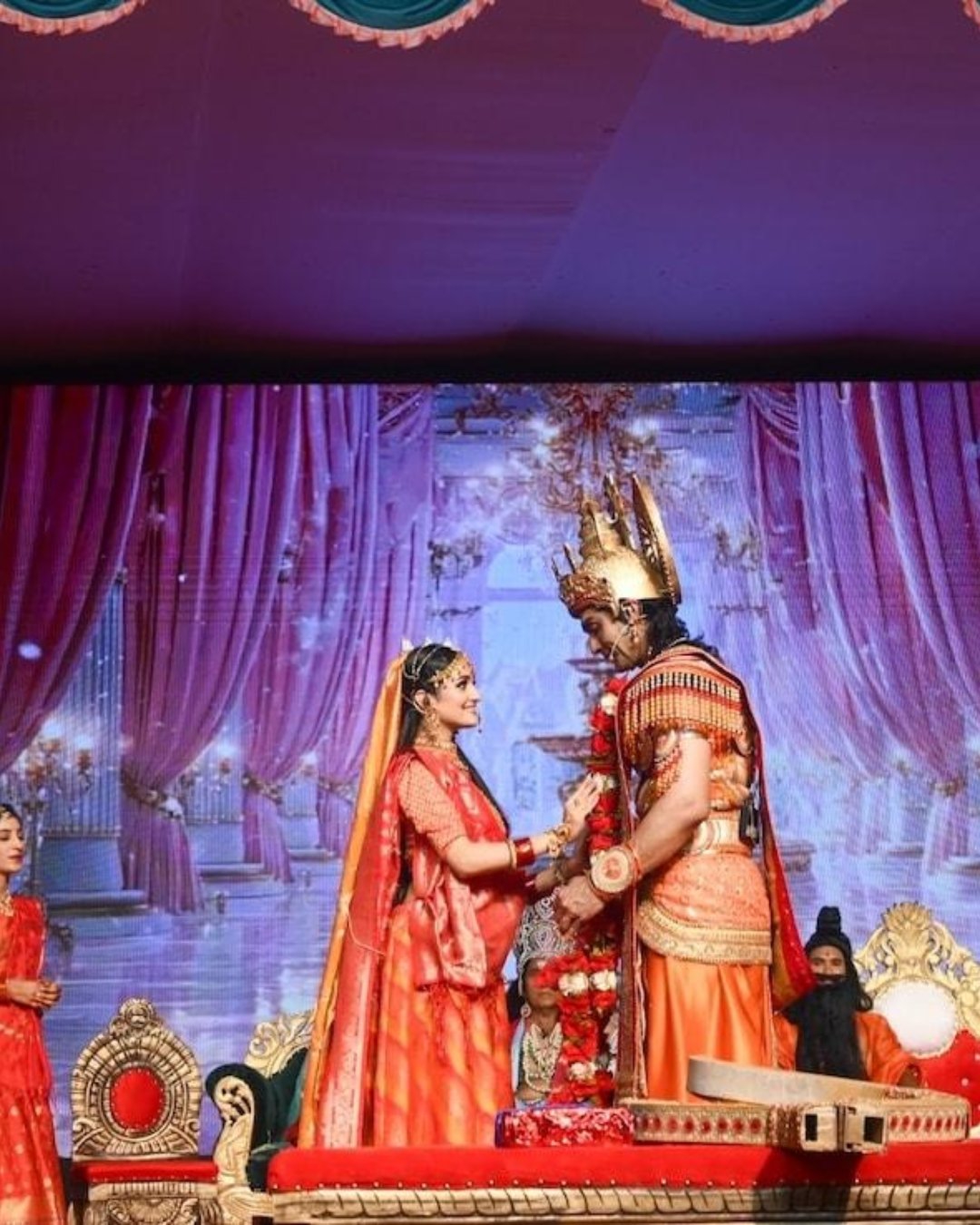
Ramlila, and Why UNESCO Names Ayodhya First
When UNESCO listed the Ramlila as intangible cultural heritage, it named Ayodhya first.
•Ramlila — literally Rama's play — was inscribed on UNESCO's Representative List of the Intangible Cultural Heritage of Humanity in 2008.
•UNESCO's description names the most representative Ramlilas as those of Ayodhya, Ramnagar and Banares, Vrindavan, Almora, Sattna and Madhubani — in that order.
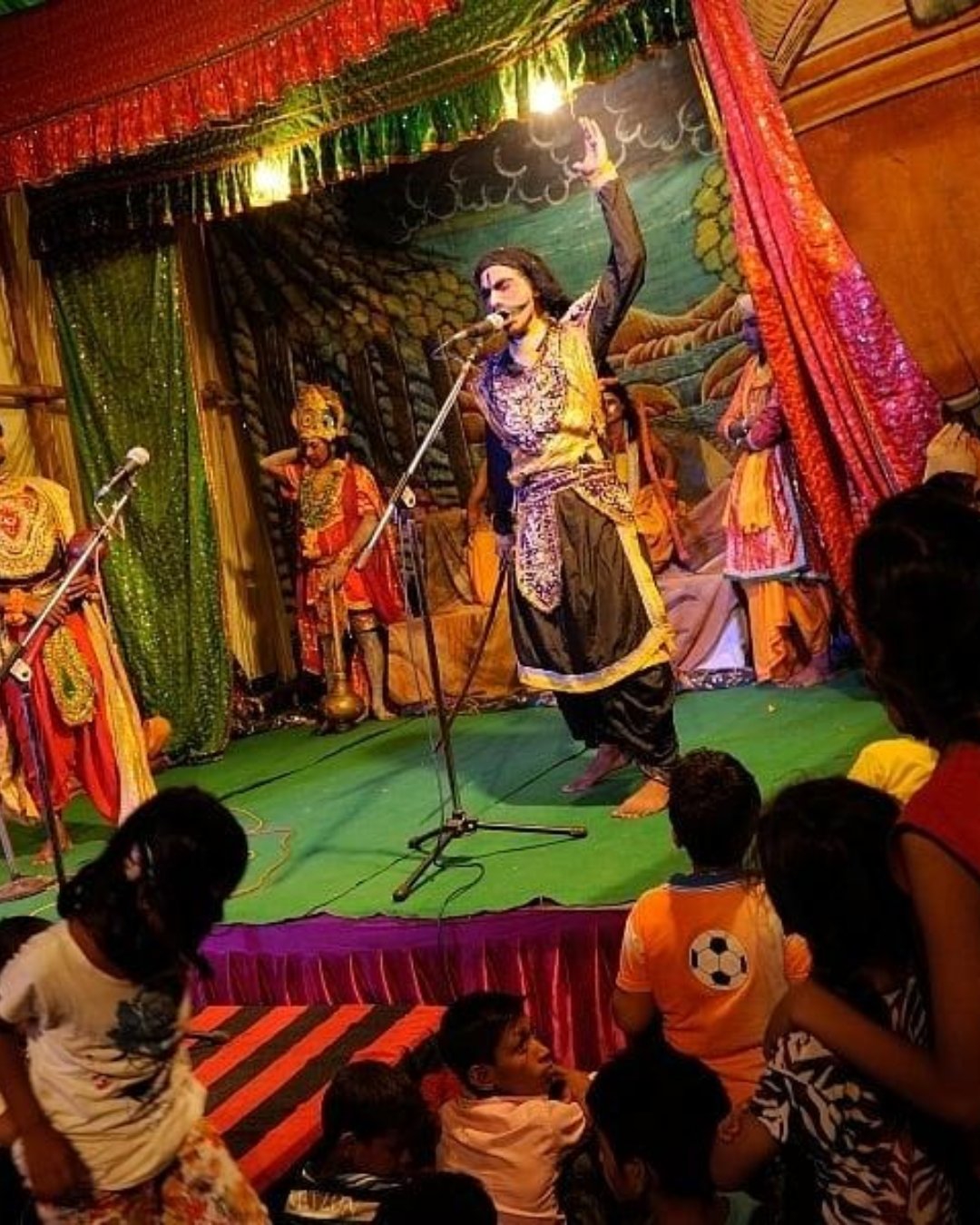
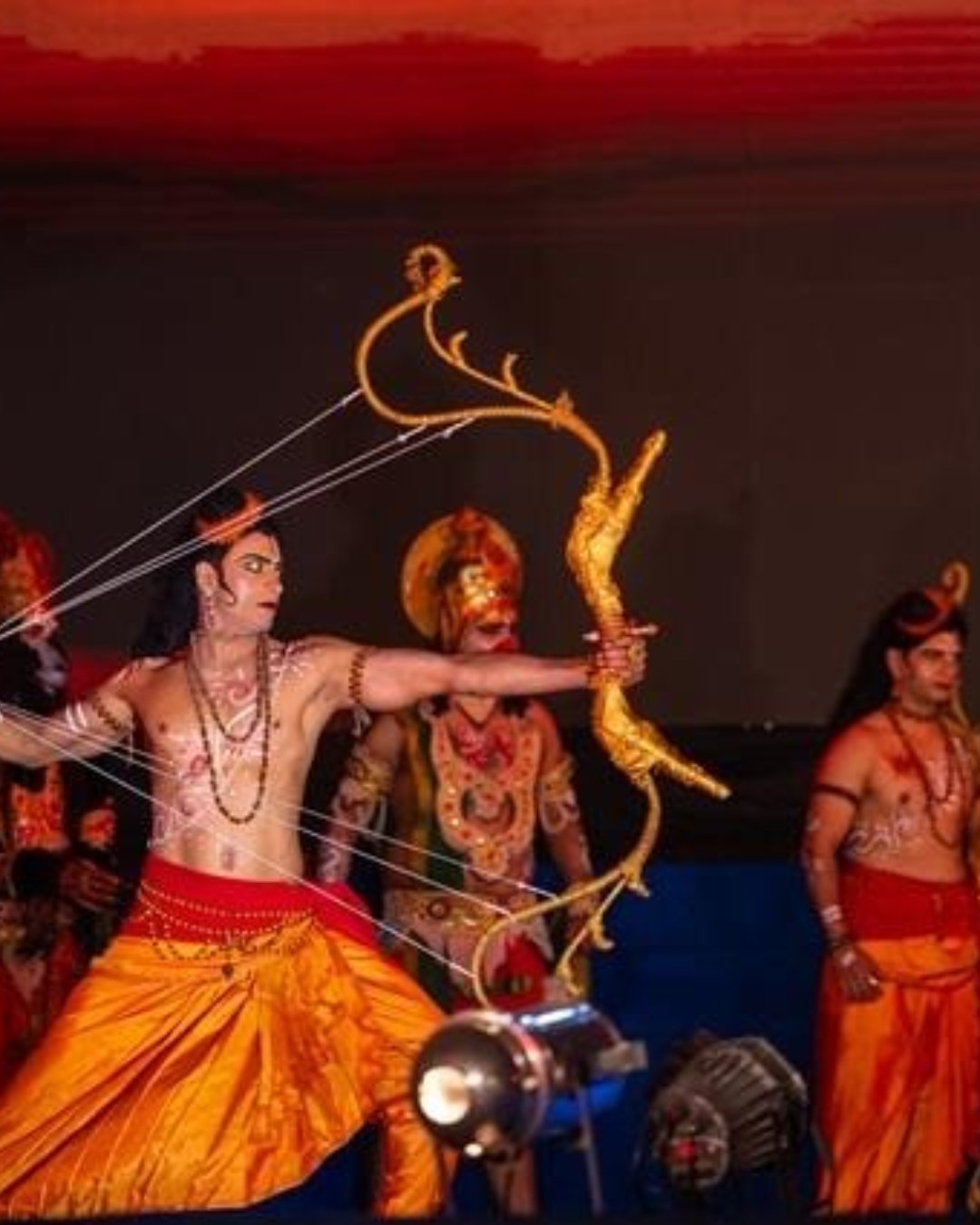
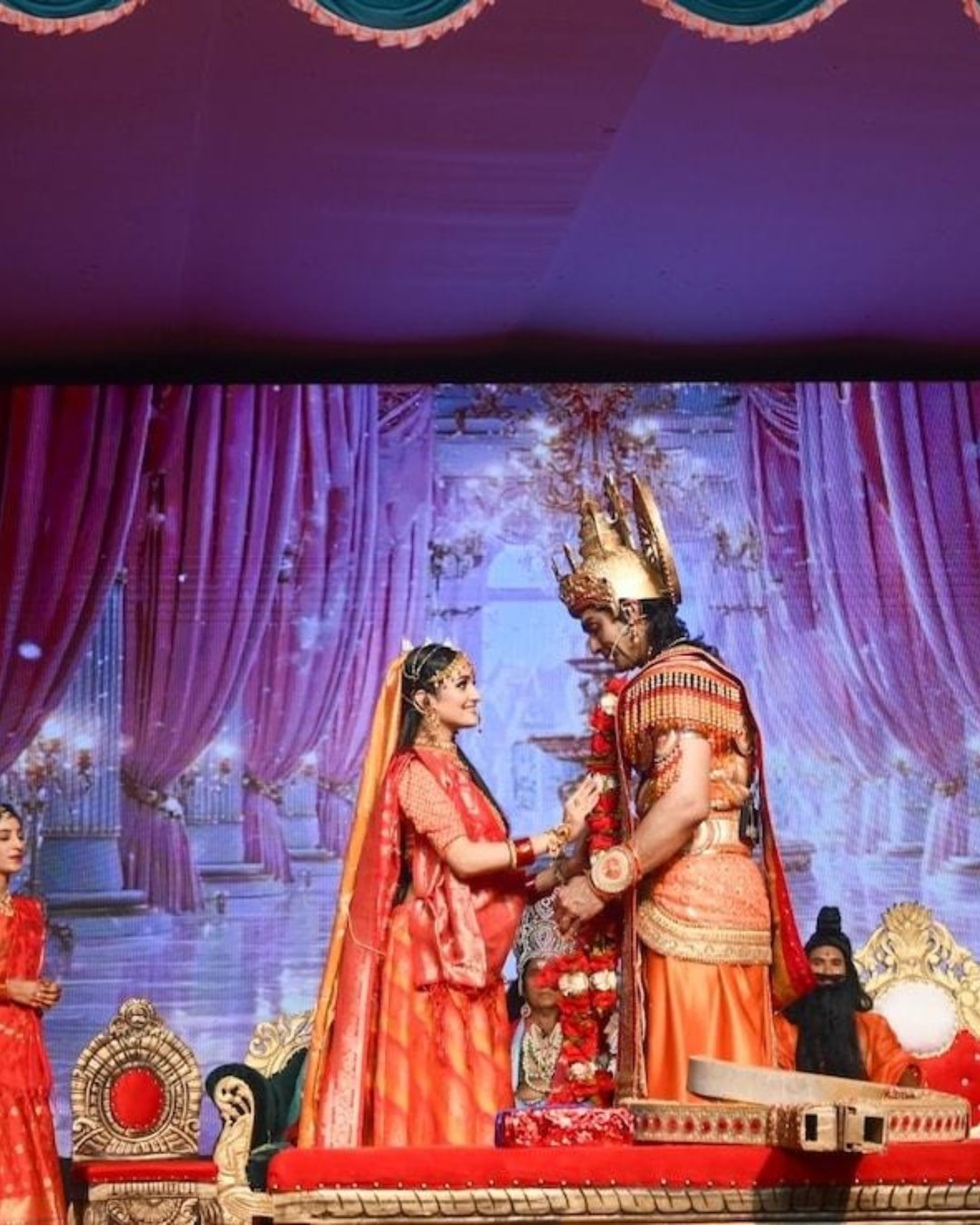
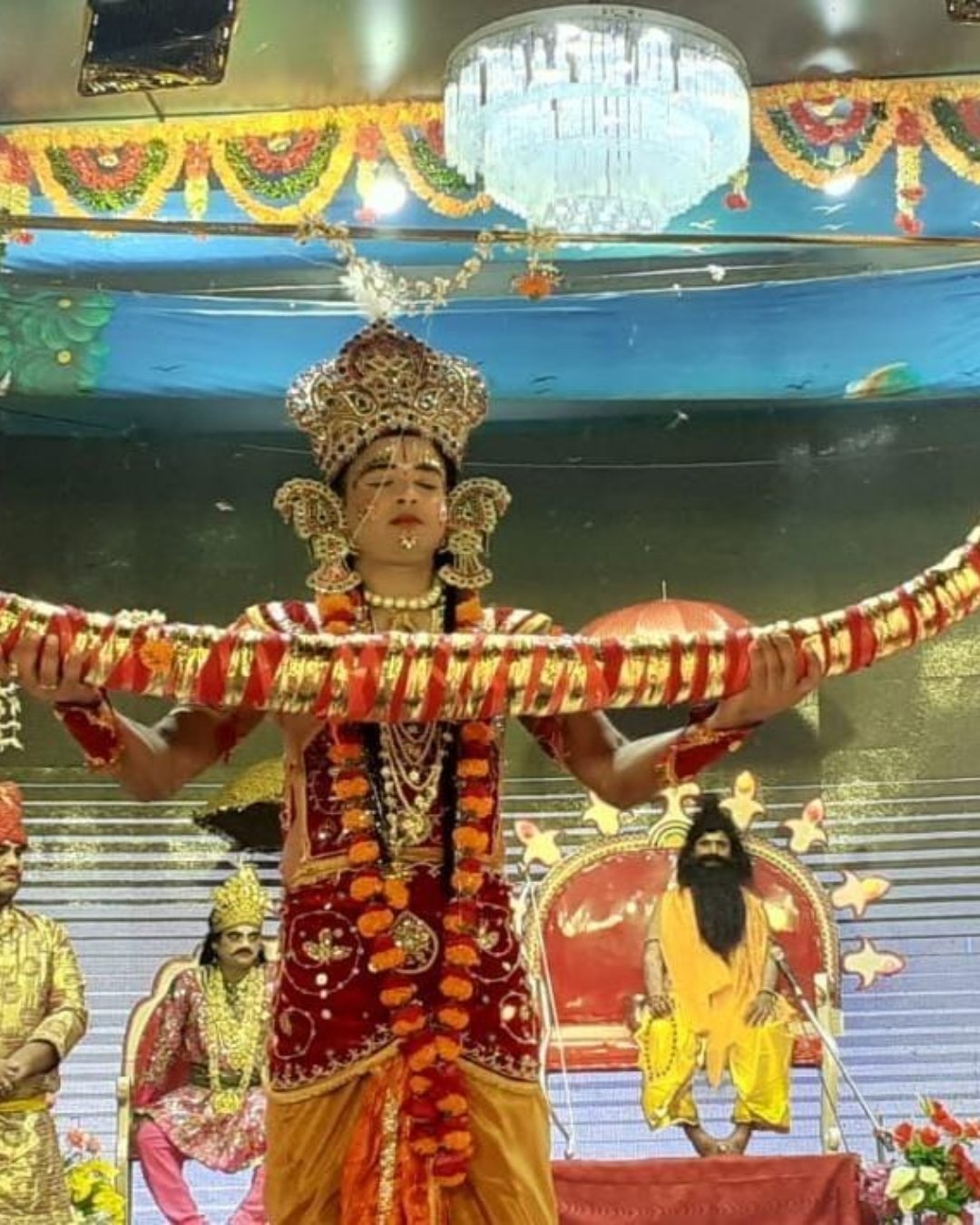
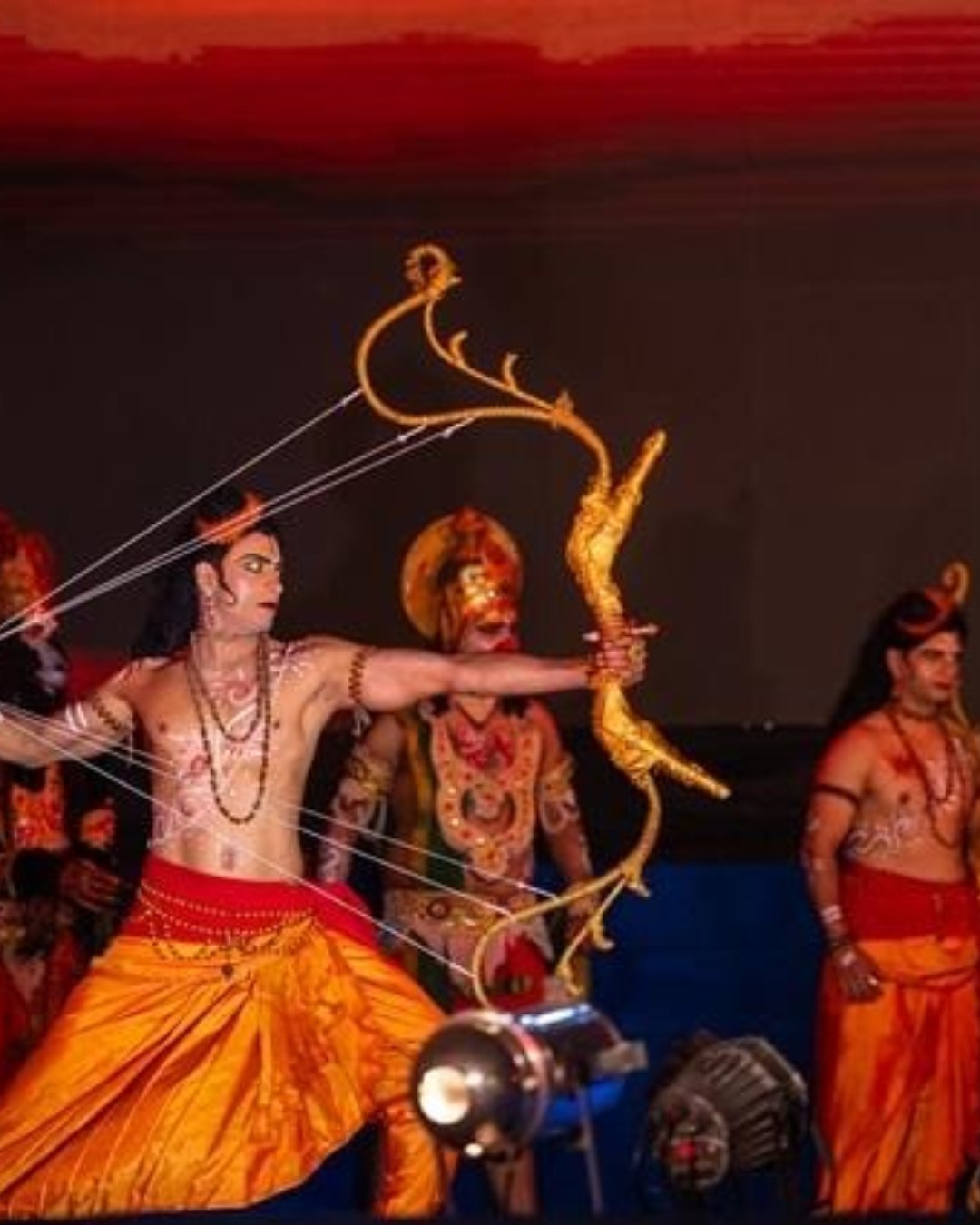
•It is a performance of the Ramayana in a series of scenes combining song, narration, recital and dialogue.
•Most Ramlilas run over ten to twelve days; a few, such as Ramnagar's near Varanasi, extend to a full lunar month.
•It is performed across northern India during the autumn Dussehra season, celebrating Ram's return from exile.
•UNESCO's account notes that Ramlila brings a whole population together without distinction of caste, religion or age, and that the audience is invited to sing and take part in the narration.
Pro tip: If you can only plan one culturally timed trip to Ayodhya, plan it for the Dussehra season rather than for a temple festival. Ramlila is the thing the town does better than anywhere else, by the reckoning of the body that assesses such things.
The mistakes that ruin it:
•Assuming Ramnagar's Ramlila is the definitive one because it is better documented in English.
•Arriving outside the autumn season expecting to find it.
17
MomentRam Katha Park, Ayodhya
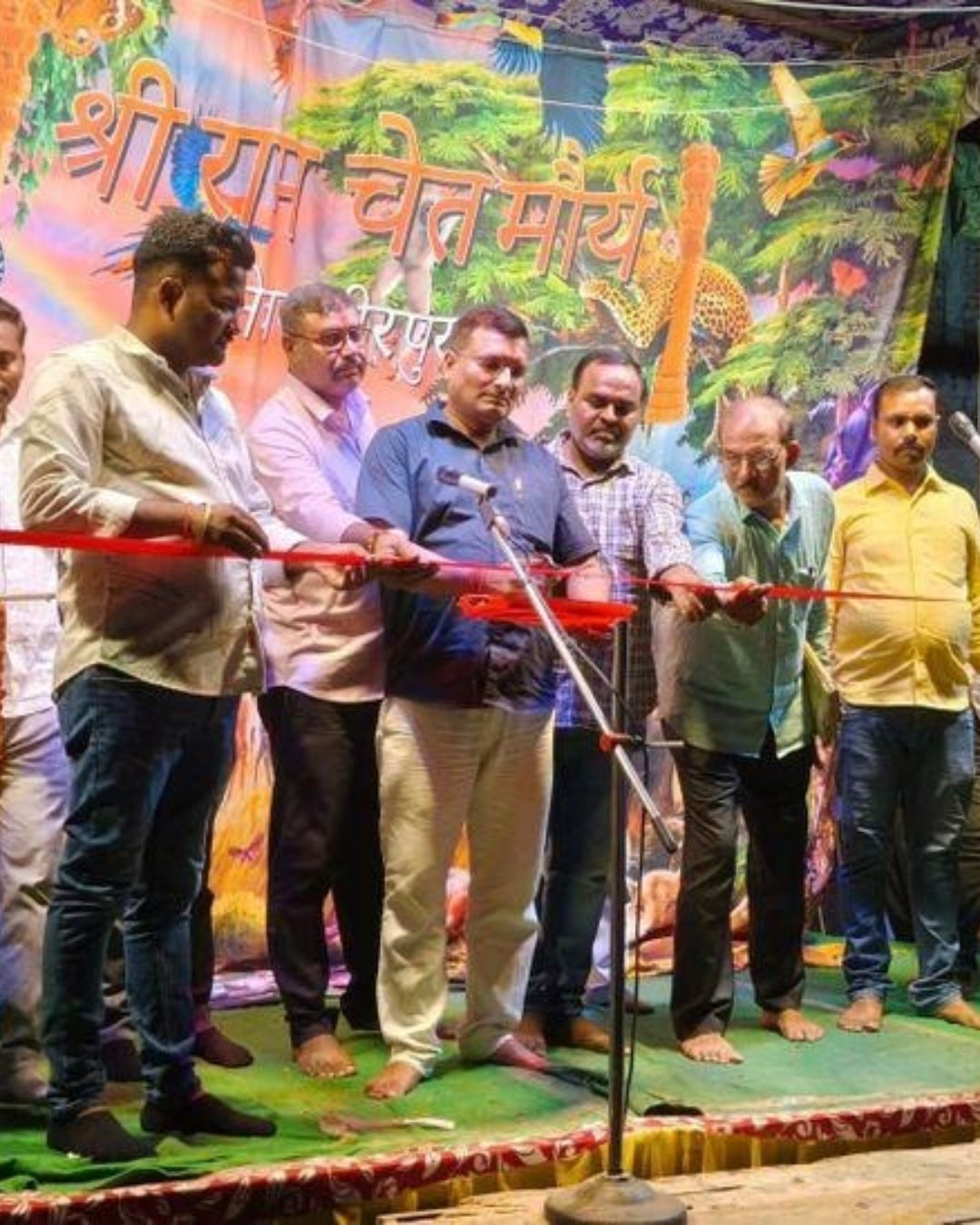
Tulsidas, Awadhi, and Why the Language Matters Here
The text that every Ramlila is built on was written in the language spoken around Ayodhya.
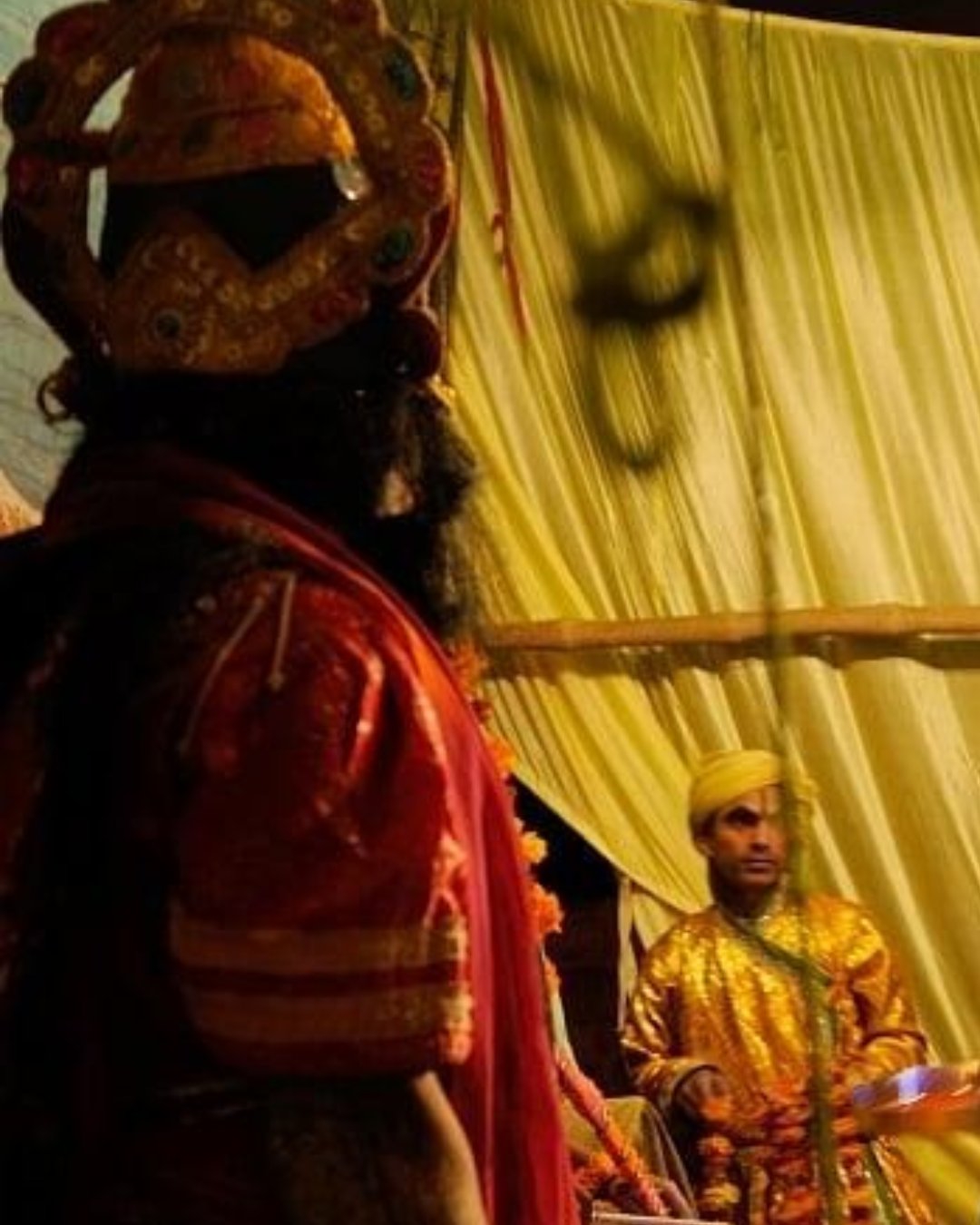
•Most Ramlilas in northern India are based on the Ramcharitmanas, composed by Tulsidas in the sixteenth century.
•He wrote it in Awadhi — the language of the Awadh region, which is to say the language of this part of Uttar Pradesh.
•The stated purpose was to make the Sanskrit epic available to everyone rather than to scholars alone, which is why it became the most popular storytelling form in the north.
•Its verses are used directly as dialogue in traditional Ramlila adaptations, so what you hear performed is the text itself rather than a script derived from it.
•Tulsidas belongs to the Ramanandi tradition, the monastic order that dominates Ayodhya.
•Knowing the text is in the local language changes how the performance sounds, even to someone who does not speak it.
Pro tip: Read a few pages of the Ramcharitmanas in translation before you come. Recognising even a handful of moments while they are being performed is the difference between watching a ritual and following a story.
The mistakes that ruin it:
•Assuming the performances are in Sanskrit.
•Missing that the most popular version of the epic was written in the language of this region.
12
MomentRam Katha Park, Ayodhya
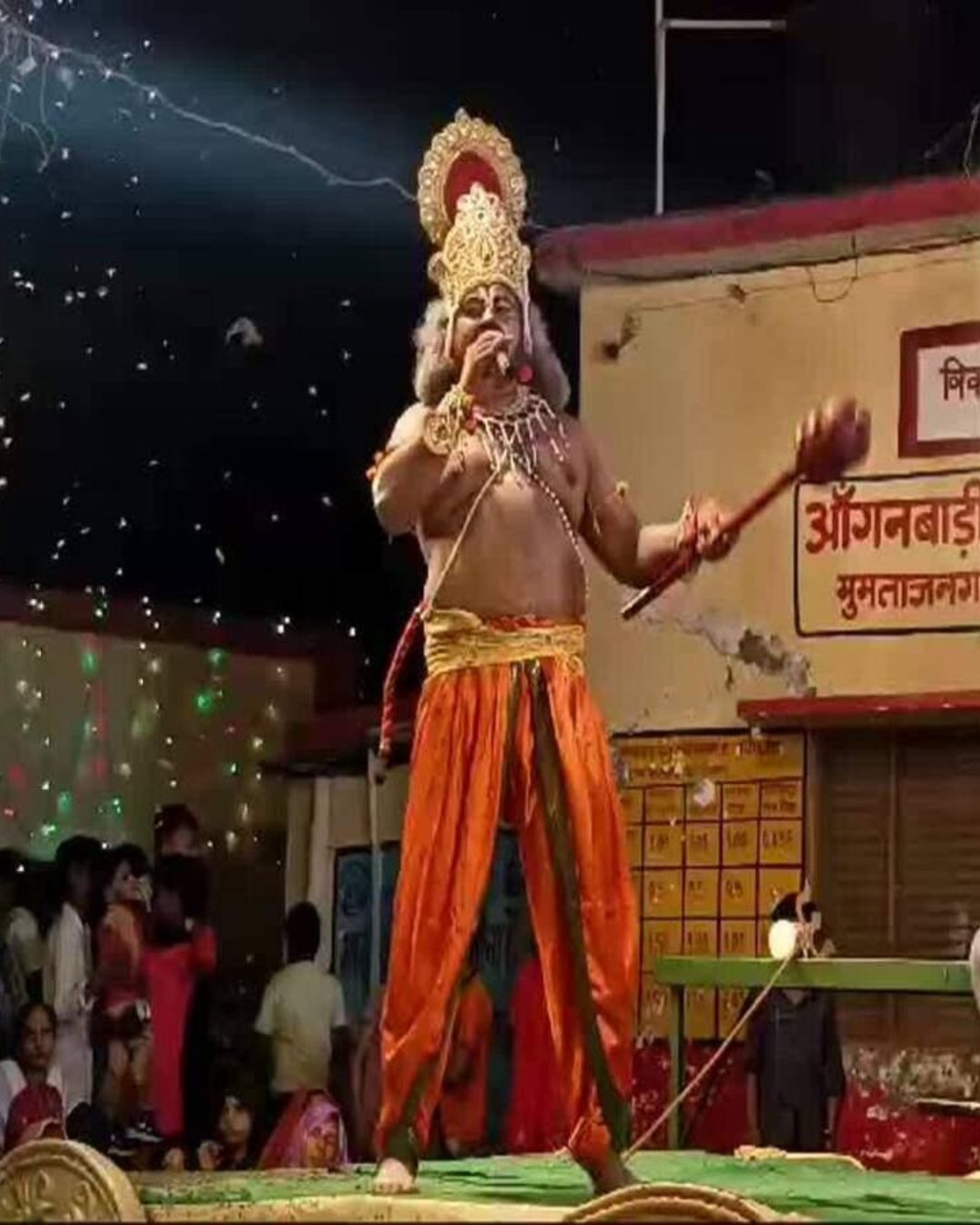
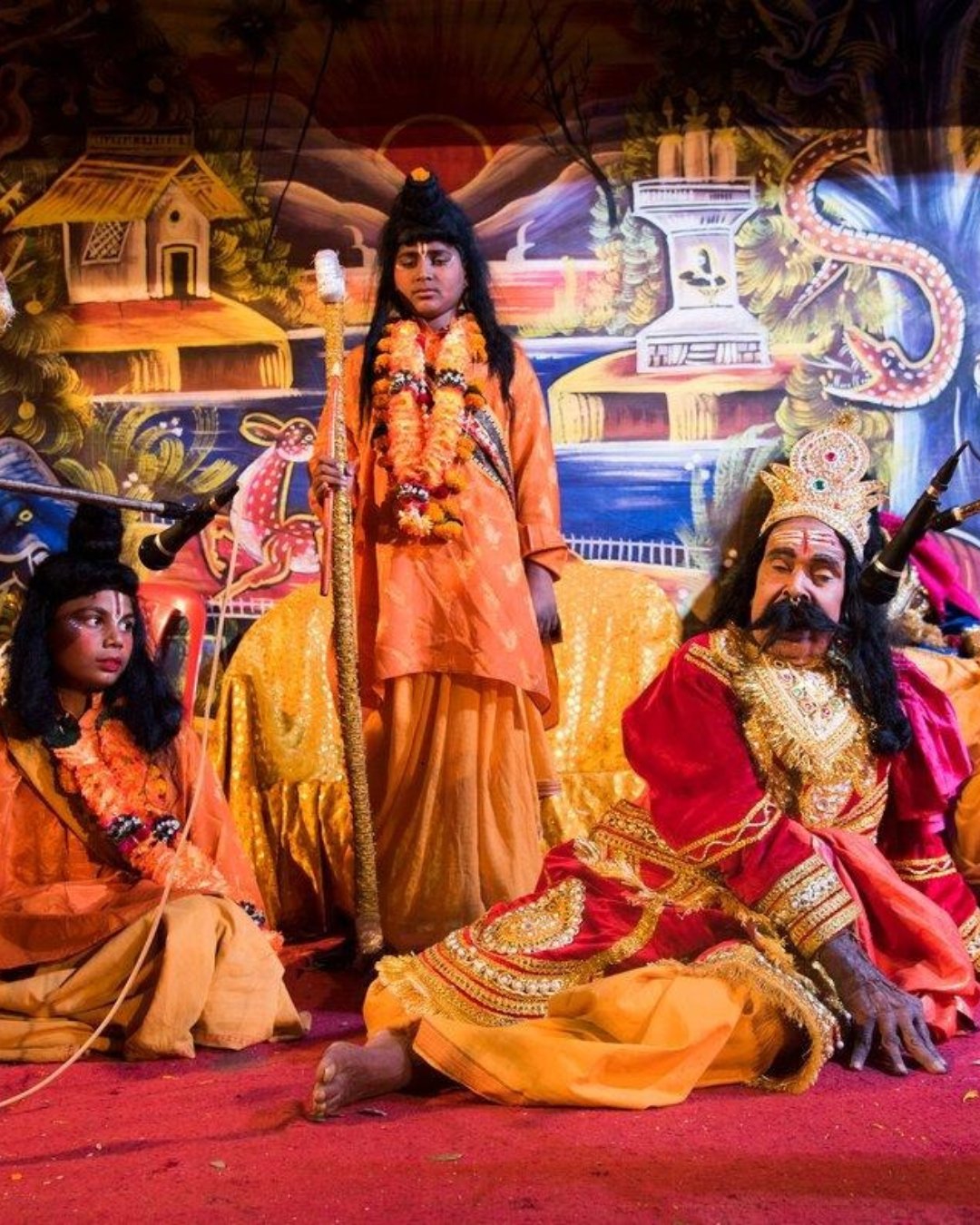
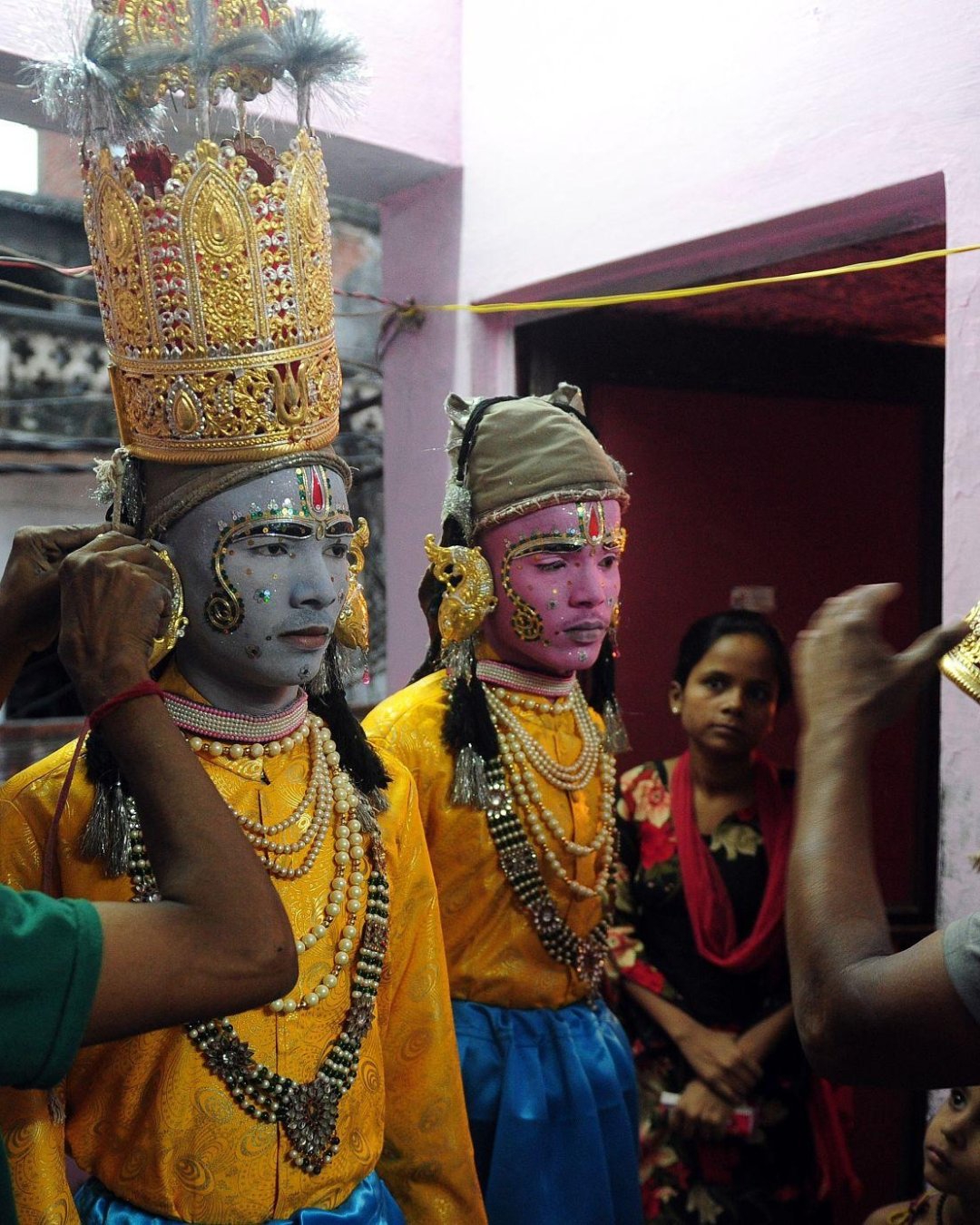
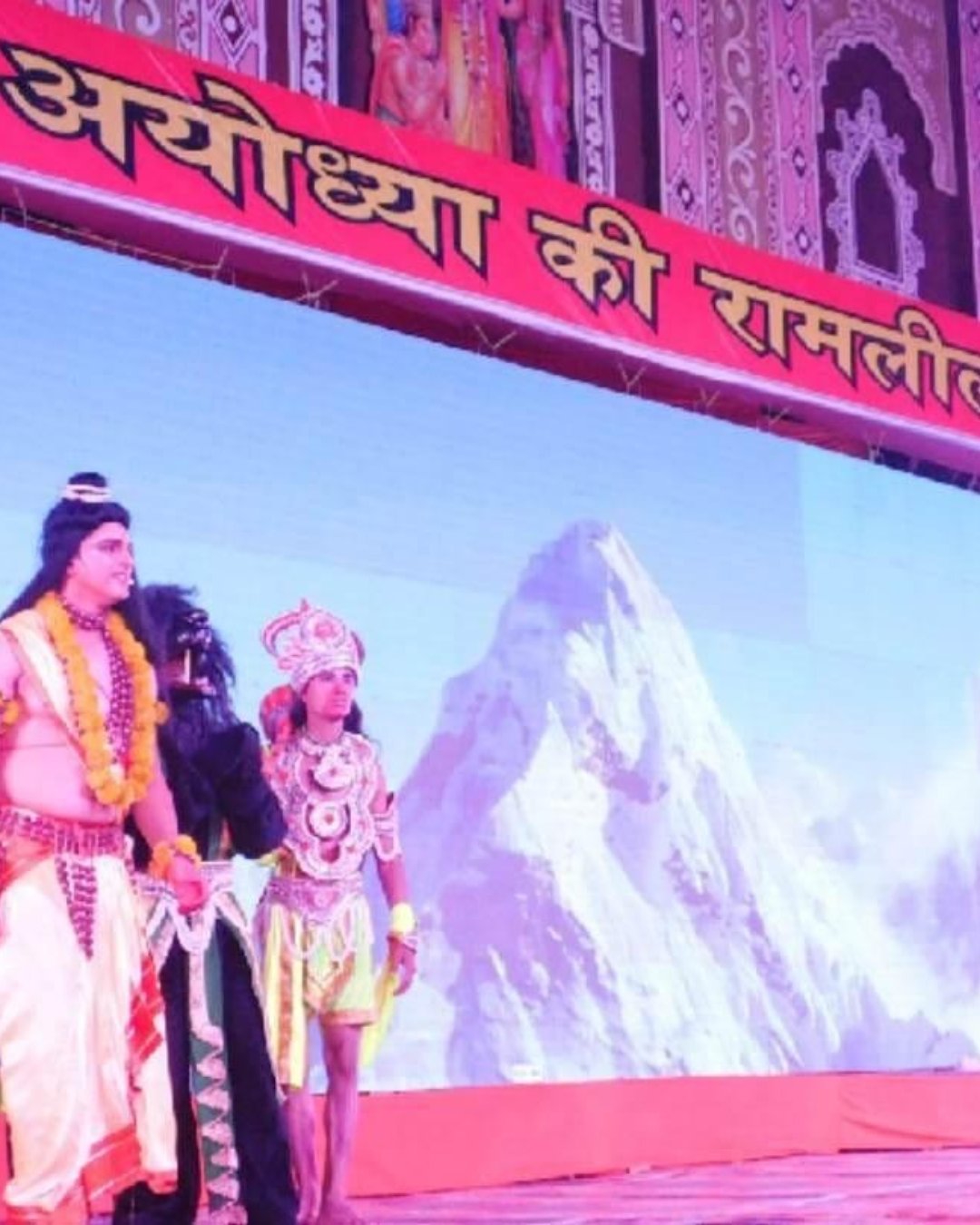
The Samitis Who Actually Put It On
Nobody commissions a Ramlila. Neighbourhoods fund them, and that is the whole point.
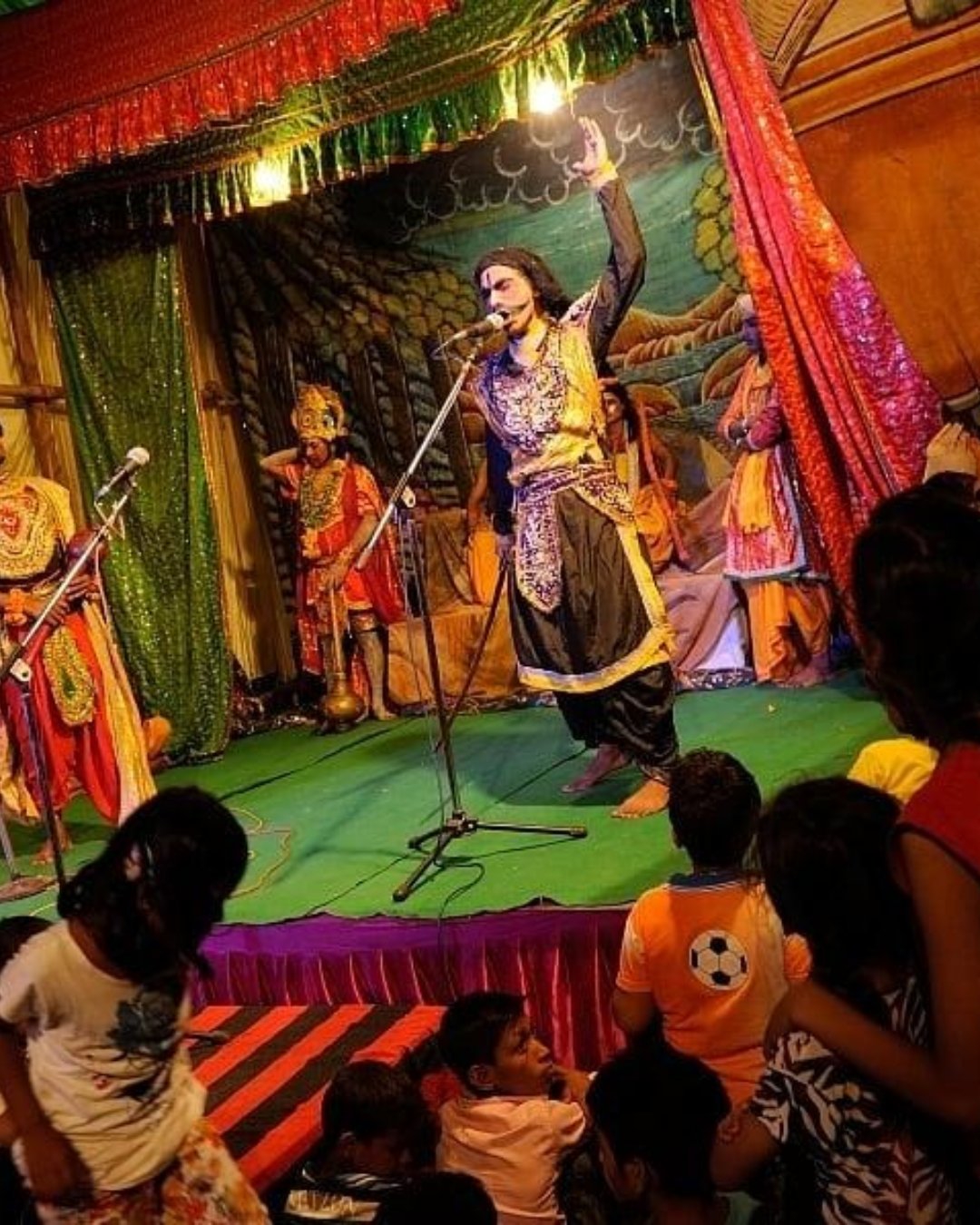
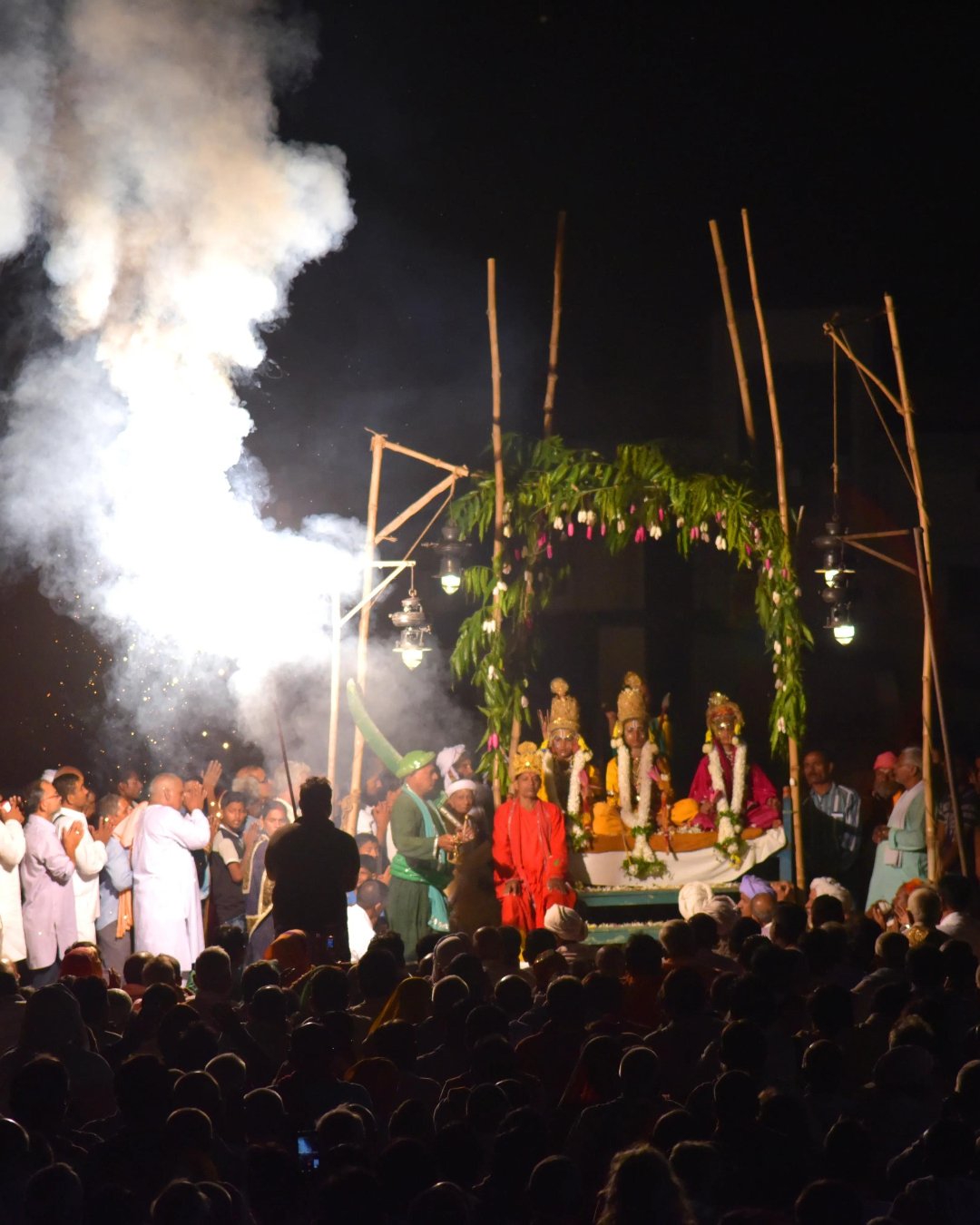
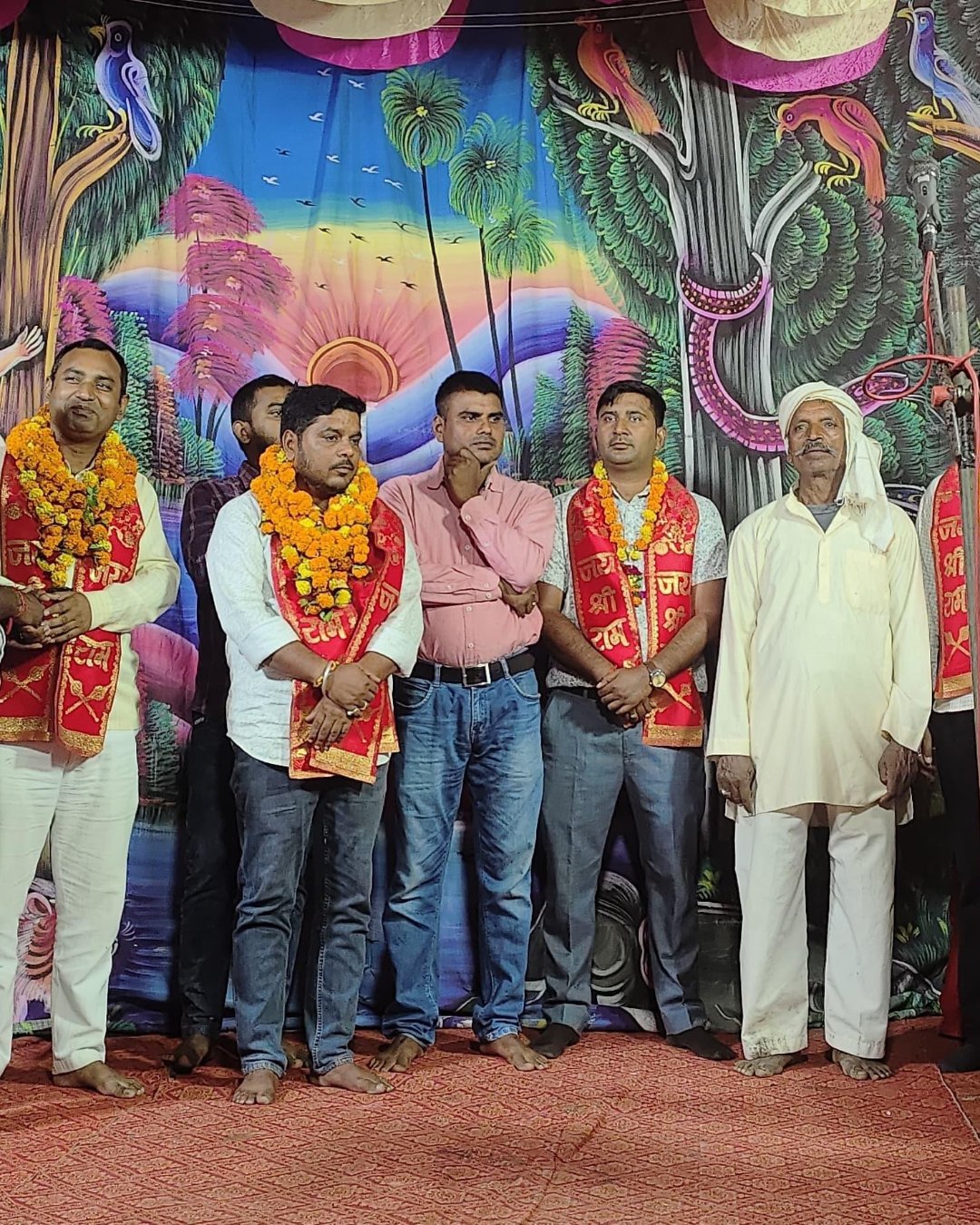
•Open-air productions are staged by local Ramlila committees, known as samitis.
•They are funded by the villagers or the urban neighbourhoods that host them, rather than by the state or a temple trust.
•A core team of performers trains for the dance-drama, but performances draw impromptu participation from the audience and from local residents.
•This is why no two Ramlilas are identical and why the same story feels different in different parts of town.
•It also means that the thing you are watching belongs to the people around you, not to an institution presenting it to visitors.
•Standing at the back and watching how the crowd behaves tells you as much as watching the stage does.
Pro tip: Find out which neighbourhood is staging the performance you are attending. It is a community's own production, and knowing whose it is changes how you watch it.
The mistakes that ruin it:
•Treating a Ramlila as a tourist show with an audience of outsiders.
•Expecting scheduled seating, tickets or a programme.
17
MomentLakshman kila, Ayodhya
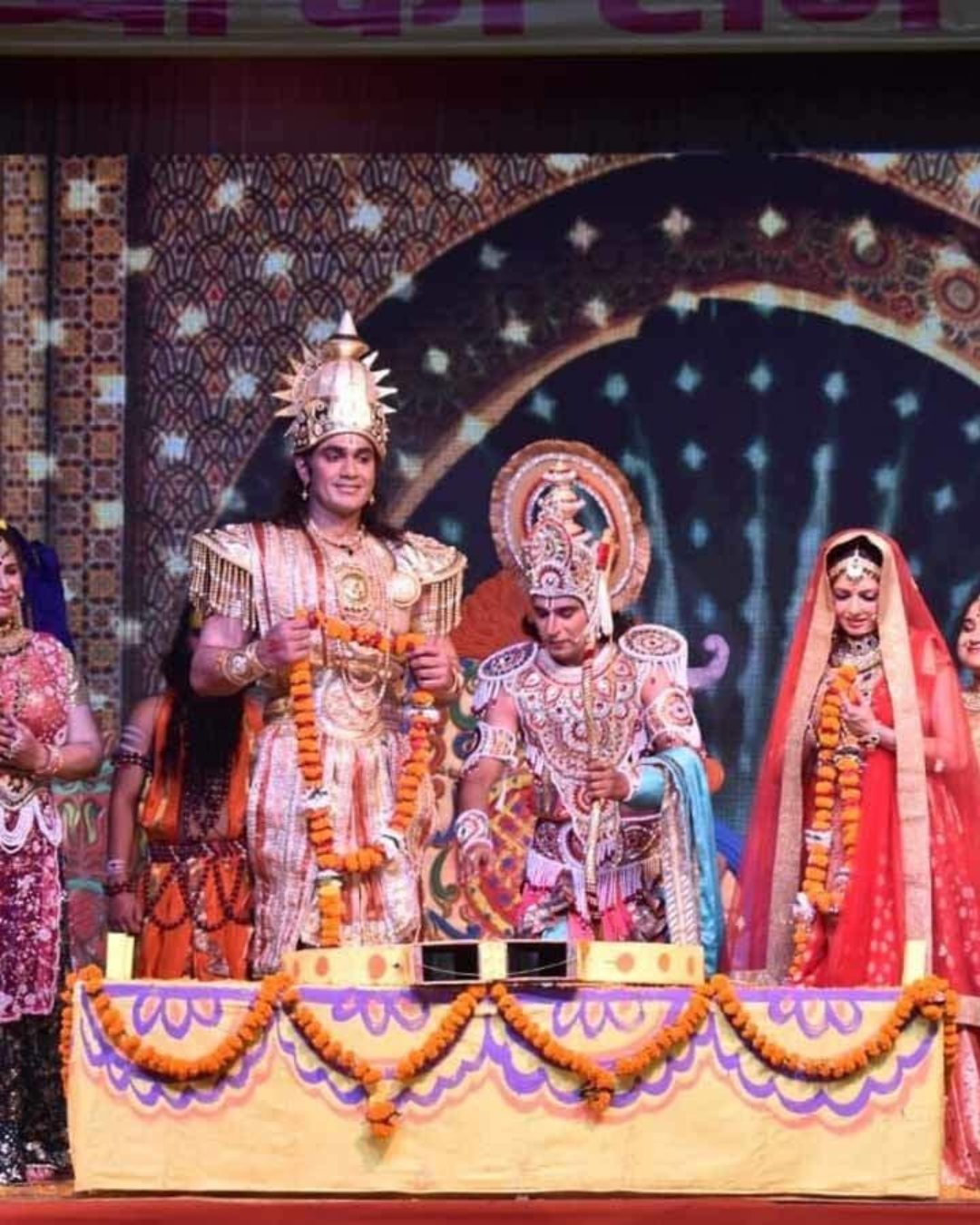
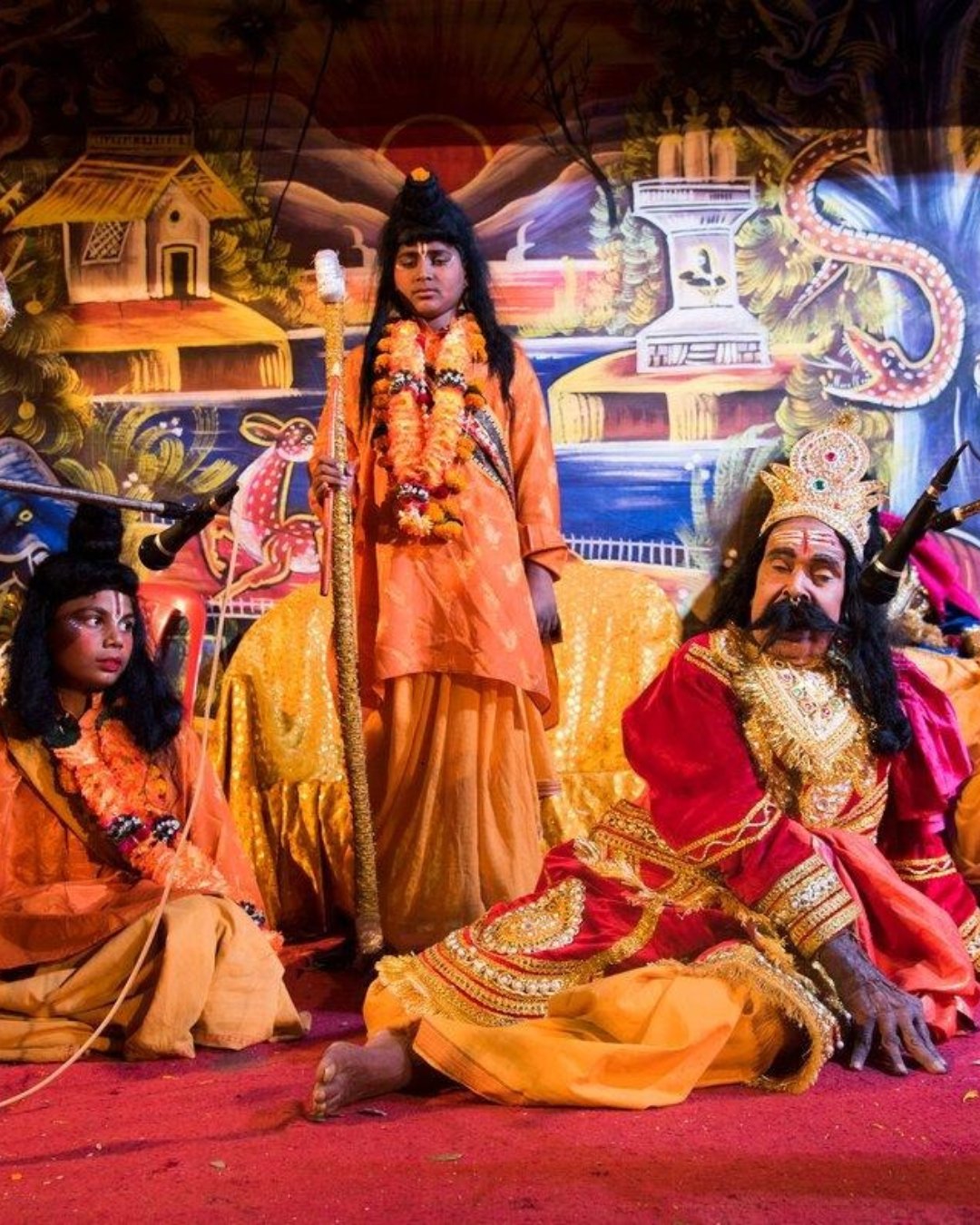
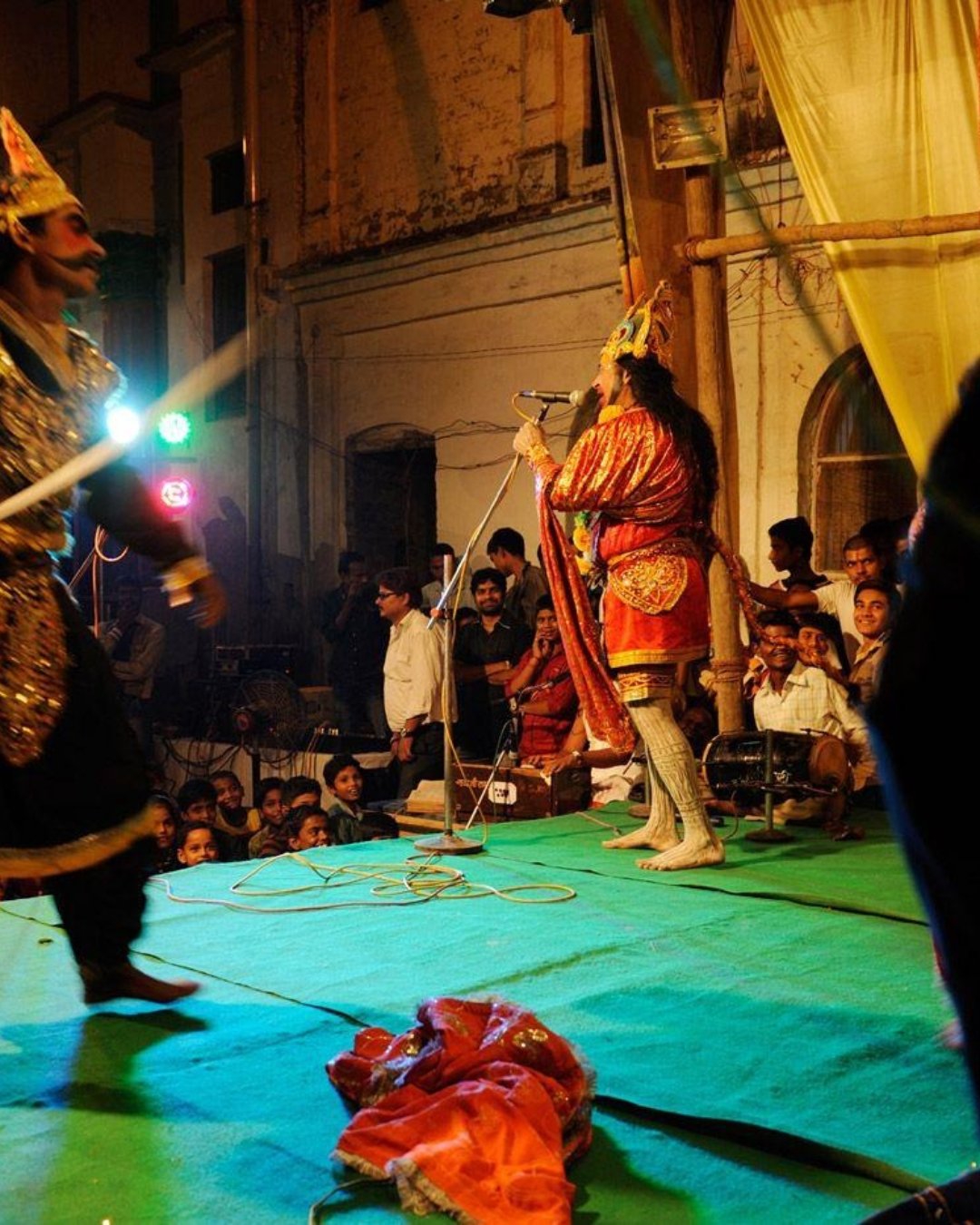
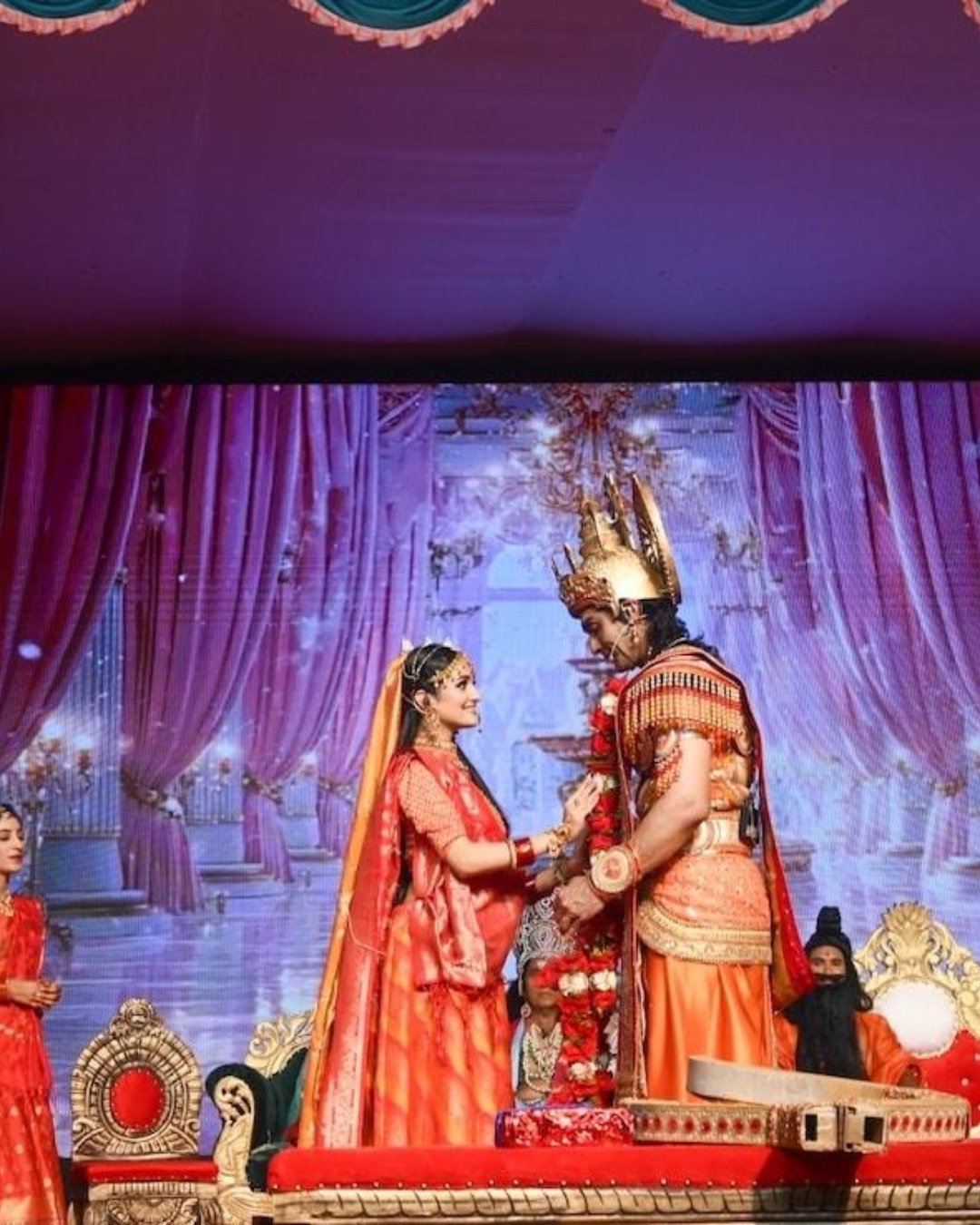
Watching One
A Ramlila is an evening that goes on, and the way to watch it is to stop expecting it to end.
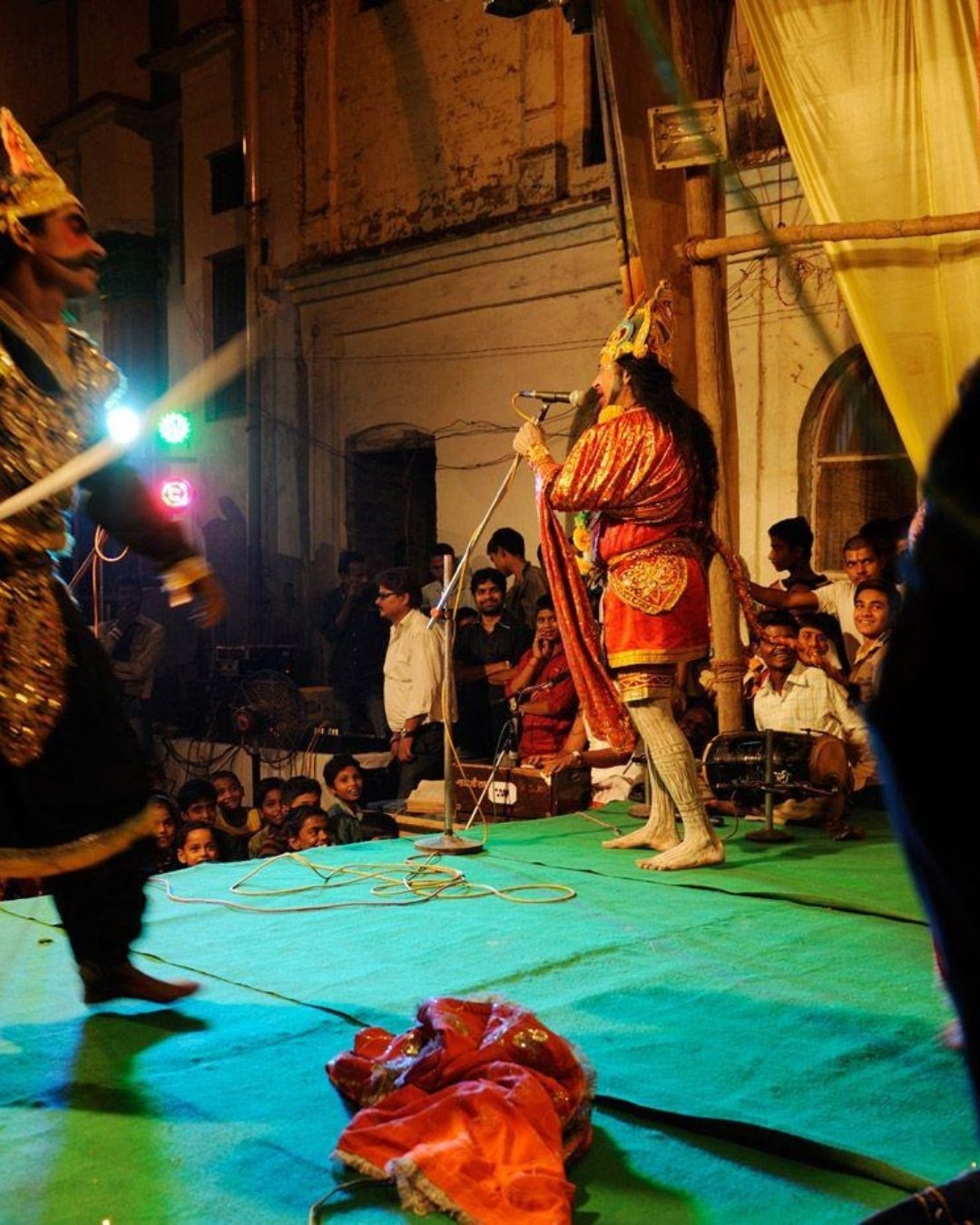
•Performances generally begin in the evening, from around eight, and run late.
•They are staged in the open air, usually on ground a neighbourhood has used for the purpose for years.
•The form runs over consecutive nights, with each night covering a section of the story, so what you see depends on which night you arrive.
•Dramatic force comes from a succession of icons marking the climax of each scene rather than from continuous action.
•The audience sings along and joins the narration, and that participation is part of the performance rather than an interruption of it.
•Exact timings and venues vary by samiti and are not centrally published — ask locally on the day.
Pro tip: Go on more than one night if you can. A single night gives you one episode out of a sequence, and the sequence is where the thing lives.
The mistakes that ruin it:
•Arriving at the start and leaving after an hour because nothing appears to be resolving.
•Expecting a published schedule. Ask locally instead.
20
MomentRam Katha Park, Ayodhya
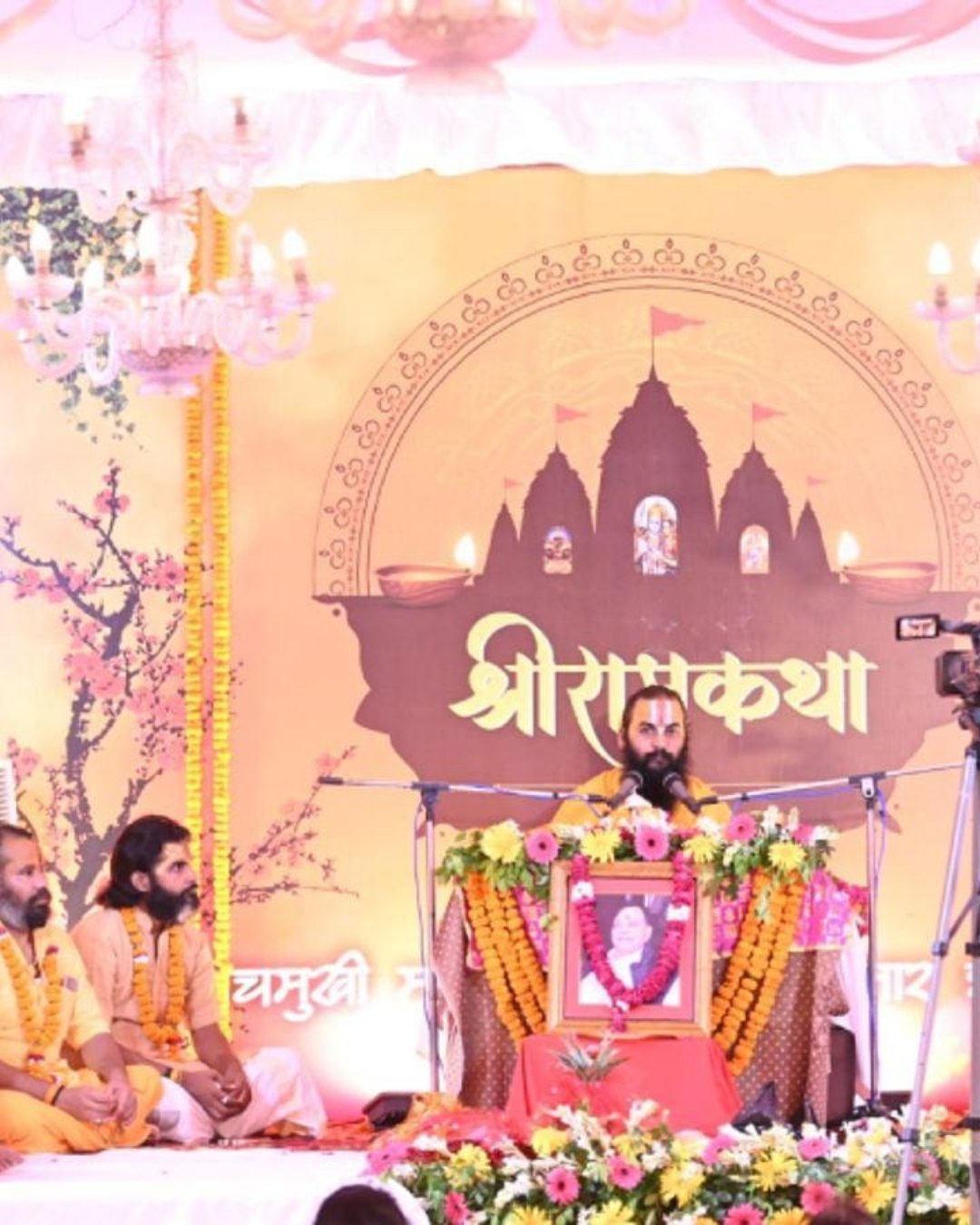
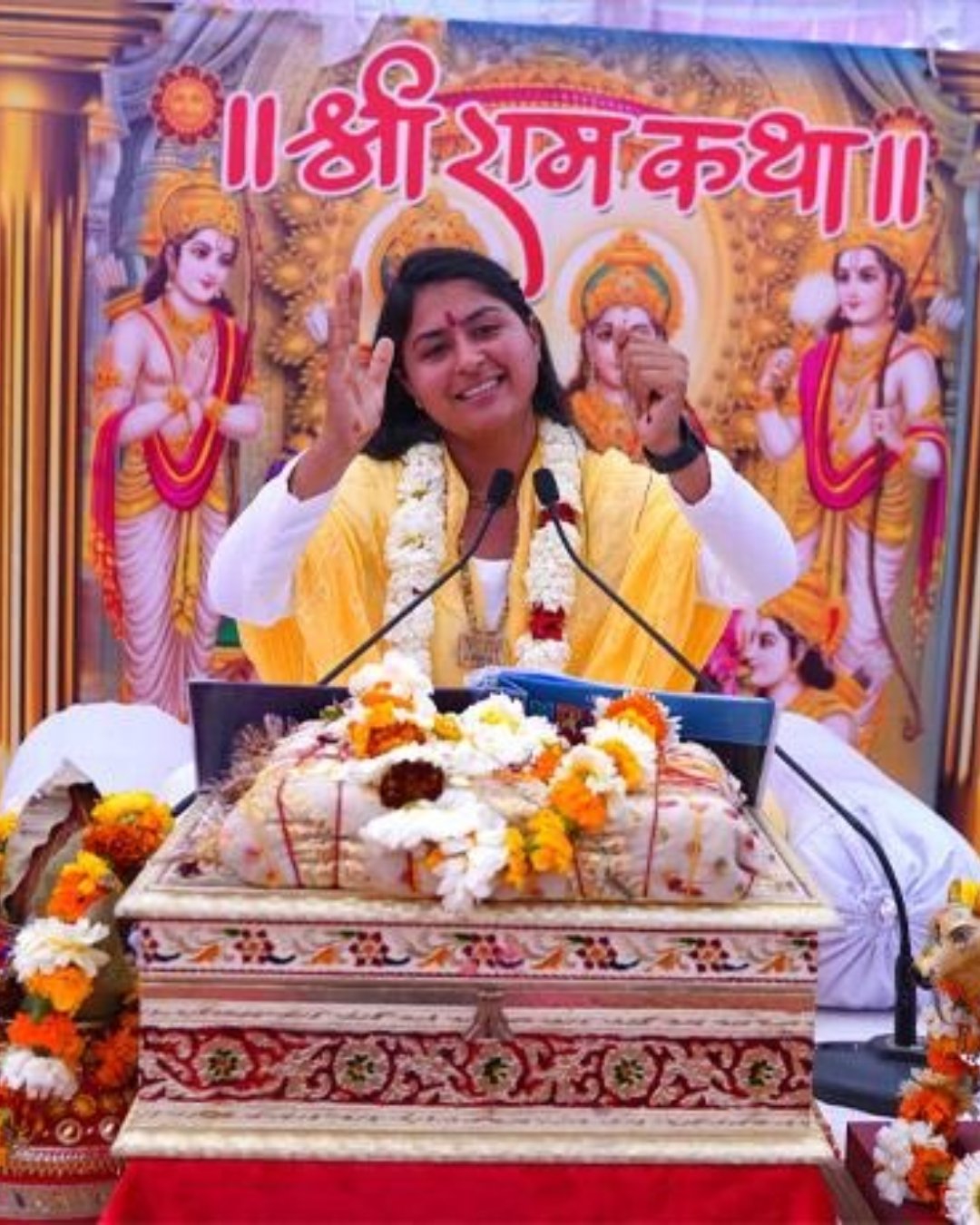
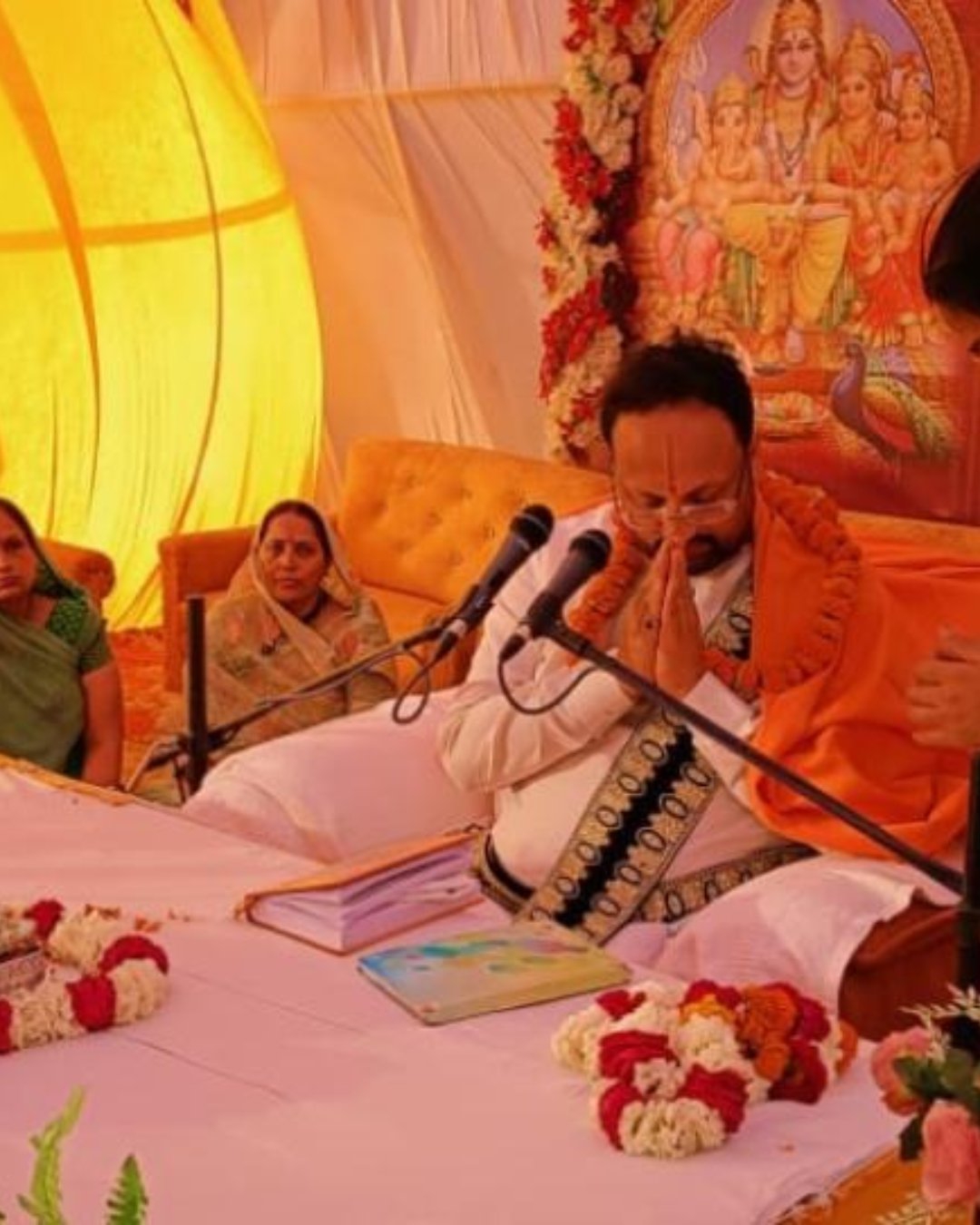
Ram Katha, and the Voice Rather Than the Stage
The other way the story is told here has no stage, no costumes and no interval.
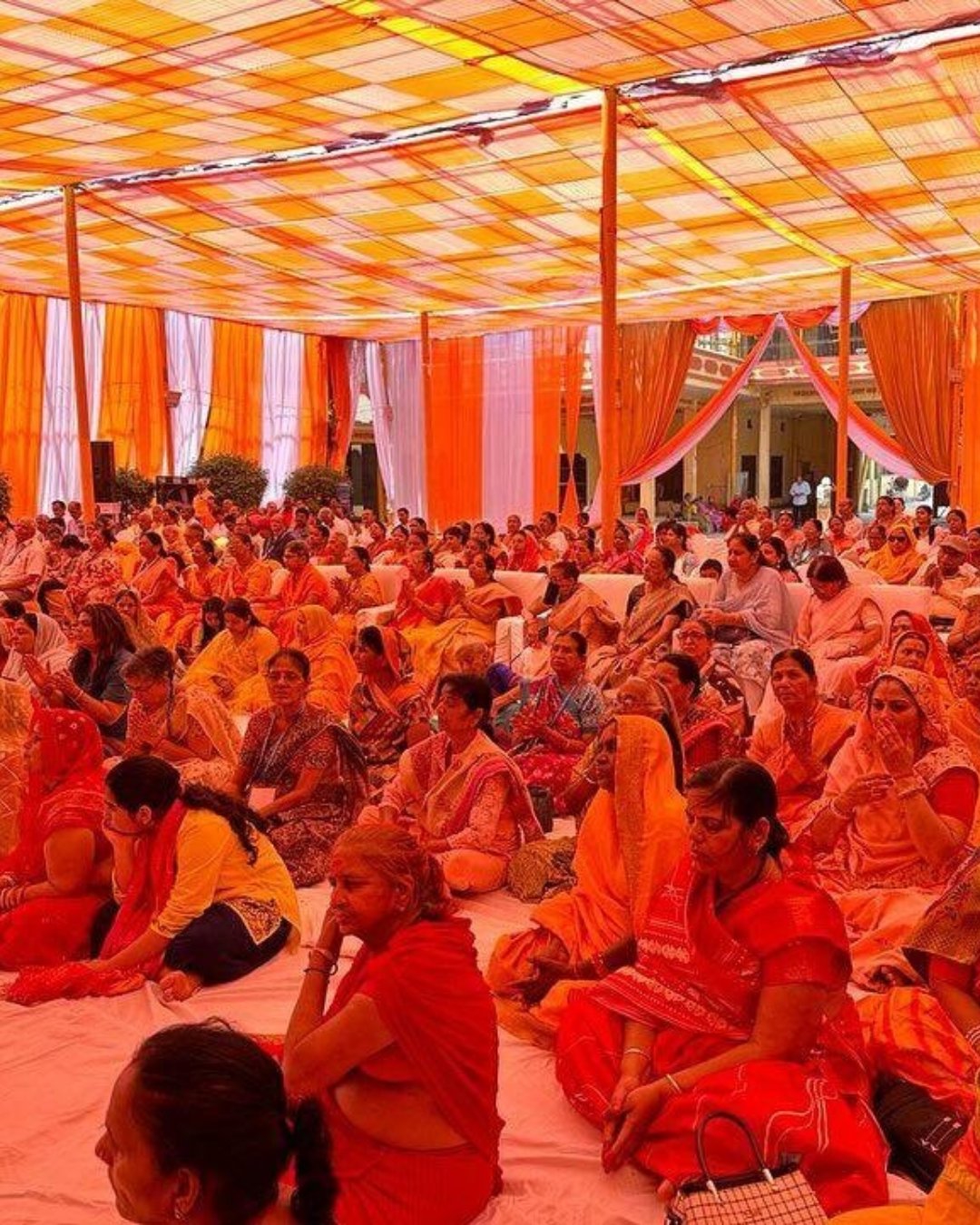
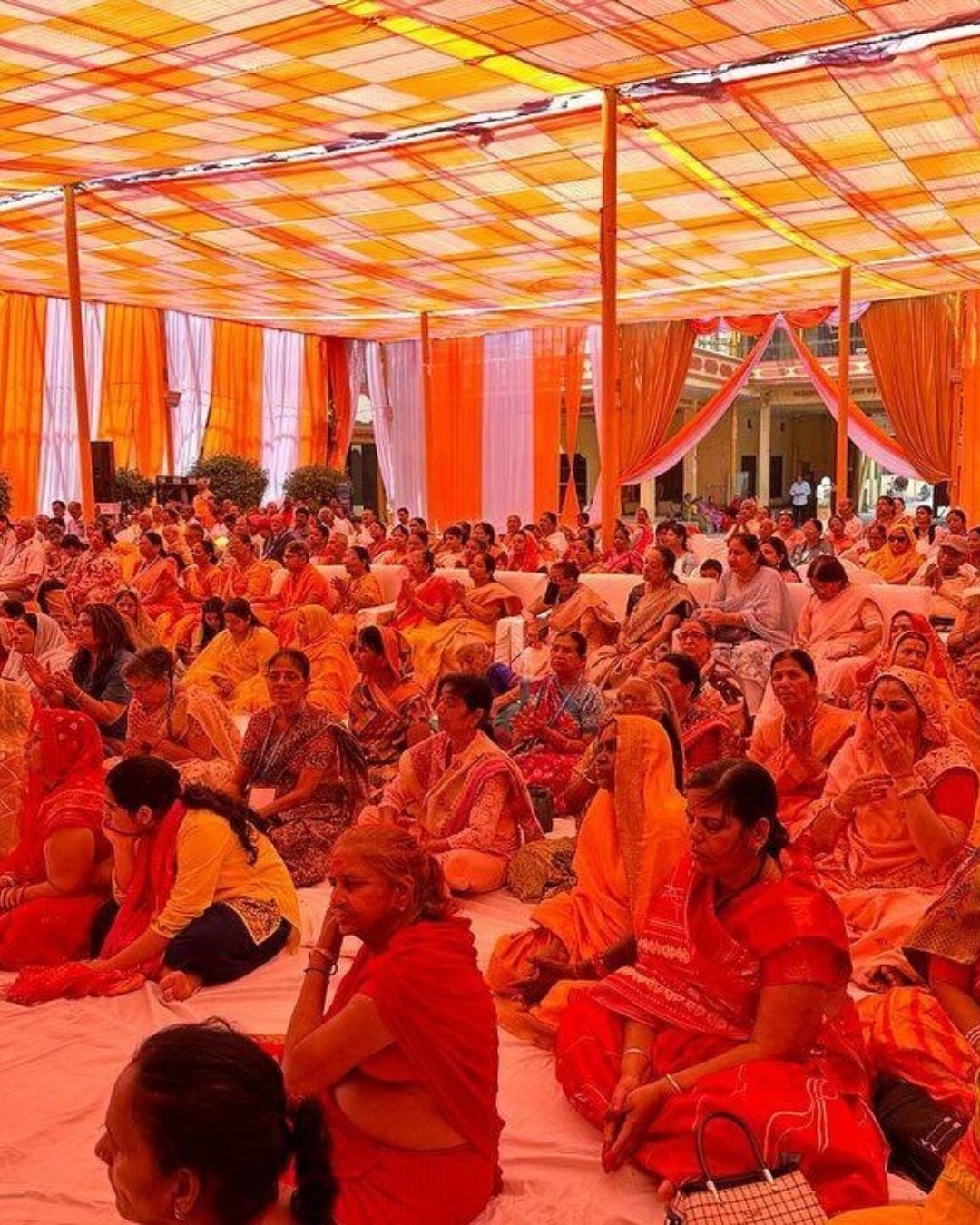
•Ram Katha is recitation and exposition of the Ram story, delivered by a kathavachak — a narrator who both recites the text and expounds on it.
•Sessions run over consecutive days rather than a single evening, and audiences return night after night.
•Akhand Path, continuous unbroken recitation of the text, is undertaken at temples and mathas on particular occasions.
•Bhajan and kirtan — devotional singing — run alongside both, and are the most constant sound in the town after the aartis.
•Recitation is what you are most likely to encounter without planning for it, because some of it is happening most of the time.
•It is chanted in Awadhi verse rather than spoken, so it registers as music even if the words do not.
Pro tip: If you hear recitation while walking, stop for ten minutes rather than walking on. It is the most ordinary and most constant expression of the thing the whole town is organised around.
The mistakes that ruin it:
•Expecting a performance and dismissing recitation as background.
•Photographing or recording a katha session without asking.
13
MomentRam Katha Park, Ayodhya
When to Come, and Why the Dates Move
All of this has a season, and the season moves every year.
•Ramlila is performed during the autumn Dussehra and Navratri season, which falls by the ritual calendar rather than a fixed date.
•Ram Navami in spring, which marks Ram's birth, brings recitation and celebration rather than staged performance.
•Deepotsav, the lamp lighting on the eve of Diwali, falls close to the Ramlila season and marks Ram's return from exile.
•Because all of these follow the lunar calendar, the Gregorian dates shift by weeks from year to year.
•Accommodation across the town moves with them, so the cultural calendar and the booking calendar are the same calendar.
•Outside these windows, recitation and devotional singing continue, but staged Ramlila does not.
Pro tip: Check the current year's Dussehra dates before booking anything if Ramlila is your reason for travelling. Everything else about the trip can be arranged around it; the season cannot be moved.
The mistakes that ruin it:
•Planning from last year's dates.
•Arriving in summer expecting to find staged performance.
Destination
Ayodhya, Uttar Pradesh, India
Common questions
01Question
Is Ramlila in Ayodhya recognised by UNESCO?
Ramlila was inscribed on UNESCO's Representative List of the Intangible Cultural Heritage of Humanity in 2008, and UNESCO's description names the most representative Ramlilas as those of Ayodhya, Ramnagar and Benares, Vrindavan, Almora, Sattna and Madhubani — with Ayodhya first.
02Question
When is Ramlila performed in Ayodhya?
During the autumn Dussehra and Navratri season, which follows the ritual calendar rather than a fixed date, so it moves by weeks each year. Most Ramlilas run over ten to twelve days, with each night covering a section of the story. Staged performance does not happen outside this season.
03Question
What is the Ramcharitmanas?
The sixteenth-century composition by Tulsidas on which most northern Indian Ramlilas are based. He wrote it in Awadhi — the language of the region around Ayodhya — to make the Sanskrit epic available to everyone, and its verses are used directly as dialogue in traditional performances.
04Question
Who organises Ramlila performances?
Local committees called samitis, funded by the villagers or urban neighbourhoods that host them rather than by the state or a temple trust. A core team of performers trains for the dance-drama, but performances also draw impromptu participation from the audience and local residents.
05Question
What is Ram Katha?
Recitation and exposition of the Ram story by a kathavachak, who both recites the text and expounds on it. Sessions run over consecutive days and audiences return night after night. It is chanted in Awadhi verse rather than spoken, so it registers as music even to listeners who do not follow the words.
06Question
Can visitors attend a Ramlila?
Yes, and there is usually no ticket. Performances are staged in the open air, generally beginning around eight in the evening, and the audience is invited to sing and take part in the narration. Timings and venues vary by samiti and are not centrally published, so ask locally on the day.
More to explore
Go further into one part of this trip.