

Tulsidas, Awadhi, and Why the Language Matters Here
Ram Katha Park, Ayodhya, India
The text that every Ramlila is built on was written in the language spoken around Ayodhya.
•Most Ramlilas in northern India are based on the Ramcharitmanas, composed by Tulsidas in the sixteenth century.
•He wrote it in Awadhi — the language of the Awadh region, which is to say the language of this part of Uttar Pradesh.
•The stated purpose was to make the Sanskrit epic available to everyone rather than to scholars alone, which is why it became the most popular storytelling form in the north.
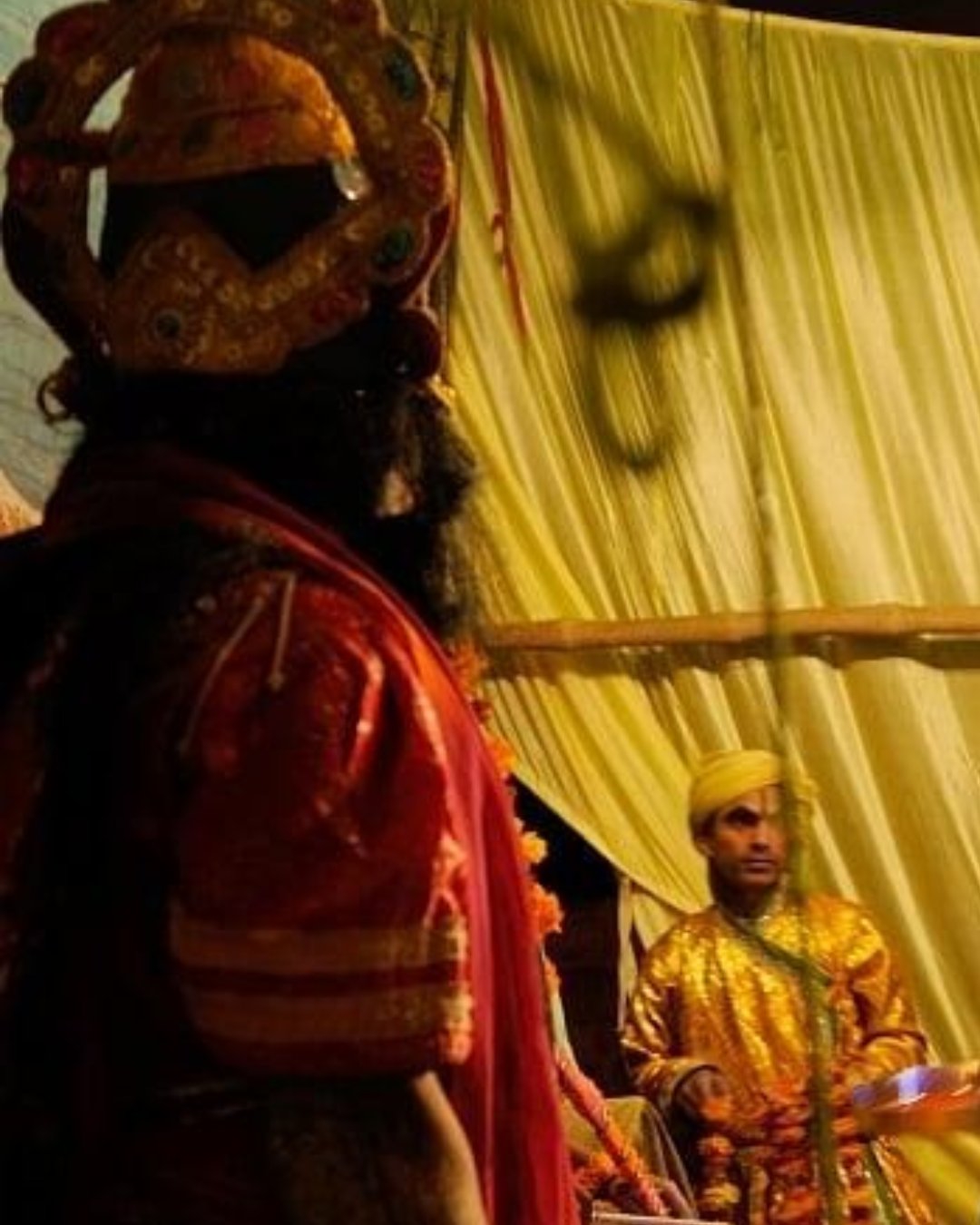
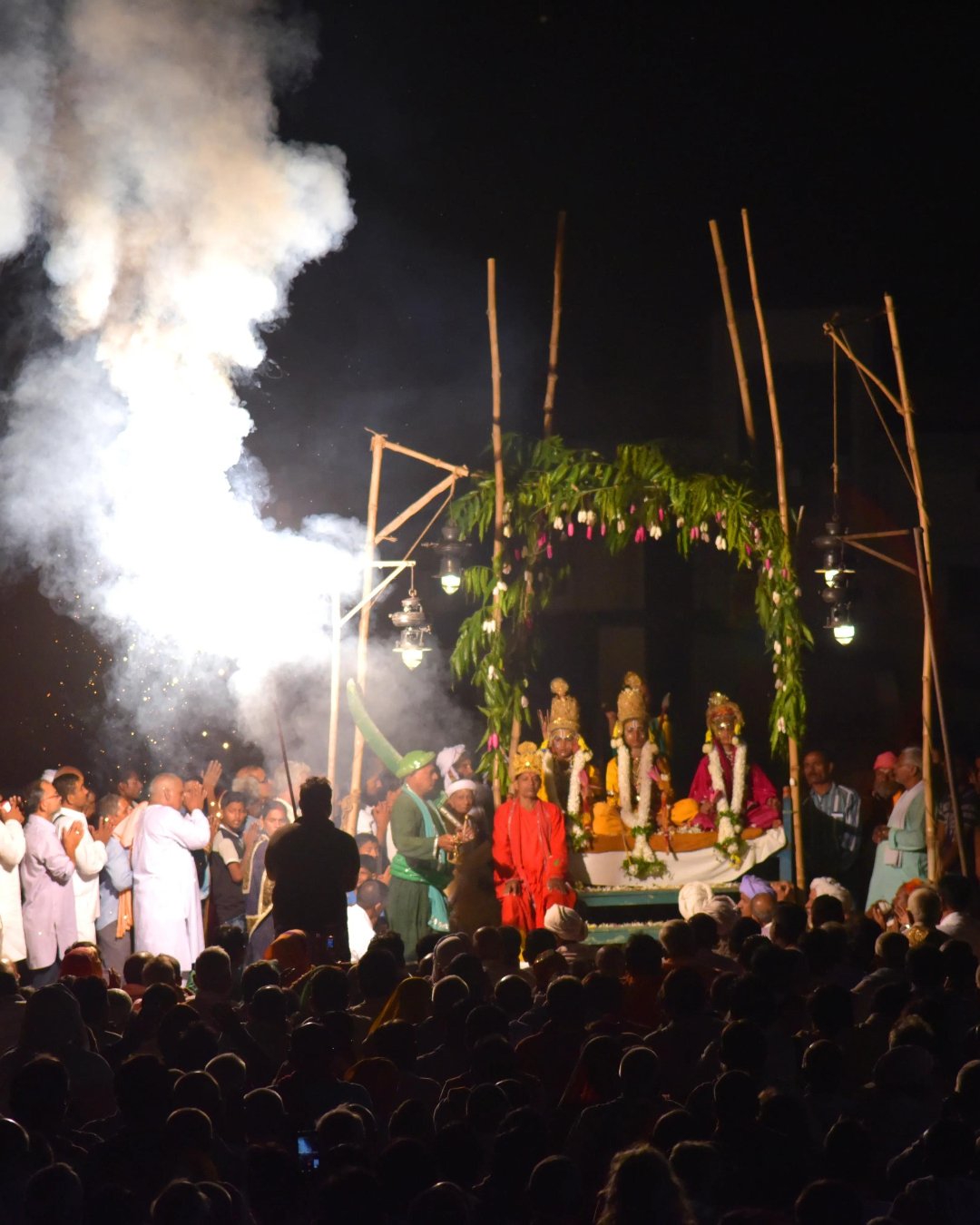
•Its verses are used directly as dialogue in traditional Ramlila adaptations, so what you hear performed is the text itself rather than a script derived from it.
•Tulsidas belongs to the Ramanandi tradition, the monastic order that dominates Ayodhya.
•Knowing the text is in the local language changes how the performance sounds, even to someone who does not speak it.
Pro tip: Read a few pages of the Ramcharitmanas in translation before you come. Recognising even a handful of moments while they are being performed is the difference between watching a ritual and following a story.
The mistakes that ruin it:
•Assuming the performances are in Sanskrit.
•Missing that the most popular version of the epic was written in the language of this region.