

Fitting Stillness Around a Temple Clock
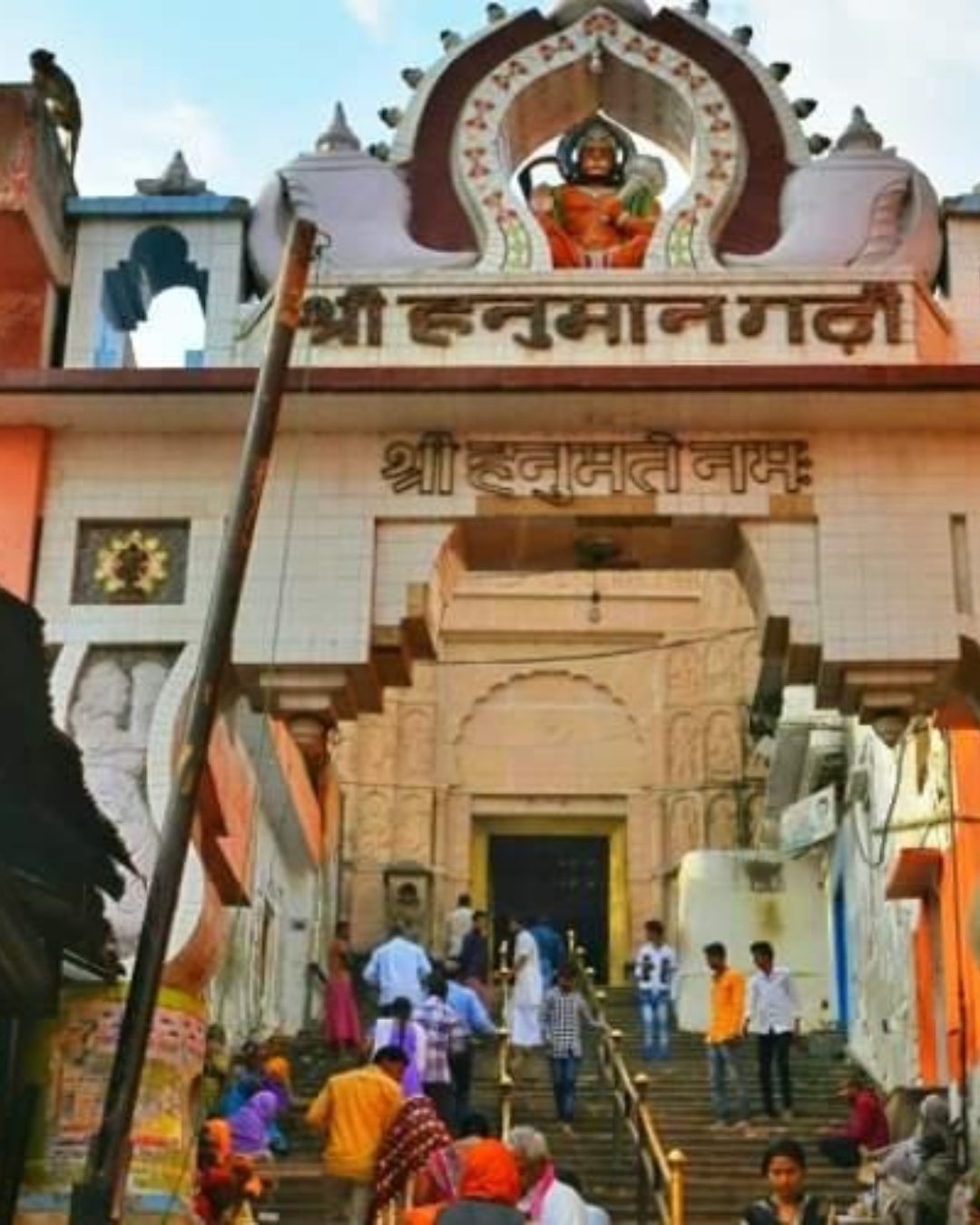
Shri Hanuman Garhi Mandir, Ayodhya, India
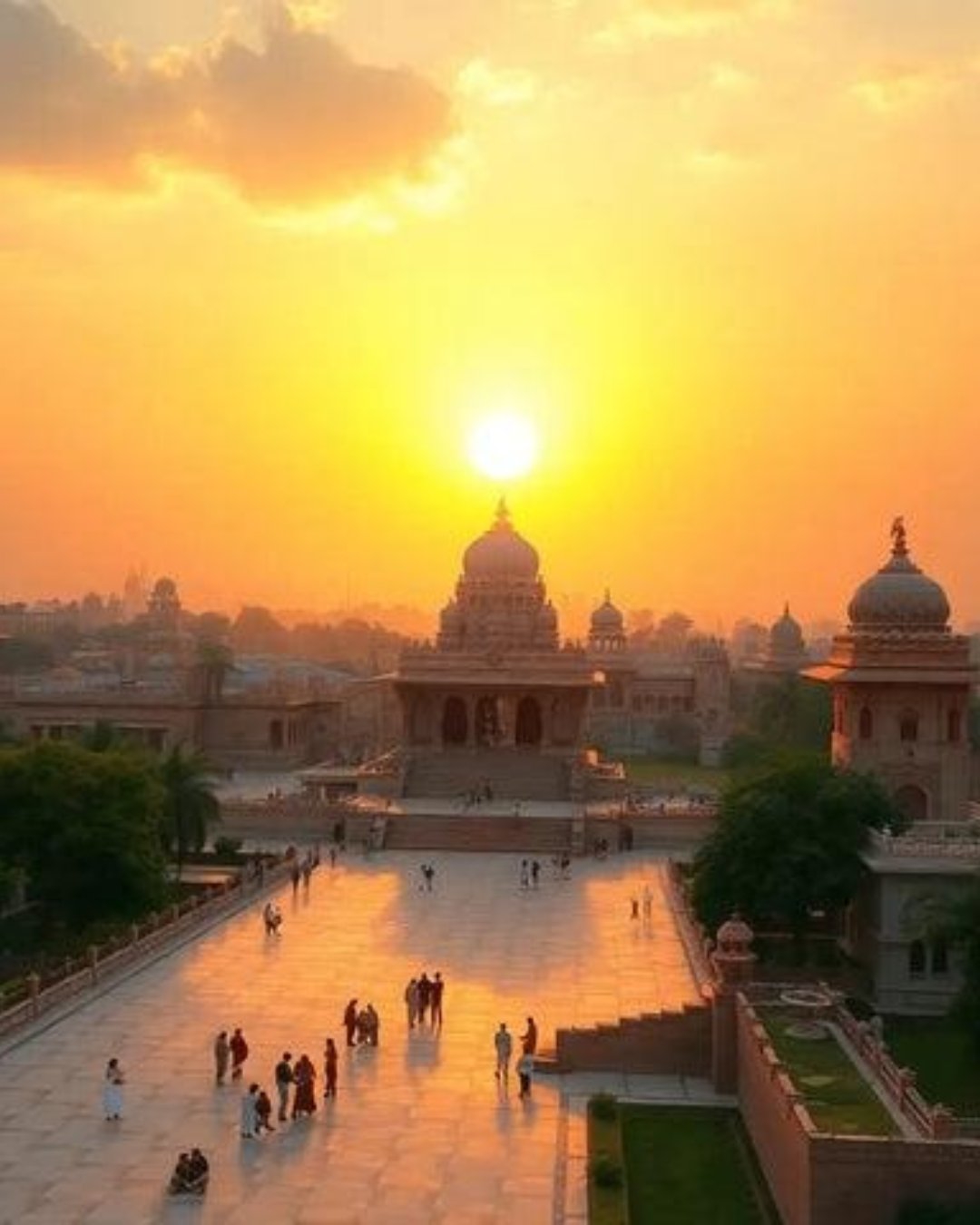
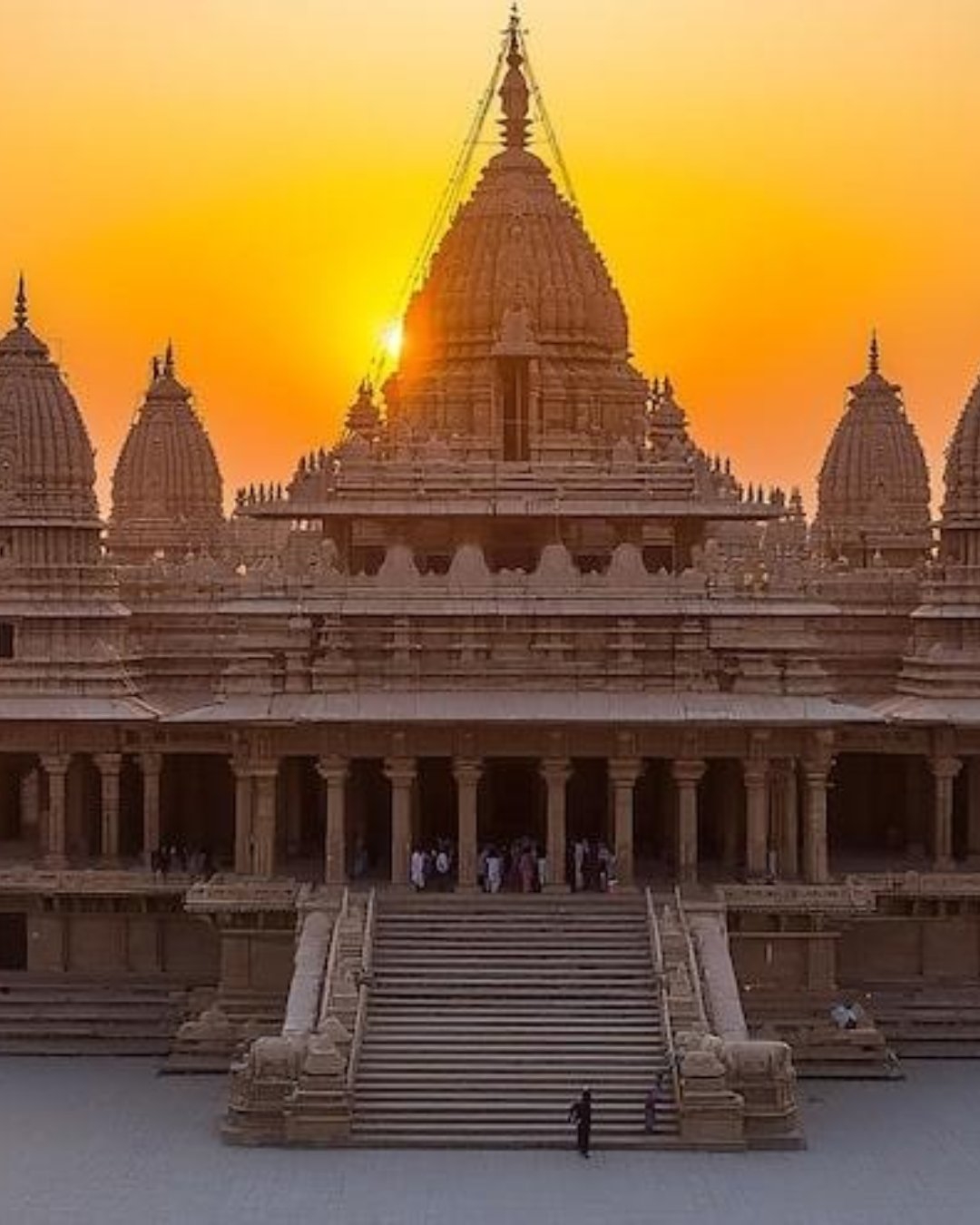
A slow trip to Ayodhya still runs on the temple's timetable, and the trick is to stop fighting it.
•The morning darshan window is the busiest and most rewarding part of the day, and it sits immediately after the quietest.
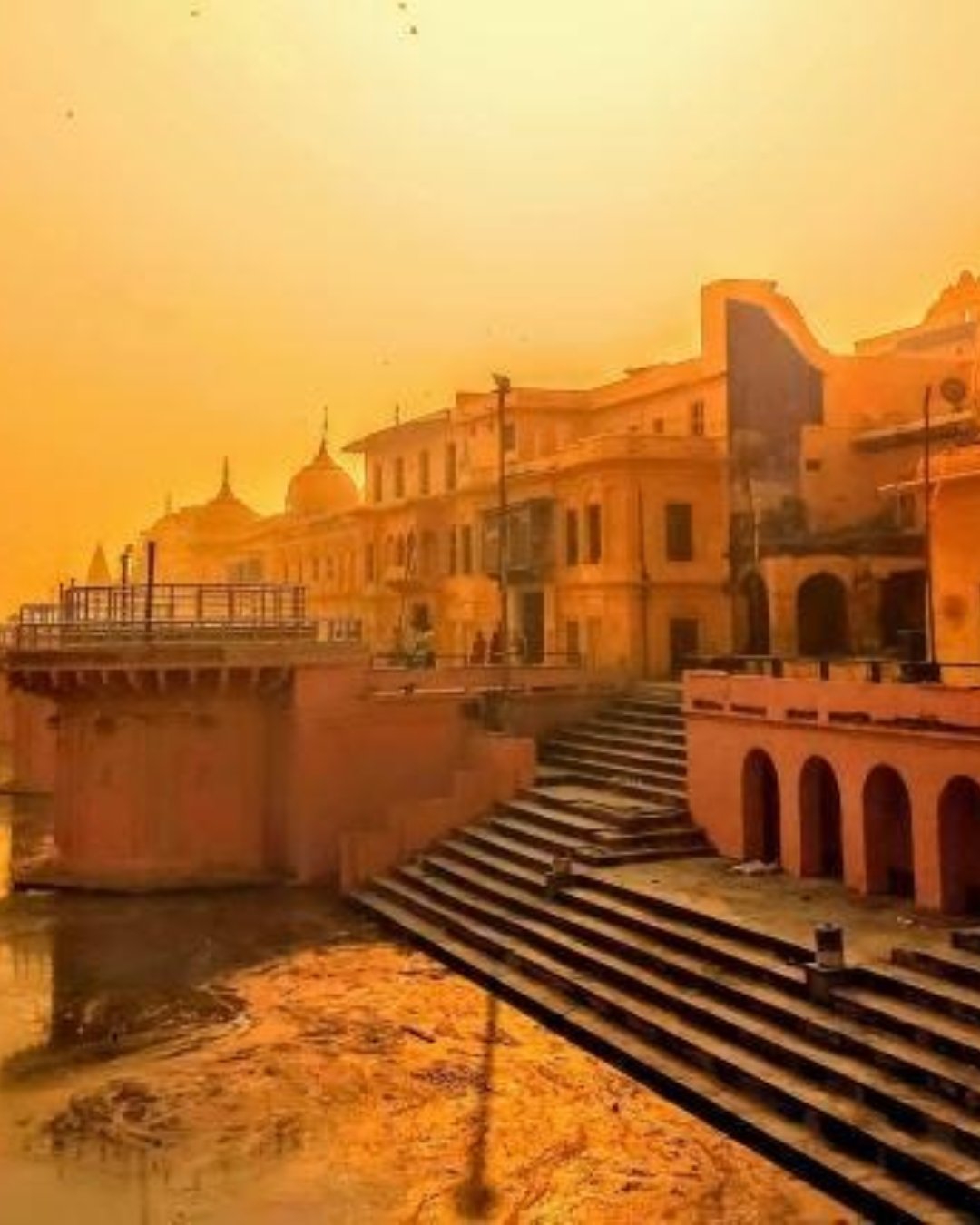
•That sequence — river at dawn, darshan at opening, breakfast afterwards — is the natural shape of a morning here.
•The midday closure is the natural rest, and treating it as a scheduled pause rather than an obstacle changes the whole day.
•The evening belongs to the aarti at the ghats, which is communal rather than solitary and is worth attending on those terms.
•Three or four days is enough to settle into this rhythm. One or two is not.
•Everything about darshan timings, passes and queues is covered separately, and worth reading before you plan a slow trip around them.
Pro tip: Give the trip four days rather than two if stillness is the point. The first two are spent learning the town's rhythm; the value arrives once you stop consulting a plan.
The mistakes that ruin it:
•Building a contemplative trip around a two-day itinerary.
•Scheduling activity through the midday closure and wondering why the day feels relentless.